
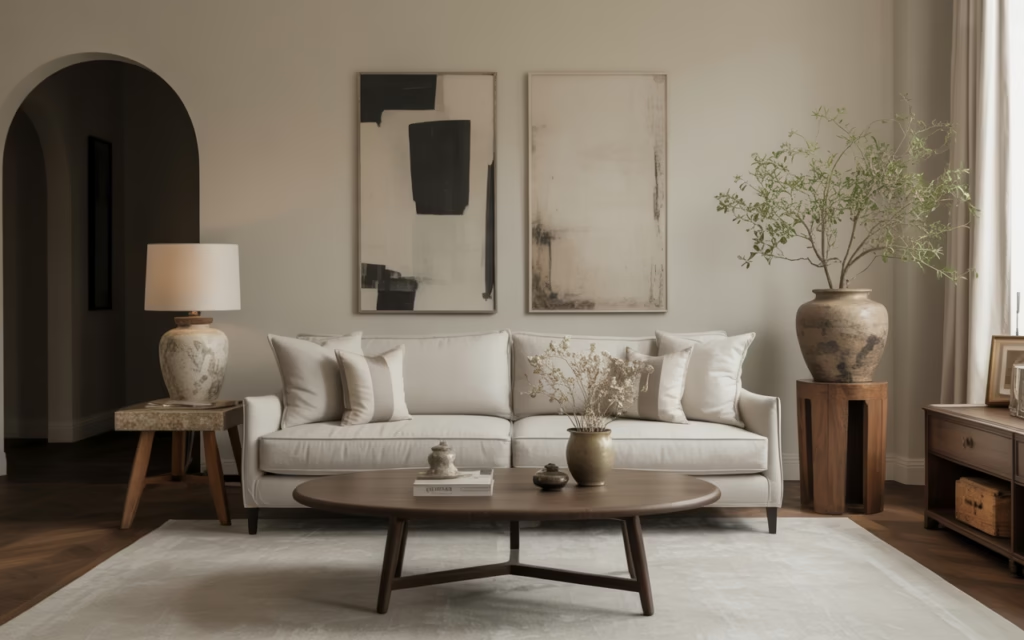
Anyone who’s ever redecorated a room halfway through a Pinterest wormhole knows the struggle: you see a perfect aesthetic, you click five times, and suddenly you’re elbow‑deep in throw pillows and neutrals you can’t justify. 😅
That’s why I put together these 15 artful aesthetic home inspiration ideas, not just pretty pictures to scroll past, but real, actionable vibes you can weave into your space, even if you’re on a budget.
What “Artful Aesthetic” Actually Means
First, let’s strip away the buzzwords.
“Artful aesthetic” doesn’t mean you need a museum‑worthy gallery at home (unless you want one). It means:
- Intentional choices, not random decor dumps.
- A cohesive vibe instead of “Pinterest vomit.”
- Moments that feel personal instead of basic.
Ask yourself:
“Would this still look good in five years, or is it just trendy right now?”
Once you tune into that, choosing decor suddenly becomes way less stressful.
1. Embrace the Japandi Aesthetic
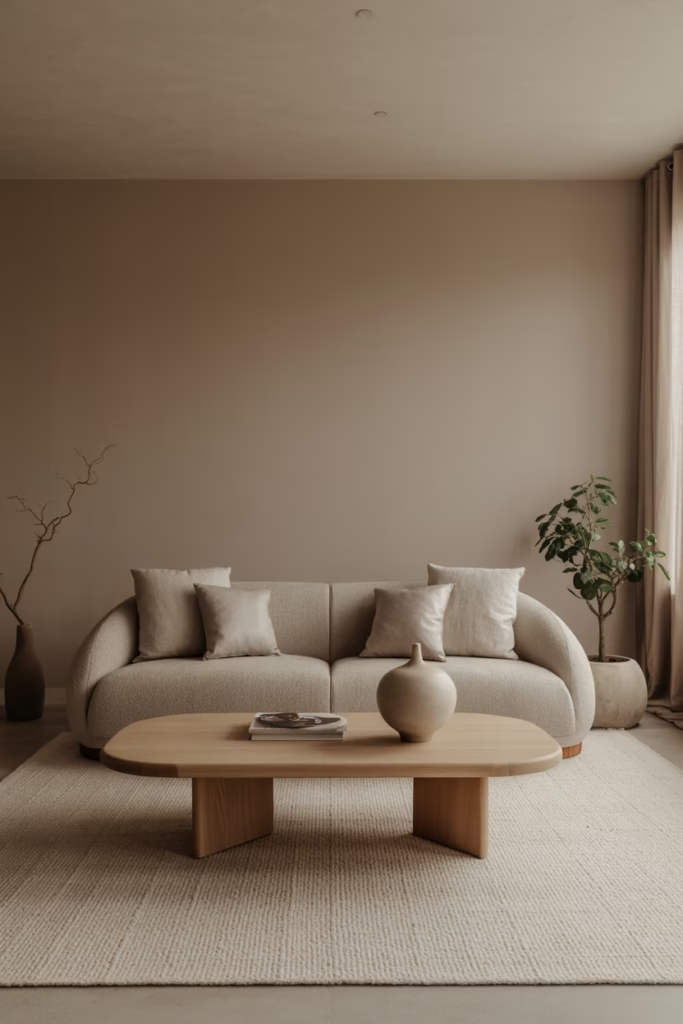
Japandi, the love child of Japanese minimalism and Scandinavian simplicity is honestly one of the most calming design styles you’ll ever encounter. It’s all about clean lines, neutral tones, and furniture that actually serves a purpose (imagine that!).
Think warm whites, soft greys, and natural wood finishes working together in perfect harmony. The key here is intentionality — every object in the room earns its place. No random knick-knacks that your aunt gifted you in 2015.
- Use low-profile furniture with clean silhouettes
- Stick to a palette of warm neutrals — cream, taupe, ash, charcoal
- Layer natural textures like linen, jute, and raw wood
If clutter makes you anxious, Japandi is basically your interior design spirit animal.
2. Go Maximalist with Gallery Walls
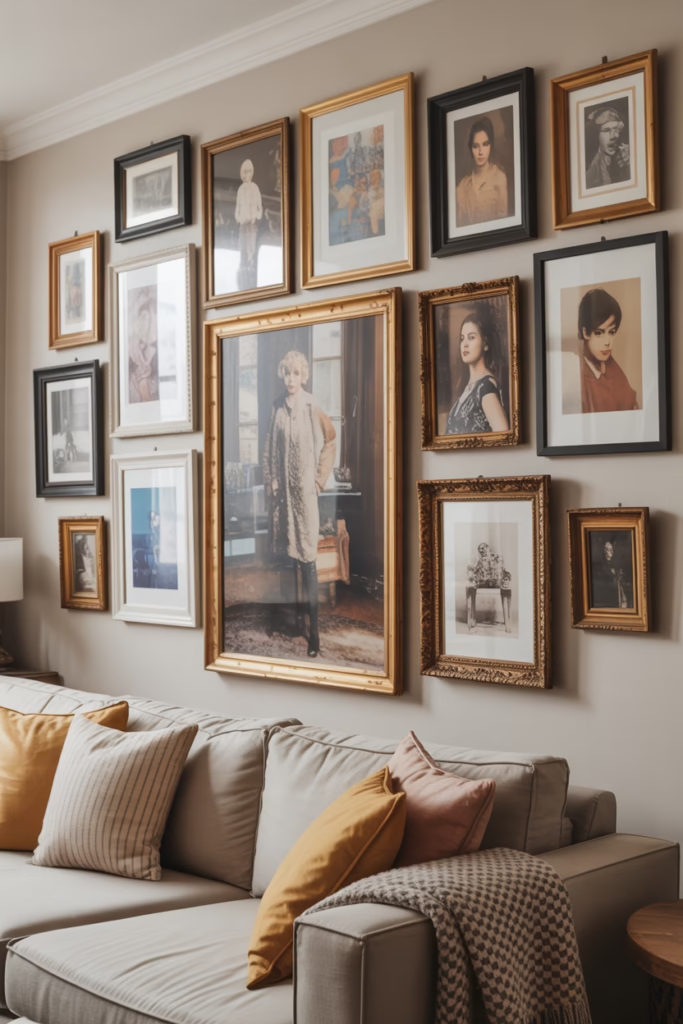
On the complete opposite end of the spectrum, gallery walls let your personality explode all over your walls in the best possible way. IMO, a well-done gallery wall is the fastest way to make a home feel like yours.
Mix frame sizes, artwork styles, and even mediums. Pair a vintage oil painting with a modern abstract print and a few personal photographs. The “mismatched on purpose” vibe is what makes it feel collected and intentional rather than chaotic.
- Vary frame finishes — black, gold, natural wood all together looks amazing
- Include at least one oversized anchor piece to tie the composition together
- Leave some breathing room between frames so the wall doesn’t feel suffocating
Pro tip: lay your arrangement on the floor first before you start putting holes in your walls. Trust me on this one. 🙂
3. Bring the Outdoors In with Biophilic Design
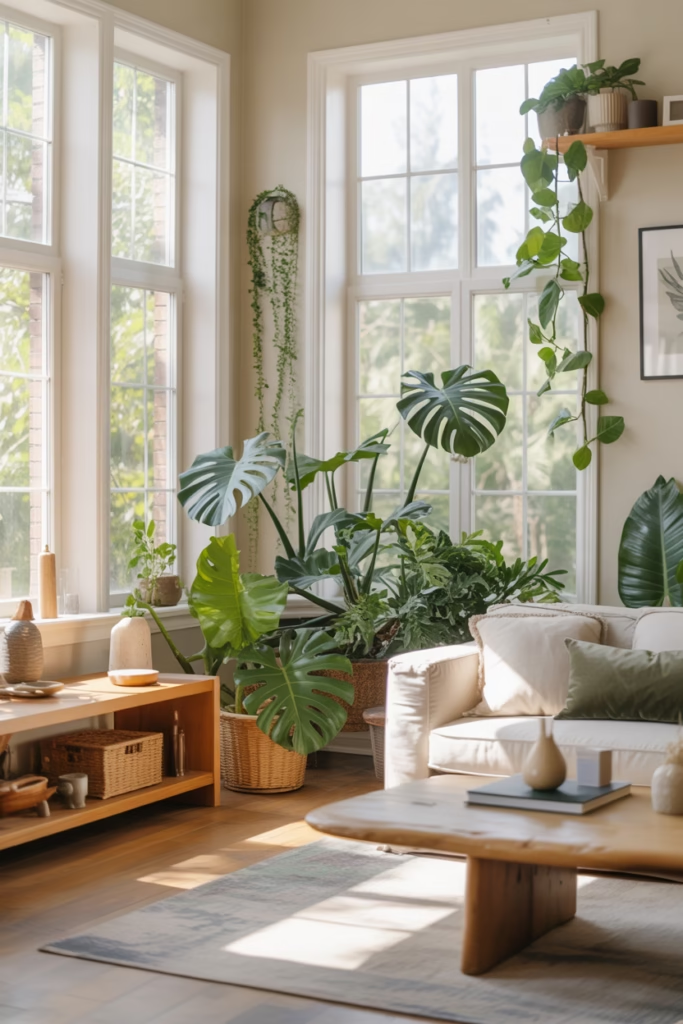
Biophilic design is just a fancy way of saying “put more plants in your house.” But it goes deeper than a single fiddle-leaf fig in the corner (which everyone has at this point, by the way).
The idea is to create a genuine connection between your indoor space and the natural world. Think natural light, organic shapes, raw materials, and yes — a lot of greenery. Research actually shows that biophilic interiors reduce stress. So your plant obsession is officially backed by science. You’re welcome.
- Use trailing plants like pothos or string of pearls on shelves
- Choose furniture with organic, curved shapes rather than rigid angles
- Install sheer curtains to maximize natural light without losing privacy
4. Layer Textures Like a Pro
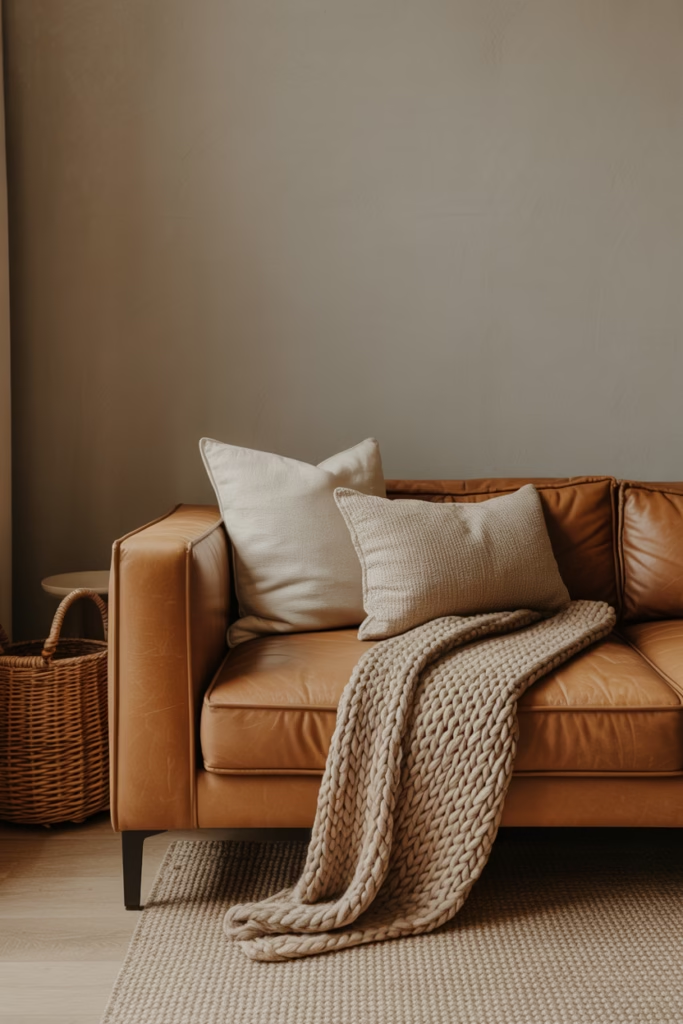
Ever walk into a room and feel instantly cozy without knowing exactly why? Texture layering is usually the secret. When a room combines multiple tactile surfaces, it creates visual warmth and depth that paint colors alone can’t achieve.
A velvet sofa next to a chunky knit throw on a jute rug? Chef’s kiss. The contrast between smooth, rough, soft, and woven surfaces keeps the eye moving and the space feeling alive.
- Combine at least three textures in any single seating area
- Don’t forget ceiling and wall textures — limewash paint and exposed brick are having a major moment
- Use textured cushions and throws to update a room seasonally without redecorating
5. Commit to a Moody Color Palette
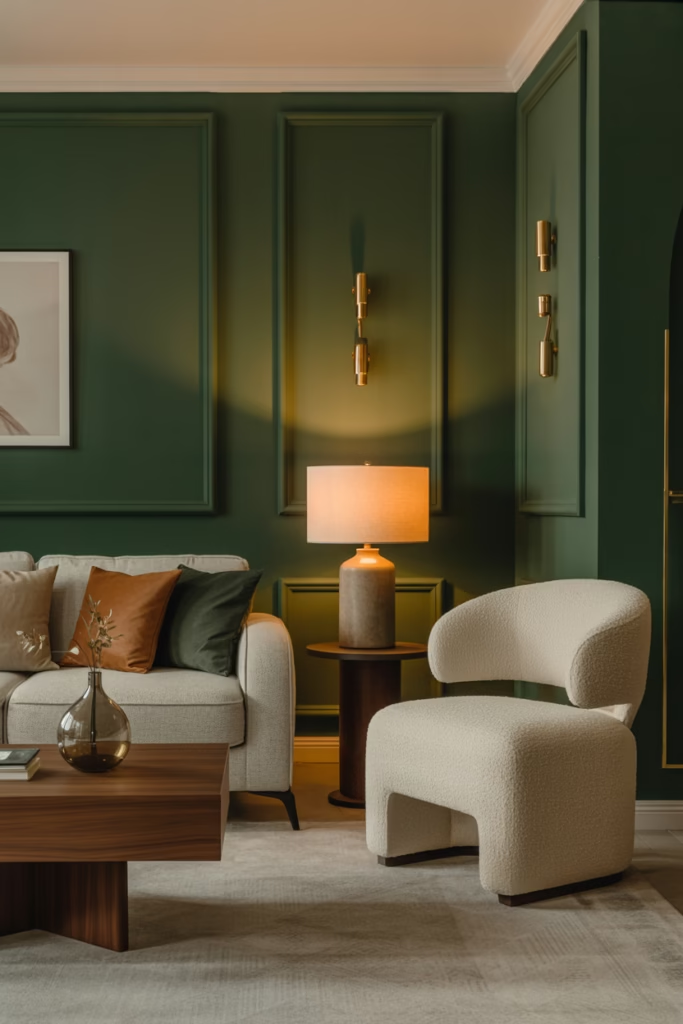
If you’ve been playing it safe with light grey and white walls, here’s your sign to go darker. Deep, moody colors like forest green, navy, terracotta, and charcoal are transforming ordinary rooms into incredibly dramatic, cozy spaces.
Dark walls actually make a room feel more intimate and luxurious — not smaller, as the myth goes. The trick is to balance a bold wall color with the right lighting and complementary furnishings.
- Forest green pairs beautifully with brass hardware and warm wood tones
- Deep navy works well with cream upholstery and silver or chrome accents
- Charcoal grey is incredibly versatile and gives any room a sophisticated edge
Don’t be scared. Paint is one of the cheapest changes you can make, and it delivers some of the biggest impact.
6. Curate a Thoughtful Bookshelf Display
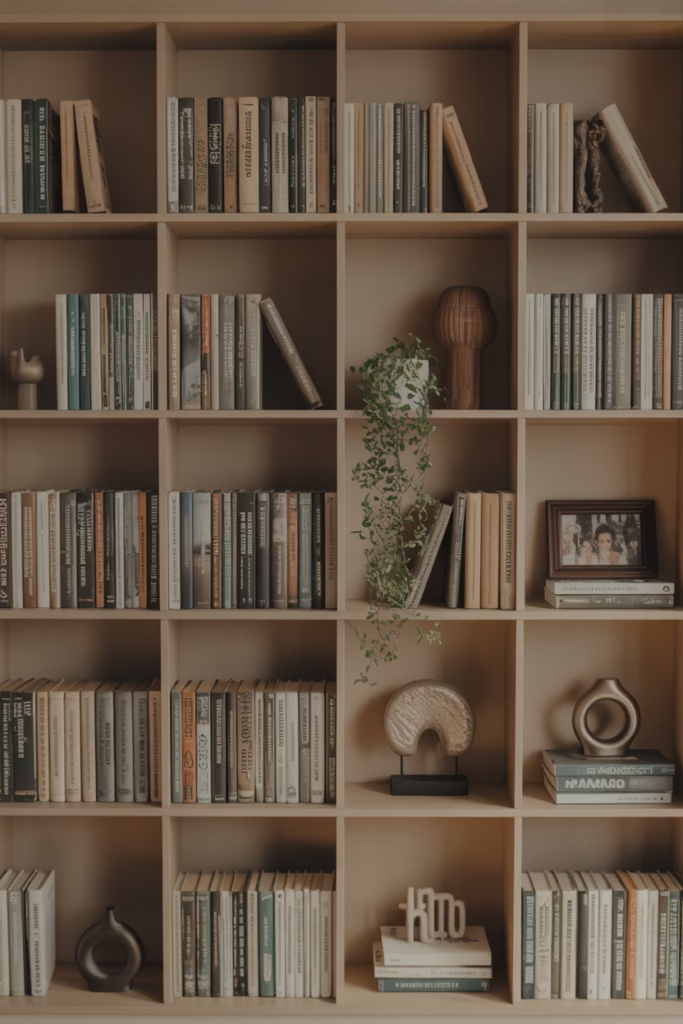
A bookshelf isn’t just for books anymore. When styled thoughtfully, a bookshelf becomes one of the most compelling focal points in any room. This is where you get to show off your personality without saying a single word.
The key is balance — you want books, objects, plants, and empty space working together. Packing every inch is the number one bookshelf mistake people make. Give your shelves room to breathe.
- Alternate vertical and horizontal stacks of books for visual rhythm
- Mix in sculptural objects, small plants, and framed art or photos
- Keep a consistent color palette across the shelf to avoid visual chaos
- Face a few books outward to show covers — especially ones with beautiful spines
7. Invest in Statement Lighting
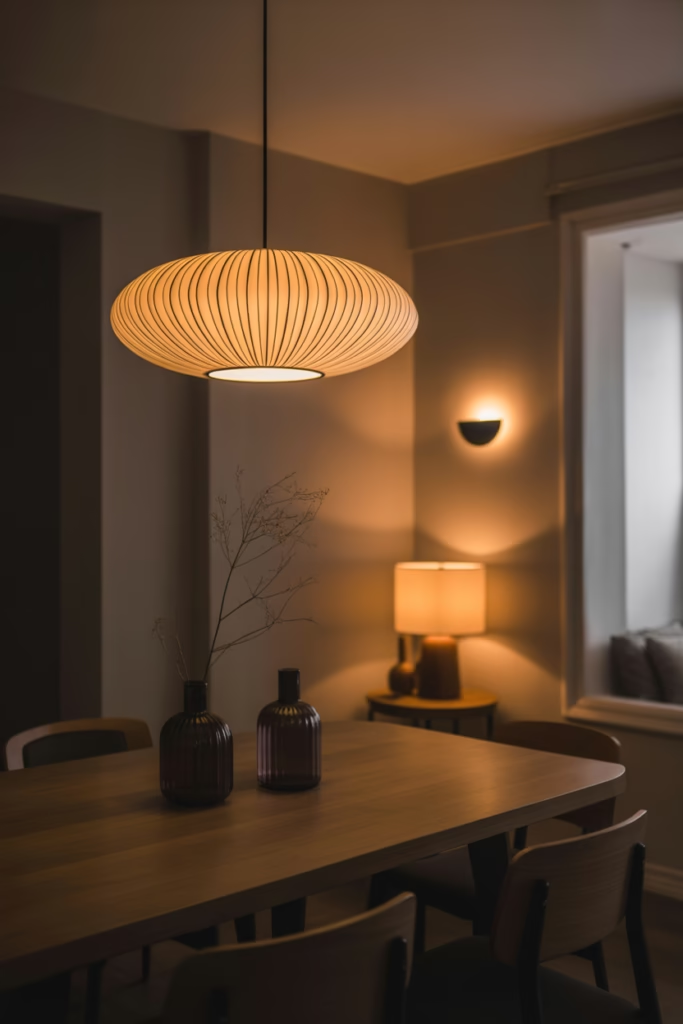
Lighting might be the most underrated design tool in every home. Most people settle for the builder-grade ceiling fixture and call it a day — and honestly, that’s a crime against aesthetics. :/
Statement lighting — a sculptural pendant, an arched floor lamp, a cluster of rattan pendants — instantly elevates a room’s personality. And unlike furniture, lighting is relatively easy to swap out as trends evolve.
- Use layered lighting: ambient (overhead), task (desk/reading), and accent (wall sconces, table lamps)
- Warm-toned bulbs (2700K–3000K) make any space feel instantly cozier
- A large pendant over a dining table is the single easiest way to make a dining room feel designed
8. Create a Cozy Reading Nook
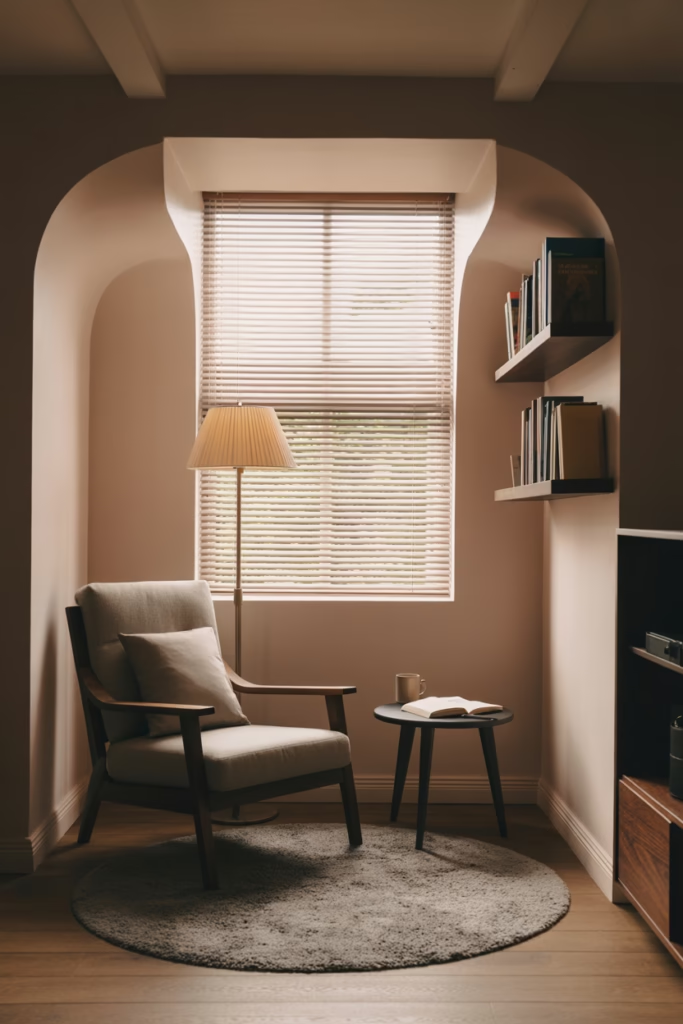
Is there anything more aesthetically satisfying than a perfectly styled reading nook? Whether it’s tucked under a staircase, carved out of a bay window, or simply a corner with the right chair — a dedicated reading spot makes a home feel intentional and personal.
You don’t need a massive space to pull this off. A comfortable chair, good lighting, a small side table, and a few shelves is genuinely all it takes.
- Choose a chair with good back support — aesthetics and comfort should both win
- Add a floor lamp that positions light directly over your shoulder
- Use built-in shelving or floating shelves to keep books within arm’s reach
- Layer a plush rug underneath to define the space
9. Mix Old and New Pieces
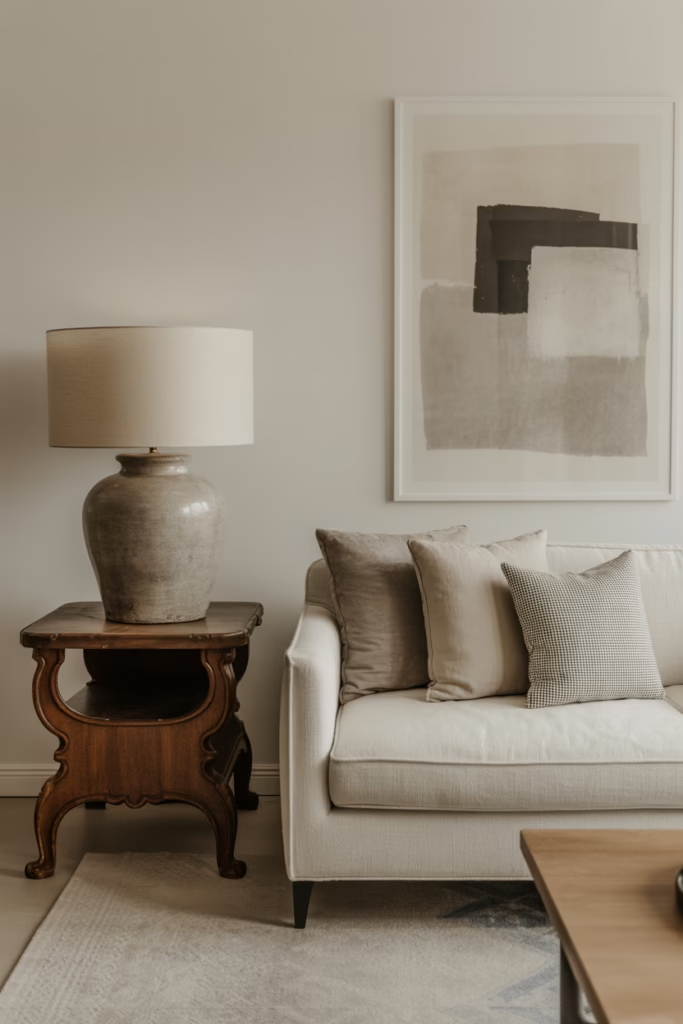
Here’s a design secret the pros use constantly: mixing vintage or antique pieces with modern furniture creates a space that feels curated, layered, and genuinely interesting. A room filled entirely with brand-new furniture often looks like a showroom — a little sterile and impersonal.
That vintage ceramic lamp your grandmother had? It might be the most interesting thing in your living room when paired with a sleek modern sofa.
- Thrift stores, flea markets, and estate sales are goldmines for unique pieces
- Look for vintage items with interesting silhouettes or craftsmanship that modern furniture often lacks
- The one-in, one-out rule: if you’re adding a vintage statement piece, keep the surrounding pieces relatively simple
10. Style Your Kitchen Open Shelving
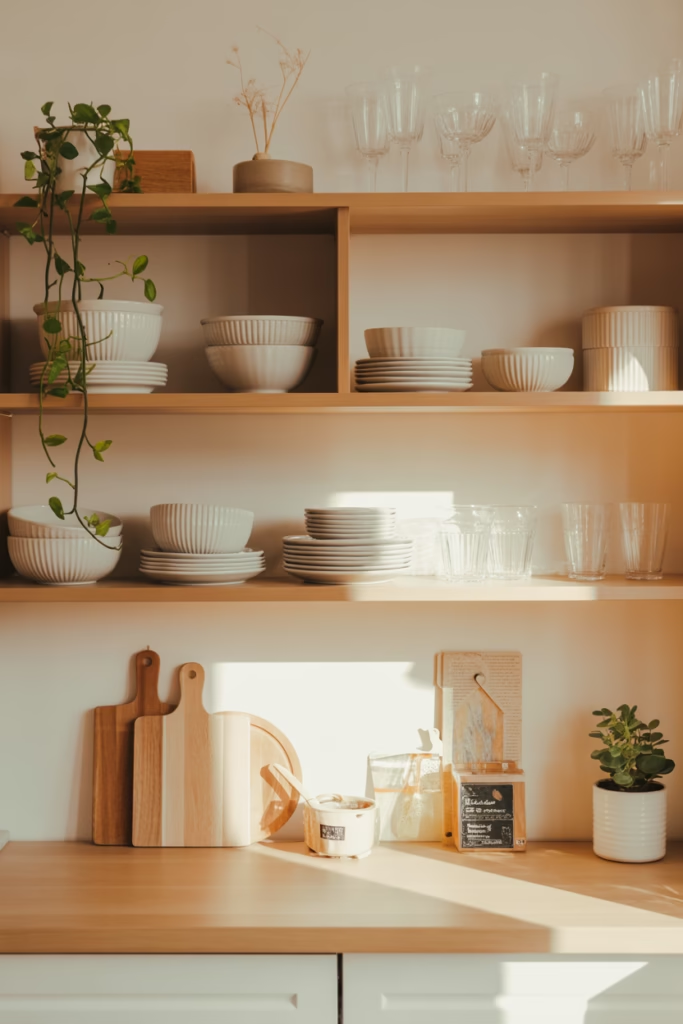
Open shelving in the kitchen is one of those things that looks effortlessly beautiful in theory and requires actual effort to maintain in practice. But when done right? Stunning. The key is treating your shelves like a display — not a storage dump.
Stick to a cohesive set of dishes, glassware, and ceramics. Mix in a few plants, wooden cutting boards, and olive oil bottles that actually look pretty. Everything on the shelf should earn its visual spot.
- Keep only the items you use regularly on open shelves (things you grab daily)
- Matching sets of dishware look infinitely more polished than a mismatched collection
- Plants and greenery on kitchen shelves add warmth and life — a trailing pothos works perfectly
11. Refresh Your Bedroom with Luxe Bedding
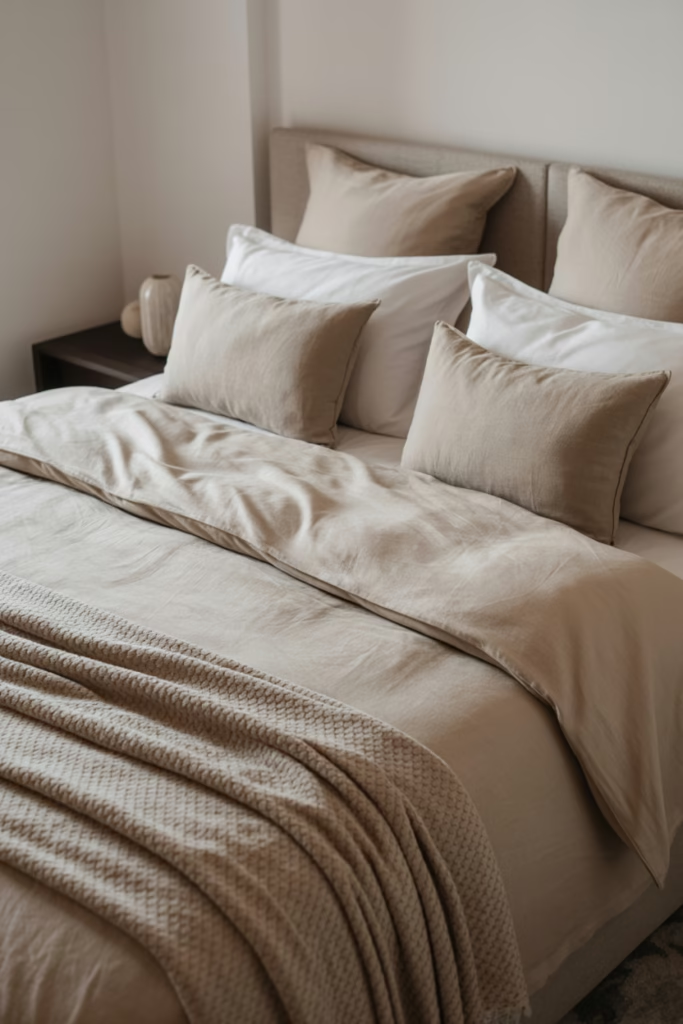
Your bedroom should feel like a retreat — and the fastest way to achieve that is through bedding. Full stop. A beautifully layered bed instantly makes a bedroom look more expensive and intentional, even if nothing else in the room has changed.
Think: a high-quality duvet, at least three pillow sizes, a textured throw at the foot of the bed, and maybe a linen duvet cover that you never quite fully smooth out (the lived-in look is very much in).
- Linen and cotton percale are the best materials for that effortlessly chic look
- Stick to neutral tones with one accent color for a cohesive, calm feel
- Overstuffed European pillows behind your regular sleeping pillows immediately make a bed look hotel-worthy
12. Add Architectural Interest with Molding
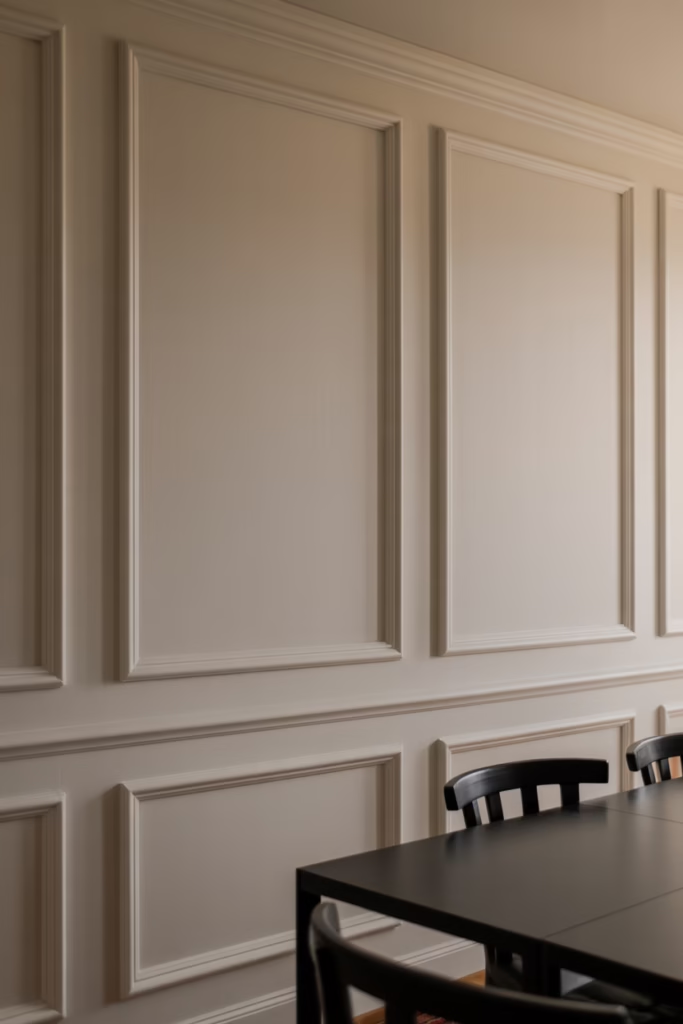
Want to make your walls look like they belong in a historic townhouse? Decorative wall molding is a seriously underrated DIY upgrade that adds instant architectural character to any room. And the best part? It’s surprisingly affordable and doable on a weekend.
Board and batten, picture frame molding, and wainscoting are all having a major revival right now — and for good reason. They add dimension and visual interest that paint alone simply can’t deliver.
- Picture frame molding in a dining room or bedroom creates a classic, elegant look
- Board and batten works beautifully in entryways and hallways
- Paint the molding the same color as the wall for a subtle, tonal effect, or go contrasting for drama
13. Curate a Purposeful Entryway
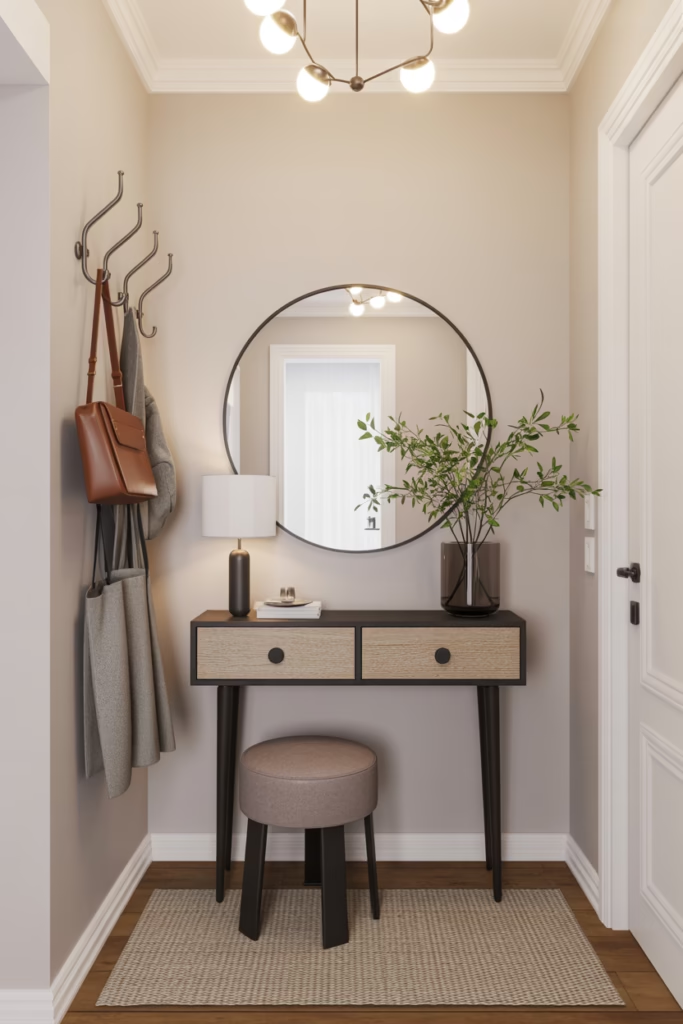
Your entryway sets the tone for your entire home. Guests form their first impression the moment they step through your door — so it’s worth putting some thought into this often-neglected space. Even a tiny entryway can feel beautifully designed with the right approach.
A console table, a mirror, some hooks, a small rug — that’s genuinely all you need. The goal is function plus personality.
- A large mirror makes any entryway feel bigger and brighter
- Hooks at different heights keep the space functional for bags, coats, and keys
- Fresh flowers or a small plant on the console table creates an instant welcoming moment
FYI — even renters can create a stunning entryway without putting permanent holes in walls. Command hooks and freestanding furniture are your best friends.
14. Play with Pattern Mixing
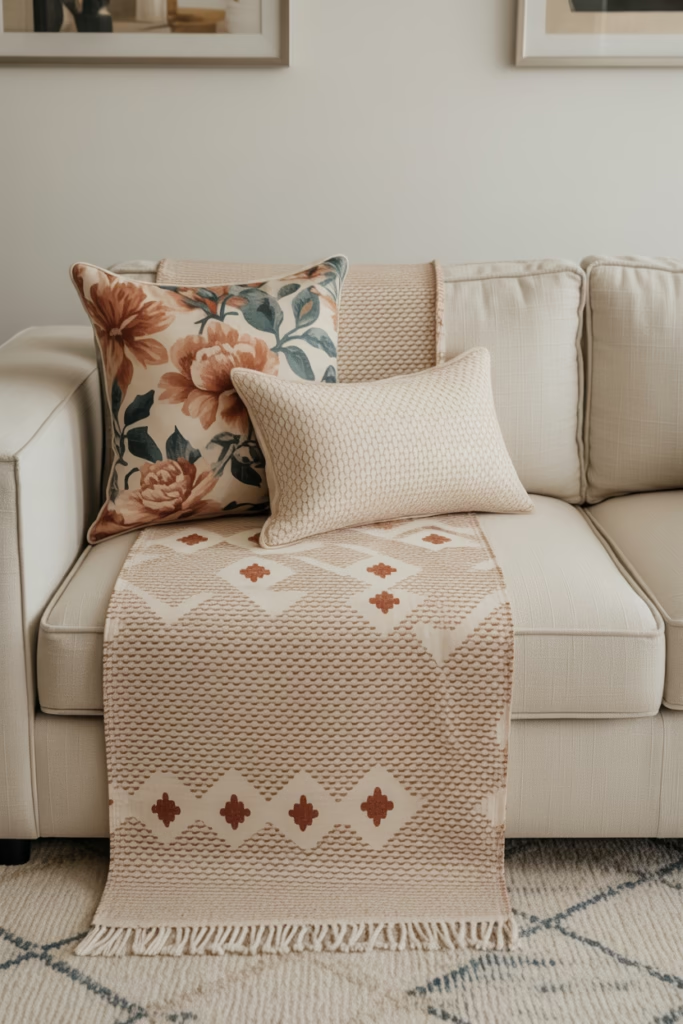
Pattern mixing sounds scary, but it’s one of the most effective ways to add energy and personality to a room. The secret is scale — if you pair a large-scale pattern with a small-scale one, they tend to play well together rather than compete.
Think a large floral cushion paired with a small geometric throw, or a bold striped rug under a subtly patterned sofa. The key is to keep them within the same color family so the room feels cohesive even with multiple patterns running.
- Two-pattern rule for beginners: start by mixing just two patterns before adding a third
- Keep patterns in the same tonal range — warm tones together, cool tones together
- Use solid color pieces as anchors to give the eye somewhere to rest
15. Create a Dedicated Wellness Corner
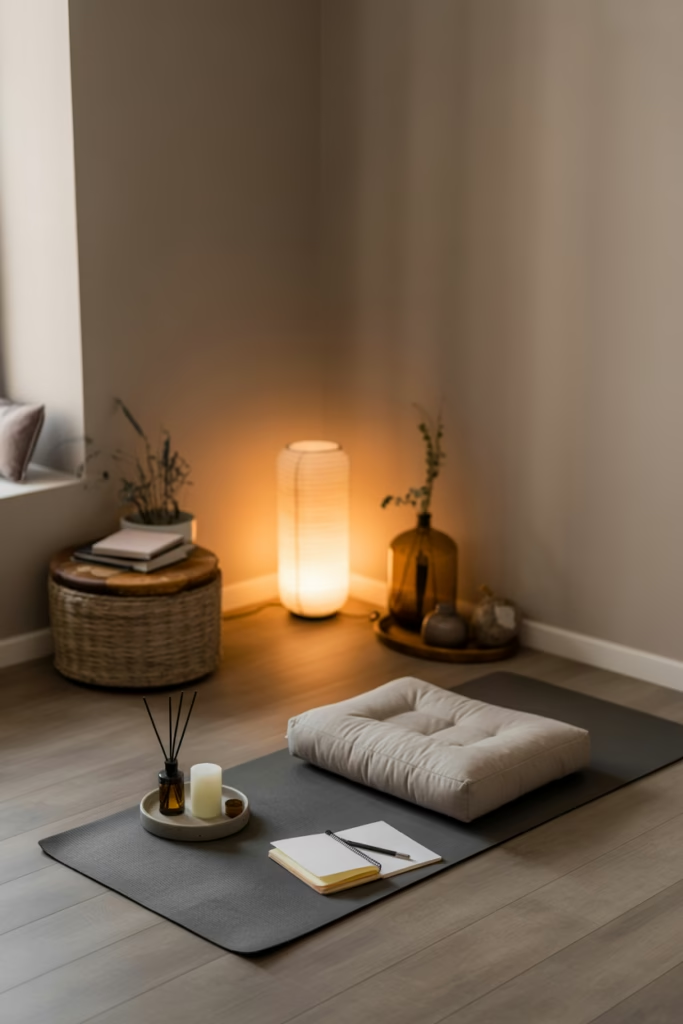
This one feels genuinely transformative. Carving out even a small wellness corner in your home — a meditation spot, a yoga area, a cozy reading and journaling nook — creates a physical space that reminds you to slow down. And in a world that constantly demands your attention, having that physical anchor matters.
You don’t need an entire room. A corner of your bedroom or living room works perfectly. Keep it simple, intentional, and away from your desk if possible.
- Use a thick, supportive mat and a couple of floor cushions for seating
- Add candles, a diffuser, or incense to engage your senses
- Keep a small tray with your journaling supplies or a book so the space stays purposeful
- Soft, warm lighting — a salt lamp or a dim floor lamp — reinforces the calming atmosphere
Bringing It All Together
Honestly You don’t need to implement all 15 of these ideas at once (that’s how you end up with decision paralysis and a living room that looks like a mood board exploded). Pick two or three ideas that genuinely excite you and start there.
The best aesthetic home isn’t the most expensive one or the one that follows every trend. It’s the one that reflects you your personality, your habits, your favorite colors, and the things that make you feel genuinely at home. Every single idea on this list is just a tool to help you get there.
So which one are you trying first? I’m personally betting it’s either the gallery wall or the moody color palette because once you go dark on one wall, there’s no going back