
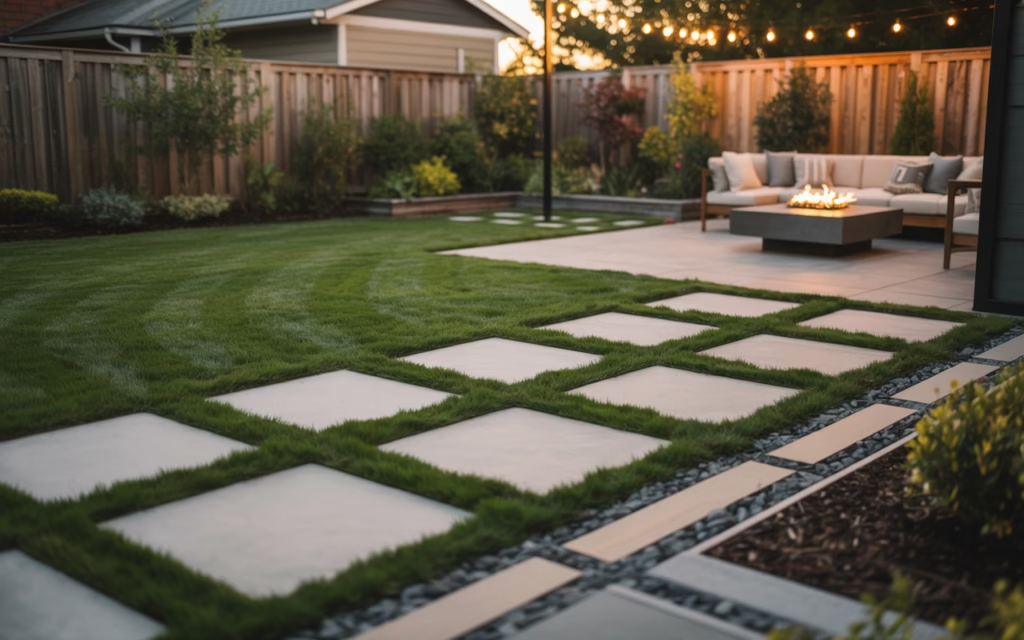
You know that moment when you step into your backyard and think, “Yep… this space has potential,” but then you look closer and realize it’s basically just grass, a sad patch of dirt, and vibes? I’ve had that exact moment. And the funny thing is, you don’t need a full backyard renovation montage to fix it—you just need a solid patio that makes the whole space feel intentional.
That’s where pavers come in. A paver patio instantly gives you a “real” outdoor living area somewhere you can throw down chairs, host friends, eat snacks you absolutely didn’t plan to share, and pretend you’re the kind of person who lights candles outside on a Tuesday. Ever noticed how the best backyards always have a defined hangout zone? That’s not magic. That’s hardscape.
In this article, I’m sharing 15 beautiful backyard paver patio ideas that actually look good in real life not just in perfectly staged photos where nobody owns a hose or a kid’s plastic toy. I’ll show you patterns, layouts, and design tricks that help you go modern, rustic, cozy, bold, or “I want my backyard to look expensive without selling a kidney.” Sound like your kind of project?
Classic Herringbone Pattern
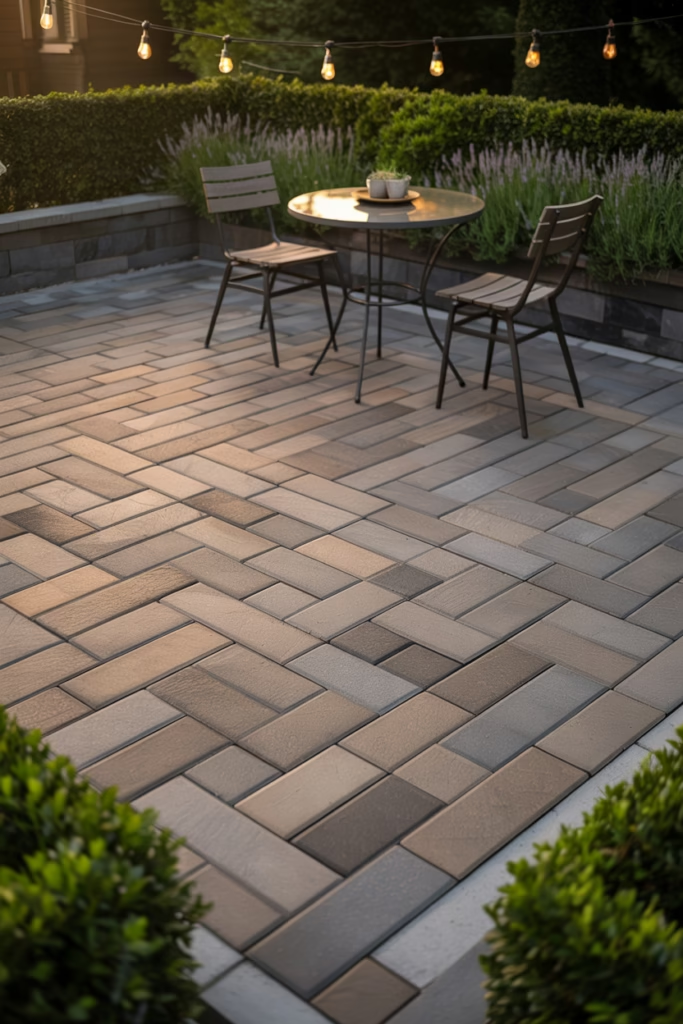
The herringbone pattern is basically the little black dress of paver patios—timeless, elegant, and it never goes out of style. This zigzag arrangement creates visual interest without being too busy, and it’s surprisingly sturdy because the interlocking pattern distributes weight evenly.
I love using this pattern with contrasting colors. Try mixing charcoal and tan pavers for a look that’s sophisticated but not stuffy. The diagonal lines actually make your space look bigger, which is a nice bonus if you’re working with limited square footage.
Pro tip: The herringbone pattern does require more cutting around edges, so factor that into your budget if you’re hiring someone. But trust me, the extra effort is worth it for that polished look.
Circular Paver Design
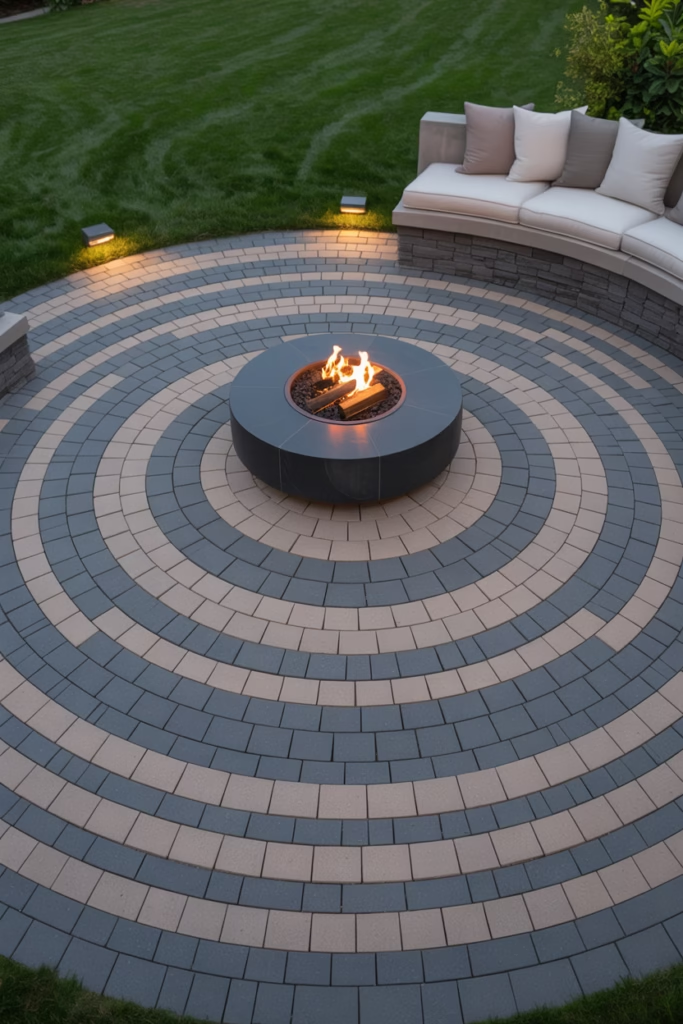
Want to create a focal point that screams “gather here”? A circular paver design is your answer. I’ve seen these work incredibly well around fire pits or as a standalone seating area. The concentric circles draw the eye inward and create this natural gathering spot that feels intentional and cozy.
You can play with different colored pavers in each ring to add depth and dimension. Some of my favorite designs alternate between three colors, creating a subtle ombre effect that looks way more expensive than it actually is.
The curved edges do mean you’ll need more precision during installation, but the payoff is huge. This design works especially well in larger yards where you want to break up rectangular spaces.
Mixed Material Magic
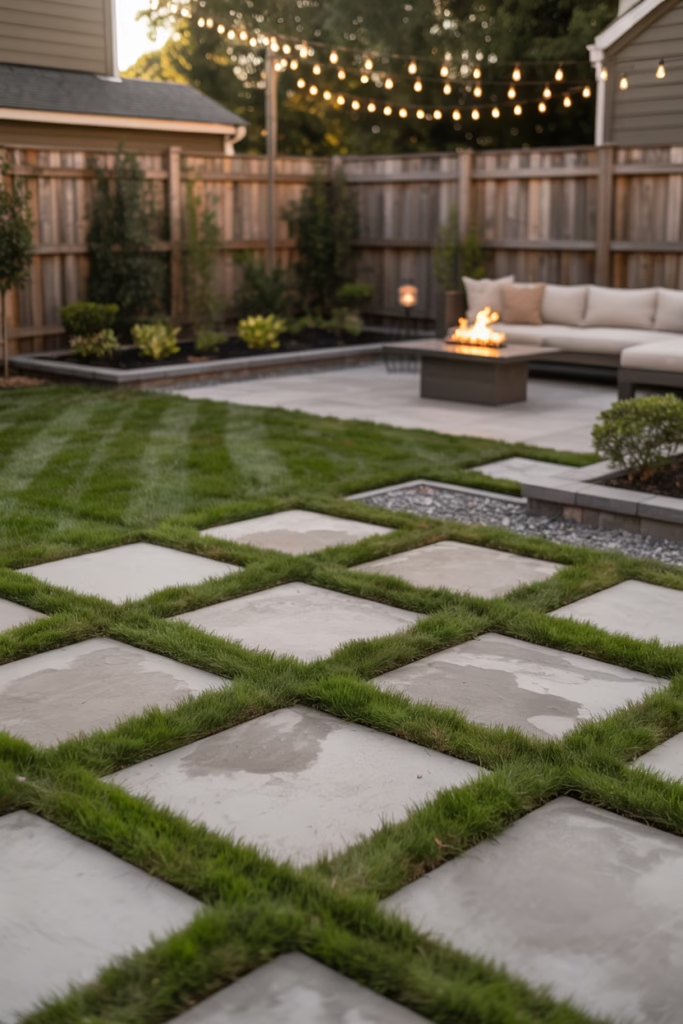
Why limit yourself to just pavers? Combining pavers with other materials like gravel, grass, or flagstone creates texture and visual interest that’s seriously eye-catching. I’m a huge fan of the checker board approach—alternating paver squares with grass or ground cover.
This mixed approach is also budget-friendly, FYI. You’re using fewer pavers overall, which cuts costs while still achieving that high-end landscaped look. Plus, it’s better for drainage since you’re not covering every inch with hard surfaces.
Bold move: Try inserting wooden planks between rows of pavers for a modern, almost artistic vibe. It’s unexpected and totally Instagram-worthy 🙂
Rustic Irregular Stone Look
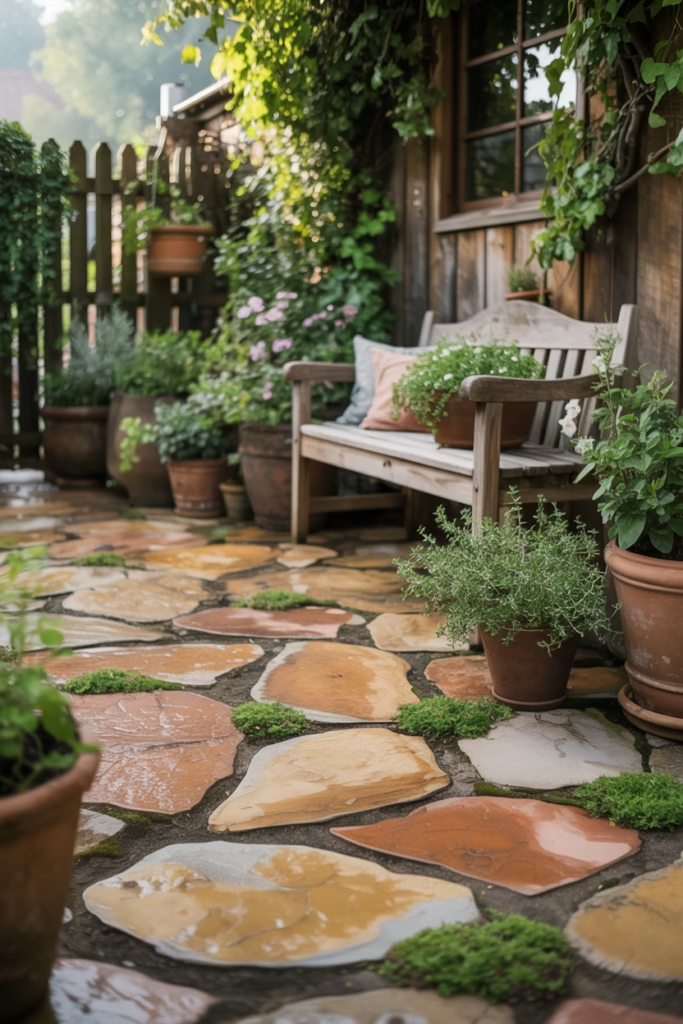
If the perfectly uniform paver look feels too uptight for your style, irregular stone pavers (or pavers laid in a random pattern) give you that organic, “I found these in a European countryside” vibe. These work beautifully for cottage-style homes or if you’re going for that relaxed, natural aesthetic.
The key here is embracing imperfection. The irregular shapes and varied sizes create a more relaxed atmosphere that feels lived-in from day one. I particularly love this look when you let moss or ground cover grow between the stones—it softens everything beautifully.
This style is actually more forgiving for DIY installations since you don’t need razor-sharp precision. The “flaws” are part of the charm, which takes the pressure off getting everything perfectly aligned.
Bordered Elegance
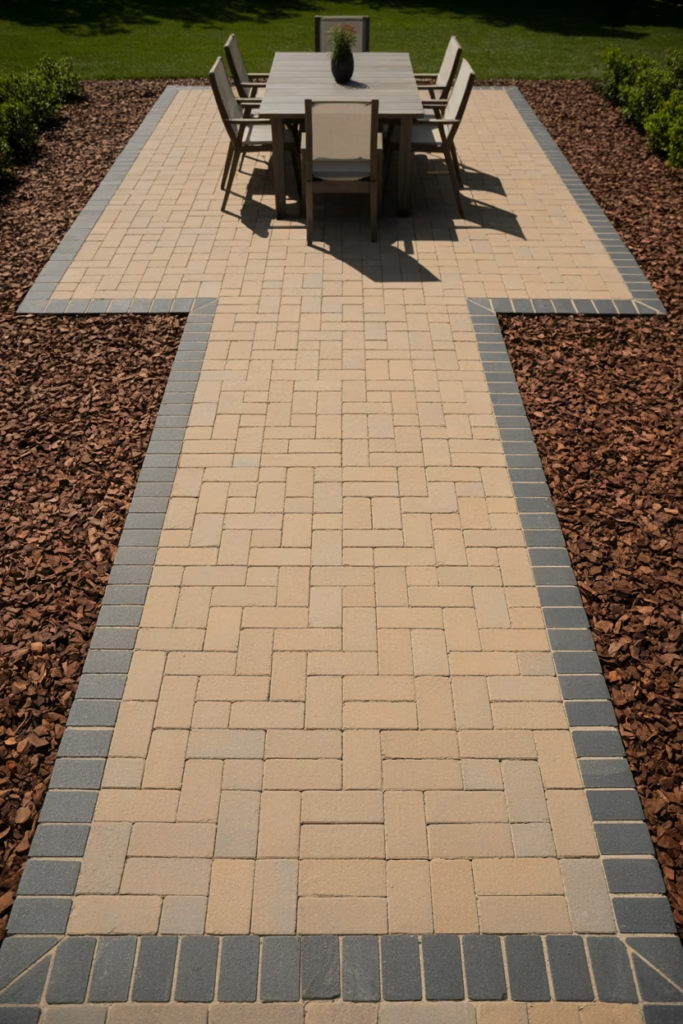
Adding a contrasting border around your paver patio is like adding the perfect frame to artwork—it just pulls everything together. A darker border around lighter pavers (or vice versa) creates definition and makes your patio feel more intentional and finished.
You can take this concept further by creating multiple borders or even a decorative corner pattern. I’ve seen incredible designs where the border gets more intricate at the corners, almost like bookends for your patio space.
Bonus: Borders are perfect for hiding any not-so-perfect cuts you had to make around edges. They’re functional and beautiful, which is always a win in my book.
Large Format Contemporary Pavers
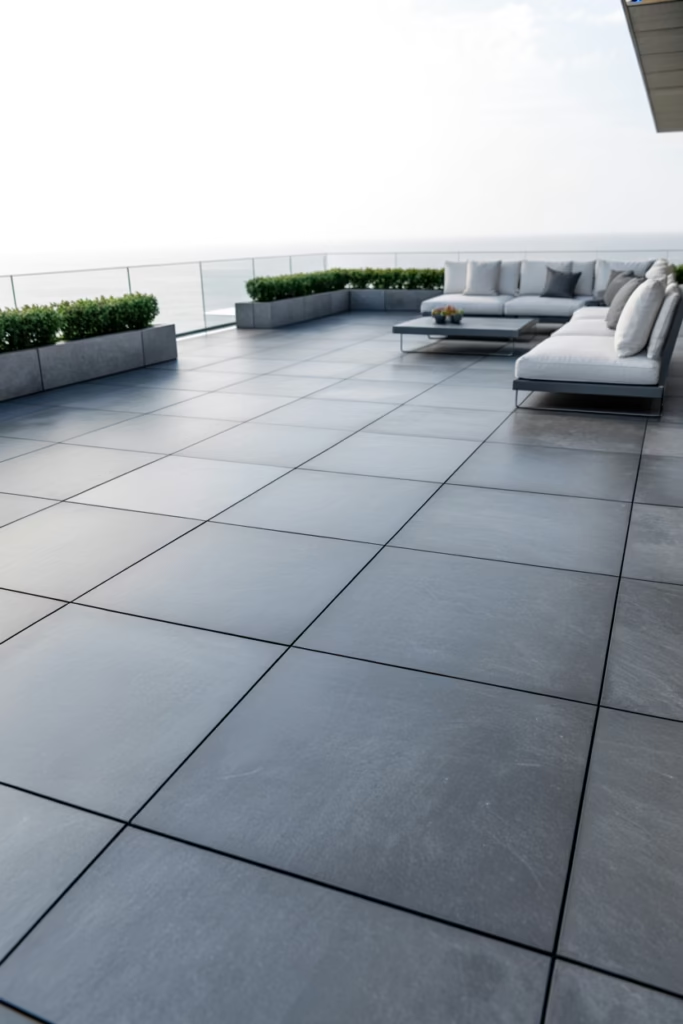
Sometimes bigger really is better. Large format pavers (think 24″ x 24″ or bigger) create this sleek, modern look that feels very “architectural digest.” The fewer grout lines mean less visual clutter, which gives your space a more streamlined, sophisticated vibe.
These work exceptionally well for minimalist or contemporary homes. I love pairing large gray pavers with modern outdoor furniture and simple planters—the clean lines just make everything feel cohesive and intentional.
Fair warning though: large pavers are heavier and can be trickier to install. You might need some equipment or extra hands. But the modern, upscale look you get? Totally worth the extra effort.
Multi-Level Patio Zones
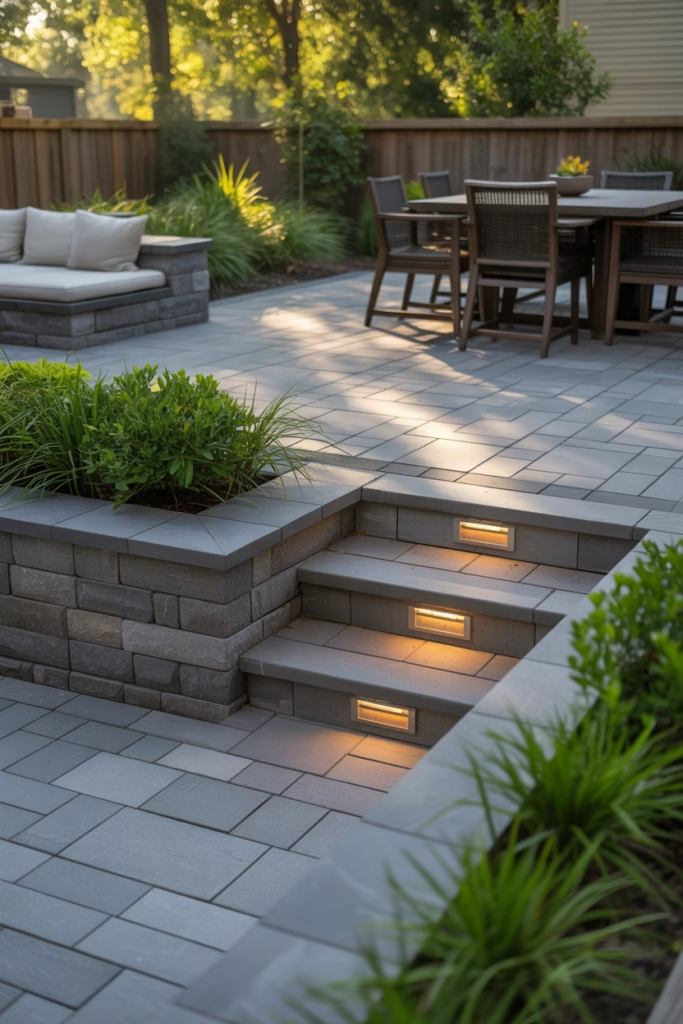
Ever thought about creating different “rooms” in your outdoor space? Multi-level patios use pavers to define separate zones—maybe a dining area on one level and a lounge area on another. It adds dimension and makes your backyard feel more dynamic.
The level changes don’t have to be dramatic. Even a single step up or down creates visual separation and adds architectural interest. I’ve used this approach to work with sloped yards, turning what could be a challenge into a design feature.
You can emphasize the different levels by using different paver colors or patterns for each zone. It’s like color-blocking for your backyard, and it helps guests naturally understand how to use each space.
Diagonal Installation for Small Spaces
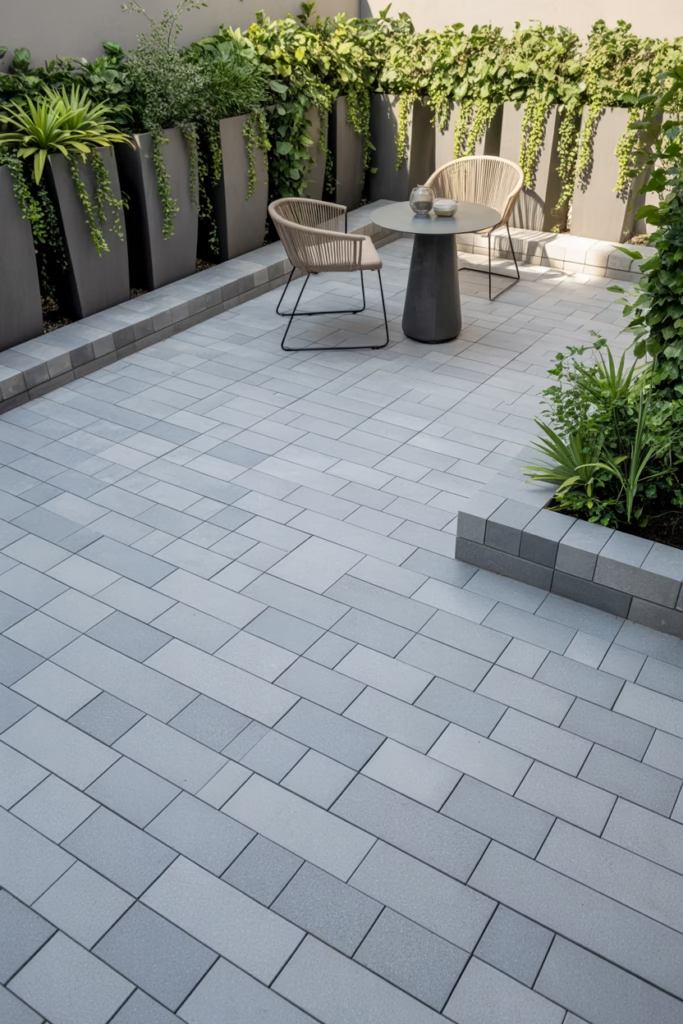
Here’s a trick that interior designers have known forever: diagonal lines make spaces look bigger. The same principle works for paver patios. Instead of laying your pavers parallel to your house, angle them at 45 degrees.
This creates visual movement that draws the eye across the entire space rather than stopping at the edges. IMO, it’s one of the easiest ways to make a small patio feel more spacious without actually expanding the footprint.
The diagonal approach works with almost any paver style—rectangular, square, or even irregular shapes. Just be prepared for more cutting along the edges (again, worth it for the optical illusion you’re creating).
Running Bond Pattern
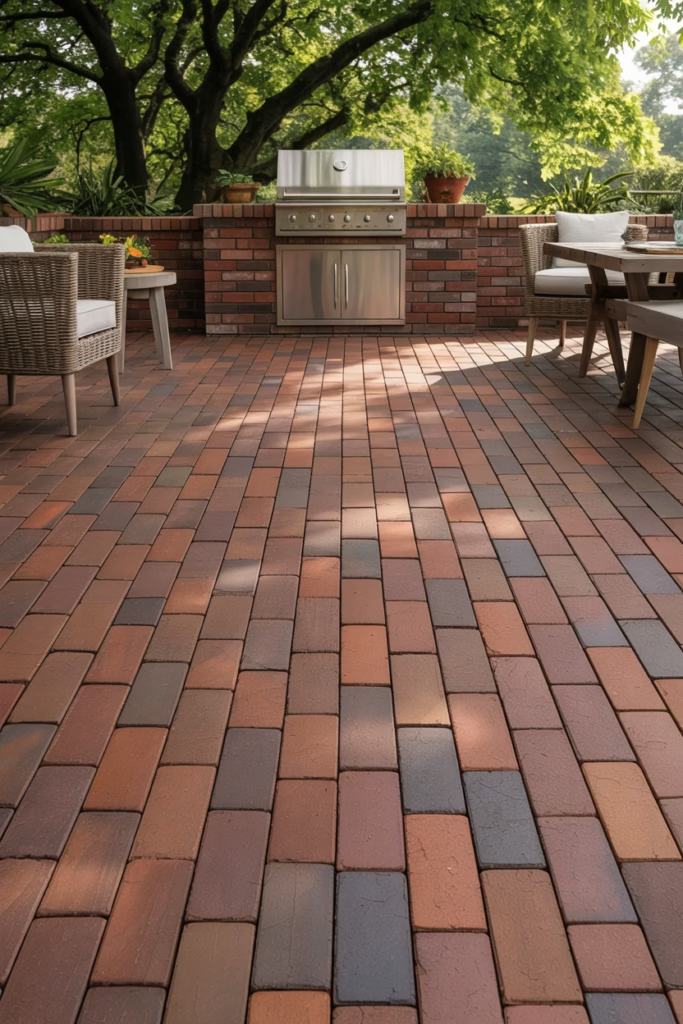
The running bond pattern is probably what you picture when you think “brick patio.” It’s the classic offset pattern where each row is staggered by half a paver. Simple? Yes. Boring? Absolutely not.
This pattern is incredibly versatile and works with virtually any paver shape or color. It’s also one of the easiest patterns for DIY installation since you’re basically just repeating the same layout row after row. Less thinking, more installing—I can get behind that.
What I love about the running bond is how you can change its entire personality just by switching your paver orientation. Run it parallel to your house for a traditional look, or perpendicular to create visual width.
Paver Patio with Built-In Planters
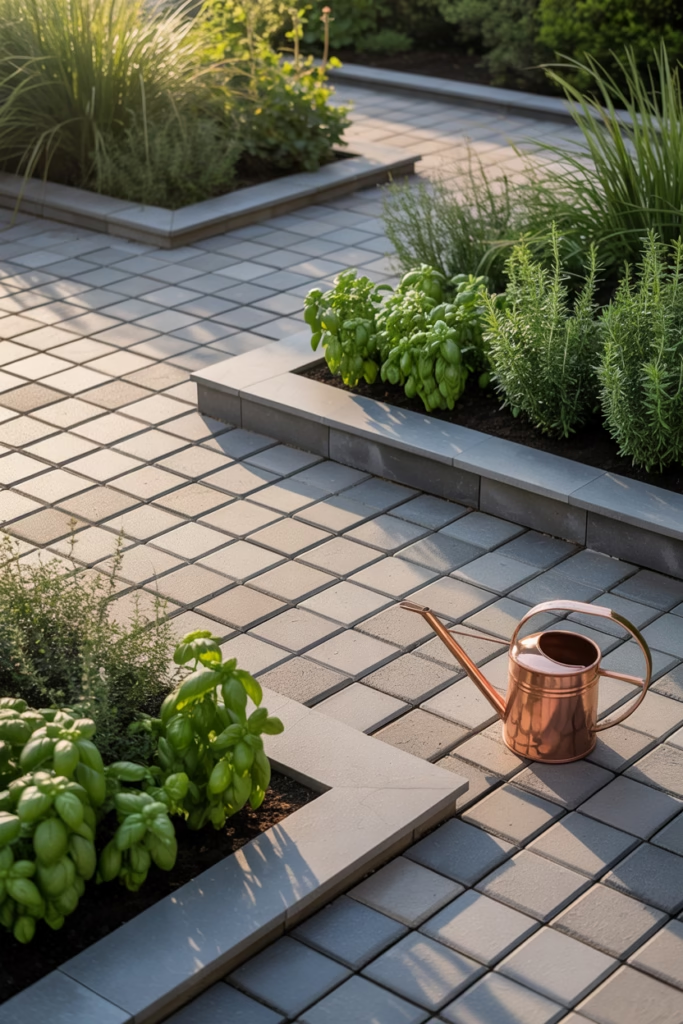
Why not incorporate greenery directly into your paver design? Leaving strategic gaps for built-in planters breaks up the hardscape and adds pops of color and life. You can fill these spaces with herbs, flowers, or ornamental grasses.
I’ve seen this done beautifully where planters are integrated along the edges or even as a centerpiece in the middle of the patio. The contrast between the rigid pavers and organic plants creates this perfect balance that feels both structured and natural.
Practical note: Make sure these planter areas have proper drainage so water doesn’t pool on your patio. A little planning upfront saves you headaches later :/
Basket Weave Design
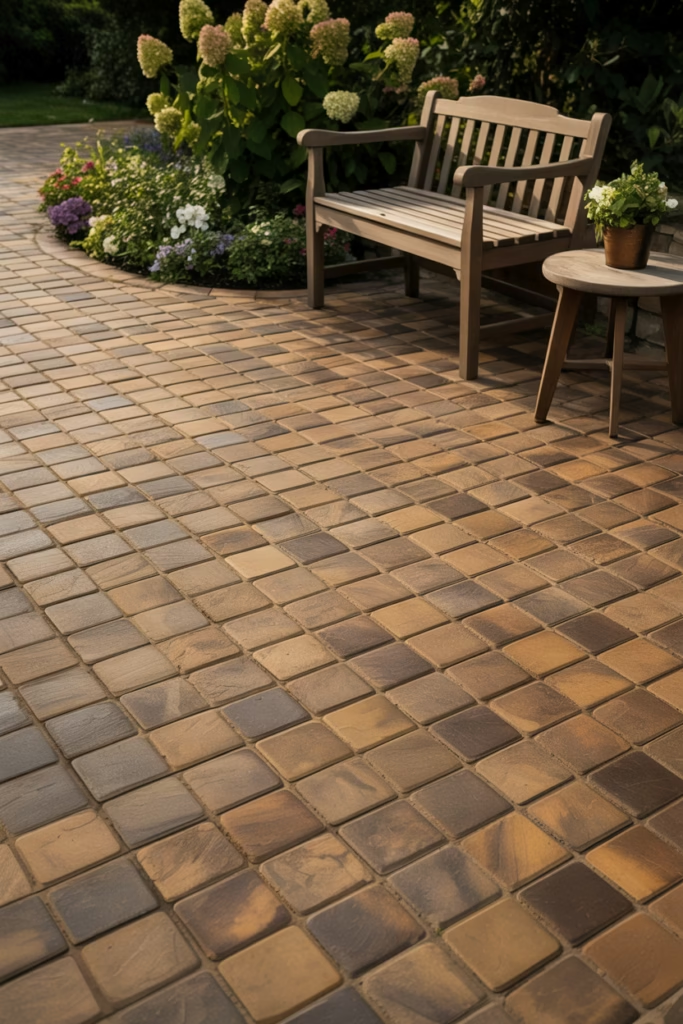
The basket weave pattern is exactly what it sounds like—pavers arranged to mimic woven baskets. It’s got this vintage charm that works beautifully with traditional or colonial-style homes. The perpendicular arrangement creates visual texture without needing multiple colors.
This pattern is surprisingly sturdy despite looking decorative. The interlocking nature means pavers support each other, which is great for high-traffic areas. I particularly love how this pattern catches light differently throughout the day, creating subtle shadows that add depth.
You can scale this pattern up or down depending on your space. Smaller pavers create a tighter weave, while larger pavers make bolder statements. Both look great—it’s really about what vibe you’re going for.
Monochromatic with Texture Variation
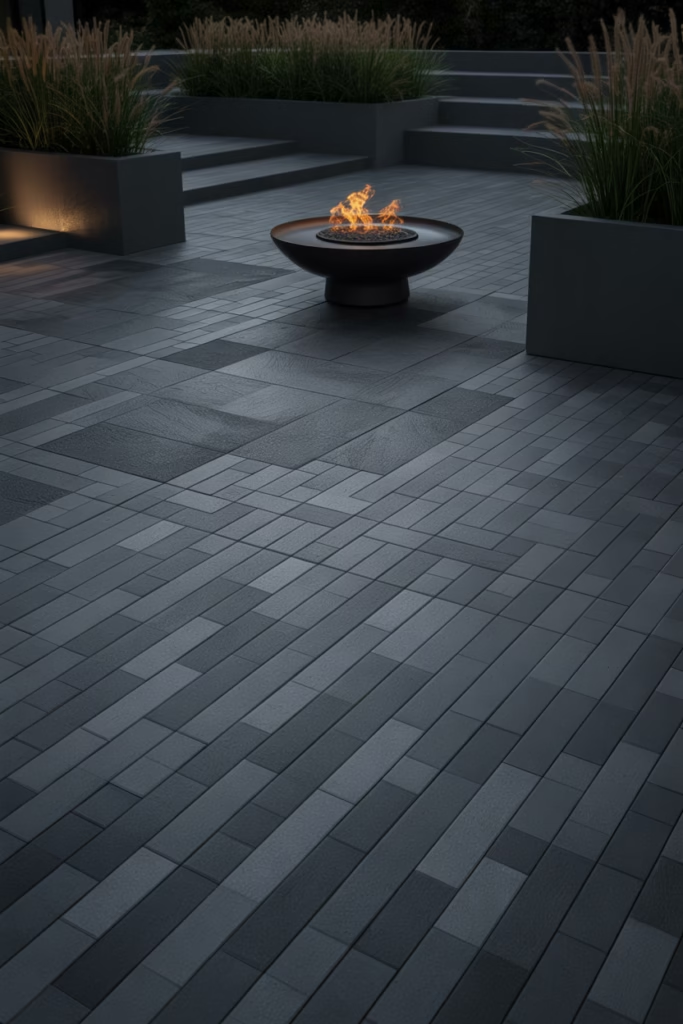
Who says you need multiple colors to create interest? Using pavers in the same color family but with different textures creates subtle sophistication that’s very high-end. Think smooth, tumbled, and rough-hewn pavers all in charcoal or warm beige tones.
The texture variation catches light differently, creating dimension without visual chaos. This approach is perfect if you want your outdoor furniture and landscaping to be the stars while the patio provides a beautiful, cohesive backdrop.
This look pairs incredibly well with modern design aesthetics. It’s understated but definitely not boring—texture does all the heavy lifting here.
Radial Sunburst Pattern
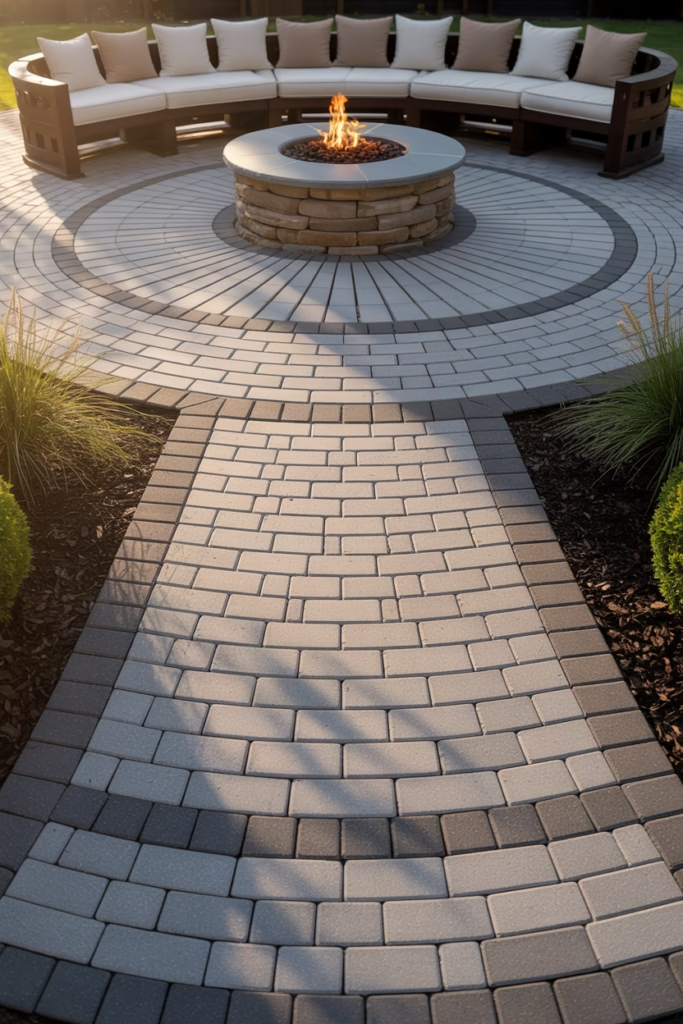
Feeling bold? A radial sunburst pattern radiates outward from a central point, creating this dramatic focal point that’s impossible to ignore. It’s architectural, it’s eye-catching, and it definitely makes a statement.
This design works beautifully for circular or semi-circular patios. I’ve seen it used incredibly effectively around fire pits or water features where you want to emphasize the center point. The radiating lines naturally draw people inward toward the focal feature.
Fair warning: this is definitely a more complex pattern that requires careful planning and precise cutting. But if you want something truly unique that’ll be a conversation starter at every gathering, this is it.
Paver Pathway Integration
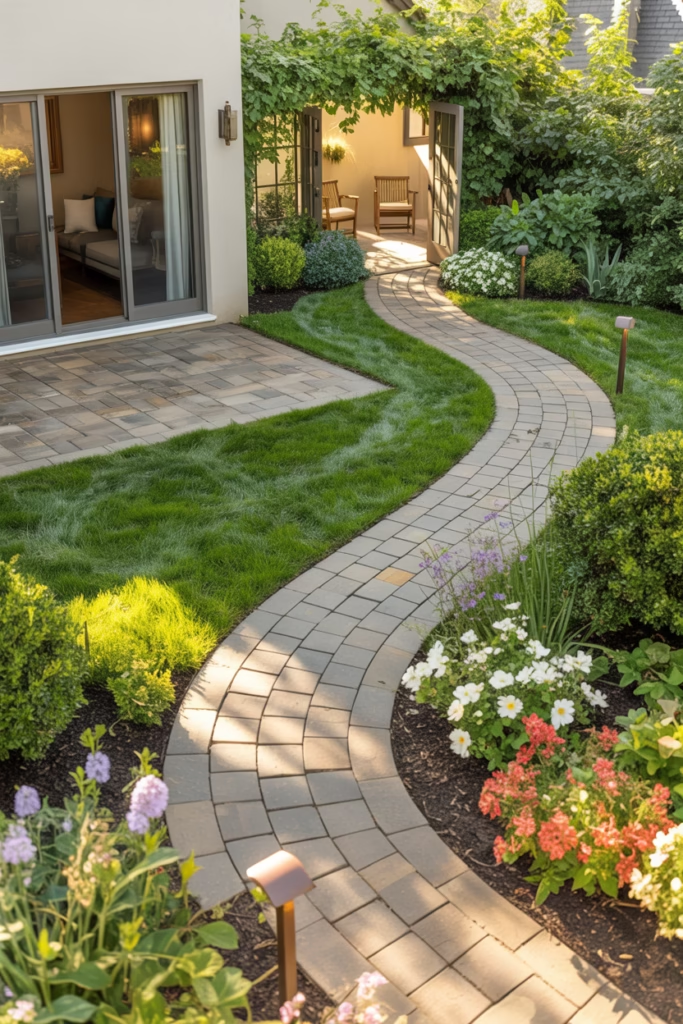
Your patio doesn’t have to be an island. Integrating paver pathways that lead from your patio to other yard features creates flow and makes your entire outdoor space feel connected. Use the same pavers for both the patio and paths for a cohesive look.
These pathways can be functional—leading to your garden, shed, or pool—or purely aesthetic, guiding visitors through different zones of your yard. The key is making them feel intentional rather than like afterthoughts.
I love varying the pathway width based on traffic needs. Main routes get wider paths, while smaller trails to hidden garden nooks can be narrow and intimate. It’s all about creating journey and discovery in your own backyard.
Contrasting Color Combinations
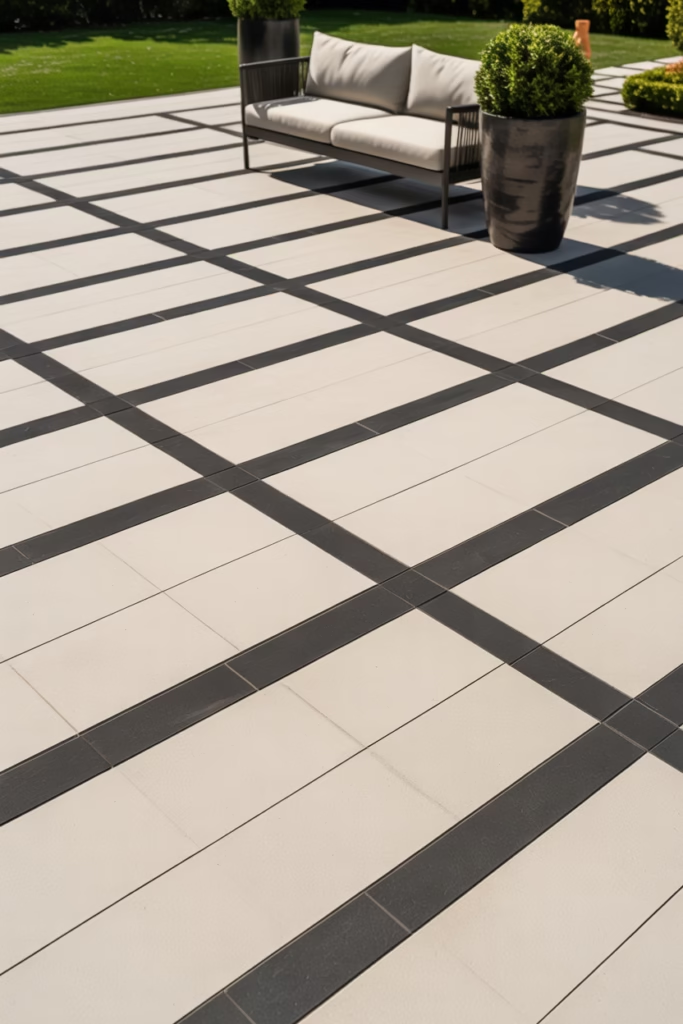
Sometimes you’ve just gotta go bold with color. Combining contrasting paver colors—like charcoal with cream, or terracotta with gray—creates drama and defines your space with serious impact. This approach is perfect if your house or landscaping is relatively neutral.
You can use contrasting colors to highlight specific design elements like borders, create geometric patterns, or even incorporate your favorite team colors (yes, I’ve seen it done, and yes, it can look awesome). The key is balance—you want visual interest without overwhelming the space.
Word of advice: Test your color combinations with sample pavers before committing. Colors can look different in full sun versus shade, and you want to make sure you love the combination in all lighting conditions.
Final Conclusion
Alright, now you’ve got 15 backyard paver patio ideas in your back pocket, and honestly, that’s enough inspiration to keep you up at night planning layouts like it’s your new hobby. The good news? You don’t need to pick the fanciest pattern or the trendiest color. You just need a patio design that fits how you actually live.
If you host a lot, prioritize space for seating and walking paths. If you want a quiet little escape, build a small zone that feels cozy and finished, then let plants soften the edges. And if you feel stuck choosing, ask yourself one simple question: “Where will I sit first?” Your furniture placement usually reveals the best patio shape faster than any design app ever will.
So grab a few inspo screenshots, measure your space (yes, really), and pick one idea that feels doable right now. You can always add a border, a pathway, or a fire pit later—patios don’t need to be “final” on day one. And when you finish and someone says, “Wow, your backyard looks amazing,” you can casually nod like you didn’t obsess over paver patterns for three days straight.