
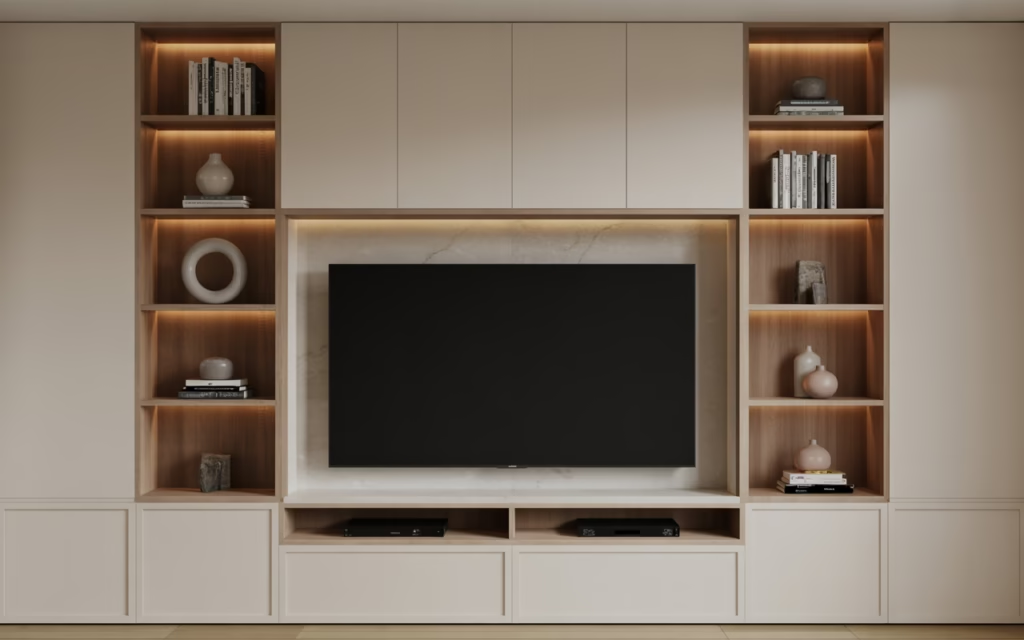
You walk into your living room, stare at that awkward wall space, and think, “Something’s missing here.” Spoiler alert: it’s probably built-in shelves. I spent years shoving books on random furniture before I finally committed to built-ins, and honestly? Game changer. These aren’t just shelves they’re like the Swiss Army knife of living room design. They store your stuff, show off your personality, and make your space look like you actually hired an interior designer (even if you just Googled “how to adult” last week).
Built-in shelves have this magical ability to turn dead space into something functional and gorgeous. Whether you’re drowning in books, need a home for your plant collection, or just want somewhere to display that weird pottery you bought on vacation, built-ins solve all of it. Plus, they add serious value to your home. Win-win, right?
Let me walk you through 15 ideas that’ll transform your living room from “meh” to “wait, did you hire someone?” Trust me, by the end of this, you’ll be measuring walls and planning your next DIY weekend.
Floor-to-Ceiling Drama That Commands Attention
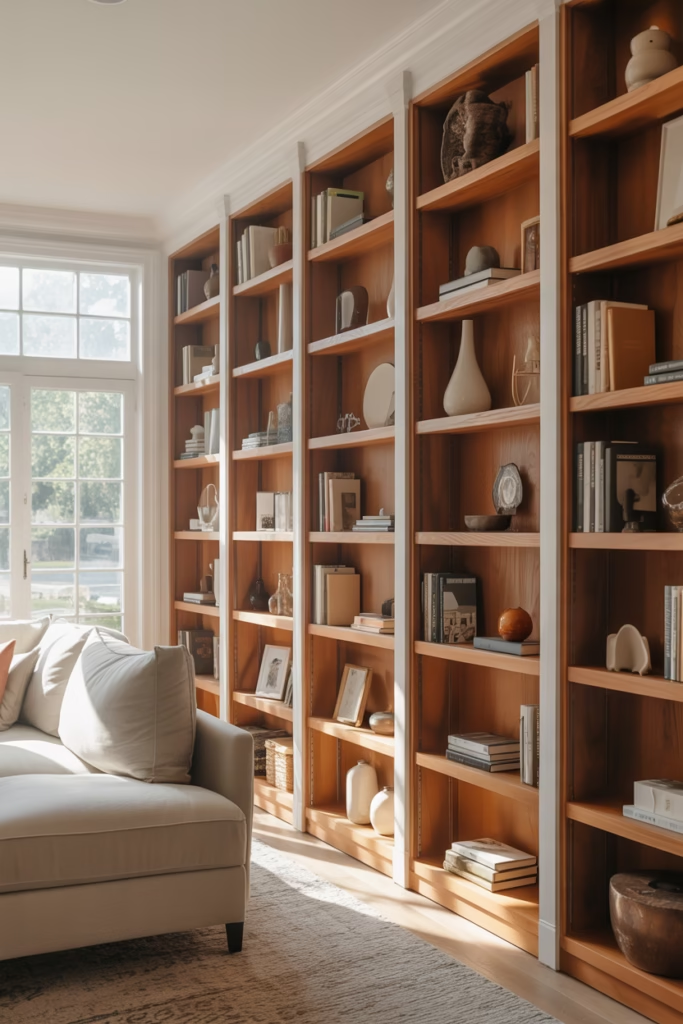
Nothing—and I mean nothing—makes a statement quite like floor-to-ceiling built-in shelves. We’re talking about that “wow, you’re really put together” vibe the second someone walks into your living room.
I installed mine last year, and the difference is insane. Instead of that awkward blank wall that made the room feel cold, I’ve got this massive vertical display that draws your eye up and makes the ceiling feel miles high. The key here is height—you want to maximize every inch of vertical space you’ve got.
Here’s what makes floor-to-ceiling shelves brilliant:
- They create instant architectural interest in boring rooms
- Storage capacity goes through the roof (literally)
- Your room feels bigger because the eye travels upward
- You can mix open and closed storage for versatility
Pro tip? Don’t skip the ladder. Yeah, it’s extra, but reaching those top shelves becomes way less annoying when you’ve got a rolling library ladder attached. Plus, it looks ridiculously cool. Your friends will definitely ask about it.
Fireplace Flanking for Cozy Symmetry
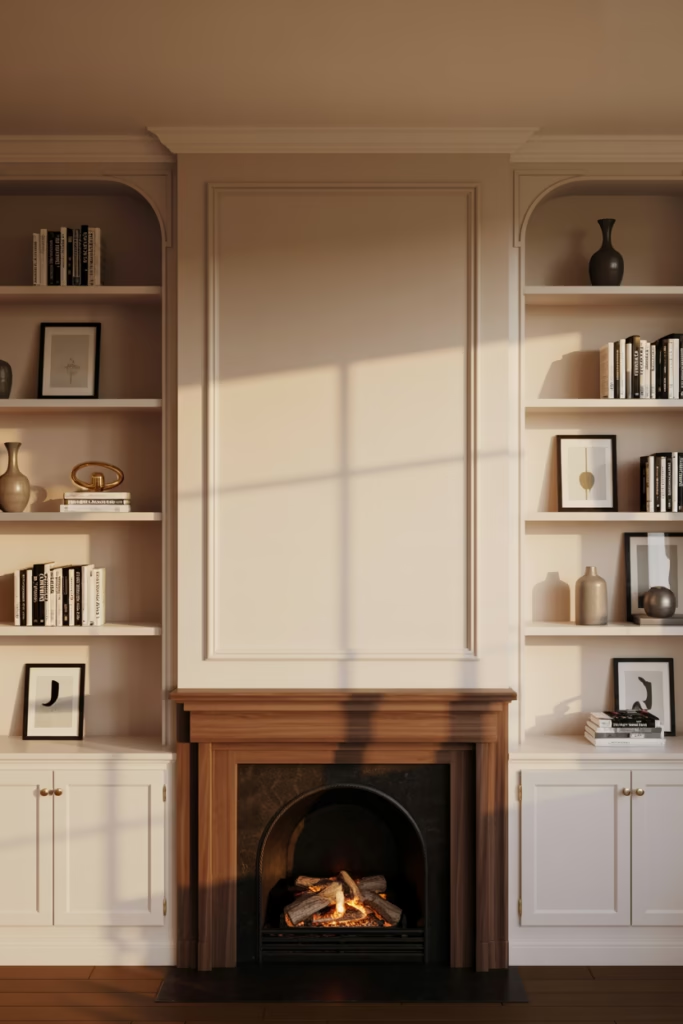
Ever notice how the coziest living rooms always have built-ins flanking the fireplace? That’s not coincidence—it’s design genius.
Built-ins on either side of your fireplace create this perfect balance that just feels right. I added mine about two feet wide on each side, painted them the same color as the wall, and suddenly my fireplace went from “just there” to the focal point everyone gravitates toward.
The symmetry is what sells it. When you’ve got matching shelves framing your fireplace, everything looks intentional and pulled together. No more random furniture pieces scattered around trying to make the layout work.
You can style these babies a million ways:
- Books on one side, decorative objects on the other
- Matching displays for that magazine-worthy look
- Hidden storage in lower cabinets with open shelving up top
- TV integration if you’re mounting above the mantel
FYI, if you’re doing this yourself, make sure those shelves are actually level. I learned that lesson the hard way when my first attempt looked like a funhouse mirror situation. Measure twice, install once, folks.
TV Wall Integration That Hides the Wires
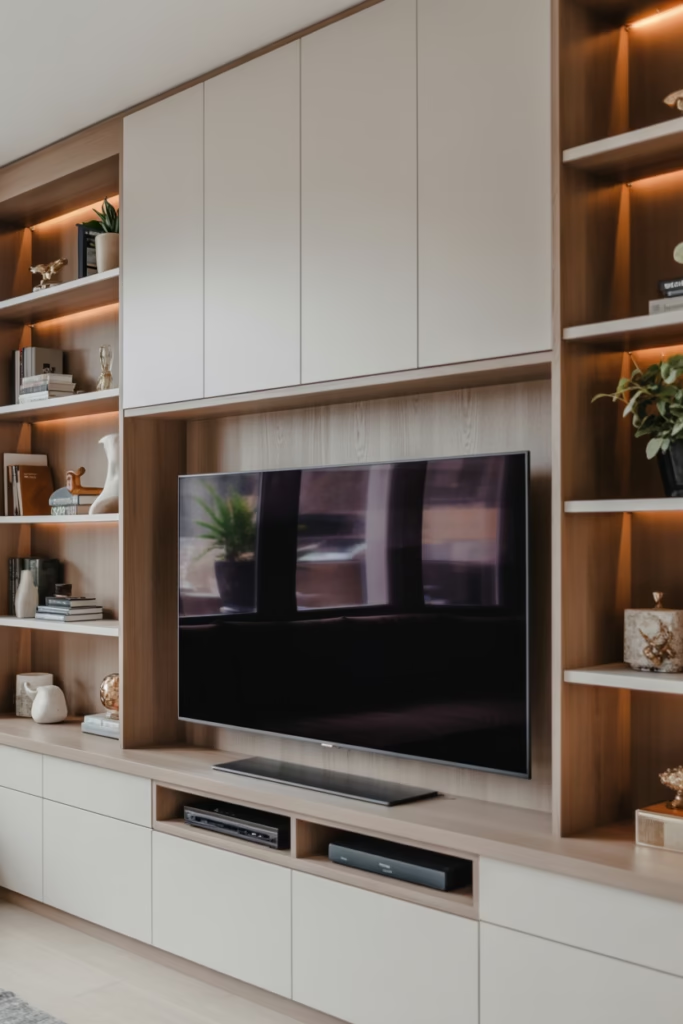
Let’s be honest—TVs are kind of eyesores, right? But we all want them front and center in the living room. The solution? Built-in shelves that make your TV look like it belongs there.
I used to have my TV just sitting on a stand with wires everywhere looking like electronic spaghetti. Now it’s nestled into custom built-ins, and those ugly cables? Hidden behind the shelves where they belong. The whole setup looks clean, intentional, and way more expensive than it actually was.
The trick is building the shelves around your TV dimensions. Leave enough space for ventilation (overheating electronics is not the vibe), and add shelving on either side for balance. You get storage, you get style, and you get to finally stop staring at that rat’s nest of HDMI cables.
Styling Around Your TV
Don’t just slap the TV in there and call it done. Use the surrounding shelves strategically:
- Frame it with books for that casual-but-curated look
- Add plants to soften the tech-heavy feel
- Include closed storage below for gaming consoles and remotes
- Style the side shelves with art and decorative pieces
The goal is making the TV part of the overall design, not the only thing anyone sees. Balance is everything here.
Under-Window Bench Seating With Storage
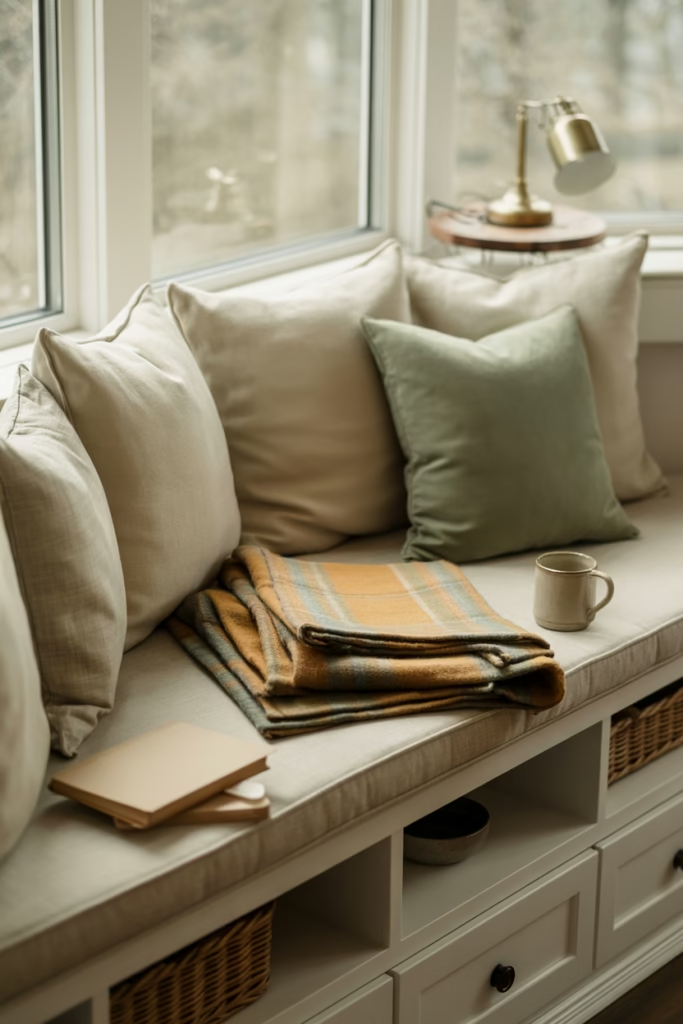
Why waste that space under your windows when you could turn it into the coziest reading nook ever? Built-in bench seating with shelving underneath is my personal favorite because it’s functional and inviting.
I installed one under my bay window, added some cushions and throw pillows, and boom—instant favorite spot in the house. The storage underneath holds blankets, board games, and all the random stuff that used to clutter my living room. It’s like getting extra seating and a storage unit in one.
This works especially well if you’ve got:
- Bay windows or large window spans
- Limited floor space for furniture
- A desire for built-in seating that doesn’t feel bulky
- Kids who need toy storage (out of sight, out of mind)
Make sure you add enough cushioning to make it actually comfortable. Nobody wants to sit on a hard wooden bench, even if it looks Pinterest-perfect. Trust me, your back will thank you.
Open Shelving for an Airy Display
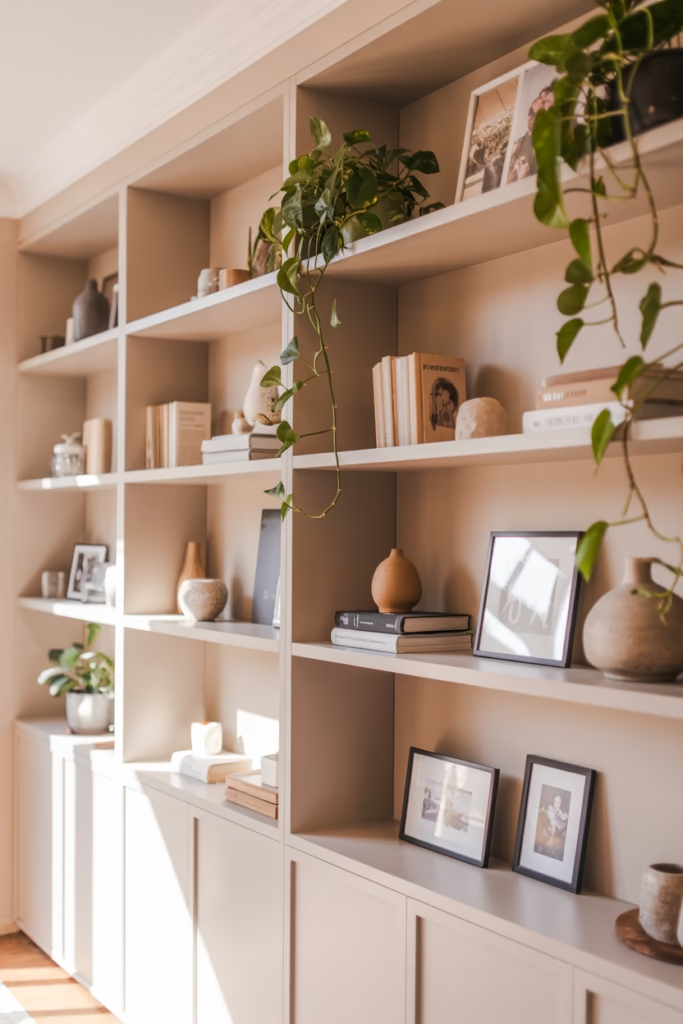
Sometimes you don’t need doors or backs on your shelves—you just want that open, airy feeling that makes a room breathe. Open shelving is perfect when you want to show off your stuff without making the space feel closed in.
I’ve got open shelves in my smaller living room, and they make such a difference. The room feels bigger because you can see through to the wall, and everything I display becomes part of the decor. The downside? You actually have to keep things organized. No shoving junk up there and closing a door. 🙂
Open shelving works best when you’re displaying:
- Color-coordinated books that look intentional
- Plants and greenery for organic texture
- Decorative objects and collected treasures
- Art pieces and framed photos
The styling matters here. Group items in odd numbers (threes and fives look most natural), vary heights, and leave some negative space. Cramming every inch with stuff defeats the purpose of that airy vibe you’re going for.
Corner Shelving That Uses Dead Space
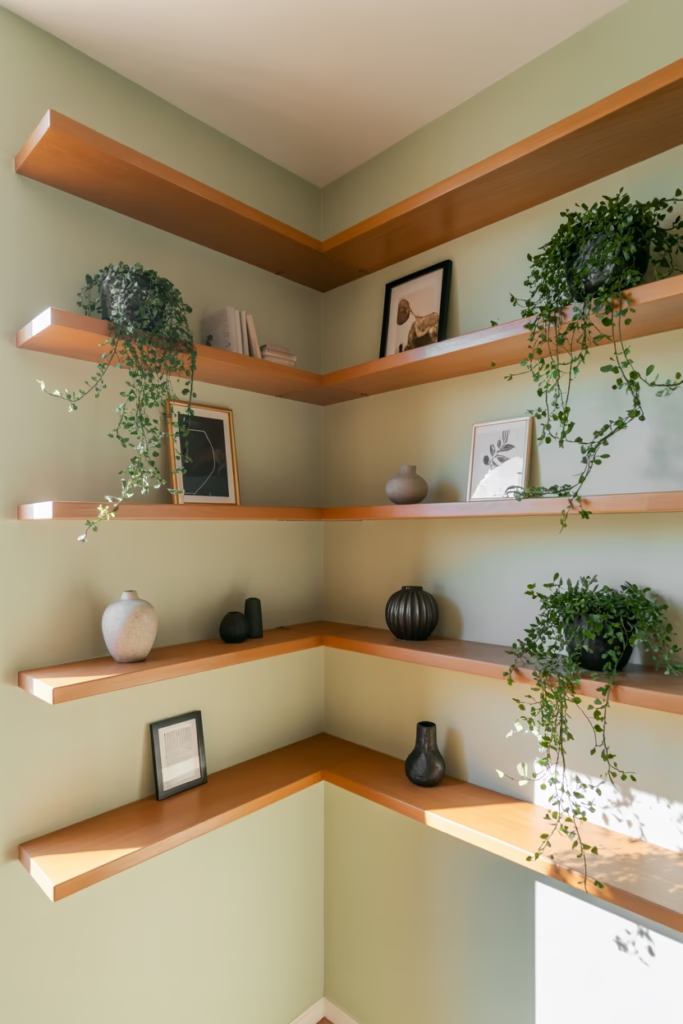
Corners are the Bermuda Triangle of living rooms—stuff goes there and just… exists awkwardly. But built-in corner shelves? They turn that wasted space into something useful and eye-catching.
I added corner shelves in my oddly shaped living room, and suddenly that weird angle became a feature instead of a problem. You can go full corner-to-corner floor-to-ceiling, or keep it simple with floating shelves that wrap around. Either way, you’re maximizing space that would otherwise collect dust.
This is especially clutch in smaller living rooms where every square inch counts. Instead of leaving corners empty or shoving furniture there that doesn’t quite fit, built-ins make the space work for you.
Try these corner configurations:
- L-shaped shelving that wraps both walls
- Floating corner shelves for a modern look
- Diagonal corner cabinets for a unique twist
- Multi-tier display shelves for collections
Library Wall for Book Lovers
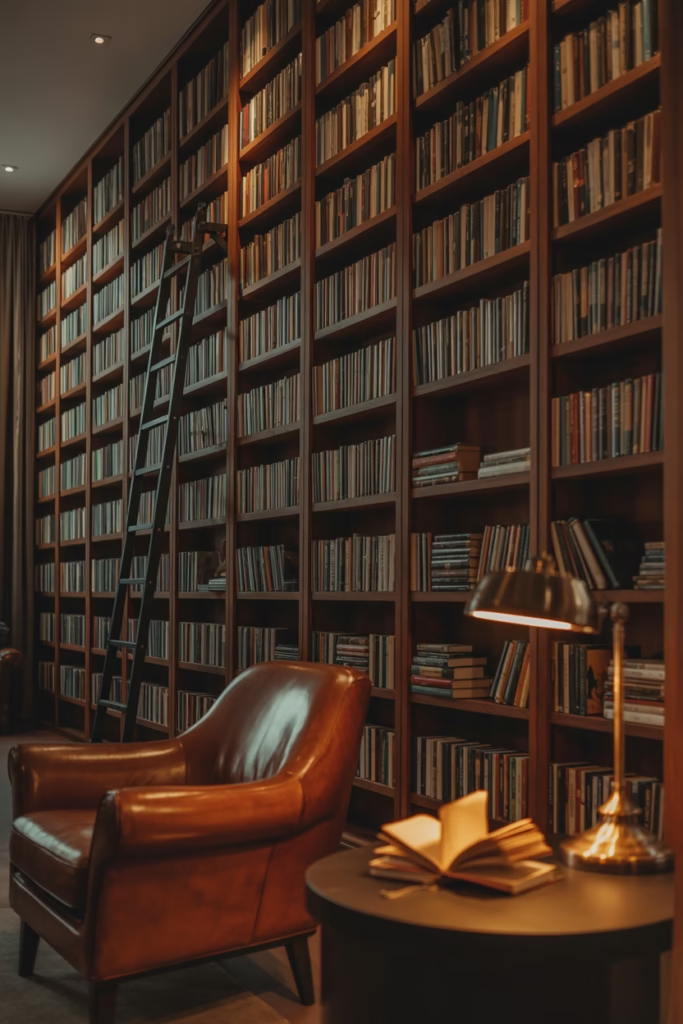
If you’re drowning in books like I am, a full library wall is basically life-changing. We’re talking wall-to-wall, floor-to-ceiling shelves dedicated entirely to your book collection.
I finally built mine last year after years of books stacked in piles on the floor (real elegant, I know). Now I can actually find what I’m looking for, and my living room looks like a personal library instead of a Barnes & Noble clearance section.
Here’s what makes a library wall work:
- Deep enough shelves to hold hardcovers comfortably (at least 10-12 inches)
- Adjustable shelving so you can accommodate different book sizes
- A rolling ladder if you’re going tall (or just for show, no judgment)
- Good lighting so you can actually read titles
Organization Matters
Don’t just throw books up there randomly. Organize them in a way that makes sense to you:
- By genre or subject matter
- Color-coordinated for visual impact (controversial, IMO, but it looks amazing)
- Alphabetically by author if you’re that person
- By size for a neat, architectural look
The best part? Every time someone visits, they’ll spend 20 minutes browsing your collection. It’s basically built-in entertainment.
Alcove Shelving for Architectural Interest
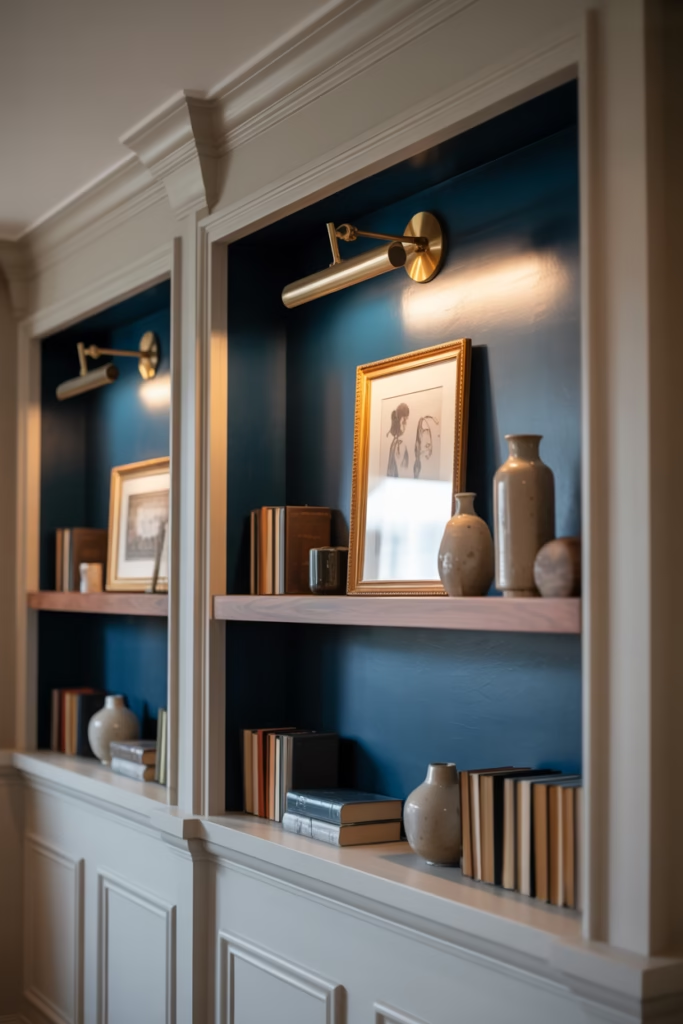
Got an alcove or recessed space in your living room? Stop using it as a dumping ground for random furniture and build shelves into it. Alcove shelving turns architectural quirks into features.
I had this weird indent in my living room wall that made furniture placement impossible. Built-in shelves fit perfectly, and now it’s the most interesting part of the room. The depth creates shadows and dimension that flat walls just can’t match.
This works for:
- Chimney breast alcoves on either side of fireplaces
- Recessed wall spaces from structural design
- Under-stairs areas that open to the living room
- Awkward nooks created by room additions
Paint the back of the alcove a contrasting color to make your displays pop even more. Deep blues, rich greens, or even black create serious depth and make everything you put on those shelves look intentional.
Minimalist Floating Shelves for Modern Spaces
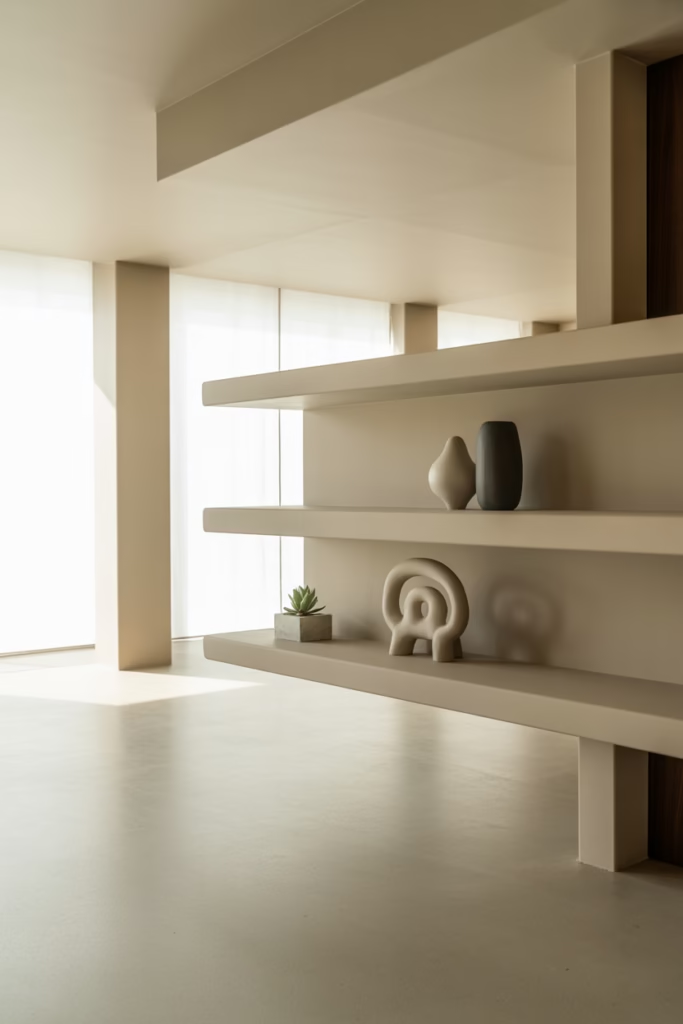
Sometimes less really is more. If your living room leans modern or minimalist, chunky built-ins might feel too heavy. Enter: floating shelves that look like they’re defying gravity.
I installed three floating shelves in my contemporary living room, and they’re perfect. No visible brackets, clean lines, and just enough storage without overwhelming the space. The minimalist vibe stays intact while still being functional.
Keep these principles in mind:
- Limit the number of shelves to avoid visual clutter
- Space them evenly for balance
- Style sparingly—a few key pieces per shelf
- Choose materials that match your existing aesthetic (wood, metal, glass)
The beauty of floating shelves is their versatility. Change what’s displayed based on season or mood without the commitment of a full built-in system. Plus, they’re way easier to install if you’re DIY-ing.
Two-Tone Shelving for Visual Pop
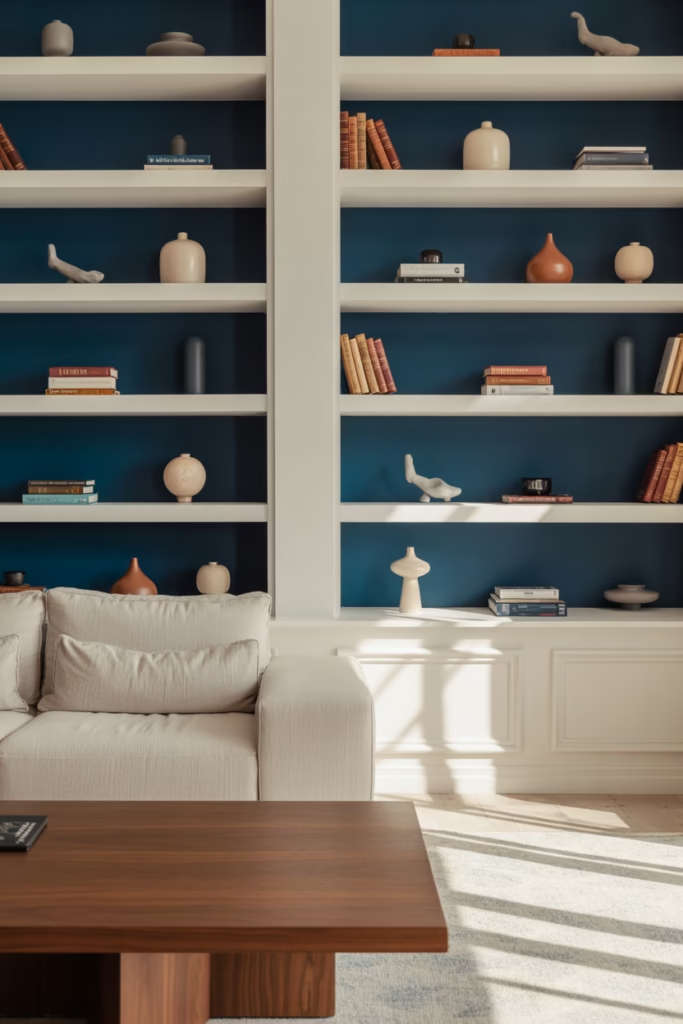
Why stick with one color when two looks so much better? Two-tone built-in shelves add depth and personality without going overboard.
I painted my built-ins white but did the back panel in a navy blue, and the contrast is chef’s kiss. It makes everything I display stand out while adding this sophisticated layer to the room. You could also do darker shelves with lighter walls, or vice versa.
Popular color combinations:
- White shelves with charcoal or navy backing
- Natural wood shelves against painted walls
- Black shelves with white interiors for drama
- Sage green shelves with cream backing for softness
The key is choosing colors that already exist in your living room palette. You want cohesion, not chaos. Check your throw pillows, rugs, and art for inspiration—pull colors from there.
Display and Hidden Storage Combo
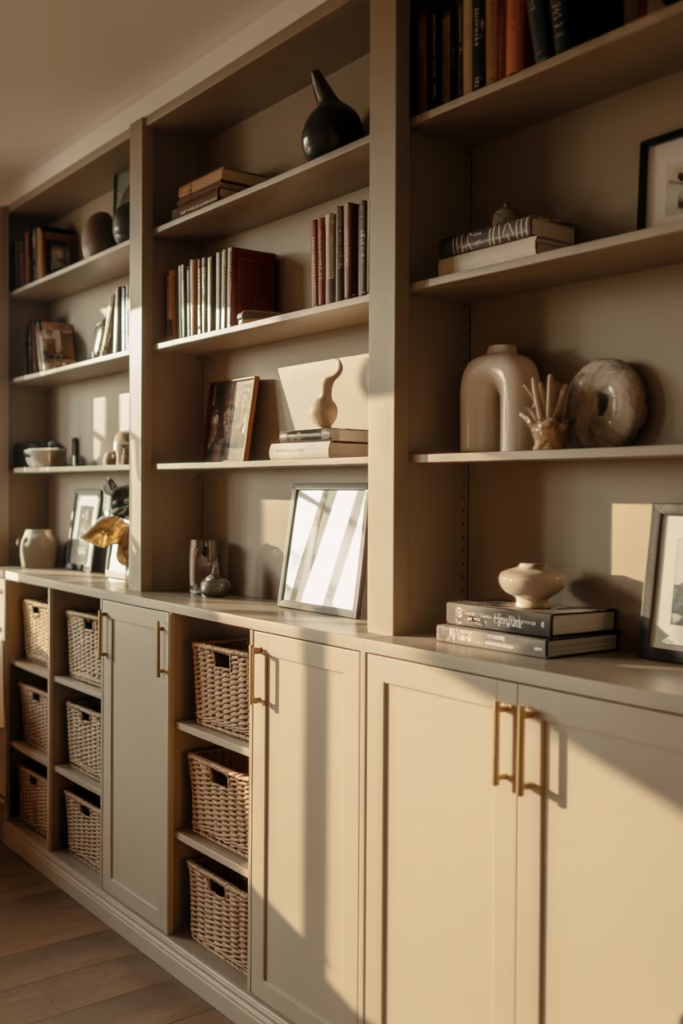
Here’s the thing about living rooms: you want some stuff visible and some stuff hidden. The smartest built-ins combine open shelving with closed cabinets so you get the best of both worlds.
My setup has open shelves on top for displaying books and decor, and closed cabinets on the bottom for all the ugly stuff I don’t want anyone seeing. Remote controls, board games, extra throw blankets—it all goes in those cabinets where it belongs.
This configuration is genius because:
- You maintain that curated, styled look up top
- Everyday clutter gets hidden away
- Closed storage keeps dust off things you don’t use often
- The visual weight stays balanced
Pro tip: Add hardware that makes a statement. Fancy knobs or sleek pulls can elevate basic cabinets from builder-grade to custom without adding much cost.
Asymmetrical Shelving for Modern Edge
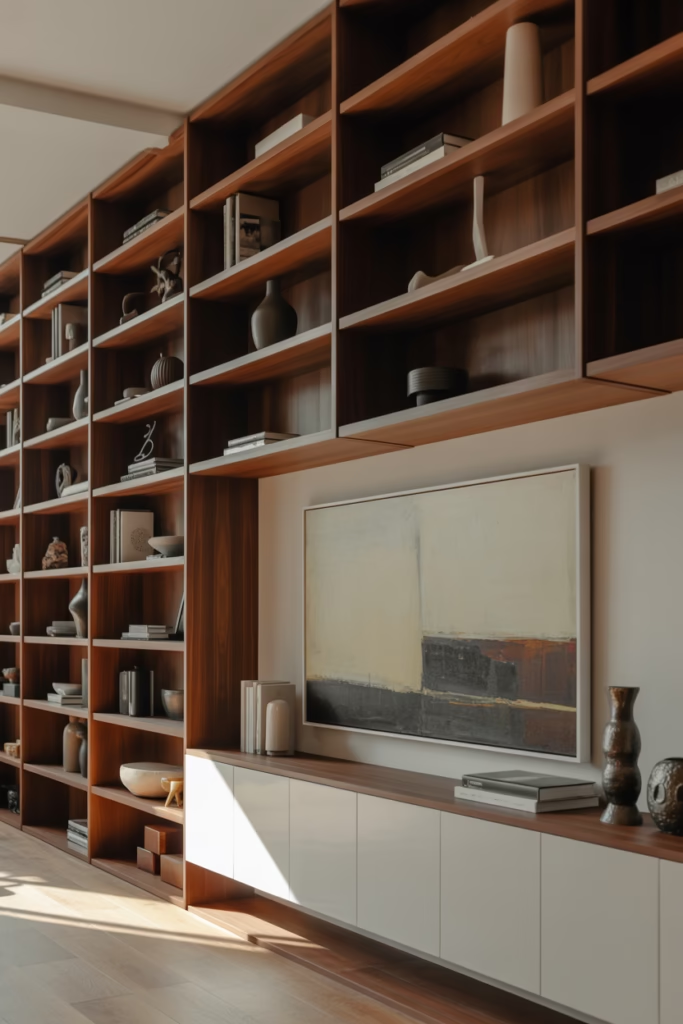
Who says both sides have to match? Asymmetrical built-ins give you that modern, collected-over-time look that’s way more interesting than perfect symmetry.
I went asymmetrical in my eclectic living room—tall shelves on one side, shorter cabinets on the other—and it works. The room feels dynamic instead of stuffy, like the design evolved organically instead of being planned to death.
This approach lets you:
- Mix different shelf heights and depths
- Combine open and closed storage unevenly
- Create visual interest through imbalance
- Work with awkward architectural features
Just make sure there’s some visual balance, even if it’s not symmetrical. Vary the visual weight so one side doesn’t feel overwhelmingly heavy compared to the other.
Backlit Shelving for Ambient Glow
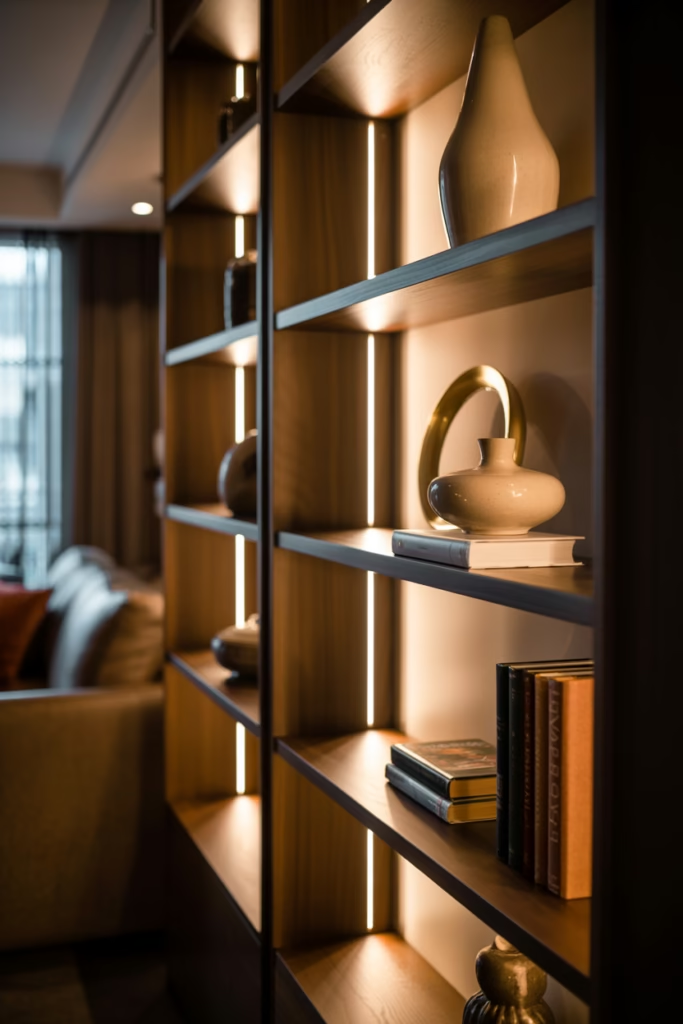
Want to add some serious drama? Install LED strip lighting behind or under your shelves for that ambient glow that makes everything look expensive.
I added LED strips to the back of my glass shelves, and when I dim them in the evening, the whole room gets this warm, sophisticated vibe. It’s like having built-in mood lighting that also highlights your favorite decor pieces.
Lighting options to consider:
- LED strips along the back edge for a halo effect
- Under-shelf lighting to illuminate lower displays
- Interior cabinet lights for functional visibility
- Color-changing LEDs if you want options (but white usually looks classiest)
The installation is easier than you’d think—most LED strips are adhesive-backed and plug into standard outlets. Just plan your wire management before you start sticking things to walls.
Mix of Materials for Texture
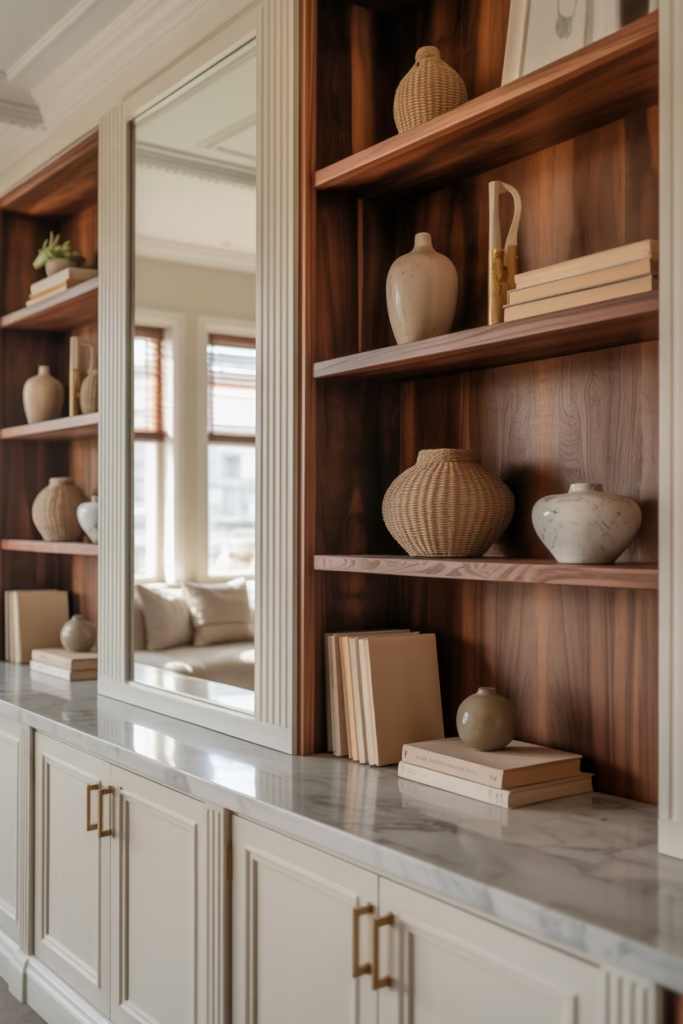
All wood? Boring. All painted? Flat. Mixing materials adds texture and visual interest that makes your built-ins feel custom and high-end.
I combined natural wood shelves with white painted frames and brass hardware. The warmth of the wood, the crispness of the white, and the metallic shine of the brass work together to create layers. Each material brings something different to the party.
Try these material combinations:
- Wood and metal for industrial vibes
- Glass shelves with wood frames for lightness
- Stone or marble surfaces for luxury touch
- Wire baskets within wooden frameworks
Don’t mix too many materials, though. Pick two or three and stick with them throughout. You want intentional layering, not a craft store explosion.
Shallow Shelving for Tight Spaces
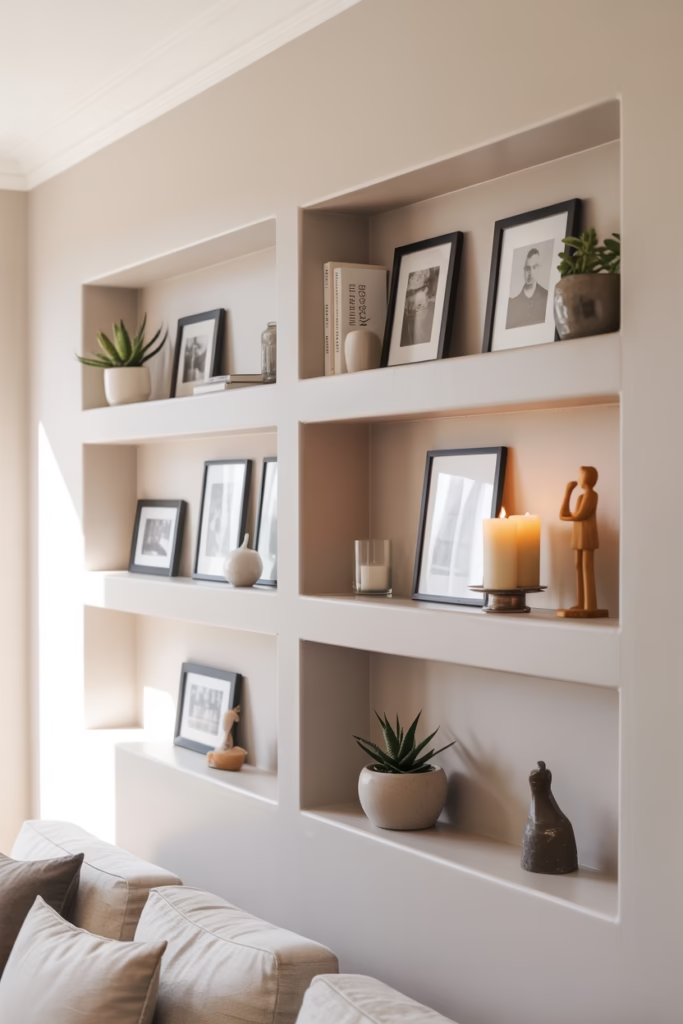
Not every living room has space for deep shelves. Sometimes you’re working with limited depth, and that’s okay. Shallow built-ins can be just as effective when styled right.
My entry wall only had about 8 inches to work with, so I built shallow shelves perfect for framed photos, small plants, and decorative objects. They don’t hold books, but they create visual interest and use space that would otherwise be blank wall.
Shallow shelves work great for:
- Entryway walls or narrow spaces
- Displaying art and frames
- Small plants and decorative objects
- Creating gallery-like displays
The trick is curating what goes on them. Since you can’t fit much, everything you display needs to earn its spot. Think quality over quantity.
Adjustable Shelving for Future Flexibility
Here’s something I wish I’d known earlier: adjustable shelving saves you from redoing everything when your needs change.
Fixed shelves look great until you buy that oversized coffee table book that doesn’t fit anywhere. Adjustable shelves let you reconfigure spacing as your stuff changes. I use a pin system that lets me move shelves up or down in 2-inch increments.
Why adjustable shelves rock:
- Accommodate different item sizes over time
- Easy to reconfigure without tools
- Work for growing plant collections (guilty)
- Future-proof your storage needs
The adjustable hardware is hidden, so it doesn’t mess with the aesthetic. You get all the flexibility without compromising the look.
So Whether you’re going for cozy library vibes, modern minimalism, or something in between, built-ins give you storage, style, and that custom look that makes your space feel intentionally designed.
The best part? Once they’re installed, you’ll wonder how you ever lived without them. That dead wall space becomes useful, your stuff finally has a home, and your living room looks like you actually know what you’re doing (even if you’re winging it like the rest of us).
So grab that measuring tape, start planning your design, and get ready to actually use all that vertical space you’ve been ignoring. Your future organized self will thank you.