
So you’ve got this courtyard space, and you’re staring at it thinking, “What now?” I get it. Courtyards are tricky little areas that can either become forgotten dead zones or absolute showstoppers. The good news? With the right design ideas, you can transform even the tiniest courtyard into your favorite hangout spot. And trust me, I’ve seen some pretty dismal courtyards turn into Instagram-worthy spaces (yes, that’s totally a valid goal :)).
Let me walk you through 15 courtyard garden designs that actually work in real life, not just in fancy magazines where nobody actually sits on the furniture.
Mediterranean Oasis Design
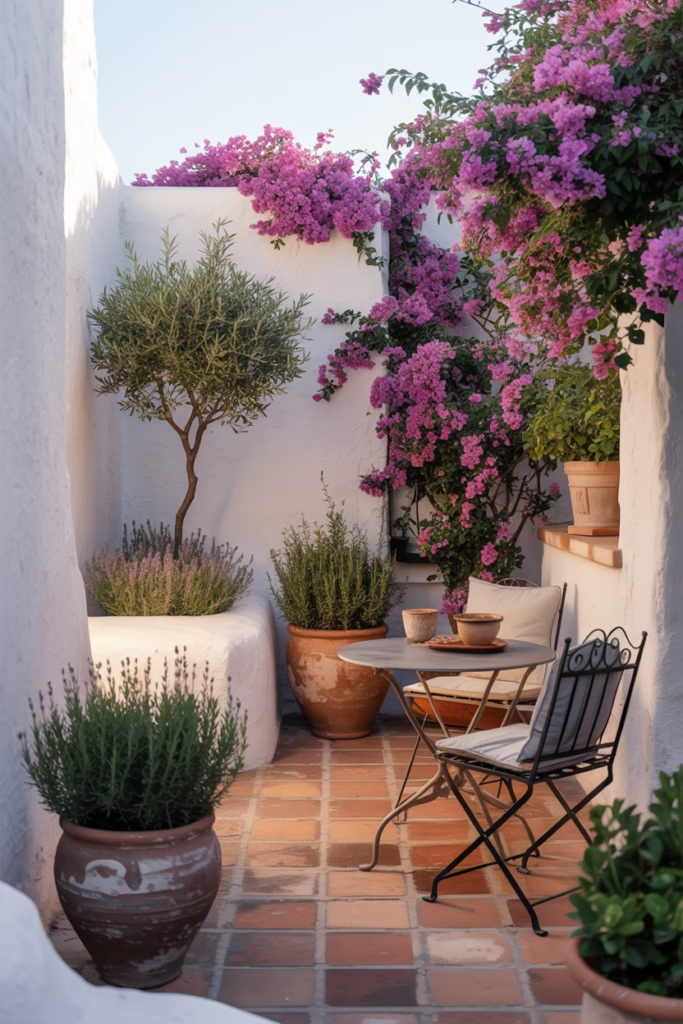
Ever notice how Mediterranean courtyards just feel right? There’s something about that blend of terracotta, white walls, and lush greenery that makes you want to pour a glass of wine and forget about your to-do list.
The foundation of this design centers on warm terracotta pots filled with lavender, rosemary, and olive trees. I love using different pot sizes—it creates visual interest without looking cluttered. Pair these with climbing bougainvillea along the walls, and you’ve got instant vacation vibes.
Key elements to nail this look:
- Large terracotta containers in various heights
- White or cream-colored walls as backdrop
- Gravel or stone flooring for that authentic Mediterranean feel
- Wrought iron furniture with weathered finishes
- String lights or lanterns for evening ambiance
The flooring matters more than you’d think. Skip the grass here—go with decomposed granite or light-colored pavers. It’s lower maintenance and honestly looks way better with the overall aesthetic.
Minimalist Zen Garden
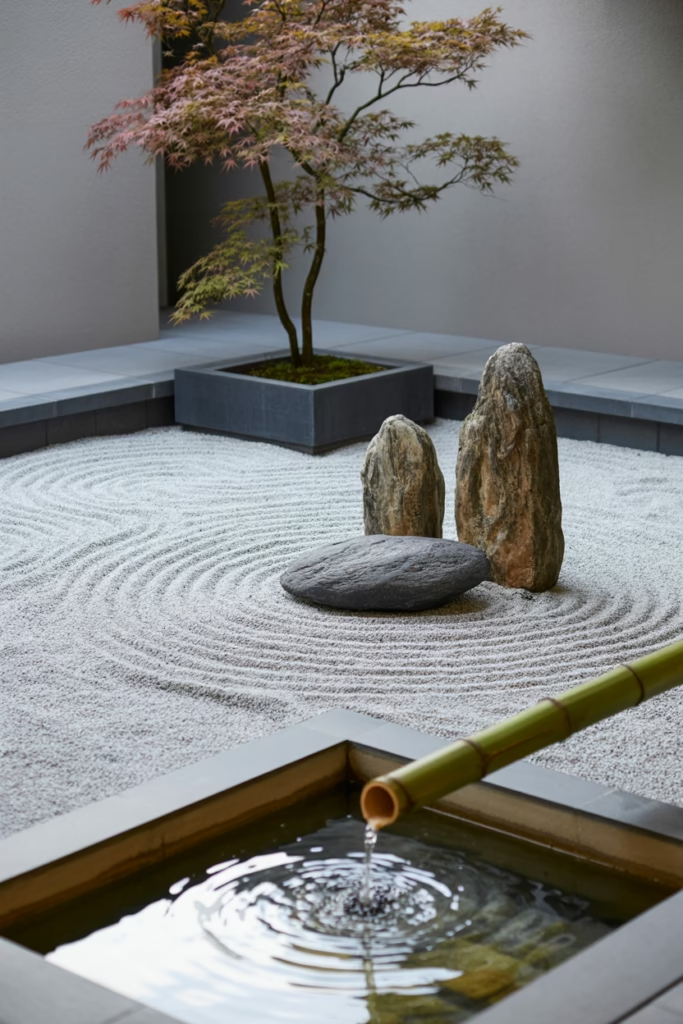
If you’re someone who finds peace in simplicity (or just really hates yard work), the minimalist Zen approach might be your jam. This design strips everything down to the essentials—clean lines, neutral colors, and purposeful placement of every single element.
I’m talking about carefully raked gravel patterns, a few strategically placed rocks, and maybe one stunning Japanese maple as your focal point. The beauty here is in the restraint. Not everything needs to be filled, you know?
The color palette stays firmly in the earth-tone family—grays, blacks, whites, and soft greens. Add a simple water feature like a bamboo fountain, and suddenly you’ve got your own meditation space. FYI, this style works especially well in smaller courtyards where too much “stuff” would feel overwhelming.
Tropical Paradise Retreat
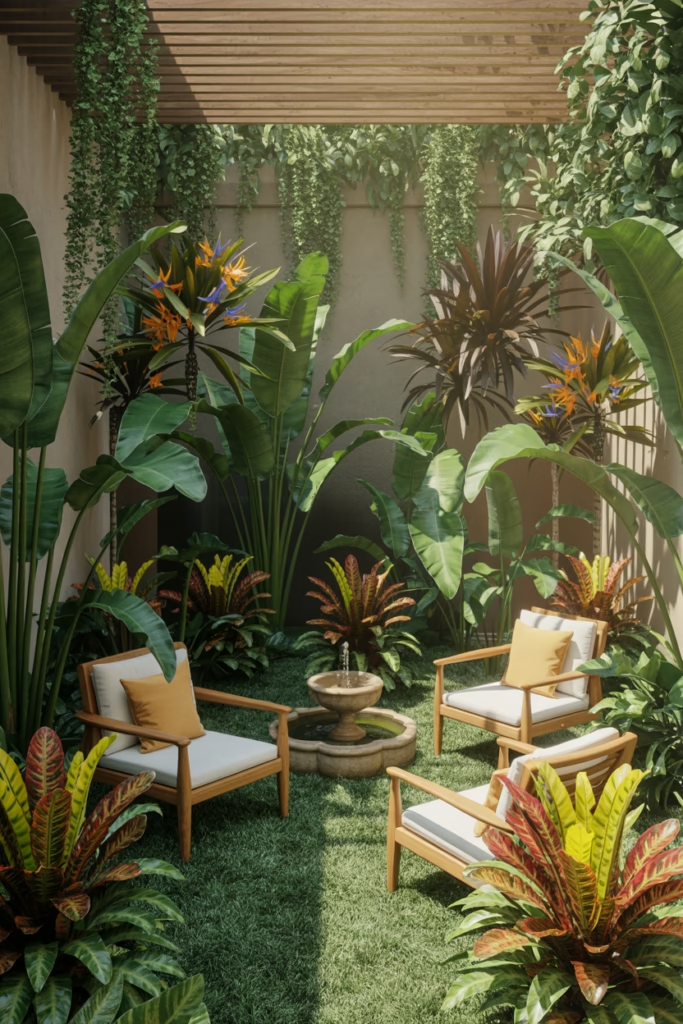
Want to feel like you’re on vacation without leaving home? The tropical courtyard design delivers exactly that. Think bold foliage, vibrant flowers, and enough green to make your neighbors wonder if you’ve opened a jungle exhibit.
Large-leafed plants are your best friends here—banana plants, elephant ears, bird of paradise, and monstera. Mix in some colorful crotons and you’ve got layers of texture that photograph beautifully (not that we’re all obsessed with courtyard selfies or anything).
Here’s what makes this design pop:
- Layered planting from ground cover to tall specimens
- Bold, oversized planters in bright colors
- Natural wood furniture or bamboo pieces
- Water features like small ponds or fountains
- Plenty of shade options—pergolas or large umbrellas
The trick is creating that dense, lush feeling without actually making the space feel cramped. Group plants in odd numbers and vary the heights dramatically.
Modern Industrial Courtyard
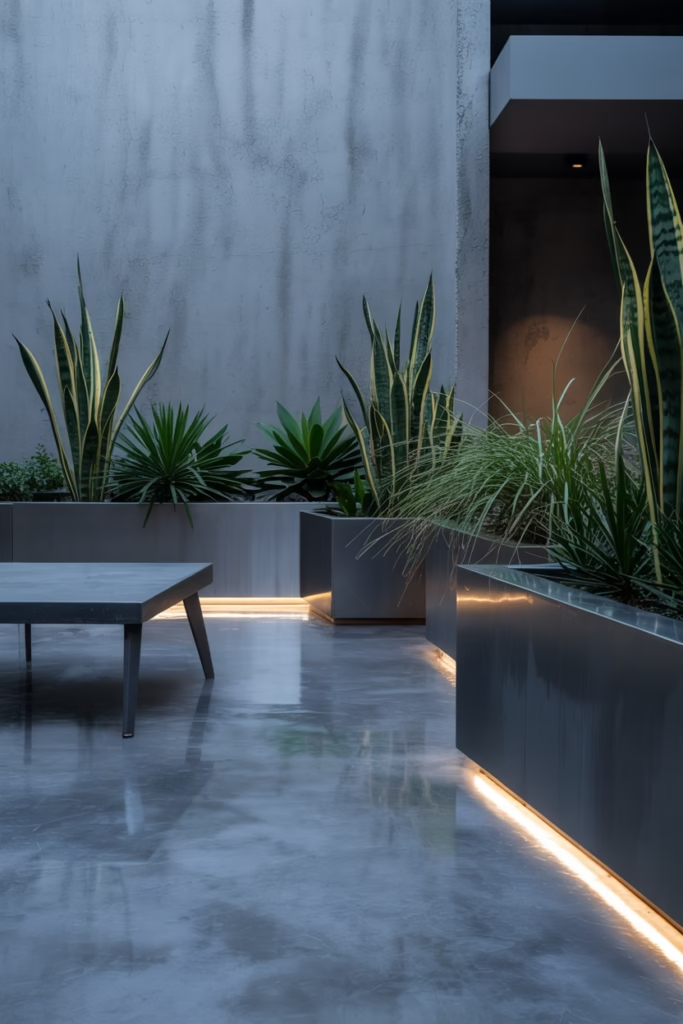
Not everyone wants flowers and fountains, right? Some of us prefer concrete, steel, and clean geometric lines. The modern industrial courtyard embraces raw materials and architectural plantings for a seriously cool urban vibe.
I’ve seen this done with polished concrete flooring, metal planter boxes with architectural grasses, and maybe a sculptural water feature. The plants here are more about form than color—think ornamental grasses, succulents, and structural evergreens.
The furniture should be sleek and low-profile. Metal benches, concrete side tables, and maybe some weathered wood accents to soften things slightly. Lighting becomes crucial in this design—up-lighting architectural plants or installing LED strips along pathways creates drama after dark.
English Cottage Garden Style
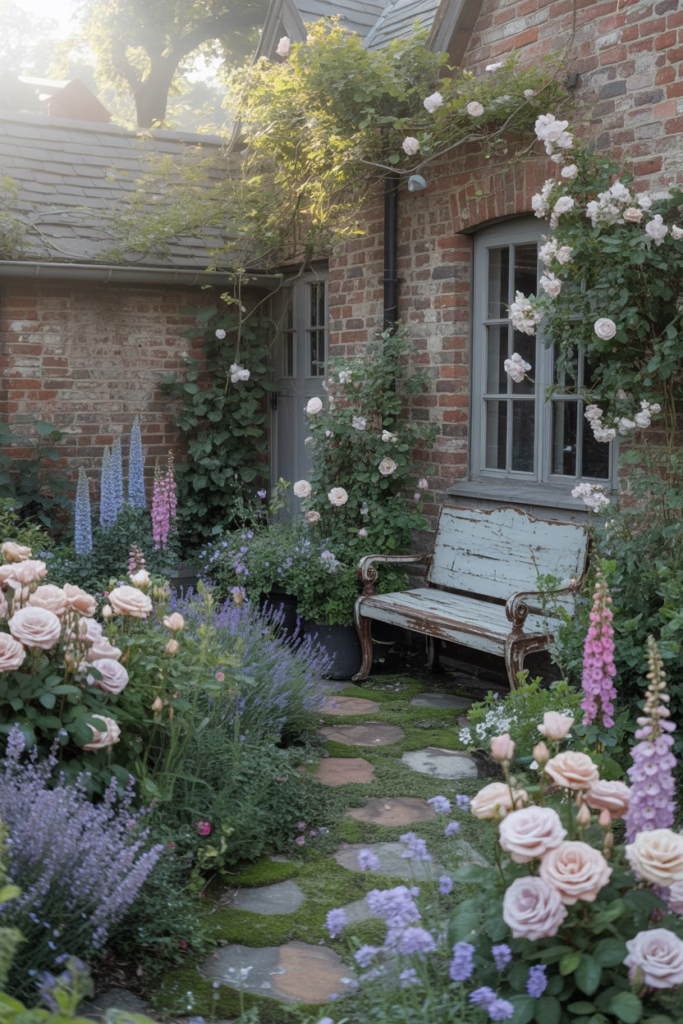
Okay, this one’s for the romantics. English cottage garden courtyards are deliberately wild-looking, overflowing with blooms, and absolutely charming in that “I woke up like this” kind of way (even though we know it takes serious planning).
The secret is in the layering and mixing of plants. Roses climbing up walls, lavender spilling over pathways, foxgloves standing tall in the back, and ground covers weaving through everything. It looks effortless but requires understanding which plants play well together.
Essential elements include:
- Meandering pathways (even in small spaces)
- Vintage or distressed furniture pieces
- Climbing roses and clematis
- Herb borders mixing with ornamental plants
- Decorative elements like old watering cans or vintage signs
The color scheme leans toward soft pastels—pinks, purples, whites, and blues. But don’t be afraid to let some wild orange poppies crash the party. Cottage gardens thrive on beautiful chaos.
Desert Contemporary Design
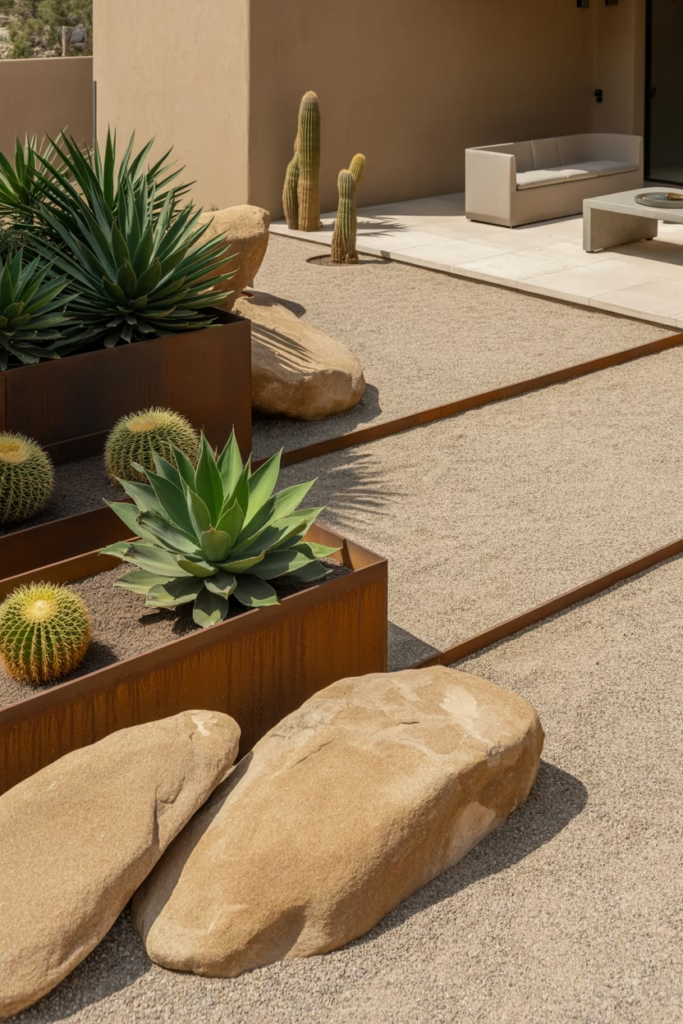
Living somewhere hot and dry? Why fight it? Desert contemporary courtyards celebrate the beauty of arid landscapes while staying totally modern and functional.
Sculptural cacti and succulents become living art pieces in this design. Pair them with decomposed granite, large boulders, and maybe some weathered steel planters. The plants are low-water heroes—agaves, aloes, barrel cacti, and desert-adapted trees like palo verde.
I love how this style embraces negative space. You don’t need to fill every inch with plants. Strategic placement of bold specimens against clean backgrounds creates way more impact. Add some modern metal furniture with weatherproof cushions, and you’ve got a courtyard that works with your climate instead of against it.
Formal Symmetrical Layout
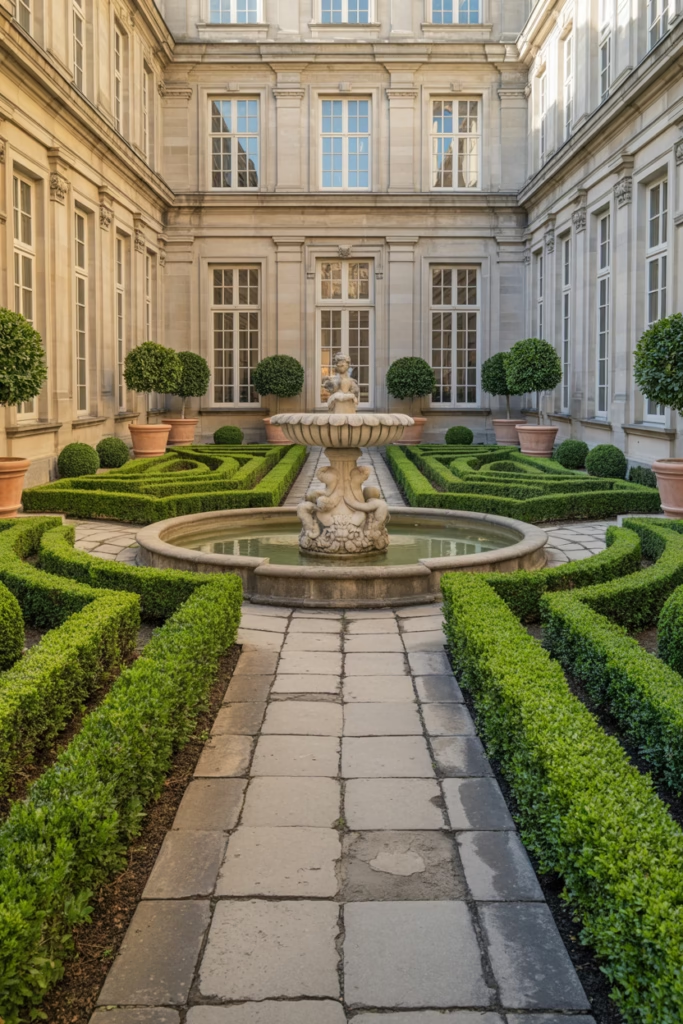
There’s something deeply satisfying about perfect symmetry, isn’t there? Formal courtyard designs use geometric patterns and balanced plantings to create a sense of order and elegance.
Think matching boxwood hedges on either side of a central pathway, identical planters flanking doorways, and a fountain or sculpture as the central focal point. This design works beautifully for traditional architecture and creates an immediate sense of sophistication.
The plant choices tend toward evergreens that can be shaped and maintained—boxwood, holly, yew, and topiary forms. Seasonal color comes from annual plantings in designated beds, keeping the structure intact year-round. IMO, this style requires more maintenance than most, but the visual payoff is huge.
Courtyard Kitchen Garden
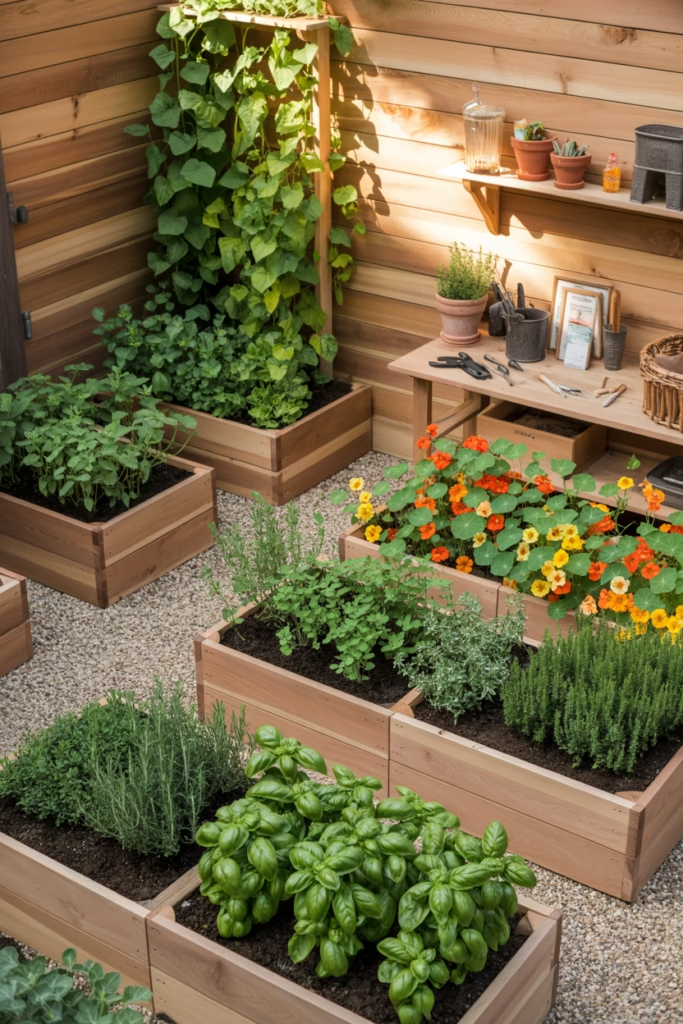
Why not make your courtyard functional AND beautiful? Kitchen garden courtyards blend edible plants with ornamental design, giving you fresh herbs and vegetables just steps from your actual kitchen.
I’m obsessed with this approach because raised beds can be designed to look absolutely gorgeous while growing your dinner. Mix herbs like basil and thyme with flowering plants like nasturtiums (which are also edible, bonus!). Add some climbing beans or peas on trellises for vertical interest.
Key features for this design:
- Raised beds in attractive materials—wood, metal, or stone
- Vertical growing on walls or trellises
- Dedicated herb sections near seating areas
- Pathways wide enough for easy harvesting
- Decorative yet functional elements like vintage tool storage
The trick is treating your vegetables like ornamental plants. Ruby chard looks stunning, purple kale is architectural, and tomato plants trained on obelisks become focal points. Who says practical can’t be pretty?
Water Feature Focus
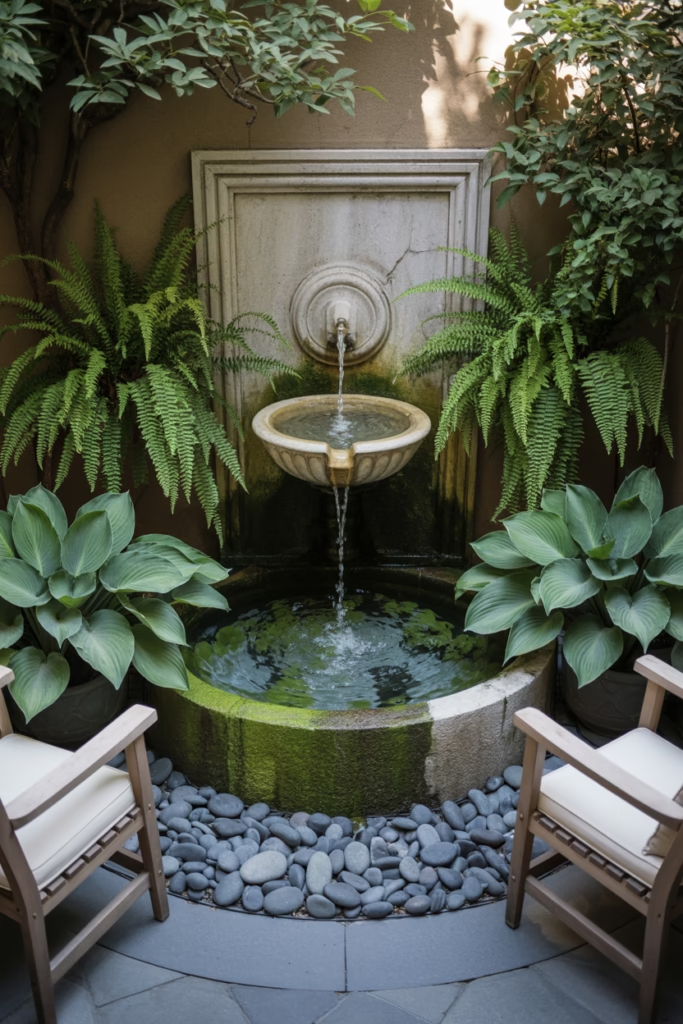
Some people are water people. If the sound of flowing water makes your stress melt away, designing your courtyard around a water feature might be your move.
This doesn’t mean you need some massive fountain installation (though if you’ve got the budget, go for it). Even a simple wall-mounted fountain or small reflecting pool can become the centerpiece that defines your entire space. I’ve seen tiny bubbling bowls create more impact than elaborate multi-tier fountains.
Surround your water feature with moisture-loving plants—ferns, hostas, and mosses. The sound and movement of water naturally draws the eye, so keep other elements more subdued. Add some smooth river rocks around the base, comfortable seating positioned to enjoy the view, and maybe some floating plants if you’ve gone with a pool design.
The maintenance on water features varies wildly depending on what you choose, so do your homework before committing. Nothing kills courtyard zen faster than a stagnant, algae-filled water disaster :/.
Vertical Garden Walls
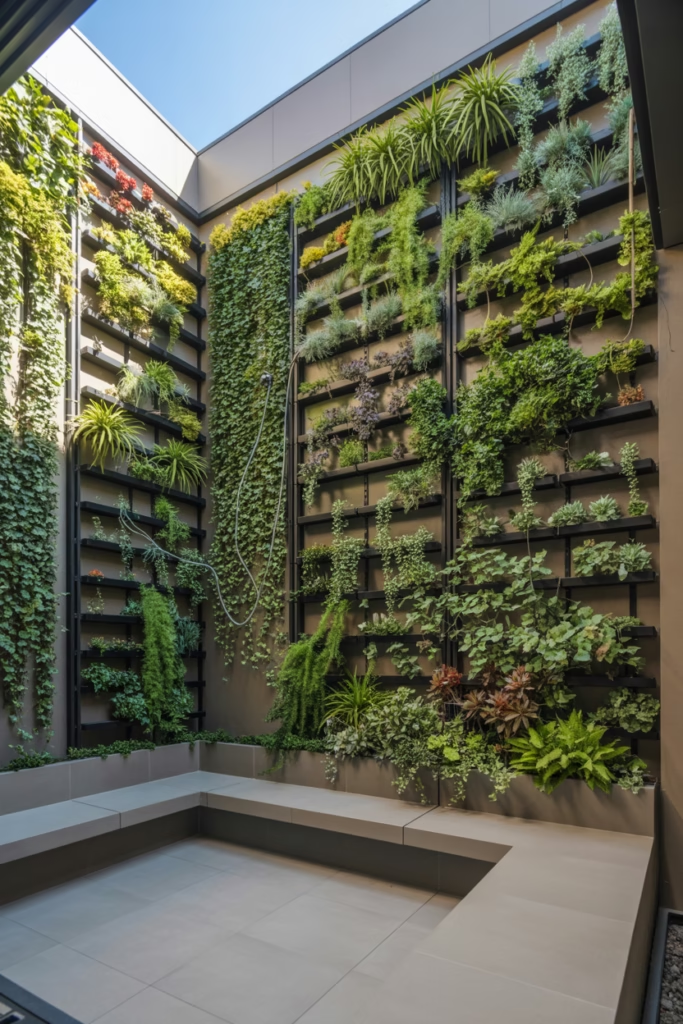
Short on floor space? Go vertical. Living walls or vertical gardens maximize planting area while creating a stunning green backdrop that feels way bigger than it actually is.
Modular planting systems make this easier than ever. You can buy ready-made vertical planters or DIY with pocket planters, wall-mounted containers, or even repurposed pallets (if you’re into that rustic look). The plant choices matter here—you need species that don’t mind their roots being somewhat contained.
My favorite vertical garden plants include:
- Succulents for low-maintenance options
- Ferns for shaded walls
- Herbs like mint, oregano, and thyme
- Trailing plants like ivy or string of pearls
- Flowering plants like petunias or calibrachoa
The biggest challenge is irrigation. Hand-watering gets old fast, so consider installing a drip system on a timer. Also, make sure whatever wall you’re using can handle the weight when everything’s wet—that’s heavier than you think.
Multi-Season Interest Design
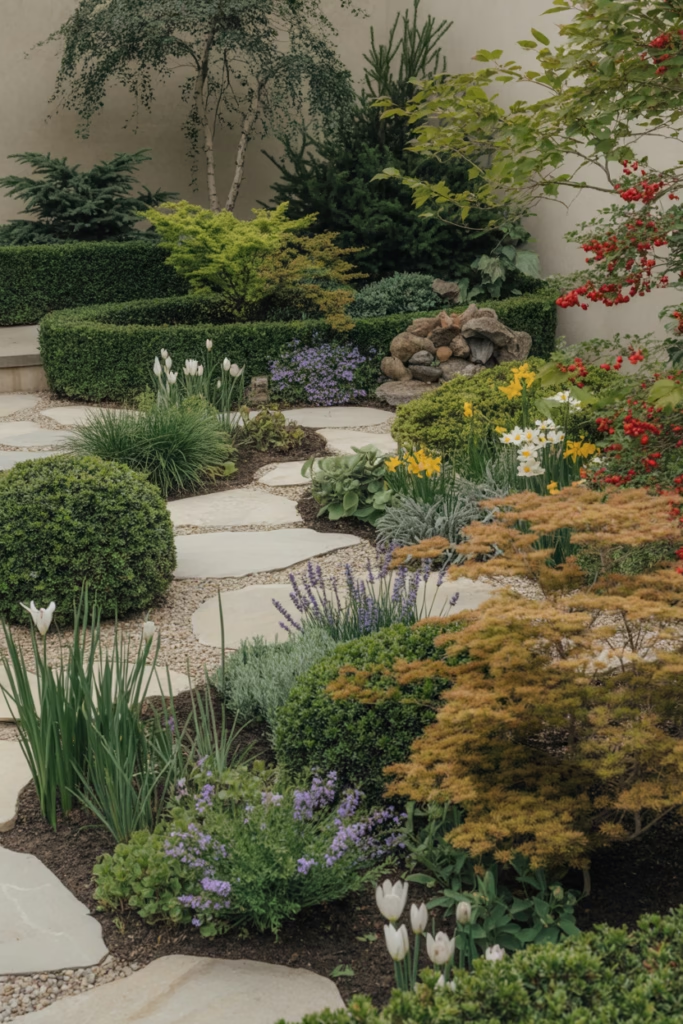
One-season wonders are boring. Why peak for just a few weeks when your courtyard could look amazing year-round? Designing for multi-season interest means strategic plant selection that gives you something to look at through every season.
Start with evergreen structure—these are your backbone plants that look good 365 days a year. Then layer in spring bulbs, summer bloomers, fall foliage stars, and winter interest plants with cool bark or berries. It takes more planning but pays off massively.
Consider this seasonal breakdown:
- Spring: bulbs, early-blooming shrubs, fresh green growth
- Summer: perennials, annuals, lush foliage
- Fall: grasses, late bloomers, colorful foliage
- Winter: evergreens, interesting bark, berries, structure
Don’t forget hardscaping elements that shine in winter when plants are dormant. Good design bones carry you through the lean months.
Courtyard for Entertaining
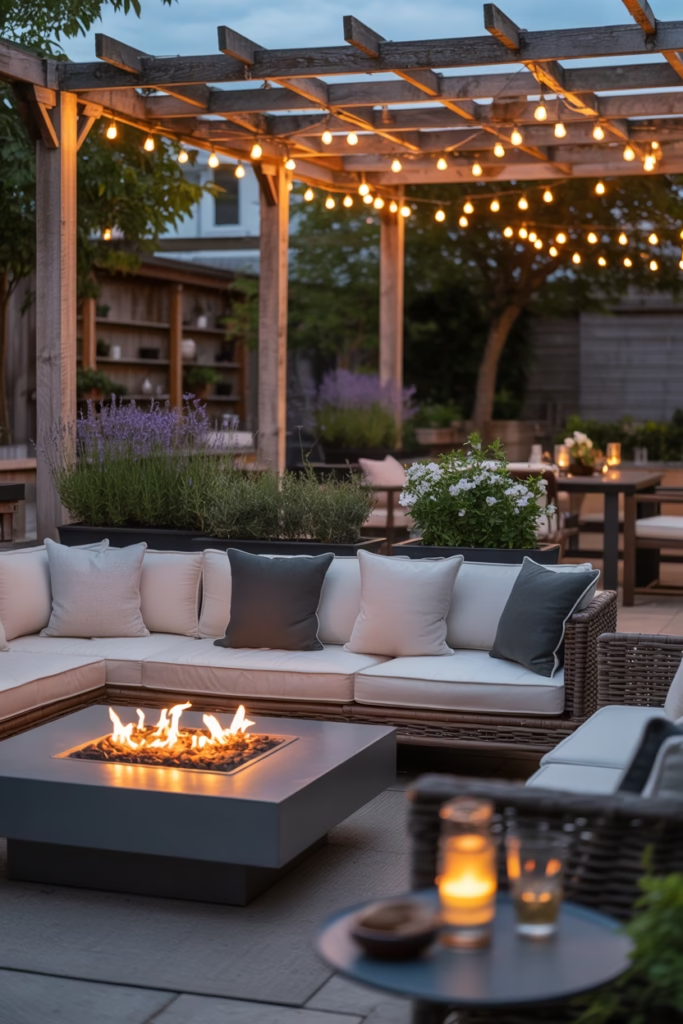
If your courtyard’s main job is hosting friends and family, design it like the outdoor room it needs to be. This means prioritizing comfortable seating, adequate lighting, and thoughtful layout that encourages conversation.
I always suggest creating different zones—a main seating area, maybe a bar cart station, and a fire pit or heater for cooler evenings. The plants become the backdrop rather than the star, framing your entertaining space without crowding it.
Essential elements include:
- Weatherproof seating for your typical guest count plus a few extra
- Overhead cover options—pergola, umbrella, or retractable awning
- Ambient lighting on dimmers
- Side tables within reach of every seat
- Built-in or portable heating options
- Sound system speakers (be nice to your neighbors though)
Keep the plant palette simple and fragrant—night-blooming jasmine, lavender, or herbs that smell amazing when people brush past them. The goal is creating atmosphere without maintenance headaches when you’re trying to enjoy your guests.
Wildlife-Friendly Haven
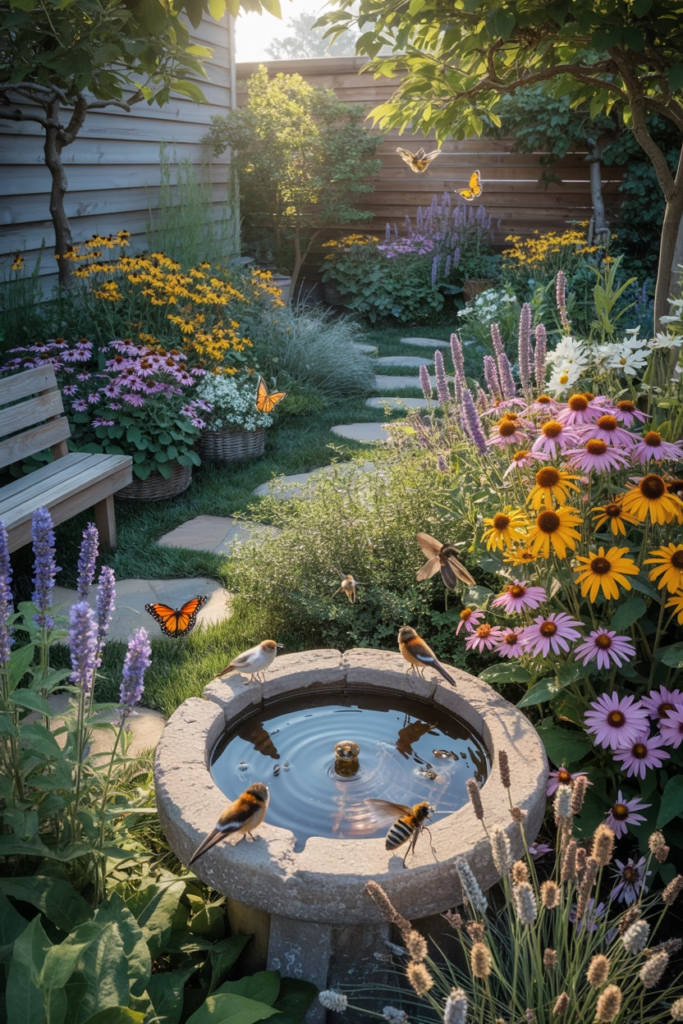
Want your courtyard buzzing with life (literally)? Design it to attract birds, butterflies, and beneficial insects. A wildlife-friendly courtyard connects you to nature even in urban settings.
The foundation is native plants that local wildlife already recognize as food sources. Add a water source like a birdbath, skip the pesticides, and leave some areas a little wild. Pollinators need nectar plants at different heights, and birds need spots to nest and hide from predators.
Plant layers for wildlife:
- Ground covers for ground-feeding birds and small creatures
- Mid-height perennials for butterflies and bees
- Shrubs for nesting birds
- Trees or tall plants for shelter and singing perches
- Seed heads left standing through winter
I love this approach because it’s low-maintenance AND purposeful. You’re not just creating a pretty space—you’re supporting local ecosystems. Plus, watching butterflies and hummingbirds is way more interesting than staring at perfect but lifeless landscaping.
Shade Garden Sanctuary
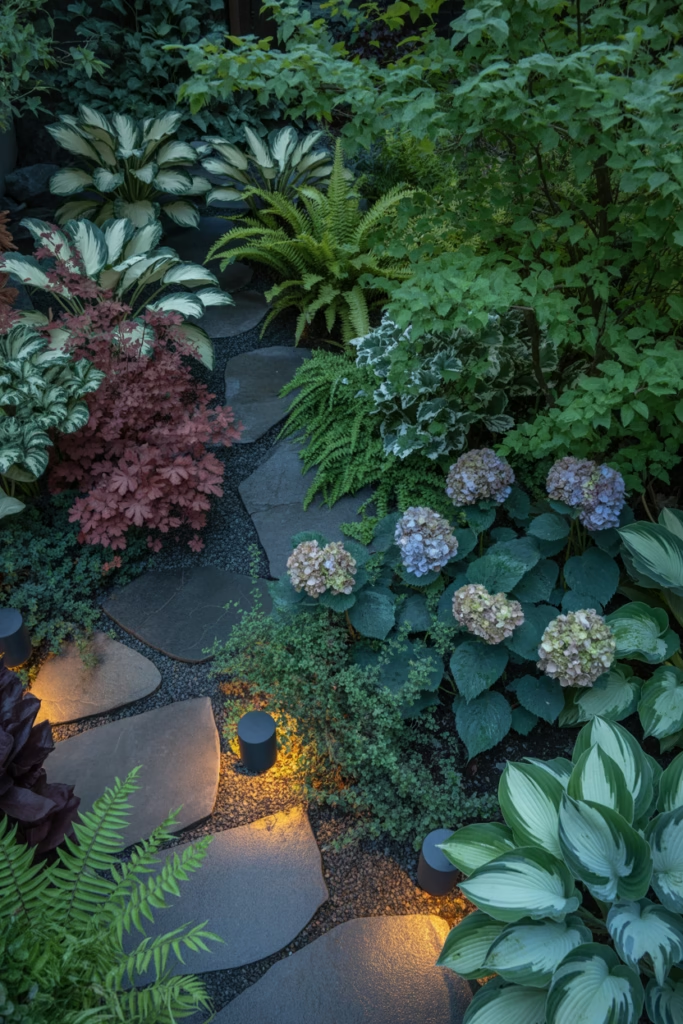
Got a courtyard that barely sees direct sun? Don’t panic—shade gardens can be absolutely magical. The key is embracing what thrives in low light instead of fighting your conditions.
Shade-loving plants offer incredible texture and foliage interest even without tons of flowers. Think hostas in every size and color, ferns creating softness, heucheras adding pops of burgundy or lime green, and maybe some shade-tolerant hydrangeas for flower power.
The design principles shift in shade gardens. You’re working with subtler color palettes—greens, silvers, whites, and deep purples. But the variety of leaf shapes, sizes, and textures creates just as much visual interest as a sunny flower riot.
Add lighting to illuminate pathways and highlight specimen plants at night. Shade gardens can feel dark and cave-like without thoughtful lighting, but with it, they become mysterious and enchanting. Layer in some white-flowering plants and variegated foliage to brighten naturally darker corners.
Bohemian Eclectic Mix
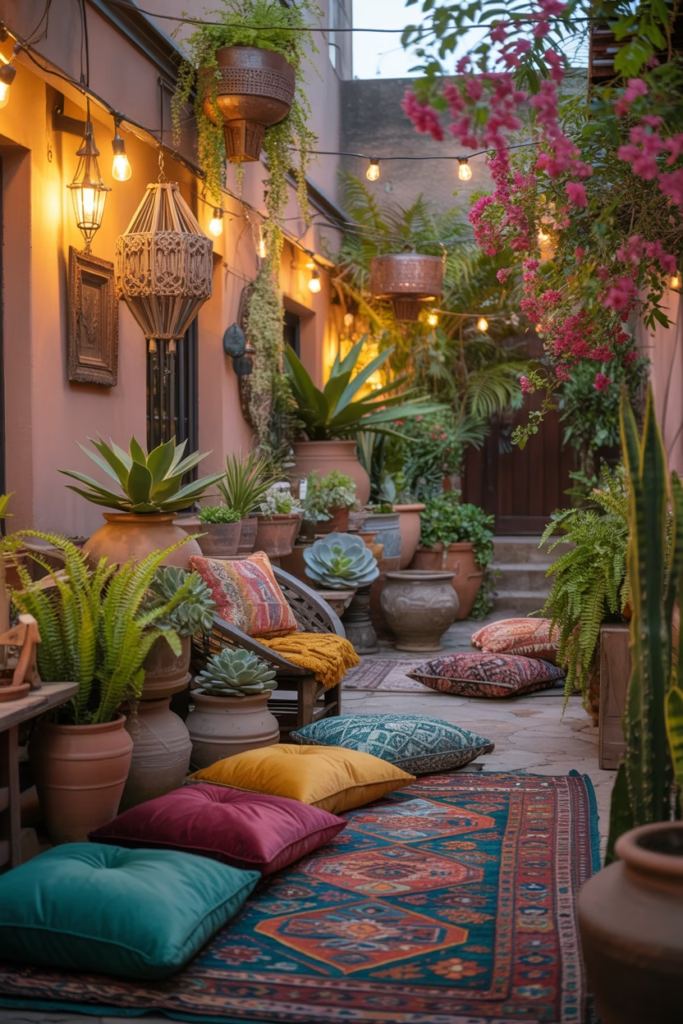
Can’t decide on just one style? The bohemian courtyard embraces mix-and-match everything with a carefree, collected-over-time vibe. This is where you can break all the rules and just have fun.
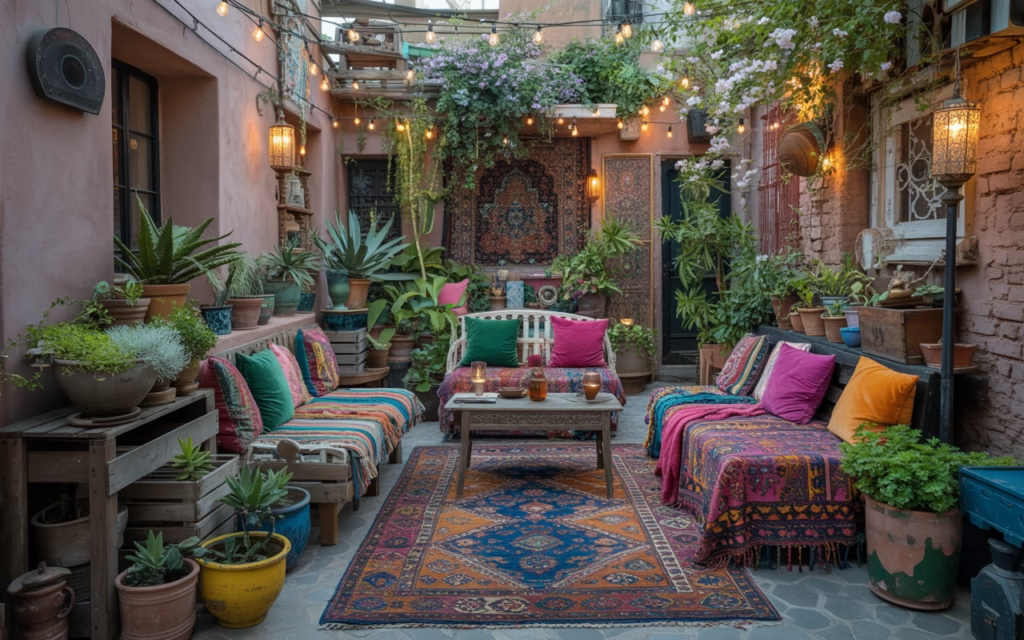
I’m talking mismatched furniture, colorful textiles layered everywhere, plants in random containers (yes, that vintage teapot works as a planter), and decorative elements from your travels. The key to pulling this off is having some color threads that tie things together—even eclectic needs a tiny bit of cohesion.
Go wild with patterns—striped cushions with floral rugs with geometric planters. Mix plants freely—succulents next to ferns next to flowering vines. Add string lights, paper lanterns, wind chimes, and whatever else makes you happy. This style is deeply personal and should reflect your actual personality, not some designer’s vision.
The plants can be just as eclectic—cottage garden favorites mixed with tropical specimens mixed with architectural succulents. If you love it and it thrives in your climate, it belongs in your bohemian courtyard.
Creating Your Perfect Courtyard
Look, there’s no single “right” way to design your courtyard. What works in a sunny California courtyard won’t work in a shaded Boston space, and what appeals to someone who loves minimalism will drive a cottage garden enthusiast crazy.
The best courtyard design is the one that fits your lifestyle, climate, and personal taste. Start by considering how you’ll actually use the space—entertaining, relaxing, growing food, or just looking at something beautiful from your window. Then build your design around that purpose.
Don’t feel pressured to do everything at once either. Courtyards can evolve over time. Start with the bones—hardscaping, major structures, and foundational plants. Then layer in details as your budget allows and your vision clarifies. Some of my favorite courtyards developed over years, not weekends.
And honestly? The courtyard that makes YOU happy when you step into it is the one you designed correctly. Whether that’s formal and structured or wild and chaotic doesn’t matter nearly as much as creating a space you’ll actually use and enjoy.
Now go make that courtyard amazing—you’ve got this!