
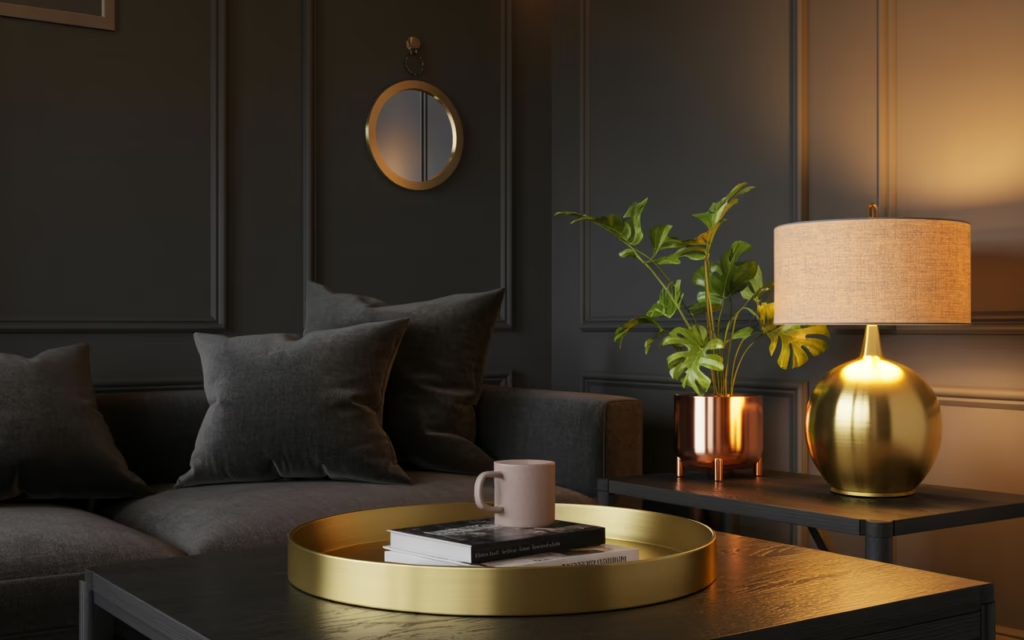
Look, I’m just going to say it dark living rooms get a bad rap. Everyone’s obsessed with those bright, airy spaces flooded with natural light, but honestly? There’s something absolutely magical about a moody, cocoon-like living room that wraps around you like a warm hug. I’ve been experimenting with darker aesthetics in my own space, and let me tell you, once you go dark, those beige walls start looking pretty boring.
If you’re ready to embrace the drama and create a living room that’s equal parts sophisticated and snug, you’re in the right place. These 15 ideas will transform your space into the cozy retreat you’ve been dreaming about.
Deep Charcoal Walls with Brass Accents
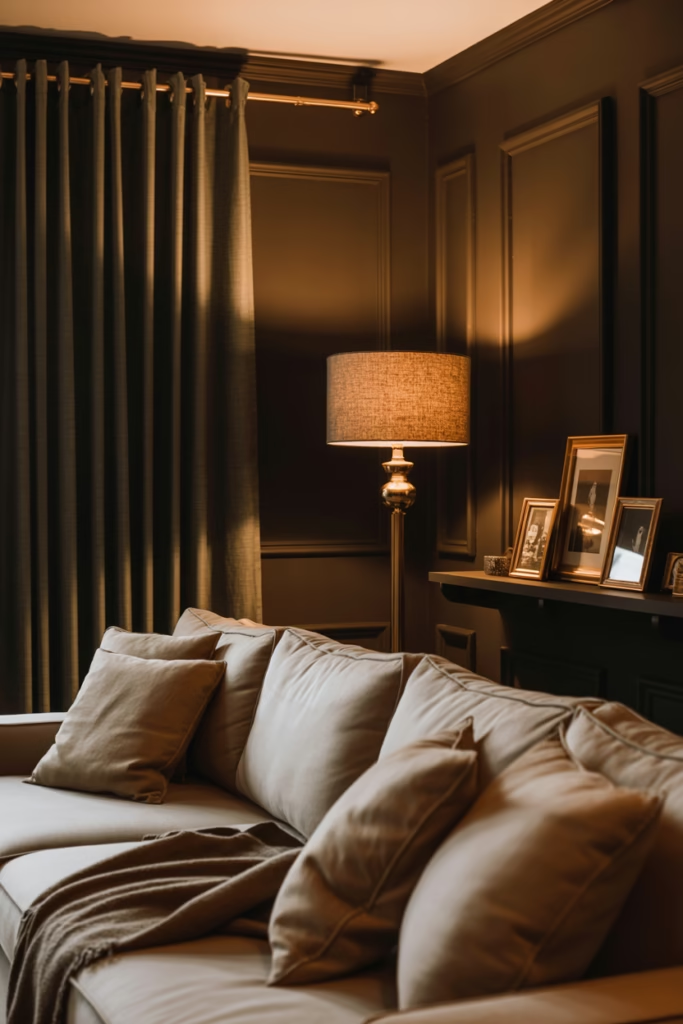
Starting strong here—charcoal walls are like the little black dress of interior design. They work with literally everything. I painted my living room walls in a deep charcoal shade last year, and the transformation was unreal.
The magic happens when you pair those dark walls with warm brass accents. Think brass picture frames, table lamps with brass bases, or even brass curtain rods. The metallic warmth cuts through the darkness without making the space feel cold or cave-like.
Here’s the thing though—you need decent lighting to pull this off. Install dimmable lights so you can control the mood. During the day, keep things bright enough to function. Come evening? Dim those babies down and watch your living room transform into the coziest spot in your house.
Pro tip: Use a matte finish on your walls. Glossy dark paint can look a bit too dramatic (and not in a good way).
Velvet Everything (But Especially the Sofa)
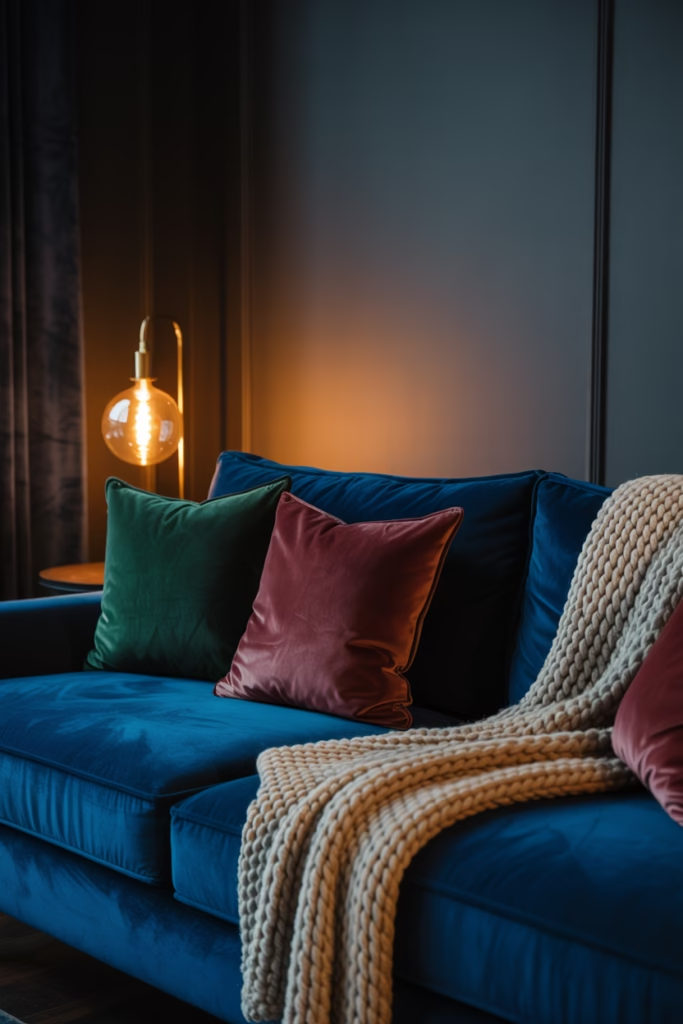
If you haven’t experienced the joy of sinking into a dark velvet sofa, you’re missing out. Velvet adds this incredible depth and texture that regular fabrics just can’t match. I’m talking deep navy, forest green, or even black velvet furniture that looks expensive even when it’s not.
The way velvet catches light is honestly mesmerizing. It creates these subtle variations in tone that make your furniture look alive. Plus, there’s something ridiculously luxurious about curling up on velvet with a book and a cup of coffee.
Don’t stop at the sofa though:
- Velvet throw pillows in jewel tones
- Velvet curtains that puddle on the floor
- A velvet ottoman that doubles as extra seating
- Velvet armchairs in the corners
Just remember—velvet shows every pet hair and crumb, so maybe reconsider if you have a shedding dog. (Ask me how I know :/)
Layer Your Lighting Like Your Life Depends on It
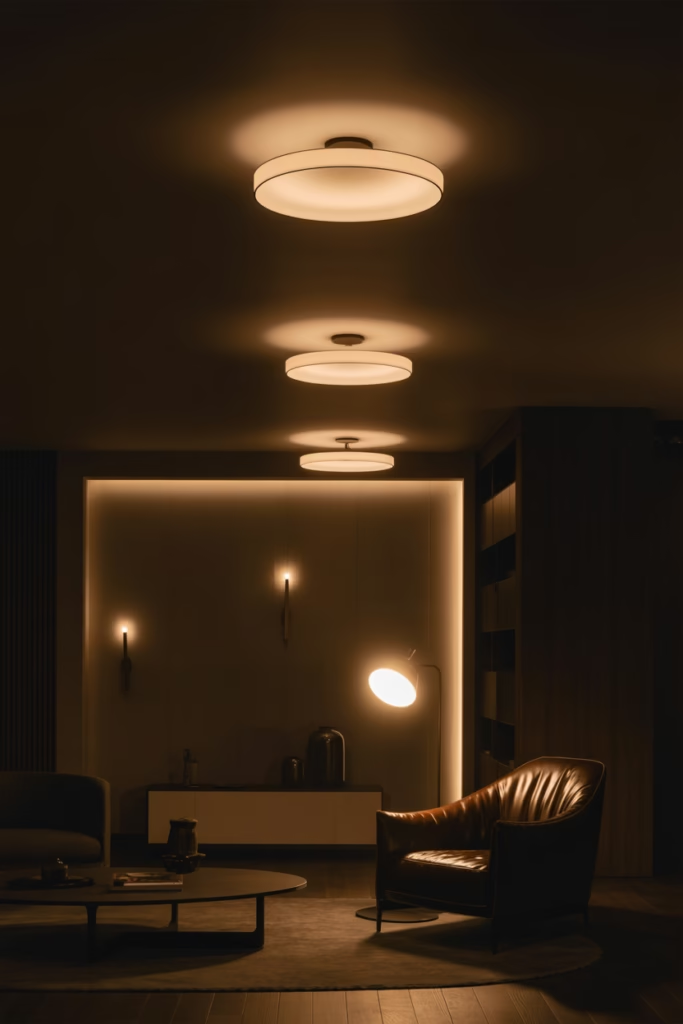
This is non-negotiable, folks. Dark rooms without proper lighting? That’s just a depression cave. You need at least three different light sources in every living room, dark aesthetic or not.
Start with ambient lighting—your overhead fixture or recessed lights. Then add task lighting like reading lamps near your seating areas. Finally, the secret weapon: accent lighting. This is where you get creative with wall sconces, LED strips behind furniture, or even candles (real or fake, I won’t judge).
I installed wall sconces on either side of my dark accent wall, and it completely changed the vibe. The warm glow creates these gorgeous shadows and makes the whole space feel intimate without being gloomy.
Mix your light temperatures too. Warm white bulbs (2700K-3000K) work best in dark rooms. They enhance that cozy feeling instead of making everything look washed out.
Rich Wood Tones for Grounding
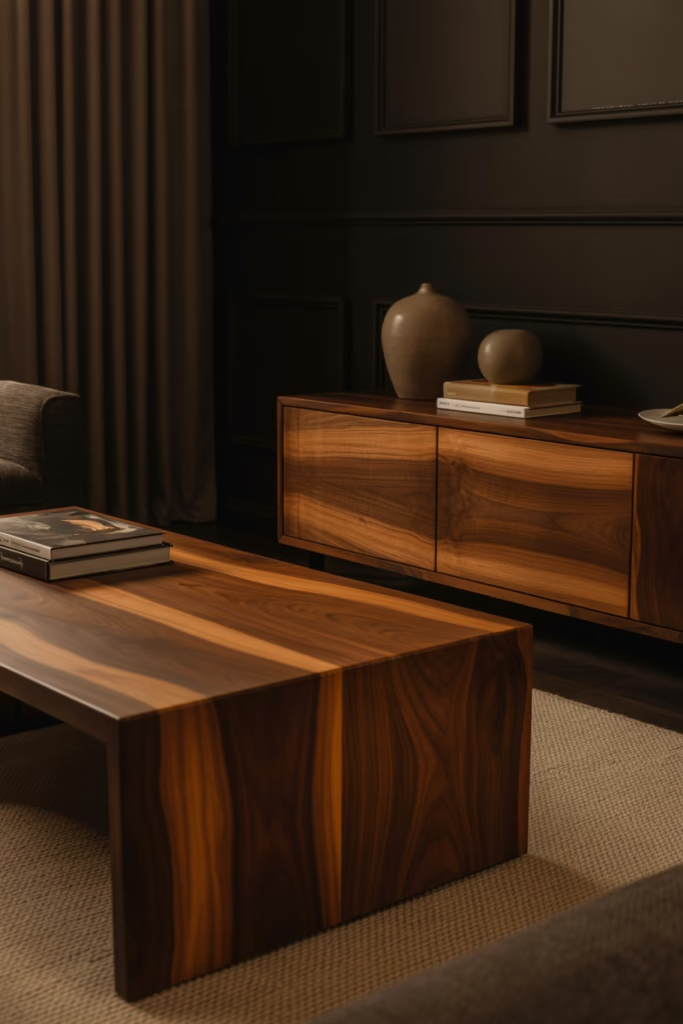
Ever notice how dark rooms can feel like they’re floating in space if everything’s too monochromatic? That’s where wood comes in. Deep walnut, mahogany, or even black-stained wood adds structure and warmth.
I brought in a chunky walnut coffee table, and suddenly my dark living room felt anchored and intentional instead of just… dark. The wood grain catches the light beautifully and adds natural texture that contrasts with all those smooth, dark surfaces.
Consider these wood elements:
- Floating shelves in dark wood
- A substantial coffee table or console
- Wood-framed mirrors
- Exposed wooden ceiling beams (if you’re feeling ambitious)
The grain patterns and natural variations in wood prevent your space from looking flat. FYI, mixing different wood tones is totally acceptable now—those old “everything must match” rules are outdated.
Moody Gallery Wall with Oversized Art
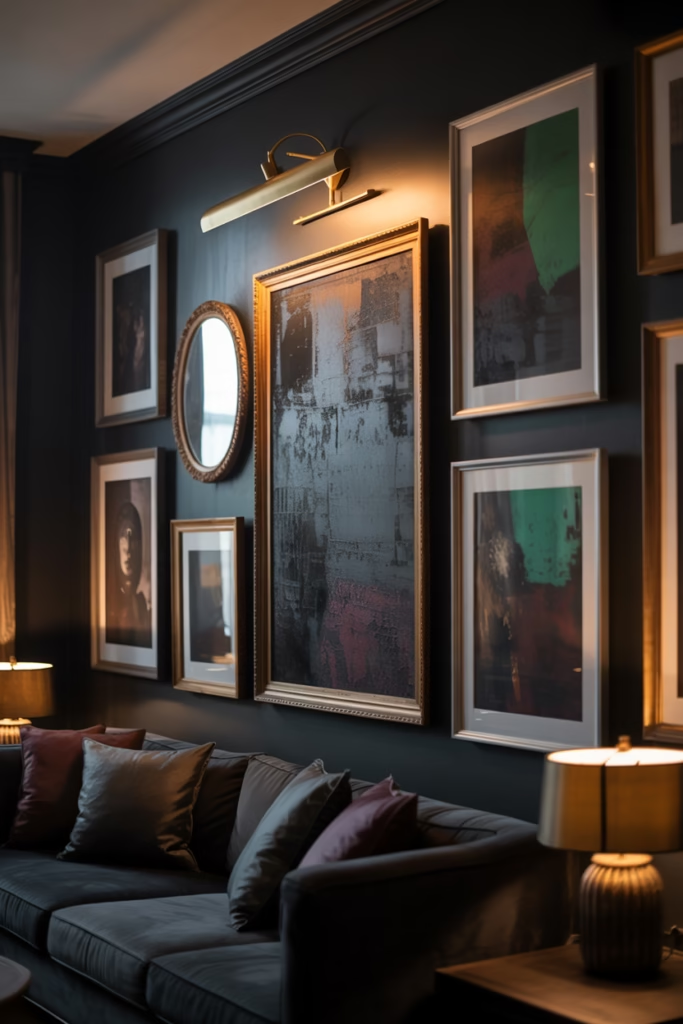
Blank dark walls feel oppressive. Decorated dark walls? Absolutely stunning. I created a gallery wall using oversized art pieces with dark backgrounds and pops of color, and it’s easily my favorite corner of the house.
The trick is going bigger than you think you need. Small art on dark walls gets swallowed up and looks weirdly floaty. Large-scale pieces command attention and create focal points that draw your eye around the room.
Mix your frame styles—brass, black, natural wood—to add interest. Include mirrors in your gallery wall to bounce light around and prevent the space from feeling too heavy. Abstract art works particularly well because it adds color without overwhelming your moody vibe.
Pro move: Use picture lights above your largest pieces. It’s gallery-level sophistication right in your living room.
Textured Rugs in Dark Neutrals
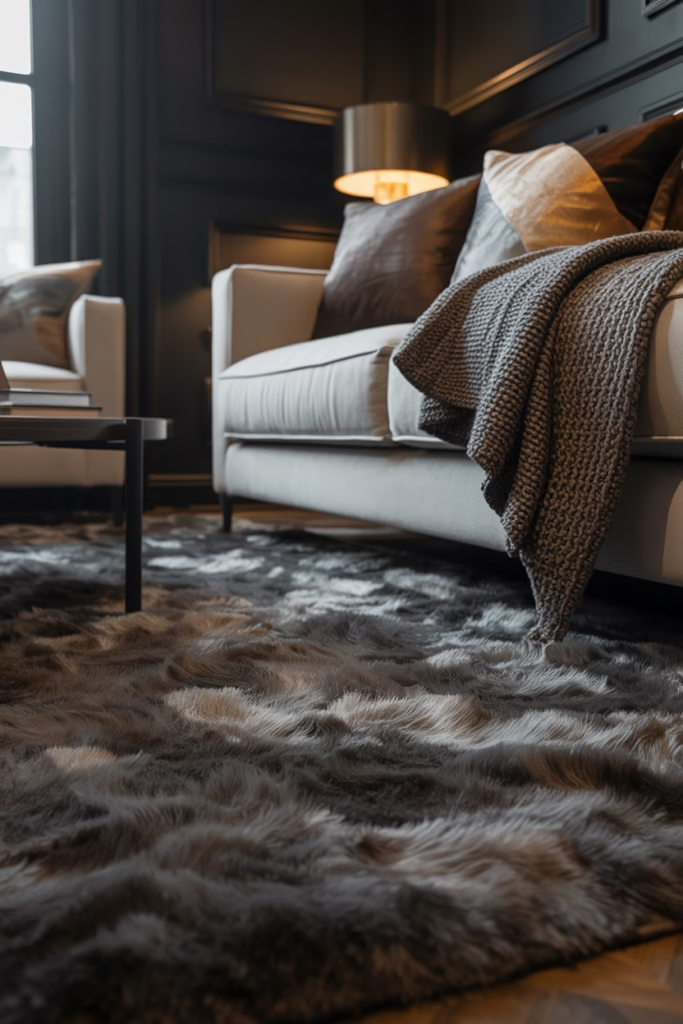
Your floor situation matters way more than you’d think in a dark living room. A plush, textured rug in deep charcoal, chocolate brown, or even black adds another layer of coziness underfoot.
I went with a high-pile Moroccan-style rug in dark gray, and walking on it barefoot is basically a religious experience. The texture adds visual interest while the dark color ties into the overall aesthetic without breaking up your space.
Layer your rugs if you’re feeling adventurous. A smaller cowhide or Persian rug over a larger neutral one creates depth and makes your seating area feel more defined. Plus, it’s practical—you can rotate them when one gets too much foot traffic.
Make sure your rug is large enough. Your front furniture legs should sit on it at minimum. Nothing makes a room look cheaper than a too-small rug floating in the middle of the floor.
Strategic Metallic Touches
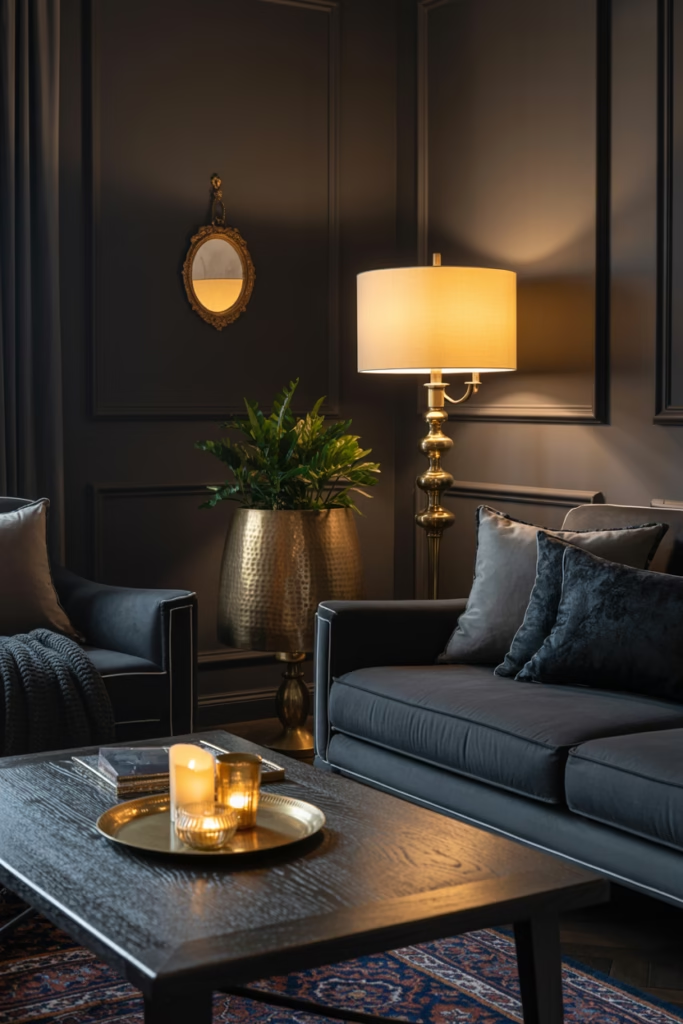
Metallics are your best friend in dark spaces. They reflect light and add sparkle without being obnoxious about it. I’m obsessed with mixing metals—brass, copper, and matte black hardware throughout my living room.
Think beyond the obvious:
- Metallic picture frames and mirrors
- Brass or copper plant pots
- Metal coffee table legs
- Decorative metal trays
- Light fixtures with exposed bulbs and metal fittings
The key word here is “strategic.” You’re not trying to open a jewelry store. Scatter metallic elements throughout the space so your eye moves naturally from one to the next. It creates visual flow and keeps things interesting.
Copper and brass warm tones work particularly well with dark colors. They add richness without the cold, industrial feel that straight-up silver can sometimes create.
Deep Green Accent Wall
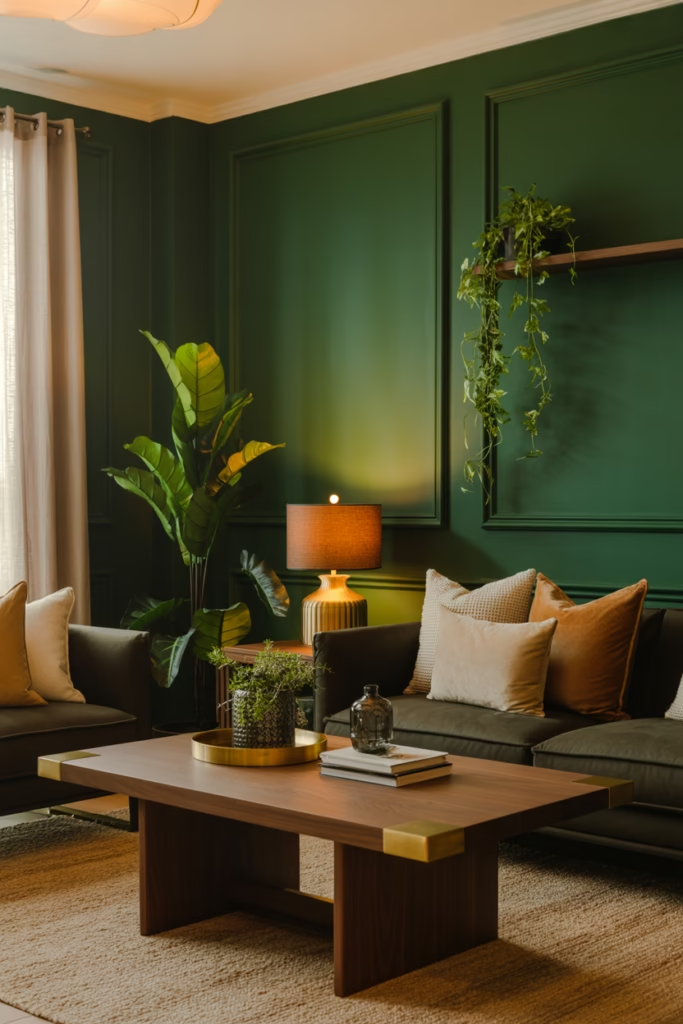
Okay, hear me out—dark doesn’t have to mean black or gray. A deep forest green or emerald accent wall brings in color while maintaining that moody aesthetic everyone’s after.
I painted one wall in my living room a gorgeous deep sage green, and it completely elevated the space. Green is weirdly versatile—it reads as both sophisticated and natural, which is a tough balance to strike.
The beauty of a green accent wall is how it plays with your other dark elements. It adds depth and dimension without feeling busy. Plus, it makes your plants pop (more on those in a minute).
Pair it with:
- Brass or gold accents for maximum richness
- Natural wood furniture
- Cream or tan textiles for contrast
- Dark leather seating
Don’t be scared to go darker than you think. Light greens in a predominantly dark room just look muddy and indecisive.
Cozy Reading Nook with Dark Walls
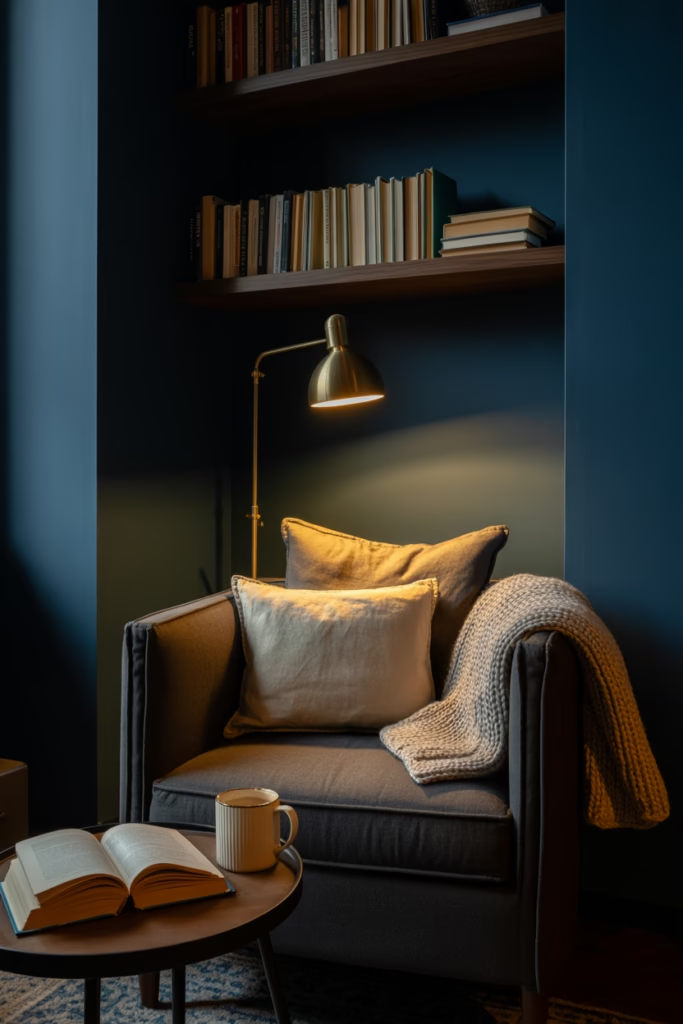
Transform that awkward corner into the reading nook of your dreams. Dark walls make small spaces feel intentionally intimate rather than cramped—which is perfect for creating a cozy retreat within your living room.
Here’s my formula: one comfortable chair, one good reading light, one small side table, and lots of cushions. Add a throw blanket, and you’ve basically created heaven.
I built my reading nook in the corner next to a window and painted that whole section in deep navy. The contrast between the dark walls and the natural light streaming in during the day is chef’s kiss. At night, with just my reading lamp on, it feels like my own private library.
Floating shelves above or beside your reading chair keep your current book pile organized (or at least contained). Add some personal touches—photos, small art pieces, maybe a scented candle—and you’ll never want to leave.
Dramatic Dark Curtains That Puddle
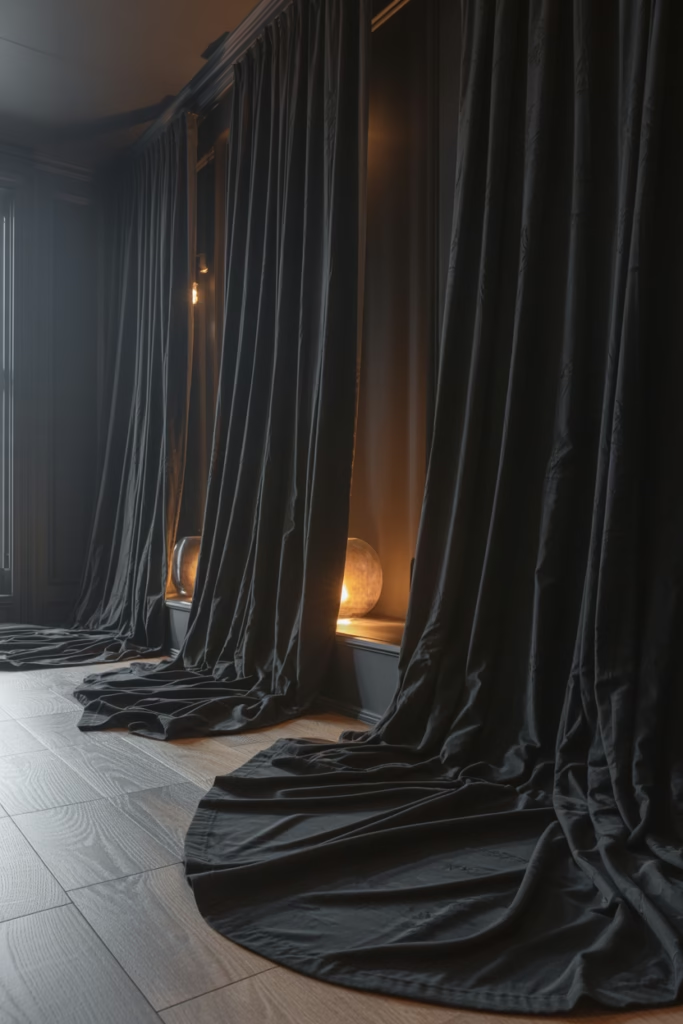
Floor-to-ceiling dark curtains are a game-changer. Not only do they add softness and elegance, but they also make your ceilings look taller—which is crucial in a dark room where vertical lines help prevent that “cave” feeling.
I installed black velvet curtains that puddle slightly on the floor, and the drama is everything. During the day, they frame my windows beautifully. At night, they’re completely blackout, which is perfect for movie marathons.
The puddling effect (where the curtains pool on the floor by a few inches) adds luxury and makes the whole window treatment look custom and expensive. It’s one of those small details that elevates your entire space.
Mount your curtain rods as close to the ceiling as possible and extend them several inches beyond your window frame on each side. This makes your windows appear larger and lets in more light when the curtains are open.
Mix Your Dark Colors
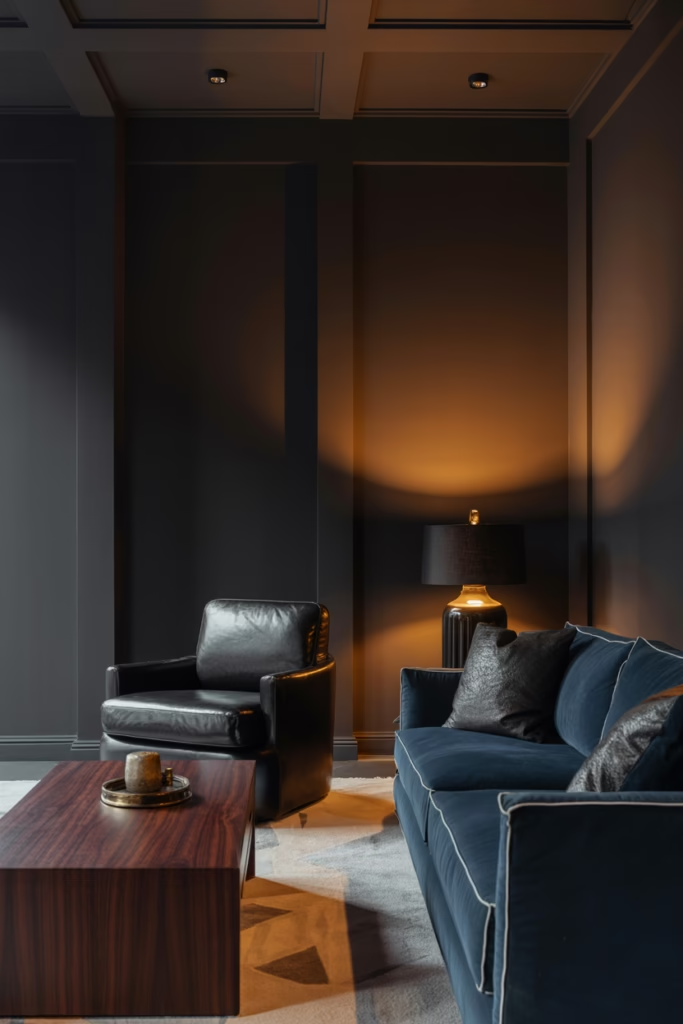
Who said dark rooms have to be monochromatic? Mixing different dark shades adds incredible depth and prevents your space from looking flat or one-dimensional.
I’ve got charcoal walls, a navy sofa, black accent pieces, and deep brown wood furniture all working together. The variation in tone creates visual interest while maintaining that cozy, enveloping feel.
The secret is sticking within a temperature family. Cool darks (grays, navy, charcoal) or warm darks (chocolate, burgundy, deep olive) work together naturally. Mixing cool and warm can work too, but it requires more intentional styling.
Use the 60-30-10 rule: 60% dominant dark color, 30% secondary dark shade, 10% accent color. This creates balance and prevents your room from looking muddy or confused.
Leather and Dark Woods Together
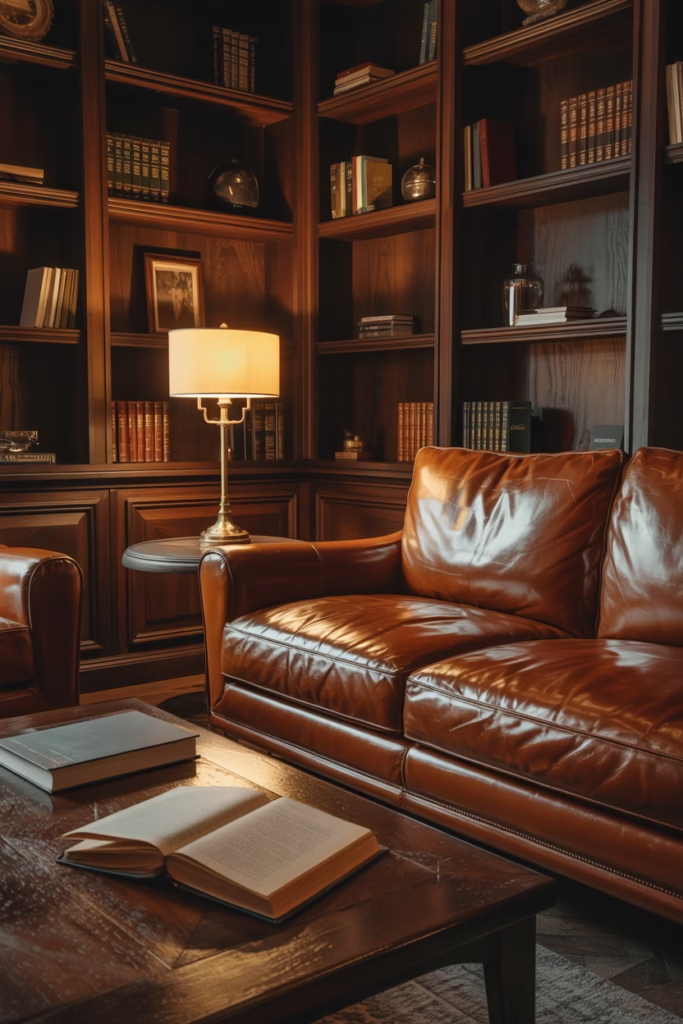
There’s something inherently masculine and sophisticated about pairing dark leather with rich wood tones. But IMO, it works in any style—not just “man cave” aesthetics.
A cognac or chocolate leather sofa against dark walls creates this incredible depth. The leather develops character as it ages (fancy talk for “it gets better-looking over time”), and it’s ridiculously durable.
Pair it with dark wood elements—coffee tables, side tables, shelving—and you’ve got this warm, library-like vibe that’s perfect for cozy evenings. Add brass lamps and some greenery, and suddenly you’re living in a sophisticated sanctuary.
The tactile contrast between smooth leather and wood grain keeps things interesting. Plus, leather is way more forgiving than fabric when it comes to spills and wear. (Another lesson learned the hard way :/)
Abundant Plants as Living Decor
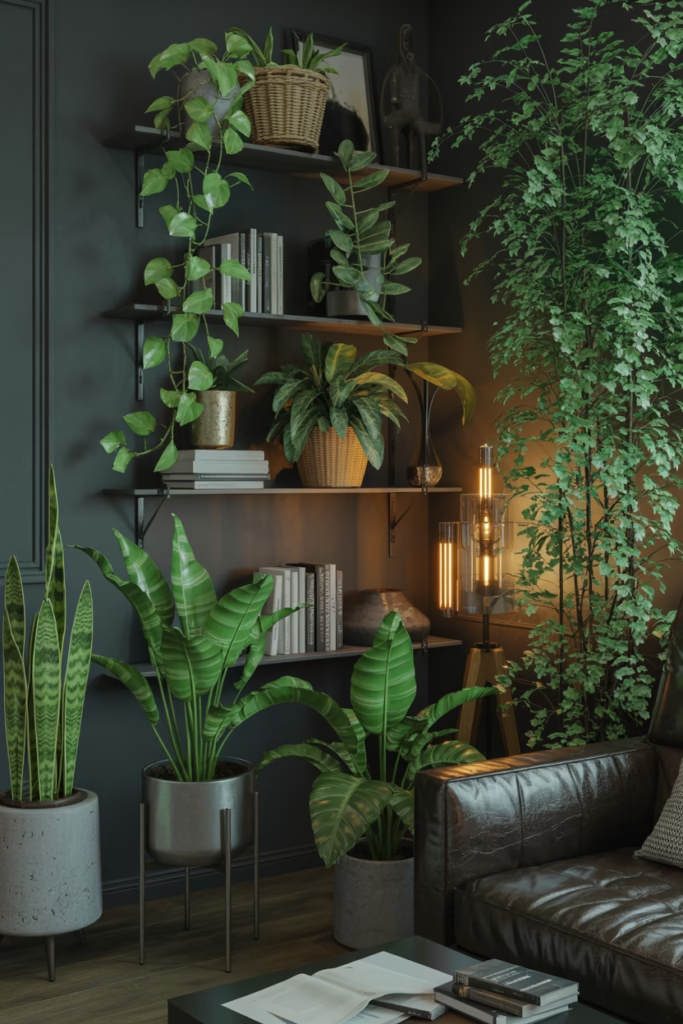
Plants are non-negotiable in dark living rooms. They bring life, color, and that essential connection to nature that prevents your space from feeling too heavy.
I’ve loaded my dark living room with plants, and honestly, they’ve never looked better. The dark background makes every shade of green pop dramatically. It’s like your plants are suddenly on display at a botanical garden.
Best plants for dark aesthetics:
- Snake plants – basically indestructible and sculptural
- Pothos – trailing vines that soften hard edges
- Fiddle leaf figs – statement makers that add height
- Monstera – those split leaves add texture and drama
- ZZ plants – glossy leaves that catch light beautifully
Group plants at different heights and in different corners to create visual flow. Mix up your planter styles—ceramic, woven baskets, modern concrete—to add more texture.
Fair warning: you’ll need to commit to decent lighting for your plants. They’re forgiving, but they’re not miracle workers.
Candles and Warm Glowing Accents
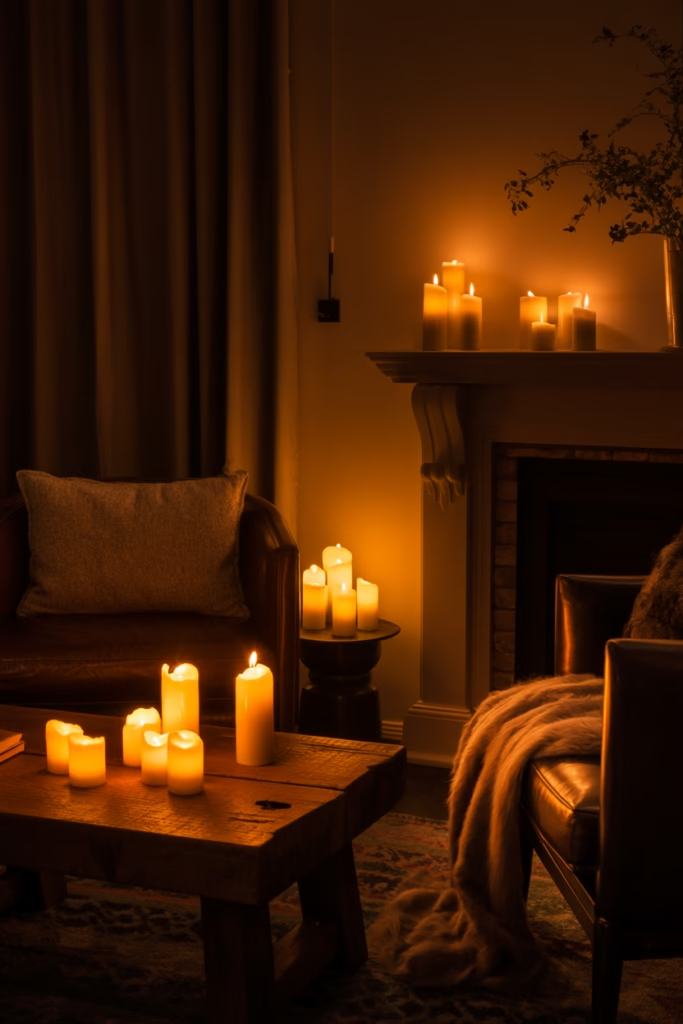
Candles aren’t just for romantic dinners, folks. In a dark living room, they’re essential mood-setters that add that warm, flickering glow artificial lighting can’t quite replicate.
I keep candles scattered throughout my living room—on the coffee table, mantel, side tables, and shelves. When I light them all in the evening, the space transforms into something magical. The flickering light creates moving shadows against those dark walls that’s honestly mesmerizing.
Battery-operated LED candles work great too if you’re worried about safety (or forgetfulness—no judgment). The newer ones have realistic flames that actually flicker.
Consider:
- Pillar candles in varied heights
- Tea lights in dark metallic holders
- Large statement candles in dark glass containers
- String lights with warm white bulbs for subtle accent lighting
Scented candles add another sensory layer. I rotate between vanilla, sandalwood, and amber scents that enhance the cozy vibe.
Built-in Shelving in Dark Finishes
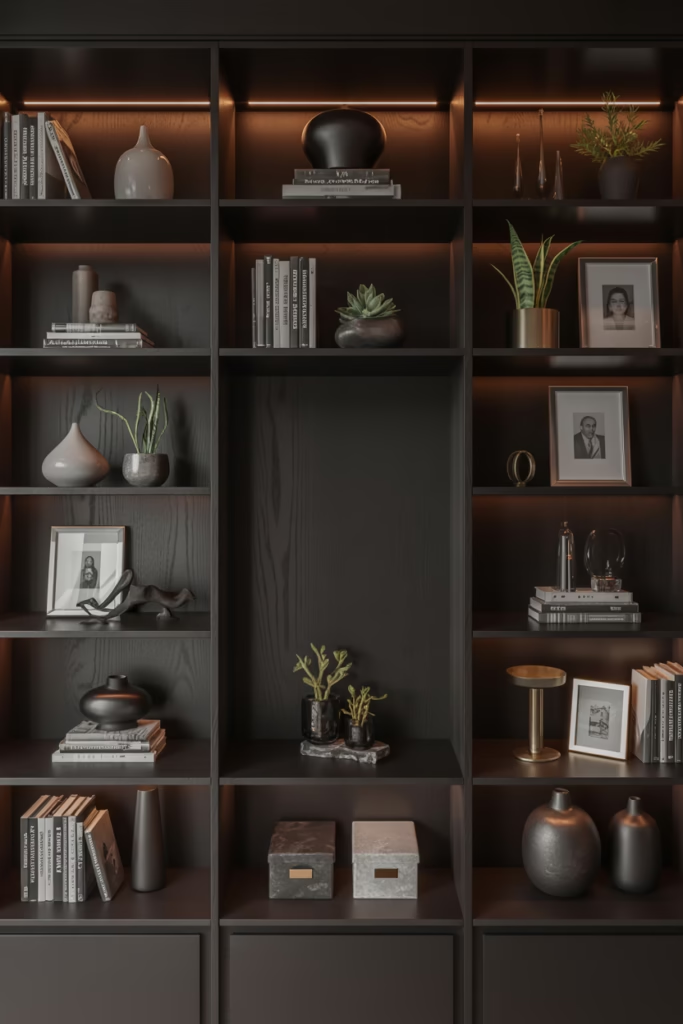
Built-ins are a investment, but if you can swing it, dark-stained built-in shelving takes a dark living room from nice to absolutely stunning. They provide functional storage while adding architectural interest and personality.
I had floating shelves installed on either side of my TV in a deep espresso stain. The symmetry creates a focal point, and styling them with books, plants, and personal objects makes the whole room feel curated and intentional.
Even if you can’t do true built-ins, you can create a similar effect with freestanding bookcases in dark wood or black metal. The key is styling them thoughtfully:
- Mix books with decorative objects
- Add small plants or trailing vines
- Include personal photos in coordinating frames
- Use decorative boxes or baskets for hidden storage
- Display a few statement pieces—sculptural objects, ceramics, or art
Backlight your shelves with LED strips if you really want to impress. The subtle glow adds depth and makes your displayed items pop.
Creating a cozy dark living room isn’t about blocking out light or making your space feel smaller it’s about intentional design that embraces warmth, texture, and atmosphere. I’ve learned that dark aesthetics require more thought and layering than their bright, minimalist counterparts, but the payoff is totally worth it.
The key takeaway? Layer everything textures, lighting, colors, and materials. Dark rooms become cozy when you add enough variety and warmth to prevent them from feeling one-dimensional. Don’t be afraid to experiment and adjust as you go. My living room has evolved considerably over the past year as I figured out what worked and what didn’t.
Start with one or two ideas that resonate with you, and build from there. Maybe it’s painting an accent wall or investing in that velvet sofa you’ve been eyeing. Each element you add will contribute to that enveloping, sophisticated atmosphere you’re after. And trust me, once you nail that dark, cozy aesthetic, you’ll wonder why you ever bothered with stark white walls in the first place.