

If you’ve ever looked at your backyard and thought, “It’s just… empty,” you’re not alone. I’ve been there staring at a patch of grass, wondering how to turn it into something that feels alive and inviting. The good news? You don’t need a landscape designer or a huge budget to create a backyard flower garden that brings color, joy, and a little bit of magic to your outdoor space. In this article, I’ll walk you through 15 practical, tested flower garden ideas that work for beginners and seasoned gardeners alike. Whether you want a low-maintenance oasis, a vibrant pollinator paradise, or a cozy corner for morning coffee, there’s something here you can start tomorrow.
Why a Flower Garden Makes a Difference
A flower garden isn’t just about pretty petals. It’s about creating a space where you want to linger. I’ve found that even a small patch of flowers can change the mood of your backyard. It invites birds, butterflies, and even the occasional curious neighbor. More than that, it gives you a sense of accomplishment every time you see something bloom.
1. Start with a Simple Border
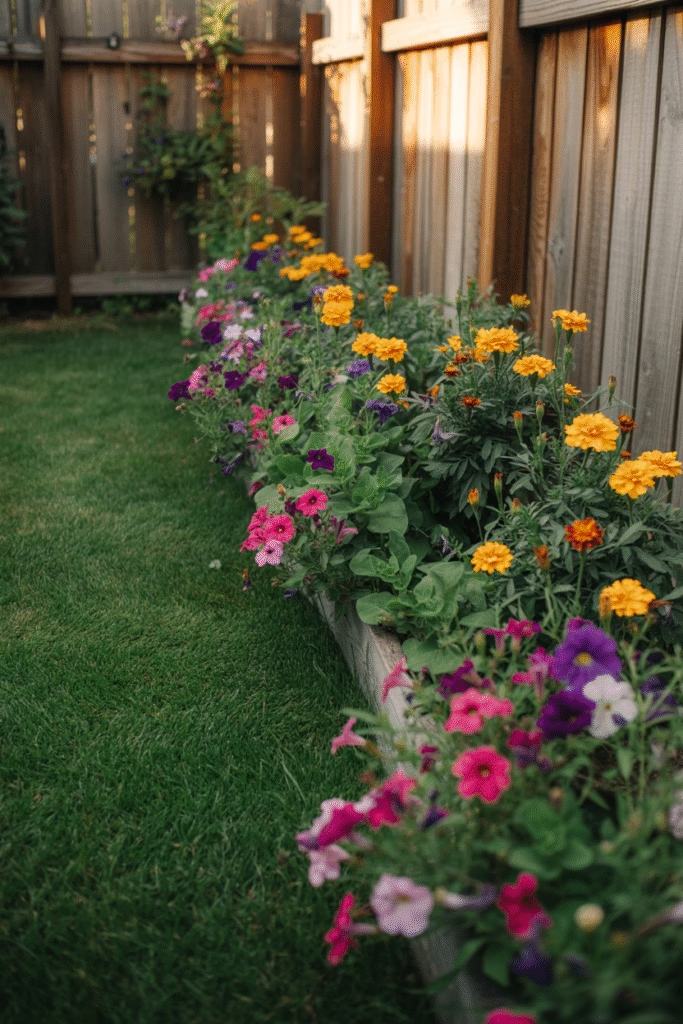
One of the easiest ways to add color is by planting a flower border along your fence or pathway. I’ve used this trick in my own garden, and it instantly makes the space feel more intentional.
- How to do it: Choose low-growing flowers like marigolds, petunias, or alyssum. Plant them about 15–20 cm apart (6–8 inches) for a full look.
- Pro tip: Mix heights and colors for visual interest. I like to alternate pink and white petunias for a soft, romantic effect.
- Budget alternative: Use seeds instead of seedlings. It takes a bit longer, but it’s much cheaper.
2. Create a Pollinator Paradise
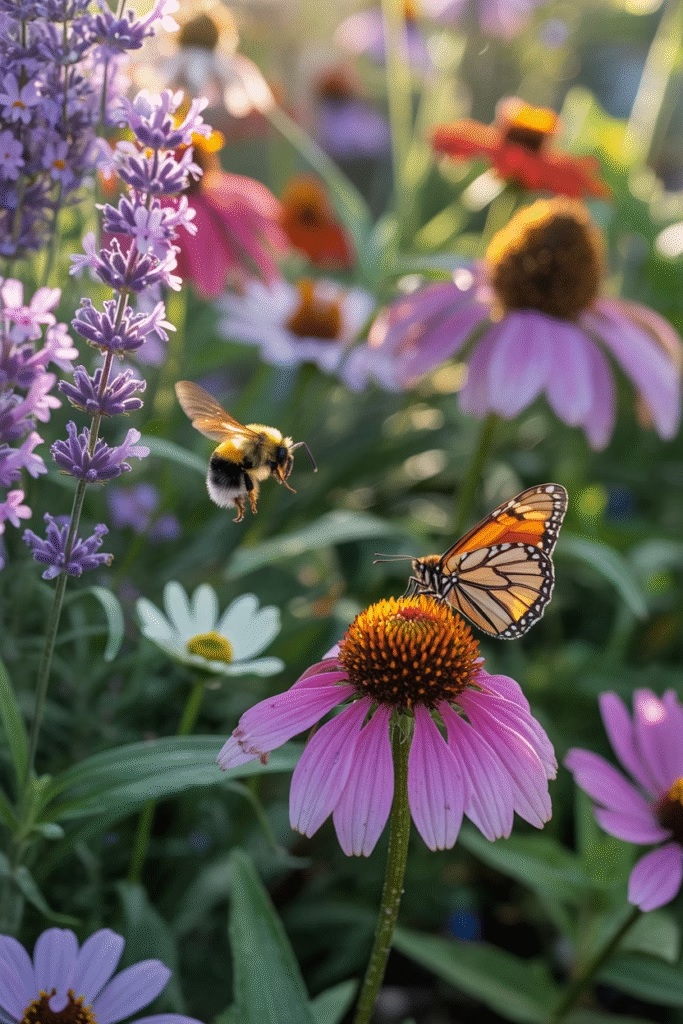
Bees, butterflies, and hummingbirds love certain flowers. If you want to attract them, plant a mix of nectar-rich blooms.
- Best flowers: Lavender, coneflowers, zinnias, and cosmos.
- Planting tip: Group flowers in clusters of at least 3–5 plants of the same type. This makes it easier for pollinators to find them.
- Avoid this: Don’t use chemical pesticides. They can harm the very creatures you’re trying to attract.
3. Build a Raised Flower Bed
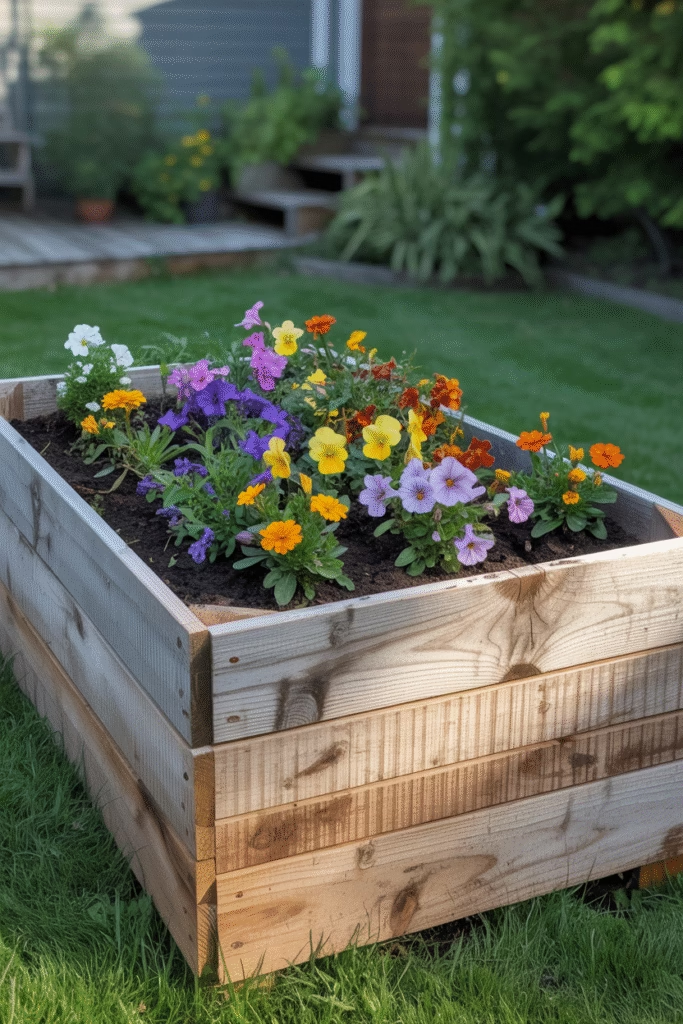
Raised beds are perfect if your soil isn’t great or if you want to control drainage. I built one in my backyard using untreated timber, and it’s been a game-changer.
- Materials: Untreated wood (like pine or cedar), soil mix, compost.
- Size: I recommend 1.2 m x 0.6 m (4 ft x 2 ft) for a manageable bed.
- Steps:
- Cut wood to size and screw together.
- Line the bottom with landscape fabric to prevent weeds.
- Fill with a mix of soil and compost.
- Plant your flowers.
4. Try a Container Garden
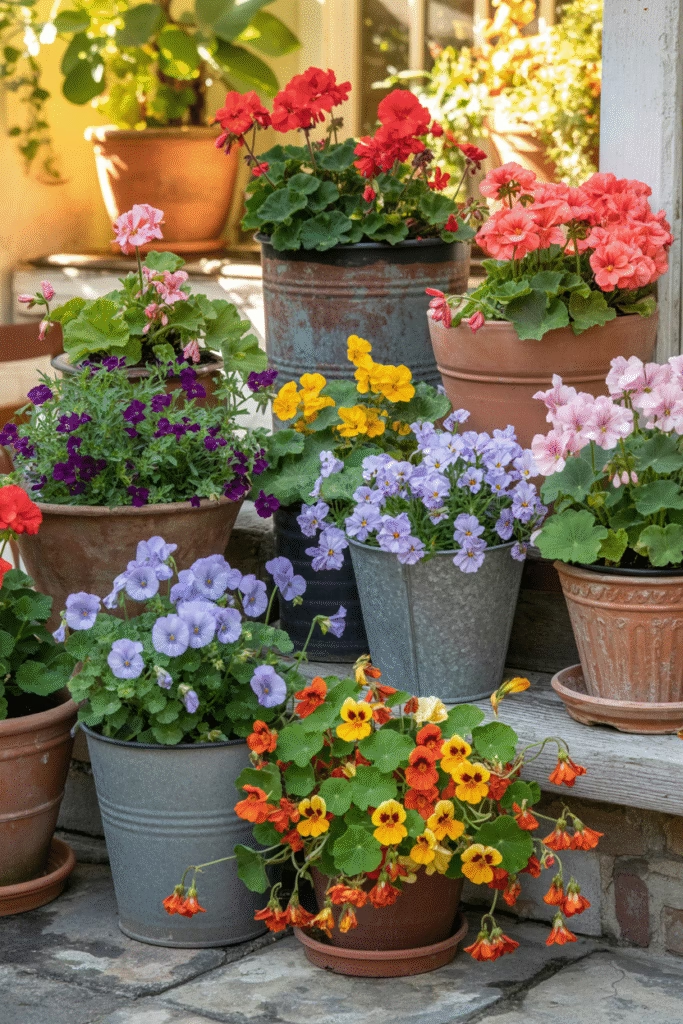
If you’re short on space or want something portable, containers are a great option. I’ve used everything from old buckets to fancy pots.
- Best flowers: Geraniums, pansies, and nasturtiums.
- Container size: At least 25 cm diameter (10 inches) for most flowers.
- Pro tip: Use a saucer under the pot to catch excess water and protect your patio.
5. Design a Cottage-Style Garden
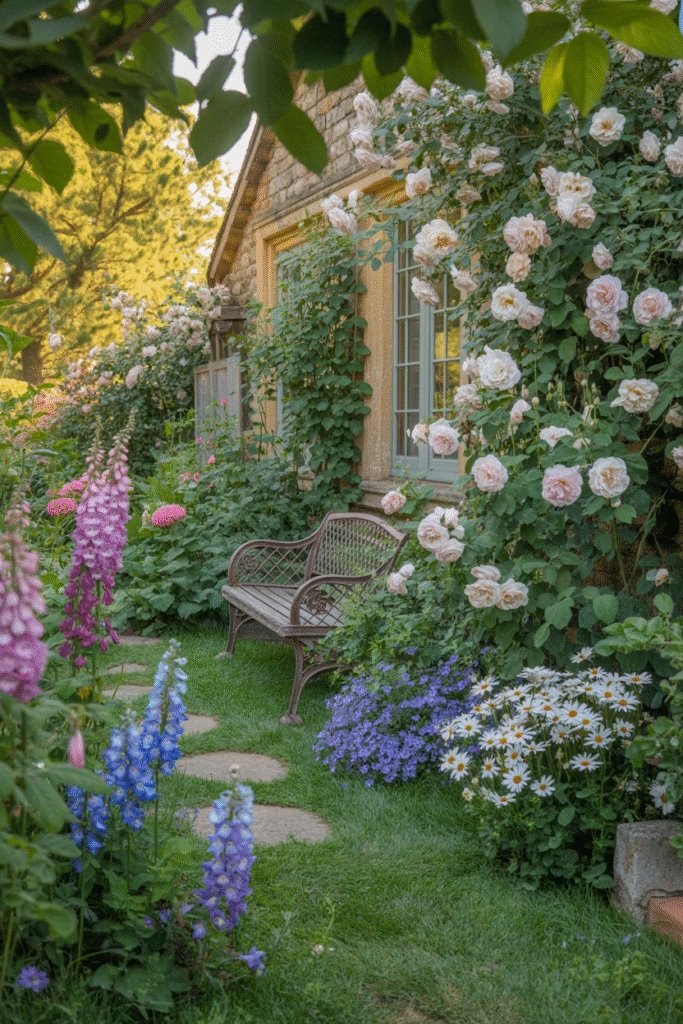
Cottage gardens are all about charm and a bit of wildness. I love this style because it feels relaxed and welcoming.
- Flowers to use: Roses, delphiniums, foxgloves, and daisies.
- Layout: Plant in loose clusters, not straight lines. Let some flowers spill over pathways.
- Personal touch: Add a rustic bench or a vintage watering can for extra character.
6. Make a Wildflower Meadow
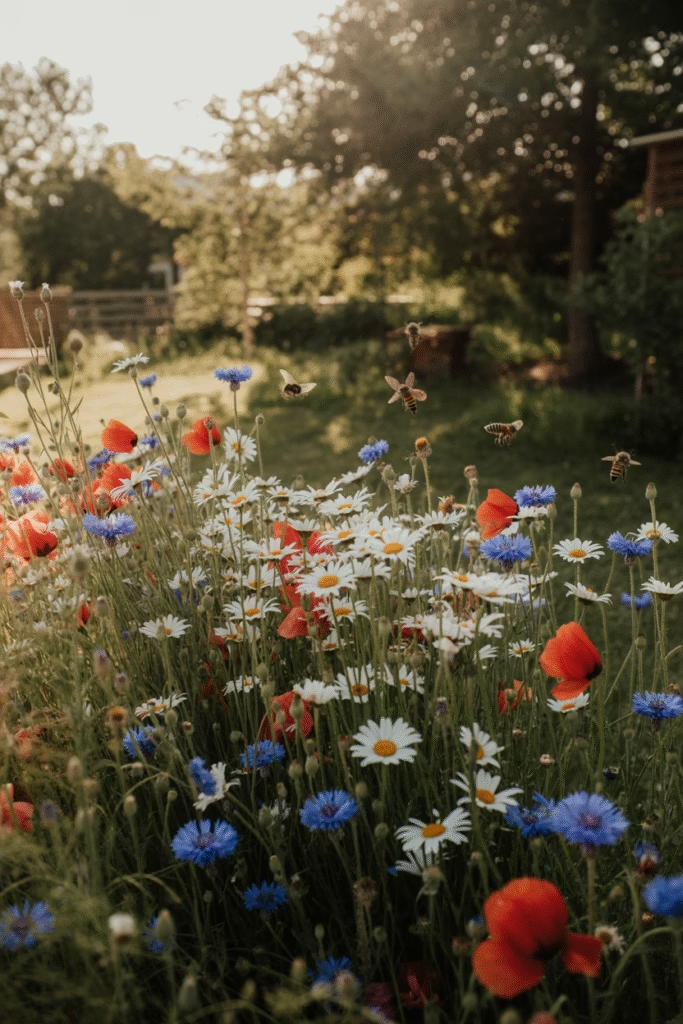
If you want something low-maintenance and eco-friendly, a wildflower meadow is a fantastic choice. I converted a corner of my lawn into one, and it’s been a joy to watch it evolve.
- How to start: Scatter a wildflower seed mix over prepared soil. Water lightly until established.
- Maintenance: Mow once a year, in late autumn, to keep it from getting too wild.
- Cost: Wildflower seeds are usually under ₹500 per 100 sq m (about $6 per 100 sq ft).
7. Add a Flower Arch or Trellis
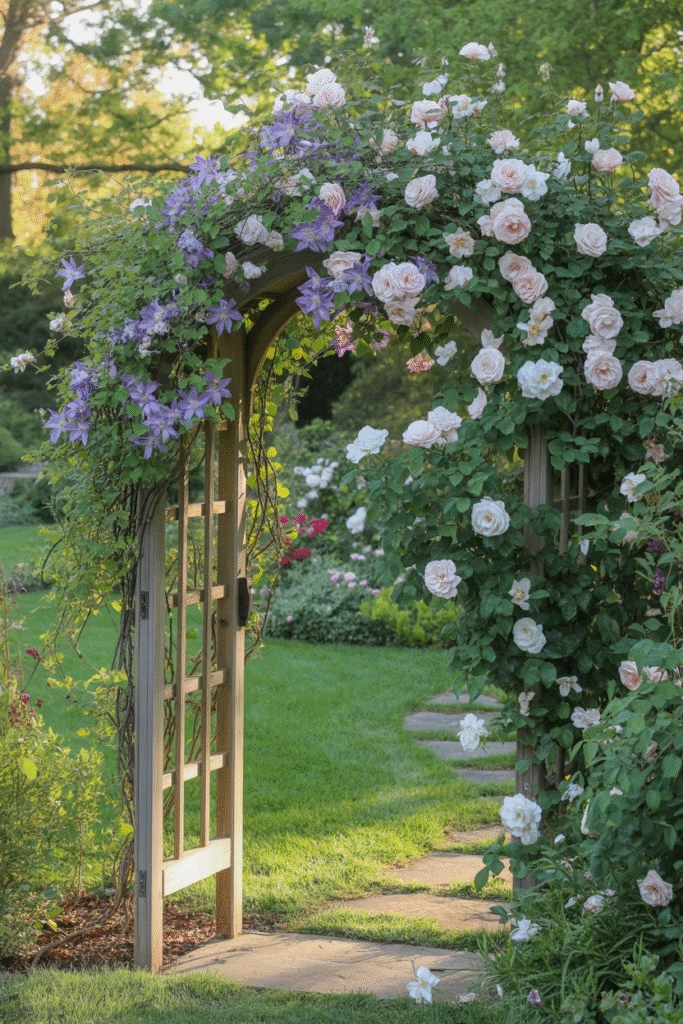
A flower-covered arch or trellis can create a focal point and add vertical interest. I built a simple trellis using bamboo poles and trained climbing roses to grow over it.
- Materials: Bamboo, wood, or metal trellis.
- Flowers: Climbing roses, clematis, or morning glories.
- Installation: Secure the trellis firmly in the ground. Tie stems gently as they grow.
8. Create a Fragrant Garden Corner
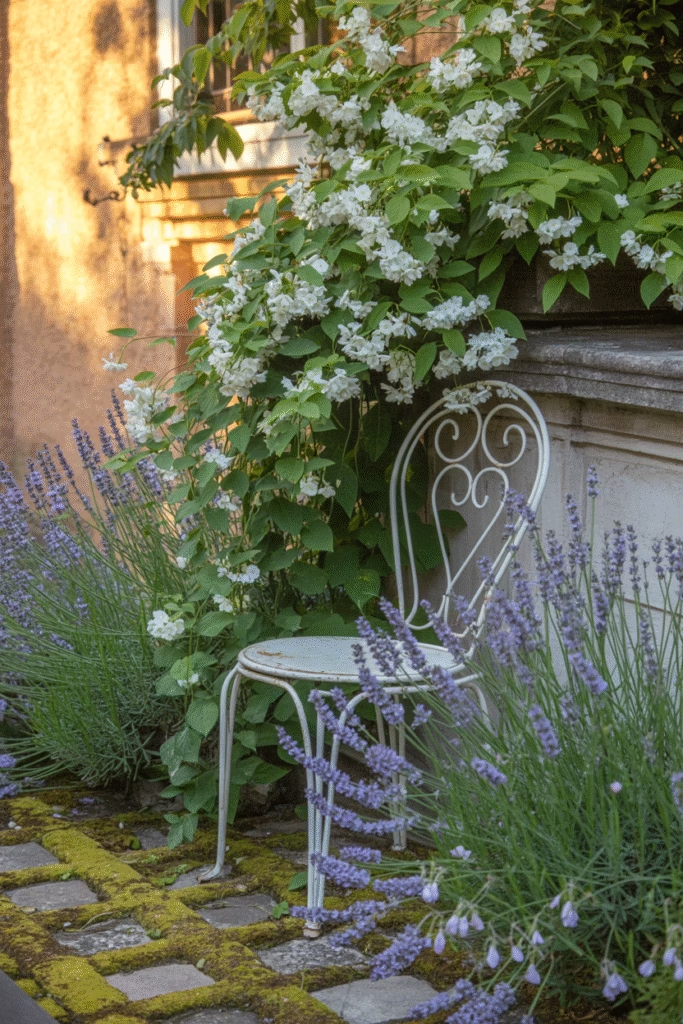
Scent can make your garden feel magical. I have a small corner dedicated to fragrant flowers, and it’s my favorite spot for evening relaxation.
- Best flowers: Jasmine, lavender, sweet peas, and gardenias.
- Planting tip: Place fragrant flowers near seating areas or pathways where you’ll pass by often.
9. Use Color Themes
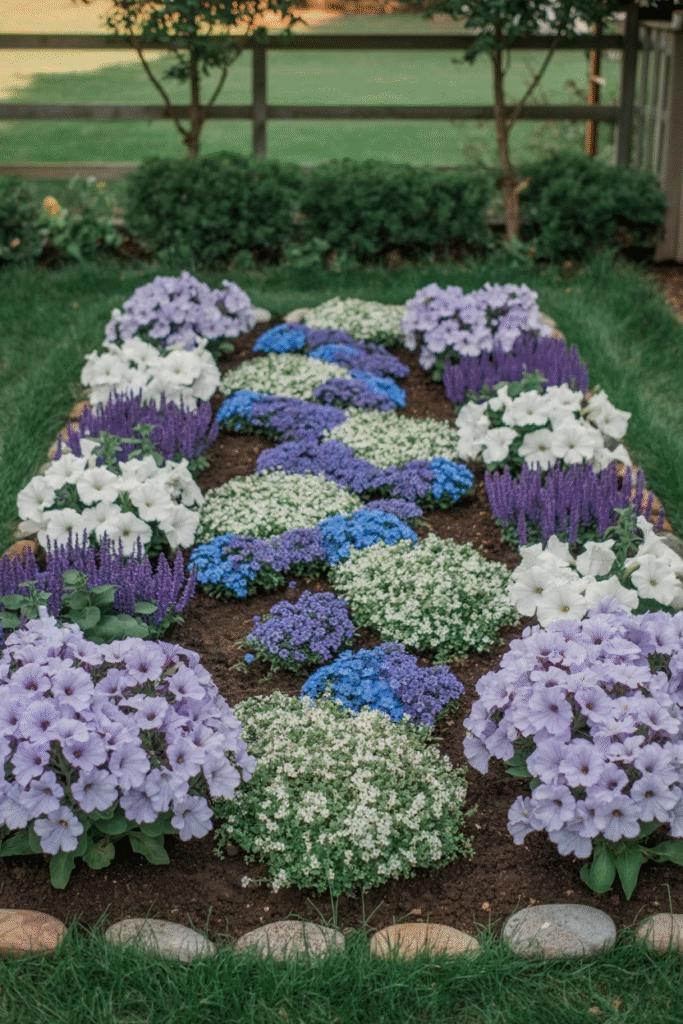
Choosing a color theme can give your garden a cohesive look. I once did a “cool tones” garden with blues, purples, and whites, and it felt so calming.
- Color ideas:
- Warm: Reds, oranges, yellows.
- Cool: Blues, purples, whites.
- Monochrome: All shades of one color.
- Pro tip: Use a color wheel to plan your combinations.
10. Incorporate Edible Flowers
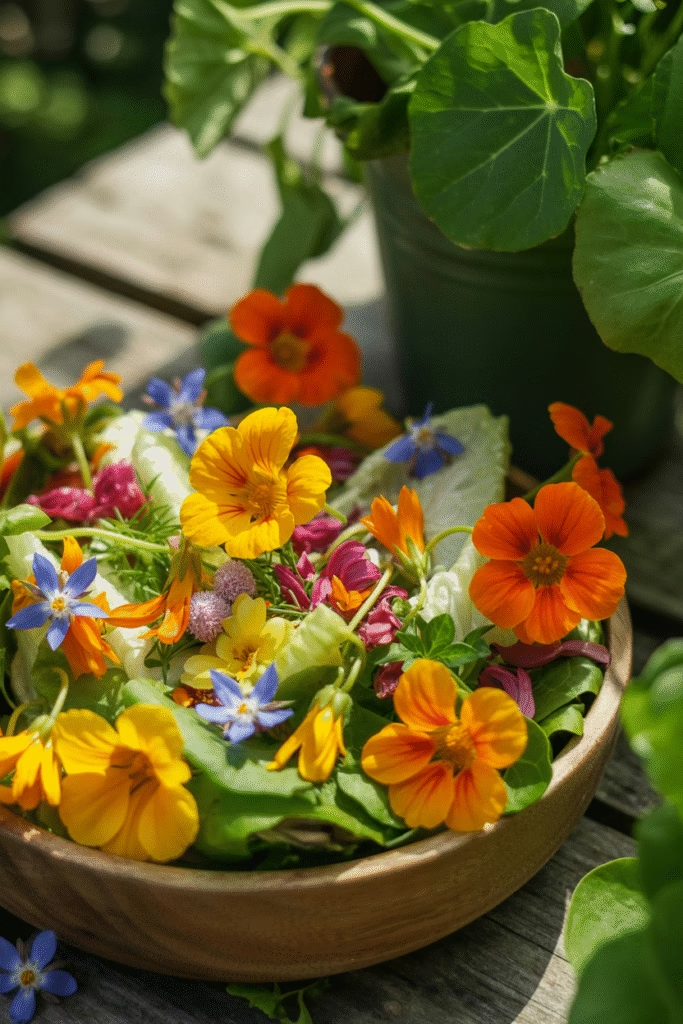
Why not grow flowers you can eat? I love adding nasturtiums and calendula to salads.
- Edible flowers: Nasturtiums, calendula, violets, and borage.
- Safety: Only eat flowers you’ve grown yourself, without pesticides.
11. Make a Rock Garden with Flowers
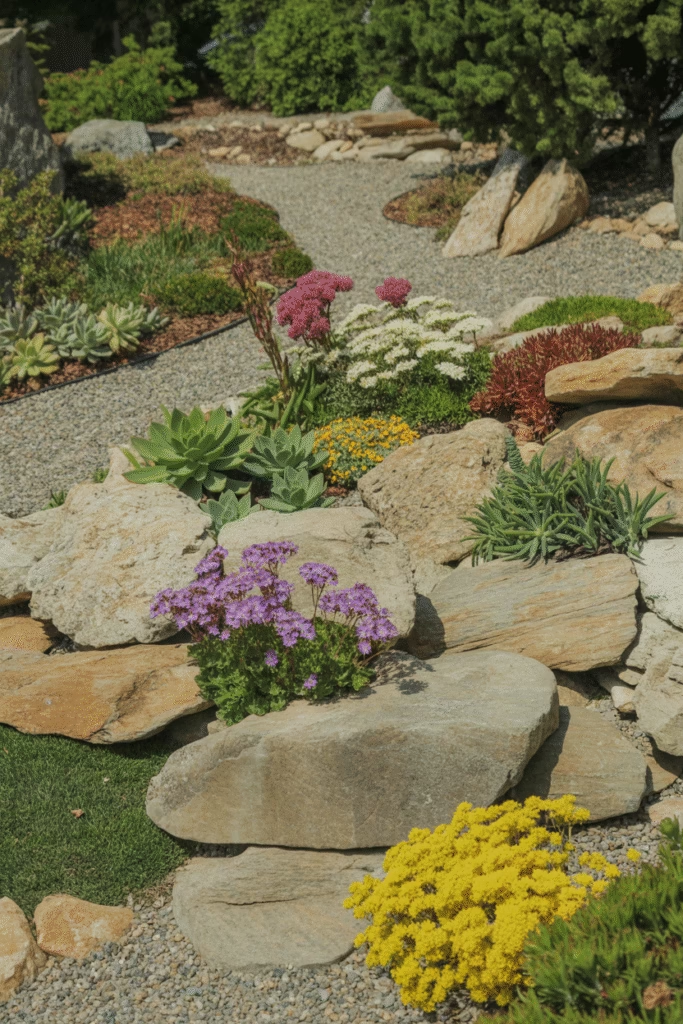
Rock gardens are perfect for dry or sloped areas. I created one using local stones and planted succulents and alpine flowers.
- Materials: Stones, gravel, succulents, alpine flowers.
- Planting tip: Choose drought-tolerant plants for low maintenance.
12. Design a Moonlight Garden
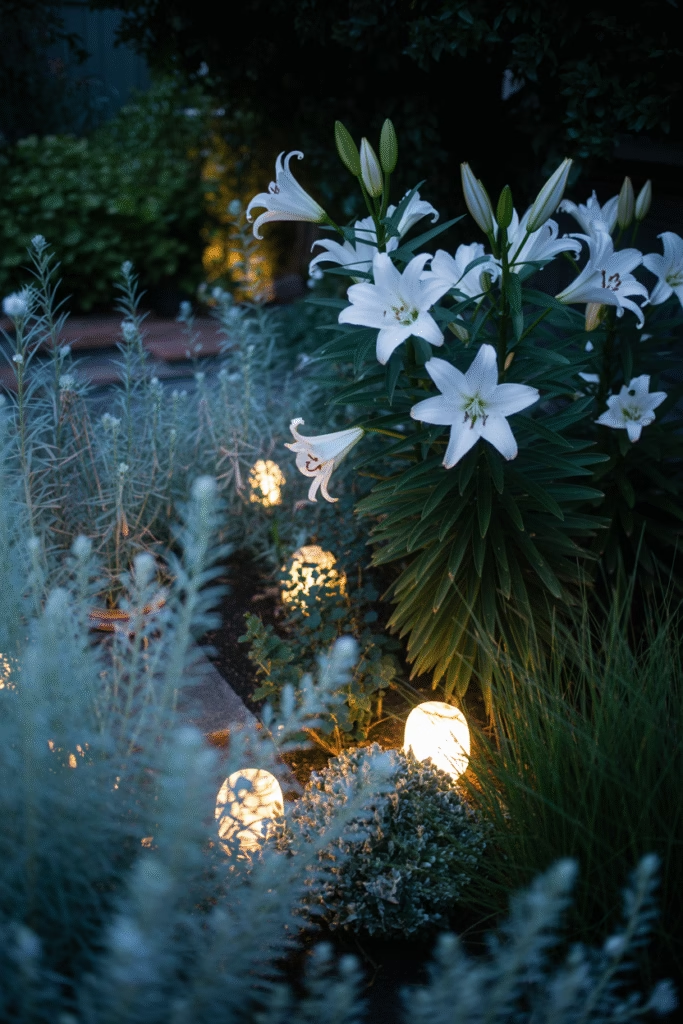
A moonlight garden is all about white and silver flowers that glow at night. I planted moonflowers and silver foliage plants, and it’s stunning after dark.
- Best flowers: Moonflowers, white lilies, silver-leaved plants.
- Pro tip: Add a solar-powered lantern for extra ambiance.
13. Try a Vertical Flower Wall
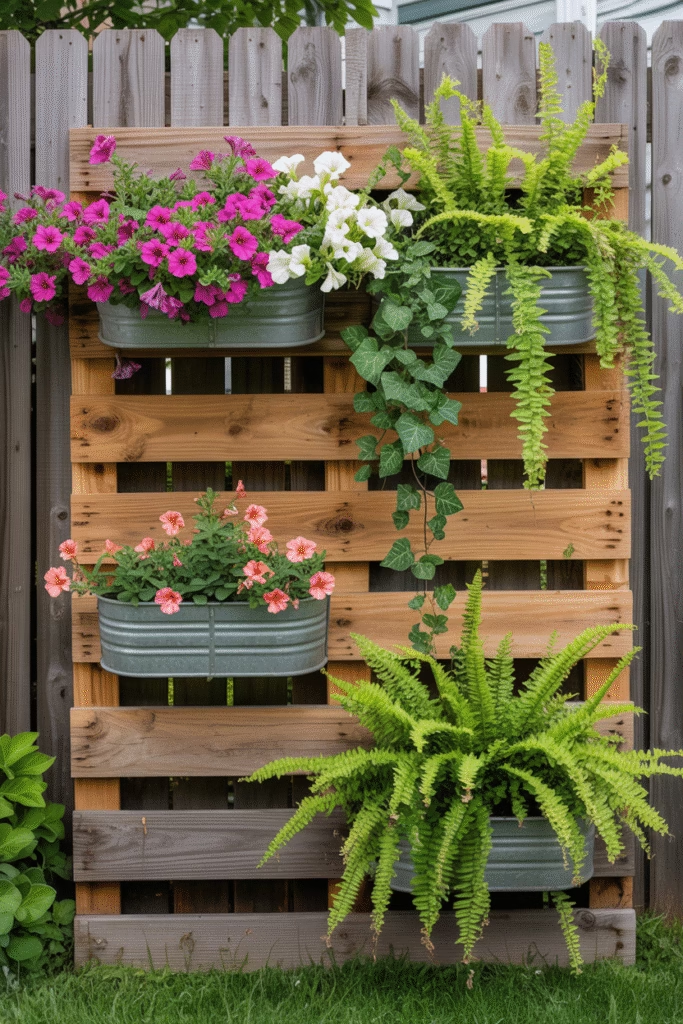
Vertical gardens are great for small spaces. I built one using a wooden pallet and planted trailing flowers like lobelia and ivy.
- Materials: Wooden pallet, landscape fabric, soil, trailing flowers.
- Installation: Secure the pallet to a wall or fence. Fill with soil and plant.
14. Create a Butterfly Garden
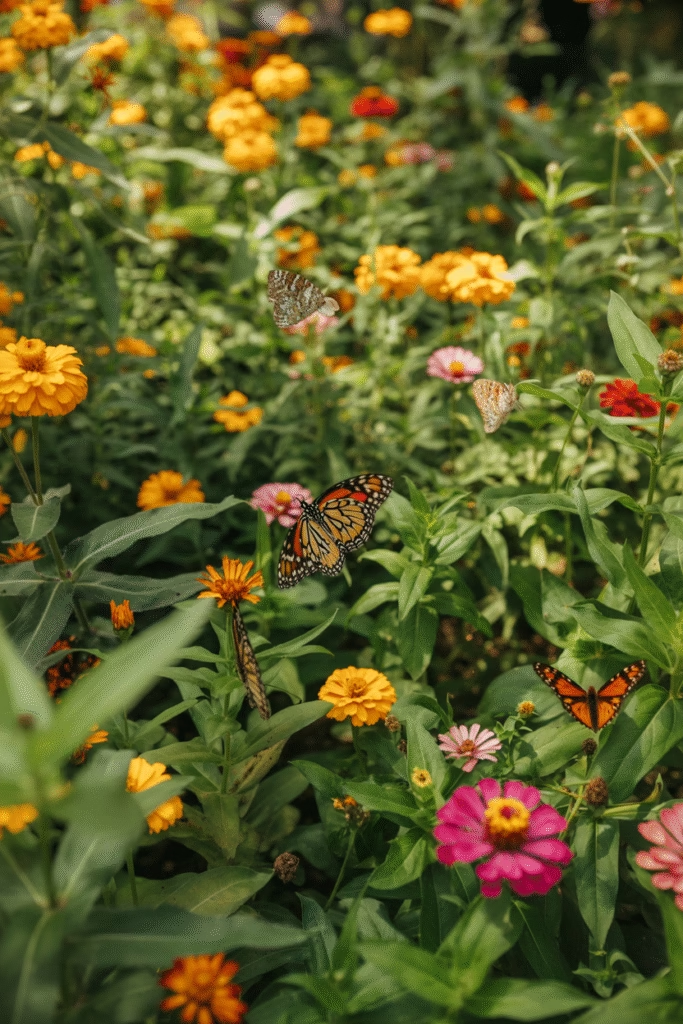
Butterflies are drawn to certain flowers and colors. I planted milkweed, buddleia, and marigolds, and now I see butterflies almost every day.
- Best flowers: Milkweed, buddleia, marigolds, zinnias.
- Avoid this: Don’t use pesticides. They can harm butterflies.
15. Add a Water Feature with Flowers
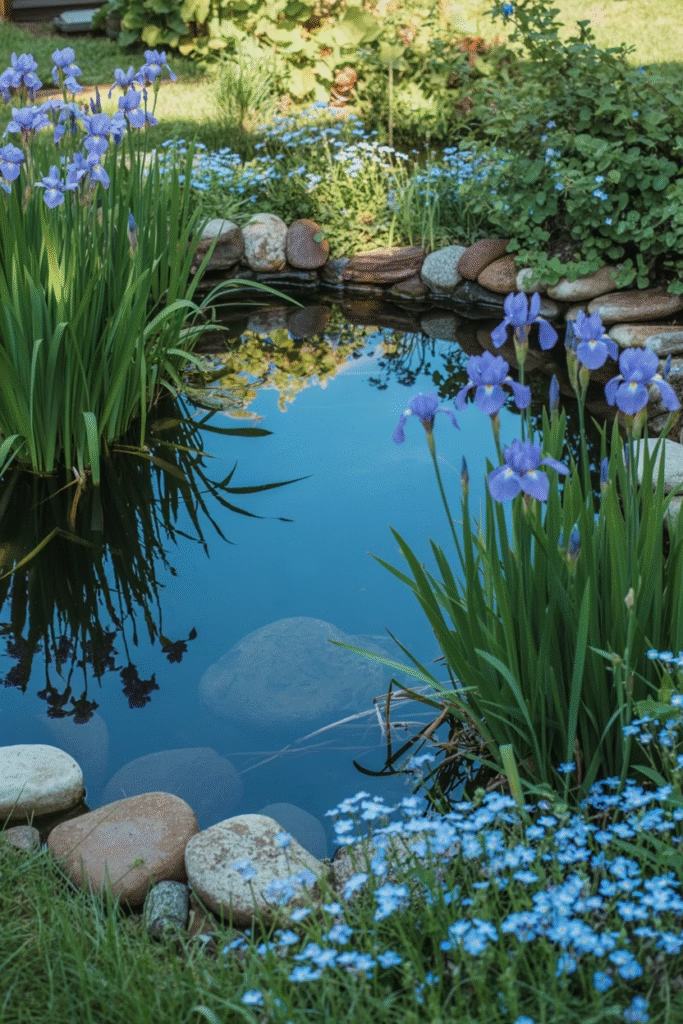
A small pond or fountain surrounded by flowers creates a peaceful retreat. I added a birdbath and planted water-loving flowers like irises and forget-me-nots.
- Materials: Birdbath, pond liner, water-loving flowers.
- Safety: Keep the water clean to prevent mosquitoes.
Common Mistakes to Avoid
- Overcrowding: Give plants enough space to grow. Crowded plants compete for light and nutrients.
- Wrong location: Most flowers need at least 6 hours of sunlight a day. Check your garden’s light conditions before planting.
- Ignoring soil quality: Good soil is the foundation of a healthy garden. Add compost or organic matter if needed.
FAQs
Q: How much time does a flower garden need each week?
A: Most gardens need about 1–2 hours per week for watering, weeding, and deadheading. Container gardens may need more frequent watering.
Q: Can I start a flower garden in a shady backyard?
A: Yes! Try shade-loving flowers like impatiens, begonias, and hostas. Just make sure they get at least 2–3 hours of indirect light.
Q: What’s the cheapest way to start a flower garden?
A: Start with seeds and use recycled containers. You can also divide existing plants from friends or neighbors.
Q: How do I keep pests away without chemicals?
A: Encourage natural predators like ladybugs and birds. Use physical barriers like netting or row covers.
Q: When is the best time to plant flowers?
A: Most annuals are best planted in spring after the last frost. Perennials can be planted in spring or autumn.
Q: Can I mix flowers with vegetables?
A: Absolutely! Flowers like marigolds and nasturtiums can actually help protect vegetables from pests.
Final Thoughts
Creating a backyard flower garden is one of the most rewarding things you can do for your home. It doesn’t have to be perfect just start small, experiment, and enjoy the process. I’ve learned that the best gardens are the ones that reflect your personality and bring you joy. So grab a trowel, pick a few flowers, and let your backyard bloom.