
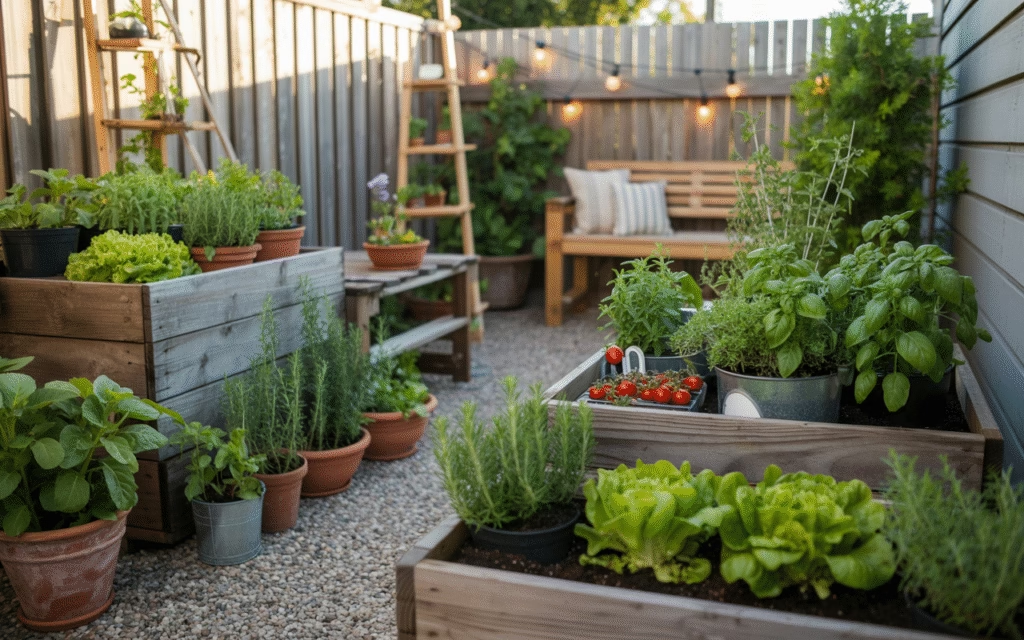
Most gardens don’t fail because of plants they fail because the space doesn’t know what it’s for. Decide the scene you want to live in before you lift a spade: quiet coffee in morning sun, weeknight dinners under soft lights, or a kid-friendly patch that’s always a little muddy. Once the purpose is sharp, the plan writes itself. Frame a view from your favorite doorway, give yourself one clear path, and place a seat where the light feels kind. Then choose plants that earn their keep clipped evergreens for year-round shape, tough perennials for seasonal rhythm, and a few scented workhorses by the route you actually walk. That’s how a garden stops being a wishlist and starts being a place you use every day.
In this post, I’m sharing 15 home garden ideas that are practical, budget-conscious, and designed for real life. These aren’t just pretty concepts they’re solutions I’ve tested, tweaked, and used in my own projects and client spaces. Whether you’re a beginner with a single pot or someone ready to redesign an entire yard, you’ll find something here you can start today. By the end, you’ll have clear, step-by-step inspiration to turn your outdoor area into a space you actually want to spend time in.
Start Small with a Container Garden
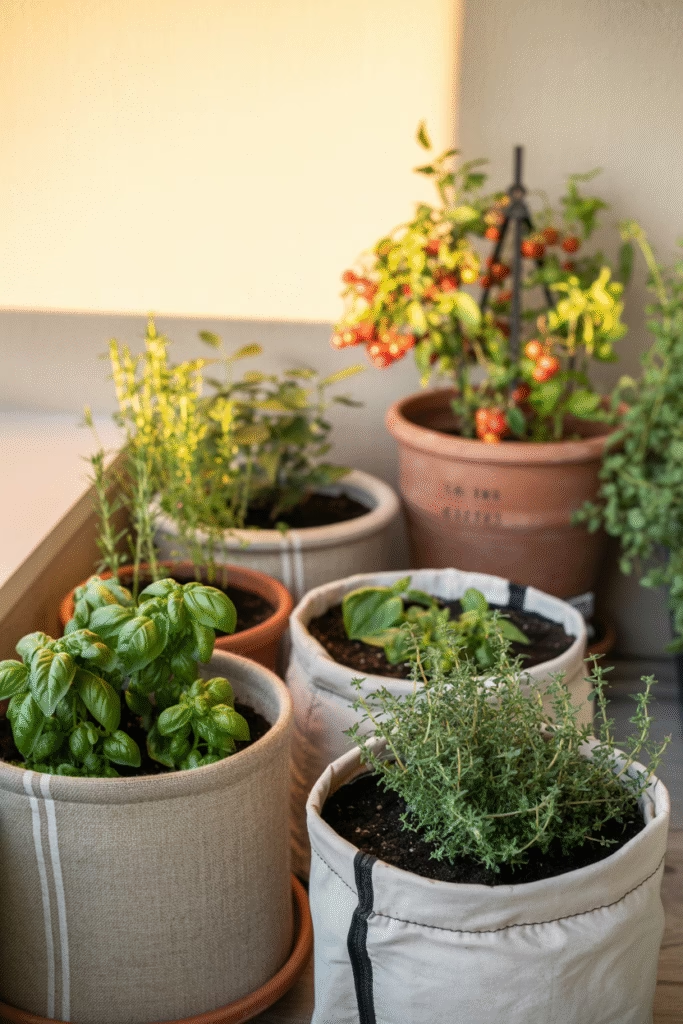
If the thought of digging up your yard feels overwhelming, begin with containers. I started my first garden on a 3×3 m (10×10 ft) apartment balcony using just five large pots.
What works best is choosing the right container size—at least 30 cm (12 inches) in diameter for most herbs and vegetables. Terracotta, ceramic, and food-safe plastic all work, but I prefer fabric grow bags because they’re lightweight, breathable, and easy to store.
Fill them with quality potting mix—never garden soil—and place them where they’ll get at least 4–6 hours of sunlight. I grow basil, thyme, and cherry tomatoes in mine, and they’ve cut my grocery herb bill in half.
Pro tip: Elevate pots slightly with pot feet or bricks to improve drainage and prevent water damage to decks.
Create a Vertical Garden on a Budget
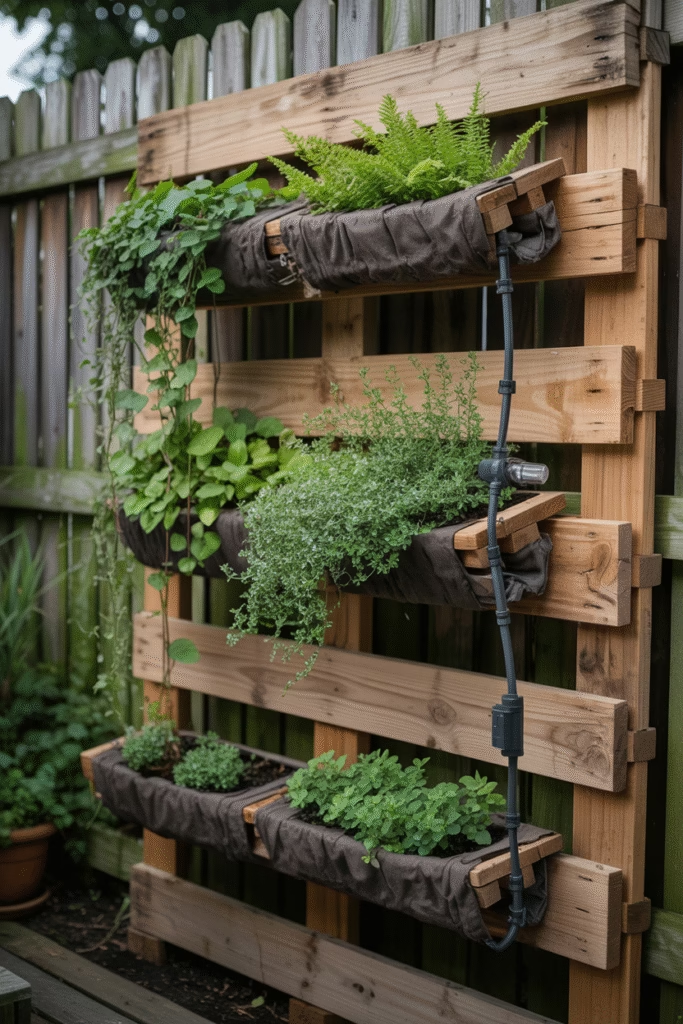
Not everyone has ground space, but almost everyone has a wall. A vertical garden turned my blank fence into a lush green backdrop in under a weekend.
I used recycled wooden pallets—free from a local warehouse—cleaned them, lined them with landscape fabric, and filled the slats with soil. Then I planted trailing ivy, creeping thyme, and dwarf ferns.
In my experience, the key is irrigation. Water runs straight through unless you stagger planting pockets. I added a small drip line connected to a timer, which now waters it every other morning for 10 minutes.
You can also use hanging shoe organizers (fabric type) for a temporary solution. Just make sure they’re UV-resistant.
Avoid this: Overloading the structure. A fully saturated pallet can weigh over 40 kg (90 lbs). Anchor it securely.
Build a Simple Gravel Path
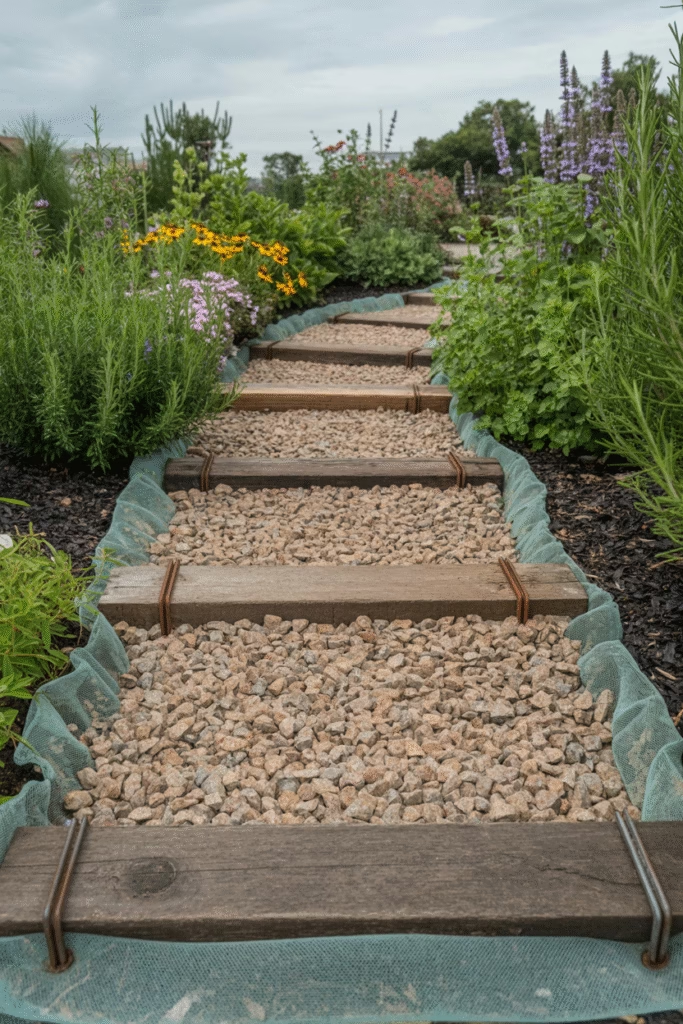
Gravel paths are underrated. They’re affordable, drain well, and add instant structure to a garden.
I laid a 1.2 m (4 ft) wide path using crushed granite at 5 cm (2 inches) depth. First, I marked the shape with garden hose, then dug down 15 cm (6 inches). I added a base of compacted sand, then landscape fabric to prevent weeds, and finally the gravel.
What works best is edging. I used recycled railway sleepers cut in half and secured with rebar stakes. It keeps the gravel contained and gives a polished look.
Cost? Under ₹3,000 per 10 m² (about $35 per 100 sq ft) if you DIY.
Pro tip: Compact the gravel with a hand tamper. It prevents sinking and makes walking easier.
Design a Cozy Fire Pit Area
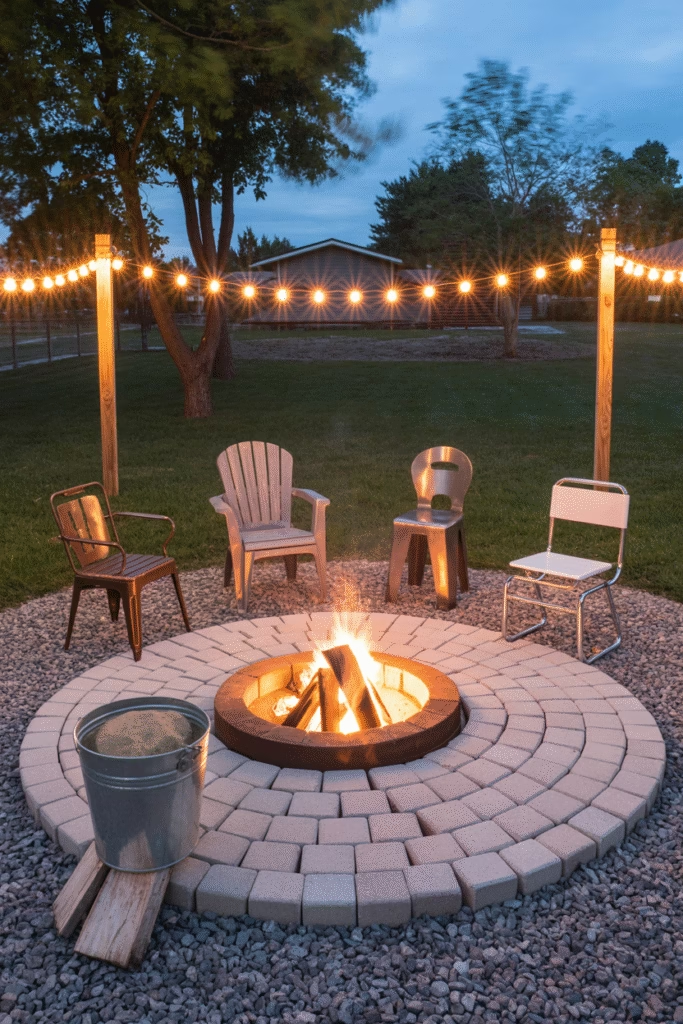
Even in cooler months, a fire pit extends outdoor use. I built mine using affordable concrete pavers in a circular pattern, 1.5 m (5 ft) in diameter.
The base is 10 cm (4 inches) of compacted gravel, then sand, then the pavers. I left a 30 cm (12 inch) inner circle for the fire, lined with fire-rated brick.
Surround it with secondhand metal chairs or built-in stone benches. Add outdoor cushions in weather-resistant fabric.
Safety first: Keep it at least 3 m (10 ft) from structures and overhanging trees. Check local fire regulations.
In my experience, the magic is in the details. String up solar fairy lights overhead, and keep a metal bucket of sand nearby for emergencies.
Grow a Pollinator-Friendly Corner
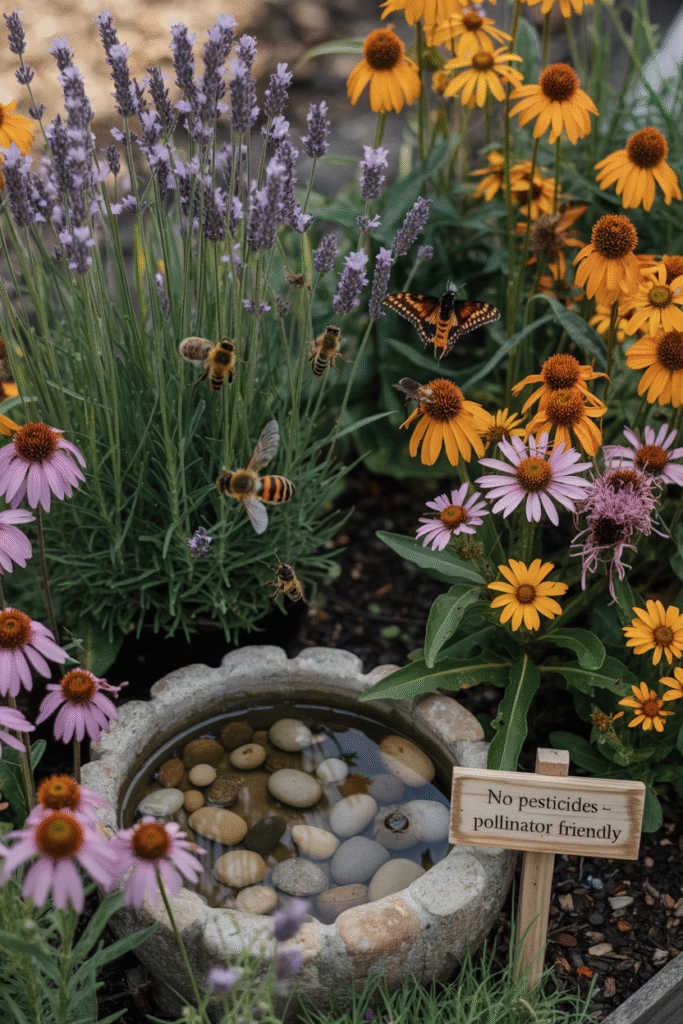
Bees and butterflies aren’t just nice to look at—they boost garden health. I dedicated a 2×2 m (6×6 ft) patch to native, nectar-rich plants.
I planted marigolds, lavender, coneflowers, and milkweed. These require minimal care, bloom for months, and attract pollinators within days.
What works best is planting in clusters. A single lavender plant won’t do much, but a group of five creates a scent trail that draws insects.
Avoid pesticides. If aphids appear, I spray with a mix of water, a drop of dish soap, and neem oil.
Pro tip: Add a shallow dish with stones and water for bees to drink safely.
Install a DIY Trellis for Climbing Plants
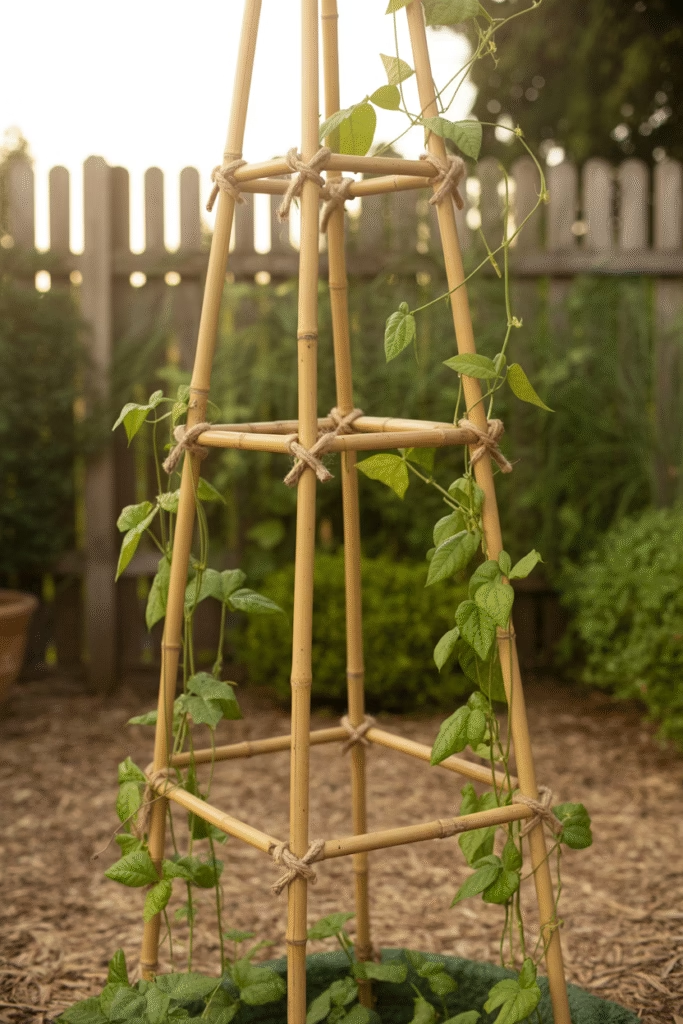
A trellis adds height and privacy. I built one from bamboo poles tied with jute twine—cost under ₹800 ($10).
It’s 2 m (6.5 ft) tall and anchored into the ground with metal stakes. I grow sweet peas and scarlet runner beans on it—both climb fast and add colour.
For a sturdier version, use cedar wood and galvanized screws. Design a fan or diamond pattern for visual interest.
Avoid this: Using treated wood near edible plants. It can leach chemicals into the soil.
In my experience, training vines early is crucial. Gently tie new growth to the trellis every few days until it takes hold.
Make a Rain Barrel Watering System
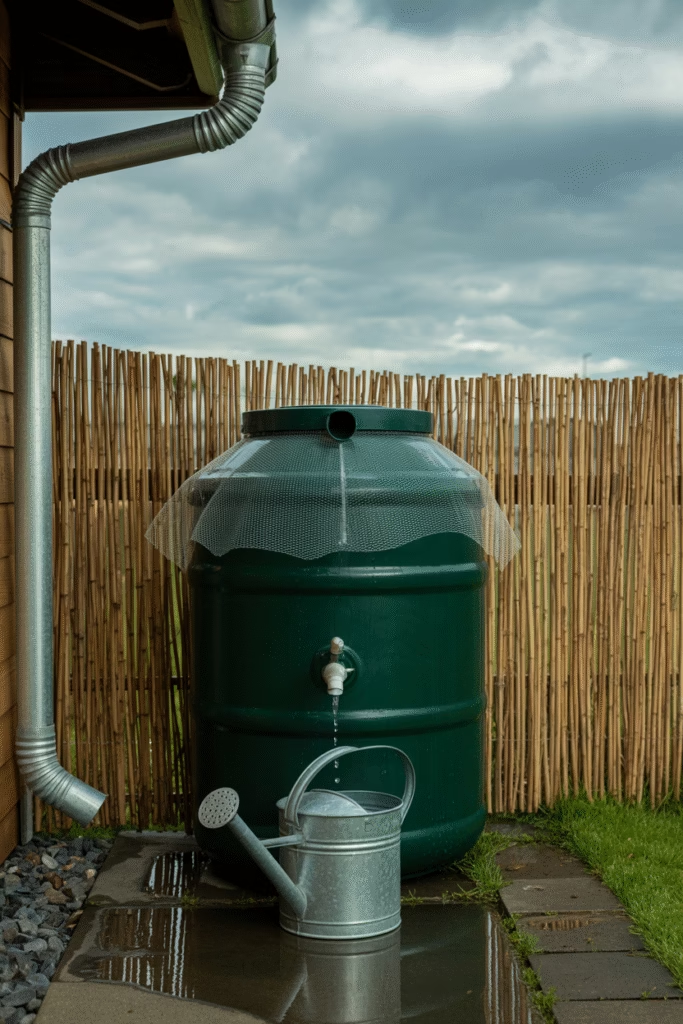
Water bills add up. I installed a 200-litre (55-gallon) rain barrel under my downspout and haven’t used tap water for my garden in two summers.
I cut the downspout, added a diverter, and connected it to the barrel. A spigot at the bottom lets me fill watering cans or attach a hose.
Pro tip: Paint the barrel or surround it with a bamboo screen to hide it. Mosquitoes? Add a fine mesh cover.
I use this water for everything except seedlings—rainwater is softer and free of chlorine.
Create a Mini Herb Spiral
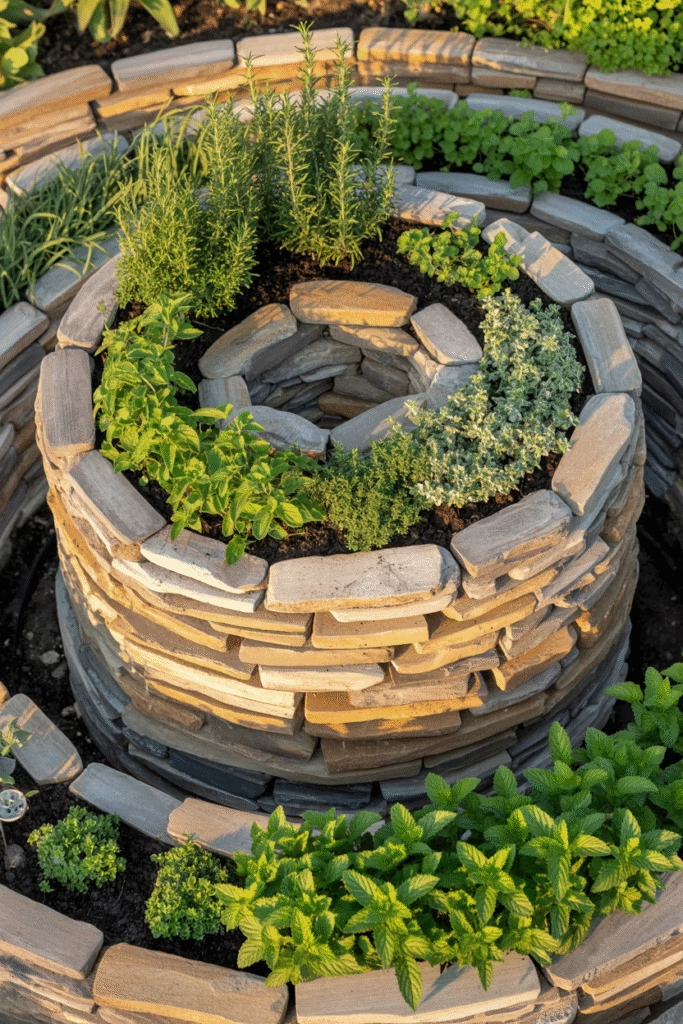
This permaculture hack maximizes space and mimics natural gradients. I built one using stacked stones in a spiral shape, 1.5 m (5 ft) wide and 60 cm (2 ft) high.
The centre is highest and driest—perfect for rosemary and thyme. The lower edges stay moister, ideal for parsley and mint.
Fill with layered soil: compost at the top, richer mix at the base. Plant clockwise from the top.
What works best is sun exposure. Place it where it gets morning sun and afternoon shade in hot climates.
It took one weekend and about ₹2,500 ($30) in materials. Now I step outside and snip fresh herbs for dinner.
Build a Raised Garden Bed from Recycled Wood
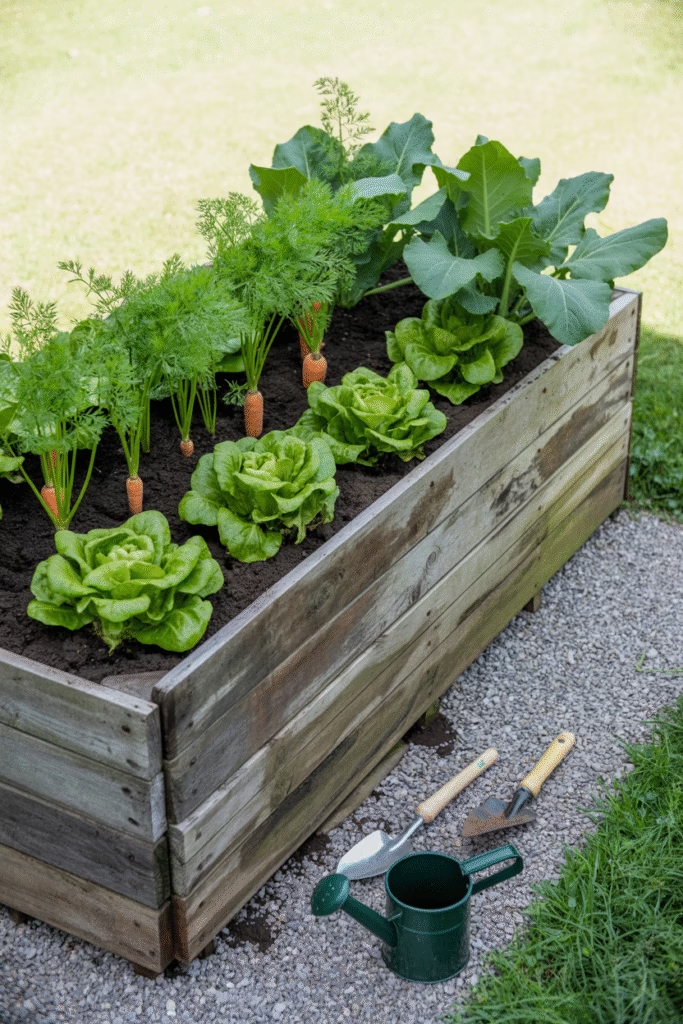
Raised beds warm up faster in spring and reduce back strain. I built mine from reclaimed railway sleepers—no chemicals, just natural creosote (safe for ornamentals, not edibles).
Dimensions: 1.2 x 2.4 m (4 x 8 ft), 45 cm (18 inches) high. I lined the bottom with cardboard to suppress weeds.
Fill with a mix of topsoil, compost, and coco peat (60:30:10 ratio). I grow lettuce, carrots, and zucchini in mine.
Pro tip: Leave 60 cm (2 ft) between beds for easy access. Add a small bench at one end for resting.
Add Garden Lighting with Solar Spikes
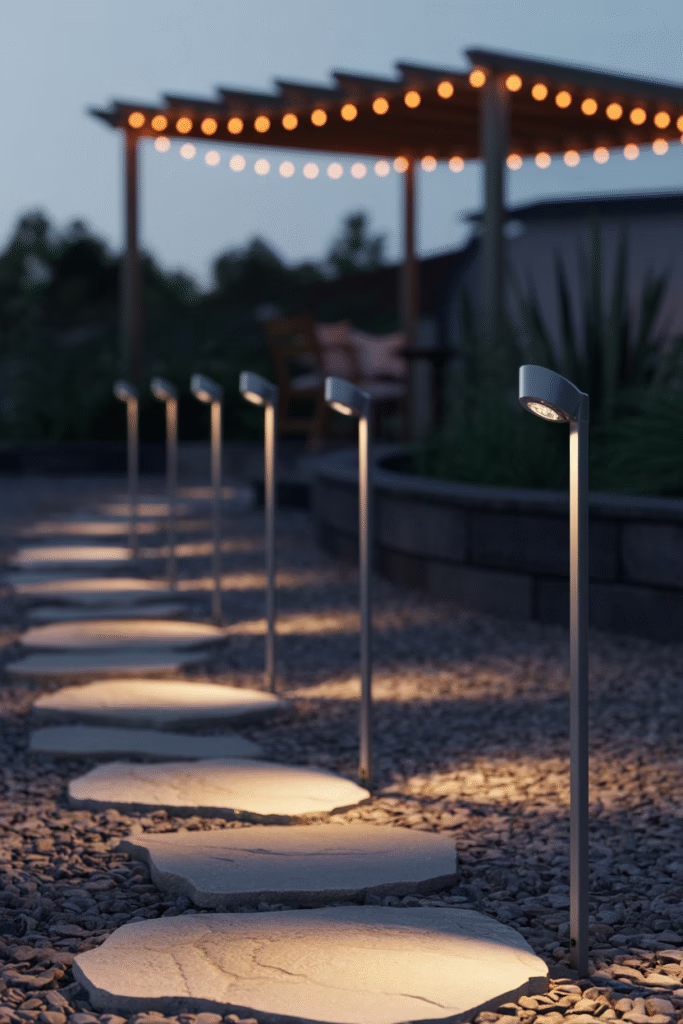
Lighting changes everything after dark. I use solar-powered spike lights along paths and near seating areas.
I place them 1 m (3 ft) apart, angled slightly toward walkways. They charge all day and last 6–8 hours at night.
For ambiance, I added a few string lights draped over a pergola. Solar-powered ones are easy to install—no wiring needed.
Avoid this: Over-lighting. Less is more. Focus on function and mood, not brightness.
Design a Kid-Friendly Garden Zone
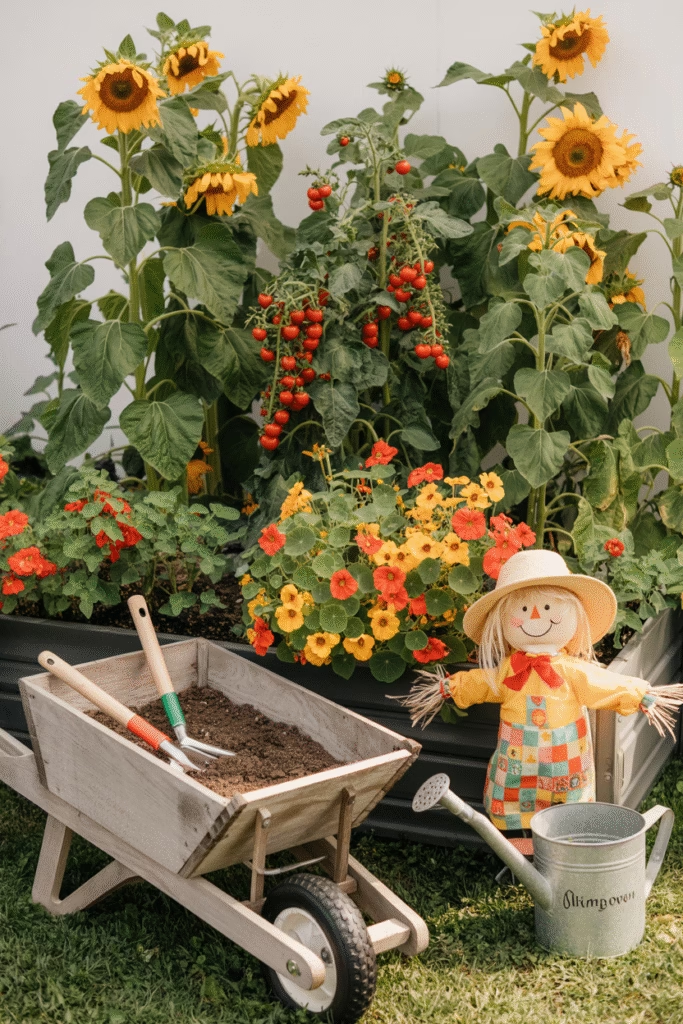
If you have children, give them their own patch. I reserved a 1.5×1.5 m (5×5 ft) area for my niece to grow “her” plants.
We planted sunflowers, cherry tomatoes, and nasturtiums—fast-growing, edible, and fun to watch.
Added a small wooden wheelbarrow, a watering can with her name painted on it, and a handmade scarecrow.
In my experience, ownership matters. Let them choose plants, water daily, and harvest. It builds connection to nature.
Make a Compost Corner
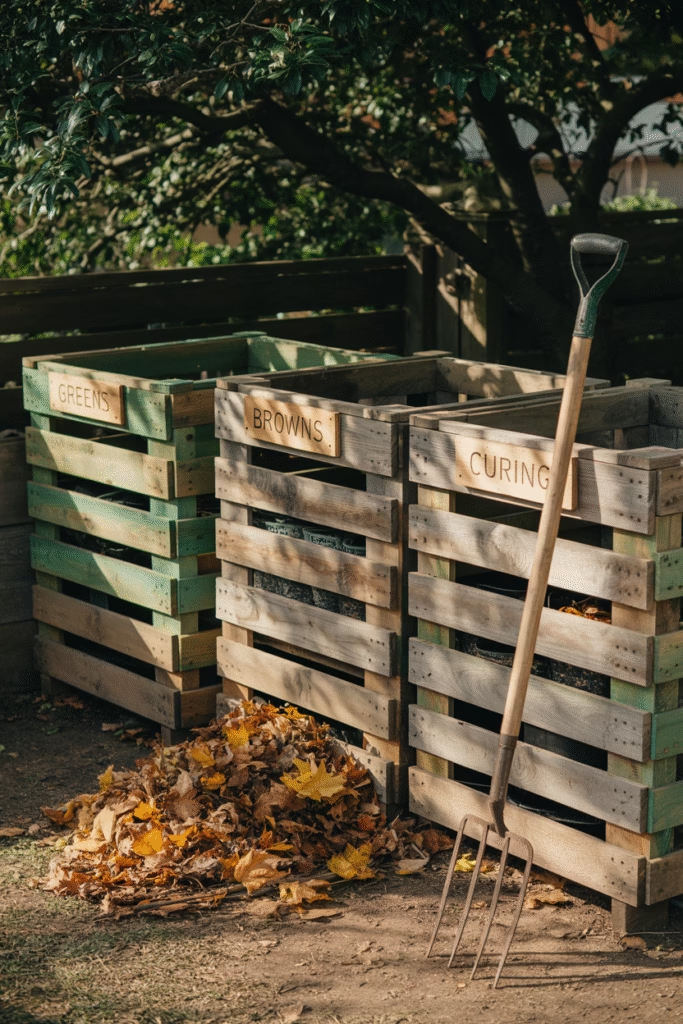
Compost reduces waste and enriches soil. I use a simple 3-bin system made from wooden pallets.
Each bin is 1x1x1 m (3x3x3 ft). One for fresh greens (vegetable scraps), one for browns (dry leaves, paper), and one for curing.
Turn it weekly with a pitchfork. In 6–8 weeks, I have rich, dark compost.
What works best is balance. Aim for a 2:1 ratio of browns to greens. Too many greens = smell. Too many browns = slow breakdown.
Keep it in a shaded, well-drained spot.
Create a Seating Nook in a Forgotten Corner
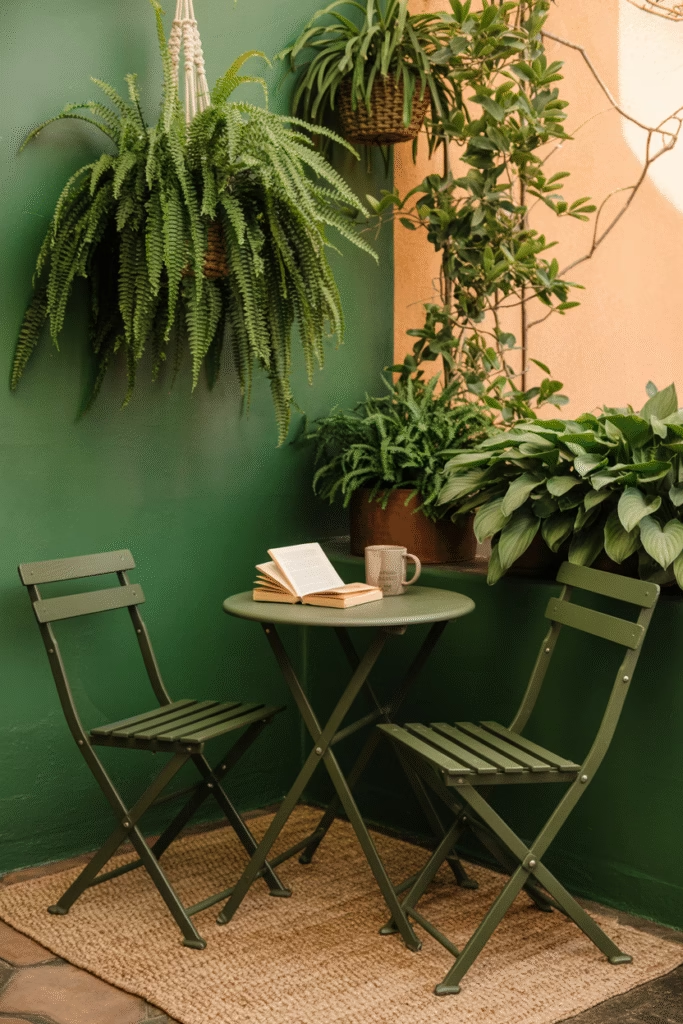
Every garden has a dead zone—an awkward corner, a shaded side, or a narrow strip. I turned one into a reading nook.
I added a secondhand bistro set, a small outdoor rug, and potted ferns in hanging baskets.
Painted the wall behind with dark green outdoor paint to make it feel like a “room.”
Pro tip: Use foldable furniture if space is tight. It’s easy to move and store.
Grow a Fragrance Garden for Evening Enjoyment
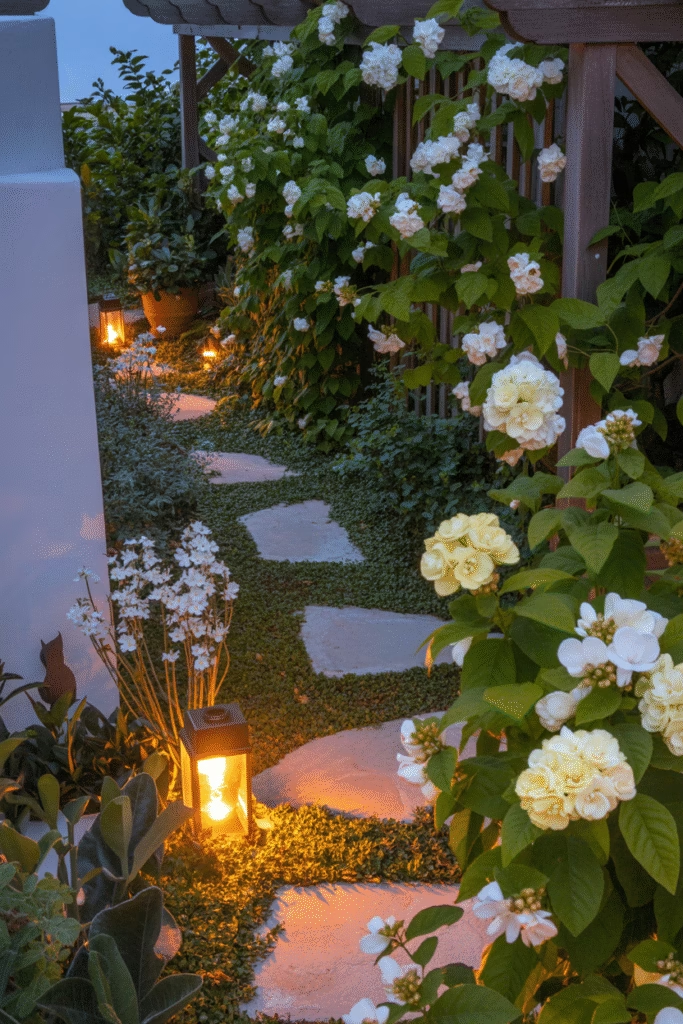
Scent is often overlooked. I planted a small bed near my patio with jasmine, gardenia, and night-scented stock.
These release their strongest fragrance in the evening, perfect for dinners outdoors.
Plant them near seating or walkways so you brush past them and release the scent.
In my experience, height matters. Place taller plants at the back, trailers at the front.
Build a Simple Greenhouse from Recycled Materials
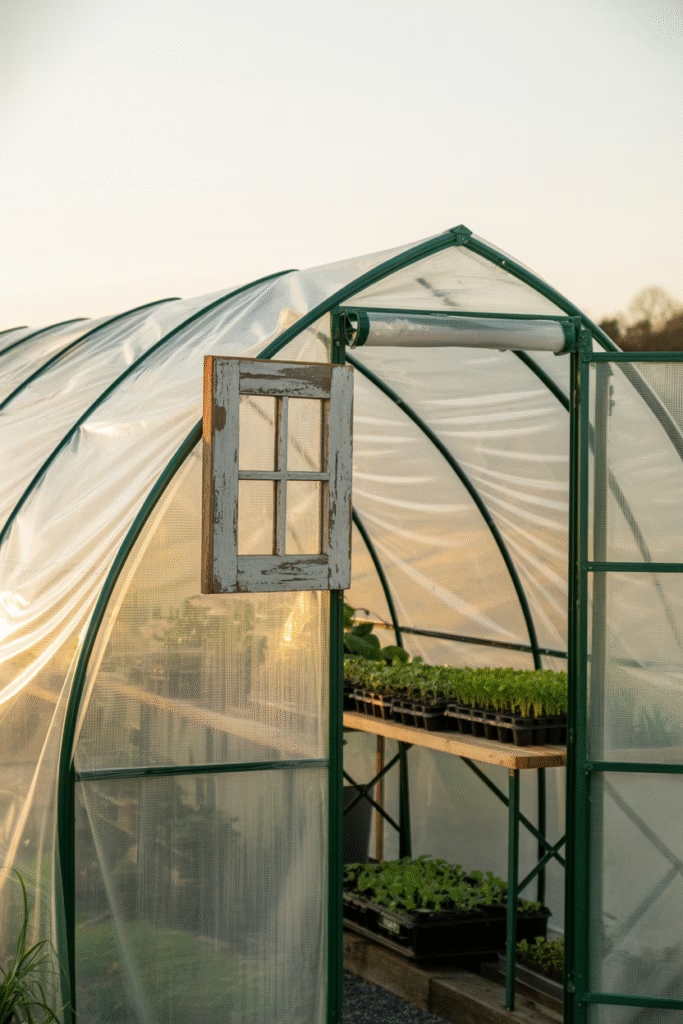
I made a mini greenhouse using an old wooden window frame and PVC pipes.
It’s 1.2 m (4 ft) wide and 2 m (6.5 ft) long. The frame is PVC bent into hoops, anchored into the ground, with the window repurposed as a door.
Cover with UV-resistant polythene. It keeps seedlings warm and extends the growing season by 6–8 weeks.
Avoid this: Poor ventilation. I prop the door open on warm days to prevent overheating.
FAQs: Real Questions Homeowners Ask
1. How much time does a small garden really take?
I spend about 2–3 hours per week on maintenance—watering, weeding, pruning. With drip irrigation and mulch, you can reduce that to 1 hour.
2. What’s the cheapest way to start a garden?
Begin with containers and seeds. A packet of seeds costs ₹50–100 ($0.60–1.20). Use recycled pots, compost kitchen scraps, and collect rainwater.
3. Which plants grow well in partial shade?
Hostas, ferns, impatiens, and mint thrive with 2–4 hours of sunlight. Avoid sun-hungry veggies like tomatoes.
4. How do I keep animals from eating my plants?
Use physical barriers like netting or chicken wire. For deer, a 2 m (7 ft) fence works. For rabbits, 60 cm (2 ft) is enough. Motion-activated sprinklers also help.
5. Can I garden if I have clay soil?
Yes. Amend it with compost, sand, and coco peat. Raised beds are ideal—they let you control the soil entirely.
6. When should I start planting?
In most temperate zones, start seeds indoors 6–8 weeks before the last frost. For direct sowing, wait until soil temperature reaches at least 10°C (50°F).
Wrap Up
Creating a garden isn’t about perfection it’s about progress. Start with one idea, implement it, and build from there. I’ve made plenty of mistakes: overwatering, planting too close, choosing the wrong spot. But each one taught me something.
The truth is, your garden doesn’t have to be magazine-ready to be meaningful. It just has to be yours.
So grab a trowel, pick one project from this list, and get your hands in the soil. You’ll be amazed at how much joy grows from a single step.
What’s the first garden idea you’re excited to try?