
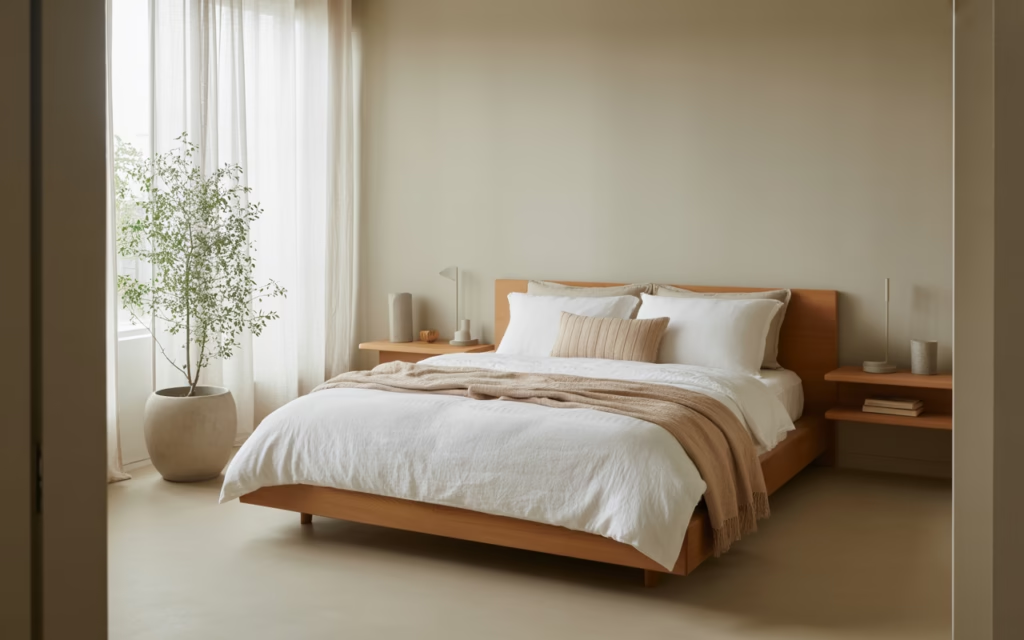
I swear, small bedrooms have a special talent for collecting chaos. One extra chair turns into a laundry chair, one “cute” basket multiplies into five, and suddenly your “calm retreat” looks like you lost a fight with your own closet. Sound familiar?
Here’s the good news: you don’t need more space, you need fewer decisions. Minimalist small bedroom design works because it lowers the visual noise, simplifies your setup, and makes your room feel like a soft reset button at the end of the day. And no, I’m not telling you to live like a monk with one pillow and a single sock. I’m talking about keeping what matters, hiding what doesn’t, and making the whole room feel intentional.
I’ve set up minimalist small bedrooms in rentals where I couldn’t drill into anything, and I’ve redone rooms where the bed basically touched every wall (fun times). The pattern always stays the same: light colors, clean lines, smart storage, and strict “no clutter on surfaces” energy. Once you nail those, your small bedroom starts feeling bigger, calmer, and way easier to keep tidy.
So if you want minimalist small bedroom ideas that actually work in real life (not just in staged photos where nobody owns chargers), you’re in the right place. Ready to turn your room into a calm retreat you actually want to come home to?
Why Minimalism Works Perfectly for Small Bedrooms
Before we jump into the ideas, let me explain why minimalism is basically made for small spaces. When you strip away the excess, you’re left with what actually matters and that makes your room feel bigger, calmer, and way more functional.
Think about it: every extra pillow, random knick-knack, or unnecessary piece of furniture is just eating up visual space. Your brain has to process all that stuff, and it’s exhausting. Minimalism gives your eyes (and mind) a break. Plus, in a small bedroom, you literally can’t afford to waste space on things that don’t serve a purpose.
The beauty of minimal design is that it forces you to be picky. You only keep what you love or need, and everything else? Gone. This isn’t about deprivation it’s about creating breathing room.
Choose a Neutral Color Palette
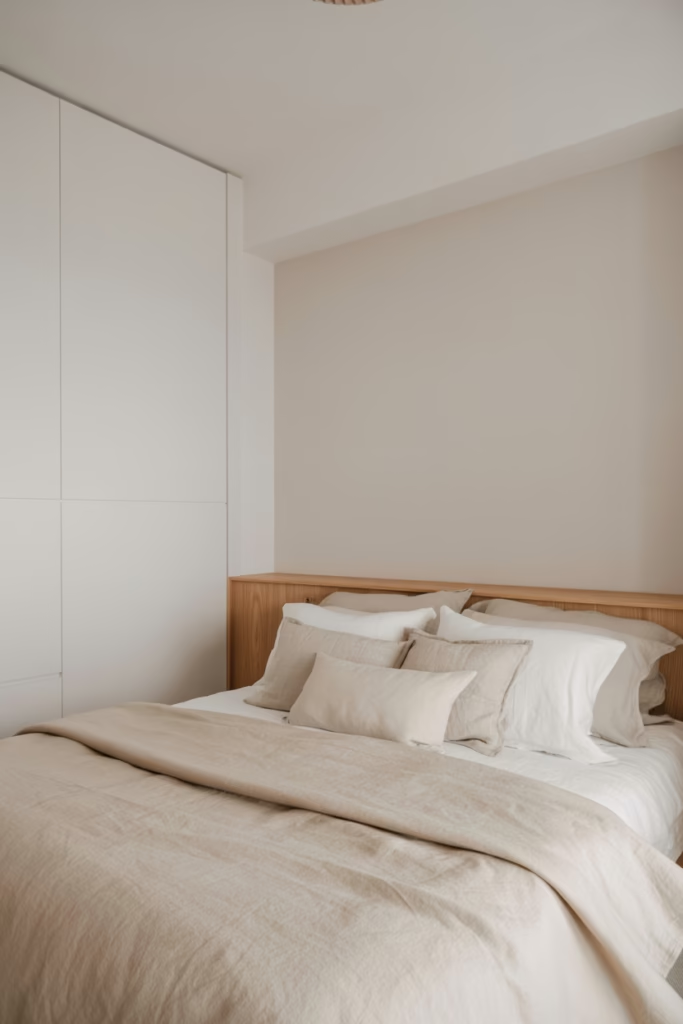
Neutral colors are your secret weapon for making a small bedroom feel spacious. I’m talking whites, beiges, soft grays, and warm taupes. These shades reflect light instead of absorbing it, which tricks your eye into thinking the room is larger than it actually is.
Now, I know what you’re thinking: “Won’t that look boring?” Not if you do it right. Layer different textures and tones within your neutral palette. Pair a creamy white wall with linen bedding in oatmeal, add a chunky knit throw in gray, and suddenly you’ve got depth without chaos.
Here’s my go-to neutral combinations:
- Warm whites with natural wood tones for that Scandinavian vibe
- Soft grays with black accents for modern sophistication
- Beige and cream layers for ultimate coziness
- Off-white with subtle earth tones for organic warmth
The key is sticking to your chosen palette religiously. Don’t introduce random pops of color just because you saw it on Pinterest. Trust me, I learned this the hard way 🙂
Invest in a Low-Profile Bed Frame
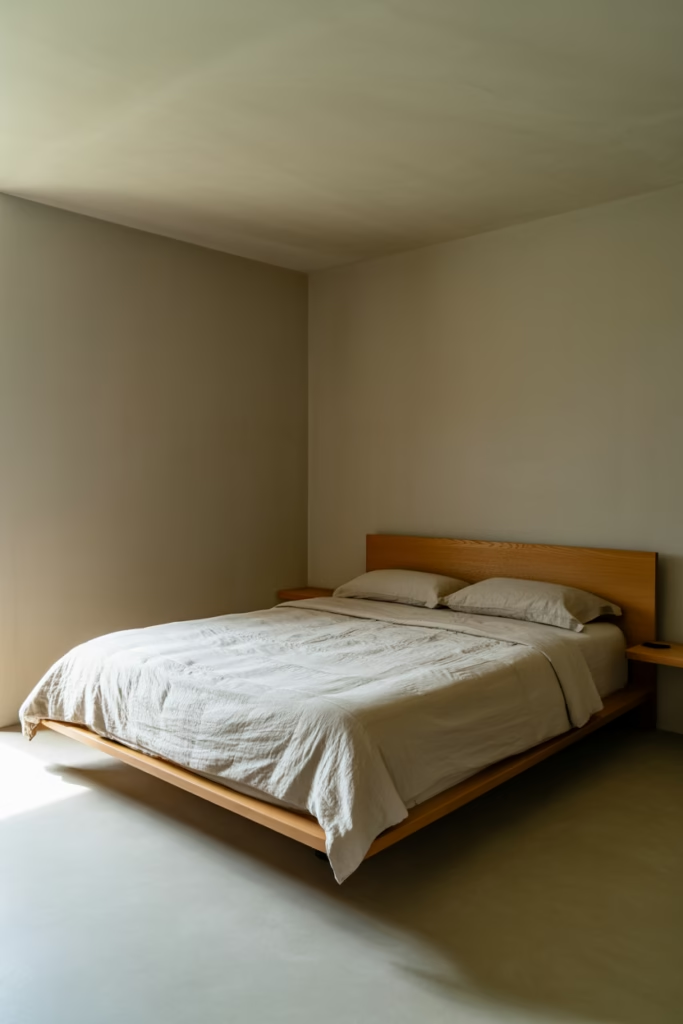
Your bed takes up the most space in your room, so choosing the right frame is crucial. Low-profile or platform beds are game-changers for small bedrooms because they don’t create that heavy, bulky visual weight that traditional bed frames do.
When your bed sits closer to the ground, it creates the illusion of higher ceilings. Your eye naturally travels upward, and suddenly your room doesn’t feel like a shoebox anymore. I switched to a platform bed in my previous apartment, and the difference was immediate—the whole room felt airier.
Look for frames with:
- Clean, straight lines (no ornate headboards)
- Built-in storage drawers underneath
- Neutral wood or upholstered finishes
- Minimal or no headboard
FYI, you can also ditch the headboard entirely if you want maximum minimalism. Just make sure you have some artwork or a shelf behind the bed so the wall doesn’t look too bare.
Embrace Floor-to-Ceiling Storage
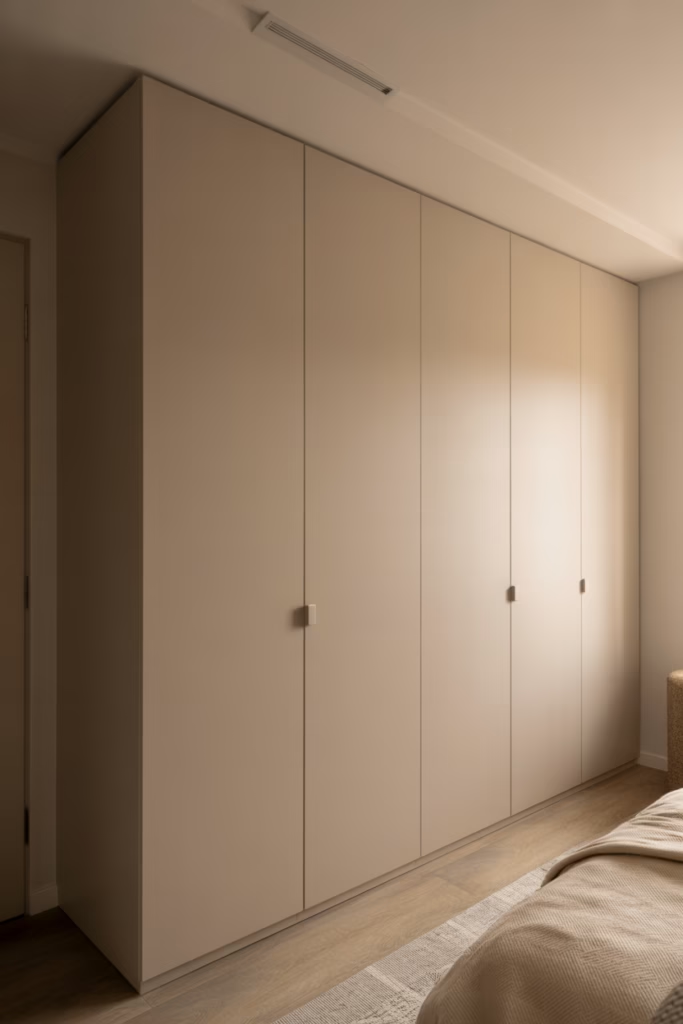
Vertical space is your best friend in a small bedroom. Instead of spreading storage horizontally (which eats up floor space), go vertical with tall, slim storage solutions that draw the eye upward.
I’m obsessed with floor-to-ceiling wardrobes or shelving units. They maximize storage without taking up much floor space, and they make your ceilings appear taller. Ever noticed how tiny rooms with high storage feel more spacious? That’s not an accident.
Consider these vertical storage options:
- Tall, narrow bookcases for books and decor
- Built-in closets that reach the ceiling
- Wall-mounted shelving systems
- Over-door organizers for accessories
- Vertical ladder shelves for a minimalist look
The trick is keeping everything organized and hidden. Open shelving can work if you’re disciplined about what you display, but closed storage keeps visual clutter at bay.
Keep Window Treatments Simple
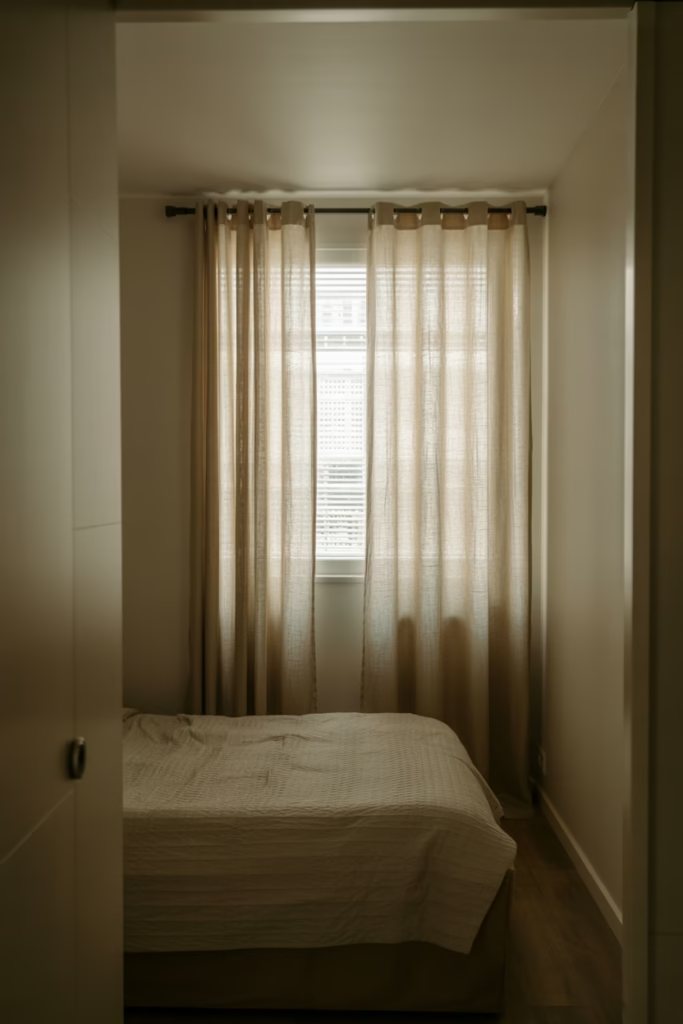
Heavy curtains and complicated window treatments can make a small bedroom feel closed in and dark. Opt for simple, light-filtering options that let natural light pour in while maintaining privacy.
I prefer sheer white curtains or light linen panels that barely touch the floor. They add softness without overwhelming the space. If privacy is a concern, layer them with simple roller blinds in white or cream.
Pro tips for window treatments:
- Mount curtain rods as close to the ceiling as possible (makes windows look taller)
- Choose curtains that match your wall color for a seamless look
- Avoid busy patterns or dark colors
- Keep them streamlined—no excessive fabric pooling on the floor
Natural light is honestly your biggest asset in a small space. Don’t block it with heavy fabrics that make your room feel like a cave.
Limit Decorative Accessories
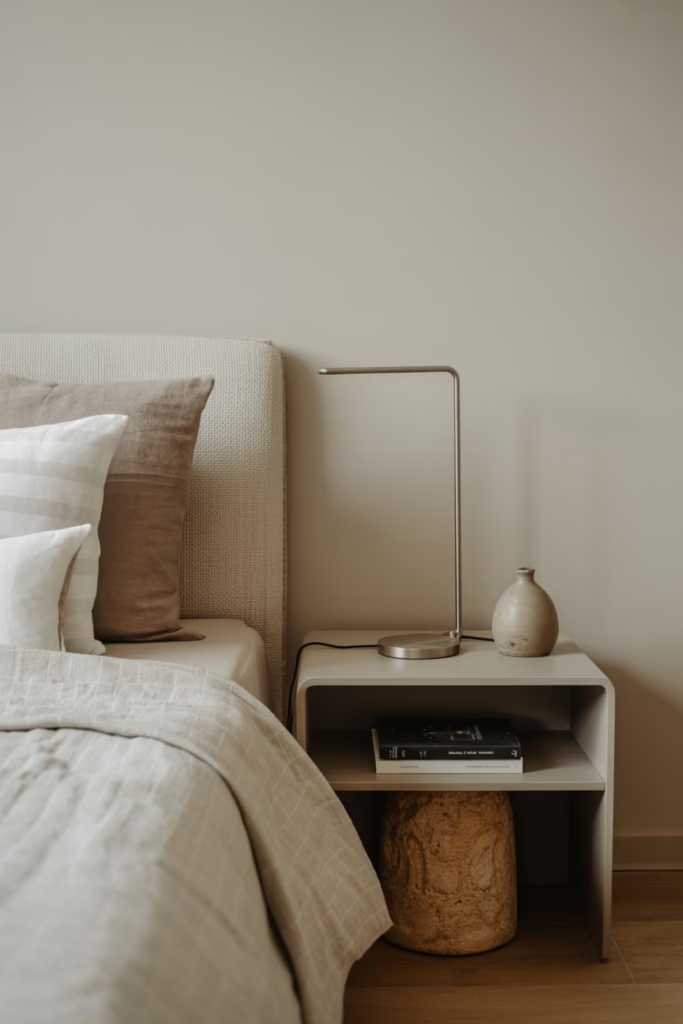
This is where a lot of people mess up minimalism. They go minimal with furniture but then pile on decorative pillows, wall art, and random decor. Choose quality over quantity when it comes to accessories.
In my bedroom, I stick to the “rule of three.” I have three meaningful pieces on my nightstand: a simple lamp, a small plant, and a book. That’s it. Your surfaces should have breathing room—they shouldn’t be cluttered with stuff.
Here’s what to keep:
- One or two pieces of meaningful artwork
- A single plant or vase with fresh flowers
- Functional items that double as decor (like a beautiful alarm clock)
- Maybe a mirror to bounce light around
IMO, every decorative item should earn its place. If it’s not beautiful or meaningful, it doesn’t belong in a minimal bedroom.
Use Multifunctional Furniture
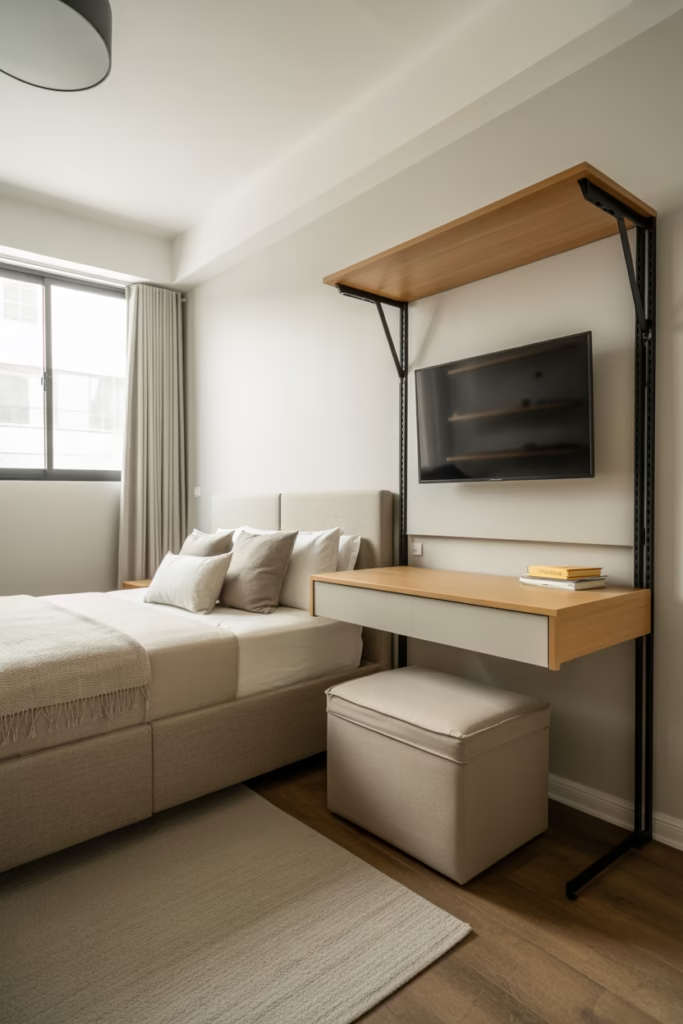
Every piece of furniture needs to work hard in a small bedroom. This isn’t the place for single-purpose items that just take up space.
I learned this when I replaced my traditional nightstand with a small ladder shelf. Suddenly, I had bedside storage plus display space for books and plants. Game changer. Look for furniture that serves multiple purposes without being bulky.
Multifunctional furniture ideas:
- Ottoman that opens for storage
- Bed frames with built-in drawers
- Floating nightstand shelves instead of bulky tables
- Fold-down desk that disappears when not in use
- Bench at the foot of the bed for seating and storage
The beauty of multifunctional pieces is they solve multiple problems without multiplying your furniture count. Less furniture = more floor space = bigger feeling room. Math checks out.
Incorporate Hidden Storage Solutions
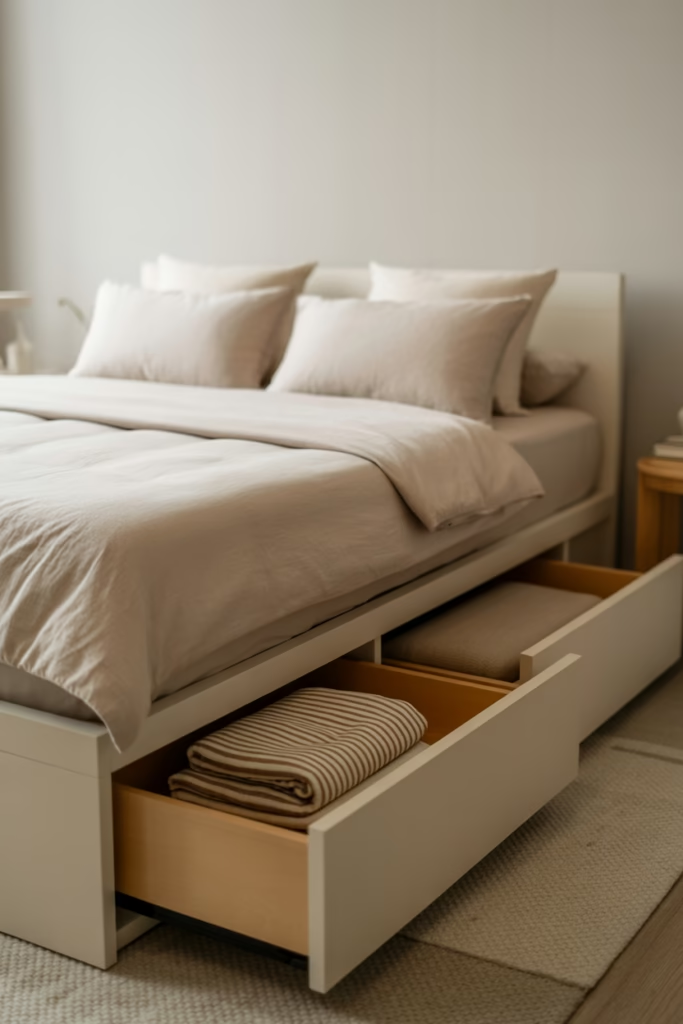
Out of sight, out of mind—this phrase is gospel in minimalist bedroom design. The more you can hide away, the calmer your space will feel.
Under-bed storage is clutch. I use shallow bins under my bed for off-season clothes and extra linens. Nobody sees them, but I’ve got tons of hidden storage working for me. You can also find beds with hydraulic lift systems that reveal massive storage compartments underneath.
More hidden storage hacks:
- Storage boxes that match your decor aesthetic
- Bedside tables with drawers instead of open shelves
- Wall-mounted cabinets that blend with your walls
- Storage ottomans at the foot of your bed
- Behind-the-door hooks and organizers
The goal is to have plenty of storage without it being visually obvious. Your room should look serene, not like a storage unit.
Create a Focal Point
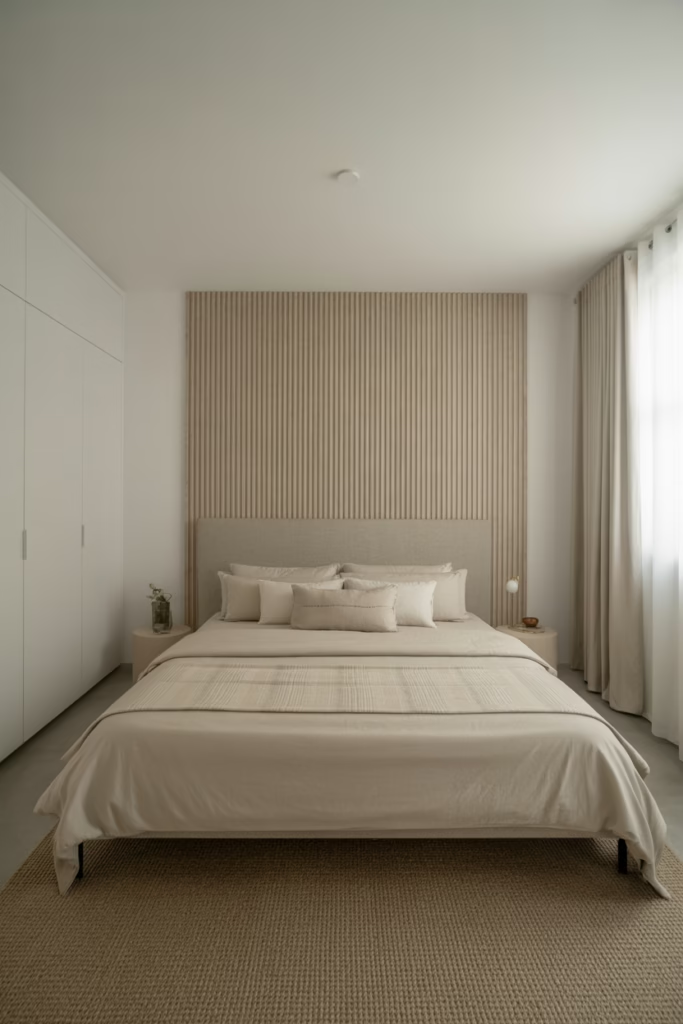
Even minimalist rooms need one strong focal point to anchor the space. Without it, your room can feel empty rather than intentionally minimal. There’s a difference.
Usually, your bed is the natural focal point, but you can enhance it with a beautiful headboard, interesting wall treatment, or striking piece of art above it. I painted an accent wall behind my bed in a slightly darker shade of my wall color—subtle but effective.
Focal point ideas:
- Textured wall treatment (wood slats, wallpaper, paint)
- Statement headboard in natural materials
- Large-scale minimalist artwork
- Unique lighting fixture above the bed
- Floor-to-ceiling curtains as a backdrop
Just remember: one focal point. Not three. Not five. One. The rest of the room should support it, not compete with it.
Choose Quality Over Quantity in Bedding
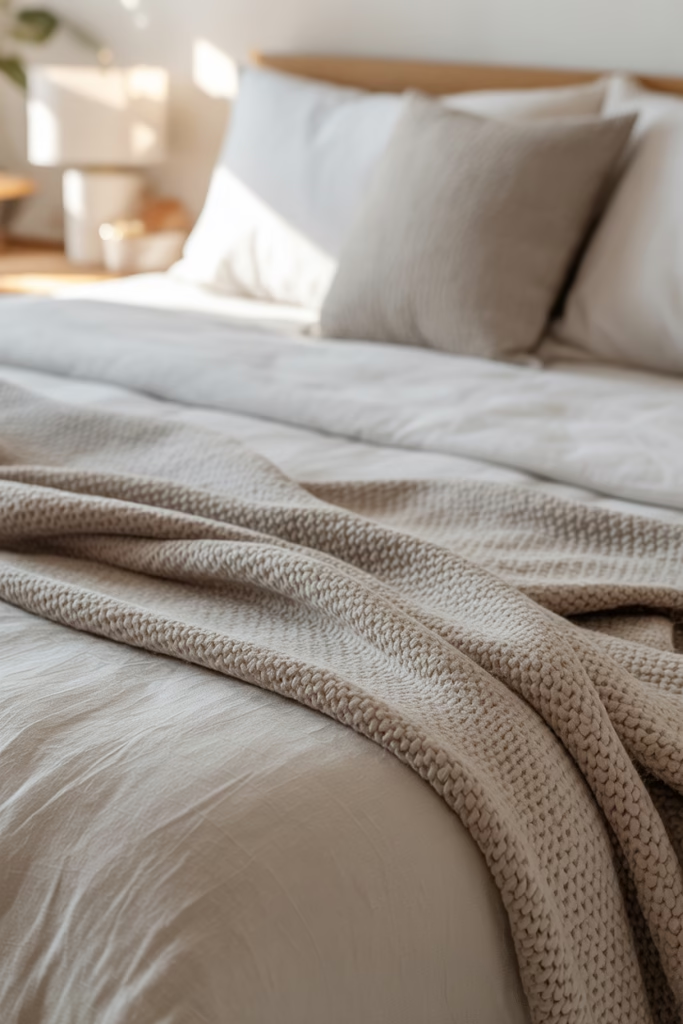
Your bedding is where you can add texture and luxury without adding visual clutter. Invest in high-quality, simple bedding in neutral colors and let the quality speak for itself.
I’m a huge fan of linen bedding. It looks effortlessly minimal, gets softer with every wash, and has this relaxed, lived-in vibe that feels expensive. You don’t need fifteen decorative pillows—just a few sleeping pillows and maybe one throw pillow for accent.
Bedding essentials for minimalist bedrooms:
- High-thread-count sheets in white or neutral tones
- Simple duvet cover (skip the comforter)
- Two standard pillows plus one accent pillow max
- One textured throw blanket
- No bed skirt (let that frame breathe!)
The minimalist approach to bedding is all about layers of texture in a cohesive color story. Think monochromatic but interesting.
Add One Statement Plant
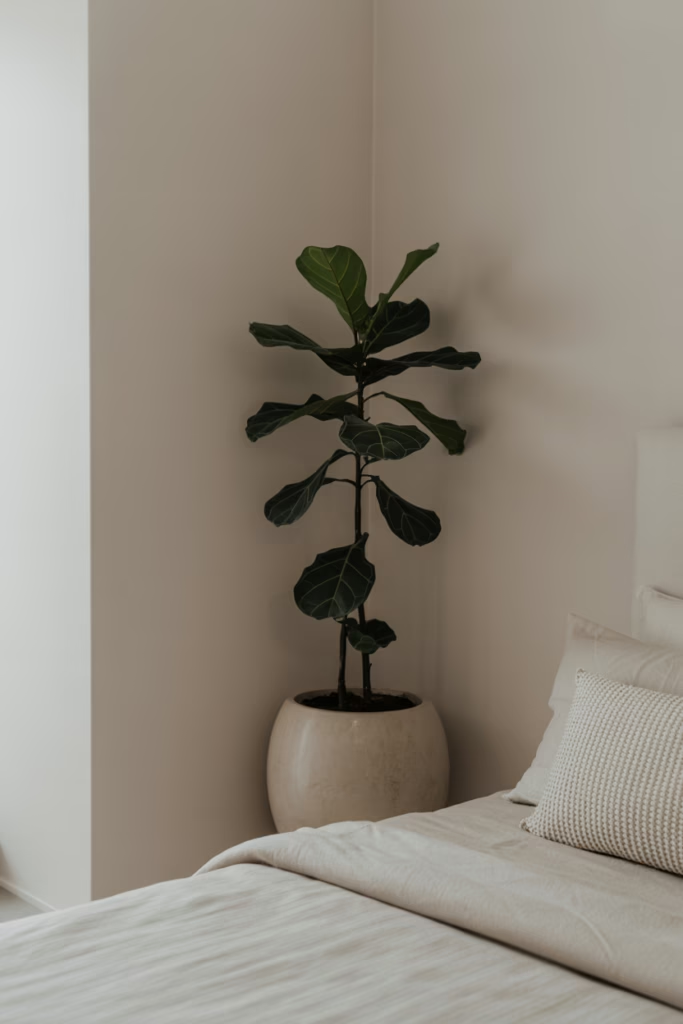
Plants bring life to minimal spaces without adding clutter, but the key word here is “one.” Choose a single statement plant instead of a jungle of small pots scattered everywhere.
I have a tall fiddle leaf fig in the corner of my bedroom, and it’s perfect. It adds vertical interest, purifies the air, and brings in that organic element that keeps the room from feeling sterile. A large plant in a simple planter is way more impactful than five small ones.
Best plants for minimalist bedrooms:
- Fiddle leaf fig for dramatic height
- Snake plant for low maintenance
- Monstera for tropical vibes
- Large pothos on a high shelf
- Single orchid for elegant simplicity
Whatever you choose, commit to it. Give it a beautiful, simple planter that matches your aesthetic. And please, water it. A dead plant is decidedly not minimalist chic :/
Install Floating Nightstands
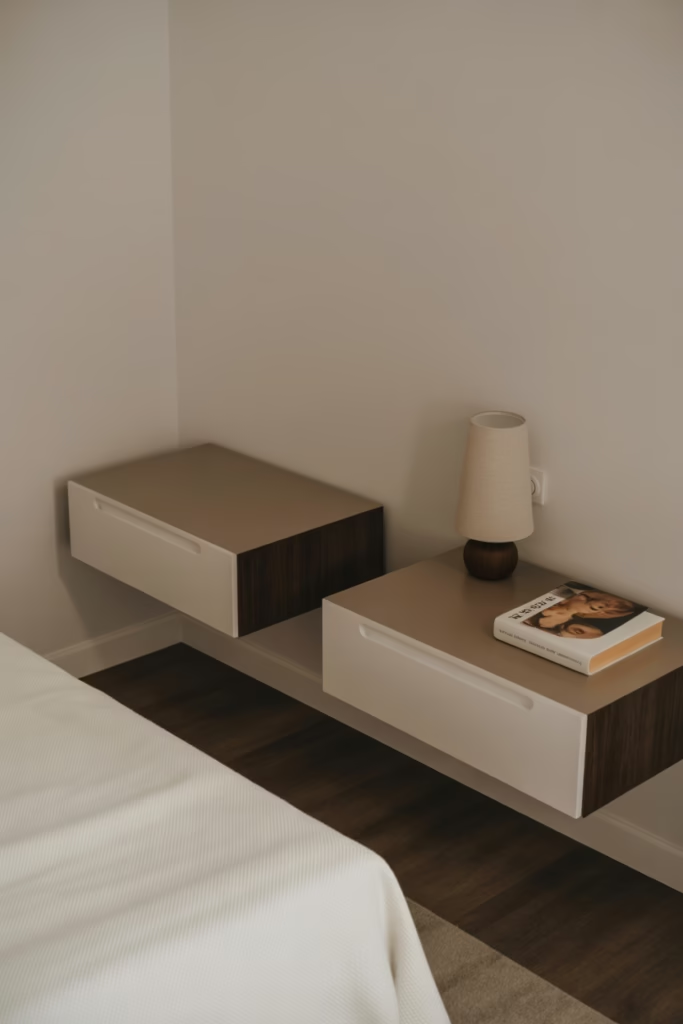
Traditional nightstands can make a small bedroom feel cramped. Floating nightstands create storage and surface space without taking up valuable floor real estate.
When I installed floating shelves as nightstands, I was shocked by how much bigger my room felt. You can see straight through to the floor, which tricks your brain into perceiving more space. Plus, they’re easier to clean around (vacuum heaven!).
Floating nightstand benefits:
- Frees up floor space
- Easier to clean underneath
- Creates an airy, modern look
- Customizable height based on your bed
- Affordable compared to traditional nightstands
You can go super minimal with just a floating shelf, or find floating drawer units if you need more storage. Either way, you’re winning the space game.
Minimize Artwork and Wall Decor
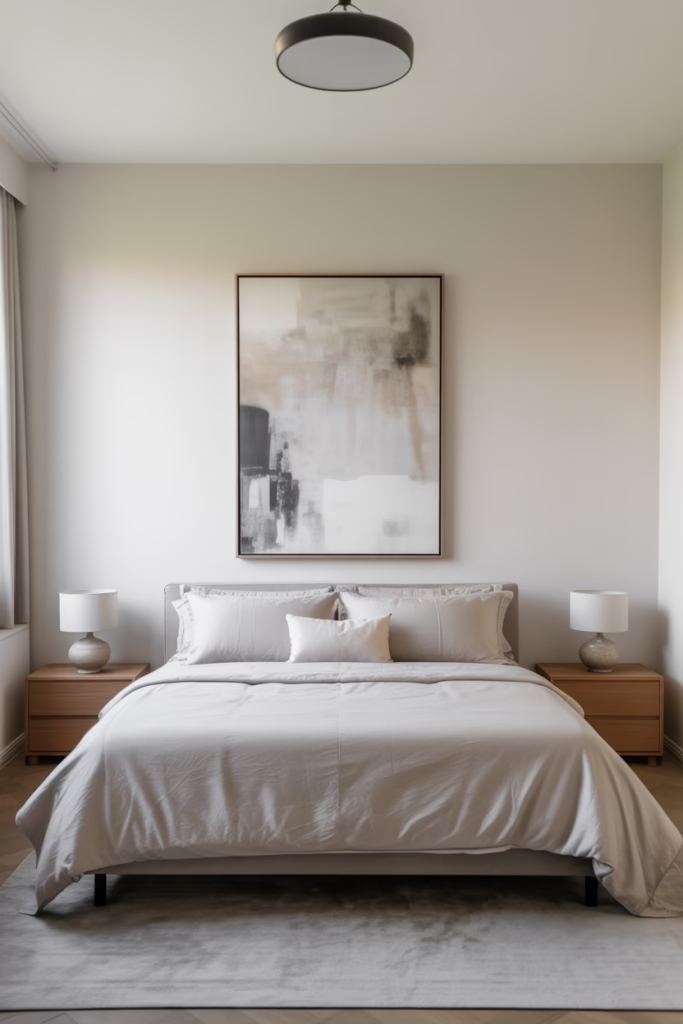
I see so many people go overboard with gallery walls in small bedrooms. One or two large pieces of art work better than a cluster of small frames competing for attention.
In minimal design, your walls should have breathing room. A single large abstract piece above your bed can be incredibly impactful. Or maybe a large mirror that bounces light around. But filling every wall with frames? That’s a no for small spaces.
Wall decor guidelines:
- Stick to one or two large pieces maximum
- Choose artwork in your neutral color palette
- Leave some walls completely bare
- Use a large mirror strategically to expand the space
- Avoid busy patterns or overly colorful pieces
Remember: negative space on walls is a feature, not a bug. Your walls don’t need to be covered. Let them rest.
Optimize Lighting with Layers
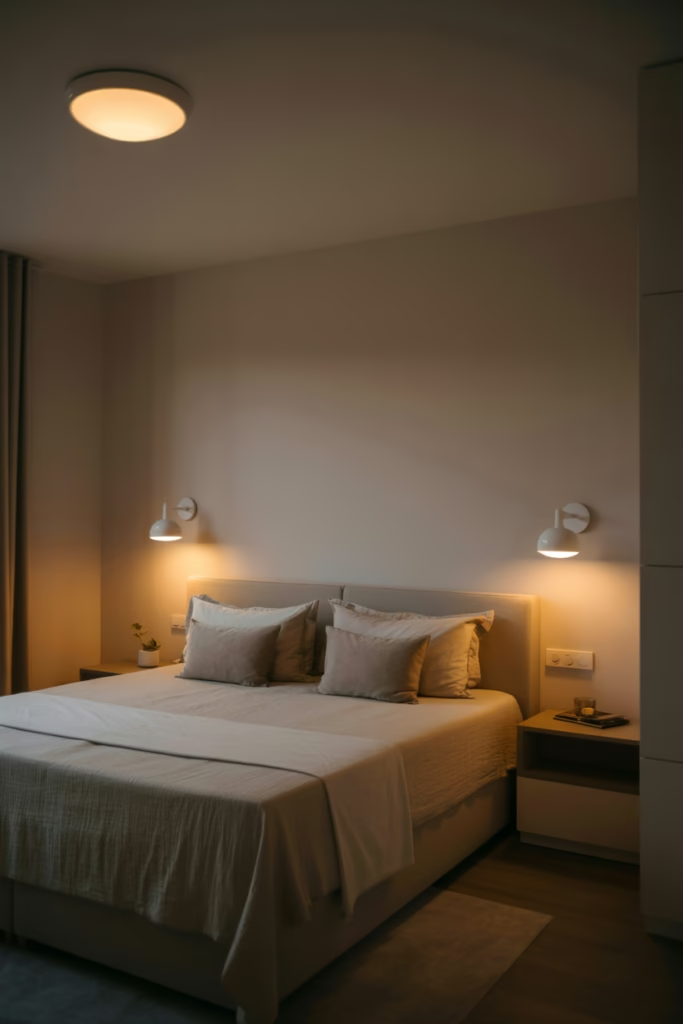
Good lighting can make or break a small bedroom. Layer your lighting with ambient, task, and accent options to create depth and functionality without clutter.
I rely on three light sources: overhead lighting (a simple pendant or flush mount), bedside lamps for reading, and maybe a small accent light. That’s it. No need for chandeliers, floor lamps, string lights, and table lamps all competing in your tiny room.
Minimal lighting strategy:
- Overhead: Simple flush mount or single pendant in white or black
- Bedside: Wall-mounted sconces to save nightstand space (or slim table lamps)
- Accent: Small LED strip under floating shelf for ambiance
- Use warm white bulbs for a cozy feel
Wall-mounted reading lights are genius for small bedrooms because they eliminate the need for table lamps that take up precious nightstand space. I wish I’d discovered them sooner.
Keep Electronics Minimal and Hidden
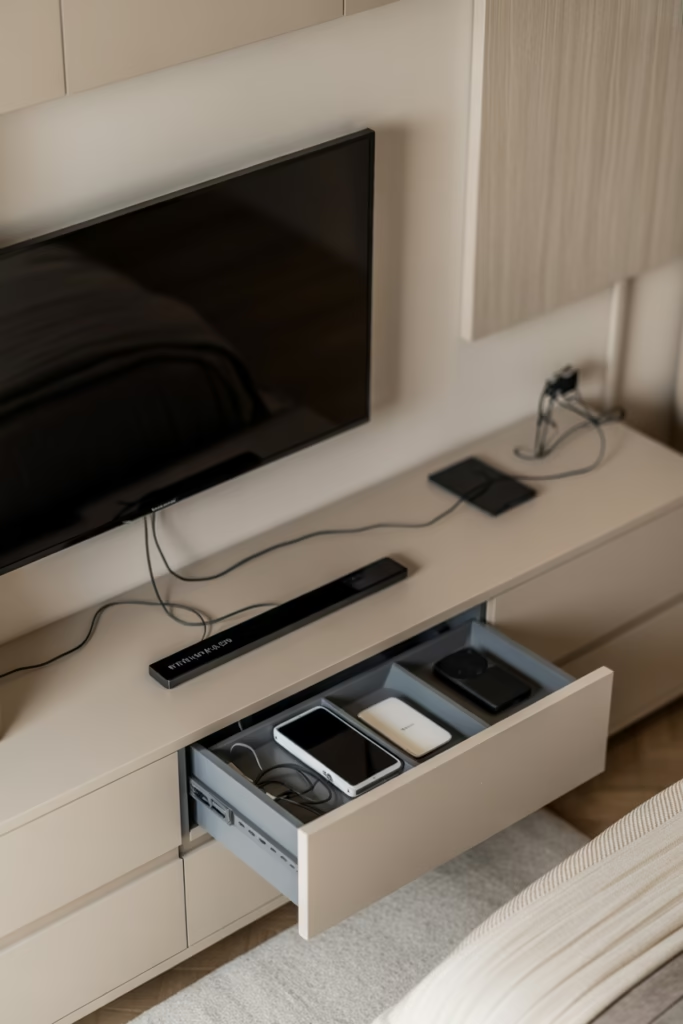
TVs, chargers, cords—all that tech can seriously disrupt your minimalist zen. Minimize visible electronics and hide what you can’t eliminate.
I don’t have a TV in my bedroom anymore, and honestly? Best decision ever. My bedroom is for sleeping and relaxing, not binge-watching. But if you must have a TV, mount it on the wall and hide the cords with cable management systems.
Tech organization tips:
- Charging station in a drawer or behind the nightstand
- Wall-mounted TV with hidden cords
- Wireless charging pads instead of messy cables
- Single power strip hidden from view
- No laptops, tablets, or work stuff visible
The fewer electronics you see, the more your bedroom feels like a calm retreat instead of an office or entertainment center.
Maintain a “One In, One Out” Rule
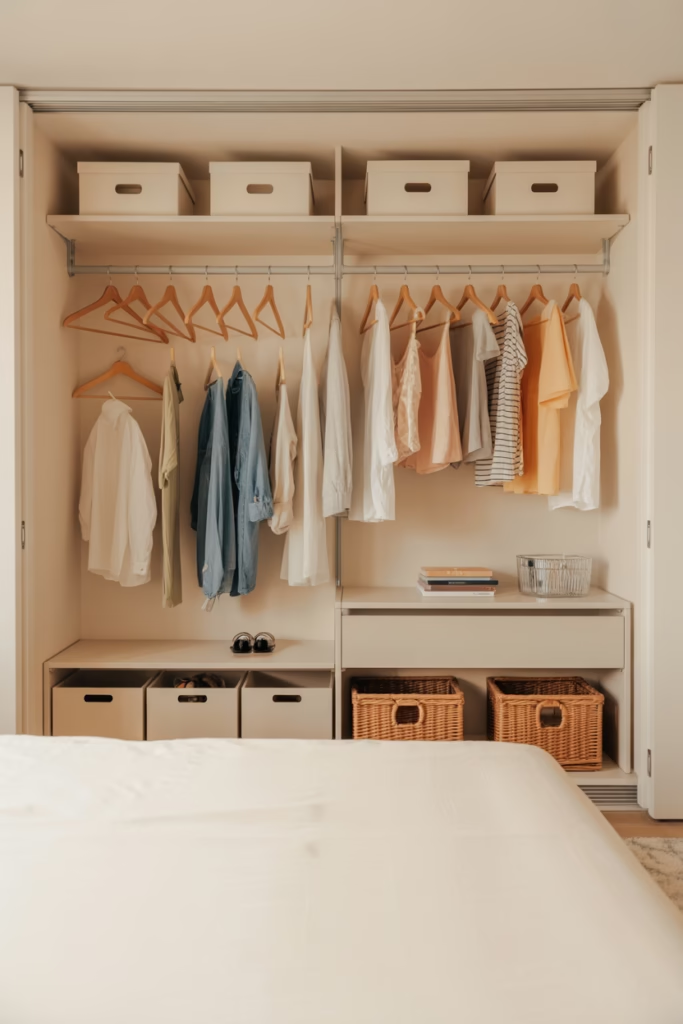
Here’s the secret to keeping your minimalist bedroom actually minimal: for every new item you bring in, remove something else. This rule has saved me from backsliding into clutter chaos.
When I buy a new book, an old one gets donated. New throw pillow? The old one goes. It sounds strict, but it keeps your space intentional and prevents that slow creep of stuff that happens over time.
Maintenance habits:
- Weekly surface clear-off (nothing stays on nightstands overnight)
- Monthly closet review
- Seasonal deep declutter
- Immediate decision-making (don’t create “maybe” piles)
- Everything has a designated home
Minimalism isn’t a one-time makeover. It’s an ongoing practice. The more you stick with it, the easier it becomes—and the calmer your bedroom stays.
Final Thoughts
Here’s my slightly spicy take: you don’t want a “perfect” minimalist bedroom you want a bedroom that makes your brain go quiet. The calm retreat vibe shows up when you stop fighting your space and start designing around how you actually live. You sleep, you recharge, you toss clothes somewhere when you’re tired, and you need storage that doesn’t look like storage.
If you try just three things from these minimalist small bedroom ideas, start here:
- Commit to a tight neutral palette so your room feels cohesive.
- Upgrade one big thing (like bedding or a low-profile bed) instead of adding ten little things.
- Hide the mess with smart storage so your surfaces stay clear.
And if you feel tempted to buy “one more cute decor item” to fix the vibe… maybe clean off your nightstand first. Wild concept, I know.
Pick one idea, do it this week, and see how your room feels at bedtime. What’s the one change you want to make first color palette, storage, or lighting?