
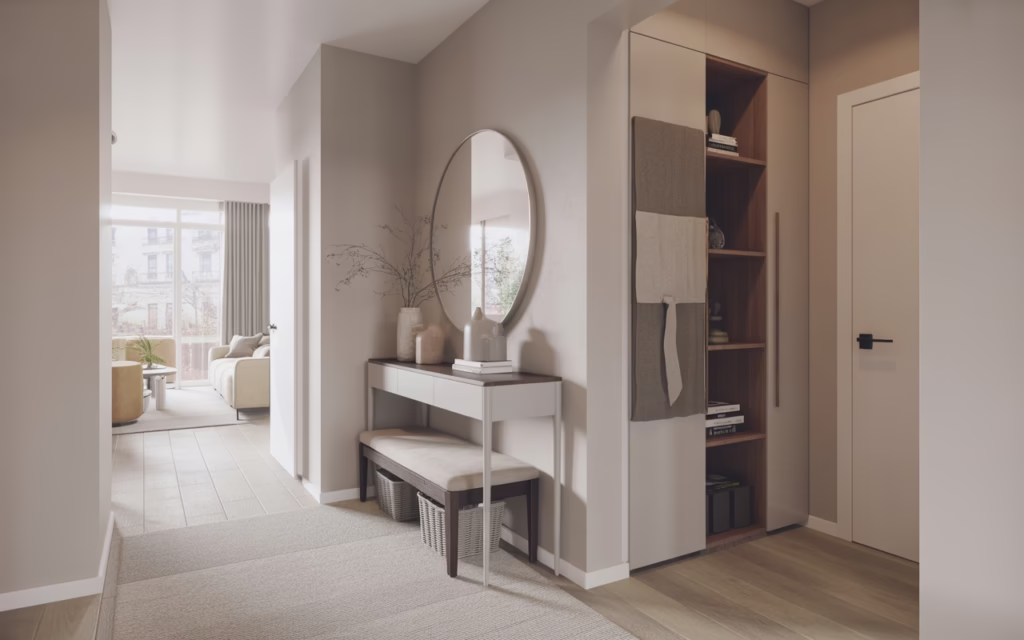
Your hallway is doing the most important job in your entire home, and most people completely ignore it. It’s the first impression, the transition zone, the space that whispers (or shouts) exactly what kind of home you’re walking into. And yet, somehow, it ends up as the place where shoes go to die and mystery bags accumulate for weeks.
I get it. Hallways are awkward. They’re narrow, often dark, and easy to deprioritize when you’re busy styling your living room or kitchen. But here’s what nobody tells you: a well-designed hallway makes every other room in your home feel more intentional. It sets the whole vibe before anyone even sees the rest of the space.
So I pulled together 17 modern hallway design ideas that are practical, visually stunning, and honestly pretty fun to pull off whether you’re working with a skinny apartment corridor or a proper entryway with room to breathe. Let’s go.
1. Make a Statement With a Bold Accent Wall
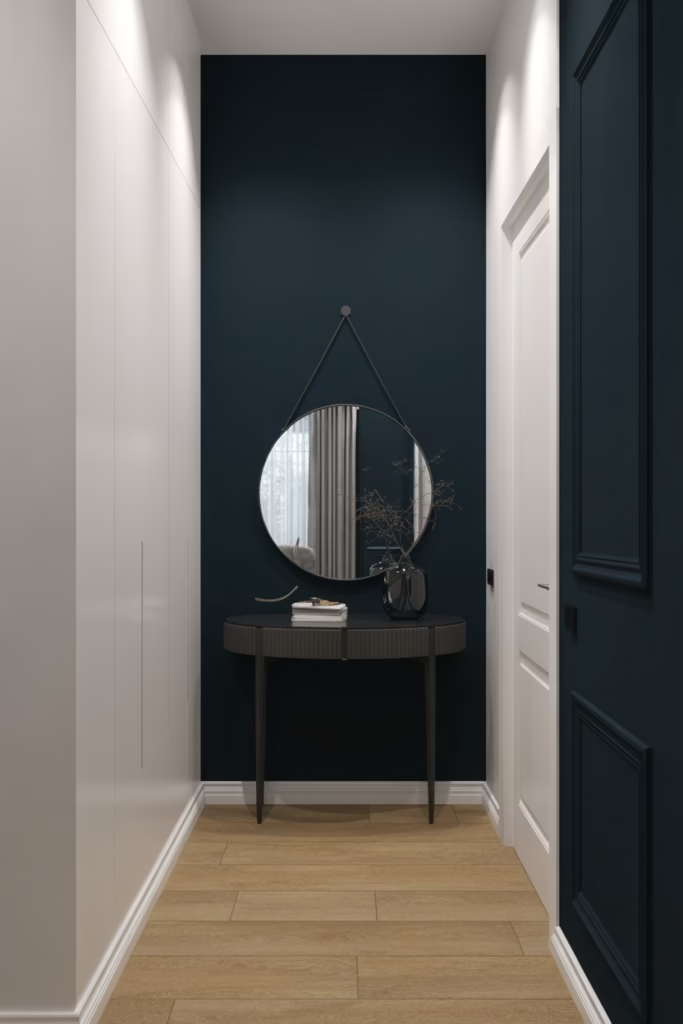
Why settle for builder-grade white when one bold wall can completely transform your hallway? A deep, rich accent wall — think inky navy, moody olive, dramatic charcoal, or warm terracotta — instantly signals that this space was designed on purpose.
You don’t need to paint all four walls. Just the one facing you as you walk in is enough. The contrast between a bold feature wall and neutral surrounding walls creates visual depth that makes the hallway feel longer and more considered.
Go matte. Matte paint finishes hide scuffs and fingerprints far better than eggshell or satin — and in a high-traffic hallway, that matters more than you’d think.
Pair your accent wall with white or light trim for a crisp, modern contrast. Or go tonal — dark walls with dark trim — for something that feels more sophisticated and editorial.
2. Anchor the Space With a Slim Console Table
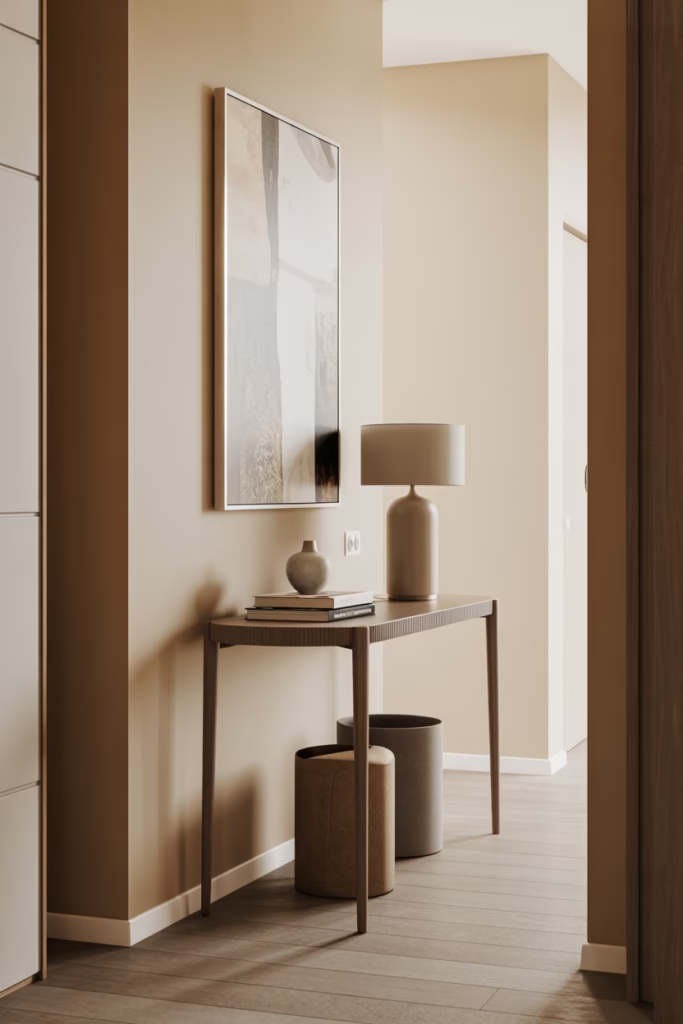
A console table is quite possibly the most hardworking piece of furniture you can put in a hallway. It gives you a landing spot for keys, a place to style a vase or candle, and an anchor point for a mirror above — all without eating up floor space.
Look for tables 30cm deep or less. Anything deeper starts to narrow the walkway and makes the space feel cramped rather than styled. Metal hairpin legs or tapered wood legs keep things looking light and modern.
Style the surface simply: one or two objects max, a small plant, and something with height. Less is genuinely more here. A cluttered console table defeats the whole purpose.
3. Use Mirrors Strategically to Open Up the Space
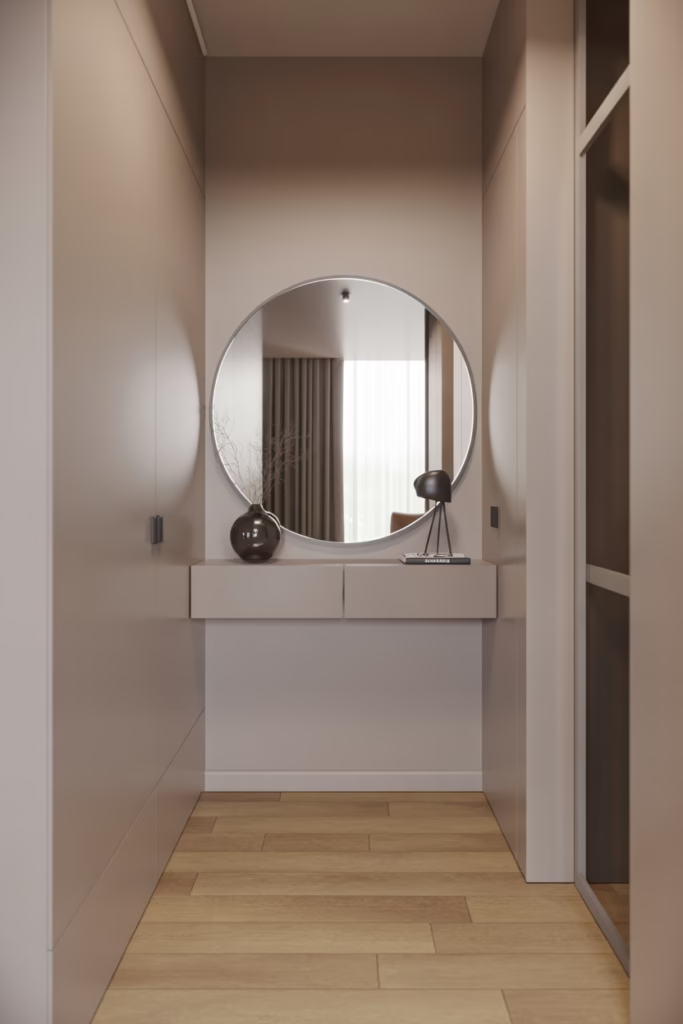
Okay, yes — using mirrors to make a space feel bigger is the oldest trick in the interior design book. But it’s in the book for a reason: it works every single time.
A large mirror bounces natural light around the hallway and creates the illusion of double the square footage. Go oversized. A full-length leaner mirror propped against the wall looks effortlessly cool. A round mirror with a slim brass or matte black frame feels very on-trend right now and adds softness to a typically boxy space.
Position your mirror opposite a window or light source whenever possible. The reflection of natural light is what does the heavy lifting here.
IMO, a round mirror above a console table is one of the highest-ROI design moves you can make in a hallway — huge visual impact, surprisingly affordable.
4. Layer Your Lighting
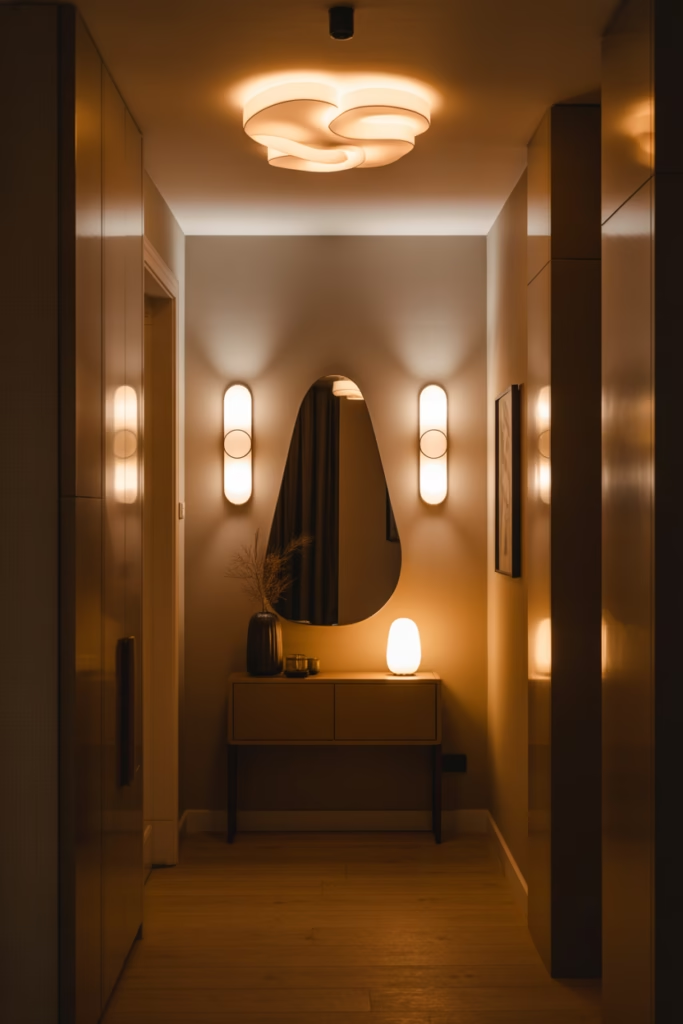
Single overhead light in the hallway? Bold choice. Also, a crime against good design. Layered lighting is what separates a hallway that feels designed from one that just feels lit.
Here’s the layering formula that works:
- Ambient light — a ceiling pendant or flush mount for general illumination
- Accent lighting — wall sconces flanking a mirror to add warmth and depth
- Task/decorative light — a small table lamp on your console for evening ambiance
This combination creates a space that shifts from bright and functional during the day to warm and inviting at night. It’s a small investment that completely changes the feel of the space.
If your ceiling is 8ft or higher, swap the flush mount for a statement pendant — a rattan globe, smoked glass orb, or sculptural geometric shade. It adds personality and draws the eye upward, making the hallway feel taller.
5. Install Floating Shelves for Style and Storage
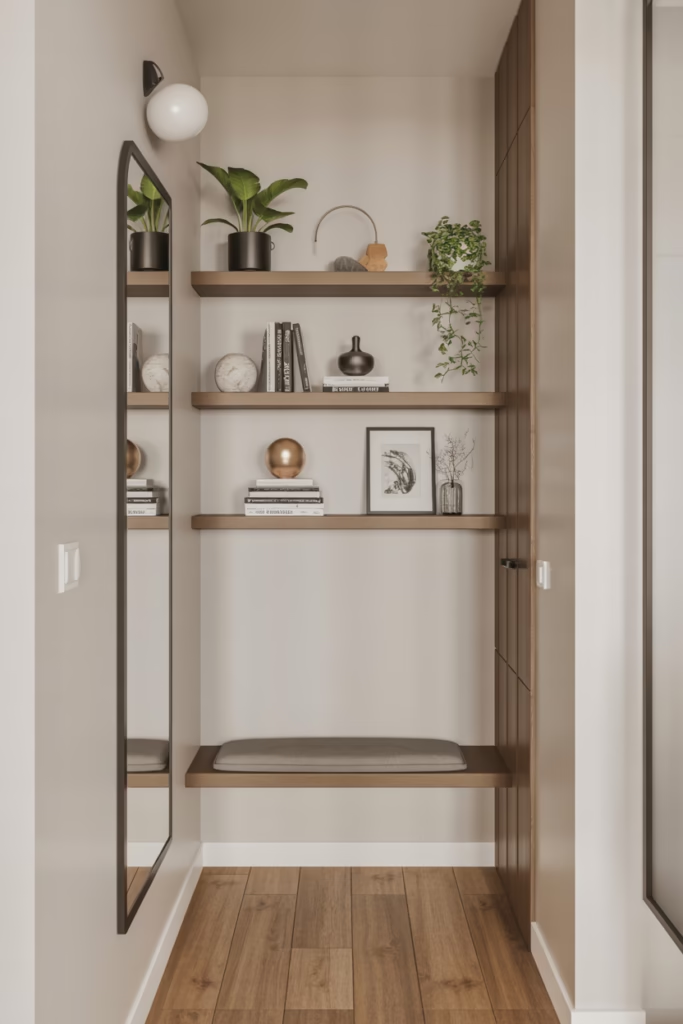
Floating shelves in a hallway pull off a rare double act: they add display space AND make the walls feel more interesting. Mount two or three slim wooden shelves above a bench or console and suddenly you’ve got room for baskets, trailing plants, books, and small decorative objects.
The key to making floating shelves look styled rather than cluttered is the rule of three — group objects in odd numbers, vary heights, and always include at least one organic element (a plant, a pinecone, a dried branch) alongside the more structured pieces.
Keep the shelf depth under 20cm so they don’t project too far into the walkway. Paint them the same color as your wall for a seamless, built-in look, or go for natural wood contrast against a painted wall.
6. Add Architectural Interest With Wall Paneling
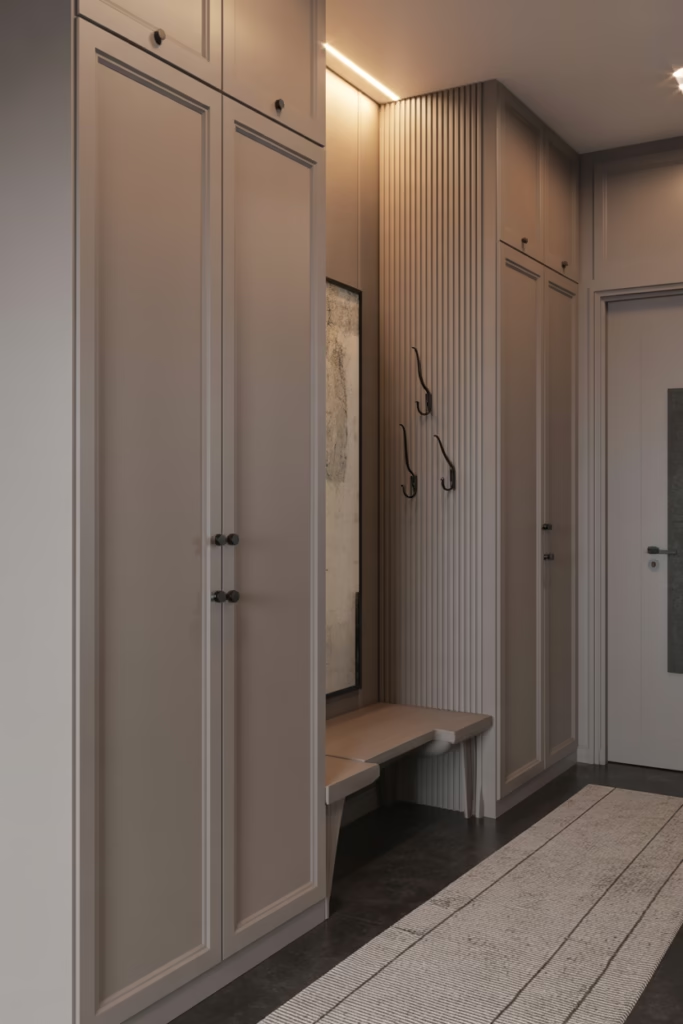
Wall paneling has gone from “grandma’s dining room” to one of the most coveted design features in modern homes — and it looks especially good in hallways. Vertical board-and-batten paneling or shiplap adds texture and architectural interest to a plain corridor without requiring any structural work.
Paint it in a soft neutral — warm white, greige, pale sage, or dusty pink — and the whole hallway instantly feels more polished. The paneling creates a sense of craftsmanship and detail that painted walls alone just can’t deliver.
This is also a surprisingly achievable DIY project. A weekend, some MDF strips, a saw, and a tin of paint is genuinely all you need. The before-and-after transformation is one of the most dramatic you can get for the cost.
7. Lay a Runner Rug for Warmth and Pattern
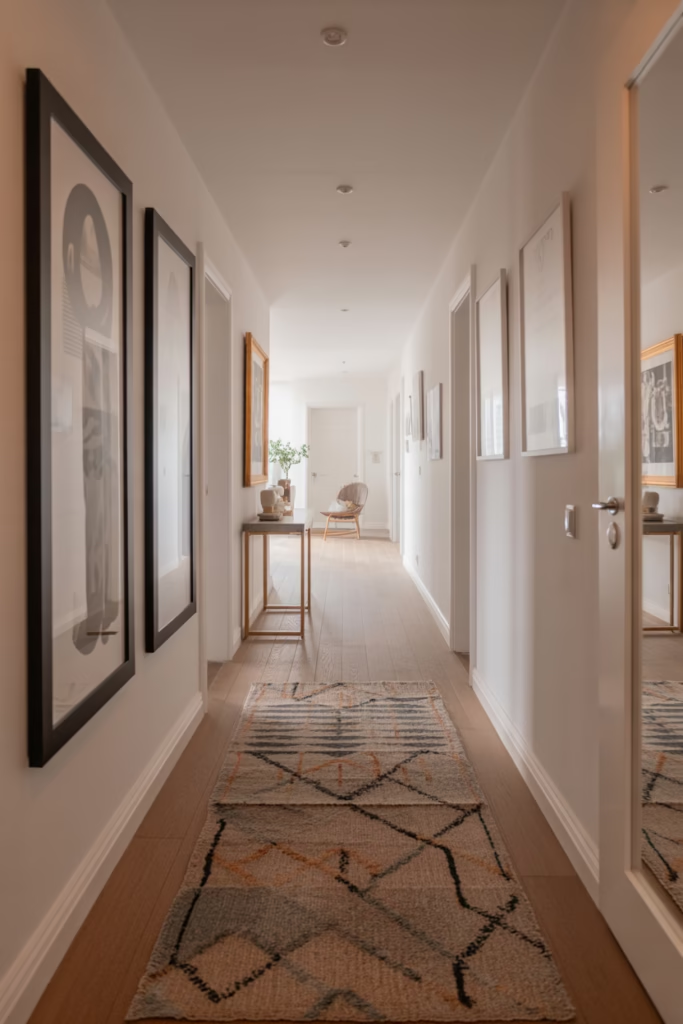
A runner rug is one of the easiest and most affordable ways to make a hallway feel designed. It adds color, pattern, texture, and warmth underfoot — and it protects your floor from the daily punishment of foot traffic.
Geometric patterns in muted tones work brilliantly in modern hallways. So do simple stripes, abstract prints, or even a plain textured weave in a warm neutral. The pattern choice depends on what else is going on in the space — if your walls are bold, keep the rug simple. If your walls are neutral, let the rug do the talking.
Size matters: your runner should be at least 80% of the hallway’s width. Too narrow and it floats awkwardly in the middle of the floor. Too wide and it looks like wall-to-wall carpet. Get the sizing right and the whole space clicks into place.
8. Build In a Storage Bench Near the Door
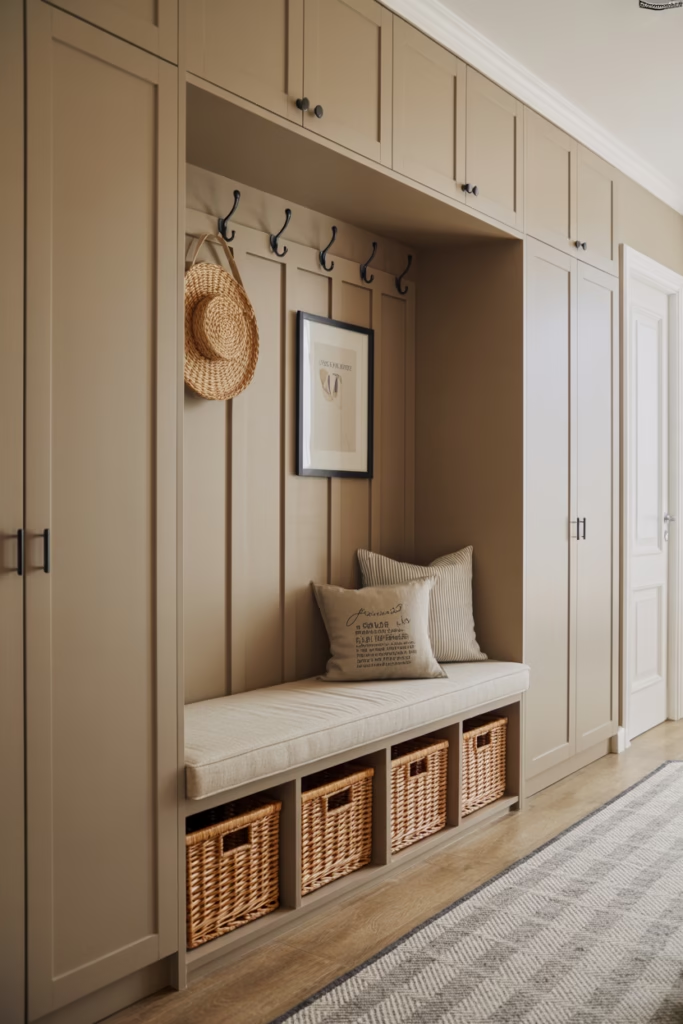
If you have even 90cm of wall space near your front door, a built-in or freestanding storage bench is one of the most practical design investments you can make. It gives you somewhere to sit while putting shoes on, storage inside the seat for shoes or accessories, and a surface for styling above.
Add hooks above the bench for coats and bags, and you’ve created a proper entryway system that makes daily life genuinely easier. This is the hallway equivalent of meal prepping — it feels boring to set up, but you’ll thank yourself every single morning.
FYI — if built-in isn’t in the budget, an IKEA HEMNES bench with a cushion on top does the job beautifully and looks far more expensive than it is.
9. Create a Gallery Wall That Tells Your Story
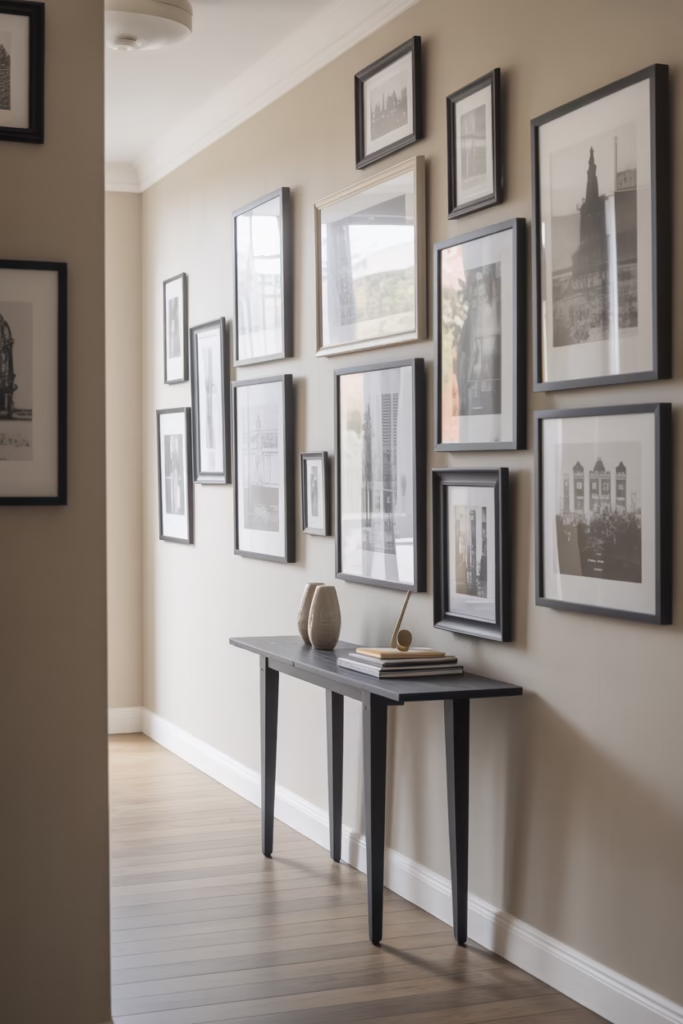
Your hallway walls are free real estate, and a gallery wall is one of the most personal and visually dynamic ways to use them. Mix frame sizes, layer prints and photography, add a small mirror or two, and you’ve got a display that feels curated and intentional.
The key to a gallery wall that looks designed rather than random:
- Stick to one frame finish — all black, all gold, all white, or all natural wood
- Mix content types — photography, illustrations, quotes, abstract art
- Vary your frame sizes — a mix of large, medium, and small creates visual rhythm
- Lay it on the floor first before you start putting holes in the wall
Black and white photography is the easiest starting point for a modern gallery wall — it’s cohesive, timeless, and goes with literally everything.
10. Go Monochromatic for Maximum Calm
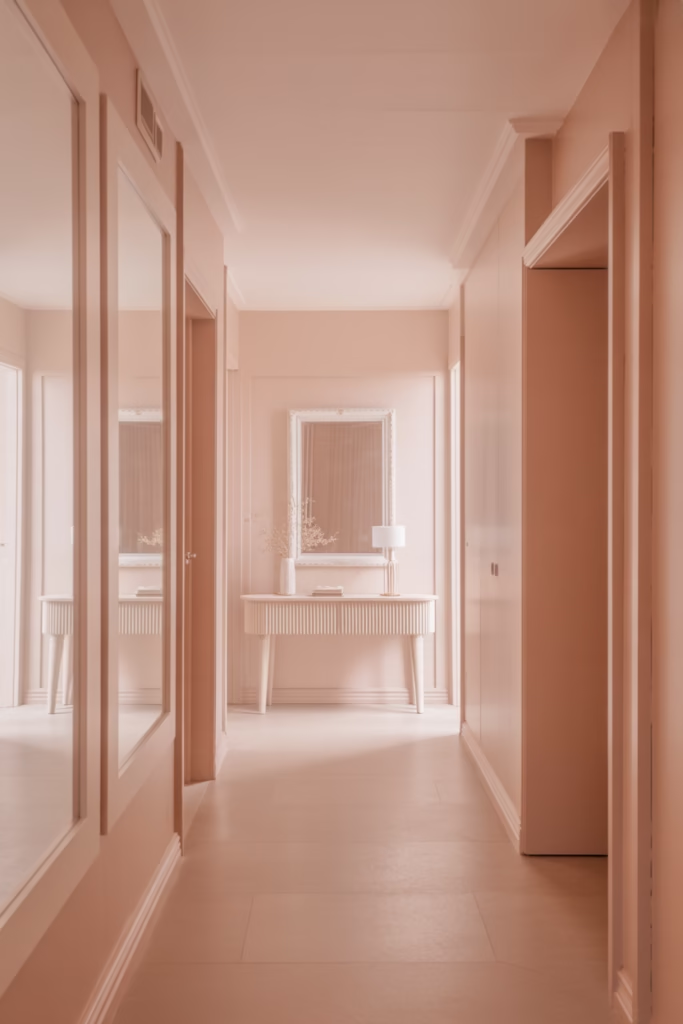
Ever walked into a hallway and immediately felt relaxed, even though you couldn’t quite pinpoint why? Chances are it was monochromatic. When walls, trim, and furniture all sit within the same color family, the space feels visually quiet and intentional.
An all-white hallway with white woodwork, pale stone floors, and white shelves feels like a breath of fresh air. An all-charcoal hallway with dark walls, dark trim, and dark furniture feels dramatic and moody in the best way. Both approaches work — it just depends on the energy you want to create.
The monochromatic approach also makes a narrow hallway feel wider because there are no hard color contrasts to create visual stops and starts. The eye travels smoothly from one end to the other. Smart design doesn’t always look complicated. 🙂
11. Add Wainscoting for a Polished, Tailored Look
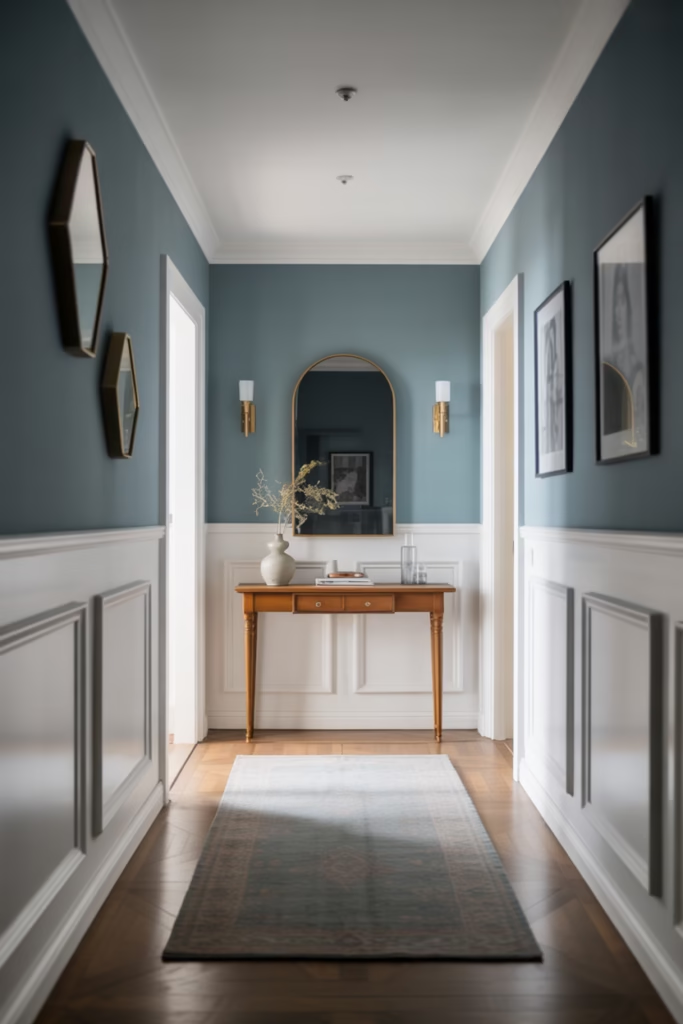
Wainscoting — traditional wood paneling covering the lower half of the wall — has a reputation for feeling old-fashioned, but paired with the right colors and a clean execution, it reads as incredibly refined and modern.
The trick is in the color pairing. White wainscoting with a deep upper wall (try dusty blue, sage, or warm grey) creates a layered, sophisticated look that’s timeless rather than dated. Or try painting both the paneling and the upper wall in the same tone for a more seamless, contemporary effect.
Wainscoting also protects your walls from the inevitable scuffs and bumps that happen in high-traffic hallways. Beautiful and functional — the design combo we’re always chasing.
12. Bring In Greenery and Natural Life
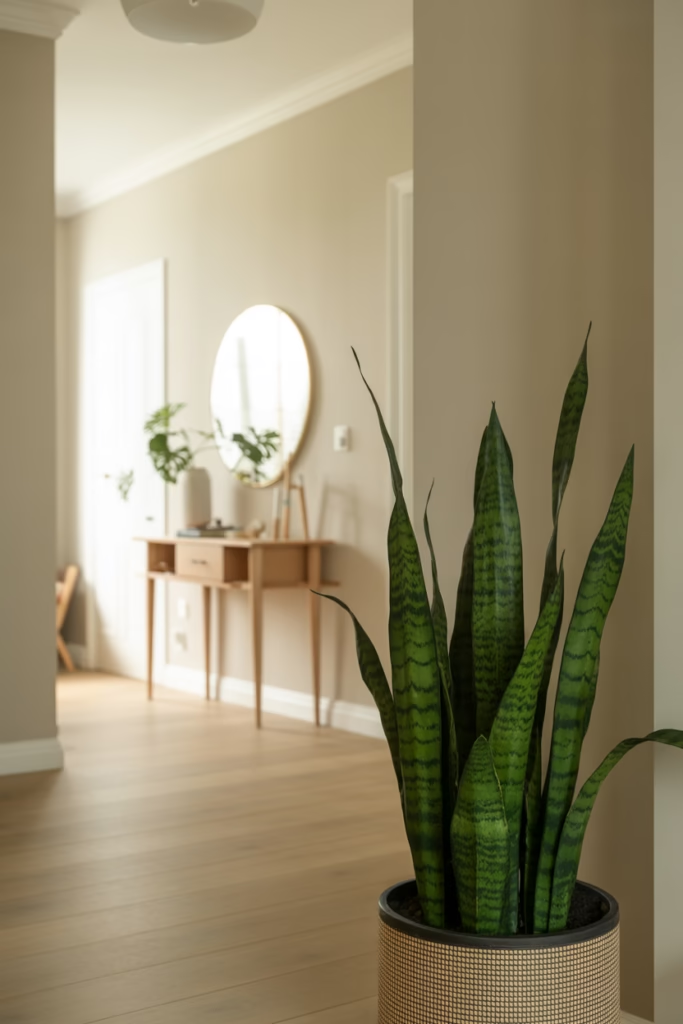
Plants in hallways are criminally underused. A tall, dramatic plant — a fiddle leaf fig, snake plant, or olive tree — adds life, color, and organic texture to what might otherwise be the most sterile room in your home.
Most hallways don’t get a ton of natural light, so choose low-light varieties. Snake plants and ZZ plants are essentially indestructible. Pothos trail beautifully from a shelf. Even a small vase of dried pampas grass or eucalyptus branches adds warmth without needing any water at all.
The organic quality of plants softens hard architectural lines and makes a modern hallway feel lived-in rather than staged. Never underestimate what a bit of green does for a space.
13. Choose Large-Format Floor Tiles
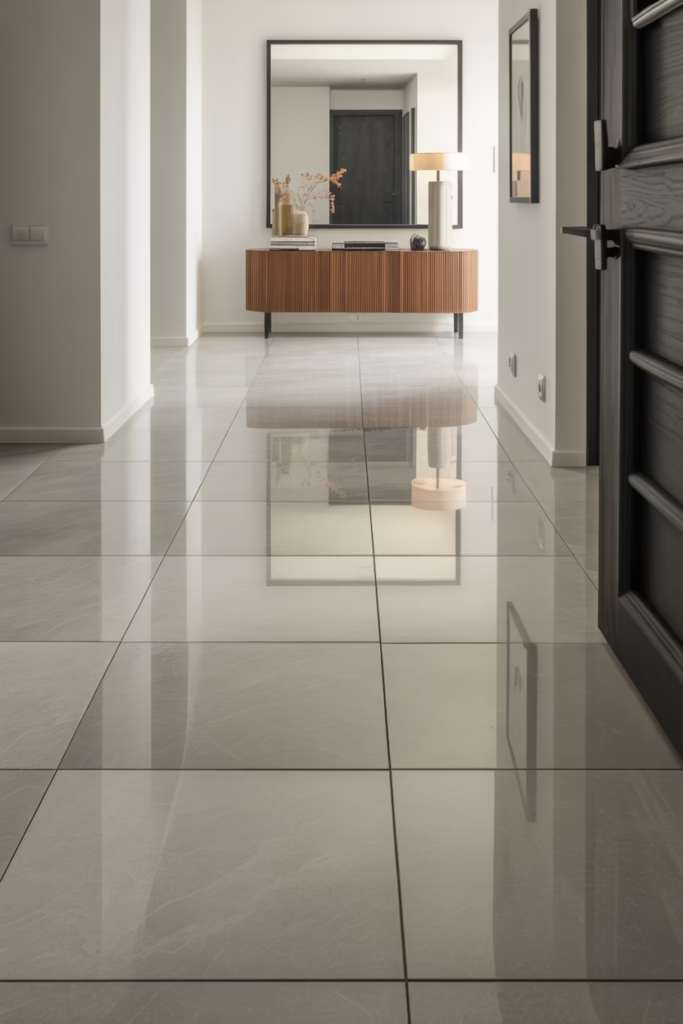
Your floor choice has an outsized effect on how modern and spacious your hallway feels. Large-format tiles — 60x60cm or bigger — make small hallways feel more expansive because fewer grout lines means less visual fragmentation.
Light grey, warm cream, or soft white tiles feel fresh and modern. Pair with matte grout in a similar tone to keep things seamless. Laying tiles in a straight grid rather than a diagonal pattern also feels cleaner and more contemporary.
If you prefer warmth over cool minimalism, wide-plank wood flooring or wood-look LVT delivers the same streamlined effect with a cozier, more organic quality. Both are strong choices — it comes down to the overall aesthetic you’re going for.
14. Mount Hooks at Varying Heights
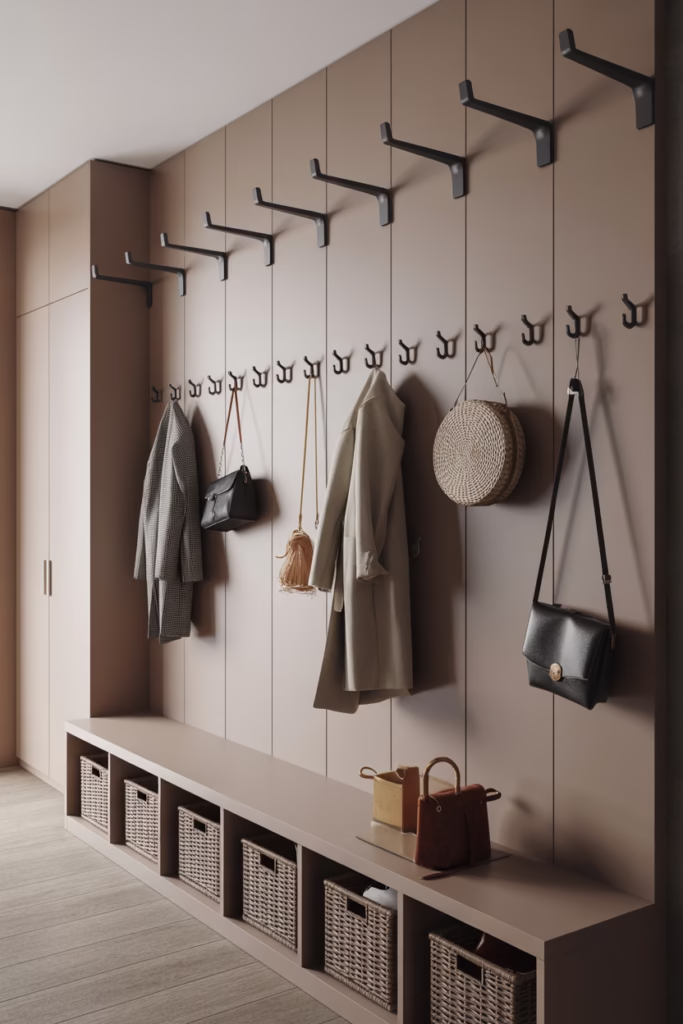
A row of identical hooks at the same height is perfectly functional. But hooks mounted at varying heights — taller ones for adult coats, mid-level for bags, lower ones for kids’ backpacks — looks more intentional and works significantly harder for your household.
Mix materials and finishes for added character. A section of matte black metal hooks alongside a wooden peg rail, or brass hooks against a dark painted wall, adds texture and visual interest without requiring any additional floor space.
This is a micro-detail that guests probably won’t consciously notice — but it contributes to the overall sense that your hallway was designed with care.
15. Incorporate Arched Shapes for Softness
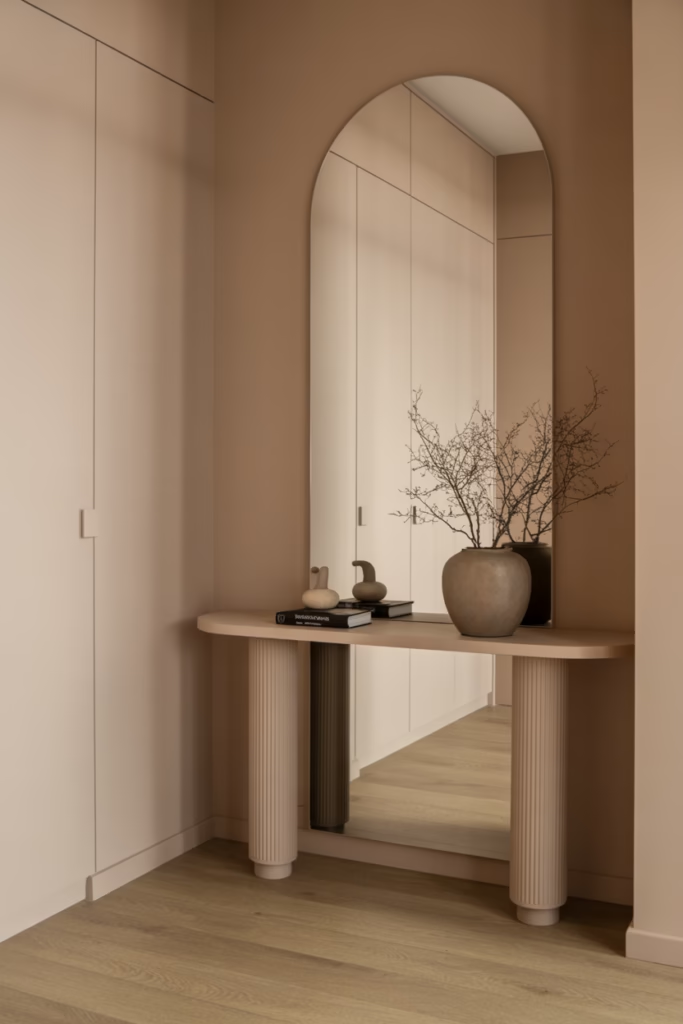
Arched shapes have been one of the dominant trends in interior design for a few years now, and they show no signs of slowing down — because they work beautifully in almost every context, but especially in hallways.
An arched mirror above a console adds softness to a typically boxy, linear space. An arched niche in the wall — even a shallow decorative one with a shelf inside — creates architectural interest that looks bespoke. If you’re in the middle of a renovation, an arched doorway between the hallway and the main living space adds elegance that feels genuinely timeless.
Can’t commit to structural changes? A painted arch detail directly on the wall — using the same technique as a color-block — creates the illusion of an architectural feature for the cost of a small tin of paint.
16. Use Scent as a Design Element
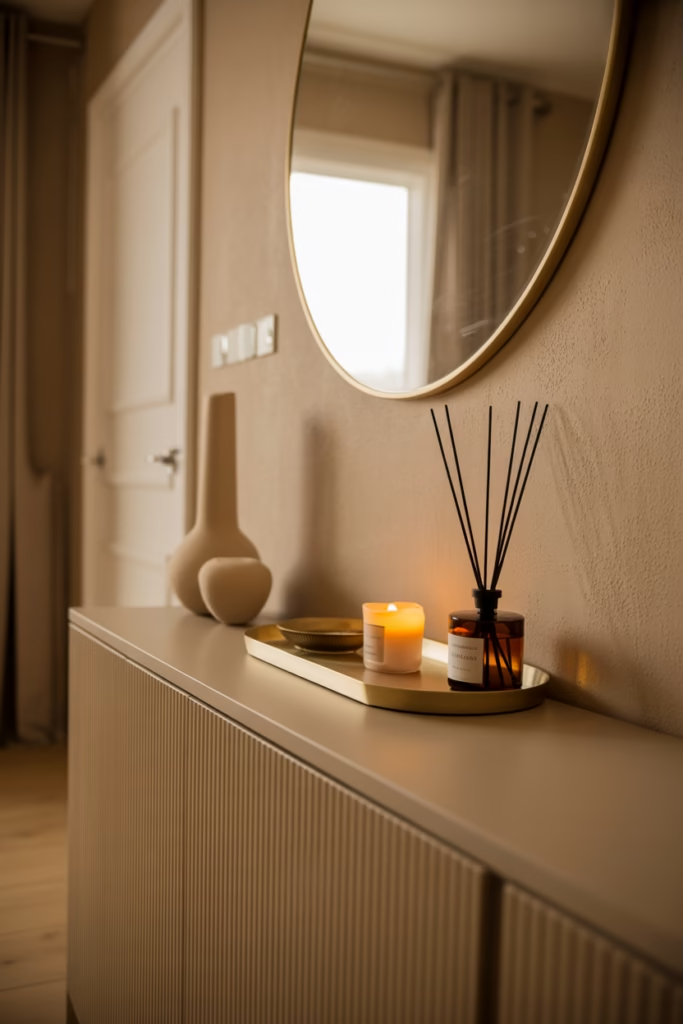
Here’s one people never talk about: scent is part of your hallway’s design. The smell that greets someone when they walk through your door is as much a part of the first impression as the wall color or the lighting.
A reed diffuser on your console table, a candle on a shelf, or even a small pot of dried lavender by the door signals intentionality and welcome. Choose a scent that feels consistent with your home’s aesthetic — something clean and woody for a modern minimalist space, something warm and spiced for a richer, more layered look.
It’s the detail most designers don’t put on a mood board, but every person who walks in will feel it.
17. Ruthlessly Edit the Clutter
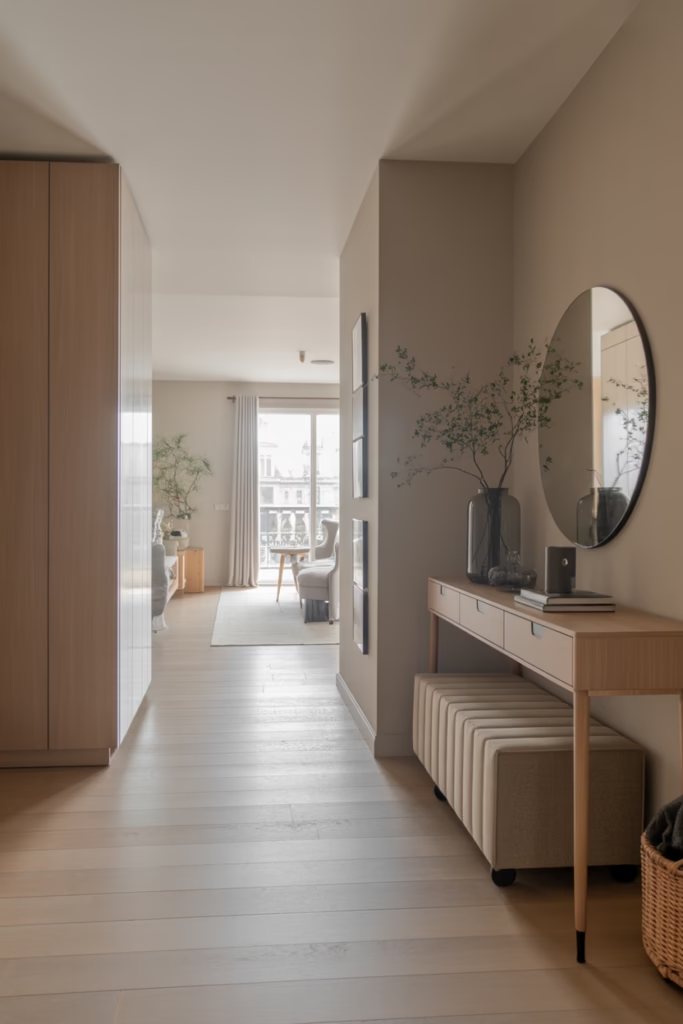
Here’s the harsh truth that ties all of the above together: no design choice matters if your hallway is cluttered. You could have the most beautiful paneling, the most perfectly styled console table, and the most stunning gallery wall — and none of it will register if there are shoes everywhere and bags piled up by the door.
Build your storage system first. Hooks, baskets, hidden bench storage, wall-mounted shelves — figure out where every single category of object lives before you focus on aesthetics. A clutter-free hallway with basic design choices will always look better than an elaborately decorated space that’s drowning in stuff.
Edit ruthlessly. Keep only what you use daily in the hallway, and store everything else elsewhere. The hallway should feel like a transition — smooth, intentional, welcoming. Not a storage unit you walk through.
Start Small, Build From There
You don’t need to implement all 17 ideas at once, and you definitely don’t need to do it all in one weekend. Start with the three highest-impact moves: a statement mirror, a runner rug, and better lighting. These three changes alone will transform the feel of your hallway without touching a wall or blowing a budget.
From there, layer in the details over time — the paneling, the gallery wall, the plants, the hooks. The best hallway designs always feel like they evolved naturally, like each piece found its place organically rather than getting installed all at once.
Your hallway has been waiting for this. Give it some attention, and it’ll reward you every single time you walk through the door.