
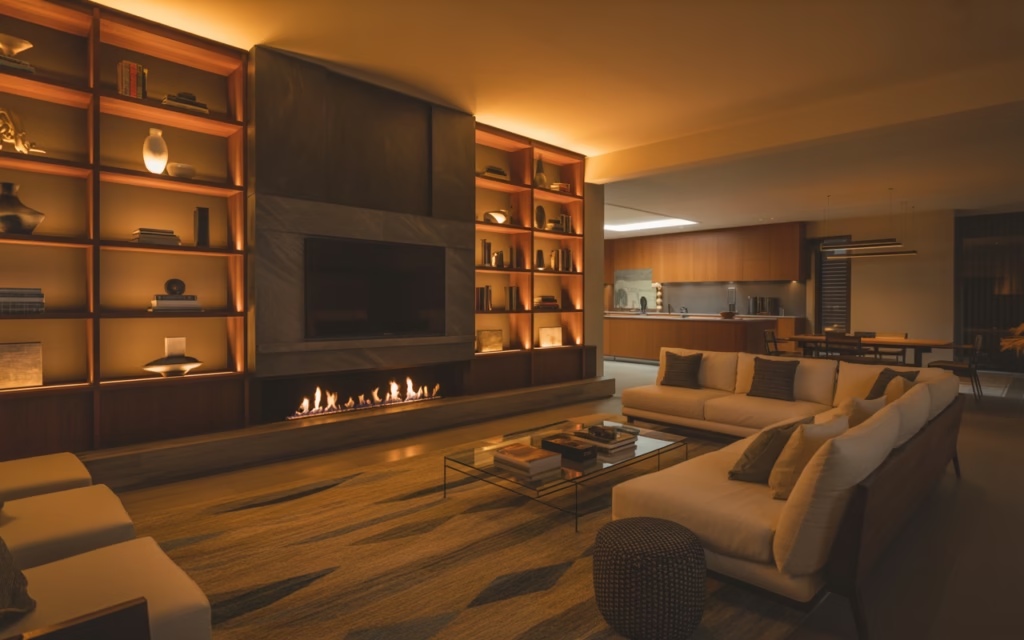
Look, I get it. You’ve been staring at your living room for weeks now, wondering how to make that massive open space feel less like a bowling alley and more like a cozy sanctuary. Been there, done that, bought the overpriced throw pillows 🙂
Open layout living rooms are having a major moment right now—and for good reason. They make your home feel bigger, brighter, and way more social. But here’s the thing: all that open space can be intimidating as hell. Where do you even start? How do you define different zones without putting up actual walls? And why does every design blogger make it look so effortless when you’re over here playing furniture Tetris?
I’ve spent way too many hours (and honestly, way too much money) figuring out what actually works in open concept spaces. So let me walk you through 15 ideas that’ll transform your sprawling living area into something magazine-worthy—without the magazine budget.
Create Distinct Zones with Area Rugs
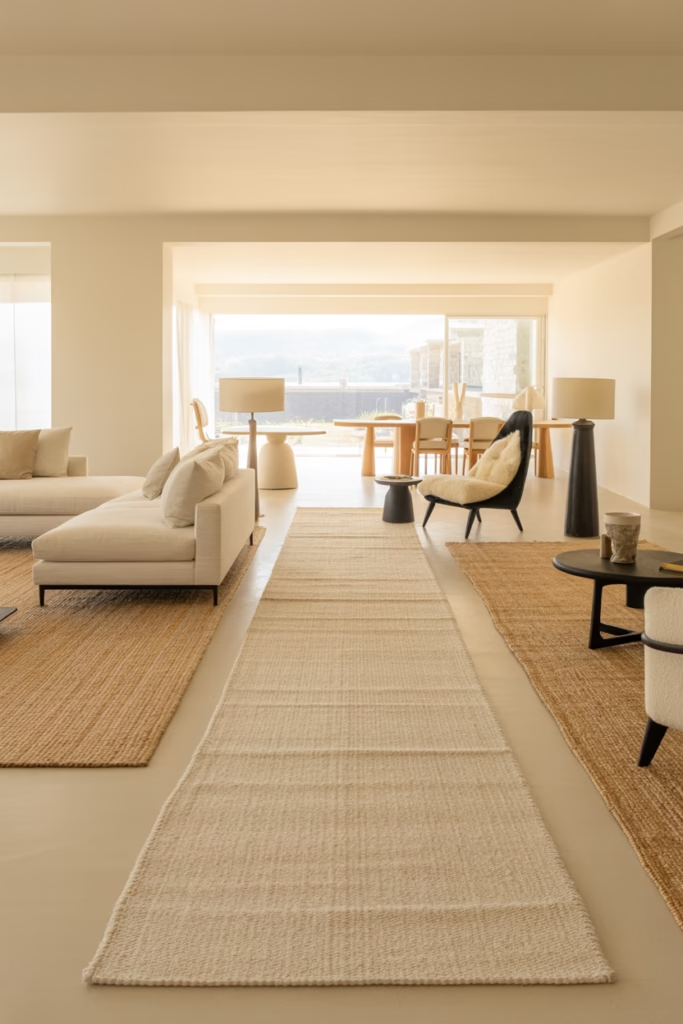
First things first: area rugs are your secret weapon. Seriously, they’re like invisible walls that tell your brain, “Hey, this is the living room part” versus “This is where we pretend to eat meals like civilized humans.”
I learned this the hard way after spending three months with all my furniture just floating awkwardly in space. The trick is using different rugs to anchor each zone. Put a plush, oversized rug under your seating area, maybe a runner near the entryway, and a different texture under your dining table.
Here’s what works:
- Choose rugs that complement each other but don’t match exactly—you want cohesion, not a furniture showroom vibe
- Make sure your rug is big enough that all furniture legs sit on it (at least the front legs)
- Layer smaller rugs over larger ones for added texture and visual interest
The key is making each area feel intentional, like you actually planned this and didn’t just throw furniture wherever it fit.
Use a Sofa as a Room Divider
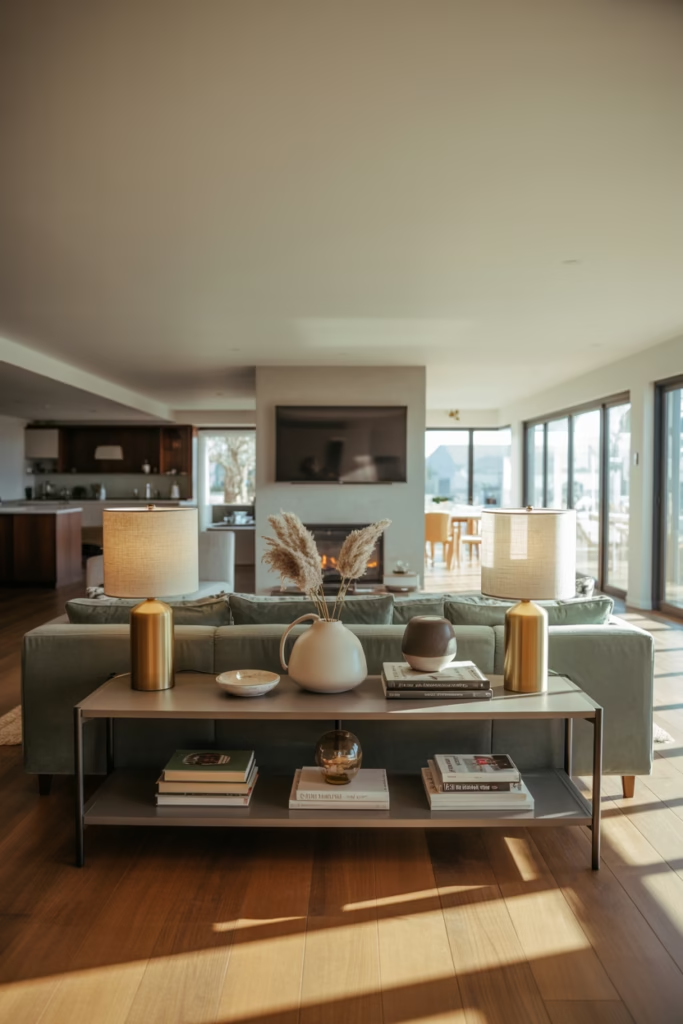
Ever thought about floating your sofa in the middle of the room? Sounds weird, I know. But positioning your couch away from the wall can actually create natural separation between your living space and whatever’s behind it—kitchen, dining area, home office, you name it.
This was a game-changer for me. Instead of pushing everything against the walls (which just makes your room feel like a furniture warehouse), pull that sofa forward. Put a console table behind it with some lamps and decorative bits, and boom—you’ve got a defined space.
The back of your sofa doesn’t have to be boring either. Style that console table like it’s the star of the show. Add some books, plants, or even a cool sculpture. FYI, this also gives you extra surface space, which is always clutch in an open layout.
Install a Statement Light Fixture
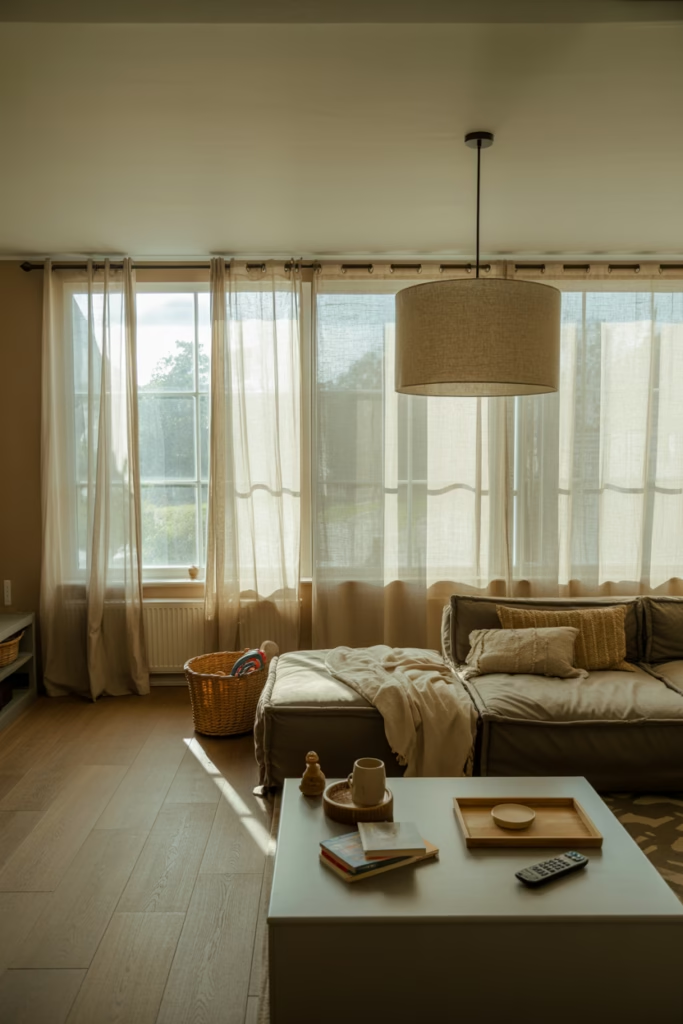
Want to know the easiest way to define a space without touching the floor plan? Look up. A killer chandelier or pendant light does more than just illuminate—it anchors the entire zone.
I hung an oversized brass pendant over my seating area, and suddenly everything just clicked into place. Your eyes naturally follow the light, so it creates this invisible ceiling that says, “This is the living room, pay attention here.”
Consider these lighting options:
- Oversized drum pendants for a modern, clean look
- Crystal chandeliers if you’re going for drama (and honestly, who isn’t?)
- Industrial cage lights for that trendy loft vibe
- Sculptural fixtures that double as art pieces
Just make sure the scale is right. A tiny light in a massive space looks sad. Go bigger than you think you need—trust me on this.
Embrace the Power of Paint
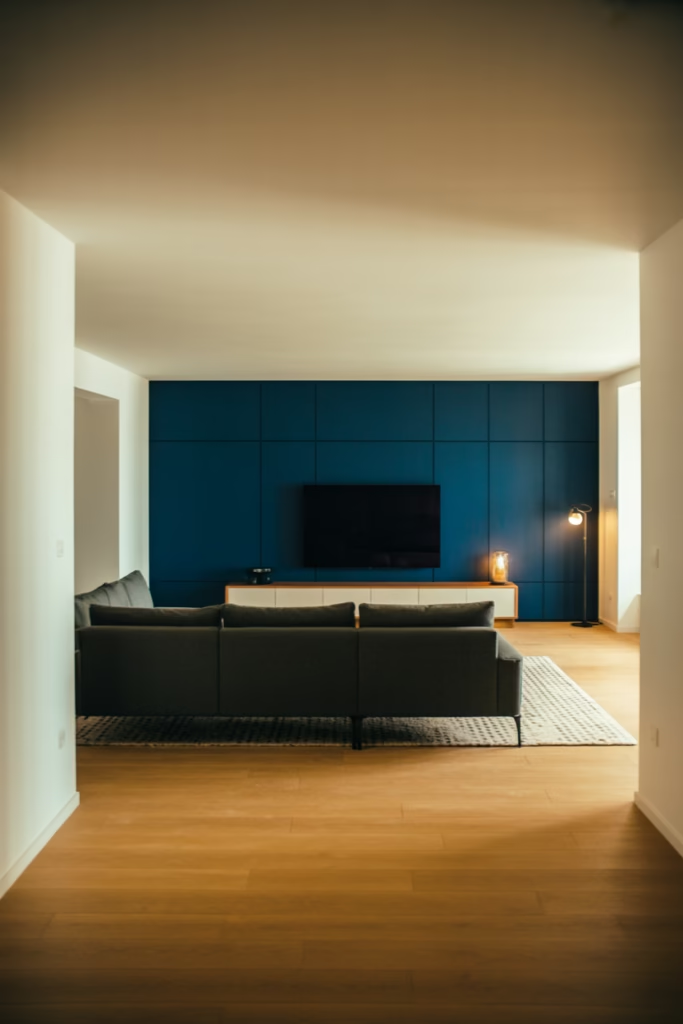
Here’s something nobody tells you: you can “build” walls with paint. Not actual walls, obviously, but accent walls and color blocking can create serious visual separation in an open space.
I painted the wall behind my TV a deep navy while keeping everything else white, and suddenly that whole section felt like its own room. It’s like magic, except it’s just Benjamin Moore and a weekend of work.
You could also:
- Paint the ceiling a different color in your living zone
- Use a bold color on built-ins or shelving to anchor the space
- Create a horizontal stripe at chair rail height to visually lower the ceiling and make the space cozier
The beauty of paint? It’s cheap (relatively) and totally reversible if you hate it. Can’t say that about most renovation decisions.
Bring in Large-Scale Art
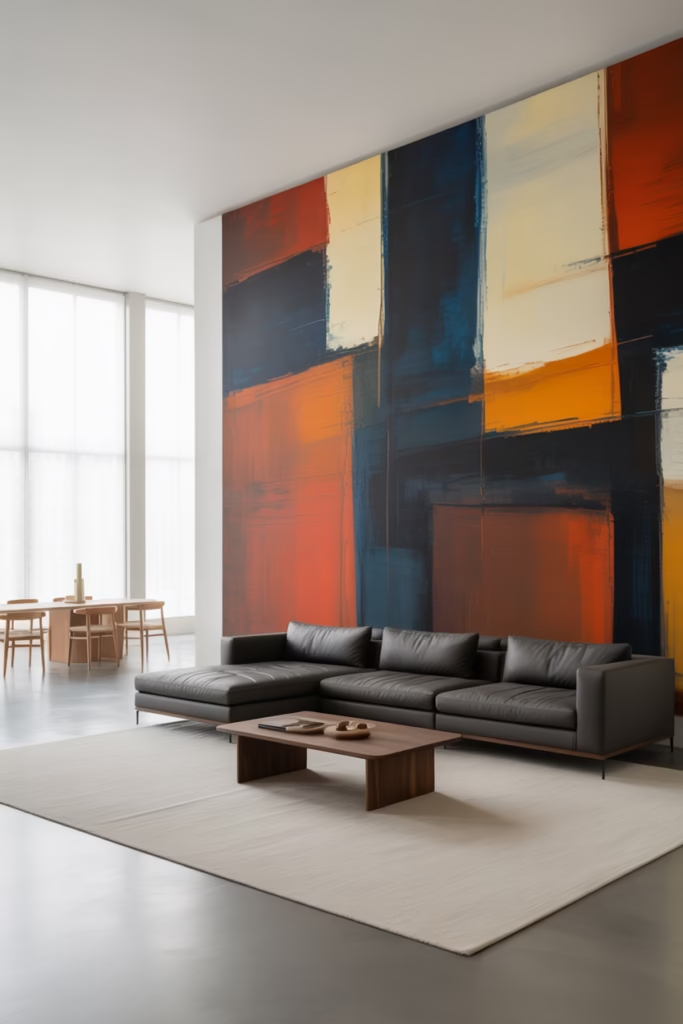
Nothing fills a big, empty wall like oversized artwork. And I mean really big—like “I’m not sure this will fit in my car” big.
Large art pieces do two things brilliantly: they fill visual space without cluttering the actual space, and they give your eye a focal point. In an open layout, you need these anchor points or everything just blends together into beige chaos.
I snagged a massive abstract piece from a local artist (way cheaper than you’d think, IMO), and it completely changed how my living room felt. Suddenly, the space had personality and purpose.
Pro tips for art in open layouts:
- Go bigger than feels comfortable—if you think it’s too big, it’s probably perfect
- Lean large pieces against the wall instead of hanging them for a casual, gallery vibe
- Create a gallery wall that spans the entire wall for maximum impact
Install Floor-to-Ceiling Curtains
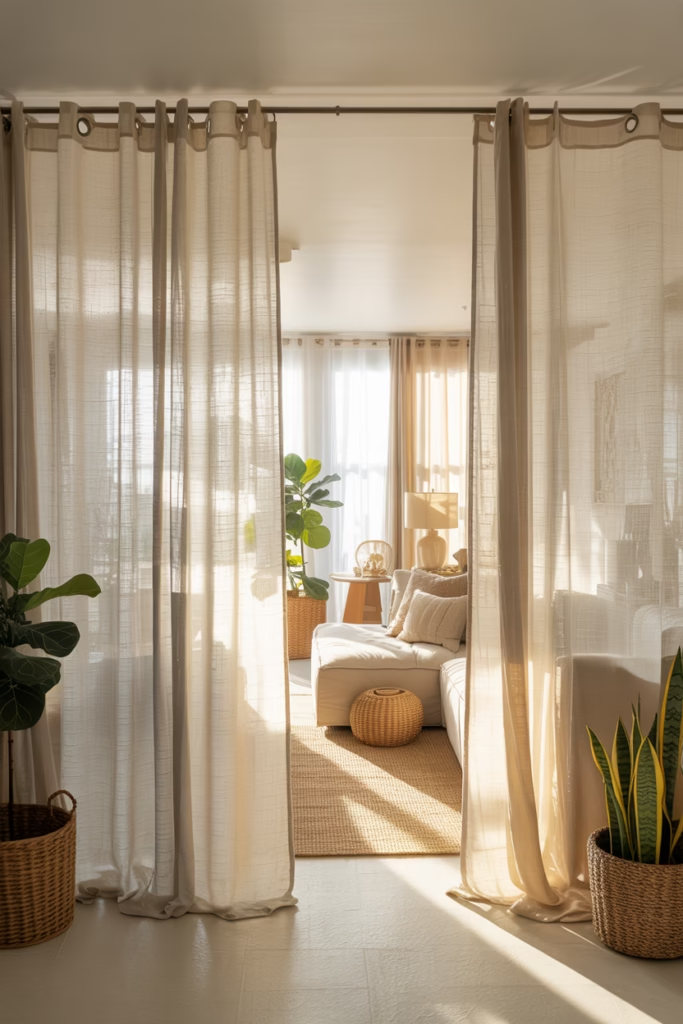
Want to know a sneaky trick? Curtains aren’t just for windows. Hang them from ceiling to floor anywhere you want to create soft separation—behind your sofa, framing a reading nook, or even hiding storage areas.
The vertical lines draw your eyes up, making your ceilings feel taller, while the fabric adds warmth and texture. Plus, you can actually close them when you want privacy or to hide the mess you definitely have behind them (no judgment here).
I used sheer linen curtains to separate my living area from my workspace, and honestly? Game-changer. The light still flows through, but there’s enough separation that I don’t feel like I’m always “at the office.”
Layer Different Lighting Sources
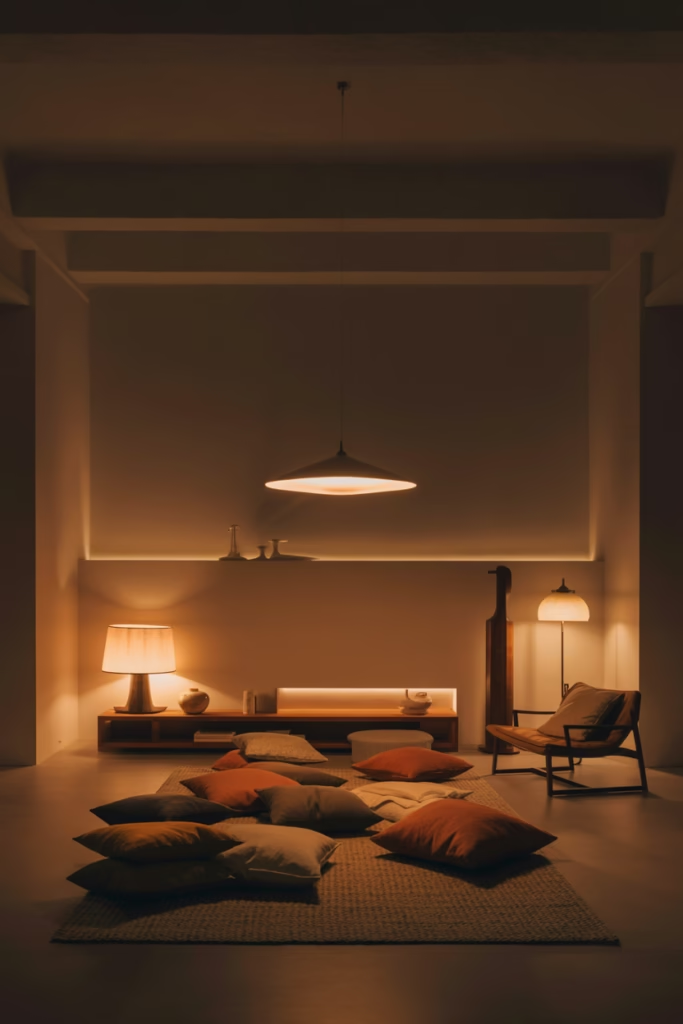
Overhead lighting alone will make your open layout feel like a department store. You need layers—ambient, task, and accent lighting working together.
Think about it: a chandelier for overall light, table lamps for cozy reading, wall sconces for ambiance, and maybe some LED strips under shelving for drama. Different light sources at different heights create depth and make each zone feel distinct.
Here’s my lighting formula:
- One major overhead fixture per zone (chandelier, pendant, or recessed lighting)
- Two to three table or floor lamps scattered around for task lighting
- Accent lighting like picture lights, uplights, or candles for mood
Dimmer switches are non-negotiable. Being able to adjust your lighting changes the entire vibe of your space instantly.
Add Architectural Elements
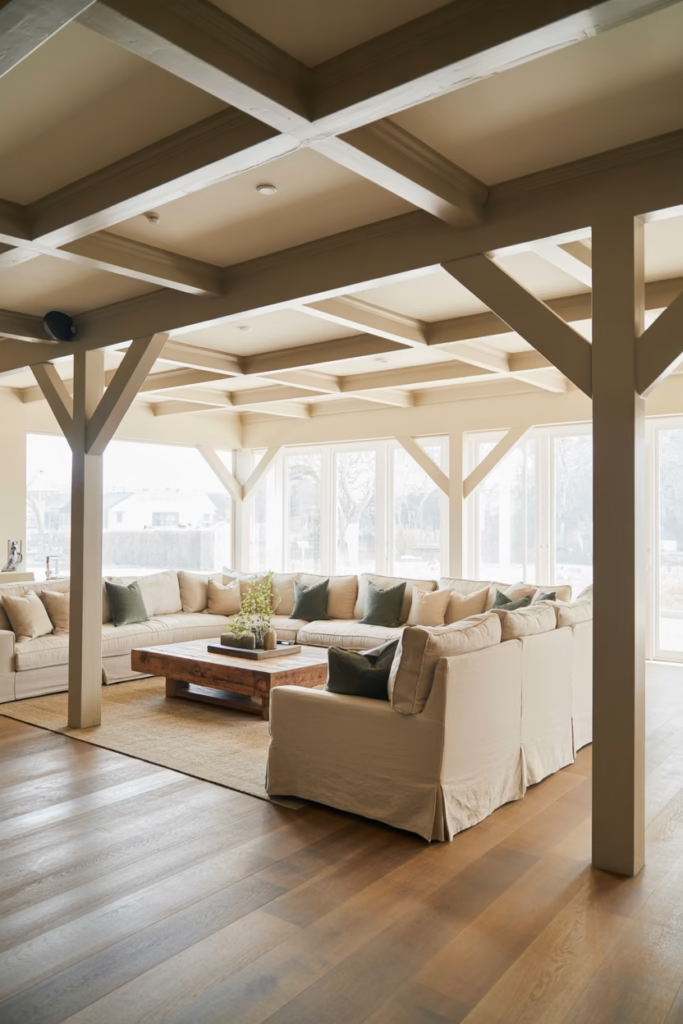
Sometimes you gotta fake it. Installing beams, columns, or half walls can add visual structure to an open space without actually closing it off.
I added faux wood beams to my ceiling (they’re foam, don’t tell anyone), and they created these natural sight lines that make the space feel more organized. You could also install columns at room transitions or put up a half wall with built-in shelving.
Other architectural tricks:
- Picture molding or wainscoting to add dimension to walls
- Ceiling coffers to define the living area
- Archways between zones for a classic, elegant transition
- Open shelving units that act as see-through dividers
These elements add character while maintaining that open, airy feel you want.
Use Furniture with Transparent Elements
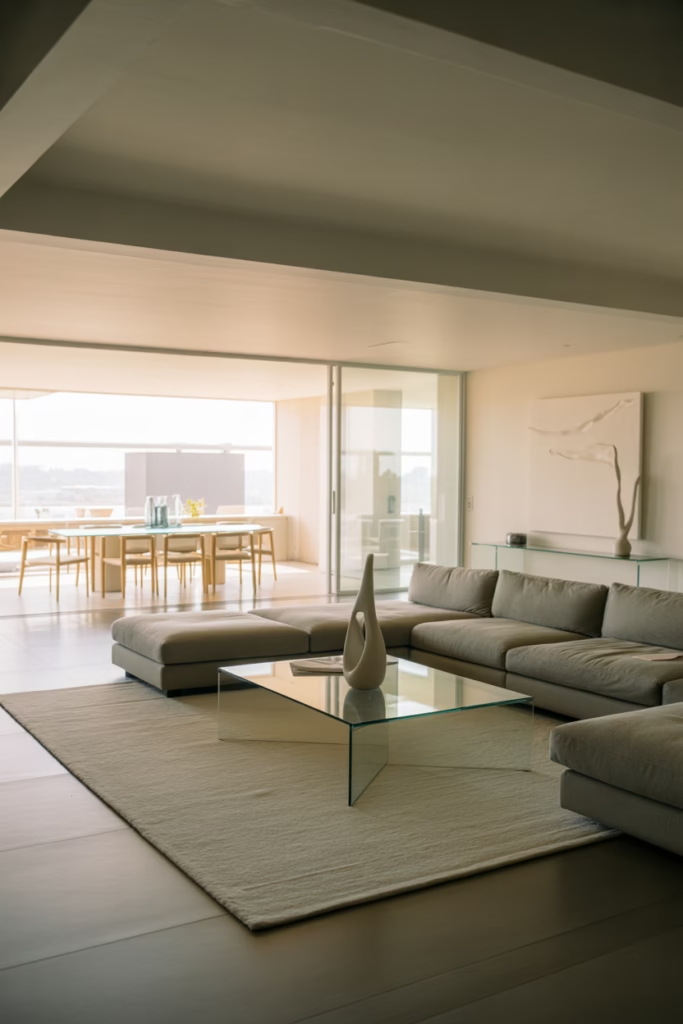
Here’s where it gets fun: glass, acrylic, and lucite furniture let light flow through while still defining space. It’s like having your cake and eating it too (a phrase I’ve never fully understood, but whatever).
Acrylic coffee tables, glass console tables, and even transparent chairs keep your space feeling open while providing function. I swapped my chunky wood coffee table for a glass one, and the room instantly felt 30% bigger—no joke.
This works especially well if you’re working with a smaller open layout. The furniture does its job without visually cluttering the space.
Create a Gallery Wall That Tells a Story
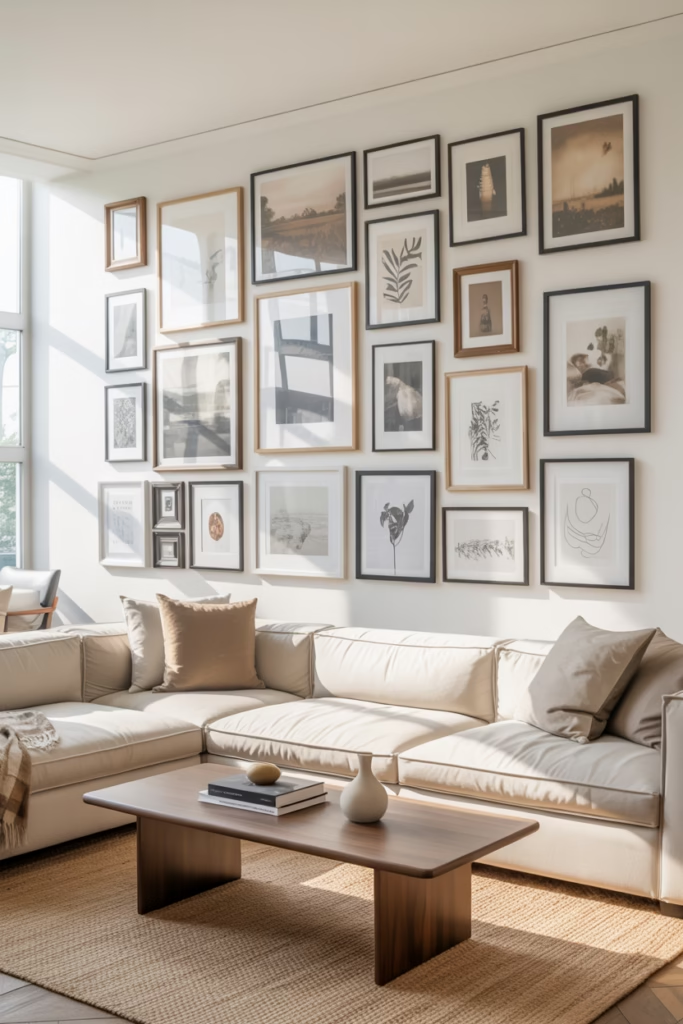
A well-curated gallery wall can anchor your living room and give it personality for days. But please, for the love of all that’s holy, don’t just throw random frames on the wall and call it good.
Start with a theme—family photos, travel prints, botanical illustrations, whatever speaks to you. Then plan your layout on the floor first. Mix frame sizes and styles, but keep a consistent color palette (all black frames, all wood, all white, etc.).
I created a gallery wall that spans nearly 12 feet in my living room, and people always comment on it. It’s become the focal point of the space and makes the whole area feel personal and curated.
Tips for gallery wall success:
- Use templates (paper cutouts) to plan before putting holes in walls
- Keep spacing consistent—usually 2-3 inches between frames
- Include a mix of art, photos, and maybe a quirky object or two
- Center the entire arrangement at eye level
Incorporate Different Textures
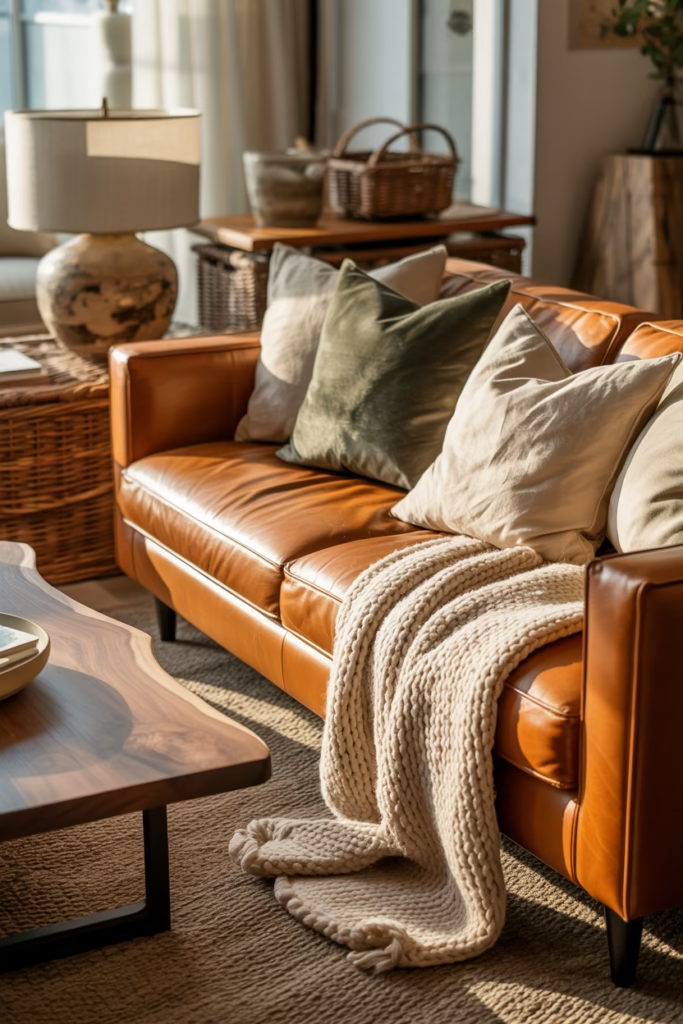
In an open layout, you can’t rely on walls to create interest. That’s where texture comes in clutch. Mixing smooth, rough, soft, and hard surfaces adds depth and makes each area feel distinct.
Think velvet pillows on a leather sofa, a chunky knit throw over a sleek chair, a jute rug under a glass coffee table. The contrast creates visual interest that keeps your space from feeling flat and boring.
My current living room has:
- Smooth leather sofa paired with nubby linen pillows
- Rough natural wood coffee table on a plush wool rug
- Glossy ceramic lamps next to matte velvet chairs
- Woven baskets for storage that add organic texture
The more textures you layer, the richer and more intentional your space feels.
Define Zones with Different Ceiling Heights
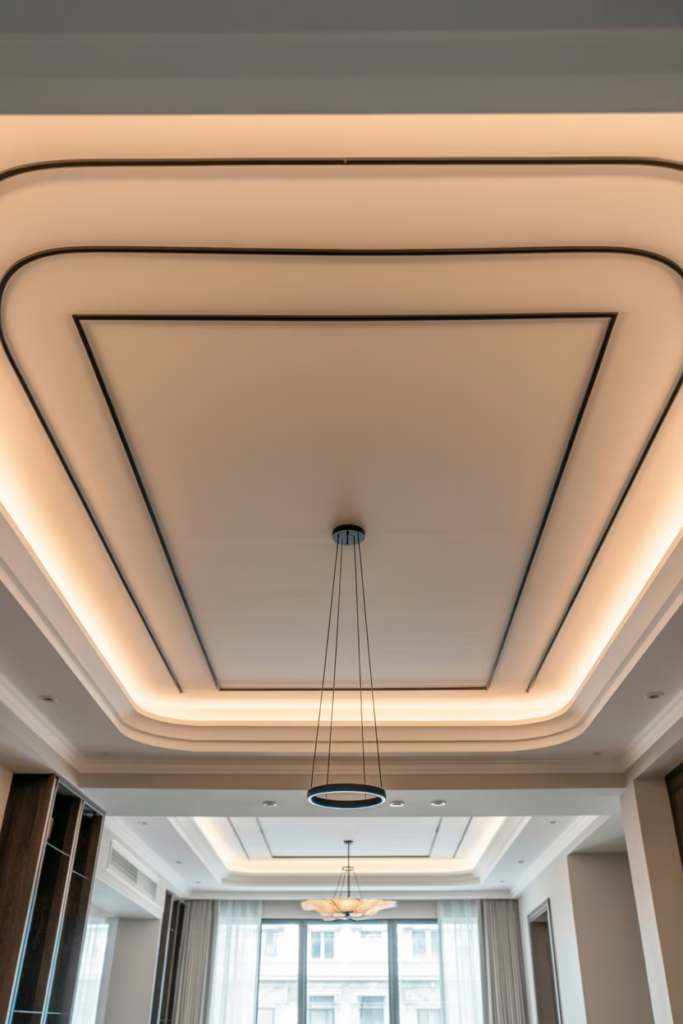
If you’re building or renovating, consider playing with ceiling heights to naturally separate zones. Tray ceilings, dropped soffits, or raised platforms can create physical separation without walls.
Okay, this one requires actual construction, so it’s not a quick weekend project. But if you’re in that phase, it’s worth considering. A slightly lower ceiling over your dining area or a raised platform for your living space creates natural boundaries.
Even if you’re not renovating, you can fake this with beams or ceiling treatments that suggest different heights. Paint the ceiling different colors in different zones, or add beams that create a grid pattern.
Use Plants as Living Dividers
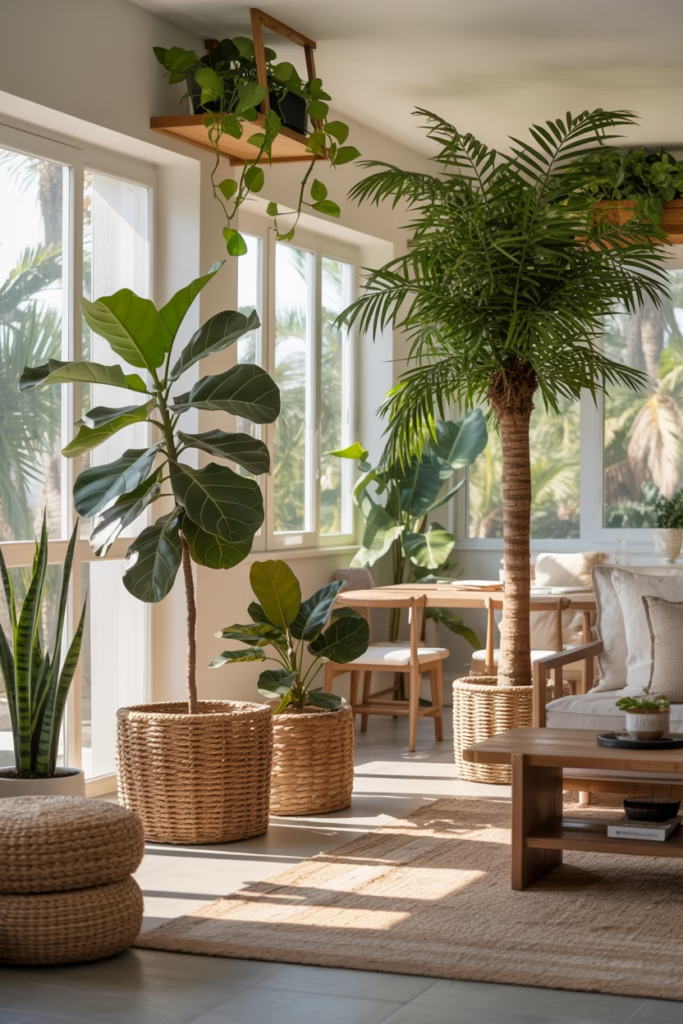
Nothing softens an open space like greenery. Large plants can act as natural room dividers while adding life (literally) to your space.
I positioned a massive fiddle leaf fig between my living and dining areas, and it’s like a living, breathing wall. Plus, plants improve air quality and make everything feel fresher and more organic.
Best plants for open layouts:
- Fiddle leaf figs for height and drama
- Snake plants in tall planters for low-maintenance division
- Hanging plants to draw the eye up and create layers
- Large palms for that tropical, resort vibe
Group plants at different heights for maximum impact. A tall plant, a medium plant on a stand, and a small plant on a side table creates this cascading effect that’s visually stunning.
Invest in Multi-Functional Furniture
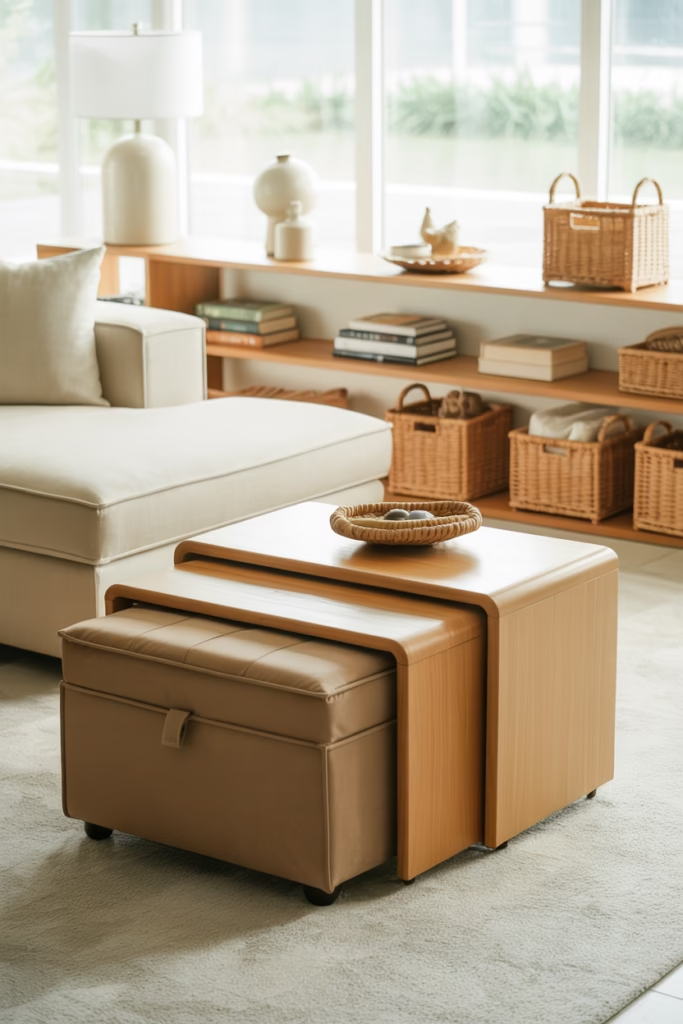
Open layouts need furniture that works overtime. Storage ottomans, sofa tables with shelving, nesting tables—pieces that serve multiple purposes are essential.
I use a storage ottoman as both a coffee table and extra seating. There’s a console table behind my sofa that’s part bookshelf, part bar cart, part display space. Everything has to earn its place in an open layout.
Multi-functional pieces to consider:
- Storage benches that provide seating and hide clutter
- Lift-top coffee tables with hidden storage
- Expandable dining tables for when you need extra space
- Modular shelving that can be rearranged as needs change
This is especially important if your open layout is on the smaller side. Every piece needs to pull its weight.
Add a Statement Fireplace or Media Center
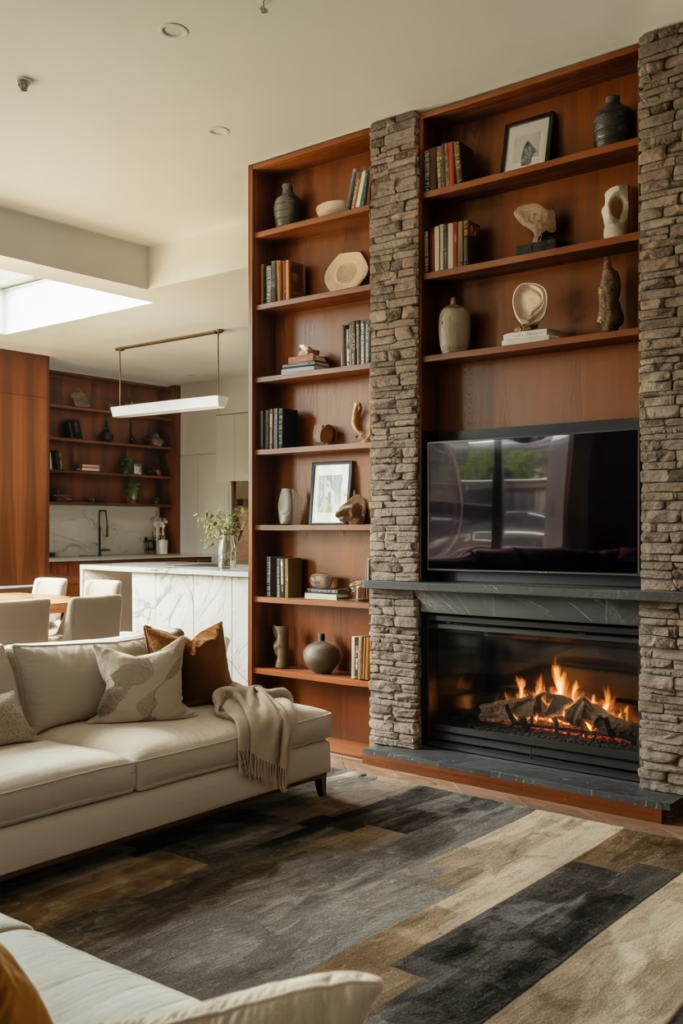
A bold fireplace or TV wall creates an automatic focal point that anchors your living zone. This is where you want to go big and dramatic.
I built a floor-to-ceiling shiplap wall for my TV (yeah, I know, very 2019, but I love it), and it completely defined the living room area. You could do stone, tile, painted wood, whatever matches your style.
The key is making it substantial enough that it commands attention and tells people, “This is where the living room action happens.” Flank it with built-ins for storage and display, and you’ve got a whole wall of purpose.
Conclusion
So there you have it 15 ways to make your open layout living room actually functional and beautiful. The secret sauce? Layering. Layer rugs, lighting, textures, and furniture arrangements until each zone feels distinct but still flows with the whole space.
Your open layout doesn’t have to feel overwhelming. With some strategic design choices (and maybe a weekend or twelve of work), you can create a space that feels both expansive and cozy, open yet defined. It’s all about finding that balance between too much structure and too much chaos.