
You know that feeling when you walk past someone’s garden and just stop? Like, your feet literally refuse to move because everything looks so lush and intentional? Yeah, I want that for your garden. And honestly, getting there isn’t as complicated as it sounds you just need the right plants.
I’ve spent way too many weekends at nurseries, Googling plant care guides at midnight, and yes, killing a few things along the way :/. But through all that trial and error, I’ve figured out which plants actually deliver that wow factor and which ones are just pretty in photos but a total headache in real life. This list is the result of all of that — 15 plants that will genuinely transform your home garden from “it’s fine” to “can you come design mine too?”
Let’s get into it.
1. Lavender — The Garden’s Natural Perfume
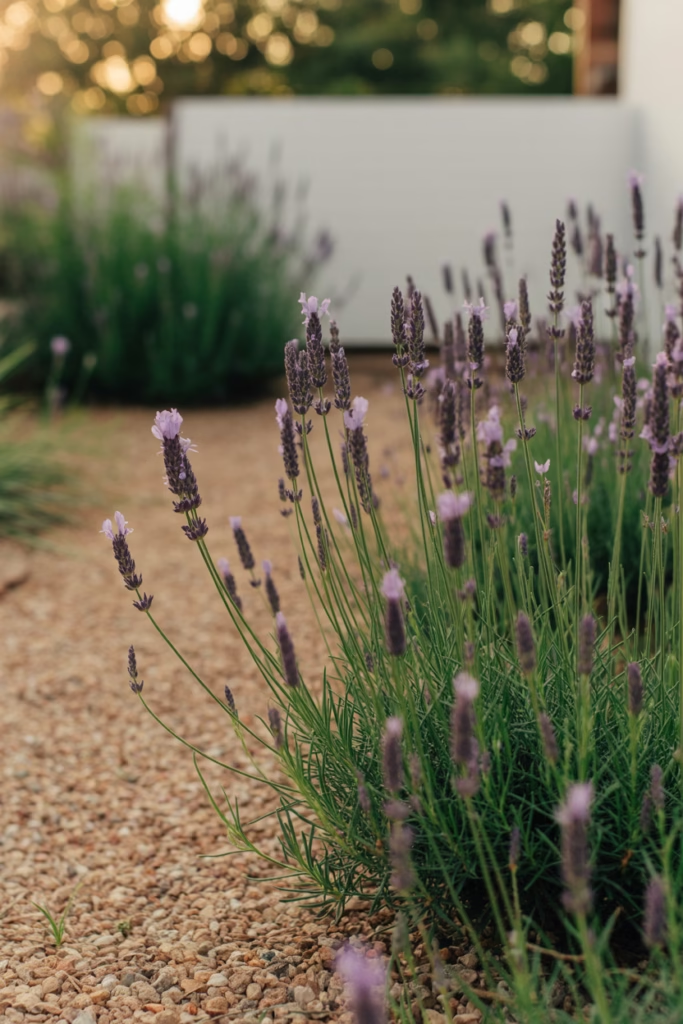
If you want a plant that works overtime, lavender is your answer. It looks stunning, smells incredible, attracts pollinators, and practically takes care of itself once established. What more could you ask for?
Plant it in a sunny spot with well-drained soil and just leave it alone. Lavender thrives on a bit of neglect — honestly, overwatering is the fastest way to kill it. Keep it dry, keep it sunny, and it’ll reward you with those gorgeous purple spikes every single summer.
Pro tip: Trim it back after blooming to keep the plant bushy and encourage more flowers next season.
2. Black-Eyed Susan — Bold, Bright, and Basically Maintenance-Free
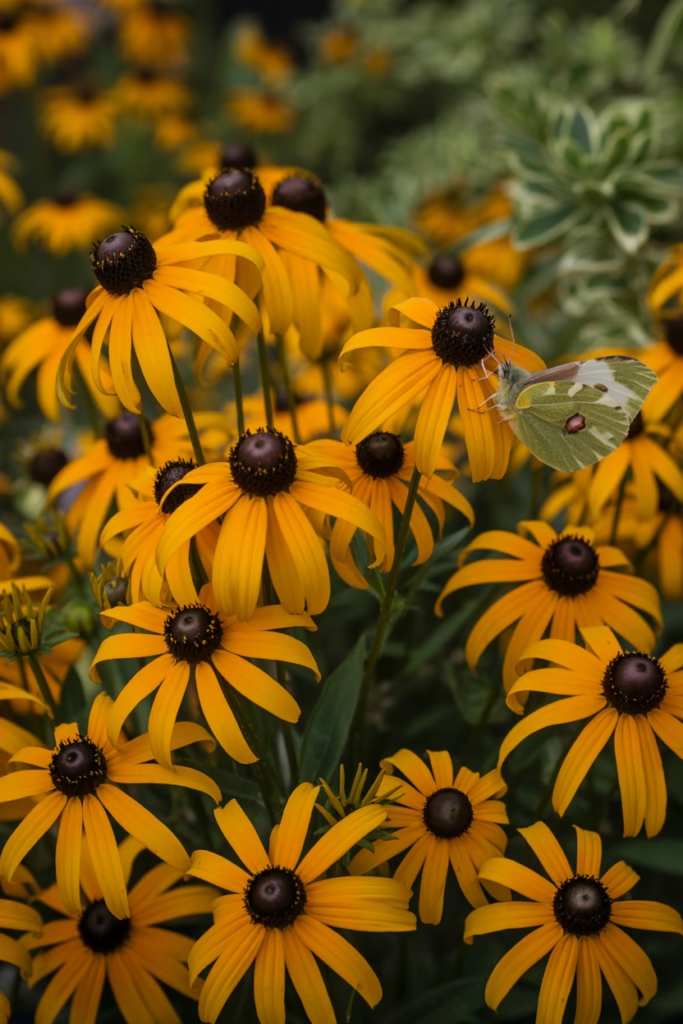
Black-eyed Susans are the garden equivalent of that friend who shows up to every party looking effortlessly put together. Their golden-yellow petals with that deep brown center create an instant focal point in any garden bed.
They’re native wildflowers, which means they’re tough. They handle drought, attract butterflies, and self-seed freely — so you plant them once and they just keep coming back. IMO, every home garden needs at least a small cluster of these.
- Height: 2–3 feet
- Bloom time: Midsummer to fall
- Sun requirement: Full sun
- Watering: Low to moderate
3. Hostas — The Shady Corner Saviors
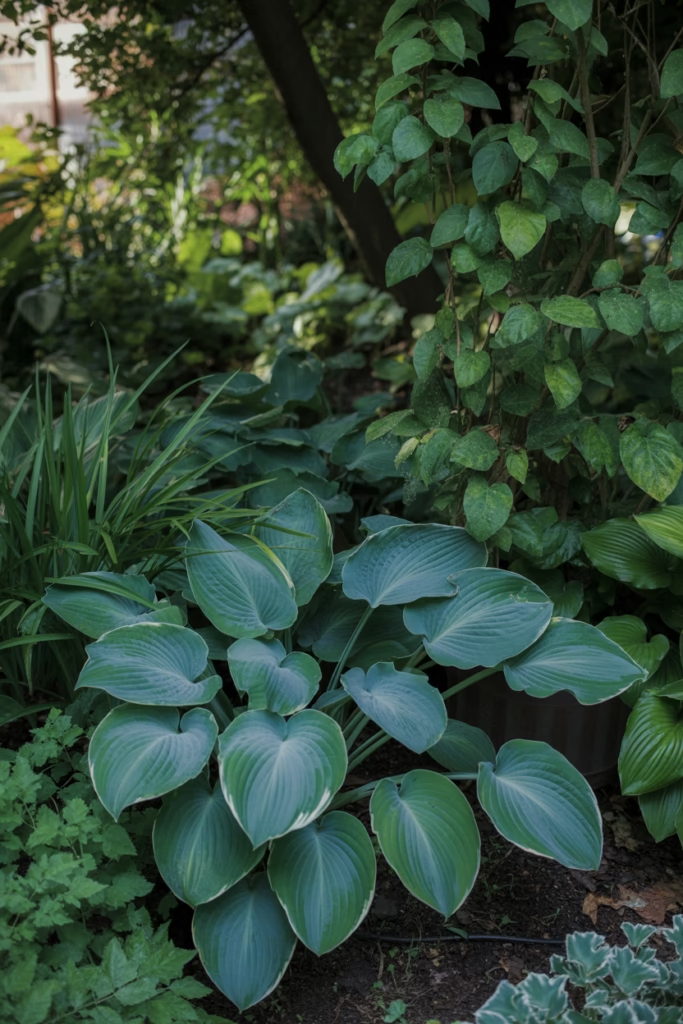
Got a dark, shaded corner in your garden that looks depressing? Hostas fix that. These leafy, lush perennials come in everything from deep green to blue-green to variegated gold and white, and they absolutely thrive in low-light conditions.
The texture and size variety in hostas is genuinely impressive. You can go big with giant varieties that spread over two feet wide, or use mini hostas along pathways for a neat, layered look. They’re not flashy, but they add the kind of rich, structural beauty that makes a garden feel designed rather than accidental.
Water them consistently and keep an eye out for slugs — those little pests love hostas as much as gardeners do.
4. Roses — Classic for a Reason
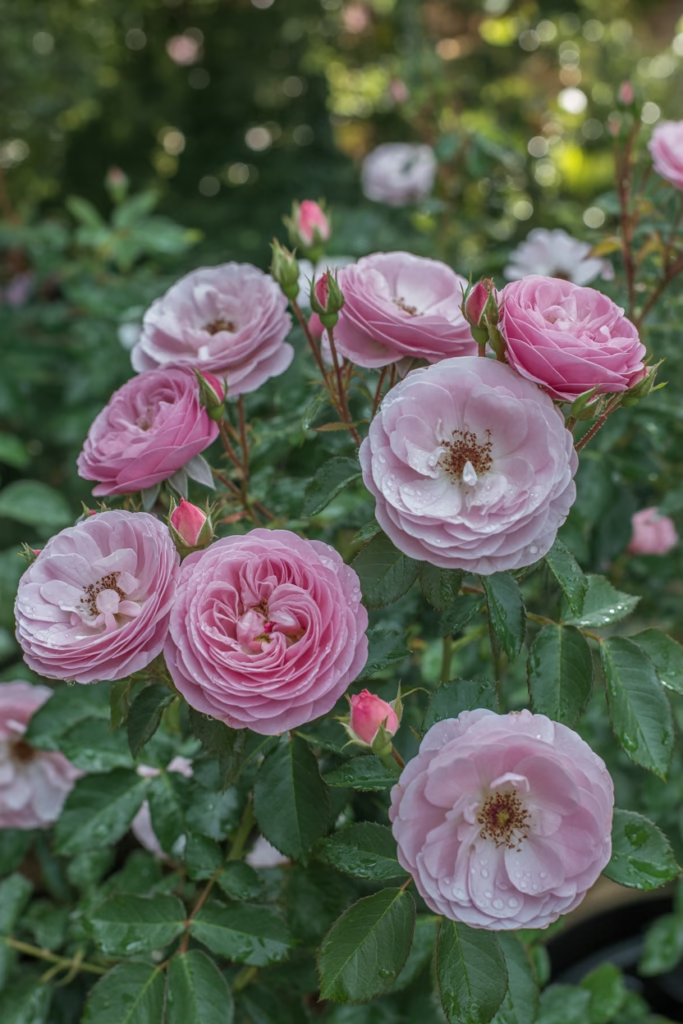
Okay, I know what you’re thinking — roses are high-maintenance drama queens. And yeah, some are. But modern shrub roses and knock-out roses have completely changed the game. They bloom repeatedly from spring through fall, resist disease better than old varieties, and don’t require the intense pruning rituals that traditional roses demand.
A well-placed rose bush adds instant elegance and color that very few plants can match. Choose a variety suited to your climate and give it at least 6 hours of direct sun daily. The payoff is absolutely worth it.
5. Ornamental Grasses — Motion and Texture in One Plant
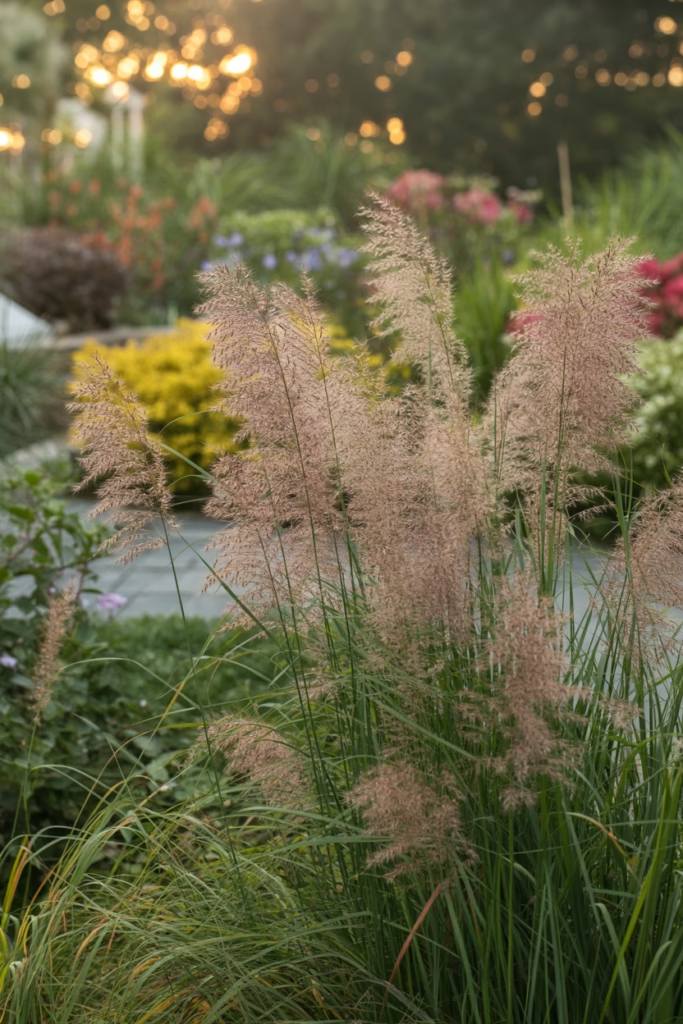
Here’s something most people overlook: movement. A garden that sways gently in the breeze feels alive in a way that static plants simply don’t. Ornamental grasses — like feather reed grass, maiden grass, or blue fescue — bring exactly that energy.
They’re incredibly low-maintenance, drought-tolerant, and look spectacular from late summer right through winter when most other plants have called it quits. The feathery plumes catch light beautifully in the afternoon sun. Use them as a backdrop for colorful perennials or as standalone focal points in containers.
6. Coneflowers (Echinacea) — Pollinators Will Thank You
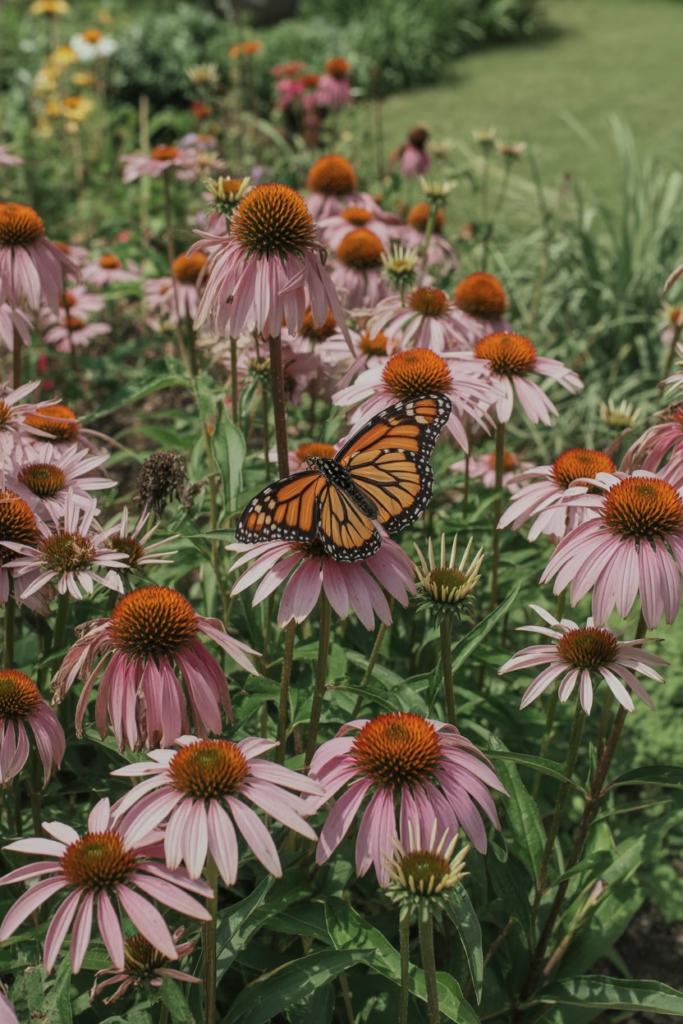
Echinacea, or coneflowers, might just be the most hardworking plant on this list. They bloom for weeks, come in a surprising range of colors beyond the classic purple (think orange, white, coral, and deep red), and absolutely pack your garden with butterflies and bees.
They’re drought-tolerant once established and spread naturally over time, filling gaps in your beds without any effort on your part. Leave the seedheads standing through winter — birds feed on them and the architectural shape adds visual interest even in the cold months.
7. Salvia — A Hummingbird Magnet
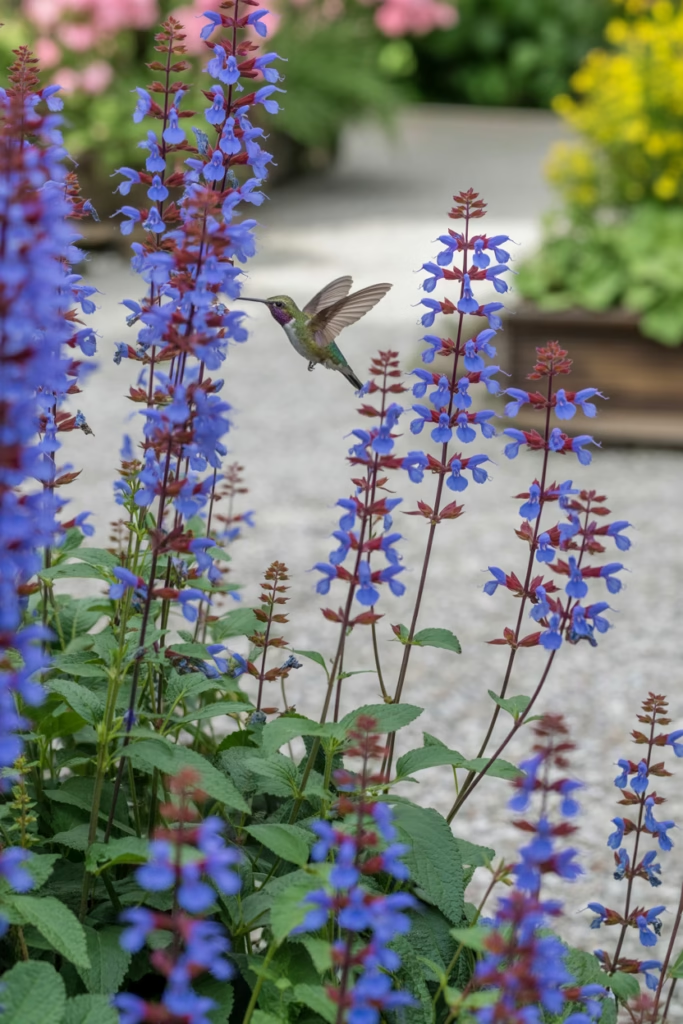
Want to attract hummingbirds? Plant salvia. Seriously, it’s like hanging a welcome sign specifically for them. The tall, spiky blooms in vivid blues, purples, and reds create incredible vertical interest in garden beds and pair beautifully with rounded plants like coneflowers or black-eyed Susans.
Most salvias are deer-resistant (bonus!) and incredibly heat-tolerant. Deadhead regularly to encourage continuous blooming, and you’ll have color from early summer well into autumn.
- Best varieties for gardens: ‘May Night,’ ‘Hot Lips,’ ‘Black and Blue’
- Sun: Full sun
- Water: Low to moderate once established
8. Dahlias — The Drama Queens That Are Worth It
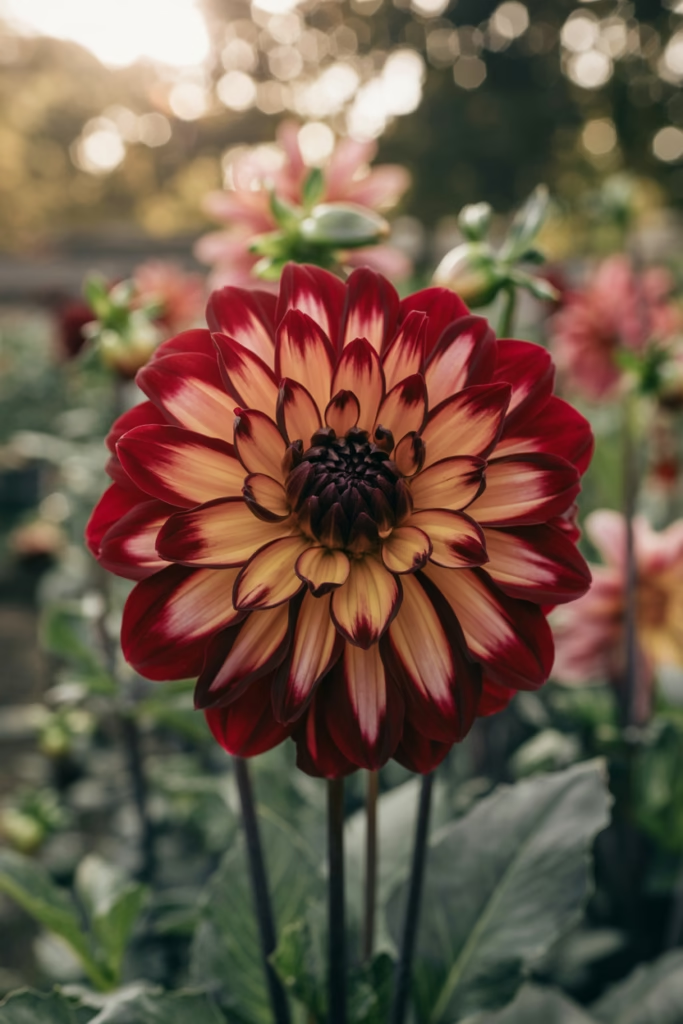
Let me be honest — dahlias require a bit more effort than most plants on this list. You need to dig up the tubers in colder climates before winter, store them, and replant in spring. Is it a little extra work? Yes. Is it worth it? Absolutely.
The blooms dahlias produce are jaw-dropping — dinner-plate sized flowers in every color imaginable, with a complexity and richness that no other garden plant quite matches. Plant them where they’ll get full sun and excellent drainage, stake taller varieties, and feed them regularly. They will not disappoint.
9. Hydrangeas — Big Blooms, Big Impact
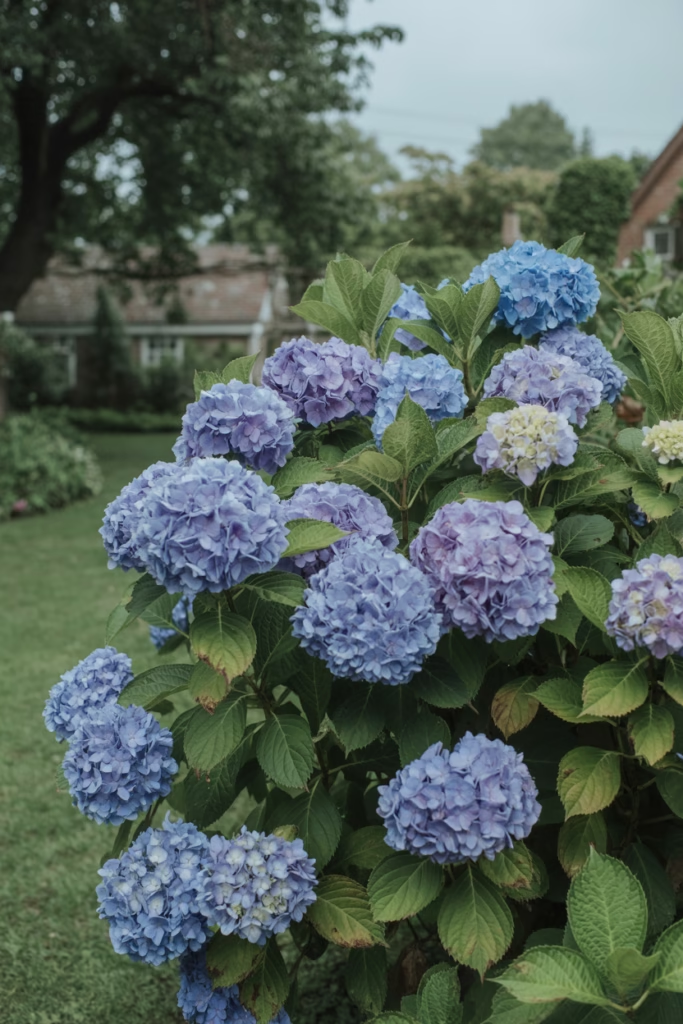
Hydrangeas are basically the interior design statement piece of the garden world. Those enormous, cloud-like flower heads in shades of white, pink, blue, and purple photograph beautifully and look lush in real life too.
FYI — the color of some hydrangea varieties actually depends on your soil’s pH level. Acidic soil produces blue flowers; alkaline soil pushes them toward pink. You can manipulate this intentionally, which is pretty fun to experiment with. ‘Endless Summer’ and ‘Incrediball’ are two varieties I’d personally recommend for consistent, impressive performance.
10. Catmint — The Low-Drama Purple Cloud
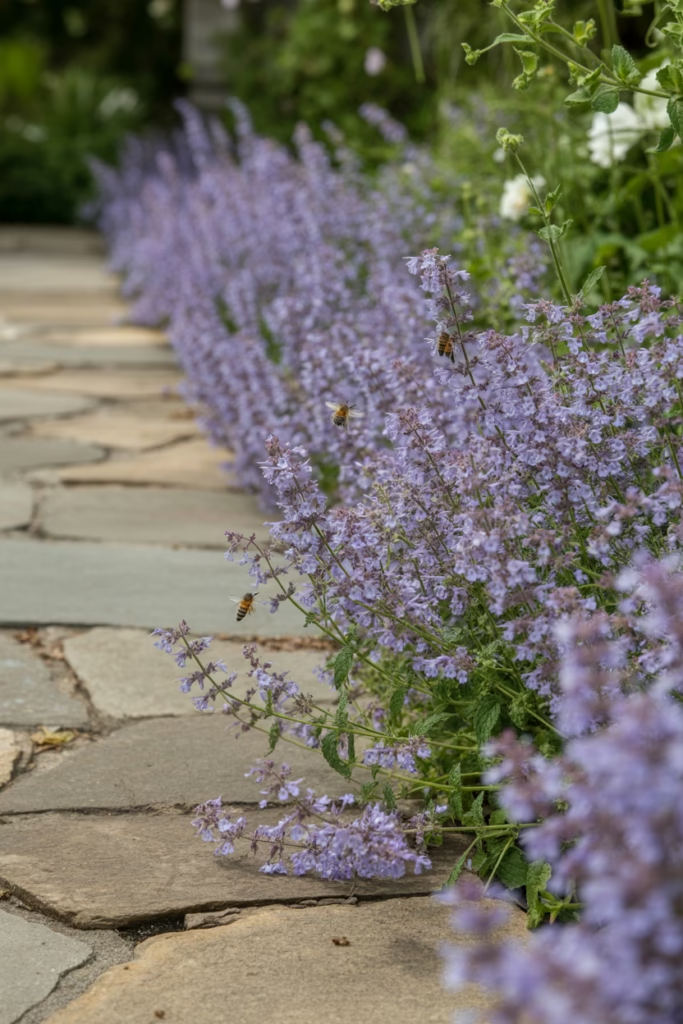
If you’ve ever driven past a garden with a long, billowing border of soft purple-blue flowers and wondered what it was — it was probably catmint (Nepeta). This plant is wildly underrated.
It blooms prolifically in early summer, and if you cut it back by half after the first flush, it blooms again in late summer like nothing happened. It’s drought-tolerant, deer-resistant, and looks stunning cascading over the edges of raised beds or pathways. It’s also one of the best companion plants around — it pairs beautifully with roses, alliums, and ornamental grasses.
11. Alliums — Structural and Unexpected
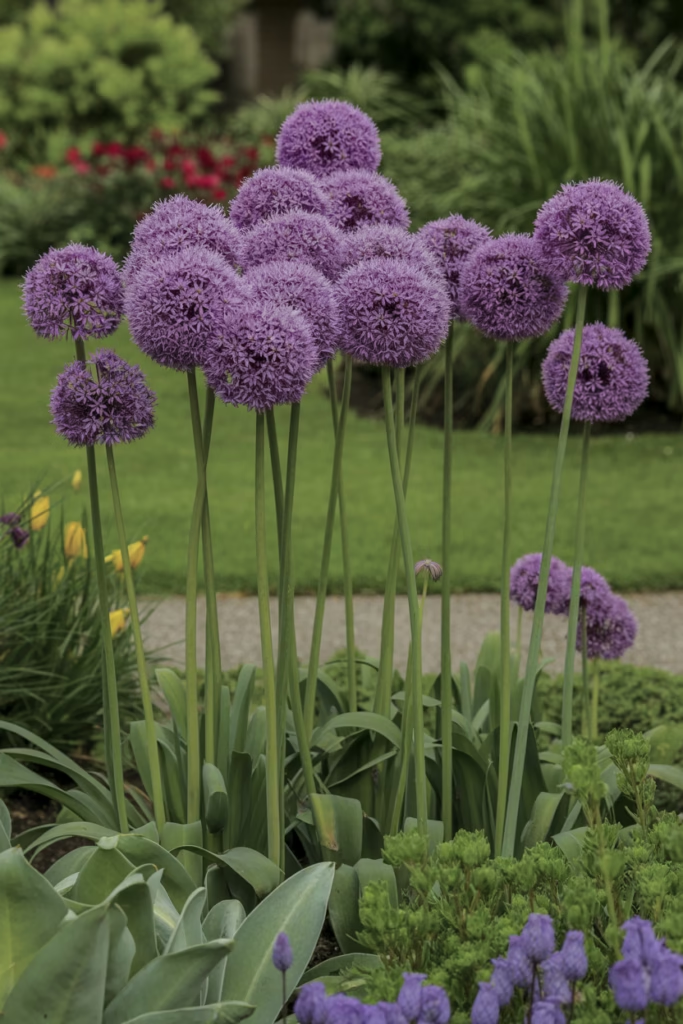
Ever seen those tall, globe-shaped purple flowers on long bare stems that look like something from another planet? Those are alliums, and they add the most delightful architectural element to any garden bed.
They bloom in late spring to early summer, bridging the gap between spring bulbs and summer perennials perfectly. Since the foliage dies back before the flowers appear, plant them behind other plants that will hide the yellowing leaves. ‘Globemaster’ and ‘Purple Sensation’ are two varieties that make the biggest visual statement.
12. Zinnias — Color Powerhouses for Summer Gardens
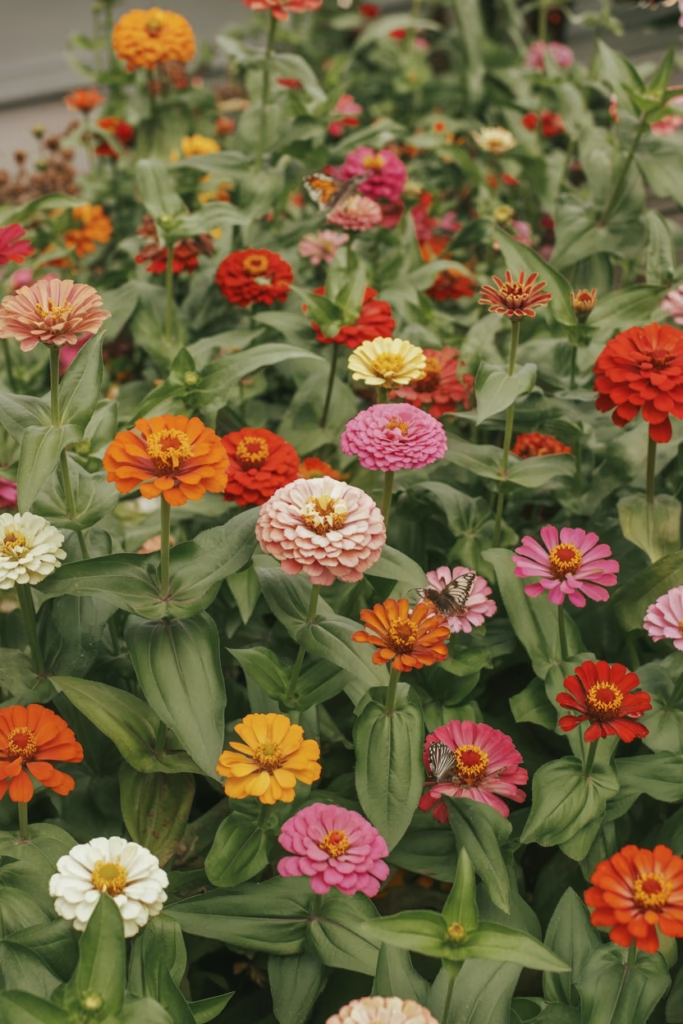
If you want instant, long-lasting color all summer long without spending a fortune, zinnias are your best friend. You can grow them easily from seed, they bloom in literally every color, and they keep going strong through heat and humidity that would wilt most other flowers.
Zinnias also attract butterflies like crazy, which is just a nice bonus. Deadhead spent blooms regularly to keep new flowers coming, and plant them in masses for maximum visual impact. They look especially great in cottage garden-style beds where a riot of color is the whole point.
13. Climbing Roses or Clematis — Vertical Drama
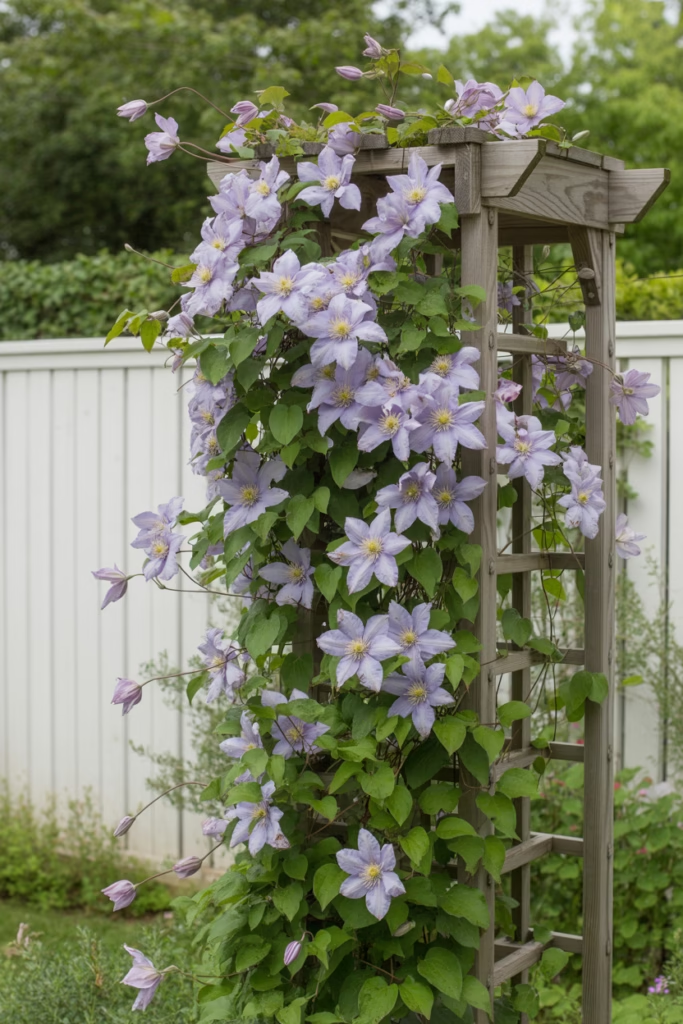
Here’s a question: are you using your vertical space? A trellis, fence, or pergola draped in a climbing plant is one of the most transformative things you can add to a garden. And clematis is arguably the best climber for most home gardens.
It blooms in spring and sometimes again in fall, comes in shades from white to deep purple to hot pink, and isn’t nearly as fussy as its reputation suggests. Pair it with a climbing rose for a layered, romantic effect that looks like it belongs in an English country estate — no castle required :).
Key rule for clematis: “Plant it with its head in the sun and its feet in the shade.” Shade the roots, let the top grow in full sun.
14. Agapanthus — Elegant and Exotic-Looking
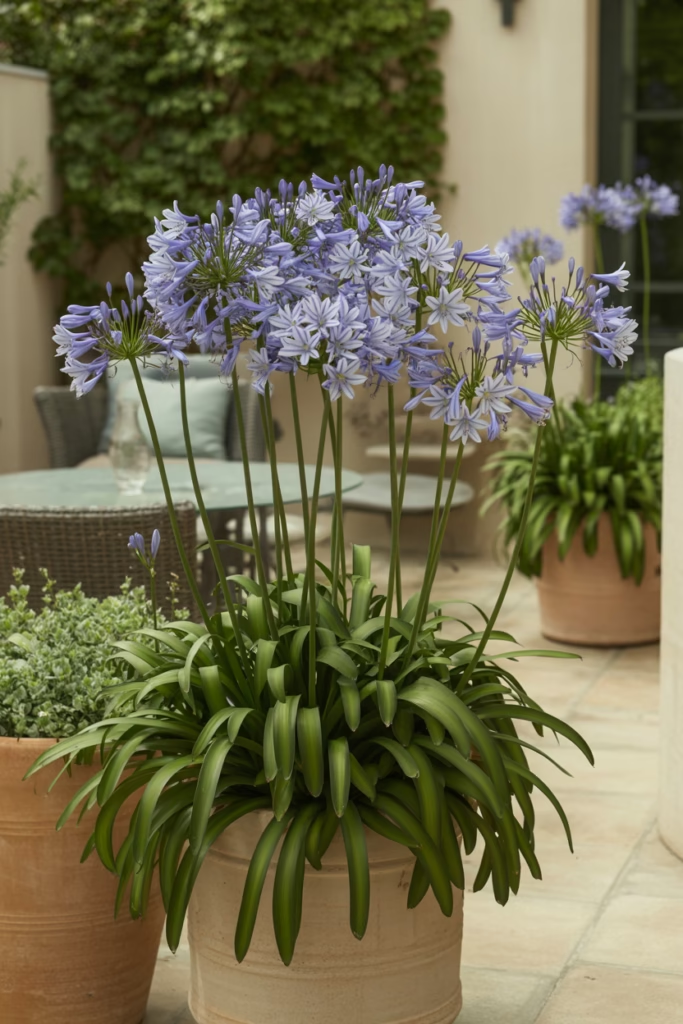
Agapanthus (also called Lily of the Nile) brings a touch of the exotic to garden beds with its tall stems topped by clusters of trumpet-shaped blue or white flowers. It looks expensive and architectural without requiring much work.
It grows beautifully in containers, which makes it ideal if you have a patio or balcony garden. In colder climates, you can bring potted agapanthus indoors over winter. In warmer zones, it’s a worry-free perennial that comes back reliably each year. The strap-like foliage looks great even when it’s not in bloom.
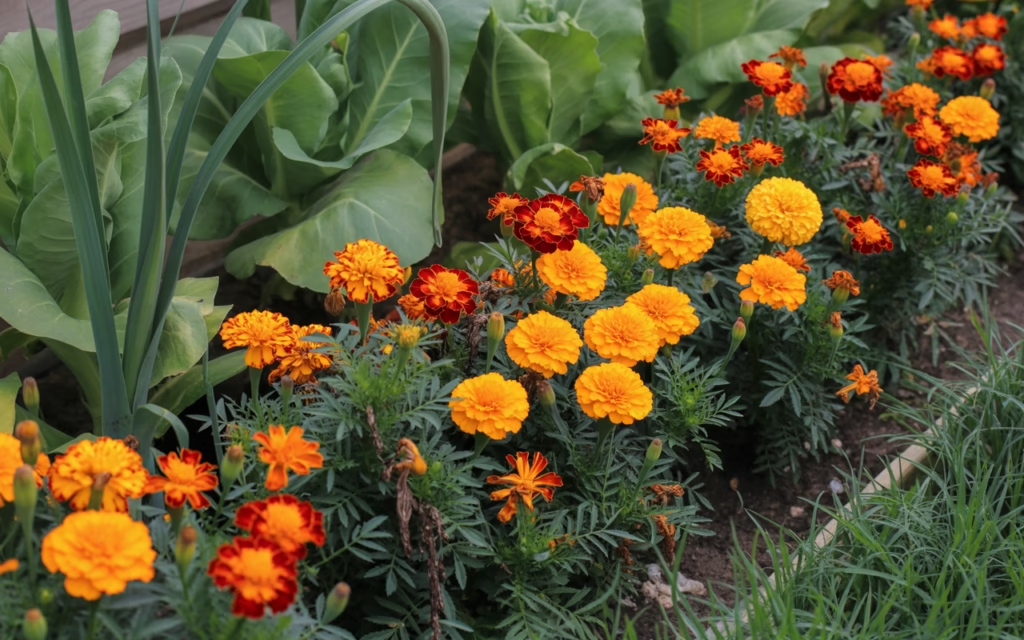
15. Marigolds — Humble but Hardworking
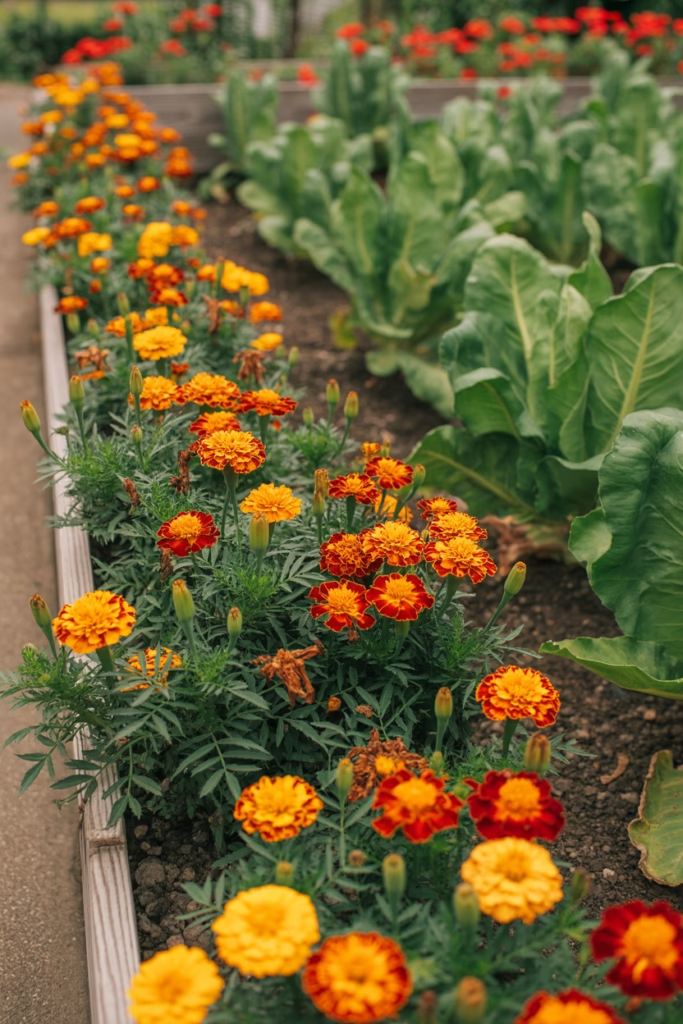
I saved marigolds for last not because they’re the least impressive, but because they’re so often underestimated. Marigolds are cheerful, vibrant, incredibly easy to grow, and — here’s the part most people don’t know — they’re natural pest deterrents.
Plant them around vegetable gardens to keep aphids, whiteflies, and even nematodes away. They bloom non-stop from spring through the first frost, they’re incredibly cheap to grow from seed, and that warm orange-gold color they produce is just pure sunshine in plant form. Sometimes the classics are classics for a reason.
Putting It All Together
Building a garden that genuinely pops isn’t about having the most plants or spending the most money it’s about choosing plants that work together in terms of height, color, bloom time, and texture. Mix tall structural plants like alliums and ornamental grasses with mid-height bloomers like echinacea and salvia, then fill in the front with catmint, marigolds, or low hostas. Layer your bloom times so something is always flowering from early spring through late fall.
A few quick tips to tie it all together:
- Group plants in odd numbers (3, 5, 7) for a more natural, dynamic look
- Repeat colors and plant varieties throughout the garden to create visual flow
- Mix textures — spiky, round, feathery, and broad-leafed plants side by side create depth
- Plan for year-round interest by including plants with great winter structure like ornamental grasses and seedheads
Final Thoughts
Your garden has so much potential, and honestly, you don’t need to overhaul everything at once. Pick three or four plants from this list that excite you, get them in the ground, and watch how quickly the whole space transforms. Gardening is one of those things where small, consistent choices add up to something genuinely beautiful over time.
The plants on this list aren’t just pretty they’re tried, tested, and capable of making any garden look intentional, lush, and full of life. So get out there, get your hands dirty, and make your garden the one the whole neighborhood slows down to stare at. You’ve got this. 🌿