
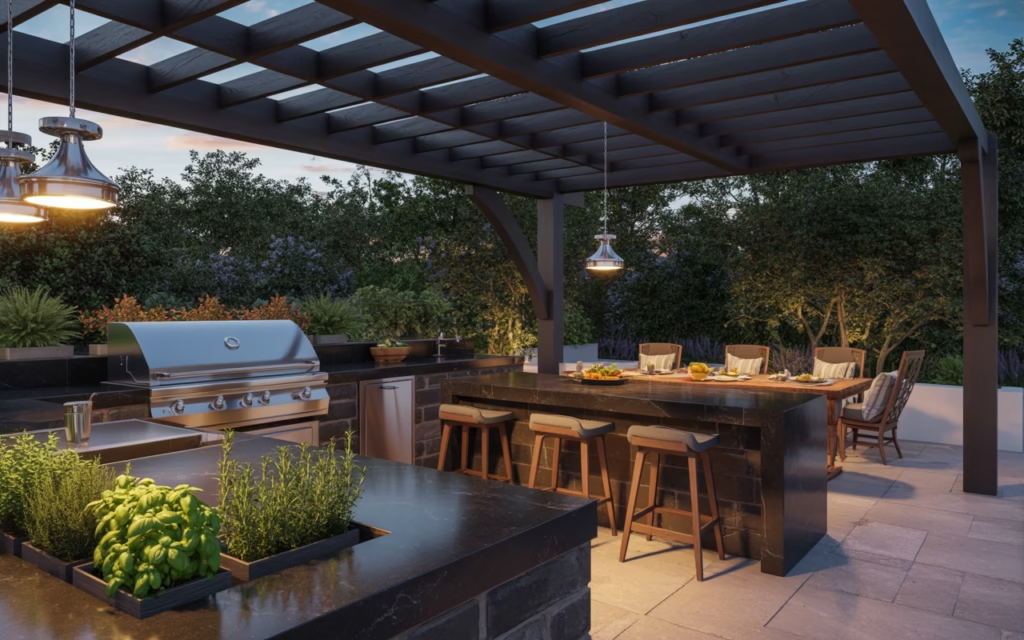
Look, I’m not going to pretend that adding a pergola to your patio is some life-changing necessity. But honestly? It’s pretty close. I’ve spent countless afternoons under mine, coffee in hand, watching the sun filter through the slats while my neighbors swelter on their sad, exposed patios. Was I smug about it? Absolutely.
If you’re tired of your backyard feeling like just another boring outdoor space, a pergola might be exactly what you need. These overhead structures transform ordinary patios into stunning outdoor rooms that practically beg you to spend every waking moment outside. And trust me, once you see what’s possible, you’ll be sketching designs on napkins by dinner time.
Why Pergolas Are Having a Major Moment
Pergolas aren’t new they’ve been around since ancient Rome, FYI. But recently, they’ve exploded in popularity, and for good reason. They create that perfect balance between sun and shade, add instant architectural interest, and give you something substantial to hang lights, plants, or even outdoor curtains from.
I’ve watched my own backyard go from “meh” to “magazine-worthy” (okay, maybe I’m exaggerating slightly) just by adding a simple wooden pergola. The structure creates definition, makes the space feel intentional, and honestly, it’s just nice to look at. Your patio stops feeling like an afterthought and starts feeling like an actual destination.
The best part? Pergolas work with virtually any design style. Whether you’re into modern minimalism or rustic farmhouse vibes, there’s a pergola design that’ll fit right in. And unlike a full roof, they still let you feel connected to the outdoors while providing just enough coverage to make the space usable.
The Classic Wooden Pergola with Climbing Vines
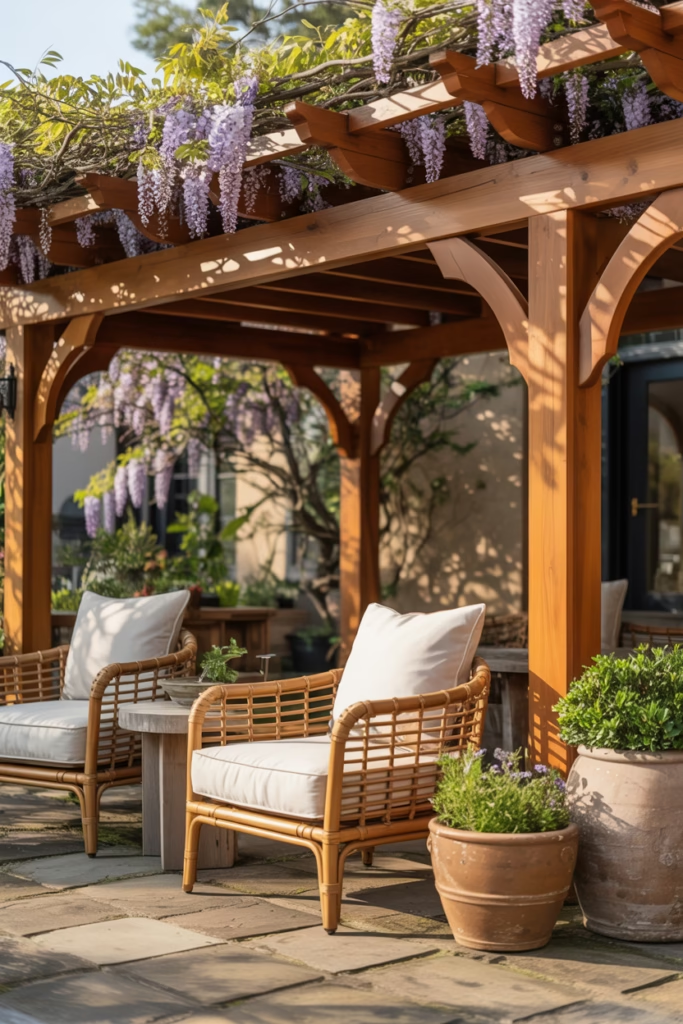
Let’s start with the OG pergola setup—natural wood with gorgeous climbing plants weaving through the beams. This is my personal favorite, and honestly, it’s hard to beat the timeless appeal.
I planted wisteria along mine three years ago, and watching it gradually take over has been incredibly satisfying. Every spring, those purple blooms create this dreamy canopy that smells amazing and provides natural shade. Pro tip: Make sure you choose fast-growing vines if you’re impatient like me. Wisteria, jasmine, or climbing roses are all solid choices.
The key here is letting nature do some of the heavy lifting. The pergola provides the structure, but the plants bring the romance and additional shade. Over time, you’ll get this living, breathing ceiling that changes with the seasons.
Best Plants for Your Wooden Pergola:
- Wisteria: Gorgeous purple blooms, fast-growing, but needs regular pruning
- Climbing Roses: Classic beauty with amazing fragrance
- Jasmine: Sweet scent and evergreen in warmer climates
- Grapevines: Functional and beautiful, plus you get grapes!
- Clematis: Huge variety of colors and relatively low maintenance
Just remember that wooden pergolas need maintenance. You’ll want to seal or stain the wood every few years to keep it looking fresh and prevent rot. Is it a pain? Sure. Is it worth it? Absolutely.
Modern Metal Pergola with Clean Lines
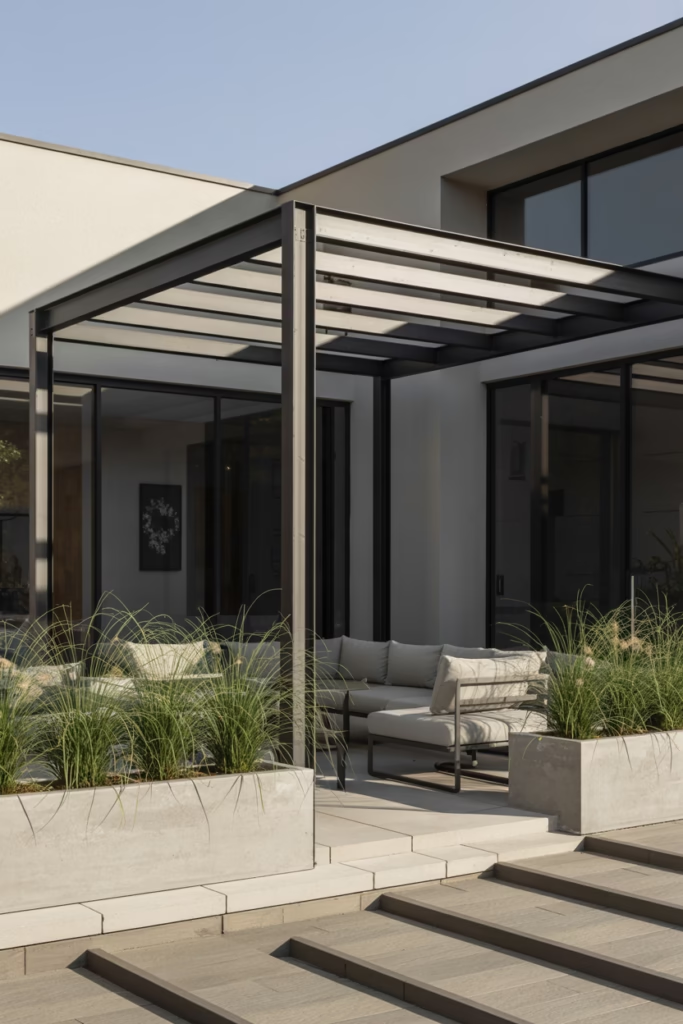
If you’re more into contemporary design (and less into the whole “rustic charm” thing), a metal pergola might be your jam. These structures use steel or aluminum to create sleek, geometric designs that look seriously sophisticated.
I’ve seen these paired with modern patio furniture and minimalist planters, and the effect is stunning. The metal beams are usually powder-coated in black, white, or bronze, giving you that high-end architectural look without the high-end price tag.
The major advantage here? Zero maintenance. Unlike wood, metal pergolas don’t rot, warp, or need constant attention. You basically install it and forget about it. Plus, they’re typically stronger and can support heavier loads—think ceiling fans, swing chairs, or substantial lighting fixtures.
The clean lines work especially well with contemporary homes. If your house has a modern aesthetic, a wooden pergola might look out of place, but a metal one will tie everything together beautifully.
Retractable Canopy Pergola for Ultimate Flexibility
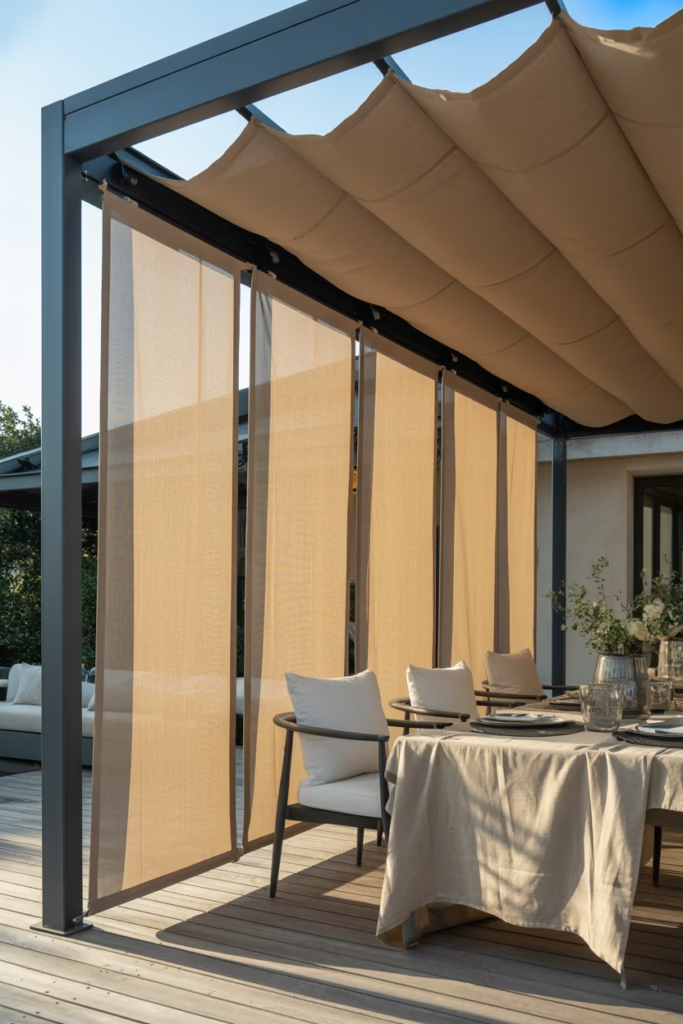
Ever wished you could control exactly how much sun hits your patio? That’s where retractable canopy pergolas come in, and they’re honestly genius.
These pergolas feature fabric panels that slide along tracks, letting you adjust your shade coverage throughout the day. Full sun in the morning for your coffee? No problem. Complete shade during the brutal afternoon heat? Done. Want to stargaze after dinner? Just retract the panels.
I installed one of these at my friend’s place last summer, and she uses it constantly. The flexibility is unbeatable, especially if your patio gets hit with direct sun at different times of day. Bold move: Go with a waterproof fabric so you can keep using your patio even during light rain.
Canopy Material Options:
- Waterproof polyester: Durable and rain-resistant
- Sunbrella fabric: Top-tier UV protection and fade resistance
- Canvas: Classic look but requires more maintenance
- Shade cloth: More breathable, less protection from rain
The only downside? These systems are more expensive upfront and have moving parts that could potentially need repair. But IMO, the convenience factor makes it worth every penny.
Louvered Roof Pergola (The Ultimate Upgrade)
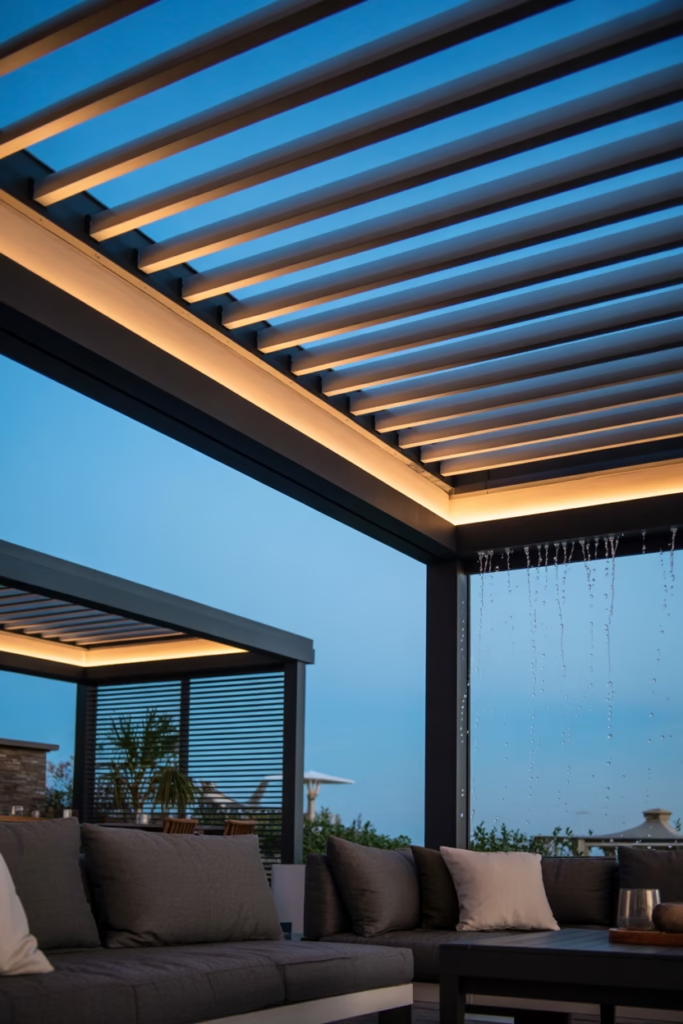
Want to know what the neighbors will actually be jealous of? A louvered roof pergola with motorized slats that rotate to control sunlight and ventilation. Yeah, it’s as cool as it sounds.
These bad boys feature adjustable aluminum louvers that you can tilt open or closed with a remote or smartphone app. Completely closed, they’re waterproof. Fully open, they let in maximum light and air. It’s like having a convertible for your patio 🙂
I’ll be honest—these aren’t cheap. But if you’re serious about creating an all-weather outdoor living space, they’re hard to beat. You can use your patio in light rain, adjust for wind, and fine-tune the temperature by controlling airflow.
Added bonus: Many louvered systems come with integrated LED lighting and can be fitted with optional screens or glass panels for full enclosure. You’re basically creating an outdoor room that functions year-round.
Pergola with Outdoor Kitchen Integration
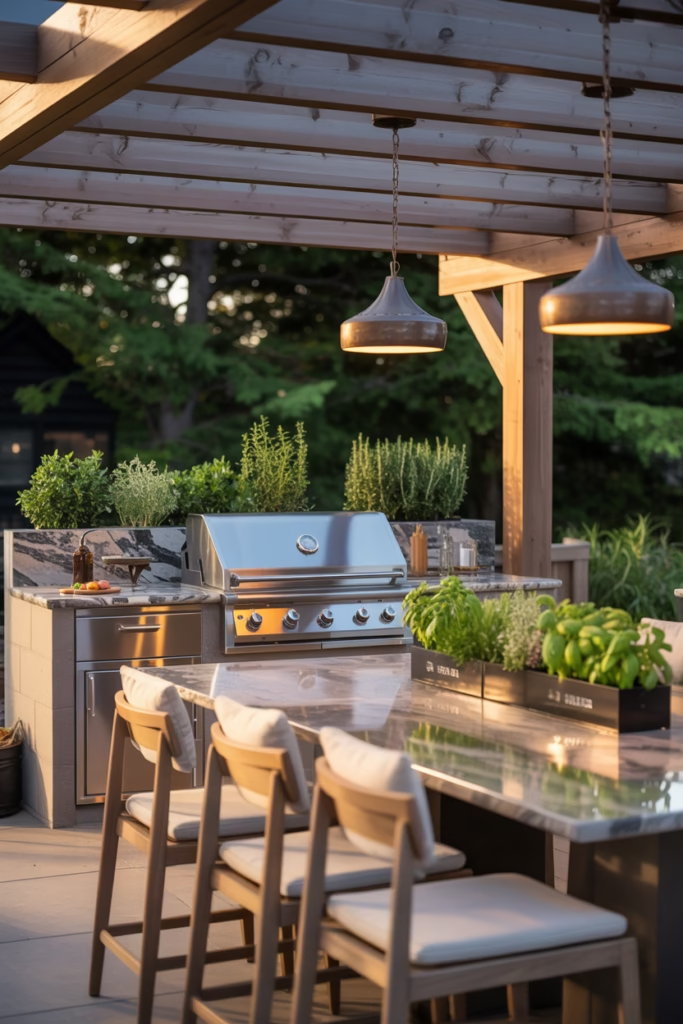
Why just have a pergola when you can have an entire outdoor cooking and dining experience? Integrating your pergola design with an outdoor kitchen creates this seamless flow that makes entertaining ridiculously easy.
Picture this: a large pergola covering both your cooking area and dining space. You’ve got a built-in grill, countertop, and storage on one side, with a dining table for eight on the other. Everything stays protected from the elements, and you’re not running back and forth to your indoor kitchen every five seconds.
I’ve cooked under mine countless times, and it’s transformed how I entertain. No more feeling isolated while grilling—you’re part of the party the whole time. Plus, the pergola keeps direct sun off your cooking area, which is a game-changer on hot days.
Essential Features for Kitchen Pergolas:
- Extended roof coverage over cooking areas for weather protection
- Adequate lighting for nighttime cooking and dining
- Ventilation considerations if you’re using gas grills
- Durable materials that can handle heat and grease
- Nearby electrical outlets for appliances and lighting
Make sure your pergola structure is sturdy enough to support hanging pot racks, pendant lights, or even a mounted TV if you’re feeling ambitious. You’re creating an outdoor kitchen that rivals your indoor one—don’t skimp on the infrastructure.
Corner Pergola Design for Small Spaces
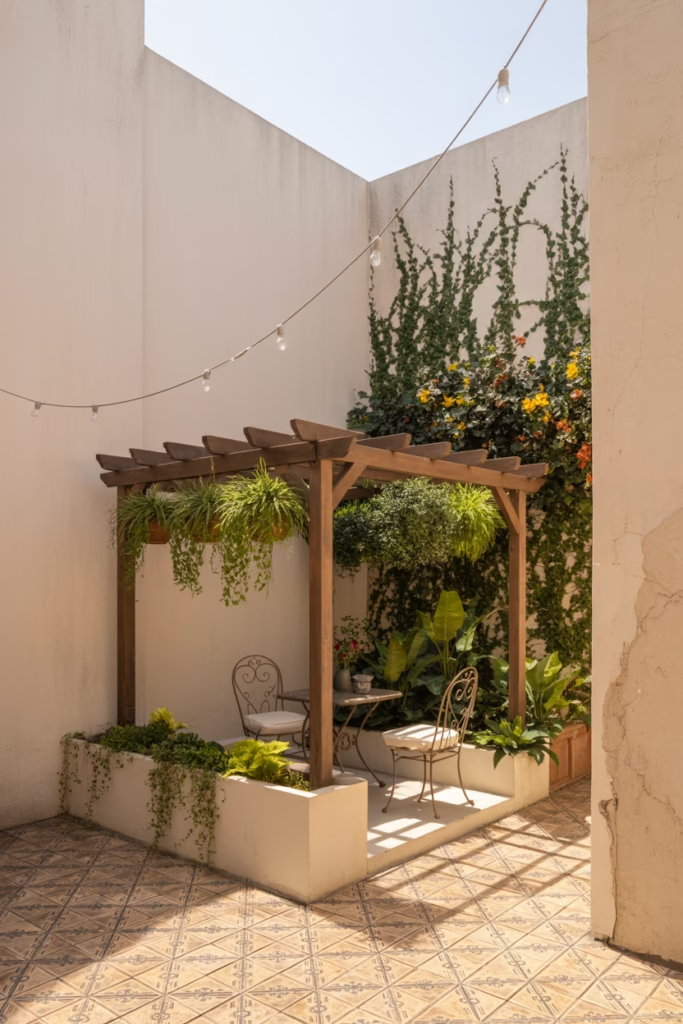
Got a tiny patio that barely fits a bistro set? A corner pergola might be your best bet for maximizing limited space while still adding structure and style.
Corner designs attach to two walls of your house, creating a cozy nook that feels intimate rather than cramped. You’re essentially building an outdoor room extension that takes advantage of existing architecture for support.
I helped a friend install one of these in her narrow courtyard, and it completely changed the space. What was previously an awkward, unused area became her favorite spot for morning tea. The corner placement made the small space feel intentional and designed rather than just “leftover.”
Space-saving tip: Use the pergola beams to hang plants, creating a vertical garden that doesn’t eat up precious floor space. Hanging baskets, trailing vines, and wall-mounted planters all work beautifully here.
Freestanding Island Pergola
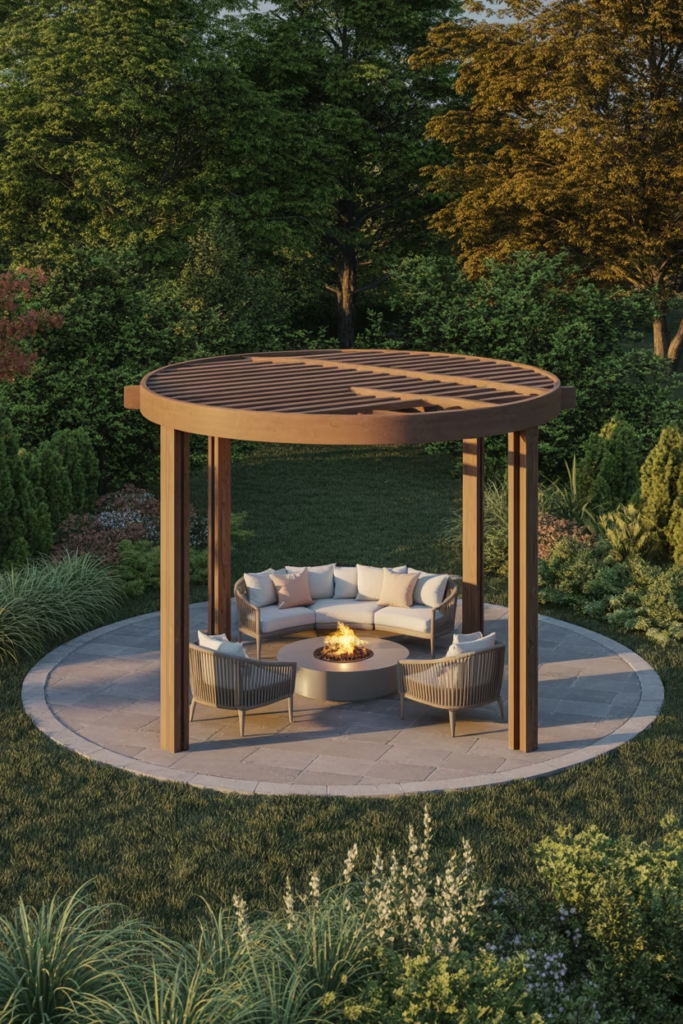
If your patio is large enough, consider a freestanding pergola positioned away from the house. This creates a distinct outdoor “room” that feels like its own destination within your backyard.
I’ve seen these used brilliantly around fire pits, creating intimate gathering spaces that feel separated from the main patio area. The freestanding structure defines the space without walls, making it feel open yet defined at the same time.
The positioning flexibility is the main advantage here. You can place it wherever makes sense for your yard layout—maybe over a hot tub, around a conversation area, or even in a garden space. You’re not limited by where your house happens to be.
Just make sure your freestanding pergola is properly anchored. Without wall attachments, you’ll need solid footings or posts set in concrete to keep everything stable during wind and weather. This isn’t a DIY shortcut situation—do it right or don’t do it at all.
String Light Pergola for Magical Evenings
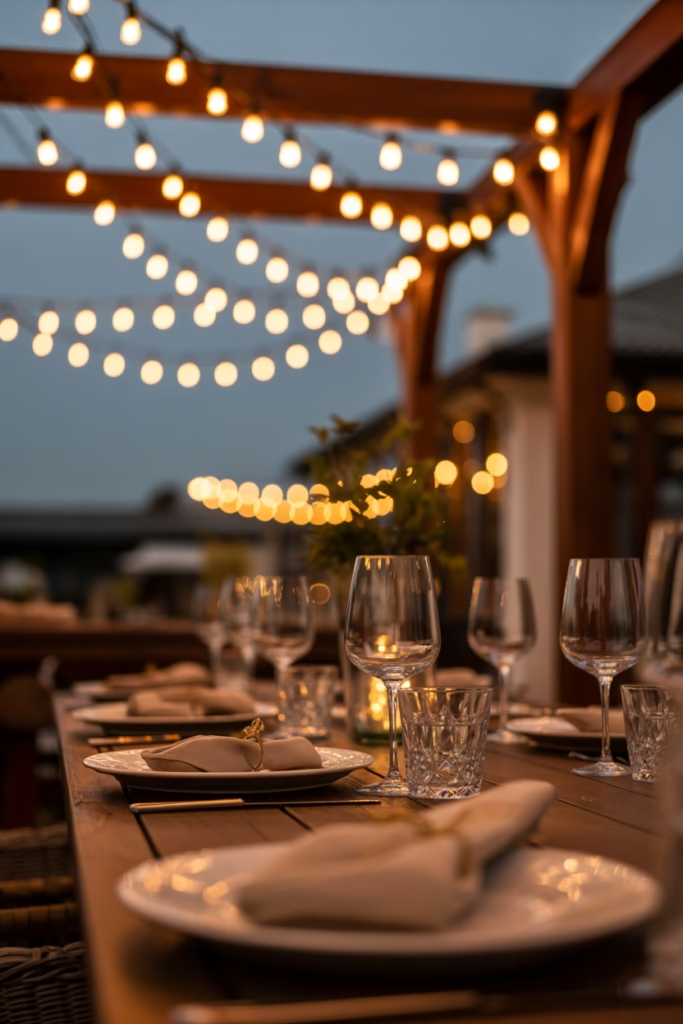
Ever wondered why restaurant patios always feel so magical at night? String lights, my friend. And a pergola gives you the perfect structure to hang them from.
I strung Edison bulbs across mine last year, and the transformation is insane. The warm glow creates this cozy, romantic atmosphere that makes you never want to go inside. Suddenly your ordinary patio becomes the best seat in the house for evening relaxation.
Installation tip: Use weatherproof outdoor lights specifically designed for pergolas. Regular indoor lights won’t cut it when rain hits. I learned this the hard way after my first cheap string lights died within three months.
String Light Options to Consider:
- Edison bulbs: Vintage look with warm, ambient light
- Globe lights: Modern and cheerful
- Fairy lights: Delicate and whimsical
- Solar-powered strings: No electrical work required
- Color-changing LED: Adjustable mood lighting
Crisscross the lights between beams, wrap them around posts, or create a canopy effect—there’s no wrong way to do this. Just make sure you have enough lights to create that full, magical effect. Skimping on lights is the most common mistake people make.
Pergola with Built-In Seating
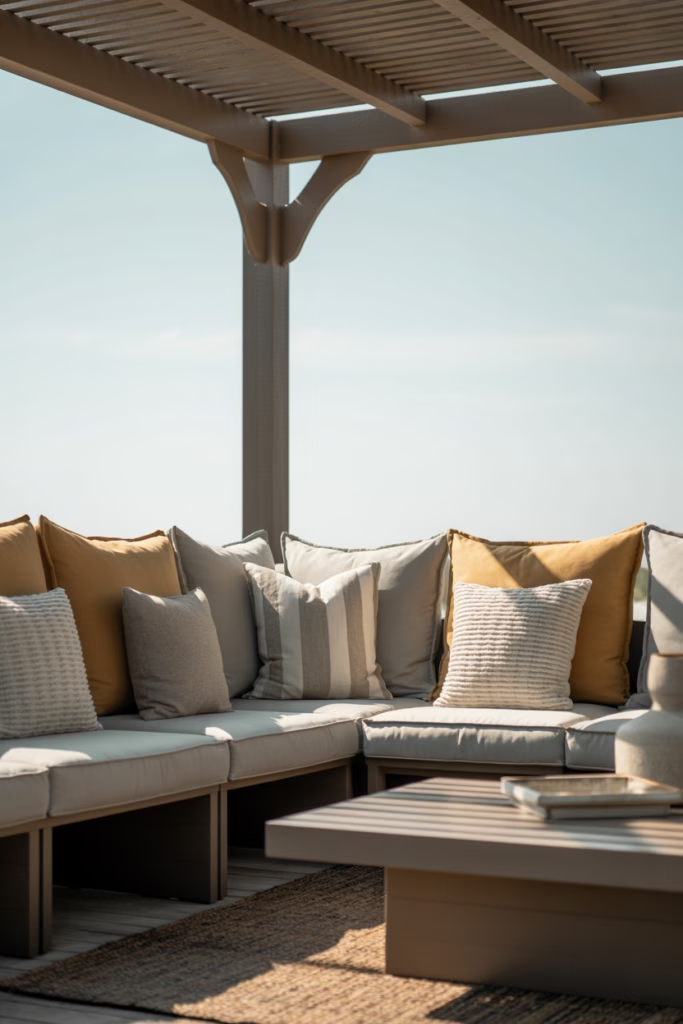
Why settle for separate furniture when you can integrate seating directly into your pergola design? Built-in benches or sectional seating creates a cohesive look and maximizes your usable space.
I’ve seen corner pergolas with L-shaped built-in seating that includes storage underneath for cushions and outdoor supplies. It’s functional, looks custom-designed, and eliminates the need for bulky furniture that never quite fits right.
The built-in approach works especially well for smaller patios where every inch counts. You’re not wasting space on furniture legs and gaps between pieces—everything flows together seamlessly.
Add weather-resistant cushions in your favorite colors, throw in some outdoor pillows, and you’ve got a cozy outdoor living room that looks professionally designed. Pro tip: Make sure your built-in seating has proper drainage so water doesn’t pool after rain.
Shade Sail Pergola Hybrid
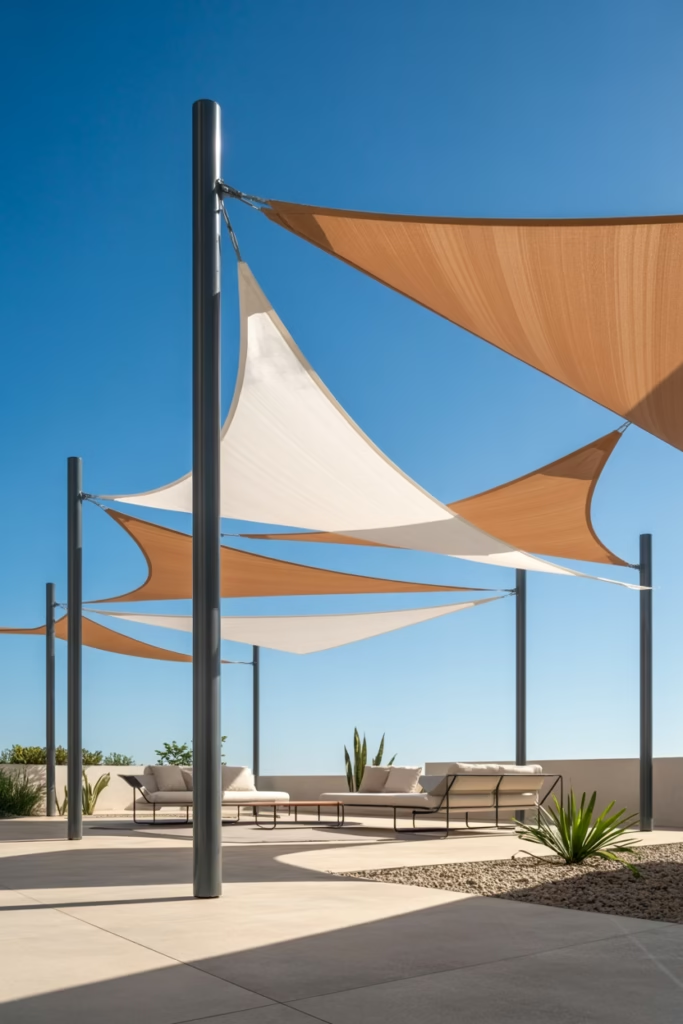
Can’t decide between a pergola and shade sails? Combine them. A hybrid design uses pergola posts and beams as anchor points for fabric shade sails, giving you the structure of a pergola with the flexible shade coverage of sails.
This approach is brilliant for creating interesting geometric patterns overhead. You can layer multiple sails at different heights and angles, creating dynamic visual interest while providing excellent sun protection.
I helped design one of these for a friend’s pool area, and the result was stunning. The angular fabric panels created these beautiful shadow patterns on the deck throughout the day, and the overall look was contemporary and unique.
The fabric sails are removable, too, which means you can take them down during winter or switch colors seasonally if you’re feeling adventurous. It’s like having a wardrobe for your patio.
Privacy Screen Pergola
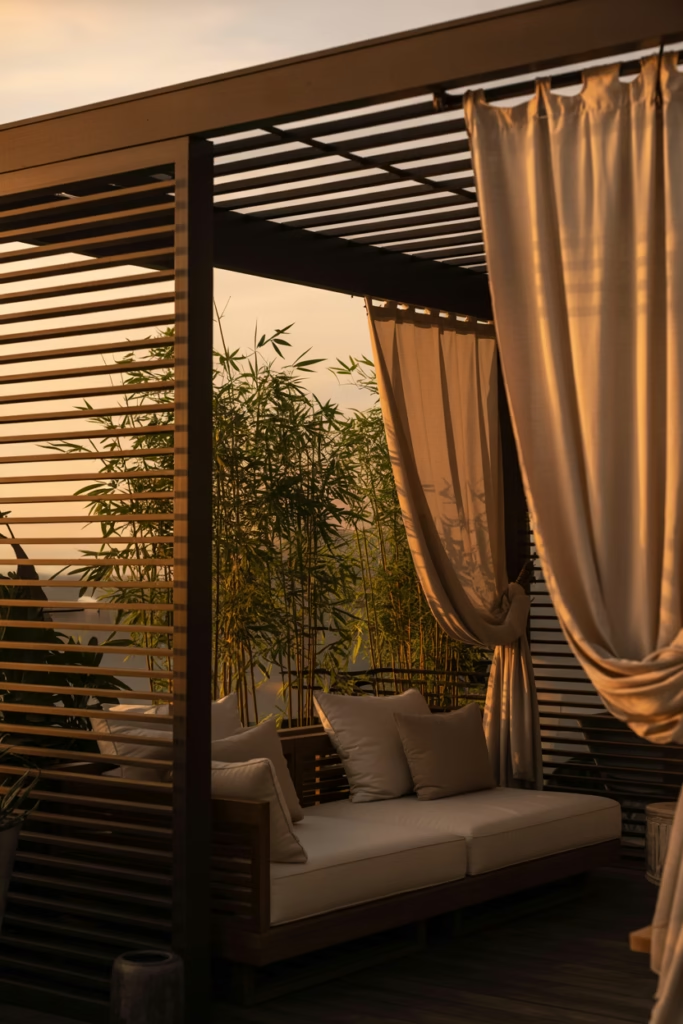
Sometimes you need more than just overhead coverage—you need some visual separation from neighbors or nearby streets. Adding privacy screens to your pergola transforms it into a true outdoor sanctuary.
You can use lattice panels, outdoor curtains, bamboo screens, or even living walls made from plants. The pergola structure provides perfect attachment points, and suddenly your exposed patio becomes a private retreat.
I installed outdoor curtains on mine, and the difference is remarkable. I can close them for complete privacy during gatherings or leave them open when I want more airflow and views. The flexibility is perfect, and the flowing fabric adds a resort-like feel.
Privacy Screen Options:
- Outdoor curtains: Flexible and adjustable, available in tons of colors
- Lattice panels with vines: Living privacy that looks natural
- Bamboo screens: Budget-friendly and tropical vibe
- Horizontal slat panels: Modern look with adjustable visibility
- Frosted acrylic panels: Weather-resistant and contemporary
Mix and match different screen types on different sides based on your specific privacy needs. You don’t need to enclose everything—strategic screening on one or two sides might be all you need.
Pergola Over Poolside Lounge Area

If you’ve got a pool, positioning a pergola adjacent to it creates the perfect lounging spot that’s both functional and gorgeous. The shade keeps you comfortable between dips, and the structure adds architectural interest to your pool area.
I’ve spent countless summer days under my poolside pergola, and it’s the most-used structure in my entire backyard. It provides a shaded spot for towels, drinks, and relaxation without feeling disconnected from the pool action.
Design consideration: Make sure your pergola is positioned to avoid casting too much shade over the actual pool water. You want the structure near the pool for convenience, but not directly over it where it’ll keep the water cold and block that gorgeous sparkle effect.
Add outdoor speakers, a small refrigerator, and comfortable lounge furniture underneath, and you’ve basically created a private resort in your backyard. Your friends will never want to leave.
Rustic Beam Pergola with Stone Pillars
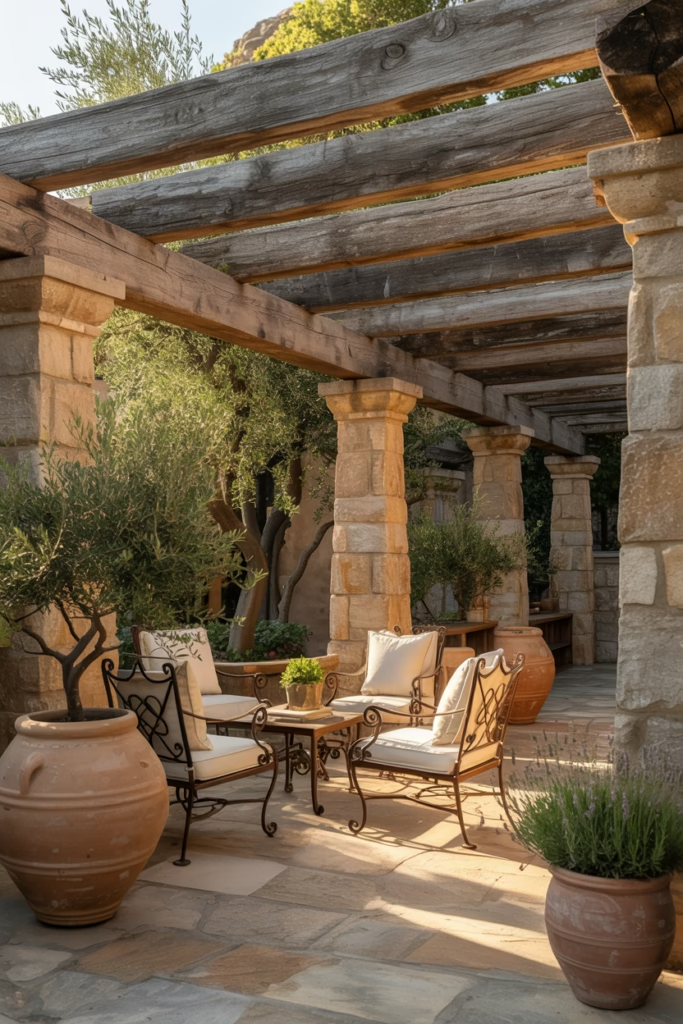
Want serious curb appeal and a structure that feels permanent and substantial? Combine large rustic wooden beams with stone or brick pillars for a pergola that looks like it belongs on an Italian villa.
The contrast between natural stone and weathered wood creates incredible visual texture. This design style works beautifully with Mediterranean, Spanish, or farmhouse architectural styles.
I’ve always loved the weight and permanence this style conveys. These aren’t flimsy structures—they’re solid, substantial, and built to last generations. The stone pillars are incredibly stable and require virtually zero maintenance over time.
The downside? This is not a weekend DIY project. Stone pillar construction requires proper footings, potentially professional installation, and significantly more upfront investment. But if you’re looking for something truly spectacular that’ll add serious value to your property, this is it.
Multi-Level Pergola for Decks and Stepped Patios
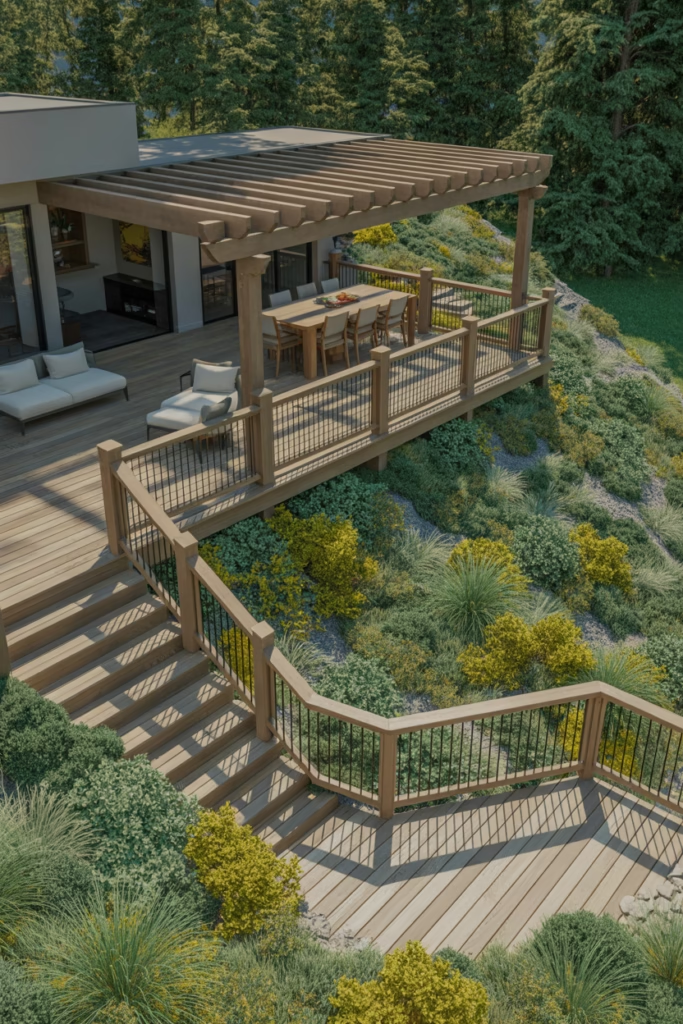
If your outdoor space has multiple levels or you’re working with a sloped yard, consider a multi-level pergola design that follows your terrain. This creates visual continuity across different elevation changes.
I’ve seen this executed brilliantly on hillside properties where the pergola structure cascades down with the landscape. Each level has its own defined purpose—maybe upper level dining, lower level lounging—but the continuous pergola ties everything together.
The stepped design adds architectural drama and makes challenging terrain look intentionally designed rather than problematic. You’re working with your property’s natural features instead of fighting against them.
Pergola with Fire Feature Integration
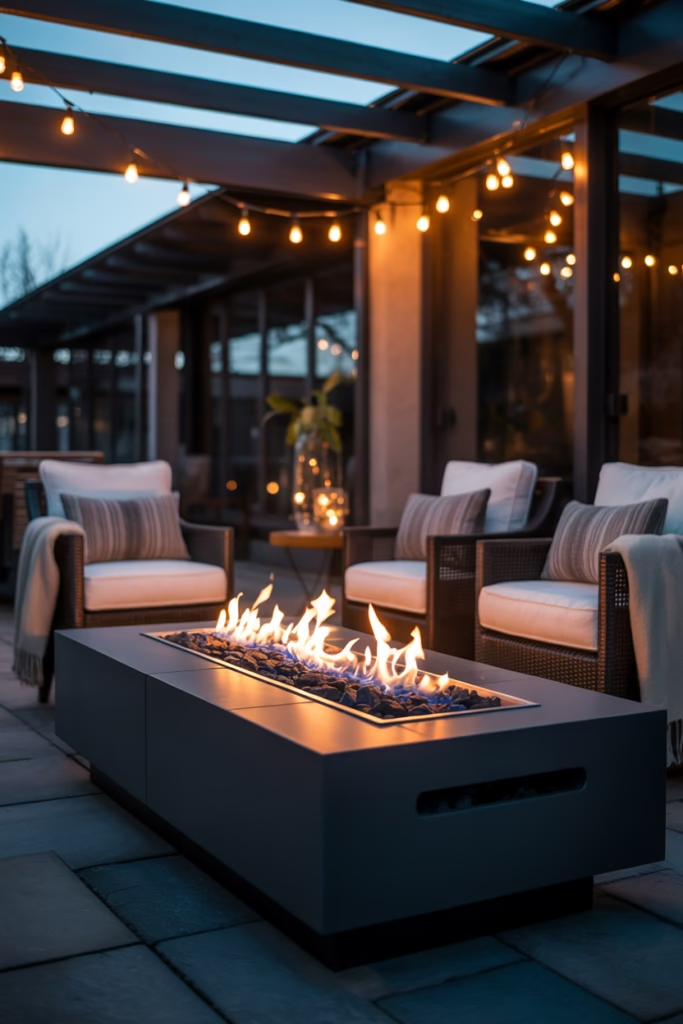
Combining a pergola with a fire pit or outdoor fireplace creates the ultimate year-round outdoor living space. The overhead structure provides definition and light support, while the fire element extends your outdoor season into cooler months.
I installed a gas fire pit table under mine, and it’s completely changed how I use my patio. Spring and fall evenings that would normally be too chilly for outdoor hanging suddenly become prime patio time. The combination of firelight and overhead string lights creates this incredibly cozy atmosphere.
Safety note: Make sure you have adequate clearance between your fire feature and pergola roof. You’ll need at least 7-8 feet of vertical space, and if you’re using wood beams, consider adding a heat shield or keeping the fire feature toward the open edge of the pergola.
The fire becomes a natural gathering point, and the pergola frames the space perfectly. Add some comfortable seating, blankets, and maybe a outdoor rug, and you’ll wonder why you ever spent evenings indoors.
Final Thoughts
transforming your patio with a pergola is one of those home improvements you’ll actually use and appreciate every single day. Whether you go full luxury with a louvered roof system or keep it simple with a classic wooden design and climbing vines, you’re creating an outdoor space that feels finished and intentional.
The beauty of pergolas is their versatility they work with virtually any design style, budget level, and space constraint. Start with the basics, add your personal touches, and don’t be afraid to get creative with lighting, plants, and additional features. Your backyard has serious potential, and a stunning pergola might just be the missing piece that brings it all together.