
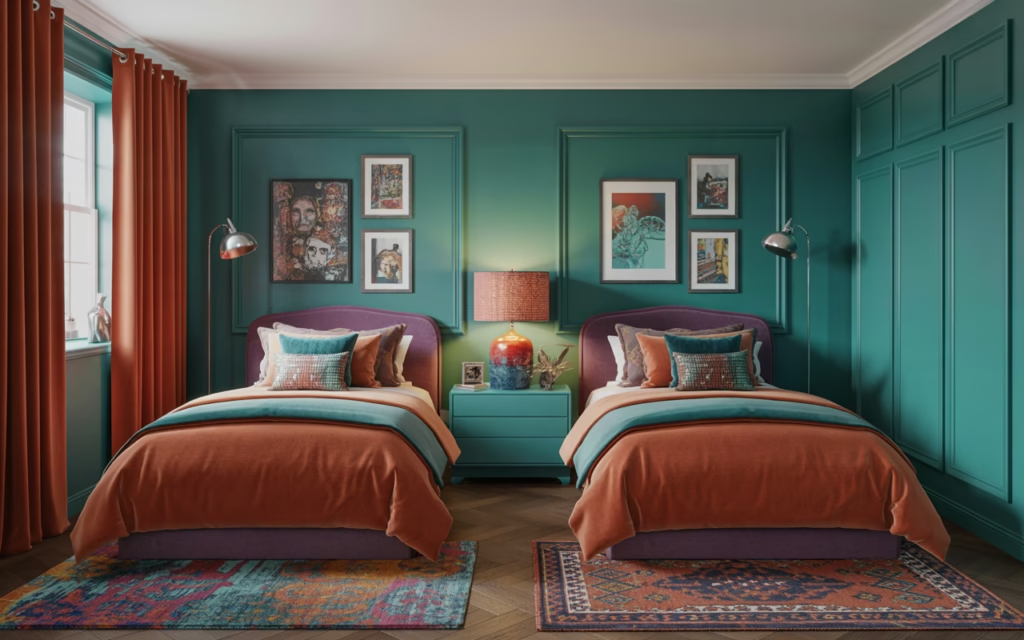
So, you’ve got two kids sharing a room or maybe you’re setting up a guest room that needs to sleep two, and you’re staring at a blank wall, wondering where on earth to start. Been there. Twin bedrooms can feel like a design puzzle with too many pieces and not enough table space. But here’s the thing: a shared bedroom doesn’t have to feel like a compromise. Done right, it can actually be the most stylish room in your house.
Whether you’re working with a tiny 10×10 box or a generous loft-style space, these 15 twin bedroom ideas will give you real inspiration not the kind that exists only in Pinterest fantasies. Let’s get into it.
1. Go Symmetrical With Matching Beds
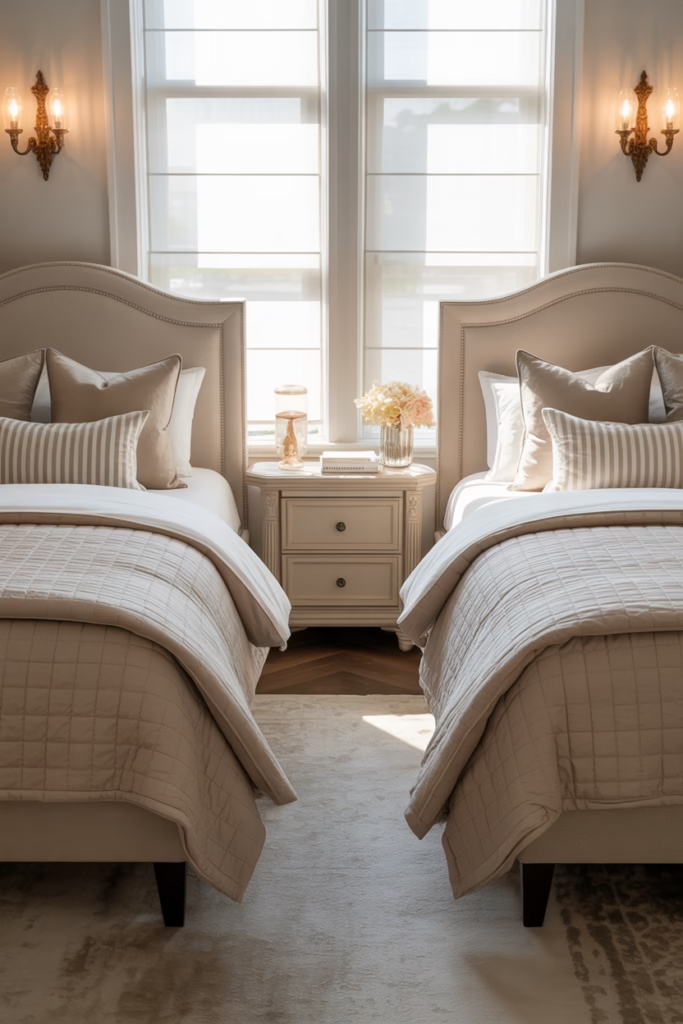
There’s a reason interior designers keep coming back to symmetry — it just works. Place two identical beds on opposite walls or side by side with a shared nightstand in the middle. This approach instantly creates a sense of order, which is especially helpful in a room shared by two kids who each want to feel like they own their half.
Why it works: Matching beds make the room feel intentional and cohesive, not like a furniture store clearance sale. You don’t need expensive pieces either — even simple platform beds in white or natural wood pull this look together beautifully.
Pair them with matching bedding in complementary colors and you’ve already done 80% of the design work.
2. Try a Bunk Bed Setup (Classic for a Reason)
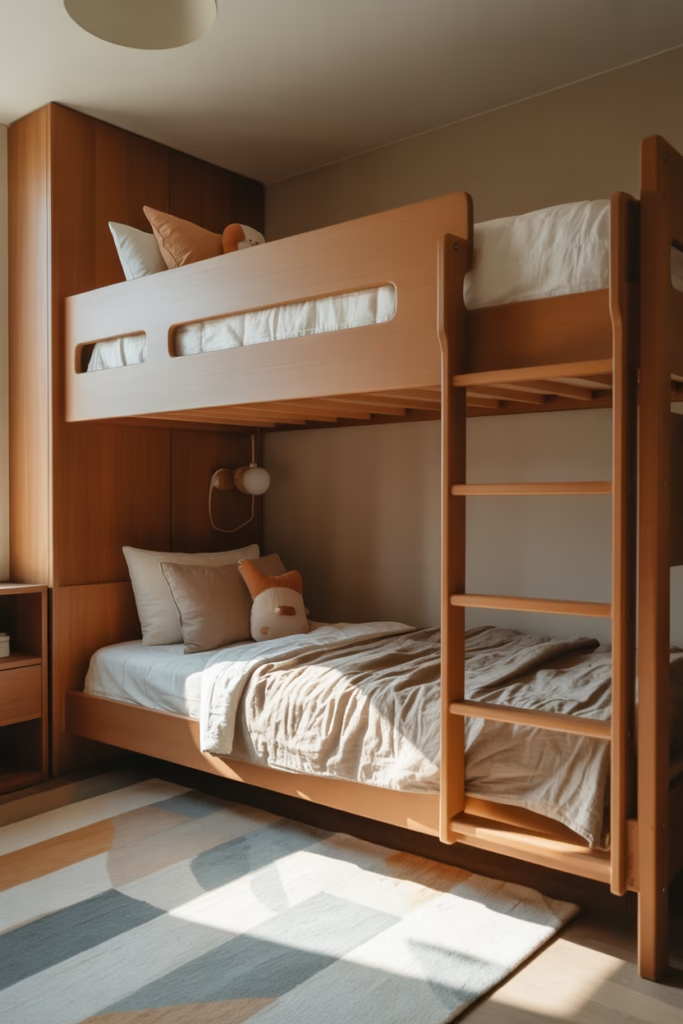
Okay, bunk beds get a bad rap sometimes — but honestly? They’re a genius solution for small rooms. A good-quality bunk bed frees up floor space like nothing else, giving kids room to play, study, or just exist without tripping over furniture.
Modern bunk bed designs have come a long way from the wobbly metal frames of the 90s. Today you’ll find:
- L-shaped bunks that maximize corner space
- Loft-style bunks with a desk or storage underneath
- Triple bunks for three siblings (yes, that’s a thing)
- Full-over-full bunks for older kids or guest rooms
IMO, the loft bunk with a built-in desk underneath is the absolute MVP for kids who need a study space. Two birds, one bunk.
3. Create Individual “Zones” With Color
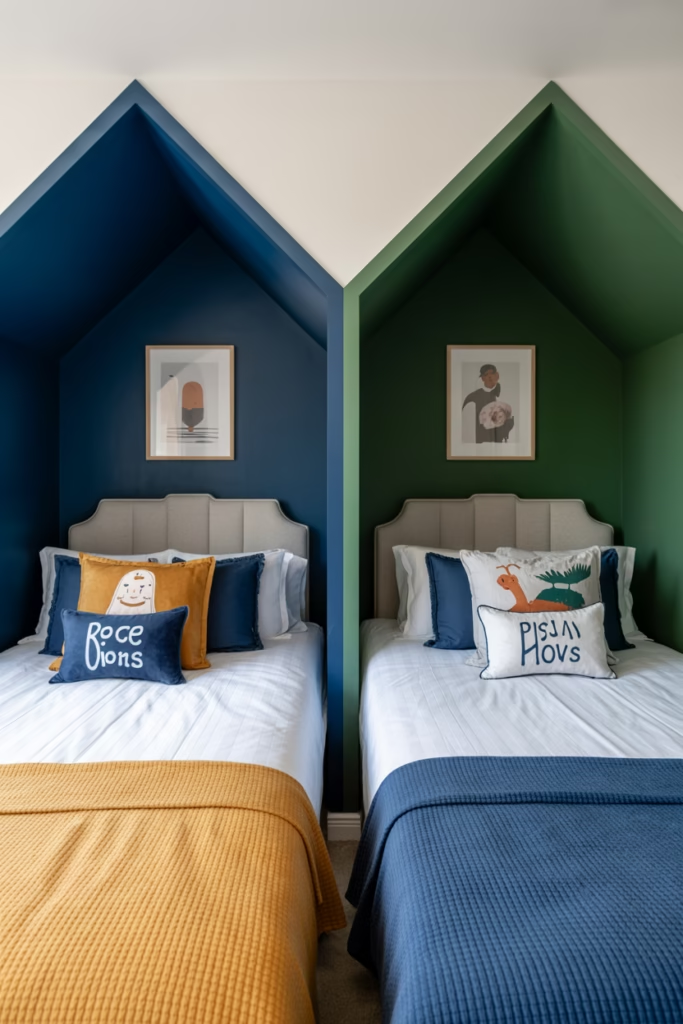
Here’s a fun idea: give each child their own color story within the same room. You don’t have to paint the entire room two different colors (though that can work with a bold dividing line). Instead, use bedding, rugs, wall art, and throw pillows to carve out distinct zones.
Think of it like this: One side has navy blue accents, the other has forest green. They feel personal without clashing. It teaches kids that sharing a space doesn’t mean losing your identity — which, honestly, is a solid life lesson wrapped in interior design.
This approach also makes redecorating super easy as kids’ tastes change. Just swap out the accent pieces.
4. Use Built-In Storage to Reclaim Floor Space
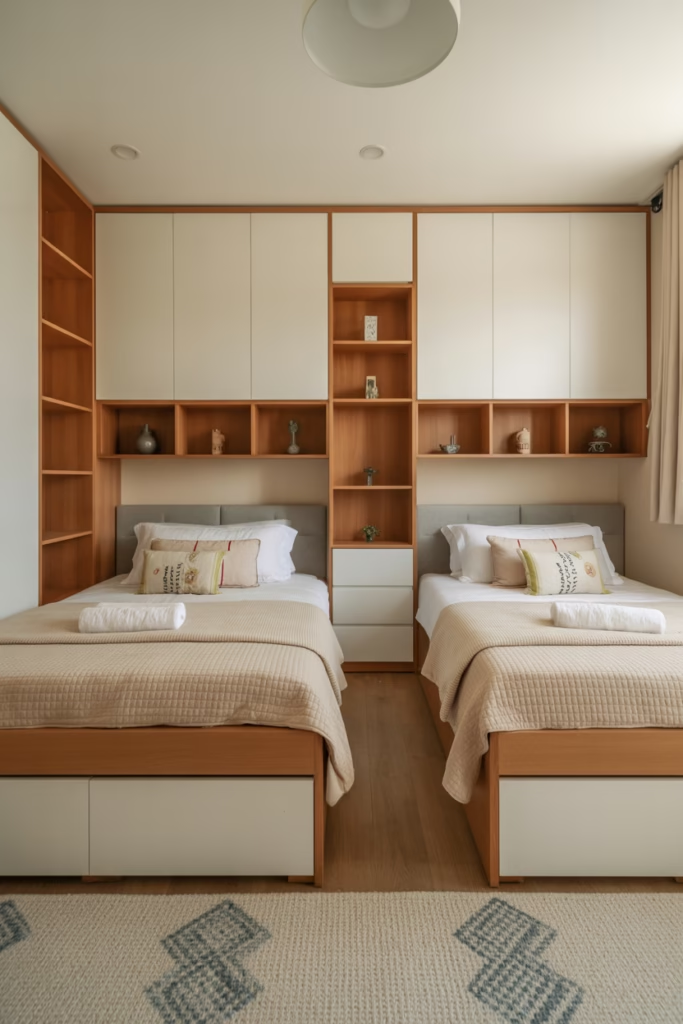
Twin bedrooms eat up floor space fast. Two beds, two dressers, two desks — suddenly your “bedroom” looks like a storage unit. The fix? Go vertical with built-in storage.
Built-in shelving around the bed frames, under-bed drawers, and wall-mounted cubbies keep everything tidy without sacrificing precious square footage. If a full built-in renovation isn’t in the budget, IKEA’s Kallax units do a surprisingly solid job of mimicking that custom look.
The goal is to make the room feel open and breathable, not cramped and chaotic.
5. Play With Canopy Beds for a Dreamy Vibe
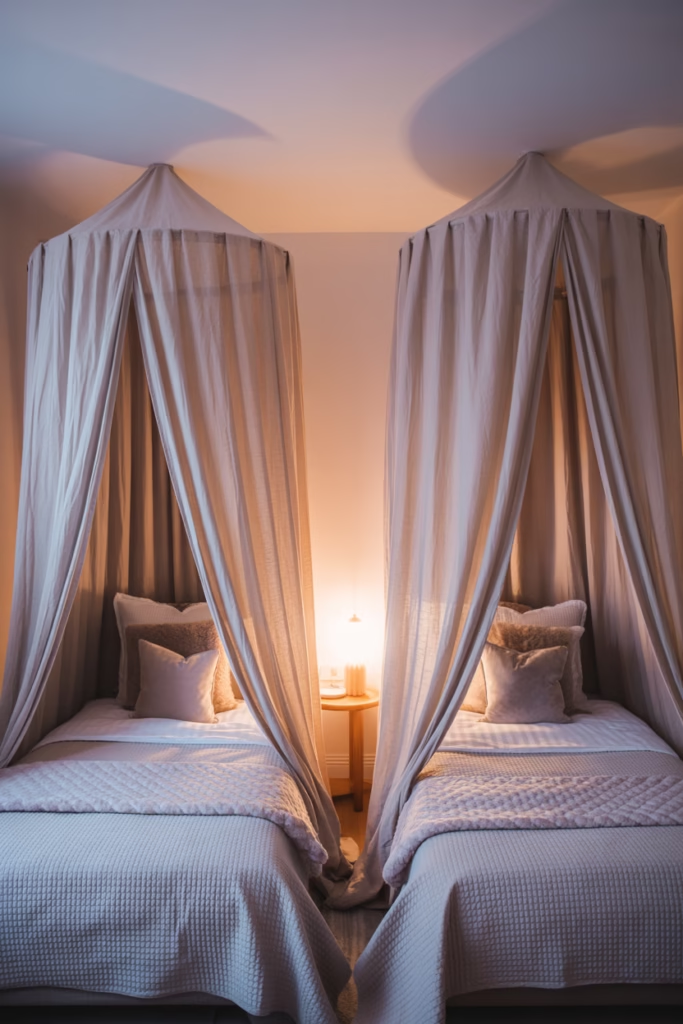
Want to make a twin bedroom feel absolutely magical? Add canopy beds. Even a simple sheer canopy draped over a basic bed frame transforms the whole vibe of the room. It gives each child their own cozy, enclosed little world — which kids love.
You can go full princess-fantasy with flowing white curtains, or keep it minimalist with a simple wooden frame and neutral linen. Either way, the effect is stunning in photos and even better in person.
Pro tip: Canopy beds also work brilliantly as a visual divider in a shared room without putting up an actual wall.
6. Opt for a Nautical Theme
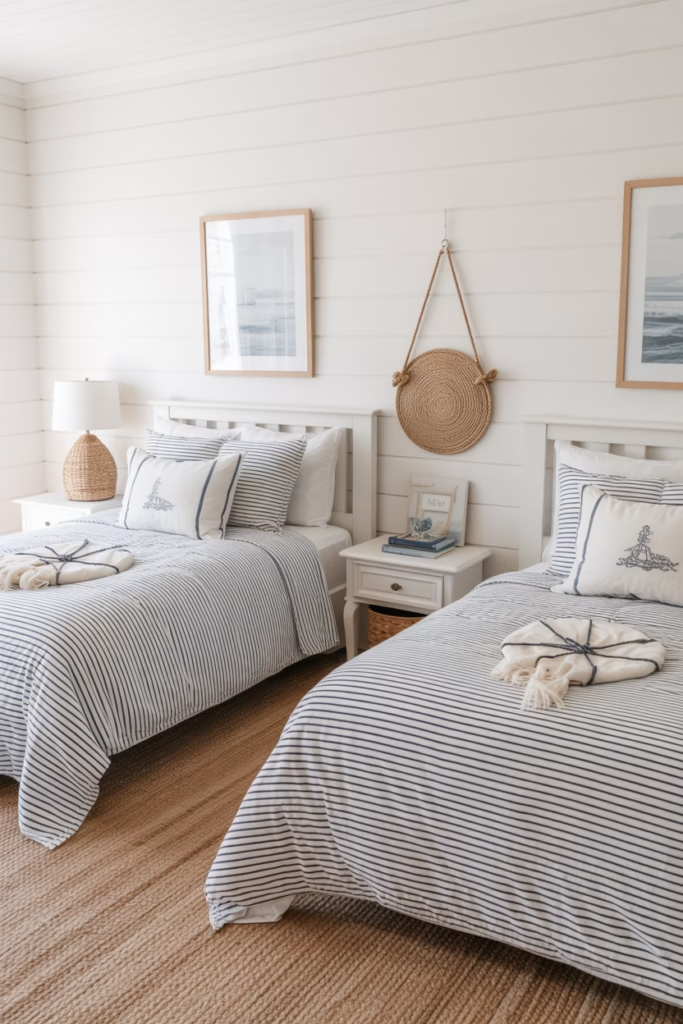
Nautical themes are evergreen — they work for boys, girls, toddlers, tweens, and even adult guest rooms. Navy, white, and sandy beige create a fresh, clean palette that’s easy to execute and easy to live with.
Here’s a quick nautical twin bedroom checklist:
- Striped bedding in navy and white
- Rope accents or wooden details
- Vintage maps or framed coastal art
- Woven jute rugs
- Ship-wheel or anchor decorative accents
The beauty of this theme is how scalable it is. You can go all-in with a full mural of the ocean, or keep it subtle with just the bedding and a couple of art prints. Either way, it reads cohesive and intentional.
7. Embrace the Minimalist Scandinavian Look
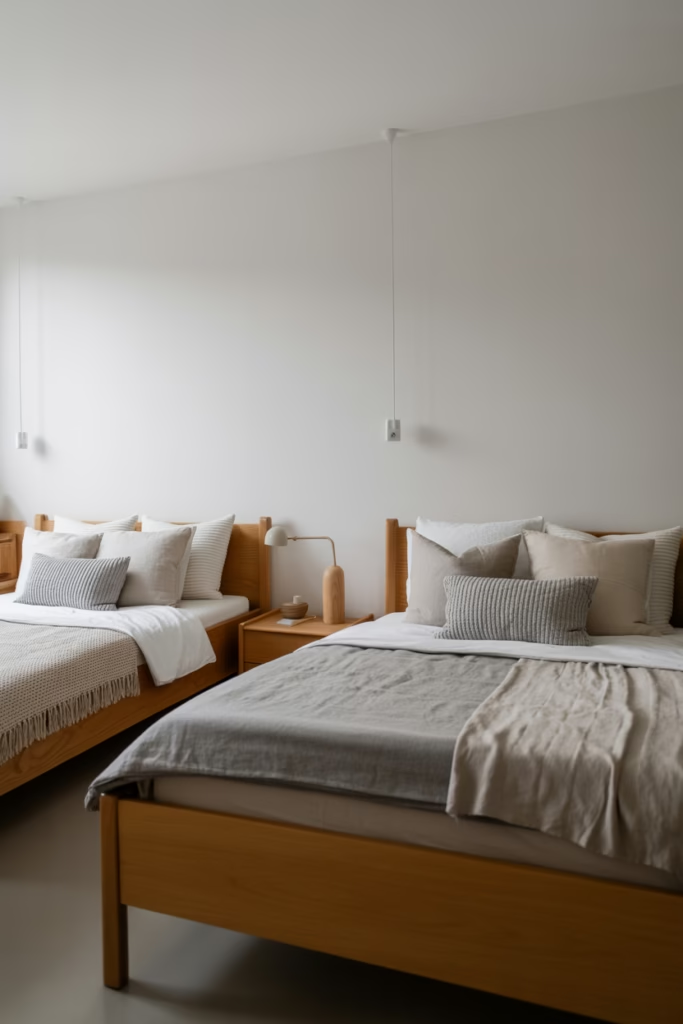
Ever walked into a room that just felt calm? That’s the Scandinavian design philosophy doing its job. Clean lines, neutral tones, natural wood, and zero visual clutter — it’s the antidote to chaotic shared bedrooms.
For a twin setup, this means:
- Low-profile wooden bed frames in natural or white-washed finishes
- White or light grey walls (keep it simple)
- Soft textiles — think chunky knit blankets and linen pillowcases
- Minimal decor — a plant, a simple lamp, done
This style ages really well too. A 6-year-old and a 16-year-old can both live comfortably in a Scandi-style room without it feeling babyish or too grown-up. That’s a rare win.
8. Go Bold With a Maximalist Approach
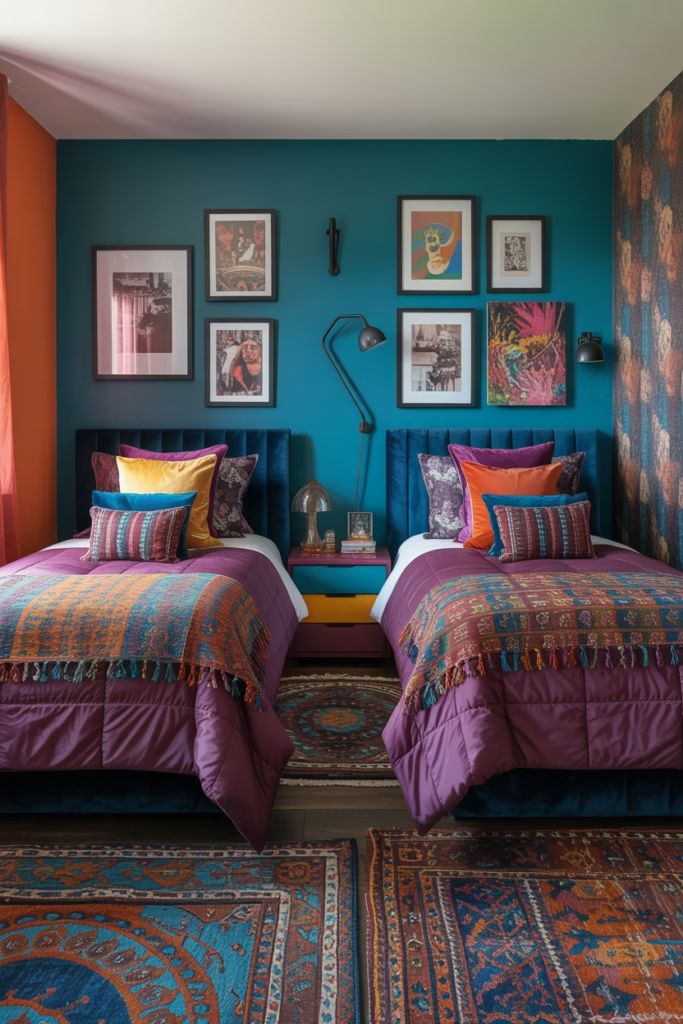
Okay, hear me out before you scroll past. Maximalism — when done thoughtfully — can work brilliantly in a kids’ shared bedroom. The key word is “thoughtfully.” This isn’t about cramming every trend into one room. It’s about layering bold patterns, rich colors, and interesting textures in a way that feels curated, not chaotic.
Think jewel tones: deep teal, burnt orange, rich plum. Mix geometric patterns with florals (yes, really). Add a gallery wall with eclectic frames. Layer multiple rugs. The result is a room that feels alive and full of personality.
The trick: Keep the furniture itself simple and neutral so the decor can shine without the whole room imploding visually.
9. Add a Reading Nook for Each Child
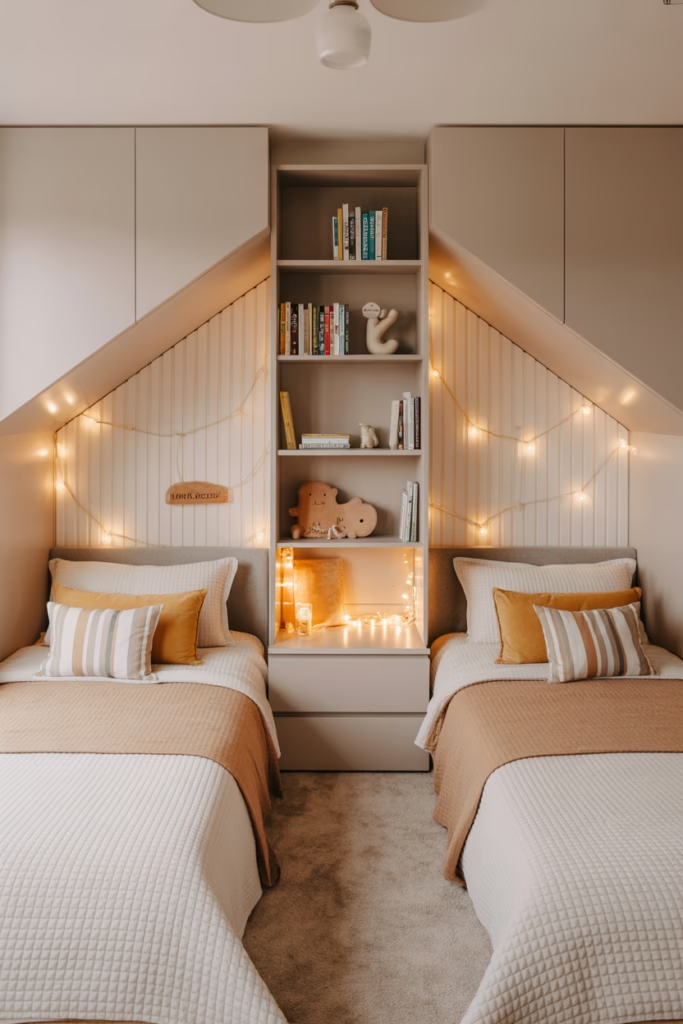
Nothing makes a kid feel more special than having their own little corner of the world. A dedicated reading nook — even a tiny one — gives each child a sense of ownership over their space within the shared room.
You can build these into window alcoves, under loft beds, or even in a corner with a simple tent frame and some fairy lights. Add a bean bag, a small bookshelf, and a good reading light, and you’ve created something truly special.
Bonus: Reading nooks double as quiet zones when siblings need a break from each other. And trust me, they will need that. 🙂
10. Use a Room Divider for Privacy
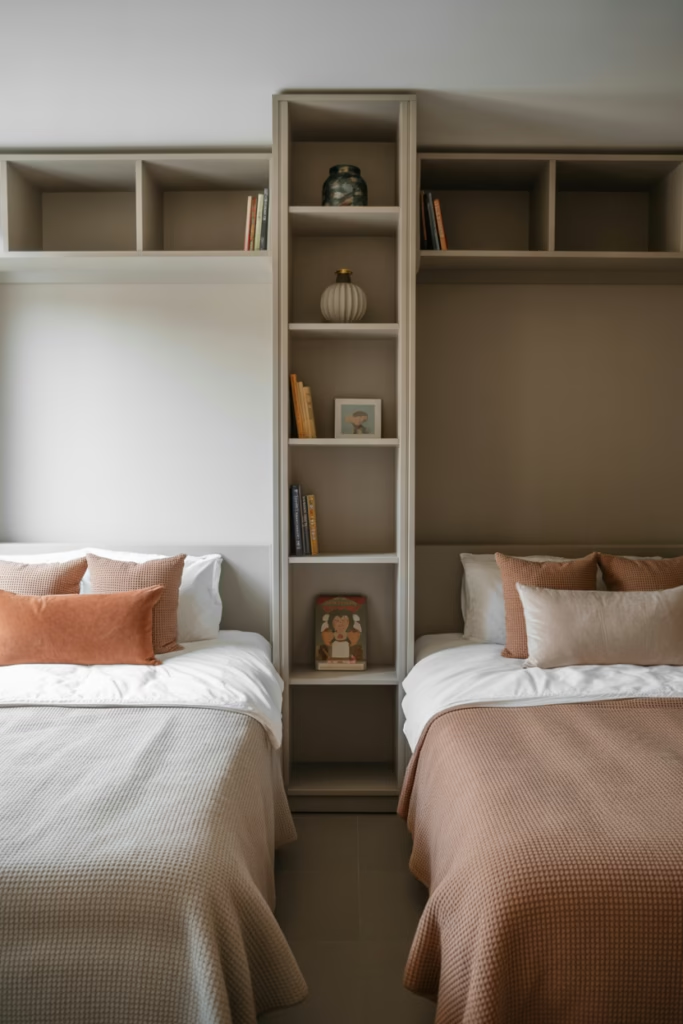
As kids get older, privacy becomes a bigger deal. A shared room that worked perfectly at ages 5 and 7 might feel cramped and frustrating at ages 12 and 14. A room divider is one of the smartest investments you can make in a shared bedroom.
Options range from:
- Bookshelf dividers (functional AND decorative)
- Curtain panels hung from ceiling tracks
- Sliding barn doors for a more permanent solution
- Folding screens for flexibility
Curtain panels are especially popular because they’re cheap, easy to install, and can be pulled back during the day to keep the room open and airy.
11. Try the L-Shaped Bed Layout
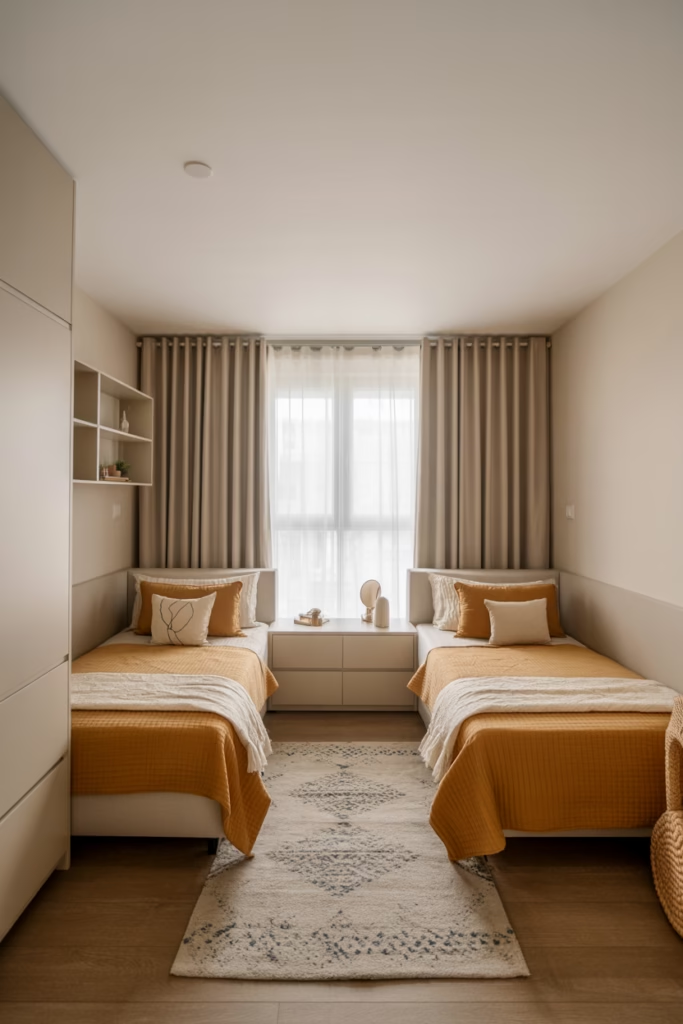
Instead of placing both beds on the same wall or across from each other, try an L-shaped layout. One bed goes against one wall, the other perpendicular to it. This creates a natural division of space while keeping the room feeling open.
It also tends to work better in oddly shaped rooms — and let’s be honest, not every bedroom is a perfect rectangle. The L-layout gives you flexibility to work with awkward corners, windows, and doors without fighting the architecture.
12. Go Monochromatic for a Sophisticated Look

A monochromatic color scheme — where everything stays within the same color family — is one of the easiest ways to make a room look expensive without spending a fortune. Choose one color (say, dusty blue or warm terracotta) and use it in varying shades and textures throughout the room.
What changes: The shade, the texture, the material — not the color.
This works especially well in guest rooms or teenage bedrooms where you want the space to feel grown-up and intentional. It also photographs beautifully, FYI, if you’re planning to share the room on Pinterest or Instagram.
13. Add a Shared Study Area
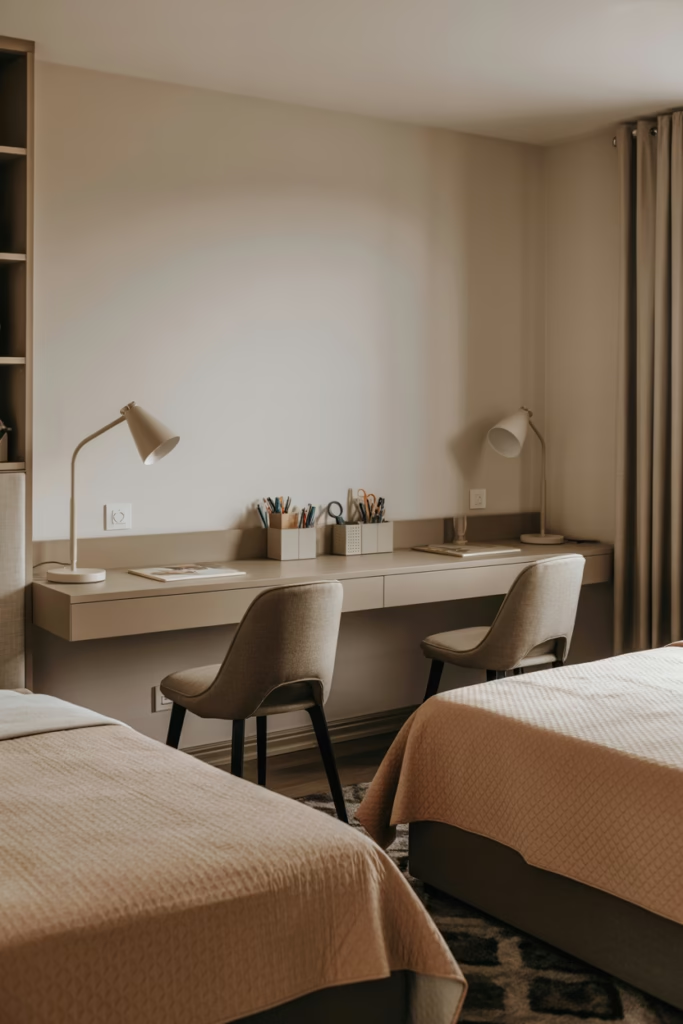
Two kids, one room — they both need to do homework somewhere. Instead of crowding the room with two separate desks, install a long floating desk along one wall that both kids can use simultaneously. Add individual task lamps, pencil cups, and a pinboard above each “station” to give each child their own work zone within the shared surface.
This setup saves floor space and also encourages a shared sense of responsibility for keeping the workspace tidy. (Whether that actually happens is another story entirely :/.)
14. Lean Into a Nature or Botanical Theme
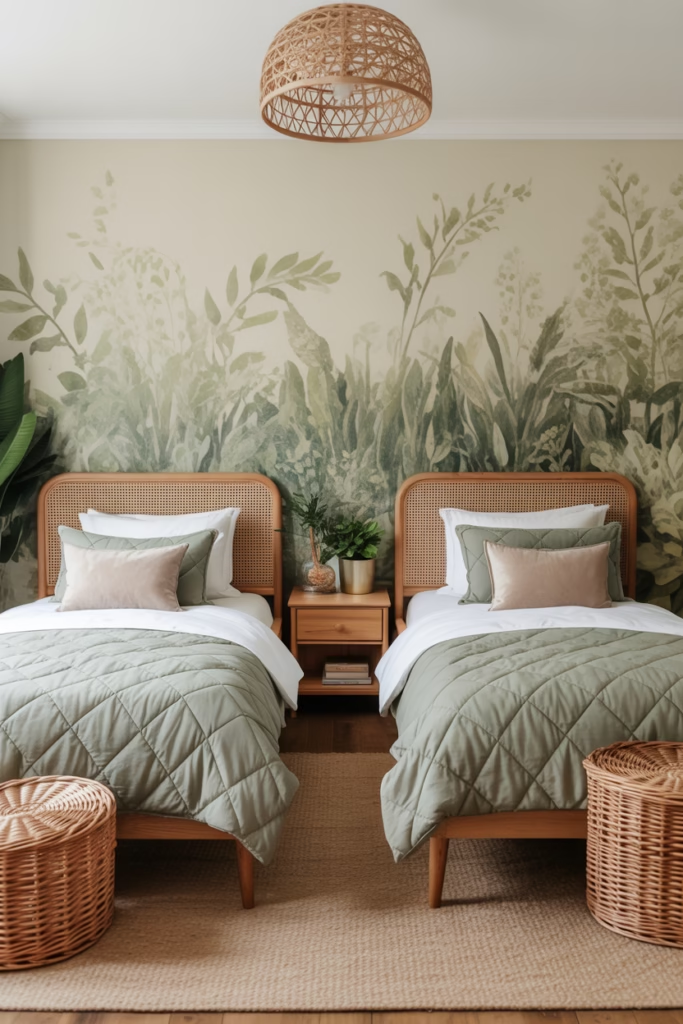
Nature-inspired bedrooms are having a serious moment, and for good reason — they’re calming, timeless, and easy to execute at any budget. Think leafy green wallpaper, wooden furniture, botanical prints, and woven natural textures.
For a twin bedroom, this theme creates a serene, unified look without feeling overly “themed.” It doesn’t scream “kids’ room” — it just feels like a beautifully designed space that happens to fit two beds.
Layer in:
- Rattan or wicker accents (baskets, lampshades, headboards)
- Potted plants — real or high-quality faux
- Earthy tones like terracotta, sage green, and warm beige
- Botanical art prints in simple frames
15. Make the Ceiling the Star
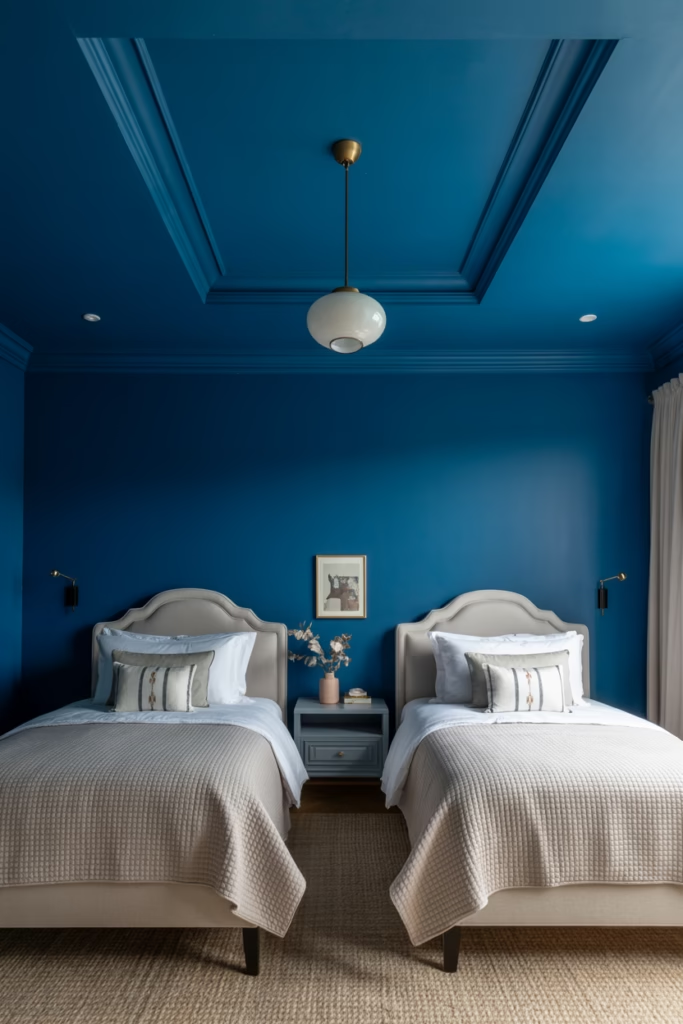
Most people treat the ceiling like an afterthought. Big mistake. In a twin bedroom where floor and wall space are both occupied by beds and furniture, the ceiling becomes prime real estate for design impact.
Some ideas that genuinely transform a room:
- A bold ceiling color — navy, forest green, or even black for a dramatic effect
- Wallpaper on the ceiling — yes, it works and it looks incredible
- Wooden beam accents for a rustic or Scandi feel
- Fairy lights strung overhead for a cozy, magical ambiance
- A statement ceiling fan that doubles as a light fixture
Ever looked up in a room and thought “wow, I didn’t expect that”? That’s exactly the reaction you’re going for.
Final Thoughts
Twin bedrooms are genuinely one of the most fun design challenges out there you just have to go in with a game plan. Whether you’re working with a tight budget and a small room or you’ve got space and resources to play with, there’s a concept here that fits.
The biggest takeaway? Give each person in that room their own sense of identity and space, even within a shared environment. That’s what separates a good twin bedroom from a great one.