
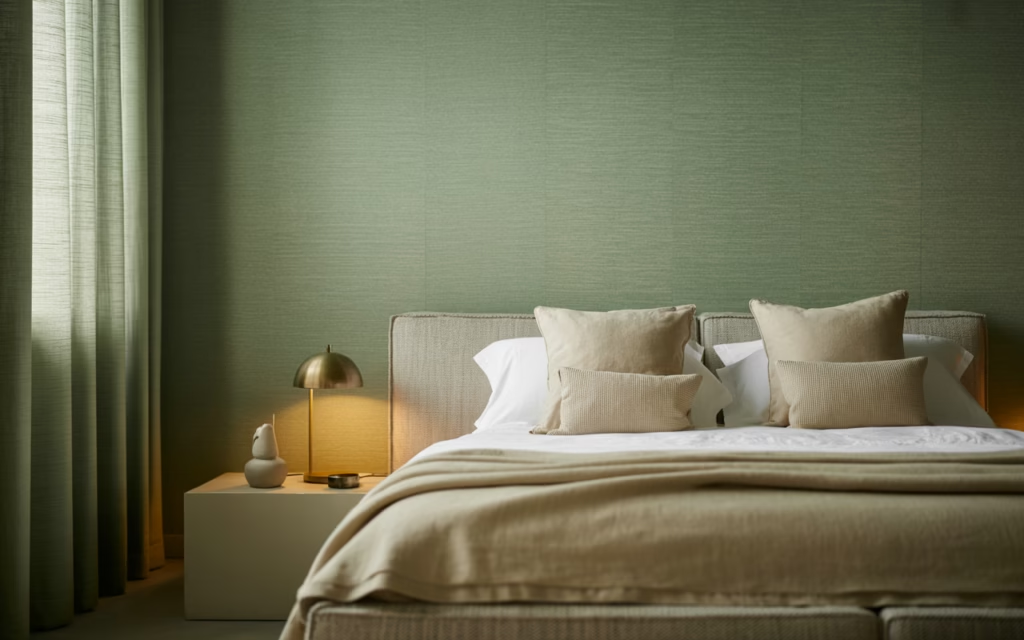
Sage green feels like that one friend who shows up looking effortlessly put together while the rest of us still wear yesterday’s hoodie. It looks calm, it looks stylish, and it somehow makes a bedroom feel more “intentional” even if you still stash laundry in a corner chair. Have you noticed how it works with almost everything wood, white, black accents, even warmer tones like terracotta, without throwing a tantrum?
I started loving sage green after I realized bright colors kept me feeling wired at night. I wanted my bedroom to tell my brain, “Okay, we chill now,” and sage did exactly that. So if you want a space that feels cozy, modern, and a little designer-approved without trying too hard, you’re in the right place.
Why Sage Green Actually Works in Bedrooms
Before we jump into the fun stuff, let’s talk about why sage green is such a bedroom power player. This isn’t just another trendy color that’ll look dated in six months, it’s got staying power.
First off, sage green is incredibly versatile. It plays nice with warm woods, crisp whites, moody blacks, and even blush pinks. Try doing that with a bold turquoise (yeah, good luck). The color sits somewhere between gray and green, which means it reads as a neutral but with way more personality.
Plus, studies show that green tones actually help reduce stress and promote better sleep. FYI, this isn’t just marketing nonsense—there’s real science backing this up. Your bedroom should be your chill zone, and sage green delivers on that promise without even trying.
All-Over Sage Green Walls
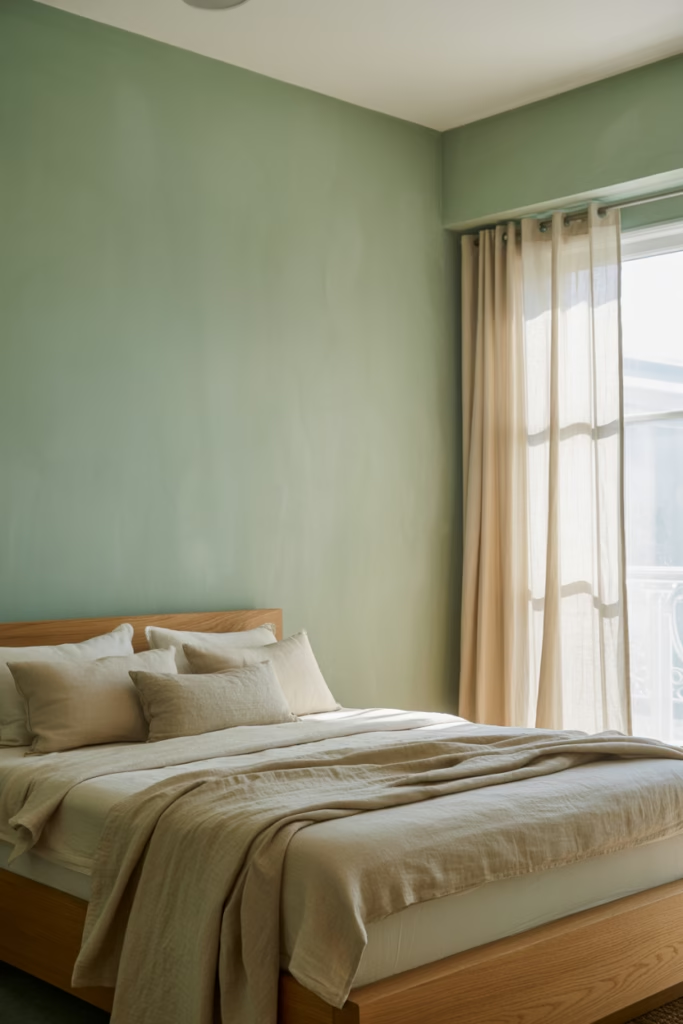
Let’s start with the classic move: painting all four walls in sage green. I know what you’re thinking—won’t that feel overwhelming? Nope, not if you do it right.
The trick here is choosing the right shade. You want something soft and muted, not bright or neon (please, for the love of good taste, avoid anything that screams “lime”). I’m talking about those dusty, grayish-green tones that change beautifully throughout the day as natural light shifts.
Key tips for pulling this off:
- Use a matte or eggshell finish to keep things sophisticated
- Balance it with white trim and ceiling to prevent the room from feeling closed-in
- Add texture through bedding and curtains to create visual interest
- Layer in wood tones to warm up the space
I painted my bedroom walls in a soft sage last year, and honestly? Best decision ever. It feels like being wrapped in a calm, cozy hug every single night.
Sage Green Accent Wall
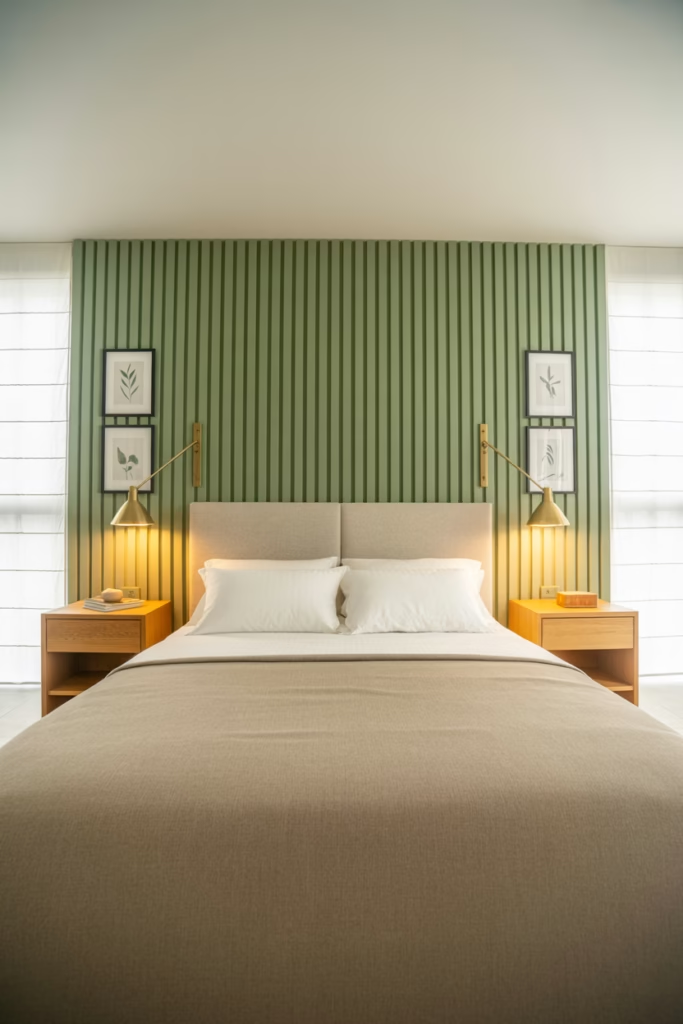
Not ready to commit to four walls of color? Fair enough. An accent wall is your best friend here, and it’s way less intimidating than a full room makeover.
Pick the wall behind your bed—it’s the natural focal point and creates this gorgeous backdrop for your headboard. You can go bold with a darker sage or keep it subtle with a lighter tone. Either way, you’re adding instant depth without overwhelming the space.
Want to take it up a notch? Try adding board-and-batten or shiplap to your accent wall before painting. The texture creates shadows and dimension that make the color even more dynamic. Trust me, it’s worth the extra effort.
Sage Green Bedding Layers
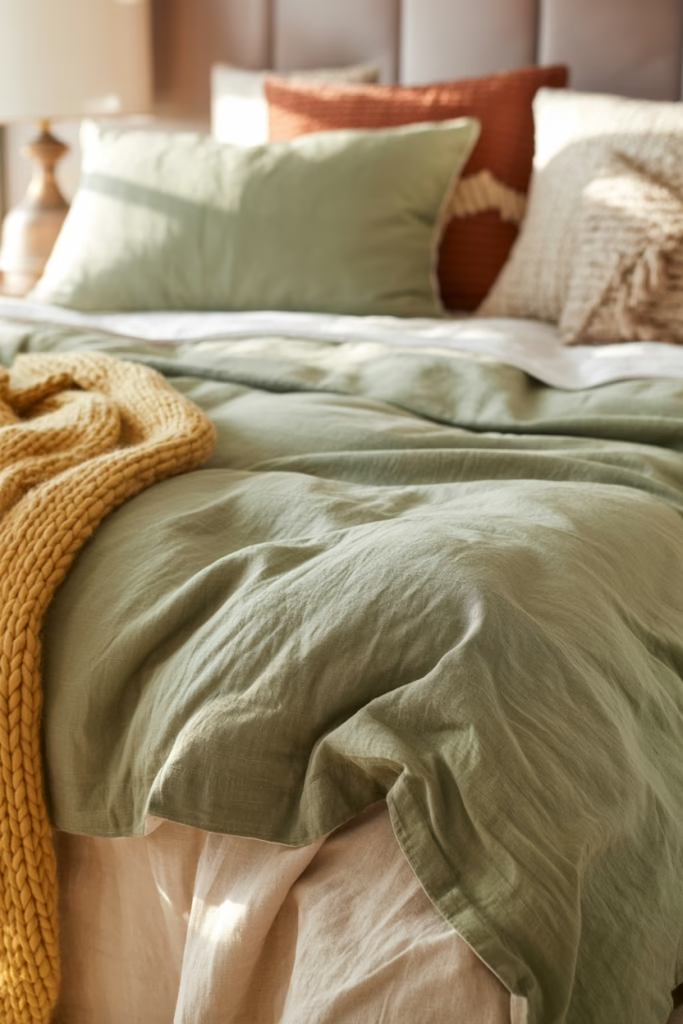
If painting isn’t your thing (maybe you’re renting, or maybe you just hate commitment—no shade), bedding is your gateway into the sage green world.
Start with a sage green duvet or comforter as your base. Then layer it up with textured throws, patterned pillows, and maybe a chunky knit blanket. The beauty of going this route is that you can switch things up seasonally without repainting anything.
Layering combinations that actually work:
- Sage green duvet + cream sheets + terracotta throw pillows
- White duvet + sage green euro shams + natural linen throw
- Sage green quilt + white sheets + mixed pattern pillows in complementary colors
I’ve tried the all-sage bedding look, and honestly? It can feel a bit flat. Mixing in other textures and subtle color variations creates way more visual interest. IMO, variety is what makes a bed look expensive and curated instead of just… matchy-matchy.
Sage Green Velvet Headboard
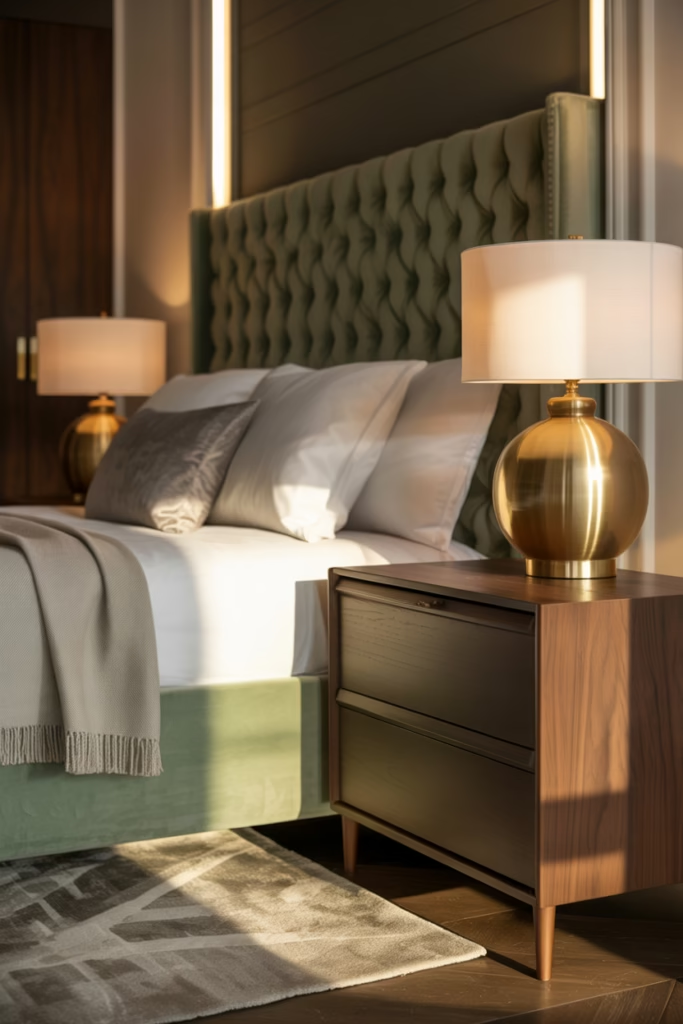
Okay, this one’s a game-changer. A sage green velvet headboard instantly elevates your entire bedroom situation. The texture of velvet catches light in this gorgeous way that makes the color shift from soft green to almost gray depending on the angle.
You can find these at pretty much any price point now—from budget-friendly options at Target to splurge-worthy pieces from West Elm. Or if you’re feeling crafty, DIY versions are totally doable with some plywood, foam, and velvet fabric.
The best part? A velvet headboard in sage green works with multiple design styles. Pair it with brass accents for a glam look, or keep it minimal with white bedding and natural wood for that modern Scandinavian vibe.
Sage Green and Terracotta Combo
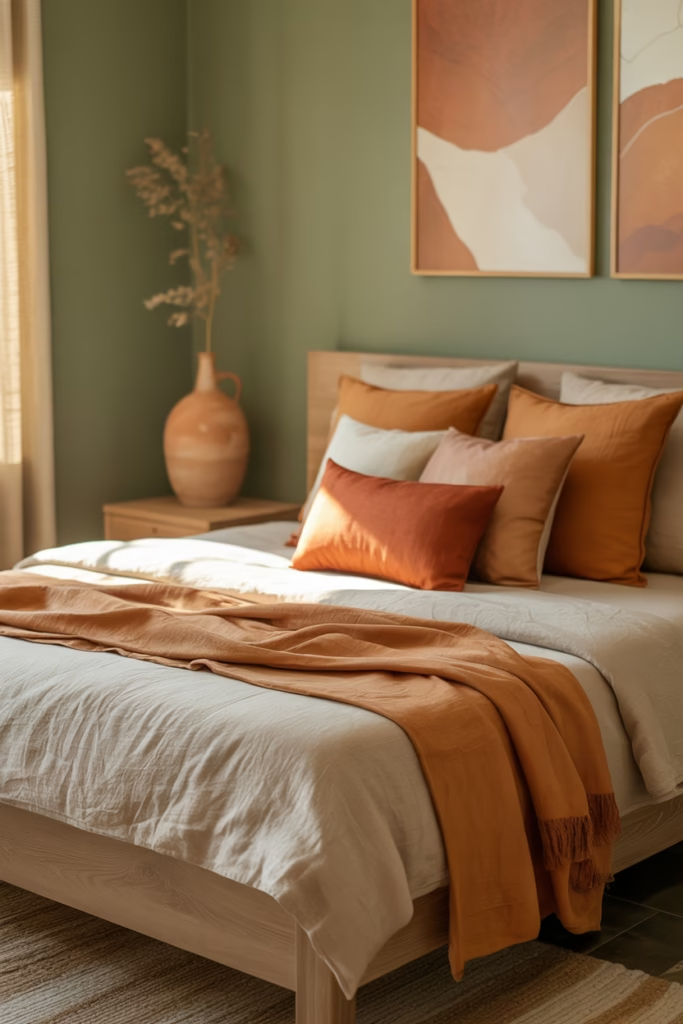
Ever wondered why certain color combinations just work? Sage green and terracotta is one of those magical pairings that feels both earthy and sophisticated at the same time.
Bring in terracotta through throw pillows, a ceramic vase, or even a rust-colored area rug. The warm orange tones balance out the cool green perfectly, creating this cozy, lived-in feel that still looks intentional and designed.
I added terracotta accents to my sage green bedroom, and the transformation was immediate. The space went from feeling cool and potentially sterile to warm and inviting. It’s all about that temperature balance—cool walls, warm accents.
Botanical Prints and Sage Walls
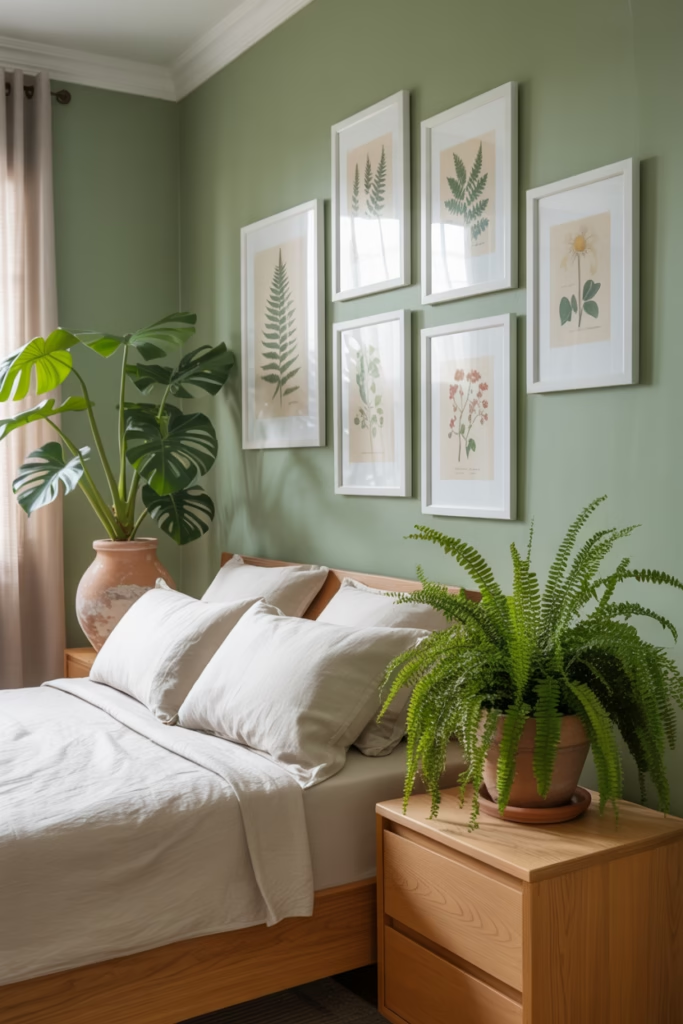
Here’s where things get fun. Sage green walls paired with botanical prints creates this indoor garden vibe that’s both trendy and timeless. Think framed fern prints, palm leaf illustrations, or even vintage botanical drawings.
The monochromatic green palette (different shades of green throughout) creates visual cohesion while the varied tones keep things interesting. Plus, it taps into that whole biophilic design trend—bringing nature indoors to improve wellbeing and all that good stuff.
Ways to incorporate botanical elements:
- Gallery wall of framed botanical prints
- Large-scale palm leaf wallpaper on one wall
- Real plants in terracotta pots (bonus points for air-purifying varieties)
- Botanical-patterned throw pillows or curtains
Just don’t go overboard and turn your bedroom into a literal jungle. We’re aiming for sophisticated nature-inspired, not “I forgot to prune my houseplants for three years.”
Sage Green Painted Furniture
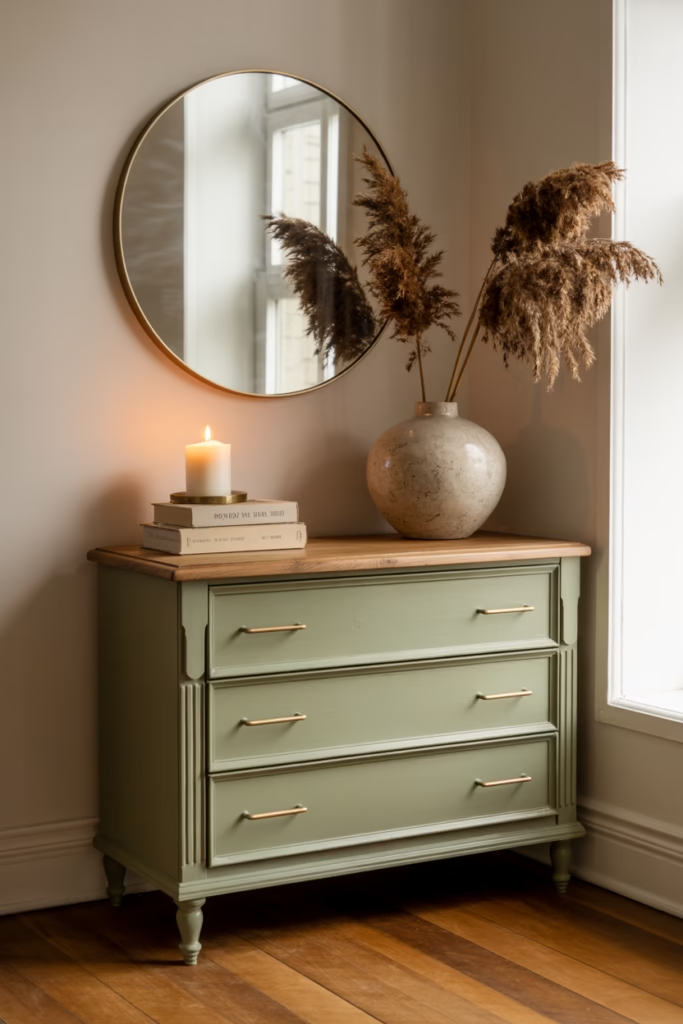
Want to dip your toe into sage green without major commitment? Painted furniture is your answer. An old dresser, nightstand, or even a dated wooden headboard can get new life with a coat of sage green paint.
I refinished a thrifted nightstand in sage green, and it became the conversation piece in my bedroom. The best part about painted furniture is that you can always repaint it if you change your mind (unlike, you know, permanent tattoos or bad haircuts).
Use chalk paint for that modern farmhouse look, or go with high-gloss paint for something more contemporary and bold. Either way, sage green furniture adds color without overwhelming the space the way painted walls might.
Minimalist Sage and White
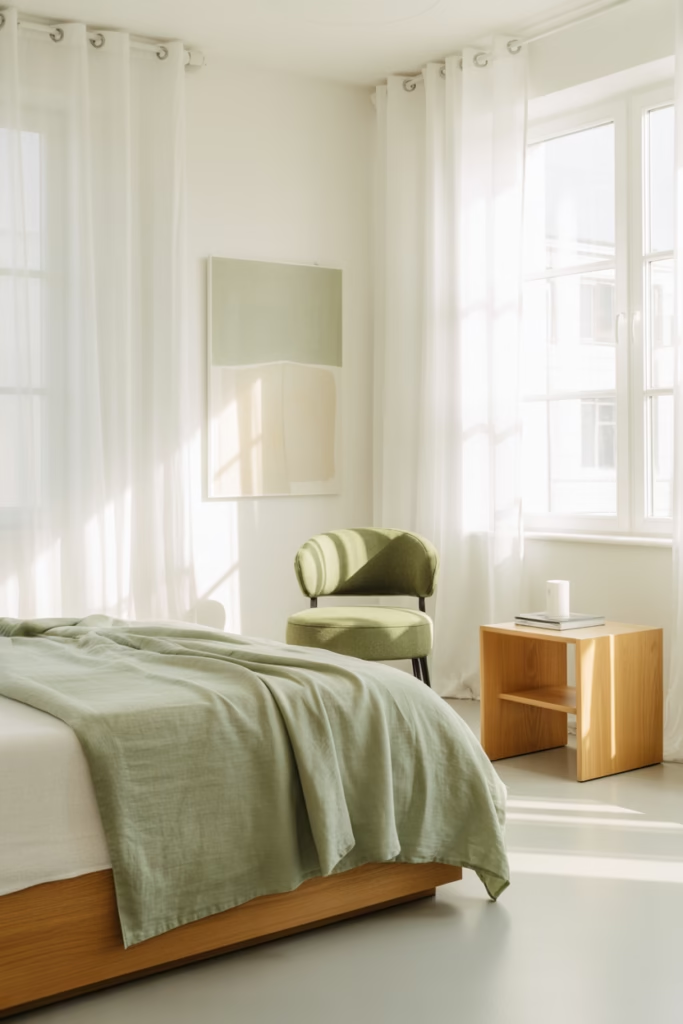
For you minimalists out there (I see you with your three throw pillows and matching nightstands), sage green and white is your perfect palette. This combination is clean, fresh, and impossibly chic.
Keep walls white and bring in sage through strategic touches—bedding, a single accent chair, window treatments, or artwork. The restraint is what makes it work. You’re not drowning in color; you’re using it as a purposeful accent.
Minimalist sage green essentials:
- White walls with sage green linen bedding
- One sage green accent chair in the corner
- Simple sage green ceramic lamp
- Maybe a single piece of abstract art with sage tones
The whole point of minimalism is intention, right? So every sage green piece should earn its place in the room. No random clutter allowed 🙂
Sage Green Curtains for Softness
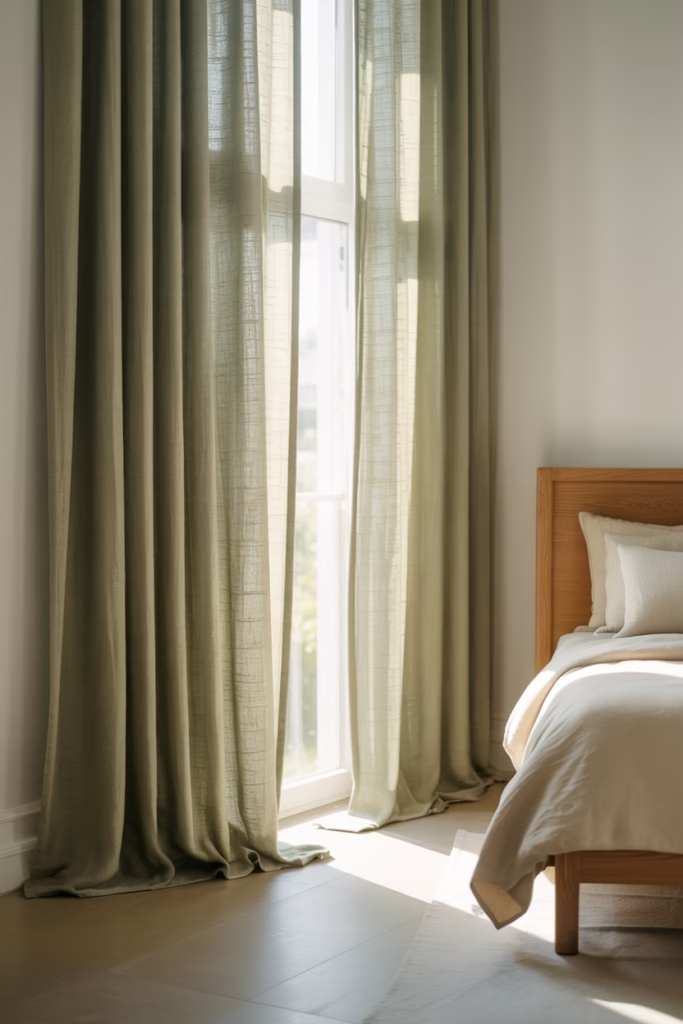
Window treatments are seriously underrated in bedroom design. Sage green curtains add softness and help control light while contributing to your overall color scheme.
Go for floor-length panels in a lightweight linen or cotton blend. The fabric should puddle slightly on the floor for that relaxed, expensive look. Avoid anything too stiff or formal—we’re going for cozy bedroom vibes, not corporate conference room energy.
During the day, sage green curtains filter natural light beautifully, casting this soft greenish glow that feels peaceful and calming. At night, they provide privacy and help block out streetlights or early morning sun. Functional and pretty? Yes, please.
Dark Sage Green Moody Bedroom
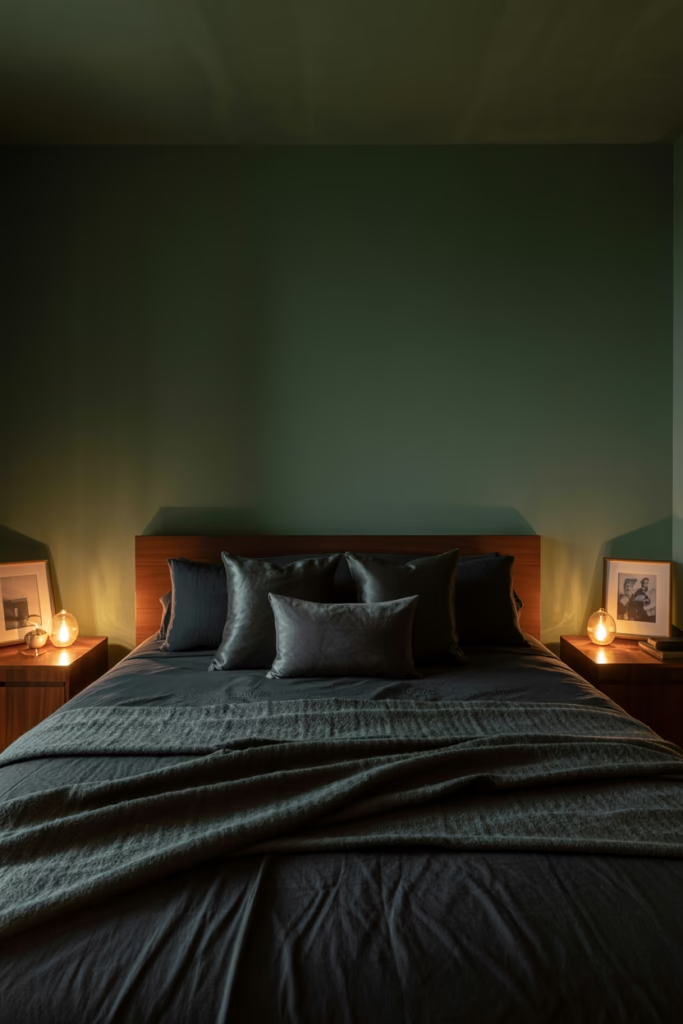
Ready to go dramatic? Dark sage green creates this moody, cocooning effect that’s perfect for bedrooms. We’re talking deep, forest-influenced tones that feel rich and enveloping.
Pair dark sage walls with black accents, dark wood furniture, and plenty of warm lighting to prevent the space from feeling cave-like. Add in metallics—brass or gold work beautifully here—to reflect light and add some glamour.
I’ll be honest, this look isn’t for everyone. It requires confidence and commitment. But if you’re tired of safe, neutral bedrooms and want something with serious personality? Dark sage delivers that in spades.
Sage Green Ceiling Treatment
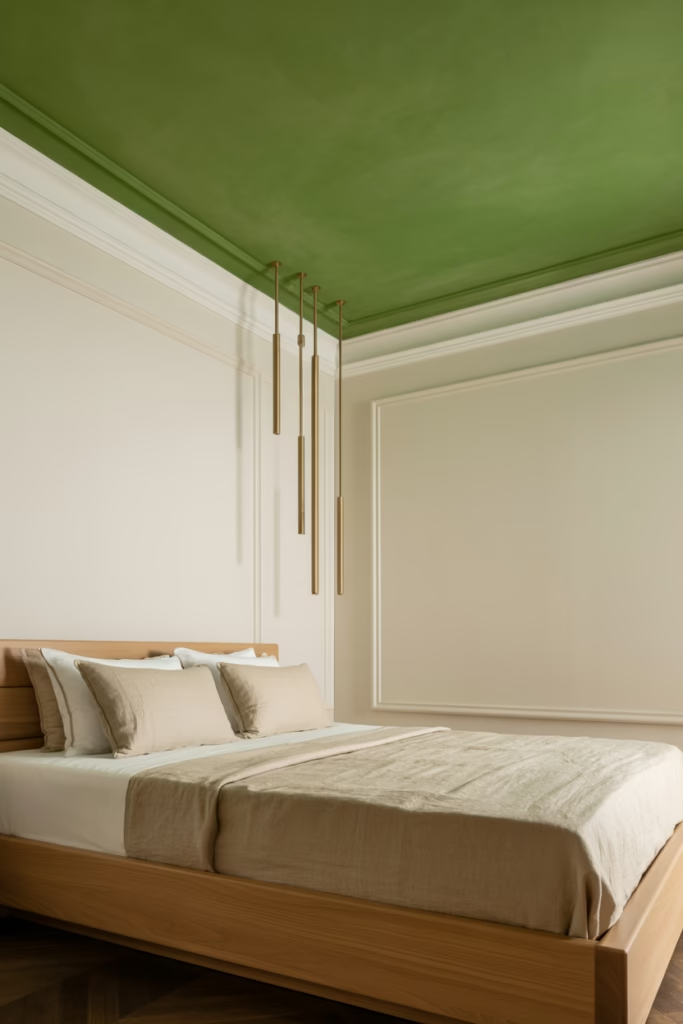
Okay, hear me out on this one. Painting your ceiling sage green sounds wild, but it’s actually genius. Most people default to white ceilings without even considering alternatives, and that’s a missed opportunity.
A sage green ceiling draws the eye upward and makes the room feel more cohesive and wrapped. It works especially well in bedrooms with white or cream walls—the inverted color scheme is unexpected and sophisticated.
Tips for sage green ceilings:
- Use a slightly lighter shade than you’d use on walls
- Keep the rest of the room relatively neutral to let the ceiling shine
- Add crown molding in white to define the transition
- Ensure you have good lighting so the room doesn’t feel dark
Is it bold? Absolutely. Will everyone love it? Probably not. Do I think it’s awesome? 100% yes.
Sage Green and Brass Accents
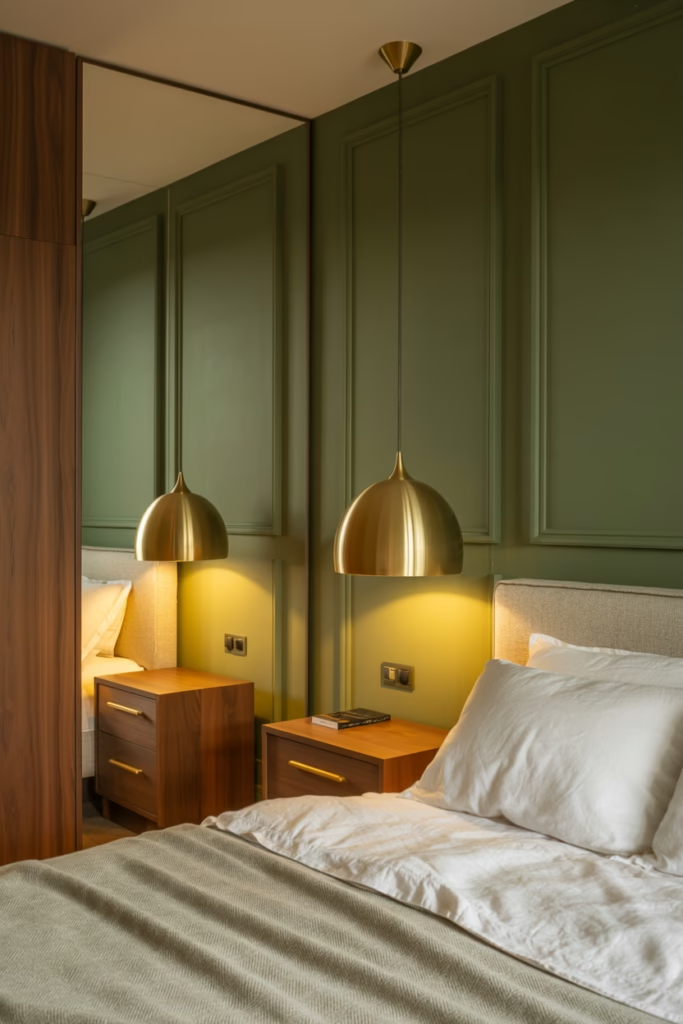
This combination screams modern luxury without trying too hard. Sage green’s cool undertones pair beautifully with warm brass hardware, light fixtures, and decorative objects.
Swap out your basic silver drawer pulls for brass ones. Add a brass table lamp to your nightstand. Hang a brass-framed mirror above your dresser. These small touches create a cohesive, upscale look that feels considered and intentional.
The brass adds just enough warmth to prevent sage green from feeling too cool or sterile. It’s that perfect balance of modern and classic that’ll keep your bedroom looking current for years.
Textured Sage Green Walls
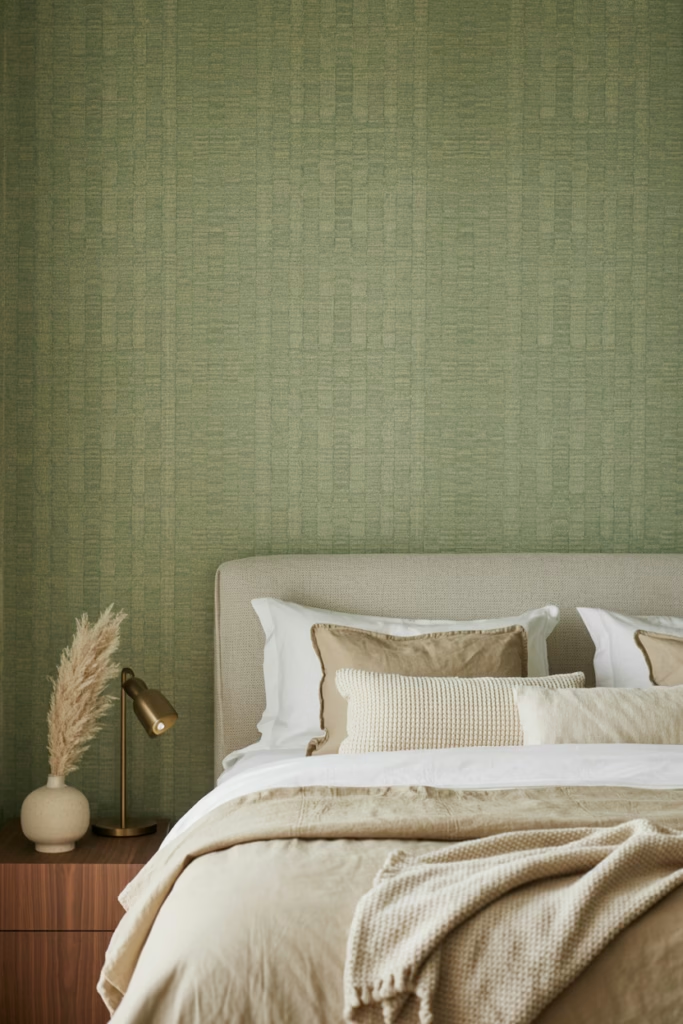
Paint is great, but texture takes things to another level. Consider sage green grasscloth wallpaper, textured paint techniques, or even a venetian plaster finish in sage tones.
The texture catches light differently throughout the day, creating this dynamic, living quality that flat paint just can’t match. Yeah, it’s more expensive and labor-intensive, but the payoff is seriously worth it if you’re going for that high-end look.
I’ve seen textured sage green walls in person, and the depth they create is unreal. Photos don’t do it justice—you really need to experience how the surface changes as you move around the room.
Sage Green and Natural Wood
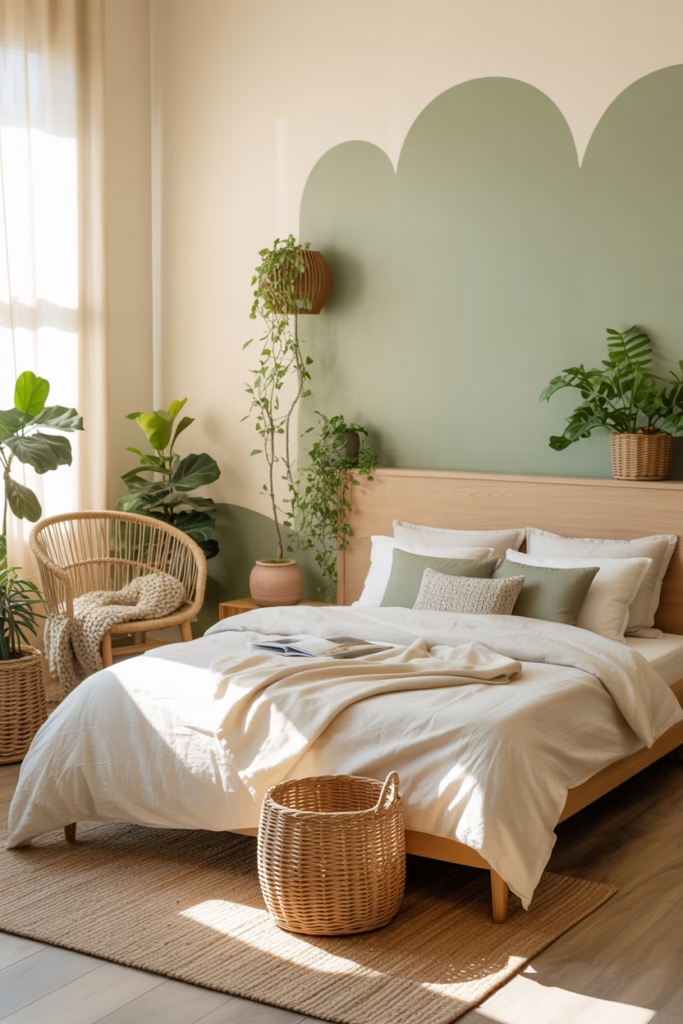
This pairing is basically foolproof. Sage green and natural wood tones create an organic, earthy vibe that feels grounded and peaceful. Think light oak, walnut, or even bamboo furniture against sage walls or bedding.
The combination taps into that Scandinavian-meets-California-casual aesthetic that’s been huge lately. It’s warm but not overwhelming, natural but still polished.
Wood elements to incorporate:
- Light wood platform bed frame
- Wooden floating shelves
- Natural wood nightstands
- Bamboo or rattan accent chair
Keep the wood tones relatively consistent (don’t mix super dark walnut with light pine—it gets messy visually). The goal is cohesion, not a lumber yard explosion.
Sage Green Rug as Foundation
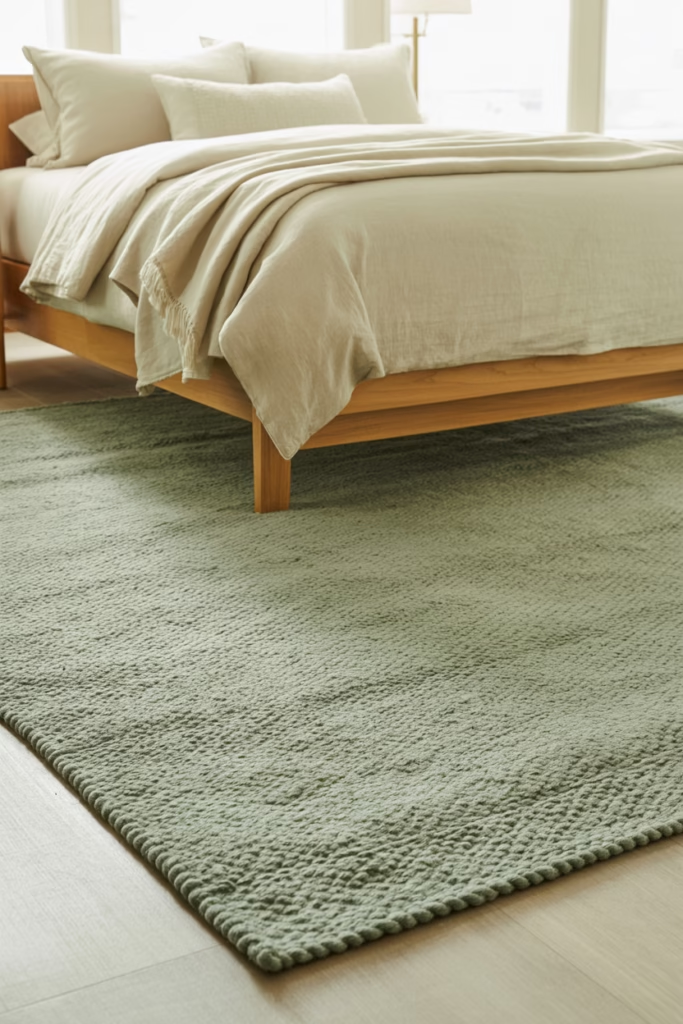
Sometimes the best way to introduce a color is from the ground up. A sage green area rug anchors your space and ties everything together without the permanence of painted walls.
Look for rugs with interesting texture—a high-pile shag, a woven jute with sage accents, or even a vintage-style rug with sage as the dominant color. The rug should be large enough to fit under at least the front legs of your bed for proper proportion.
I changed out my bedroom rug to a sage green one, and it immediately made the whole room feel more cohesive. Everything suddenly looked like it belonged together instead of being random pieces I’d collected over time.
Two-Tone Sage Green Design
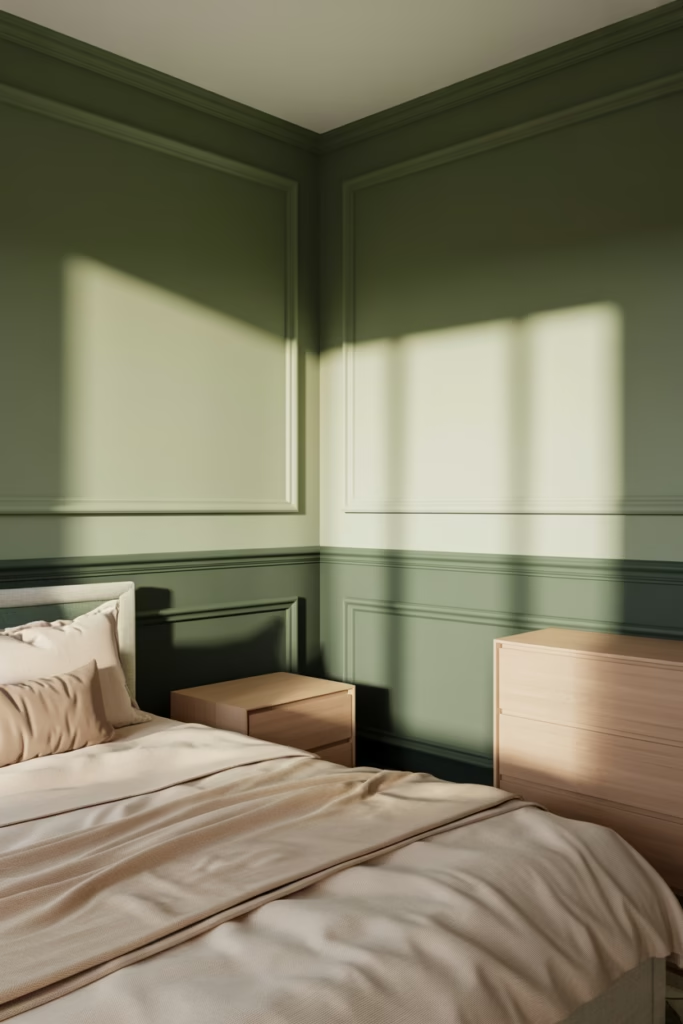
Why choose one shade of sage when you can have two? Using a lighter sage on upper walls and a darker sage on lower walls (with chair rail dividing them) creates architectural interest and makes ceilings feel higher.
Alternatively, paint three walls in light sage and one accent wall in dark sage for contrast and depth. The two-tone approach gives you that sage green vibe without being too matchy or one-note.
This technique works especially well in smaller bedrooms where you want color but don’t want the space to feel closed in. The lighter tones keep things airy while the darker accent adds that visual weight and interest.
Conclusion
Sage green gives you a rare combo: it looks trendy right now, and it still feels timeless enough that you won’t hate it next year. You can go big with walls or keep it low-commitment with bedding, curtains, a rug, or a painted nightstand. And once you add the right supporting cast warm wood, brass, creamy whites, maybe a little terracotta, your room starts looking “styled” in a way that feels almost unfair.
So what’s your move do you want to start with one easy swap (like sage bedding) or go full main-character energy with a sage wall? Either way, you’ll end up with a bedroom that feels calmer, looks more polished, and makes you slightly smug when people say, “Wait… your room is so relaxing.” :/