
Let’s be honest: your attic is basically a giant, sloped puzzle that doesn’t want you to be comfortable. Most people look at those awkward angles and low eaves and think, “Cool, a great place for dust bunnies and old Christmas decor.” But I’ve always had a soft spot for the underdog of home renovation. I’ve spent more hours than I’d like to admit trying to fit a standard life into a non-standard space, and I’ve learned that a small attic bedroom doesn’t have to feel like a crawl space if you stop fighting the architecture. Forget those generic “dream home” layouts we’re leaning into the weirdness to create a spot you’ll actually want to hang out in.
Embrace the Sloped Ceiling Instead of Fighting It
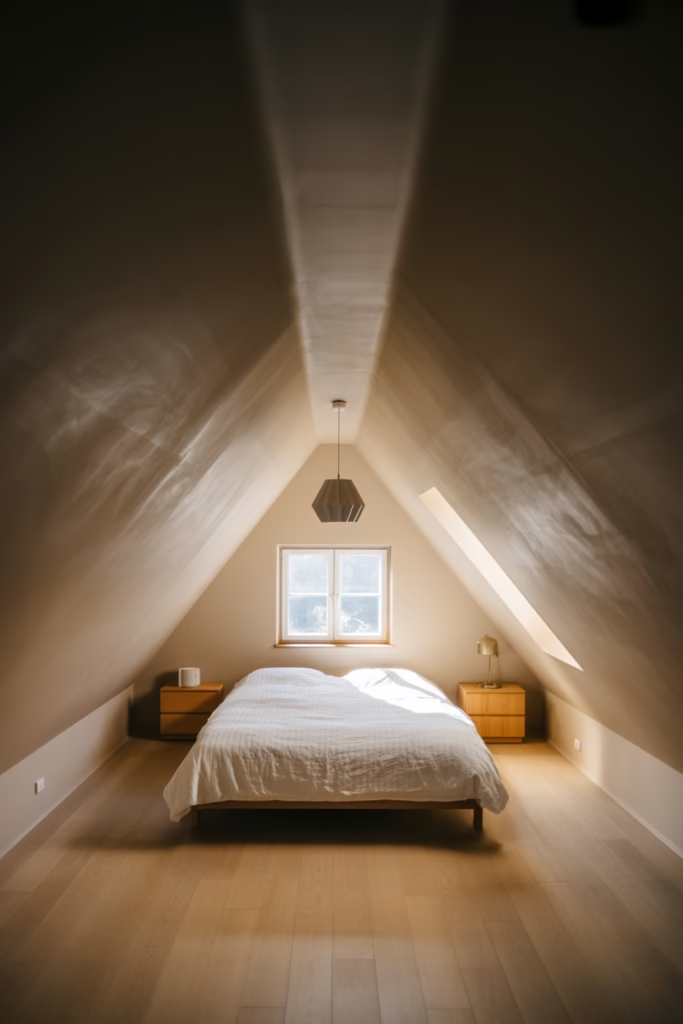
Here’s your first lesson: stop trying to pretend those slopes don’t exist. I see people constantly trying to work against their attic’s natural shape, and it never ends well. Instead, lean into it.
Paint your sloped ceiling a darker shade than your walls. Sounds counterintuitive for a small space, right? But it actually makes the ceiling recede visually and creates depth. I tried this with a deep charcoal in my friend’s attic bedroom, and suddenly that cramped feeling disappeared. The walls felt taller, the space felt intentional.
You can also use the slopes to create zones. The low part? That’s your reading nook or storage area. The taller section? Boom, that’s where your bed goes. Work with what you’ve got instead of wishing for a standard 8-foot ceiling.
Low-Profile Bed Frames Are Your Best Friend
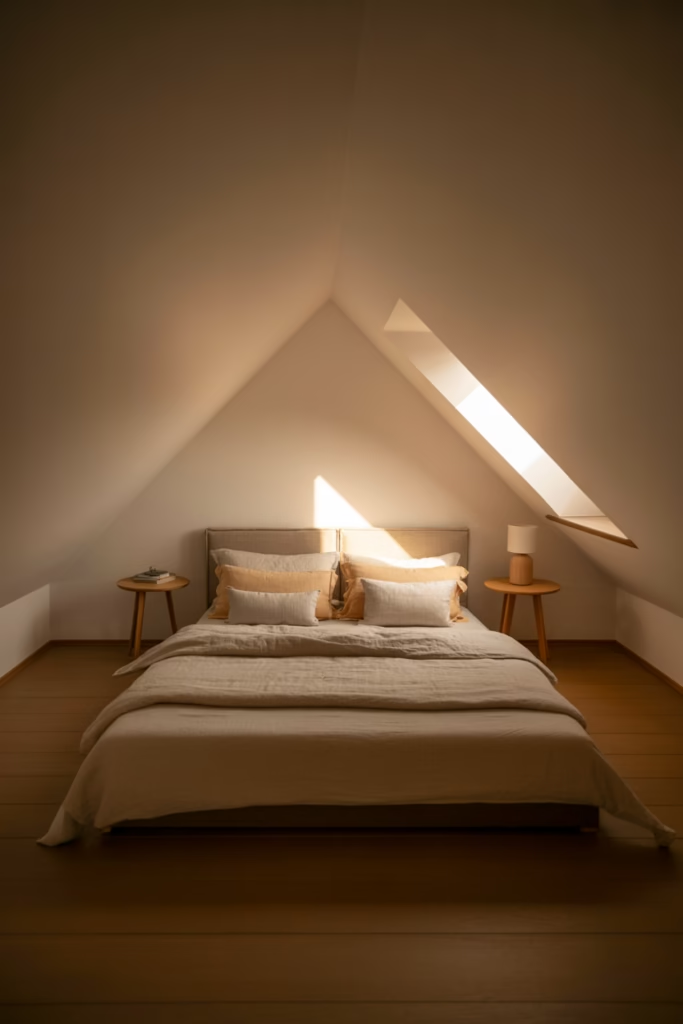
Ever wonder why so many attic bedrooms feel cramped even when they’re not? It’s the furniture scale, people. A chunky bed frame in an attic is like wearing snow boots to the beach—technically functional but completely wrong for the situation.
Go low. Platform beds, Japanese-style futons, or even a good mattress directly on a low base can transform your space. I switched to a platform bed in my own attic guest room, and guests stopped complaining about feeling claustrophobic. The extra visual space above the bed makes everything feel airier.
Plus, getting in and out of bed under a slope is way easier when you’re not climbing up onto a high frame. Trust me on this—I’ve bonked my head enough times to know.
Built-In Storage Under the Eaves
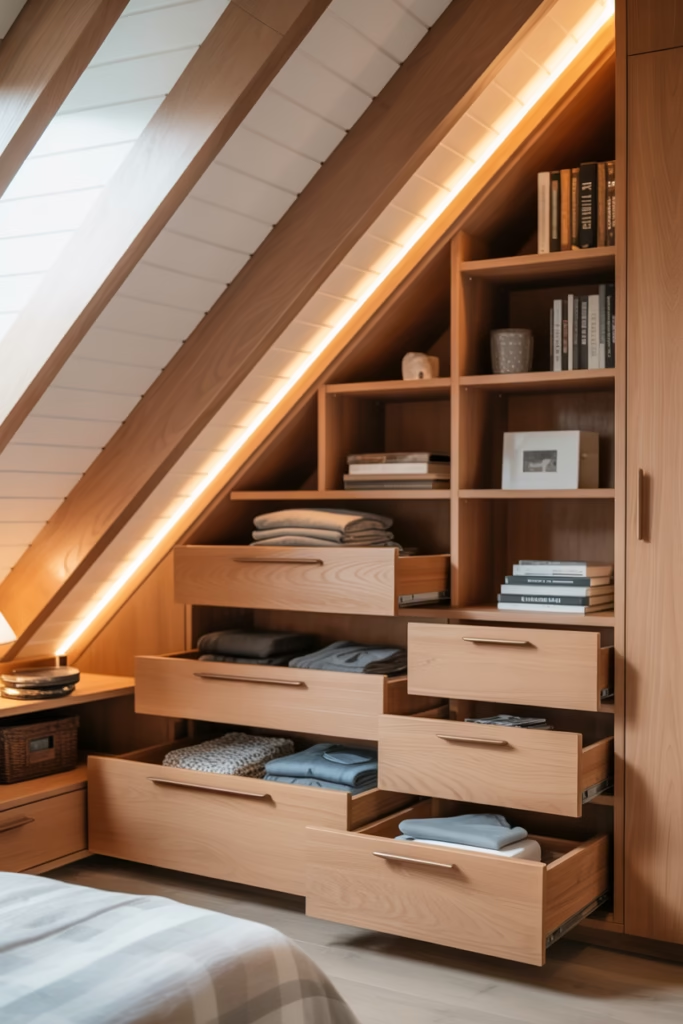
Those awkward knee-wall spaces where the ceiling meets the floor? They’re not useless—they’re storage goldmines waiting to happen. And I mean built-in storage, not just shoving plastic bins in there and hoping for the best.
Here’s what actually works:
- Pull-out drawers that slide into the deepest part of the eave
- Fitted cabinets with doors that follow the ceiling slope
- Open shelving in the sections tall enough to reach comfortably
- Rolling storage boxes on casters for easy access
I installed pull-out drawers in three different attic bedrooms, and every single person told me it was a game-changer. No more crawling on your hands and knees to find that one box in the back. Just pull, grab, done.
Strategic Window Treatments for Weird Window Shapes
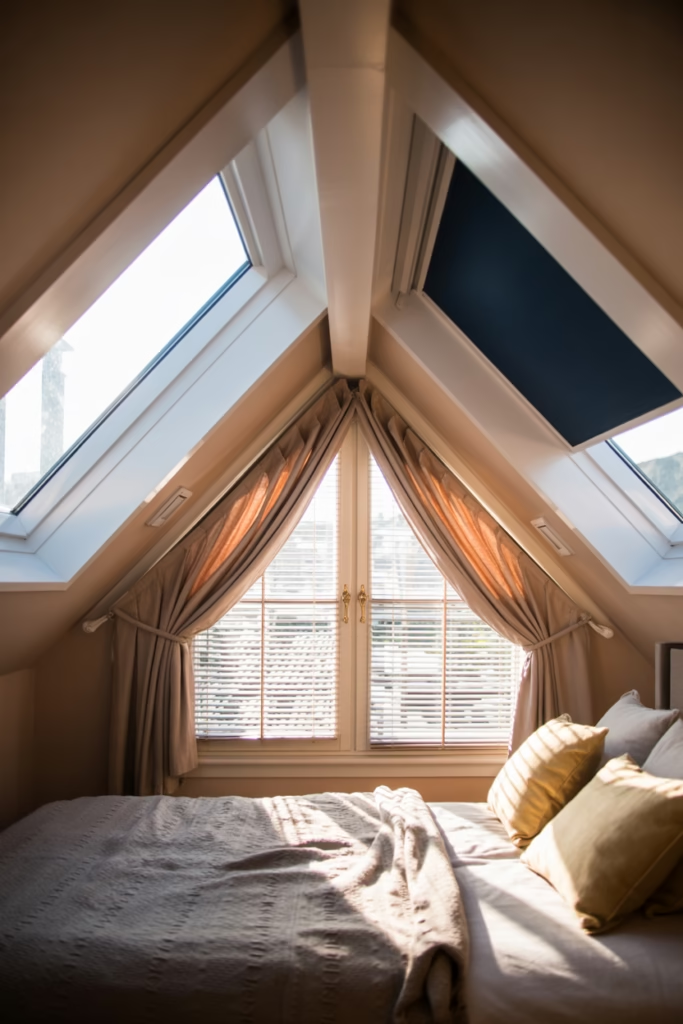
Attic windows are rarely normal. You’ve got dormers, skylights, tiny squares in weird places, and maybe one awkward triangle if you’re really lucky. Standard curtains? Yeah, they don’t work here.
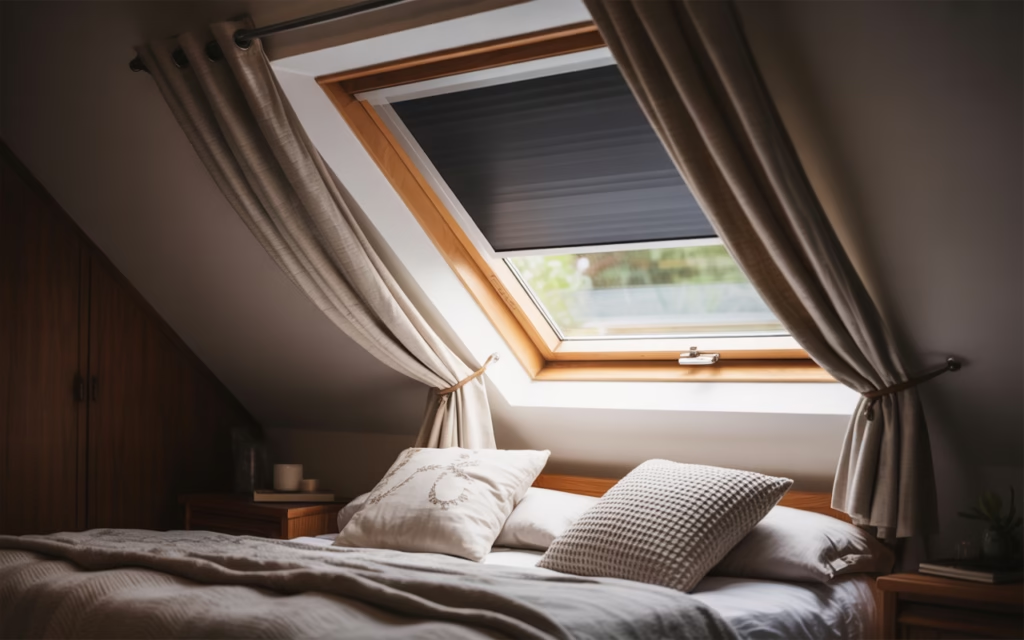
Skylight blinds are non-negotiable if you have overhead windows. Blackout ones, specifically. Because sunrise at 5 AM hitting you directly in the face is not the vibe we’re going for. Velux makes cellular shades that fit most skylights perfectly, and they actually block light.
For dormer windows, mount your curtain rods higher and wider than the window frame. This makes your windows look bigger and lets in maximum light when the curtains are open. I use this trick everywhere, and it works especially well in attics where you need all the visual height you can steal.
Color Psychology for Small Spaces (But Make It Practical)
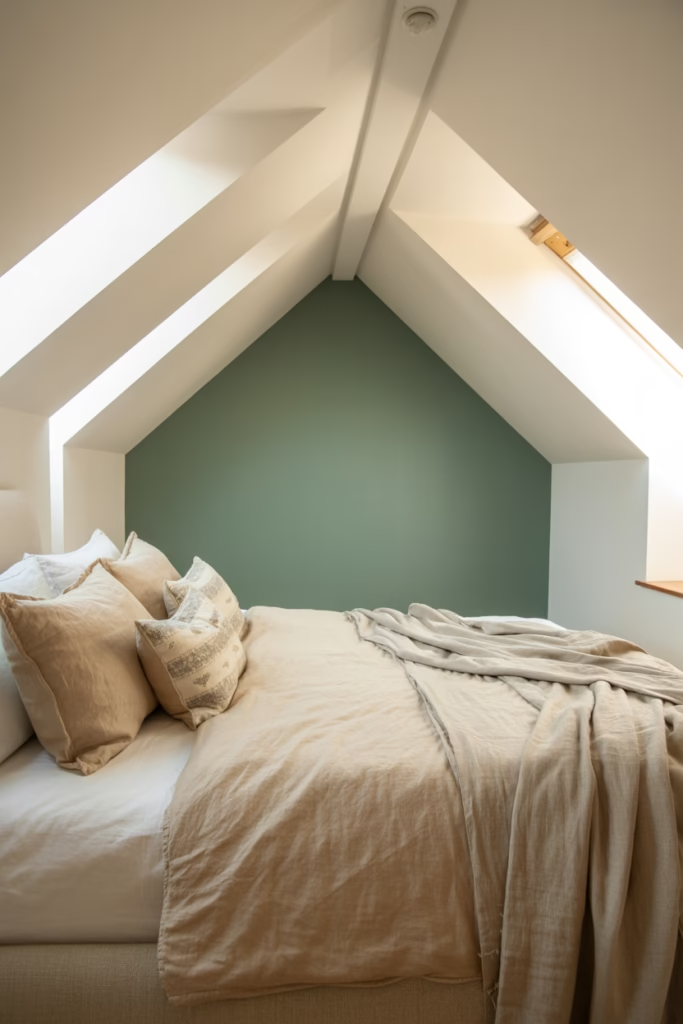
Everyone says “paint it white” for small spaces, and honestly? That’s lazy advice. Yes, light colors help, but there’s more to it.
I’ve found that warm whites and soft creams work better than stark white in attics. Why? Because attics tend to have interesting light—it comes from different angles, often from above, and can make pure white look weirdly cold or even dingy depending on the time of day.
Want to go bold? Do it on one wall—preferably the one with the most height. A deep blue, sage green, or even a moody terracotta can add personality without overwhelming the space. Just keep the sloped ceilings lighter to maintain that airy feeling.
And FYI, if your attic has exposed beams, painting them the same color as the ceiling makes them disappear and gives you more visual space. Learned that one the hard way after painting beams a “contrasting accent color” that just made everything feel busier.
Lighting Layers Are Critical Up Here
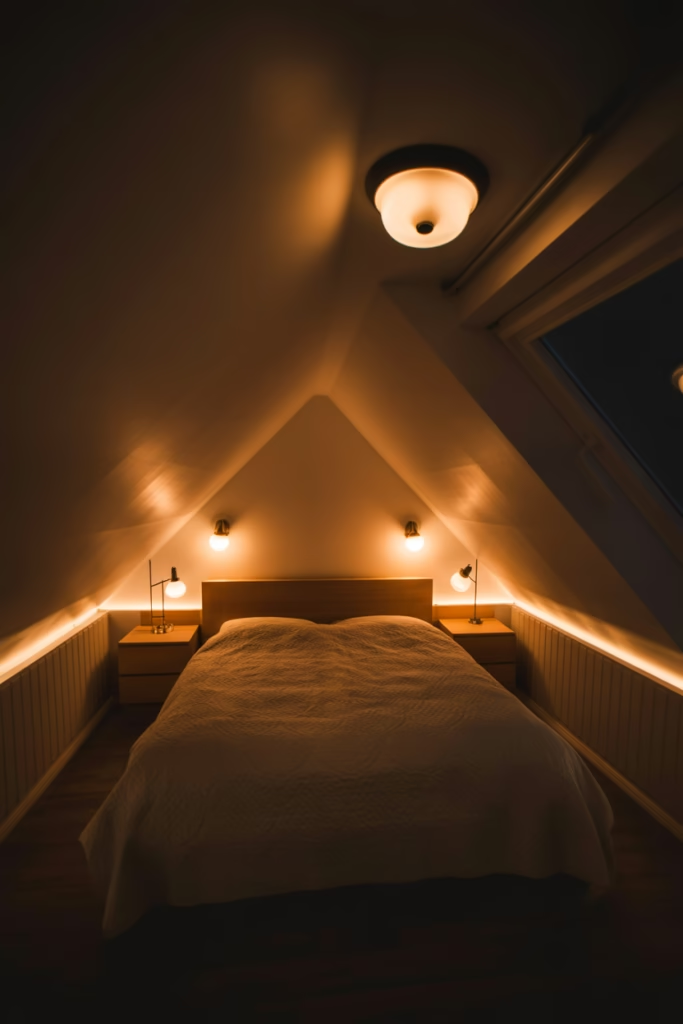
One sad overhead light isn’t going to cut it. Attics need multiple light sources at different heights because you’re working with unusual dimensions.
Start with your ambient lighting—flush mount ceiling fixtures work best where the ceiling is highest. Then add task lighting where you actually need it: reading lights by the bed, a small desk lamp if you’re working up there, maybe a floor lamp in that corner that always feels dark.
But here’s the secret weapon: LED strip lights along the base of your knee walls or behind floating shelves. They add a soft glow that makes the space feel larger without taking up any physical space. Plus, they’re like $20 on Amazon and take 10 minutes to install.
I’m also a huge fan of wall sconces in attics because they don’t take up floor space and you can position them exactly where the ceiling height allows. Just measure carefully before drilling 🙂
Vertical Storage Solutions Are Everything
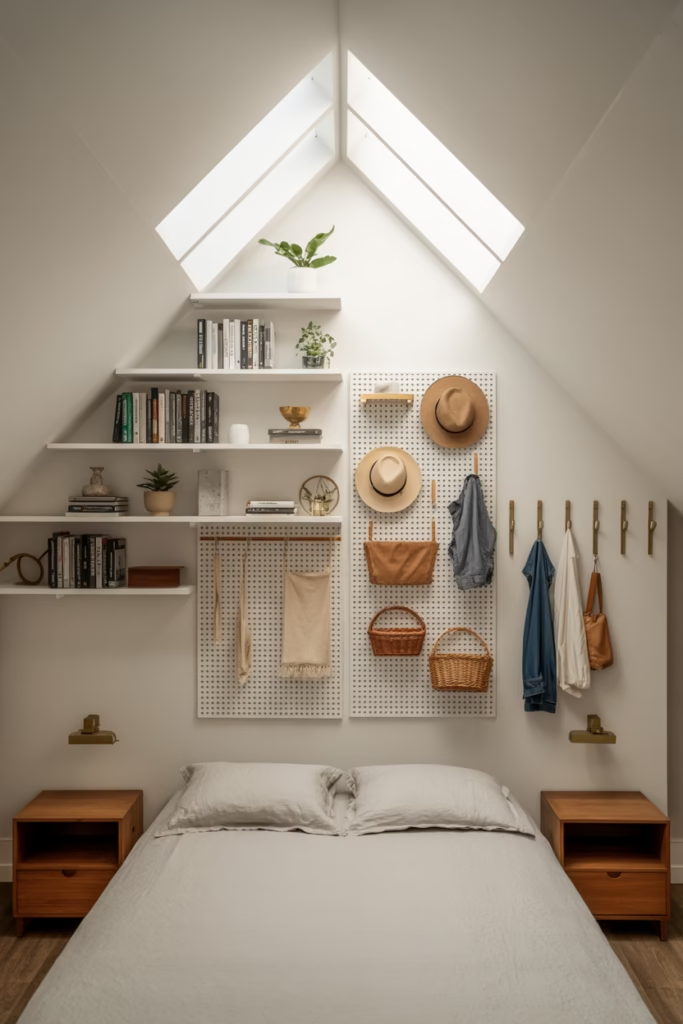
When you can’t build out, you build up. Well, as “up” as your slopes allow. Wall-mounted shelves, pegboards, and hanging organizers maximize your usable space without eating into your floor area.
Here’s what I’ve seen work really well:
- Floating shelves on the tallest wall for books and decor
- A pegboard system for accessories, bags, or jewelry
- Wall-mounted nightstands instead of traditional ones
- Hooks everywhere—seriously, everywhere
The trick is using that vertical space before it gets too low to be useful. Map out your walls and figure out where you have at least 4-5 feet of height, then load that area with storage solutions.
Murphy Beds or Loft Beds for Multi-Use Spaces
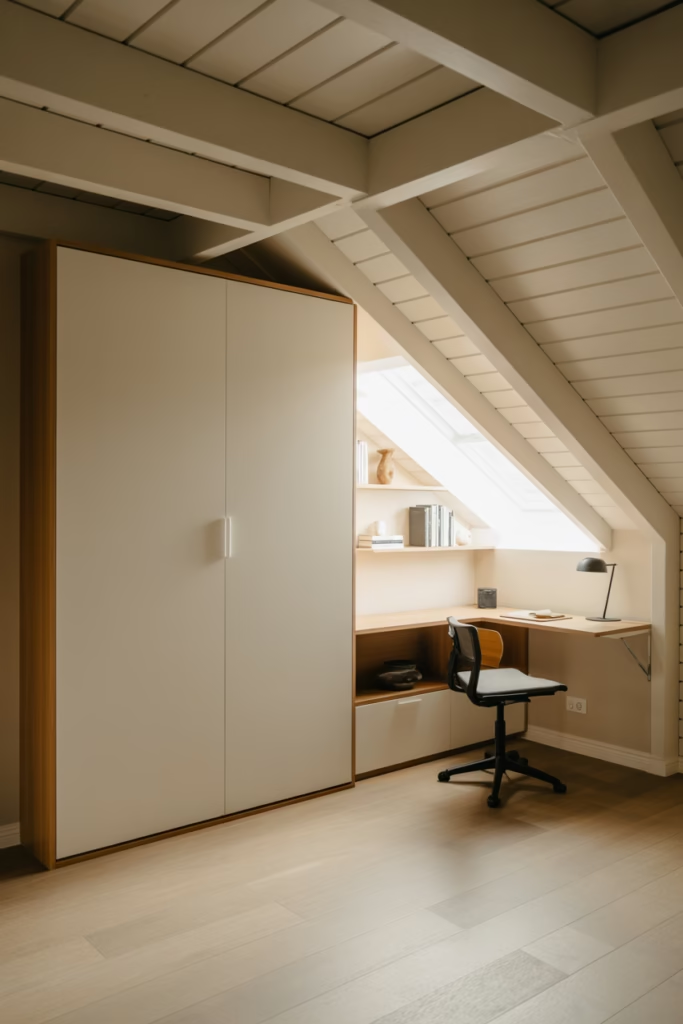
Want your attic to be more than just a bedroom? A Murphy bed or loft bed setup lets you reclaim the space during the day. I know someone who installed a Murphy bed in their attic and uses it as a home office most of the time—the bed folds up against the wall, and boom, instant workspace.
Loft beds work differently but achieve similar results. Raise the bed up (where the ceiling is tallest), and suddenly you have room for a desk, cozy seating area, or even a walk-in closet underneath. Perfect if you’re trying to squeeze multiple functions out of one small attic.
The only catch? Make sure you have enough ceiling height for whatever configuration you choose. Sitting up in bed should never feel like a concussion waiting to happen.
Mirrors Positioned for Maximum Impact
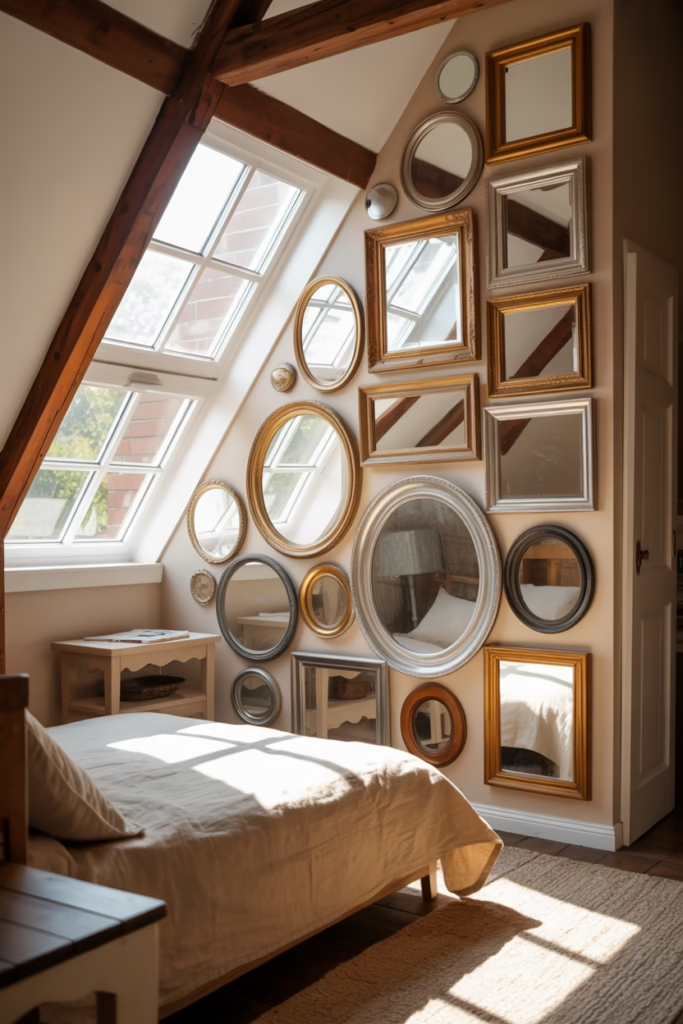
Basic design advice says mirrors make spaces feel bigger. True. But in an attic, where you place them matters way more than in a regular room.
Don’t put a large mirror on a sloped wall—it just emphasizes the slope and can feel disorienting. Instead, place mirrors on the walls with the most height, preferably opposite or near windows. This bounces natural light around and creates the illusion of more space.
I like using multiple smaller mirrors instead of one huge one in attics. A gallery wall of vintage mirrors on your tallest wall adds character and makes the space feel more curated than cramped.
Tackle the Temperature Control Issue
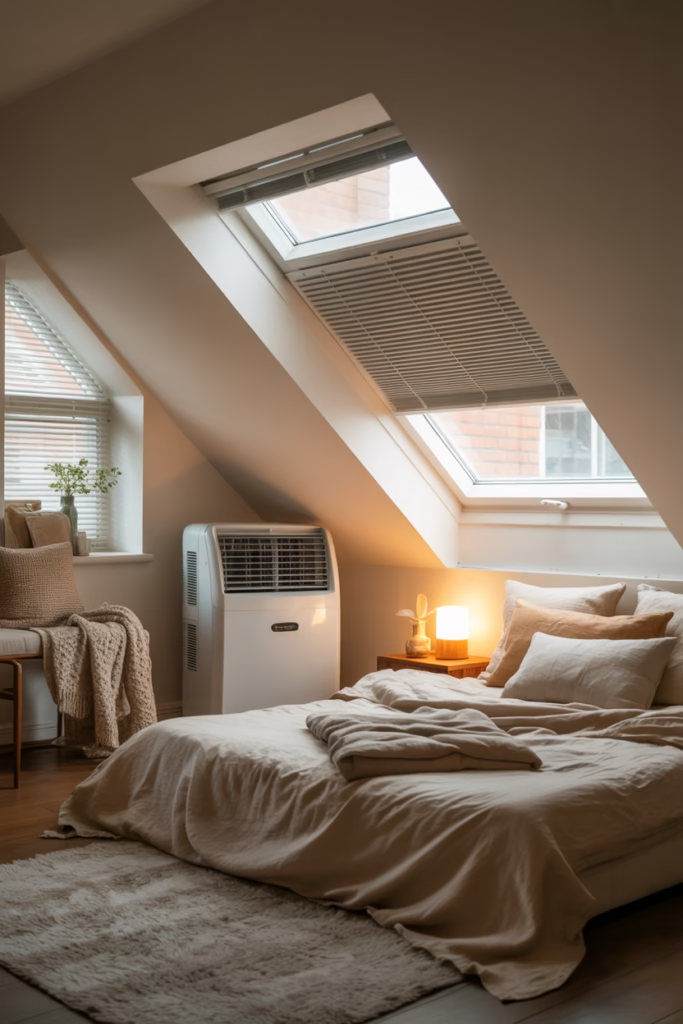
Let’s talk about something nobody mentions enough: attics are either freezing or scorching, depending on the season. That’s just physics—heat rises, insulation varies, and you’re basically living in your home’s hat.
A good portable AC unit or space heater is essential. I’m talking about the kind with a thermostat so it can regulate itself. Mini-split systems are amazing if you can swing the installation cost, but even a solid window unit makes a huge difference.
Also, insulation. Check your attic’s insulation situation before you do anything else. Poor insulation will sabotage every other improvement you make. Add weatherstripping around any attic door, and consider a ceiling fan if your highest point allows it.
Create Zones with Rugs and Furniture Placement
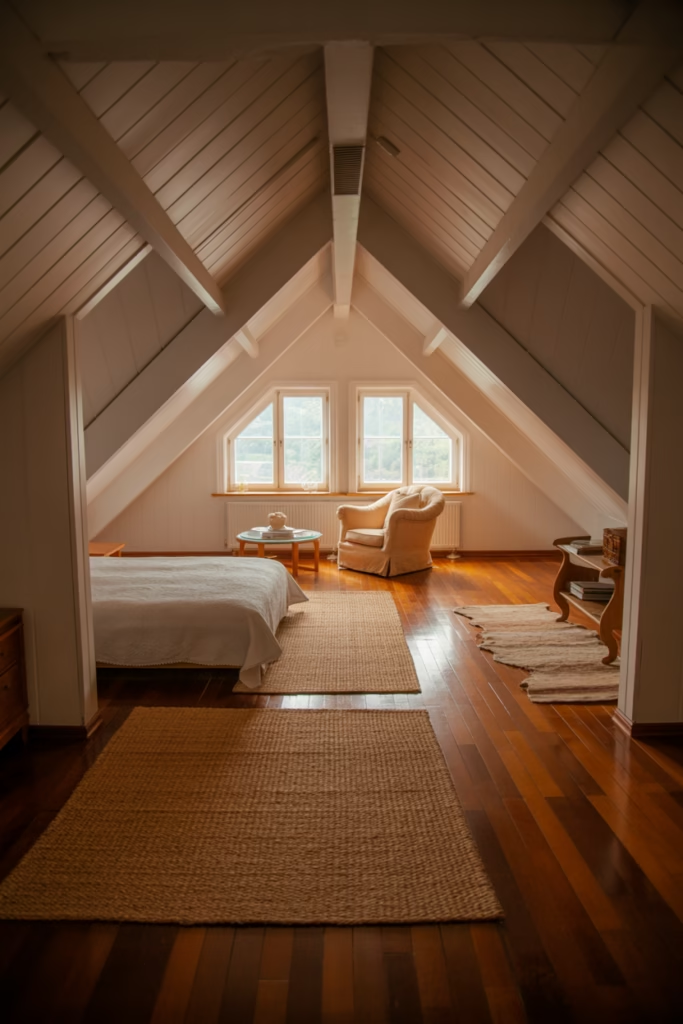
In an open attic space, rugs define areas better than anything else. One rug under the bed creates a sleeping zone. Another small rug by a chair creates a reading zone. It’s simple but incredibly effective.
I’ve noticed that people often push all their furniture against walls in attics, probably because they’re trying to maximize floor space. But sometimes pulling a piece slightly away from the wall—like positioning your bed a foot off the sloped wall—actually makes the room feel more spacious and intentional.
The key is creating purposeful zones that guide movement through the space. Your eye needs clear pathways, not just one big open area with furniture randomly scattered around.
Skylight Styling and Treatment
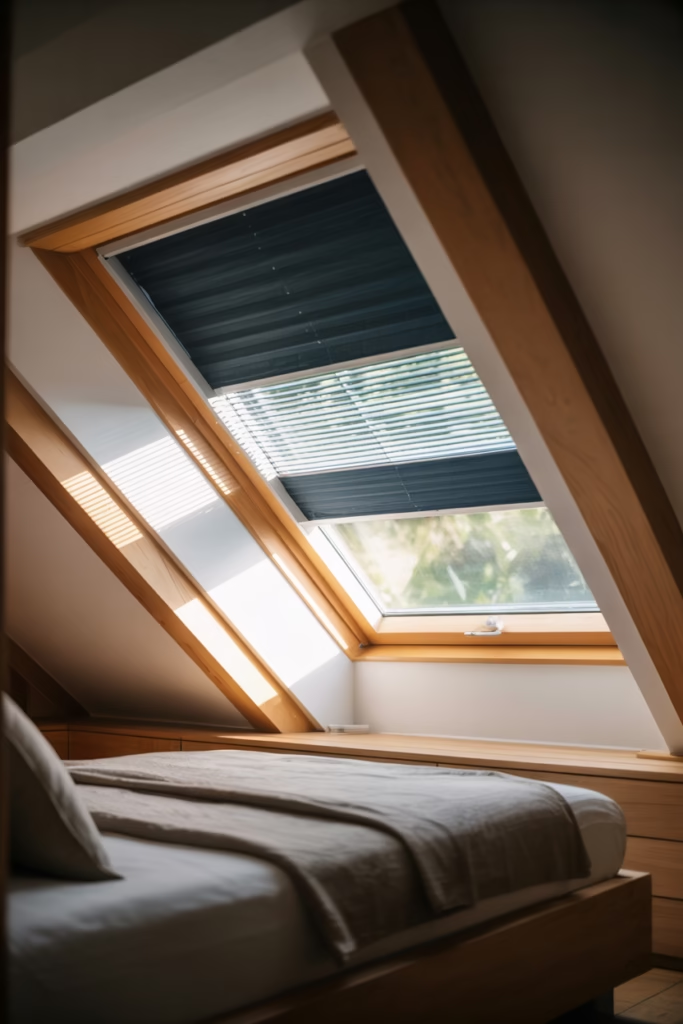
If you’re lucky enough to have skylights (or can install them), they’re absolute game-changers for attic bedrooms. Natural light from above transforms the entire space and makes low ceilings feel less oppressive.
But again—blackout shades. I cannot stress this enough. Unless you want to be awake at dawn every single day, you need something to block that overhead light. Motorized shades are worth every penny if you can afford them. There’s nothing worse than having to stand on your bed to close a skylight blind manually.
Consider adding a sheer shade layer too. During the day, you can have soft filtered light without the harsh glare that makes attic bedrooms feel like interrogation rooms.
Embrace Minimalism (Even If You’re Not a Minimalist)
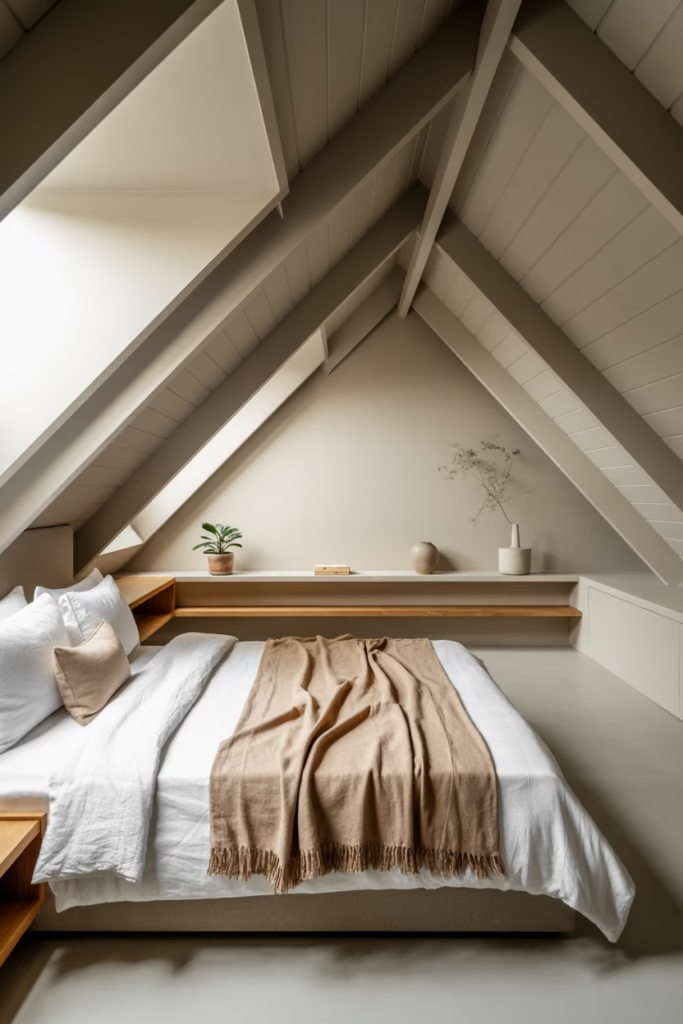
IMO, attic bedrooms force you to be more selective about what you keep in the space, and that’s actually a good thing. Clutter in a small attic feels 10 times worse than clutter in a regular bedroom because the angles already create visual complexity.
That doesn’t mean your space has to look like a stark Scandinavian catalog. It just means being more intentional. Every piece should either be functional, beautiful, or both. That decorative ladder you think looks cute? If it’s just taking up floor space and serving no purpose, it’s gotta go.
I follow a simple rule: if I bring something new into the attic bedroom, something old has to leave. Keeps the space from getting overwhelmed while still letting me refresh the decor.
Low Furniture Everywhere, Not Just the Bed
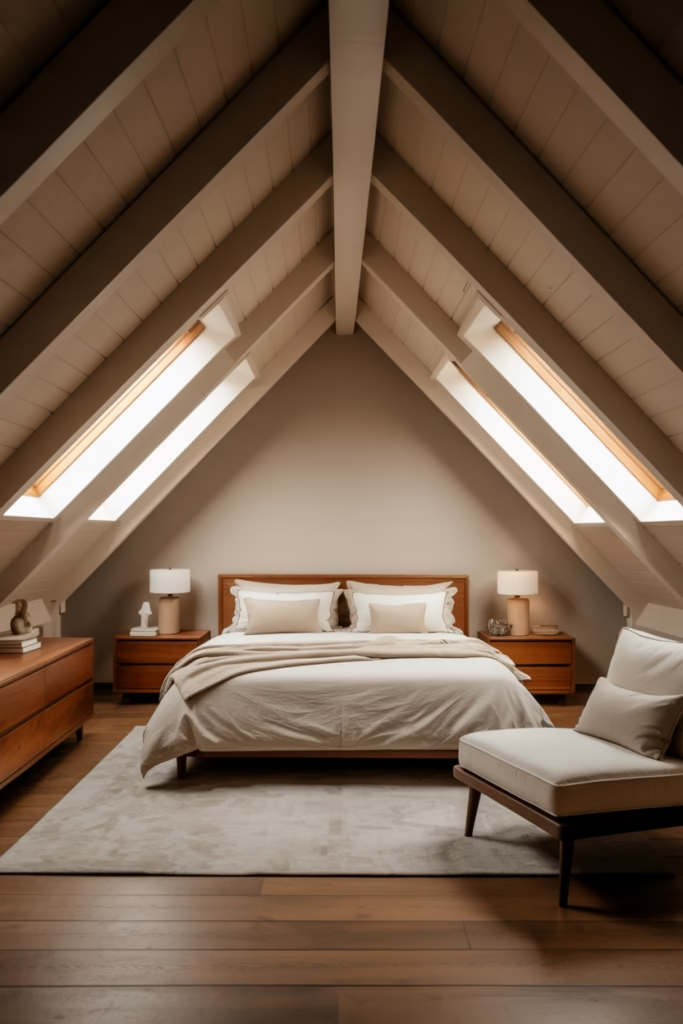
Everything I said about low bed frames? Apply that logic to all your furniture. Low dressers, low nightstands, low seating—it all contributes to making your attic feel more spacious.
Standard-height furniture hits right at the point where many attic ceilings start to slope, creating this awkward visual break. But when everything sits lower, your eye reads the space as more open. Plus, you reduce your chances of standing up too quickly and meeting the ceiling with your forehead.
I furnished an entire attic guest room with pieces under 30 inches tall, and it looked intentionally designed rather than just “making do with a weird space.” That’s the difference.
Exposed Beams and Architectural Features
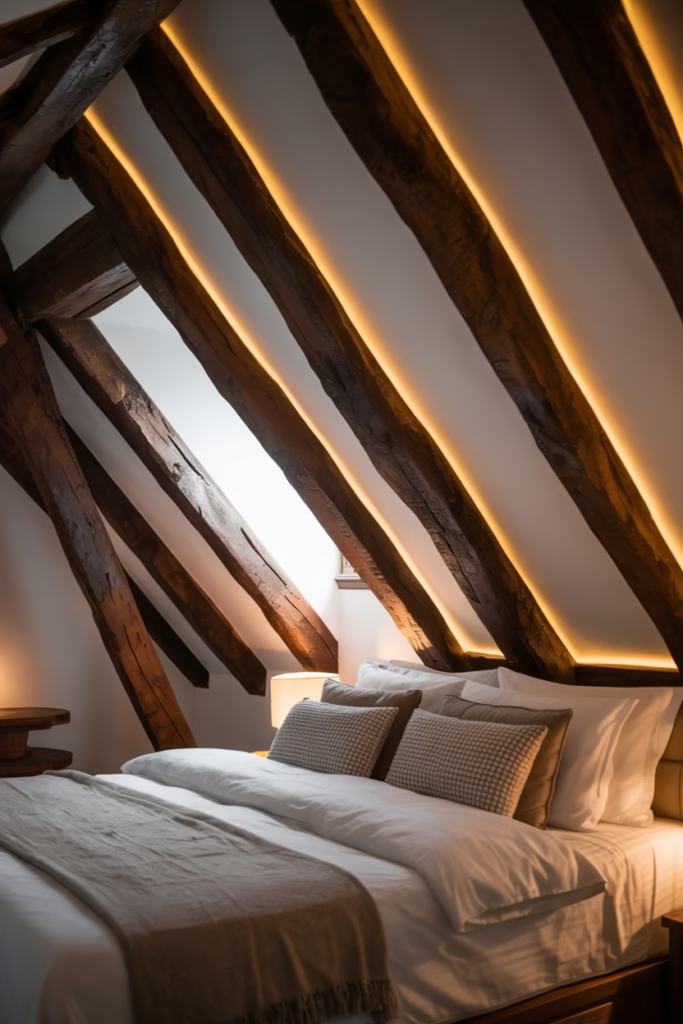
If your attic has exposed beams or interesting architectural elements, show them off instead of hiding them. These features add character that regular bedrooms simply don’t have.
I’ve seen people try to cover up beams or create drop ceilings to hide “imperfections,” and it always makes the space feel more cramped and less special. Instead, work with them. Run string lights along beams. Use them to define different zones. Paint them to either blend in or stand out, depending on your style.
One of my favorite attic bedrooms had dark wood beams against white walls and ceiling—super dramatic and made the small space feel like a design choice rather than a compromise.
Smart Storage Under the Bed
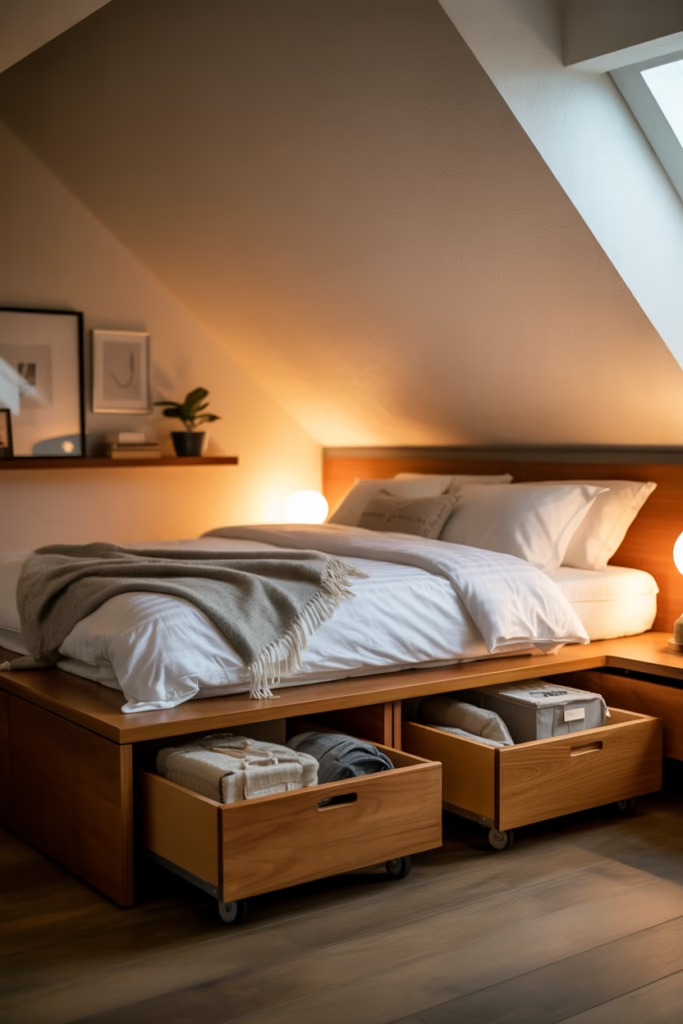
Even with a low-profile bed, you’ve still got space underneath. Don’t waste it. Under-bed storage can hold so much without making your room feel cluttered because it’s hidden from view.
Rolling drawers, vacuum storage bags, or flat bins work great here. I prefer drawers on wheels because they’re easier to access and keep things more organized than just stuffing boxes under there.
If you’re building a platform bed, design it with built-in drawers from the start. I did this in my guest room, and those drawers hold all the extra linens, out-of-season clothes, and random stuff that would otherwise need a closet.
Personalize Without Overcrowding
Last thing: your attic bedroom should still feel like you. Just because the space is small doesn’t mean it needs to be boring or generic.
Add personality through textiles, artwork, and small decorative objects rather than large statement pieces that overwhelm the space. A gallery wall of personal photos on your tallest wall, a bold patterned duvet, some plants on your floating shelves—these touches make the space feel cozy and personal without cluttering it.
I always tell people to choose one or two statement elements and keep everything else relatively simple. Maybe it’s a bold wallpaper on one wall, or a vintage rug, or an interesting light fixture. Pick your focal points and let them shine.
Final Thoughts
Making a small attic bedroom work isn’t about fighting against its quirks it’s about embracing them and getting creative with solutions. Yeah, you’ll probably still bump your head occasionally (I definitely do), but with the right approach, your attic can become the coziest bedroom in the house. And honestly? There’s something pretty special about having a space that feels like your own private retreat, tucked away from everything else.