
A small front garden can cause a weird amount of stress, can’t it? You want it to look stylish, welcoming, and a little bit impressive, but you also don’t have acres of space to play with. You’ve got a compact patch, a front path, maybe a few pots, and a dream. Somehow, that tiny area still has to carry your home’s whole first impression. No pressure at all.
The good news? You don’t need a huge budget or a countryside-sized yard to make your entrance look amazing. A few smart design choices can turn even the smallest front garden into something that feels polished, green, and full of personality. I actually love working with smaller spaces because they force you to be intentional. You skip the fluff, choose plants and features that really matter, and suddenly the whole space feels more stylish.
In this guide, I’m sharing 16 small front garden ideas that look beautiful, feel practical, and add serious curb appeal without trying too hard.
1. Go Vertical With a Living Wall
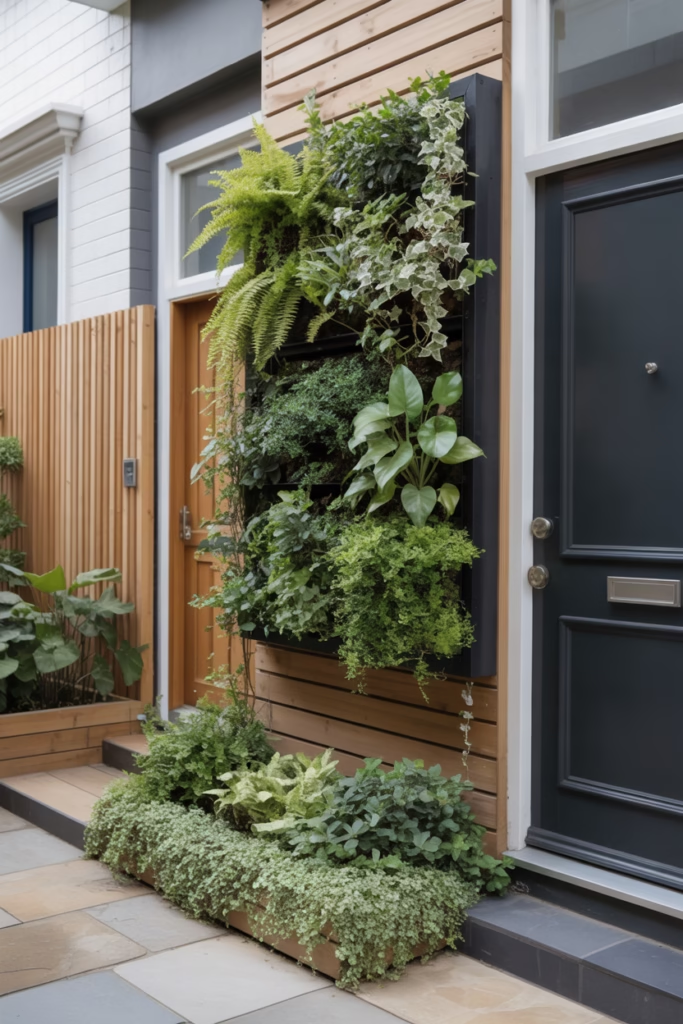
When you don’t have much floor space, go up. A living wall — basically a vertical panel of plants — turns a blank fence or wall into a lush green statement.
You can buy ready-made modular panels or DIY your own with pocket planters. Fill them with ferns, succulents, or trailing herbs like thyme and oregano. The result looks intentional and high-end, even if you put it together on a Sunday afternoon for under ₹2,000.
Best plants for living walls:
- Ferns and mosses (shade-tolerant)
- Succulents (low maintenance)
- Trailing ivy or pothos
- Compact herbs like mint or basil
Pro tip: Make sure your wall structure can handle the weight, especially after watering. A collapsing living wall is memorable, but not in the good way.
2. Line the Path With Lavender
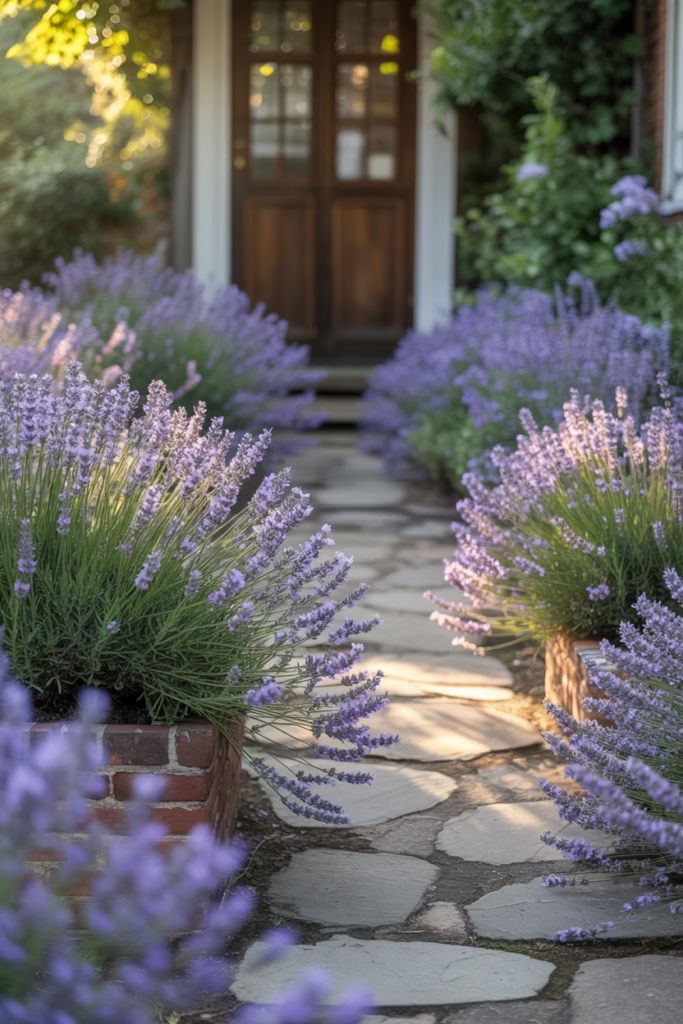
Ever walked past a lavender-lined path and just… stopped? There’s something almost magical about it. Lavender is one of those plants that punches way above its weight — it smells incredible, looks beautiful, and practically thrives on neglect.
Line your front path on both sides with lavender for instant curb appeal. It creates a sense of arrival, like your home is welcoming guests with open arms (and a lovely scent). Bonus: bees love it, so you’re also doing your bit for the ecosystem. Win-win.
It works brilliantly in small gardens because the plants stay compact, they don’t need much soil depth, and they’re drought-tolerant. IMO, it’s one of the highest-ROI plants you can grow.
3. Use Raised Beds to Add Structure
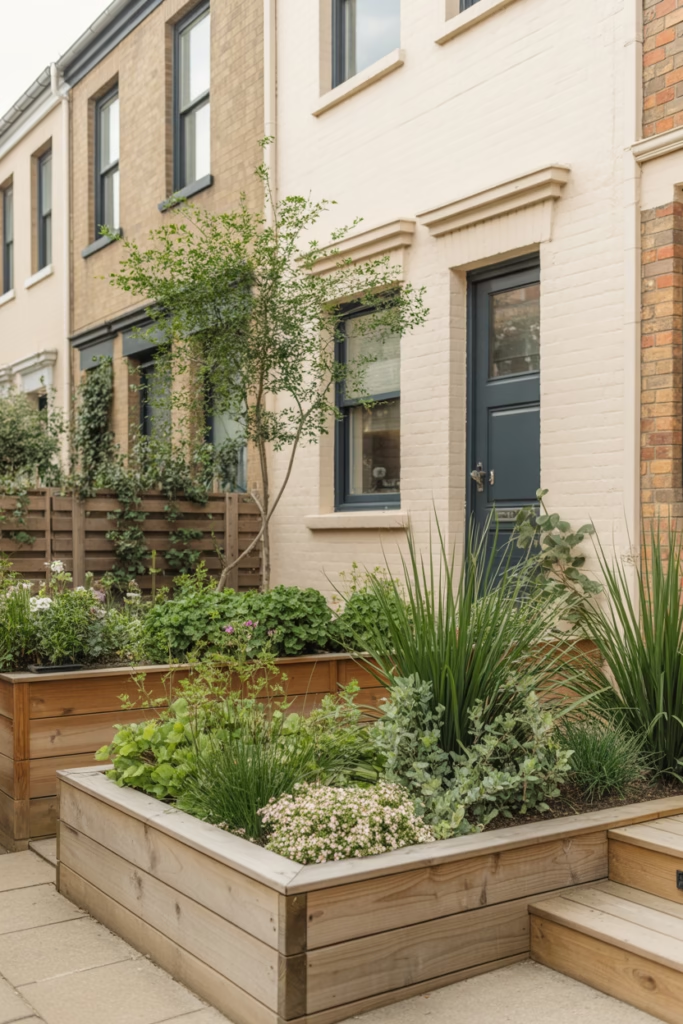
Raised beds aren’t just for vegetable gardens. In a small front garden, a simple raised timber bed adds height, structure, and a sense of intentional design that flat planting just can’t match.
Even a single raised bed running along your front wall transforms the space. Fill it with a mix of textures — ornamental grasses, bold perennials, and trailing plants — for a layered, designer look.
The added height also means your plants are more visible from the street, which is kind of the point when you’re going for curb appeal.
4. Create a Focal Point With a Statement Pot
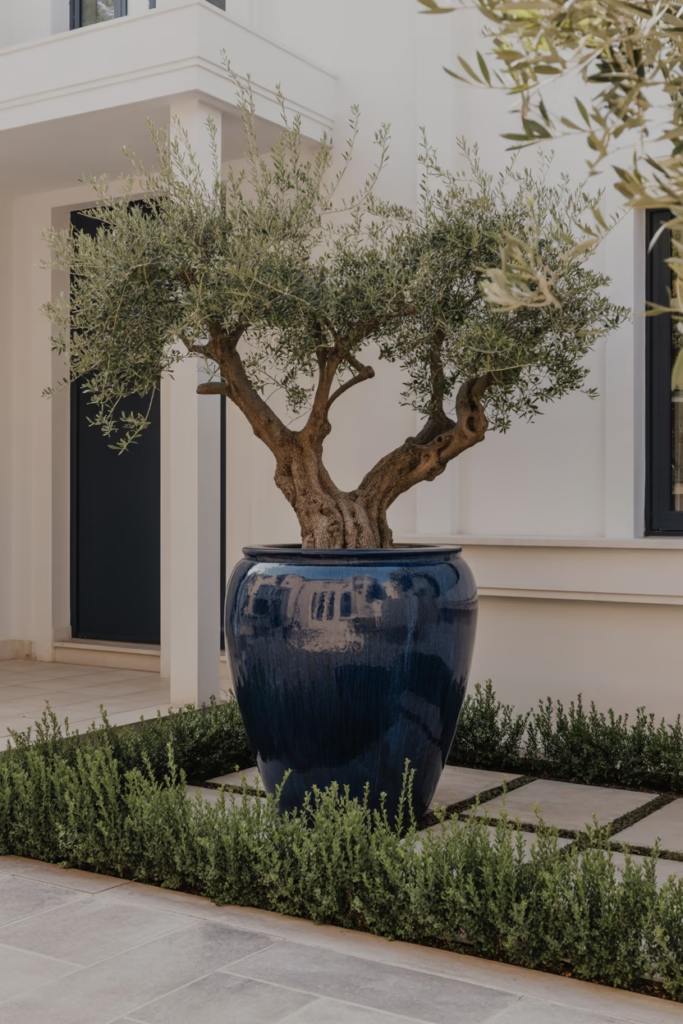
One large, beautiful pot can do more for a small front garden than ten mediocre ones scattered around. Go big, go bold, and go singular.
A tall ceramic pot in a deep color — navy, terracotta, slate grey — filled with a dramatic plant like a cordyline, olive tree, or standard bay creates instant visual impact. It acts as a punctuation mark at your front door, telling visitors: yes, someone stylish lives here.
What to plant in a statement pot:
- Olive tree (Mediterranean vibes)
- Cordyline or phormium (spiky drama)
- Standard bay laurel (classic elegance)
- Fatsia japonica (bold, architectural leaves)
Place it slightly off-center for a more curated, less symmetrical look.
5. Plant a Mini Wildflower Meadow
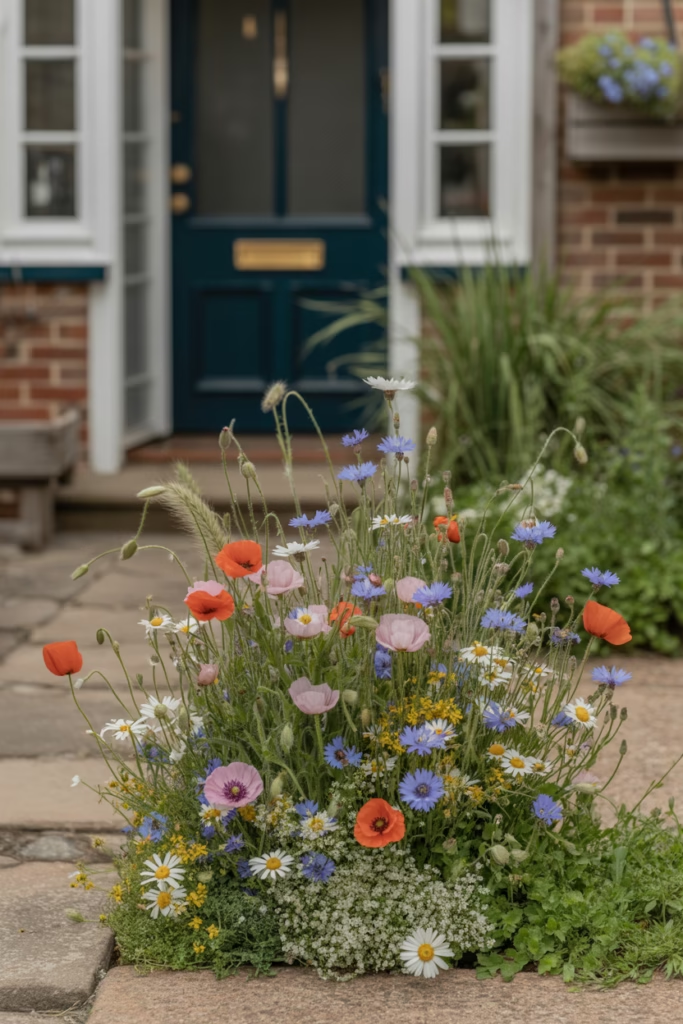
Okay, hear me out. A small wildflower patch in your front garden sounds chaotic, but done right, it looks absolutely breathtaking. Think curated chaos — not “I forgot to mow” chaos.
Scatter a wildflower seed mix in autumn or early spring. By summer, you’ll have a swaying, colorful patch of poppies, cornflowers, and ox-eye daisies that looks like a countryside dream.
It’s low maintenance, great for pollinators, and honestly gets more compliments than any other front garden feature I’ve seen. Your neighbors will ask what your secret is. Just smile and say “intention.”
6. Frame the Door With Climbing Plants
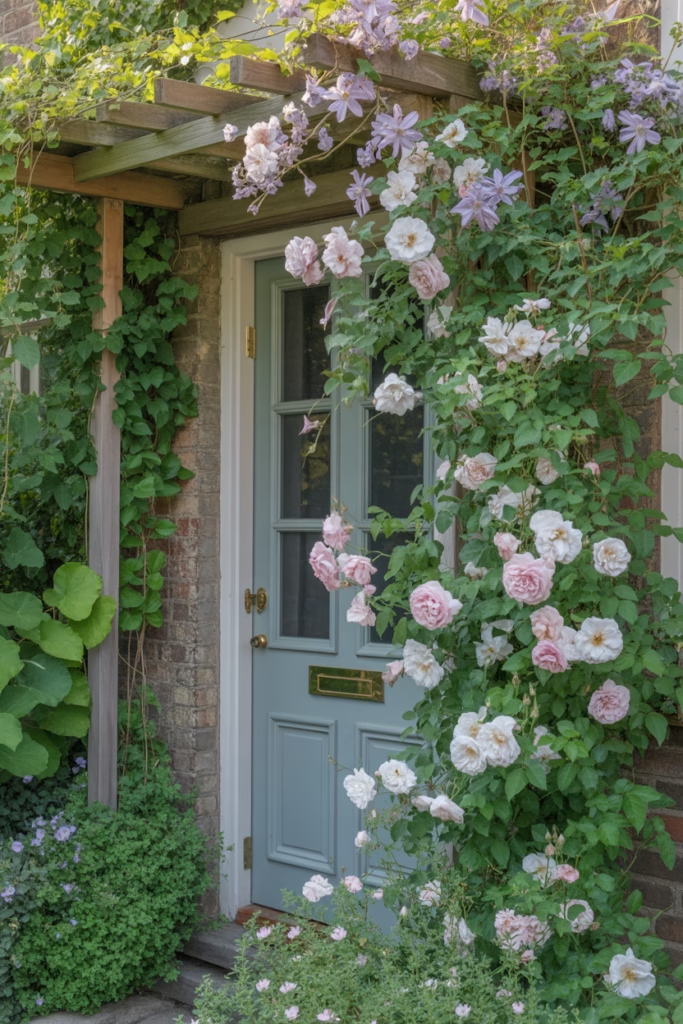
Your front door deserves a frame. Climbing plants trained around a doorway or archway create a storybook aesthetic that never gets old.
Roses, wisteria, jasmine, and clematis all work beautifully. They grow upward, so they don’t eat into your limited floor space, and over a few seasons they create lush, romantic coverage.
Use a simple trellis or wire framework fixed to the wall. Train the stems as they grow, tying them loosely. Within a season or two, you’ll have a door that looks straight out of a lifestyle magazine.
Top climbing plants for front doors:
- Rosa ‘Climbing Iceberg’ — classic white blooms
- Clematis montana — fast-growing, fragrant
- Trachelospermum jasminoides — star jasmine, beautiful scent
- Wisteria sinensis — showstopping but patient (it takes a few years to establish)
7. Add Stepping Stones Through Planting
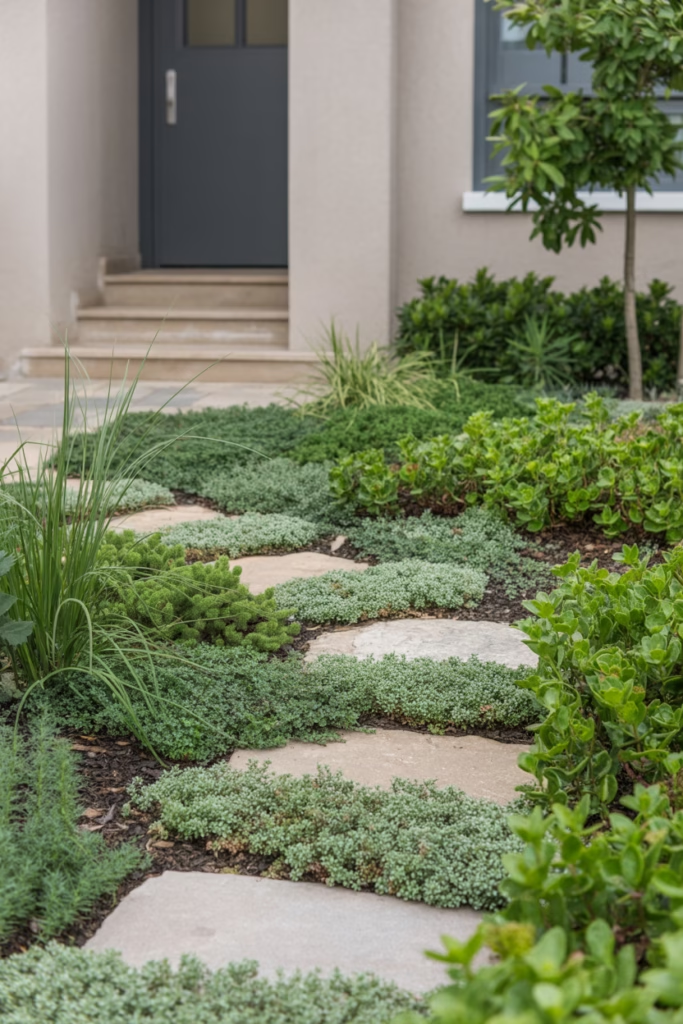
Instead of a straight concrete path, weave stepping stones through low-growing ground cover plants for a garden that feels lush even in a tiny space.
Creeping thyme, mind-your-own-business (Soleirolia), or low sedums spread beautifully between stones, softening the hardscape and adding texture. It creates depth and makes the garden feel much larger than it actually is.
FYI, this also cuts down on weeding — the ground cover fills the gaps before weeds get a chance to move in.
8. Go for a Gravel Garden With Architectural Plants
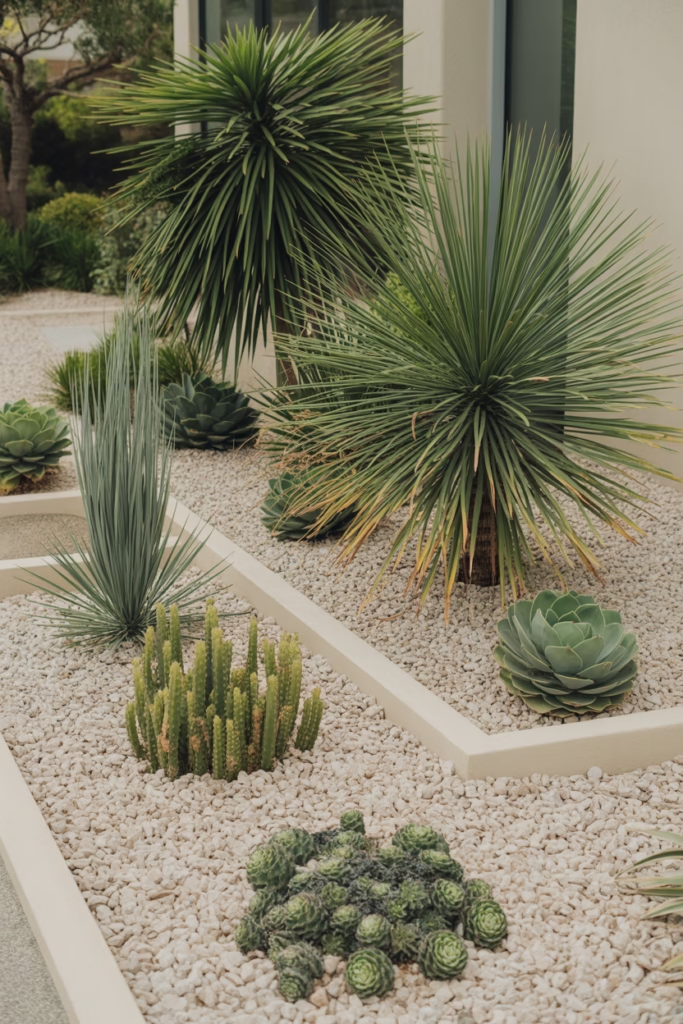
Gravel gardens are the unsung heroes of low-maintenance front gardens. A neat layer of gravel mulch paired with bold architectural plants creates a contemporary, almost Zen-like look that requires almost zero upkeep.
Choose plants with strong shapes and contrasting textures:
- Agave or yucca for dramatic spikes
- Ornamental grasses like Festuca glauca (blue fescue) for softness
- Euphorbia for acid-green color pops
- Sedum ‘Autumn Joy’ for late-season color
Lay a weed-suppressing membrane before adding the gravel. Your future self will thank you every single weekend you’re not out there weeding.
9. Use Box Hedging for Defined Edges
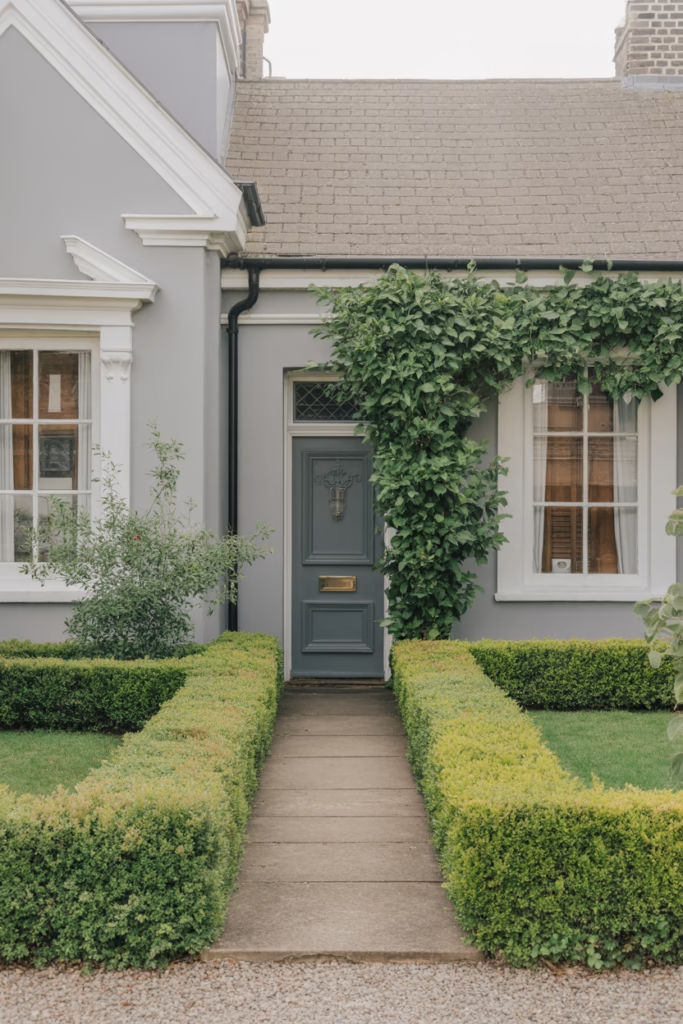
Nothing says “this garden was planned” like crisp box hedging. Buxus sempervirens (common box) clipped into neat low borders gives even the smallest front garden a sense of formality and structure.
You don’t need a lot of it. Even a single low hedge running along a path edge, or a pair of small box balls flanking your front door, adds enormous polish.
Yes, box blight is a real concern these days. If you’re worried, swap for Ilex crenata (Japanese holly) which looks almost identical but is far more disease-resistant.
10. Plant a Container Kitchen Garden
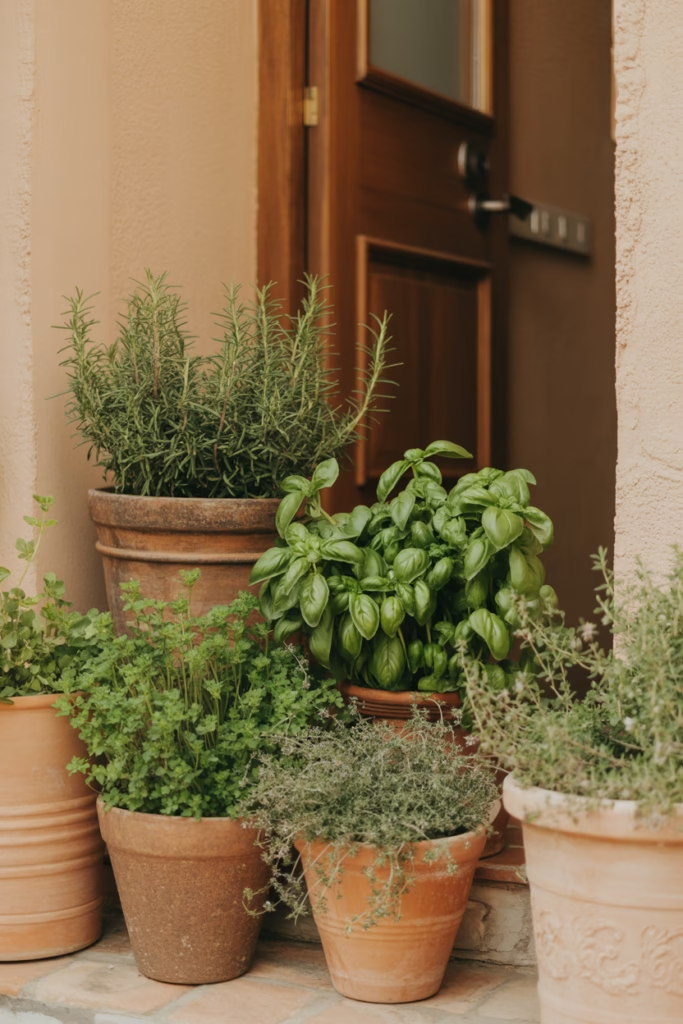
Who says a front garden has to be purely ornamental? A cluster of terracotta pots planted with herbs and edible plants looks gorgeous and gives you fresh ingredients right at your door.
Mix heights and textures:
- Tall rosemary at the back
- Bushy basil and flat-leaf parsley in the middle
- Creeping thyme spilling over the pot edges
Group odd numbers of pots together (three or five) for a more natural, visually appealing arrangement. Even people who’ve killed every houseplant they’ve ever owned can keep rosemary alive. It basically wants to be ignored.
11. Install a Low Picket Fence With Cottage Planting
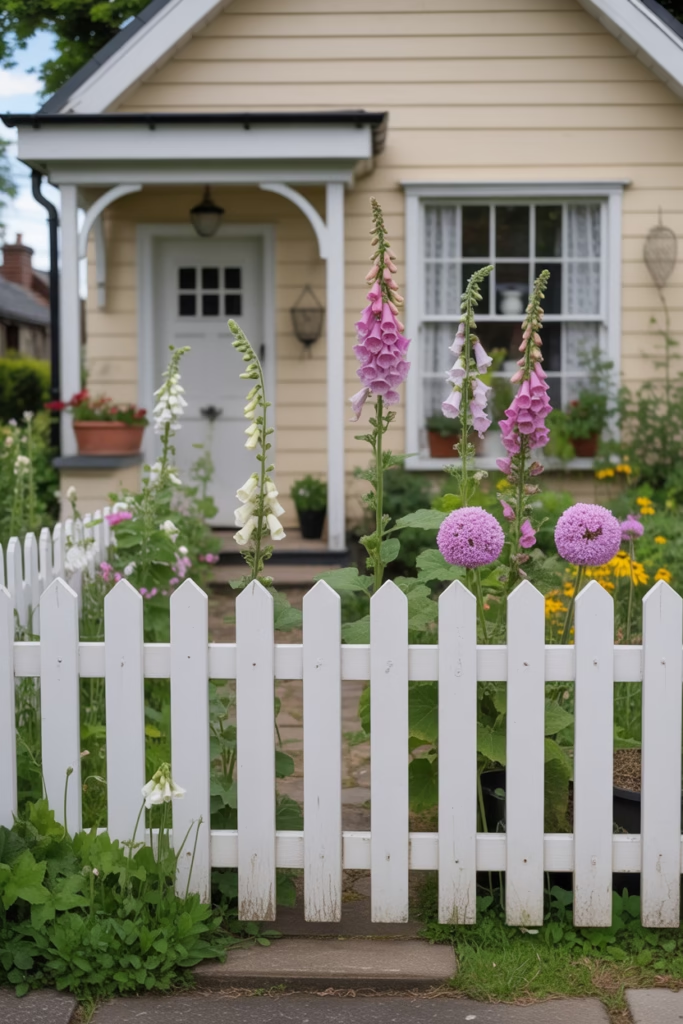
A low white picket fence paired with soft, billowing cottage-style planting is a combination that never fails. It’s charming, timeless, and works with almost any house style.
Plant hollyhocks, foxgloves, alliums, and geraniums behind the fence and let them lean and tumble naturally. The fence provides structure while the plants do the romantic, free-spirited thing.
This look works especially well for terraced houses or cottages where the front garden is narrow and long rather than wide.
12. Add a Water Feature (Yes, Even in a Tiny Space)
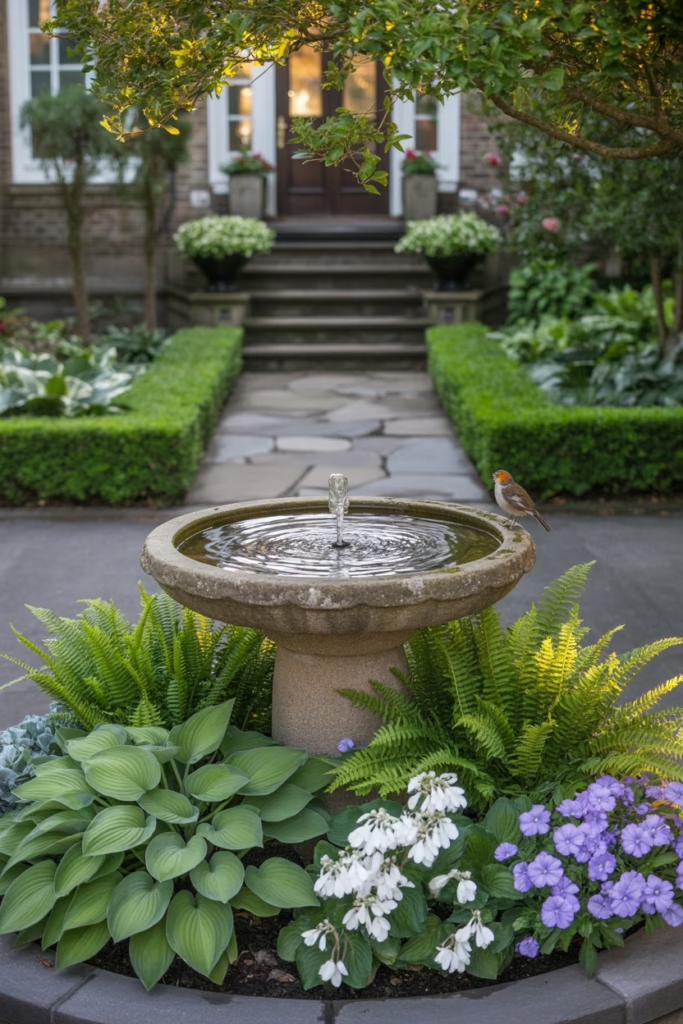
A small water feature sounds like a luxury but it’s actually very achievable. A compact self-contained fountain or birdbath adds sound, movement, and wildlife appeal to the smallest of spaces.
You don’t need plumbing. Self-contained solar-powered water features are widely available and incredibly easy to install. The gentle sound of moving water instantly makes a garden feel more alive and considered.
Position it where you can hear it from the house or when you arrive home — that small detail transforms the experience of your whole front garden.
13. Go Monochromatic With a Single Color Scheme
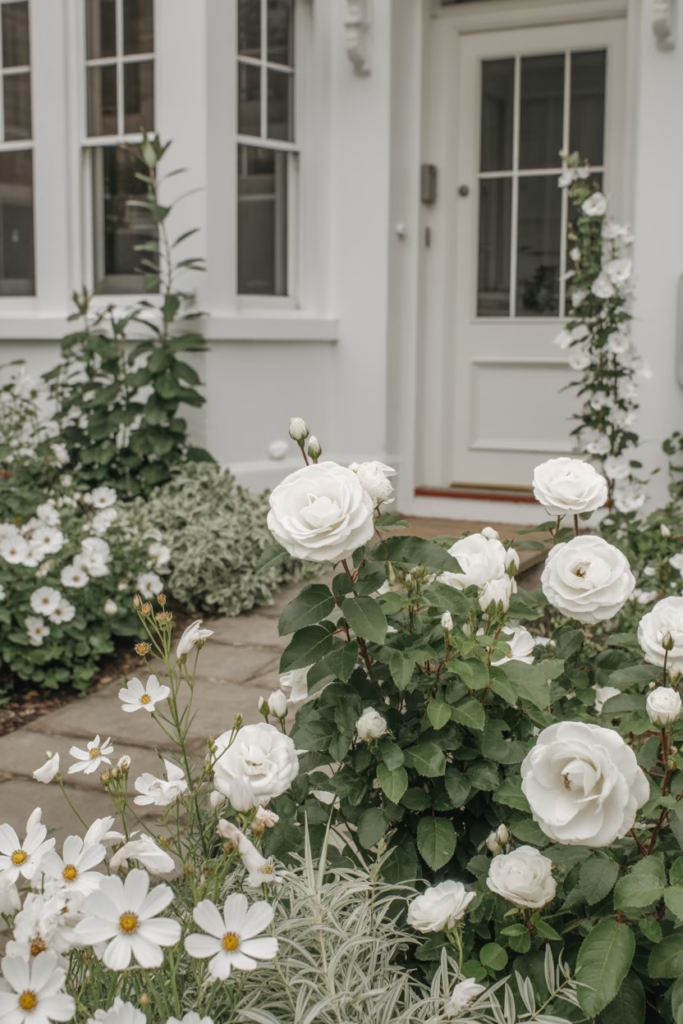
Choosing one color family for all your front garden plants is a bold design move that looks incredibly sophisticated. An all-white planting scheme, for example, feels fresh, elegant, and timeless regardless of the season.
White planting ideas:
- White roses
- Agapanthus ‘White Heaven’
- Gaura lindheimeri
- White cosmos
- Silver-leafed Stachys byzantina (lamb’s ear) for contrast
Or go full drama with deep purples and blacks — dark dahlias, purple alliums, and black-leafed grass. Whatever color you choose, committing fully to it is what makes it look designed rather than accidental.
14. Use Lighting to Extend the Garden’s Impact
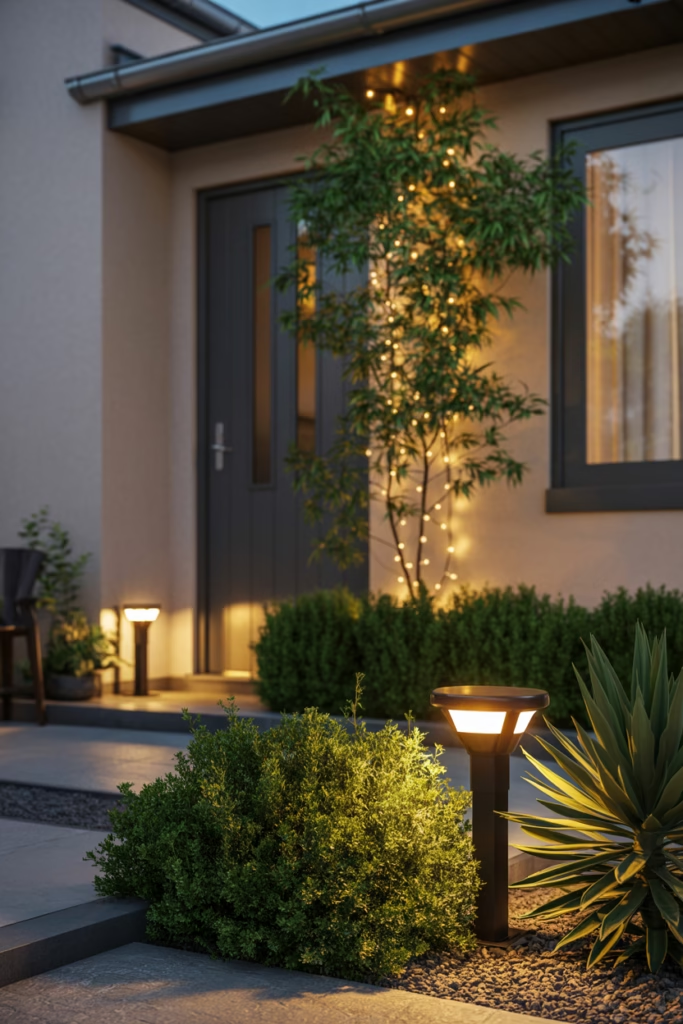
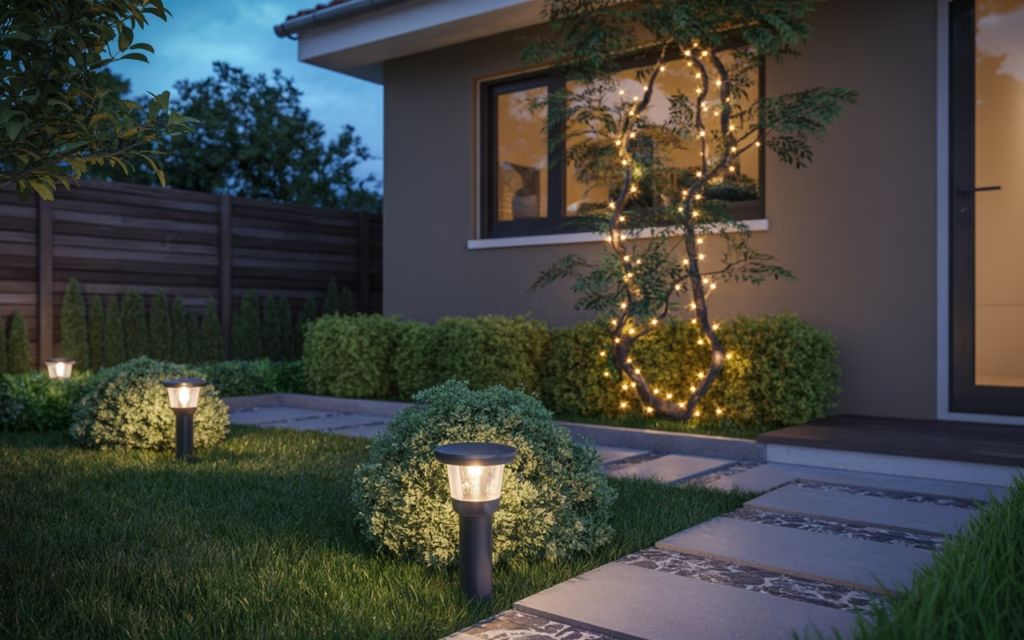
Your front garden should look good at 8pm in January, not just in photos taken at golden hour in June. Low-level solar path lights, uplighters on statement plants, or warm fairy lights through a climber transform the garden after dark.
Uplight a beautiful tree or architectural shrub from below — it creates drama and depth. Line the path with small solar stake lights for safety and style. Warm white LEDs always look more natural than cool blue-white ones.
Lighting is one of those details that costs relatively little but makes an enormous visual difference. It also makes your home feel more welcoming and secure.
15. Plant a Small Tree for Year-Round Structure
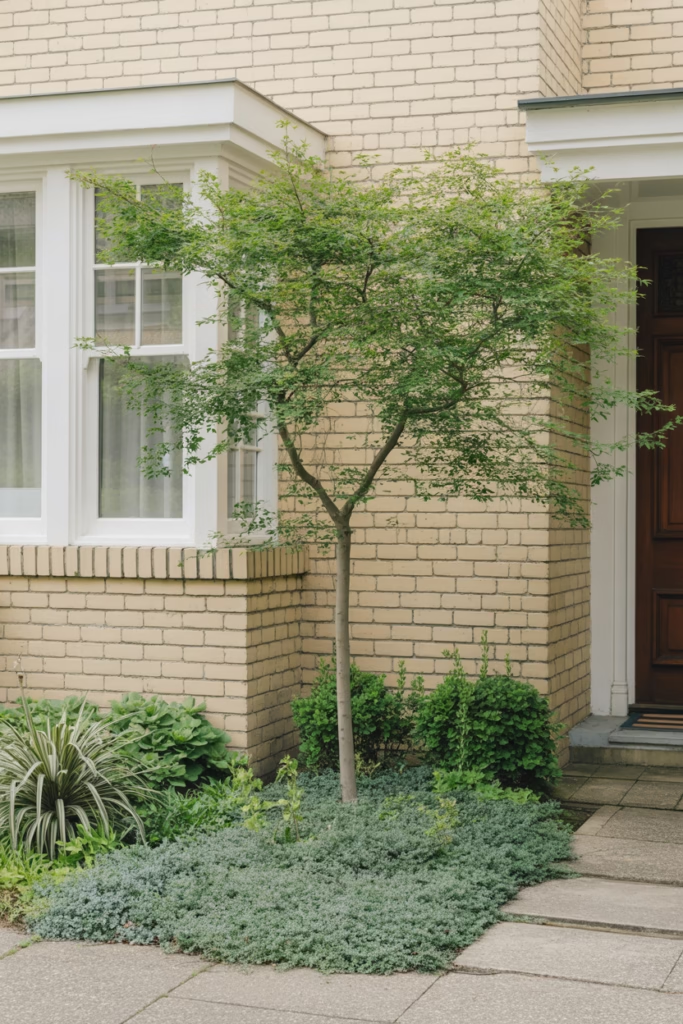
Every good garden, no matter the size, benefits from at least one tree or large structural shrub that provides a backbone through all four seasons.
For small front gardens, choose carefully:
- Amelanchier lamarckii — spring blossom, autumn color, compact size
- Betula utilis ‘Jacquemontii’ — stunning white bark, airy canopy
- Prunus ‘Kojo-no-mai’ — dwarf cherry, masses of spring blossom
- Acer palmatum — Japanese maple, incredible autumn color
These trees stay a manageable size, provide seasonal interest, and give your garden a sense of permanence that no annual flower can offer. Plant one properly, feed it well, and it’ll reward you for decades.
16. Embrace the Container Approach for Flexibility
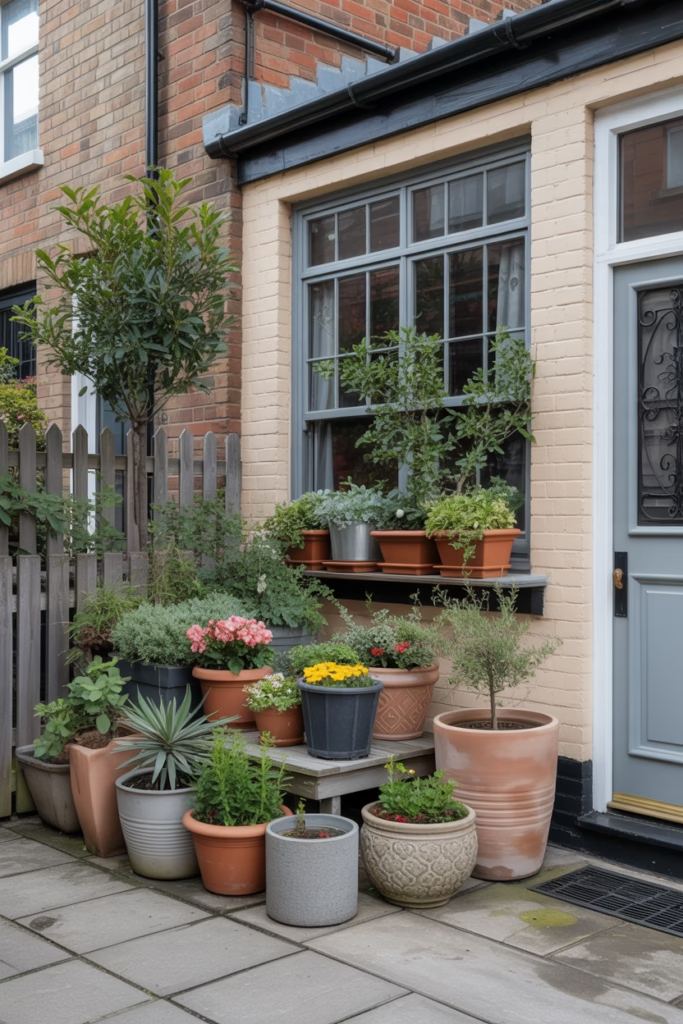
If you’re renting, working with a paved front area, or just want maximum flexibility, going entirely container-based is a legitimate and beautiful strategy.
Containers let you move things around with the seasons, swap out tired plants, and create an ever-evolving display. Group them in clusters of different heights and sizes rather than spacing them out evenly.
Container tips for front gardens:
- Use large pots as the anchors and smaller ones to fill in
- Match pot materials for a cohesive look (all terracotta, all zinc, all stone)
- Elevate some pots on bricks or pot feet for added height variation
- Refresh one or two pots each season to keep the display current
The beauty of containers is that you’re never stuck. Don’t love that plant anymore? Pull it out. Found something better at the garden center? Make room. It’s your garden — keep experimenting. 🙂
Conclusion
A small front garden isn’t a limitation, it’s a focused canvas. The best front gardens I’ve seen aren’t the biggest ones; they’re the most intentional ones. Every plant, every pot, every pathway stone was chosen on purpose.
Start with one or two ideas from this list that genuinely excite you. Don’t try to implement everything at once, that’s how gardens end up looking cluttered and confused. Build a clear vision, layer in the details, and give your plants time to establish.
Whether you go wild with a cottage-style climbing rose and lavender path, or keep it sleek with gravel, architectural plants, and statement lighting, your front garden can absolutely hold its own. Even if your “garden” is technically a 2-meter strip of soil and a hopeful attitude.