
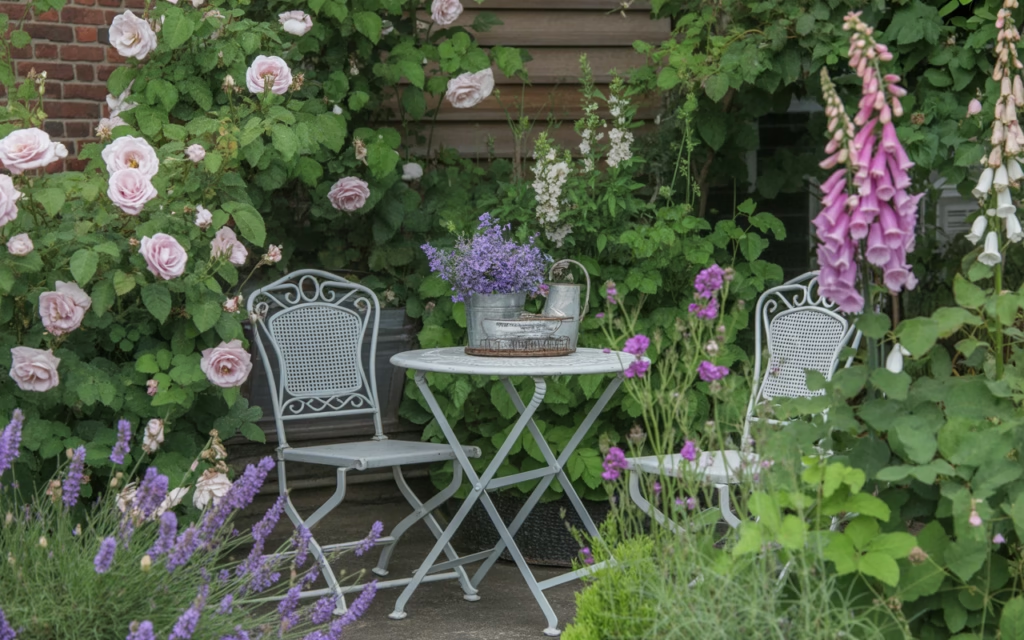
Some gardens look polished. Cottage gardens look alive.
That’s why I love them. They spill over paths, mix flowers like they completely ignore the rules, and somehow end up looking better than half the “perfect” landscapes out there. If you want a garden that feels romantic, colorful, charming, and a little delightfully messy, you’re in the right place.
In this guide, I’m sharing 17 beautiful cottage garden design ideas that can help you create a space that feels cozy, personal, and full of character. Some ideas work in huge backyards. Some fit tiny side yards or even awkward corners that usually collect sadness and random pots. Let’s get into it.
What Makes a Cottage Garden So Special?
A cottage garden feels relaxed, layered, and personal. It doesn’t chase stiff symmetry or ultra-formal lines. Instead, it mixes flowers, herbs, shrubs, climbing plants, and old-fashioned charm in a way that feels natural and welcoming.
The best part? You don’t need a giant estate or a gardening degree to pull it off. You just need a few strong design choices and a willingness to let things look a little lush. IMO, that slightly unruly look gives cottage gardens their magic.
1. Layer Flowers for That Full, Romantic Look
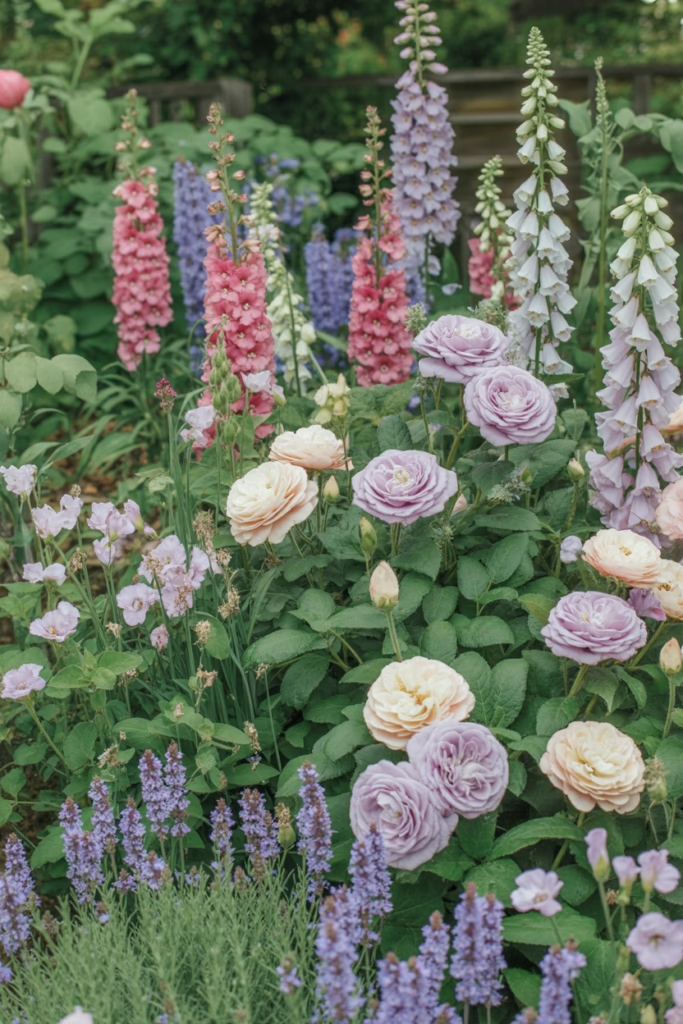
If you want that dreamy cottage garden style, start with layering. This means placing taller plants in back, medium growers in the middle, and low blooms or ground cover in front. That simple trick creates depth and gives your garden that abundant, overflowing feel.
I always think layered planting makes a garden look richer and more established. One flat row of flowers can look nice, sure. But several heights together? That’s where the charm shows up.
Best plants for layered borders
Try combining plants like these:
- Delphiniums for height
- Roses for structure and softness
- Lavender for fragrance and edging
- Catmint for a loose, billowy look
- Foxgloves for vertical drama
Choose colors that blend naturally rather than clash. Soft pinks, creamy whites, purples, and blues usually work beautifully in a cottage garden border.
2. Add a Winding Garden Path
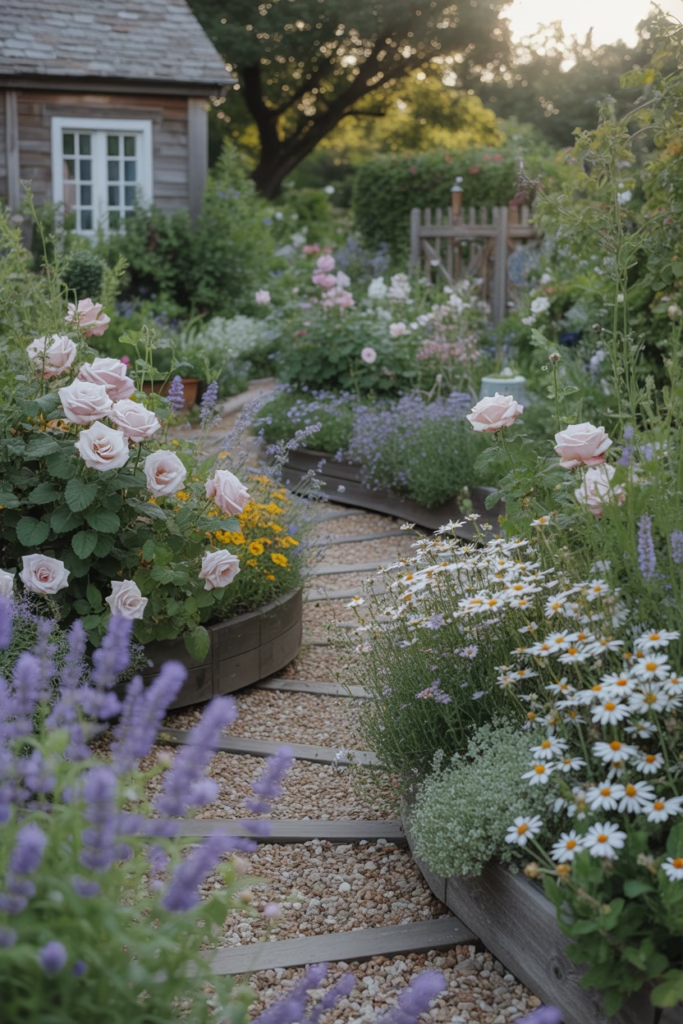
Straight paths feel practical. Winding paths feel magical.
A curved path invites you to slow down and actually enjoy the garden. It also helps a small space feel larger because you can’t see everything at once. Ever noticed how gardens feel more interesting when they reveal themselves gradually?
Use materials that match the cottage look, such as:
- Gravel
- Brick
- Natural stone
- Stepping stones
- Mulch for informal areas
I love gravel paths because they feel casual and charming without trying too hard. Plus, that soft crunch underfoot just works.
3. Mix Flowers With Herbs
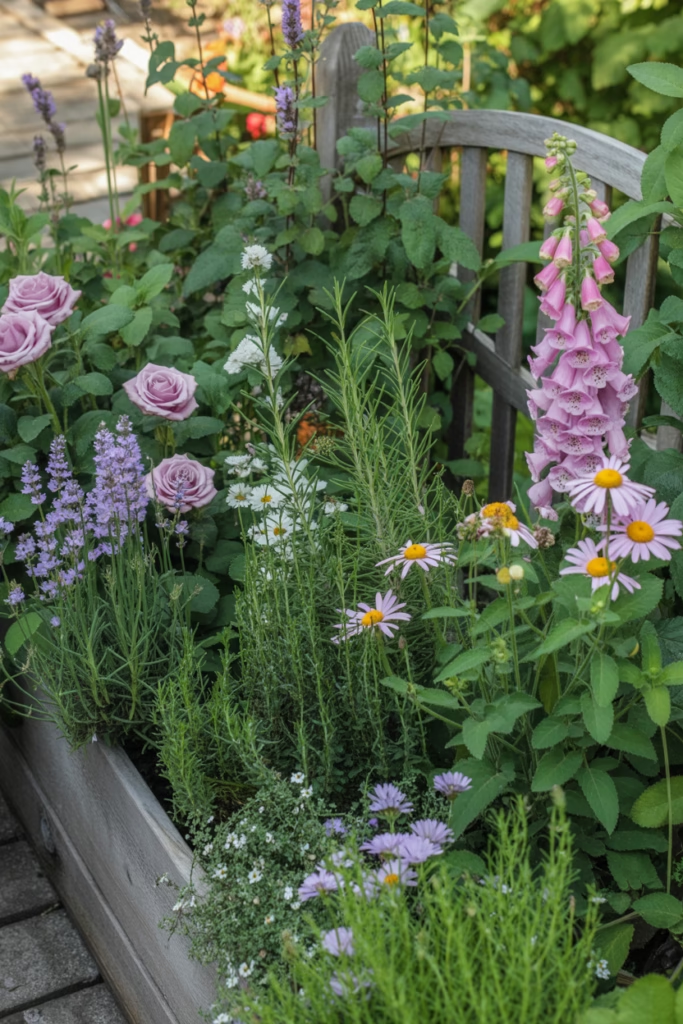
One of my favorite cottage garden ideas involves mixing ornamental flowers with useful herbs. It looks beautiful, smells amazing, and gives the garden a relaxed, lived-in feel.
You don’t need to separate the “pretty” plants from the practical ones. In fact, cottage gardens look better when you blend them together. Why should basil and thyme hide in a corner like they did something wrong?
Herbs that look beautiful in a cottage garden
These herbs earn their spot visually and practically:
- Lavender
- Sage
- Thyme
- Rosemary
- Chives
- Oregano
Let herbs spill along pathways or tuck them between flowering perennials. That mix creates texture and gives the whole garden a softer, more layered style.
4. Choose Classic Cottage Flowers
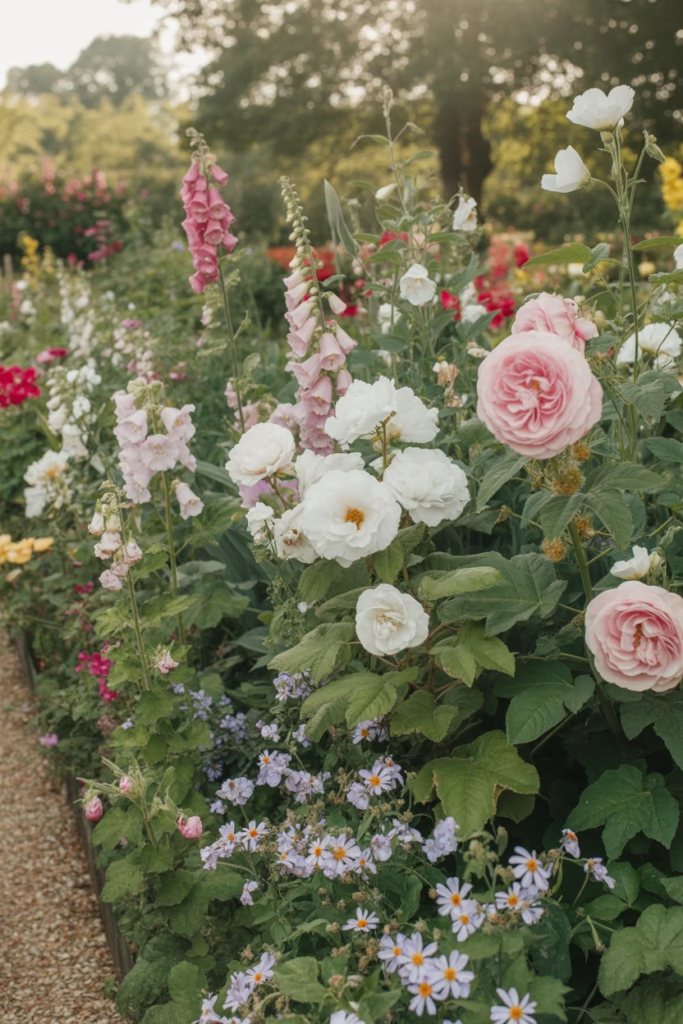
Some flowers instantly create that old-fashioned cottage garden feel. If you want the look fast, start with classic bloomers that gardeners have loved for generations.
I’d build around a few reliable stars before adding extras. That way, your garden feels cohesive instead of looking like the plant aisle exploded in your yard.
Cottage garden flowers that never miss
Here are some favorites:
- Roses
- Peonies
- Foxgloves
- Hollyhocks
- Sweet peas
- Daisies
- Coneflowers
- Phlox
These flowers bring color, height, softness, and nostalgia. Mix bloom times so your garden keeps performing across the seasons instead of peaking once and then acting retired by July.
5. Use a White Picket Fence for Instant Charm
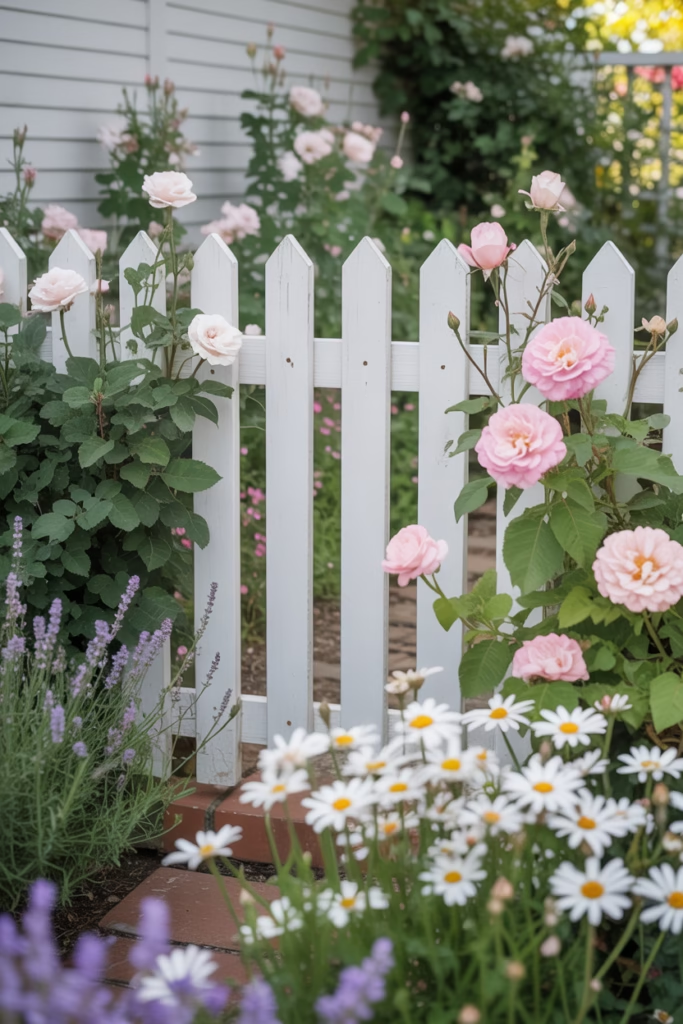
Nothing says cottage garden quite like a white picket fence. Yes, it’s a little classic. Yes, it’s a bit storybook. That’s exactly the point.
A picket fence frames the garden and gives all those loose, spilling plants a sense of structure. Even a short fence along the front border can make your garden look more intentional and polished.
You can pair it with:
- Climbing roses
- Lavender borders
- Daisy-filled beds
- A small gate for extra character
If you want an easy visual upgrade, this one delivers fast. It’s almost unfair.
6. Let Climbing Plants Take Over—A Little
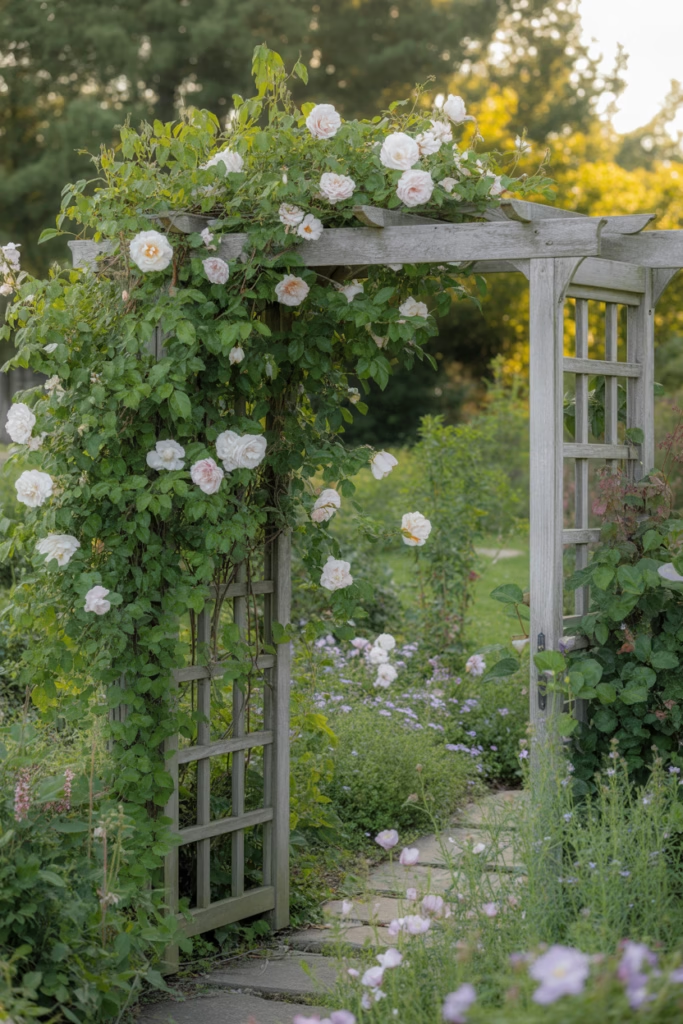
Cottage gardens love vertical interest. Trellises, arches, pergolas, and fences all give you space to grow plants upward, which makes the entire garden feel fuller and more immersive.
I especially love climbing plants because they soften hard structures. A plain arch looks fine. Cover it in roses or clematis, and suddenly people think you have your life together 🙂
Best climbing plants for cottage gardens
Try these classics:
- Climbing roses
- Clematis
- Sweet peas
- Jasmine
- Honeysuckle
- Wisteria if you have the room and patience
Use climbers near entryways, seating areas, or gates. That placement creates strong focal points and adds serious cottage charm.
7. Create Dense, Overflowing Borders
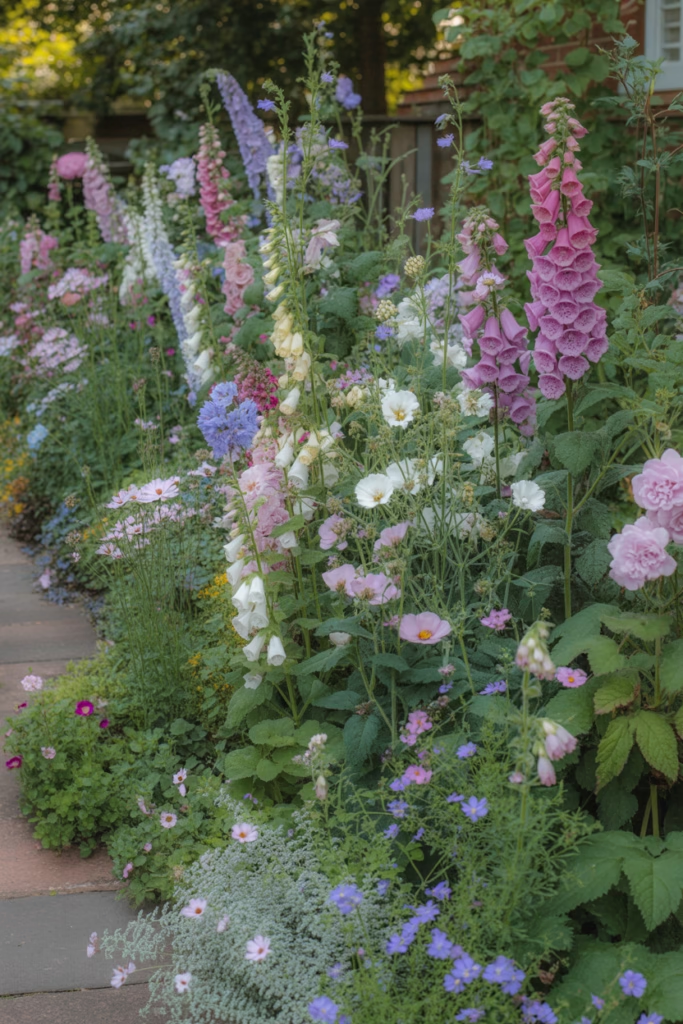
A cottage garden should look generous. Sparse planting won’t give you that lush effect, so don’t leave giant gaps between plants unless you enjoy staring at mulch.
Plant densely, but still respect mature spacing enough to keep air moving. The goal is a border that feels full and soft, not a floral traffic jam.
How to make borders feel abundant
Focus on a mix of:
- Tall spires like foxgloves and delphiniums
- Rounded fillers like peonies and roses
- Airy mixers like verbena and cosmos
- Low edging plants like thyme and alyssum
This combination gives your flower beds movement, shape, and that layered cottage garden look people love.
8. Add Vintage or Rustic Garden Decor
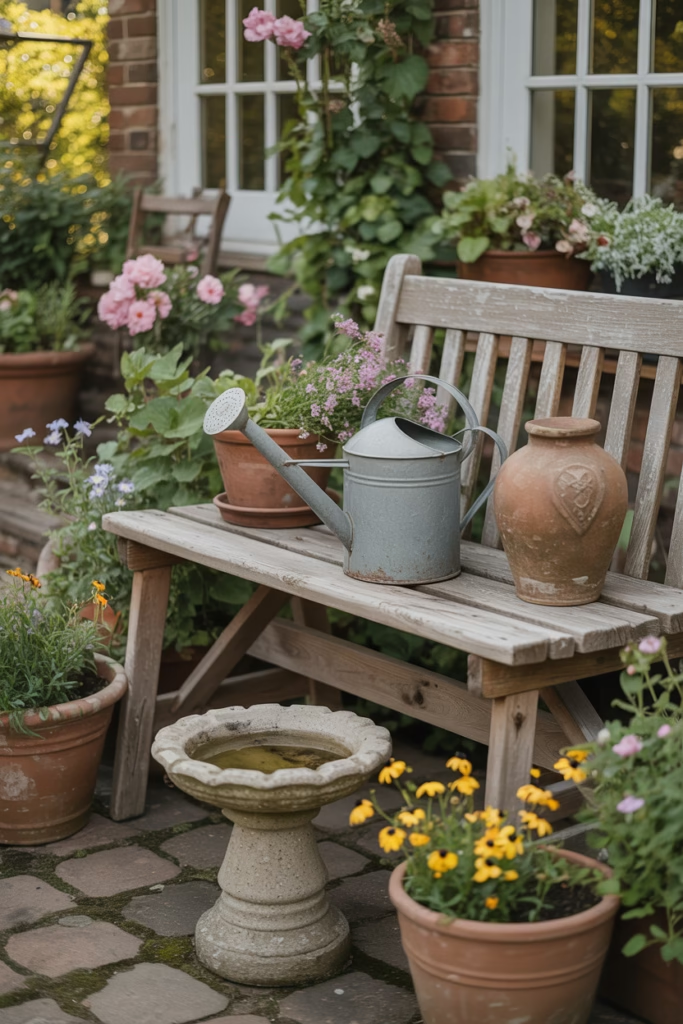
The right decor can make a cottage garden feel personal instead of generic. I’m talking about weathered benches, old watering cans, antique pots, birdhouses, and rustic arches.
You don’t need to overdo it. One or two thoughtful pieces often look better than a yard full of “quirky” signs trying way too hard.
Good cottage garden decor ideas include:
- A distressed wooden bench
- A vintage metal watering can
- Terracotta pots
- A stone birdbath
- An old wheelbarrow used as a planter
These pieces add personality and help the garden feel lived in and loved.
9. Plant for Pollinators
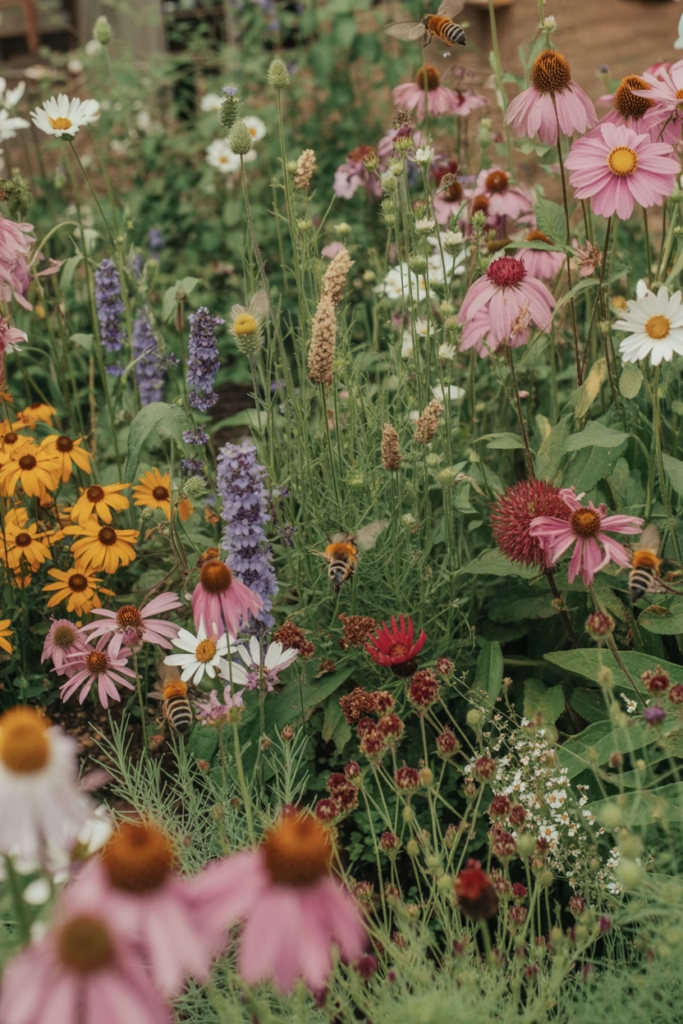
A beautiful cottage garden should also feel lively. Bees, butterflies, and birds bring movement and energy that make the whole space more magical.
Luckily, many classic cottage garden plants already attract pollinators. So this design choice looks good and supports your local ecosystem. Win-win.
Pollinator-friendly cottage garden plants
Choose flowers like:
- Bee balm
- Coneflowers
- Lavender
- Salvia
- Black-eyed Susans
- Yarrow
- Cosmos
If you ask me, a garden always feels better when it hums with life. Also, butterflies never hurt the mood.
10. Use Soft, Romantic Color Palettes
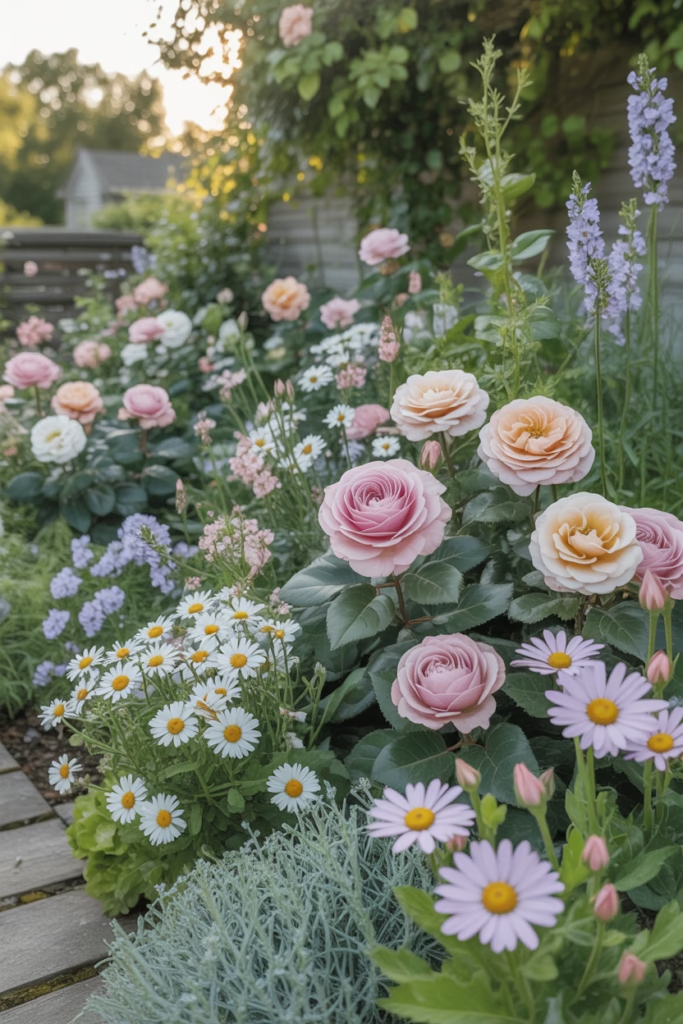
Color plays a huge role in cottage garden design. Soft palettes create that dreamy, timeless look people usually want when they imagine a cottage-style space.
That doesn’t mean you need to avoid bright colors completely. But if you want a more cohesive design, stick with shades that blend easily and repeat throughout the beds.
Color schemes that work beautifully
Popular cottage garden color palettes include:
- Pink, white, and lavender
- Blue, purple, and silver
- Peach, cream, and soft yellow
- Rose, mauve, and green
I personally love soft pinks mixed with purples and white. It feels romantic without looking sugary-sweet or overly staged.
11. Include a Cozy Seating Area
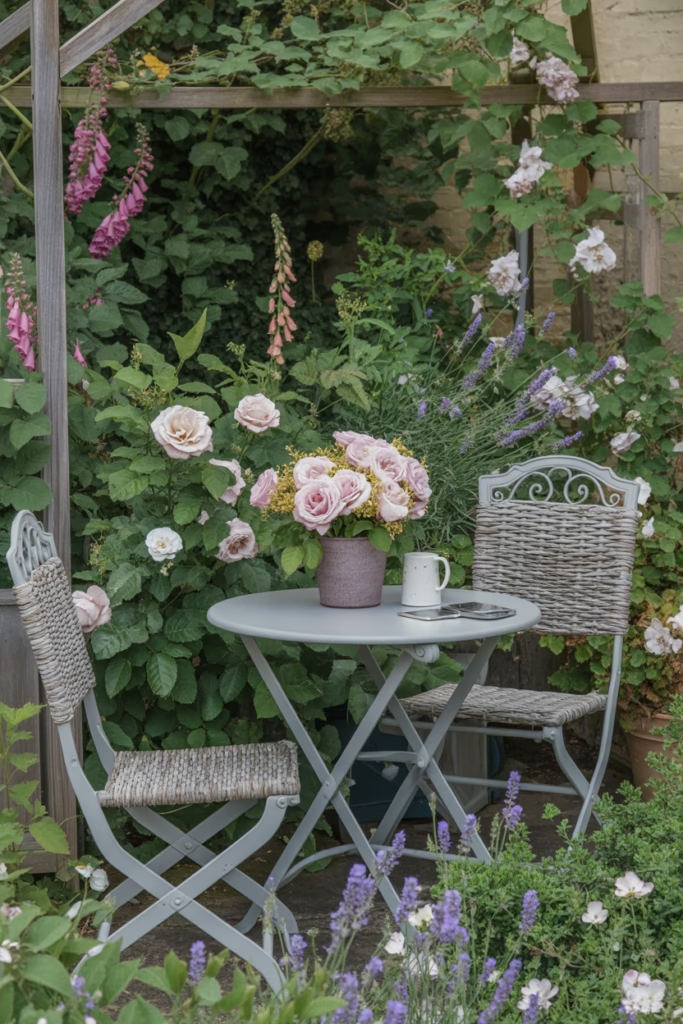
A cottage garden should invite you in, not just give you something pretty to photograph. Add a small bench, bistro set, or tucked-away chair so you can actually sit and enjoy the space.
Even a tiny seating area changes how the garden feels. It gives the eye a focal point and turns the garden into a destination instead of just a border around the lawn.
Great seating spot ideas include:
- Under an arbor
- At the end of a path
- Beside a flower bed
- Near a birdbath or fountain
- In a partly shaded corner
Ever notice how one simple chair can make a garden feel intentional? That’s design doing its thing.
12. Use Arbors and Garden Gates
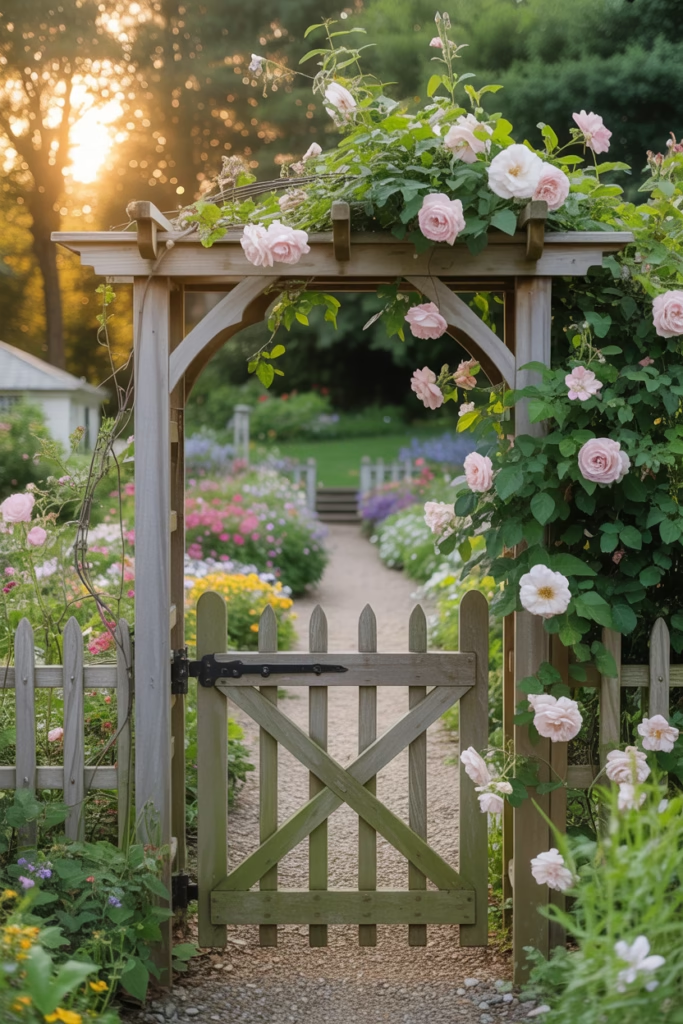
Arbors and gates bring instant storybook charm to a cottage garden. They create structure, define entrances, and give climbing plants something beautiful to wrap around.
A simple wooden arbor over a gate can transform an ordinary entrance into a focal point. You don’t need anything grand. You just need a feature that says, “Yep, something lovely starts here.”
For the best effect, pair arbors and gates with:
- Climbing roses
- Clematis
- Trailing vines
- Gravel or brick paths
- Overflowing border plants
These elements work together and make the whole design feel more complete.
13. Blend Formal Structure With Relaxed Planting
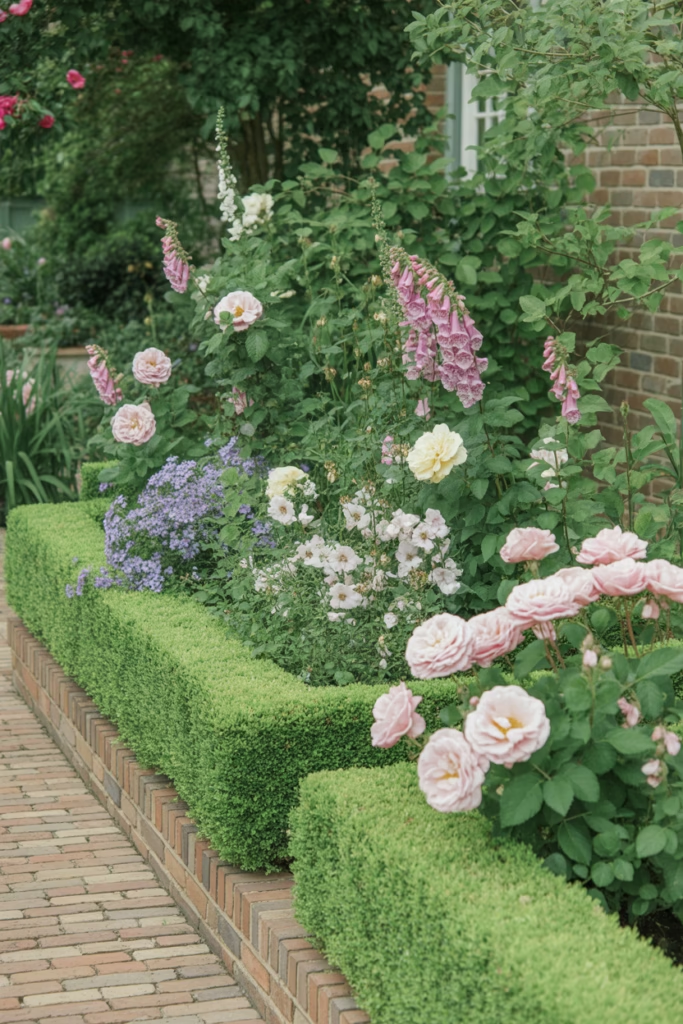
This idea works especially well if you want your cottage garden to feel charming without looking chaotic. Use a little structure, then let the plants soften everything.
For example, you can combine neat hedges, geometric beds, or brick edging with loose, billowy flowers. That contrast creates balance and keeps the garden from looking messy.
Ways to add structure
Try adding:
- Boxwood edging
- Brick borders
- Symmetrical entry points
- Defined paths
- Raised beds with soft planting
I love this approach because it gives you the best of both worlds. You get romance and order. Frankly, that’s a solid deal.
14. Embrace Self-Seeding Flowers
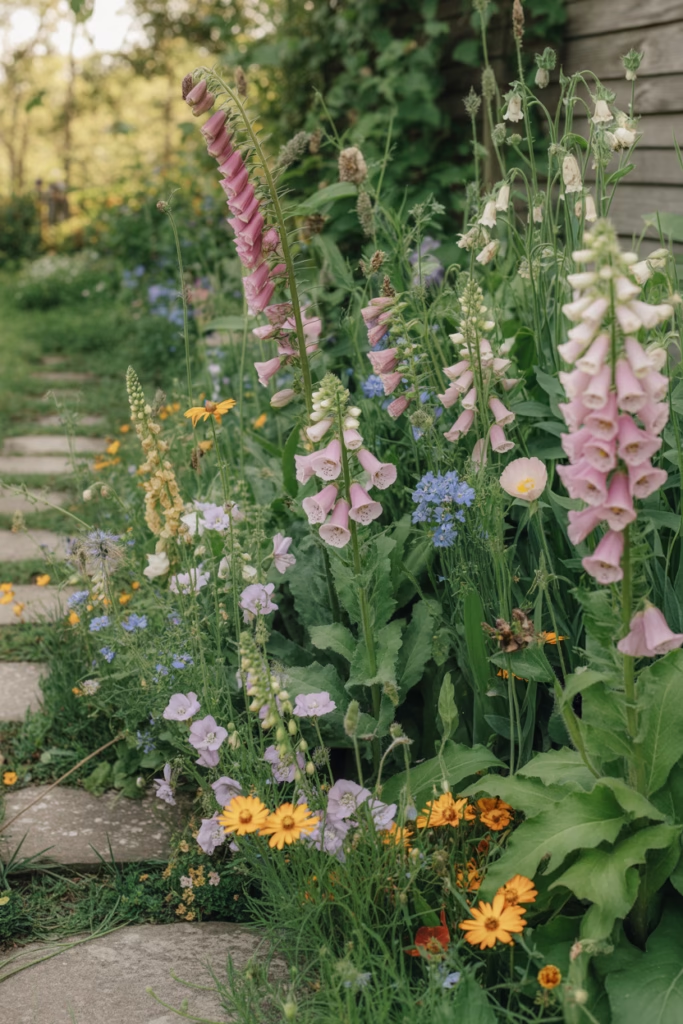
Self-seeding flowers belong in cottage gardens. They pop up in unexpected places, soften edges, and make the space feel wonderfully natural.
Some gardeners hate surprises in the flower beds. I kind of love them. When poppies or foxgloves reappear on their own, the garden feels more alive and less controlled in the best way.
Great self-seeders for cottage gardens
Look for these easygoing bloomers:
- Foxgloves
- Poppies
- Nigella
- Calendula
- Larkspur
- Verbena bonariensis
Just keep an eye on the spread and edit where needed. Cottage gardens should feel free, not feral.
15. Add Containers for Extra Layers
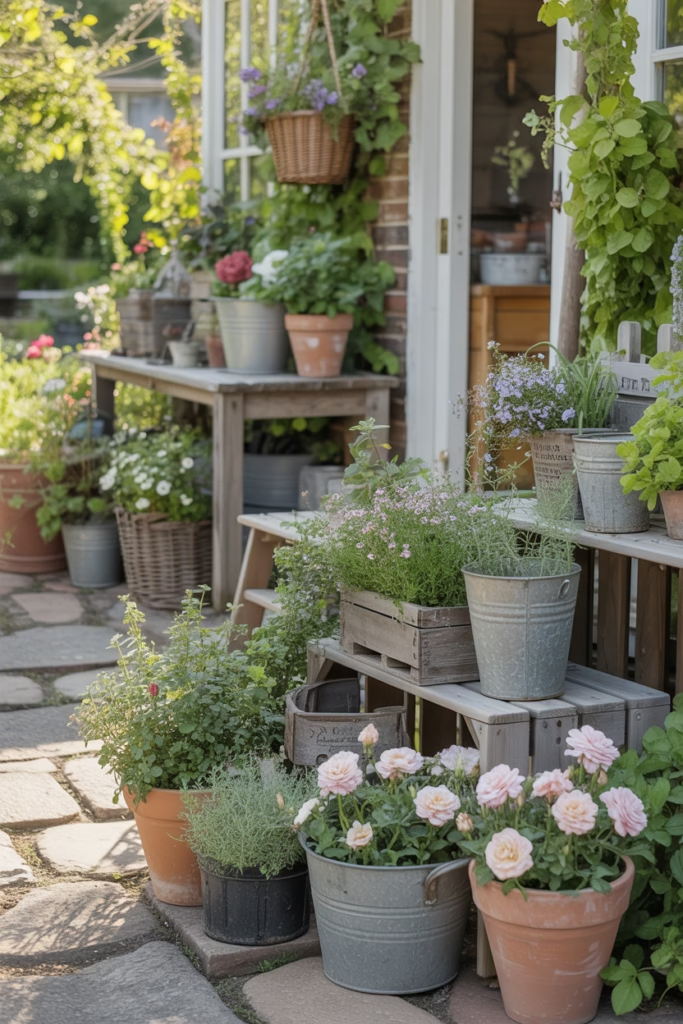
Containers help you fill gaps, highlight entrances, and add charm to patios or paths. They also give you flexibility if you like changing things around from season to season.
I use pots constantly in cottage-style spaces because they create instant fullness. Plus, they let you experiment without digging up half the garden because one plant made a bad life choice.
Best container ideas for cottage gardens
Try using:
- Terracotta pots
- Aged metal containers
- Wooden crates
- Stone planters
- Mixed flower pots near doors or gates
Fill them with trailing blooms, herbs, or compact roses. Grouping containers in odd numbers usually looks more relaxed and natural.
16. Let Edges Spill Over
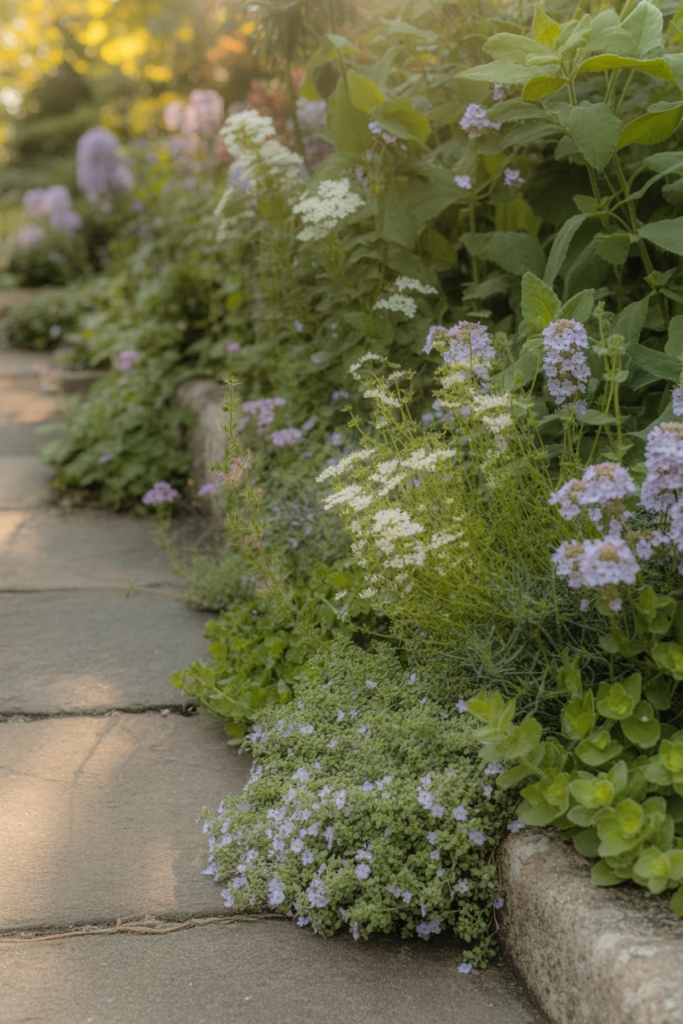
Sharp edges rarely suit a cottage garden. You want plants to soften paths, lean over borders, and blur the lines between bed and walkway.
This “spilling over” effect makes the garden feel mature and generous. It also adds movement, which keeps everything from looking too rigid.
Plants that soften edges beautifully
Use plants like:
- Creeping thyme
- Alyssum
- Catmint
- Lady’s mantle
- Trailing lobelia
- Campanula
I especially love catmint and thyme along stone paths. They relax the whole look and add fragrance too, which feels like a nice bonus and not one of those fake “bonus features” marketers invent.
17. Make It Feel Personal
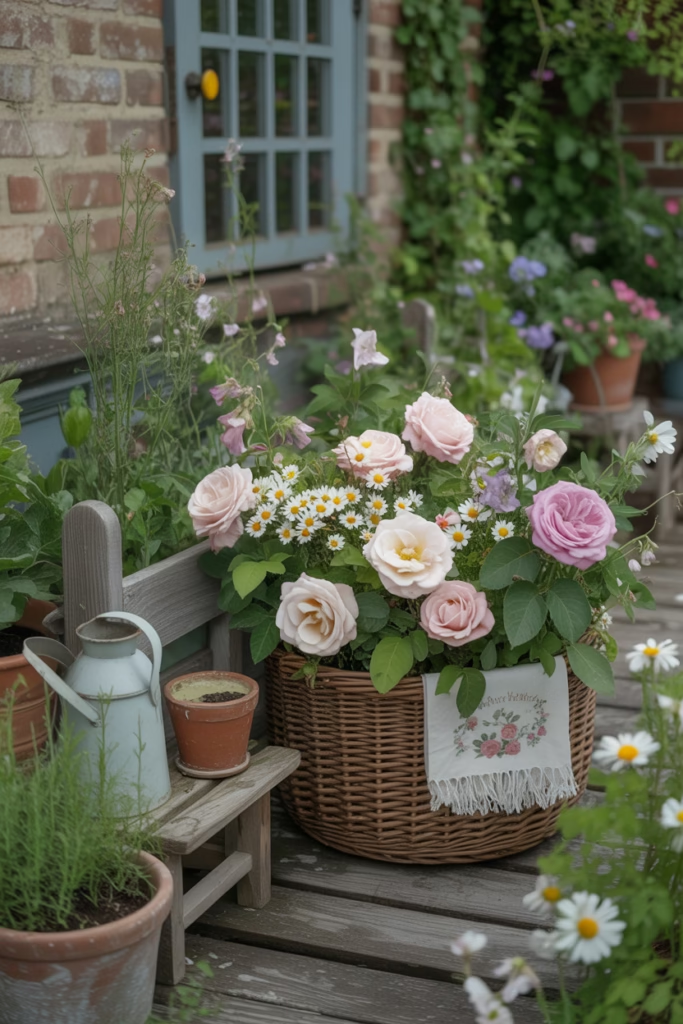
This might be the most important cottage garden idea of all. A true cottage garden reflects your taste, your memories, and your way of living.
Maybe you love old roses because your grandmother grew them. Maybe you want a cutting garden full of sweet peas and daisies. Maybe you want herbs everywhere because you cook constantly and refuse to buy sad supermarket thyme again :/
That personal mix gives the garden its soul. You can follow design rules all day, but your space starts to shine when you include details that actually matter to you.
How to Pull the Look Together
If all 17 ideas sound lovely but slightly overwhelming, don’t worry. You don’t need to do everything at once.
Start with these core cottage garden design elements:
- Layered planting
- Classic cottage flowers
- Curved or informal paths
- Climbing plants
- Soft color palettes
- A cozy focal point like a bench, gate, or arbor
Once those pieces go in, the garden starts to develop that romantic cottage style naturally. Then you can add decor, containers, herbs, and extra pollinator plants over time.
Common Cottage Garden Mistakes to Avoid
Cottage gardens look relaxed, but they still need smart design. Otherwise, the space can slip from “charming” into “slightly alarming.”
Here are a few mistakes to avoid:
- Using too many random colors with no repetition
- Planting without considering mature size
- Forgetting structure like paths, edging, or focal points
- Leaving too much empty space between plants
- Choosing high-maintenance plants you don’t actually want to care for
I always recommend starting with a loose plan. You want freedom, not confusion. There’s a difference.
Final Thoughts on Cottage Garden Design
The best cottage garden designs feel romantic, abundant, and deeply personal. They mix flowers, herbs, climbers, color, texture, and a bit of happy chaos into something that feels warm and welcoming.
If you want a quick start, begin with layered flower beds, classic blooms, winding paths, and one charming focal point like a bench or arbor. Then let the garden grow into itself. That’s part of the fun.
Honestly, that’s what makes cottage gardens so lovable. They don’t ask for perfection. They reward personality, patience, and a little creative messiness.