
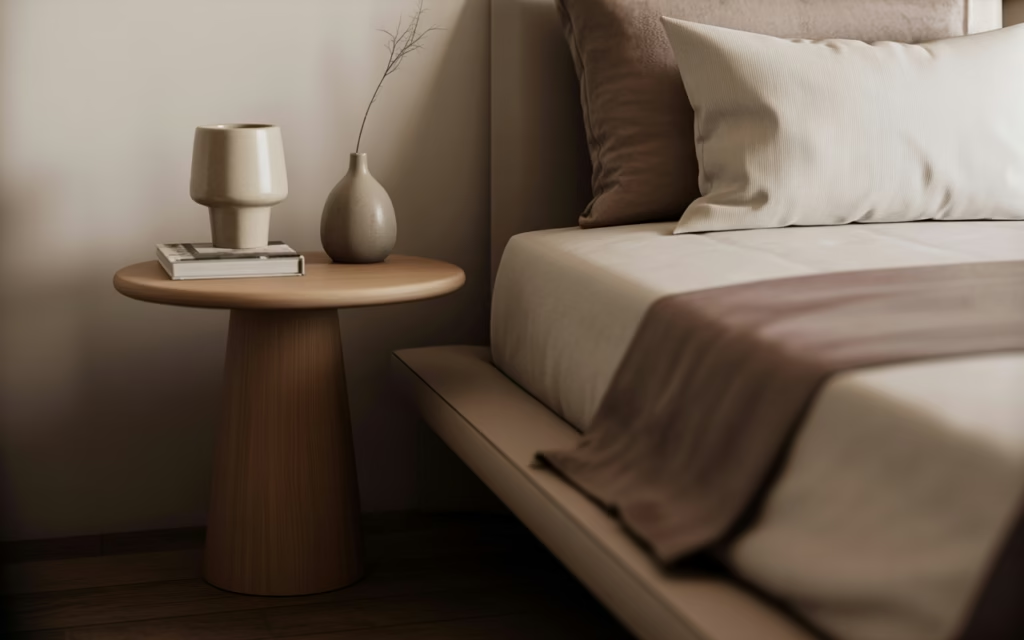
The bedroom should feel like the easiest room in the house to make beautiful, but somehow it often turns into the place where random furniture, extra blankets, and visual clutter go to quietly cause stress. If you’ve been craving a space that feels calm, stylish, and actually relaxing at the end of the day, modern minimalist bedroom ideas can help you get there without making your room feel cold or boring.
What I love most about this style is how it focuses on the things that really matter clean lines, soft textures, thoughtful furniture, and a layout that gives your mind a break. You don’t need a giant budget or a perfectly empty room to pull it off either. A few smart changes can make your bedroom look more polished, feel more spacious, and honestly work better for everyday life.
In this list, I’m sharing 17 beautiful modern minimalist bedroom ideas that balance simplicity with warmth, so your space still feels personal and inviting.
1. Stick to a Neutral Color Palette
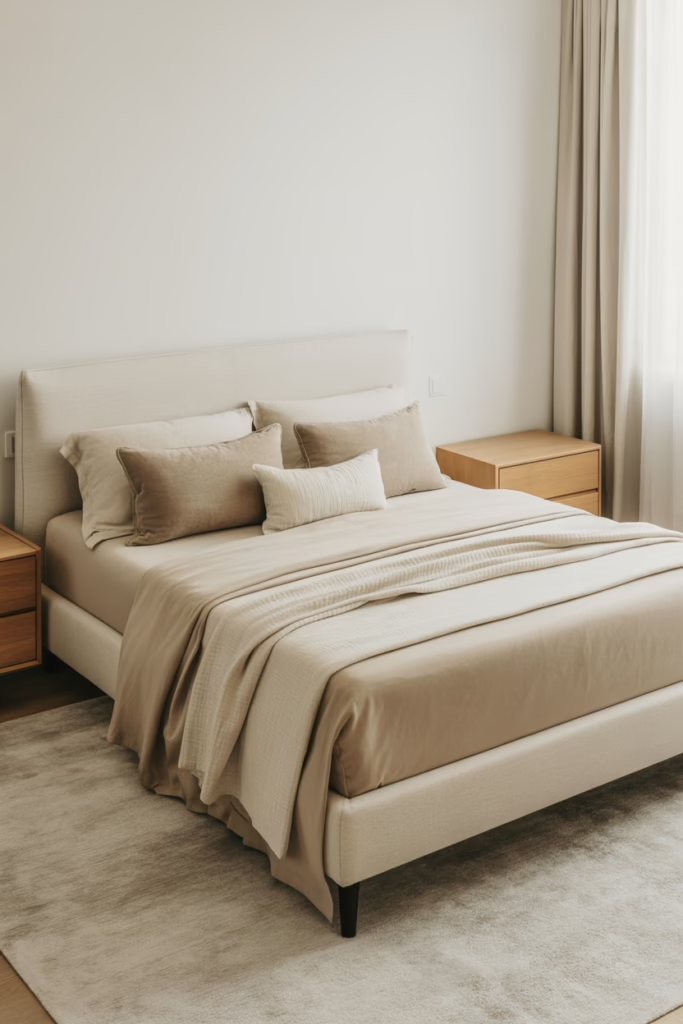
The foundation of every stunning minimalist bedroom starts with color — or rather, the restraint of color. Whites, warm beiges, soft grays, and muted greiges are your best friends here.
The trick isn’t to make everything the same shade of white (that actually looks clinical, not calm). Instead, layer 2–3 neutral tones together. Think a warm white wall, a greige linen duvet, and a soft taupe rug.
- Warm whites (like off-white or cream) make a room feel cozy, not sterile
- Cool grays work beautifully in rooms with lots of natural light
- Sandy beiges add an earthy, grounded feeling
This simple choice alone can transform a chaotic room into a serene retreat.
2. Invest in a Statement Bed Frame
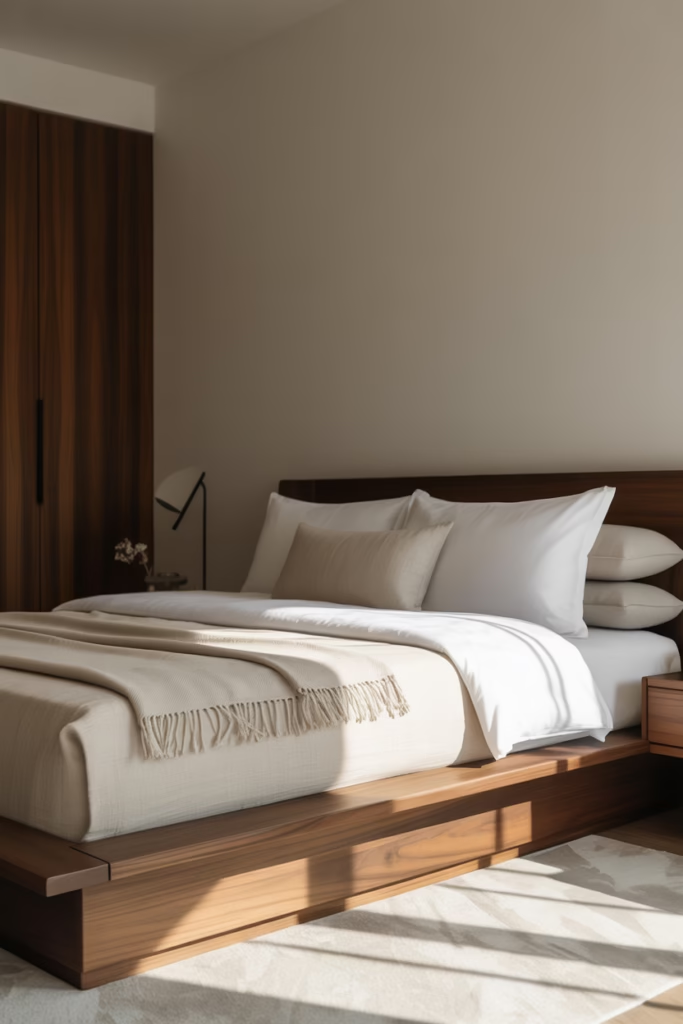
Here’s the thing about minimalist rooms — because there’s less visual clutter, every piece of furniture you do choose has to earn its spot. And nothing earns its spot more than a beautiful, well-designed bed frame.
Go for a low-profile platform bed in natural wood, upholstered linen, or matte black metal. These styles photograph incredibly well (hello, Pinterest :)) and they anchor the entire room without overwhelming it.
What makes a great minimalist bed frame?
- Low to the ground — creates a grounded, calm feeling
- Clean lines — no ornate carvings or excessive detail
- Natural materials — wood, linen, rattan, or matte metal
- Neutral color — walnut, white, charcoal, or natural oak
Skip the headboard with built-in USB ports and LED lights. IMO, that’s the opposite of minimalist energy.
3. Use Textured Linens to Add Warmth
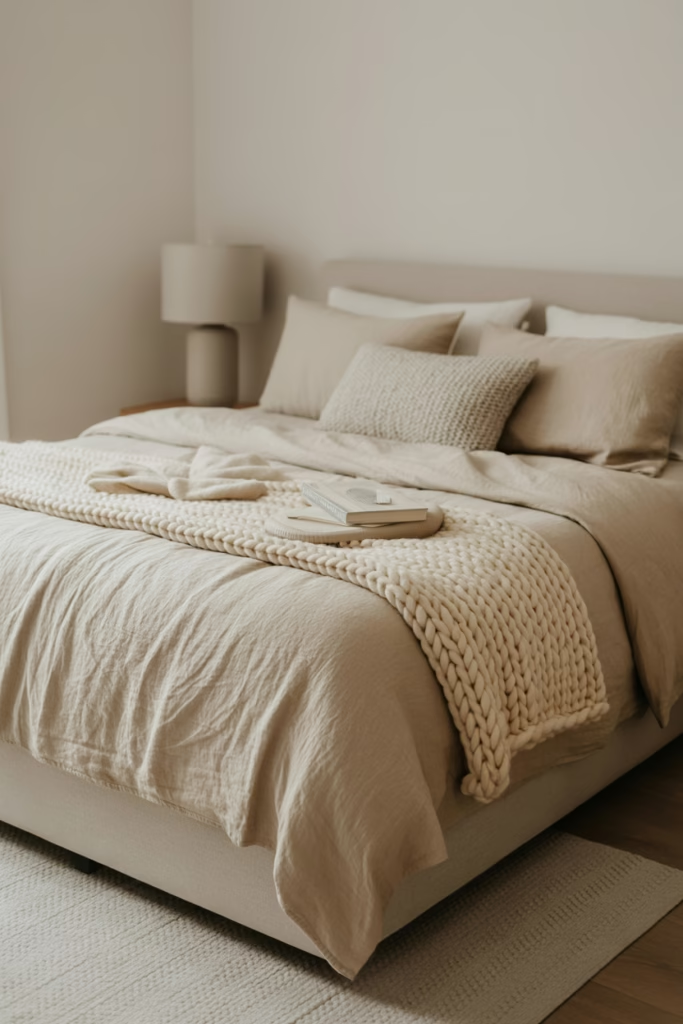
One of the biggest misconceptions about minimalism is that it has to feel cold. But texture is your secret weapon for making a minimal room feel warm and inviting.
Layer your bed with a linen duvet, a chunky knit throw, and a few pillows in varying textures — waffle weave, boucle, or simple cotton. The key is keeping everything in the same tonal family so it looks cohesive, not chaotic.
Think of it like this: you’re not adding more stuff, you’re adding depth. There’s a big difference.
4. Keep Nightstands Simple and Functional
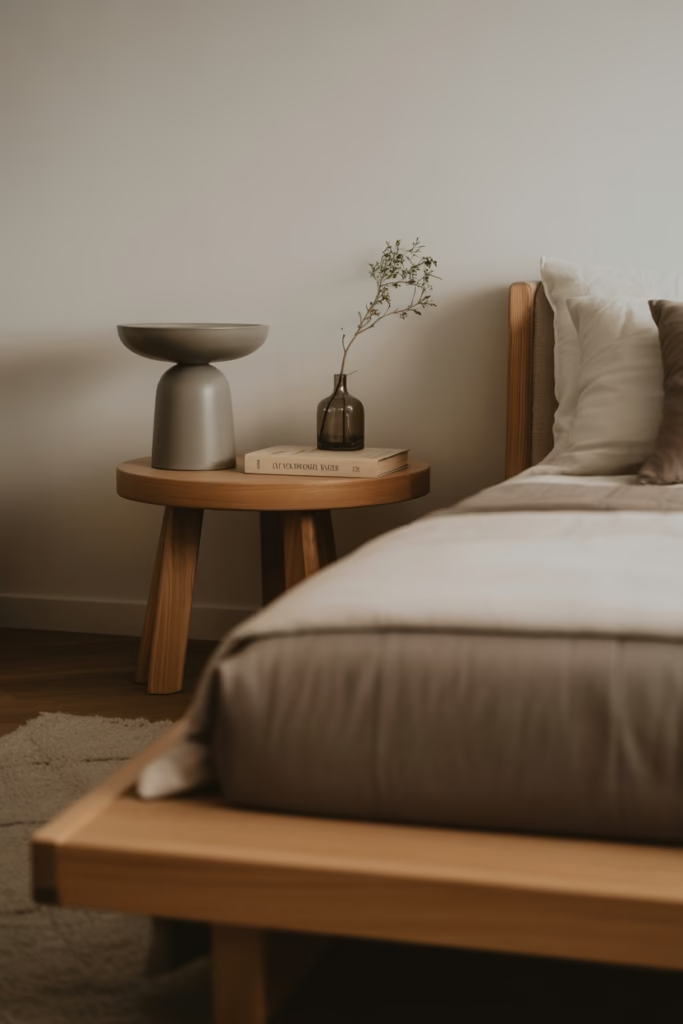
Your nightstand situation says a lot about your bedroom’s overall vibe. A cluttered nightstand is the fastest way to ruin a minimalist aesthetic, and yet — we’ve all been guilty of the seven-book, two-charger, face cream, half-empty water glass nightstand situation. We don’t talk about that.
Choose a nightstand with minimal visual weight — a floating shelf, a slim wooden side table, or even a simple stool. Keep only what you actually use on it:
- One lamp (with a warm-toned bulb)
- One book you’re currently reading
- A small plant or single decorative object
- Your phone (fine, we’re not monsters)
5. Embrace Natural Wood Tones
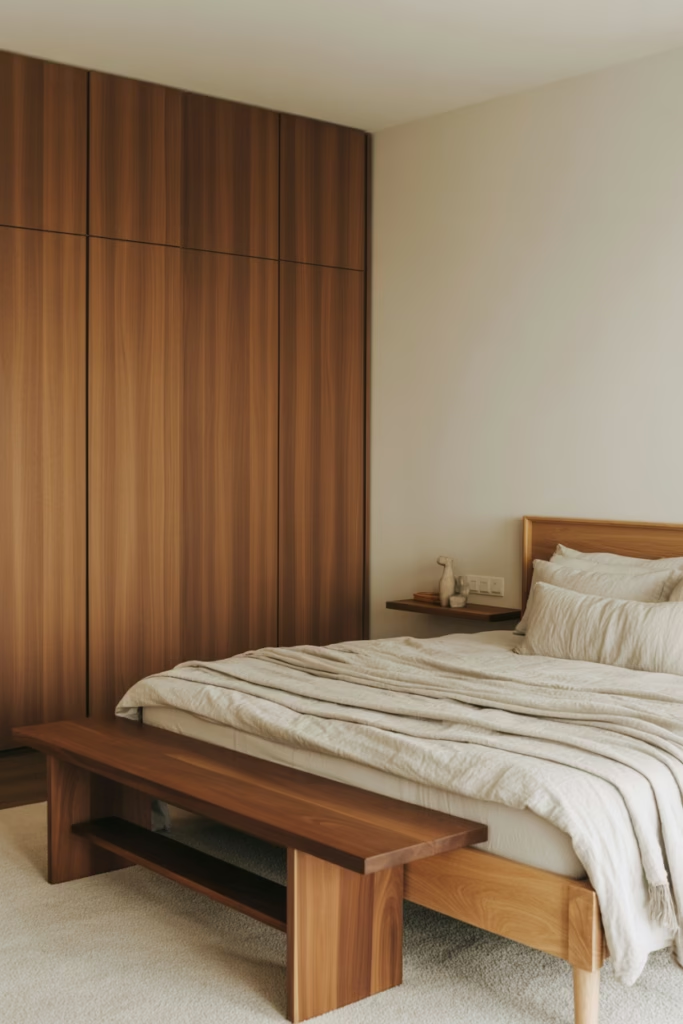
Natural wood is the unsung hero of modern minimalist design. It adds warmth, organic texture, and a sense of calm that no synthetic material can replicate.
You don’t need to go full Scandinavian log cabin. Even one or two wood elements — a bedside table, a wooden bench at the foot of the bed, or a simple floating shelf — can make the whole room feel warmer and more intentional.
Light oak and walnut are the two most popular choices right now, and honestly, they work beautifully in almost every neutral color scheme.
6. Choose Recessed or Indirect Lighting
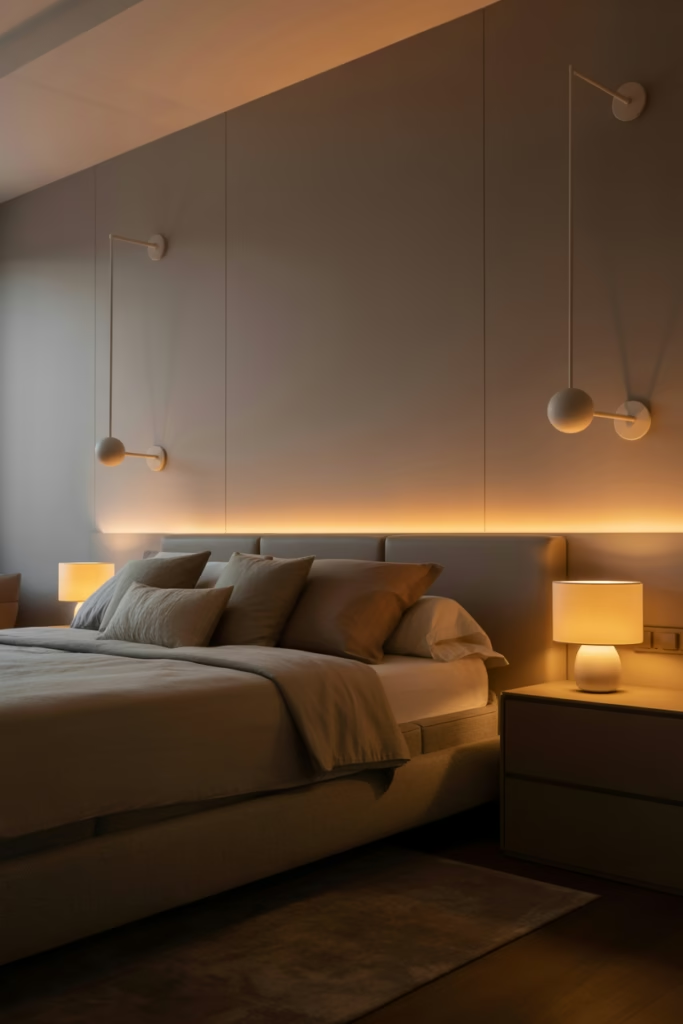
Ever walk into a room with harsh overhead lighting and immediately feel… stressed? Yeah, that’s not the vibe we’re going for. Lighting is everything in a minimalist bedroom, and the goal is to make it feel like a warm, glowing sanctuary.
Swap out that single bright ceiling light for a combination of:
- Wall sconces on either side of the bed (game changer)
- A bedside lamp with a warm-toned bulb (2700K–3000K)
- LED strip lighting hidden behind a headboard or under a floating bed frame
- Pendant lights hung low on either side of the bed instead of table lamps
The layered lighting approach makes the room feel dynamic and cozy, even when the overall design is restrained.
7. Declutter with Built-In or Hidden Storage
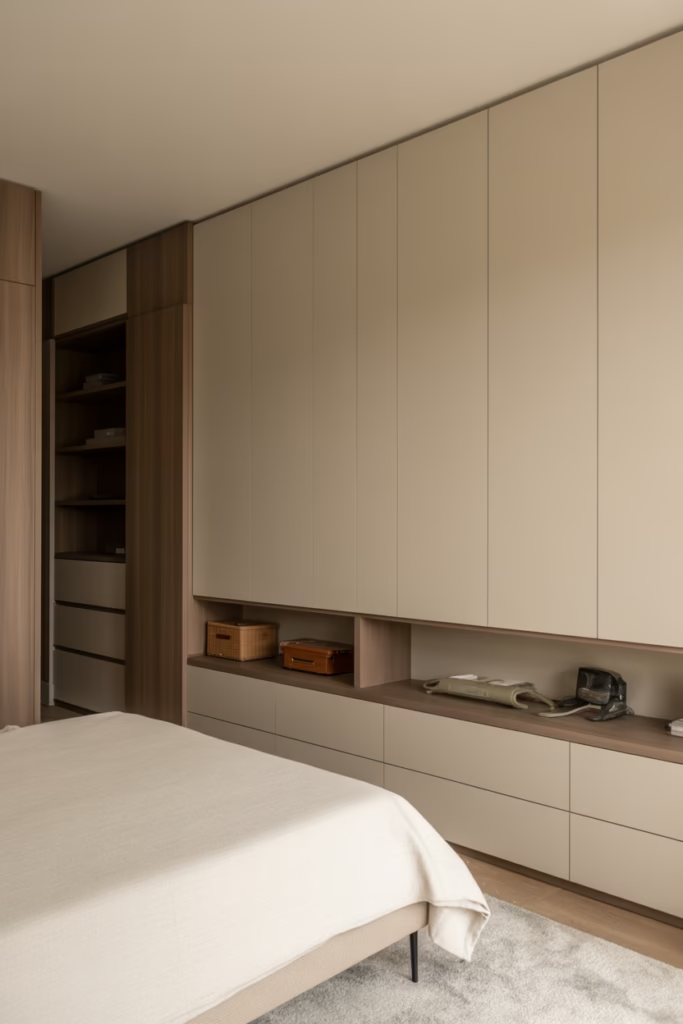
Here’s a hot take: minimalism isn’t about owning less, it’s about hiding more. Okay, it’s a little of both — but smart storage is what keeps a minimal bedroom looking clean without requiring you to live like an ascetic monk.
Built-in wardrobes with flat-front doors, under-bed storage drawers, and ottomans with hidden compartments are all brilliant ways to keep your space looking serene while still having, you know, actual belongings.
Storage ideas that don’t ruin the look:
- Flat-front built-in wardrobes that blend into the wall
- Under-bed drawers built into a platform bed frame
- Floating shelves instead of bulky bookshelves
- Storage ottomans at the foot of the bed
8. Add a Single Focal Point
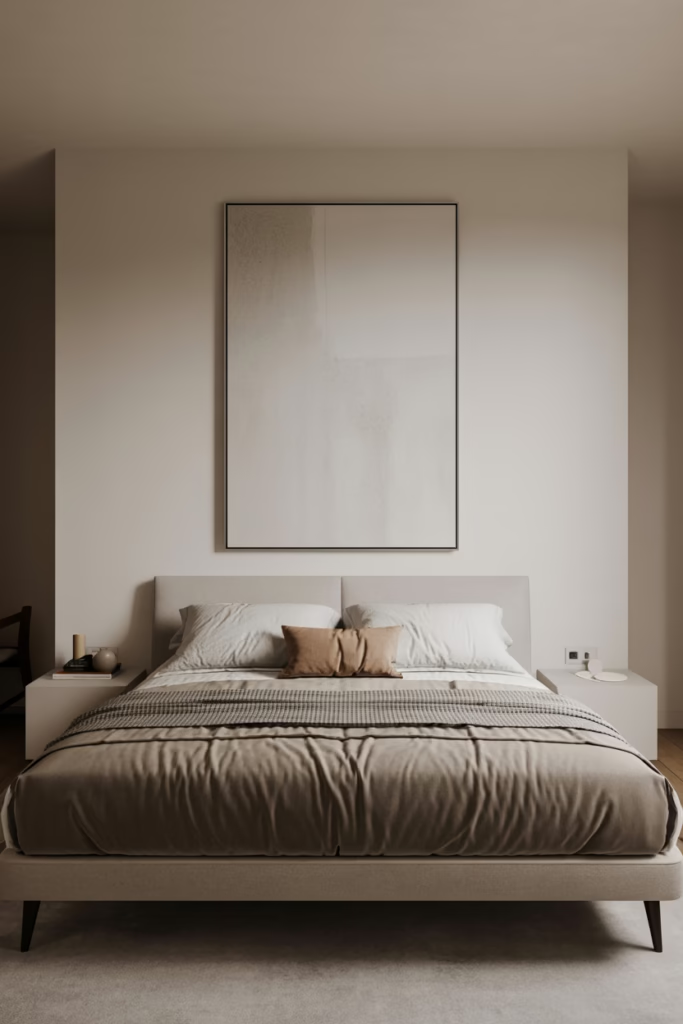
In a minimalist room, you don’t need ten things competing for attention. Pick one focal point and let everything else support it. This could be:
- A stunning piece of art above the bed
- A dramatic floor-to-ceiling window
- A beautifully textured accent wall
- A statement bed frame
When you give the eye one clear place to land, the whole room feels more intentional and curated. It’s the design equivalent of speaking clearly instead of talking over everyone at the table.
9. Try a Japandi Aesthetic
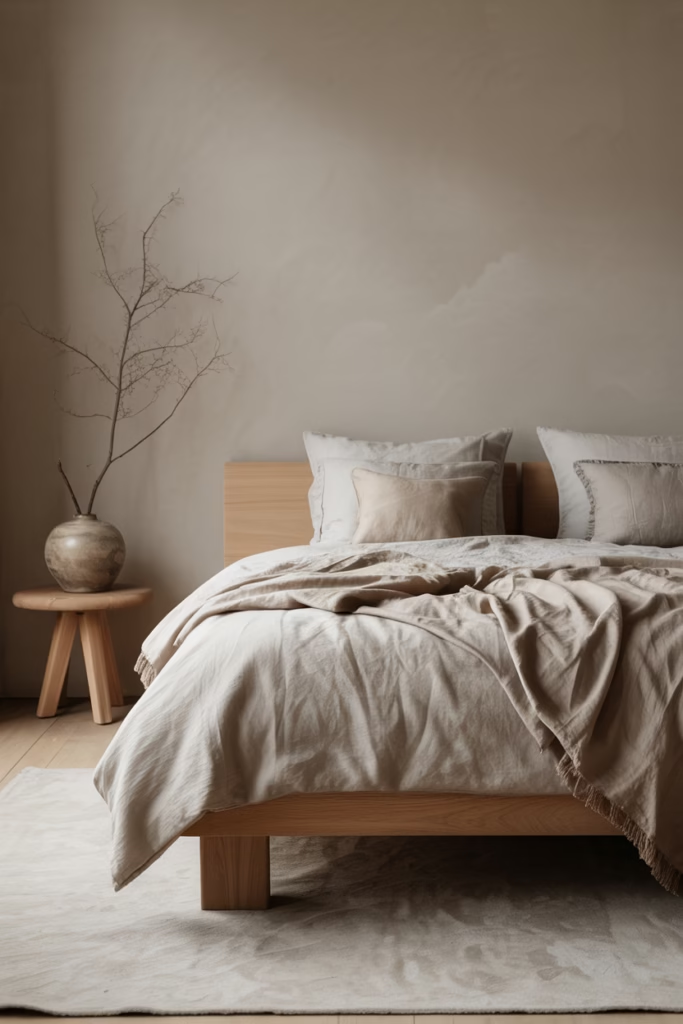
If you haven’t heard of Japandi yet — where have you been? It’s the beautiful mashup of Japanese minimalism and Scandinavian hygge, and it produces some of the most stunning, peaceful bedroom interiors you’ll ever see.
Think:
- Low furniture close to the floor
- Neutral and earthy tones (beige, clay, sage, charcoal)
- Natural materials — wood, linen, stone, rattan
- Intentional negative space — empty corners are a feature, not a problem
- A single, carefully chosen decorative element (a ceramic vase, a dried branch, one piece of art)
FYI, this style is absolutely dominating Pinterest right now, and for good reason. It’s effortlessly beautiful.
10. Use a Monochromatic Color Scheme
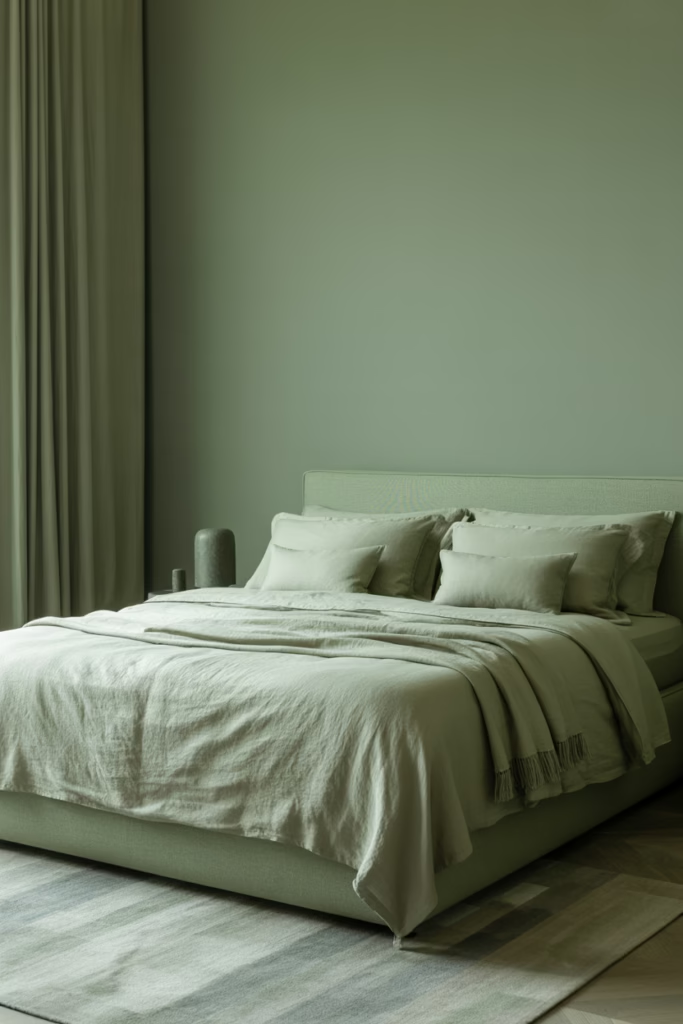
A monochromatic bedroom — where you use different shades and tones of one single color — is one of the most sophisticated looks in minimalist design. And it’s surprisingly easy to pull off.
Pick a base color (dusty blue, warm taupe, sage green) and then vary the saturation and texture across your walls, bedding, curtains, and furniture. The result looks incredibly intentional and high-end.
The secret is making sure the textures are different even when the colors are similar. Matte walls + linen bedding + velvet pillow in the same sage green = chef’s kiss.
11. Bring in Greenery (Just One or Two Plants)
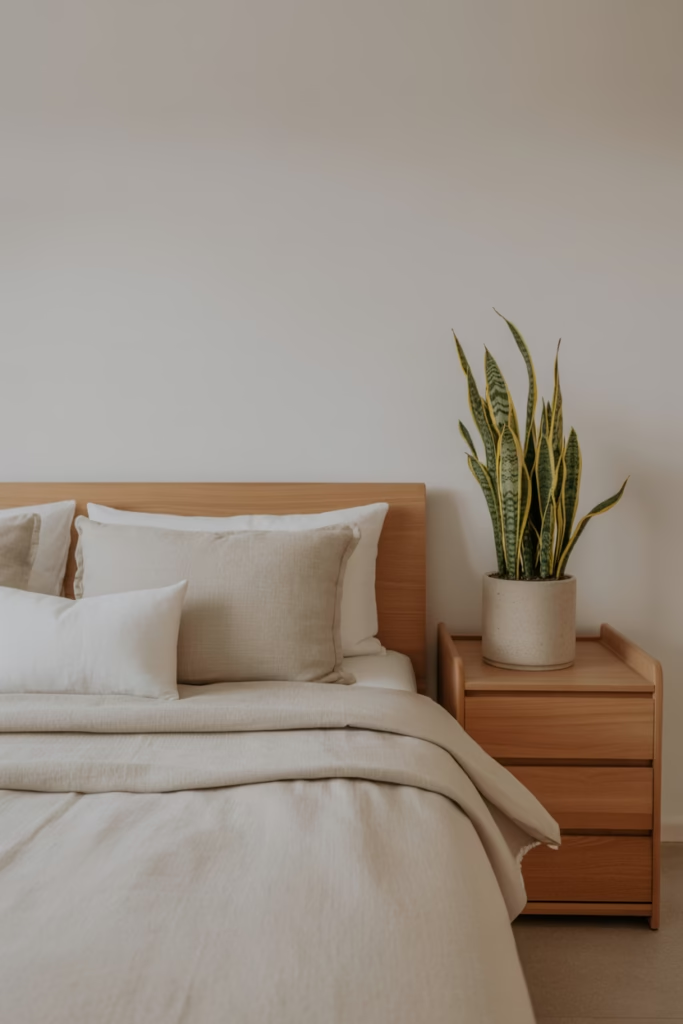
A common minimalist trap: going so far in the “less is more” direction that the room feels lifeless. A single beautiful plant can fix that instantly.
You’re not decorating a jungle here, so restrain yourself. One or two carefully placed plants — a tall fiddle leaf fig in the corner, a small snake plant on the shelf, or a trailing pothos on the nightstand — add life and color without visual noise.
Choose plants with clean, architectural shapes that complement the minimalist aesthetic. Spiky, dramatic, or sculptural plants work especially well.
12. Hang Curtains High and Wide
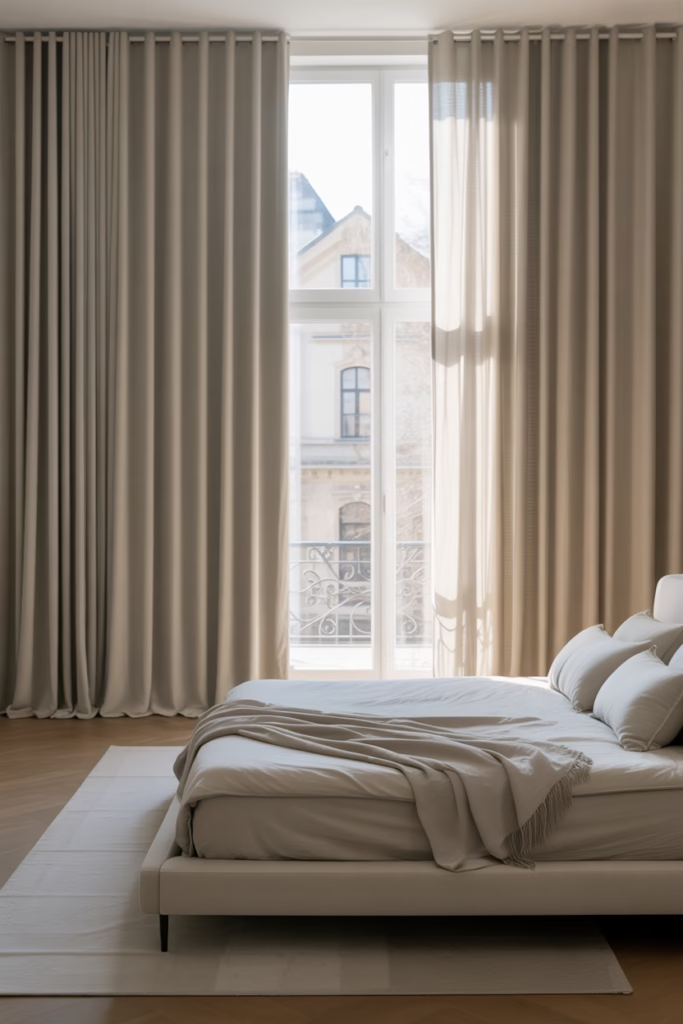
This one tiny trick makes every bedroom look bigger and more luxurious: hang your curtains as close to the ceiling as possible, and extend the rod well beyond the window on both sides.
Floor-to-ceiling linen or cotton curtains in a soft neutral tone create a sense of height and drama without adding clutter. They also soften the room beautifully, which is exactly what a minimalist space needs.
Avoid heavy, ornate drapes. Light, flowing fabrics in white, cream, or light gray are ideal.
13. Keep the Floor Mostly Clear
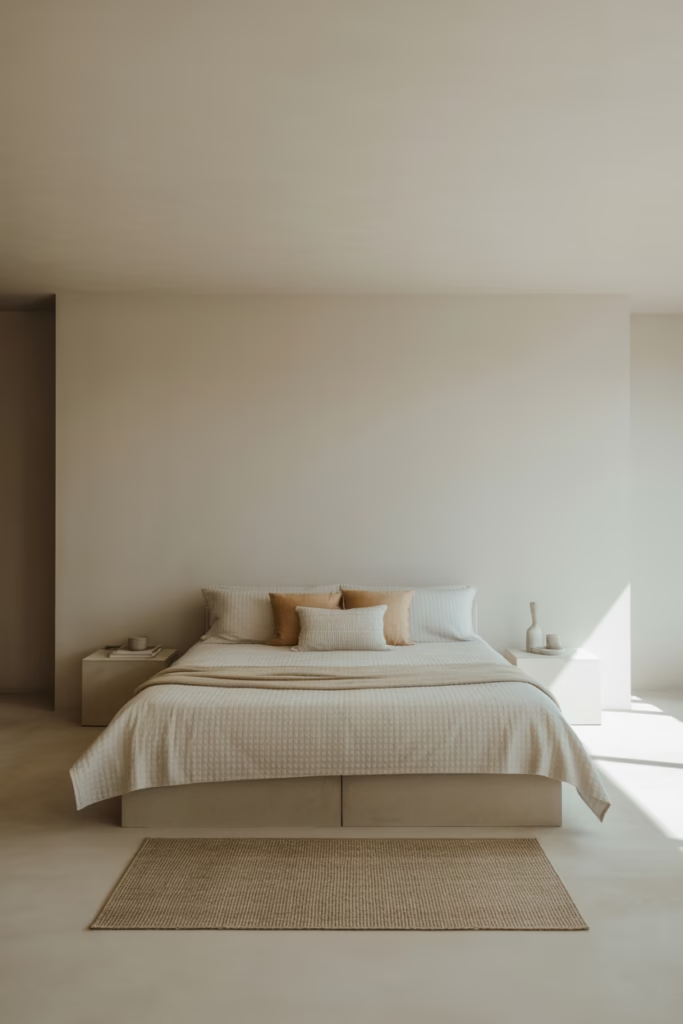
This might sound obvious, but you’d be surprised how transformative a clear floor is for a bedroom’s overall energy. When you can see most of the floor, the room automatically feels bigger, calmer, and more intentional.
A single area rug under the bed is perfect — it grounds the space and adds texture. But beyond that, keep the floor clear. No piles of clothes (we see you :/), no extra furniture, no random baskets.
Choose a rug with a simple texture — a flat-weave jute, a simple wool loop, or a subtle geometric pattern in neutral tones works beautifully.
14. Incorporate Matte Black Accents
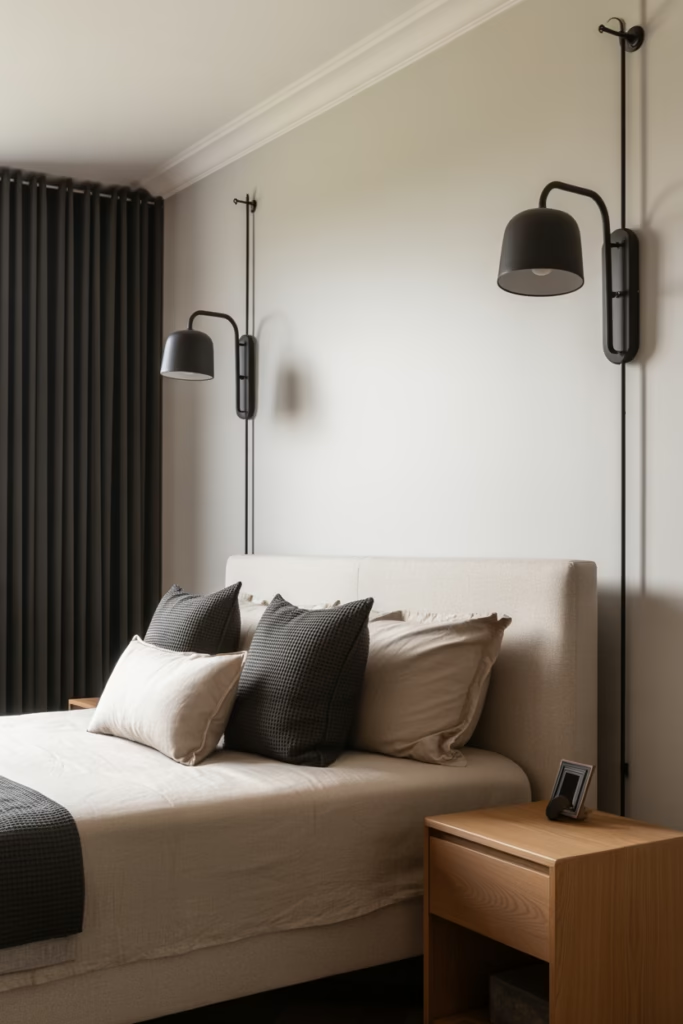
Want to add a little edge to your minimalist bedroom without going overboard? Matte black accents are the answer. A matte black lamp, picture frame, curtain rod, or door handle creates a subtle contrast against neutral walls that looks incredibly sharp.
The key word here is accents — you’re not painting everything black. You’re choosing two or three small elements in matte black to add definition and visual interest.
This works especially well in rooms with warm white or warm beige walls, where the contrast really pops.
15. Choose Artwork Thoughtfully
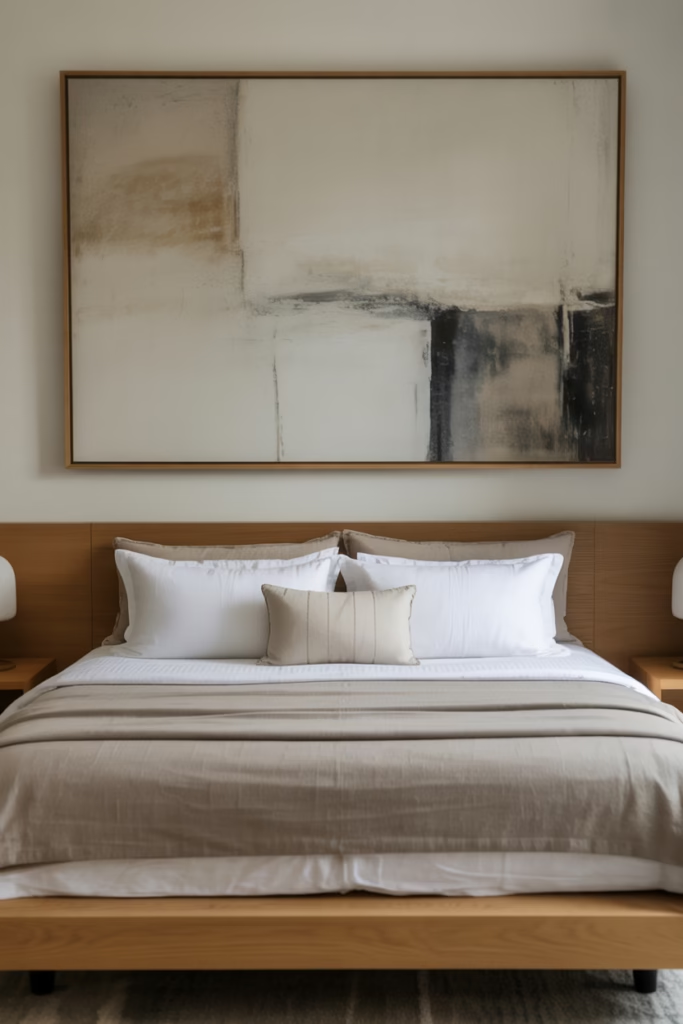
In a minimalist bedroom, art isn’t decoration — it’s a statement. One large piece of art hung above the bed or leaning against the wall in a chunky natural wood frame can define the entire mood of the room.
Go for:
- Abstract art in muted or earthy tones
- Line art (simple, elegant, and currently very popular on Pinterest)
- Nature photography in black and white or muted color
- A single large print rather than a gallery wall (gallery walls can feel busy in a minimal space)
The art doesn’t have to be expensive — a great printable from Etsy in a beautiful frame looks just as stunning as anything from a gallery.
16. Try a Platform Bed with No Box Spring
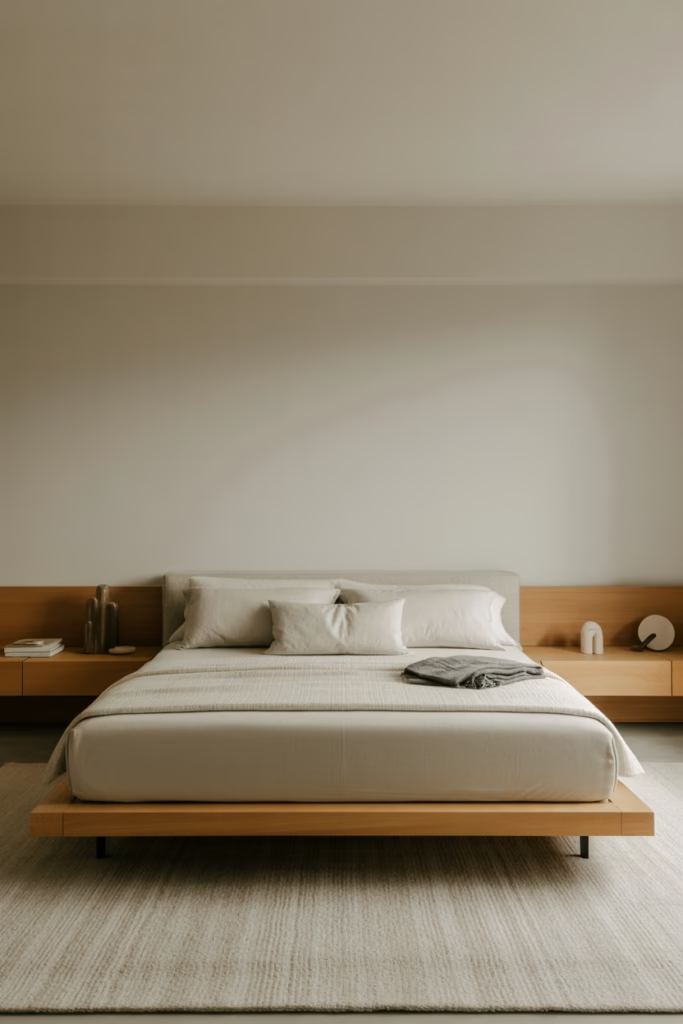
Platform beds sitting low and close to the floor are one of the defining features of modern minimalist bedrooms. They make the ceiling feel higher, the room feel calmer, and the overall aesthetic feel more intentional.
Skip the box spring entirely — a platform bed frame with wooden slats is all you need for most modern mattresses. The lower profile also makes it much easier to style your bedding for that effortlessly “made” look.
Pair it with low nightstands or floating bedside shelves to keep the horizontal lines consistent.
17. Edit Ruthlessly — Then Edit Again
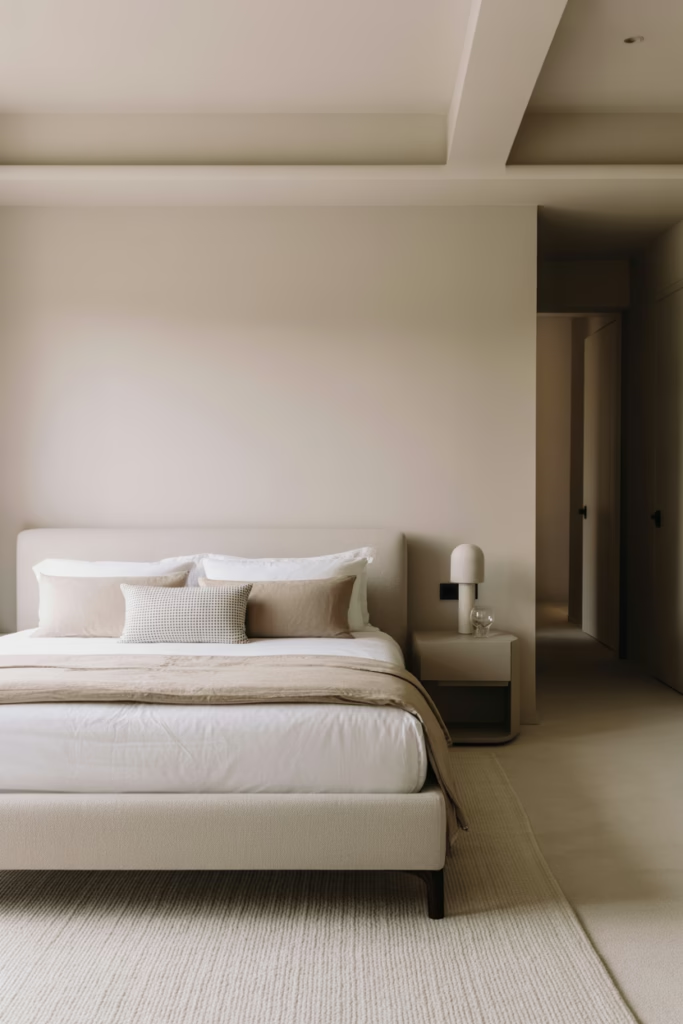
This last one isn’t a product tip or a design hack. It’s the actual core of minimalism, and it’s the hardest one to follow: remove more than you think you need to.
Most people stop editing when the room looks “okay.” But the magic of minimalist design happens in that second (and third) round of editing, when you start questioning whether every single thing in the room is earning its place.
Ask yourself:
- Does this item serve a function?
- Does this item bring genuine joy or beauty?
- Would the room look better without it?
If you’re honest with yourself, you’ll probably find two or three more things you can remove — and the room will look dramatically better for it.
Wrapping It Up
Modern minimalist bedrooms aren’t about having a cold, empty room with zero personality. They’re about being intentional, choosing fewer things, but choosing them well. Every idea on this list works because it adds either function, warmth, or beauty, and ideally all three.
Whether you start with a neutral paint refresh or a full furniture overhaul, even one or two of these changes will make a real difference in how your bedroom looks and feels. Start with what feels most achievable, live with it for a week, and then keep going.
Your dream bedroom is basically just a few edit sessions away.