
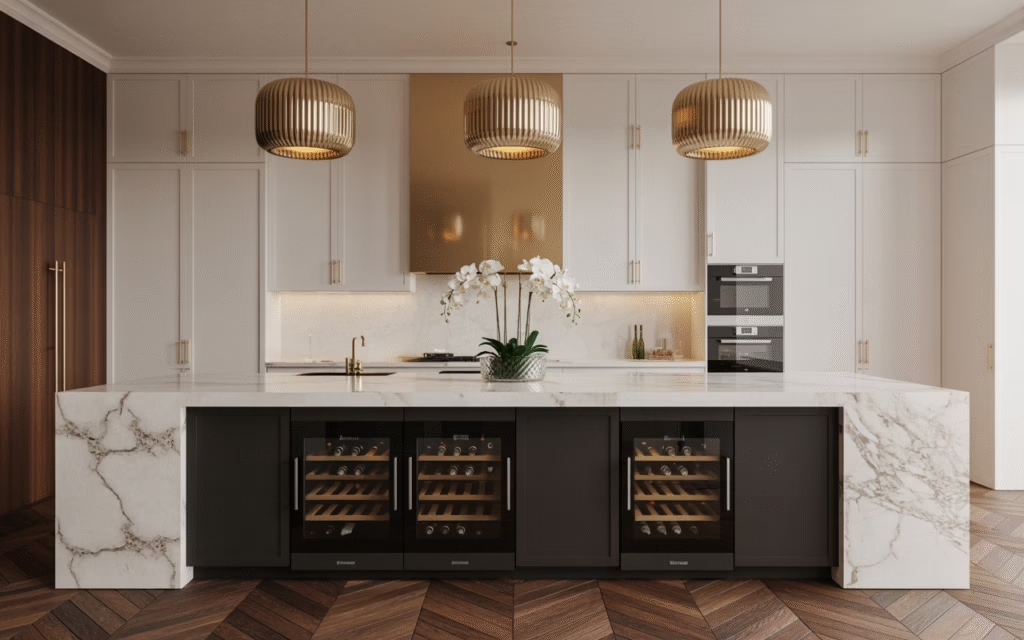
You know how every party somehow ends up in the kitchen? No matter how nice the living room looks, people always drift toward the snacks, the drinks, and the chaos. That’s exactly why the kitchen island matters so much. It doesn’t just sit there looking pretty; it quietly runs the show. It holds your coffee in the morning, your laptop at lunch, and probably your takeout boxes more often than you admit.
When you nail your kitchen island design, your whole kitchen suddenly makes sense. The layout flows better, cooking feels easier, and the space actually works for your real life, not just for a staged photo. Ever chopped veggies on a too-small counter while your family crowds around asking where the forks are? Yeah, that’s the moment you realize you want a proper island.
The cool thing? You don’t have to copy some cold, showroom look. You can go bold with a waterfall edge, keep it cozy with rustic wood, add seating for the whole crew, or squeeze in a compact island that still fits a small apartment. There’s an island idea for every kind of cook, every kind of family, and every kind of budget.
In this post, you and this list of 18 kitchen island ideas will basically brainstorm together. You’ll see options that maximize storage, double as dining tables, handle all your appliances, or just make your kitchen look ridiculously good. By the end, you’ll know exactly which direction feels right for your space—and you might start side‑eyeing your current setup and thinking, “Okay, it’s your time to go.”
Waterfall-Edge Islands
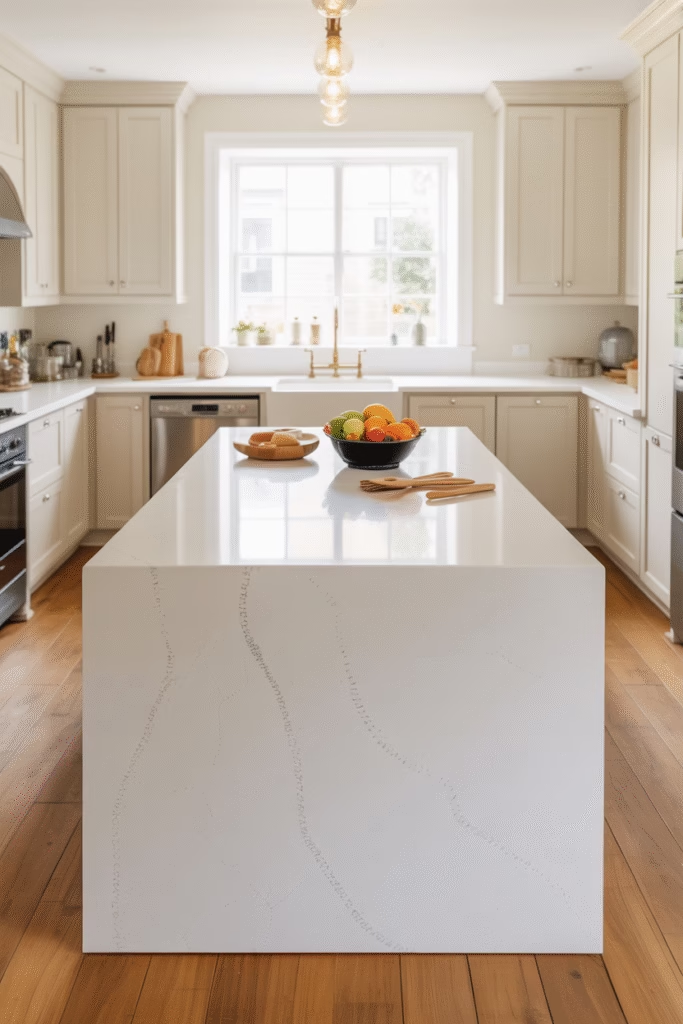
Ever walked into a kitchen and thought, “Wow, that countertop looks like it’s melting down the sides”? That’s a waterfall-edge island, and it’s absolutely gorgeous. The countertop material—usually something luxe like marble or quartz—flows seamlessly down one or both sides, creating this continuous, sculptural look.
I’m obsessed with this style because it instantly elevates your kitchen from “nice” to “magazine-worthy.” The honed quartzite version works especially well if you want depth without being too bold. Plus, it protects your island’s sides from damage, which is a bonus when you’ve got kids (or clumsy adults like me) running around.
The waterfall design has been trending hard in 2025, and honestly, I don’t see it going anywhere. It’s one of those timeless choices that manages to feel both modern and classic at the same time.
Multi-Purpose Sprawling Islands
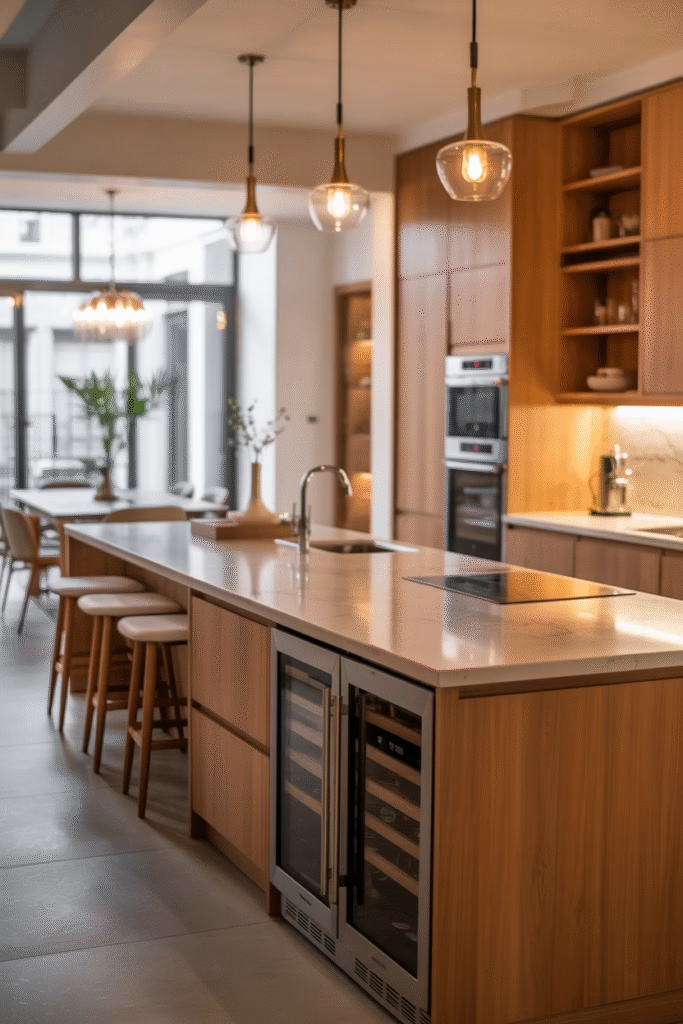
Forget those tiny islands that barely fit a cutting board. The trend for 2025 is all about big, sprawling, multi-functional islands that do everything. We’re talking built-in seating, hidden storage, integrated appliances like wine coolers and cooktops, and enough workspace to prep Thanksgiving dinner without breaking a sweat.
These islands become the hub of your entire kitchen—a spot for food prep, casual dining, homework sessions, and those late-night snack raids. If you’ve got the space, why not use it? An island that serves multiple purposes means you’re getting maximum value from every square inch.
One designer put it perfectly: it’s a functional space for food prep but also an informal gathering spot for the whole family. That’s exactly what your kitchen should be, IMO.
Two-Tier Kitchen Islands
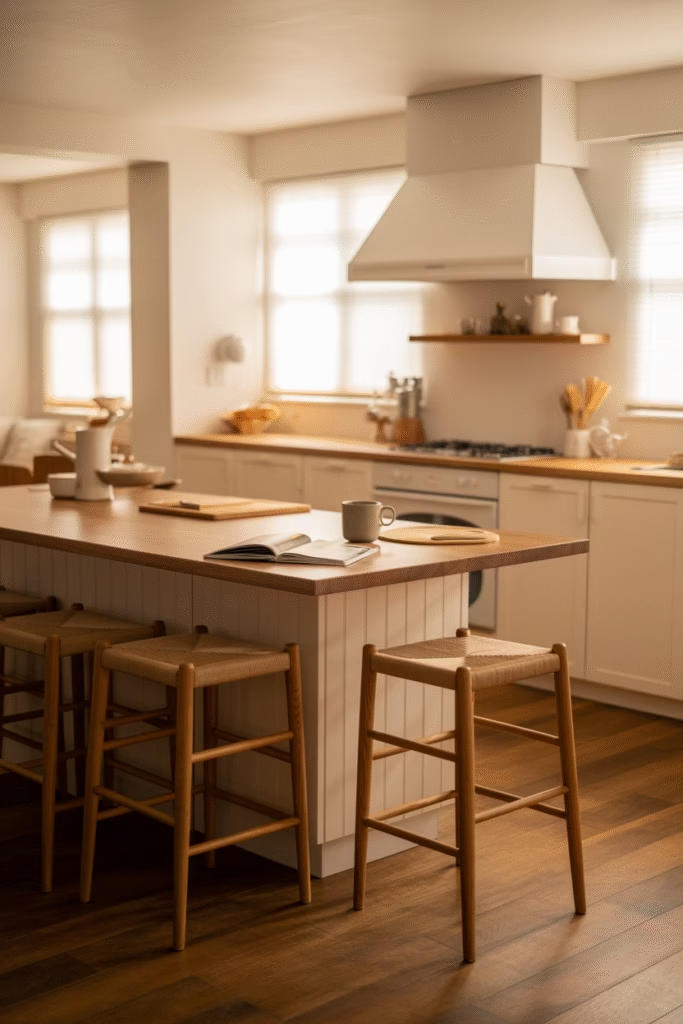
Want to hide your messy prep area while still keeping things social? Enter the two-tier island. This design features two distinct worktop levels—usually one at standard counter height (90cm) for chopping and cooking, and another that’s either higher or lower for dining and hanging out.
The genius here is in the separation. You can screen off your sink and hob on the lower tier while guests sit comfortably at the raised bar section. No one wants to stare at dirty dishes during dinner, right?
These split-level islands add serious visual interest too, especially when you use different materials for each tier. Think white marble on top with a warm wood tier for seating. It creates distinct zones that make your island feel like a true multi-functional powerhouse.
Curved and Oval Islands

Sharp corners? So 2020. Curved kitchen islands are having a major moment, and for good reason. They soften the entire space, improve traffic flow, and just feel more inviting than their boxy counterparts.
An oval island gives you a spacious work surface with smooth curves that enhance movement, especially if multiple people are cooking at once. The half-moon style is another winner—the flat side sits against your wall while the rounded side extends into the room.
These curved beauties work particularly well in open-concept spaces where you want to create a visual divide without blocking sightlines. Plus, no more bruised hips from bumping into sharp corners at 6 AM before coffee 🙂
Floating Islands
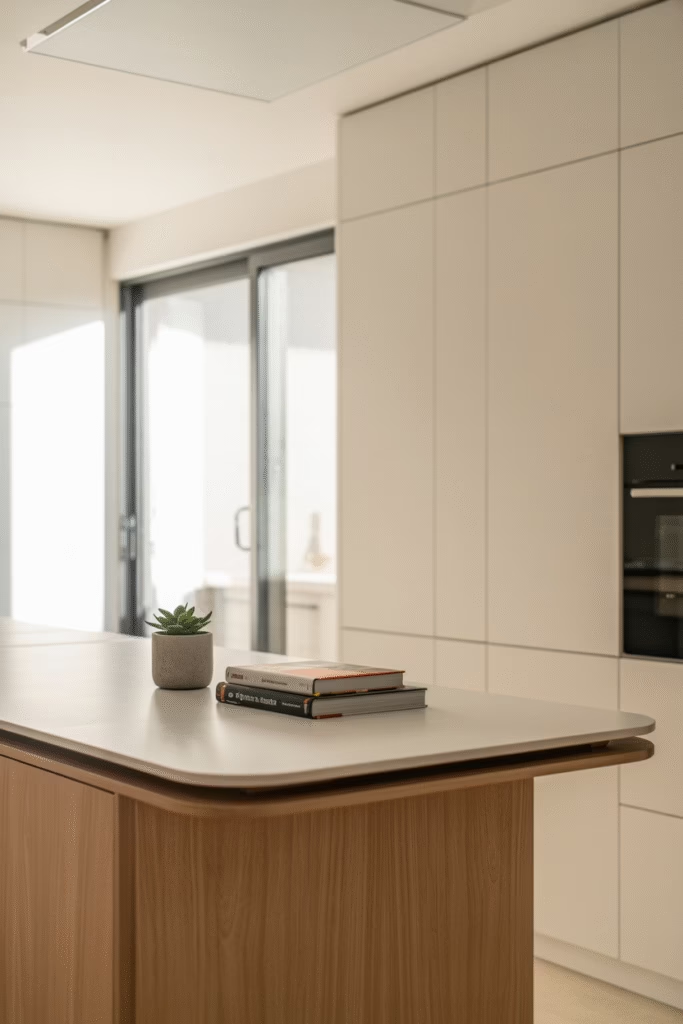
Here’s where things get interesting. A floating island appears to hover with open space underneath—achieved through wall-mounting or recessed supports. It creates this light, airy, uncluttered vibe that’s perfect for modern kitchens.
This design works especially well in smaller kitchens where you don’t want the island to feel heavy or overwhelming. The visual trick makes your space feel bigger while still giving you functional counter space. It’s like kitchen magic, honestly.
The contemporary aesthetic is chef’s kiss for anyone who loves minimalist design. Just make sure your structural supports can handle it before you commit!
Islands with Integrated Appliances

Why walk back and forth when you can have everything within arm’s reach? Islands fitted with appliances are genius for efficiency. We’re talking cooktops, sinks, wine coolers, microwave drawers—basically turning your island into command central.
Having a cooktop on your island means you face your family and guests while cooking instead of staring at a wall. Revolutionary, right? It also helps maintain your work triangle (sink, stove, fridge) while maximizing counter space.
Just remember: if you’re adding plumbing or electrical, you’ll need proper planning and permits. But the convenience? Totally worth the extra effort.
Rustic Country Islands
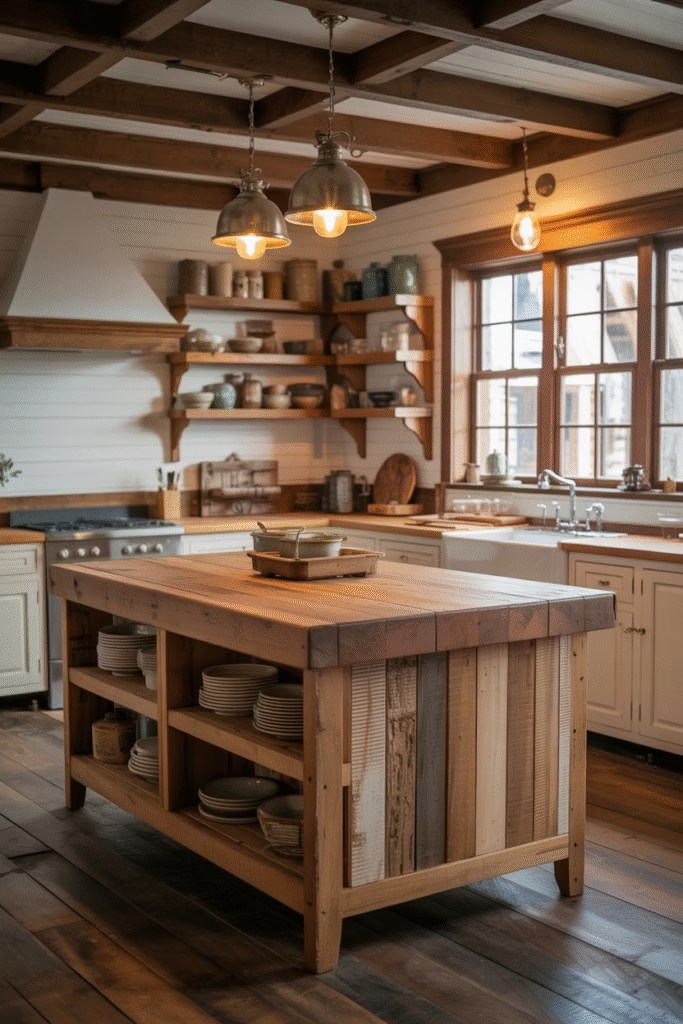
Not everyone wants ultra-modern. Sometimes you crave that cozy, rustic vibe with natural wood, farmhouse sinks, and lived-in character. Country kitchen islands bring warmth and personality that sleek modern designs can’t quite match.
Think reclaimed wood, open shelving displaying your favorite dishes, and maybe some vintage-inspired hardware. This style works beautifully in homes with exposed beams, shiplap walls, or that overall farmhouse aesthetic everyone’s been chasing.
The beauty of rustic islands is their imperfection. Scratches and dings just add to the charm rather than ruining the look. It’s practical for real life, not just Instagram.
Islands That Look Like Traditional Tables
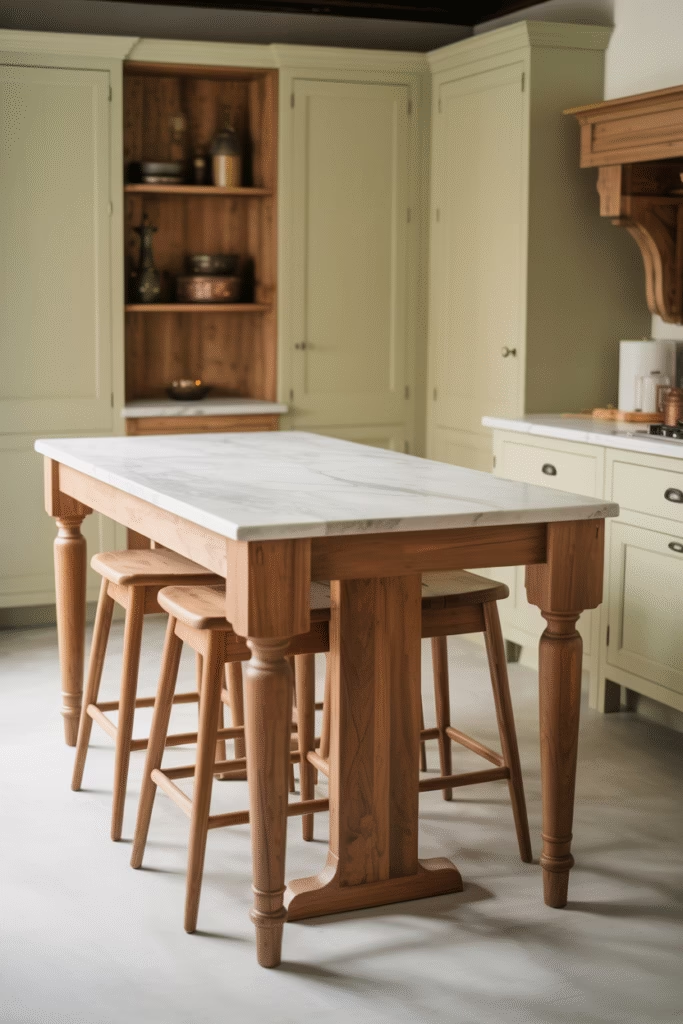
Here’s a twist: kitchen islands designed to look like freestanding tables rather than built-in cabinetry. This creates a more casual, furniture-like feel that breaks up the monotony of matching cabinets.
These table-style islands work especially well if you’re going for an eclectic or transitional look. You can mix materials—maybe a butcher block top with painted legs, or a marble surface on a wooden base.
The freestanding vibe also makes your kitchen feel less “fitted” and more collected over time, like you curated each piece. It’s a softer approach that feels lived-in from day one.
Compact Islands for Small Kitchens
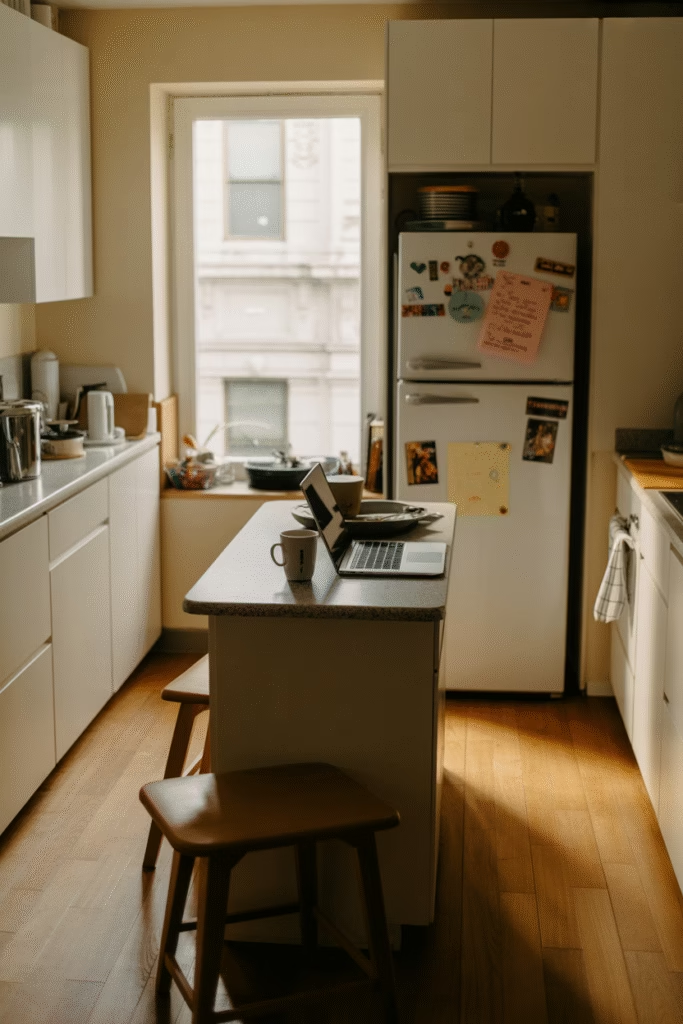
Got limited square footage? Don’t despair. Small kitchen islands are specifically designed to provide workspace, seating, and storage without crowding your room. Smart design ensures functionality even in tight spaces.
The key is proportion—your island should take up no more than 10% of your total kitchen area, with 36-42 inches of walking space around it. A compact rectangular island positioned centrally can work wonders.
Consider a mobile island on wheels if you need flexibility. You can roll it aside when you need more floor space, then pull it out for extra prep area when cooking. FYI, IKEA has some solid options for this.
Islands with Open Storage
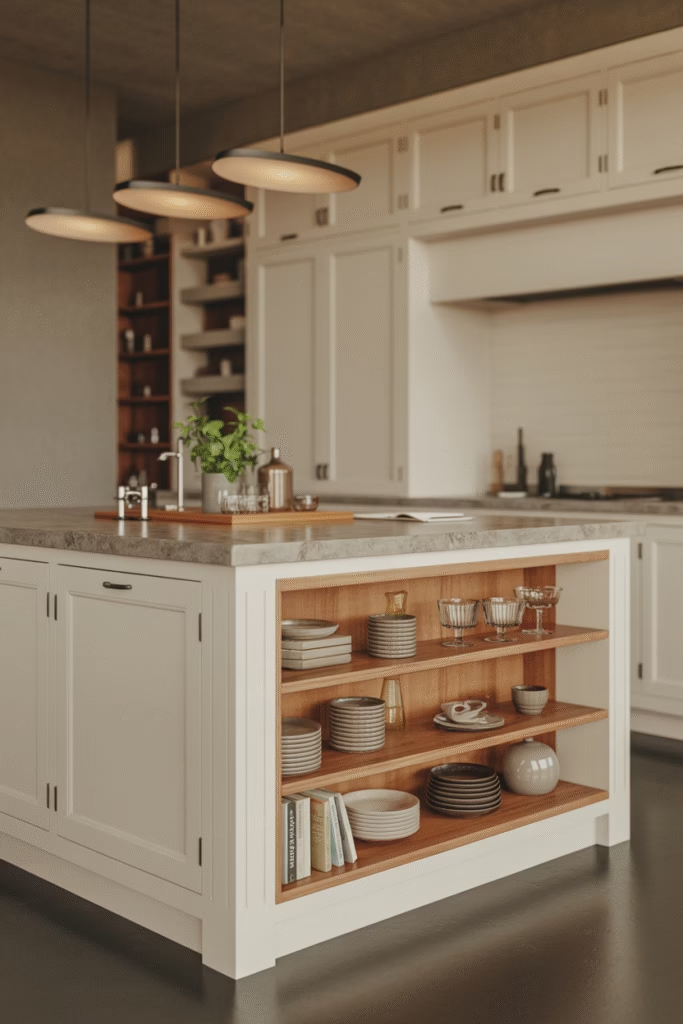
If you love the look of open shelving, try an island with open storage instead of closed cabinets. It’s perfect for displaying your prettiest dishes, cookbooks, or that collection of vintage mixing bowls.
The accessibility factor is huge—you can grab what you need without opening a single door. Plus, it forces you to keep things organized (or at least aesthetically arranged), which some of us definitely need.
This design pairs beautifully with an integrated breakfast table, giving you both display space and dining functionality. Just be prepared for a bit more dusting than closed cabinets require.
Minimalist Islands with No Storage
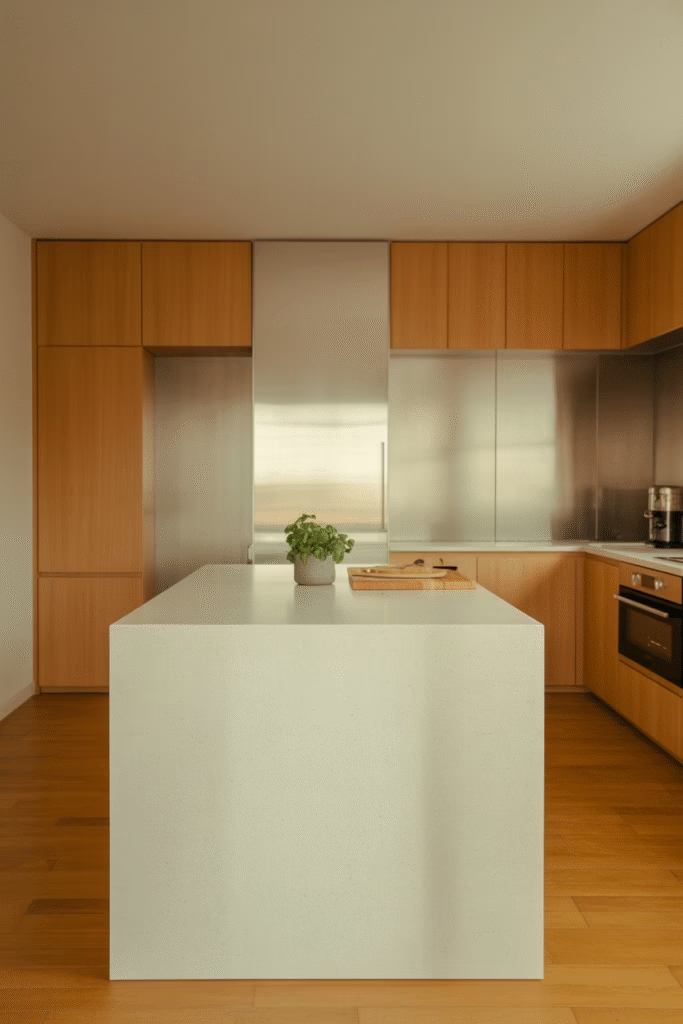
Plot twist: what if your island had zero storage and was just a beautiful, clean surface ? Minimalists, this one’s for you. The sleek, uncluttered look creates an open and airy kitchen vibe that’s incredibly modern.
Without storage, these islands focus purely on dining and workspace. Pair with stylish bar stools, and you’ve got an instant conversation piece. It’s especially effective in medium-sized kitchens where you already have enough cabinet space.
This approach keeps sightlines clear in open-concept homes, making your whole space feel larger. Sometimes less really is more.
U-Shaped Kitchen with Central Island
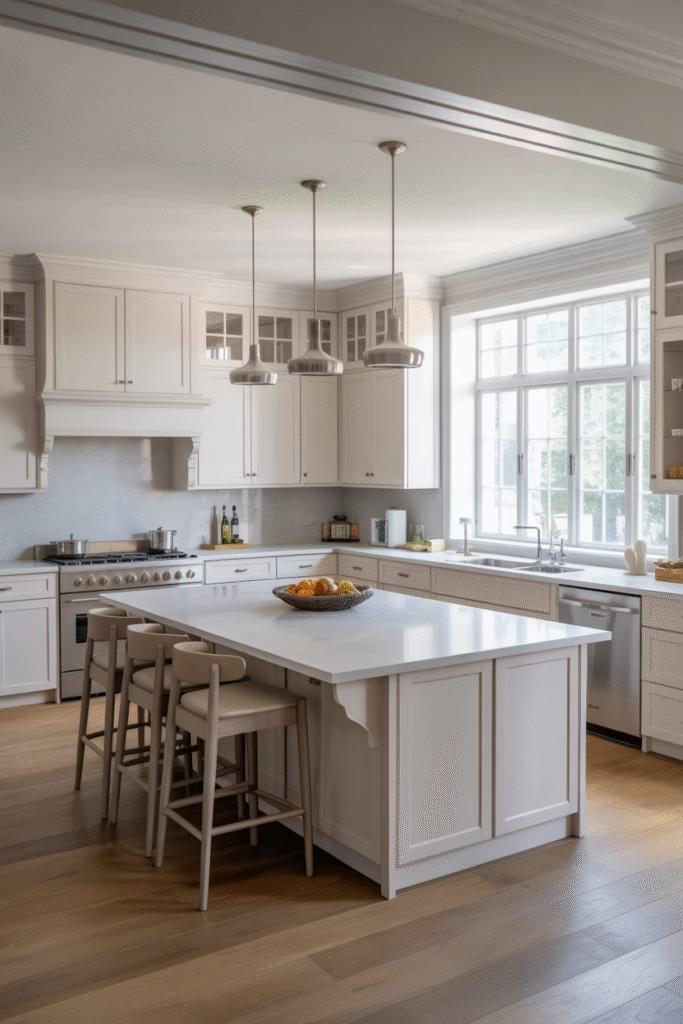
The U-shaped layout with an island in the middle is peak efficiency. You maximize workspace by placing an island at the center, which can extend into a dining table for a seamless flow between cooking and eating.
This setup works best in larger kitchens where the island fits comfortably within the “U” without cramping walkways. Position it parallel to the longest sides for symmetry, and maintain that crucial 3-4 feet of clearance.
The natural workflow here is unbeatable. You’ve got counter space on three sides plus your island—perfect for serious home cooks who need room to spread out.
G-Shaped Kitchen with Built-In Island
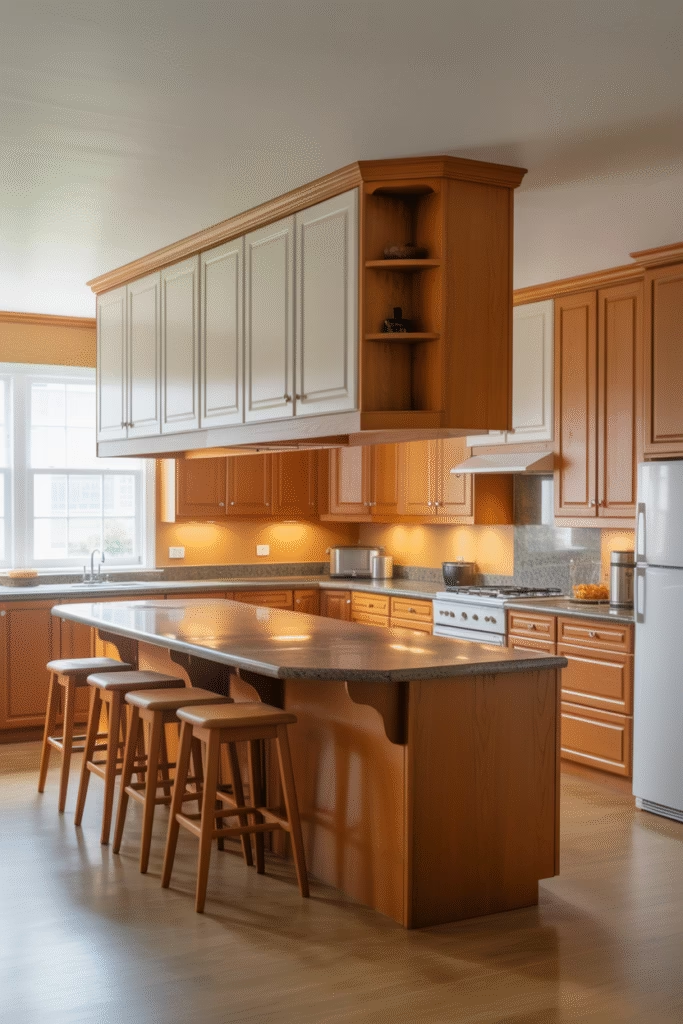
If U-shaped isn’t enough, go for the G-shaped kitchen with an in-built island. This layout maximizes both storage and counter space with an extended peninsula creating smooth workflow.
A G-shaped setup with 4-person seating on the island is ideal for busy households that love entertaining. The ergonomic design means everything’s within easy reach while still providing ample dining and conversation space.
This is the ultimate example of blending luxury with practicality—you get tons of functionality without sacrificing style.
L-Shaped Kitchen Island Placement
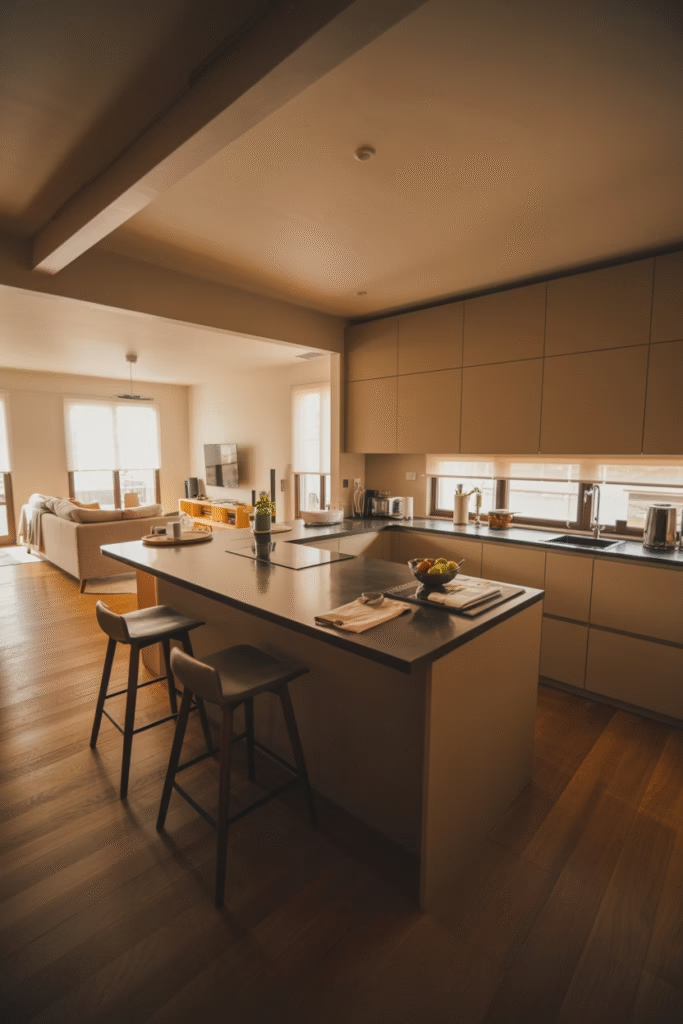
An L kitchen layout with an island is perfect for open-concept living. Position the island opposite the longer leg of the “L” to maximize flow and create a visual anchor for your space.
You can use the island to separate tasks—one side dedicated to food prep or cooking, the other for seating or storage. Or try positioning it diagonally to open up the floor plan while keeping your work triangle intact.
For this layout, consider an elongated oval-shaped island to complement the angles. It softens the geometry and improves traffic flow around the space.
Luxury Islands with Premium Materials
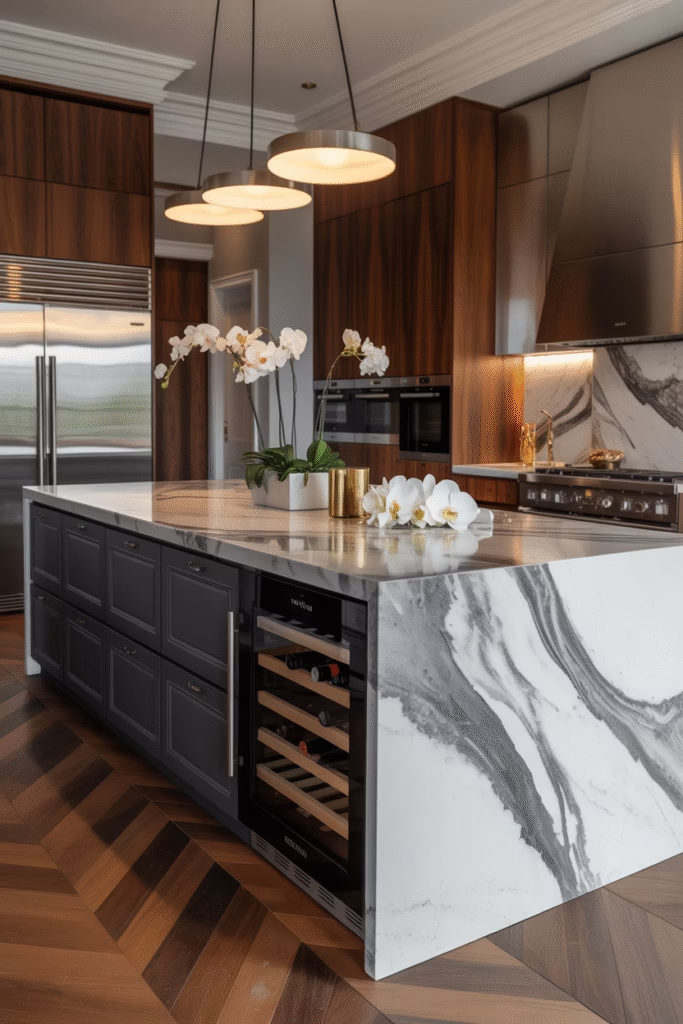
Ready to splurge? Luxury kitchen islands feature high-end materials like quartz or granite, integrated appliances, and statement lighting. We’re talking showstopper pieces that double as seating areas for guests.
Think thick slabs of beautiful stone with detailed edges—maybe a fluted countertop edge or chiseled rustic finish. These details transform your island from functional furniture to sculptural centerpiece.
Pair premium materials with thoughtful features like built-in wine storage, hidden outlets, and custom lighting. It’s all about creating that high-end restaurant vibe in your own home.
Islands with Detailed Countertop Edges
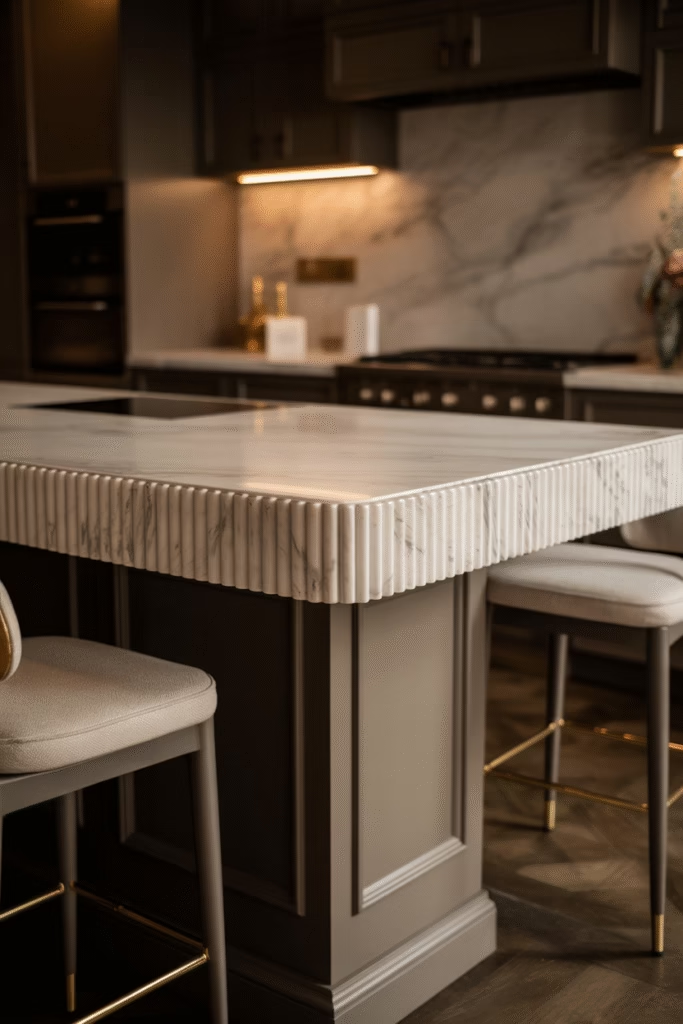
Speaking of edges, detailed countertop edging is trending hard for 2025. Gone are the days of simple beveled edges—now we’re seeing fluted details, chiseled edges, and elaborate profiles on thicker countertops.
These decorative edges add personality and finish to your island, especially when you’re using a showpiece material. A fluted edge plays into textural trends while a chiseled edge adds rustic, undone charm.
The edge detail becomes even more important on waterfall islands where it wraps around and becomes a major visual element. Choose something that suits your overall kitchen aesthetic for maximum impact.
Islands with Reeded or Fluted Details
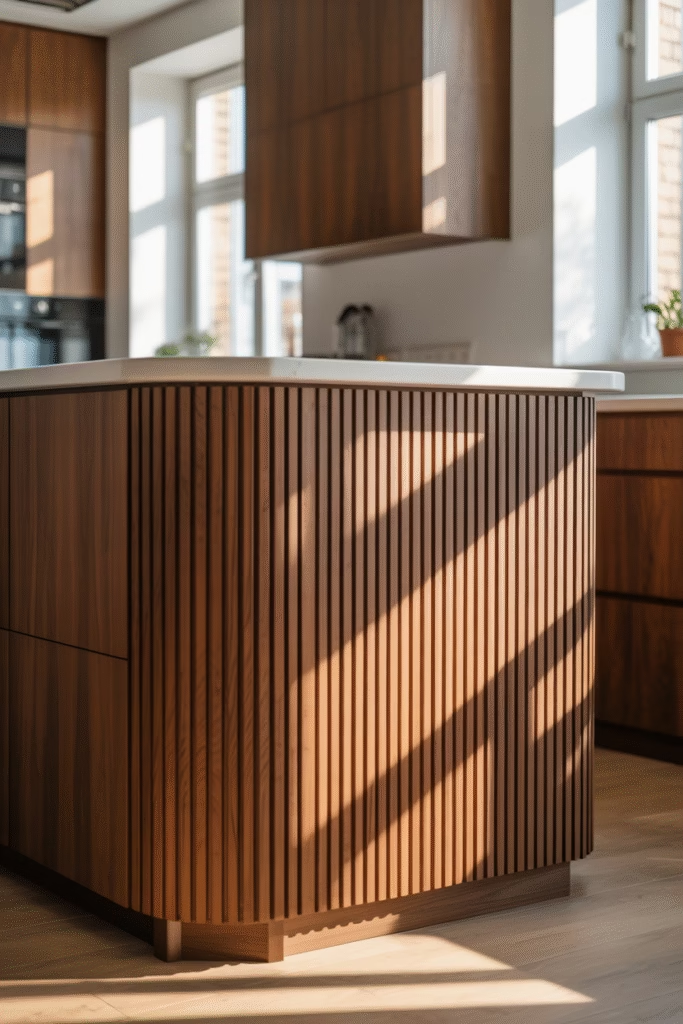
Reeded kitchen islands feature vertical grooves that add texture and depth. This detail works beautifully on the island base, creating visual interest through light and shadow play.
Fluted fronts suit Scandinavian and Japandi-style kitchens particularly well, where natural materials and textured surfaces are key design elements. The vertical lines showcase craftsmanship and add a custom, high-end feel.
You can apply this detailing to wood veneers or painted fronts, making it versatile across different styles. It’s one of those subtle touches that elevates the whole design.
Mobile Kitchen Islands
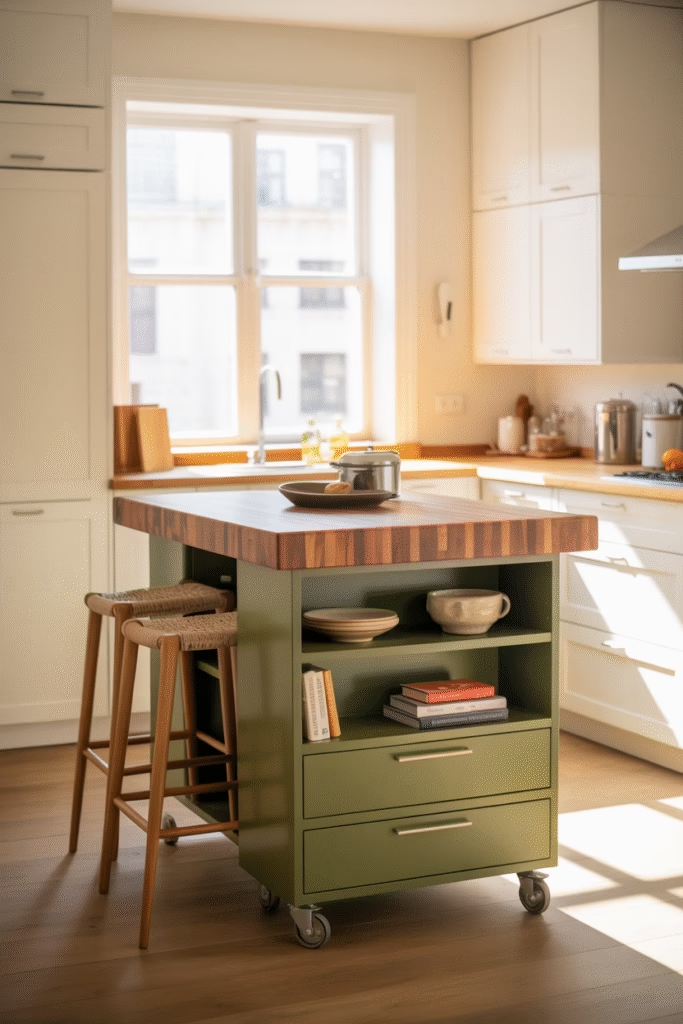
Need flexibility? Portable islands on wheels let you reconfigure your kitchen layout whenever you want. Roll it out for meal prep, then tuck it aside when you need floor space for, I don’t know, impromptu dance parties?
DIY versions using stock cabinets with added frames and casters can look surprisingly built-in when done right. Trim it out at the bottom and add backing so it looks intentional wherever you park it.
This solution is brilliant for small spaces or renters who want island functionality without permanent installation. Kitchen carts and utility trolleys offer similar benefits with various materials like steel, wood, or butcher block.
Islands with Mixed Materials
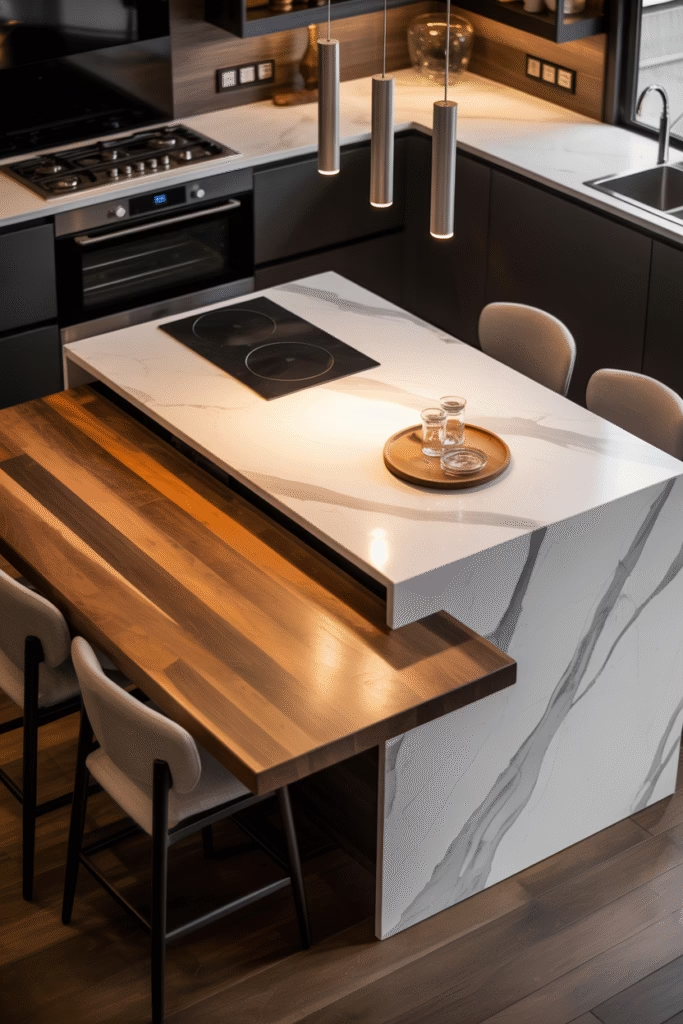
Why stick to one material when you can mix? Mixed-material countertops are a major 2025 trend. Think wood paired with marble, or matte stone combined with glossy surfaces.
Using different materials on different tiers of a split-level island emphasizes the separation between zones. Maybe butcher block for your prep area and marble for the dining section. It’s practical and gorgeous.
The contrast adds visual interest and lets you choose the best material for each function. Wood where you need warmth, stone where you need durability. Win-win.
Conclusion
Kitchen islands aren’t just about adding counter space anymore. They’re about creating a functional, beautiful hub where your family actually wants to hang out. Whether you go with a sleek waterfall edge, a rustic farmhouse vibe, or a multi-tiered masterpiece, the right island transforms your entire kitchen.
The best part? There’s no single “correct” choice. Your island should reflect how you actually use your kitchen not just how it looks in design magazines. So think about what you really need: More seating? Extra storage? A place to hide the mess while you entertain? Then pick the design that makes your daily life easier.
And hey, if you make the wrong choice, islands can be renovated. But with 18 solid ideas to choose from, you’re probably going to nail it on the first try.