
You and your sofa have history, but your living room probably deserves a little more personality than “random furniture and a rug that sort of fits,” right? Rustic style steps in when you want cozy, laid-back, and real not shiny, sterile, or showroom-perfect. It feels like that space where you kick off your shoes, light a candle, and suddenly the day feels a lot less chaotic.
Instead of chasing trends, rustic design leans into warm wood, natural textures, and pieces with actual character scratches, knots, and all. You mix stone, textiles, salvaged finds, and comfy seating, and your living room starts to feel more like a retreat than a pass-through. In this article, you’ll walk through 18 rustic living room ideas that help you build that vibe in layers, whether you live in a city apartment, a builder-grade home, or an actual countryside cottage.
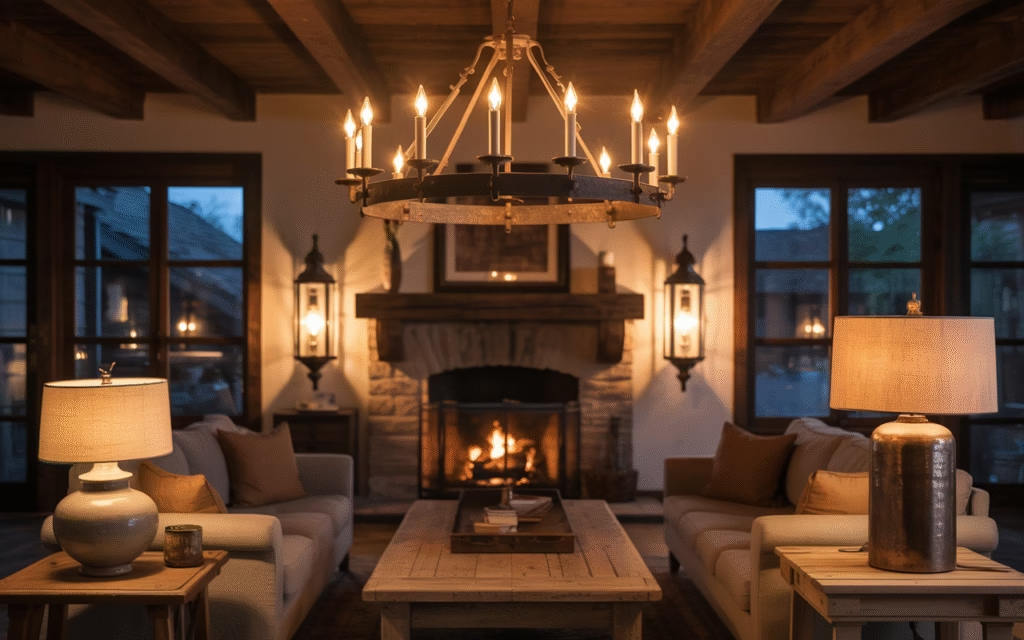
Exposed Wooden Beams

Ever looked up at a ceiling and thought, “Yeah, this needs more character”? Exposed wooden beams are your answer. These architectural elements instantly transport your living room back in time—in the best way possible.
Here’s the thing: you don’t need an actual 200-year-old farmhouse to pull this off. Reclaimed beams from old barns or mills work beautifully and add instant patina. I’ve seen new builds incorporate salvaged beams that create this gorgeous temporal harmony—where modern meets history without any awkwardness.
The beauty of ceiling beams is they draw the eye upward and make your space feel larger and more impressive. Plus, they’re the perfect anchor for the rest of your rustic elements. FYI, if you’re working with lower ceilings, lighter wood tones help maintain that airy feel while still delivering rustic charm.
Reclaimed Wood Accent Walls

Want to make a statement without saying a word? Reclaimed wood wall panels are where it’s at. I’m talking about those gorgeous planks with visible grain, weathering, and character that tells a story.
The cool part about wooden wall panels is they don’t need to be fancy or perfectly matched. Different shades of wood actually work together beautifully in rustic design—it’s all about that collected-over-time aesthetic. You can use old barn wood, pallets, or even repurposed planks to create a feature wall that becomes the focal point of your room.
This is also a sustainable choice that’s totally on-trend right now. You’re essentially giving old materials new life while reducing your environmental impact. And honestly? It looks bloody great 🙂
Stone Fireplace Focal Points
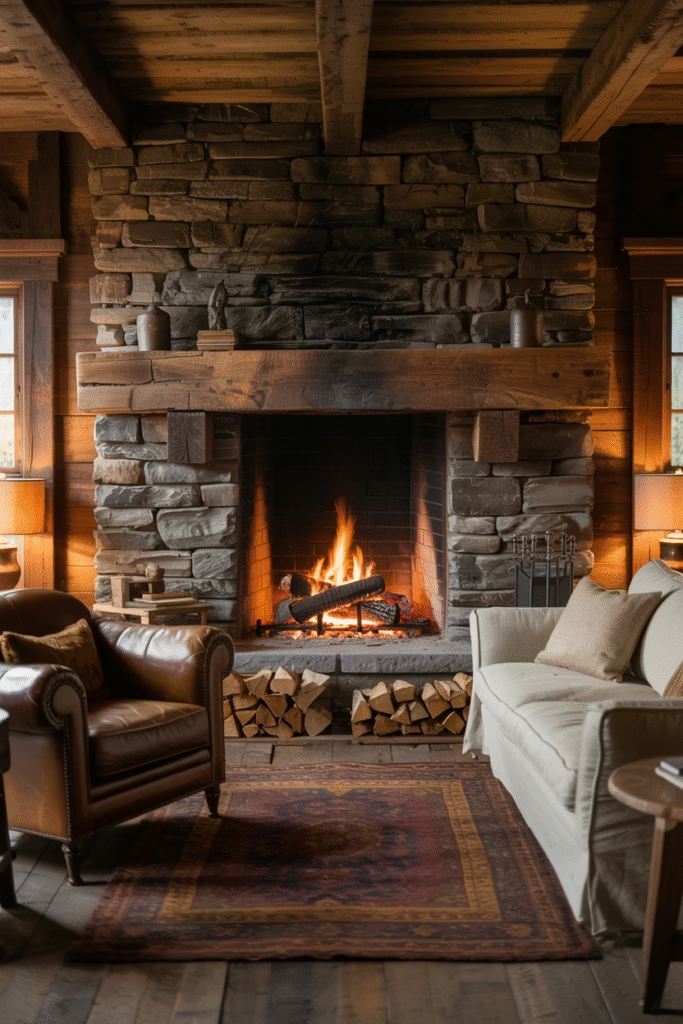
Nothing—and I mean nothing—creates a rustic atmosphere quite like a stone fireplace. Whether it’s fieldstone, moss rock, or chiseled stone, this natural material brings instant warmth and character.
I’ve watched people gather around stone fireplaces like moths to a flame (pun intended). There’s something primal and comforting about it. If you’re building new or renovating, consider using North Carolina stone or locally sourced materials to create an authentic regional feel.
The fireplace becomes your room’s visual anchor—everything else flows from there. Stone corbels can provide mantel supports that add even more architectural interest. On those cool nights when you’ve got a roaring fire going, you’ll understand why this element is non-negotiable in rustic design.
Layered Natural Textures
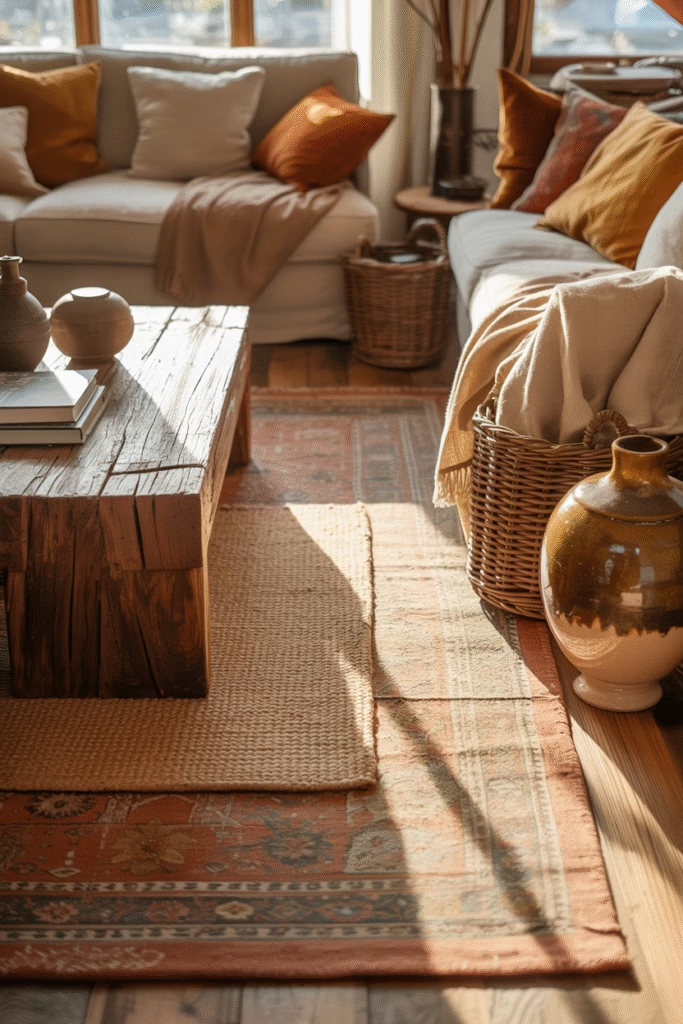
Here’s where rustic design gets really interesting: texture layering. I’m not talking about just throwing a few pillows around and calling it a day. We’re talking about creating sensory richness through the interplay of rough and smooth, hard and soft, matte and reflective surfaces.
Think about this combination:
- Wide pine floorboards (rough texture)
- Vintage Moroccan rug (soft, patterned)
- Belgian linen seating (smooth, elegant)
- Hand-blocked cotton cushions (textured, artisanal)
Each element creates a conversation with the others. The textural depth you achieve makes people want to touch things, which slows down their perception and makes them actually experience your space. That’s the goal, right?
Leather Furniture Pieces

Worn leather sofas and chairs are rustic design gold. I’m not talking about that stiff, new leather that squeaks when you sit down. I mean the perfectly aged, buttery-soft leather that gets better with every year.
Leather brings warmth and that casual, lived-in quality that’s essential to rustic aesthetics. A pair of cushy leather sofas facing each other creates an intimate conversation area that’s perfect for game night or family gatherings.
IMO, leather is one of those materials that actually improves with age and use. Those natural wrinkles and patina? That’s character development, baby. Plus, it’s incredibly durable and practical for real family living.
Earthy Color Palettes
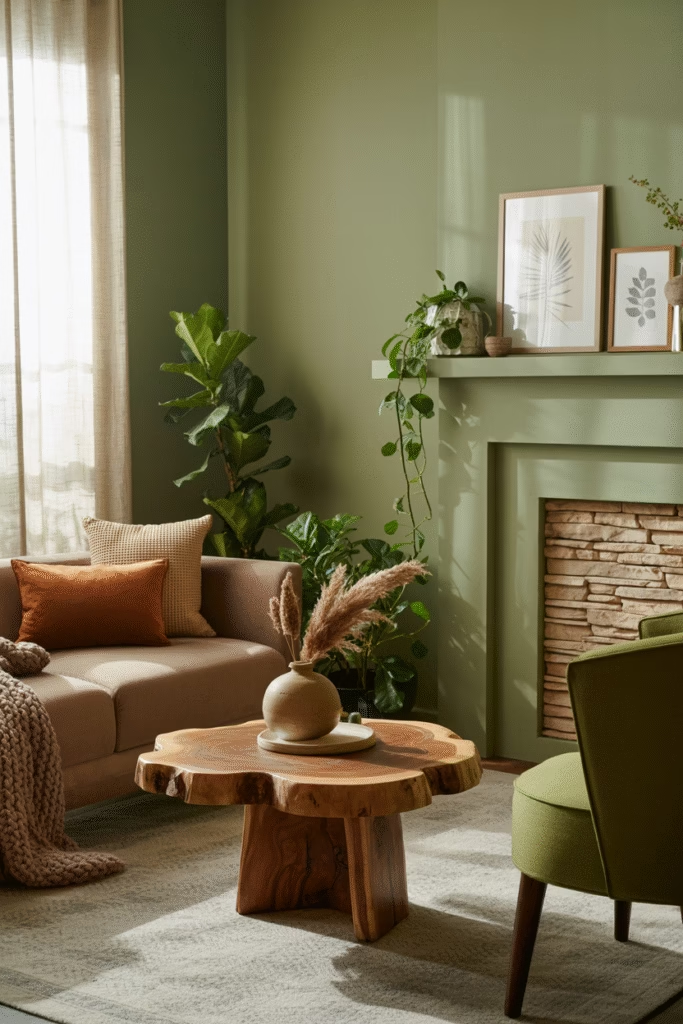
Forget those trendy color schemes that’ll look dated in six months. Rustic living rooms employ palettes derived from natural materials rather than fashion-driven trends. We’re talking warm browns, deep greens, terracotta, sage, and cream.
The most popular combinations right now include:
- Warm taupe with earthy accents
- Sage green and cream
- Earthy brown and terracotta
- Olive green and beige
This restrained approach grounds your space in authenticity and creates harmony between all your elements. You can still add pops of saturated color—maybe an indigo-dyed cushion or a deep ochre ceramic vessel—but these should feel organic to the overall composition.
Wide-Planked Hardwood Floors
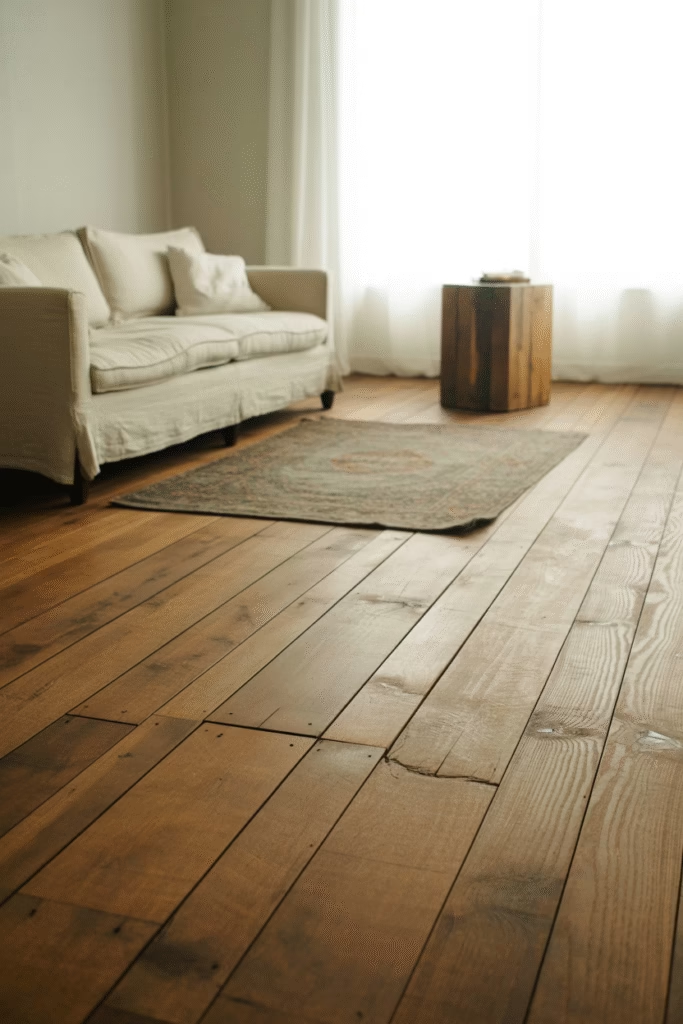
Your floor sets the foundation (literally) for everything else. Wide-planked hardwood floors in natural wood tones create that essential rustic base. If you can swing it, reclaimed or distressed wood adds even more character.
I’ve pulled up carpet in older homes to discover gorgeous original wooden floors underneath. If you’re lucky enough to find that, expose those beauties! They bring instant authenticity that you simply can’t replicate with new materials.
The wider the planks, the more dramatic and rustic the effect. These floors also provide the perfect canvas for layering rugs—which brings us to our next point.
Layered Vintage Rugs
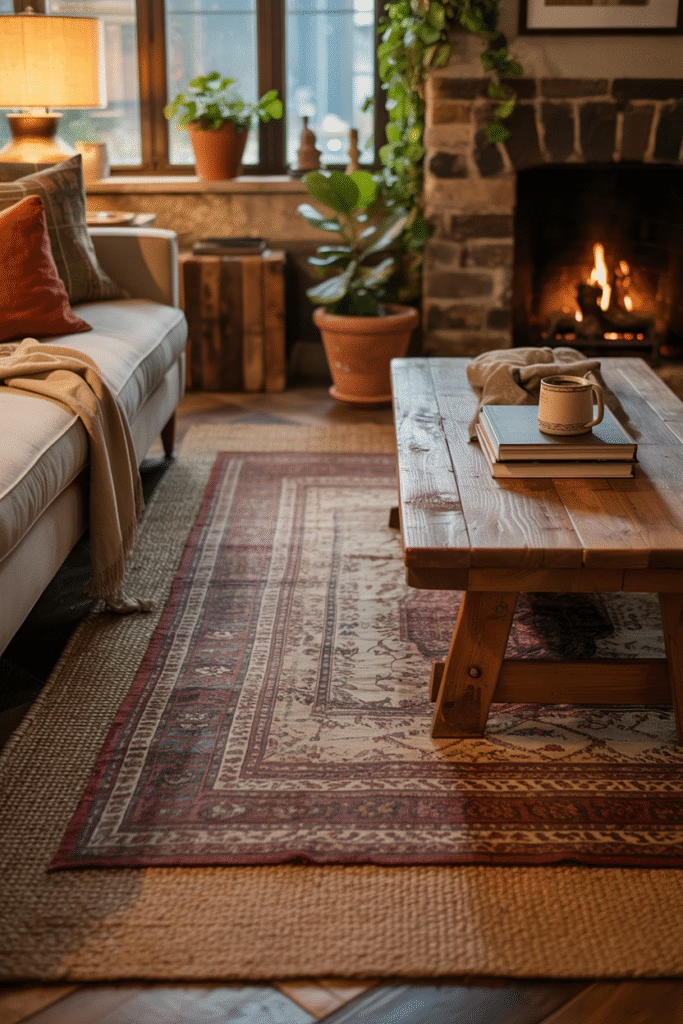
Want to know a secret? Layering rugs is one of the easiest ways to add depth and warmth to your rustic living room. Start with a natural fiber base like sisal, then layer a vintage wool rug or patterned runner on top.
This technique does double duty: it adds visual interest and creates cozy zones within larger spaces. A vintage patterned rug adds color and personality without overwhelming your natural palette.
The key is choosing rugs with authentic wear and patina rather than mass-produced “distressed” versions. Real vintage pieces have character that fake aging just can’t match. Trust me on this one.
Mixed Furniture Styles
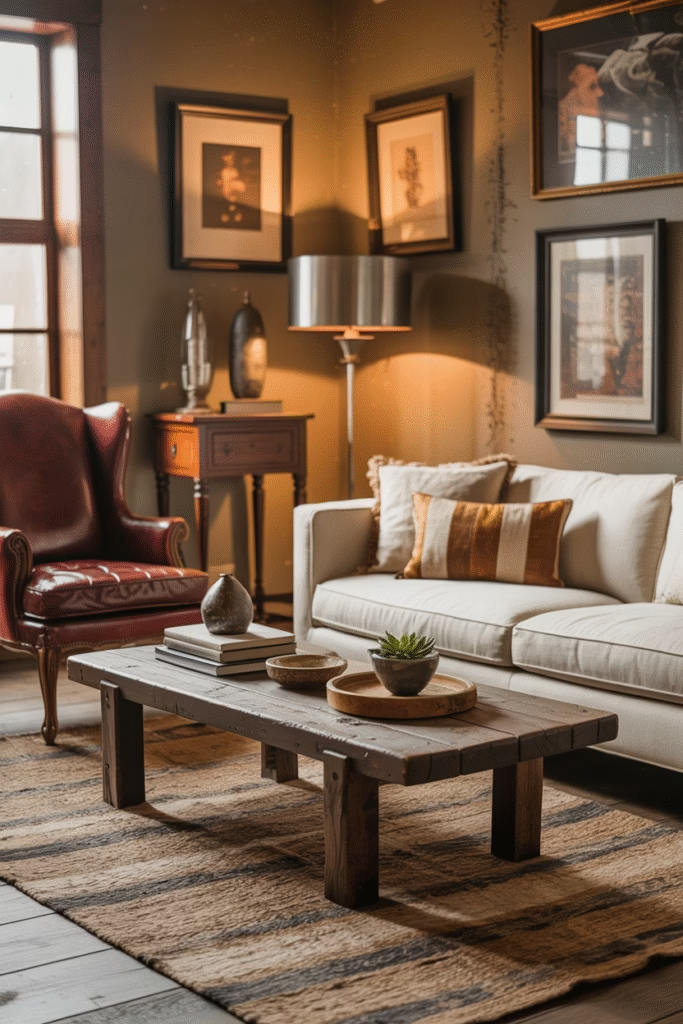
Here’s where rustic design gets fun—you don’t have to match everything. In fact, matching furniture sets are the opposite of the rustic aesthetic. We’re going for that collected-over-time vibe.
Try mixing:
- A wingback chair with a spool chair
- Contemporary clean-lined seating with antique side tables
- Modern upholstered pieces with rustic wood elements
This eclectic approach creates what designers call “temporal harmony”—elements from different periods coexisting without conflict. The sleek lines of contemporary furniture actually provide an elegant counterpoint to rustic imperfections.
Natural Fiber Textiles

Cotton, linen, wool, and felt are your textile MVPs in rustic design. These natural fabrics bring softness and warmth while maintaining that organic, nature-connected feeling.
I always recommend:
Natural fiber rugs also help define spaces and add warmth to wood floors. The beauty of these materials is they age gracefully and actually improve with use—just like everything else in rustic design.
Rustic Lighting Fixtures

Lighting can make or break your rustic vibe. Rustic iron light fixtures, lantern-style sconces, and candle-inspired chandeliers add authentic vintage charm. Think wrought iron, hammered metal accents, and weathered finishes.
For living rooms, consider:
- A statement rustic chandelier as your focal point
- Rustic wall sconces for ambient lighting
- Iron pendant lights over specific zones
- Table lamps with natural materials
The goal is creating pools of warm light rather than uniform brightness. Add dimmers and warm-toned LED bulbs to set the mood for cozy evenings. This layered approach to lighting mimics natural light patterns and feels way more inviting than overhead fluorescents.
Large Picture Windows
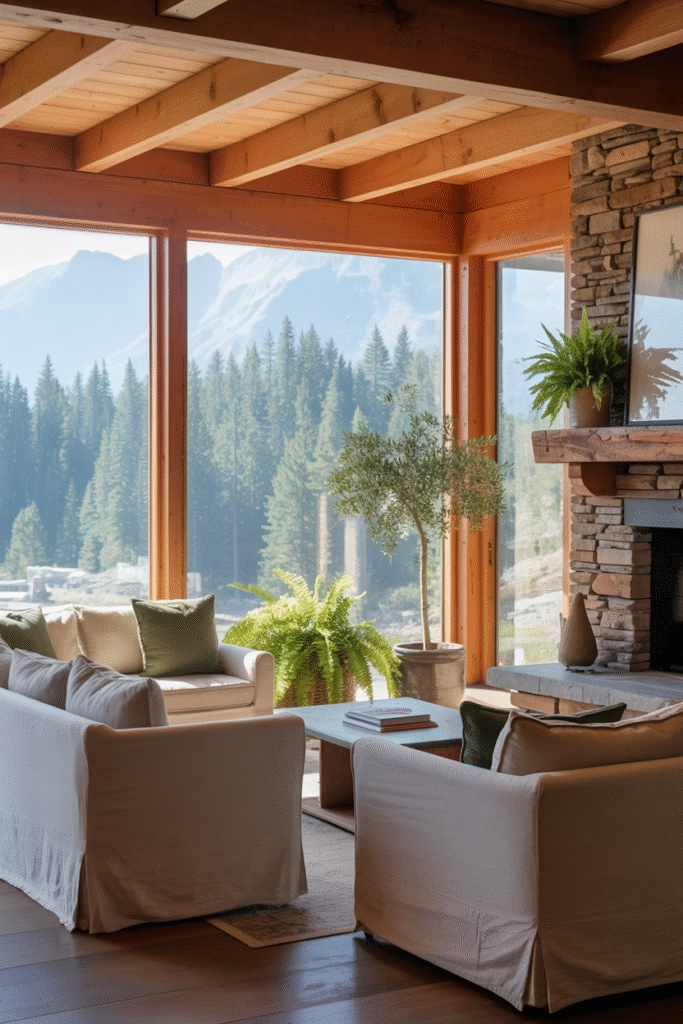
Ever wonder why rustic cabins always feel so connected to nature? Large picture windows maximize natural light and blur the line between indoors and outdoors. This connection with nature is fundamental to rustic design philosophy.
Natural light is essential in rustic spaces—it highlights the natural materials and creates that warm, welcoming atmosphere you’re after. Plus, if you’ve got a great view, why not make it part of your decor?
Windows also make smaller rustic spaces feel larger and more open. If you’re working with limited square footage, prioritizing natural light becomes even more important.
Exposed Brick or Stone Walls
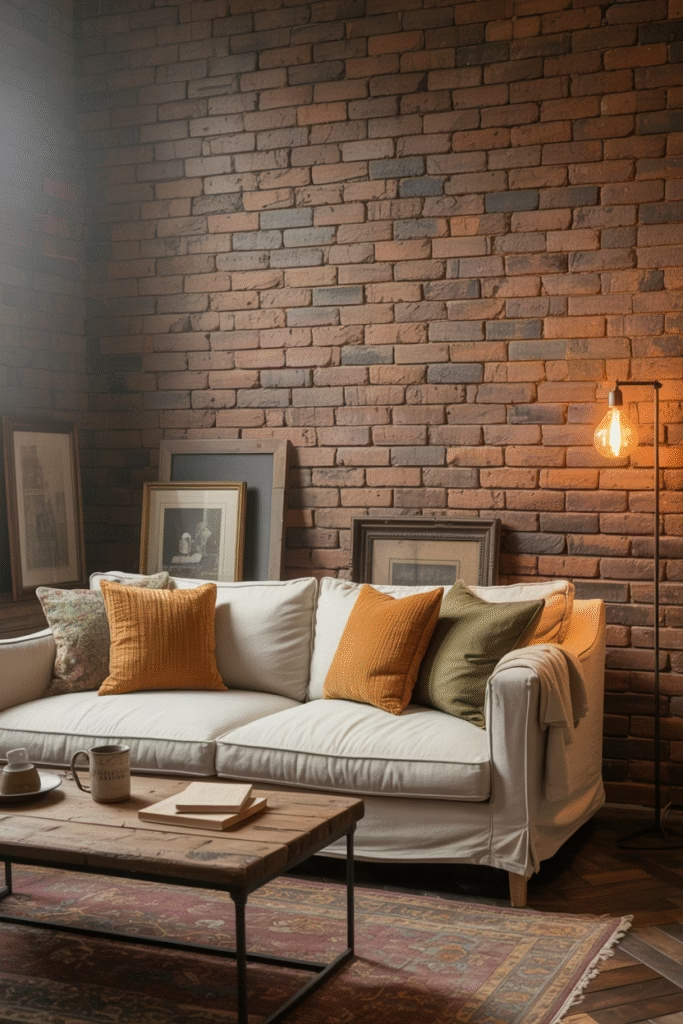
Want instant rustic credibility? Expose those architectural elements hiding under plaster or drywall. Brick or stone walls add immediate character and texture that you simply can’t fake.
I’ve helped homeowners remove contemporary surfaces to reveal original materials underneath, and the transformation is always dramatic. These raw, unfinished materials serve as perfect rustic accents.
If you don’t have original brick or stone to expose, consider creating a stone accent wall around your fireplace using moss rock or chiseled stone. The natural variation in color and texture creates visual interest and depth.
Handcrafted Wooden Coffee Tables

Your coffee table should be a conversation piece—literally. Raw wood or reclaimed timber coffee tables with visible grain and natural imperfections embody rustic design principles.
Look for pieces that show craftsmanship and authentic aging rather than mass-produced distressed furniture. A wood-and-iron combination adds industrial rustic appeal, while solid reclaimed wood keeps things purely organic.
I’ve seen incredible coffee tables made from old barn doors, salvaged beams, and even tree trunks. These unique pieces bring personality and serve as functional art in your living room.
Open Wooden Shelving
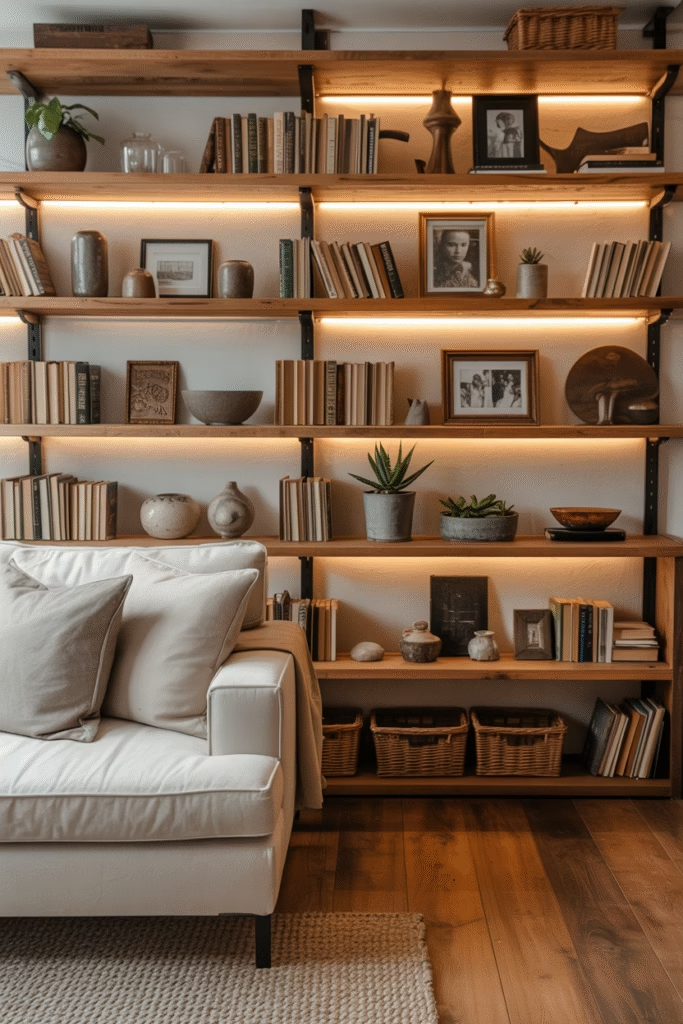
Open shelving in natural wood provides both storage and display opportunities. This is your chance to showcase handcrafted objects, books, family photos, and greenery that personalize your space.
Rustic shelving doesn’t need to be complicated. Simple wooden planks mounted with iron brackets work beautifully. The key is choosing wood with character—knots, grain variation, and natural color shifts add visual interest.
Use your shelves to create a vertical green wall with indoor plants for an organic rustic touch. Mix in personal elements like travel souvenirs and family photographs to make the space feel uniquely yours.
Neutral Upholstery with Natural Fabrics

Keep your larger upholstered pieces in neutral tones using natural fabrics like linen or cotton. This creates a versatile foundation that lets your rustic elements shine.
Think off-whites, warm beiges, subtle grays, and creamy tones. These colors provide a light, open feel that works beautifully against darker wood tones and stone elements.
The neutral approach doesn’t mean boring—texture is where the magic happens. A chunky linen sofa in cream has tons more character than a smooth synthetic fabric in the same color. The tactile quality matters as much as the visual.
Architectural Salvage Accents
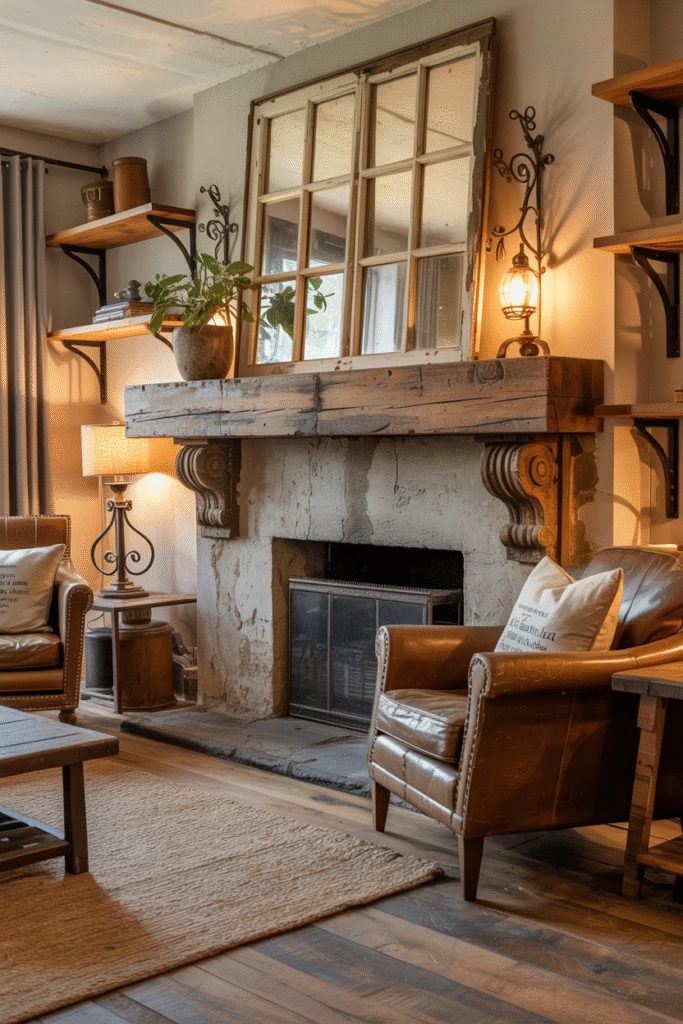
Incorporating elements with genuine history adds soul to rustic spaces. I’m talking about architectural salvage pieces like old windows, vintage doors, antique corbels, or salvaged mantels.
These authentic pieces bring stories and patina that new items simply can’t match. A reclaimed mantel from an 1800s mill immediately makes your space feel anchored in history.
The beauty of architectural salvage is that each piece is unique. You’re not going to walk into someone else’s house and see the exact same item from the same big-box store. That uniqueness is what makes rustic design so special.
Color Drenching with Natural Hues

Here’s a current trend that works beautifully in rustic spaces: color drenching. Instead of the traditional approach of different colors for walls, trim, and furniture, you use varying shades of the same nature-inspired hue throughout the room.
Imagine a living room with walls, furniture, and accessories all in different shades of olive green or warm terracotta. This creates a cohesive, enveloping atmosphere that feels both modern and rustic.
The key is choosing muted, earthy tones rather than bright, artificial colors. This technique works especially well when you’ve got lots of natural materials that add textural variation within the monochromatic scheme.
Strategic Negative Space

Last but definitely not least: embrace restraint. Rustic interiors should feel collected over time rather than instantaneously designed. This means leaving some breathing room and not filling every surface and corner.
Negative space lets your carefully chosen rustic elements stand out. It creates a sense of calm and prevents that cluttered, overstuffed feeling. Think about it—real rustic spaces evolved gradually as families added pieces they needed or loved.
This doesn’t mean your room should feel empty or sparse. It means being intentional about what you include and giving each piece room to make an impact.
Final Thoughts
By now, you can probably see that rustic style isn’t about copying a Pinterest photo it’s about creating a living room that tells your story. Every beam, rug, dented coffee table, and perfectly slouchy cushion adds to that narrative and makes the space feel genuinely lived in, not just decorated.
You don’t have to use all 18 ideas at once. Pick a few that match your reality maybe it’s new lighting, a reclaimed piece, or just better textures and layer them in over time. The goal isn’t perfection; it’s comfort with character. When your friends walk in and say, “Whoa, this feels so cozy,” you’ll know you nailed it.