
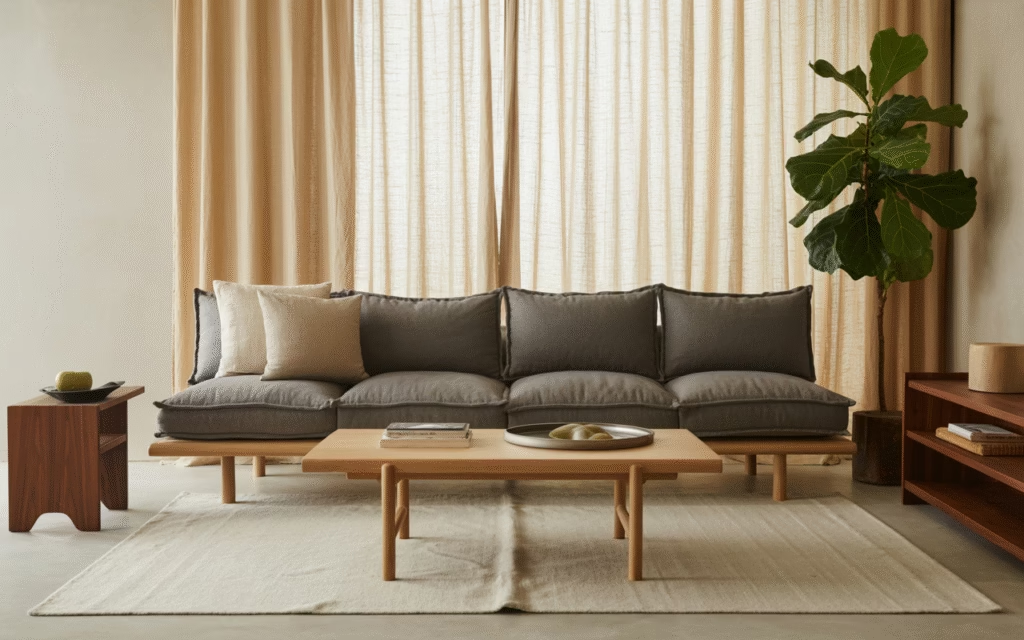
Minimal living rooms make your brain chill out, your stuff behave, and your space instantly feel more grown-up. You probably want a living room that looks calm, stylish, and not like a storage unit with a TV in the middle, right? This list of 20 minimal living room design ideas walks through real, doable tricks that you can mix, match, and totally customize for your own space.
Why minimal living rooms work so well
Minimal living rooms focus on clean lines, calm colors, and less visual noise, which makes the whole space feel bigger and more relaxing. Designers keep using light neutrals, simple forms, and functional furniture because this combo almost never goes out of style. When you reduce clutter and choose pieces with intention, your living room starts to feel more like a retreat and less like a dump zone for random items.
Ever notice how hotel lobbies feel calmer than your couch corner? That’s the power of less stuff, chosen well.
1. Start with a neutral base
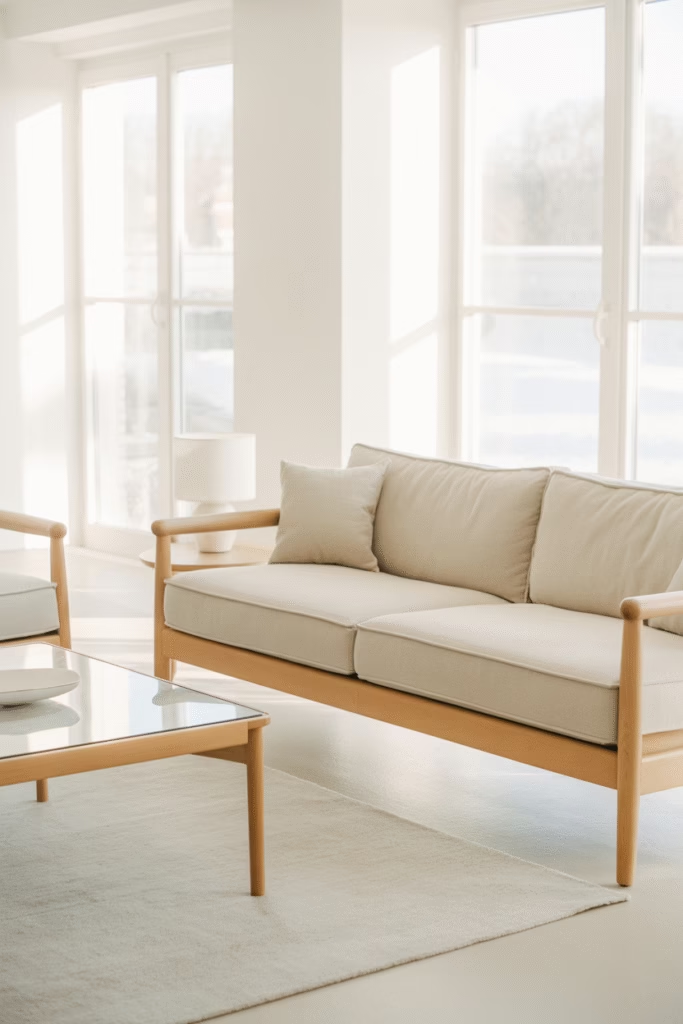
A minimal living room usually starts with neutral walls and large furniture pieces in whites, beiges, greys, or soft greige. These shades bounce light around and give you a clean backdrop for everything else. Neutral bases also help you swap decor and accents easily without redesigning the entire room every time you get bored.
If bright colors tempt you, use them in small doses like cushions or a throw, not the giant sofa.
2. Layer warm neutrals, not just white
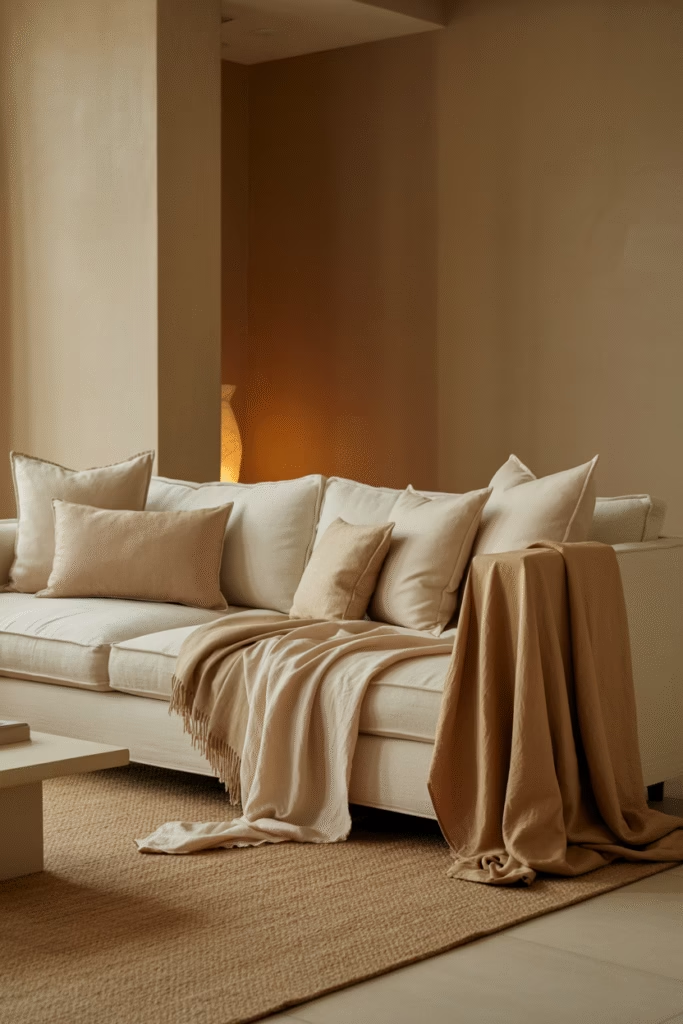
Minimal doesn’t mean cold or clinical. You can layer warm neutrals like beige, taupe, sand, and mushroom grey to avoid the “rental white box” look. Designers in 2025 lean into layered neutrals with texture instead of stark white everything. Soft shifts in tone across rug, sofa, and curtains create depth while still keeping things simple and calm.
Ask yourself: does the room feel like a cozy cloud or a dentist’s waiting room? That answer tells you if your neutrals need more warmth.
3. Choose low-slung seating
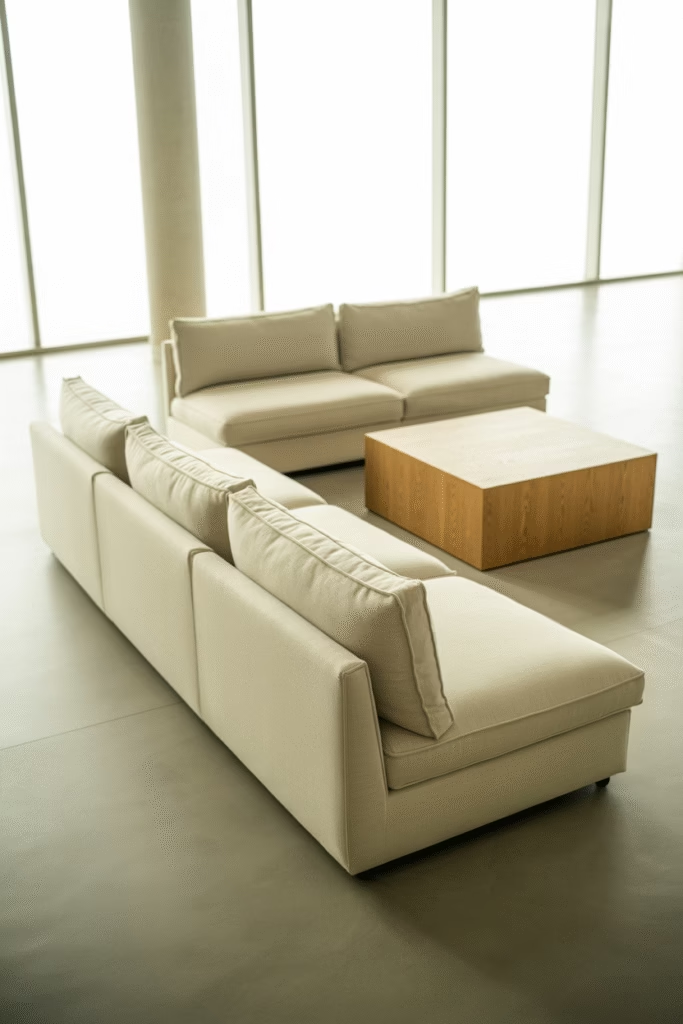
Low-slung sofas and chairs instantly give a relaxed, modern, minimal vibe and make ceilings look higher. This style works especially well in open-plan spaces because it keeps sightlines clean and unobstructed. A low-profile sofa with slim arms and simple upholstery feels lighter than a chunky overstuffed couch.
If your room feels tight, dropping the visual height of seating can feel like you unlocked extra space out of nowhere.
4. Keep furniture lines clean and simple
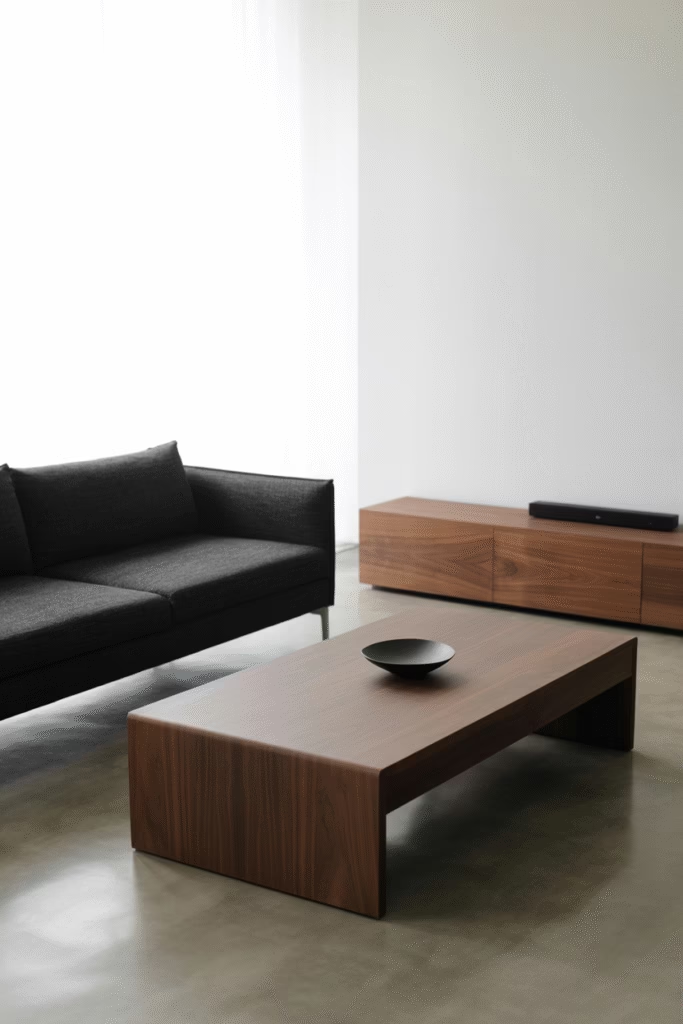
Minimal living rooms shine when you stick to straight, clean lines and simple silhouettes. Think streamlined sofa, rectangular coffee table, unfussy media console, and no overly ornate legs or carved details. Furniture with simple shapes reduces visual clutter even when you have a few pieces in the room.
If a piece looks like it belongs in an antique palace, it probably doesn’t belong in your minimal living room.
5. Use multifunctional furniture
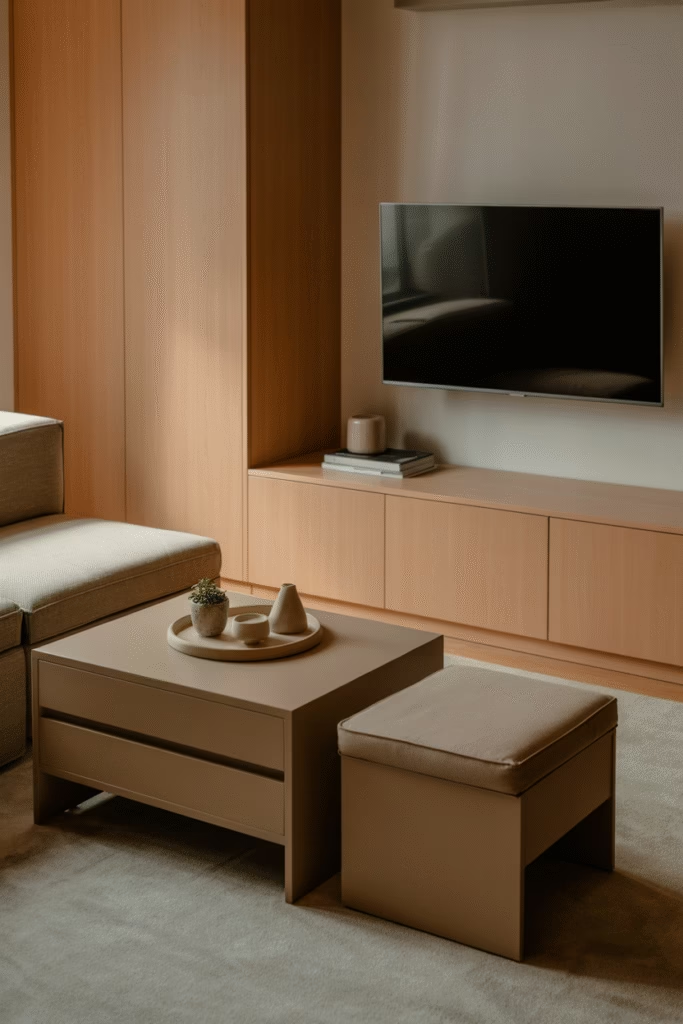
Minimal doesn’t mean you own nothing; it means you hide the chaos cleverly. Multipurpose furniture lets you store more while showing less. Great options include:
- Coffee table with drawers or a lower shelf for remotes and magazines.
- Storage ottoman for blankets, pillows, or kids’ toys.
- TV unit with concealed drawers instead of open clutter zones.
When every piece secretly works overtime, your surfaces stay clearer, and your stress level drops.
6. Prioritize hidden storage
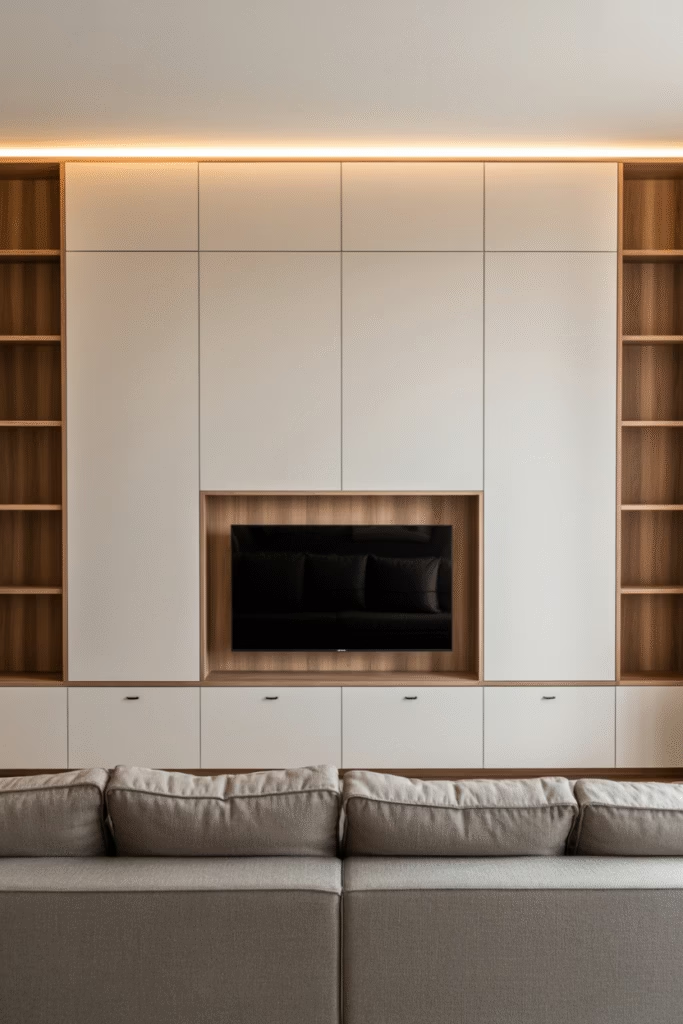
You create a minimal look much faster when you remove small visual distractions. Built-ins, closed cabinets, and baskets inside consoles keep daily mess out of sight while staying easy to access. Concealed storage around the media wall or under the window seat keeps the room looking tidy even on normal, not-Instagram days.
If you can’t lose stuff, at least teach it to live behind a door.
7. Declutter surfaces (ruthlessly)

You can design the perfect sofa and palette, but clutter will still ruin the vibe. Minimal living rooms depend on clear surfaces. Limit each surface to one or two intentional items, like:
- A tray with a candle and one decor object.
- A single stack of books with a small plant.
- One sculpture on the console instead of a small army of knick-knacks.
Ask yourself: if you removed this decor piece, would you miss it or just feel relief? That answer helps a lot.
8. Embrace “one big statement” decor
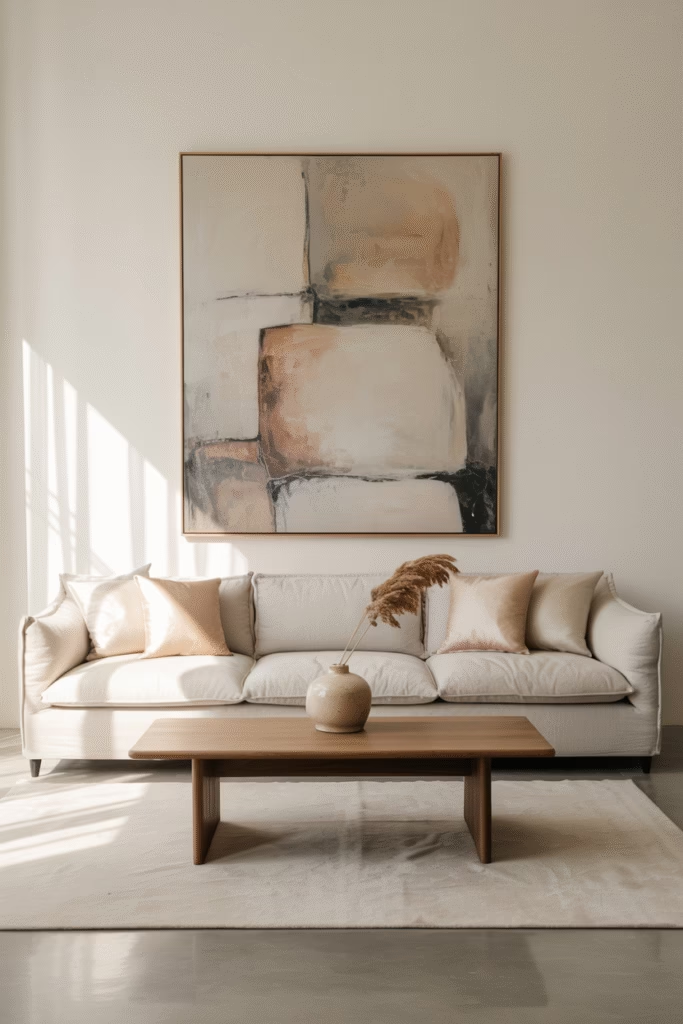
Minimal doesn’t equal boring; it just prefers fewer, bolder choices. Instead of 15 tiny frames, pick one large art piece above the sofa. One oversized print, a big canvas, or a large mirror creates a focal point without visual chaos.
This idea also works with lighting: one strong floor lamp or a striking pendant works better than several mismatched small lamps.
9. Use texture instead of patterns
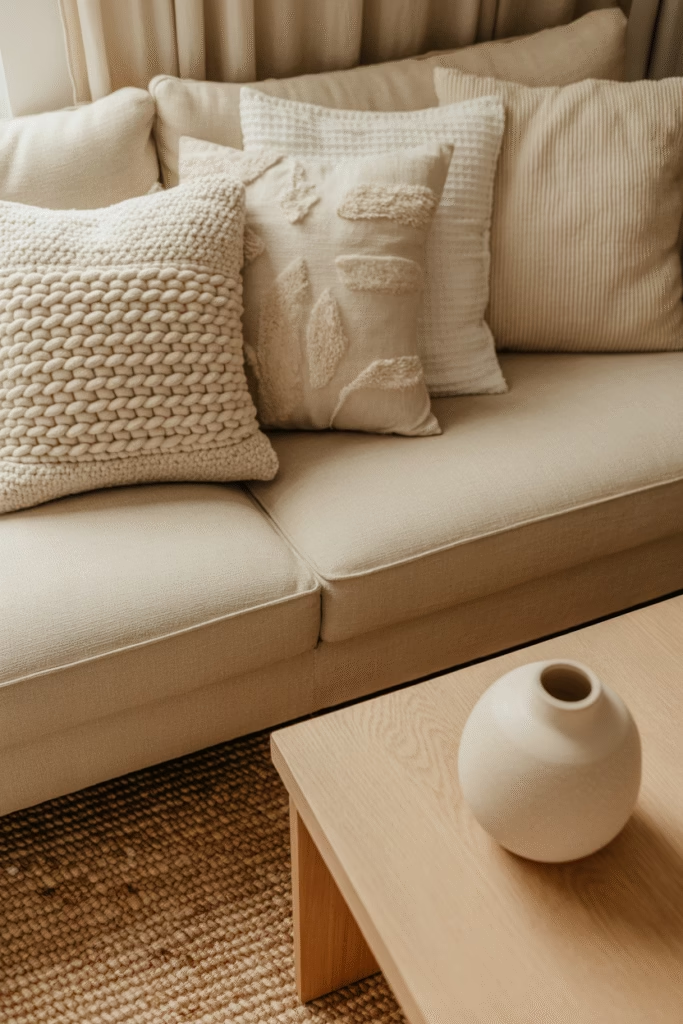
If you crave interest but want to stay minimal, swap busy patterns for texture. Combine:
- Linen or cotton sofa fabric.
- Jute or wool rug.
- Wooden coffee table or sideboard.
- Soft knit or boucle cushions.
Textures create depth and warmth so your neutral minimal living room feels cozy instead of empty.
10. Stick to a tight color palette
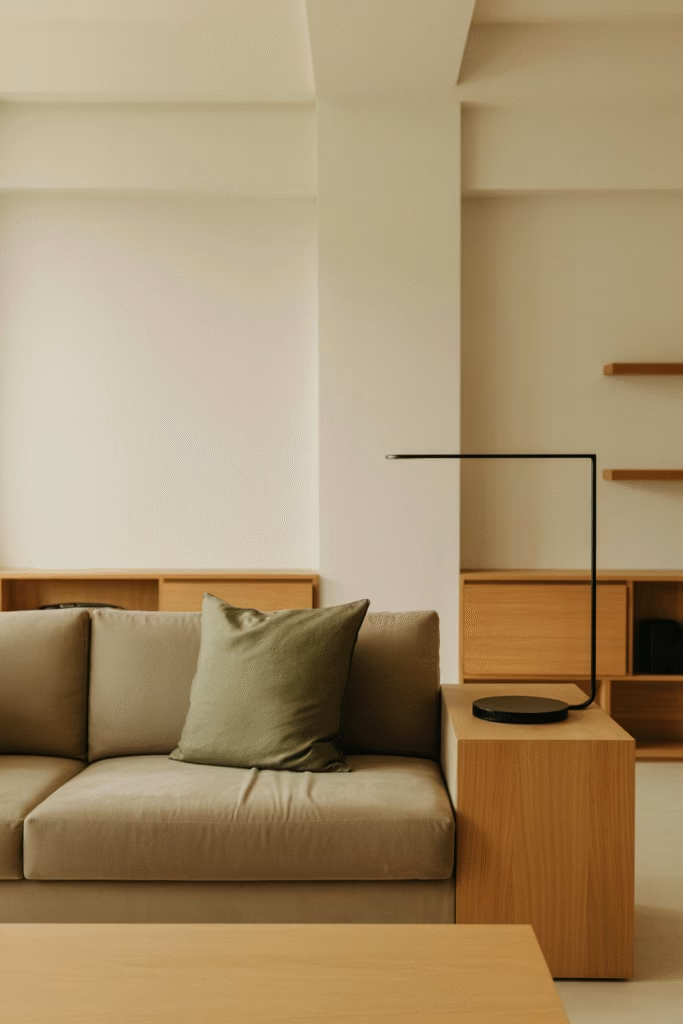
Minimal living rooms feel calm because they repeat a limited set of colors. Try a simple palette like:
- Base: warm white or soft beige walls.
- Furniture: cream, grey, or taupe sofa and chair.
- Accents: black or dark wood for contrast, plus one accent color like muted blue or olive.
If something doesn’t fit your palette, it will always look slightly “off” no matter how you style it.
11. Add natural materials and greenery
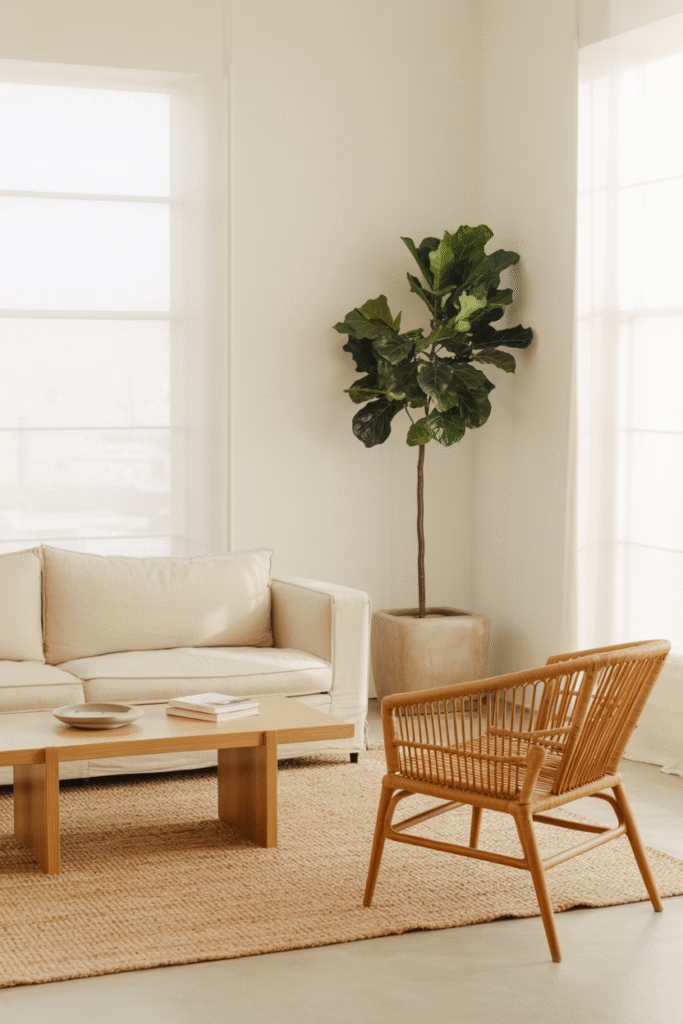
Minimal doesn’t mean sterile; natural materials keep it grounded. Wood, jute, rattan, stone, and ceramics play very nicely with minimalist layouts. A single big plant or two medium plants add life and softness without turning the room into a jungle.
You create an easy formula when you pair white walls, wood furniture, and one large plant in the corner.
12. Use light to your advantage

Lighting makes or breaks a minimal living room. Soft, layered lighting feels calm and intentional. Combine:
- Natural light with light curtains or blinds that filter, not block, sunlight.
- One ceiling light or pendant for overall brightness.
- A floor lamp or table lamp for warm evening lighting.
Avoid harsh white-blue lighting if you want a relaxed vibe instead of an office mood.
13. Float the furniture
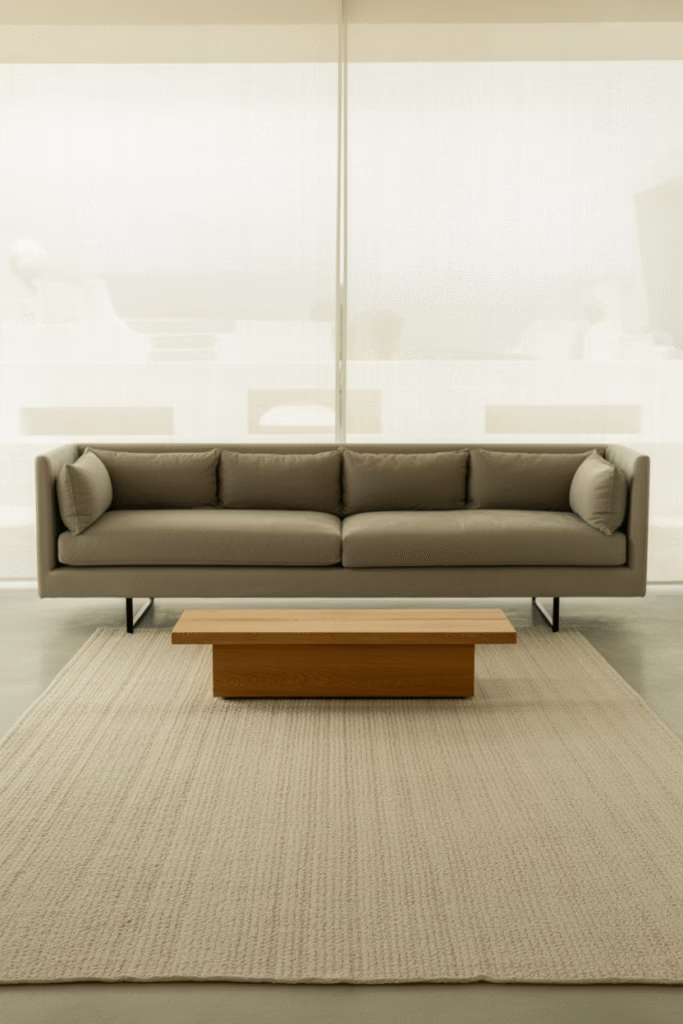
You don’t have to shove every piece against a wall. Designers often float sofas and chairs away from walls to create a more polished layout. Floating the sofa with a rug under it defines the living zone and makes the room feel intentional instead of “everything pushed to the edges.” This trick works especially well in open-plan spaces or awkward layouts.
Ever notice how a pulled-forward sofa instantly makes the room feel more “designed”? That’s not an accident.
14. Define zones with rugs
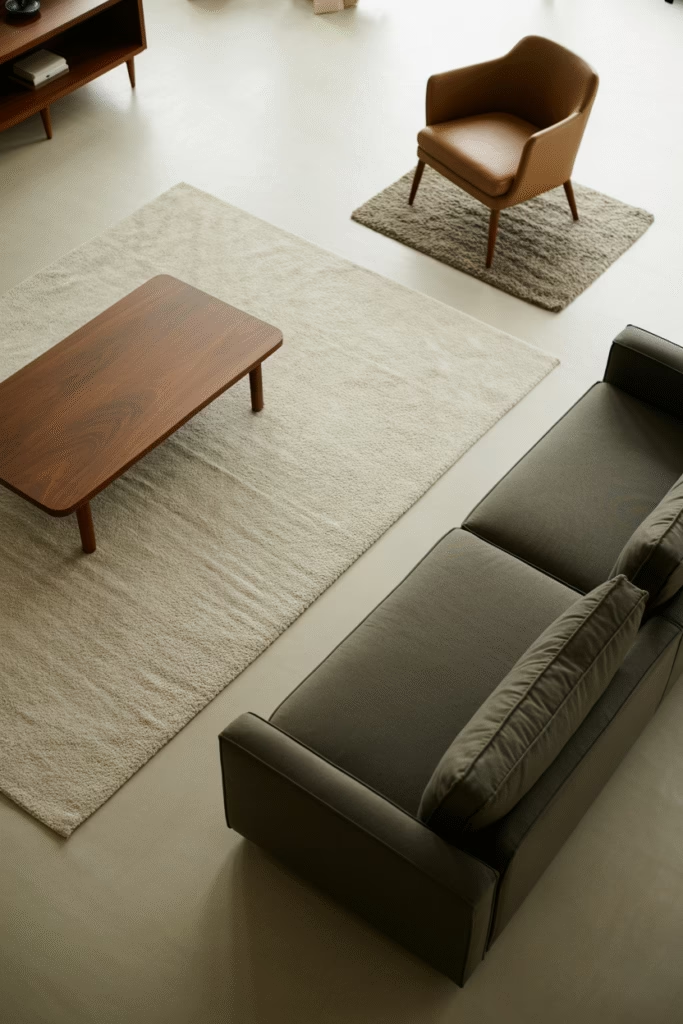
Minimal doesn’t mean empty floor; rugs define areas and add softness. In a small living room, one appropriately sized rug under the sofa and coffee table anchors the seating zone. In a larger or open-plan space, you can use another rug to mark a small reading corner or work nook while still keeping the decor simple.
Choose solid or very subtle patterns to keep things calm and cohesive.
15. Use mirrors to open up space
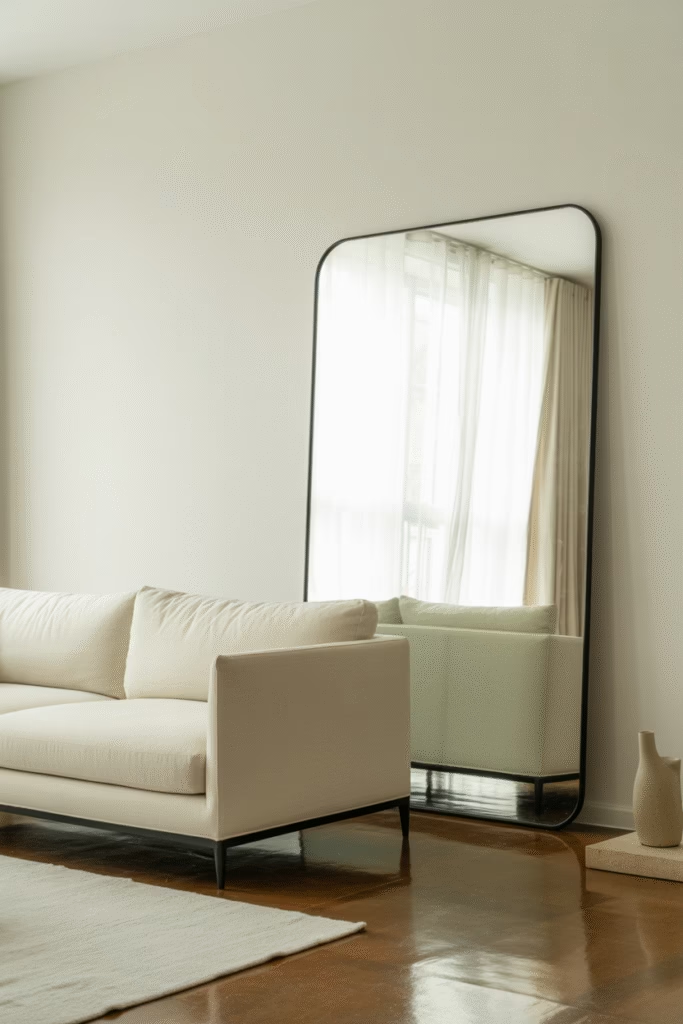
Mirrors work like a magic trick when you want a minimal living room to feel larger and brighter. A big mirror across from windows bounces light around and gives the illusion of more space. Simple frames in black, wood, or white keep the mirror aligned with a minimalist style, without ornate details.
If your room feels a bit cave-like, a large mirror ranks as one of the easiest upgrades.
16. Keep the media wall simple

TV walls often create clutter, but you can design a minimal media wall that still feels practical. Try:
- Wall-mounting the TV to free up surface space.
- Using a low, simple console with hidden storage.
- Styling just one or two items on top instead of a decor explosion.
If cables and random tech accessories disappear, your whole living room instantly looks cleaner.
17. Choose cohesive, not matching, pieces
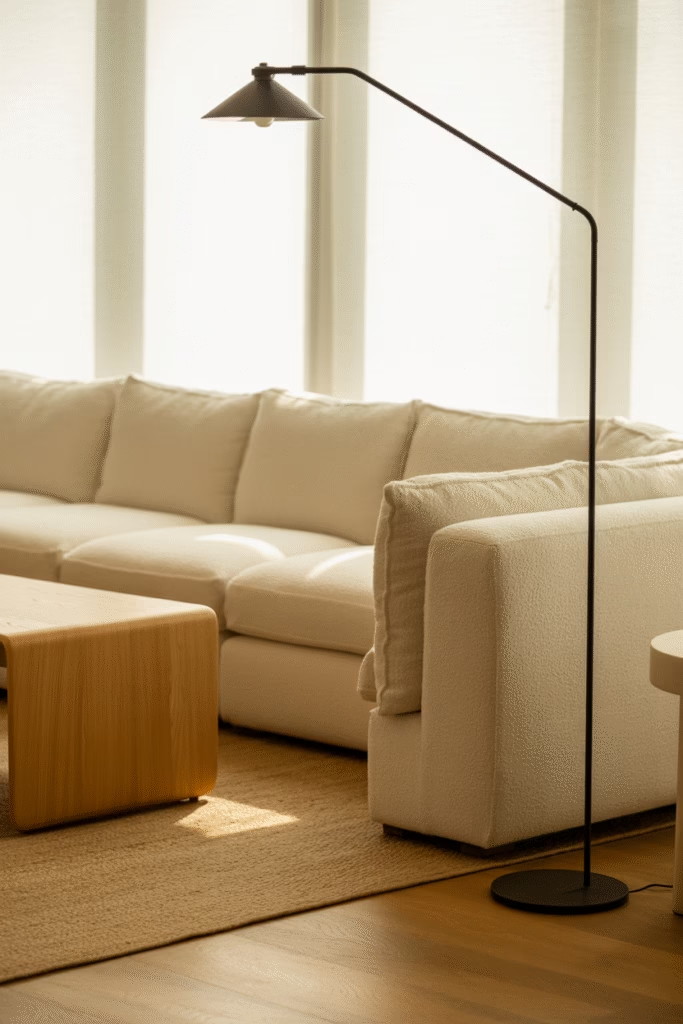
Minimal doesn’t require a full matching furniture set from one store. Cohesive, coordinated pieces look more elevated than perfectly matching ones. Combine different furniture brands or styles that share similar colors, materials, or shapes. For example, a cream sofa, light wood coffee table, and black metal lamp still feel unified when you repeat those tones.
IMO, full matching sets sometimes scream “I bought everything in one afternoon because I panicked.” 🙂
18. Keep decor personal but edited
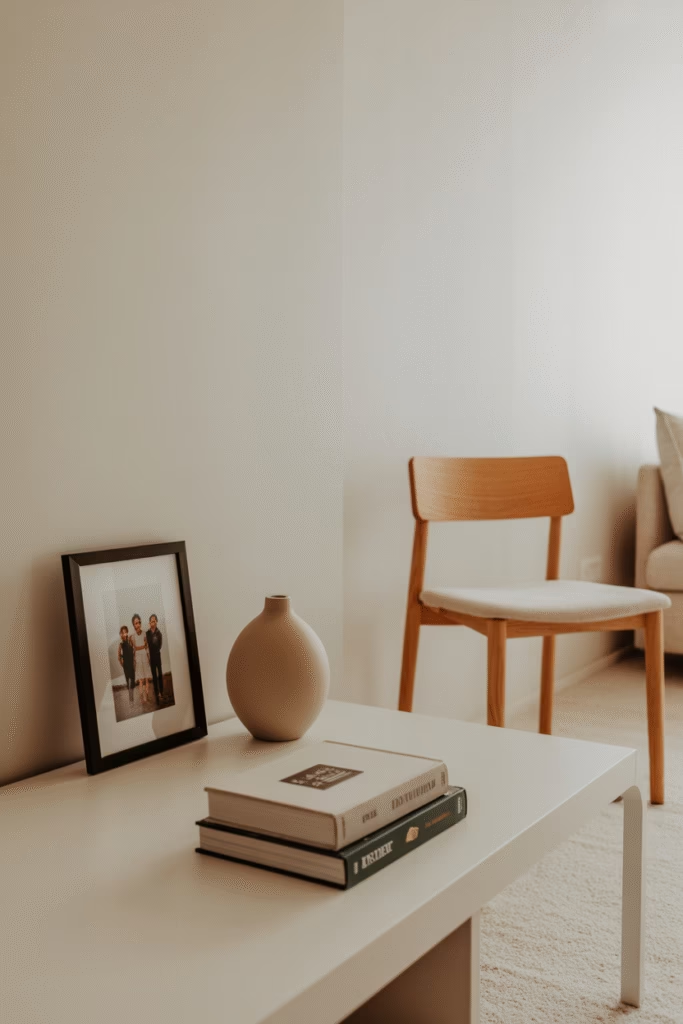
You don’t need to hide your personality to stay minimal; you just curate what you show. Pick a few personal pieces that mean something—like a framed travel photo, a favorite book stack, or one handmade ceramic. Group those into one small vignette and keep the rest of the room fairly clean.
When every item tells a story instead of filling a gap, the room feels thoughtful instead of cluttered.
19. Try a cozy minimal style (Japandi vibes)
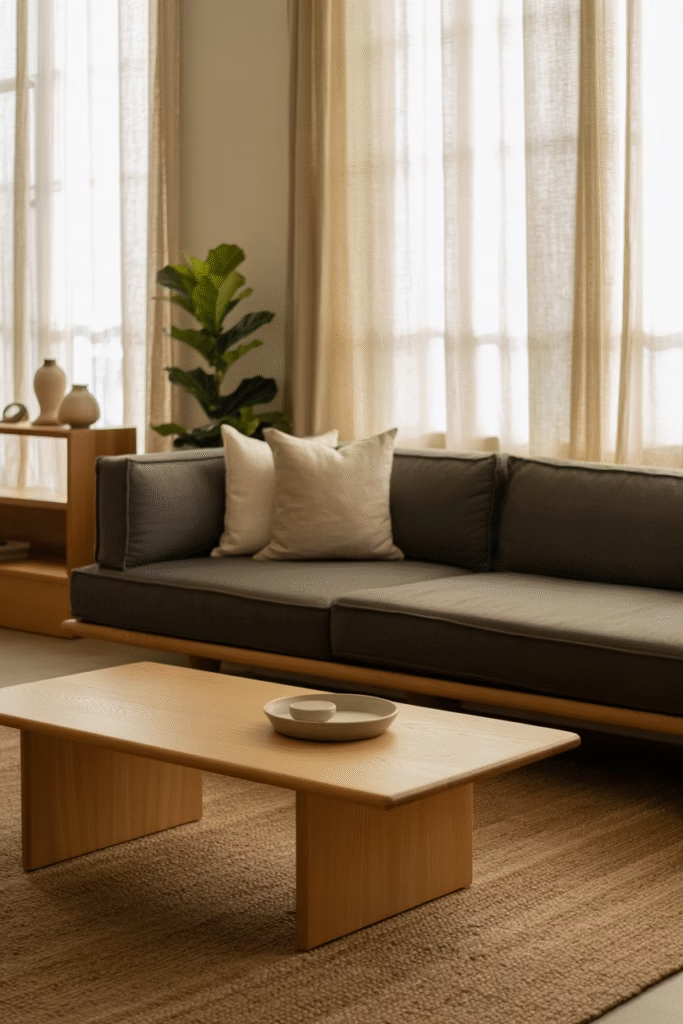
If you like minimal but still want cozy, Japandi-style living rooms hit that sweet spot. This look blends Scandinavian warmth with Japanese simplicity: light woods, low furniture, soft textiles, and a restrained palette. You still keep the room uncluttered, but you add softer edges, warm lighting, and inviting fabrics.
Think: fewer items, but everything feels soft, calm, and lived in—not like a museum where you fear touching anything.
20. Add one bold contrast piece
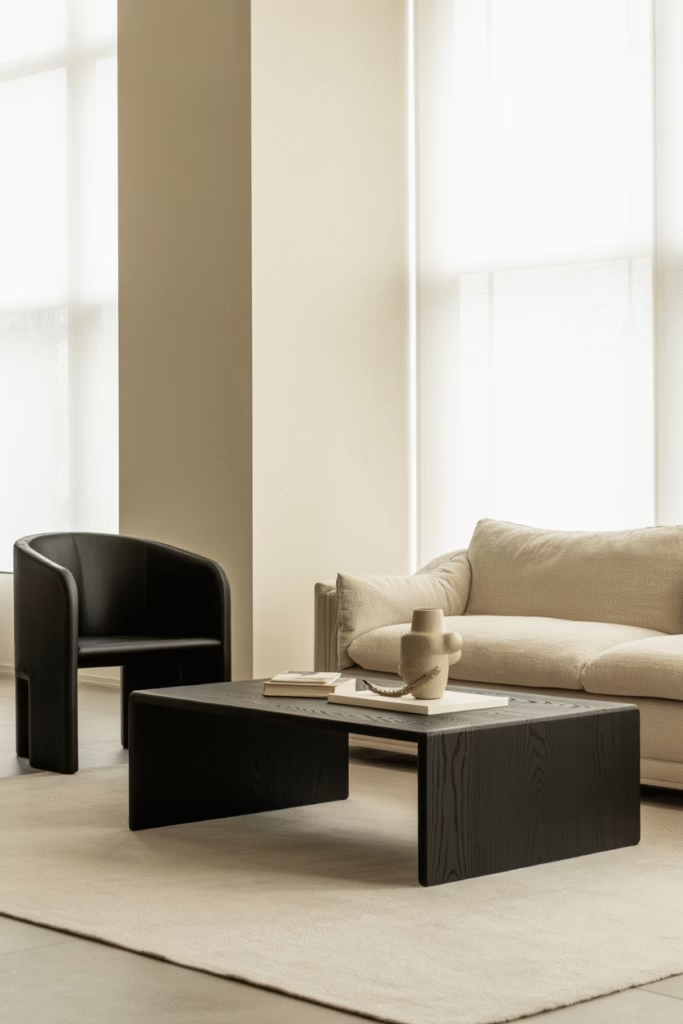
Minimal living rooms look extra stylish when you add just one bold contrasting element. This might be:
- A black accent chair in a light room.
- A deep green or rust-colored cushion set.
- A dark stone coffee table in a pale space.
Designers call this “minimalist maximalism” sometimes—clean backdrop, one or two statement moves. Go too far and you lose the minimal effect, but one bold hit adds character fast.
Layout tips for small minimal living rooms
Small living rooms actually suit minimal design perfectly—you just need a smart layout. Some layout ideas that help:
- L-shaped or corner sofa to maximize seating without crowding the room.
- One armchair instead of two if space feels tight.
- Circular or oval coffee table to soften corners and help traffic flow.
You can also zone your layout around one clear focal point: TV wall, big window, or fireplace, and then keep everything else supporting that.
How to keep your minimal look alive daily
Designing a minimal living room feels fun; keeping it minimal on a Tuesday after work feels harder. A few habits help a lot:
- Give every item a home—remote in a tray, blanket in an ottoman, mail in a basket.
- Do a 2-minute reset each night to clear surfaces.
- Use closed storage for anything that visually annoys you when you see it.
When you shape your space to support your habits, your living room stays minimal without a constant fight.
Quick checklist: your minimal living room formula
If you like simple frameworks, use this quick checklist to build or tweak your space:
- Neutral base on walls and main furniture.
- 1–2 accent colors max, ideally muted or earthy.
- Low, clean-lined seating with slim legs or base.
- One main rug that fits fully under front legs of seating.
- Hidden storage for everyday clutter.
- One big art piece or mirror instead of many small items.
- Mix of natural textures: wood, jute, linen, stone.
- Soft, layered lighting (overhead + floor/table lamp).
- A few personal decor pieces that actually matter to you.
- One bold contrasting piece for character.
If your room ticks most of these boxes, you already live that minimal living room life—whether you admit it publicly or just enjoy it quietly.
Final thoughts: make minimal feel like you
Minimal living room design doesn’t follow a strict rulebook; it helps you remove the noise so your style actually shows up. You can go super pared-back or slightly softer and cozier, as long as you stay intentional with what you bring in and what you leave out. The trick is simple: keep what you truly use and love, give it room to breathe, and let everything else go without guilt (FYI, your old random decor won’t miss you).
So, which of these 20 minimal living room design ideas will you try first clearing surfaces, swapping the rug, or finally upgrading that sofa that hurts your back and your soul? 🙂