
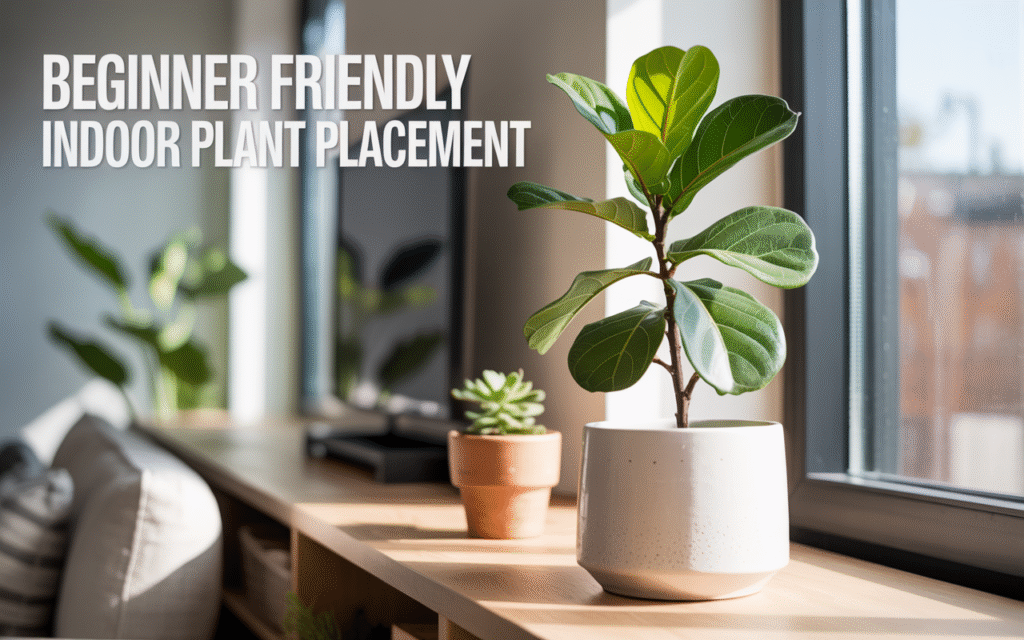
Ever walked into a room and felt something was “off,” but you couldn’t quite put your finger on it? Maybe it was a bare corner, a tabletop that looked too empty, or a window that seemed to stare back at you, lifeless. I’ve been there. What’s funny is how often the fix isn’t a new couch or a fancy piece of art, but something much simpler: a plant. I’ve seen firsthand how a little greenery can transform a space from “just fine” to “wow.” But if you’re new to indoor plants, the big question is: where do you start? You want something easy, beautiful, and—most importantly—hard to kill. That’s why I’m sharing nine beginner-friendly indoor plant placement ideas that actually work, based on years of experimenting.
By the end, you’ll have a clear plan for where to place your first, second, and ninth plant—with step-by-step instructions, real-life lessons, and confidence that you’re not just “trying to be green,” but actually succeeding at it.
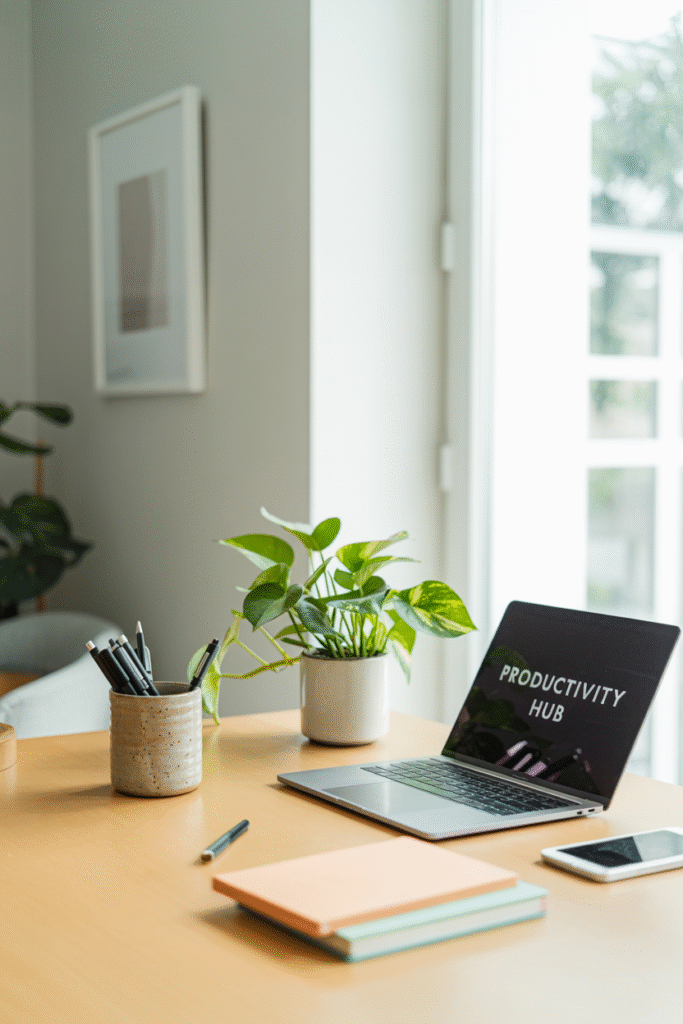
Start Small—Think Tabletops and Desks
If you’re just dipping your toes into indoor gardening, I always recommend starting with a tabletop or desk. These spaces are forgiving, easy to care for, and give you a daily dose of joy. A small succulent in a cute 10 cm (4 in) pot, or a pothos cutting in a glass jar, is perfect here. I once placed a snake plant (Sansevieria) on my client Riya’s home office desk—she swore the air felt fresher and her focus improved within weeks.
Materials you’ll need:
- Small plant (succulent, spider plant, or pothos)
- Ceramic or glass container (10–15 cm / 4–6 in diameter)
- Saucer to catch water
Steps:
- Clear a corner of your desk or table.
- Position the plant where it gets indirect light, not direct sun.
- Water only when the soil is dry to the touch—overwatering is the #1 killer.
- Rotate the pot a quarter turn every week so all sides get light.
Pro tip: If you’re prone to forgetting to water, try a snake plant or ZZ plant—they thrive on neglect.
Avoid this: Don’t crowd your workspace. One or two plants is plenty for a desk or table.
Brighten Up Windowsills—With Care
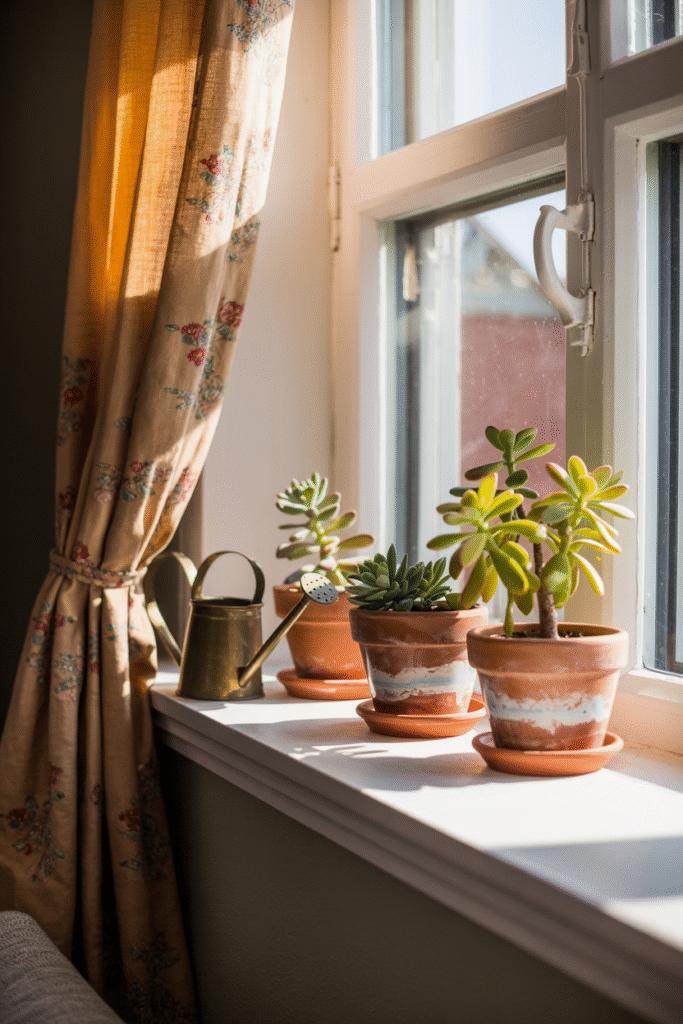
A windowsill is a classic spot, but it’s not as simple as “plonk and water.” The trick is matching the plant to the window’s light. South-facing windows get the most sun—good for cacti and succulents. North-facing? Aim for low-light lovers like peace lilies or English ivy. East- and west-facing get medium light, perfect for rubber plants or philodendrons.
In my own home, I learned the hard way that a fern on a sunny south sill is a recipe for crispy leaves. Now, I reserve that spot for a row of jade plants that actually love the heat.
Materials and measurements:
- Choose a plant based on your window’s direction.
- Pots should be 15–20 cm (6–8 in) wide, with drainage holes.
- Use a saucer that’s at least 2 cm (0.8 in) bigger than the pot base.
Steps:
- Measure your sill—make sure your pot fits without hanging over the edge.
- Group 2–3 small pots for a fuller look.
- Water when the top 2 cm (0.8 in) of soil is dry.
- Check leaves regularly for scorching (brown tips) or stretching (long, weak stems).
Cost: Expect to spend $5–$20 per plant, depending on size and variety.
Time investment: 10 minutes to set up, then 5 minutes of care per week.
Hang Them High—The Magic of Vertical Space
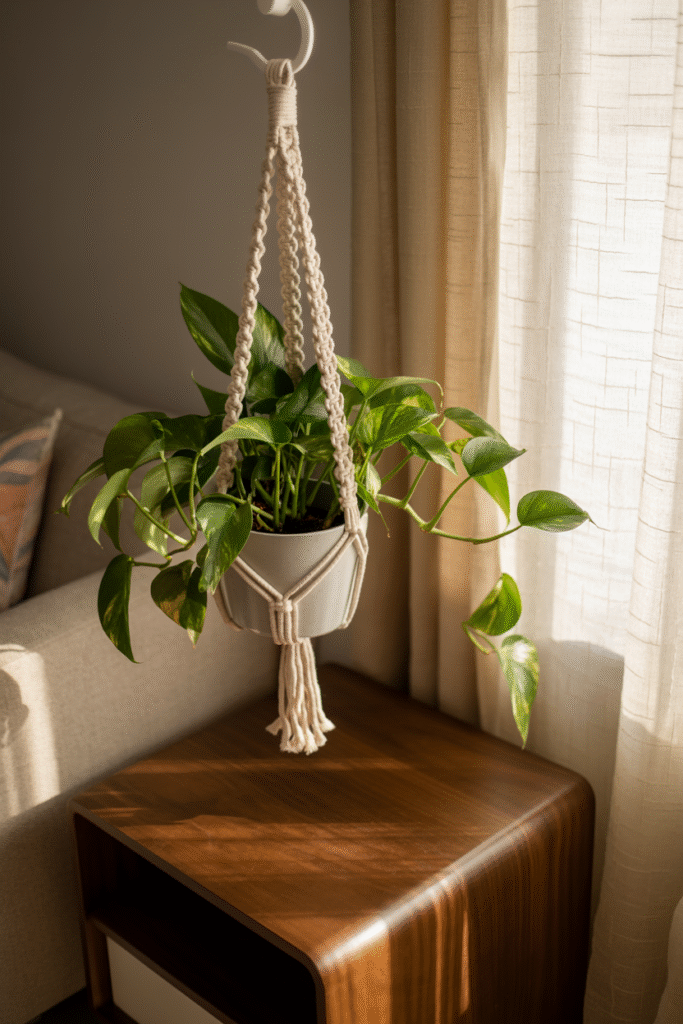
If you’re tight on floor or table space, look up. Hanging planters are a game-changer—seriously, I’ve transformed cramped apartments into green oases this way. I use macramé hangers for trailing plants like pothos, string-of-pearls, or spider plants. They add movement and life to boring corners.
What works best: Use ceiling hooks rated for at least 5 kg (11 lbs), placed over a table or in a corner. Keep hangers away from high-traffic areas where people might bump their heads.
Materials:
- Ceiling hook (ensure it’s properly anchored)
- Macramé hanger or decorative basket
- Trailing plant (pothos is my go-to for beginners)
Steps:
- Mark the spot, drill a pilot hole, and screw in the hook.
- Hang your planter, leaving at least 30 cm (12 in) clearance beneath.
- Water gently to avoid drips—remove the plant, water in the sink, let drain, then rehang.
Safety: Always check that your ceiling can handle the weight. If you’re renting, ask your landlord or use a tension rod between walls as an alternative.
Pro tip: Hanging plants dry out faster—check soil moisture twice a week in warm weather.
Shelves, Ledges, and Floating Spaces
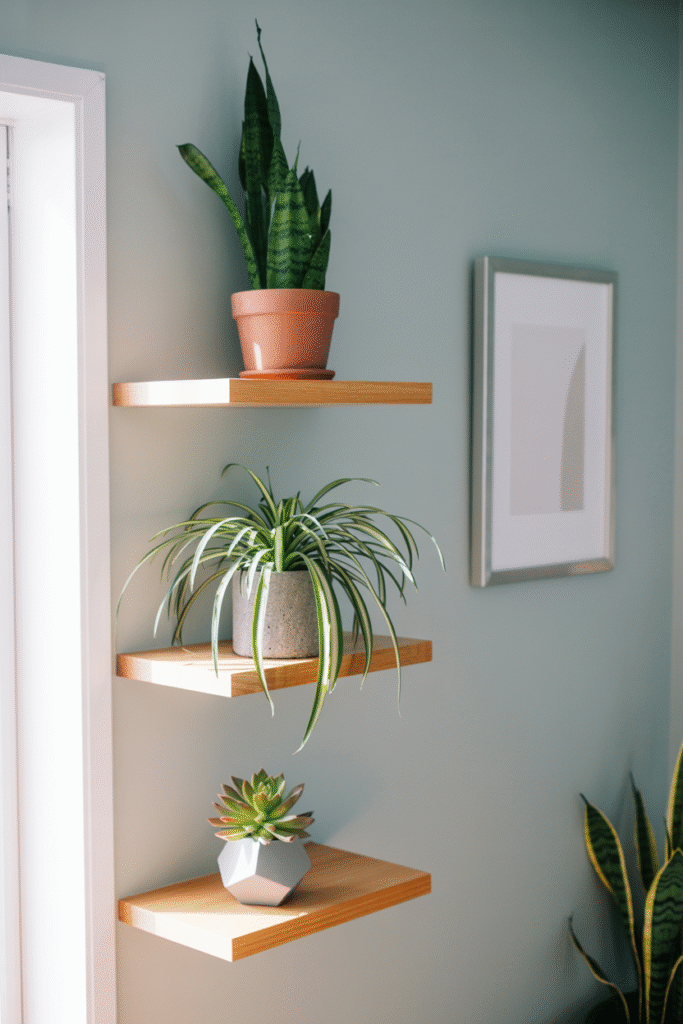
Shelves are perfect for creating “plant vignettes.” I love clustering a mix of textures and heights—maybe a tall snake plant, a mid-height pothos, and a small succulent in a geometric pot. The key is balance. Too many plants can look cluttered, while one lone pot might feel lonely.
In my experience: Start with three plants per shelf, varying heights by at least 15 cm (6 in). Group them at one end or in the middle, not evenly spaced. Leave breathing room around each.
Materials:
- Sturdy shelf (floating or bracket-mounted)
- A mix of plant sizes and pot styles
- Decorative pebbles or moss for topping the soil (optional)
Steps:
- Clean the shelf and measure the space.
- Arrange your tallest plant at the back, medium in the middle, small in front.
- Rotate pots every few weeks for even growth.
Cost: Shelves vary, but plants and pots can fit any budget. Start with $7–$15 per plant.
Time investment: 20–30 minutes to arrange, then minimal upkeep.
Bring Life to Bare Corners
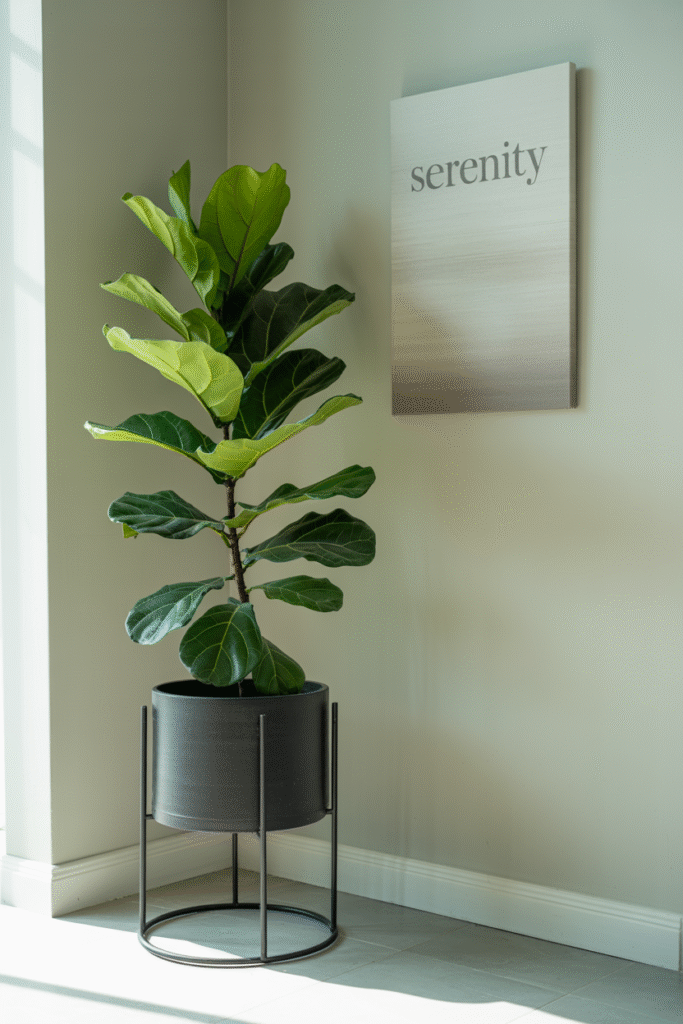
Every home has that one sad corner—too small for furniture, too awkward for art. Plants are the perfect solution. A tall, architectural plant like a fiddle leaf fig, rubber plant, or dracaena can turn dead space into a focal point.
What works best: Choose a plant that grows taller than wide, and pair it with a simple, neutral pot. I’ve seen clients amazed at how a $30 fiddle leaf fig can make a $500 difference in a room’s vibe.
Materials:
- Tall plant (1–1.5 m / 3–5 ft at maturity)
- Pot with drainage, 25–30 cm (10–12 in) diameter
- Plant stand (optional, for extra height)
Steps:
- Place the plant where it gets indirect light, not in complete darkness.
- Water when the top 5 cm (2 in) of soil is dry.
- Dust leaves monthly to keep them photosynthesizing efficiently.
Avoid this: Don’t put a big plant in a tiny corner—leave at least 30 cm (12 in) of space around it for airflow and growth.
Bathrooms—Tropical Heaven
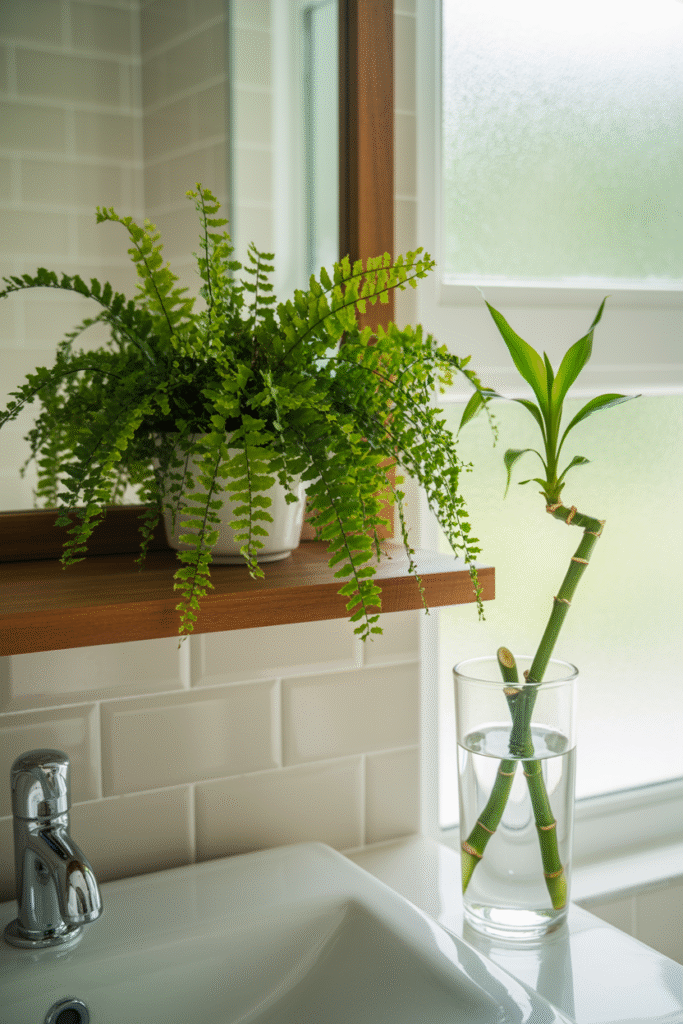
Most people overlook bathrooms, but they’re often the perfect spot for humidity-loving plants like ferns, orchids, and bamboo. Just avoid direct sun if you have a window, since steam can magnify heat and burn leaves.
In my bathroom, I have a maidenhair fern on a high shelf and a lucky bamboo in a glass vase on the counter. They thrive with minimal care—the shower’s humidity does half the work.
Materials:
- Humidity-loving plant (fern, orchid, bamboo)
- Vase or pot with drainage
- Pebble tray (optional, for extra moisture)
Steps:
- Place the plant where it gets indirect light, away from hot water splashes.
- Mist the leaves once a week if your bathroom isn’t steamy.
- Water when the top 2 cm (0.8 in) is dry—don’t let them sit in water.
Cost: $10–$30 per plant, depending on variety.
Kitchens—Fresh Herbs Within Reach
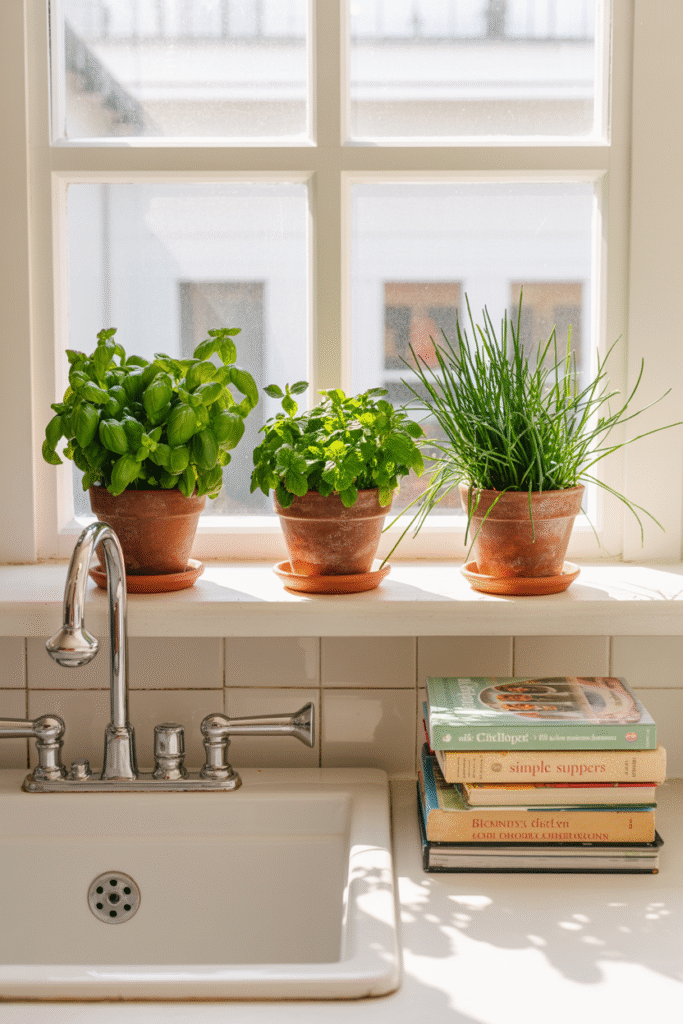
Kitchens are busy places, but herbs like basil, mint, and chives are surprisingly easy to grow—and useful, too. I keep a pot of basil on my window ledge and snip leaves straight into my cooking. Just make sure they get at least 4–6 hours of sunlight, and water when the soil feels dry.
Materials:
- Small herb plants or seeds
- Pots with drainage (15 cm / 6 in is a good start)
- Sunny windowsill or under-cabinet grow light
Steps:
- Sow seeds or buy starter plants.
- Place in your sunniest window (south or west-facing is best).
- Water when the top 1 cm (0.5 in) is dry—herbs like to dry out a bit between waterings.
Pro tip: Start with mint or basil—they’re forgiving and grow fast.
Entryways—First Impressions Matter
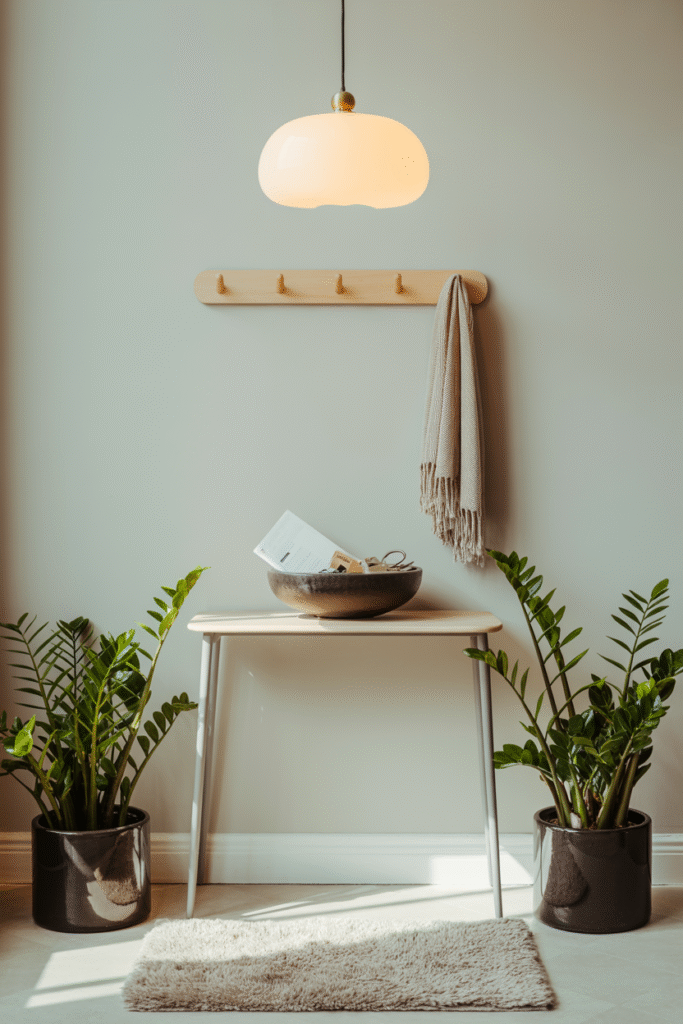
Your entryway sets the tone for your home. A pair of matching plants in sleek pots on a console table, or a tall dracaena in a corner, makes guests feel welcome. Just pick plants that can handle a bit of draft and lower light.
What works best: ZZ plants, snake plants, or parlor palms are tough enough for entryways. I use a ZZ plant in a black ceramic pot—it’s survived two winters, a move, and my forgetful watering.
Materials:
- Tough, low-maintenance plant
- Attractive, durable pot
- Entry table or plant stand
Steps:
- Place the plant out of direct traffic but where it’s visible.
- Water only when the soil is completely dry—entryways get less attention.
- Dust leaves monthly for a polished look.
Cost: $15–$40 per plant, depending on size.
Bedrooms—Calm and Clean Air
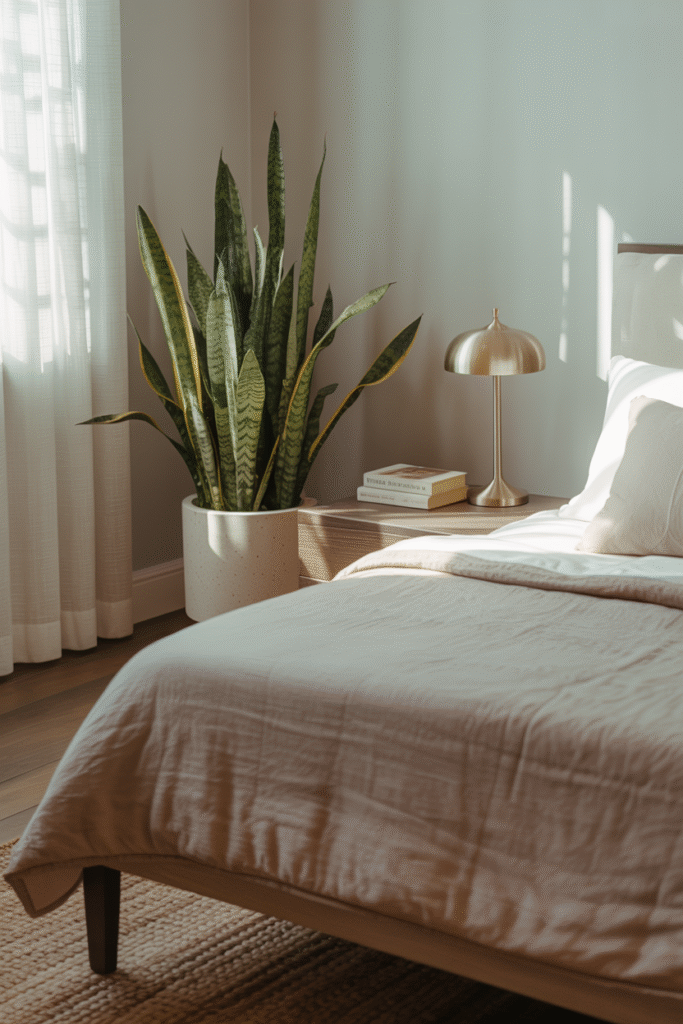
Bedrooms should feel restful, and plants can help with that. I recommend plants that are easy on allergies and promote better air quality, like snake plants, spider plants, or peace lilies. Place them on a nightstand, dresser, or a shelf—not crowded, but present.
Safety: Avoid plants that are toxic if you have pets or small kids—always check before buying.
Materials:
- Air-purifying plant
- Bedside table or shelf
- Optional peat moss topper for a finished look
Steps:
- Pick a spot with gentle, indirect light.
- Water when the top 2–3 cm (1 in) of soil is dry.
- Rotate the plant occasionally for even growth.
Avoid this: Don’t place a plant right next to your face if you’re sensitive to pollen or scents.
Common Mistakes—And How to Avoid Them
- Overwatering: More plants die from love (too much water) than neglect. Stick your finger in the soil—if it’s damp, wait.
- Wrong light: Match the plant to your home’s light. Don’t force a sun-lover into a dark corner.
- Crowding: Give plants space to breathe and grow. They’re not decor items—they’re living things.
- Ignoring drafts: Entryways, halls, and near AC vents can be tough on tropical plants.
- Not repotting: If roots are coming out the bottom, it’s time for a bigger pot.
Quick FAQs
Can I keep plants in a room with no windows?
Yes, but choose low-light champions like snake plants, ZZ plants, or pothos, and consider a grow light for best results.
How often should I water my indoor plants?
It depends on the plant, but a good rule is to water when the top 2 cm (0.8 in) of soil is dry. Always check before watering.
Do indoor plants really purify the air?
Some plants help filter toxins, but you’d need a jungle to make a big impact. Still, every bit helps, and they boost mood regardless.
What’s the easiest plant for a beginner?
Snake plants, pothos, and ZZ plants are almost foolproof. Start with one of these for instant confidence.
How do I know if my plant is getting enough light?
If it’s stretching toward the window, it needs more light. If leaves are scorched, it’s getting too much.
Can I use tap water for my plants?
Usually, yes, but if your water is heavily chlorinated, let it sit out overnight before using.
Final Thoughts—Start Where You Are
The secret to great indoor plant placement isn’t perfection—it’s progress. You don’t need a designer’s eye or a green thumb, just a willingness to try, observe, and adjust. I’ve killed my share of plants, but I’ve also turned ordinary rooms into lush, living spaces that make me smile every day.
Pick one idea from this list, grab a plant, and start tonight. You’ll be amazed how far a little green can take you.