
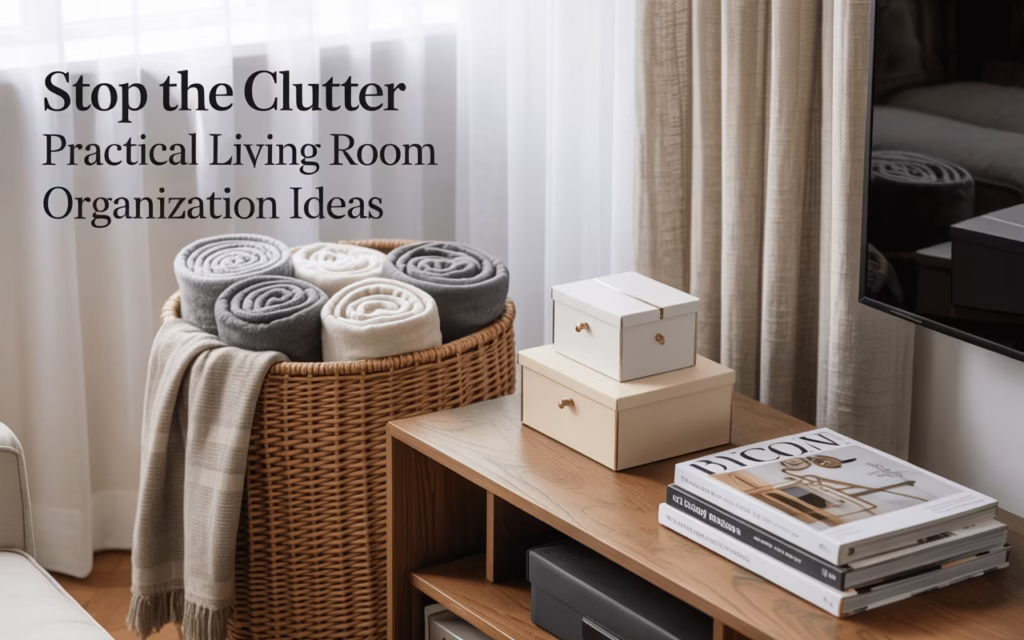
I know that feeling walking into your living room and immediately spotting the clutter. Maybe it’s that pile of mail, the kids’ toys, or the blankets that never seem to find a home. It’s not just about tidiness; a disorganized living room makes your whole home feel chaotic. But here’s the good news: with a few practical, tried-and-tested tweaks, you can transform your space into something both inviting and organized without moving walls or breaking the bank. I’m Yashwant, and I’ve helped dozens of homeowners reclaim their living rooms with simple, actionable steps. By the end of these 15 tips, you’ll have clear strategies (and the motivation) to tackle clutter and create a living room that actually works for you.
The Case for “Clear Zones” Over Chaos
What surprises most people is that the best organized rooms don’t just hide things away—they create clear, functional zones. The first thing I do in any living room makeover is to ask, “What activities happen here?” Watching TV, reading, playing with the kids, folding laundry write it all down. Then, picture your living room as a collection of mini-rooms. Ideally, each activity has a dedicated spot, even if it’s just a corner of a sofa or a slim console table. This mindset shift is crucial because it helps you justify every piece of furniture and every storage solution you bring in.
1. Define—Then Protect—Your “Drop Zones”
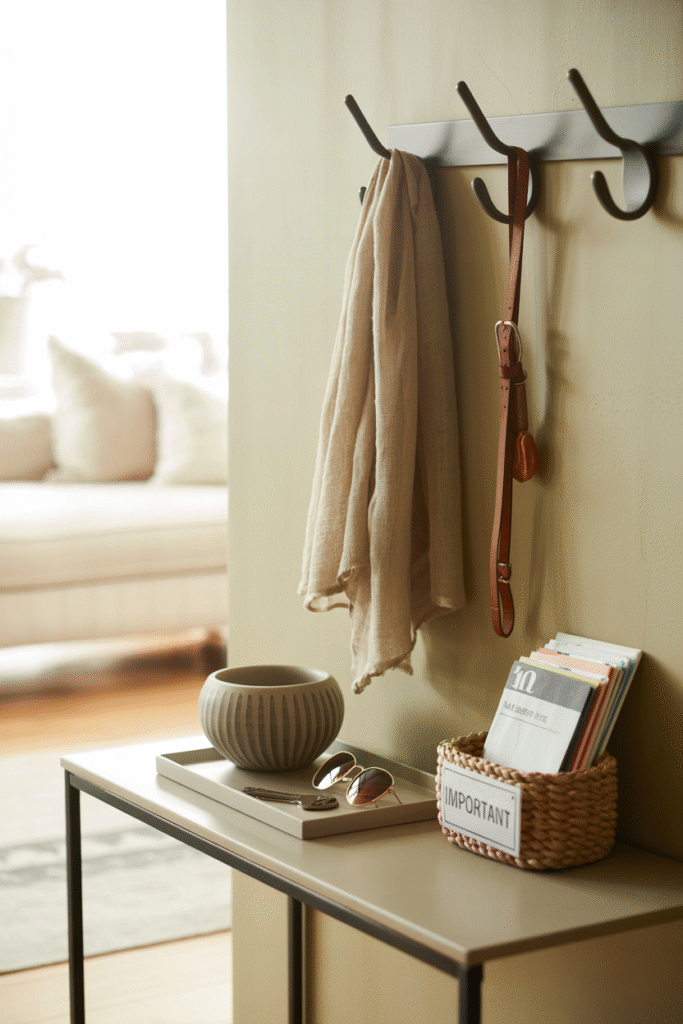
We all use living rooms as dumping grounds, but with a little intentionality, you can keep the chaos in check. In my experience, the best way to corral stuff like keys, mail, sunglasses, and phones is to create specific “drop zones.” A shallow tray on a side table, a beautiful bowl on a console, or even a labeled basket by the door can work wonders. Pro tip: Make your drop zone attractive and easy to access. If it’s not convenient, it won’t be used consistently.
Materials: Tray, bowl, or basket (size varies, but aim for 30 cm / 12″ in length or diameter for most spaces); labels (optional)
Time: 5 minutes to set up
Difficulty: Beginner
Cost: ₹200–₹2,000 ($2.40–$24) for a decent tray or basket
If your living room gets a lot of through-traffic, consider a wall-mounted shelf or hooks nearby for bags and coats, but keep it minimal—a single hook can suffice for everyday use.
2. Outsmart Small Clutter With Micro Storage
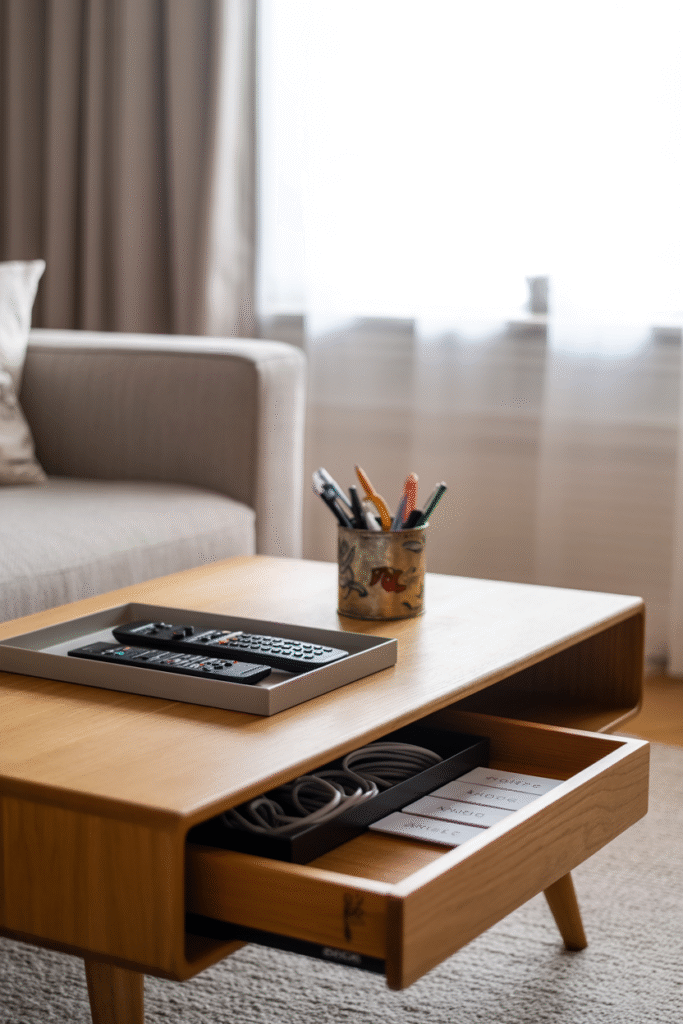
We often overlook tiny items—remotes, notepads, charging cables—but it’s exactly these things that can make a room feel messy. I love using small trays, drawer inserts, or even repurposed tins for corralling tiny items. Place one on your coffee table, another by your main chair, and watch how much neater things feel. Pro tip: Labeling these containers can help everyone in the household remember where things go.
Materials: Small trays, drawer organizers, or decorative tins
Time: 5 minutes per zone
Difficulty: Beginner
Cost: ₹100–₹500 ($1.20–$6) per container
A personal favorite: I found a set of vintage tea tins at a local market, spray-painted them, and now they hold everything from TV remotes to phone chargers. They look intentional and keep things tidy without shouting “storage box!”
3. Multifunctional Furniture: The Workhorse of Small Spaces
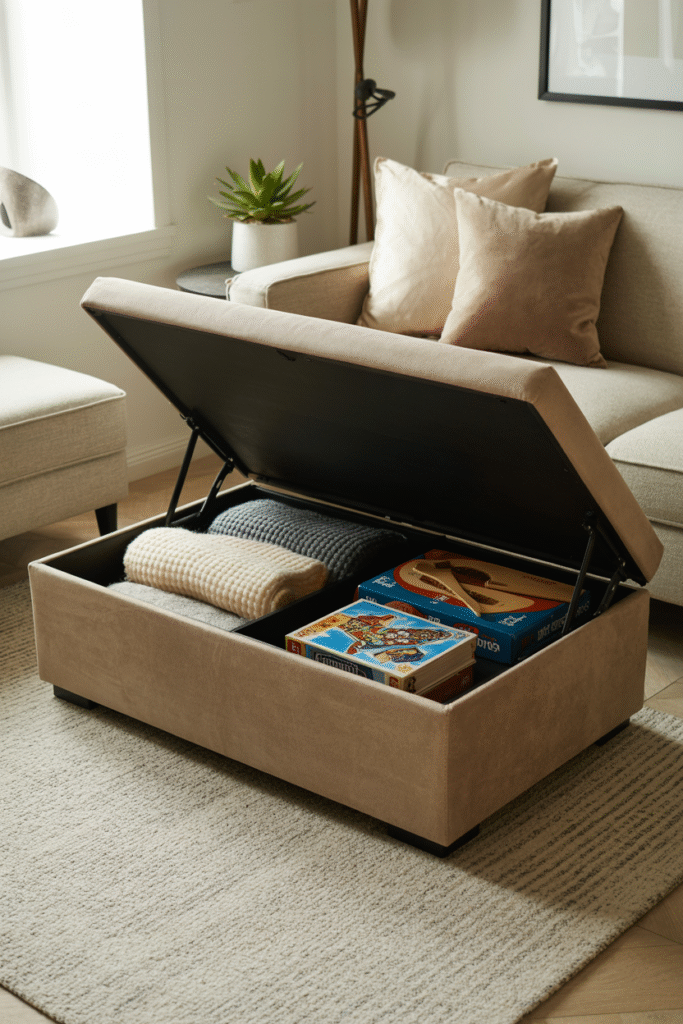
If your living room is on the smaller side—or just feels that way—multifunctional furniture is a must. I’ve seen too many homeowners buy big, empty ottomans that look great but never get used. Instead, choose pieces that pull double duty. A storage ottoman (at least 45 cm / 18″ wide and deep) can corral blankets, board games, and even toys. Sofas with built-in storage or lift-up seats are lifesavers for apartments and small homes. And don’t forget slim console tables with drawers—great for hiding clutter without taking up floor space.
Materials: Storage ottoman, sofa with drawers, console table with storage
Time: 30 minutes to shop and set up
Difficulty: Beginner
Cost: ₹5,000–₹15,000 ($60–$180) for a decent storage ottoman
One of my clients, Riya, swapped her bulky coffee table for a storage ottoman from a local carpenter. Now, her kids’ toys are always out of sight, and she has extra seating when guests come over.
4. Use Vertical Space—But Not All At Once
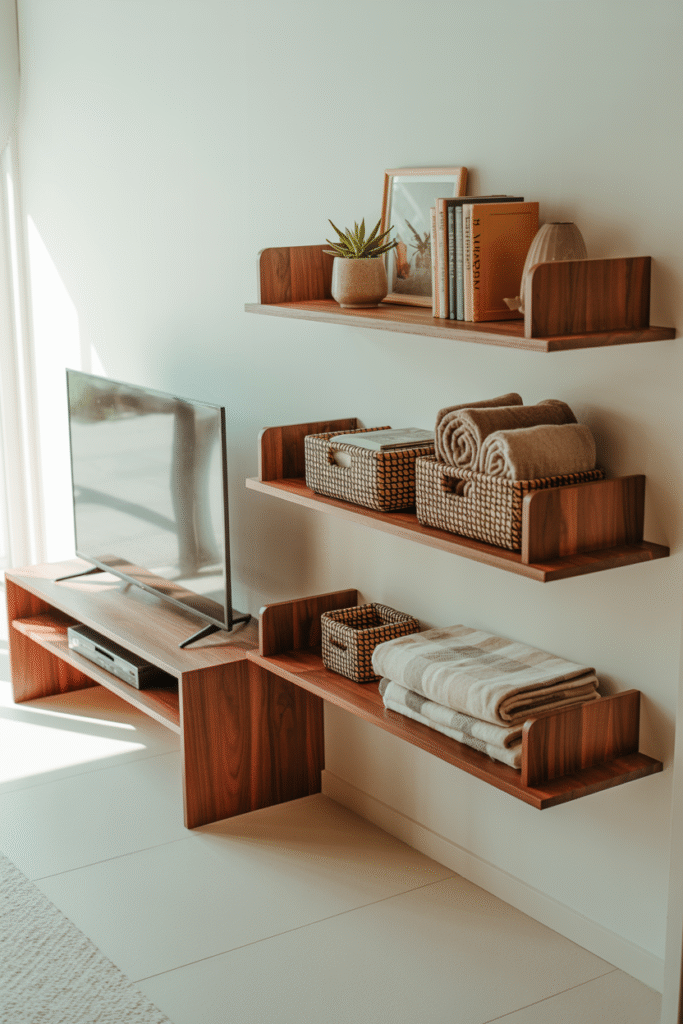
We often forget about the vertical space right in front of us. Wall-mounted shelves, bookcases, and even pegboards can add storage without eating into precious floor space. But I often see people make a common mistake: installing too many shelves, too quickly. Start with one well-placed set of shelves (let’s say 120 cm / 4 feet in length), placed at about 150 cm / 5 feet off the floor, to keep things visually tidy. Use the top shelf for decorative items, the middle for books or baskets, and the lower ones for everyday things that are easy to grab.
Materials: Floating shelves, sturdy wall anchors, baskets or bins for shelves
Time: 1–2 hours to install, longer if you’re new to DIY
Difficulty: Intermediate (beginner if you use self-drilling anchors)
Cost: ₹1,500–₹5,000 ($18–$60) for basic shelves and hardware
Avoid this: Don’t line every wall with shelves—it will make your living room feel smaller and more cramped. Instead, pick the wall where clutter collects most, and use vertical storage there.
5. The Magic of “Hidden” Storage Baskets
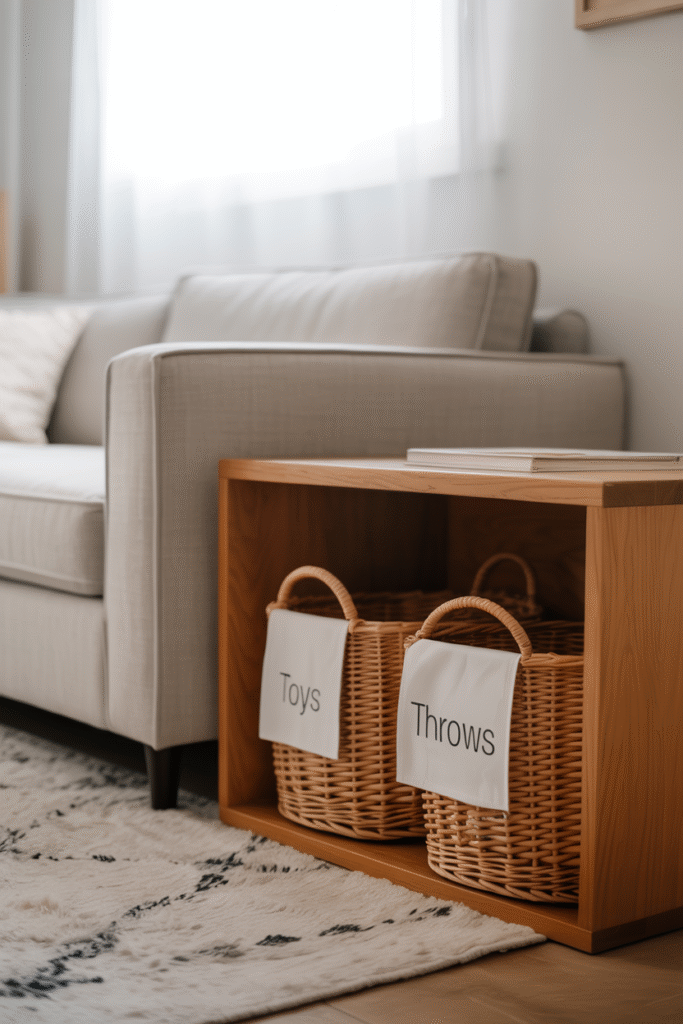
I’m a huge fan of baskets—woven, fabric, or even plastic—for keeping clutter under control. They look more intentional than piles of belongings and can be moved around easily. I recommend keeping two or three 25–40 cm / 10–16″ baskets under a side table or coffee table for frequently used items like children’s toys, pet supplies, or extra blankets. If your living room doubles as a playroom, use see-through or open-top baskets so kids can find what they need without dumping everything.
Materials: Baskets or bins (size depends on use)
Time: 10 minutes to sort and place
Difficulty: Beginner
Cost: ₹200–₹1,000 ($2.40–$12) per basket
In my own home, I use a large, open woven basket for throw blankets and small decorative bins for remote controls and reading glasses. They keep things tidy but still accessible.
6. Edit Ruthlessly—Then Maintain the Peace

No amount of storage baskets will help if you’re holding onto things you never use. Twice a year, I clear out my living room completely and ask, “Do I actually use this?” If I haven’t touched it in six months, out it goes. Donate, recycle, or (in rare cases) store seasonal items like holiday decor elsewhere. What works best is doing this before major holidays or when you’re planning to rearrange your furniture. It makes the process less overwhelming.
Materials: Just your hands and a few boxes or bags
Time: 1–2 hours, depending on clutter level
Difficulty: Beginner
Cost: Free, unless you hire help
I still remember the relief a client named Anjali felt after her first big purge. She had kept magazines and DVDs for years—once they were gone, her living room instantly felt fresher and more functional.
7. Cables, Cords, and Wires: Make Them Vanish
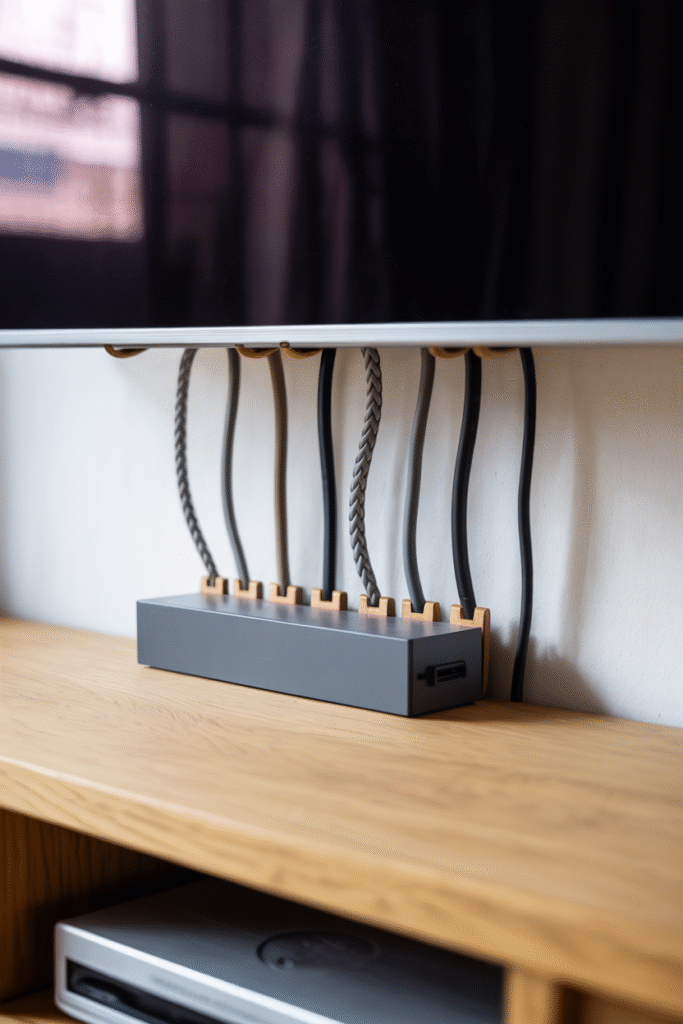
We all have them—rat’s nests of charging cables, speaker wires, and TV cords. Not only are they unsightly, but they’re also a tripping hazard. I use a combination of cable wraps, adhesive clips, and even a color-matched surge protector to keep everything neat. Tuck excess cord behind furniture, and use a cable box to hide bulky transformers and power strips.
Materials: Cable ties, adhesive clips, cable box
Time: 30 minutes to organize
Difficulty: Beginner
Cost: ₹200–₹1,000 ($2.40–$12) for basic organizers
8. Seasonal Rotation: Keep Only What You Use
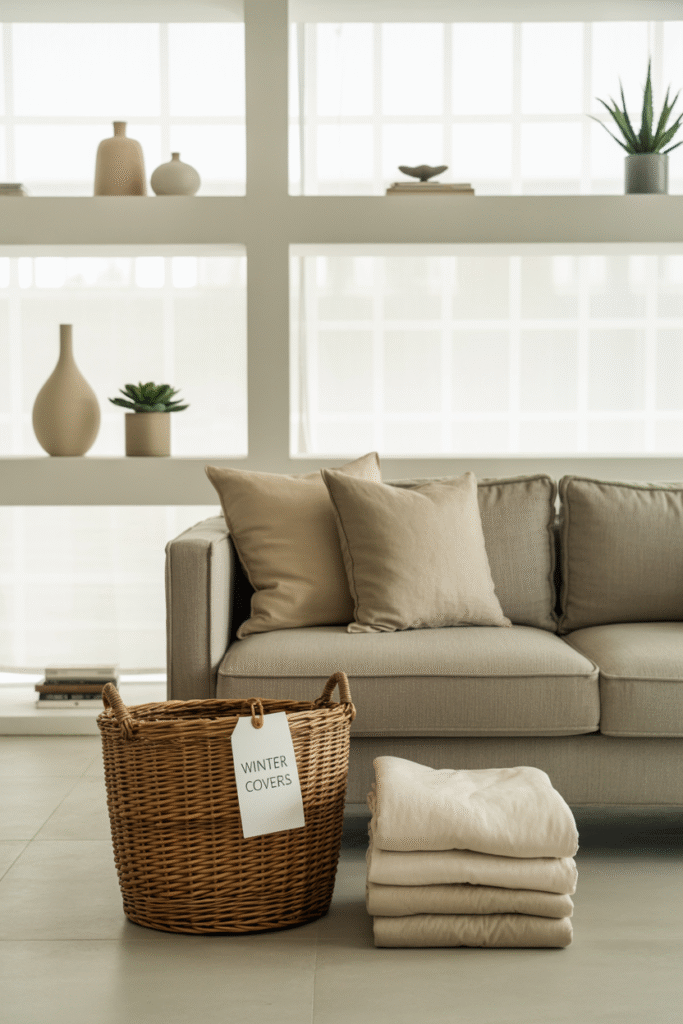
If your living room feels overcrowded, consider seasonal rotation. I keep a few neutral throw pillows and blankets that work year-round, then swap in seasonal colors and textures as needed. The extras get stored in labeled bins elsewhere. Same goes for books, magazines, and holiday decor—tuck away what you’re not using right now to keep your living room fresh.
9. Kids’ Stuff: Make Cleanup Playful
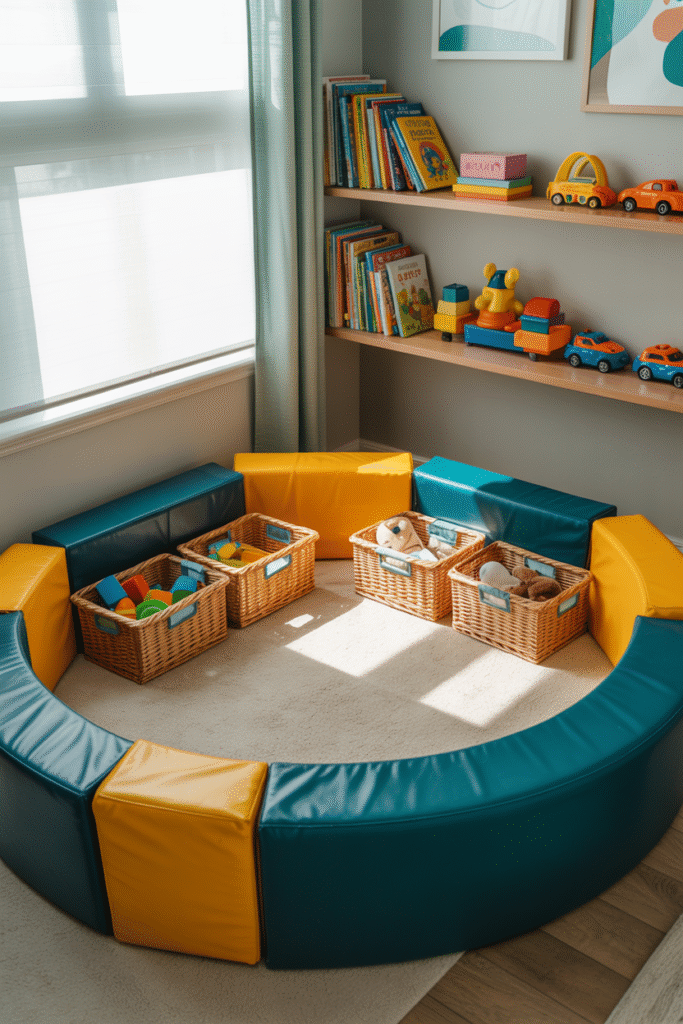
For families, living rooms double as playrooms. To keep toys from taking over, I set up a play mat with clear boundaries and a designated box or basket for every type of toy. At the end of the day, make cleanup a game—even little kids can help if it’s easy and fun.
10. Make Hidden Storage Attractive
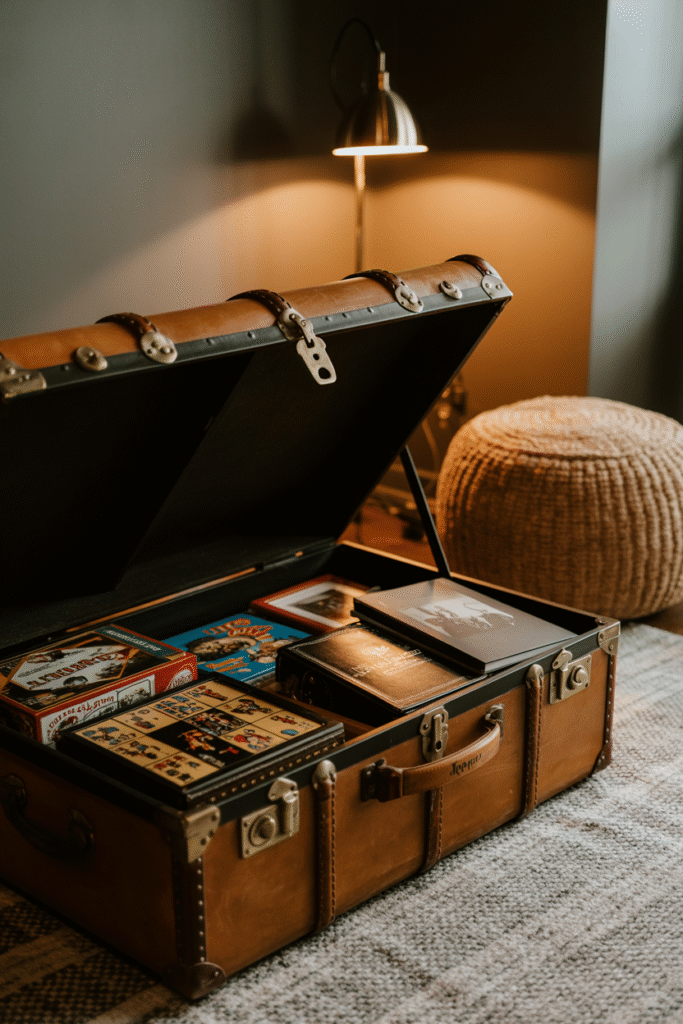
Sometimes, the best storage is hidden in plain sight. I’ve used trunks as coffee tables, woven poufs with zipper storage, and even old suitcases as side tables, all of which hide things while looking intentional. If you find something beautiful that also serves a purpose, it’s a win-win.
11. Add a “Giveaway” Box
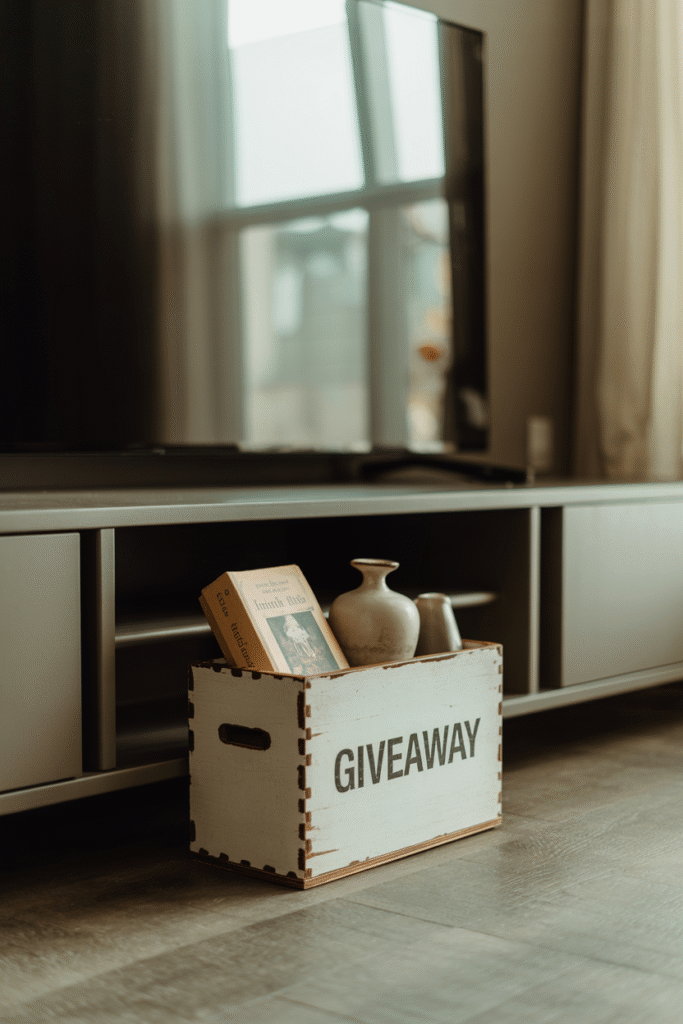
Place a small box or bag in a closet or corner, and fill it with items you’re ready to part with. When it’s full, donate or recycle. This keeps clutter from sneaking back in.
12. Use Every Corner Wisely
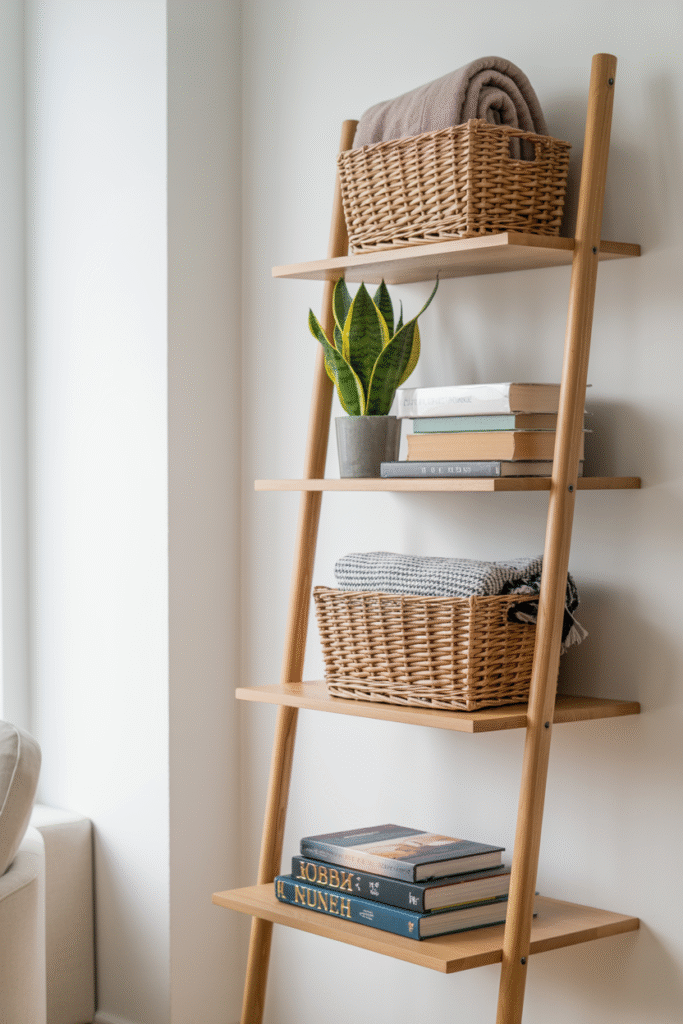
Corner shelving units, slim ladder shelves, or even a small bookshelf in an unused corner can add storage without overwhelming the space.
13. Adjust as You Go
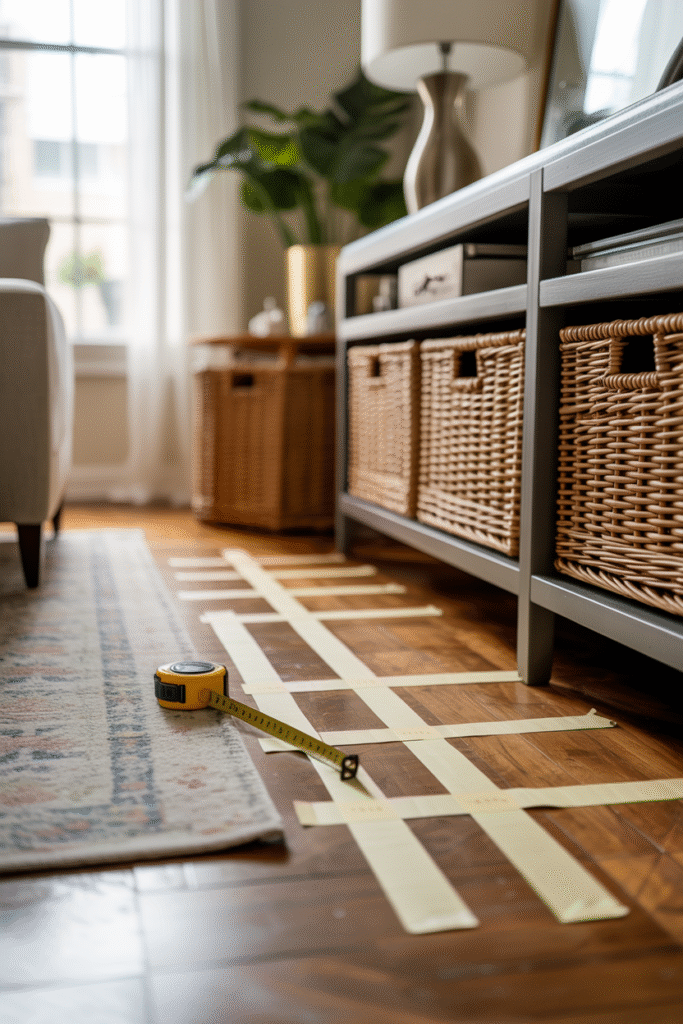
Your needs will change over time. Be prepared to rearrange, swap out baskets, or add a new shelf when something isn’t working. It’s okay to experiment.
14. Label It—Seriously
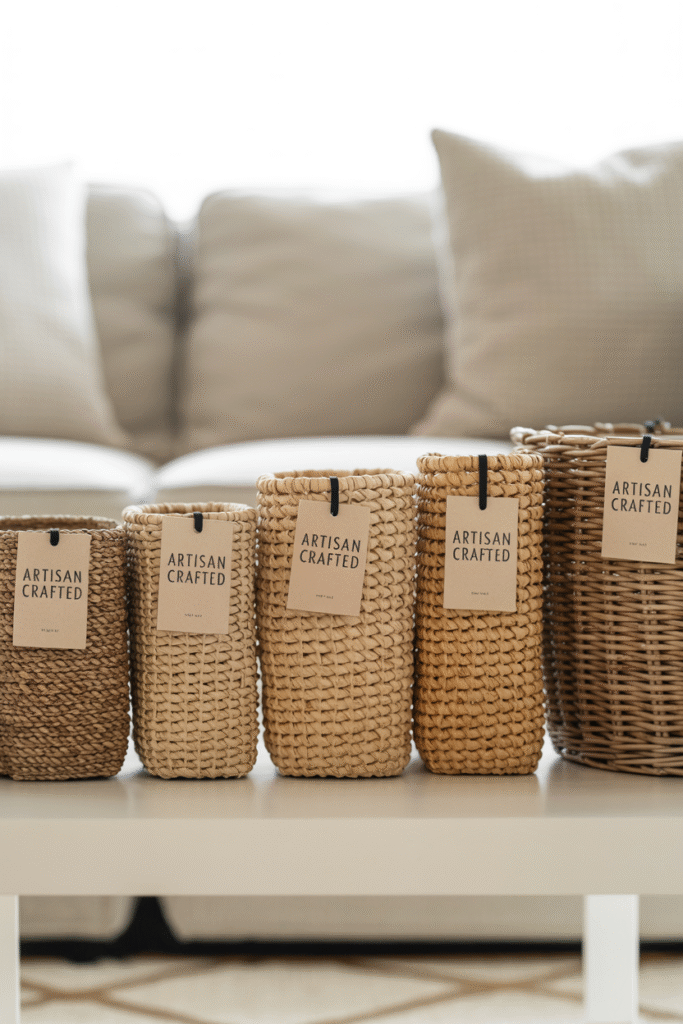
Labeling baskets, bins, and shelves makes it easier for everyone in the household to help keep things tidy. Even a simple strip of masking tape and a marker can work.
15. Celebrate Progress, Not Perfection
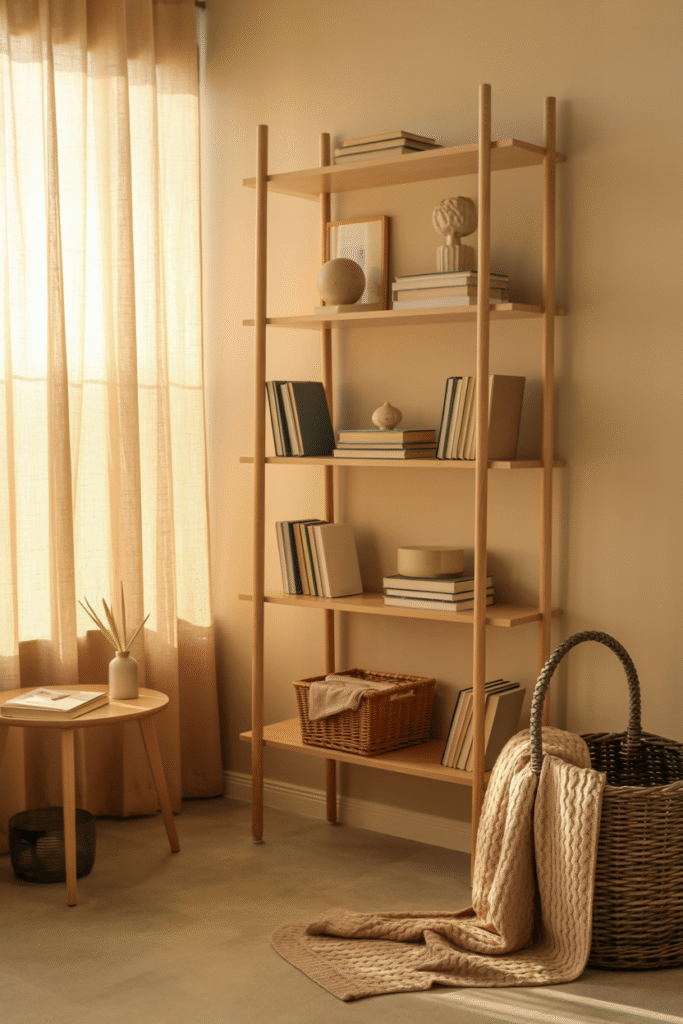
Finally, remember that no space is ever perfectly organized. Celebrate small wins—a clear coffee table, a tidy shelf, a basket that actually contains what it’s meant to. Progress is what matters.
Frequently Asked Questions
Q: How much time should I commit to organizing my living room?
A: Most homeowners see real results with just a couple of focused hours—setting up drop zones, adding a few baskets, and doing a quick edit. Deep cleaning and rearranging might take a full afternoon, but you don’t have to do everything at once.
Q: Do I need to buy new furniture for a more organized room?
A: Not necessarily. Start with what you have—rearrange, repurpose, and edit first. Only invest in new pieces (like storage ottomans or shelves) if gaps remain.
Q: My partner/kids/family won’t help. What can I do?
A: Focus on making systems easy and visible (labels, accessible baskets, clear zones). Sometimes, people just need a nudge—and a place to put things without thinking.
Q: How often should I reorganize or edit my living room?
A: I recommend a quick tidy weekly and a deeper edit every few months, especially before holidays or seasons change.
Q: I have a very small living room. Are these tips still useful?
A: Absolutely. Multifunctional furniture, vertical storage, and micro storage are even more valuable in tight spaces.
Q: Is it better to hide everything or keep some things out in the open?
A: Both! Hide daily clutter (toys, remotes, blankets) but keep things you love or use frequently accessible. Balance is key—a few beautiful items on display make your space feel personal.
Bottom line: Living room organization isn’t about Instagram perfection. It’s about making your space work for your life, one small, doable step at a time. Try a tip or two this week, and see how much lighter your living room feels. And if you get stuck, just remember: even the most organized homes need a little tweaking now and then. You’ve got this!