

Your kitchen probably has way too much stuff cluttering every surface right now. Random appliances you barely use, that fruit basket that’s seen better days, and about seventeen different decorative items you thought would “tie the room together.” Sound familiar? Yeah, mine was the same mess until I discovered what minimalist design actually means (spoiler: it’s not about living like a monk). Minimalist kitchens are having a massive moment in 2026, and honestly? It’s about time. We’re talking sleek spaces that actually function better, look incredible, and don’t require you to Marie Kondo your entire life. If you’ve been scrolling through Pinterest at 2 AM wondering how to transform your chaotic kitchen into one of those dreamy, streamlined spaces you’re in the right place. I’m breaking down 18 practical ideas that’ll get you there without breaking the bank or your brain :).
Keep Your Cabinetry Sleek and Handleless
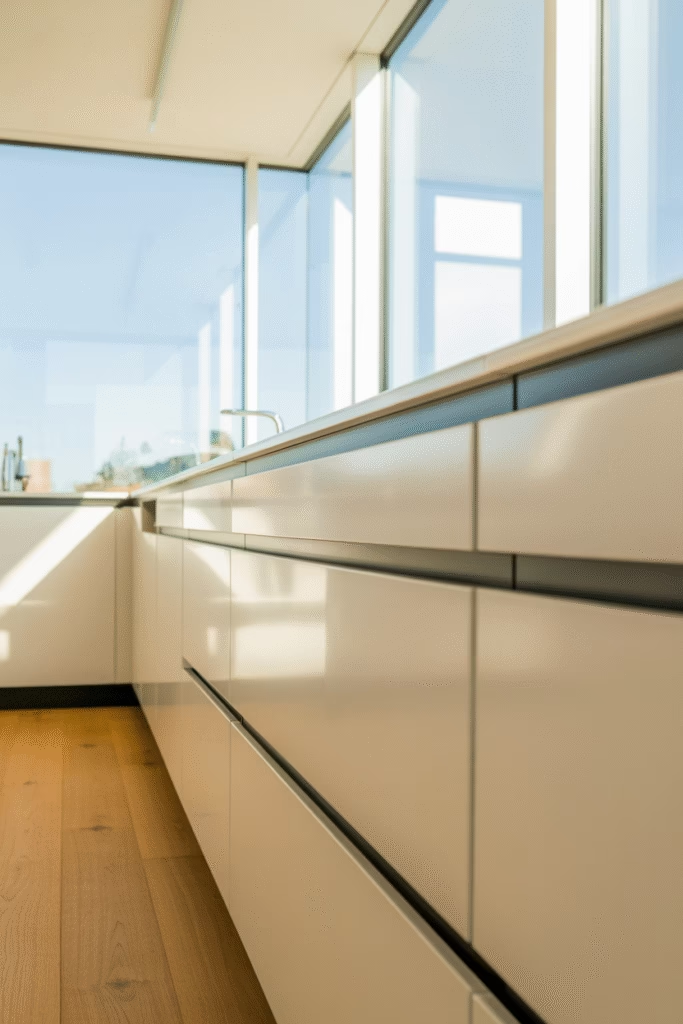
Let’s start with the biggest visual element in any kitchen: your cabinets. Handleless cabinetry is the backbone of minimalist design, and honestly, once you switch, you’ll wonder why you ever needed those clunky handles in the first place. Push-to-open mechanisms or integrated finger grooves give you that seamless, uninterrupted look that makes your kitchen feel twice as spacious. If you’re not ready to ditch handles entirely, go for slim, sculptural options in muted finishes—think brushed nickel or burnished brass. The key here is subtlety; your hardware should blend in, not scream for attention.
Embrace a Neutral Color Palette
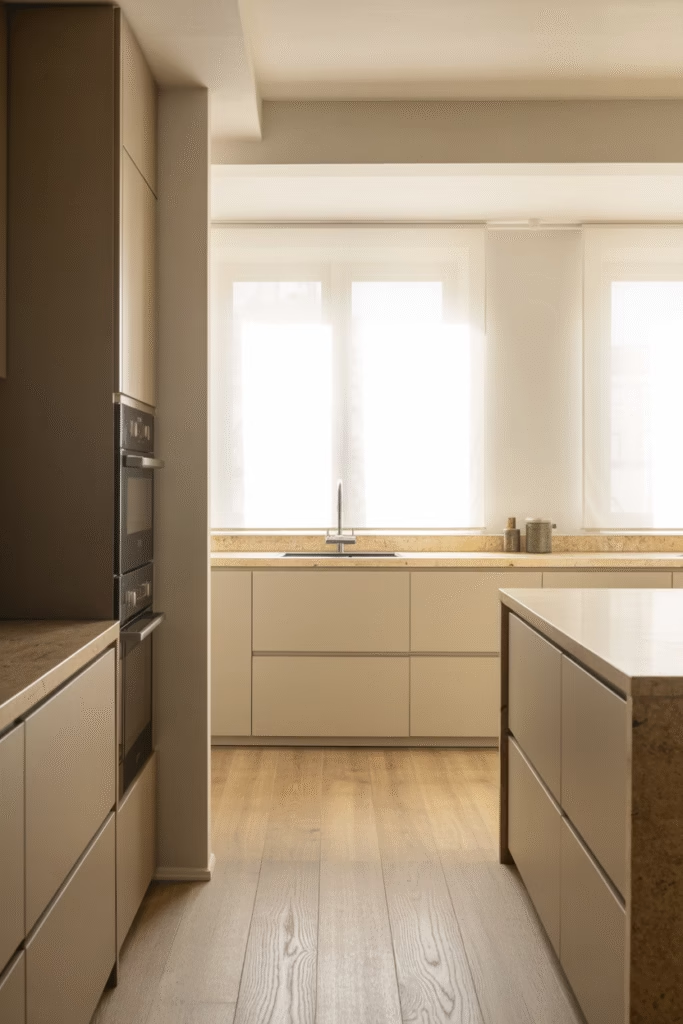
Here’s where things get interesting. Neutral doesn’t mean boring—it means timeless. Crisp whites, soft greys, warm beiges, and even muted pastels create an airy foundation that makes your kitchen feel open and sophisticated. But here’s the trick: layer different neutral tones to add depth. Pair pale oak cabinets with warm-toned composite worktops and travertine backsplashes. This creates visual interest without cluttering your space with competing colors. IMO, this approach beats the all-white kitchen trend that’s finally dying out in 2026.
Add Warm Undertones for Comfort
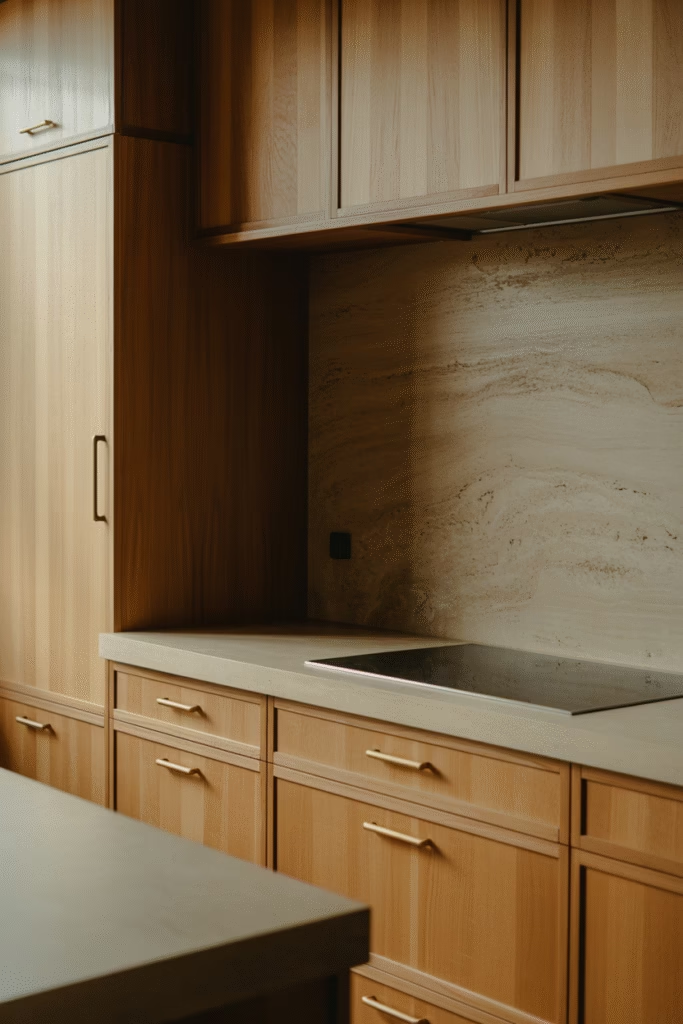
Warm minimalism is taking over in 2026, and thank goodness for that. Nobody wants to cook in a space that feels like a sterile laboratory. Introduce warmth through your material choices—natural wood tones, stone surfaces, and aged metals all bring that lived-in feeling without sacrificing the clean aesthetic. I swapped my cold grey countertops for a warm limestone surface last summer, and the difference was night and day. The space still looks minimal, but it actually feels inviting now.
Concealed Storage Is Your Best Friend
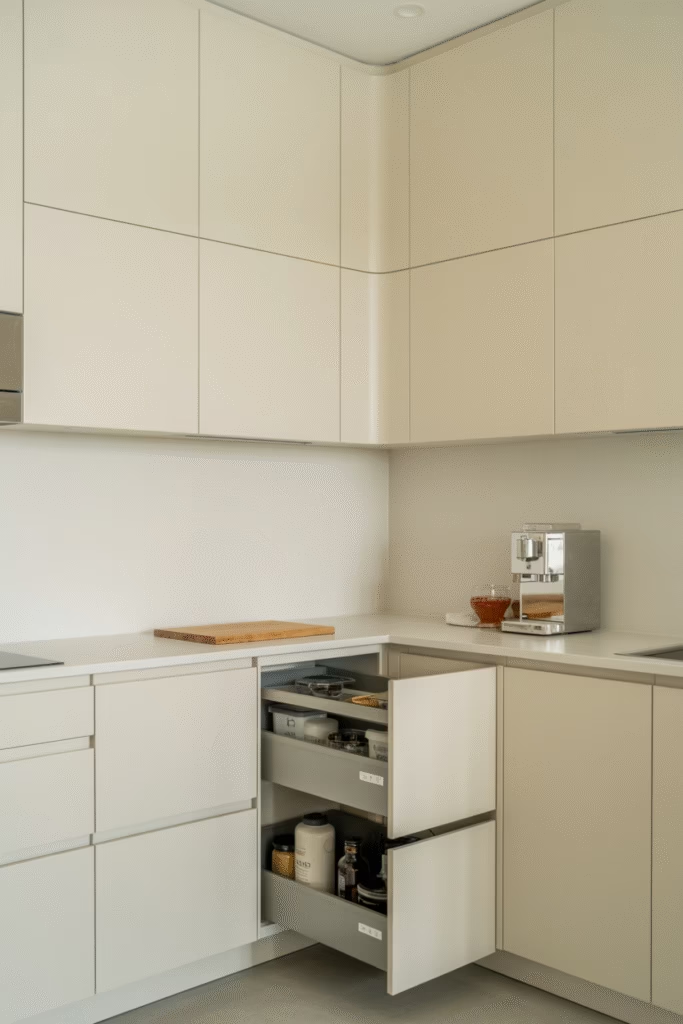
Want to know the real secret to minimalist kitchens? Hide everything. Seriously, decluttering your countertops is non-negotiable if you want that streamlined look. Invest in cabinets with smart storage solutions—pull-out pantries, corner carousels, and drawer dividers keep everything organized and out of sight. I keep exactly three things on my counter: a wooden cutting board, a stone fruit bowl, and my coffee maker (because mornings require caffeine, minimalism or not). Everything else lives behind closed doors.
Streamline Your Appliances
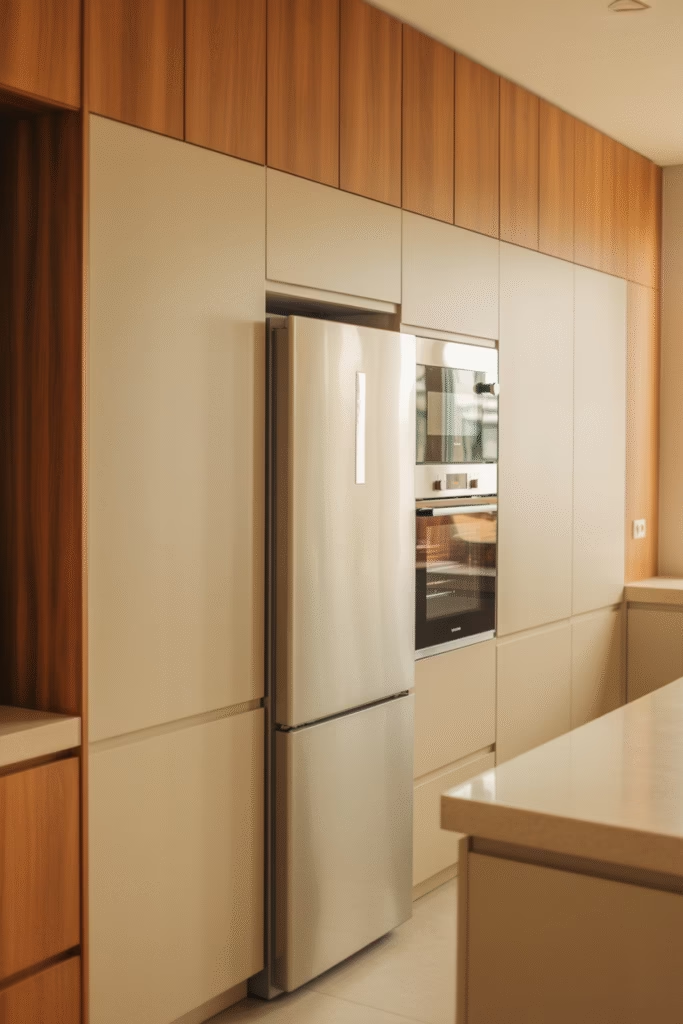
Built-in and integrated appliances are essential for maintaining that cohesive, uncluttered appearance. When your refrigerator blends into your cabinetry and your dishwasher is completely hidden, your kitchen looks exponentially cleaner. Even small appliances matter—ditch the toaster, blender, and kettle cluttering your counter space. Hot water taps are becoming increasingly popular in minimalist designs because they eliminate the need for visible kettles entirely. One less thing on the counter means one less distraction from your beautiful design.
Choose Simple, Clean Lines
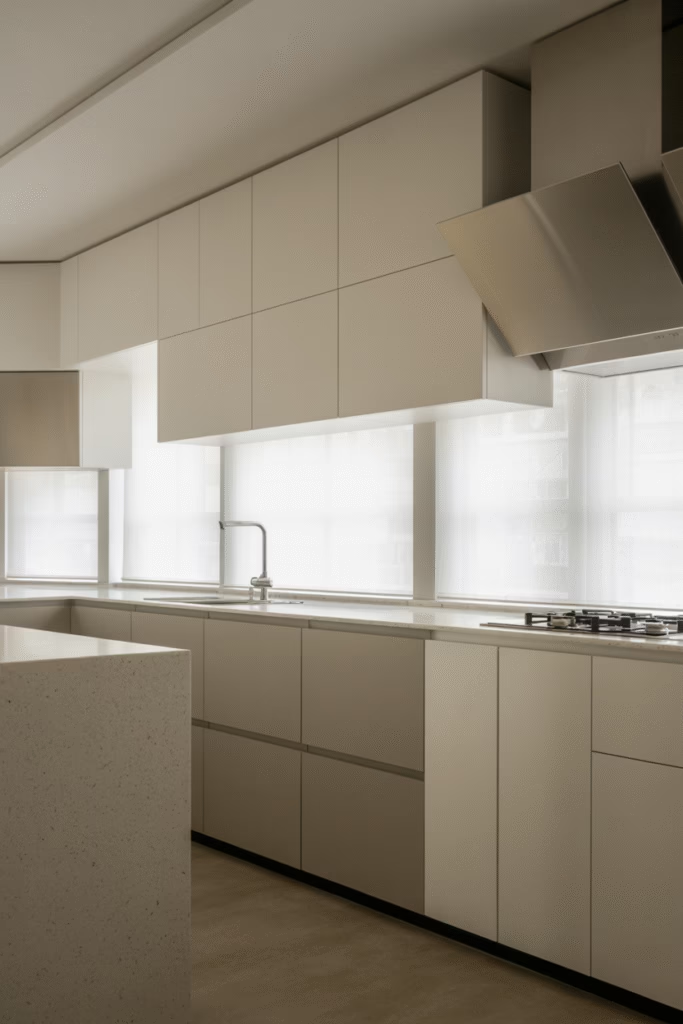
The mantra of minimalist design is simplicity. Every element in your kitchen should have clean, straight lines with minimal ornamentation. Skip the ornate moldings, decorative corbels, and fussy details. Even if you love classic Shaker doors, opt for less ornate hardware to keep things simple. The architecture of your space should fade into the background, letting the overall aesthetic speak for itself. This doesn’t mean your kitchen has to be cold or boring—it just means every design choice should be intentional.
Incorporate Natural Materials
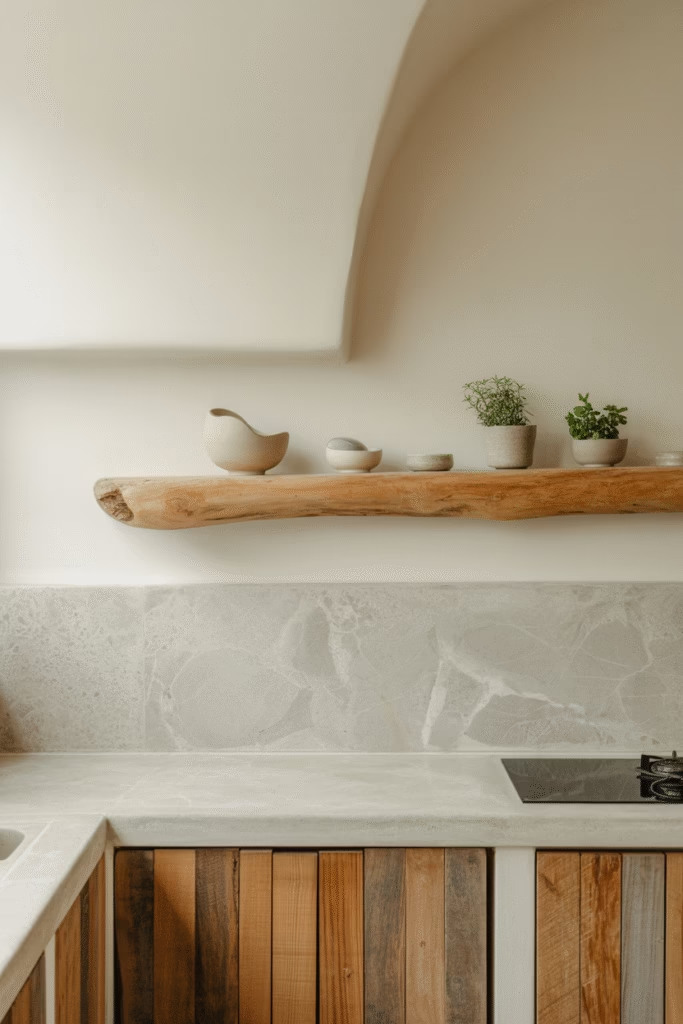
Bringing in natural elements prevents your minimalist kitchen from feeling sterile. Wood, stone, and rattan add organic warmth and texture without compromising the pared-back philosophy. Wooden countertops, stone backsplashes, and rattan bar stools introduce character while maintaining that clean aesthetic. I added a reclaimed wood floating shelf in my kitchen, and it’s become my favorite feature. It breaks up the monotony of my white cabinets without adding clutter.
Maximize Lighting Thoughtfully

Lighting can make or break your minimalist kitchen. You want soft, natural light that enhances texture and warmth rather than harsh, clinical brightness. Layer your lighting with recessed ceiling lights, under-cabinet strips, and maybe one statement pendant over your island. But here’s the thing—don’t go overboard with oversized statement pendants; they’re actually trending out in 2026. Keep it simple and functional, letting the light itself become the feature rather than the fixture.
Use Floating Shelves Strategically
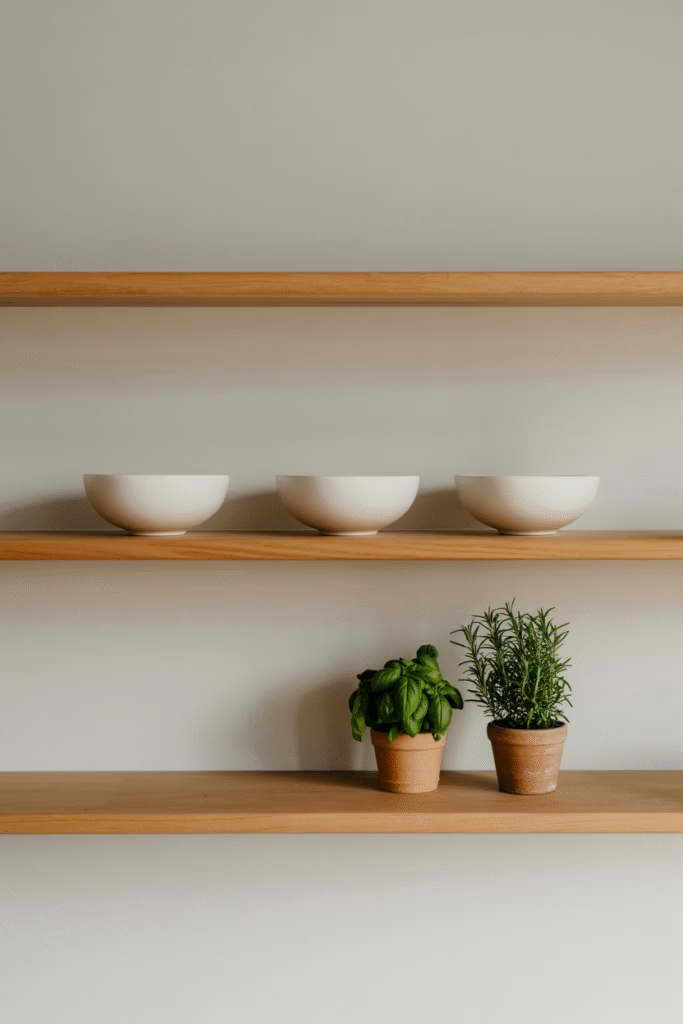
Floating shelves can work beautifully in minimalist kitchens, but only if you use them wisely. Display a curated selection of essentials—maybe a few beautiful dishes, some glass jars with pantry staples, or a small herb garden. The keyword here is curated. Don’t just throw random stuff up there and call it minimalist. I keep three white ceramic bowls and two potted herbs on mine. That’s it. Anything more starts looking cluttered rather than intentional.
Ditch the Upper Cabinets
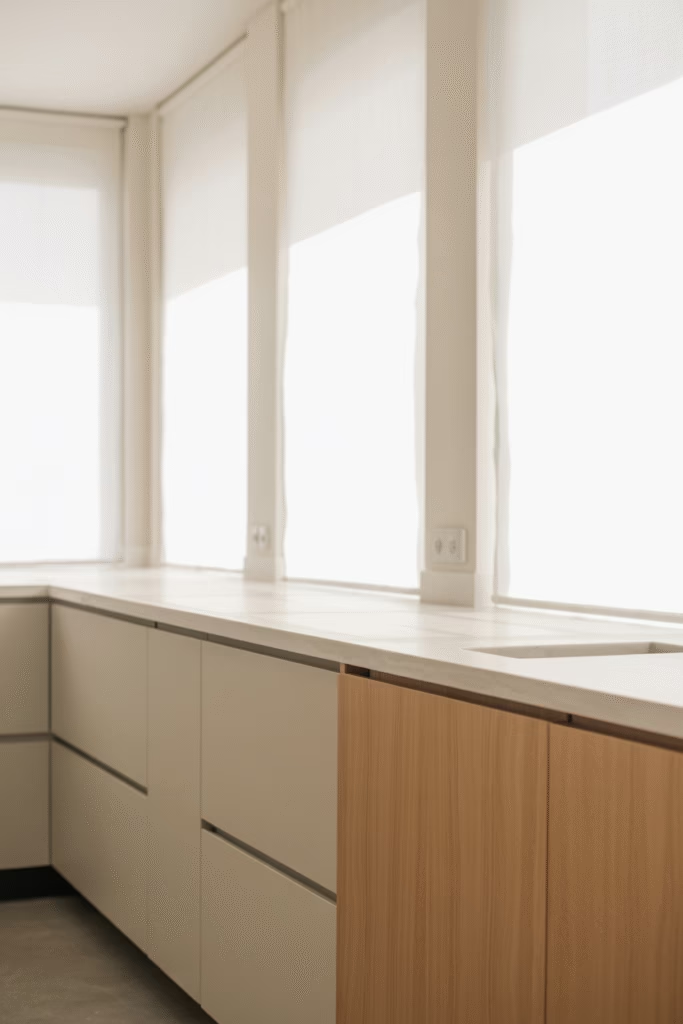
Ever considered removing your upper cabinets entirely? It’s a bold move, but it creates an incredibly open, airy feeling. You’ll need excellent storage solutions elsewhere to compensate, but the visual payoff is huge. Your kitchen instantly feels larger and more breathable. If ditching all your upper cabinets sounds too extreme, try removing them from just one wall or section. You get that open aesthetic while maintaining practical storage where you need it most.
Add Texture Without Pattern
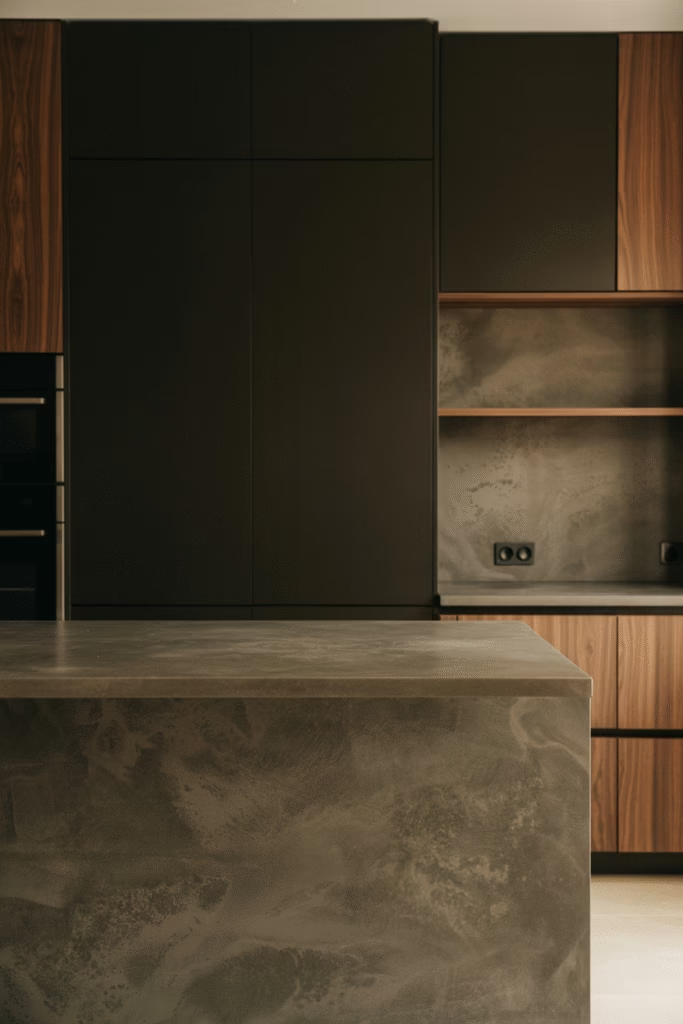
Minimalist doesn’t mean flat and one-dimensional. Introduce texture through materials rather than busy patterns. Matte finishes on cabinets, textured stone countertops, and subtle wood grain all add depth without overwhelming the space. Think about how surfaces feel and catch the light, not just how they look. Sheen-free surfaces are particularly effective in minimalist designs because they absorb rather than reflect light, creating a softer, more sophisticated look.
Create a Cohesive Color Story
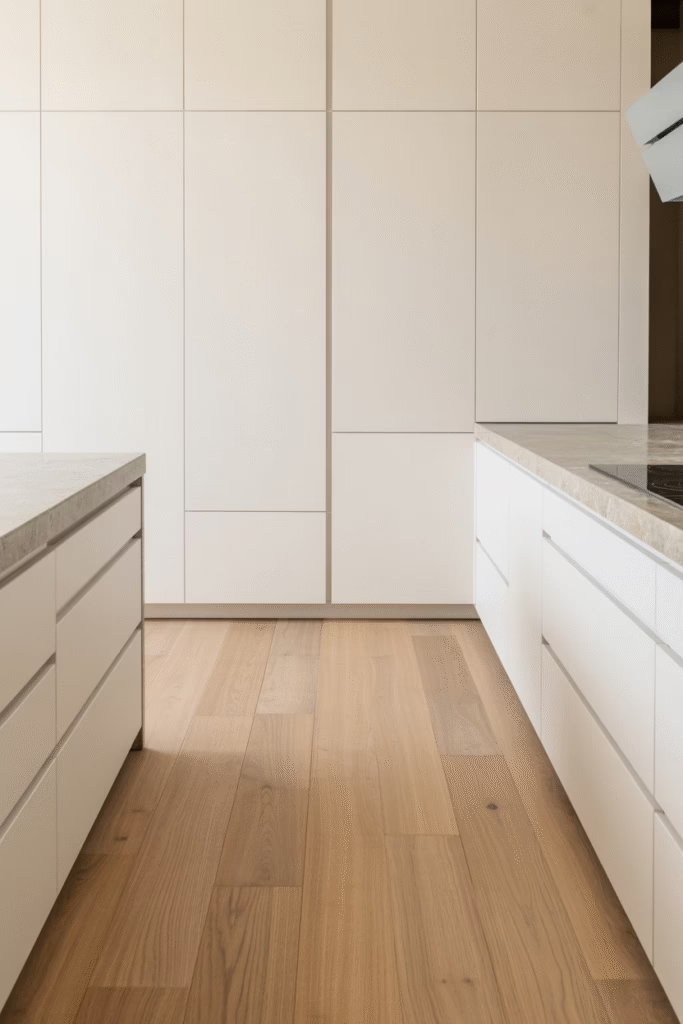
Your entire kitchen should feel like one continuous, harmonious space. This means your cabinetry, countertops, backsplash, and flooring should all work together rather than compete. Stick to two or three complementary tones maximum. I went with white cabinets, pale oak flooring, and limestone countertops—three neutral tones that create depth without chaos. Adding that fourth color would have tipped the balance into busy territory.
Introduce Subtle Color Accents
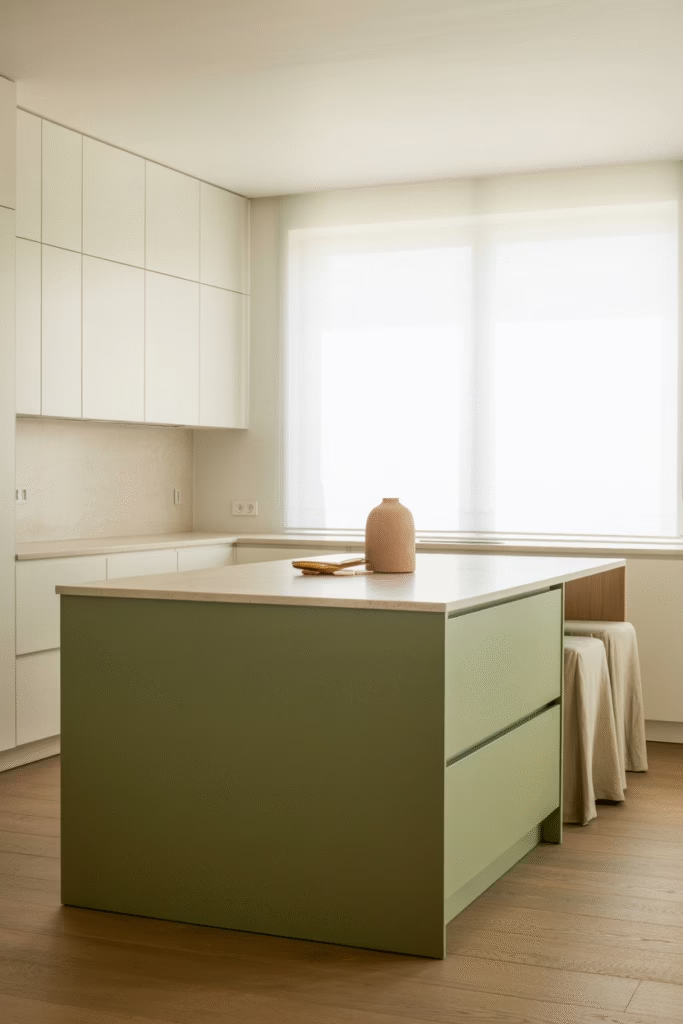
All-neutral doesn’t mean all-boring :). Contemporary color accents in soft, muted tones can add personality without disrupting your minimalist aesthetic. A sage green island, dusty blue lower cabinets, or even a warm terracotta backsplash can work beautifully when executed thoughtfully. The key is choosing gentle, sophisticated colors rather than bold, screaming hues. These accents should enhance your space, not dominate it.
Embrace Rounded Edges and Soft Curves
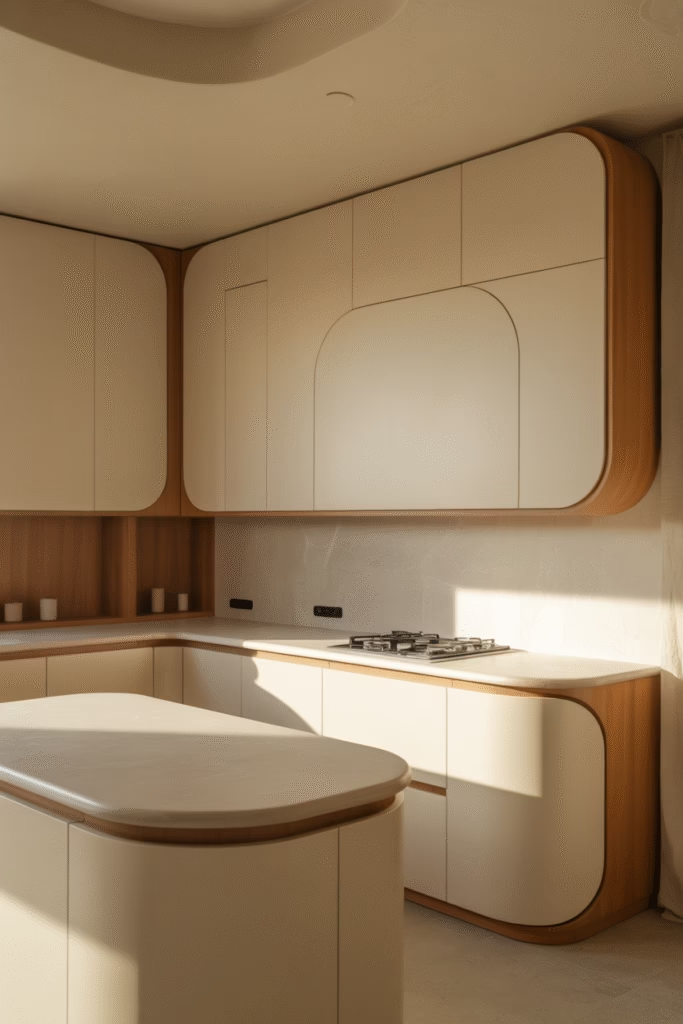
Sharp corners and harsh angles are giving way to softer, more organic shapes in 2026. Rounded countertop edges, curved cabinet corners, and circular hardware create a gentler, more welcoming feel while maintaining that minimalist sensibility. This subtle shift makes your kitchen feel more human and less austere. I rounded the corners on my kitchen island, and that small change completely softened the entire space.
Prioritize Quality Over Quantity
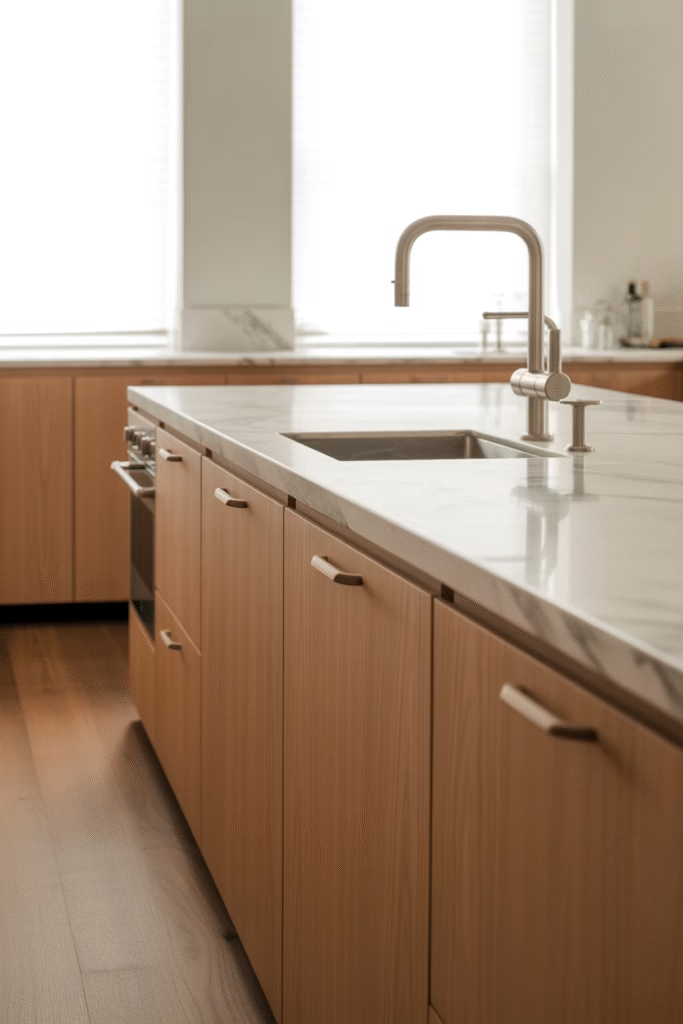
Here’s something nobody tells you about minimalist design: it’s actually more expensive upfront. When you’re not hiding flaws behind decorative elements and clutter, every material and surface needs to be top-notch. Invest in quality cabinetry, durable countertops, and well-made hardware. These pieces need to carry the entire aesthetic on their own, so they better be good. But here’s the upside—quality pieces last longer, so you’re actually saving money in the long run. Plus, you’re buying less overall.
Keep Your Backsplash Simple
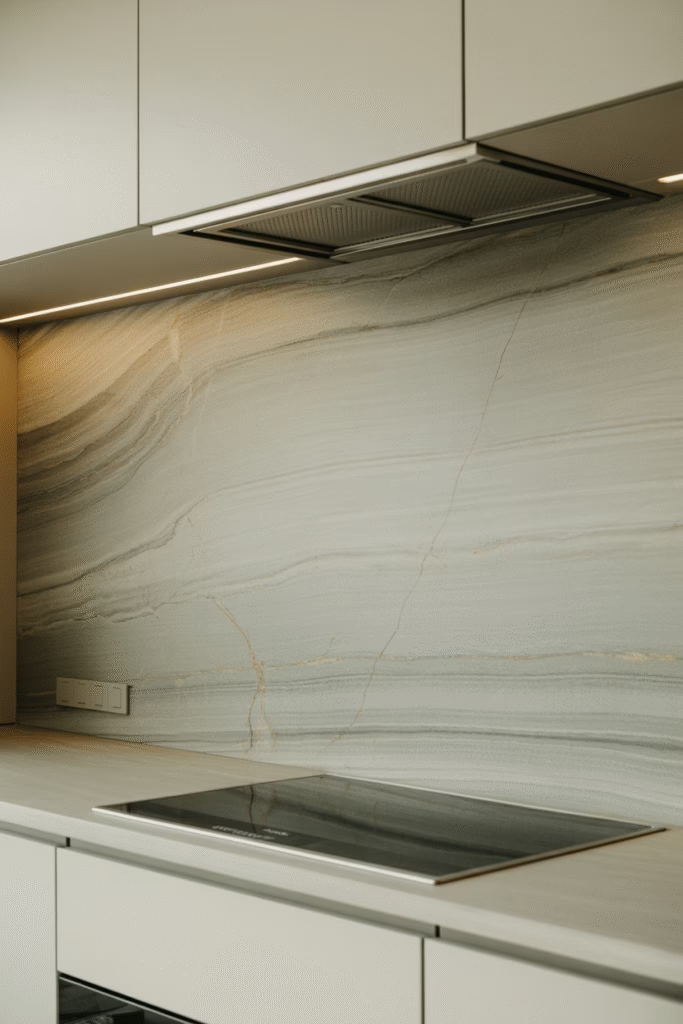
Your backsplash should complement, not compete. Large-format tiles or slabs create fewer grout lines and a cleaner look than small mosaic patterns. Handmade tiles can work if they’re simple in design and neutral in color. I went with a full-height stone slab behind my stove—zero grout lines, seamless appearance, and it wipes clean in seconds. The lack of visual breaks makes the wall feel taller and the room feel larger.
Use Smart Storage Solutions
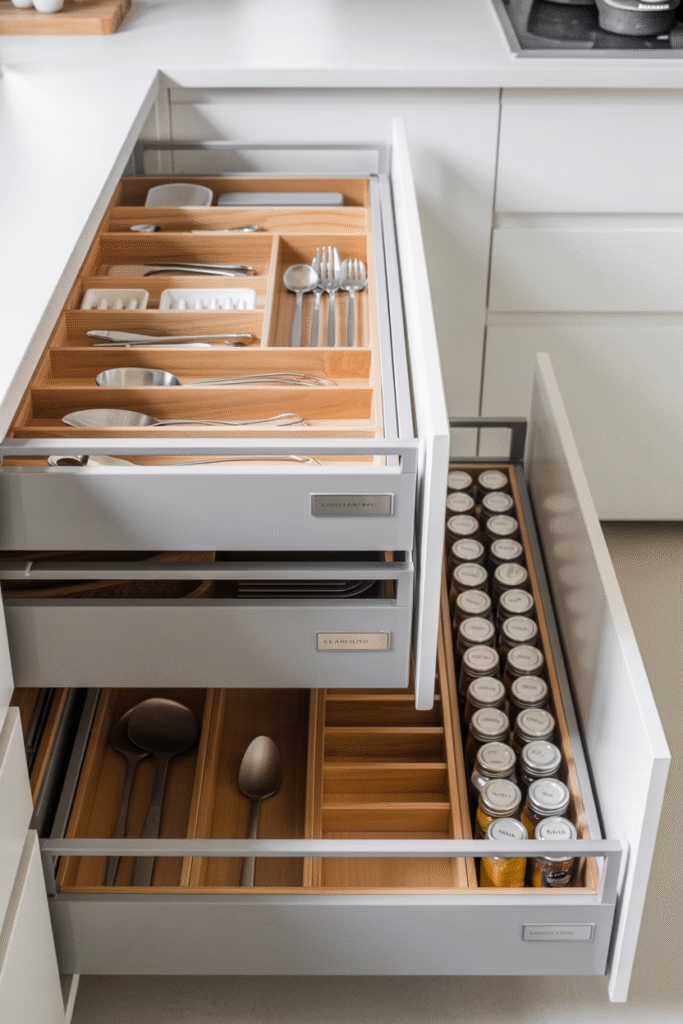
minimalist kitchens require planning. You can’t just hide everything in random cabinets and hope for the best. Install drawer dividers for utensils, pull-out spice racks, and dedicated appliance garages. Everything needs a designated home, or your “minimalist” kitchen will quickly devolve into chaos behind closed doors. Trust me, I learned this the hard way. I spent three weeks organizing my storage zones, and now I can find anything in seconds without opening multiple cabinets.
Bring in Strategic Greenery
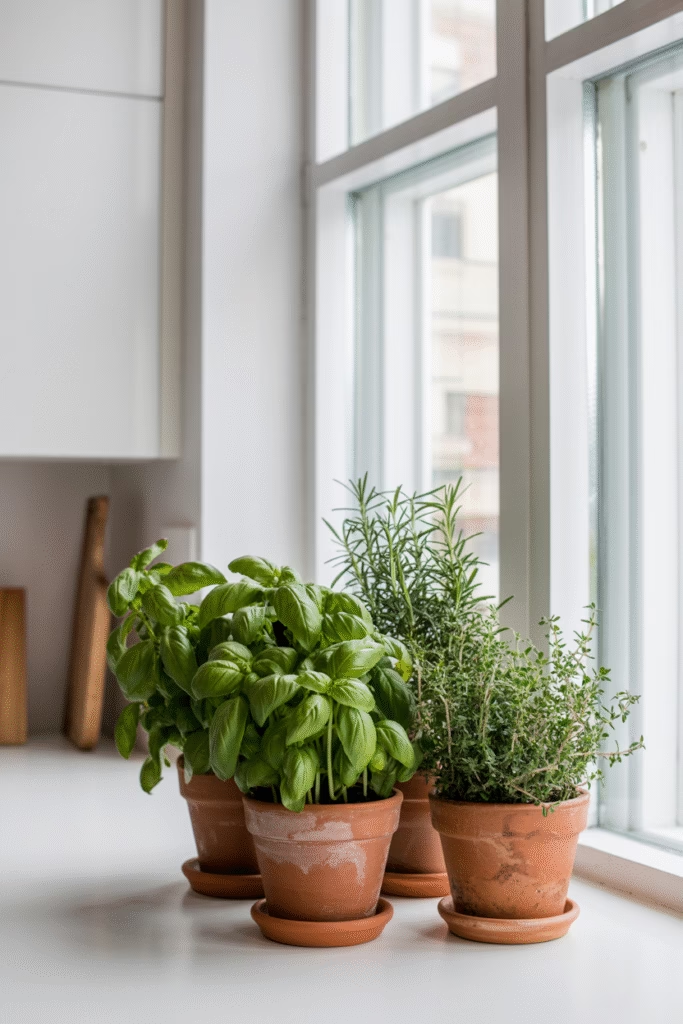
Plants are the perfect minimalist accessory. A few potted herbs on a floating shelf or a single statement plant on your island adds life and freshness without cluttering your space. Stick to simple ceramic or terracotta pots in neutral colors—this isn’t the place for your collection of colorful planters. I keep three small herb pots (basil, rosemary, and thyme) on my windowsill, and they serve double duty as both decor and cooking ingredients. Practical and pretty? That’s minimalist gold right there.
Design for Long-Term Functionality
The best minimalist kitchens aren’t just beautiful—they actually work for real life. Think about how you cook, where you prep, and what tools you use most often. Your design should support your habits, not fight against them. I almost made my kitchen too minimal (yes, that’s possible), but then I realized I actually need more counter space for meal prep than I initially planned. Your minimalist kitchen should simplify your life, not complicate it. If you’re constantly frustrated because nothing’s accessible, you’ve gone too far.
Conclusion
So these are the 18 ideas that’ll get your kitchen looking sharp for 2026. Minimalist design isn’t about deprivation; it’s about intention. Every element should earn its place in your space. After living with a minimalist kitchen for over a year now, I can honestly say it’s changed how I cook and how I feel in that space. Less visual clutter means less mental clutter, and honestly? That’s worth every penny and every hour spent planning. Now go create a kitchen that actually breathes.