
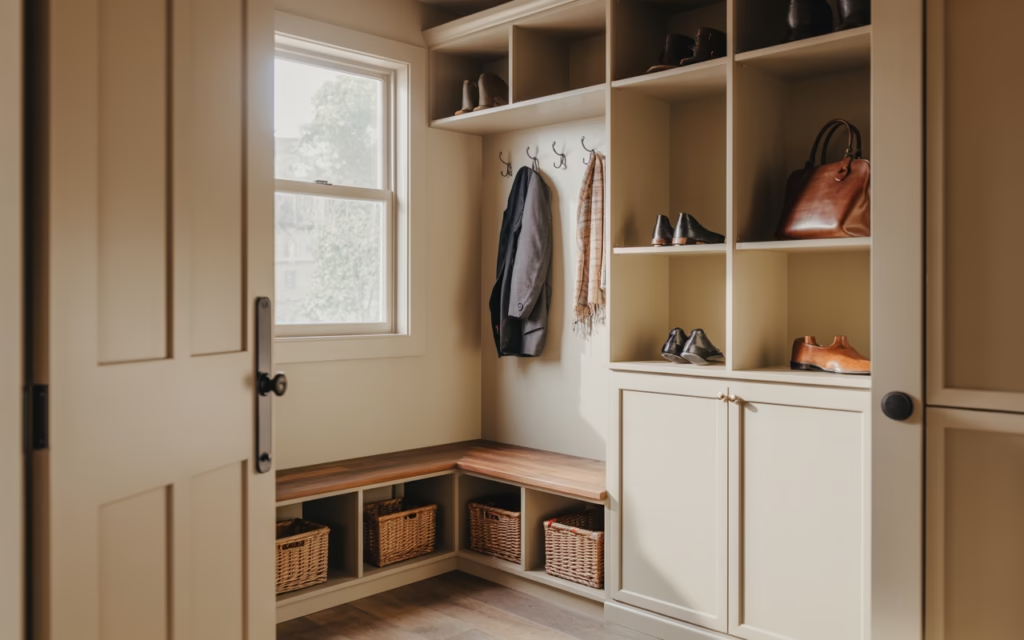
Picture this: you kick off your muddy boots after a rainy day, and instead of tracking filth through the living room, everything stays contained right there by the door. That’s the magic of a smart mudroom it acts like your home’s personal airlock, blocking dirt, snow, and chaos from invading your cozy spaces. No more scrubbing carpets or hunting for lost keys in the morning frenzy.
I’ve wrestled with this exact problem in my own tiny entryway, and let me tell you, these upgrades saved my sanity. Ready to turn that dumping ground into a clutter-crushing hero? Here are 18 small mudroom ideas that pack serious punch in tight spots.
I’ve been obsessing over home organization for years, and trust me, transforming a tiny entryway into a hardworking mudroom is totally doable. Let’s walk through 18 killer ideas that’ll make your small space work overtime without looking cramped or cluttered.
Think Vertical, Not Horizontal
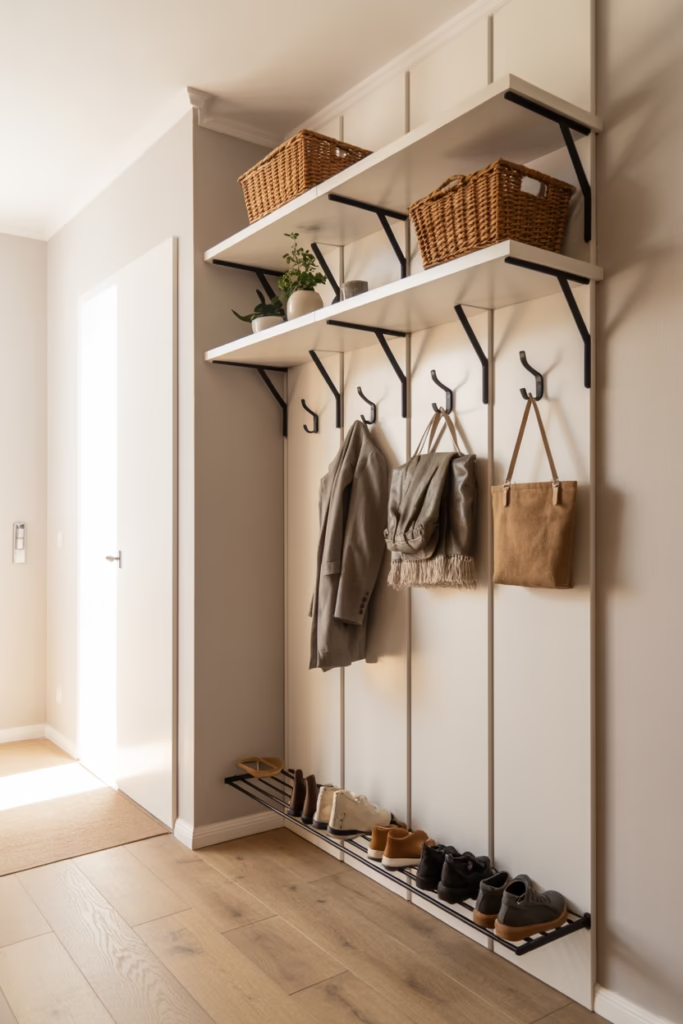
Here’s the thing about small spaces—you’ve gotta look up. Wall-mounted storage is your absolute best friend when floor space is laughable. Install shelves, hooks, and cabinets that climb up the wall instead of eating up precious square footage.
I’m talking floating shelves for baskets and decor, sturdy coat hooks for jackets and bags, and maybe even a slim wall-mounted shoe rack if closet space doesn’t exist. This approach keeps your floor clear and makes the whole area feel bigger. Plus, you can grab your stuff without doing an obstacle course every morning.
Bench Seating with Hidden Storage
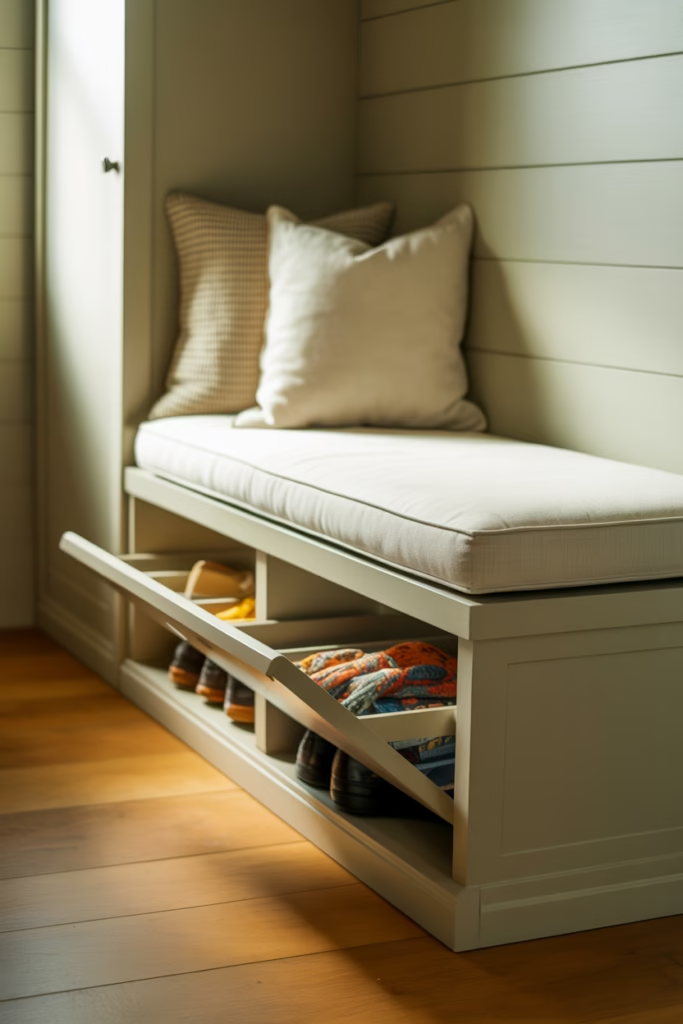
A storage bench is seriously a game-changer. You get a comfy spot to sit while putting on shoes, and underneath? That’s where you hide all the chaos. Shoes, umbrellas, pet supplies, winter scarves—whatever you need out of sight.
Look for benches with built-in cubbies or lift-top designs. The slim profile works perfectly in narrow entryways without making the space feel tight. Throw a cute cushion on top, and suddenly your mudroom looks intentional instead of messy.
Hook Walls Are Having a Moment
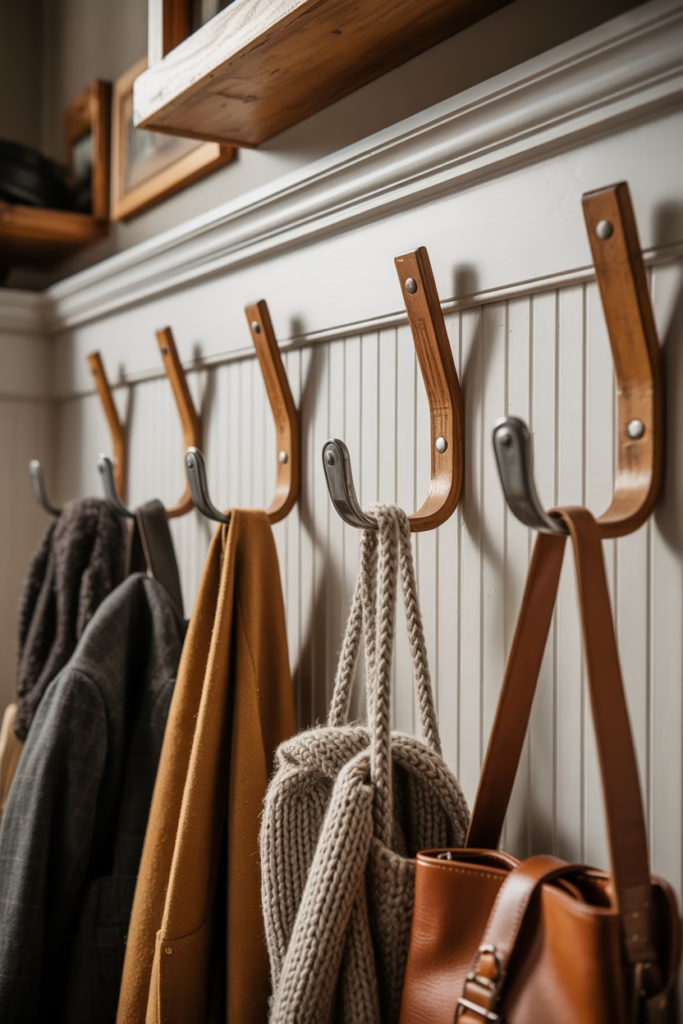
Ever noticed how hooks just solve everything? Install a row of sturdy wall hooks or a decorative peg rail, and boom—coats, hats, bags, and dog leashes all have a home. I’m obsessed with mixing metal and wood hooks for visual contrast.
Here’s a pro tip: mount hooks at varying heights for different family members. Kids can reach their own stuff, and you’re not stuck playing hook Tetris with bulky winter coats. Brass hooks add warmth and sophistication, while black hooks give you that modern farmhouse vibe.
Open Cubbies Keep Things Visible
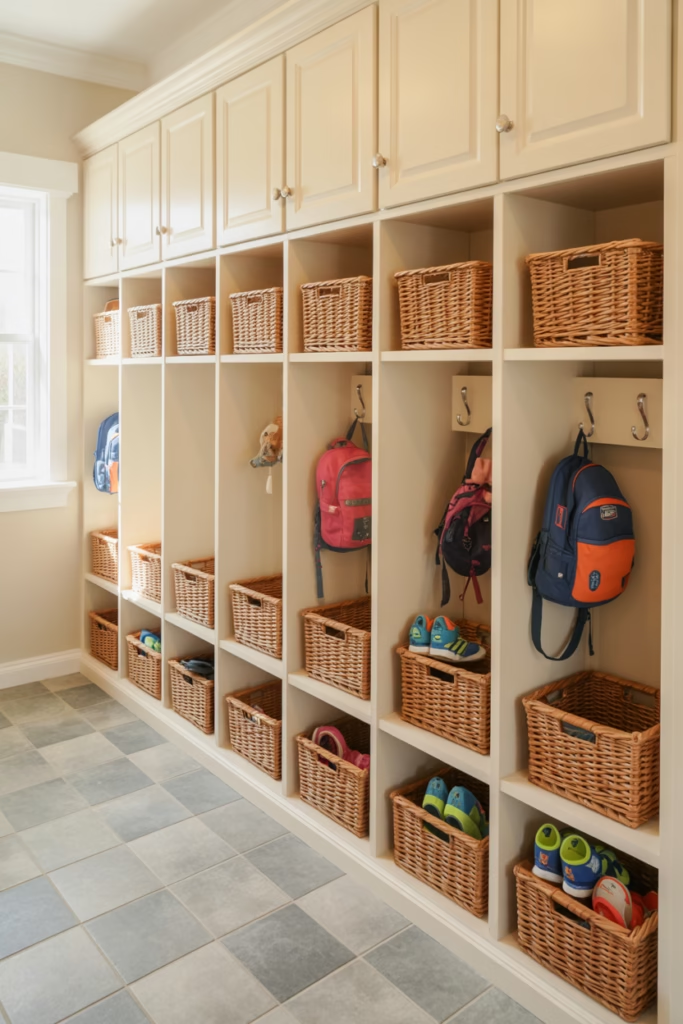
Open cubbies or lockers are clutch for families who need designated spaces. Each person gets their own cubby for shoes, backpacks, and daily essentials. No more “that’s mine!” arguments in the morning rush.
Pair cubbies with woven baskets to hide smaller items and keep the look tidy. Baskets also soften the overall aesthetic—nobody wants their entryway looking like a storage unit, right? Plus, you can label baskets for extra organization points (or just let everyone guess where stuff goes, your call).
Utilize That Awkward Corner
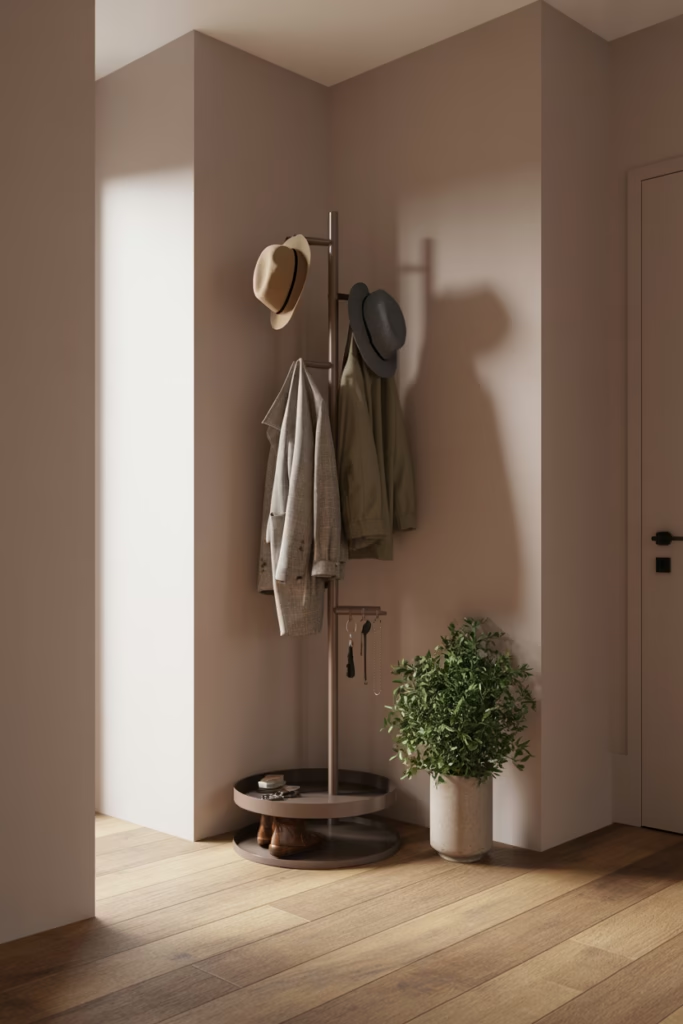
Got a weird corner doing absolutely nothing? The Umbra Flapper Standing Coat Rack has nine foldable hooks you can rearrange based on what you need. Each hook holds up to 5 pounds, so it’s sturdy enough for real-life use.
Corner solutions maximize efficiency without creating visual clutter. You’re using dead space that would otherwise just collect dust and regret. FYI, corner storage works especially well in small apartments or townhouses where every inch matters.
Slim Shoe Cabinets Save the Day
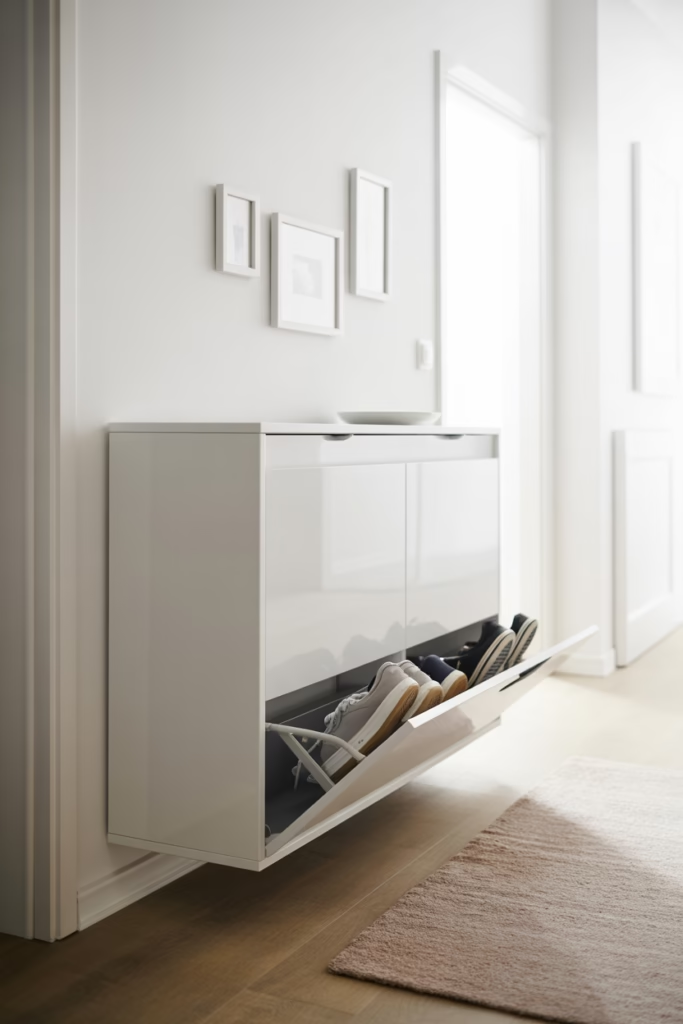
If you’ve been drooling over those IKEA slim shoe cabinets on Pinterest, I don’t blame you. These tall, narrow cabinets fit against the wall and hold way more shoes than you’d think. They’re perfect for small entryways because they don’t stick out much but pack serious storage power.
Some models have adjustable shelves, so you can fit everything from ballet flats to winter boots. The closed design keeps your shoe collection hidden, which honestly makes the whole space look cleaner and more put-together.
Add a Floating Shelf Above Everything
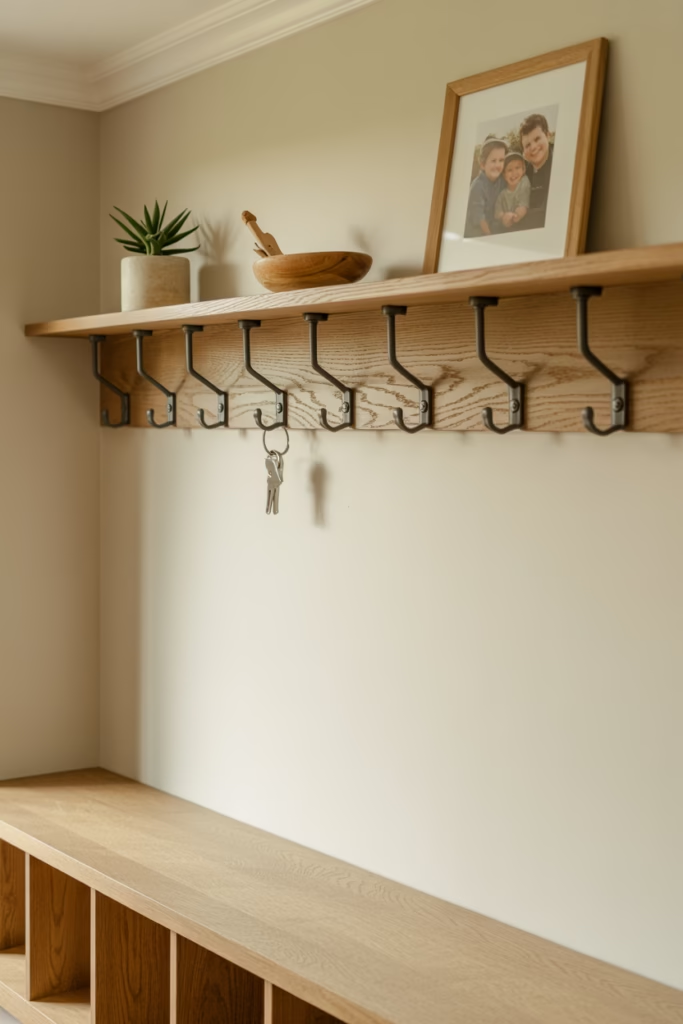
Once you’ve got hooks or a bench situation going, slap a floating shelf above it. Use it for keys, sunglasses, mail, and maybe a plant or two for good vibes. This creates layers in your design and makes use of that vertical space we talked about earlier.
I love decorating floating shelves with greenery and a small bowl for daily essentials. It’s functional and pretty—the exact combo you want in a small space. Plus, having a designated spot for keys means you’ll actually know where they are (revolutionary, I know).
Boot Trays for Wet Weather
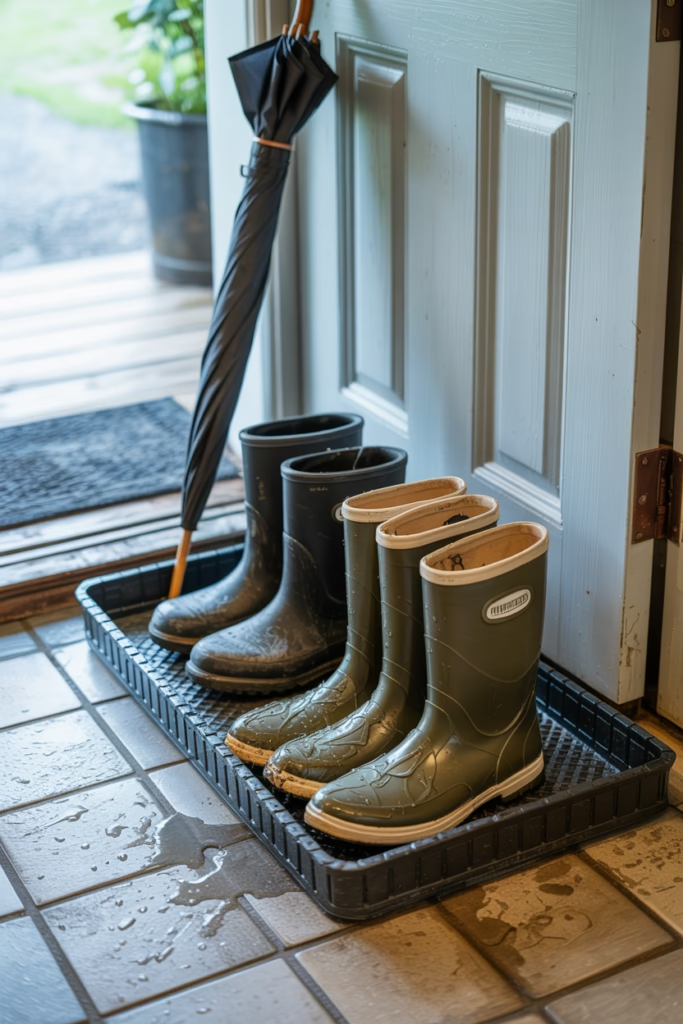
If you live anywhere with rain or snow, boot trays are non-negotiable. These trays protect your floors from mud and moisture while giving wet shoes a place to drip dry. Position one near the door for overflow and wet items.
Boot trays come in all styles—rubber, metal, decorative—so you can find one that matches your aesthetic. They’re also insanely easy to clean. Just dump out the water, wipe it down, and you’re done. No drama, no stress.
Pegboards for Maximum Flexibility
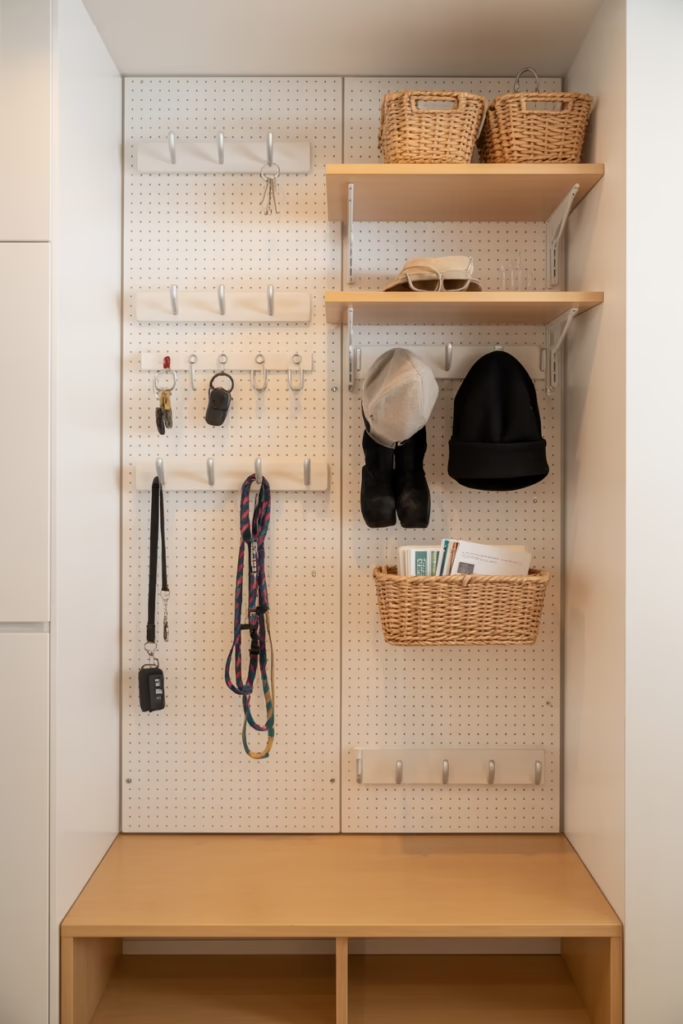
Pegboards aren’t just for garages anymore. Install one in your entryway and customize it with hooks, small shelves, and baskets for whatever you need. Heading out the door? Grab your bag from the pegboard. Coming home? Hang everything up in its spot.
The beauty of pegboards is that you can rearrange them as your needs change. Seasonal switch-ups? No problem. New hobbies requiring different gear? Easy. Pegboards adapt, which makes them perfect for evolving lifestyles.
Multi-Functional Furniture Does Double Duty
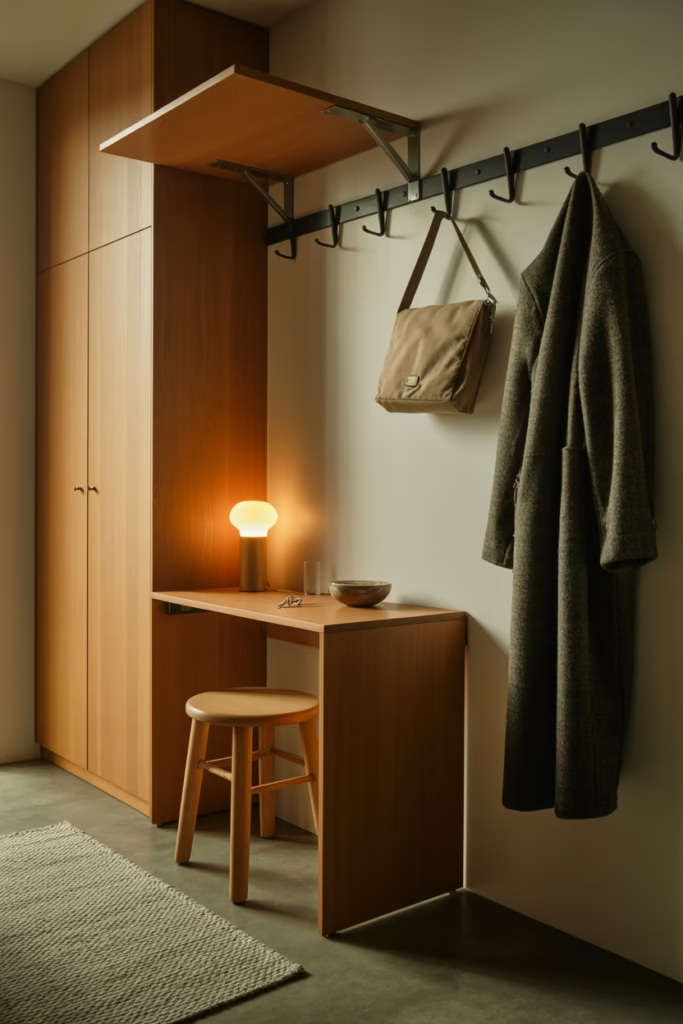
In tight spaces, furniture needs to earn its keep. A wall-mounted secretary desk can be both an entry drop zone and a compact workspace. An ottoman with storage gives you seating and a place to stash stuff.
Look for pieces that combine at least two functions. This approach maximizes utility without cramming too much furniture into a small footprint. IMO, multi-functional furniture is the secret weapon for small-space living.
Over-the-Door Organizers Work Wonders
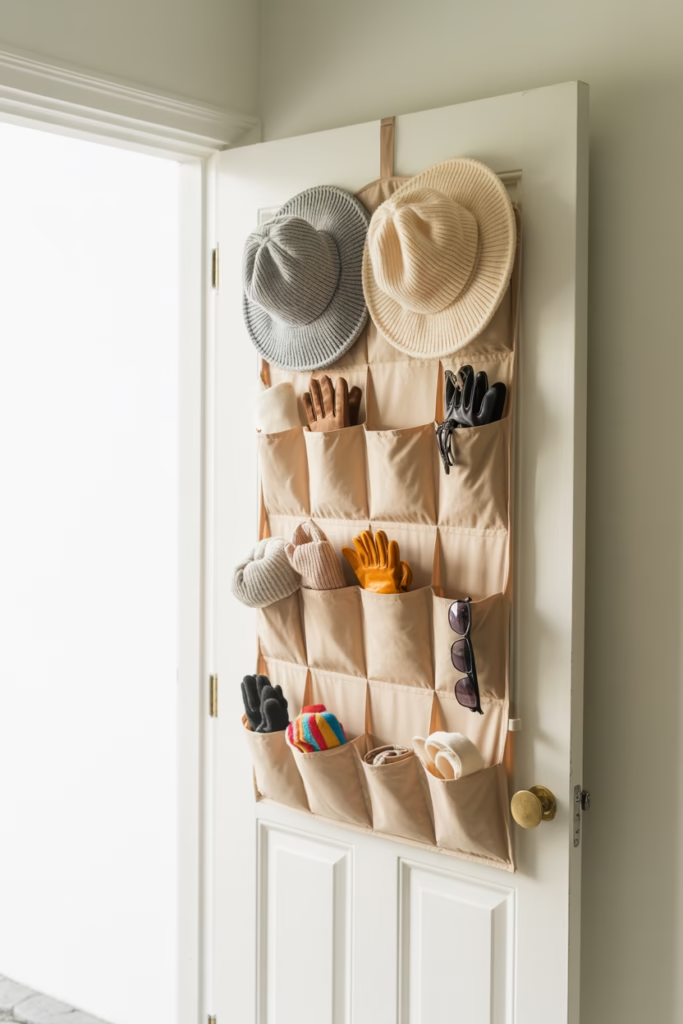
Don’t underestimate the power of over-the-door organizers. They provide extra storage for shoes, hats, or cleaning supplies without requiring any wall space. Just hang one over the closet door (if you have one) or even the entry door itself.
These organizers are cheap, easy to install, and surprisingly effective. You can find versions with clear pockets to see what’s inside or fabric ones for a softer look. Either way, you’re gaining storage without losing floor space—a total win.
Create Zones with Rugs
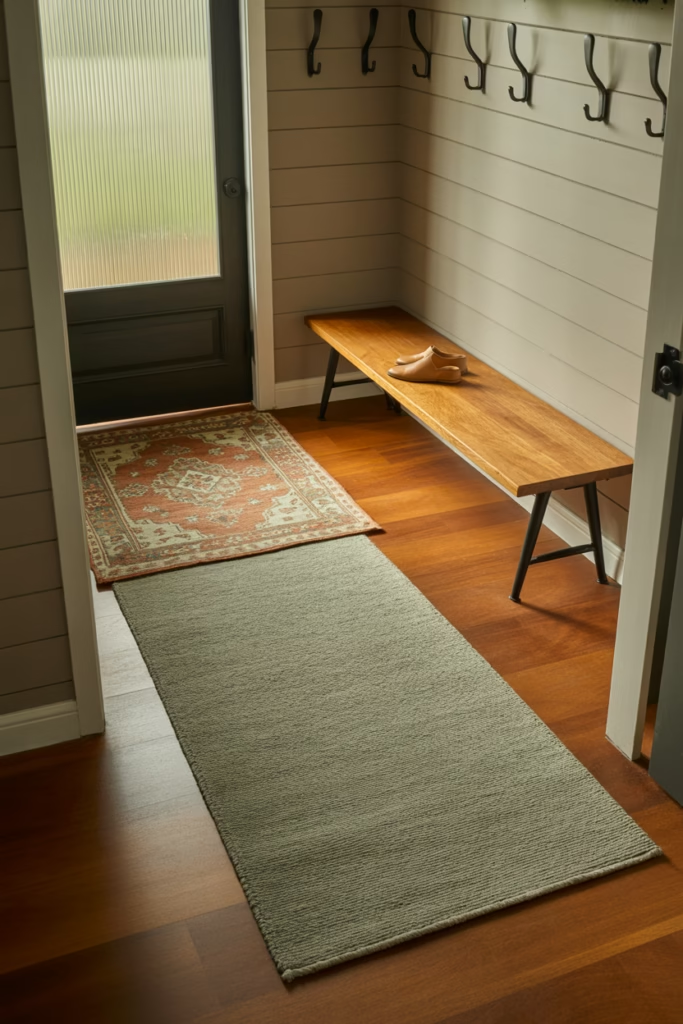
Layering rugs creates visual boundaries and makes each functional area feel intentional. Use a patterned medallion rug to define the shoe removal zone, then add a narrow runner leading to coat storage. This approach guides traffic flow and adds warmth.
Choose durable, easy-to-clean materials like polypropylene that can handle daily wear and tear. Rugs also protect your floors and anchor the design visually. Plus, they’re way easier to replace than flooring if someone tracks in a ton of mud :)
Statement Lighting Transforms Everything
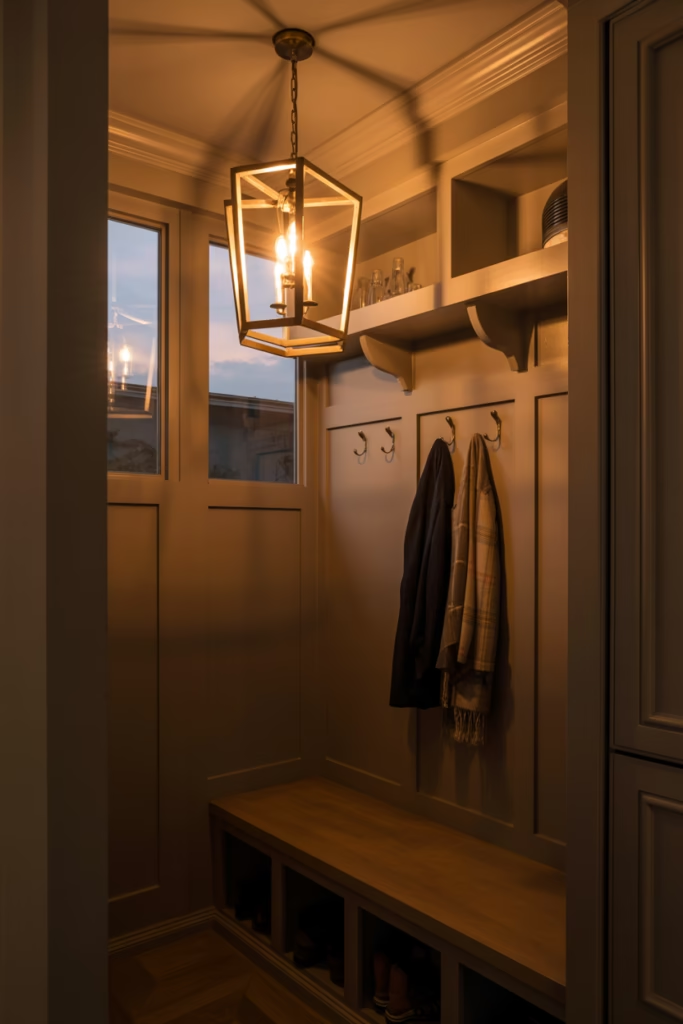
Your entryway is the first glimpse visitors get of your home’s personality, so make it shine. A statement light fixture transforms a purely functional mudroom into something elegantly welcoming. Whether you go for a crystal chandelier, rustic farmhouse pendant, or sleek modern design, good lighting elevates the whole vibe.
Wall sconces work great if you’ve got limited ceiling space. They add ambient lighting while maintaining a minimalist look. Good lighting also makes it easier to find your stuff when you’re rushing out the door—practical and pretty.
Clear Acrylic Bins for Visibility
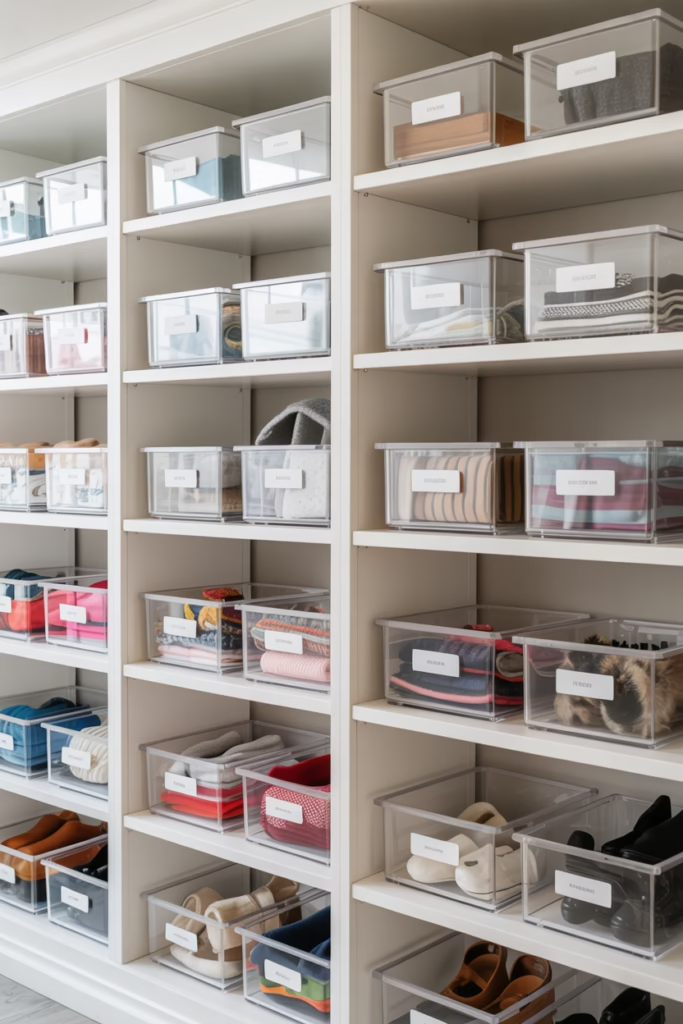
Clear acrylic bins let you see what’s inside without digging through mystery containers. Use them to sort items by category—gloves, scarves, pet supplies, whatever. They stack nicely on shelves or inside cubbies, keeping everything organized and accessible.
The transparent design prevents that “out of sight, out of mind” situation where you forget what you own. You can spot exactly what you need at a glance, which speeds up those chaotic mornings when everyone’s running late.
Maximize Height with Floor-to-Ceiling Storage
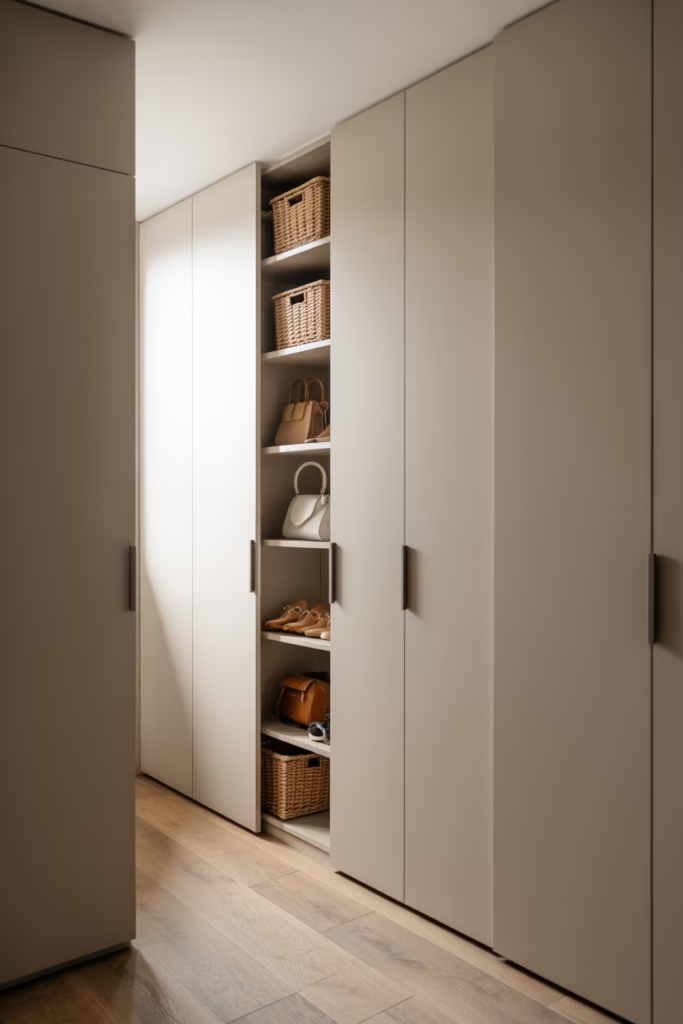
When you can’t expand outward, build upward. Floor-to-ceiling storage units or tall narrow cabinets use every available inch without hogging floor space. These solutions work especially well for extras like umbrellas, backpacks, or seasonal items.
Adjustable shelving inside lets you customize the space as needed. You can fit tall boots on one shelf and small accessories on another. This flexibility ensures the storage actually works for your lifestyle instead of forcing you to adapt to awkward configurations.
Mirrors Bounce Light and Add Depth
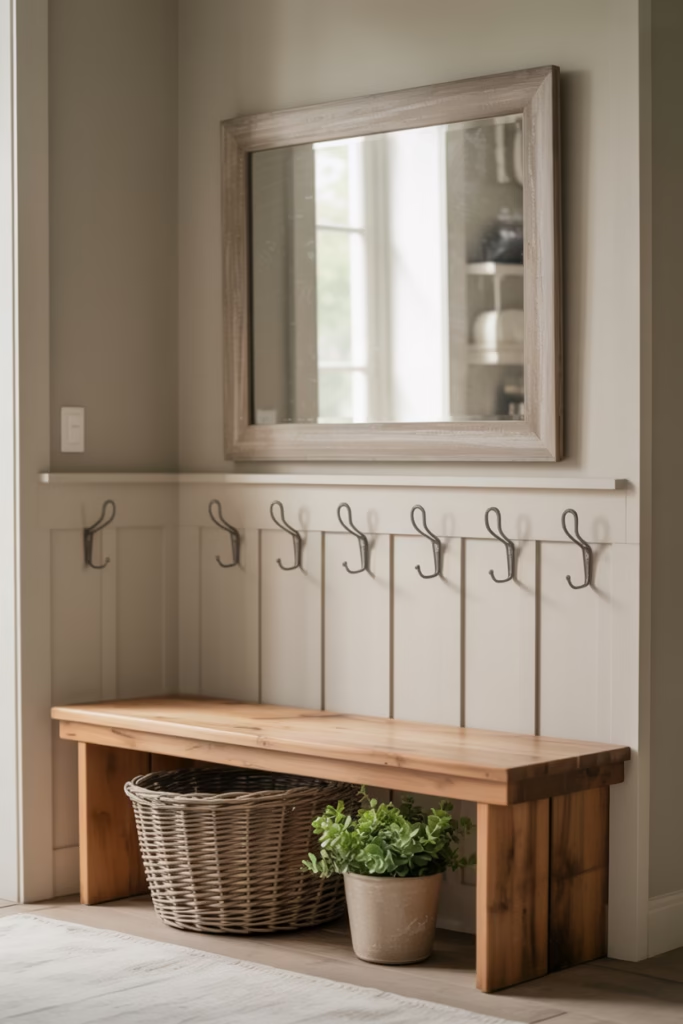
Hang a decorative framed mirror above your hooks or bench to bounce light around and give the area depth. Mirrors visually expand small spaces—it’s an old designer trick that actually works. Plus, having a mirror by the door means you can do a quick appearance check before heading out.
Choose a mirror that reflects your style, whether that’s ornate and traditional or simple and modern. The frame becomes part of your decor while the mirror does the heavy lifting of making your tiny mudroom feel bigger.
Durable Flooring That Handles Abuse
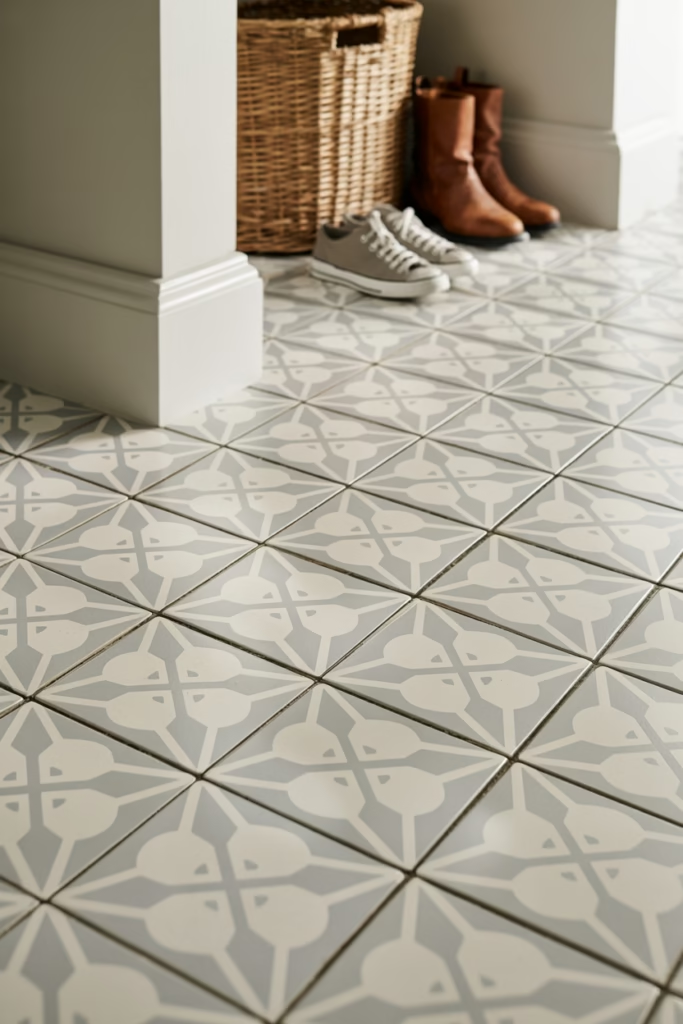
Your mudroom floor takes a beating, so choose materials that can handle it. Porcelain tile, luxury vinyl plank, or sealed concrete resist mud, moisture, and heavy traffic. These options are also easy to clean—just sweep and mop when things get gross.
Patterned tile adds visual interest and helps camouflage dirt between cleanings. Vinyl is budget-friendly and can mimic natural materials like wood or stone. Whatever you pick, make sure it’s sealed and water-resistant. Future you will be grateful when someone tracks in half the neighborhood.
Personalize with Decor and Color
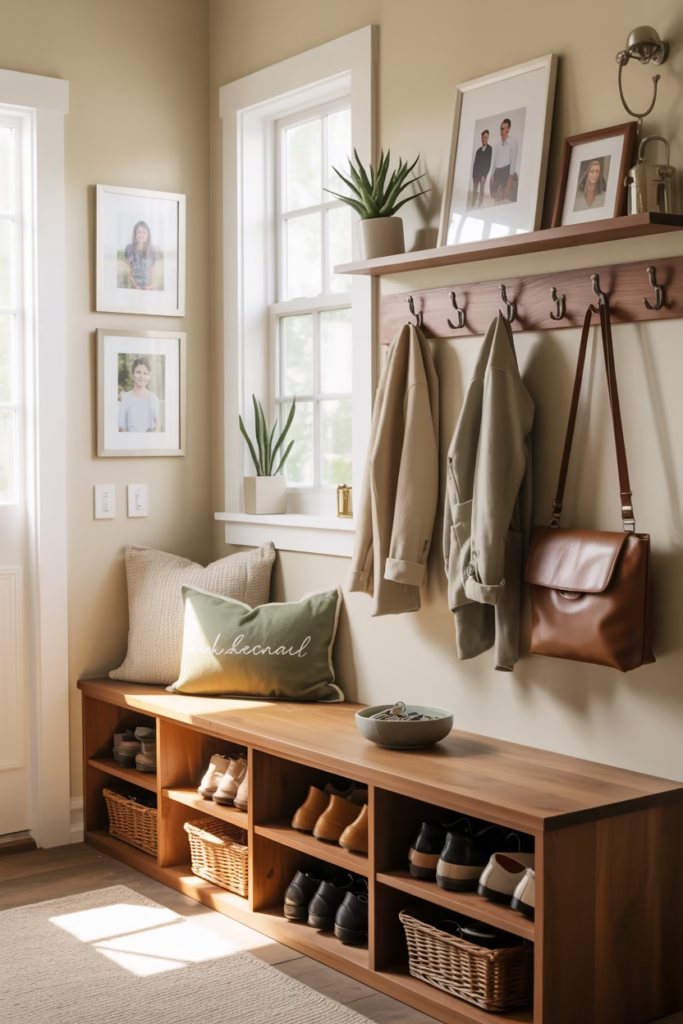
Once the functional pieces are in place, add personality with decor and accent colors. An accent color on hooks, benches, or storage bins creates cohesion and visual interest. Decorative bowls catch loose change and keys. Plants bring life to the space.
Don’t be afraid to make the mudroom reflect your style. This area sets the tone for your entire home, so it should feel welcoming and intentional. Swap out seasonal decor to keep things fresh—summer beach vibes, fall pumpkins, winter evergreens. Small touches make a big difference.
Elevating a small entryway into a functional mudroom doesn’t require a complete renovation or unlimited budget. It just takes smart planning and a willingness to think creatively about your space. Start with one or two ideas that resonate with you—maybe those wall hooks you’ve been eyeing or that storage bench with hidden compartments.
The best mudroom is the one that actually works for your daily routine. You’ll know you nailed it when mornings feel less chaotic and you can actually find your keys without losing your mind. And honestly? That’s worth way more than any Pinterest-perfect setup that looks good but doesn’t function.
Your small entryway has serious potential—it just needs a little love and some clever storage solutions. Now get out there and reclaim that chaos zone by the door. You’ve got this!