
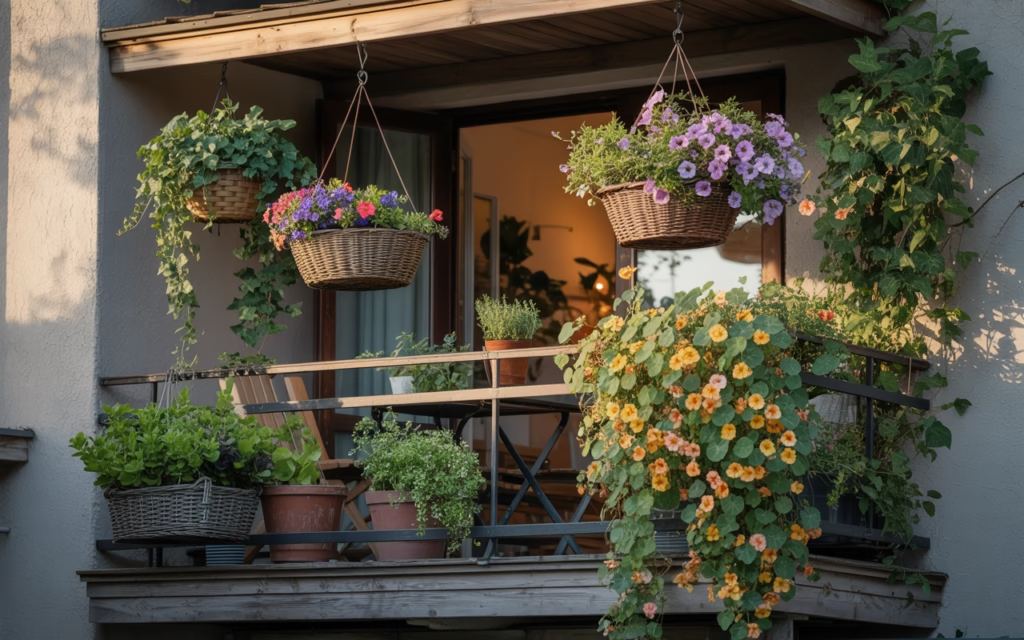
So you’ve got a balcony that’s basically the size of a yoga mat, and you’re wondering how on earth you’re supposed to create anything resembling a garden? Yeah, I’ve been there. Standing on my cramped balcony, staring at the concrete slab and thinking, “This is hopeless.” But here’s the thing—urban balcony gardening isn’t about having acres of space. It’s about getting creative, maximizing every square inch, and honestly, not being afraid to try stuff that might look a bit ridiculous at first.
Let me tell you, the transformation is worth every dropped plant pot and dirt-covered afternoon. Whether you’re dealing with a shoebox-sized ledge or a slightly more generous outdoor space, these 15 ideas will help you create your own urban jungle. No green thumb required (though it helps :).
Vertical Garden Walls: Your New Best Friend
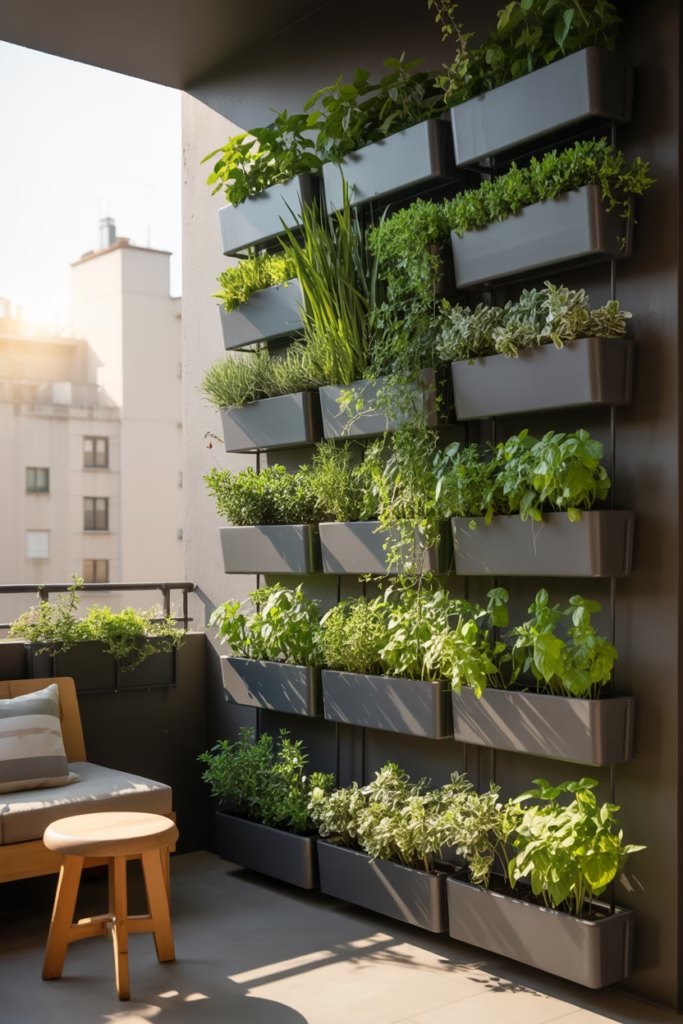
Look, when you don’t have floor space, you go vertical. It’s not rocket science, but it’s honestly one of the smartest moves you can make for a small balcony.
I installed my first vertical garden wall three years ago, and I’m still obsessed with it. Vertical planters let you grow herbs, succulents, flowers, and even some vegetables without sacrificing precious floor space. You can buy pre-made systems or DIY it with pallets, hanging pockets, or wall-mounted planters.
Here’s what works best:
- Pocket planters made from felt or canvas that hang flat against the wall
- Modular wall systems that let you arrange pots however you want
- Repurposed pallets with small pots wedged between the slats
- Ladder shelves leaned against the wall for a cascading effect
The trick is choosing plants with similar water needs for each section. Trust me on this—I learned the hard way when my thirsty ferns killed my drought-loving succulents. Not my finest gardening moment.
Railing Planters That Double Your Growing Space
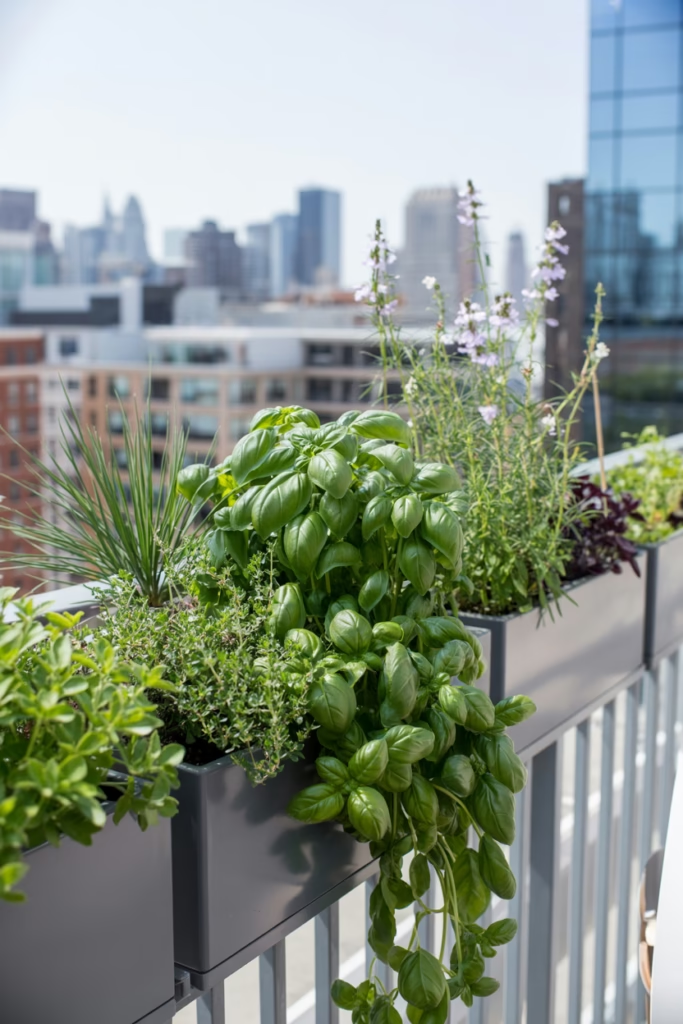
Ever looked at your balcony railing and thought, “That’s just wasted real estate”? Because same. Railing planters are genius because they literally hang over the edge, giving you extra space without taking up any floor area.
I use them for herbs mostly—basil, cilantro, parsley—and they’re perfect because they get tons of sunlight and stay within easy reach when I’m cooking. FYI, make sure whatever you buy has a secure attachment system. The last thing you need is your planter becoming a projectile during a windstorm (ask me how I know).
Best Plants for Railing Planters
- Trailing flowers like petunias or verbena that cascade beautifully
- Compact herbs that you actually use regularly
- Small vegetables like cherry tomatoes or peppers
- Ornamental grasses for texture and movement
The key is weight distribution. Don’t overload one side of your railing and create a balancing nightmare. Spread things out evenly, and your balcony will look intentional rather than chaotic.
Stackable Planters for Maximum Efficiency
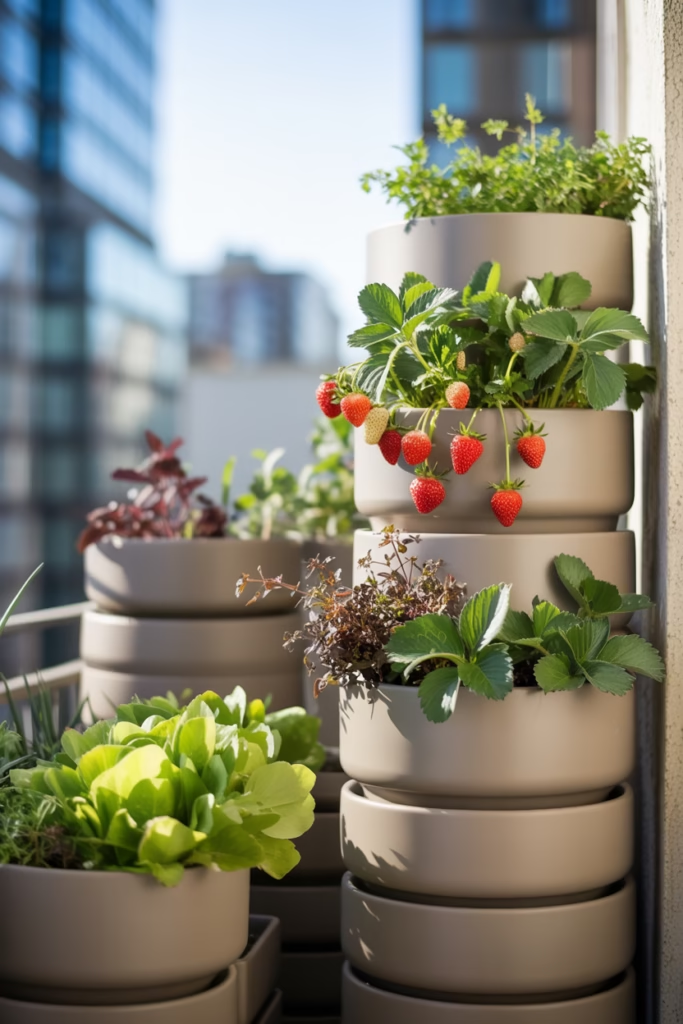
Stackable planters are basically the apartment version of raised garden beds, and they’re incredibly practical for urban spaces. These tiered systems let you grow multiple plants in the same footprint, which is perfect when every inch counts.
I’ve got a three-tier strawberry planter that produces way more fruit than you’d expect from something that only takes up about two square feet. The drainage naturally flows from one level to the next, which means less watering work for you. Win-win.
The best part? You can customize what goes where. Put sun-loving plants on top, shade-tolerant ones at the bottom, and create this little microclimate ecosystem. It’s surprisingly satisfying to watch everything thrive in its designated spot.
Hanging Baskets: Classic But Effective
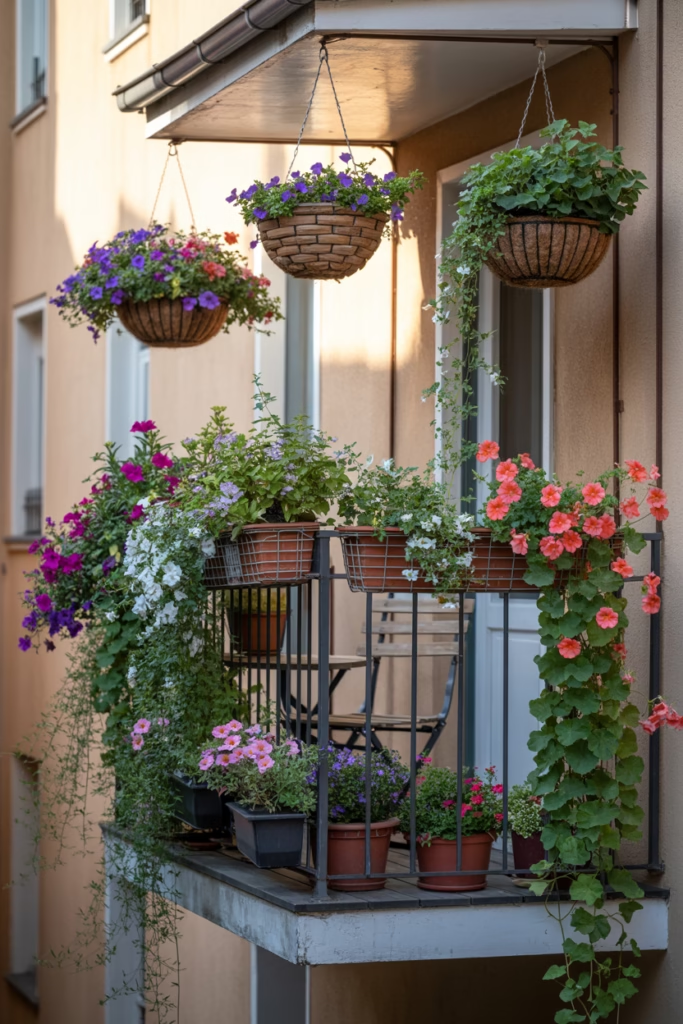
Yeah, hanging baskets might seem basic, but there’s a reason they’ve been around forever—they work. And on a small balcony, overhead space is prime real estate that most people completely ignore.
I’ve hung baskets from ceiling hooks, curtain rods, and even shepherd’s hooks planted in large floor pots. They’re perfect for trailing plants that would otherwise take up valuable surface area. My favorite setup involves three different basket heights creating this layered, jungle-like effect.
Here’s the reality though: hanging baskets dry out faster than other containers. You’ll need to water them more frequently, especially during summer. I’ve rigged up a simple pulley system so I can lower mine for watering without needing a step stool every time. Work smarter, not harder, right?
Corner Shelving Units That Maximize Dead Space
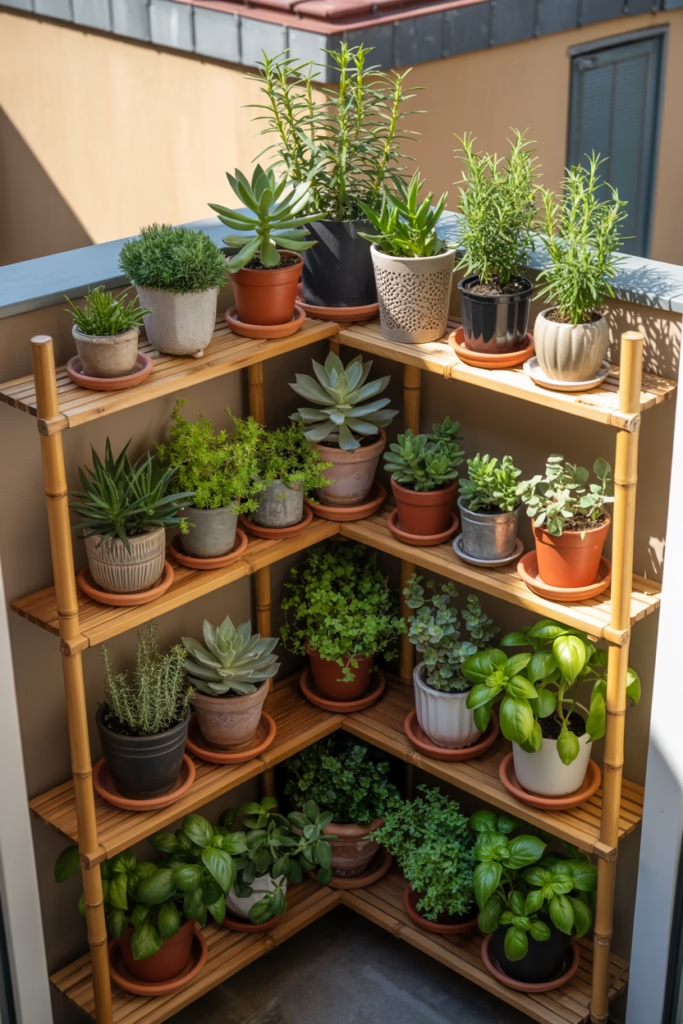
Corners are weird, awkward spaces that usually just collect dust and maybe a forgotten watering can. But corner shelving units turn that wasted area into a productive garden spot.
I found a bamboo corner shelf at a thrift store for basically nothing, and it holds about 12 small to medium pots. The triangular shape fits perfectly into that dead zone, and suddenly I had room for all my propagation experiments and new plant babies. IMO, it’s one of the most underutilized balcony gardening solutions out there.
You can also create levels with different plant heights—tall plants on the floor, medium on middle shelves, trailing plants on top. This creates visual interest and makes your balcony feel more designed rather than randomly planted.
Window Box Gardens on the Inside
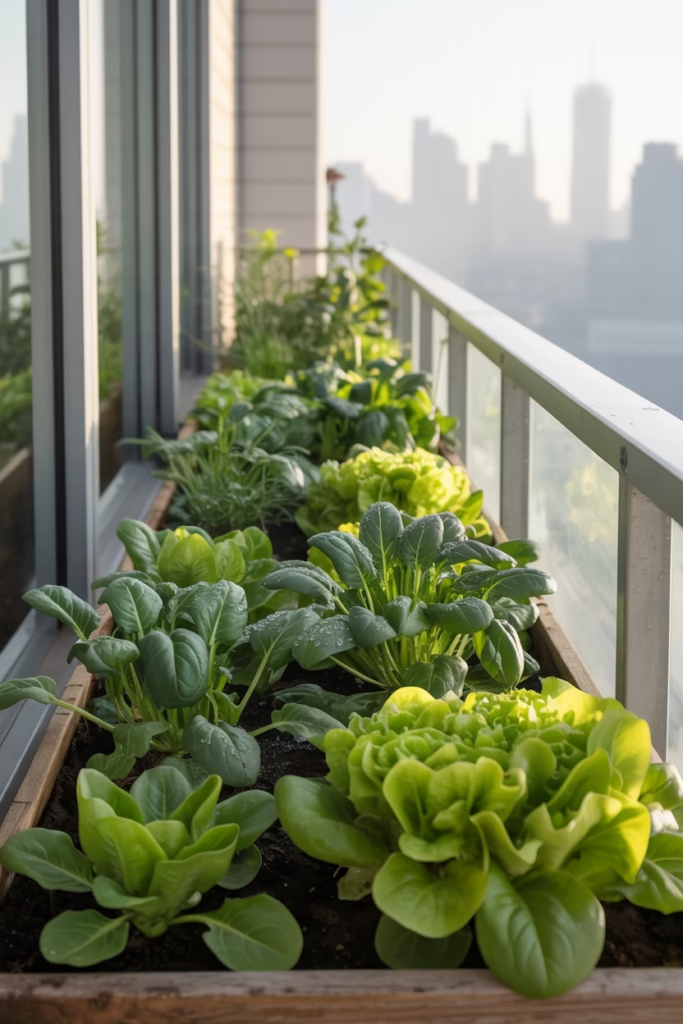
Here’s a slightly unconventional idea: mount window boxes on the inside of your balcony railing. I know it sounds weird, but stick with me here.
By facing them inward, you create this green barrier between you and the outside world. It’s like having a living privacy screen that also produces food or looks gorgeous depending on what you plant. Plus, it’s easier to maintain because everything’s right in front of you instead of leaning over the edge.
I’ve used this setup for lettuces, spinach, and other salad greens. They don’t need deep soil, they grow quickly, and honestly, there’s something incredibly satisfying about walking onto your balcony and harvesting dinner. Beat that, grocery store.
Foldable Furniture with Built-In Planters
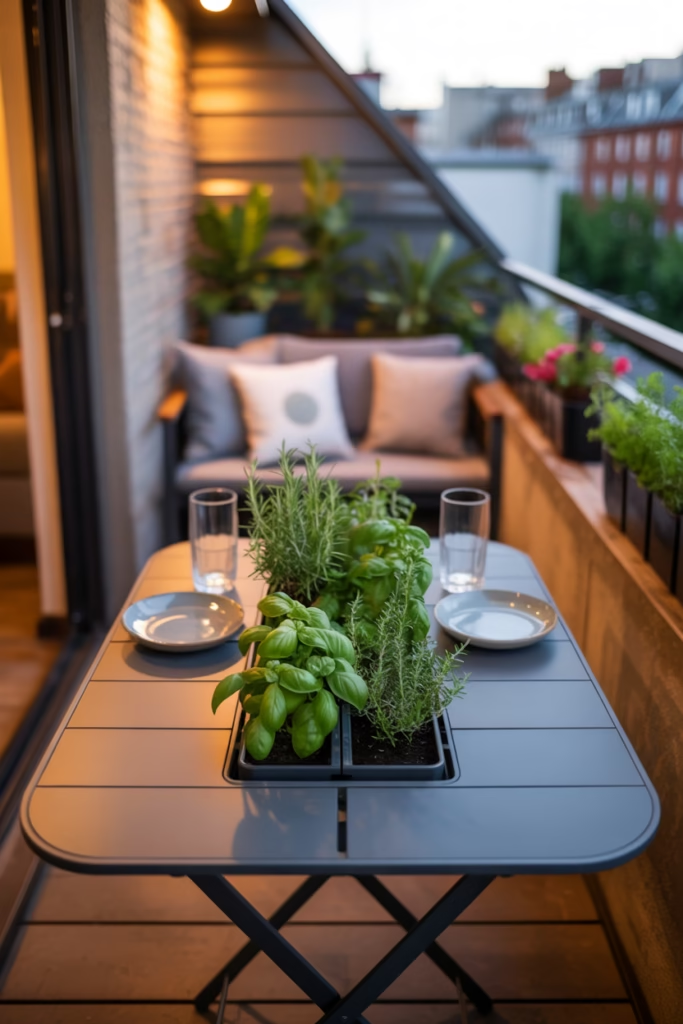
Talk about multitasking. Foldable furniture with integrated planters gives you seating, surface space, and growing areas all in one compact package.
I’ve got a folding table with a center planter strip that holds herbs. When I need more table space for dinner, the plants become a living centerpiece. When I don’t need the table, it folds flat against the wall and barely takes up any room. Genius? Yeah, I thought so too.
These hybrid pieces are perfect for balconies where you need furniture but also refuse to give up your gardening dreams. They force you to be intentional about your plant choices though—you’ll want things that look good, smell good, or taste good since they’ll be right there at eye level.
Trellis Systems for Climbing Plants
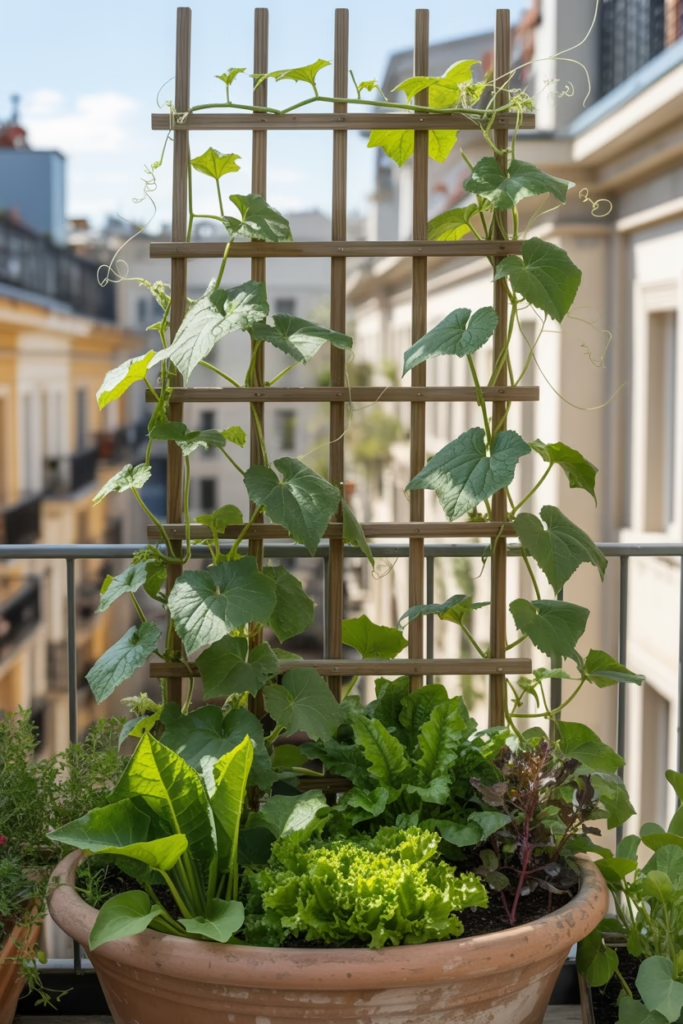
Want to know a secret? Vertical growing on trellises gives you way more produce per square foot than traditional planting methods. I grow cucumbers, peas, and pole beans on simple bamboo trellises, and the yield is honestly ridiculous for the space they occupy.
You can attach trellises to walls, railings, or use freestanding ones in large pots. The plants grow upward instead of sprawling across the floor, which means you can fit other stuff underneath. I’ve got shade-loving lettuce growing under my cucumber trellis, using that filtered light perfectly.
Best Climbing Plants for Small Balconies
- Pole beans that produce all summer long
- Sugar snap peas for spring growing
- Morning glories if you want flowers instead of food
- Climbing roses for a romantic cottage vibe
- Jasmine for incredible fragrance in the evenings
The maintenance is pretty chill too. Just guide the vines occasionally and make sure the trellis is secure. Nothing worse than coming home to a collapsed plant tower. Trust me on that one.
Mobile Planters on Wheels
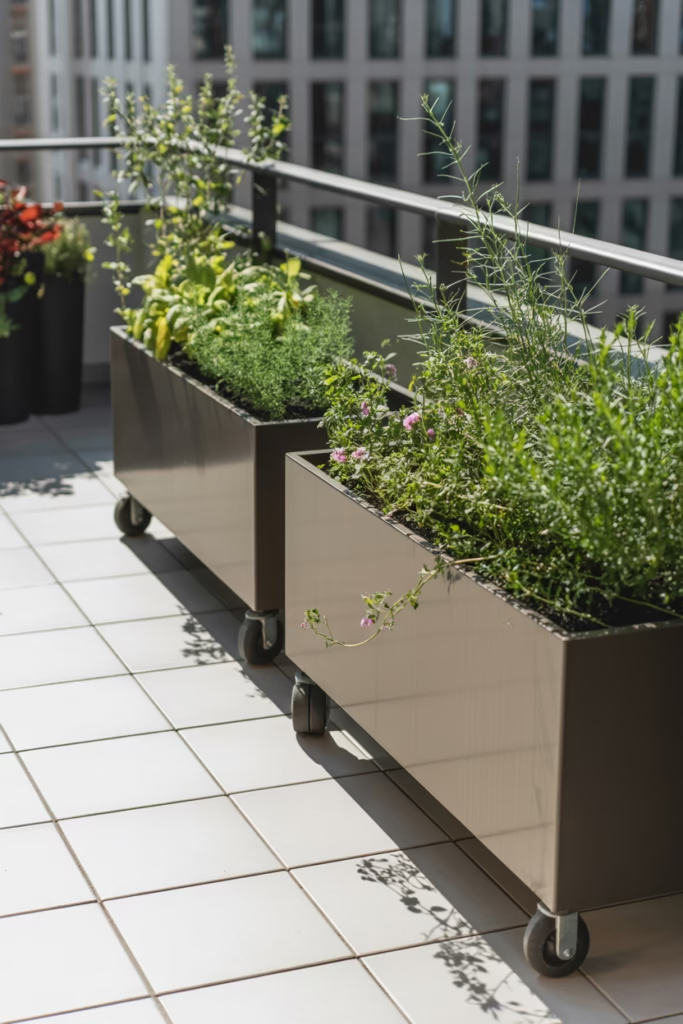
This might be my favorite hack, honestly. Planters on casters let you move your garden around based on sun exposure, weather, or whatever mood strikes you.
I’ve got several large pots on wheeled bases, and it’s changed everything. Morning sun on one side? I roll them over. Afternoon storms threatening? Wheel them under the overhang. Need to deep clean the balcony? Push everything to one side. The flexibility is unmatched.
This is especially useful for balconies that don’t get consistent sunlight. You can chase the sun throughout the day, giving your plants exactly what they need. Plus, it makes rearranging your space super easy when you get bored with the layout (which, let’s be honest, happens).
Herb Spiral in a Container
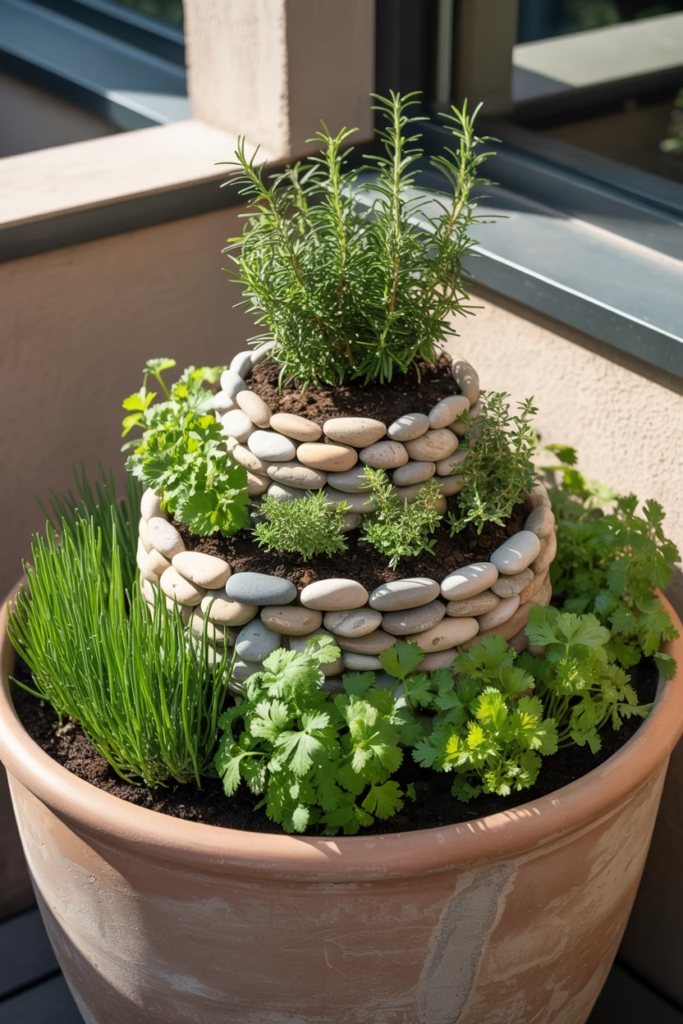
Okay, this one’s a bit extra, but hear me out. An herb spiral is traditionally a permaculture garden design, but you can totally create a mini version in a large container.
The concept is simple: you create a spiral shape with different height levels. The top gets the most sun and drains quickly (perfect for Mediterranean herbs like rosemary and thyme), while the bottom stays moister and shadier (great for parsley and cilantro). It’s basically creating multiple microclimates in one pot.
I built mine using stones to create the spiral walls within a huge container, and it’s become the conversation piece of my balcony. Plus, having fresh herbs literally spiraling up in front of you is both practical and weirdly beautiful.
Repurposed Gutter Gardens
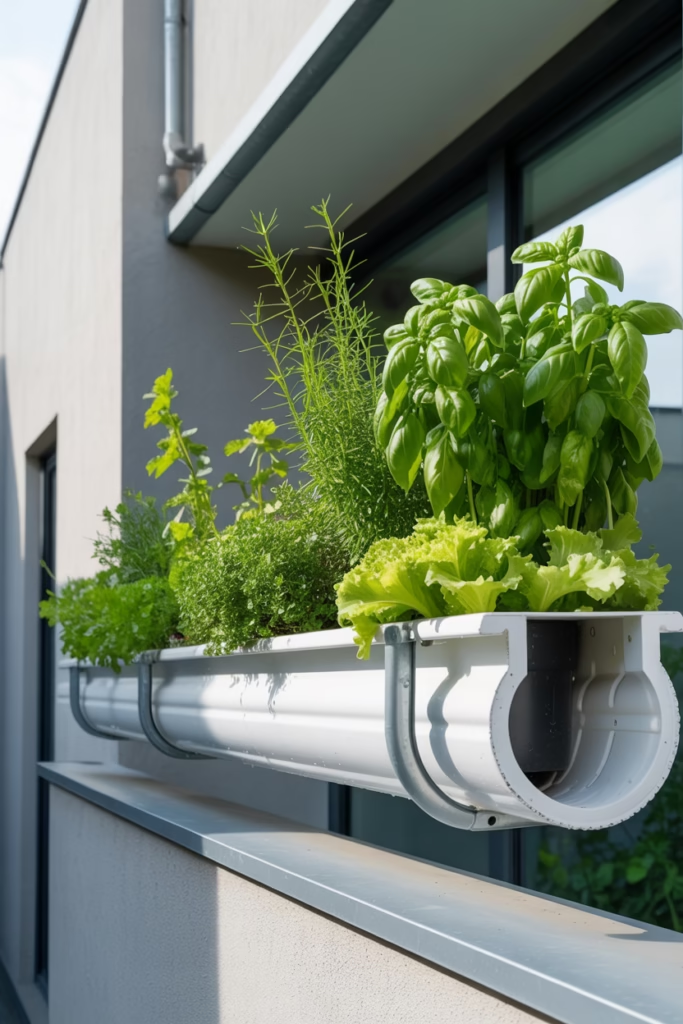
Ever wondered what to do with those leftover gutters from a renovation project? Horizontal gutter planters are shallow, space-efficient, and perfect for growing lettuces, herbs, and strawberries.
I mounted several gutters along my balcony wall at different heights, creating this staggered effect. They’re super lightweight even when filled with soil, and the drainage is naturally built-in if you drill some holes. The shallow depth actually works great for plants with smaller root systems.
The installation took maybe an hour, and suddenly I had three extra rows of growing space that cost almost nothing. You can paint them to match your decor, or leave them plain for that industrial-chic look. Either way, they’re functional as heck.
Living Wall Art Frames
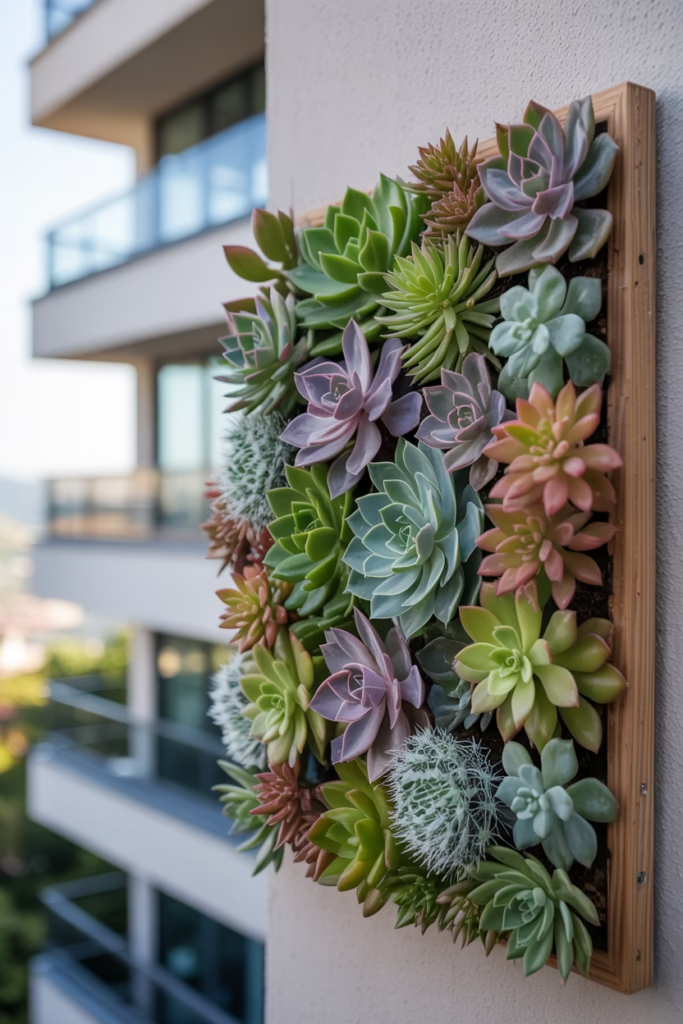
Who says your garden has to be practical? Living wall art using succulent frames adds serious style points to any balcony while barely taking up space.
These are essentially shadow boxes filled with succulents arranged in patterns or designs. I’ve made several using wooden frames, chicken wire backing, and a mixture of different colored succulents. They hang on the wall like regular art but happen to be alive and slowly growing.
The maintenance is minimal—succulents need very little water—and the visual impact is huge. Guests always ask about them, and honestly, they photograph really well if you’re into that sort of thing. Plus, if you get bored with the design, you can rearrange the plants. Try doing that with a regular painting :/
Tiered Plant Stands for Floor Space
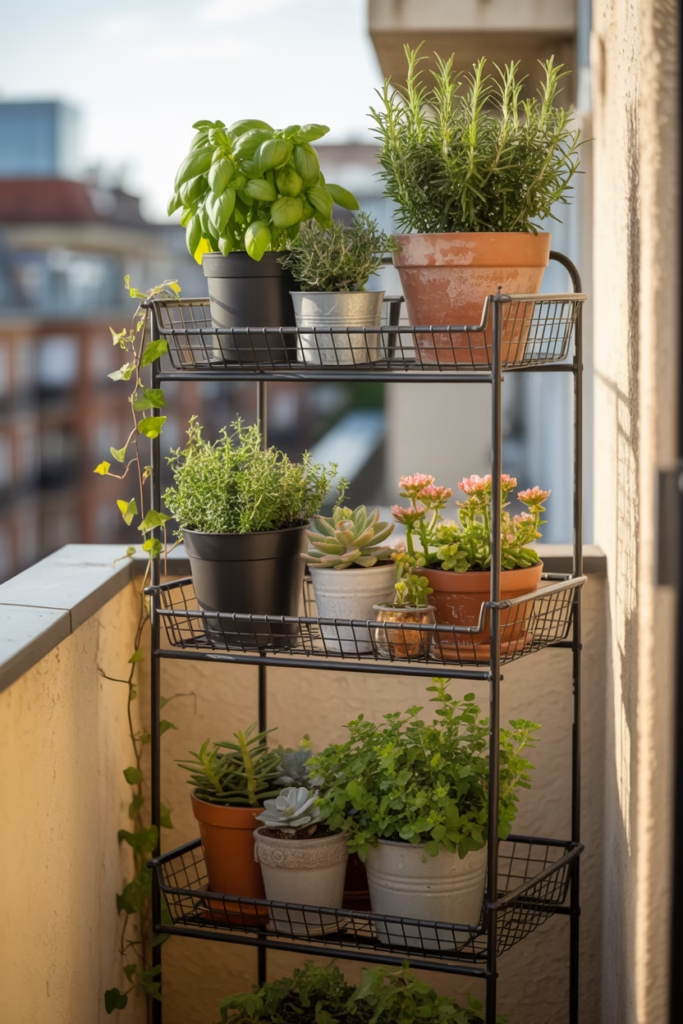
When you do have some floor space available, tiered plant stands maximize what you’ve got by creating multiple levels. Think of them as bunk beds for your plants.
I use a three-tier metal stand in my sunniest corner, and it holds about nine pots of varying sizes. The open design means plants on lower shelves still get light filtering through, and the whole setup takes up maybe two square feet of floor space. That’s efficient gardening right there.
You can also move them around easily (unlike built-in shelves), which means you’re not committed to one layout forever. I shift mine seasonally based on which plants need the most sun at different times of year.
Self-Watering Containers for Low Maintenance
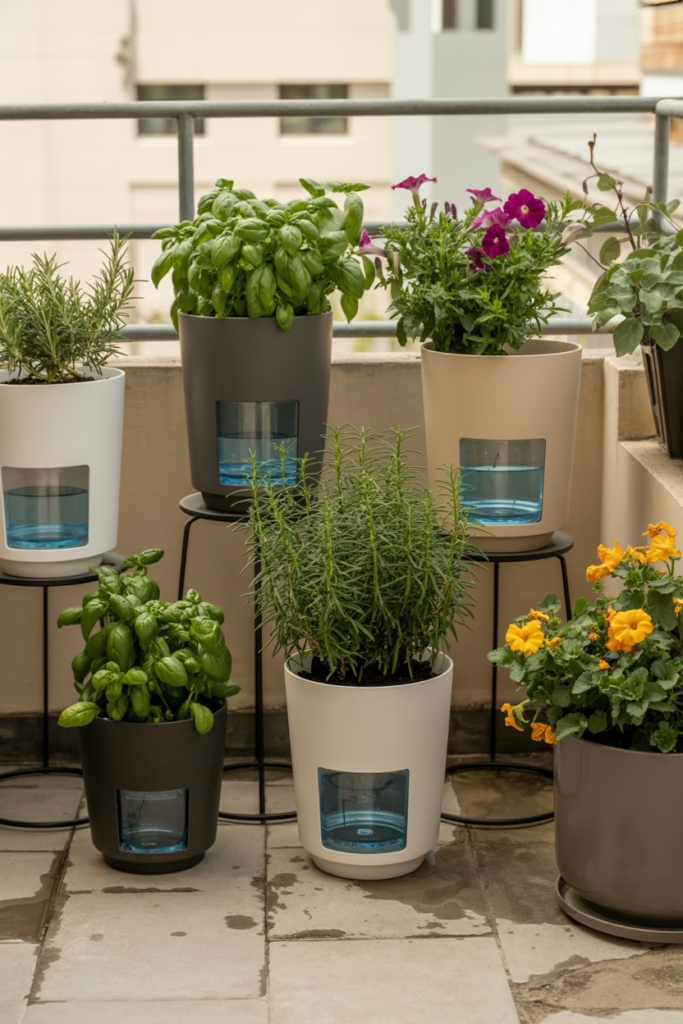
Let’s be real—sometimes you forget to water your plants. Or you travel. Or you’re just busy living your life. Self-watering containers have built-in reservoirs that keep your plants hydrated for days or even weeks.
I converted to mostly self-watering pots last year, and it’s been life-changing. The plants are healthier because they get consistent moisture, and I don’t have that constant guilt about forgetting to water. They’re especially great for balconies because you can’t exactly set up an irrigation system.
The initial investment is higher than regular pots, but the peace of mind is worth every rupee. Plus, your plants will actually thrive instead of just surviving your forgetful watering schedule.
Compact Fruit Trees in Containers
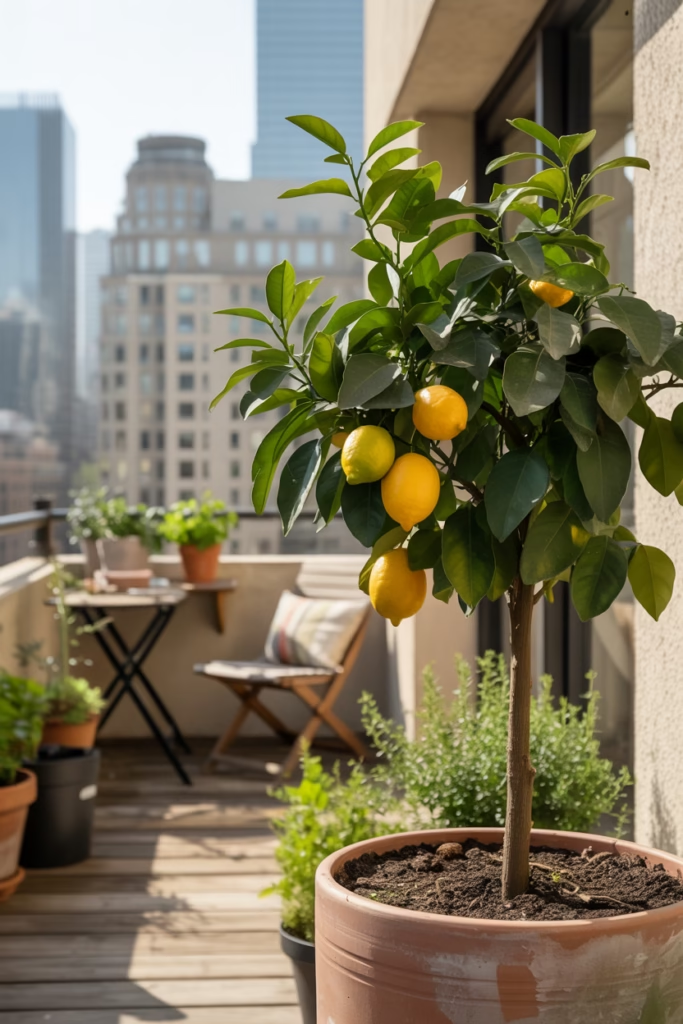
Yes, you can absolutely grow fruit trees on a balcony. Dwarf varieties are specifically bred to stay small while still producing full-sized fruit. It’s basically magic, but make it horticulture.
I’ve got a dwarf lemon tree that’s been thriving in a large container for two years now. It’s about four feet tall, produces actual lemons, and makes my entire balcony smell incredible when it blooms. The key is choosing the right container size (at least 15-20 gallons) and making sure it has good drainage.
Other great options include dwarf apple trees, compact blueberry bushes, or even miniature fig trees. They do need more care than smaller plants—regular feeding, proper pruning, winter protection in cold climates—but the reward of picking your own fruit from your balcony is pretty unbeatable.
Vertical Pocket Herb Garden
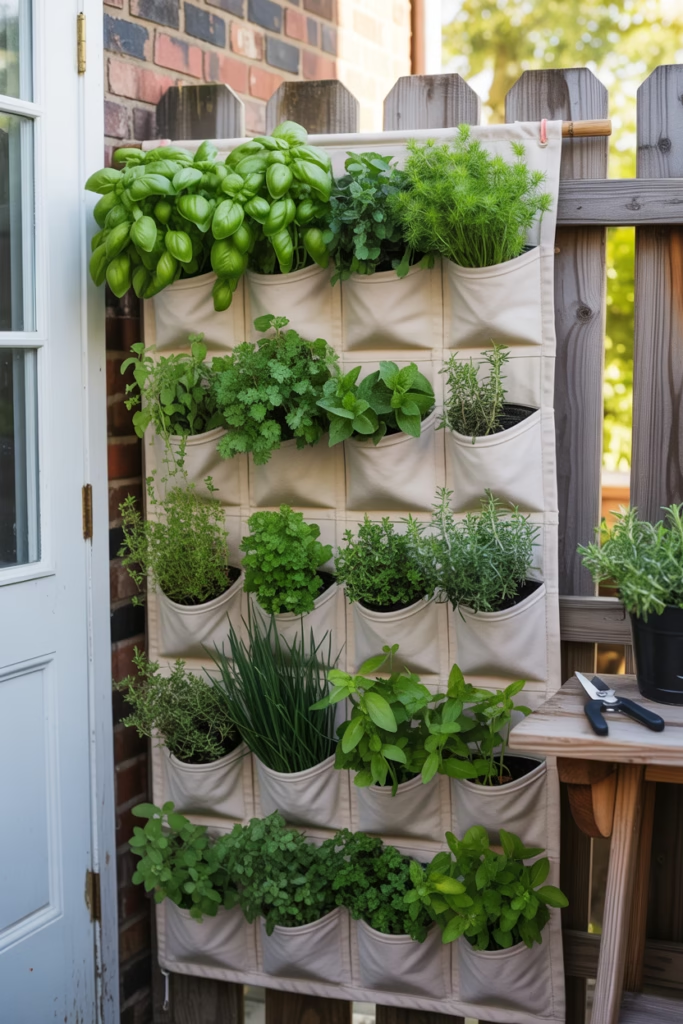
This is different from a full vertical wall because it’s more focused and purpose-driven. A vertical pocket herb garden is specifically designed for culinary herbs, placed right outside your kitchen door for easy access.
Mine hangs on the wall closest to my kitchen, and it’s probably the most-used garden feature I have. Eight pockets hold my cooking essentials: basil, cilantro, mint, thyme, oregano, chives, parsley, and rosemary. When I’m cooking, I just step out, snip what I need, and step back in. The freshness difference is insane compared to store-bought herbs.
The pockets keep everything organized and prevent that chaotic jumble of pots that used to clutter my space. Plus, the vertical orientation means even the smallest balcony can accommodate a full herb garden. It’s honestly the most practical urban gardening solution I’ve found.
Final Thoughts
Creating an urban garden balcony isn’t about having perfect conditions or tons of space. It’s about getting creative with what you’ve got and not being afraid to experiment. Some of these ideas will work perfectly for your space, others might need tweaking, and a few might be total disasters (it happens).
The beautiful thing about balcony gardening is that it’s constantly evolving. Your setup this year will probably look different next year as you learn what works and what doesn’t. I’m still moving things around, trying new plants, and occasionally killing something spectacularly. That’s part of the process.
Start with one or two ideas that excite you most. Maybe it’s a vertical wall garden, or perhaps those hanging herbs are calling your name. Build from there, and before you know it, you’ll have transformed that sad concrete slab into a thriving green space that makes you actually want to spend time outside. And honestly? That’s the whole point.