
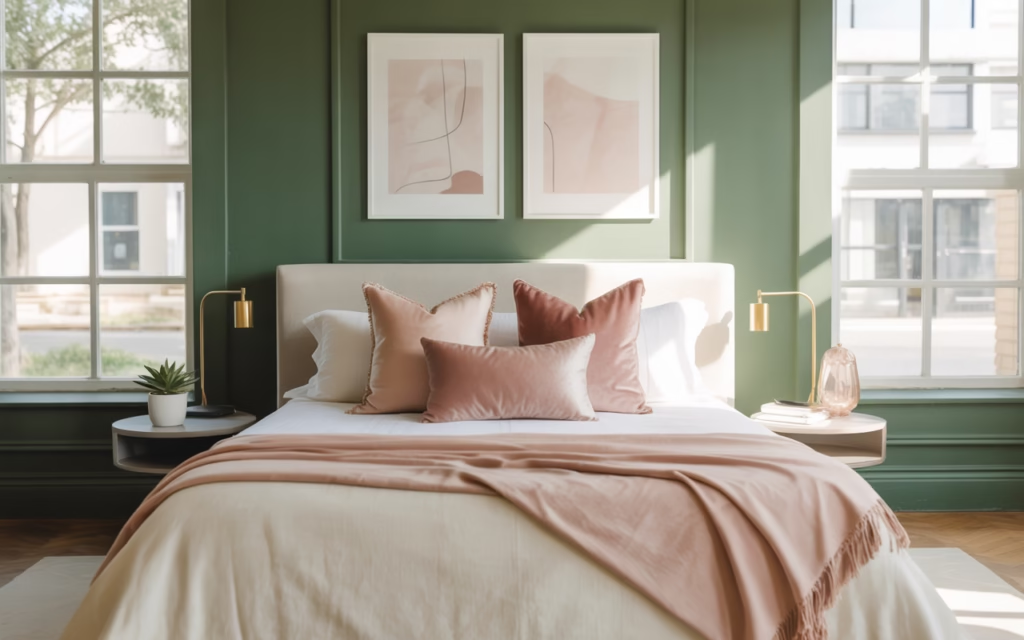
You want your master bedroom to feel calmer, prettier, and more “put together”… without turning it into a showroom you’re scared to live in, right? Green makes that weirdly easy. It can look soft and airy (hello sage), or rich and dramatic (hi, moody emerald), and it almost always pairs well with basics like white bedding, warm wood, and a few cozy textures. I started experimenting with green after I got tired of beige-everything, and the change felt instant like my room finally started helping me relax instead of just… existing. So if you’re ready for 15 green master bedroom decoration ideas that look stylish but still feel livable, let’s get into the fun part.
Start with the Perfect Shade of Green
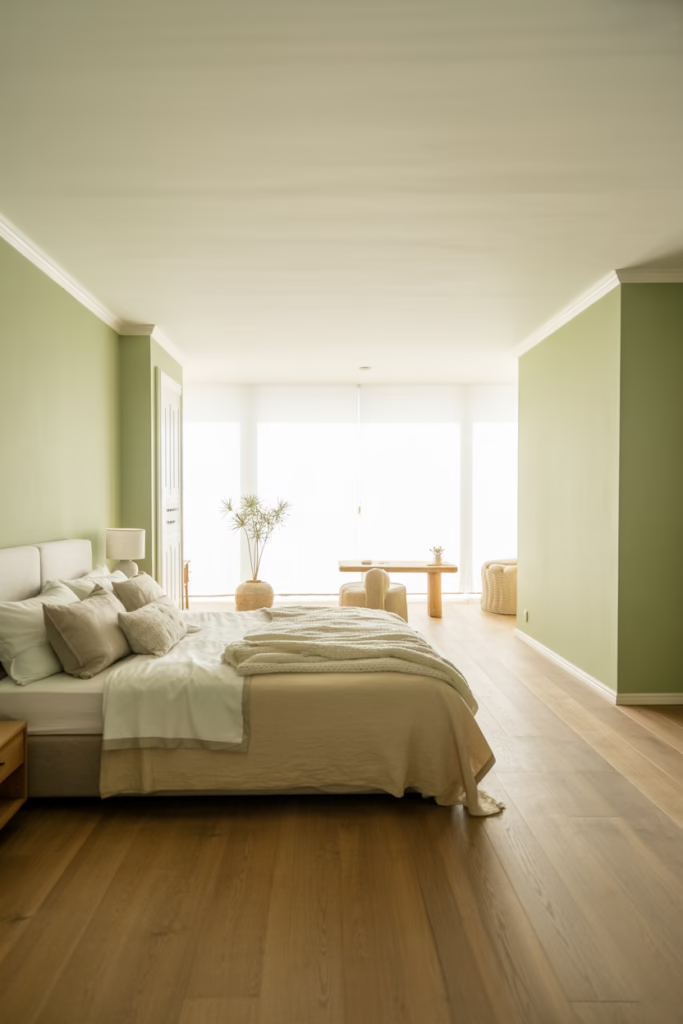
Here’s the thing about green: not all greens are created equal. You wouldn’t paint your bedroom the same shade as a tennis court, right? The color you choose sets the entire mood, and trust me, this decision matters more than you think.
Sage green is your safe bet if you’re new to this whole green bedroom thing. It’s calming, sophisticated, and plays well with literally everything. I painted my bedroom walls in a soft sage last year, and I swear I sleep better now. Could be placebo effect, but who cares? 🙂
For the bold souls out there, emerald or hunter green creates drama like nothing else. These deeper shades work incredibly well as accent walls—you get that rich, luxurious vibe without feeling like you’re sleeping inside a forest. Pro tip: pair these darker greens with gold or brass fixtures, and you’ll feel like royalty every single night.
Mint and seafoam greens give you that fresh, airy feeling. These lighter shades make smaller bedrooms feel way more spacious. FYI, these work amazingly well in rooms that don’t get tons of natural light because they reflect what little light you have.
Create a Statement Wall That Actually Makes a Statement
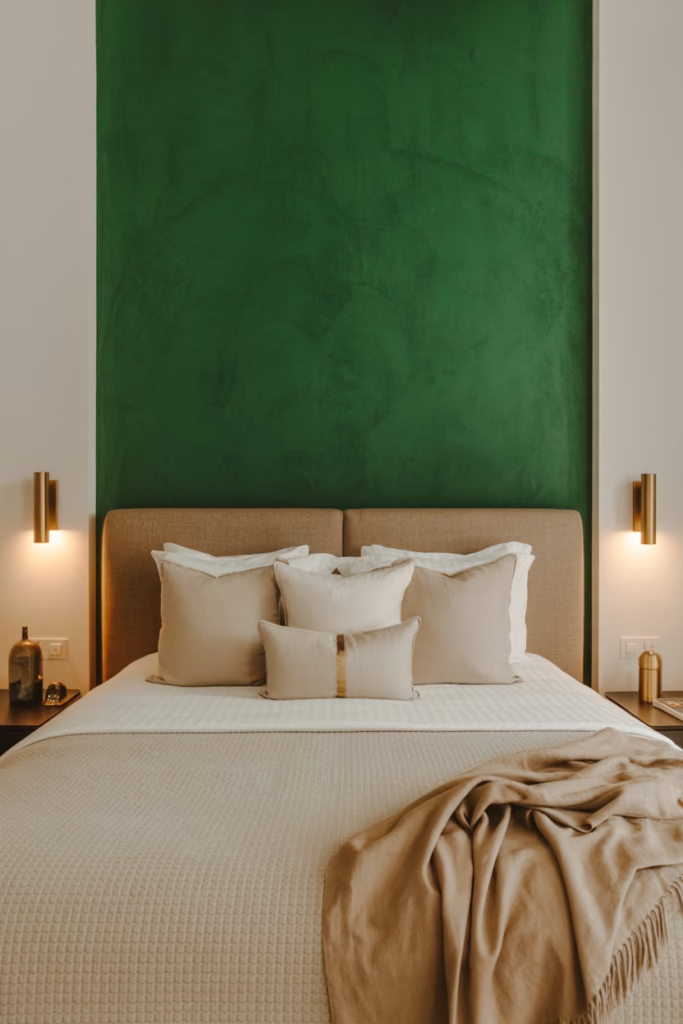
Why paint all four walls when you can make one absolutely pop? An accent wall in green is the perfect commitment level for people who get scared of too much color (no judgment here).
I’ve seen people go crazy with wallpaper, and honestly, some of the botanical prints available right now are absolutely stunning. Think tropical leaves, delicate ferns, or geometric patterns in various green shades. You get texture, pattern, and that green goodness all in one shot.
But here’s where it gets interesting—you can also create a statement wall using wood panels painted in deep forest green. The texture combined with the color creates this incredible depth that flat paint just can’t achieve. I tried this in a client’s bedroom, and the transformation was insane. The room went from “meh” to “holy wow” in about two days.
Layer Your Greens
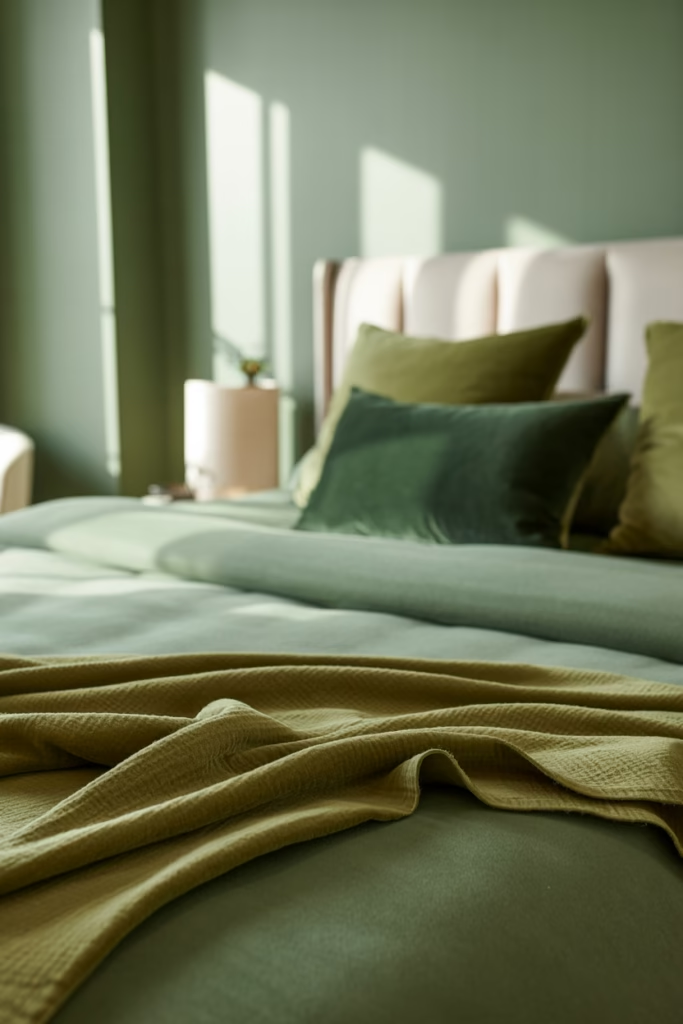
Ever wonder why some green rooms look professionally designed while others look like someone just threw a bunch of green stuff together? The secret is layering different shades and textures of green. IMO, this is what separates the amateurs from the pros.
Start with your base color on the walls—let’s say a soft sage. Then bring in bedding in a slightly different shade, maybe a dusty eucalyptus. Add throw pillows in deeper hunter green, and suddenly you’ve got dimension. The room doesn’t look flat; it looks intentional and curated.
Don’t forget about incorporating different textures too. Velvet pillows catch light differently than linen curtains, which look nothing like a cotton duvet. These textural differences make your green palette way more interesting. I learned this the hard way after buying an all-cotton bedding set in the same shade—it looked boring as hell until I mixed in some velvet and silk pieces.
Bring in Natural Elements
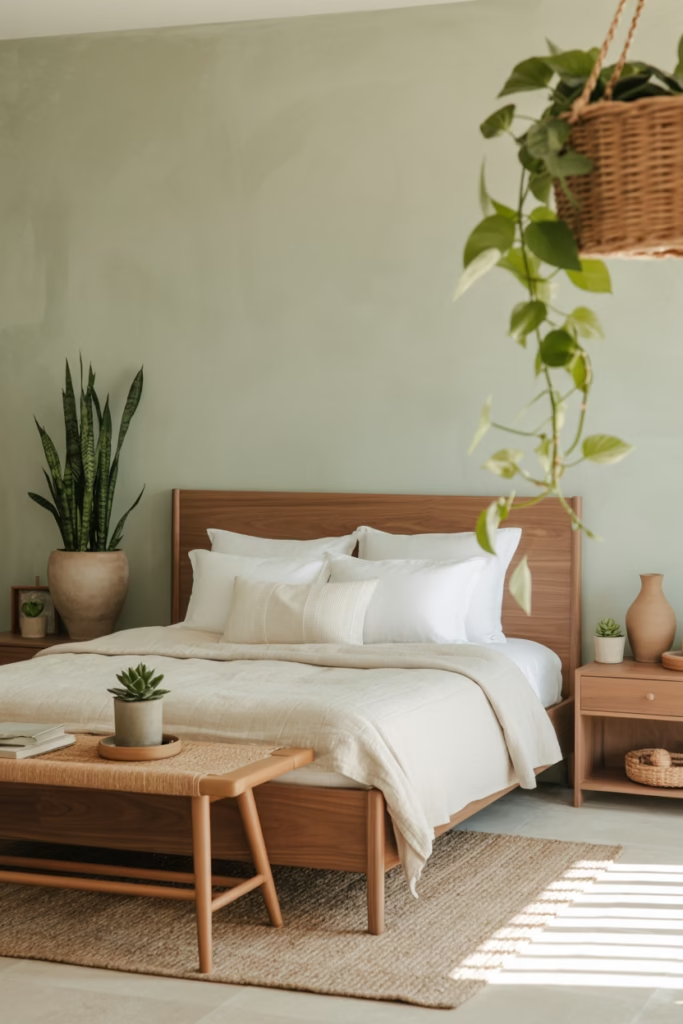
You’re already using nature’s favorite color, so why not go all in with natural materials? Wood furniture in warm tones creates the perfect contrast against green walls. I’m talking walnut, oak, or even lighter woods like birch—they all work beautifully.
Rattan and wicker pieces add that organic, lived-in vibe that keeps green bedrooms from feeling too formal. A rattan headboard or bedside table brings texture and warmth while staying on theme. Plus, these pieces are having a major moment right now, so you’ll look trendy AF.
Plants are non-negotiable in a green bedroom. I know, I know—it seems almost too on-the-nose, but hear me out. Living plants bring actual life into the space, purify your air, and reinforce that nature connection you’re trying to create. Snake plants, pothos, or a fiddle leaf fig in the corner all work perfectly. Just don’t overdo it unless you’re genuinely trying to create an indoor jungle (which, honestly, sounds kind of amazing).
Play with Metallic Accents
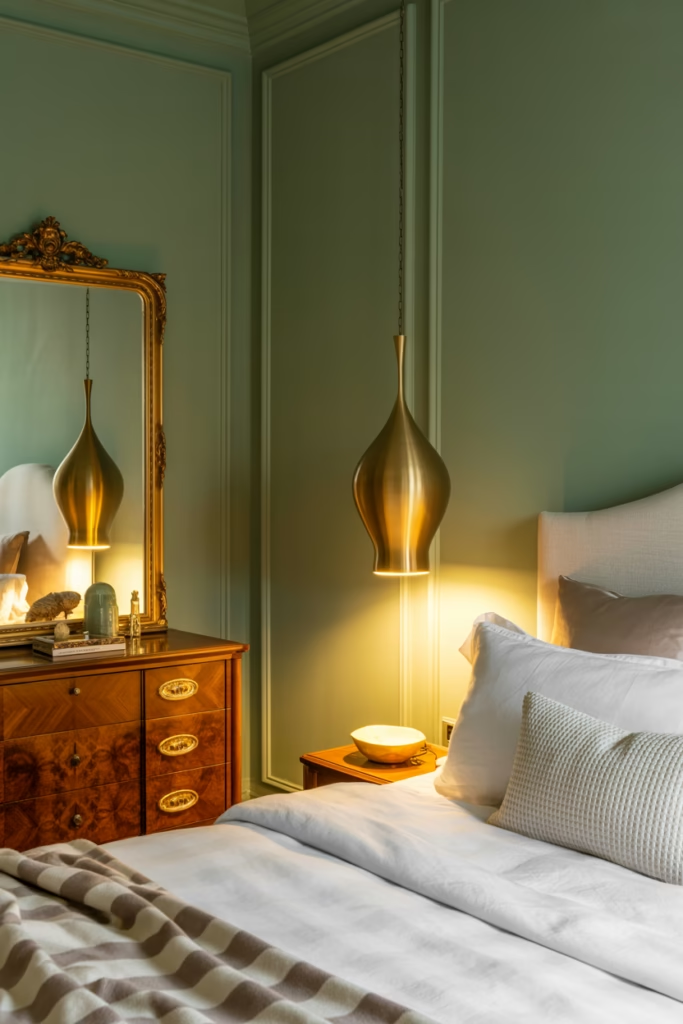
This is where green bedrooms either look expensive or cheap, so pay attention. The metallic accents you choose make a massive difference in the overall vibe.
Gold and brass fixtures bring warmth and luxury to green spaces. Light fixtures, drawer pulls, picture frames—swap these out for gold-toned versions, and watch your bedroom instantly level up. The warm metallics create this gorgeous contrast against cooler green tones that just works.
Silver and chrome work better with cooler, mint-like greens. These create a more modern, clean aesthetic. I prefer mixing metals (controversial opinion, I know), but if you’re going for a cohesive look, pick one metal family and stick with it throughout the room.
Copper is the underdog metallic that deserves more love in green bedrooms. It brings warmth like gold but with a slightly more rustic, approachable feel. Copper lamps, mirrors, or even just decorative objects scattered around create visual interest without overwhelming the space.
Master the Art of White Space
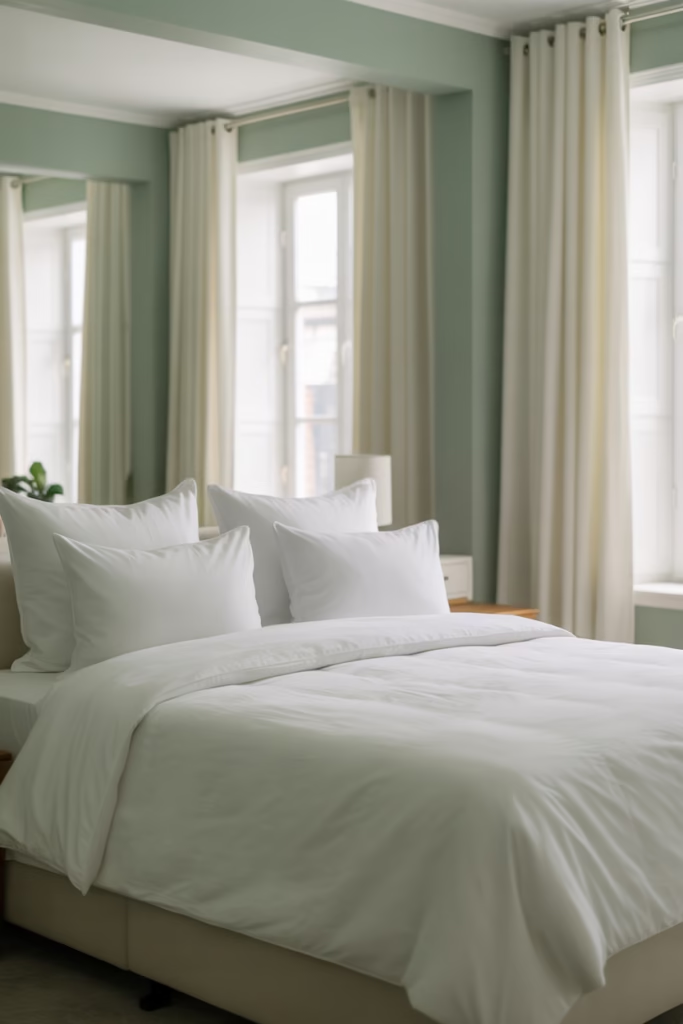
Here’s something nobody talks about enough: green bedrooms need breathing room. Not every surface needs to be green, textured, or decorated. White or cream elements give your eyes a place to rest and prevent the room from feeling overwhelming.
White bedding on a green bed frame or against green walls creates this crisp, hotel-like feeling that I absolutely love. It’s clean, fresh, and lets the green take center stage without competing for attention. I use white duvet covers in my green bedroom, and the contrast is chef’s kiss.
White trim, molding, or ceiling keeps the room from feeling cave-like, especially with darker green walls. This contrast adds architectural interest and makes the room feel more polished. Trust me on this—if you’re painting walls dark green, keep that ceiling white unless you enjoy feeling like you’re sleeping in a box.
Choose the Right Lighting
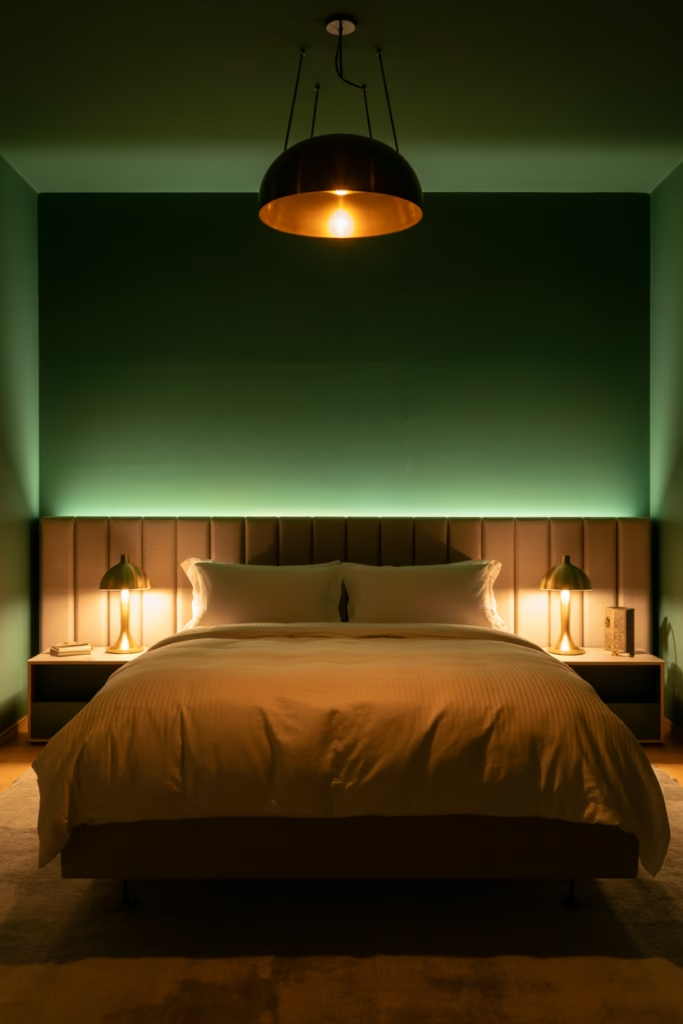
Lighting can make or break a green bedroom. The wrong lighting turns your beautiful sage walls into something that looks vaguely sickly, and nobody wants that :/
Layer your lighting sources. You need ambient lighting (overhead), task lighting (bedside lamps for reading), and accent lighting (maybe some LED strips or decorative sconces). This layered approach creates depth and lets you adjust the mood based on time of day or activity.
Warm white bulbs work better with most green shades than cool white. Cool bulbs can make greens look washed out or too blue-toned. I learned this after installing daylight bulbs in my sage bedroom—it looked terrible until I switched to warm white. Rookie mistake.
Statement light fixtures become even more important in monochromatic green rooms. A beautiful chandelier, modern pendant, or sculptural table lamp adds visual interest and draws the eye upward. Brass or black fixtures generally look amazing in green spaces.
Add Unexpected Color Pops
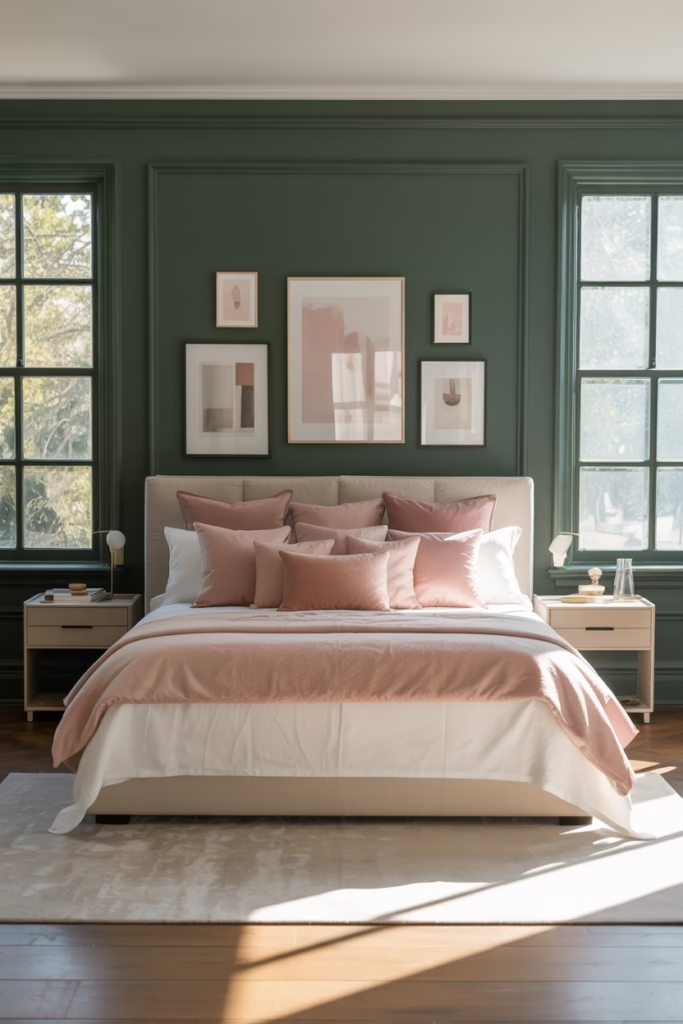
All green everything sounds good in theory, but your bedroom needs some contrast to stay interesting. The colors you pair with green determine whether your room looks sophisticated or like a college dorm (been there, done that).
Blush pink and green is a combination I initially thought would look ridiculous, but it’s actually incredible. The softness of blush balances green’s earthiness perfectly. Throw pillows, artwork, or even a blush-colored chair can completely transform the vibe from just “green” to “intentionally designed.”
Navy blue creates a more masculine, grounded feel when paired with green. These two colors together give you that preppy, classic look that never goes out of style. I’ve used this combo in several bedrooms, and it always feels timeless and sophisticated.
Mustard yellow and green together bring serious retro vibes—think 70s but make it modern. Small doses of mustard in throw blankets, artwork, or decorative objects add warmth and personality without overwhelming the green base you’ve established.
Create Texture with Textiles
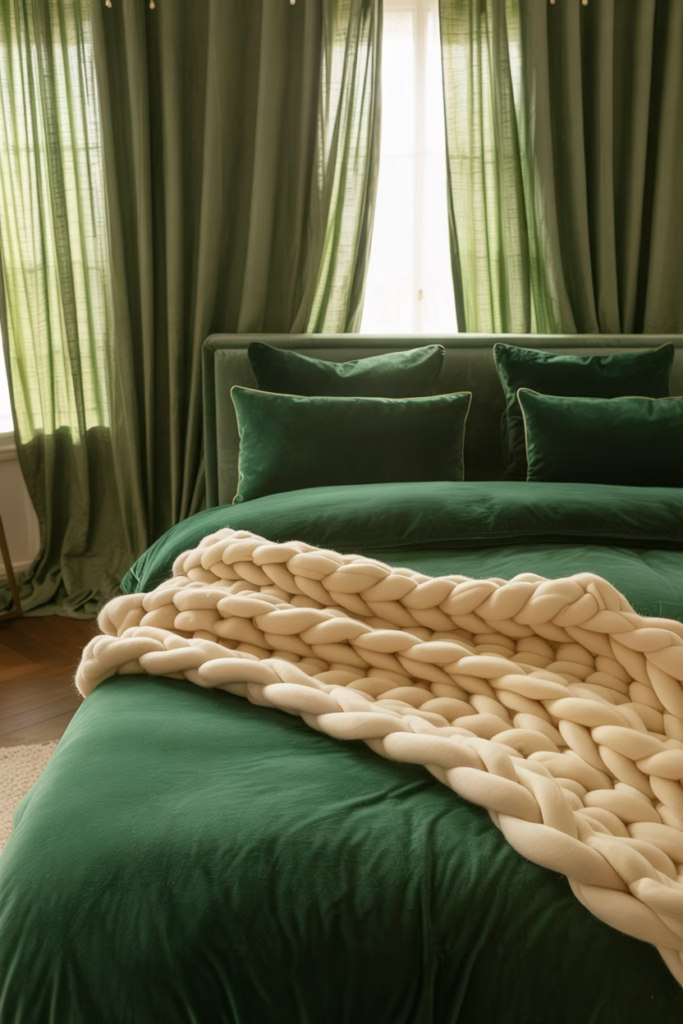
Flat surfaces are boring. Your green bedroom needs textural variation to feel cozy and inviting, and textiles are your best friend here.
Linen curtains in a slightly different shade of green than your walls add softness and light filtration. I’m obsessed with the natural wrinkles in linen—they add character and keep things from looking too precious. Plus, linen in green tones just screams “expensive” even when it’s not.
Velvet throw pillows or a velvet headboard bring luxury and depth. The way velvet catches light creates this beautiful variation in color that makes your green palette so much more interesting. I have a forest green velvet headboard, and the number of compliments it gets is honestly ridiculous.
Chunky knit blankets in cream or white draped at the foot of your bed add cozy texture while breaking up all that green. These work especially well in cooler months when you want that hygge feeling. The contrast between smooth green walls and chunky textiles creates visual interest without adding more color.
Design with Art and Accessories
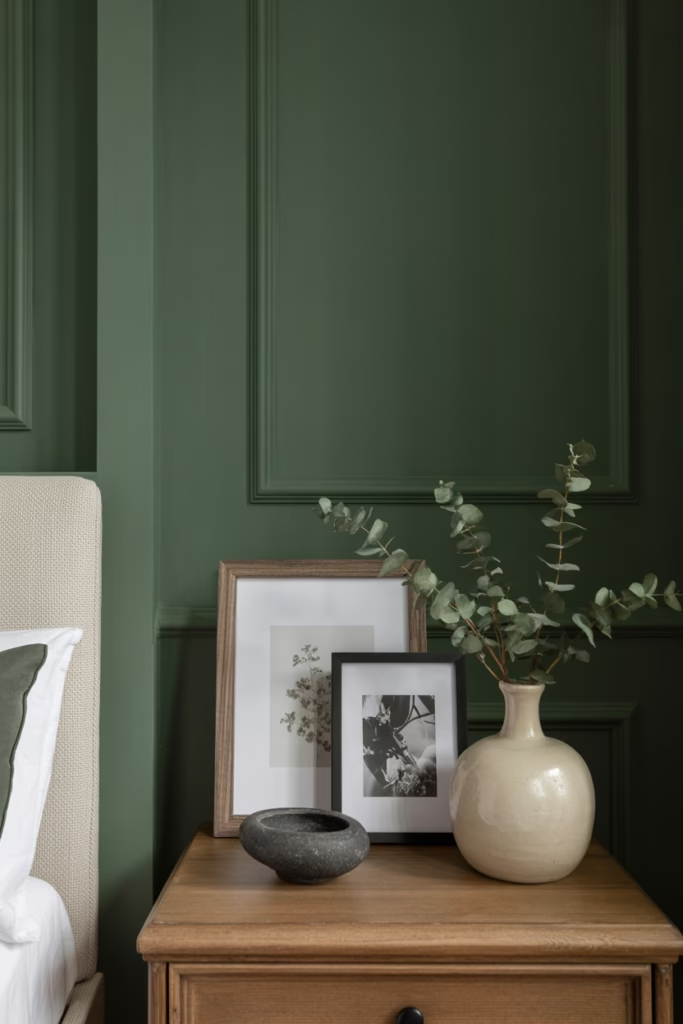
Your artwork and accessories should complement your green bedroom, not compete with it. This is where many people go wrong and end up with a cluttered, confused-looking space.
Botanical prints are the obvious choice and work beautifully, but make sure they’re high-quality and properly framed. Cheap botanical prints can make your space look like a doctor’s office waiting room. Invest in a few really good pieces rather than covering your walls with mediocre ones.
Black and white photography creates stunning contrast in green rooms. The simplicity of monochrome art lets your green walls shine while adding sophistication. I have a series of black and white landscape photos in my green bedroom, and they ground the space perfectly.
Sculptural objects in natural materials like wood, stone, or ceramic add three-dimensional interest. A wooden bowl, stone vase, or ceramic sculpture keeps your nightstand or dresser from looking flat and boring. These pieces reinforce that natural, organic vibe you’re creating with green.
Consider Green Furniture Pieces
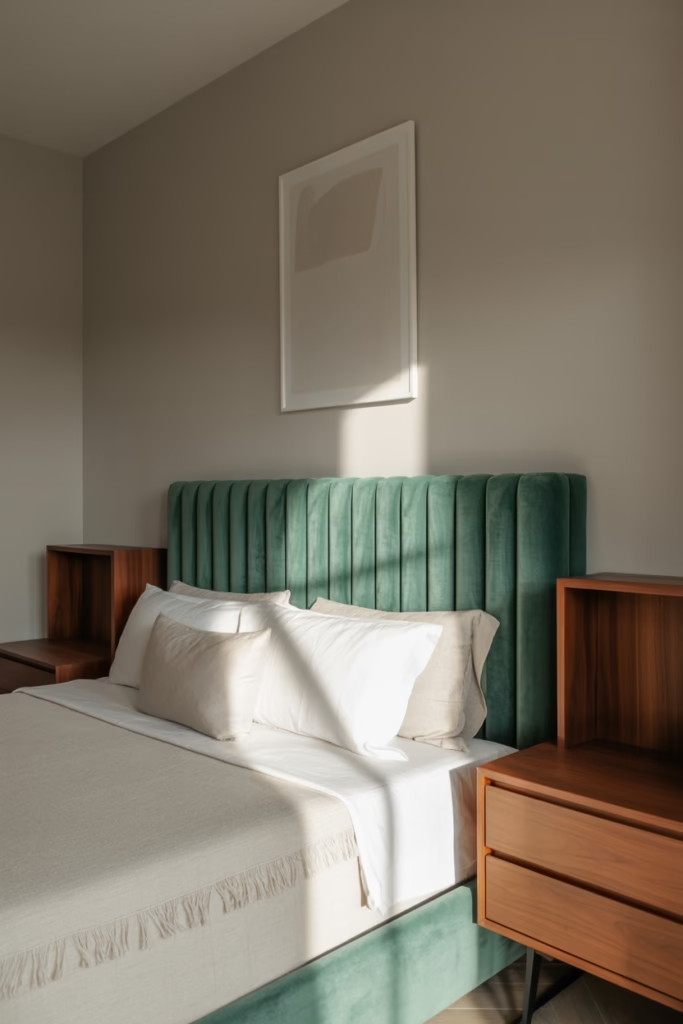
If painting walls green feels like too much commitment, start with furniture instead. This gives you flexibility to change things up without a full repaint situation.
A green upholstered headboard makes a massive statement without overwhelming the room. You get that pop of color exactly where you want it—behind the bed, the focal point of any bedroom. I’ve seen everything from sage linen to emerald velvet headboards, and they all work beautifully in different ways.
Green accent chairs create a cozy reading nook and add functional seating. A velvet green chair in the corner with a small side table and good reading lamp transforms an empty corner into your new favorite spot. Plus, you can easily swap out the chair if you get tired of green (though honestly, who gets tired of green?).
Painted dressers or nightstands in green add color at a more manageable scale. You can DIY this pretty easily with quality furniture paint. I painted a vintage dresser in a gorgeous forest green last summer, and it completely changed the vibe of my bedroom. It’s also way easier to replace or repaint a dresser than four walls.
Mix Green with Natural Wood Tones
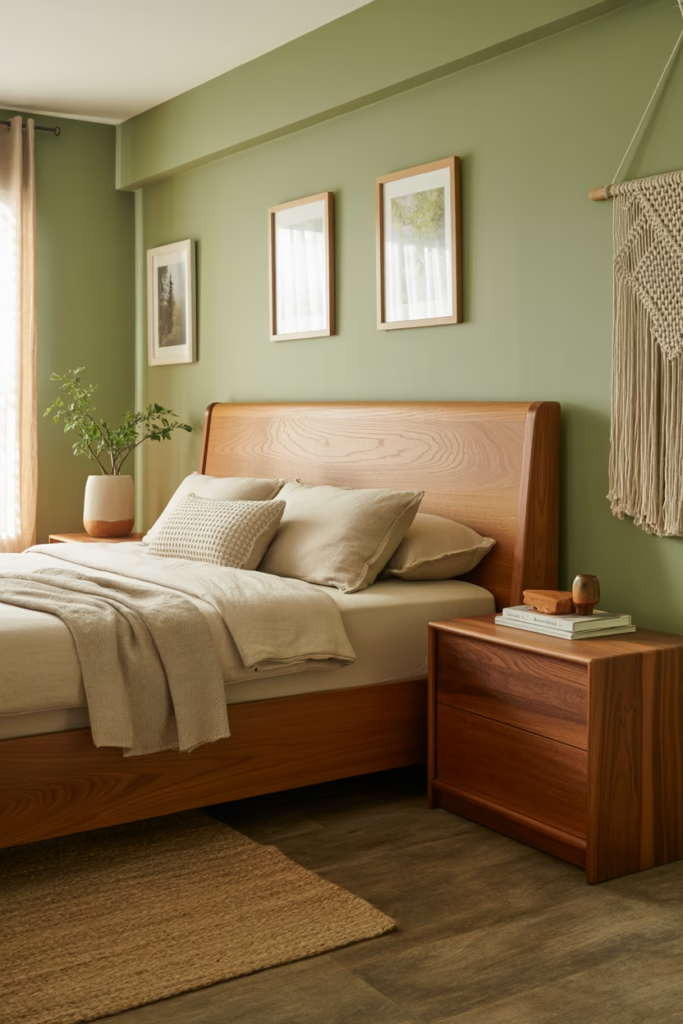
The combination of green and wood is basically foolproof. These materials complement each other in a way that feels effortless and organic.
Medium to dark wood furniture grounds green rooms and adds warmth. Walnut, cherry, or mahogany pieces create rich contrast against lighter green walls while feeling cohesive with darker greens. This combination gives you that expensive, curated look without trying too hard.
Light woods like oak, ash, or pine work beautifully with sage, mint, or seafoam greens. These lighter combinations feel airy, Scandinavian, and modern. If you’re going for that minimal, clean aesthetic, this is your formula.
Exposed wood beams or wood plank ceilings take things to the next level. If you’re lucky enough to have these architectural features, play them up. They add incredible texture and visual interest that makes green walls even more striking. I’m honestly jealous of anyone with wood beams—that’s the dream.
Play with Patterns
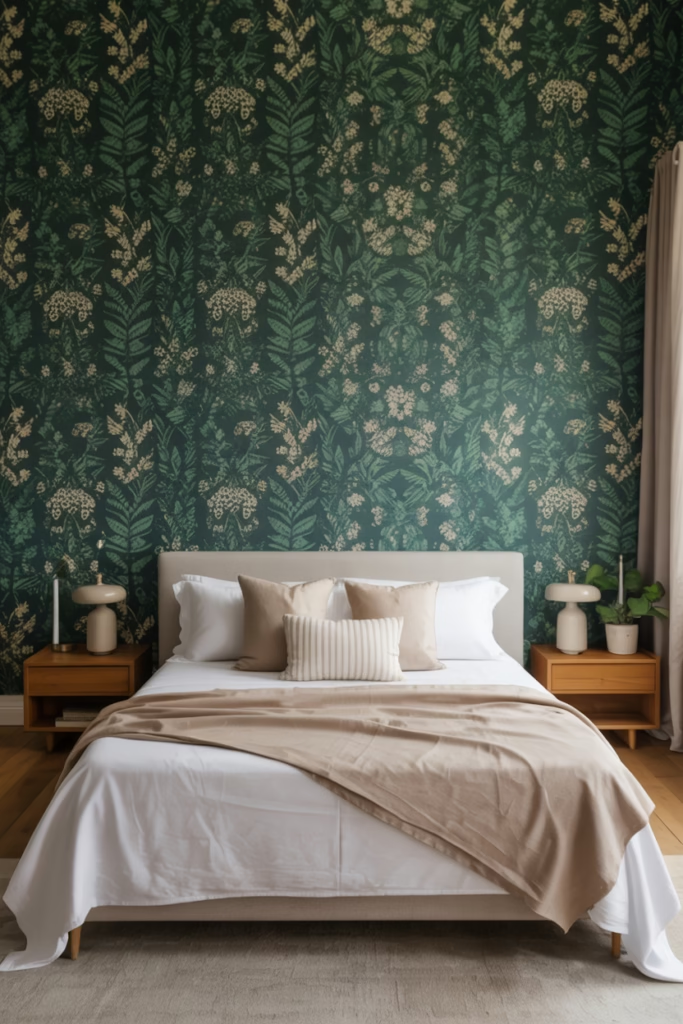
Solid green walls are beautiful, but patterns can add personality and visual complexity that takes your bedroom from nice to unforgettable.
Geometric patterns in varying shades of green create modern, graphic interest. Think hexagons, chevrons, or abstract shapes. These work especially well if your style leans contemporary. I’ve seen geometric green wallpaper that literally stopped me in my tracks—it was that good.
Floral patterns bring a romantic, traditional vibe to green bedrooms. Chinoiserie wallpaper with green backgrounds, vintage floral prints, or botanical illustrations all add softness and femininity. Just make sure the scale of the pattern works with your room size—huge florals in a tiny bedroom will eat the space alive.
Striped walls in two different green tones add height and interest without being too busy. Vertical stripes make low ceilings feel higher, while horizontal stripes can make narrow rooms feel wider. This is a subtle way to add pattern if bold prints scare you.
Create Contrast with Dark Accents
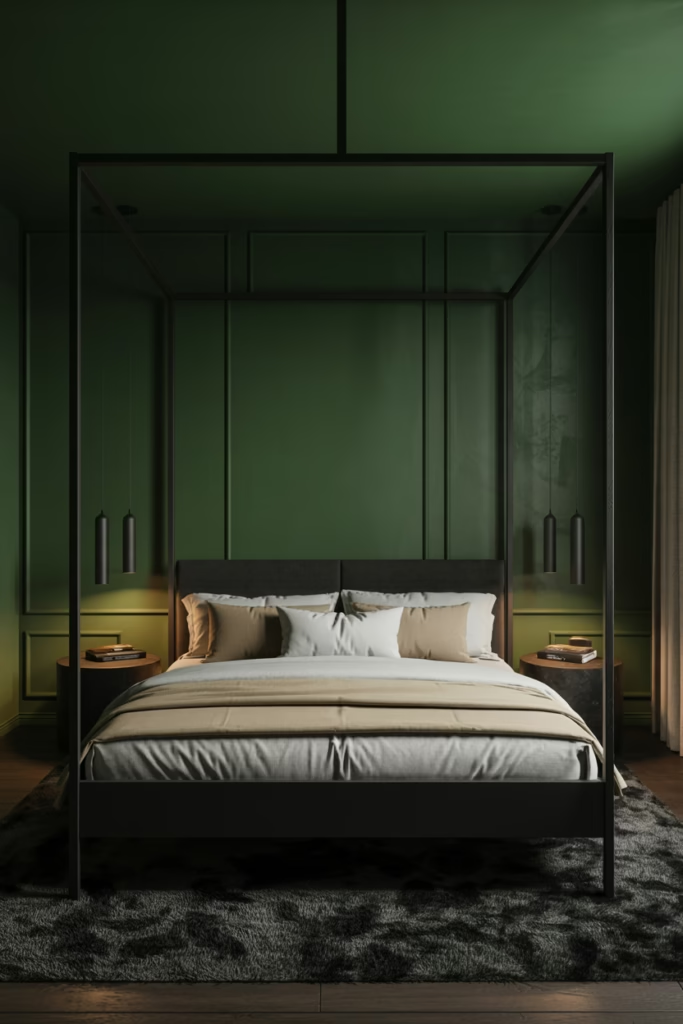
Green bedrooms sometimes need a bit of edge to avoid looking too soft or garden-like. Dark accents provide that necessary contrast.
Black window frames, light fixtures, or furniture pieces add definition and modernity. The crisp contrast between black and green feels intentional and sophisticated. I’m seeing this combination everywhere right now, and honestly, it’s not going anywhere anytime soon because it just works.
Charcoal gray bedding or curtains create a moodier, more dramatic vibe. This works especially well with darker greens like hunter or forest. The gray tones down the brightness of green while adding depth and complexity to your color scheme.
Dark wood stains in espresso or ebony bring richness without the starkness of pure black. These deeper wood tones feel more traditional but still provide that contrast you need to make green walls pop.
Balance Cool and Warm Tones
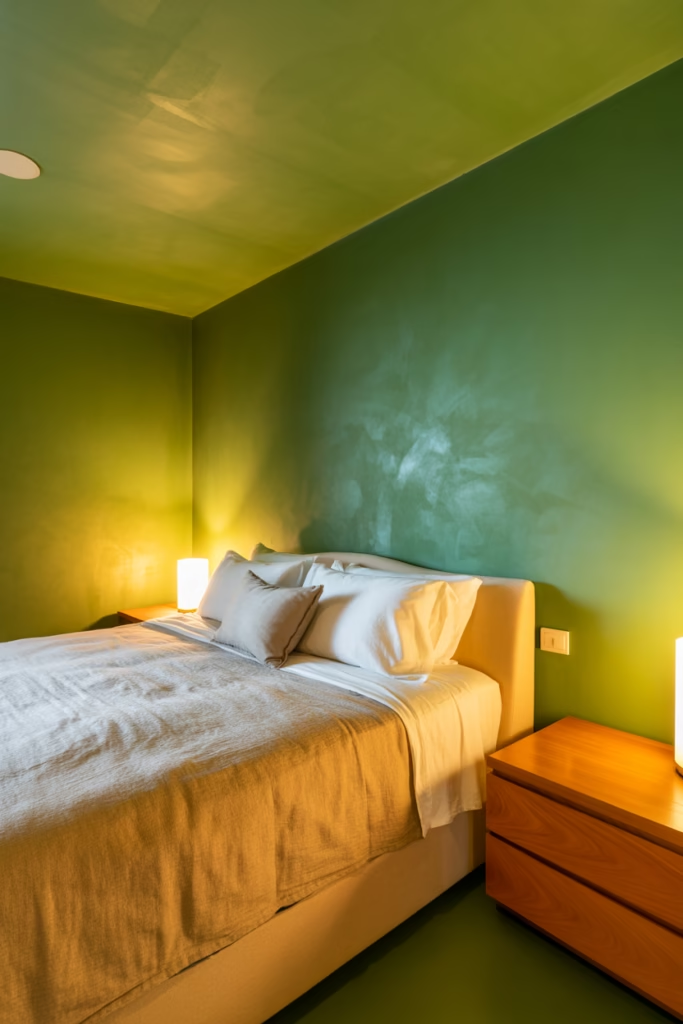
Green sits in this interesting middle zone between cool and warm, which means you can push it either direction based on what you pair it with.
Warm greens with yellow undertones (olive, sage with yellow bases) pair beautifully with terracotta, rust, and warm woods. This creates a cozy, earthy palette that feels grounded and inviting. I love this combination for fall and winter bedroom vibes.
Cool greens with blue undertones (seafoam, mint, teal-leaning greens) work better with grays, blues, and cooler metallics. This creates a fresh, spa-like atmosphere that’s perfect for hot summers or if you run warm at night (guilty as charged).
The key is choosing your green carefully based on the overall temperature you want in your bedroom, then sticking with either warm or cool accent colors. Mixing warm and cool elements gets tricky and often looks confused unless you really know what you’re doing.
Don’t Forget the Fifth Wall
Your ceiling is prime real estate that too many people ignore. In a green bedroom, the ceiling presents interesting opportunities.
White ceilings are classic and safe—they make the room feel taller and more open. This is your default choice if you’re unsure. Can’t really go wrong here, and it lets your green walls take center stage.
Painting the ceiling the same green as your walls creates a cocooning effect that feels intimate and cozy. This works incredibly well in bedrooms because you want that restful, enclosed feeling. Just make sure you have enough lighting to prevent it from feeling too dark or cave-like.
A lighter shade of your wall color on the ceiling provides subtle cohesion without the full wraparound effect. This is a nice middle ground if white feels too stark but matching feels too intense. It’s that Goldilocks zone that often works beautifully.
Conclusion
Creating a green master bedroom isn’t just about slapping some paint on the walls and calling it a day. It’s about layering shades, mixing textures, balancing colors, and creating a space that genuinely feels like your personal retreat. Whether you go all-in with forest green walls or start small with sage accessories, the key is making intentional choices that reflect your style.
Your bedroom is your space experiment, take risks, and don’t be afraid to paint over something if it doesn’t work. That’s the beauty of interior design; nothing is permanent unless you want it to be.
What shade of green are you leaning toward? Because once you start down this green bedroom path, there’s no going back—and trust me, you won’t want to.