
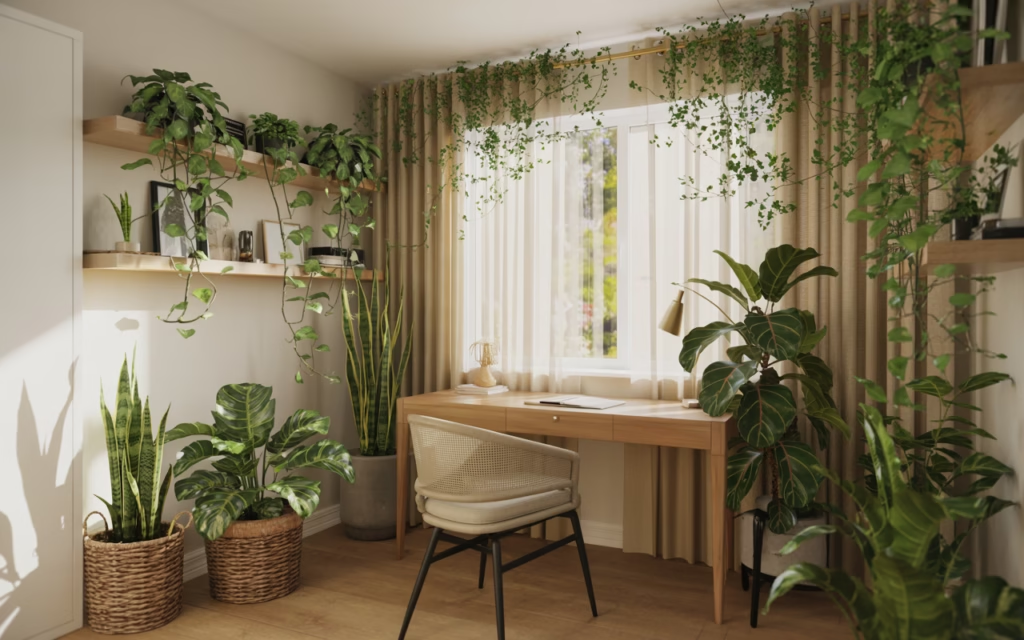
Do you ever sit down to work and instantly feel tired, distracted, and mildly annoyed at everything on your desk? Your home office can do that to you. A messy corner with harsh lighting and zero storage basically begs your brain to procrastinate.
I learned the hard way that your workspace sets the tone for your whole day. So let’s fix that with 16 beautiful home office ideas that boost focus, look amazing, and don’t require you to become a furniture expert overnight.
Why Your Home Office Setup Actually Matters
Ever notice how you feel more productive in certain spaces? That’s not just in your head. Your environment affects everything—your mood, your focus, even how quickly you burn out. I used to think it was ridiculous to care about aesthetics when I was just answering emails, but then I realized I was spending 8+ hours a day staring at beige walls and a pile of random cables. Not exactly inspiring, right?
A well-designed home office doesn’t mean you need to spend thousands on designer furniture. It’s about creating a space that makes you feel good, keeps you organized, and doesn’t make you want to crawl back into bed five minutes into your workday.
The Minimalist Sanctuary
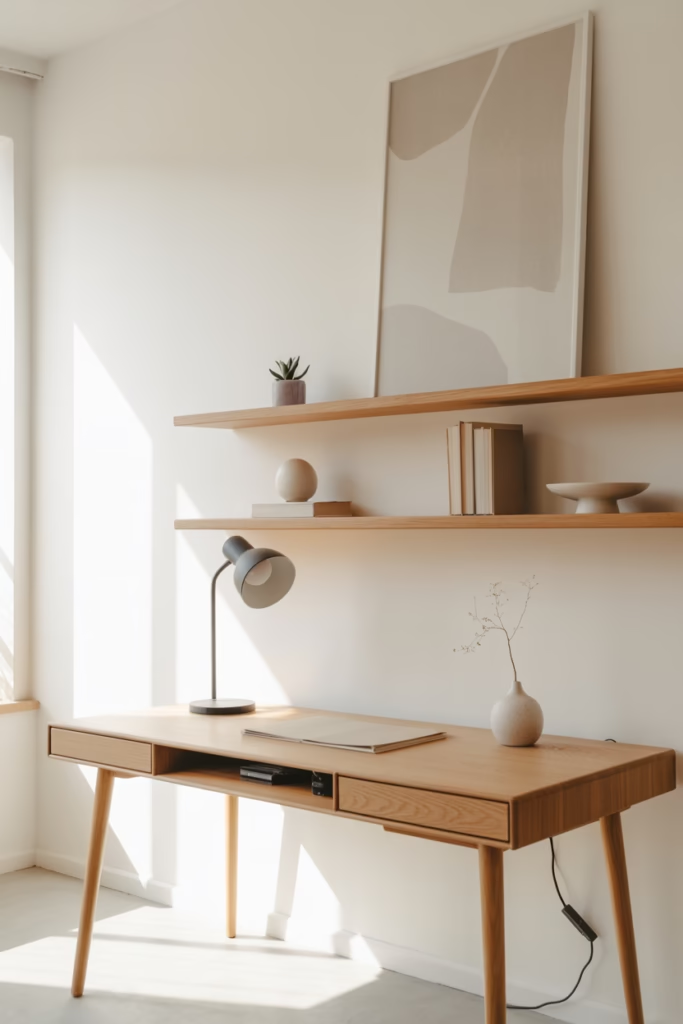
Clean lines, clear mind—that’s the philosophy here. I’m a big fan of minimalist offices because they force you to be intentional about what you keep around. When you’ve only got the essentials, there’s less visual clutter competing for your attention.
Think white walls, a sleek wooden desk, and maybe one statement piece like a sculptural lamp or a single plant. The beauty is in what you don’t have. No random papers scattered around, no half-empty coffee mugs (okay, maybe one), and definitely no cable chaos.
Here’s what makes a minimalist office work:
- A floating desk to maximize floor space
- Hidden storage solutions like wall-mounted cabinets
- Neutral color palette—whites, grays, and natural wood tones
- One or two carefully chosen decorative items
- Cable management systems that actually hide the wires
The trick is discipline. FYI, minimalism isn’t just an aesthetic—it’s a daily practice of not letting random stuff accumulate on every surface.
The Plant Parent’s Paradise
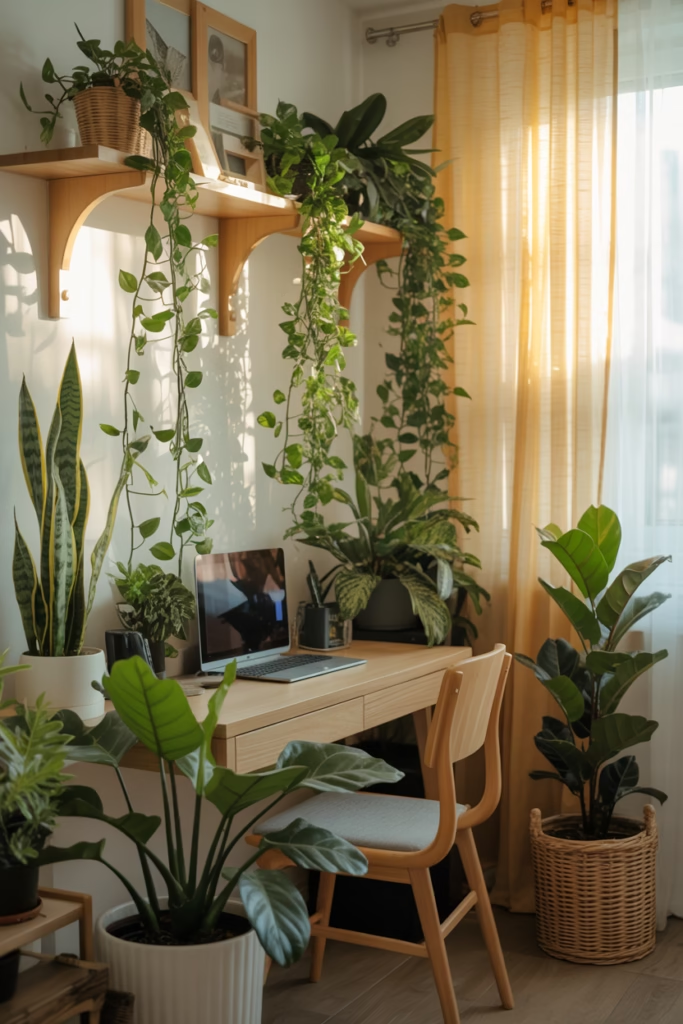
If you’re anything like me, you’ve probably killed at least three succulents and convinced yourself you’re not a plant person. But hear me out: a plant-filled office is a game-changer. Plants improve air quality, reduce stress, and give you something living to talk to when the workday gets weird.
I transformed my space by adding plants on floating shelves, a fiddle leaf fig in the corner (still alive, miraculously), and some pothos cascading down from the bookshelf. The green instantly made everything feel more alive and less like a corporate prison cell.
Start with low-maintenance options if you’re nervous:
- Pothos (literally thrives on neglect)
- Snake plants (I water mine like once a month)
- ZZ plants (almost indestructible)
- Spider plants (they actually like being ignored)
Pro tip: Group plants at different heights to create visual interest. One massive floor plant, a few medium-sized ones on your desk, and trailing plants on shelves create this layered, jungle-ish vibe that’s surprisingly sophisticated.
The Vintage Charm Setup
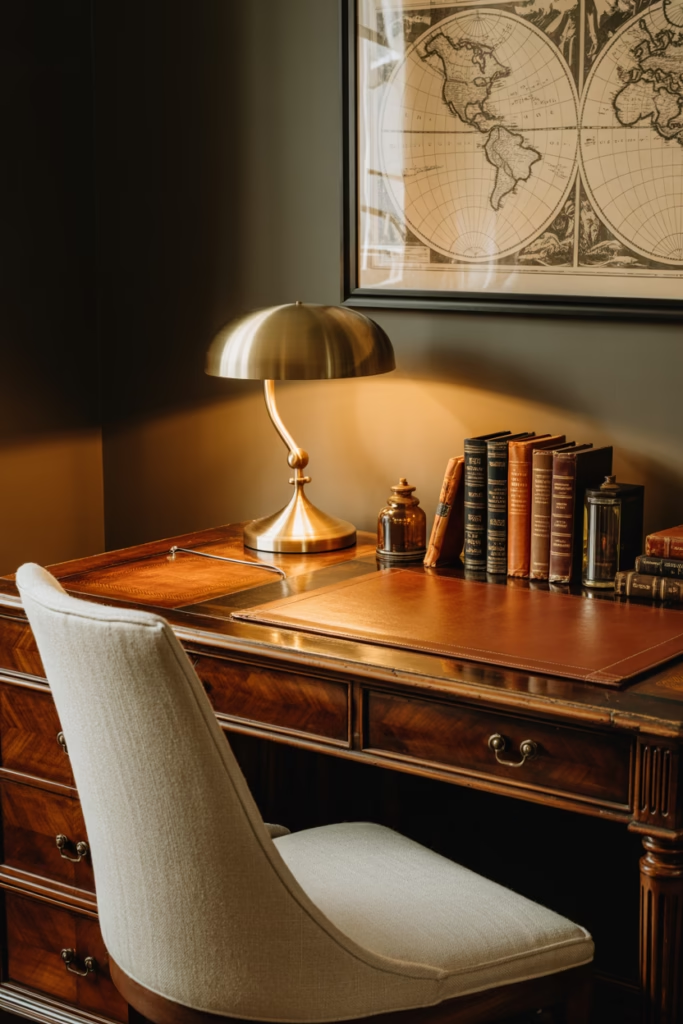
There’s something about mixing old and new that just works. I stumbled into this style accidentally when I found a beautiful antique wooden desk at a thrift store for like $80. Paired it with a modern ergonomic chair and some vintage brass accessories, and suddenly my office had personality.
Vintage doesn’t mean outdated or stuffy—it means character. Think leather desk pads, antique brass lamps, old books as decorative elements, and maybe a vintage typewriter (even if you never use it).
What I love about this approach:
- Every piece has a story
- You’re not competing with everyone’s identical IKEA setups
- Thrift stores and estate sales become treasure hunts
- Mixing eras creates unexpected visual interest
The key is balance. Too much vintage and you’re in grandma’s attic. Too much modern and you lose the charm. I usually go for about 60% modern functionality with 40% vintage aesthetics.
The Gallery Wall Workspace
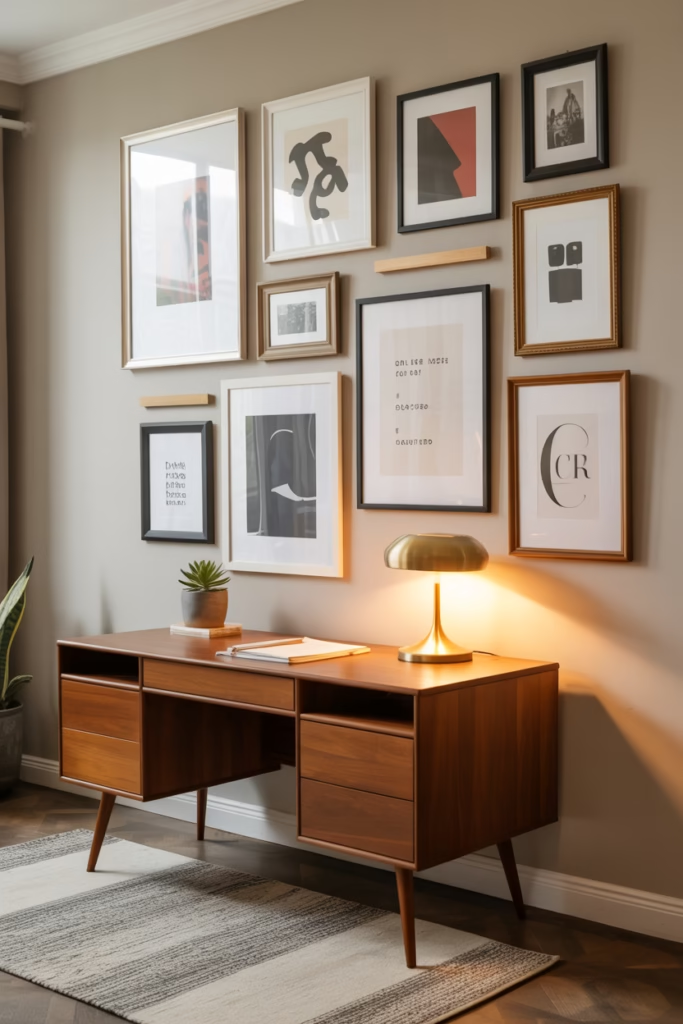
Why should your walls be boring? I spent months staring at blank walls before I realized I could literally put anything on them. A gallery wall turns your office into a personal art museum, and it’s ridiculously customizable.
I mixed framed art prints with personal photos, motivational quotes (yeah, I’m that person), and even some 3D elements like small shelves with tiny objects. The whole thing cost maybe $150, and I switched pieces around whenever I got bored.
Here’s how to nail it:
- Start with the largest frame in the center or slightly off-center
- Work outward with smaller pieces
- Keep consistent spacing between frames (2-3 inches works well)
- Mix frame styles but stick to a cohesive color palette
- Include different types of art—photos, prints, typography
IMO, the biggest mistake people make is buying everything at once and perfectly planning it out. I built mine over time, adding pieces as I found things I loved. It feels more authentic that way.
The Standing Desk Revolution
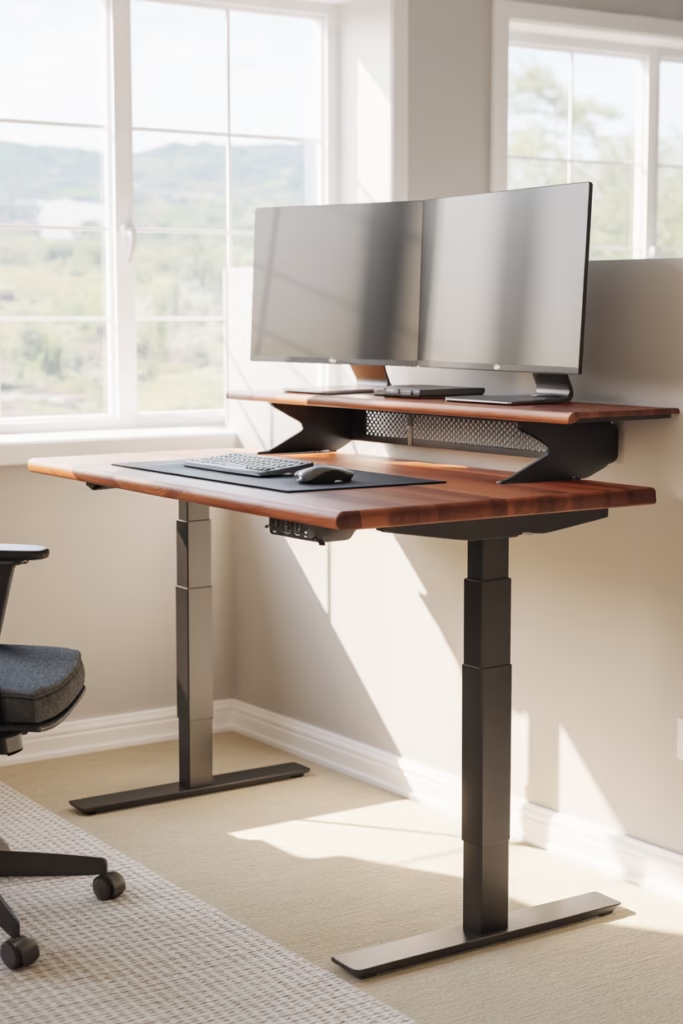
Okay, confession time: I resisted standing desks for way too long. I thought they were trendy nonsense until my lower back started screaming at me every afternoon. Now I can’t imagine working without the option to stand.
You don’t need a fancy electric desk (though they’re nice). I started with a simple desktop riser that I could put my laptop on, and it made a massive difference. The ability to switch positions throughout the day is legitimately life-changing.
Benefits I actually noticed:
- Less afternoon energy crash
- Better posture (when I remember to think about it)
- Reduced lower back pain
- More flexibility in how I work
The trick is alternating. I’m not standing all day like some kind of productivity robot. I’ll work standing for 45 minutes, then sit for an hour, then stand again. Find your rhythm and don’t force yourself into discomfort.
The Cozy Nook Office
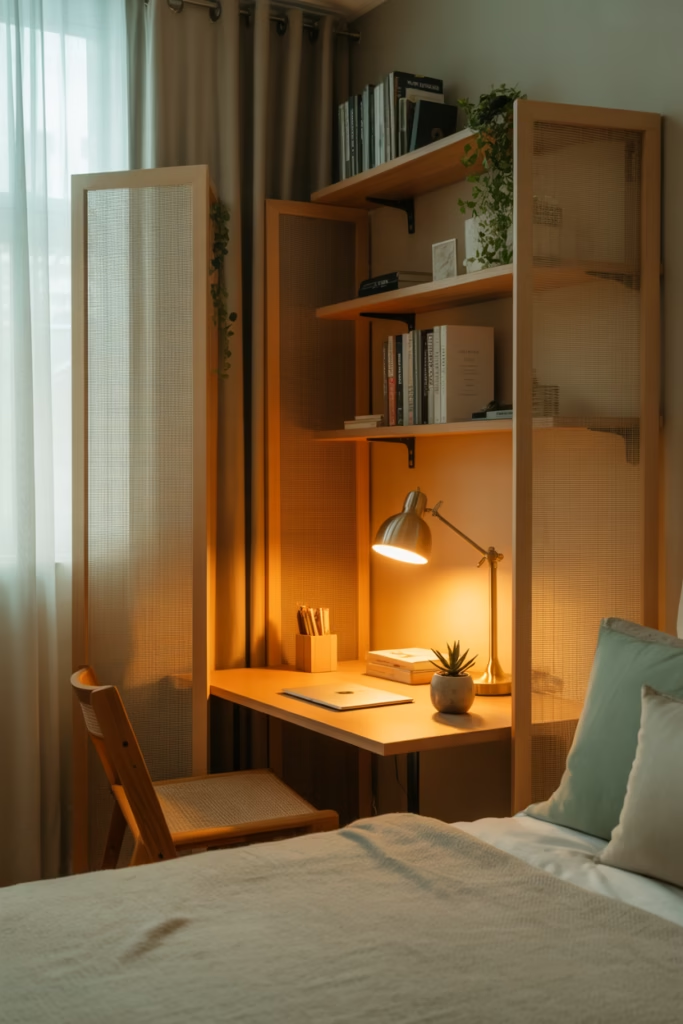
Not everyone has a dedicated room for an office, and honestly? Some of the best workspaces I’ve seen are clever little nooks carved out of existing rooms. Think under-stairs spaces, converted closets, or a corner of your bedroom with a room divider.
I helped a friend transform her bedroom corner into a functional office using a folding screen, a small desk, and strategic lighting. The divider created psychological separation between “work zone” and “sleep zone,” which actually helped her disconnect at the end of the day.
Making a small space work:
- Use vertical space with wall-mounted shelves
- Choose furniture that’s scaled appropriately
- Light colors make spaces feel larger
- Add a small rug to define the area
- Get creative with storage (under-desk drawers, wall organizers)
The beauty of a nook office is that it forces you to be selective. You literally can’t accumulate unnecessary stuff because there’s nowhere to put it 🙂
The Dark and Moody Aesthetic
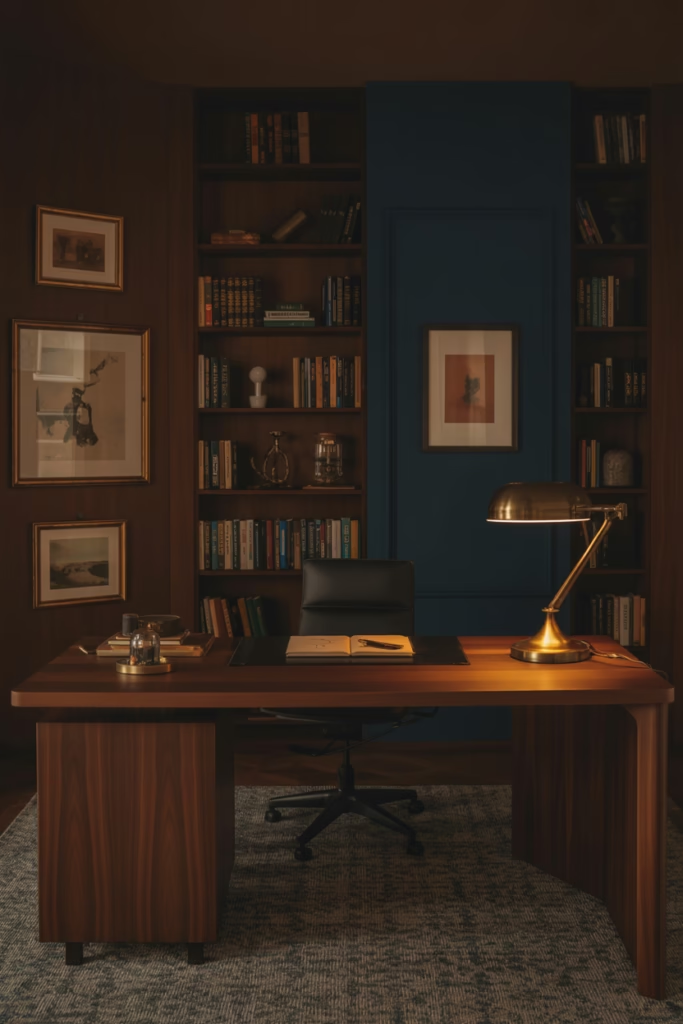
Who says home offices have to be bright and airy? Dark walls can create an incredibly sophisticated, focused atmosphere—especially if you do a lot of creative work or need that cocooned feeling to concentrate.
I was terrified to paint one wall in my office dark navy, but it ended up being my favorite design decision. Paired with warm lighting, brass accents, and lighter furniture, it creates this really intimate, focused vibe that makes work feel less like work.
How to pull off dark walls without making it feel like a cave:
- Balance dark walls with lighter furniture
- Layer your lighting (overhead, task lighting, ambient)
- Add reflective surfaces like mirrors or metallic accents
- Keep one wall lighter if you’re nervous about commitment
- Use rich, saturated colors rather than flat blacks
Warm-toned lighting is crucial here. Cool white lights will make a dark room feel cold and depressing, but warm bulbs create this cozy, library-like atmosphere that’s actually really conducive to focused work.
The Natural Light Haven
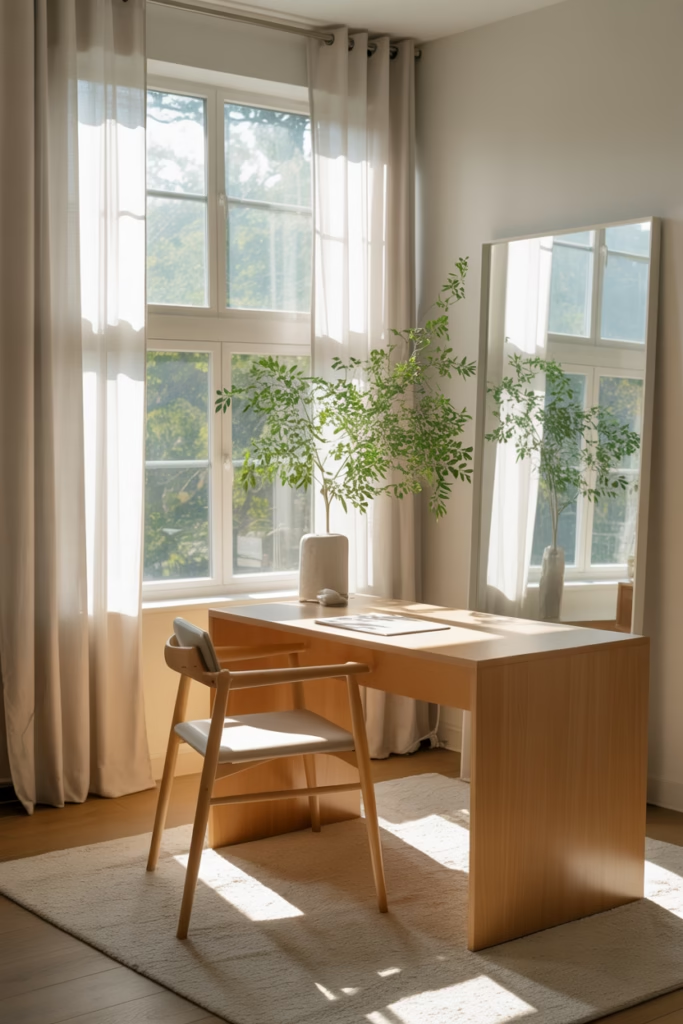
If you’re lucky enough to have great natural light, for the love of everything, use it. I’ve worked in windowless offices and offices with floor-to-ceiling windows, and the difference in my mood and productivity was night and day.
Position your desk perpendicular to windows rather than facing them directly (reduces glare on screens). I learned this the hard way after spending three months squinting at my laptop like I was staring into the sun.
Maximizing natural light:
- Use sheer curtains for privacy without blocking light
- Keep window areas clear of clutter
- Add mirrors to reflect and amplify light
- Choose lighter paint colors that bounce light around
- Avoid heavy, dark curtains that block precious sunshine
Fun fact: natural light regulates your circadian rhythm better than artificial light, which means better sleep and more consistent energy levels. So yeah, that window isn’t just pretty—it’s functional.
The Tech-Forward Smart Office
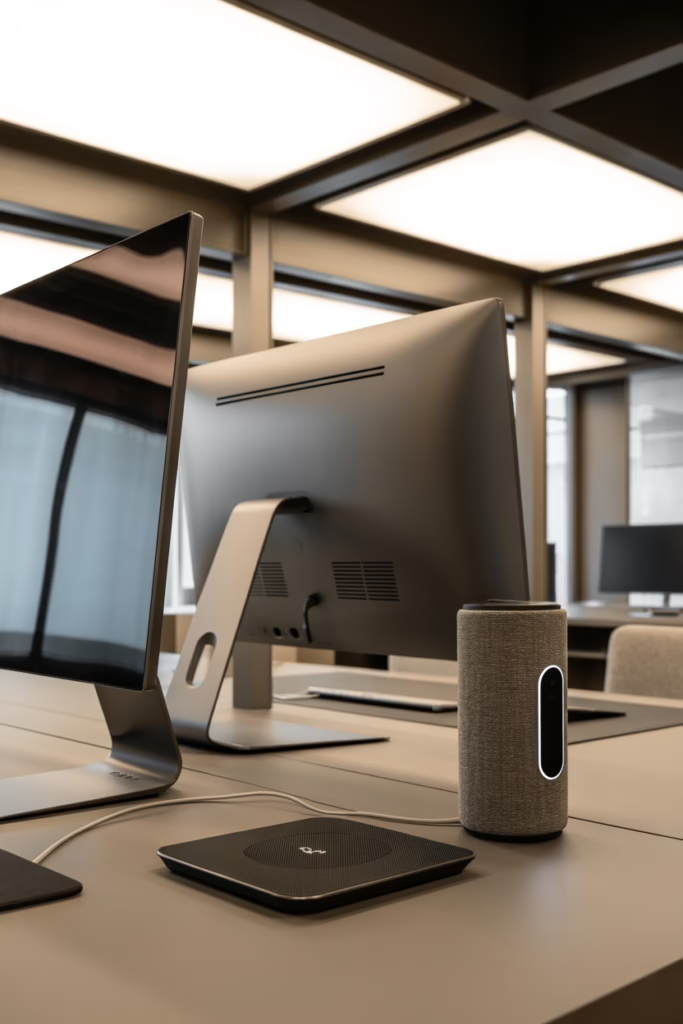
I’m going to admit something potentially embarrassing: I got way too excited about smart home integration in my office. Voice-controlled lights, automated blinds, wireless charging built into my desk—the whole nerdy setup.
But here’s the thing—when it works, it genuinely improves your workflow. I can adjust lighting without getting up, my standing desk reminds me to change positions, and my smart plug turns off all my electronics at night so I’m not wasting energy.
Tech upgrades that actually matter:
- Quality monitor (your eyes will thank you)
- Ergonomic keyboard and mouse
- Wireless charging pad for your desk
- Smart lighting with adjustable color temperature
- Cable management solutions (unsexy but crucial)
- Good speakers or noise-canceling headphones
You don’t need to go full tech bro about it, but investing in quality technology makes daily work so much smoother. That $20 keyboard from 2015 might still work, but it’s probably not doing your wrists any favors.
The Dual-Purpose Space
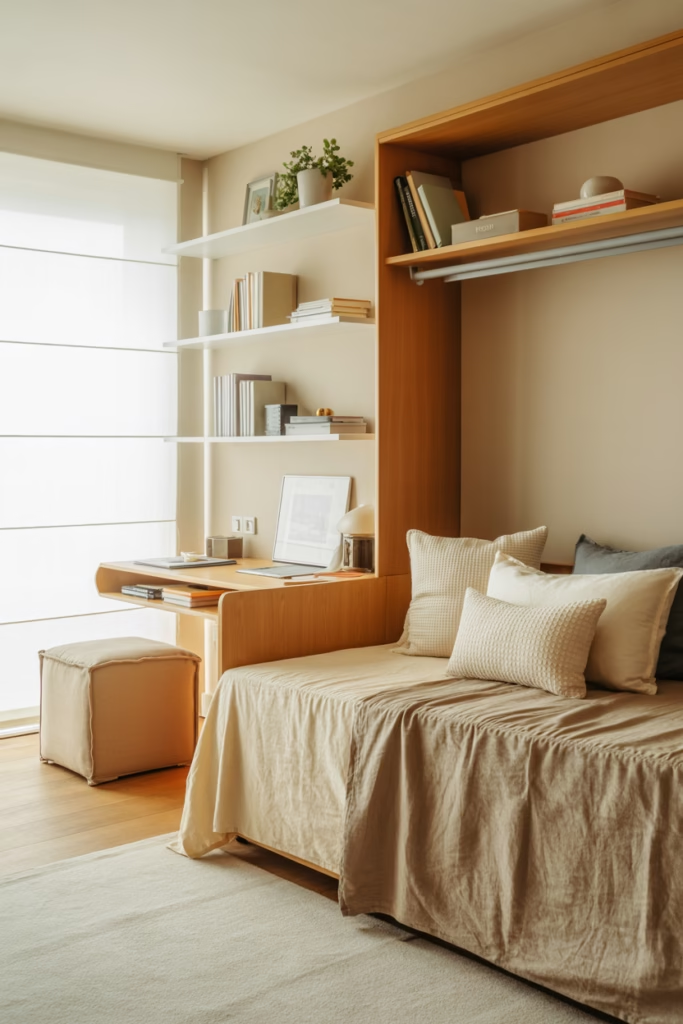
Reality check: most of us don’t have unlimited square footage. Sometimes your office needs to double as a guest room, craft space, or yoga studio. The trick is designing for flexibility rather than committing to one single function.
I’ve seen brilliant dual-purpose setups—murphy desks that fold up when not in use, daybeds that function as seating during work hours, and modular furniture that reconfigures based on needs.
Making dual-purpose work:
- Choose furniture with multiple functions
- Use room dividers or curtains to change the vibe
- Keep work items portable and easy to put away
- Design with both uses in mind from the start
- Invest in good storage that hides work stuff quickly
The key is intentional design. A room that’s trying to be everything and succeeds at nothing is just frustrating. Pick your two functions and optimize for those specifically.
The Colorful Creative Space
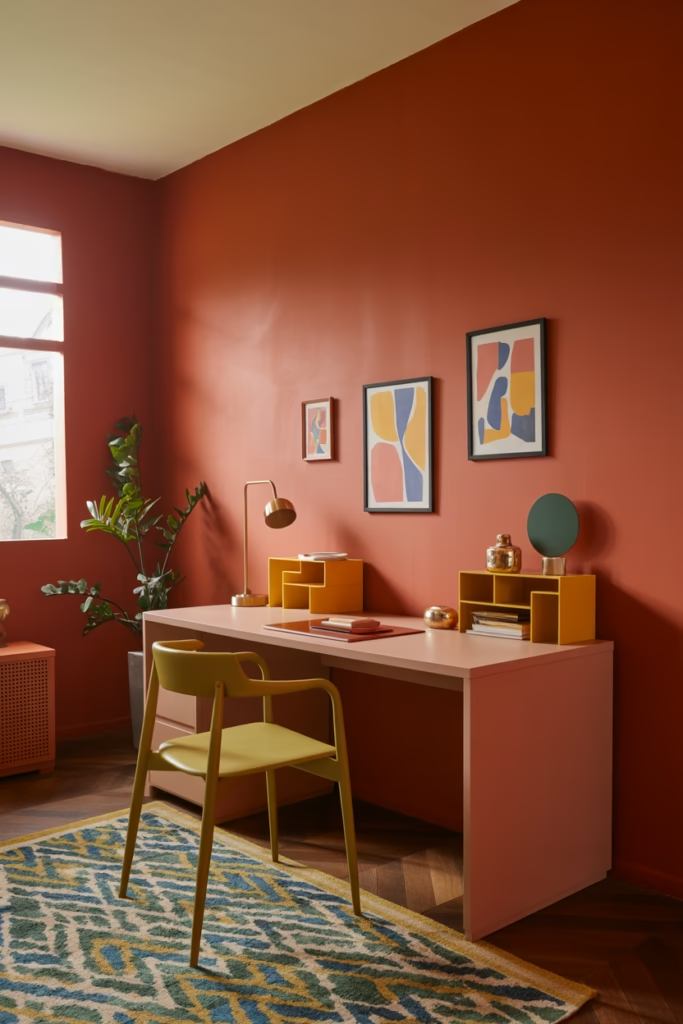
If neutral tones make you want to nap, inject some personality with color. I’m talking accent walls, colorful furniture, vibrant art—your office should energize you, not lull you into a productivity coma.
I went with a terracotta accent wall and added pops of mustard yellow and forest green through accessories. The colors genuinely affect my mood—I feel more creative and energized in there compared to my old all-white space.
Working with color:
- Start with one accent wall if you’re nervous
- Use the 60-30-10 rule (60% dominant color, 30% secondary, 10% accent)
- Pull colors from artwork or a rug you love
- Consider color psychology (blues for calm, yellows for energy, greens for balance)
- Don’t forget texture—it adds visual interest beyond just color
Pro tip from my mistakes: test paint samples before committing. That perfect coral you loved at the store might look neon pink in your actual lighting. Learn from my pain.
The Organized Maximalist
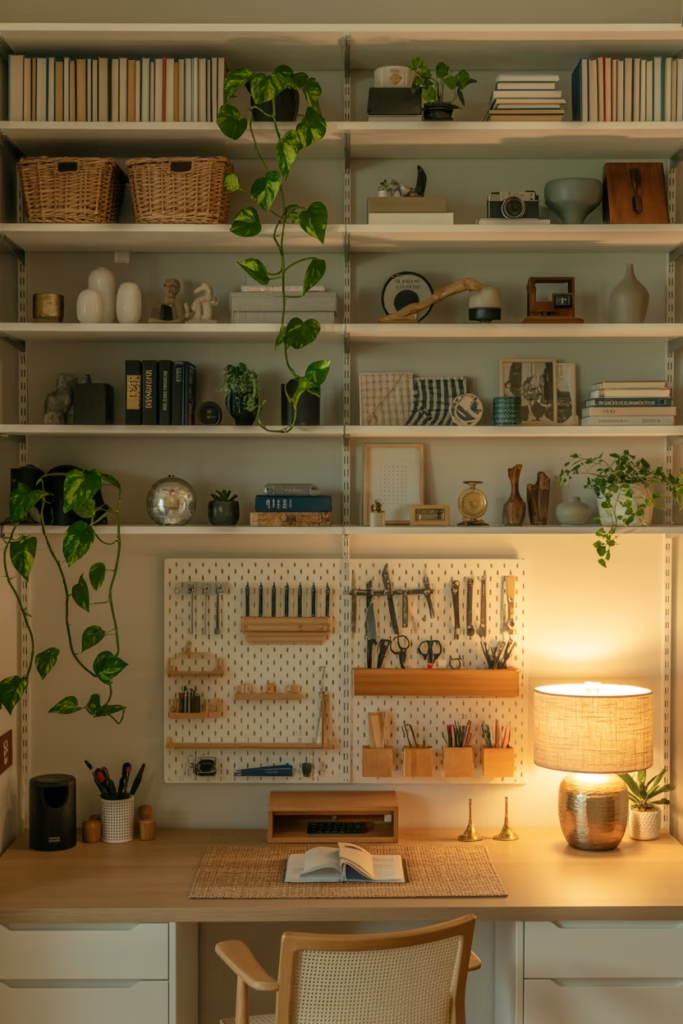
Minimalism isn’t for everyone. Some of us need our stuff visible and accessible, and that’s totally fine. Maximalism, done right, is organized chaos—lots of visual interest but still functional.
Think open shelving with carefully curated objects, pegboards with tools and supplies, and surfaces that have things on them but in an intentional way. I’ve seen offices packed with books, plants, art supplies, and collections that feel inspiring rather than cluttered.
Making maximalism work:
- Everything needs a designated spot
- Use containers and organizers religiously
- Stick to a cohesive color scheme even with lots of stuff
- Group similar items together
- Regularly edit—if something doesn’t serve or spark joy, it goes
The difference between maximalist and messy is intentionality. Each item should be there for a reason, whether functional or because it genuinely makes you happy.
The Industrial Edge
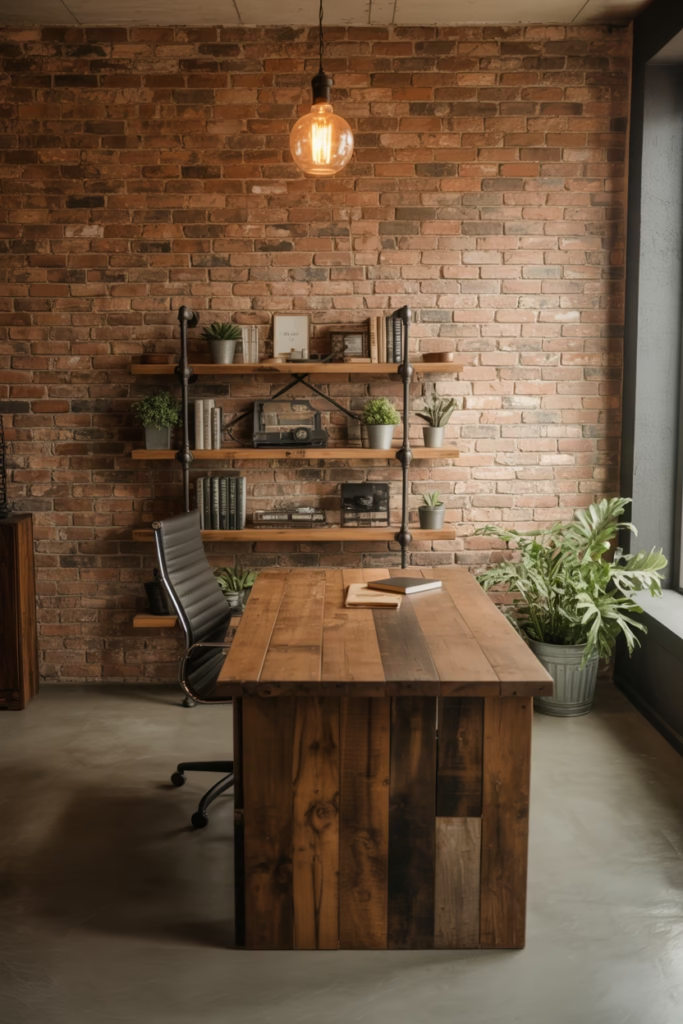
Exposed brick, metal accents, concrete elements—the industrial look brings serious character to a home office. It’s especially great if you’re working with a loft space or older building with architectural quirks.
I added industrial pipe shelving in my office (DIY project that cost maybe $100), and it completely changed the vibe. Paired with a reclaimed wood desk and Edison bulb lighting, it feels like a creative studio rather than a corporate box.
Industrial elements to incorporate:
- Metal desk legs or shelving
- Edison bulbs or industrial-style light fixtures
- Exposed brick (or brick wallpaper if you’re renting)
- Concrete or distressed wood surfaces
- Black metal accents and hardware
The warmth comes from layering. Industrial can feel cold and harsh, so I balance it with warm wood tones, soft textiles like a cozy rug, and plenty of plants. It’s edgy but not uncomfortable.
The Scandinavian Simplicity
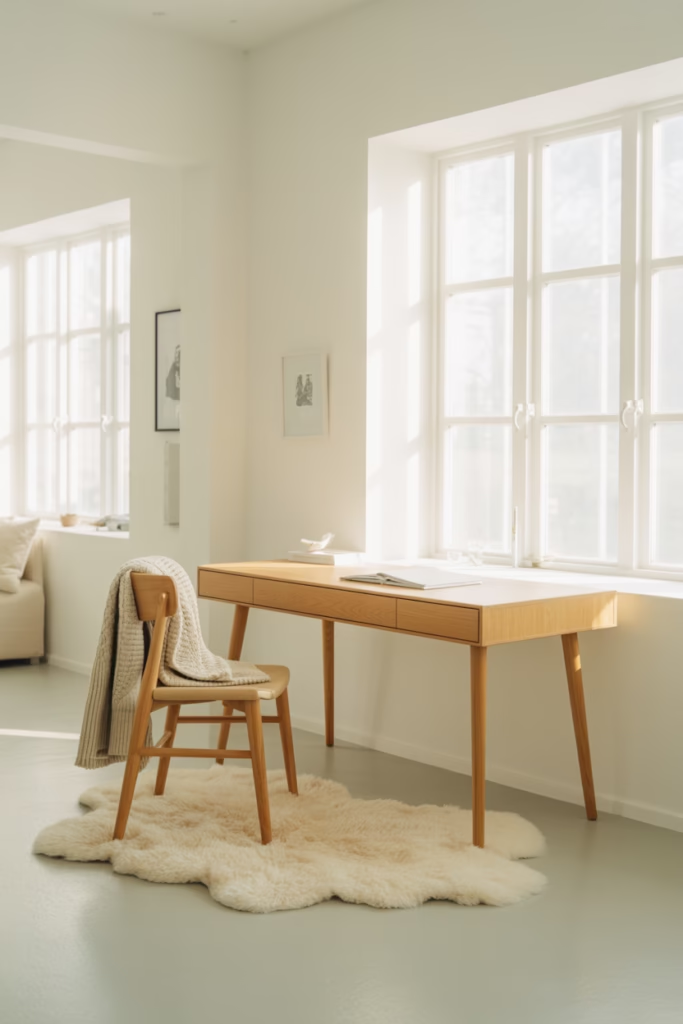
There’s a reason Scandinavian design is everywhere—it’s clean, functional, and somehow makes you feel calm just looking at it. Light wood, white walls, cozy textiles, and that hygge feeling that’s impossible to explain but you know it when you feel it.
I borrowed heavily from Scandi design for my office refresh: light oak desk, white walls, sheepskin rug, and plenty of candles (because apparently that’s mandatory). The result is a space that feels both productive and peaceful.
Key Scandinavian elements:
- Light, natural wood furniture
- White or light gray walls
- Minimal decoration with maximum impact
- Cozy textiles (think chunky knit blankets)
- Lots of natural light and simple window treatments
- Functional storage that’s also beautiful
The Scandinavian approach prioritizes functionality above all else. If it doesn’t serve a purpose, it probably doesn’t belong. But unlike minimalism, there’s warmth and coziness baked into the aesthetic.
The Personal Library Office
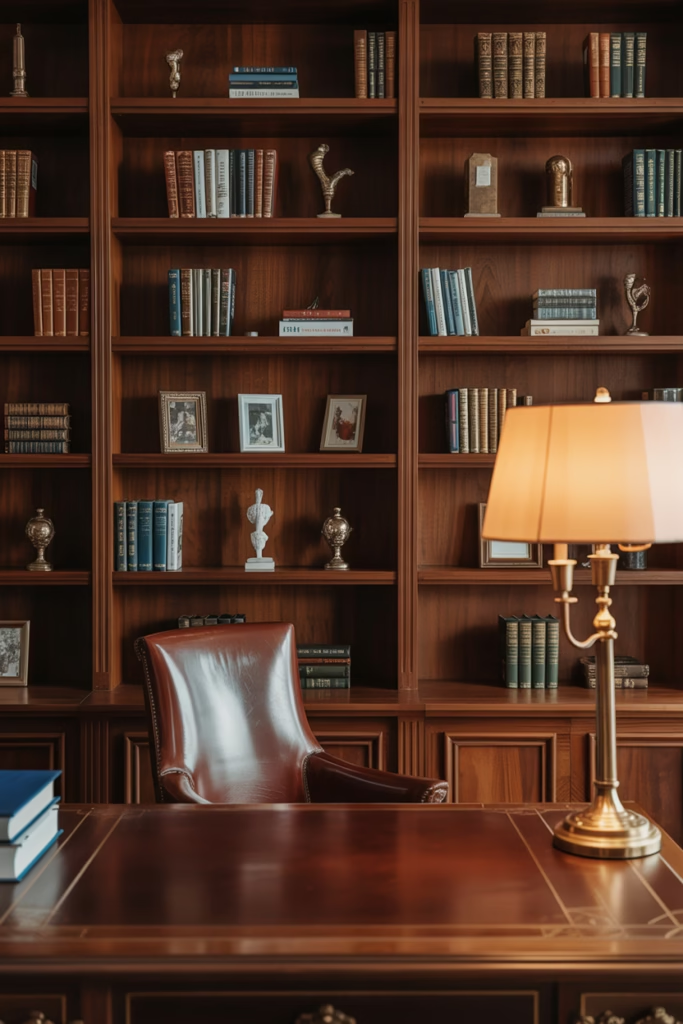
If you’re a book person (guilty), why not make them the star of your office? Floor-to-ceiling bookshelves create instant sophistication and give you something genuinely interesting to look at during those endless Zoom calls.
I built my own library wall using IKEA units (shh, don’t tell anyone it’s not custom), and it completely transformed the space. Books organized by color look amazing, though I’ll admit I sometimes can’t find what I’m looking for because I forgot if I filed it under blue or green.
Creating a library office:
- Invest in sturdy shelving that won’t sag under book weight
- Mix books with decorative objects to break up the monotony
- Use book ends that actually look nice
- Consider organizing by color for visual impact
- Add a reading chair if space allows
Books aren’t just decor—they’re insulation, sound dampening, and conversation starters. Plus, there’s something deeply satisfying about being surrounded by knowledge, even if half of them are unread. (We’ve all got that stack.)
The Budget-Friendly DIY Space
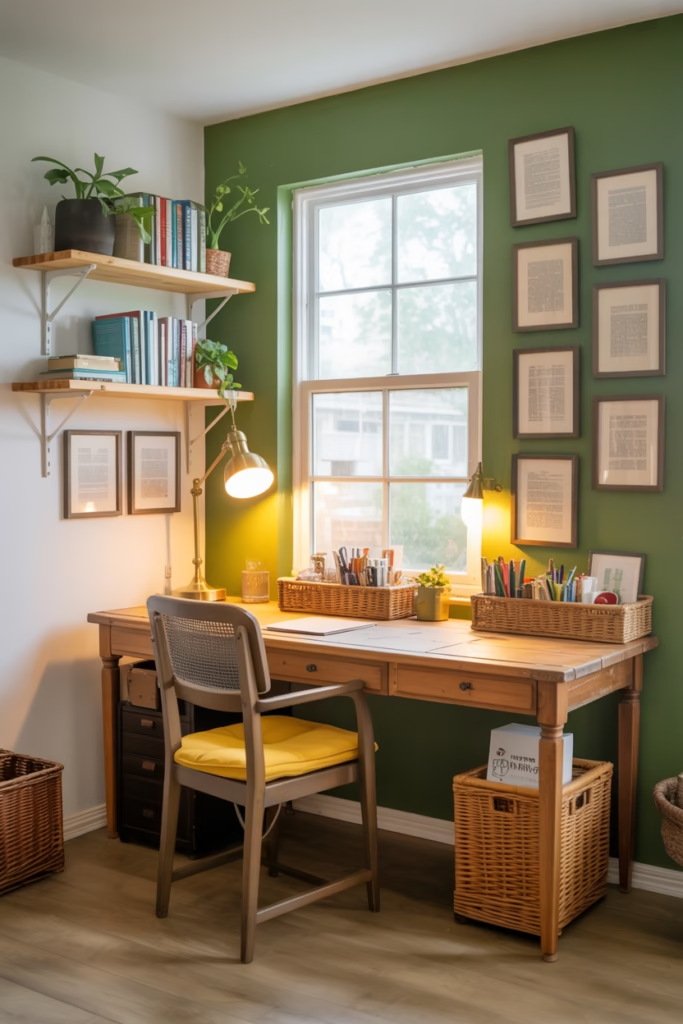
Here’s the truth nobody tells you: you don’t need a ton of money to create a beautiful office. Some of my favorite spaces I’ve seen were done on shoestring budgets with creativity and elbow grease.
My first proper office makeover cost under $300. I painted walls myself, built shelves from scrap wood, found my desk at a thrift store, and made art by framing pages from old books. Was it featured in Architectural Digest? No. Did it make me happy and productive? Absolutely.
Budget-friendly strategies:
- Thrift and secondhand furniture (solid wood pieces especially)
- DIY artwork (seriously, anyone can frame pretty things)
- Paint makes the biggest impact for the least money
- Repurpose items from other rooms
- Free furniture from Facebook Marketplace or Craigslist
- Focus budget on one quality piece and budget everything else
The best part about DIY is that your space has personality that cookie-cutter designer offices never will. Plus, you learn actual skills instead of just throwing money at problems.
Final Thoughts
Creating a beautiful home office isn’t about following trends or copying someone’s Pinterest board exactly. It’s about figuring out what actually makes you feel good, productive, and maybe even excited to start your workday. Whether you’re vibing with moody dark walls, can’t get enough plants, or just want a clean minimalist setup where you can actually think—there’s no wrong answer.
I’ve tried probably half of these ideas in various iterations of my workspace, and honestly? The best office is the one that evolves with you. Start with what you’ve got, make one change at a time, and don’t stress about perfection. Your office should be a space that supports your work and reflects your personality—not some sterile showroom that you’re afraid to actually use.
Now, what’s stopping you from making that one change you’ve been thinking about? 🙂