
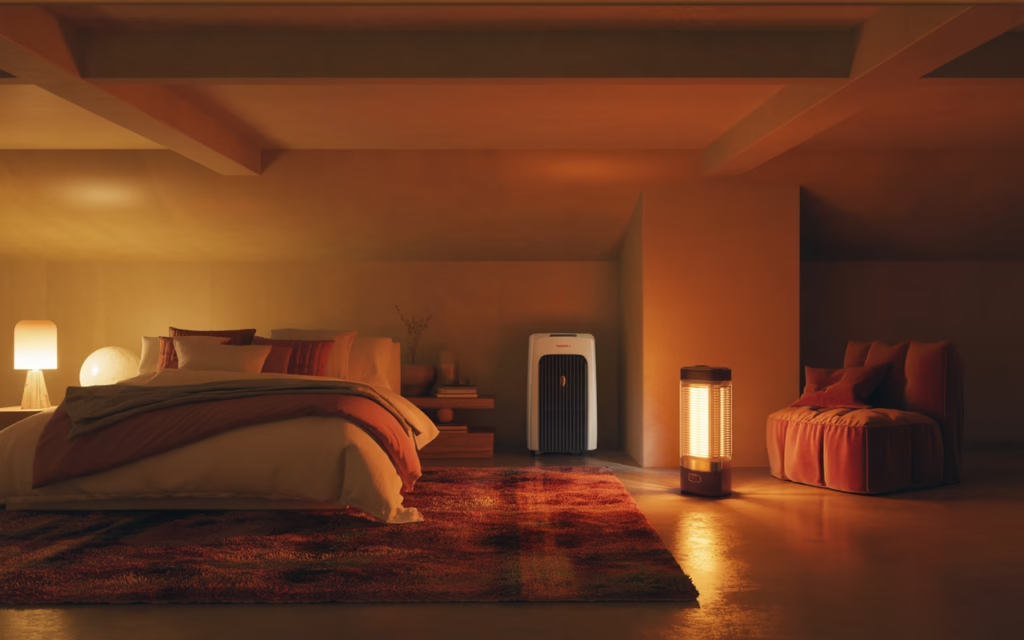
Basement bedrooms get a bad rap. People hear “basement” and immediately imagine cold floors, sad ceiling tiles, and a single overhead light that makes you look like you haven’t slept since 2012. But a dark basement bedroom can feel ridiculously high-end when you stop fighting the shadows and start using them like a design tool.
I love dark basement spaces because they already have what most bedrooms try to fake quiet, privacy, and that naturally cozy vibe. So instead of chasing “bright and airy,” let’s build something moody, warm, and intentional. Ever notice how the most relaxing rooms feel a little cave-like in the best way?
Why Dark Colors Actually Work Better in Basements
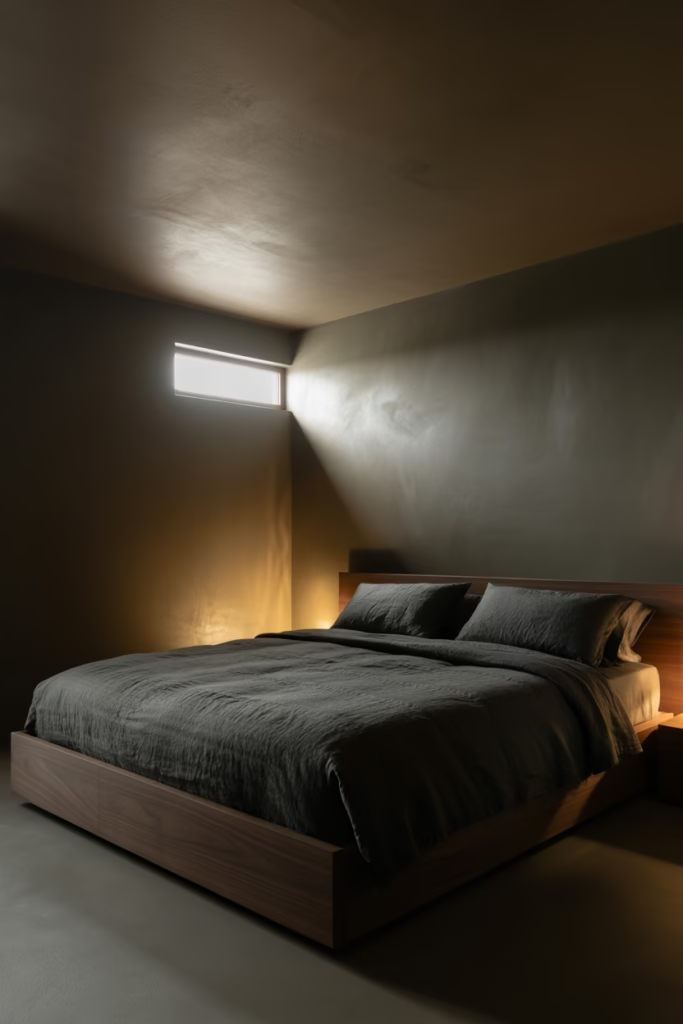
You’d think painting a room with limited natural light in dark colors would be a disaster, right? Wrong. Here’s where most people mess up—they panic about the lack of windows and slap on the whitest white paint they can find, hoping it’ll somehow create the illusion of brightness. Spoiler alert: it doesn’t work.
Dark colors in a basement bedroom actually make the space feel intentional and designed rather than apologetic. When you paint those walls a deep charcoal, navy, or even black, you’re not trying to pretend the room is something it’s not. You’re working with what you’ve got, and honestly? The results look incredible.
The psychology behind it is pretty interesting too. Dark rooms naturally feel more intimate and restful, which is exactly what you want in a bedroom. Your brain associates these deeper tones with nighttime, triggering those sleepy hormones way better than a stark white room ever could. FYI, this is why luxury hotels almost always go dark in their suites.
Creating Depth with Layered Lighting
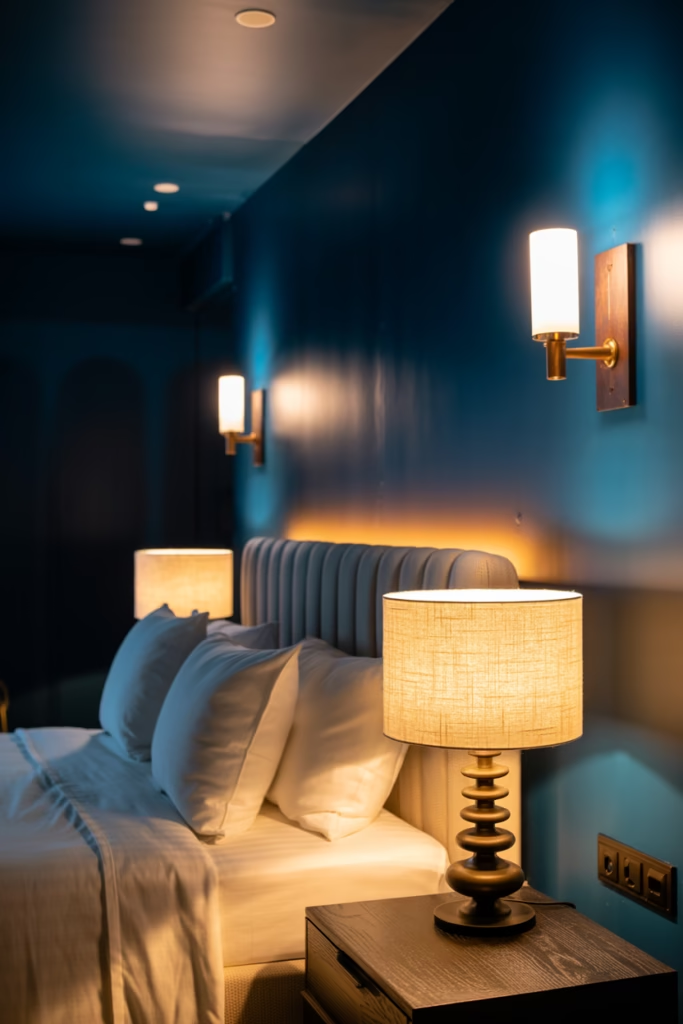
Let me be real with you—lighting makes or breaks a dark basement bedroom. You can’t just stick a single overhead light and call it a day. That’s amateur hour, and your room will look like an interrogation chamber.
Here’s what actually works:
- Wall sconces positioned at different heights create dimensional lighting
- LED strip lights behind headboards or under floating shelves add ambient glow
- Table lamps with warm bulbs provide task lighting without being harsh
- Dimmer switches on everything because flexibility is key
I learned this the hard way after installing what I thought was “enough” lighting in a dark basement space. Turned on the lights, and boom—it looked like a cave with one sad lightbulb. Adding layers transformed everything. You want pools of light at different levels, creating shadows and depth rather than flooding the entire space uniformly.
The trick is thinking about lighting in zones. Your reading nook needs focused light, but your sleeping area? Keep that softer and more diffused. Ever notice how the best atmospheric rooms always have that layered lighting thing going on?
Embrace Dramatic Accent Walls
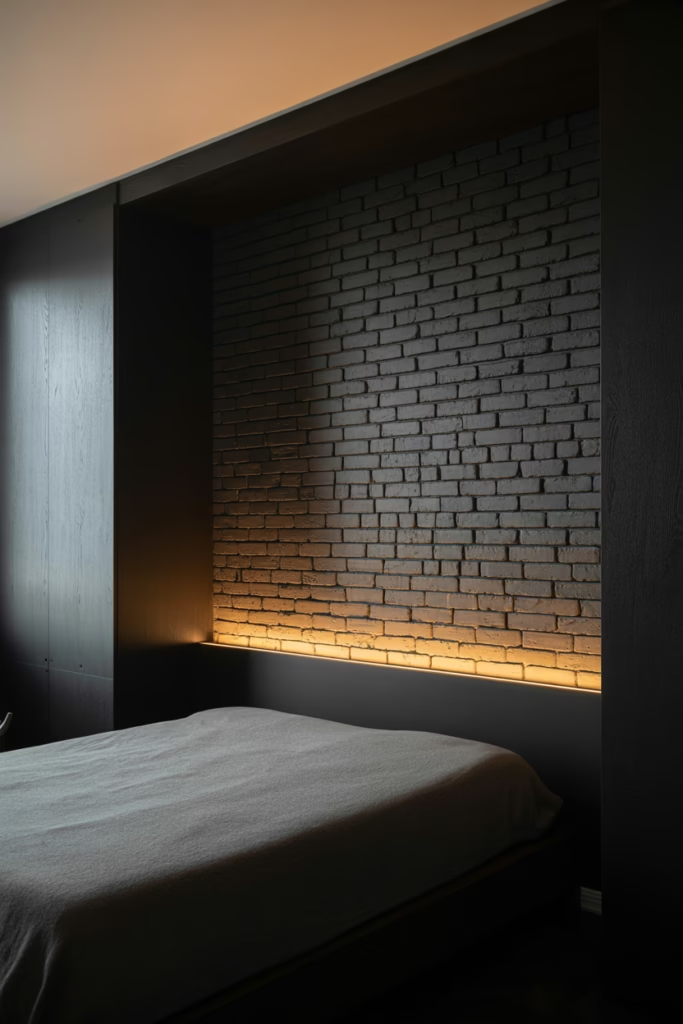
If painting an entire basement bedroom dark feels too intense, an accent wall is your best friend. I’m talking deep emerald green, midnight blue, or even a sophisticated burgundy. Choose the wall behind your bed and go bold—this creates a focal point that draws attention away from any basement quirks you’re not thrilled about.
Textured accent walls work incredibly well in dark spaces. Think about materials like:
- Reclaimed wood planks stained in dark walnut
- Exposed brick painted in matte black (controversial, I know, but it looks amazing)
- Fabric wall panels in velvet or linen for sound absorption and luxury vibes
- Wallpaper with subtle metallic patterns that catch the light
The texture part is crucial because flat dark surfaces can sometimes feel one-dimensional. When you add depth through materials, the wall becomes interesting even in low light conditions. Plus, textured surfaces play beautifully with those layered lighting setups we talked about.
Luxe Dark Bedding Configurations
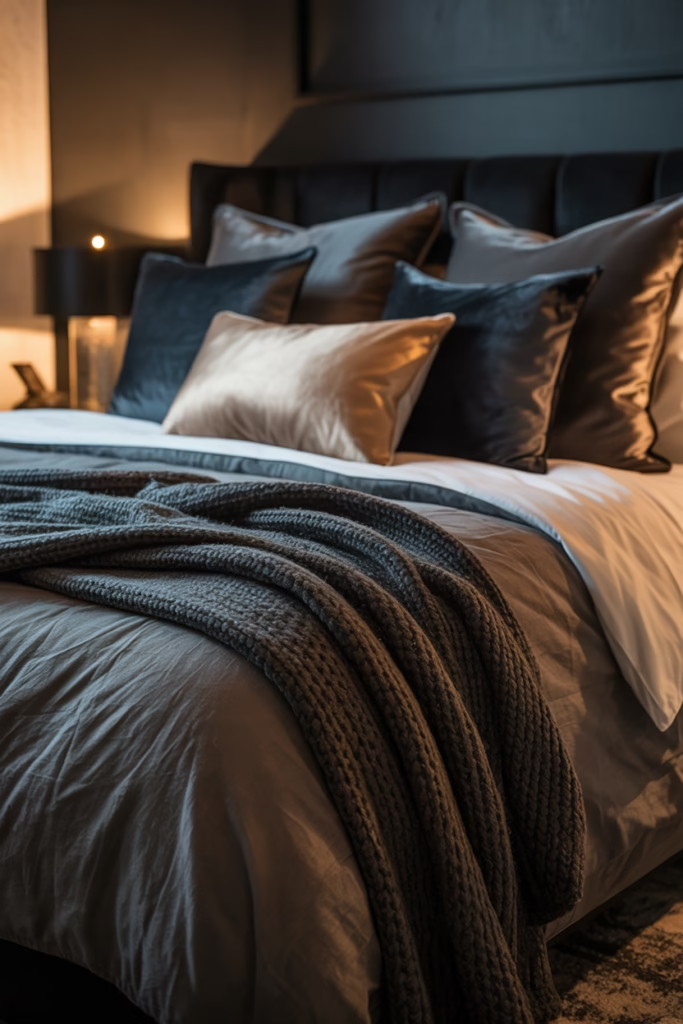
Your bed is the star of the show, so don’t cheap out on this part. Dark bedding in a dark room could theoretically look like a black hole, but when you layer textures and play with subtle color variations? Chef’s kiss.
I’m obsessed with mixing charcoal linens with deep navy throw pillows and a chocolate brown knit blanket. The monochromatic look works because each piece has different texture and slight tonal shifts. This isn’t about matching everything perfectly—it’s about creating visual interest within a cohesive color story.
Pro tip: Add one metallic element to your bedding setup. A champagne-colored throw pillow or a copper-toned blanket catches available light and prevents the whole setup from feeling too heavy. IMO, this single touch makes the difference between “sophisticated” and “accidentally goth.”
Strategic Mirror Placement for Depth
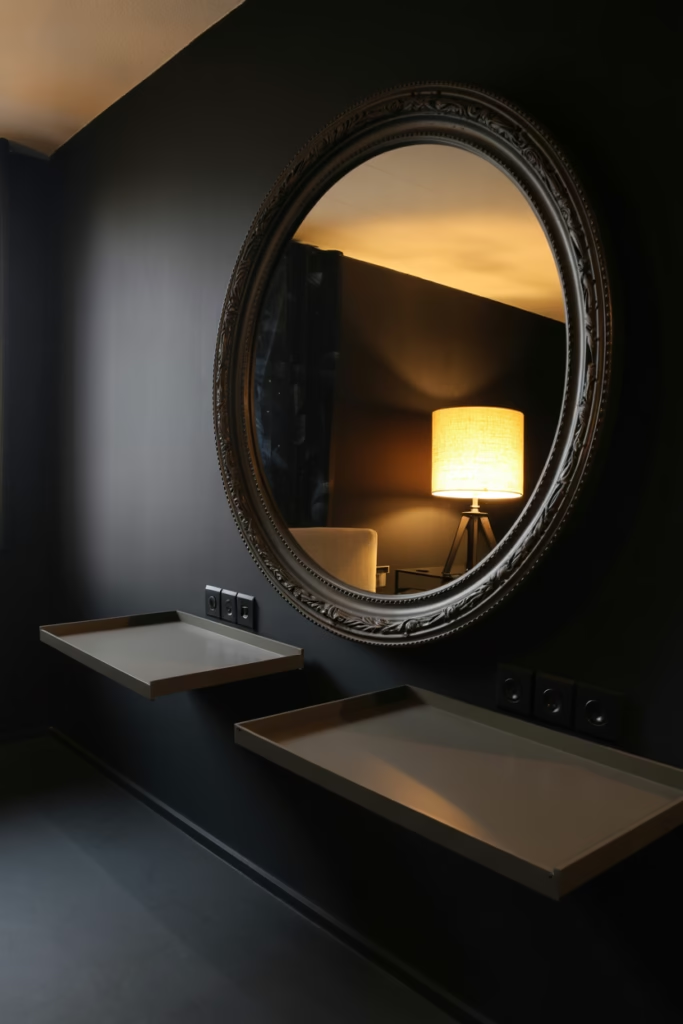
Mirrors in dark basement bedrooms aren’t just decorative—they’re functional magic. Position a large mirror opposite your primary light source, and you’ve essentially doubled your lighting without touching the electrical system.
I’ve seen people randomly slap mirrors on walls hoping for the best, but placement actually matters. You want to reflect light sources and create the illusion of depth, not just bounce darkness around the room. A full-length mirror with a dark bronze or matte black frame leans into your aesthetic while serving a practical purpose.
Consider these mirror strategies:
- Floor-to-ceiling mirrors on one wall to make low ceilings feel taller
- A gallery wall of small vintage mirrors with dark frames
- Mirror panels behind floating shelves to add dimension
- An oversized round mirror as a statement piece above a dresser
The frame color matters more than you’d think. Skip the bright silver or white frames—they’ll clash with your dark vibe. Stick with black, bronze, brass, or even dark wood to maintain cohesion.
Incorporating Natural Elements
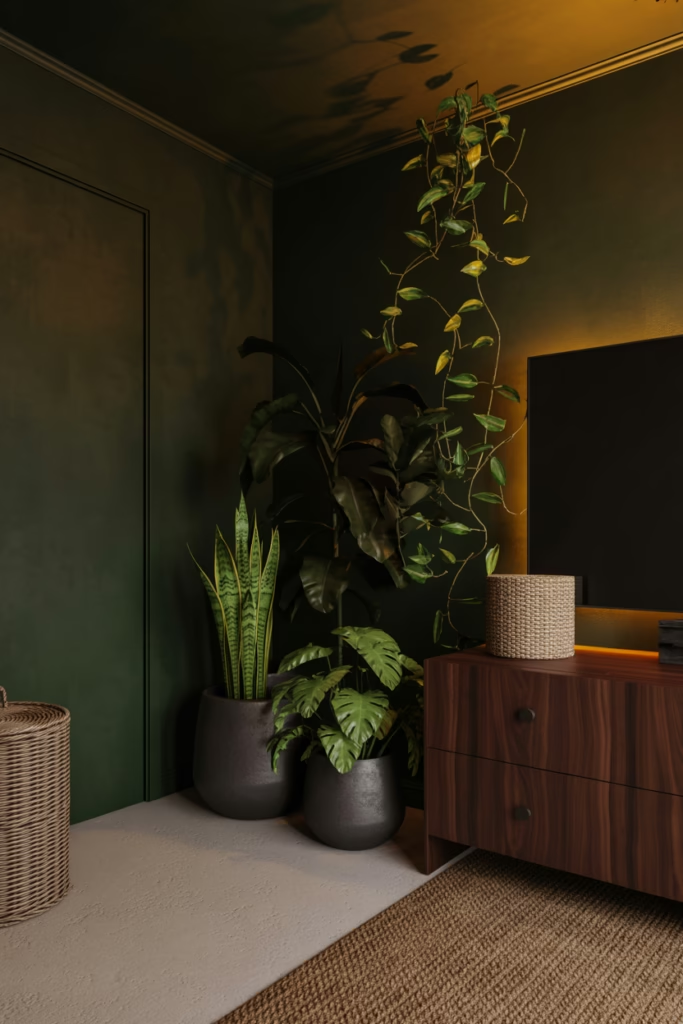
Here’s where things get interesting. Dark rooms can feel stuffy or artificial if you’re not careful, but natural elements instantly warm them up and add life. I’m not saying turn your basement into a jungle, but strategic greenery makes a massive difference.
Low-light plants are your allies here. Snake plants, pothos, and ZZ plants thrive in minimal natural light and look stunning against dark walls. The contrast between deep green leaves and charcoal walls? Absolutely gorgeous. Plus, having living things in your space improves air quality, which basements definitely need.
Beyond plants, think about:
- A jute or seagrass rug to add organic texture
- Wooden furniture pieces in dark walnut or espresso finishes
- Stone or concrete accents for an industrial edge
- Natural fiber curtains if you have any small windows
Ever wonder why nature-inspired elements work so well in dark spaces? They provide textural contrast and visual interest without disrupting the moody atmosphere you’re creating. It’s all about balance.
Creating Cozy Reading Nooks
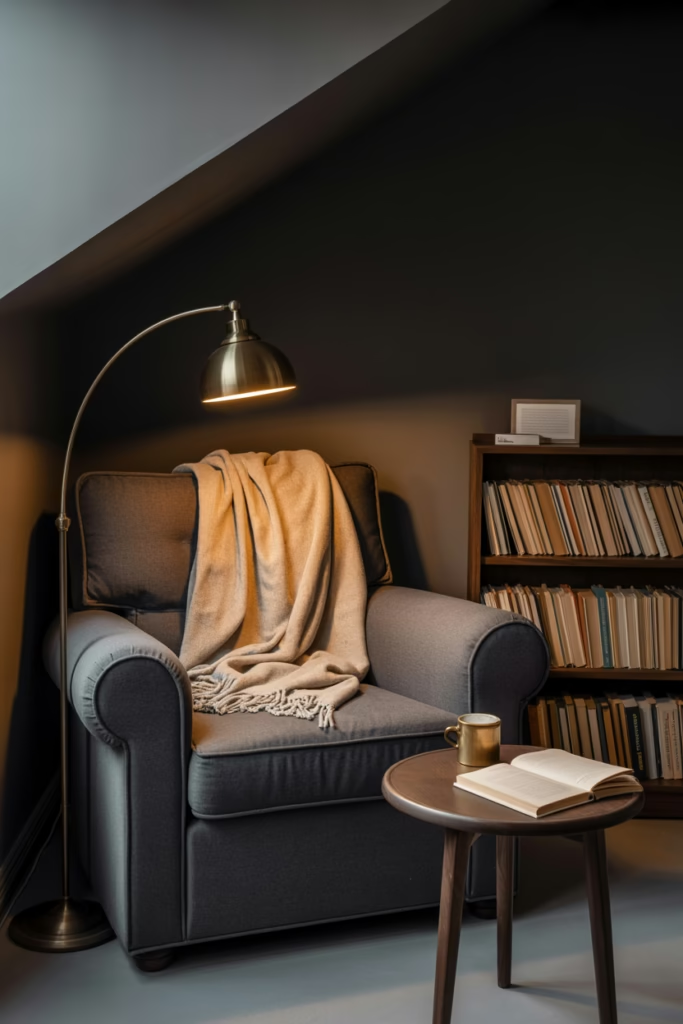
If you’ve got corner space in your basement bedroom, not using it for a reading nook is basically a crime. Dark rooms are perfect for these cozy spots because they already have that intimate, enclosed feeling you want when you’re curled up with a good book.
I set up a reading nook with a plush charcoal armchair, a small side table, and a brass floor lamp, and it became my favorite spot in the entire house. The key is making it feel separate from the sleeping area—like a little retreat within your retreat.
Elements for the perfect basement reading nook:
- An oversized chair or chaise lounge in a dark fabric
- A focused reading light with adjustable brightness
- A small bookshelf within arm’s reach
- Soft throw blankets because basements can get chilly
- A small rug to define the space
The beauty of dark basement bedrooms is that these nooks naturally feel enclosed and cozy without needing much effort. The darkness works in your favor here, creating that womb-like comfort we all secretly crave.
Maximizing Storage with Dark Built-ins
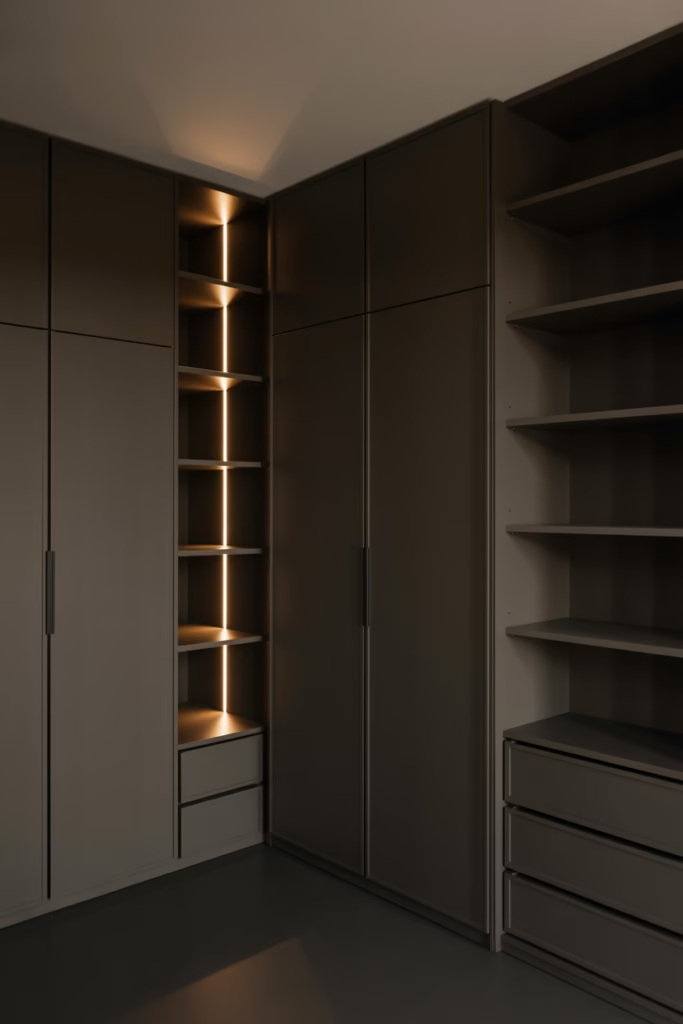
Storage is usually the biggest challenge in basement bedrooms, but dark built-ins solve this problem while looking intentional and stylish. Instead of those cheap white IKEA units that scream “I don’t know what I’m doing,” custom dark shelving feels like part of the architecture.
Floating shelves in matte black or dark wood blend into dark walls during the day but pop when you add underlighting. I installed dark built-in closets with LED interior lighting, and people genuinely can’t believe it’s a basement. The dark exteriors disappear into the walls, while the lit interiors create functional brightness exactly where you need it.
Storage solutions that work:
- Floor-to-ceiling dark bookcases that make low ceilings feel higher
- Under-bed storage in matching dark tones
- Wall-mounted nightstands to save floor space
- Built-in wardrobes with soft-close dark doors
The trick is making storage feel like design rather than an afterthought. When everything matches your dark color scheme, the room feels cohesive instead of cluttered.
Playing with Metallics and Hardware
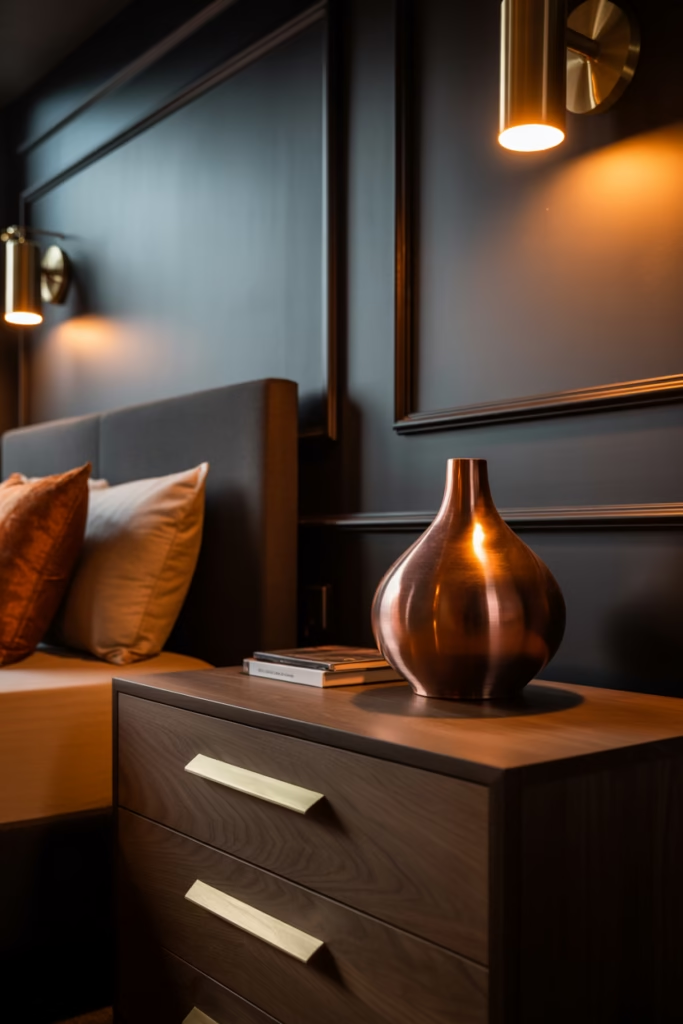
This is where you can have some fun. Dark rooms need those little sparkling moments to keep them from feeling flat, and metallic accents deliver exactly that. I’m talking brass drawer pulls, copper light fixtures, or brushed gold curtain rods.
The warmth of brass and copper particularly shines (literally) against dark walls. These metals catch and reflect whatever light you have, creating points of visual interest that guide the eye around the room. Silver and chrome work too, but they read cooler—which might be what you want if you’re going for modern rather than cozy.
Strategic metallic placement:
- Door handles and cabinet hardware in matching finish
- Picture frames and mirror frames with metallic details
- Light fixtures as statement pieces
- Decorative objects like vases or bookends
Don’t overthink matching everything perfectly. Mixing brass and copper actually looks more collected and interesting than being too matchy-matchy. Just avoid combining warm and cool metallics in the same space—that’s where things start looking confused.
Soundproofing for Ultimate Comfort
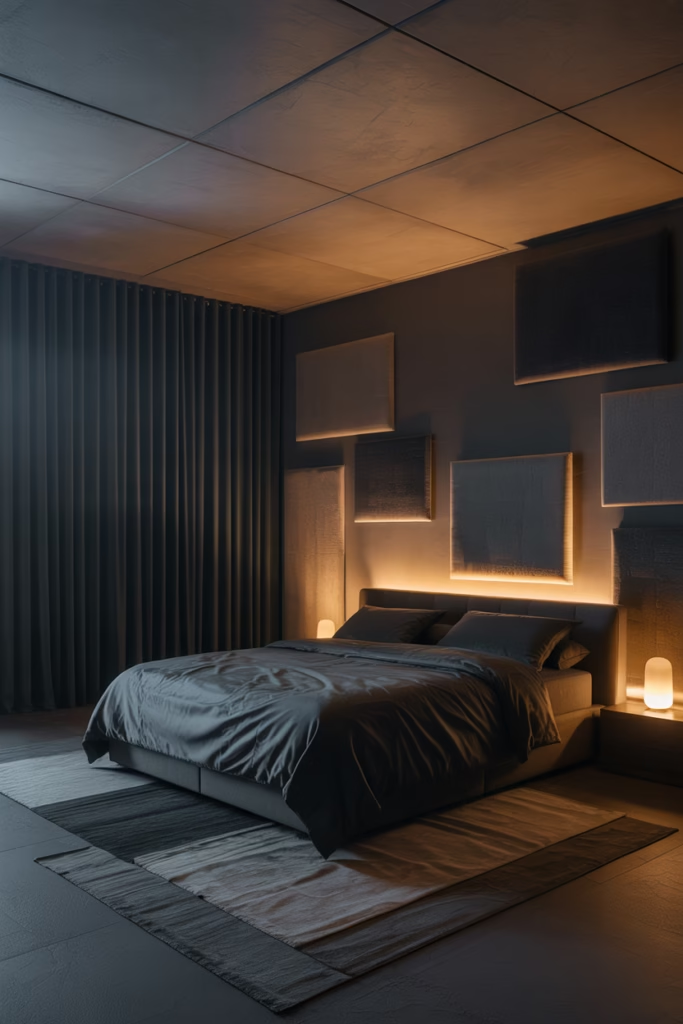
Let’s talk about something nobody mentions enough—basements can be echo-y nightmares or perfect sound havens depending on how you set them up. Dark, soft materials naturally absorb sound better than hard, reflective surfaces, which is another unexpected benefit of the dark basement bedroom aesthetic.
Heavy curtains in dark velvet or thick linen don’t just look luxurious—they absorb sound like crazy. Layered rugs, upholstered headboards, and fabric wall panels all contribute to making your basement bedroom quieter and more peaceful. I added acoustic panels covered in dark fabric to one wall, and the difference in room acoustics was honestly shocking.
Sound-absorbing dark elements:
- Thick curtains from floor to ceiling
- Multiple area rugs layered for texture and sound dampening
- Upholstered furniture instead of hard surfaces
- Fabric-wrapped acoustic panels disguised as art
If you’ve got noisy pipes or HVAC systems (classic basement problems), these sound-absorbing materials make a massive difference. Plus, they all contribute to that cozy, womb-like atmosphere we’re going for.
Artwork That Pops Against Dark Walls
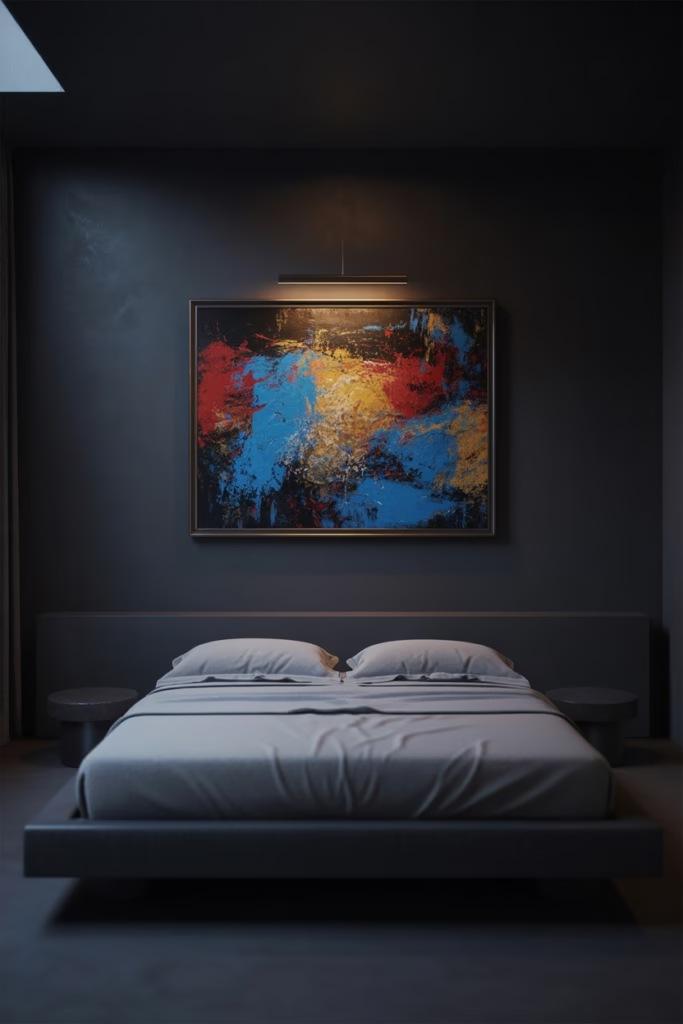
Here’s something I absolutely love—artwork looks incredible against dark walls. Those pieces that might get lost on white walls suddenly become dramatic focal points against charcoal or navy. You can go bold with colorful abstract pieces, or keep it moody with black and white photography.
I’ve found that oversized pieces work better than gallery walls in dark basement bedrooms. One large statement piece creates impact without cluttering the visual field. That said, a gallery wall of black frames with white matting looks super sophisticated if you’ve got the wall space.
Art selection tips for dark spaces:
- Pieces with metallic accents that catch the light
- Bold colors that contrast with your wall color
- Black and white photography for classic sophistication
- Textured pieces like woven wall hangings for dimension
The frame matters almost as much as the art itself. Dark frames blend seamlessly with dark walls, making the artwork appear to float. Light frames create contrast and draw more attention to the pieces. Neither approach is wrong—just choose based on whether you want the art or the walls to be the star.
Temperature and Climate Control Details
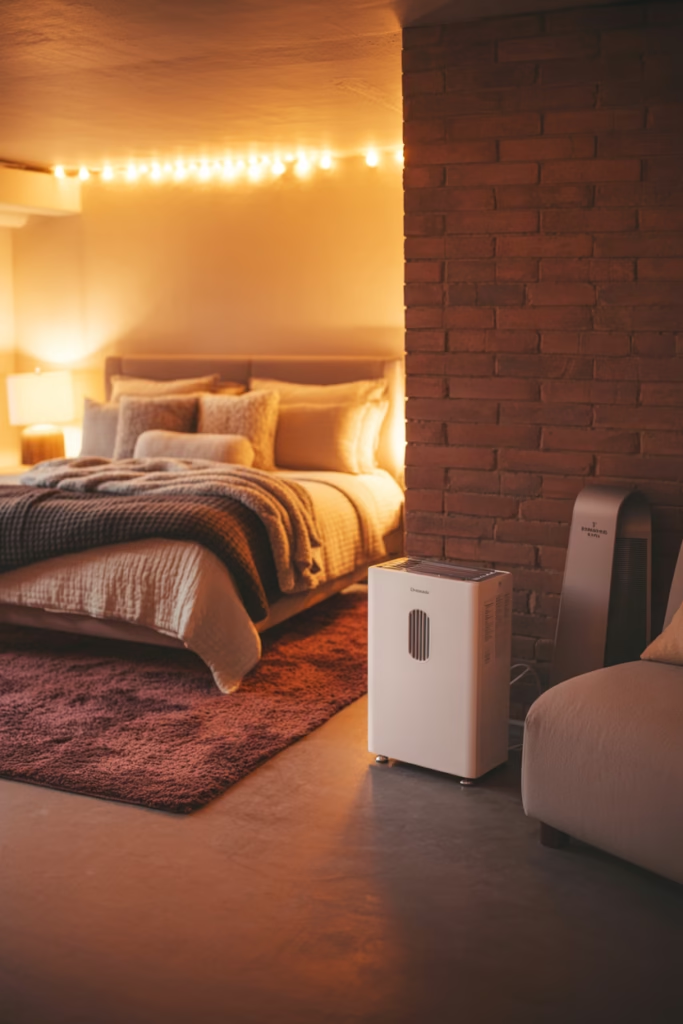
Okay, real talk—basements can be cold and damp, which is exactly the opposite of what you want in a cozy bedroom. Addressing temperature and moisture isn’t glamorous, but it’s essential for making your dark basement bedroom actually livable.
Dark colors don’t affect actual temperature, but they definitely affect perceived warmth. Psychologically, we associate dark tones with warmth, so your room will feel cozier than a bright white basement even at the same temperature. That said, you still need proper heating and possibly a dehumidifier.
Climate control essentials:
- A good quality space heater with thermostat control
- Dehumidifier to prevent that musty basement smell
- Heated floors if you’re doing major renovations (pure luxury)
- Thick rugs to insulate from cold concrete floors
I learned this lesson after styling a gorgeous dark basement bedroom that felt amazing visually but was freezing to actually sleep in. Don’t skip the practical stuff for aesthetics—you need both working together.
Window Treatments for Small Basement Windows
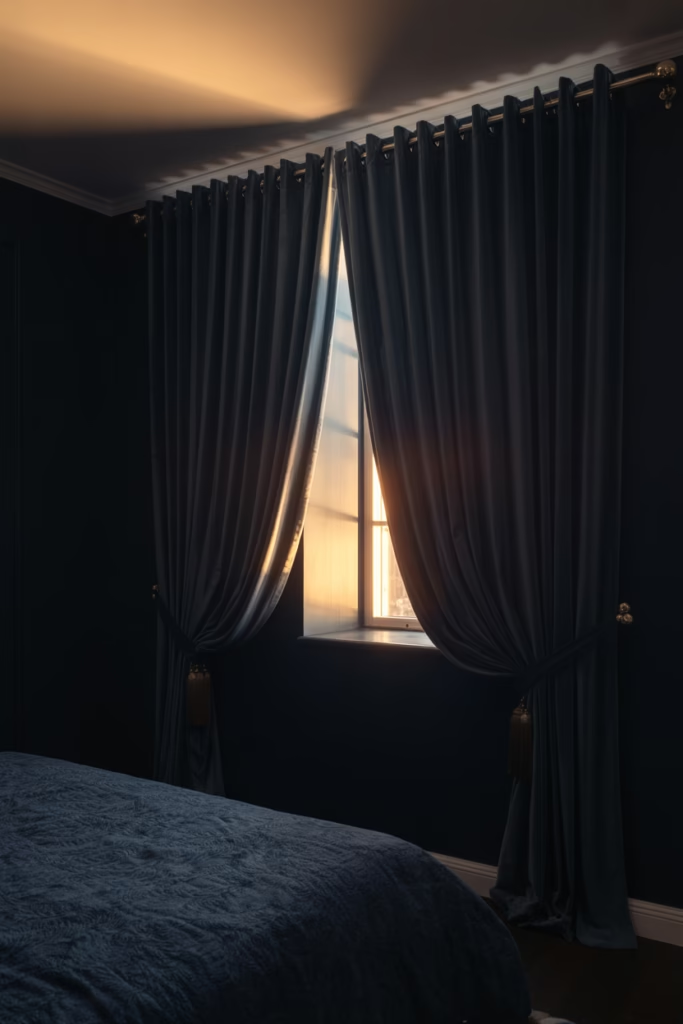
If your basement has those tiny, high windows (you know the ones), embrace them instead of pretending they don’t exist. Dark, luxurious curtains floor-to-ceiling make small windows look intentional and add softness to the space.
The trick is extending your curtain rod well beyond the actual window width and hanging curtains from ceiling to floor. This creates the illusion of larger windows and adds vertical lines that make low ceilings feel taller. Choose curtains in a slightly lighter shade than your walls for subtle contrast, or go full drama with the same dark color.
Window treatment options:
- Velvet curtains for ultimate luxury and light blocking
- Linen curtains for texture with some light filtering
- Roman shades in dark fabrics for a cleaner look
- Blackout cellular shades if you need complete darkness
Even if your basement windows are practically nonexistent, treating them like design features rather than problems changes the entire feel of the room. Plus, having something soft and flowing against those dark walls prevents the space from feeling too harsh.
Personal Touches and Final Details
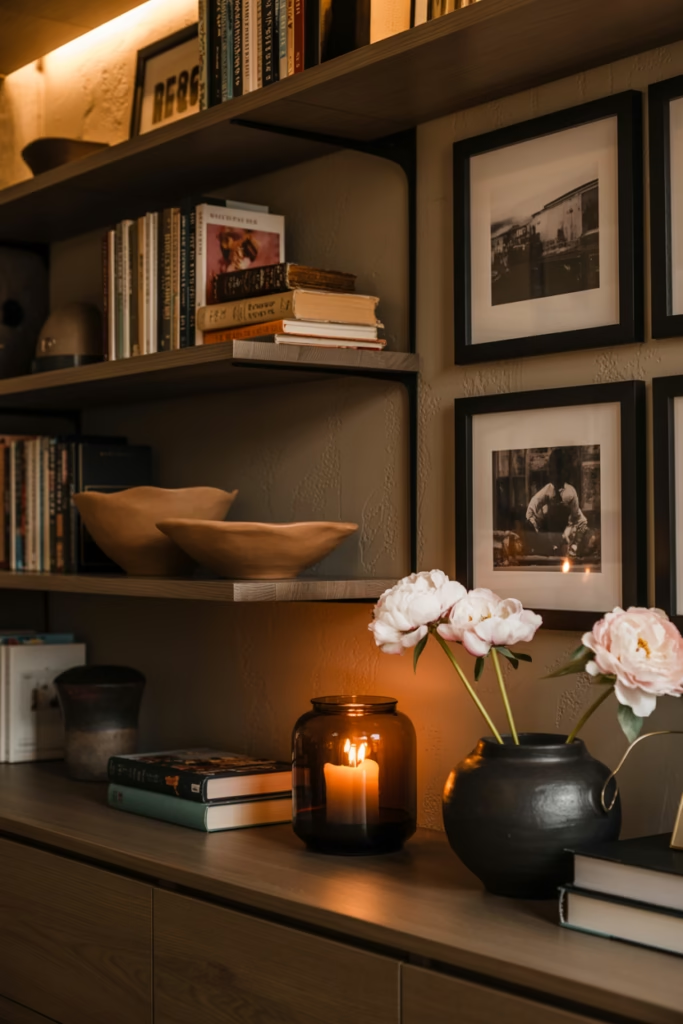
This is where your dark basement bedroom goes from “nice design” to “actually my favorite room.” Personal touches make all the difference between a space that looks good in photos and one you genuinely love spending time in.
I’m talking about your favorite books displayed spine-out on dark shelves, that vintage lamp you found at a flea market, or the ridiculous number of throw pillows that make you happy (no judgment here). These details don’t have to fit a perfect aesthetic—they just need to feel like you.
Personal elements to consider:
- A collection of objects displayed on floating shelves
- Photos in dark frames creating a personal gallery
- Your favorite candles in dark glass containers
- A cozy throw blanket in your preferred texture
- Fresh flowers in dark vases to add life and scent
The best dark basement bedrooms I’ve seen balance strong design principles with genuine personality. Don’t be so focused on achieving a specific look that you forget to make the space actually yours. Rules are meant to be broken, especially when it comes to making your bedroom feel like home.
Conclusion
If you remember nothing else, remember this: a basement bedroom doesn’t need to “look like it’s upstairs” to look amazing. When you commit to dark colors, layer your lighting like you actually enjoy living there, and add texture (rugs, curtains, upholstery), the whole room starts to feel like a styled retreat instead of an unfinished afterthought.
Pick two or three ideas from this list and start there an accent wall, better lighting, and darker bedding already change everything. Then you can add the fun stuff like mirrors, metallics, and art that pops. And if anyone calls it a dungeon, just smile and enjoy your cozy little hideout… while they keep blasting their overhead light like it’s a supermarket aisle :/