
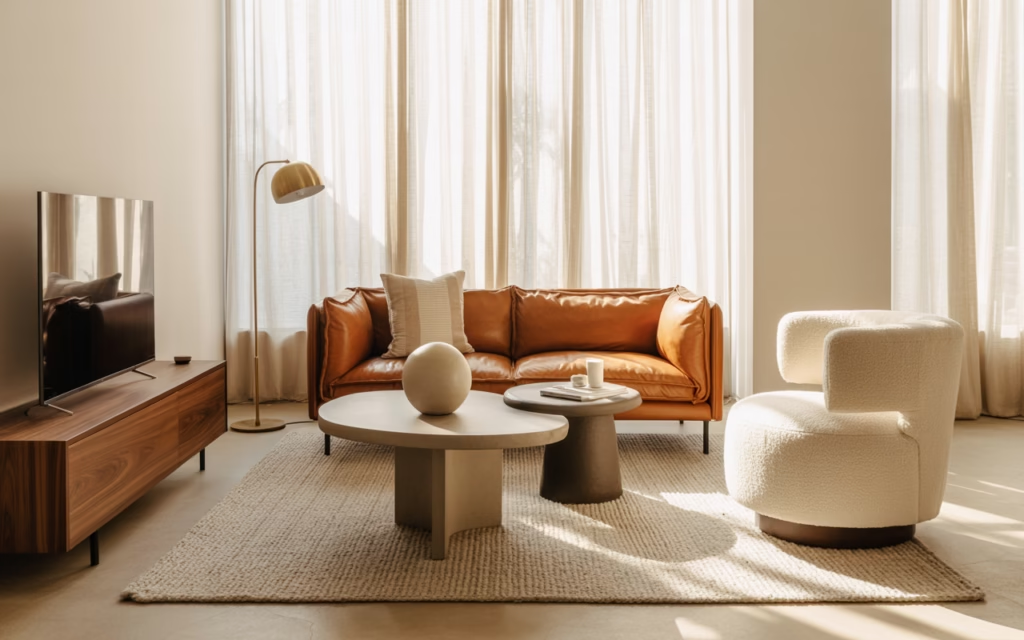
Your living room probably does fine most days. Then you see one ridiculously pretty modern contemporary space online, and suddenly your couch looks guilty, your lighting feels suspicious, and that random corner screams, “Do something about me.” Sound familiar?
I’ve rearranged my own living room more times than I want to admit, and I’ve learned this: modern contemporary style doesn’t require a celebrity budget or a personality transplant. You just need the right mix of clean lines, cozy textures, and a few “wow” details that make the whole room feel intentional instead of accidental.
I’m here to share the ideas that actually work. No boring advice about “finding your style”—just real, actionable concepts that’ll transform your space into something you’re genuinely proud of.
Clean Lines with Statement Furniture
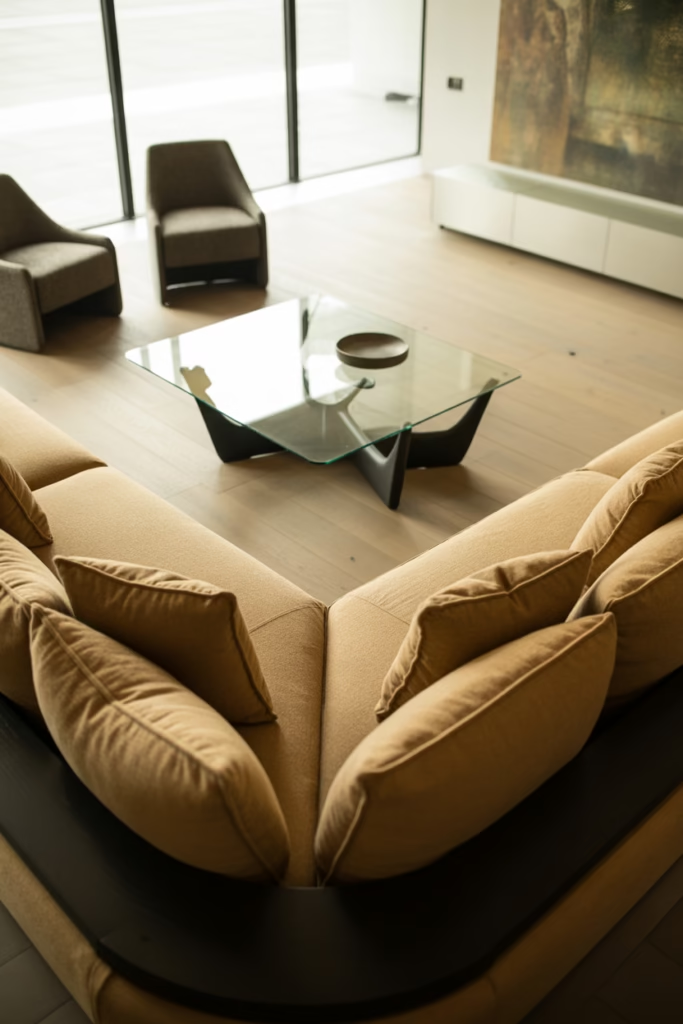
Bold geometric furniture is your best friend in modern contemporary design. I’m talking about sofas with crisp edges, coffee tables that look like they belong in an art gallery, and chairs that make people ask “where’d you get that?”
The magic happens when you pick one or two statement pieces and let them shine. My personal favorite? A low-profile sectional in a neutral color paired with a sculptural coffee table. The contrast between functional comfort and artistic design creates this perfect tension that screams contemporary.
Here’s what works:
- Angular sofas with metal or wooden legs (avoid bulky, overstuffed options)
- Coffee tables with unique bases—think geometric metal frames or abstract shapes
- Accent chairs that double as conversation pieces
Don’t overcrowd the space. Modern design thrives on breathing room, so resist the urge to fill every corner. Trust me, less really is more here.
Neutral Color Palettes with Strategic Pops
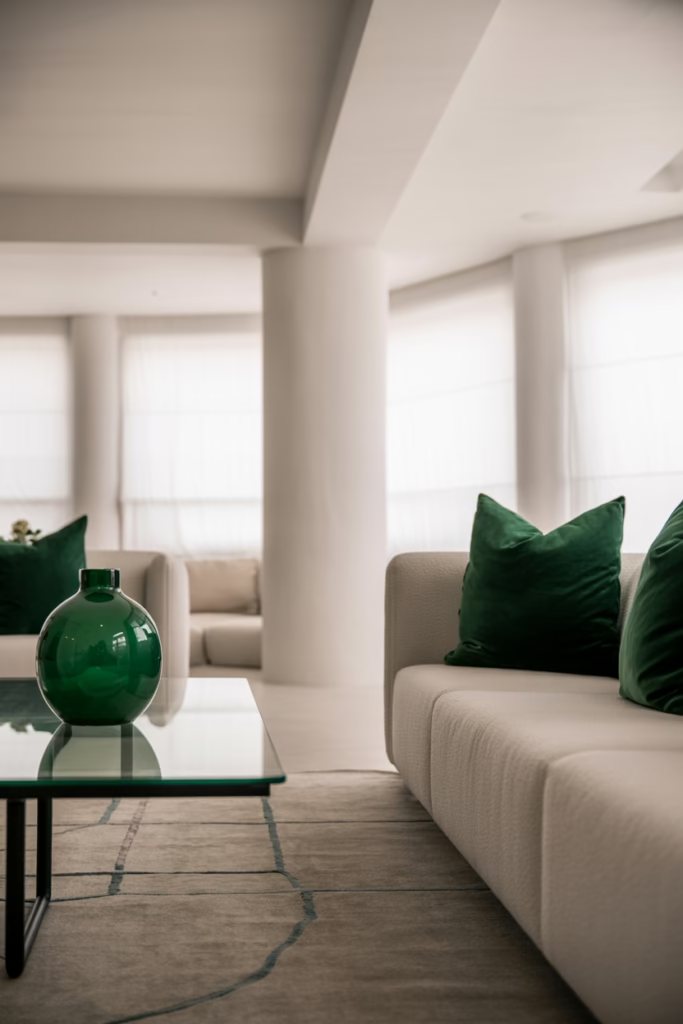
I used to think neutral meant boring. Boy, was I wrong. A well-executed neutral palette is like the perfect blank canvas—it lets everything else pop without overwhelming your senses.
Start with whites, grays, beiges, and taupes as your foundation. Then—and this is crucial—add one or two accent colors strategically. Maybe it’s deep emerald green throw pillows, or burnt orange artwork, or even black matte fixtures throughout the room.
The key is restraint. Pick your accent color and commit to it in 2-3 places max. I learned this the hard way after going overboard with yellow accents that made my living room look like a highlighter exploded. Not cute.
Floor-to-Ceiling Windows (Or the Illusion of Them)
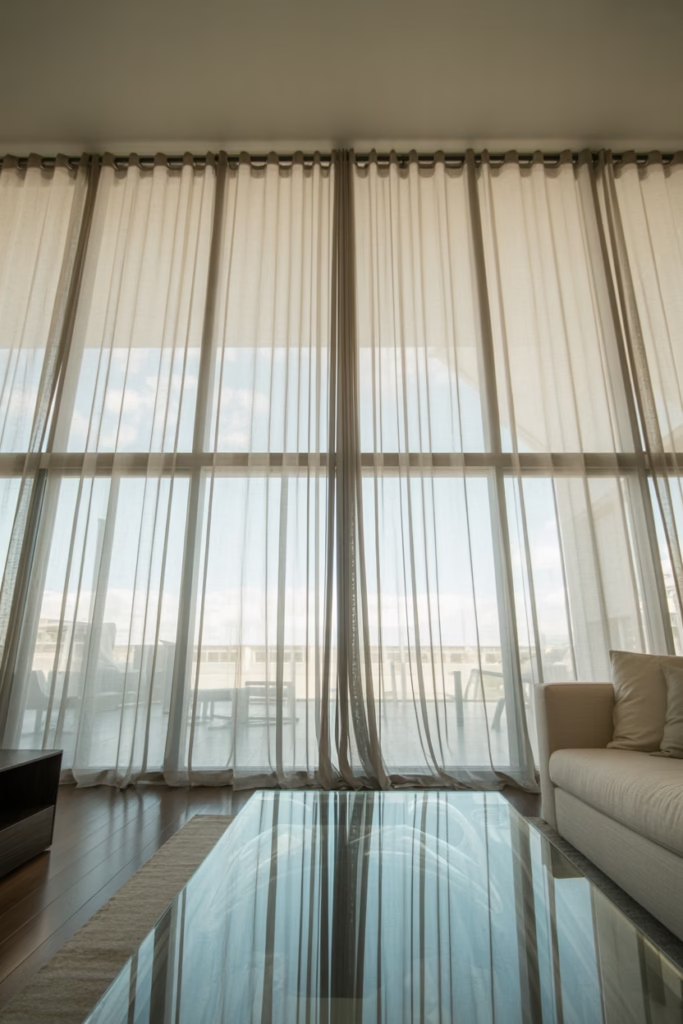
Natural light changes everything. If you’re lucky enough to have large windows, lean into them hard. Remove heavy curtains and opt for sheer panels or even go bare if privacy isn’t an issue.
Not blessed with huge windows? Here’s a trick that actually works: hang your curtains as close to the ceiling as possible and let them drape all the way to the floor. The vertical lines trick your eye into seeing taller, more expansive windows than you actually have. FYI, this little hack has saved many a small living room from feeling like a cave.
Consider these window treatment options:
- Motorized sheer blinds for a sleek, tech-forward look
- Simple white or neutral drapes with minimal hardware
- No treatments at all for maximum light exposure
Mixed Materials for Texture and Depth
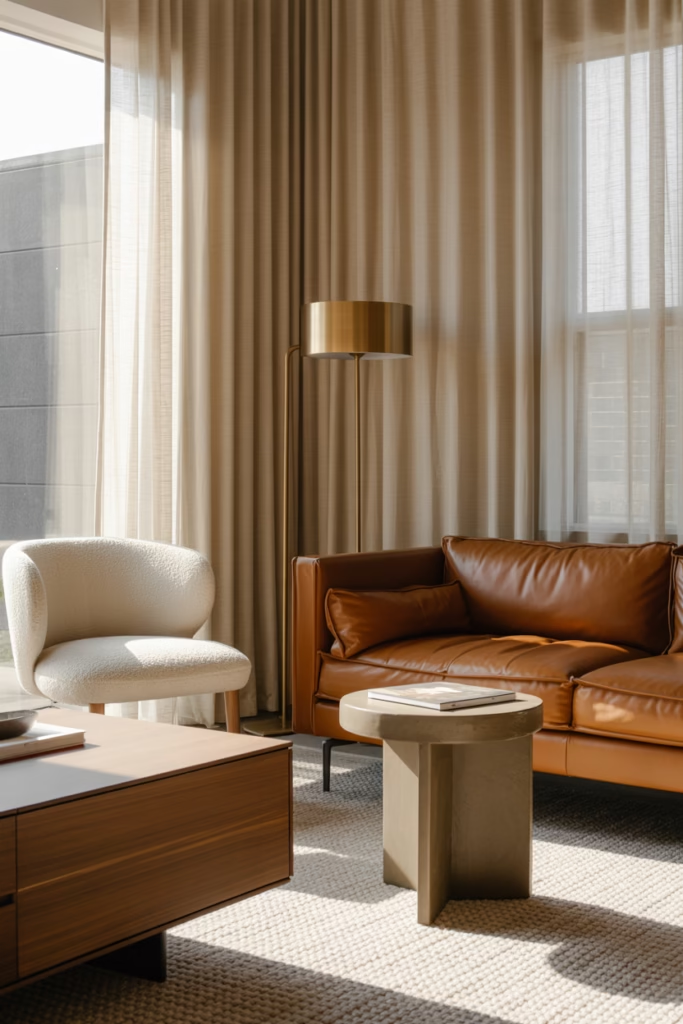
Ever walked into a room that felt flat, even though it had nice furniture? Yeah, that’s the “everything’s the same material” problem. Mixing textures is non-negotiable in contemporary design.
Pair smooth leather with nubby linen. Combine polished metal with rough-hewn wood. Throw a plush rug under a glass coffee table. The contrast creates visual interest that keeps your eyes moving around the room instead of glazing over.
I’m particularly obsessed with mixing warm woods with cool metals right now. A walnut media console with brushed brass hardware? Chef’s kiss. The warmth of the wood prevents the space from feeling too sterile while the metal keeps it modern.
Open Shelving and Floating Elements
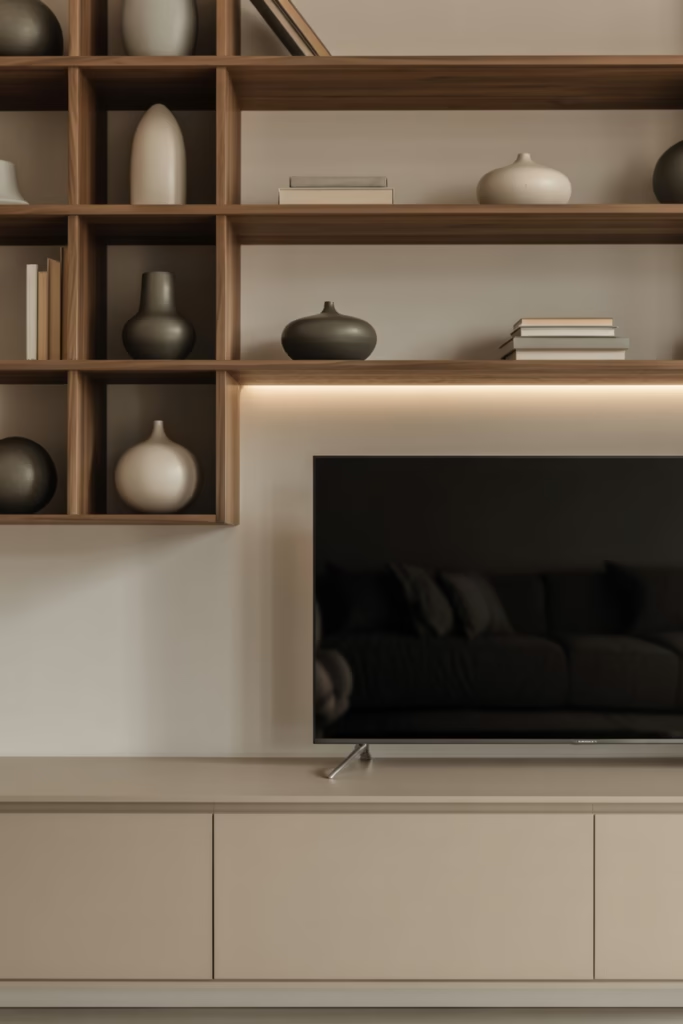
Built-in bookshelves are great, but floating shelves take contemporary design up a notch. They create this illusion that your decor is suspended in mid-air, which sounds dramatic but genuinely makes a space feel lighter and more modern.
Same goes for floating media consoles and sideboards. When furniture doesn’t touch the ground, you can see more floor space, which automatically makes the room feel bigger. Plus, it’s easier to clean underneath—a practical win if you’re not into moving heavy furniture to vacuum. 🙂
Mount these elements at varying heights to create visual rhythm. Don’t line everything up perfectly; contemporary design embraces intentional asymmetry.
Minimalist Artwork in Oversized Formats
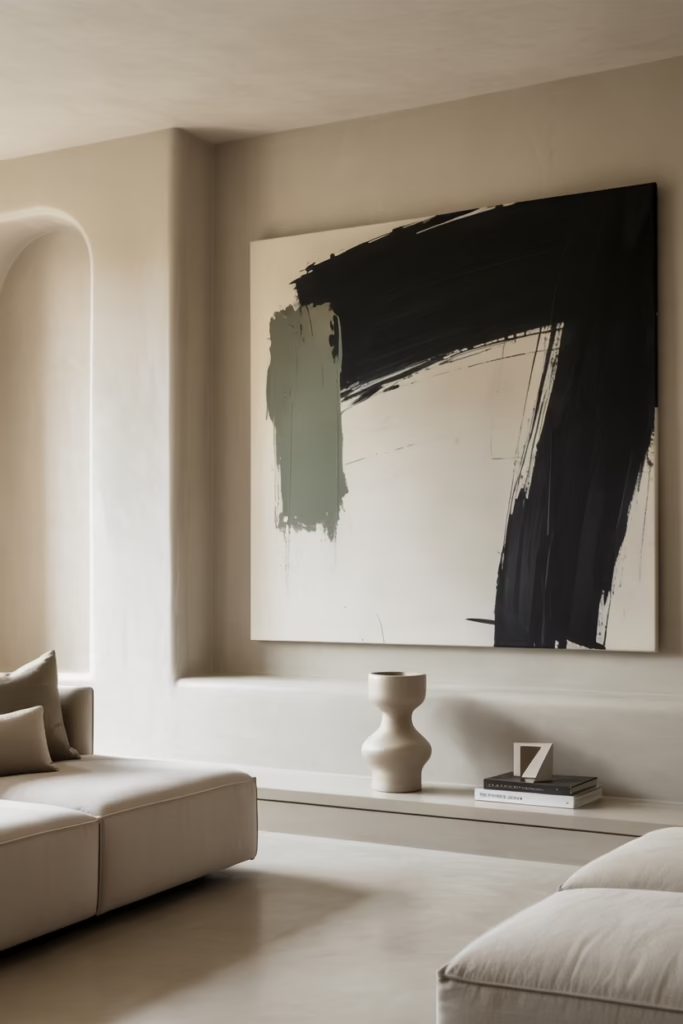
Forget gallery walls with 47 tiny frames. Go big or go home with your artwork in a modern contemporary space. One large-scale piece makes way more impact than a cluster of small prints.
I’m talking about abstract paintings that stretch 4-5 feet across, black and white photography blown up to poster size, or even a single sculptural piece that commands attention. The simplicity of having fewer pieces actually makes each one more meaningful.
What works best:
- Abstract art with bold color blocks or geometric patterns
- Minimalist line drawings in black and white
- Oversized photographic prints with strong composition
- Three-dimensional wall sculptures that create shadow play
Match your artwork’s vibe to your overall color scheme—either complement your accent colors or stick with monochrome for maximum contemporary appeal.
Smart Lighting Layers
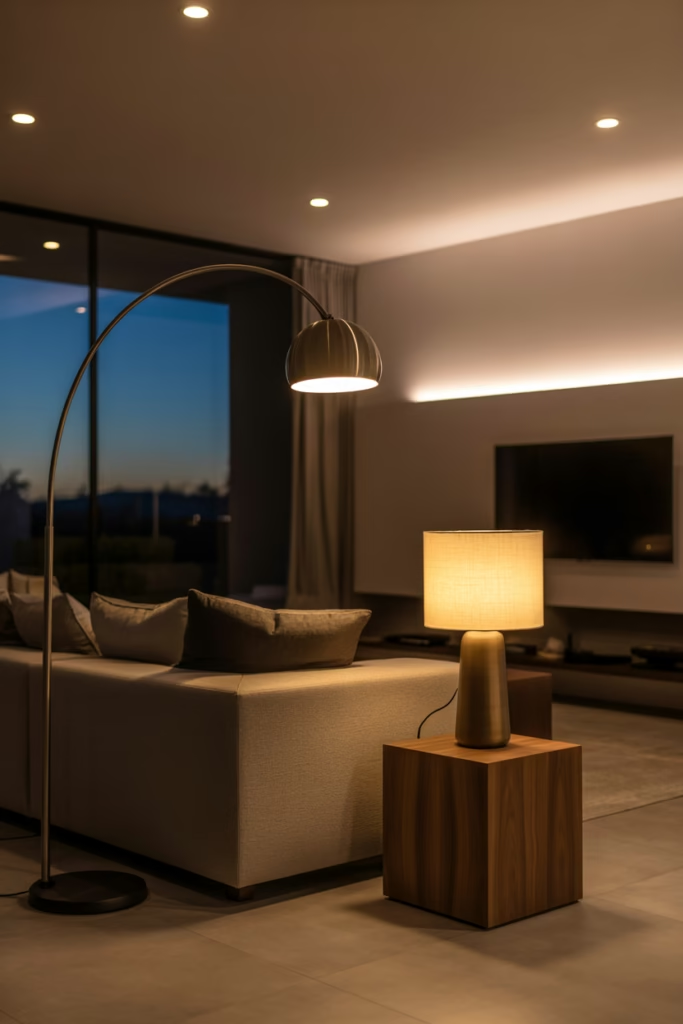
Here’s where most people mess up: they rely on one overhead light and wonder why their living room feels like a hospital waiting area. Contemporary spaces need at least three types of lighting working together.
Start with recessed ceiling lights for ambient illumination. Add floor lamps or table lamps for task lighting (reading, working, whatever). Finish with accent lighting—think LED strips behind the TV, picture lights above artwork, or even uplighting in corners.
Dimmer switches are your secret weapon. Being able to adjust the mood from bright and energetic to soft and cozy? That’s living, my friend. Plus, smart bulbs let you control everything from your phone, which feels appropriately contemporary.
Indoor Plants as Living Sculptures
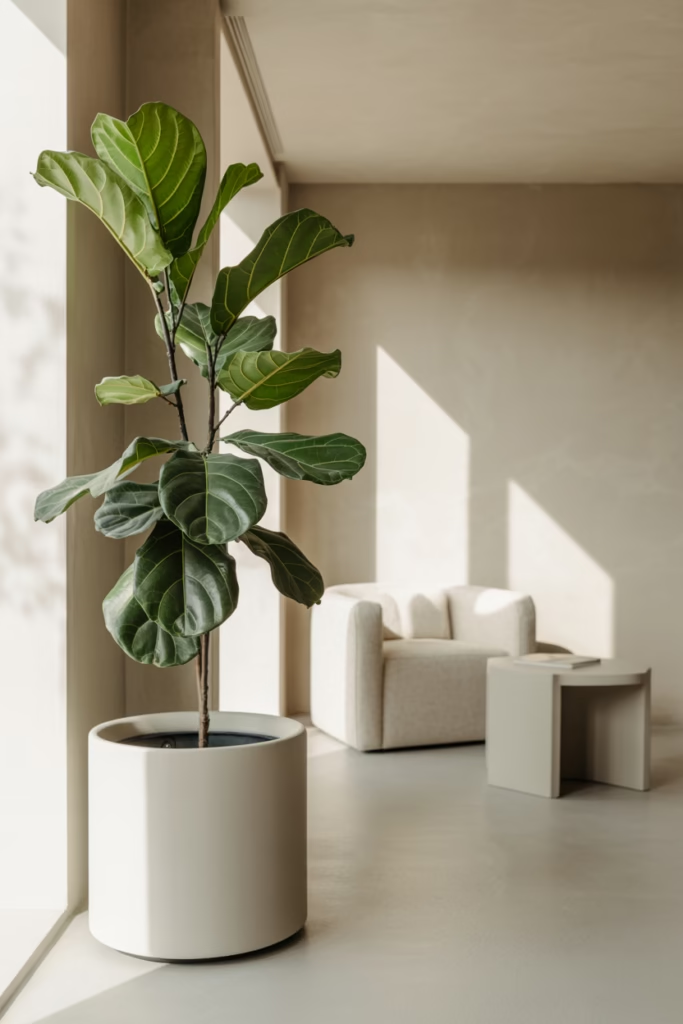
Plants aren’t just for bohemian spaces anymore. In contemporary design, plants function as living architectural elements. I’m obsessed with how a single large fiddle leaf fig or bird of paradise can anchor an entire corner.
The trick is treating them like furniture—choose statement plants in simple, modern planters (white ceramic, matte black, or natural concrete work best). Avoid fussy arrangements or too many small plants scattered everywhere.
Consider these contemporary-friendly options:
- Tall snake plants in cylindrical planters
- Monstera deliciosa for dramatic leaf shapes
- Rubber plants with glossy, architectural leaves
- Succulents in geometric concrete pots
Group odd numbers of plants together for visual interest, or go bold with one massive plant that becomes the room’s focal point.
Built-In Storage That Disappears
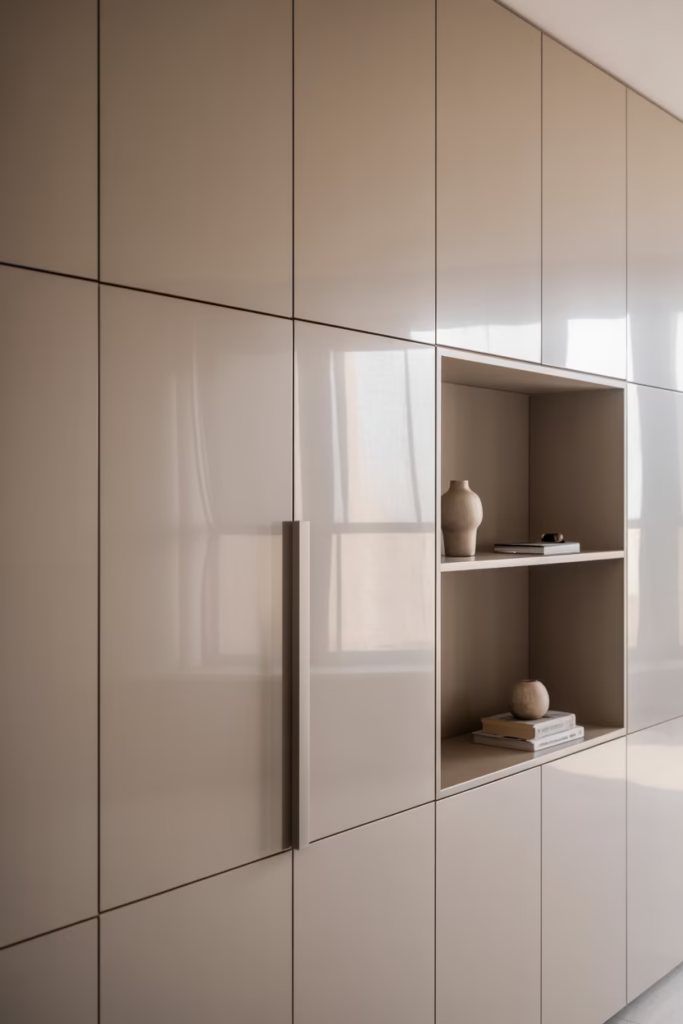
Clutter is the enemy of contemporary design, but you still need places to stash your stuff. Integrated storage solutions that blend seamlessly into walls are absolute game-changers.
Think custom cabinetry painted the same color as your walls, media centers with push-to-open doors (no visible handles), or bench seating with hidden storage underneath. The goal is making storage invisible so your space maintains those clean, uninterrupted lines.
I recently installed floor-to-ceiling cabinets in my living room that completely disappear because they’re the exact same white as the walls. Guests genuinely don’t notice them until I open them. The amount of stuff I can hide while maintaining a minimalist look? Absolutely worth the investment.
Metallic Accents in Matte Finishes
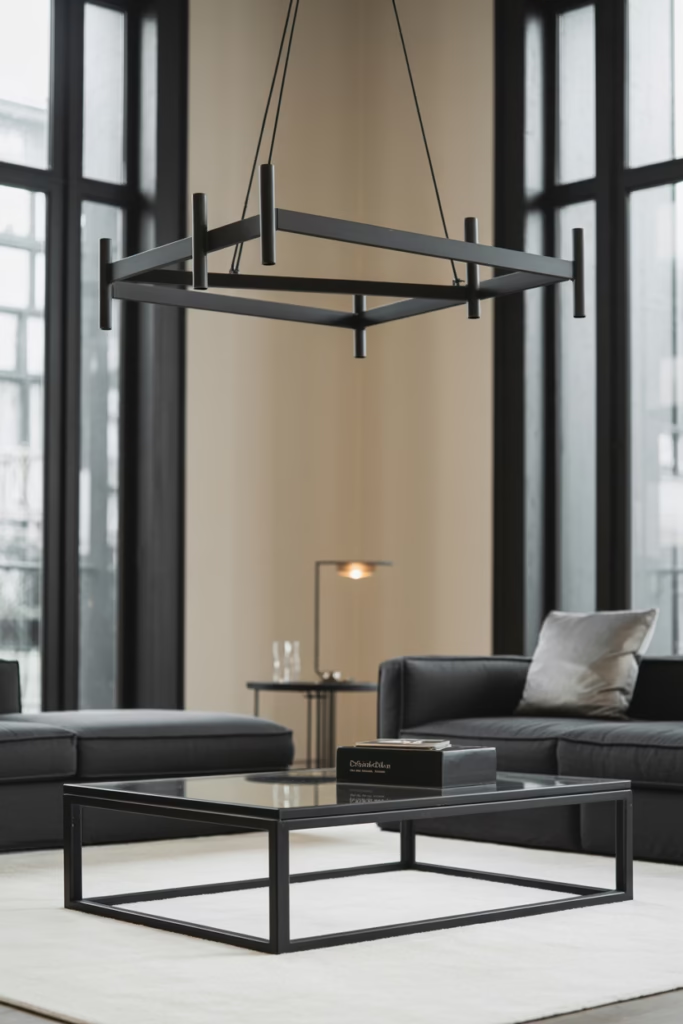
Shiny chrome and polished brass can read dated pretty quickly. Matte metals are where it’s at for contemporary spaces right now. Brushed brass, matte black steel, aged bronze—these finishes add sophistication without looking like you’re trying too hard.
Use metallic accents sparingly: light fixtures, cabinet hardware, picture frames, or decorative objects. The matte finish keeps them grounded and modern rather than flashy. IMO, matte black is the most versatile—it works with literally any color scheme and never looks out of place.
Low-Profile Furniture Arrangements
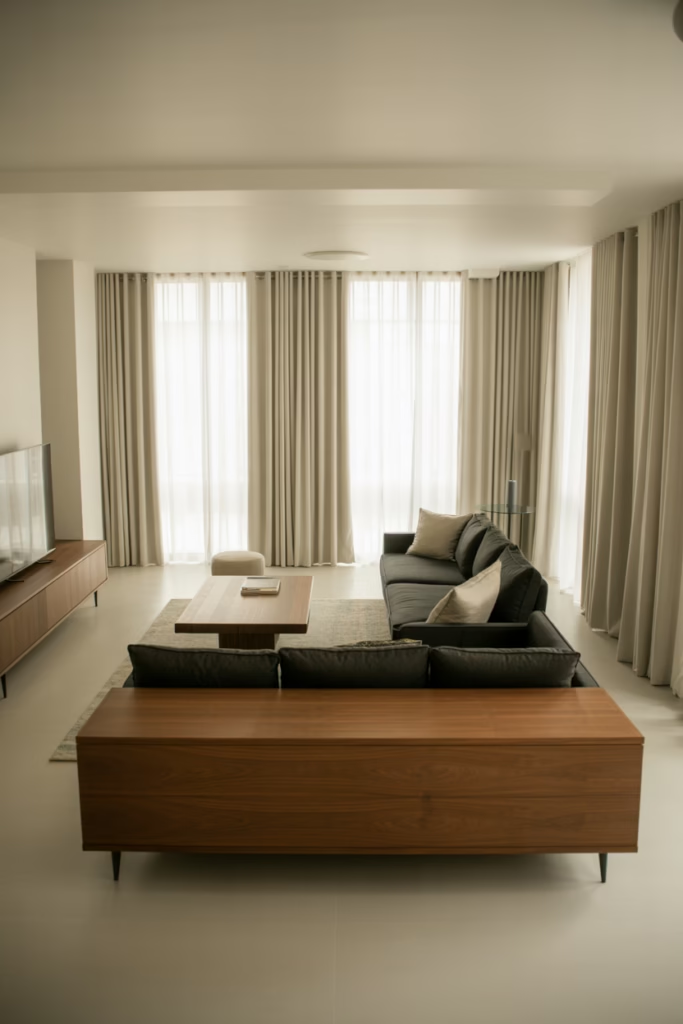
Contemporary design tends to sit closer to the ground than traditional styles. Low-slung sofas, platform beds, and coffee tables with minimal clearance create horizontal lines that make ceilings appear higher and rooms feel more expansive.
This doesn’t mean uncomfortable furniture—plenty of low-profile pieces offer excellent support and comfort. It’s more about the visual effect. When everything hugs the ground, your eye naturally travels upward, emphasizing vertical space.
Pair low furniture with tall elements like floor-to-ceiling curtains or vertical artwork to balance the composition. The contrast between low and high creates dynamic tension that keeps the space interesting.
Monochromatic Schemes with Varied Tones
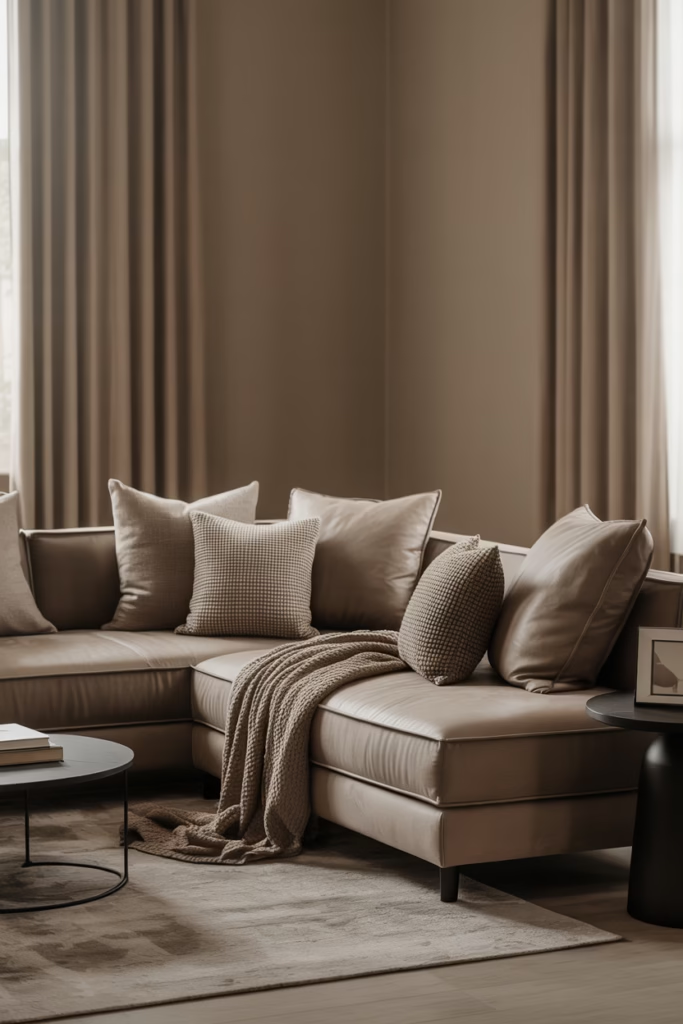
Ever noticed how some all-white rooms feel rich and layered while others look flat and boring? The secret is using multiple shades of the same color rather than identical whites or grays everywhere.
If you’re going with gray, combine warm grays with cool grays. Mix different whites—some with blue undertones, some with cream undertones. Layer tones through furniture, walls, textiles, and accessories. The subtle variations create depth that monochrome rooms desperately need.
I spent months collecting different shades of taupe for my living room, and the payoff was incredible. From ivory to mushroom to greige, the variations make the space feel intentional and sophisticated rather than like I just grabbed whatever was cheapest at the store.
Statement Lighting Fixtures as Art
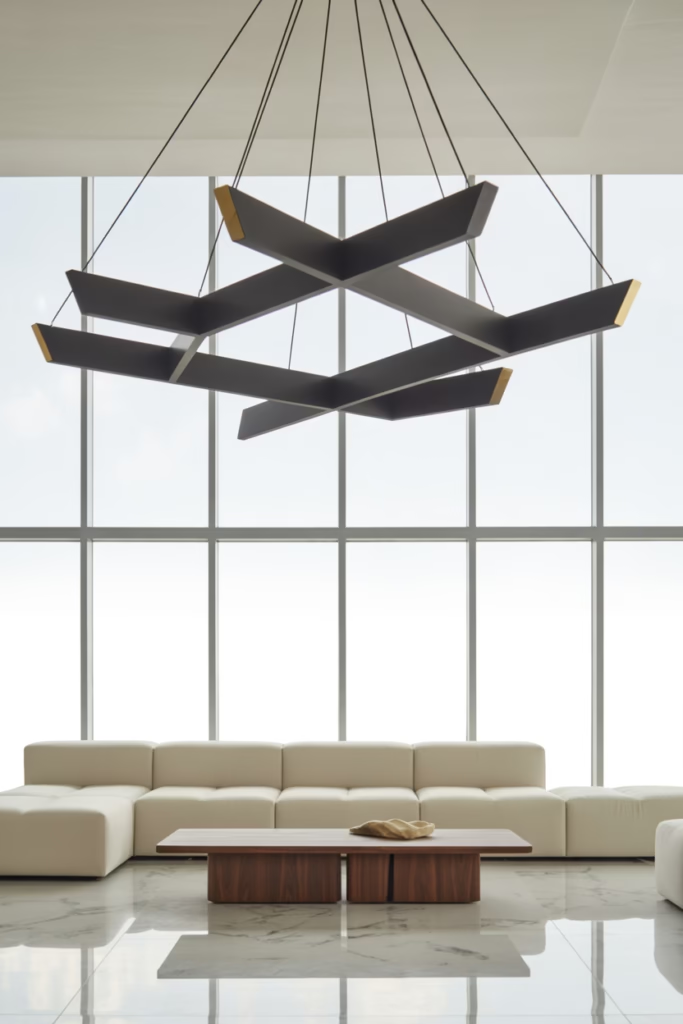
Why buy a boring ceiling light when you can install a sculptural fixture that doubles as artwork? Contemporary lighting is as much about form as function, and the right piece can completely transform your space.
Look for fixtures with interesting geometric shapes, unusual materials, or dramatic scale. A oversized pendant lamp above your seating area, a striking chandelier with asymmetric arms, or even a collection of simple Edison bulbs at varying heights—these choices make bold statements.
The beauty of statement lighting is that it fills vertical space without taking up floor or surface area. When you’re working with limited square footage, that’s a pretty sweet deal.
Textured Walls Beyond Basic Paint
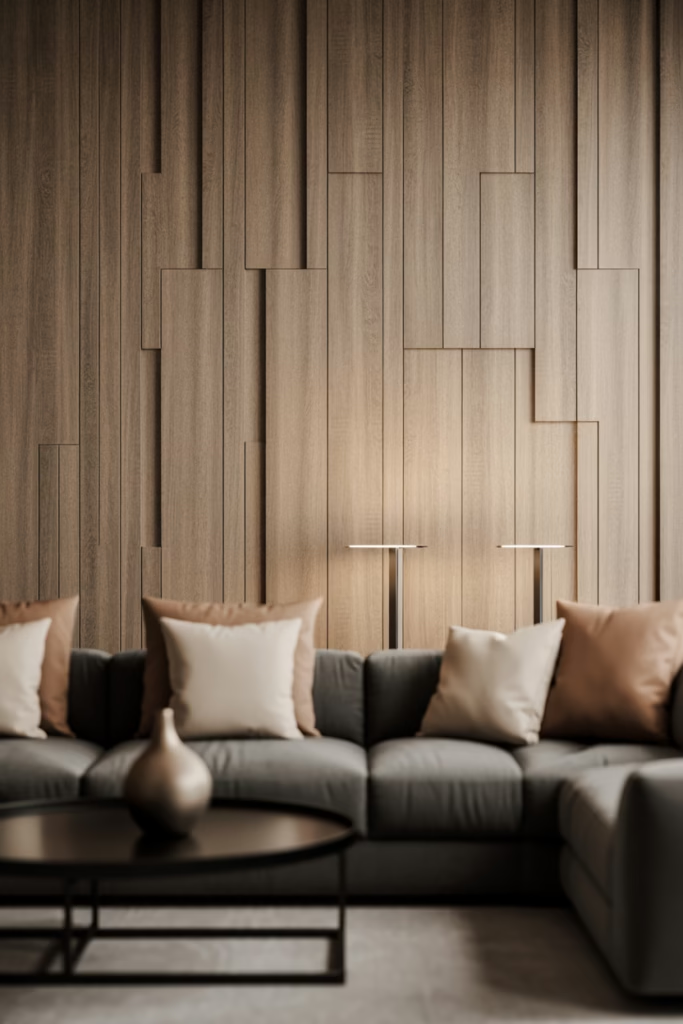
Flat painted walls are fine, but adding subtle texture elevates the entire room. I’m not talking about that dated sponge-painting from the ’90s—contemporary texture is sophisticated and understated.
Consider these options:
- Lime wash or plaster finishes for subtle depth
- Textured wallpaper in neutral tones (grasscloth, linen, or concrete-effect)
- Accent walls in natural wood slats or 3D panels
- Venetian plaster for a polished, organic look
The texture catches light differently throughout the day, creating visual interest without busy patterns or colors. It’s one of those details that seems small but makes a surprising impact on how upscale and intentional your space feels.
Functional Furniture with Hidden Purpose
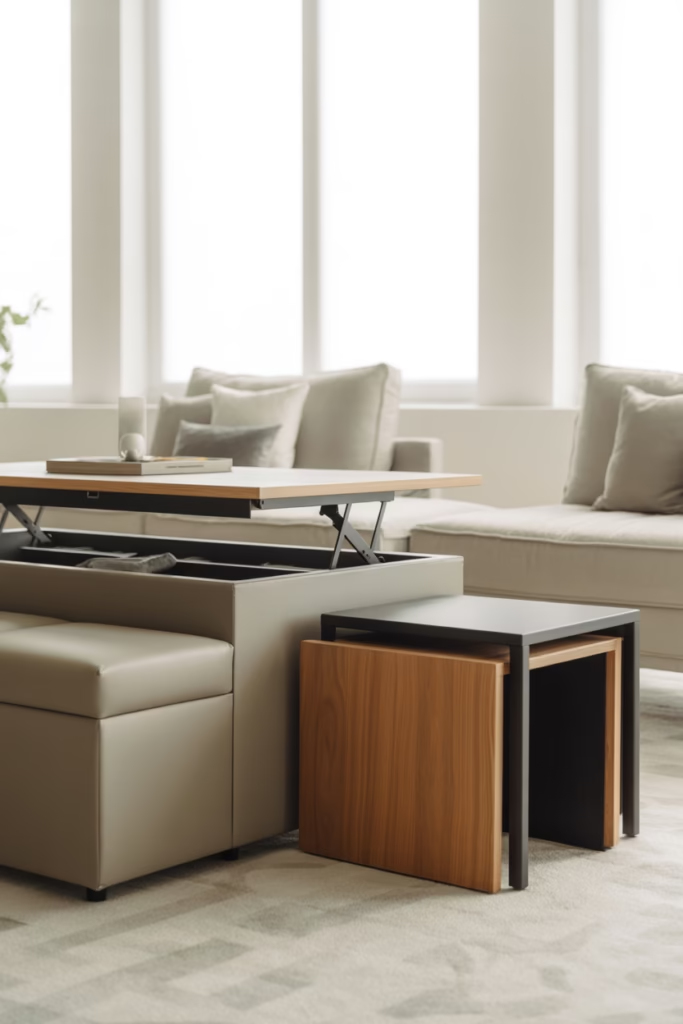
Multi-functional pieces are contemporary design gold. Ottoman that opens for storage? Yes. Coffee table that lifts to dining height? Absolutely. Sofa with built-in USB ports? Why not?
The key is choosing pieces where the functionality is elegant and integrated rather than obvious and clunky. You want furniture that serves multiple purposes without screaming “I’m trying to save space!”
I’m particularly fond of nesting tables—they look like sleek modern sculptures when stacked together but pull apart when you need extra surface area for entertaining. The versatility is unmatched, and they don’t compromise on style.
Architectural Details That Create Interest
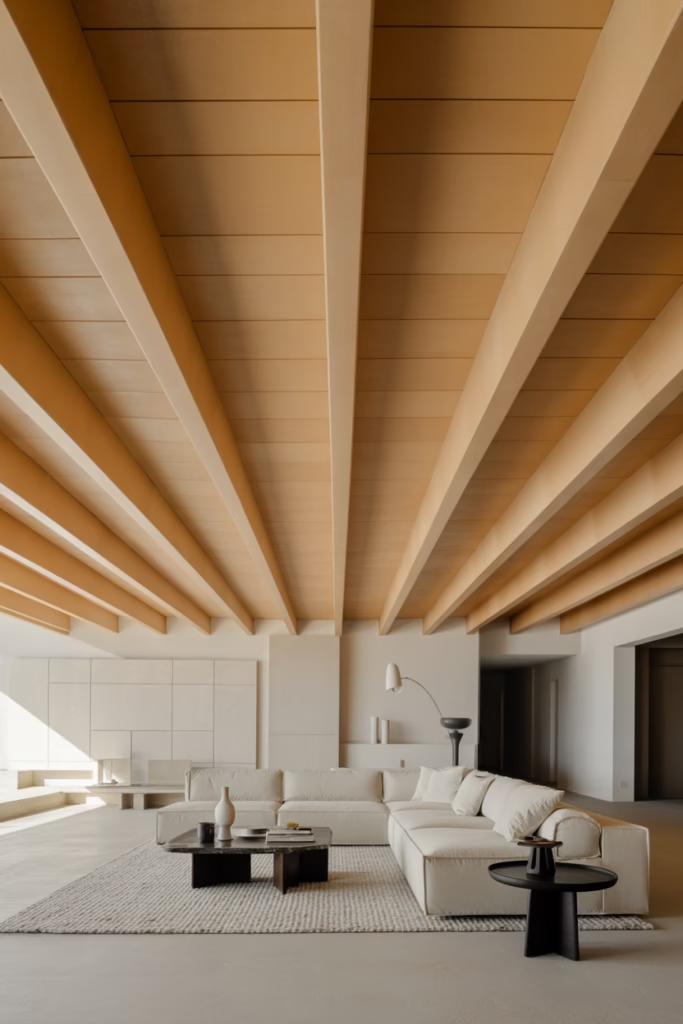
Contemporary doesn’t mean removing all architectural character. Strategic details like exposed beams, interesting ceiling treatments, or feature walls add personality without cluttering the space.
Maybe you expose original brick on one wall and keep everything else pristine white. Or you add wooden ceiling beams in a natural finish while the rest of the room stays neutral. Perhaps you install wall paneling in a geometric pattern as your focal point.
The trick is choosing ONE architectural detail to emphasize. Multiple competing elements just muddy the clean contemporary aesthetic you’re after. Pick your favorite feature and let it shine while everything else supports it.
Curated Accessories (Not Collections)
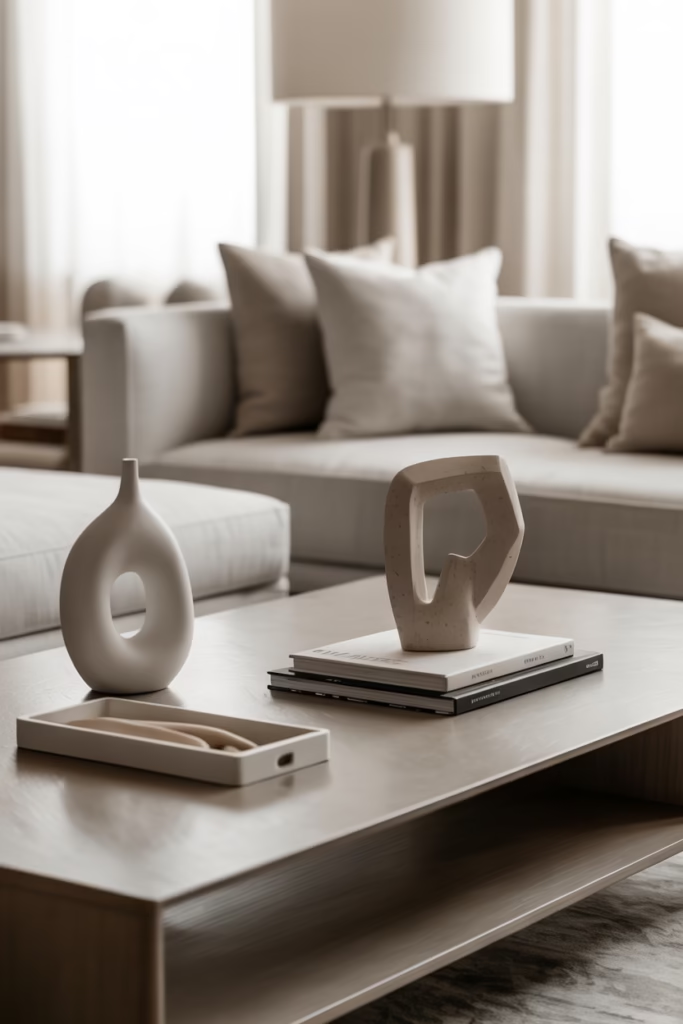
This might be controversial, but contemporary design is not the place for your collection of 47 decorative objects. Fewer, better pieces is the mantra you need to internalize.
Choose accessories deliberately: one beautiful vase, a carefully selected sculpture, maybe a stack of coffee table books with gorgeous covers. Each item should earn its place in the room. If you can’t articulate why something is there beyond “it fills space,” it probably shouldn’t be there.
I used to have knickknacks covering every surface until I realized they were just creating visual noise. Paring down to maybe 10 meaningful objects total made my living room feel intentional and curated rather than cluttered. Your eyes need places to rest, and empty space provides that.
Final Thoughts
Look, modern contemporary design isn’t about following rigid rules or making your living room feel like a museum. It’s about creating a space that feels clean, sophisticated, and genuinely comfortable to live in. These 17 ideas work because they balance aesthetics with functionality something I’ve learned matters way more than just looking good in photos.
Start with one or two concepts that resonate most with your space and budget. You don’t need to implement everything at once (trust me, your wallet will thank you). The beauty of contemporary design is its flexibility mix and match these ideas to create something uniquely yours while maintaining that sleek, modern vibe.
What’s stopping you from making that first change? Sometimes the hardest part is just starting, but I promise once you see how one contemporary element transforms your space, you’ll be hooked on updating the rest.