
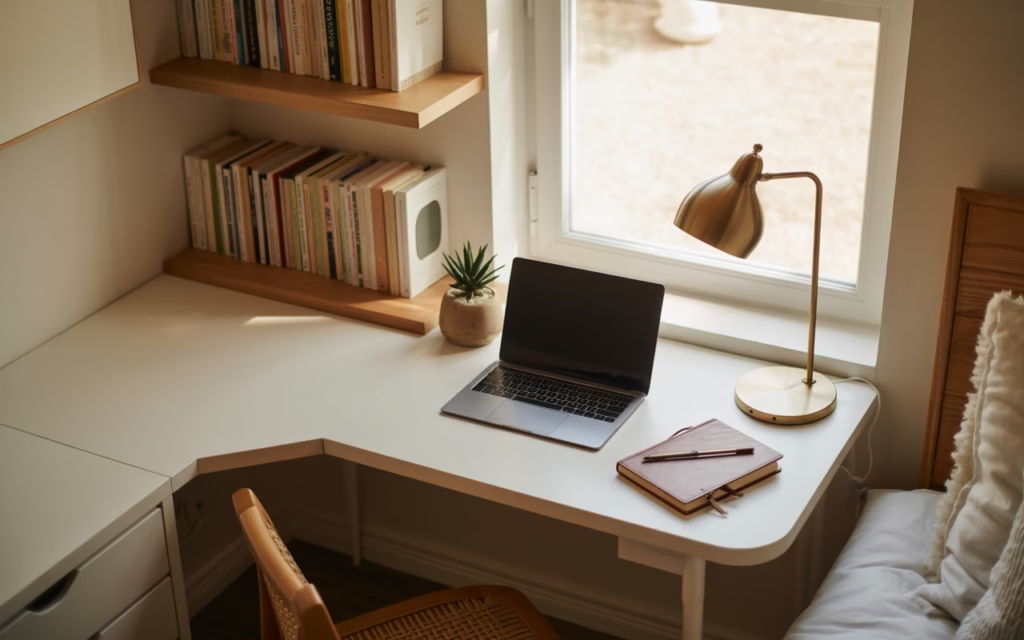
You don’t need a whole spare room to build a legit home office. You just need one stubborn little spot that you can claim—like the corner where your laundry basket currently lives or that “decorative” chair that only holds hoodies. I’ve worked out of tiny setups that felt one coffee spill away from total chaos, so yeah, I take small-space office design personally.
The trick is to stop thinking “office” and start thinking micro-zones. Where can you sit comfortably, plug stuff in, and focus without balancing your laptop like a circus act? Once you pick that spot, the right layout and storage choices can make it feel intentional instead of improvised.
So let’s cut through the design magazine nonsense and talk about real, practical ideas that’ll transform whatever tiny space you’re working with into a home office that doesn’t make you want to cry every morning. Ready? Let’s go.
1. The Floating Desk: Your Space-Saving Hero
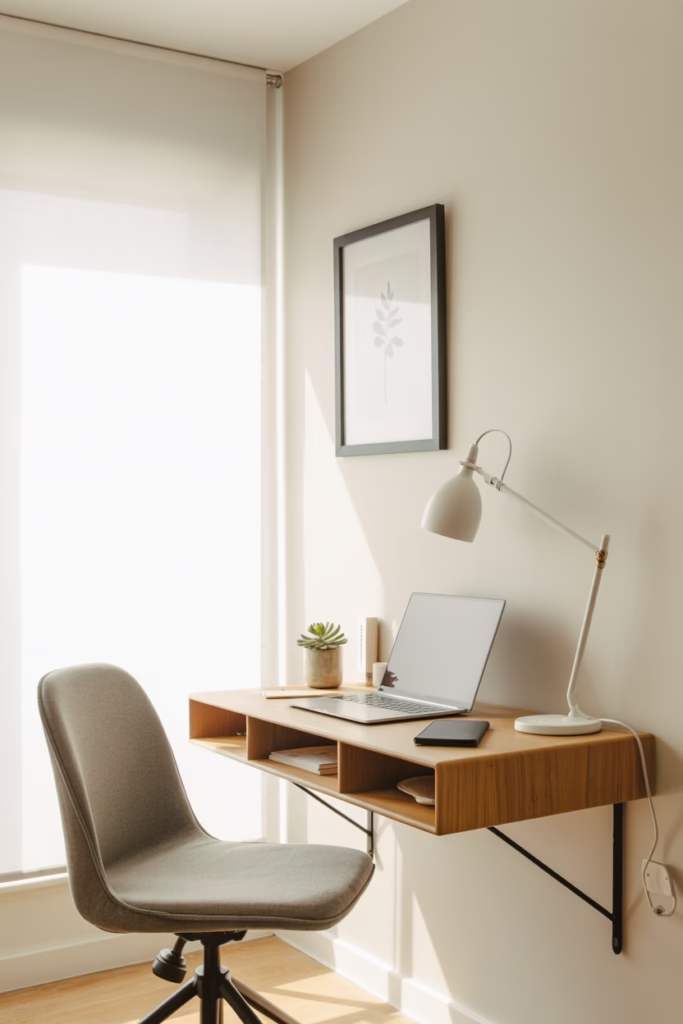
Floating desks are absolute game-changers for tiny spaces. I installed one in my previous apartment, and honestly, it felt like I’d discovered a design hack the universe had been hiding from me.
Here’s why floating desks rock: they take up literally zero floor space. You mount them directly to the wall, and suddenly that narrow hallway or bedroom corner becomes viable real estate. Plus, they force you to keep things minimal—no room for the junk drawer that somehow accumulates staplers you never use.
Go for a simple wooden plank with sturdy brackets, or invest in a fold-down version if you’re really tight on space. When you’re done working, fold it up, and boom—your office disappears. Magic? Nah, just smart design.
Pro tip: Mount it near a window if possible. Natural light makes those Zoom calls way less depressing, FYI.
2. Corner Desks That Actually Use Dead Space
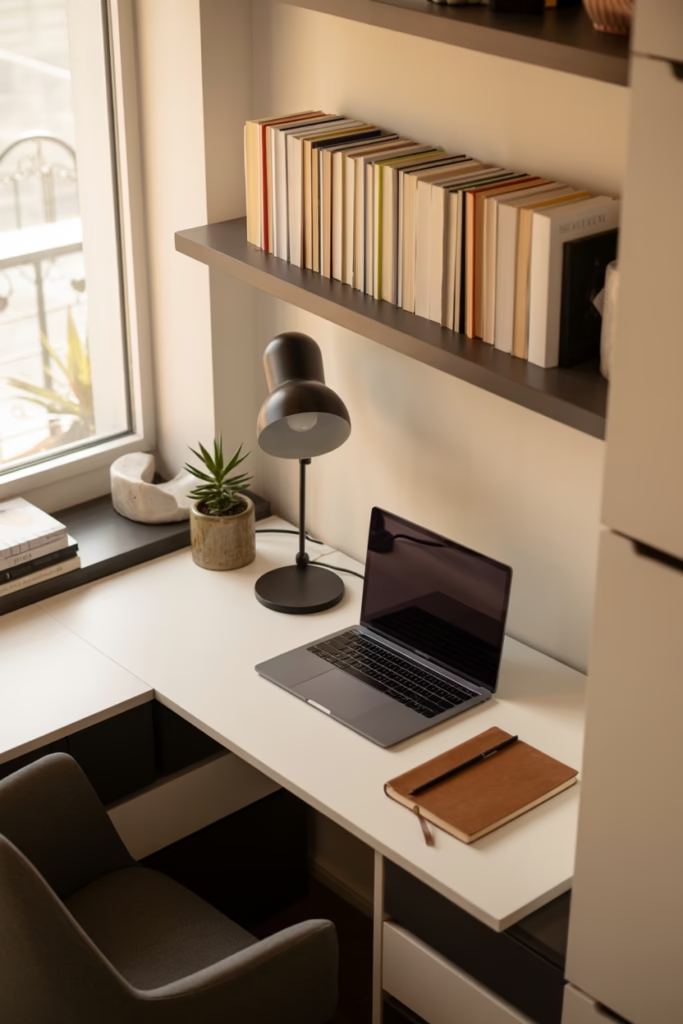
Corner spaces are the introverts of home design—everyone ignores them, but they’ve got so much potential. A corner desk transforms that awkward, unusable triangle into your productivity powerhouse.
I’m talking about L-shaped configurations that wrap around the corner, giving you double the workspace without eating up the middle of your room. You can spread out your laptop, notebook, coffee (the third essential), and still have room for that plant you swear you’ll remember to water.
The best part? Corner desks create a natural separation between your “work zone” and the rest of your living space. Your brain starts associating that corner with productivity, which honestly helps when your bed is literally three feet away whispering sweet nothings about naps.
3. Vertical Storage: Think Up, Not Out
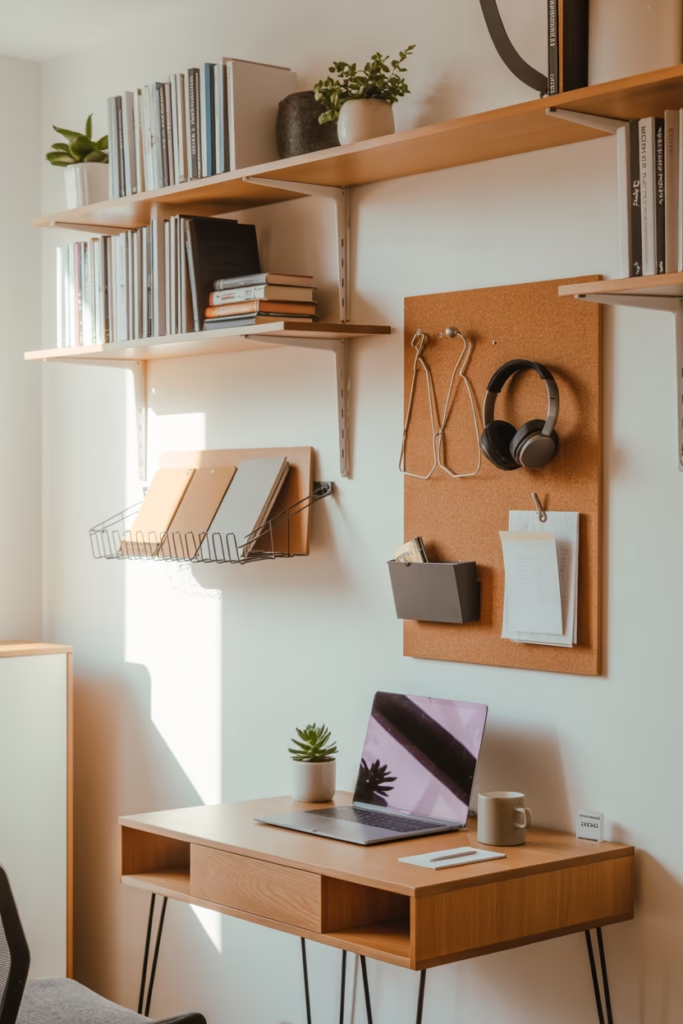
When floor space is limited, your walls become your best friend. Seriously, why let all that vertical space go to waste when you could be using it for storage?
Install floating shelves above your desk for books, supplies, and those decorative items that make you feel like a functional adult. Add a pegboard for hanging everything from headphones to sticky notes—pegboards are having a moment, and they deserve it.
Wall-mounted organizers, magnetic strips for tools, even a hanging file system—get creative. I mounted a narrow bookshelf sideways once (don’t judge), and it became the perfect spot for my charging cables and small office supplies.
The goal? Keep your desk surface clear so you can actually, you know, work on it. Revolutionary concept, I know 🙂
4. The Closet Office Conversion
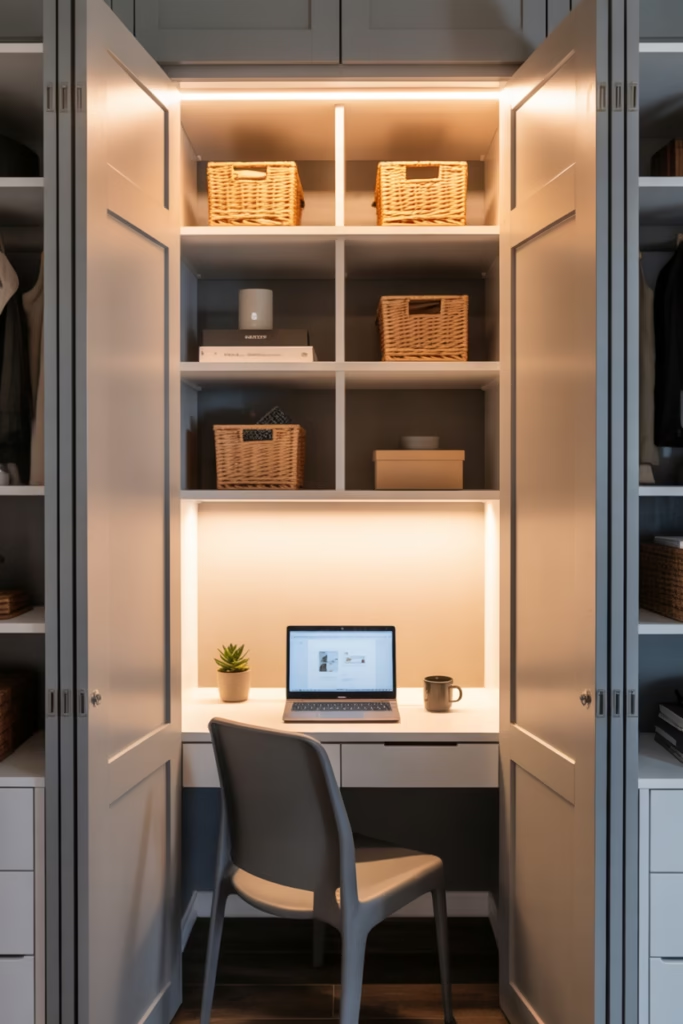
Ever wondered what to do with that coat closet nobody really uses? Convert it into a cloffice (closet + office, yeah it’s a thing).
Remove the doors, paint the interior a light color to make it feel bigger, and install a small desk that fits the width. Add some LED strip lighting because closets are notoriously dark, mount a few shelves, and you’ve got yourself a dedicated workspace that can be “closed off” with a curtain when guests come over.
I’ve seen people pull this off in spaces barely three feet wide, and it works. The enclosed feeling actually helps with focus—less visual distraction, more getting stuff done.
5. Murphy Desk: The Disappearing Act
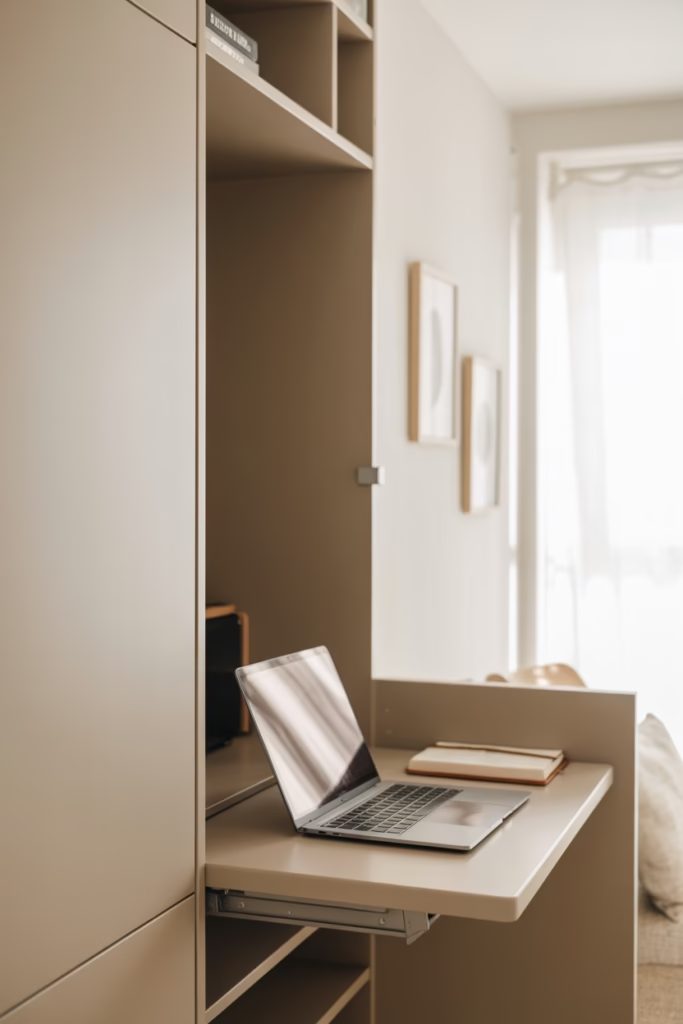
Murphy desks fold up against the wall when not in use, making them perfect for ultra-small spaces or multi-purpose rooms. Think guest bedroom that doubles as an office, or living room that needs to stay living-room-ish.
When you’re working, you’ve got a full desk. When you’re done, it folds up and looks like a sleek cabinet or wall panel. Your guests will never know you conduct business calls in your pajamas from that exact spot.
Just make sure you get one with good hardware. Cheap Murphy desks have a annoying habit of being wobbly or refusing to stay up. Trust me on this one—spending a bit extra upfront saves you from rage-quitting your work because your desk keeps trying to fold itself while you’re typing.
6. Under-Stair Office Nook
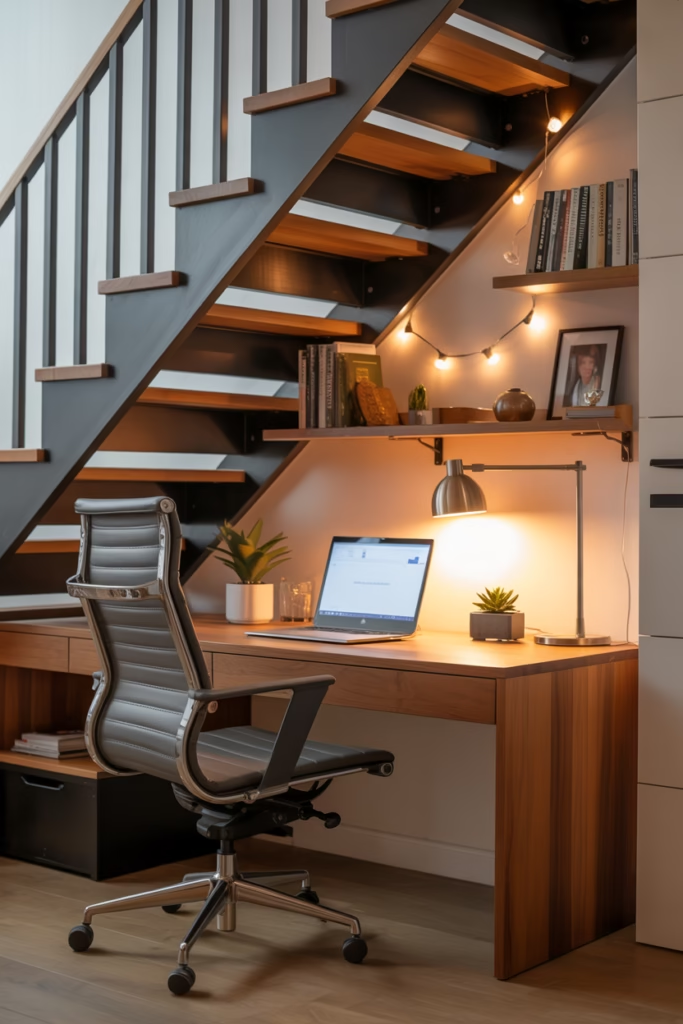
Got stairs? Got a weird space underneath them that currently houses forgotten shoes and that vacuum you never use? Congratulations, you’ve got office potential.
The under-stair nook is actually brilliant for a home office because it’s naturally separated from the main living area. Install a custom desk that fits the angle of your stairs, add task lighting (it’ll be darker under there), and maybe throw in some sound-absorbing panels if your family is loud.
IMO, under-stair offices have this cozy, hobbit-hole vibe that makes working feel less like work. Plus, you’re finally using that dead space for something other than storage.
7. Rolling Cart as Mobile Storage
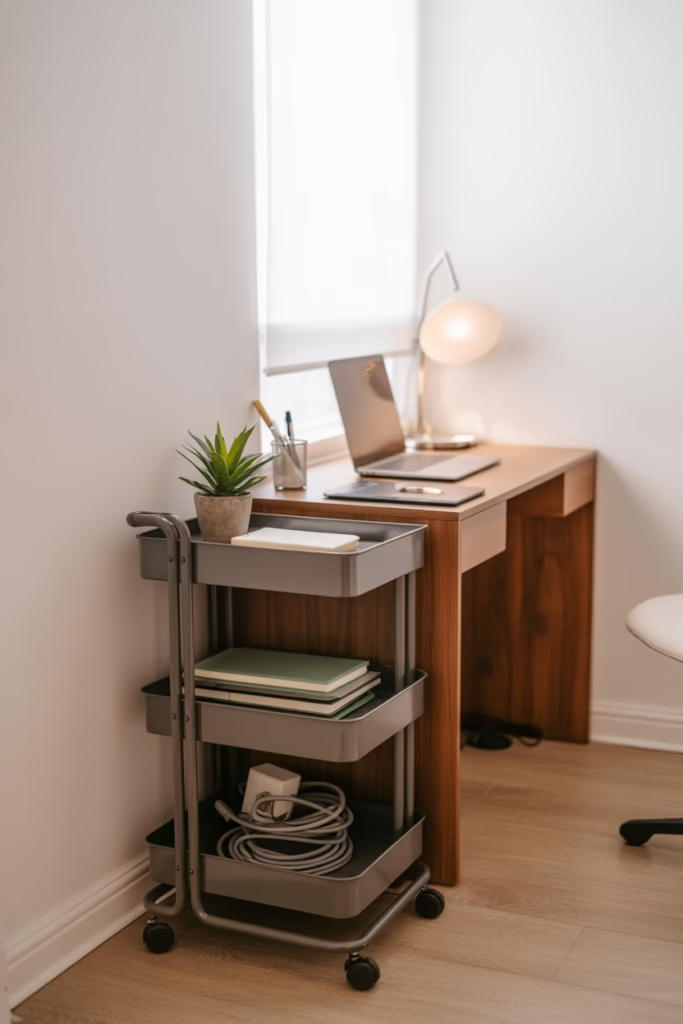
Small space? Keep things mobile. A rolling cart—you know, those trendy metal ones everyone has—becomes instant portable storage that you can tuck away when not needed.
Use the top tier for your laptop, middle for notebooks and supplies, bottom for that tangle of charging cables we all pretend to organize. When work is done, roll it into a closet or beside your couch. When you need to work, roll it out.
I keep mine stocked with everything I need for the day. It’s like a portable office that follows me around, which sounds needy but is actually super practical.
8. Window Sill Desk Extension
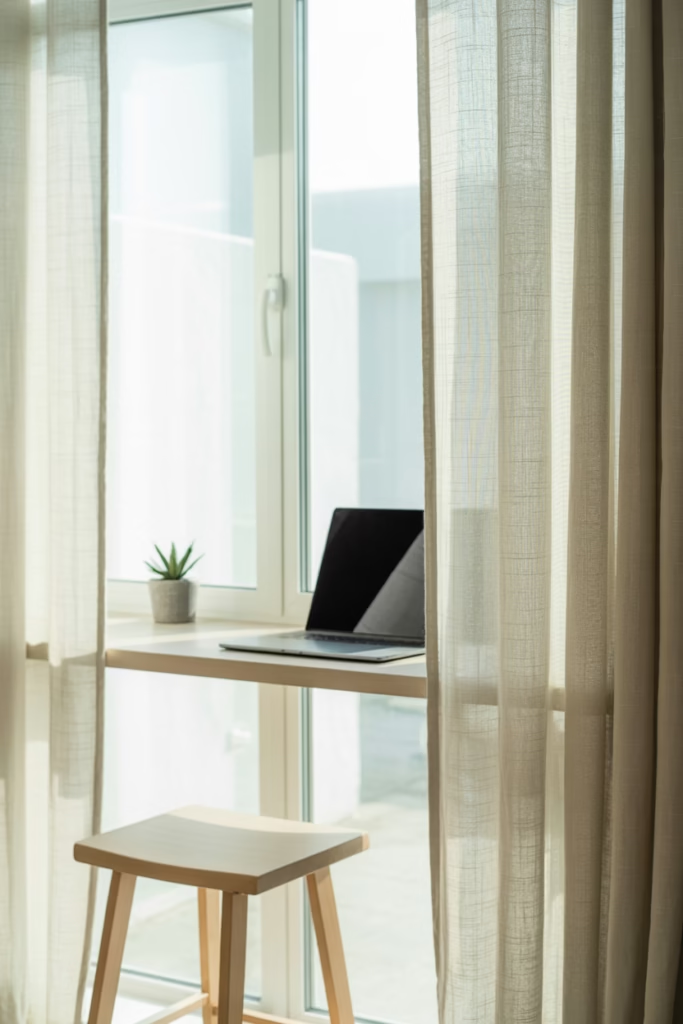
If your window sill is deep enough (or you can build it out), extend it into a narrow desk. This works especially well in older buildings with those thick walls and deep sills.
Add a cushion for seating, and you’ve got a window seat desk situation that’s honestly pretty dreamy. Natural light? Check. View to stare at during those “thinking” moments (aka procrastination)? Check. Minimal footprint? Double check.
Just be mindful of heat in summer and cold in winter if you’re in extreme climates. But otherwise, this setup is chef’s kiss for small spaces.
9. Bar Cart Turned Desk Organizer
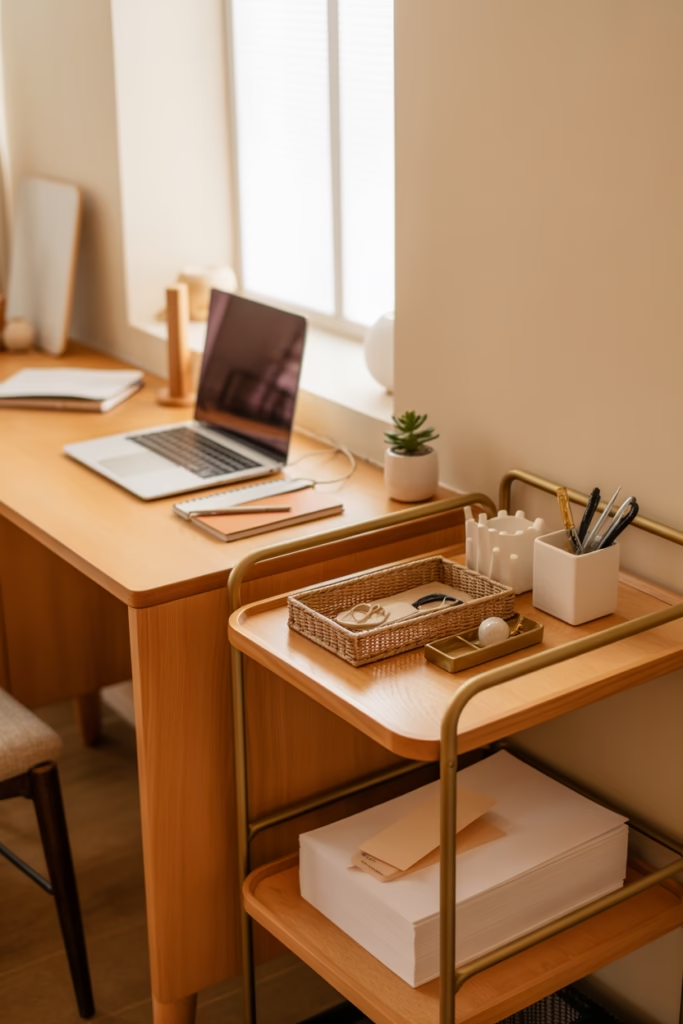
Here’s a weird one that actually works: repurpose a bar cart as desk organization. Those multi-tiered carts with wheels? Perfect for office supplies.
Top tier for your most-used items—pens, sticky notes, that stress ball you squeeze during meetings. Middle tier for files and notebooks. Bottom tier for printer paper or whatever doesn’t fit elsewhere.
The best part? Bar carts come in approximately one million styles, so you can find one that matches your aesthetic. Plus, you can wheel it out of sight when you’re pretending your apartment doesn’t double as your office.
10. Fold-Down Wall-Mounted Table
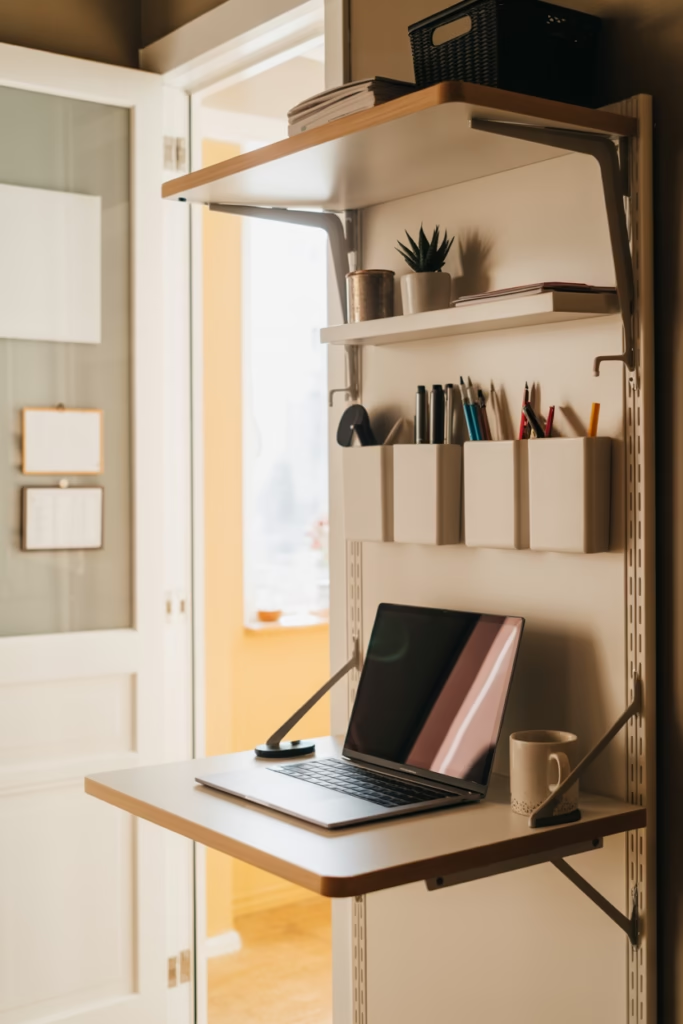
Similar to floating desks but with folding capability, these tables mount to the wall and fold down when you need them, then fold flat when you don’t. They’re incredibly space-efficient for truly tiny apartments.
Look for ones with built-in storage—some have shelves or pockets for supplies when folded up. Others are just simple, clean designs that disappear completely.
I used one in a studio apartment where every square foot mattered. Worked all day with it down, folded it up for dinner, and suddenly had room to exist like a normal human. No regrets.
11. Behind-the-Door Office
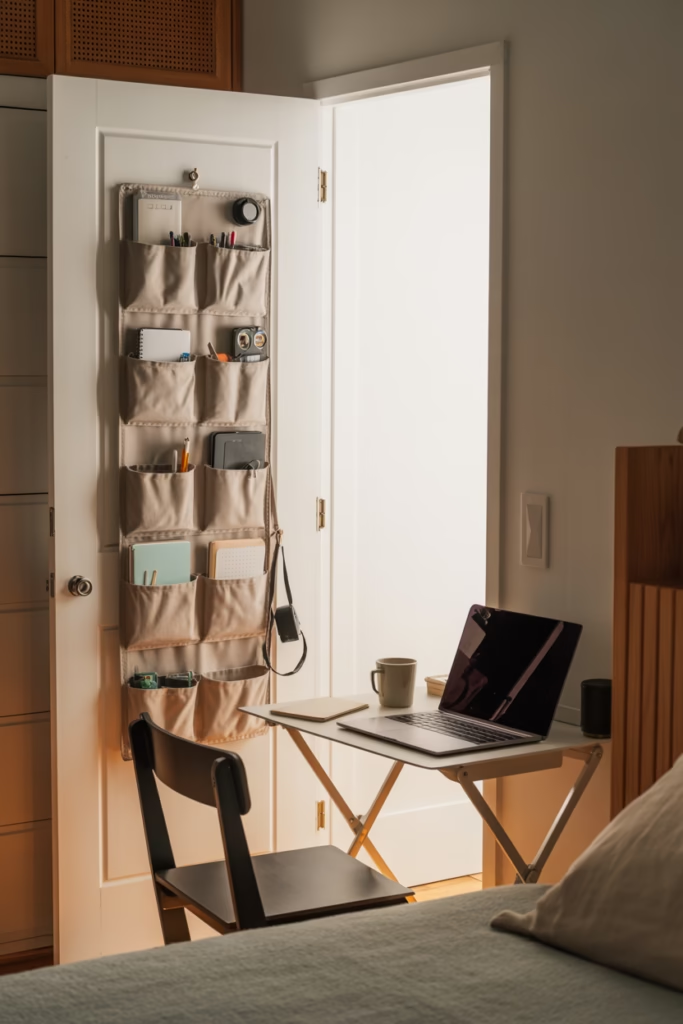
The back of your bedroom or closet door is prime real estate you’re probably ignoring. Mount an over-the-door organizer with pockets for supplies, or get creative with hooks and small shelves.
Pair this with a small folding table or lap desk, and you’ve got a micro-office that literally hides behind a door. It’s not ideal for marathon work sessions, but for checking emails or quick tasks? Totally functional.
Plus, there’s something satisfying about maximizing every available surface. Makes you feel like a space utilization genius, which you kind of are :/
12. Bookshelf Desk Combo
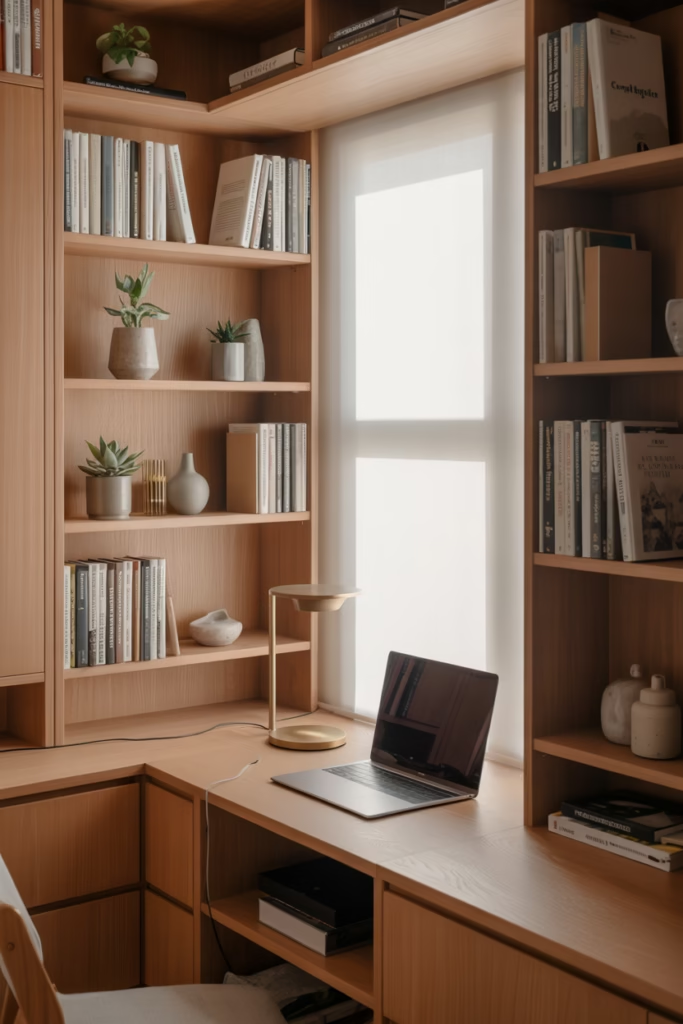
Buy or build a bookshelf with a desk surface integrated into the design—usually as a pull-out shelf or a built-in section. This gives you storage and workspace in one footprint.
The shelves above hold books, decorative items, and office supplies. The desk area becomes your work surface. Everything’s contained in one vertical unit, which is clutch when you’re working with limited square footage.
Choose one with a cord management system if possible, because exposed cables are the enemy of good design. Nobody needs to see that rats’ nest of chargers and USB cables.
13. Narrow Console Table as Desk
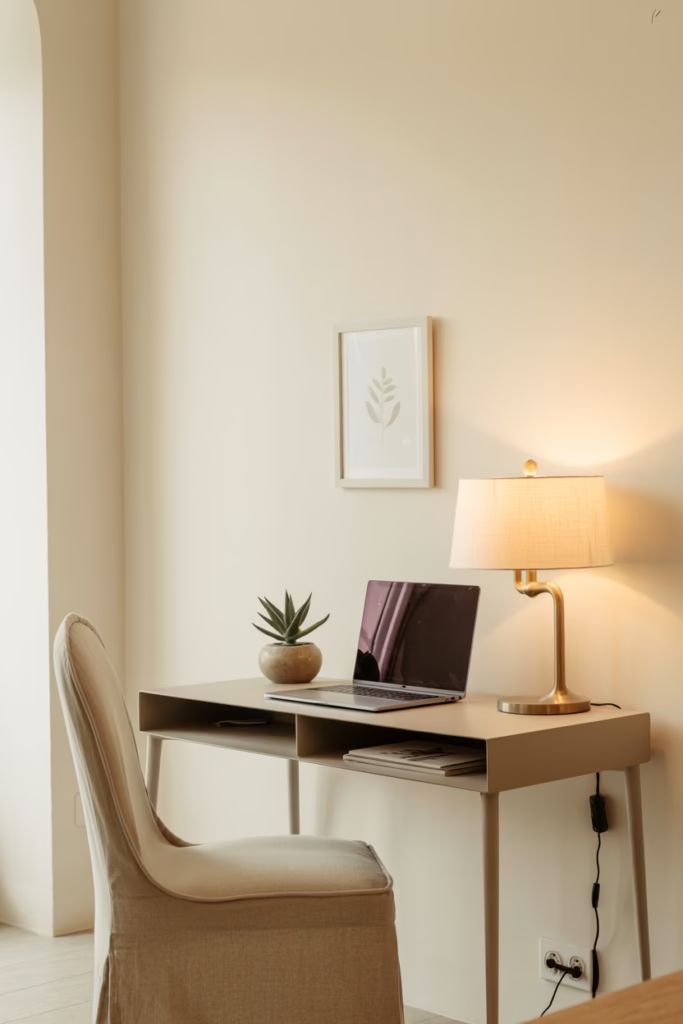
Console tables are typically skinny—like 12-16 inches deep—but that’s plenty for a laptop and notebook. If you don’t need tons of desk space for spreading out, a console table works beautifully.
Stick it against a wall in your hallway, living room, or bedroom. Add a comfortable chair, and you’re set. The narrow profile means you can squeeze it into spaces where a regular desk would never fit.
I’ve worked from a console desk for months and honestly never felt cramped. Unless you’re a graphic designer with three monitors, this setup probably has everything you need.
14. Room Divider with Built-In Desk
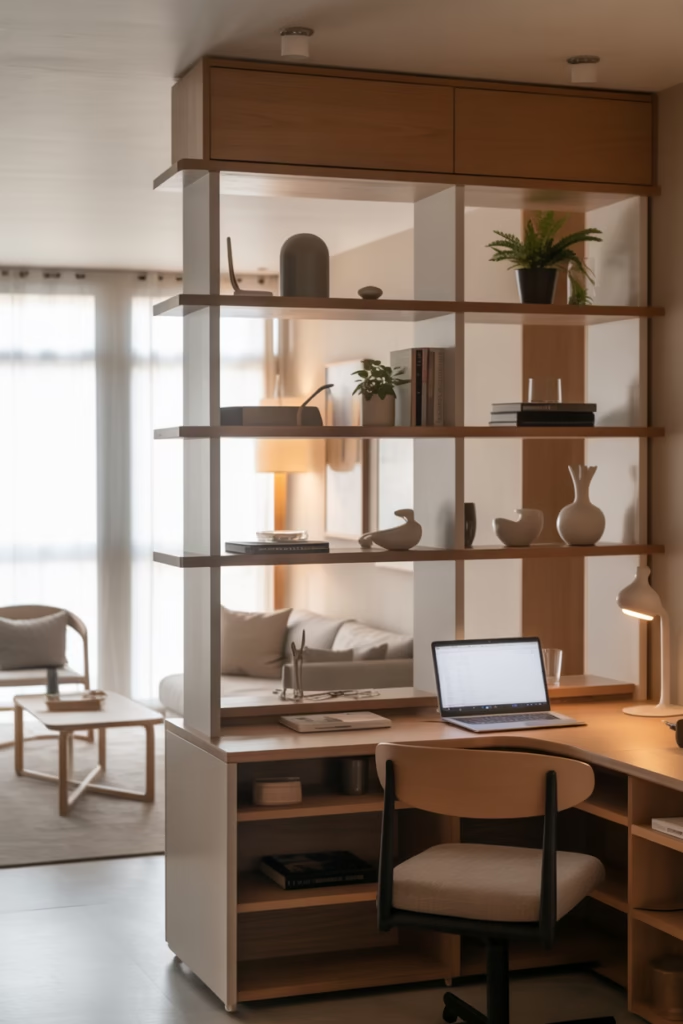
If you’re working with a studio or open-plan space, a room divider with an integrated desk serves double duty. It creates visual separation between your living area and work area while providing your actual workspace.
Look for dividers with shelving on both sides—one side becomes your office storage, the other side holds living room stuff. The desk portion tucks into the middle.
This solution is particularly genius because it addresses the biggest challenge of small-space living: defining different zones without walls. Your brain needs to know when you’re in “work mode” versus “relax mode,” and physical separation helps.
15. Minimalist Laptop Stand Setup
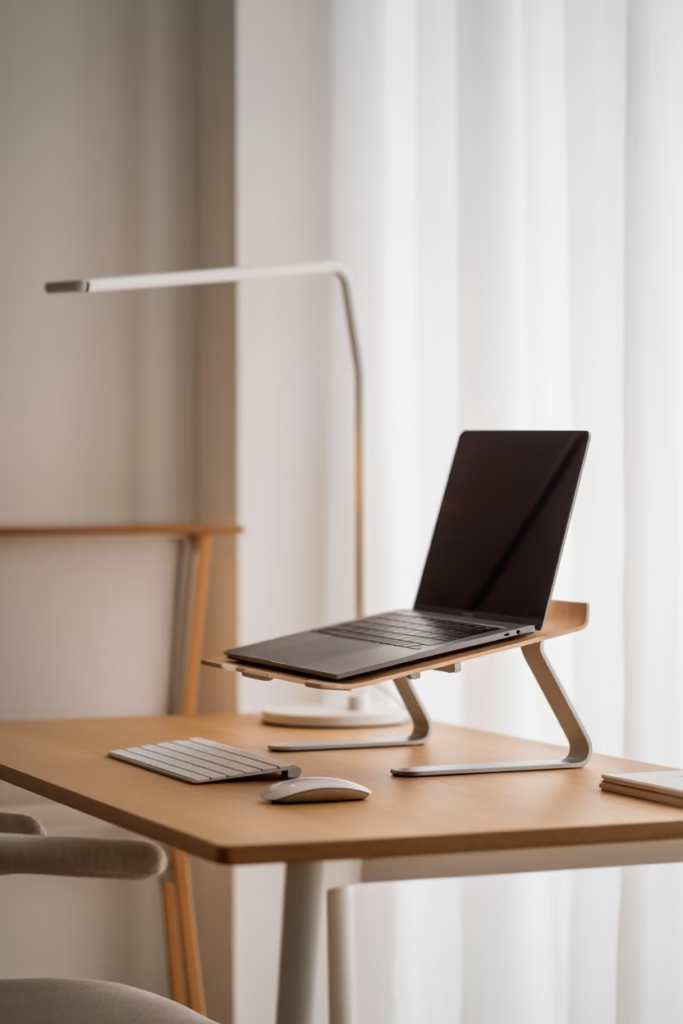
Sometimes the smallest office is just a laptop stand, wireless keyboard, and mouse on a tiny surface. If you’re truly tight on space and mostly work digitally, embrace the minimal setup.
A laptop stand elevates your screen to eye level (saving your neck), while the keyboard and mouse sit on the surface below. Total footprint? Maybe 18 inches. You can set this up on a narrow table, shelf, or even a sturdy side table.
Pair it with good lighting and ergonomic accessories, and you’ve got a surprisingly functional workspace. It’s not flashy, but it works, and sometimes that’s exactly what you need.
Conclusion
There you have it—15 ways to create a home office when you’re convinced you don’t have space for one. The truth is, you probably have more options than you think. It just takes some creative problem-solving and willingness to think beyond traditional desk setups.
Your home office doesn’t need to look like something from an interior design magazine. It just needs to work for you—helping you stay productive without taking over your entire living space. And honestly? Sometimes the best offices are the scrappy, DIY ones where you figured out exactly what worked for your unique situation.
Now go reclaim that corner, closet, or awkward nook. Your back will thank you for getting off the kitchen table, and your productivity might just surprise you. Happy office building!