
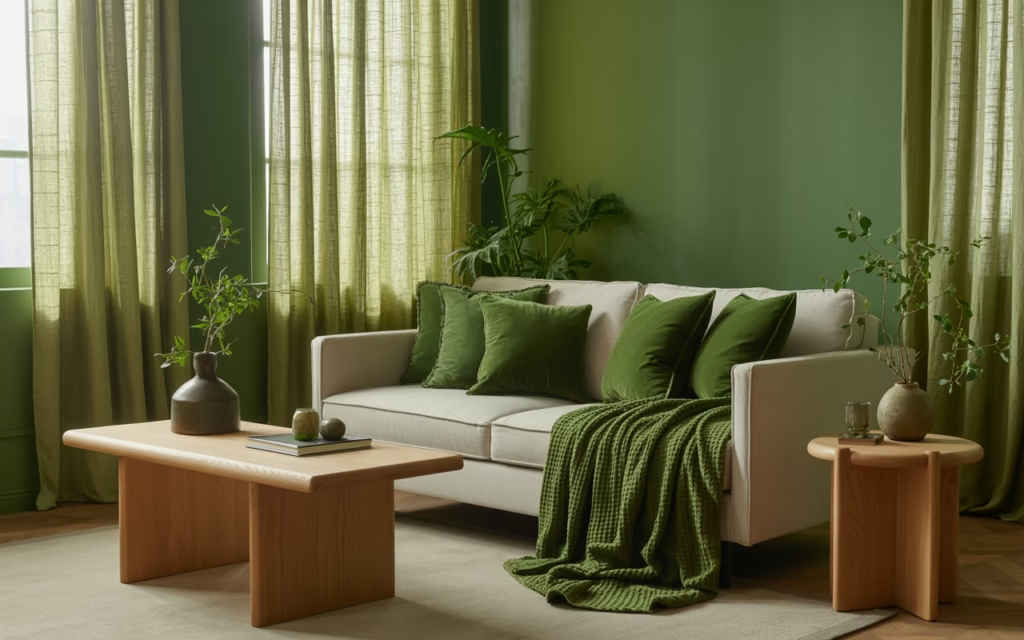
Look, I’ll be straight with you, green living rooms are having a major moment right now, and honestly? It’s about time. If you’ve been scrolling through Pinterest at 2 AM (no judgment, we’ve all been there), you’ve probably noticed how green has become the go-to color for people who want their living room to feel fresh, sophisticated, and a little bit daring all at once.
I used to think green was risky. Like, what if I pick the wrong shade and my living room ends up looking like a sad doctor’s office from the ’70s? But here’s the thing—green is actually one of the most versatile colors you can work with. From moody emeralds that scream luxury to soft sage tones that whisper zen vibes, there’s literally a green for everyone.
So grab your coffee (or wine, depending on what time you’re reading this), and let me walk you through 15 stunning ways to bring green into your living room without making it look like you’re trying too hard.
The Emerald Accent Wall
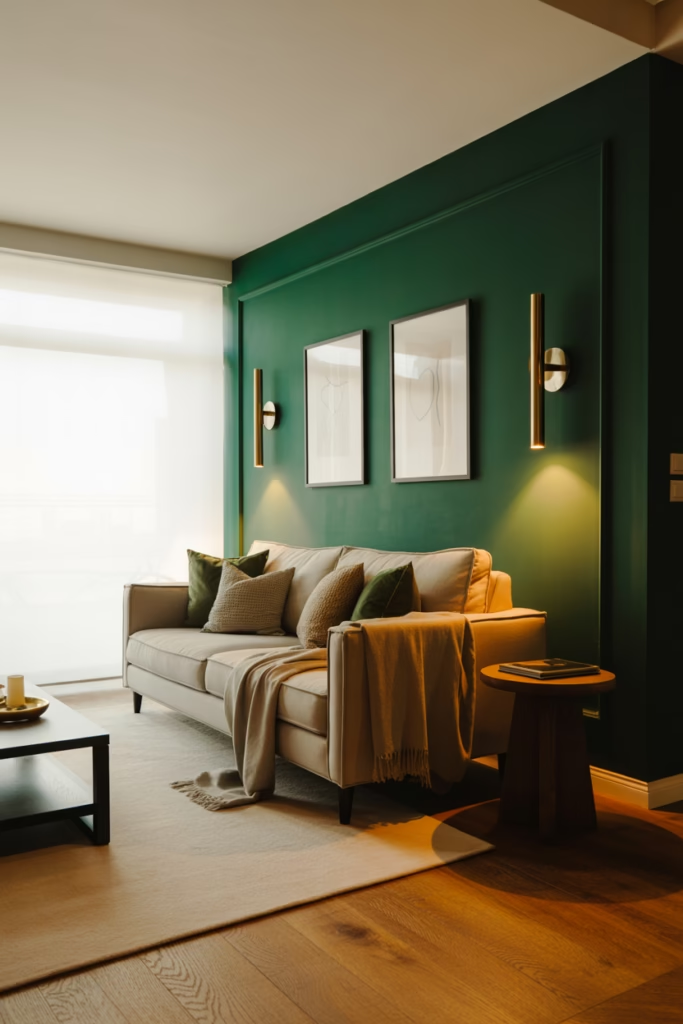
Ever walked into a room and immediately felt like you’d stepped into a luxury hotel? That’s what an emerald accent wall does. I’m talking about that deep, jewel-toned green that makes everything else in the room look expensive—even if your coffee table came from that one Swedish furniture store we all know and love.
Here’s why this works so well: Emerald green has enough depth to create drama without overwhelming your space. Paint one wall (usually the one behind your sofa or TV), and suddenly your entire room has a focal point. Pair it with brass or gold accents, and you’ve got yourself a living room that looks like it belongs in a design magazine.
Pro tip? Use a matte finish instead of glossy. The matte texture adds sophistication and doesn’t bounce light around like a disco ball. Trust me on this one—I learned the hard way. :/
Velvet Green Sofa Glory
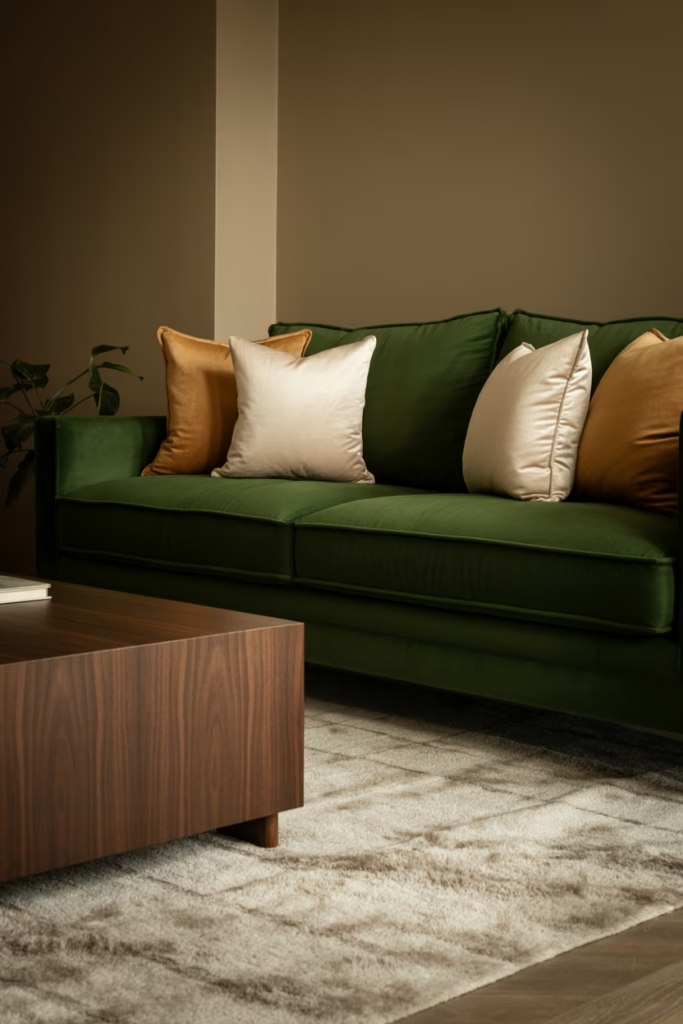
Okay, can we talk about velvet green sofas for a second? Because I’m slightly obsessed. There’s something about sinking into a plush, forest green velvet couch that just hits different. It’s cozy, it’s elegant, and it makes your living room feel like an actual grown-up lives there.
What makes this work:
- Velvet catches light beautifully, creating depth and visual interest
- Green sofas are surprisingly neutral—they work with basically any color palette
- The texture alone adds luxury without needing expensive accessories
I recently switched to a sage green velvet sectional, and my friends literally can’t stop touching it when they visit. Is it practical with two dogs? Absolutely not. Do I regret it? Also no. Sometimes you’ve gotta prioritize aesthetics, you know?
Botanical Wallpaper Wonderland
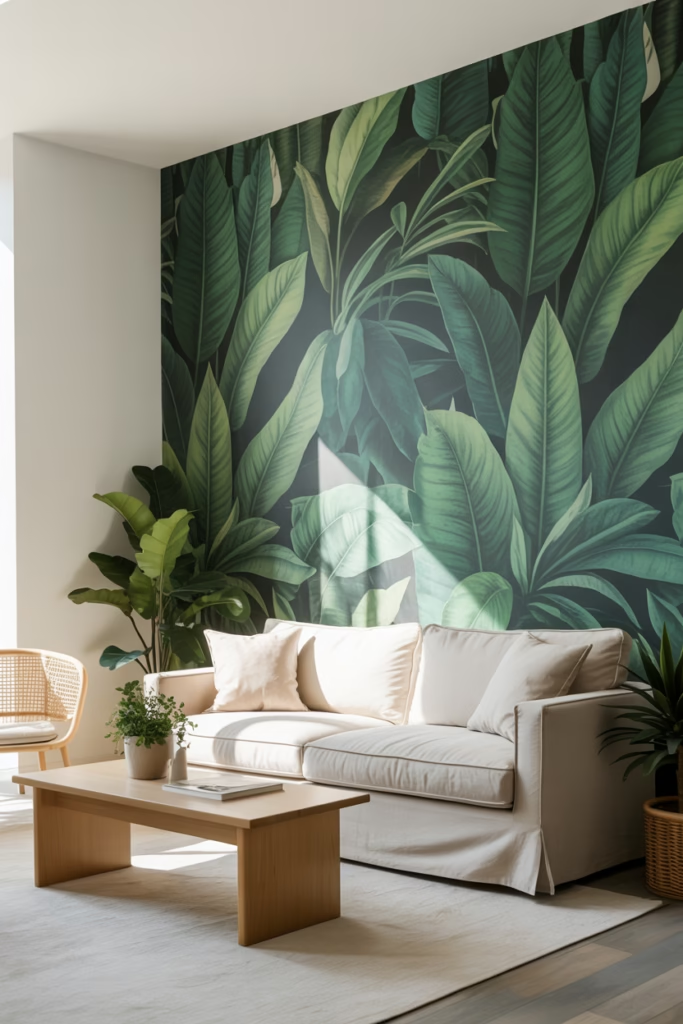
If commitment issues prevent you from painting your walls green (I get it), botanical wallpaper is your new best friend. We’re talking lush, tropical prints with oversized leaves that make your living room feel like a chic jungle retreat.
The beauty of wallpaper is that you can go bold without fully committing. Just do one accent wall, and if you hate it in a year, you can peel it off. FYI, modern wallpaper is way easier to work with than the nightmare stuff from decades ago—no weird paste situations required.
Style this right by:
- Keeping furniture simple and streamlined
- Adding natural wood elements to complement the botanical theme
- Using crisp white or cream as your base color
Sage Green Paint Everywhere
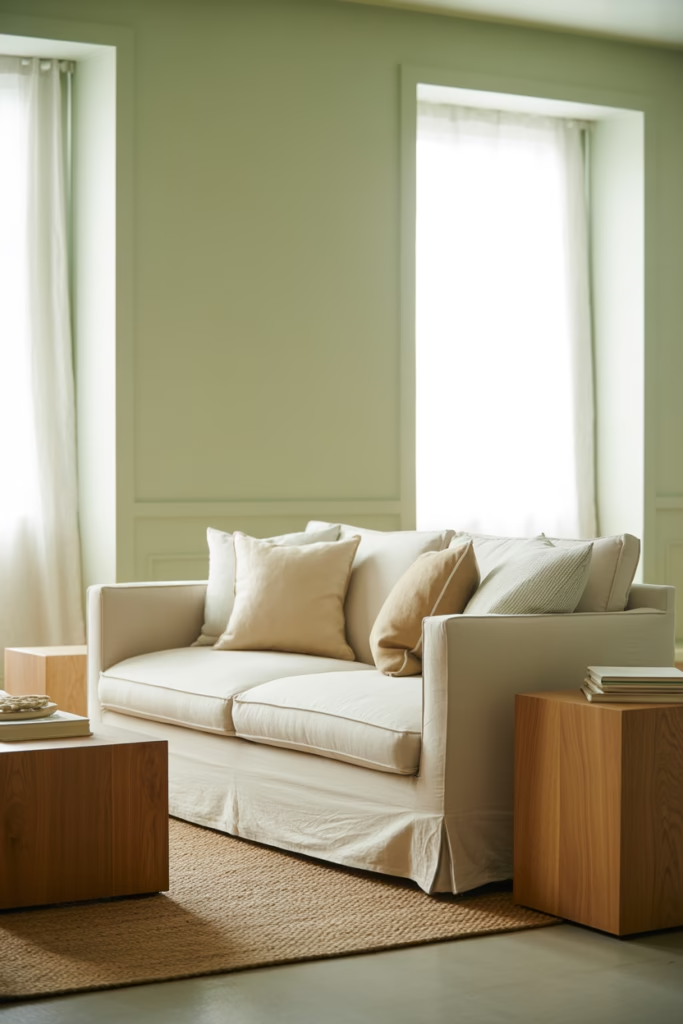
Look, sage green is having its moment, and I’m here for it. This soft, muted green is perfect if you want color but don’t want your living room screaming at you every time you walk in. It’s calming, it’s modern, and it works with literally everything.
Paint all four walls sage green, and you’ve created this cocoon-like atmosphere that feels both airy and grounded. I know that sounds contradictory, but somehow sage green pulls it off. It’s like the color version of being perfectly balanced.
This shade works because:
- It’s neutral enough to act as a backdrop
- It adds color without overwhelming your space
- Natural light makes it look different throughout the day (seriously, it’s like having multiple rooms in one)
Pair it with white trim, natural wood furniture, and plenty of plants. Yes, real ones—we’re creating a vibe here, people.
Dark Green Built-In Shelving
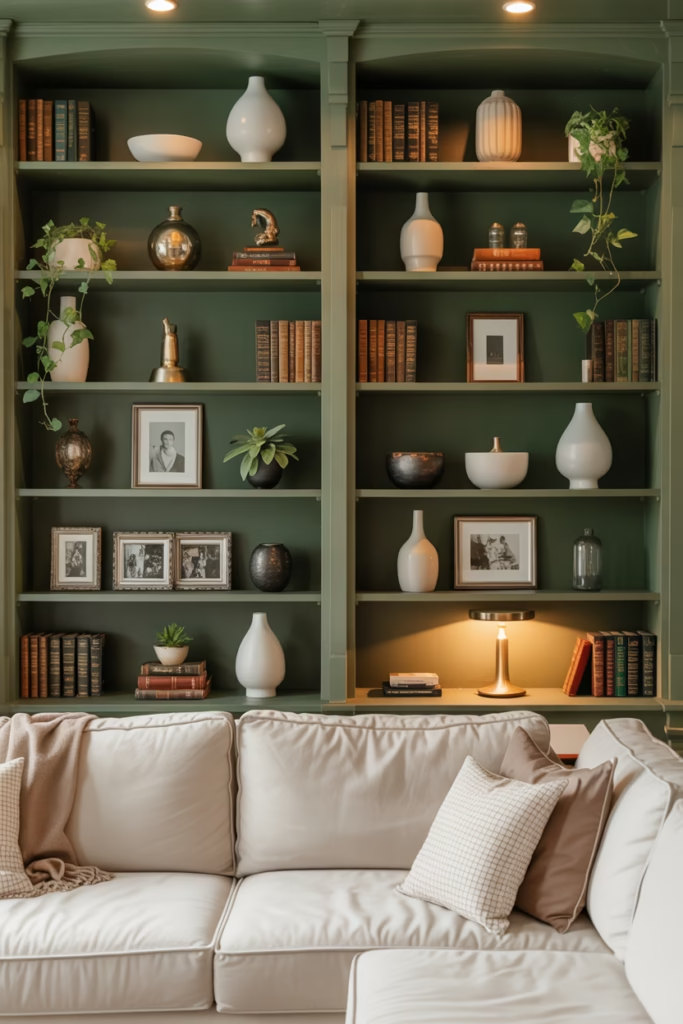
Want to feel fancy? Paint your built-in shelves a deep hunter or forest green. This is such an underrated move that instantly adds architectural interest to your living room. I did this in my own space last year, and every single person who visits asks who my designer is. (Plot twist: YouTube tutorials and a steady hand, baby.)
The dark green creates depth behind your books and decor, making everything pop. Plus, it’s a subtle way to incorporate color if painting entire walls feels too intense. Style those shelves with brass bookends, white ceramics, and some greenery, and you’ve got yourself an Instagram-worthy setup.
Green and Blush Pink Combo
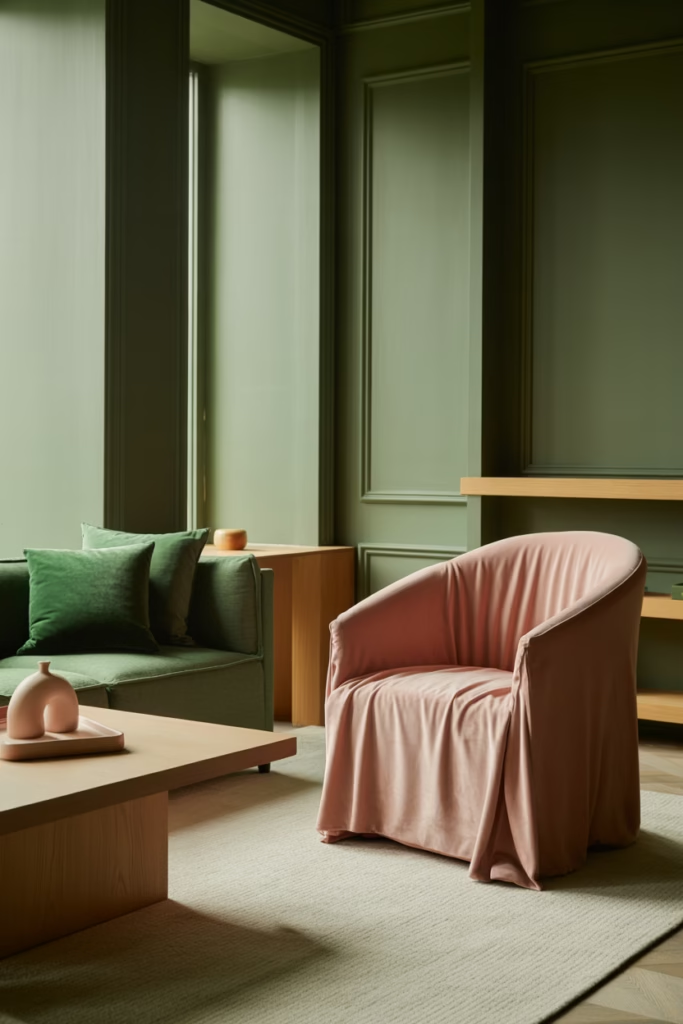
Hear me out before you roll your eyes—green and blush pink together is chef’s kiss. I used to think pink was too sweet for living rooms, but when you pair soft blush tones with muted green, you get this sophisticated, modern look that’s surprisingly mature.
Here’s how to nail this combo:
- Use green as your dominant color (walls, large furniture pieces)
- Add blush through throw pillows, curtains, or a single accent chair
- Balance with neutral grays and whites to keep it grounded
- Don’t go full Barbie dreamhouse—subtlety is key here
IMO, this combination works best with natural materials like linen and cotton. It keeps things feeling organic rather than overly styled.
Olive Green Leather Furniture
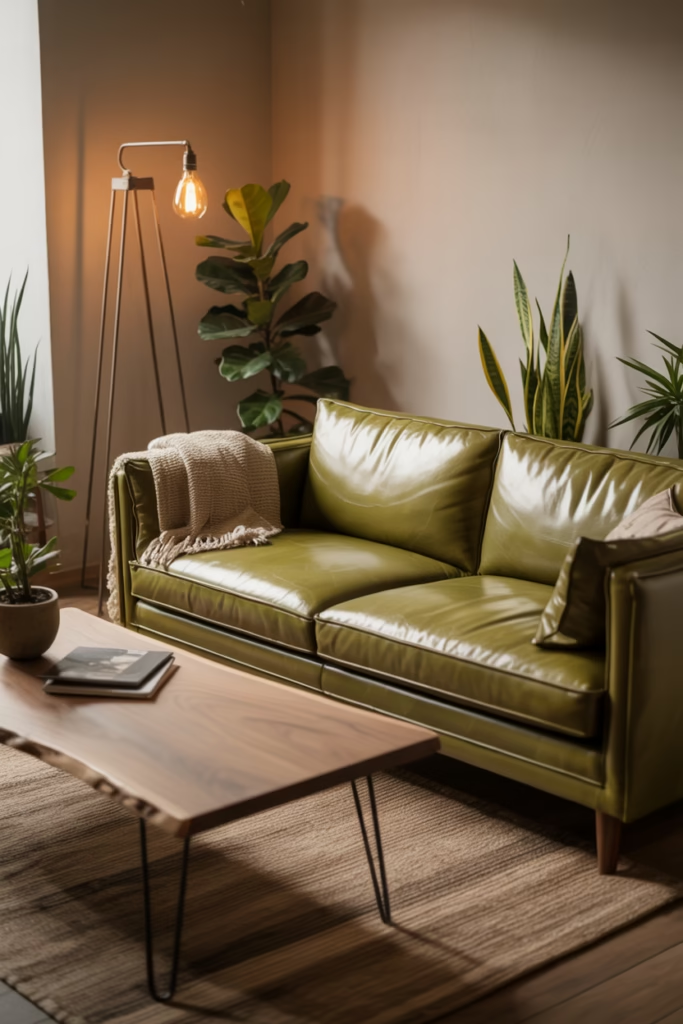
Can we appreciate olive green leather for a second? It’s that perfect middle ground between brown and green that somehow works with everything. An olive leather sofa or armchair adds this vintage, lived-in vibe without looking dated.
I love this option because it’s practical and stylish. Leather ages beautifully, and that olive tone is forgiving with everyday wear. Plus, it pairs wonderfully with warm wood tones, industrial metals, and bohemian textiles. Basically, it’s the chameleon of furniture colors.
Two-Tone Green Walls
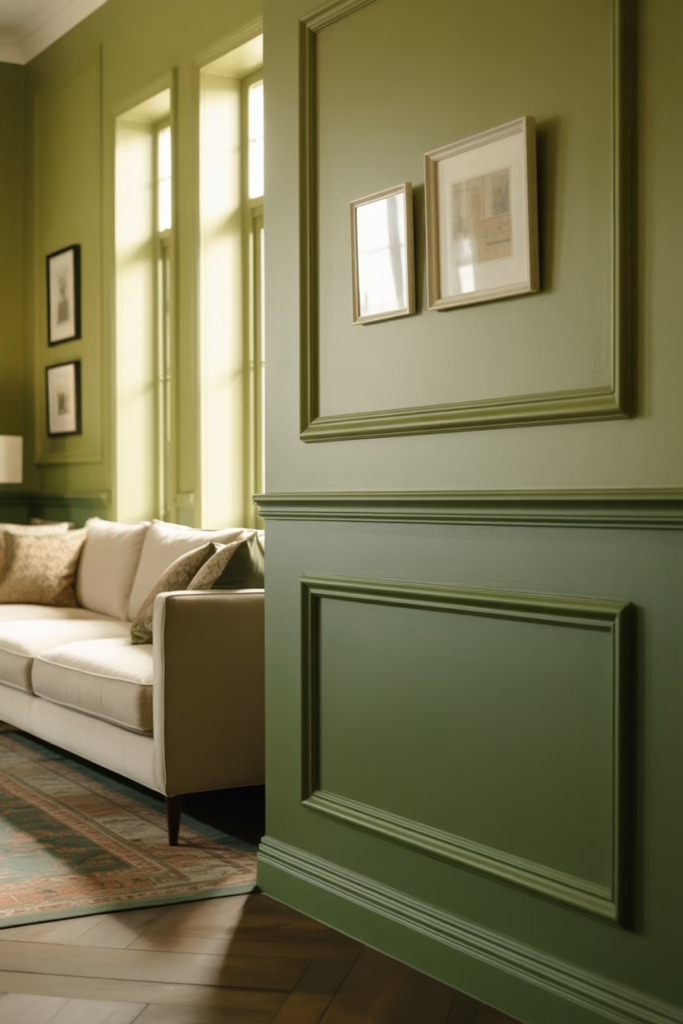
Here’s where we get a little adventurous. Paint your walls two different shades of green—darker on the bottom, lighter on top, separated by a chair rail or simple white molding. This Victorian-inspired technique adds visual height and character to your living room.
Why this works:
- Creates visual interest without patterns or wallpaper
- The darker bottom section is more forgiving with scuffs and marks
- Adds architectural detail even if your room has zero original character
I’ve seen this done with emerald below and sage above, and it’s stunning. The contrast is there but not jarring because you’re working within the same color family.
Green Curtains for Days
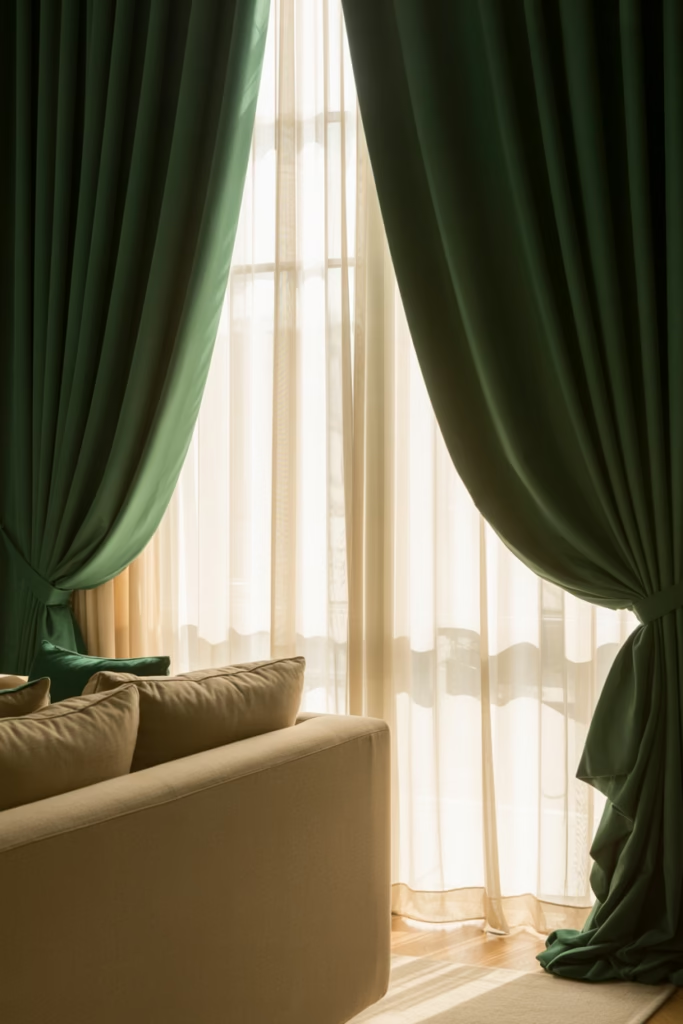
Sometimes the smallest changes make the biggest impact. Swapping basic white curtains for rich green panels can completely transform your living room’s vibe. We’re talking floor-to-ceiling, luxurious drapes that puddle slightly on the floor for maximum drama.
Go for a deep emerald or forest green in a heavier fabric like velvet or thick linen. The color adds warmth, and those long panels make your ceilings look higher. It’s basically a cheat code for making your space feel more expensive than it actually is. 🙂
Mint Green Accent Pieces
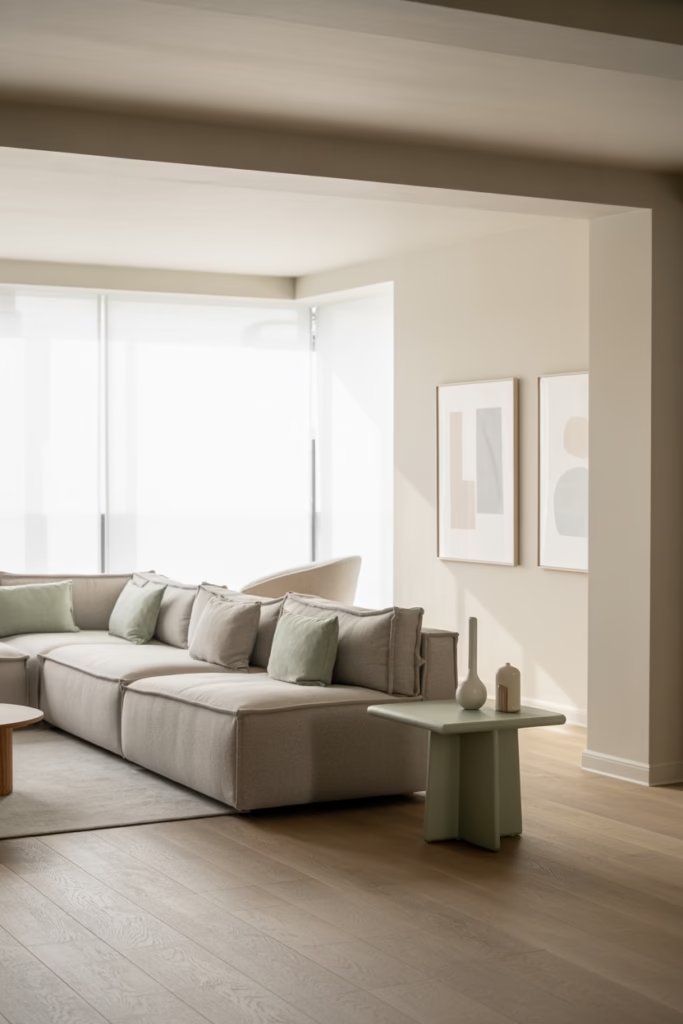
Not ready to commit to big green furniture or paint? Start with mint green accent pieces. This fresh, cool-toned green works beautifully in modern and mid-century spaces. Think mint green side tables, picture frames, or even a small accent chair.
The key with mint is keeping everything else relatively neutral. Let those pops of minty goodness stand out against whites, grays, and natural woods. Too much mint and you’ll feel like you’re living inside a pack of gum—and nobody wants that.
Green Ceiling Drama
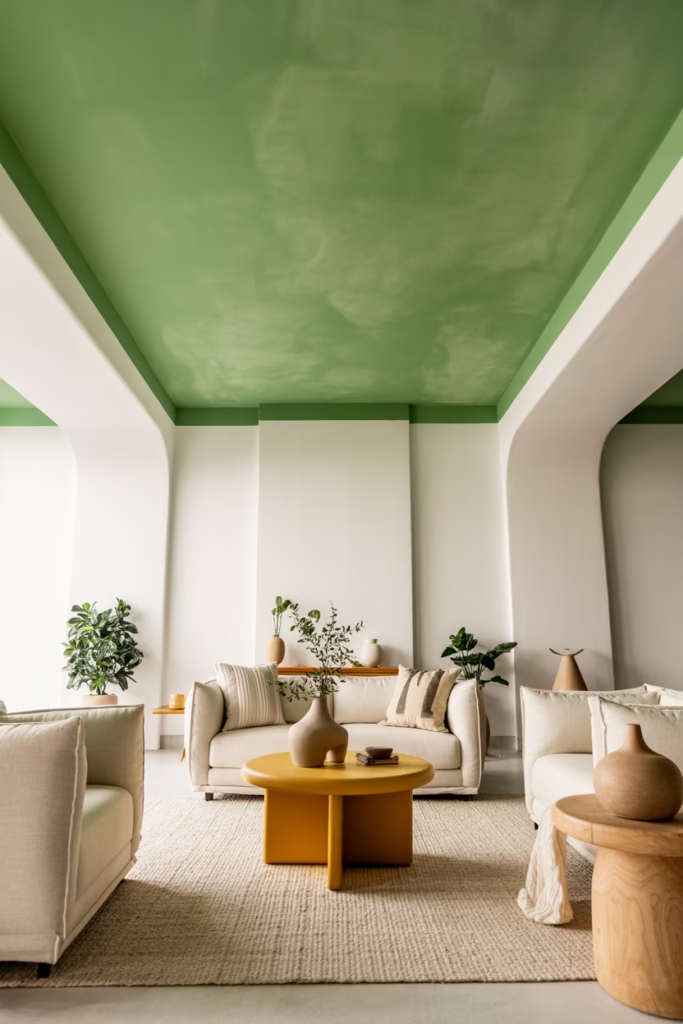
Want to do something unexpected? Paint your ceiling green. I know, I know—it sounds weird. But a soft sage or even a deeper teal on the ceiling creates this enveloping, cozy feeling that’s hard to achieve any other way.
This technique works best when:
- Your walls are white or a very light neutral
- You have good natural light
- Your ceiling height is at least 8 feet (lower ceilings might feel cramped)
I’ve only been brave enough to try this in my home office, but I’m seriously considering it for the living room. There’s something unexpectedly chic about looking up and seeing color instead of boring white.
Terrazzo with Green Accents
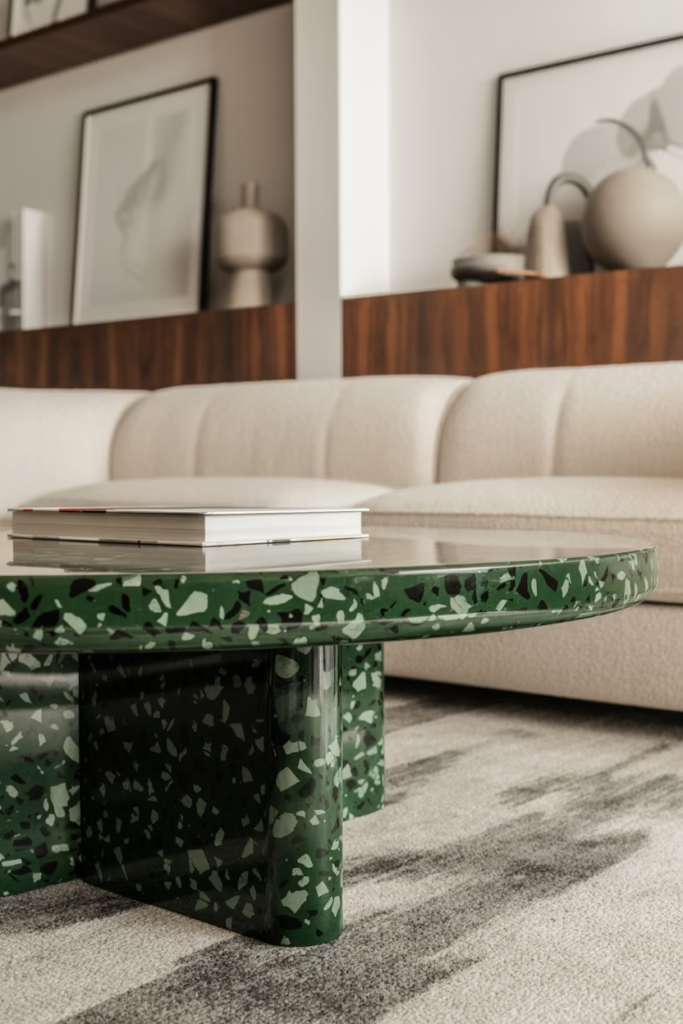
Okay, terrazzo is making a comeback, and I’m not mad about it. Get yourself a terrazzo coffee table or side table with green flecks mixed into the pattern. It’s a subtle way to incorporate green while adding serious style points and texture.
Pair it with a neutral sofa and other natural materials for a look that’s modern but not trying too hard. The beauty of terrazzo is that it already has visual interest built in, so you don’t need to go crazy with accessories.
Green and Navy Sophistication
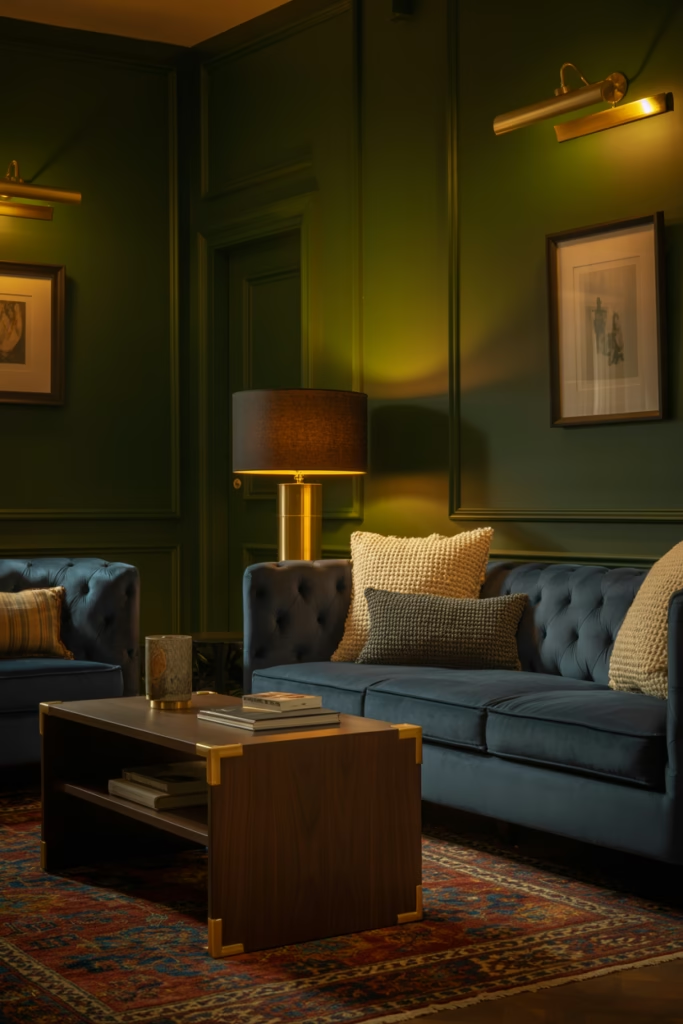
This color combo is for people who want their living room to feel like a members-only club (in the best way possible). Deep green walls with navy blue furniture creates this moody, sophisticated atmosphere that’s perfect for evening entertaining.
Balance this bold pairing with:
- Plenty of warm metallics (brass and gold work beautifully)
- Natural textures like jute rugs and wooden side tables
- Strategic lighting to prevent the room from feeling too dark
Fair warning: this look isn’t for everyone. If you prefer bright, airy spaces, this might feel too intense. But if you’re into drama and sophistication? This is your jam.
Vintage Green Tiles
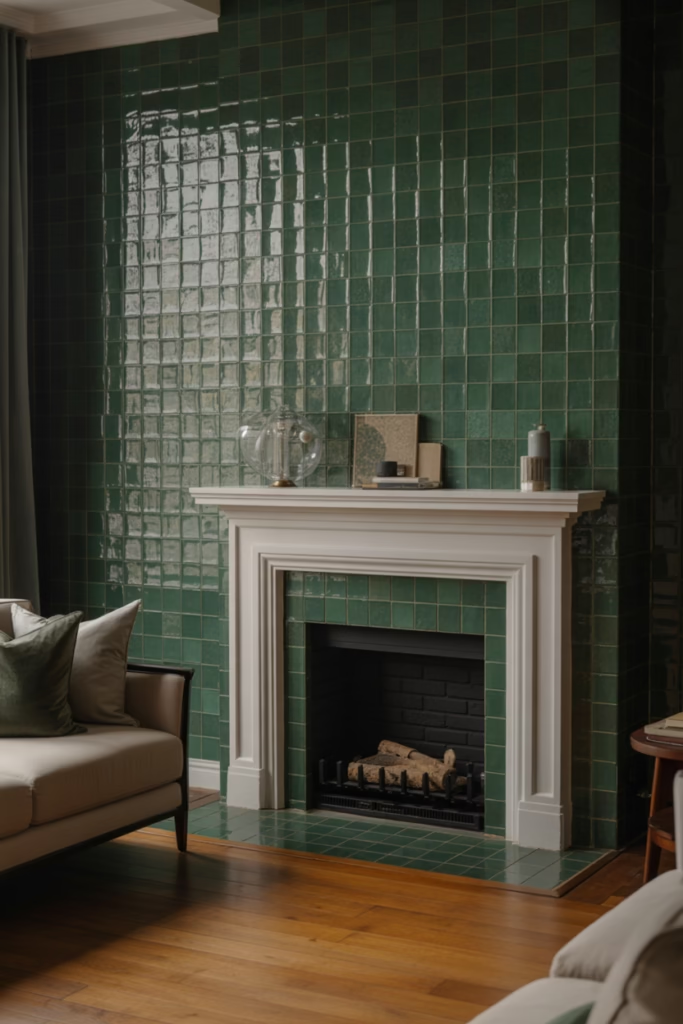
If you’ve got a fireplace in your living room, consider green tiles for the surround. Vintage-style green tiles—whether glossy subway tiles or intricate Victorian patterns—add instant character and become the room’s focal point.
I’ve seen this done with deep forest green tiles and a white mantel, and it’s absolutely stunning. It works in both traditional and modern spaces, depending on the tile style you choose. Plus, it’s a relatively small commitment since you’re only tiling one specific area.
Mixed Green Tones Layered
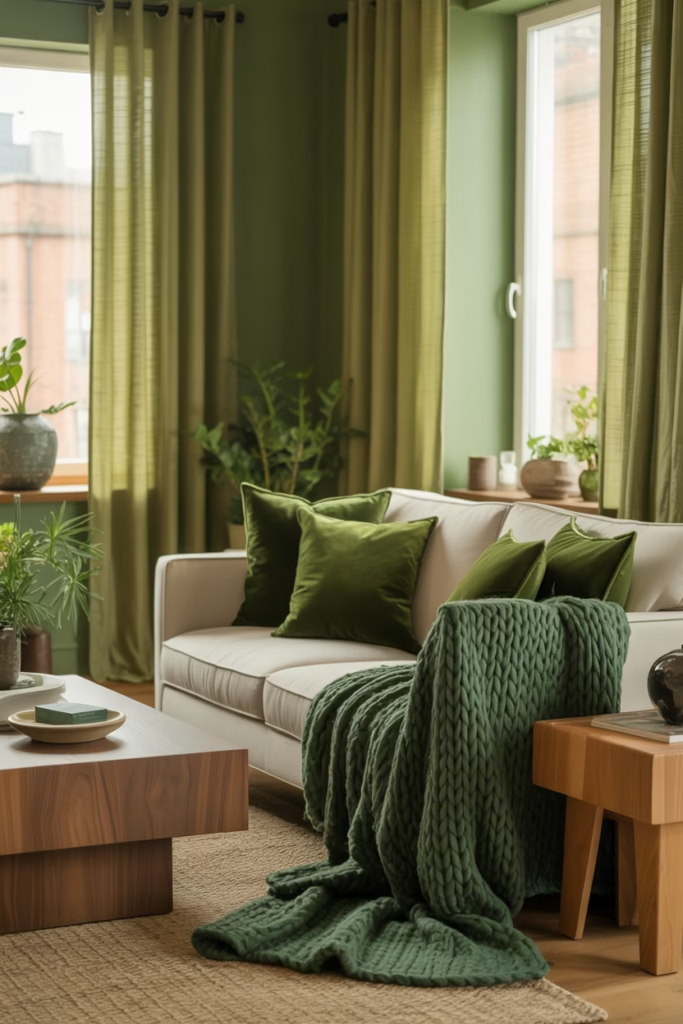
Here’s where things get interesting. Instead of sticking to one shade of green, layer different tones throughout your living room. Olive curtains, sage walls, emerald pillows, and a forest green throw blanket all working together to create depth and visual interest.
This approach requires a good eye, but when done right, it’s chef’s kiss material. The trick is varying not just the shades but also the textures—smooth velvet, rough linen, glossy ceramics—so everything doesn’t blur together.
Guidelines for mixing greens:
- Stick to either warm greens or cool greens (don’t mix both)
- Use one shade as your dominant color
- Let the other shades play supporting roles
- Add plenty of neutrals to give your eyes a place to rest
Conclusion
Transforming your living room with green doesn’t mean you need to go full maximalist or spend a fortune. Whether you’re painting one accent wall, adding a velvet sofa, or just swapping out your throw pillows, green brings this fresh, sophisticated energy that’s hard to beat.
The best part? Green is forgiving. Made a mistake? It’s way easier to course-correct with green than with, say, bright orange (learned that one the hard way in college). Plus, green pairs beautifully with natural materials, metallics, and other colors, so you’ve got tons of flexibility.
Start small if you’re nervous. Add a few green accessories and see how you feel. Once you catch the green living room bug, though, you’ll probably find yourself wanting more. And honestly? There are worse addictions to have than beautiful interior design. 🙂