
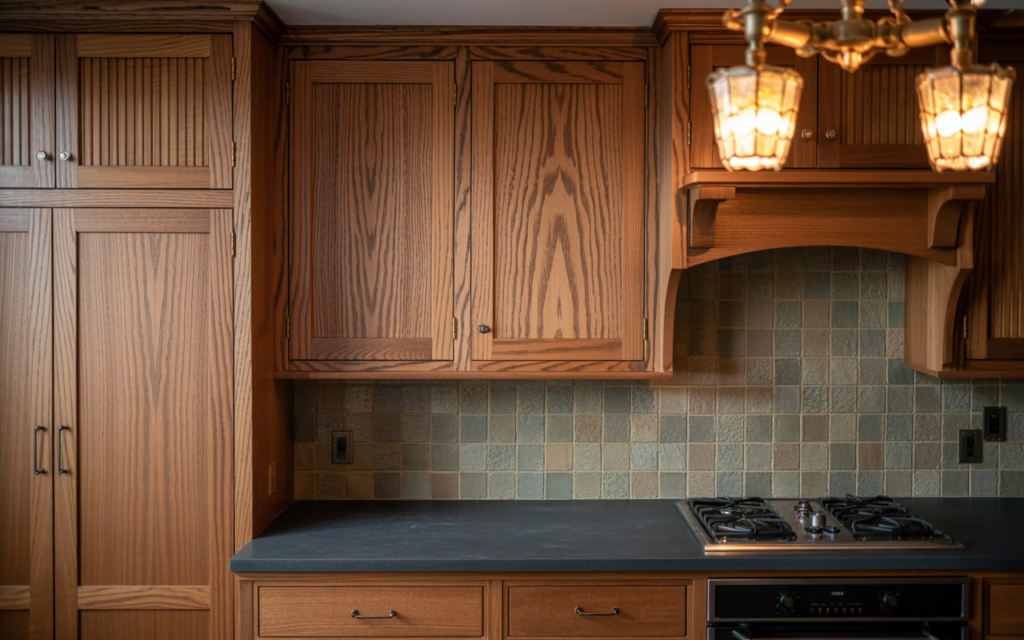
If your kitchen has to survive real-life spills, steam, chaotic cooking nights, and the “who left turmeric on the counter?” mystery—white oak cabinets make a smart choice. They bring that natural texture that hides little scuffs better than paint, and they age in a way that feels charming instead of tragic. Ever wanted a kitchen that looks better after you actually live in it? White oak can pull that off.
Why White Oak Is Having Its Moment (And Why It’s Totally Deserved)
White oak isn’t just another trend that’ll make your kitchen look dated in five years—trust me on this one. I’ve seen enough “trendy” cabinet choices crash and burn (looking at you, ultra-glossy lacquer from 2010), but white oak has serious staying power.
The grain pattern is subtle enough to work with pretty much any design style, from modern farmhouse to sleek contemporary. Plus, it’s durable as heck. We’re talking about a hardwood that can handle whatever chaos your kitchen throws at it—sticky fingers, coffee spills, the whole shebang.
FYI, white oak has natural tannins that make it more water-resistant than its cousin, red oak. That’s not just marketing fluff; it actually matters when you’re dealing with kitchen humidity and the occasional splash zone near your sink.
Natural Light-Toned Beauty
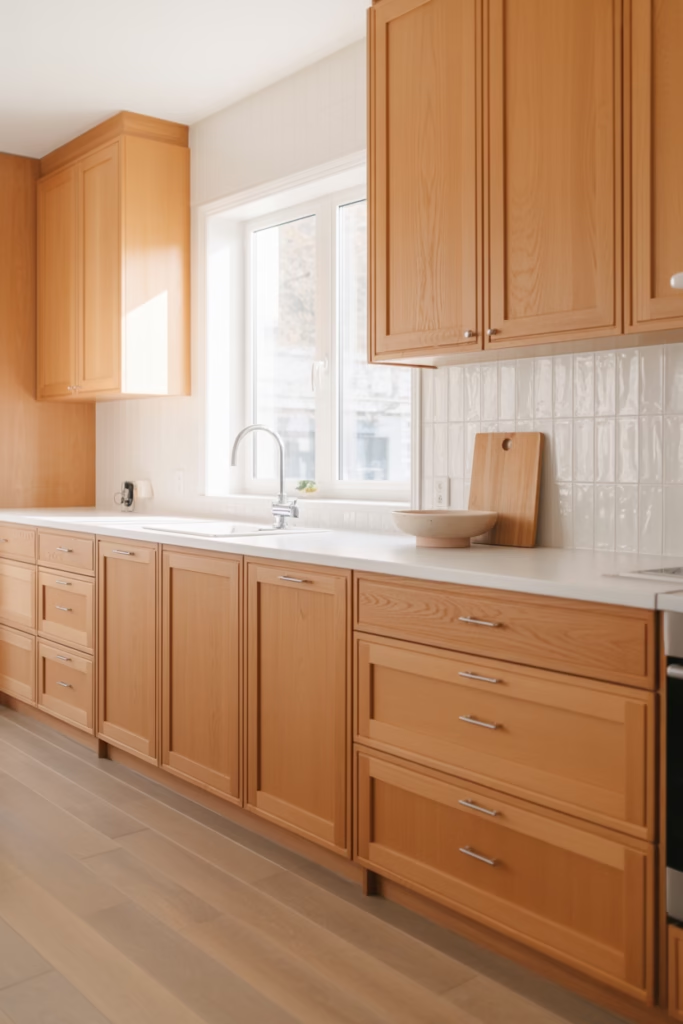
Keep it au naturel—sometimes the best thing you can do with white oak is just let it shine in its natural glory. A clear or natural oil finish brings out that gorgeous honey tone without overpowering the space.
I went this route in my own kitchen, and the way those cabinets catch the morning light? Chef’s kiss. The natural variation in the grain means every cabinet door tells its own little story. Pair this with white countertops and you’ve got yourself a kitchen that feels both warm and airy.
The trick here is letting the wood speak for itself. Don’t overthink it with too many competing finishes or hardware that screams for attention.
Cerused White Oak for That Textured Vibe
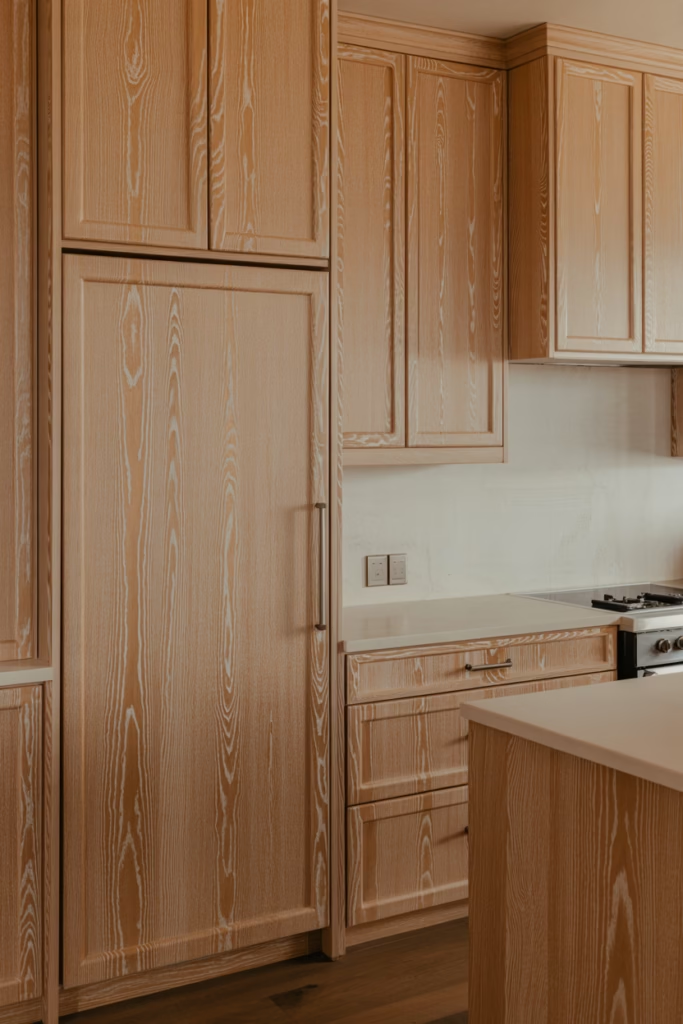
Ever wondered what happens when you emphasize the grain instead of hiding it? That’s cerusing, baby. This technique fills the wood’s pores with white paste or lime, creating this insane contrast between the grain and the surface.
The result is straight-up stunning—you get depth, texture, and visual interest that makes people stop and actually touch your cabinets (weird, but it happens). I’ve seen this work incredibly well in modern kitchens where you want that organic element without going full rustic.
- Creates dramatic grain contrast
- Adds tactile interest to flat surfaces
- Works beautifully with both modern and transitional styles
- Pairs exceptionally well with matte black hardware
Slab Door Minimalism
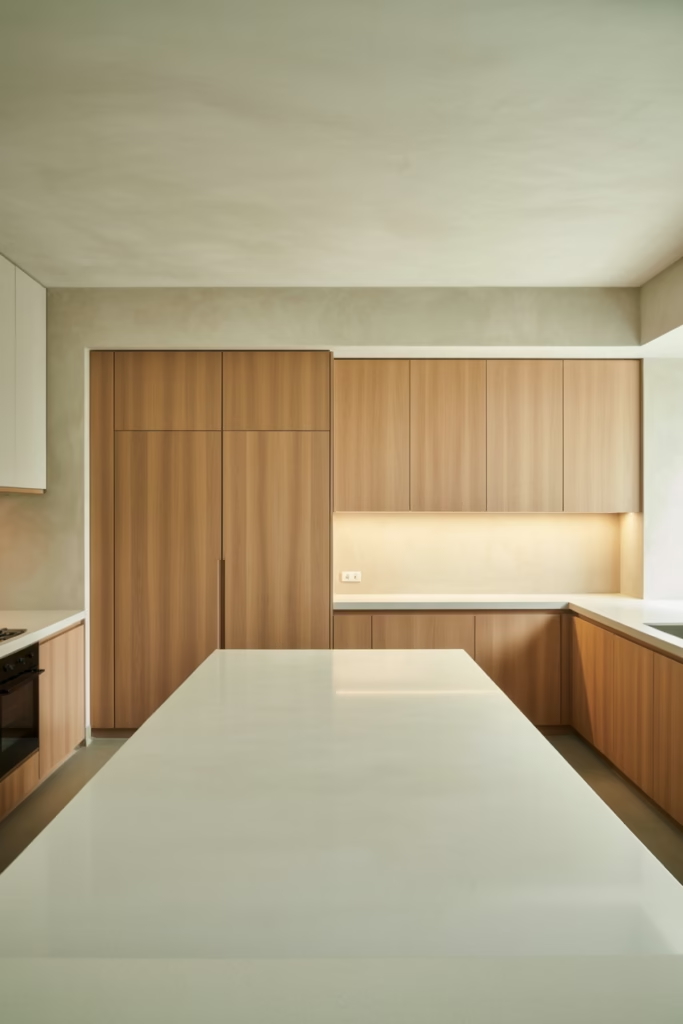
For all my minimalist friends out there (you know who you are), white oak slab doors are your jam. These are flat panel doors without any raised details or fussy elements—just pure, uninterrupted wood grain.
I’m obsessed with how clean these look in contemporary kitchens. The wood grain provides all the visual interest you need, so you don’t end up with that sterile, cold vibe that some modern kitchens can have. It’s warm minimalism, if that makes sense.
Stick with integrated or push-to-open hardware to keep those lines crisp and uninterrupted. Your Type A personality will thank you.
Shaker Style White Oak (Because Classics Never Die)
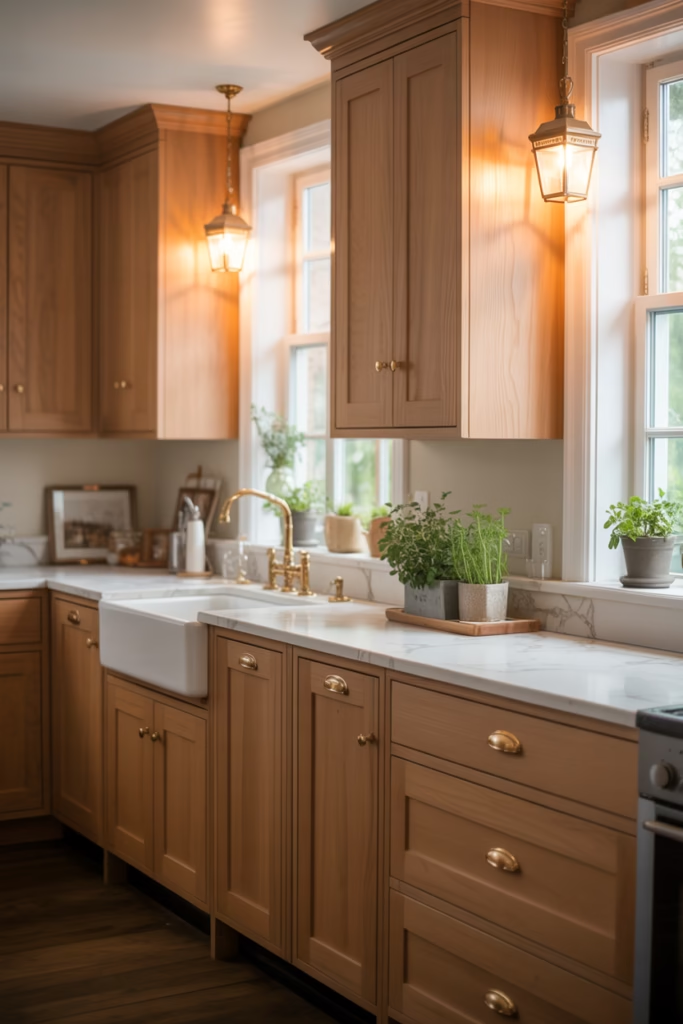
Okay, I know what you’re thinking—”Shaker cabinets? How original.” But hear me out. White oak Shaker cabinets hit different than the standard maple or cherry versions everyone’s been doing for decades.
The grain pattern elevates the traditional Shaker profile in a way that feels fresh and current. It’s like taking a classic song and giving it a modern remix—familiar but definitely not boring.
This style works in literally any kitchen, from a cozy cottage to a sprawling open-concept space. That’s the kind of versatility you want when you’re investing serious money in cabinetry.
Two-Tone Drama with White Oak Uppers
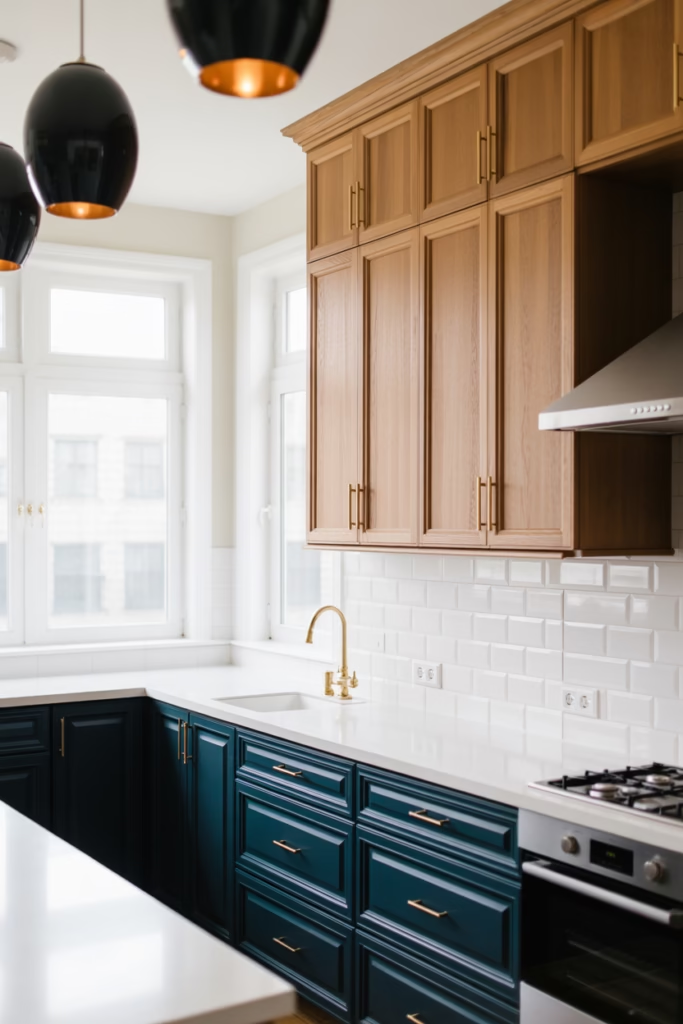
Here’s where things get spicy—use white oak for your upper cabinets and go bold with a contrasting color on the lowers. Navy, forest green, charcoal, even black… the options are endless.
I tried this combo with deep navy lowers in my last project, and the contrast was insane. The white oak keeps things from feeling too heavy or dark, while the colored lowers add that “wow” factor everyone’s chasing.
- White oak uppers lighten and brighten the space
- Bold lowers anchor the design
- Creates visual interest without overwhelming
- Makes the ceiling feel higher (optical illusion for the win)
Horizontal Grain White Oak
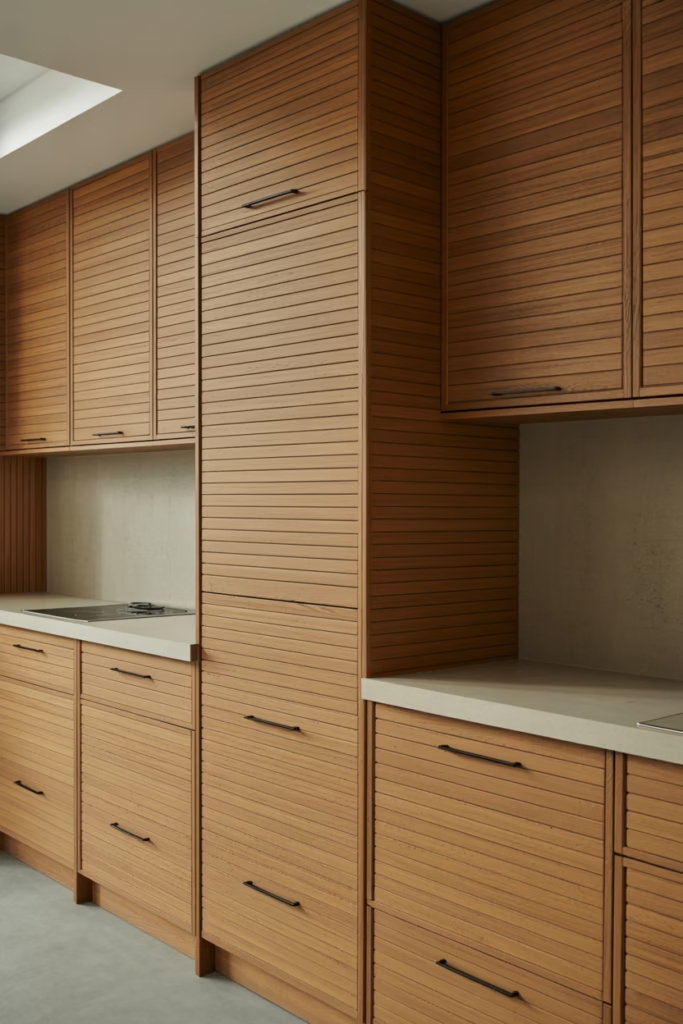
Want to make your kitchen feel wider? Flip the script and install your white oak with the grain running horizontally. This isn’t your grandma’s cabinet orientation, and that’s exactly the point.
The horizontal lines create visual movement that makes spaces feel more expansive. I’ve used this trick in narrower kitchens, and the difference is genuinely noticeable. Plus, it just looks cool and unexpected—instant conversation starter when guests come over.
White Oak with Open Shelving Mix
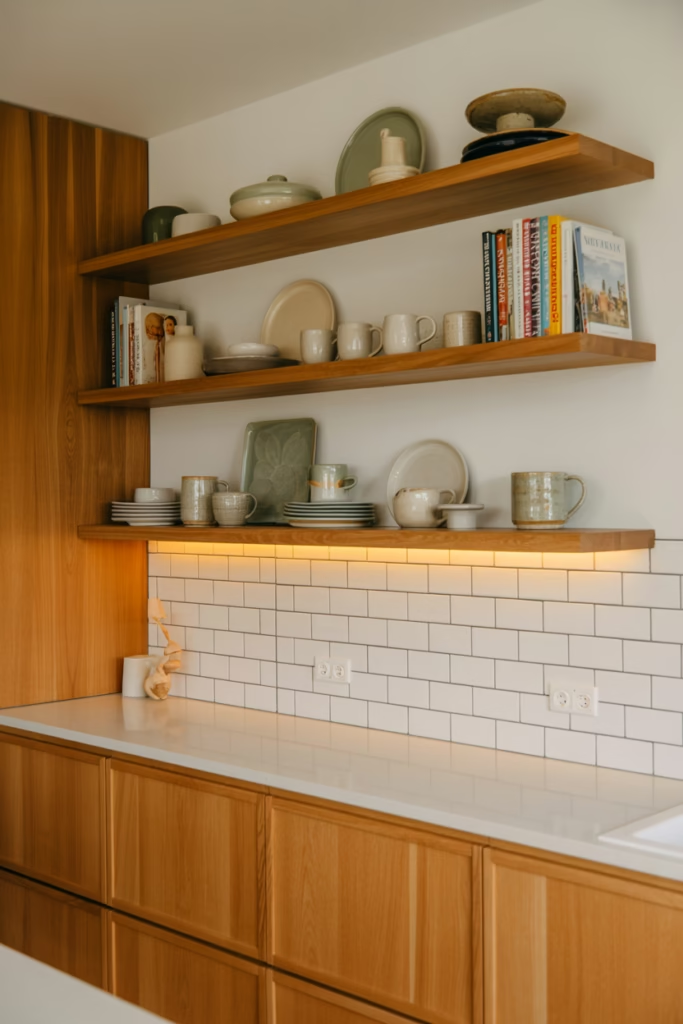
Not everything needs to be behind closed doors, right? Mixing white oak cabinets with some open shelving creates breathing room in your design and gives you space to show off your fancy dishware collection.
I’m a huge fan of this approach because it breaks up the visual monotony of an all-cabinet kitchen. Use the open shelves for items you actually use daily—your favorite mugs, oils and spices, maybe some cookbooks if you’re feeling extra styled.
Pro tip: Keep the open shelving wood the same white oak to maintain cohesion, or go with metal brackets for an industrial edge.
Rift-Sawn White Oak for Ultimate Consistency
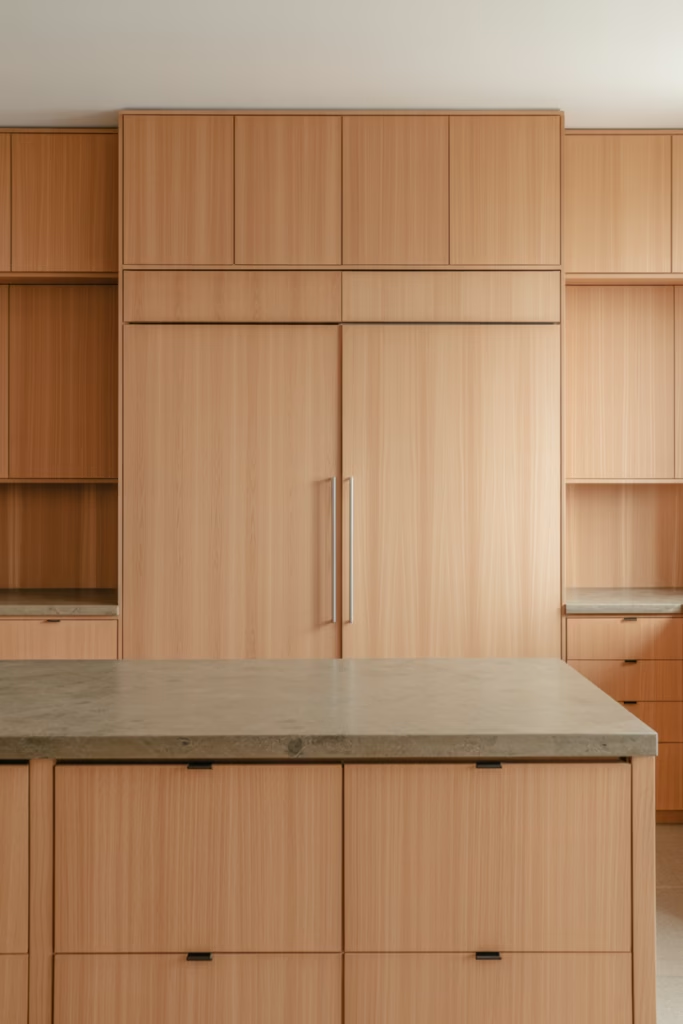
If you’re someone who gets twitchy about grain variation (no judgment—I see you, fellow perfectionists), rift-sawn white oak is your answer. This cutting method produces super straight, consistent grain patterns across all your cabinet doors.
Yeah, it costs more than plain-sawn, but the uniform look is worth it if you’re going for that high-end, curated aesthetic. Your cabinets will look like they belong in a luxury showroom, and isn’t that the dream?
Quarter-Sawn White Oak Character
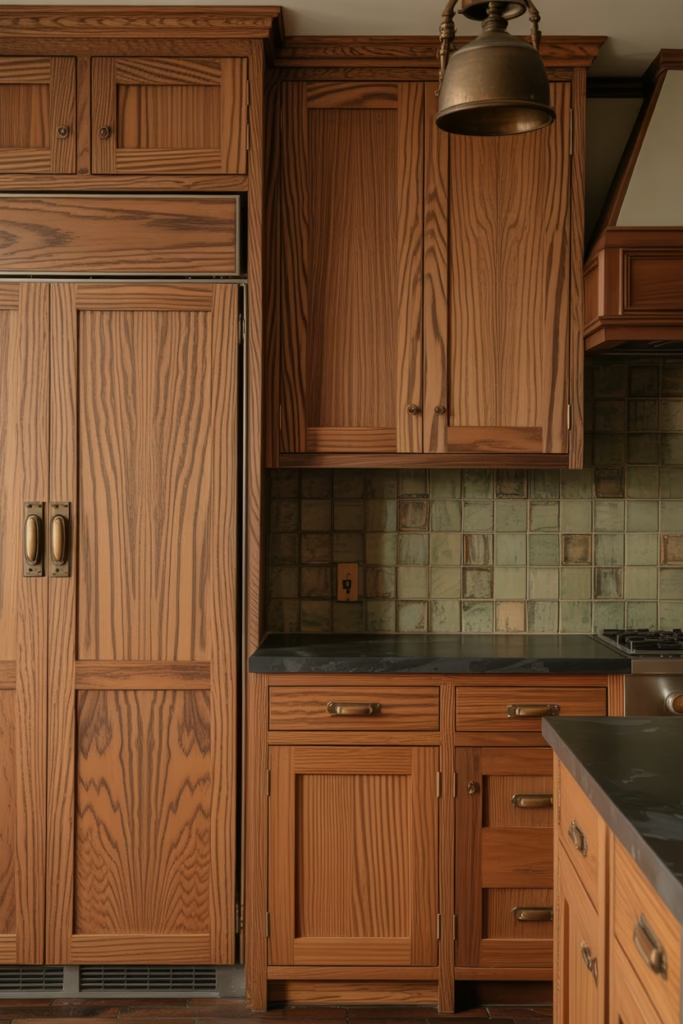
On the flip side, maybe you want all the character. Quarter-sawn white oak shows off these beautiful ray fleck patterns—those ribbon-like marks that catch the light and add crazy amounts of visual interest.
This is Arts and Crafts style gold, people. If you’re into that Craftsman or Mission aesthetic, quarter-sawn white oak cabinets are basically mandatory. The flecking is subtle enough to work in more modern spaces too, though.
I used this in a client’s kitchen renovation, and they literally gasped when the cabinets were installed. That flecking just hits different in person.
Whitewashed White Oak
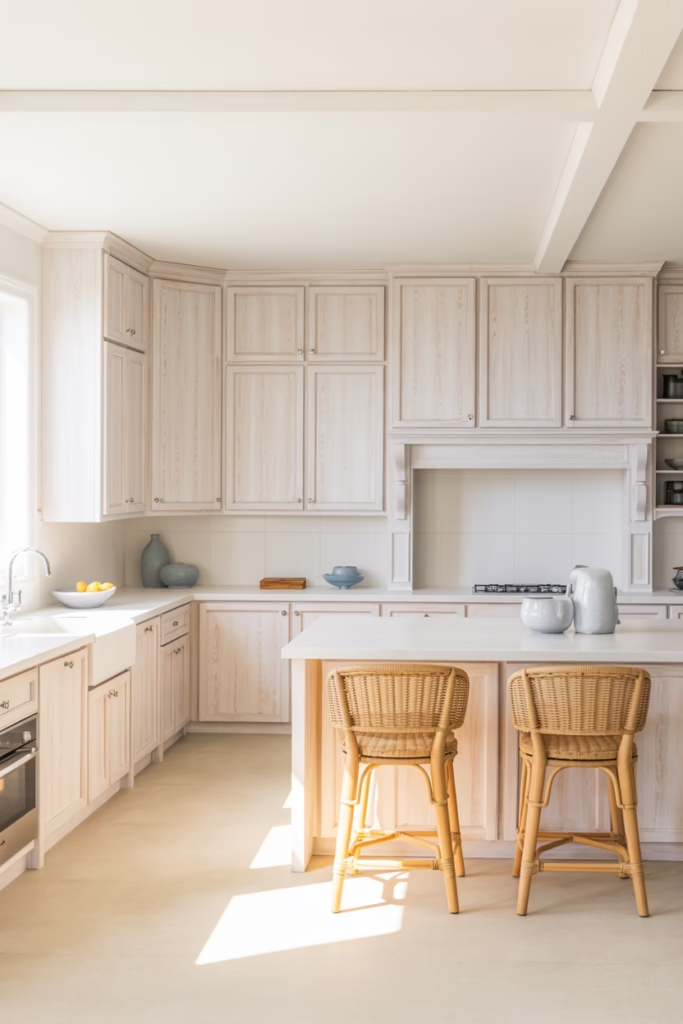
Want the white oak grain but prefer a lighter, airier vibe? Whitewashing gives you the best of both worlds. You still see that gorgeous grain pattern, but everything’s dialed back to a softer, more ethereal palette.
This technique works incredibly well in smaller kitchens or spaces with limited natural light. It brightens things up without going full white-painted-cabinet, which IMO can sometimes feel too sterile in a kitchen.
- Maintains visible wood grain
- Creates a beachy, relaxed atmosphere
- Reflects light better than natural wood
- Still durable and easy to maintain
Matte Black Hardware Contrast
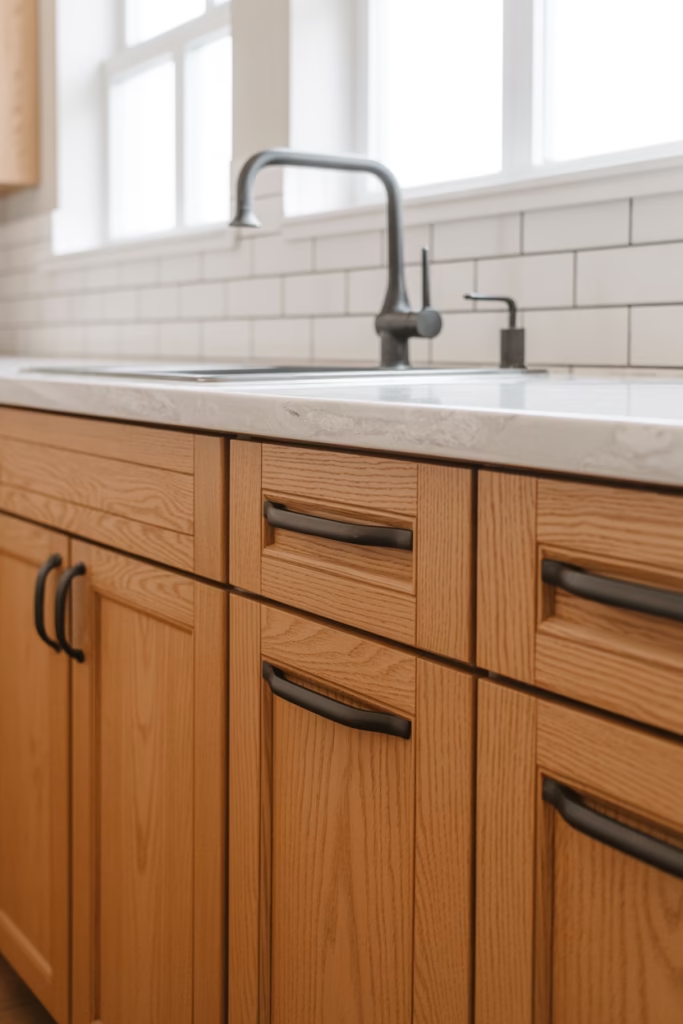
Let’s talk hardware for a second. Matte black pulls and knobs against white oak? Absolutely iconic. This combination is everywhere right now, and there’s a good reason—it just works.
The contrast is striking without being harsh. The black grounds the warmth of the oak and adds a contemporary edge. I’m particularly fond of long horizontal pulls on drawers and simple knobs on doors, but you do you.
This combo works whether you go natural oak, whitewashed, or even cerused. It’s that versatile.
Walnut and White Oak Mix
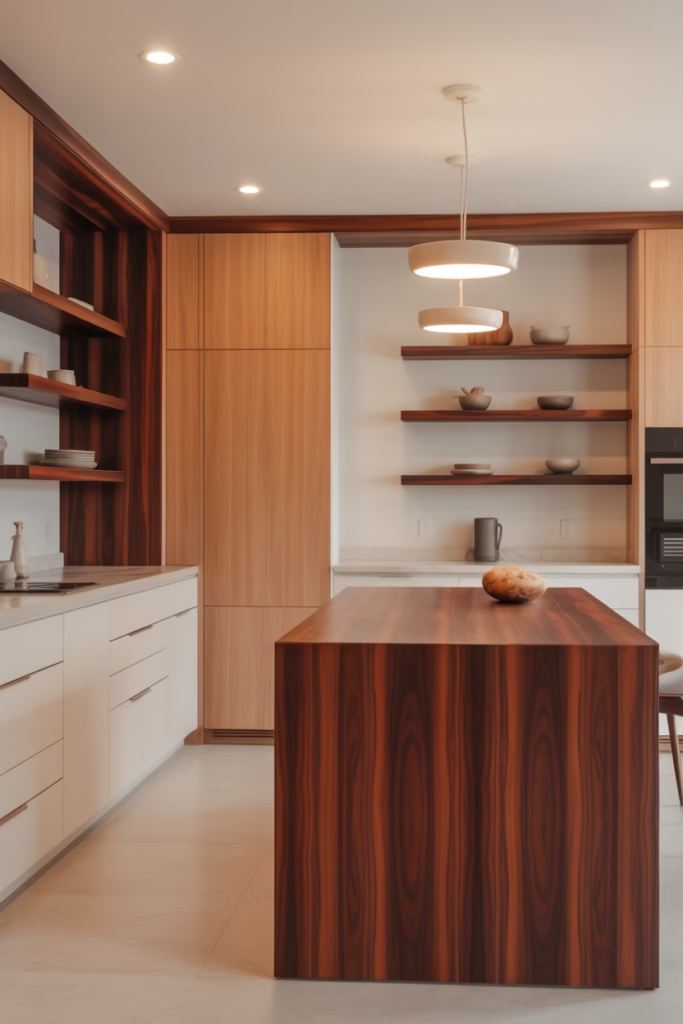
Mixing wood tones used to be a design no-no, but we’re living in 2026, and rules are meant to be broken 🙂 Pairing white oak cabinets with walnut accents—like a walnut island or floating shelves—creates this rich, layered look that feels intentional and sophisticated.
The key is using them in distinct areas so it doesn’t look accidentally mismatched. White oak for perimeter cabinets, walnut for the island? Perfect. Random walnut doors scattered throughout? That’s a hard pass.
I love how this combo brings different warm tones into play without making the space feel overly woody or cabin-like.
Floor-to-Ceiling White Oak Storage
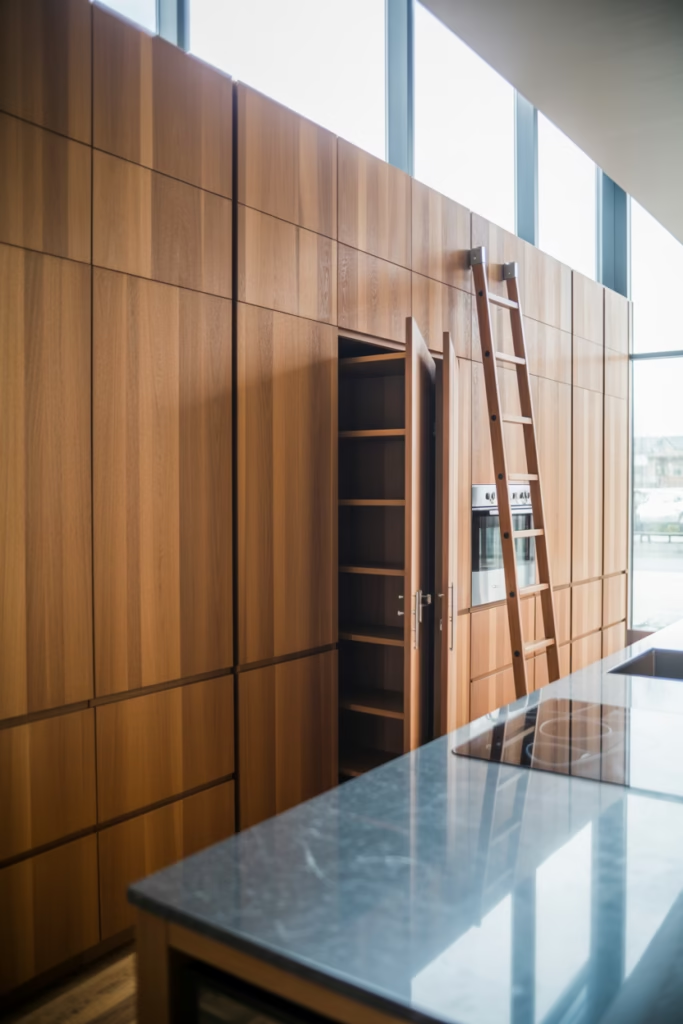
Go big or go home, right? Floor-to-ceiling white oak cabinets maximize storage while creating this impressive wall of wood that becomes the focal point of your kitchen.
This approach works especially well in kitchens with high ceilings. You’re using vertical space that would otherwise just collect dust, and you’re creating a seriously dramatic look. Use those top cabinets for seasonal items or things you don’t access daily.
Just make sure you’ve got a good step stool situation figured out—nobody wants to risk life and limb reaching for the good china.
White Oak Pantry Doors
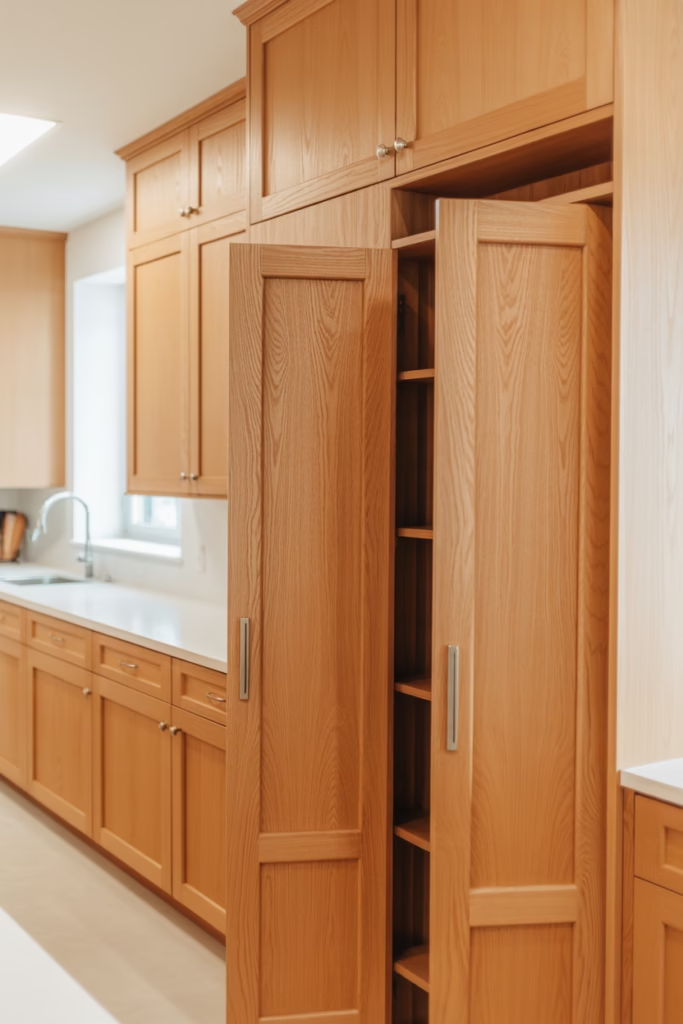
Your pantry deserves some love too. Matching white oak pantry doors to your kitchen cabinets creates continuity and makes the whole space feel cohesive and well-planned.
Whether you go with traditional swing doors, modern sliding barn doors, or even a pocket door system, keeping that white oak consistent throughout ties everything together beautifully.
I’ve seen people do painted pantry doors to create contrast, but personally? I think keeping it cohesive just looks more expensive and intentional.
Textured White Oak Finishes
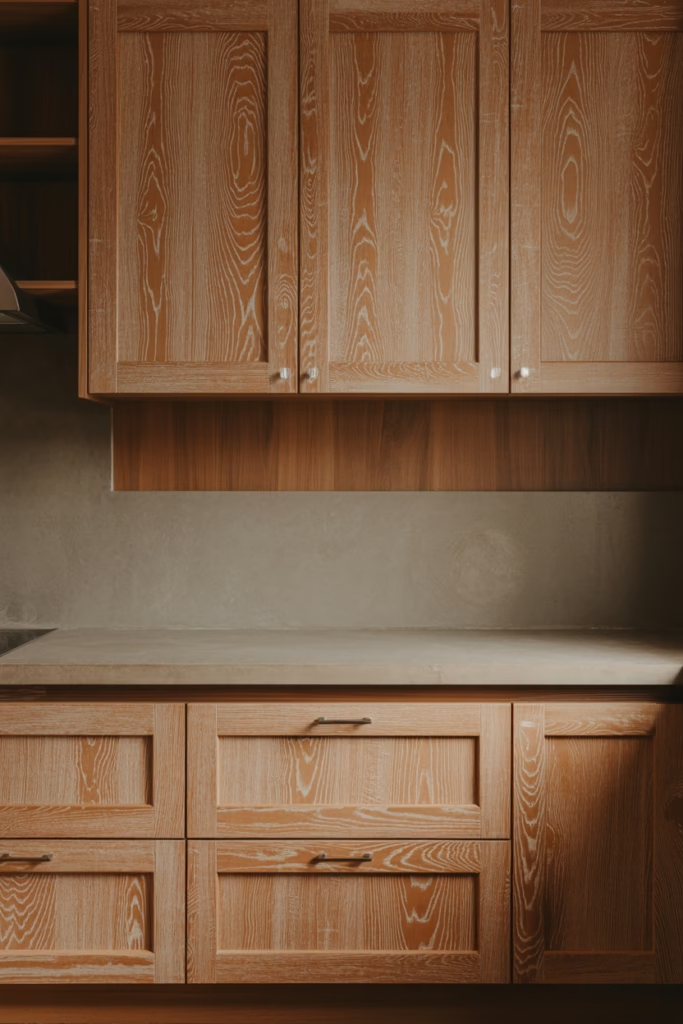
Smooth isn’t your only option. Wire-brushed or hand-scraped finishes add texture and depth to white oak cabinets, emphasizing that natural grain even more.
This adds a tactile element that makes your kitchen feel more organic and lived-in from day one. Plus, these textured finishes are more forgiving with everyday wear and tear—a little scratch or ding just adds to the character instead of sticking out like a sore thumb.
Great option if you’ve got kids or you’re just not precious about keeping everything pristine.
White Oak with Integrated Appliances
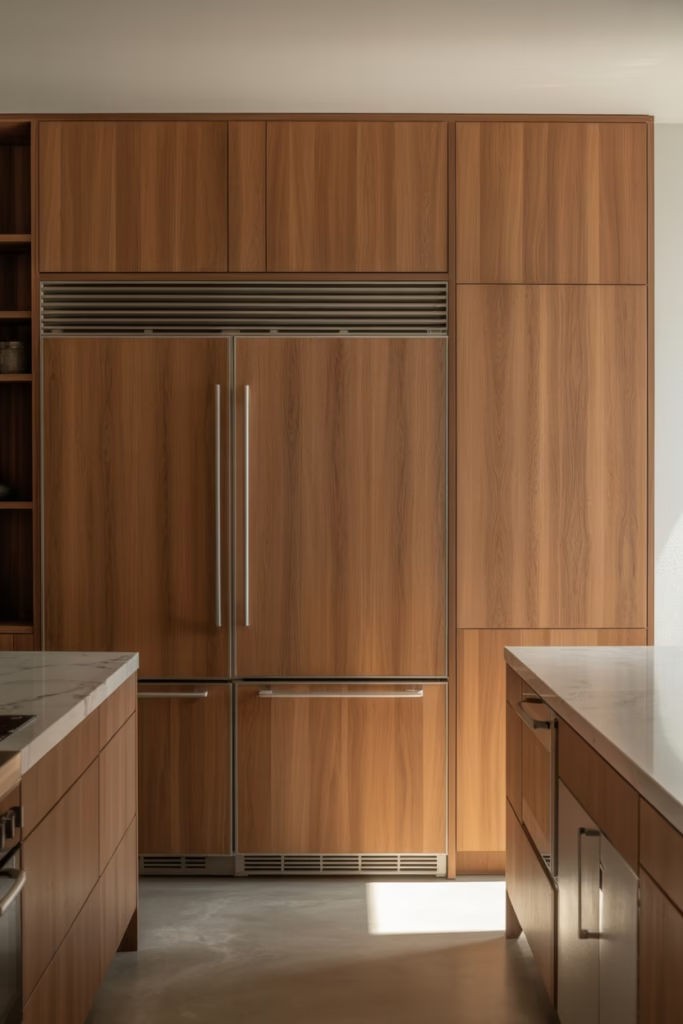
Want your white oak cabinets to really shine? Hide your appliances behind matching panels. This creates that seamless, built-in look that screams high-end design.
Paneling your fridge, dishwasher, and even your range hood in white oak makes everything flow together instead of having random stainless steel boxes interrupting your beautiful cabinetry. It’s a splurge, sure, but the visual impact is undeniable.
This works especially well in modern and contemporary kitchens where clean lines are everything.
White Oak Toe Kicks and Trim Details
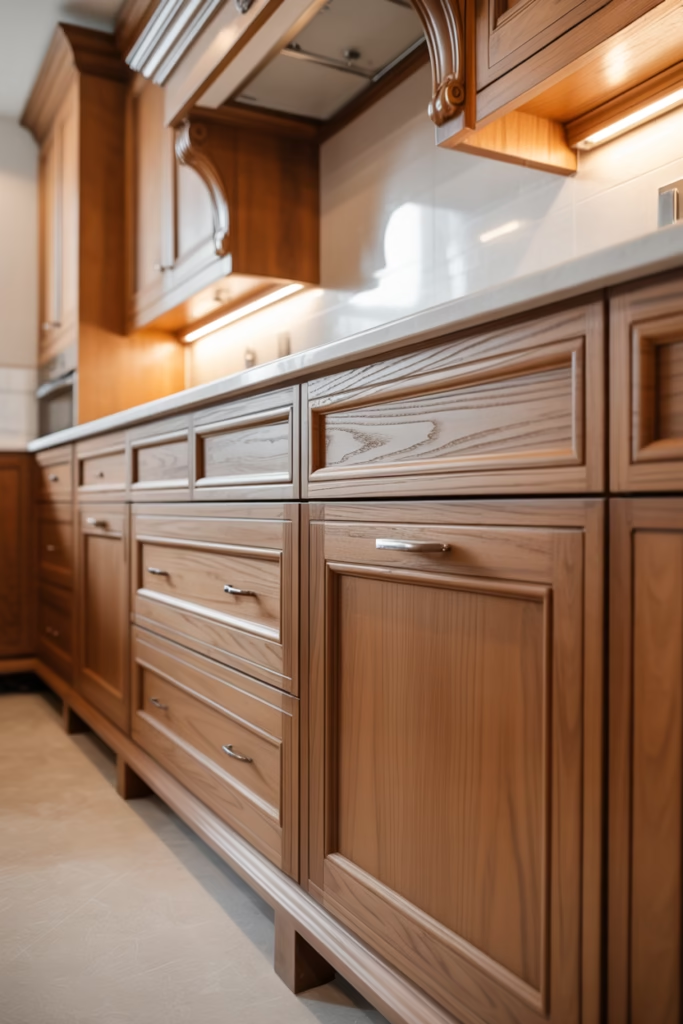
Don’t sleep on the details—carrying your white oak down to the toe kicks and using it for crown molding or other trim creates a polished, custom look that elevates the entire space.
These finishing touches might seem minor, but they’re what separate a good kitchen from a great kitchen. It’s like the difference between a nice outfit and a nice outfit with the perfect accessories—the details matter.
Floating White Oak Cabinets
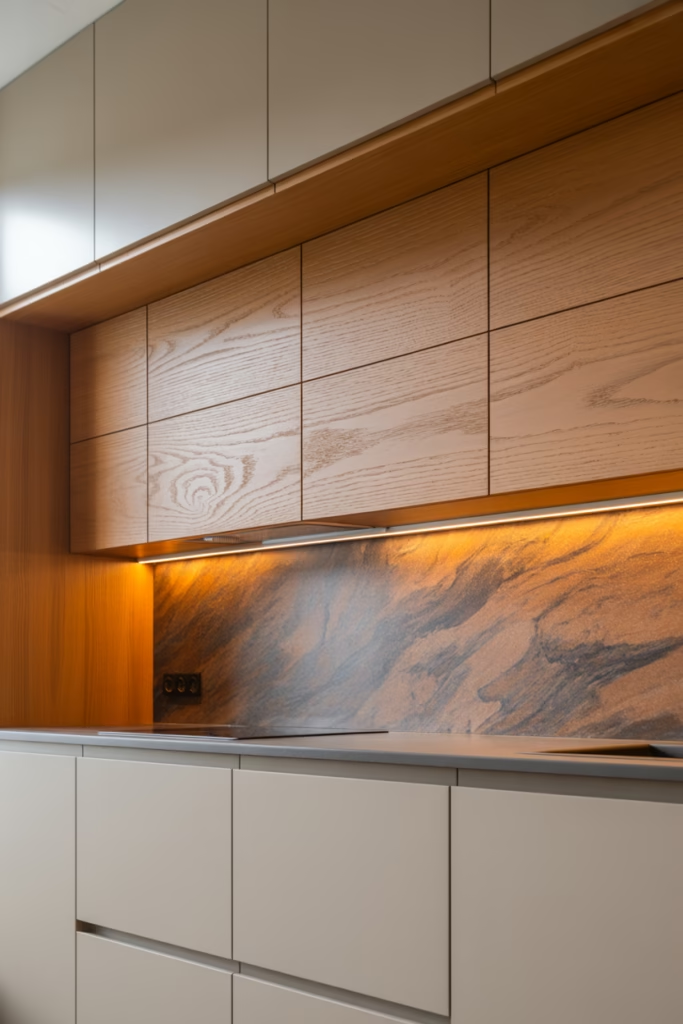
Last but definitely not least, let’s talk about floating cabinets. Mounting your white oak uppers with no visible supports creates this airy, contemporary look that makes even small kitchens feel more spacious.
The negative space between your countertop and the floating cabinets gives you room to play with backsplash options and under-cabinet lighting. I love adding LED strips under floating cabinets for both function and ambiance.
Just make sure your installer knows what they’re doing—proper mounting is crucial here. You don’t want your beautiful cabinets coming down unexpectedly (trust me, I’ve heard horror stories).
Making Your White Oak Dreams Reality
So there you have it 18 ways to work white oak cabinets into your kitchen design. Whether you’re going full minimalist with slab doors or embracing traditional Shaker style with a modern twist, white oak gives you the flexibility to create something uniquely yours.
The beauty of white oak is that it plays well with pretty much any design aesthetic you throw at it. Modern? Check. Farmhouse? Absolutely. Transitional? You bet. It’s the chameleon of cabinet woods, adapting to your vision while still bringing its own character to the table.
What’s your vibe? Are you team natural finish letting all that grain glory shine through, or are you ready to go bold with some whitewashing or cerusing? Either way, your kitchen’s about to look seriously good.