
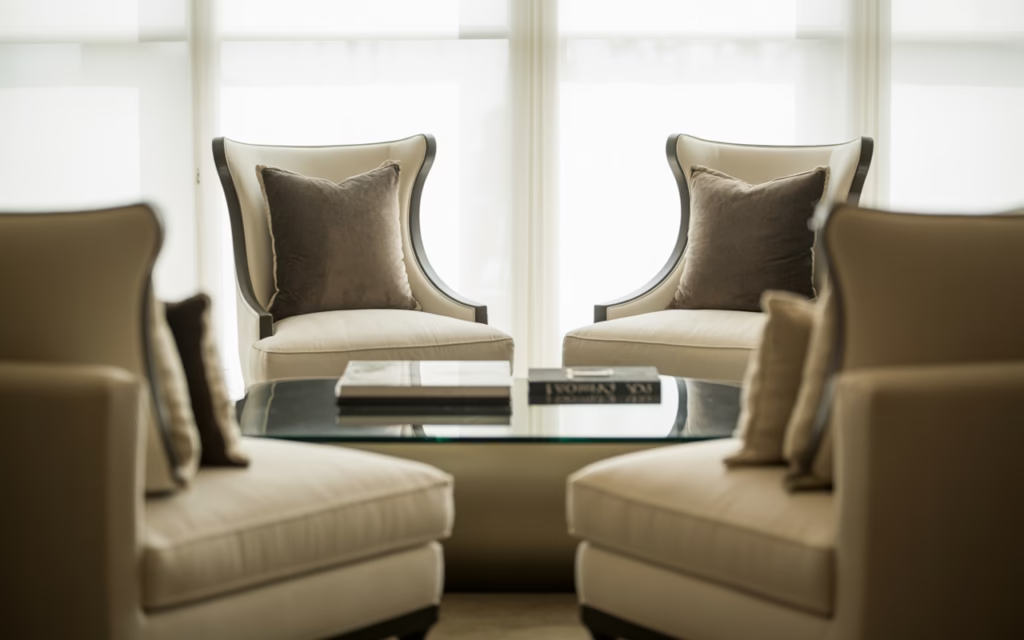
Your living room doesn’t need new furniture, it needs better styling decisions (which sounds fancy, but really means “stop letting the room boss you around”). Last year, I stared at my own space and realized it didn’t look “bad”… it just looked unfinished, like I quit halfway through the glow-up. So I stopped shopping and started tweaking what I already owned, and wow, the room suddenly looked way more high-end.
Ever notice how some homes feel expensive even when the furniture looks pretty basic? That’s not magic, and it’s definitely not because the owner secretly prints money in the basement. It’s usually a handful of smart upgrades—layout, lighting, texture, and a little bit of editing—that make everything feel intentional.
So if you want to make your living room look expensive without buying new furniture, grab a coffee and let’s “upgrade” your space the sneaky way.
Rearrange Like You Mean It
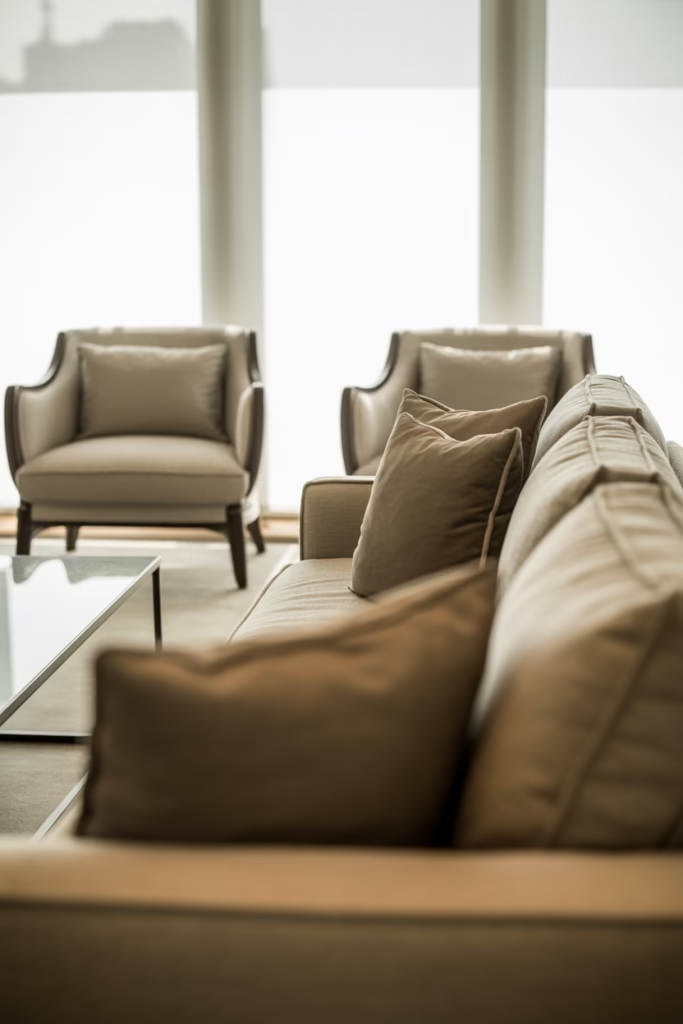
Ever notice how hotel lobbies always feel expensive? They’re not necessarily filled with pricey furniture—they just know how to arrange things. Your furniture placement can either make your room look like a showroom or a storage unit, and right now, you might be doing it all wrong.
Start by pulling your furniture away from the walls. I know, it sounds counterintuitive, but hear me out. When everything’s pushed against the walls, your room looks smaller and cheaper. Create conversation areas by floating your sofa and chairs a few inches away from the walls. This instantly makes your space feel more intentional and designed.
Think about traffic flow too. Can you walk through your living room without doing an awkward sideways shuffle? If not, it’s time to move things around. Expensive-looking rooms have clear pathways that make sense. Position your furniture to create zones—a reading nook here, a conversation area there.
And please, for the love of design, angle some pieces. A chair positioned at a slight angle adds so much visual interest. It breaks up the boxy, predictable layout that screams “I arranged this in five minutes.”
Lighting Is Your Best Friend (Seriously)
Here’s where most people mess up: they rely on that hideous overhead light and call it a day. Big mistake. Huge. Lighting can make or break your entire vibe, and the good news? It’s one of the cheapest fixes.
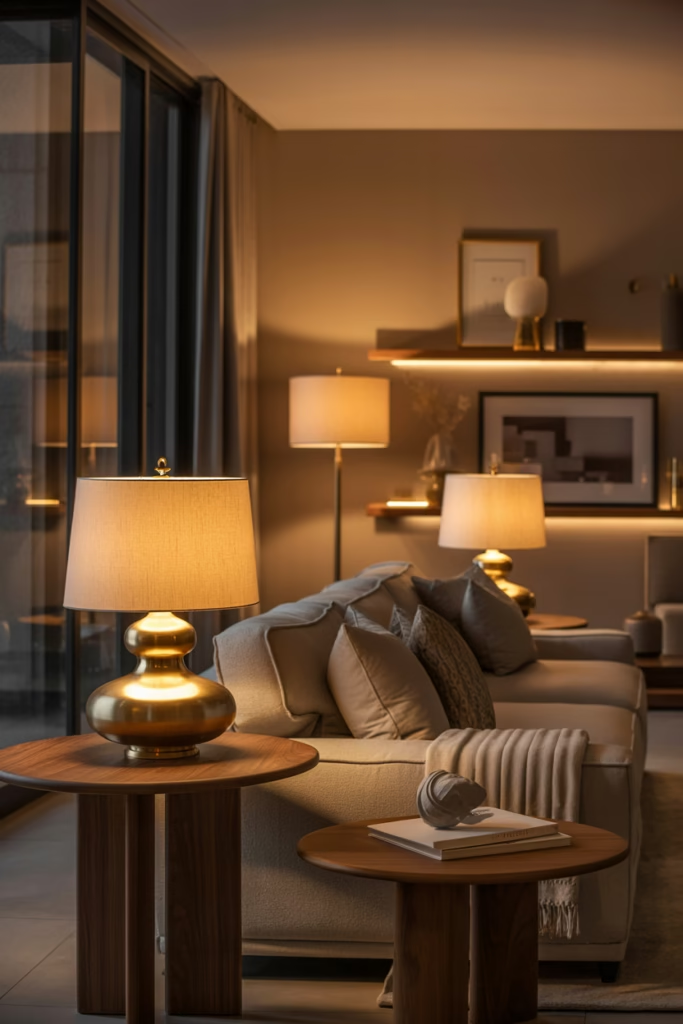
Layer your lighting like you’re creating a mood board. You want three types: ambient, task, and accent lighting. That overhead fixture? That’s just your ambient light. Now add table lamps, floor lamps, and maybe some LED strips behind furniture or under shelves.
I replaced all my bulbs with warm-toned LEDs (around 2700K), and the difference was insane. Cool white bulbs make everything look like a dentist’s office, while warm bulbs create that cozy, expensive glow you see in fancy restaurants.
Position lamps in corners to eliminate shadows. Dark corners make rooms feel cheap and cramped. A simple floor lamp in that awkward corner by your bookshelf? Game changer. And if you have dimmer switches, use them. Being able to adjust your lighting for different times of day makes your space feel sophisticated.
FYI, you can also swap out ugly lampshades for better ones. It costs maybe $20 per lamp, and suddenly your thrift store find looks like it came from West Elm.
Declutter Like Your Life Depends On It
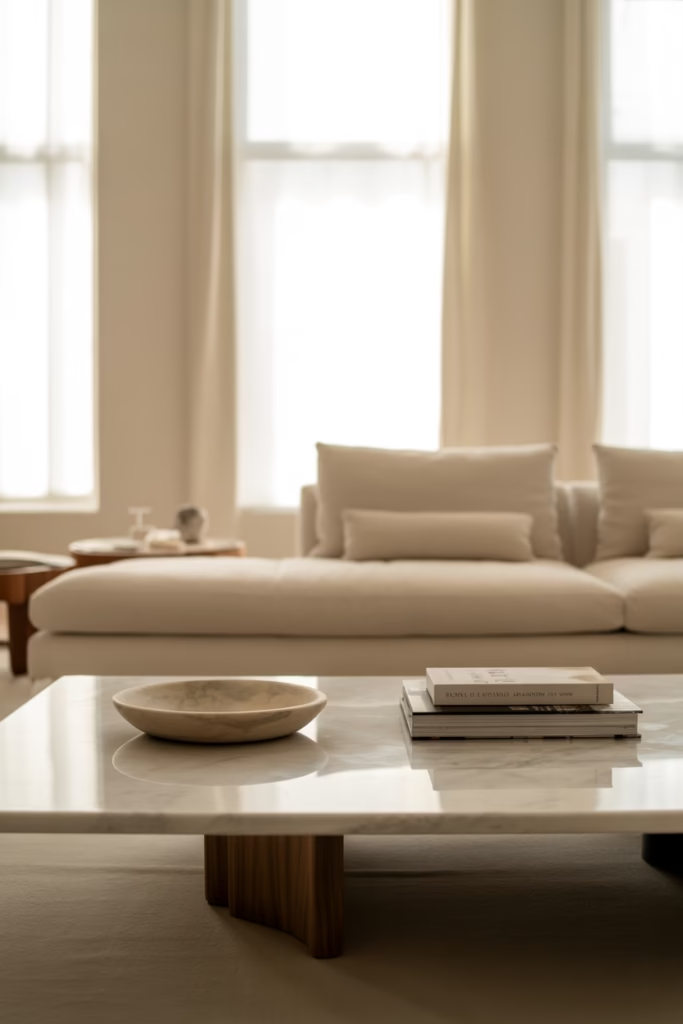
Nothing—and I mean nothing—makes a space look cheaper than clutter. I don’t care if you have the most expensive furniture in the world; if it’s covered in random stuff, your room looks messy and chaotic.
Go through your living room with ruthless efficiency. Remove everything that doesn’t serve a purpose or bring you joy. Those random magazines from 2019? Gone. The collection of remote controls scattered everywhere? Find them a home. That pile of mail on the coffee table? Deal with it.
Here’s my rule: If you can see more than three decorative objects on any surface, you have too many. Group items in odd numbers (three or five) and give everything breathing room. This is called negative space, and expensive rooms have tons of it.
But don’t confuse decluttering with making your room sterile. You still want personality—just curated personality. Keep your favorite books, display that artwork you love, but do it intentionally. Every item should look like it earned its spot in your room.
Work Those Textiles
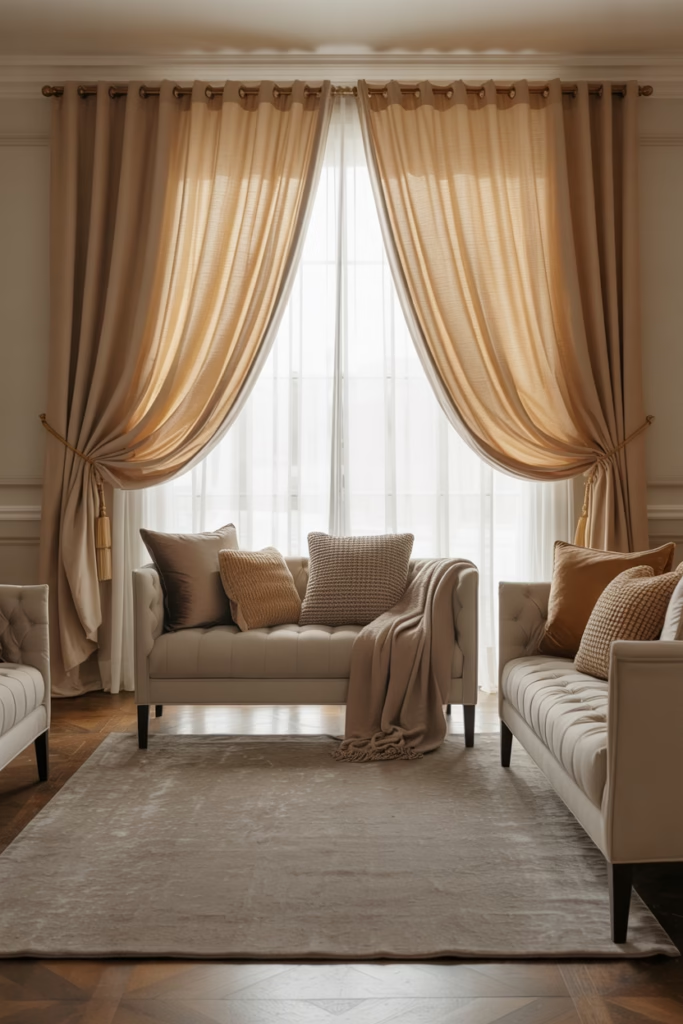
Want to know the fastest way to add luxury without spending much? Textiles, my friend. Throw pillows, blankets, curtains—these are your secret weapons, and most people totally underutilize them.
First, fix your curtains. If you have those short, sad curtains that end at the windowsill, you need to change them ASAP. Get curtains that hang from ceiling to floor. This makes your ceilings look taller and your windows look grander. Even cheap curtains look expensive when they’re hung properly.
Pro tip: Mount your curtain rod as close to the ceiling as possible and let the curtains puddle slightly on the floor. It’s a designer trick that adds instant sophistication. And please, get curtains that are actually wide enough—they should look full when closed, not stretched thin across your window.
Now, pillows. You probably have some, but are they doing anything for you? Mix different textures and sizes. Combine a chunky knit pillow with a smooth velvet one. Layer a smaller patterned pillow in front of a larger solid one. This creates depth and makes your sofa look professionally styled.
Throw a textured blanket over the arm of your sofa or fold one neatly on an ottoman. This adds layers and makes your space feel lived-in yet curated. I’m talking about that effortless luxury vibe where it looks both comfortable and expensive.
And don’t forget area rugs. If your rug is too small, it makes everything look cheap. Your front furniture legs (at least) should sit on the rug. A properly sized rug grounds your space and makes it feel cohesive and intentional.
Style Your Surfaces Like a Pro
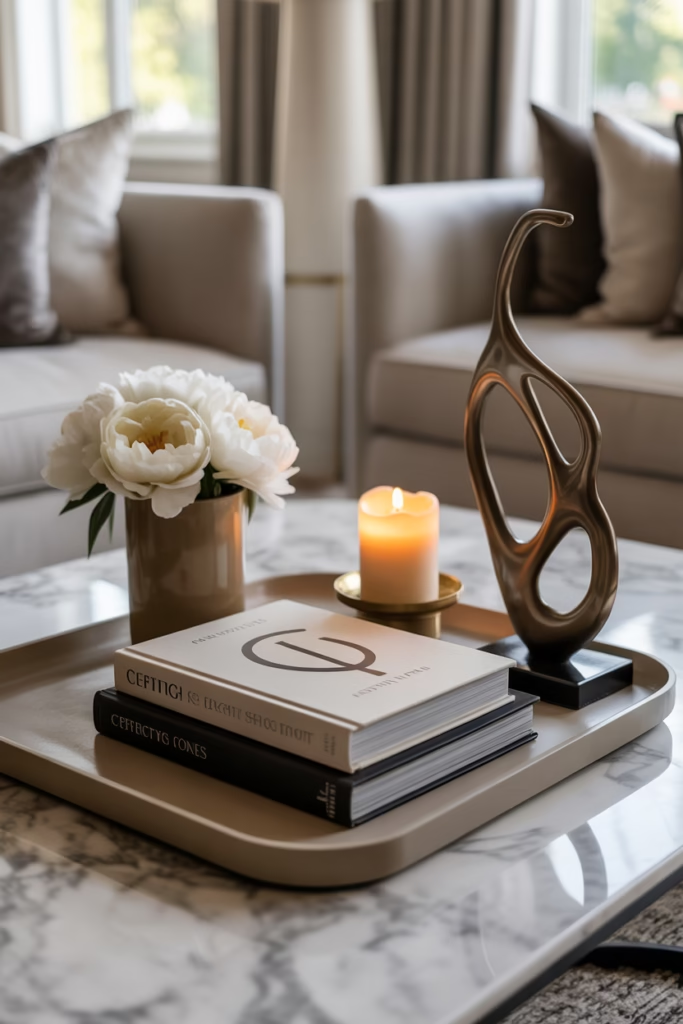
Coffee tables and side tables are prime real estate, but most people treat them like dumping grounds. Let me show you how designers approach this.
The formula is simple: height, texture, and purpose. You want varying heights (a tall vase, a medium stack of books, a low tray), different textures (smooth, rough, metallic), and items that serve a purpose (even if it’s just looking pretty).
Here’s what I do: Start with a beautiful tray—this instantly makes anything on it look intentional. Add a small plant or vase with fresh flowers, a couple of coffee table books (stacked), and maybe a decorative object like a sculptural bowl or candle. Done.
For side tables, keep it minimal. A lamp, a small plant, and maybe a coaster. That’s it. Don’t overcrowd these surfaces because empty space looks expensive. It says “I have room to breathe” rather than “I’m cramming everything I own onto this table.”
Books are your friend here. Coffee table books add instant sophistication, and you can find gorgeous ones at thrift stores for a few bucks. Stack them with the largest on bottom, and place something pretty on top—a small plant, a decorative box, or a pretty candle.
Paint and Wall Treatments
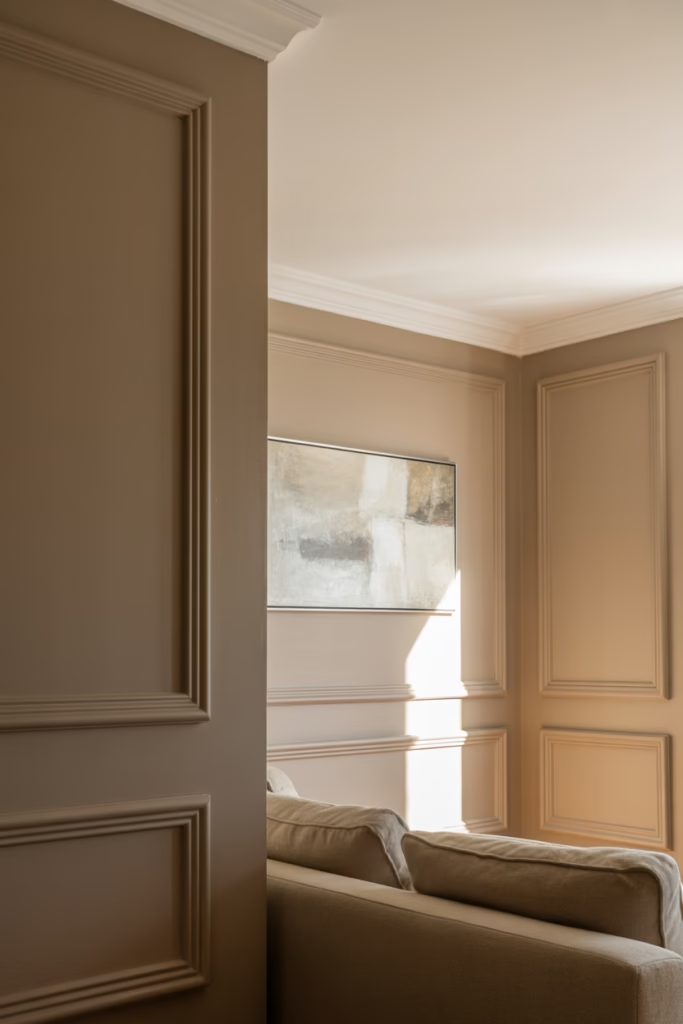
I know you said no buying furniture, but hear me out—paint is ridiculously cheap for the impact it delivers. A fresh coat of paint can completely transform your space, and it costs maybe $50 for a room.
If your walls are builder beige or that gross yellow-white, consider updating them. Rich, sophisticated colors like deep navy, warm greige, or even a dramatic charcoal can make your room look exponentially more expensive. Dark colors aren’t scary—they’re luxurious when done right.
But if painting feels like too much, try an accent wall. One wall in a bold color or with peel-and-stick wallpaper creates a focal point and adds instant personality. I added a dark green accent wall behind my sofa, and people legitimately thought I hired a designer.
Molding is another game-changer. You can add simple crown molding or picture frame molding to your walls, and it adds architectural interest that screams expensive. Even fake molding (the peel-and-stick kind) looks great from a distance and costs under $100.
And please, fix those scuffed baseboards. A fresh coat of white paint on your baseboards and trim makes everything look cleaner and more polished. It’s amazing what clean, white trim does for a room.
The Power of Greenery
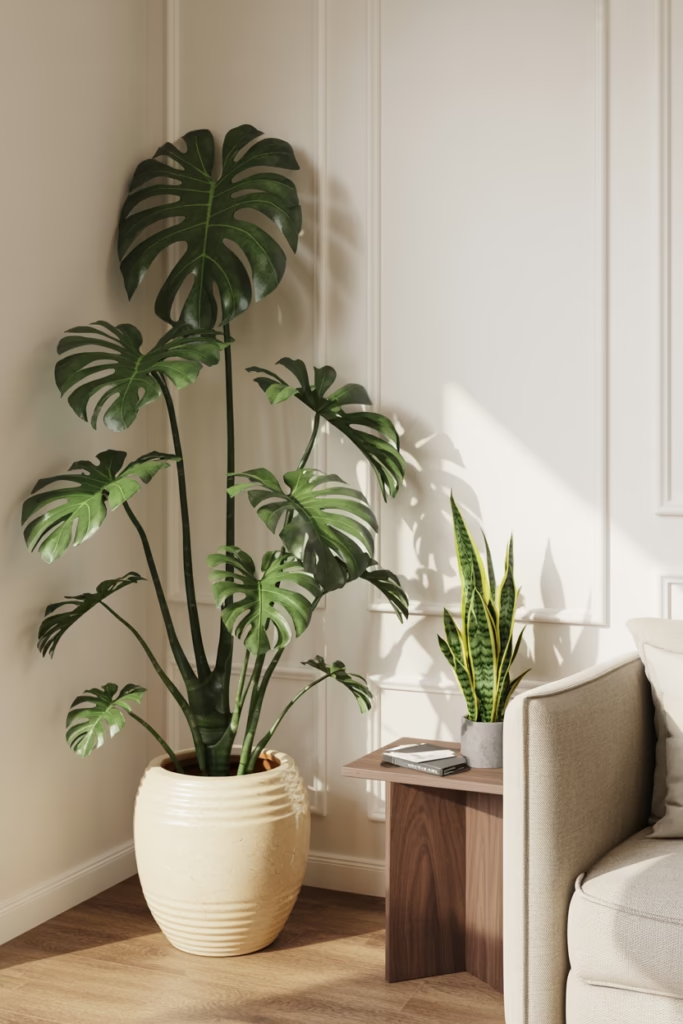
Plants. Seriously, plants. Nothing makes a space look more expensive and curated than well-placed greenery. And no, I’m not talking about that sad, dying succulent in the corner.
Get yourself some larger plants—a fiddle leaf fig, a monstera, or even a snake plant in a nice pot. Big plants add height and drama. Place one in an empty corner, and suddenly that dead space becomes a design feature.
But here’s the key: nice pots. Don’t keep your plants in those ugly plastic nursery pots. Transfer them to ceramic, woven, or textured planters that complement your décor. A $10 plant in a $30 pot looks way better than a $30 plant in a $2 pot. Trust me on this.
Mix different heights and types of plants. A tall floor plant, a medium tabletop plant, and some trailing plants on shelves create layers and visual interest. And if you’re terrible with plants (no judgment), high-quality faux plants have come a long way. Just don’t go cheap—obvious fake plants look worse than no plants.
Fresh flowers also work wonders. A simple bouquet from the grocery store in a nice vase instantly elevates your space. It says “I care about details,” which is exactly the vibe you want.
Mirrors and Reflective Surfaces
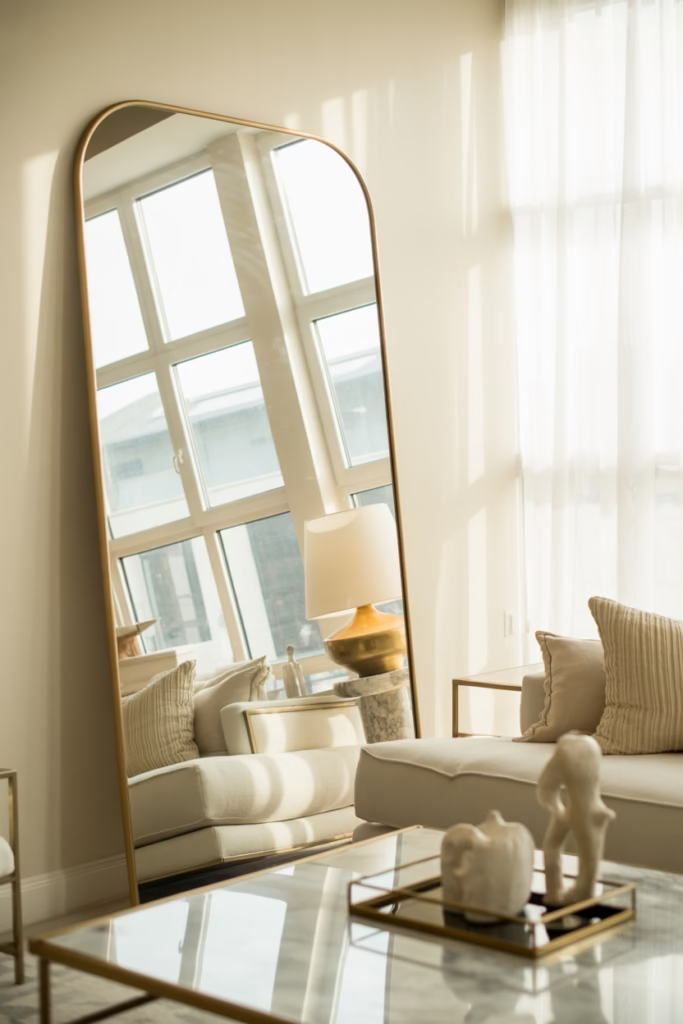
Want to know a designer secret? Mirrors make everything look bigger and more expensive. A large mirror can double the perceived size of your room and bounce light around beautifully.
Hang a big mirror across from a window to maximize natural light. Or lean an oversized floor mirror against a wall—this casual look is actually super trendy and expensive-looking. The key is to go large; tiny mirrors scattered everywhere look cheap and busy.
But mirrors aren’t the only reflective surfaces you need. Add some metallic accents—brass, gold, or silver. A metallic tray on your coffee table, brass picture frames, or a gold lamp base adds subtle luxury without being over-the-top. The reflective quality catches light and adds depth.
I mixed gold and brass accents throughout my living room, and it ties everything together while adding warmth. Just don’t overdo it—you want accents, not a disco ball situation.
Art and Personal Touches
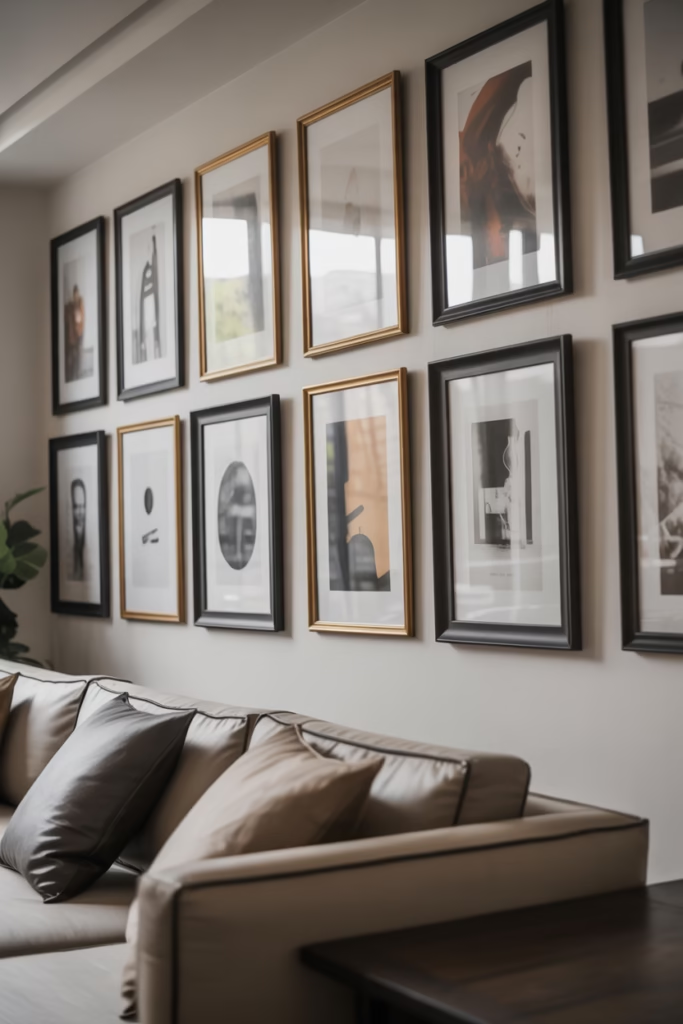
Blank walls look unfinished and cheap. But before you run out and buy art, look at what you already have. Can you reframe existing prints? Rearrange your gallery wall? Sometimes just changing the layout makes a huge difference.
Gallery walls are your friend, but they need to be done right. Keep frames consistent in style or color, even if the art inside varies. This creates cohesion. And please, hang things at the right height—eye level is around 57-60 inches from the floor to the center of the artwork.
You can also create your own art. I printed some high-res photos I took, put them in nice frames, and boom—custom artwork. Or try abstract paintings—they’re easy to DIY and look expensive when framed properly.
Personal photos are great, but style them well. Mix framed family photos with other objects on shelves rather than lining them up like a school yearbook. This makes them feel curated rather than cluttered.
And don’t ignore the power of wall shelves. Floating shelves styled with books, plants, and decorative objects create visual interest and make your walls feel intentional. Just remember: negative space is your friend. Don’t fill every inch.
Hidden Storage Solutions
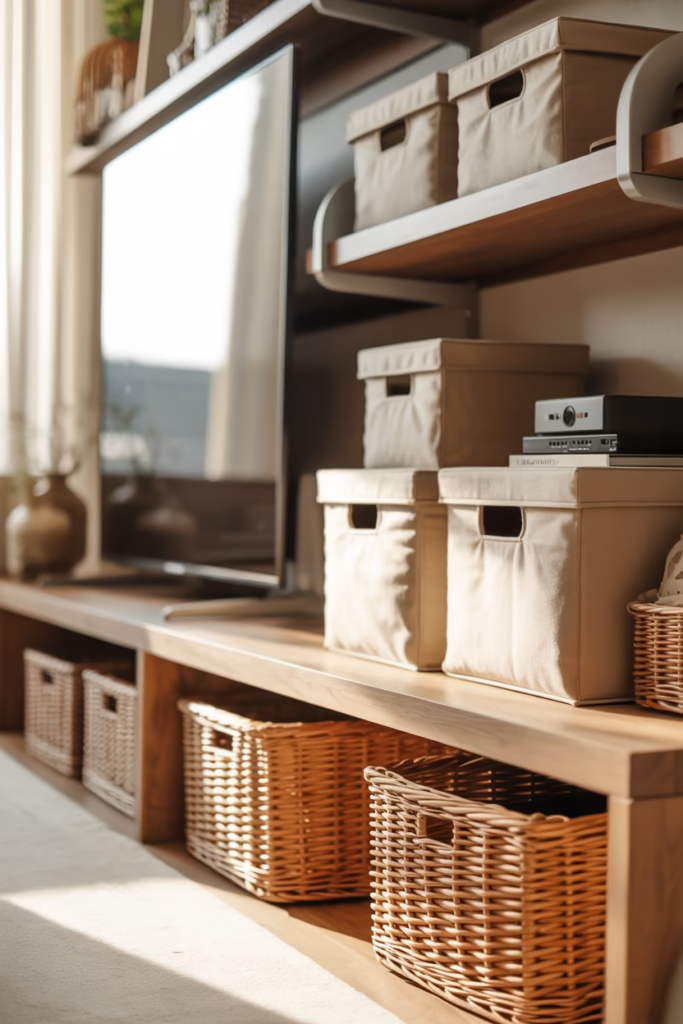
Clutter is the enemy of expensive-looking spaces, so you need smart storage. Use what you have creatively. That ottoman? It probably has hidden storage inside. Use decorative boxes and baskets to corral remotes, magazines, and random stuff.
Style your storage so it doesn’t look like storage. Woven baskets under a console table look decorative while hiding clutter. Pretty boxes stacked on shelves serve double duty. The goal is to make storage look intentional and attractive.
I use vintage suitcases as a side table, and they store extra blankets inside. It looks cool and serves a purpose. Look for furniture that works harder—coffee tables with drawers, side tables with shelves, anything that gives you more storage without looking obvious about it.
Maintenance Matters
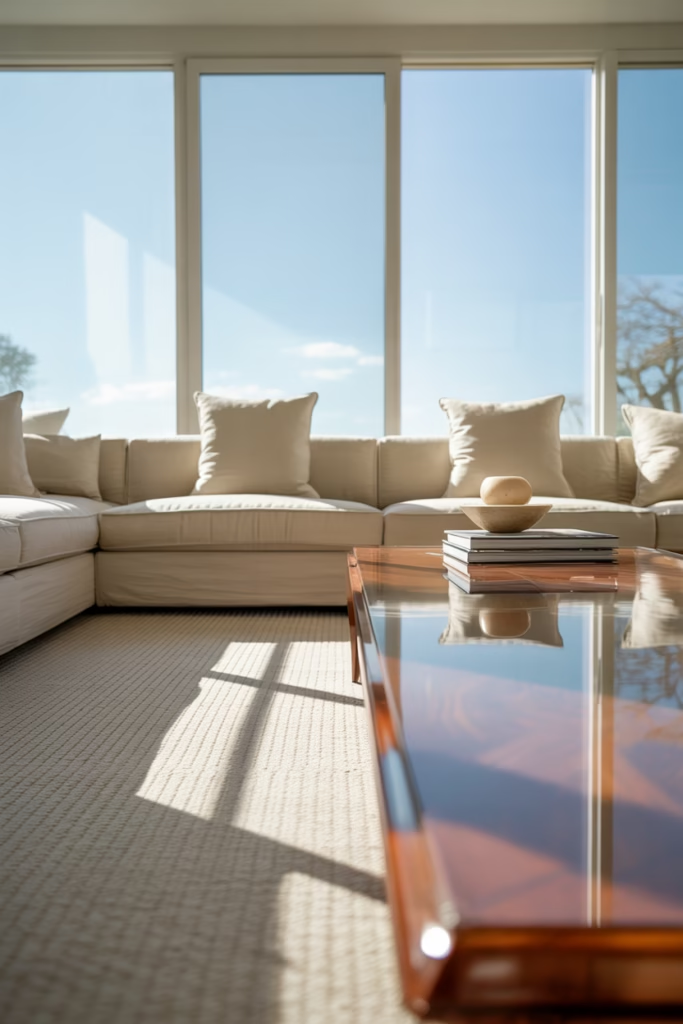
Here’s something nobody talks about: clean, well-maintained spaces always look more expensive. That couch with pet hair all over it? Not luxurious. Those dusty shelves? Not doing you any favors.
Make a habit of deep cleaning regularly. Vacuum your furniture, dust your surfaces, clean your windows. It sounds basic, but a clean room instantly looks more expensive. Light coming through spotless windows hits differently than light filtering through grimy glass.
Fix the little things too. That broken drawer pull? Replace it. The scratched coffee table? Touch it up. Loose curtain rod? Tighten it. These small maintenance tasks add up to create a polished, expensive-looking space.
Final Touches That Matter
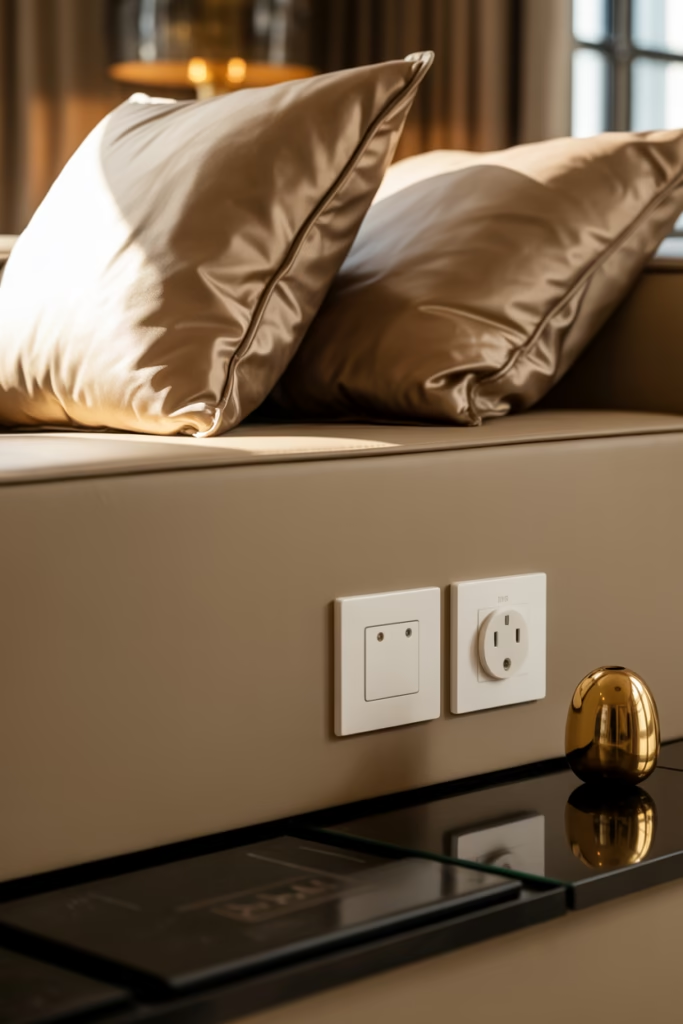
Details matter more than you think. Switch out your old, mismatched light switch covers for new ones—it costs like $5 and makes a surprising difference. Update your outlet covers too while you’re at it.
Coordinate your throw pillow inserts. Lumpy, half-filled pillows look cheap. Invest in proper inserts that make your pillows look full and plush. This one change makes your furniture look dramatically better.
Pay attention to cords and cables. Nothing ruins a nice aesthetic faster than tangled cords everywhere. Use cord organizers, hide them behind furniture, or invest in cord covers that match your walls. IMO, this is one of the most overlooked details that separates expensive-looking rooms from average ones.
Final Thoughts
Making your living room look expensive without buying new furniture isn’t about one big change it’s about a dozen small, intentional choices. You’re essentially editing and refining what you already have until everything works together beautifully.
I’ve done this in three different apartments now, and each time, people assume I spent thousands. The truth? Most of these changes cost next to nothing, just time and attention to detail. Your living room has way more potential than you think. You just need to see it differently and be willing to put in a little effort.
So start with one area maybe rearrange your furniture this weekend and build from there. You’ll be amazed at how different your space can look without spending a fortune or hauling in new furniture. 🙂