
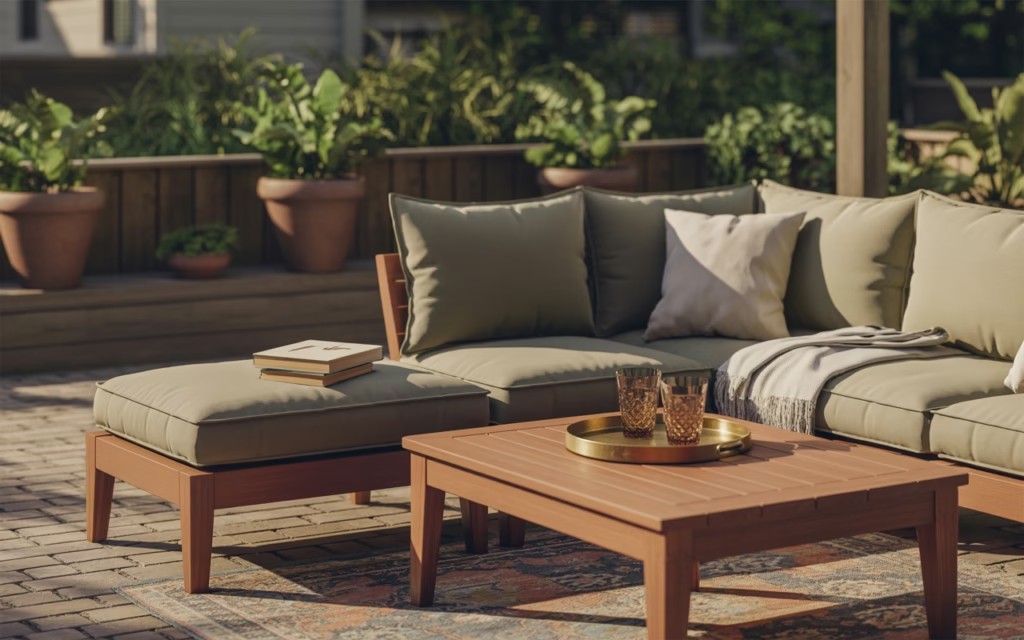
If your patio currently looks like “two chairs and a dream,” don’t worry, you’re in good company. I’ve set up more than one outdoor “living room” that started out as a lonely doormat, a wobbly side table, and me confidently saying, “It’s a vibe,” while it absolutely wasn’t. But here’s the fun part: once you treat your outdoor space like a real room (yes, with comfort and intention), it turns into the spot everyone gravitates toward family, friends, even that one neighbor who magically appears when snacks come out.
This list of 18 beautiful outdoor living room ideas isn’t about copying a picture-perfect setup and stressing over whether your cushions match your soul. It’s about stealing smart, doable ideas like how to create shade without building a whole new wing on your house, how to make a tiny patio feel styled (not cramped), and how to set up seating so people actually want to hang out longer than five minutes. Ever notice how the right lighting makes even a basic backyard feel expensive? Or how a simple rug instantly tells your brain, “Yep, this counts as a room”?
I’ll walk you through my favorite layouts, features, and design tricks that make outdoor spaces feel cozy, functional, and genuinely inviting—whether you want a quiet coffee corner, a fire pit hangout zone, or an evening lounge that makes you forget your indoor sofa exists. And don’t worry, I’ll keep it real: I’ll point out what’s worth splurging on, what you can fake for less, and what looks cute online but turns annoying fast in real life. Ready to make your outdoor living room the best “room” in the house?
The Cozy Fire Pit Lounge
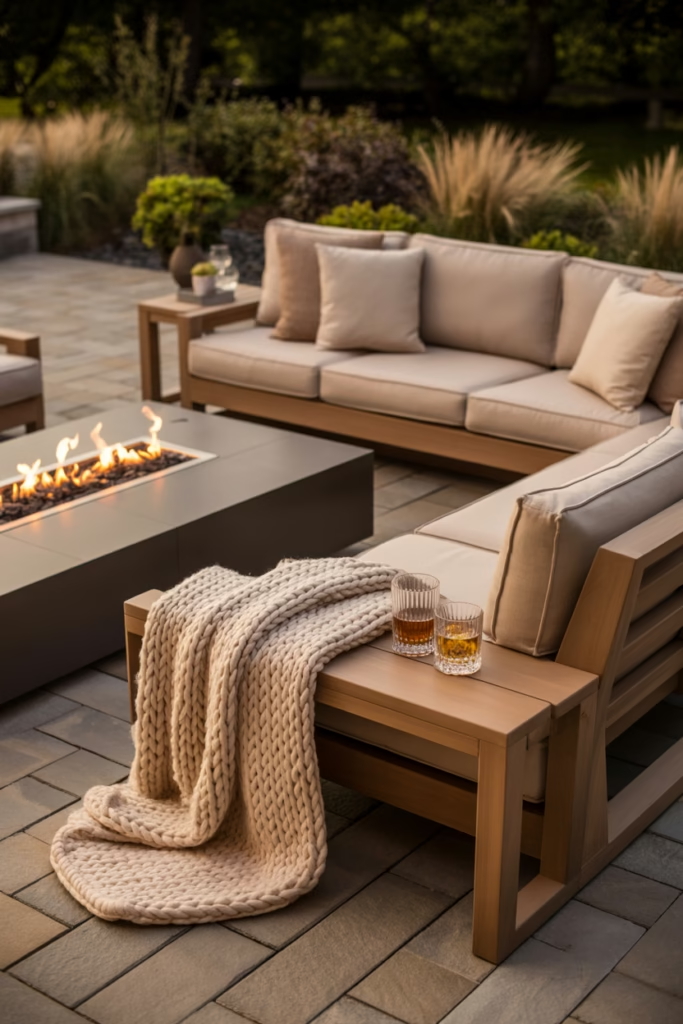
Nothing—and I mean nothing—beats gathering around a fire pit on a cool evening. This setup is my personal favorite because it creates an instant focal point and brings people together naturally.
Picture this: deep-seated sectionals arranged in a U-shape around a modern fire pit, with plush outdoor cushions in weather-resistant fabrics. Add some chunky knit throws for those chillier nights, and you’ve got yourself a space that screams “stay awhile.”
The key here is choosing furniture that can handle the heat (literally). Position your seating about 3-4 feet away from the flames—close enough to feel the warmth, far enough that you’re not worried about sparks on your favorite cushions.
Pro tips for fire pit lounges:
- Go for low-profile seating to maintain conversation flow
- Use fire-resistant materials within a 6-foot radius
- Add side tables for drink placement (because nobody likes holding their glass all night)
- Consider built-in bench seating with hidden storage underneath
The Bohemian Hanging Haven
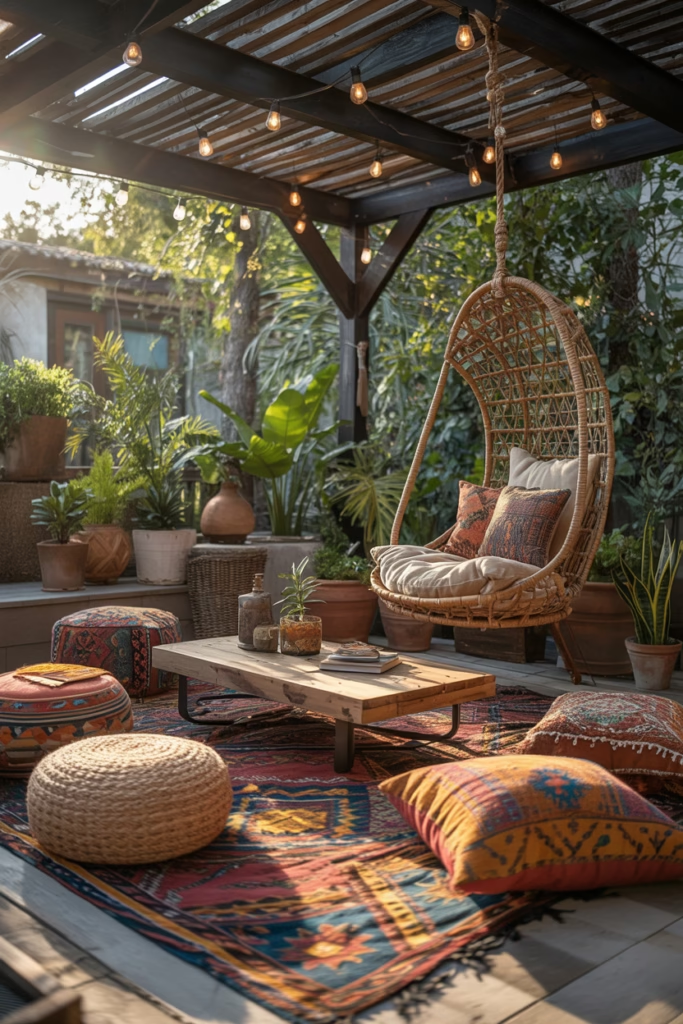
Ever walked into a space and immediately felt your stress melt away? That’s what a boho-style outdoor living room does. I’m talking macramé hammocks, hanging egg chairs, and enough throw pillows to start a small boutique.
The vibe here is relaxed, eclectic, and totally Instagram-worthy. Mix patterns without apology—geometric prints with florals, stripes with paisley. The “more is more” approach actually works when you’re going for bohemian flair.
Hang a swing chair from a sturdy pergola beam or install a hammock between two trees. Layer in poufs, floor cushions, and low wooden tables. Trust me, once you sink into a hanging chair with a good book, you’ll understand why this trend refuses to die.
Add string lights overhead for that dreamy evening ambiance. FYI, solar-powered ones save you from dealing with extension cords snaking across your yard.
The Sleek Modern Minimalist Space
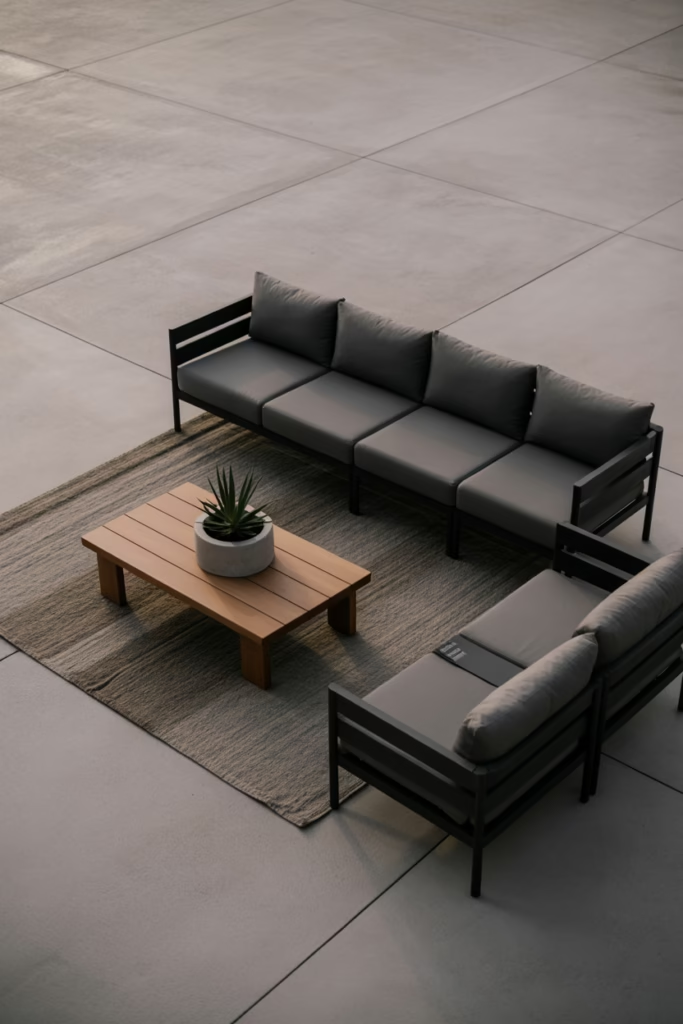
Not everyone wants their outdoor area looking like a Moroccan bazaar (no judgment if you do). Some of us prefer clean lines, neutral palettes, and furniture that looks like it belongs in an architectural magazine.
Modern outdoor living rooms focus on quality over quantity. Think modular sectionals in charcoal or cream, paired with concrete or teak coffee tables. The furniture does the talking here—simple, elegant, and built to last.
I love this approach because maintenance is minimal. Choose materials like powder-coated aluminum, teak, or all-weather wicker that age gracefully. Add a large outdoor rug in a solid color to define the space, and keep accessories to a minimum.
Key elements for modern minimalism:
- Straight, clean furniture lines
- Monochromatic or neutral color schemes
- Hidden storage solutions
- Statement lighting fixtures
- One or two bold accent pieces max
The Covered Pavilion Paradise
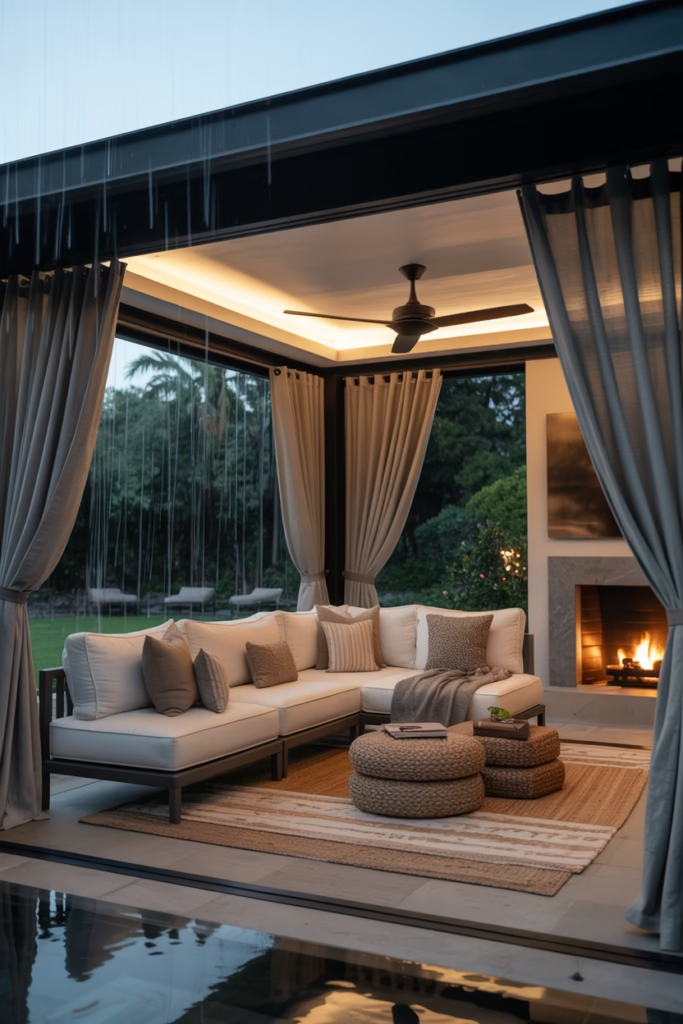
Here’s the thing about outdoor living—weather happens. If you’re serious about using your outdoor space year-round, a covered pavilion changes everything.
I’m not talking about a flimsy pop-up canopy. We’re talking permanent structures with solid roofs, ceiling fans, and maybe even outdoor heaters. This is basically an extra room for your house, just without walls.
Under that roof, you can go wild with furniture choices. Regular indoor-style sofas? Sure, if they’re under cover. Fancy light fixtures? Why not. Even mounting a TV out here isn’t crazy if you’ve got proper protection from the elements.
The best part? You can still enjoy your outdoor space when it’s raining. There’s something incredibly peaceful about sitting outside during a storm, staying dry while you watch nature do its thing.
The Garden-Integrated Retreat
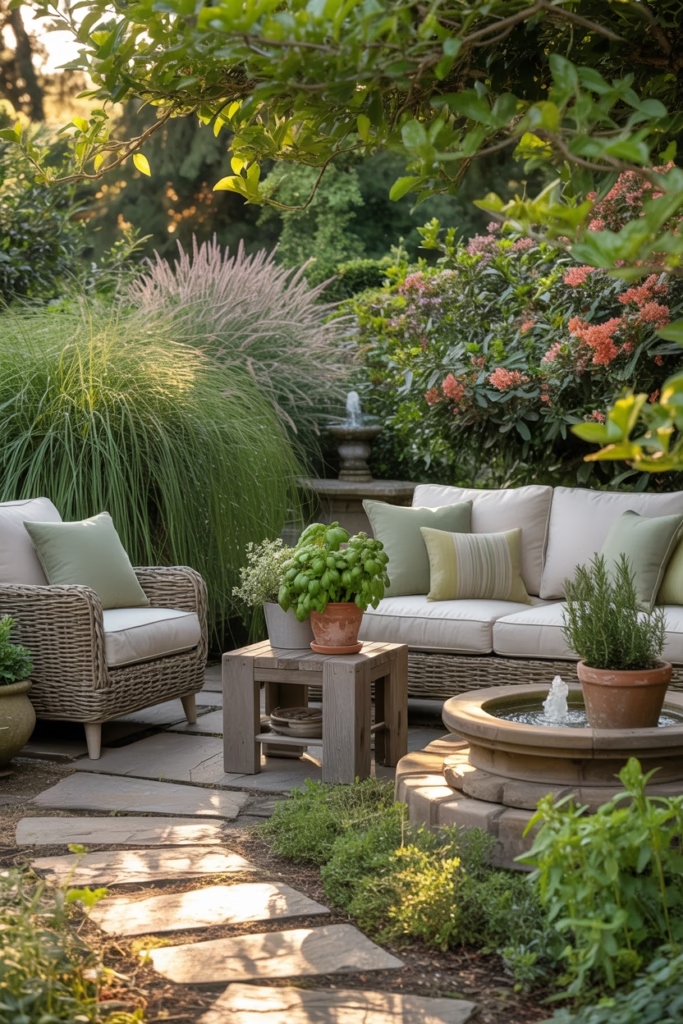
Why separate your living space from your garden when you can combine them? This idea works beautifully if you’ve got green thumb energy and want your outdoor room to feel like a secret hideaway.
Surround your seating area with potted plants, climbing vines, and flowering shrubs. Create natural walls using tall grasses or bamboo screens. Position your furniture among the greenery rather than apart from it.
I’ve seen people use stone pathways leading to their outdoor seating, flanked by lavender or rosemary—practical AND beautiful. The scent alone makes the space feel special.
Add a small water feature nearby (even a simple fountain) for ambient sound. Trust me, the combination of rustling leaves and trickling water beats any meditation app. 🙂
Plant ideas for living room integration:
- Tall ornamental grasses for privacy
- Jasmine or clematis for fragrant climbing vines
- Potted trees like Japanese maples for shade
- Herbs in decorative planters (bonus: snip fresh herbs while entertaining)
The Multi-Level Deck Design
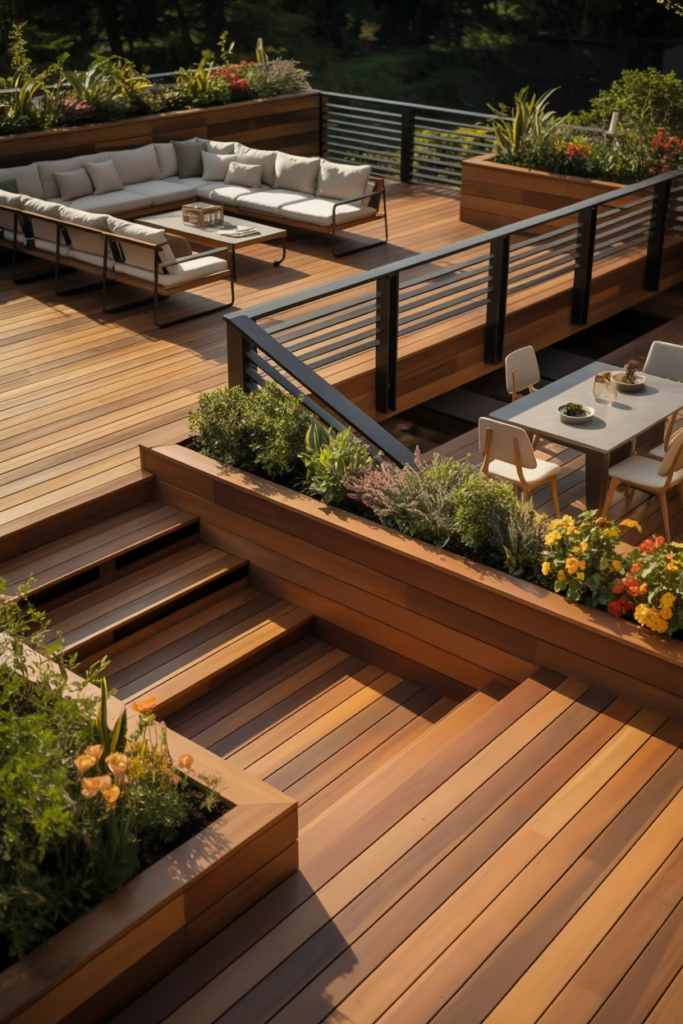
Got a sloped yard? Turn that challenge into your biggest design flex. Multi-level decks create distinct zones while maximizing usable space.
Use the upper level for your main seating area—you’ll get better views and feel more separated from ground-level distractions. The lower level works perfectly for dining or as a secondary lounge space.
I love how levels naturally define different areas without needing walls or dividers. Connect them with wide stairs that can double as casual seating during parties. Add built-in planters along the edges to soften the wood structure.
The key is making sure each level has a clear purpose. Don’t just build multiple platforms for the sake of it—think about flow and how people will actually use the space.
The Rustic Farmhouse Porch
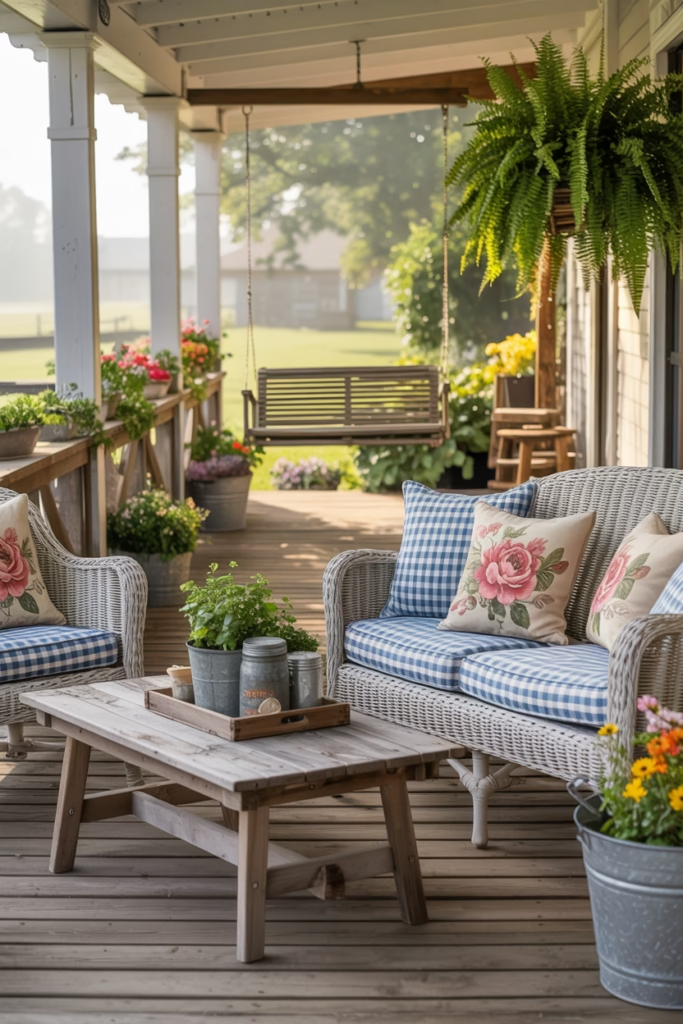
Nothing says “come sit a spell” quite like a farmhouse-style outdoor living room. Think white wicker rockers, weathered wood furniture, and enough charm to star in a country living magazine.
The secret to nailing this look? Embrace imperfection. That vintage metal side table with rust spots? Perfect. Mismatched throw pillows in faded florals and gingham? Absolutely.
Add shiplap to your walls if you’ve got a covered porch, hang a porch swing, and don’t forget the obligatory fern in a hanging basket. Layer in galvanized metal accents—watering cans as planters, old milk cans as side tables, that sort of thing.
IMO, farmhouse style is the most forgiving outdoor design approach. Everything looks intentionally curated even when you’re literally just using hand-me-down furniture. Score!
The Tropical Resort Getaway
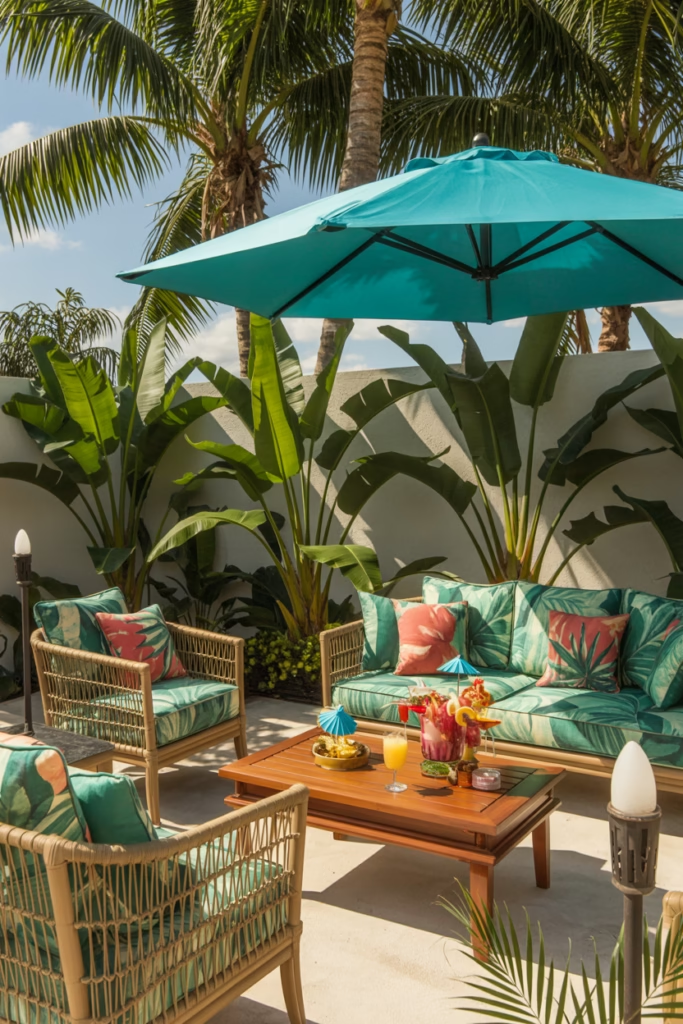
Who needs vacation when you can create a resort vibe in your own backyard? Tropical outdoor living rooms transport you somewhere exotic without the airfare.
Load up on palm trees, banana plants, and other large-leaf tropical specimens. Choose furniture with natural materials—woven rattan, bamboo frames, teak wood. Keep the color palette inspired by nature: ocean blues, sandy neutrals, and vibrant tropical greens.
Add a tiki bar if you’re feeling extra (and let’s be honest, you should be). String up some tiki torches around the perimeter. Install outdoor speakers for island music. Go all in—half-hearted tropical themes just look confused.
The cushions and pillows should feature bold prints—think palm fronds, hibiscus flowers, or abstract tropical patterns. And please, for the love of all things beachy, get yourself a proper outdoor umbrella in a fun color.
The Courtyard-Style Enclosure
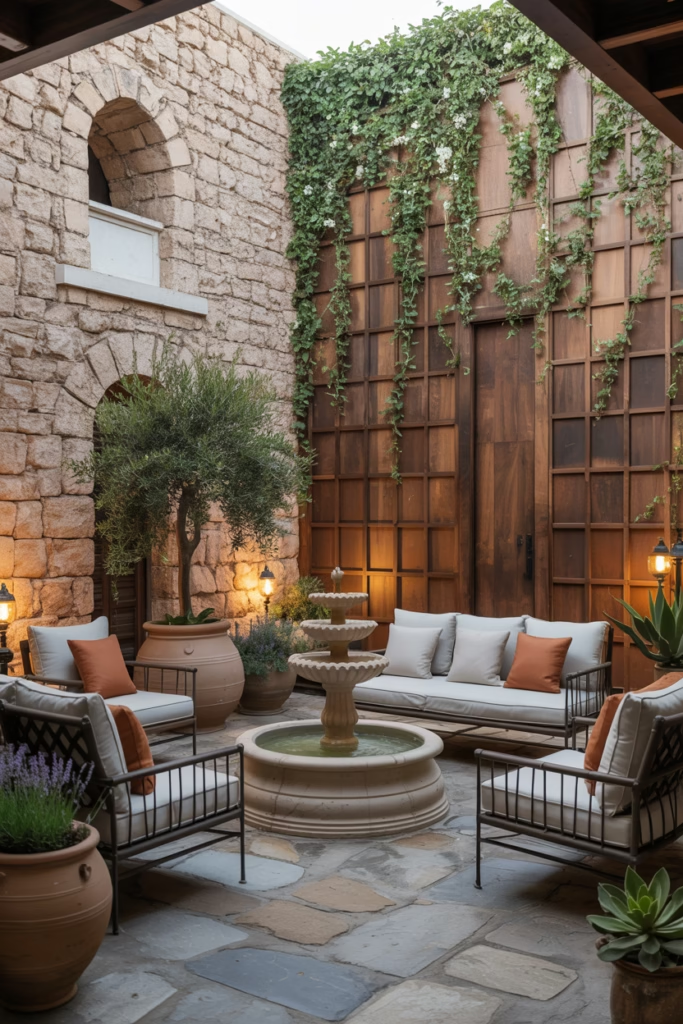
Ever notice how European courtyards feel so intimate and special? You can recreate that enclosed, protected feeling even without a full courtyard.
Use privacy walls, tall hedges, or decorative screens to create three sides of an outdoor room. The fourth side can open to your yard or pool area. This setup makes the space feel like an actual room rather than just furniture plopped on a patio.
I love using different materials for the walls—one side could be stone, another side lattice with climbing plants, the third a wooden privacy fence. The variety adds visual interest while defining the space.
Add a statement fountain or sculpture in one corner as a focal point. Keep furniture arrangement conversational with seating facing inward. The goal is creating a sense of enclosure and privacy that makes people want to linger.
Courtyard essentials:
- Three defining walls or boundaries
- Central focal point (fountain, fire feature, or stunning plant)
- Intimate seating arrangement
- Overhead elements like pergolas or shade sails
- Mediterranean-inspired accessories
The All-Weather Durability King
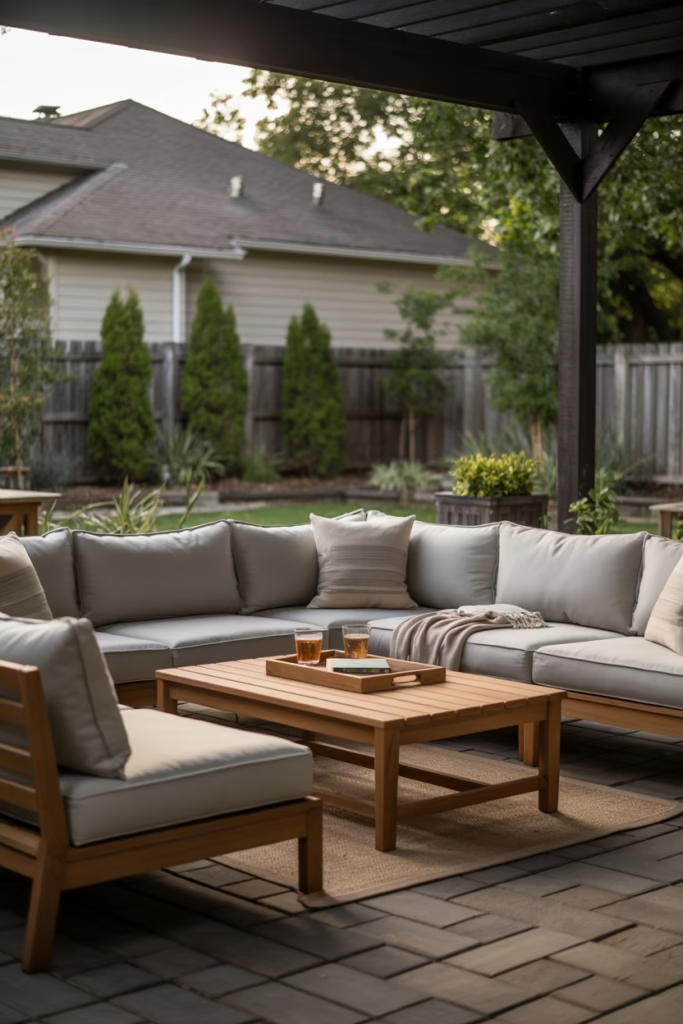
Let’s get real—beautiful outdoor furniture means nothing if it falls apart after one season. Some of us live in places with actual weather (looking at you, folks dealing with monsoons, snow, or scorching heat).
Choose materials that laugh in the face of mother nature. Marine-grade polymer wicker, powder-coated aluminum frames, Sunbrella fabrics, and sealed teak are your friends here.
I learned this lesson the hard way after my first “budget-friendly” outdoor furniture set literally disintegrated. Now I’m all about investment pieces that’ll last a decade, not just until next spring.
Look for furniture with rust-proof hardware, UV-resistant finishes, and cushions with quick-dry foam cores. Yes, it costs more upfront. But replacing everything every two years costs way more, both financially and in sheer frustration.
The Pergola-Covered Sanctuary
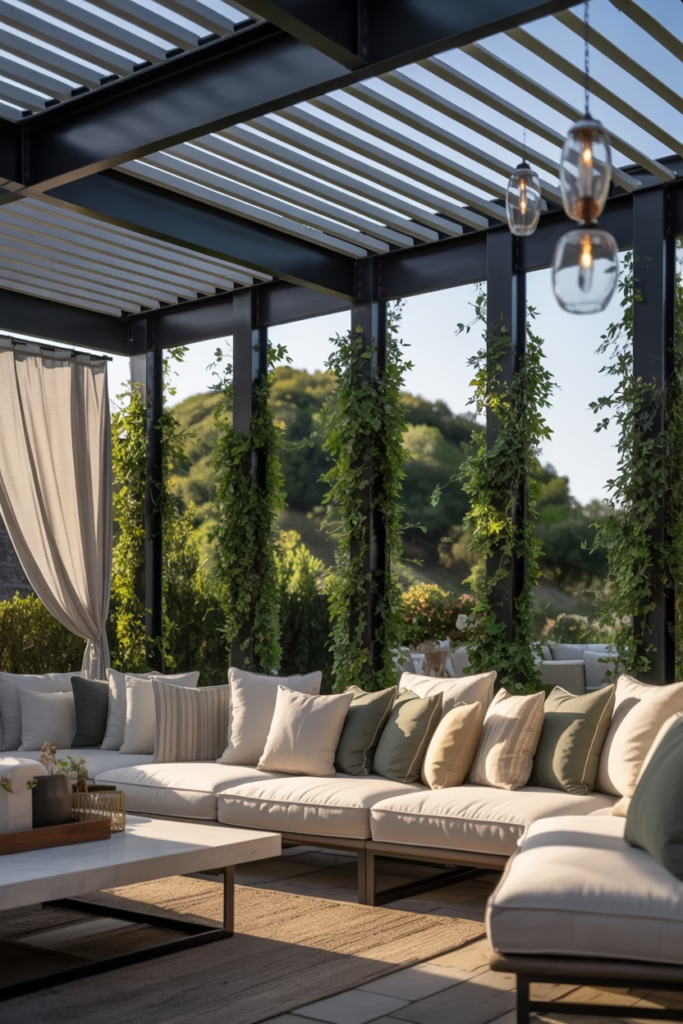
Pergolas are having a major moment, and I’m here for it. They provide just enough shade while maintaining that open-air feeling that makes outdoor living special.
Modern pergolas come with adjustable louvered roofs—game changer. Want full sun? Open the louvers. Starting to rain? Close them. It’s like having a convertible for your patio.
Drape outdoor curtains along the sides for privacy and additional shade control. Train climbing roses or wisteria up the posts for natural beauty. Hang pendant lights or a chandelier from the beams for dramatic evening lighting.
The pergola structure itself becomes architectural interest, so your furniture can actually be simpler. A comfortable sectional, a few accent chairs, and a coffee table are all you need underneath.
The Sunset-Watching Lounge
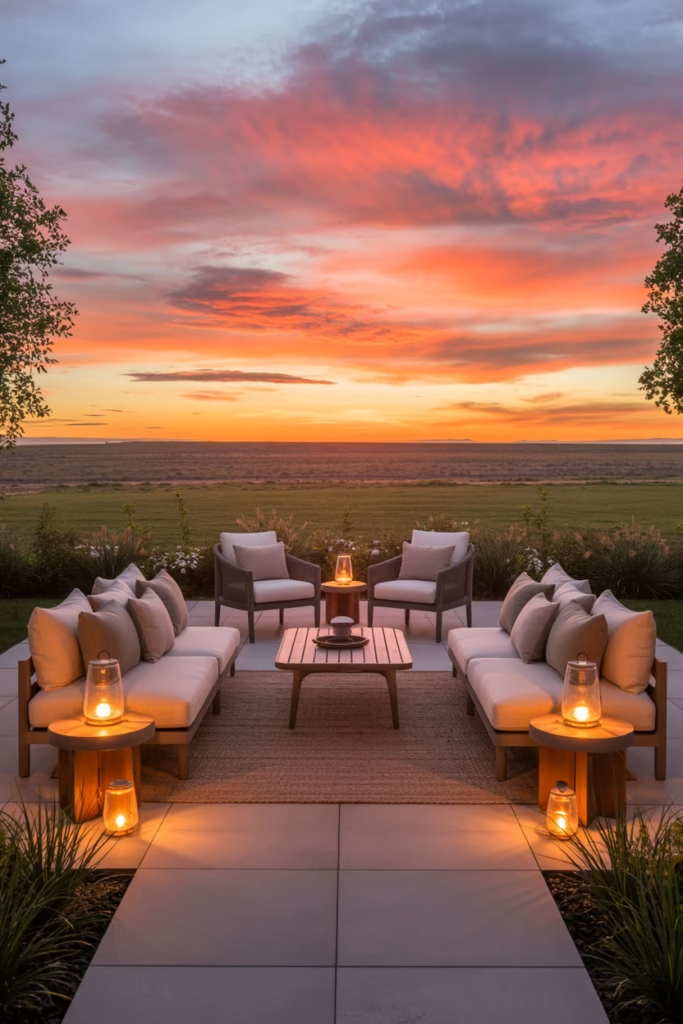
If you’ve got a view, you better be taking advantage of it. Orient your entire outdoor living room toward whatever spectacular vista you’re lucky enough to have.
This setup is all about maximizing that view. Position seating to face the sunset (or sunrise, if you’re a morning person). Skip tall furniture backs that might block sightlines—go for low-profile sectionals or lounge chairs.
Keep accessories minimal so nothing distracts from nature’s show. I’m talking simple side tables, understated lighting, and a color palette that complements rather than competes with your surroundings.
Add a telescope or binoculars on a side table for stargazing after sunset. Install dimmable outdoor lighting that you can adjust based on whether you’re entertaining or just want to watch the sky change colors.
The Outdoor Kitchen Adjacent Lounge
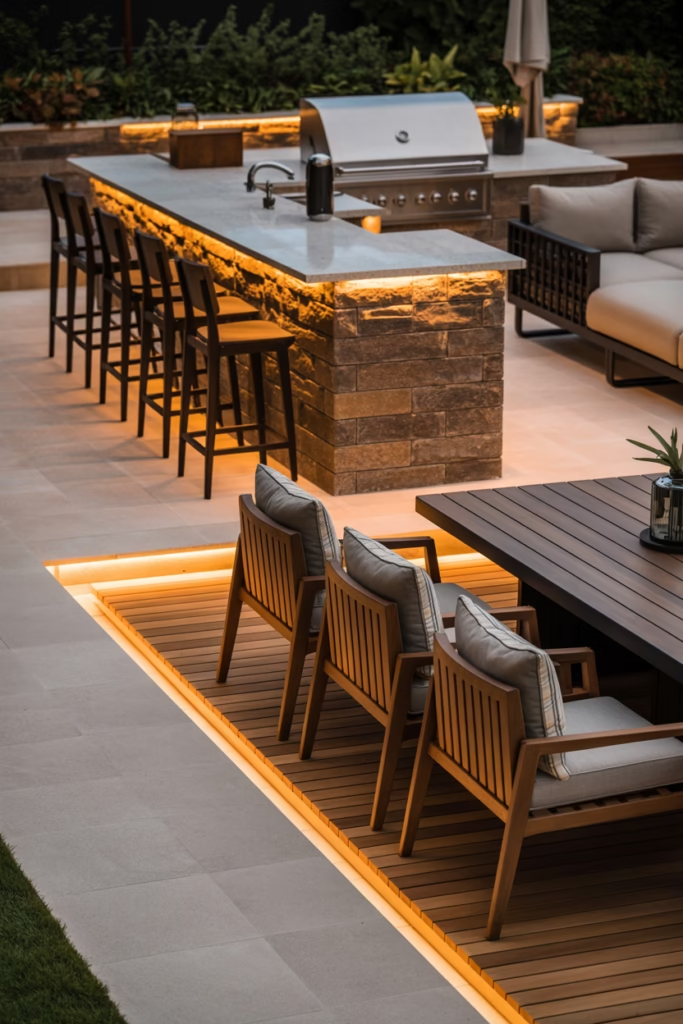
Why walk back and forth between your kitchen and outdoor seating when you can combine them? Positioning your living area next to an outdoor kitchen creates the ultimate entertaining setup.
Think of it as one continuous space for cooking, eating, and lounging. Your guests can hang out on the comfy sofas while you’re grilling, making everything feel more social and less lonely-chef-syndrome.
Use matching or coordinated materials between your kitchen and lounge areas to create visual flow. If your outdoor kitchen has a stone facade, incorporate stone accent tables in your seating area. Consistent flooring throughout helps too.
Add bar-height seating at the kitchen counter with a few lounge areas scattered nearby. Multiple seating options mean people can migrate between spaces naturally throughout the evening.
Layout considerations:
- Position lounge seating 8-10 feet from cooking area (smoke drift, people)
- Create clear pathways between zones
- Include adequate lighting in both areas
- Add overhead coverage for both cooking and lounging spaces
The Intimate Bistro-Inspired Corner
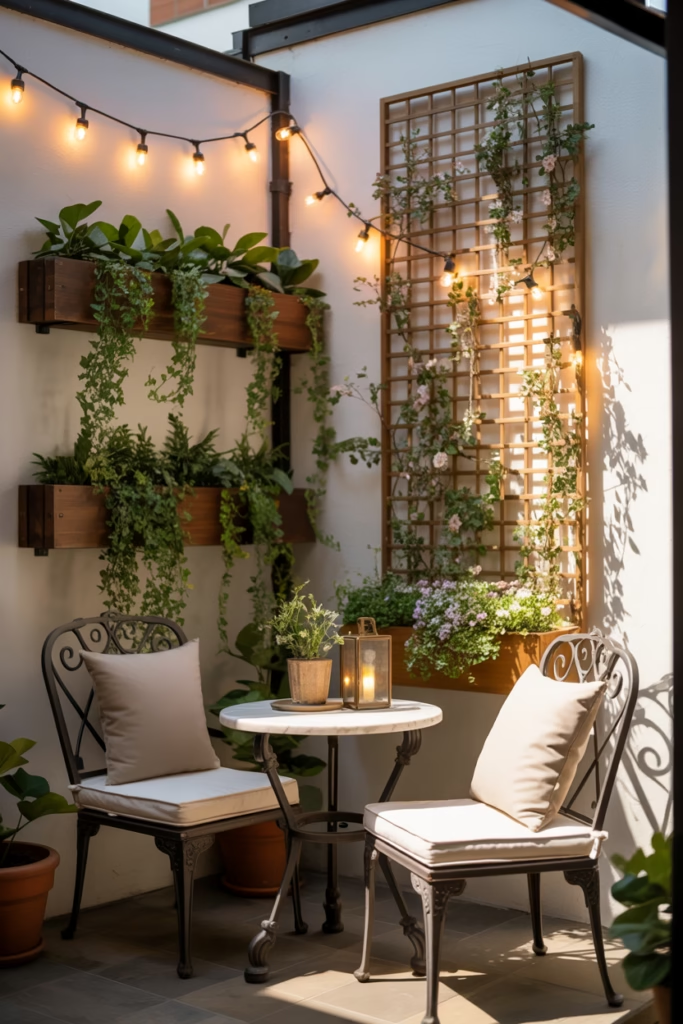
Not everyone has a sprawling backyard, and honestly? Small outdoor living rooms can be even more charming than massive ones.
Transform a corner of your patio or balcony into a cozy bistro-style retreat. Two cafe chairs and a small round table might sound simple, but done right, it becomes your favorite morning coffee spot.
I love using folding bistro furniture for flexibility—you can rearrange or move it aside when needed. Choose chairs with thick cushions for comfort (those metal bistro chairs look cute but feel like torture after 10 minutes).
Add a small side cart for plants, candles, or drinks. Hang string lights overhead or install a small wall-mounted lantern. Use vertical space with wall planters or a trellis covered in climbing plants.
The Daybed Lounge Luxury
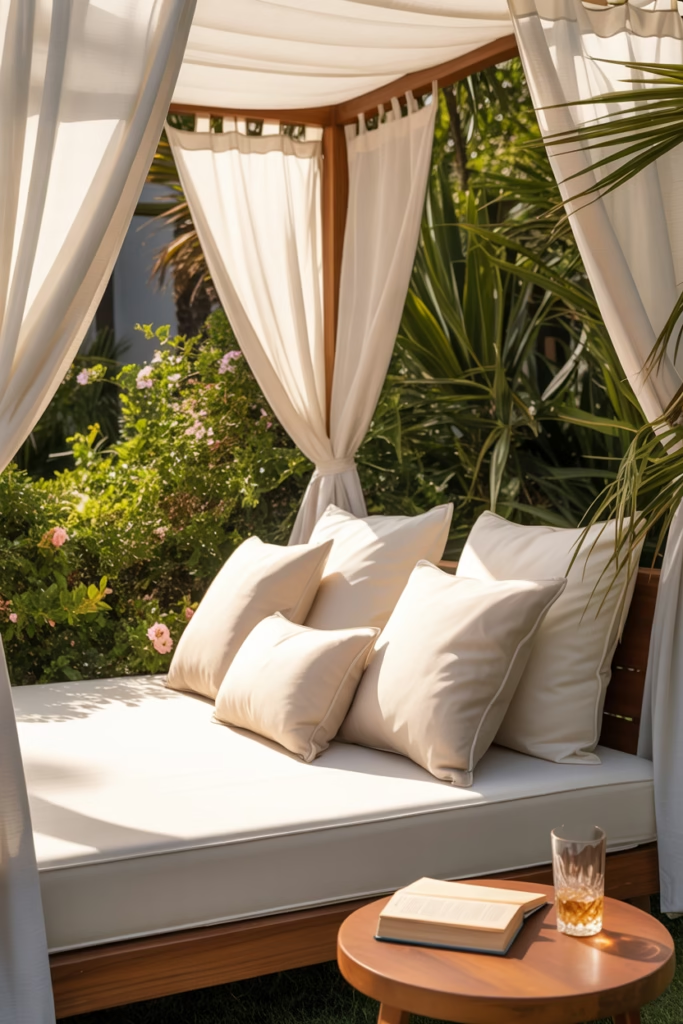
Want to know the ultimate outdoor indulgence? A proper daybed where you can nap, read, or just dramatically lounge while pretending you’re at a resort.
These aren’t those flimsy “outdoor beds” that feel like lying on plywood. I’m talking substantial daybeds with thick, weather-resistant mattresses and tons of pillows. Some even come with canopies for shade and romance.
Position your daybed in a partially shaded area so you’re not baking in direct sun. Add sheer curtains to the canopy for privacy and bug protection. Surround the area with potted plants to create a secluded vibe.
This works especially well if you’ve got a large patio or pool area. Place the daybed away from the main seating cluster to create a quiet retreat-within-a-retreat. Trust me, once you’ve got one of these, you’ll wonder how you ever lived without it. :/
The Mixed Material Marvel
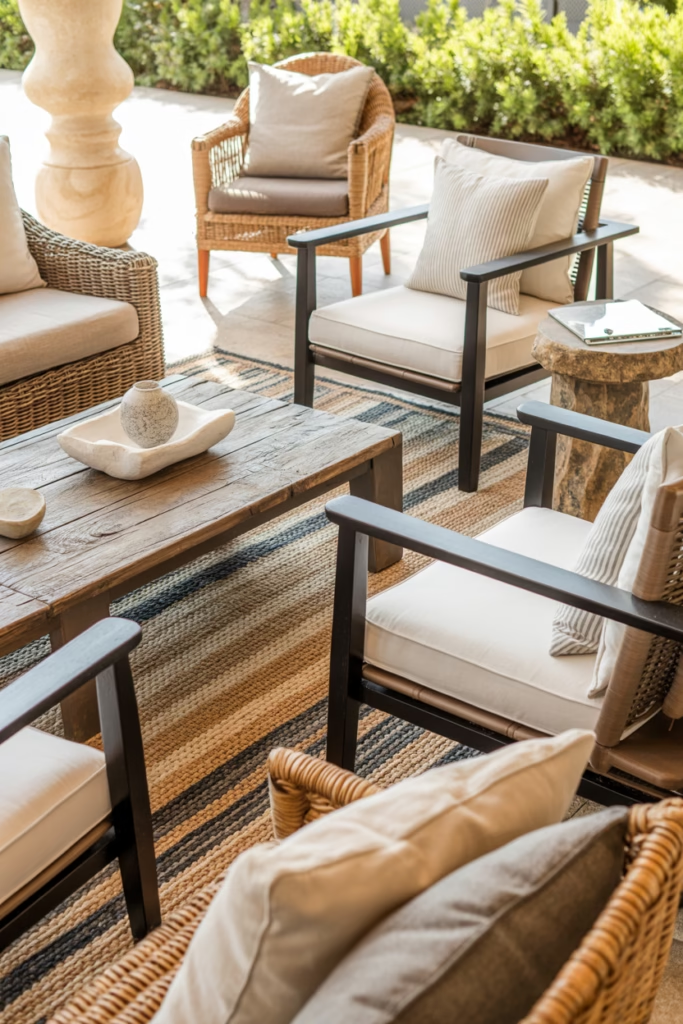
Who says you have to stick with one furniture style or material? Some of the best outdoor living rooms mix wood, metal, wicker, and stone in ways that shouldn’t work but totally do.
The trick is finding a common thread—maybe a consistent color palette or similar design style—that ties everything together. Pair a rustic wood coffee table with modern metal chairs. Mix woven wicker seating with sleek glass side tables.
I love this approach because it prevents that “furniture showroom” look where everything matches too perfectly. Real homes accumulate pieces over time, and your outdoor space should reflect that authenticity.
Start with one anchor piece—maybe a stunning sectional or a unique coffee table—then build around it with complementary but not matching items. Layer in textiles, plants, and lighting to create cohesion.
Mixing tips:
- Limit yourself to 3-4 main materials
- Repeat each material at least twice for intentionality
- Use textiles and accessories to bridge different styles
- Keep the color palette relatively cohesive
The Kid-Friendly Family Zone
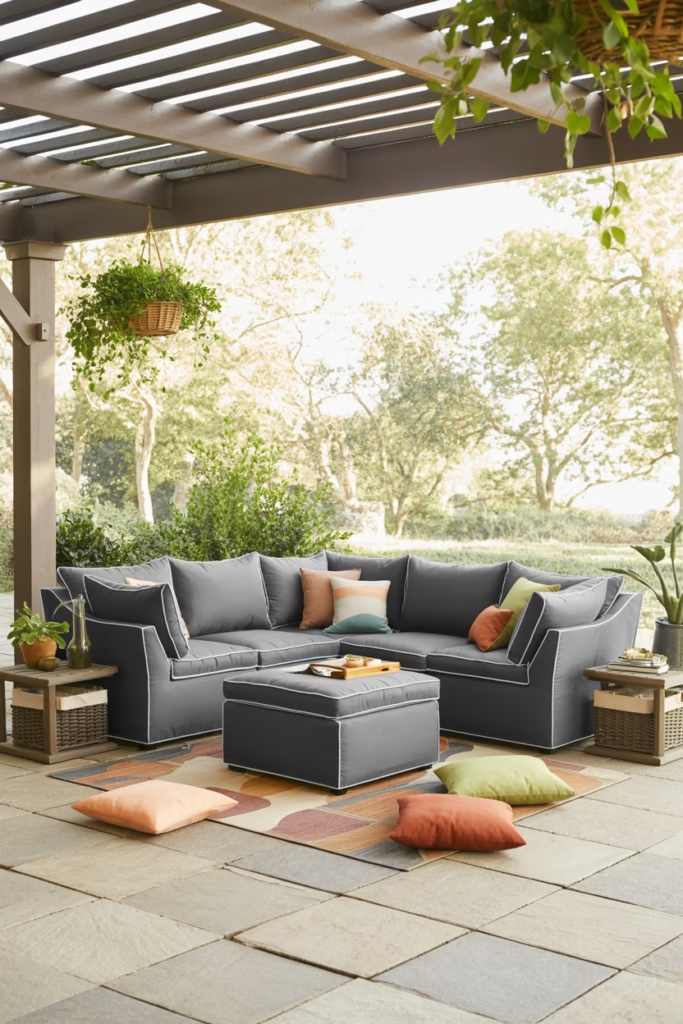
Let’s be honest—outdoor living rooms aren’t just for adult lounging. If you’ve got kids, your space needs to work for everyone without looking like a daycare explosion.
Choose durable, stain-resistant fabrics and furniture with rounded edges. Modular seating works great because you can rearrange it for different activities—game night, movie watching, or creating a fort (yes, adults build forts too).
Incorporate storage ottomans or benches where toys can disappear when company comes over. Add an outdoor rug that defines the space and gives kids a soft surface for playing. Consider including some low seating or floor cushions at kid height.
The best family outdoor spaces include multiple zones: a main seating area for parents, a play corner for kids, maybe a games table. Everyone gets their space, but you’re all together outside.
The Evening Entertainment Hub
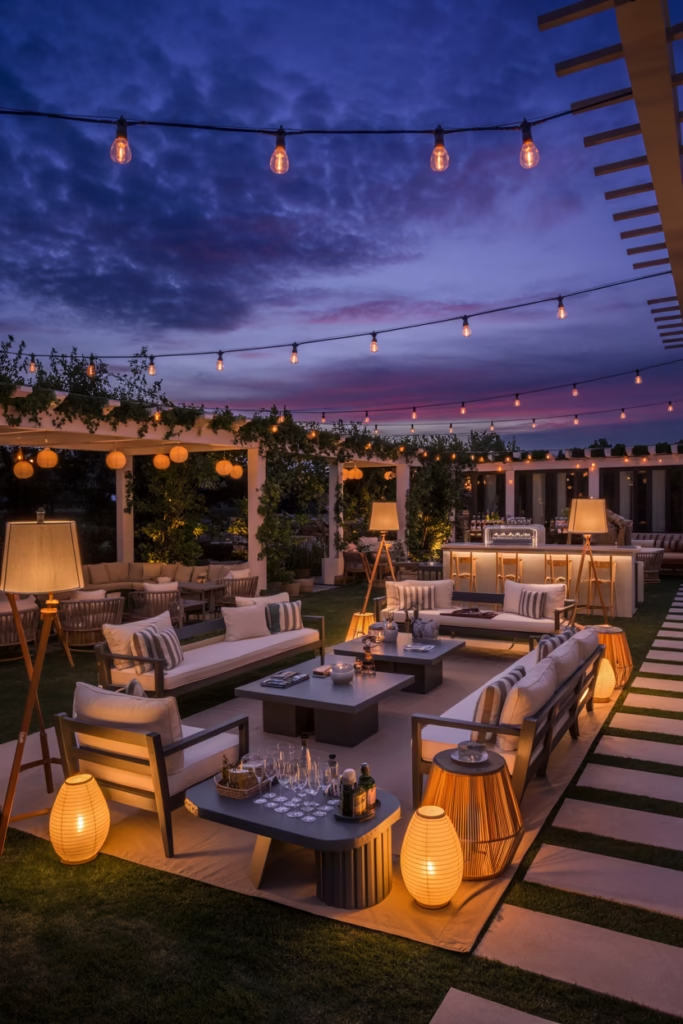
Some outdoor living rooms come alive after dark. If you love entertaining in the evening, design your space specifically for twilight magic.
Lighting makes or breaks this concept. Layer different types: string lights overhead for ambiance, pathway lights for safety, spotlights on plants or architectural features for drama, and table lamps or lanterns for functional lighting.
Add a Bluetooth sound system (weatherproof, obviously). Include a bar cart or beverage station so drinks are always accessible. Create multiple seating clusters so guests can break into smaller conversation groups.
I always tell people to install dimmer switches on outdoor lighting. The vibe you want at 6 PM is totally different from 10 PM, and adjustable lighting lets you set the mood perfectly.
Entertainment essentials:
- Multiple lighting layers on dimmers
- Comfortable seating for 8-12 people
- Music system with good outdoor speakers
- Side tables everywhere (nobody likes holding drinks)
- Weather-resistant storage for entertaining supplies
Making It Your Own
Here’s the truth: the most beautiful outdoor living room is one that actually reflects how YOU live and what YOU enjoy. I’ve seen people obsess over Pinterest-perfect setups that look amazing but feel uncomfortable and never get used.
Start with how you actually want to use the space. Morning coffee? Prioritize a cozy corner with great sunrise views. Weekend parties? Focus on ample seating and entertaining features. Quiet reading retreat? Invest in that amazing lounge chair you’ve been eyeing.
Don’t feel pressured to follow trends that don’t suit your lifestyle. Hate fire pits because of smoke? Skip them. Not into maintaining tons of plants? Choose architectural interest through furniture and structures instead.
The best outdoor rooms evolve over time as you figure out what works. Start with the basics, use the space, then add and adjust based on real experience rather than Instagram inspiration.
Your outdoor living room should make you excited to go outside, not stressed about maintaining some impossible standard. Make it comfortable, make it personal, make it yours. Everything else is just decoration.