
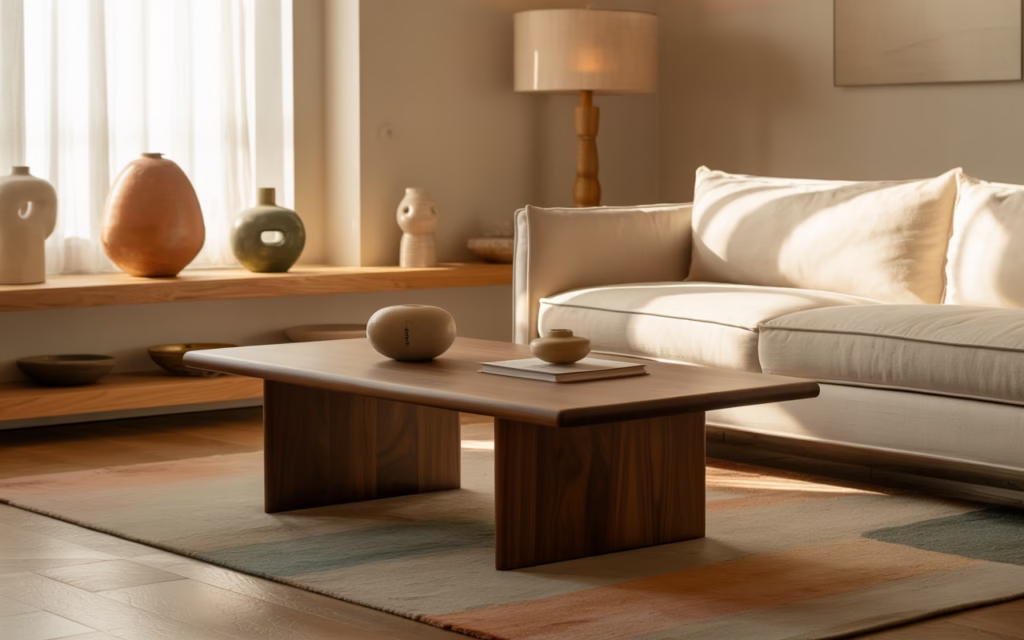
I love minimalist living rooms… until they feel like a fancy hotel lobby where you’re scared to sit down. You know the look—perfectly beige, perfectly styled, and somehow totally unlivable. So if you want a space that looks clean and calm and still makes you want to flop onto the sofa after a long day, you’re in the right place.
I’ve spent an embarrassing number of hours tweaking my own living room, moving furniture two inches like that counts as cardio, swapping pillows like I’m on a design reality show, and learning the hard way that “minimal” doesn’t mean “cold.” The cozy part comes from the stuff you keep: warm neutrals, soft textures, good lighting, and a few intentional details that make the room feel like you. Ever walked into a room and instantly felt your shoulders drop? That’s the vibe we’re building here.
So let’s talk about 15 beautiful, cozy minimalist living room ideas that actually work in real homes—messy schedules, random cords, and all.
The Foundation: Neutral Palettes That Don’t Bore You to Tears
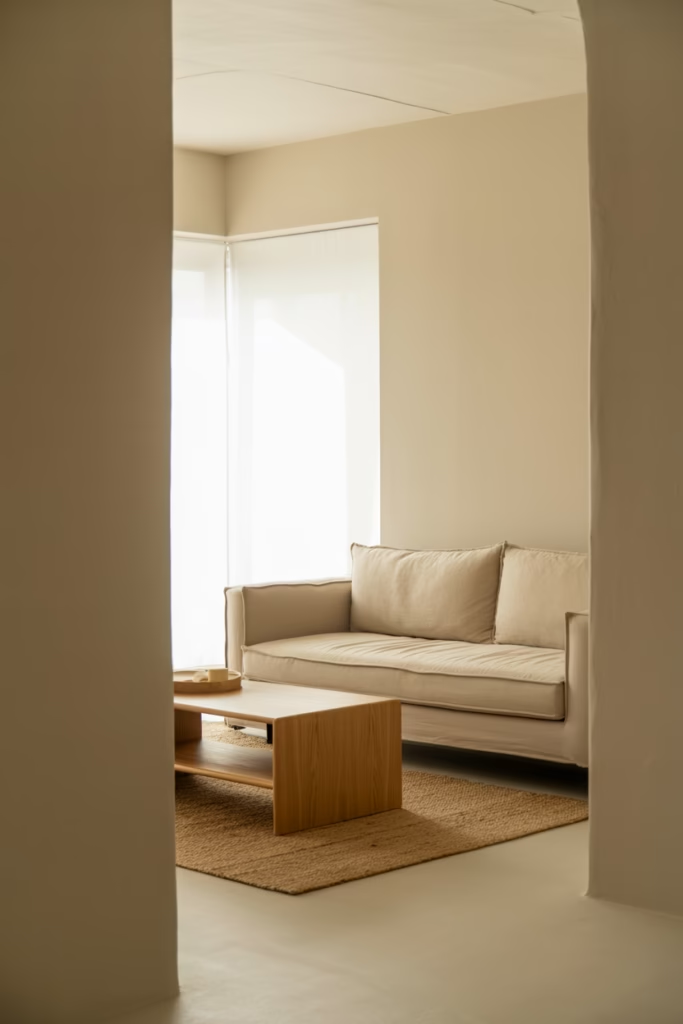
Starting with a neutral color scheme is minimalism 101, but here’s where most people mess up—they think neutral means boring beige walls and zero personality. Nope.
I’m talking about layering different shades of whites, creams, taupes, and soft grays. The magic happens when you mix warm and cool tones. Try pairing a warm cream sofa with cool gray throw pillows, or ivory walls with charcoal accents. This creates depth without visual clutter.
The key? Stick to 2-3 main colors and let texture do the talking. Trust me on this—your eyes will thank you for not having to process seventeen different colors every time you walk into the room.
Texture Is Your Secret Weapon
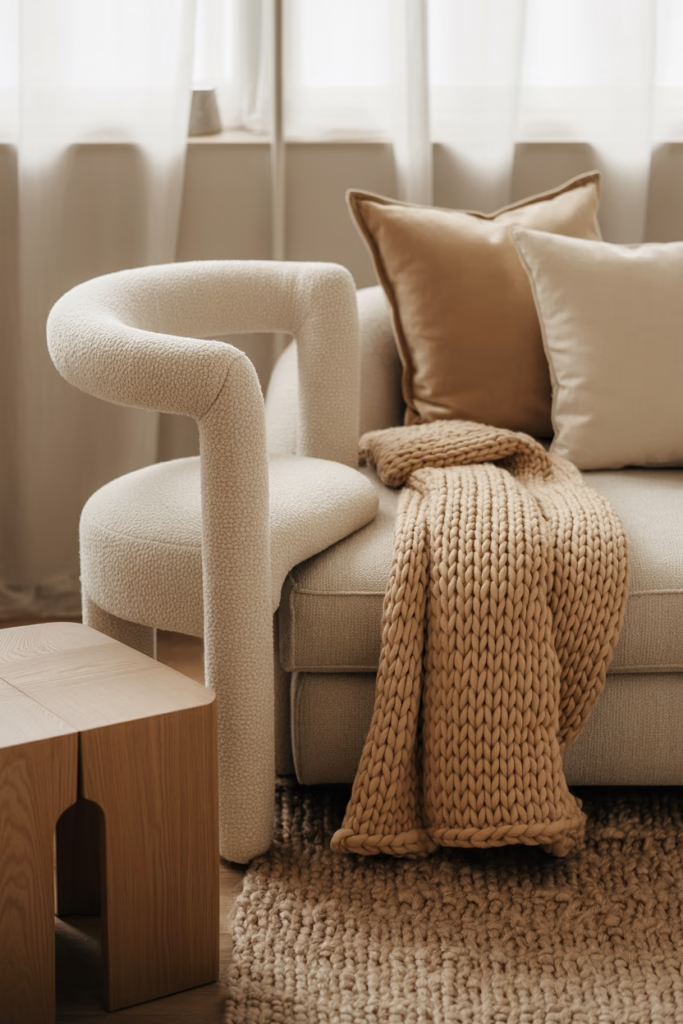
Ever wondered why some minimalist rooms feel like a hospital waiting room while others make you want to curl up with a book immediately? Texture, my friend. It’s the difference between “meh” and “wow.”
Here’s what works:
- Chunky knit throws draped casually over your sofa
- Linen curtains that puddle slightly on the floor
- Wool or jute rugs that add warmth underfoot
- Velvet or bouclé accent chairs for that tactile interest
- Raw wood coffee tables with visible grain
I recently swapped my smooth leather ottoman for a chunky knit pouf, and the difference was immediate. The room felt softer, more inviting, even though I literally just changed one piece. That’s the power of texture working its magic.
The Low-Profile Furniture Move
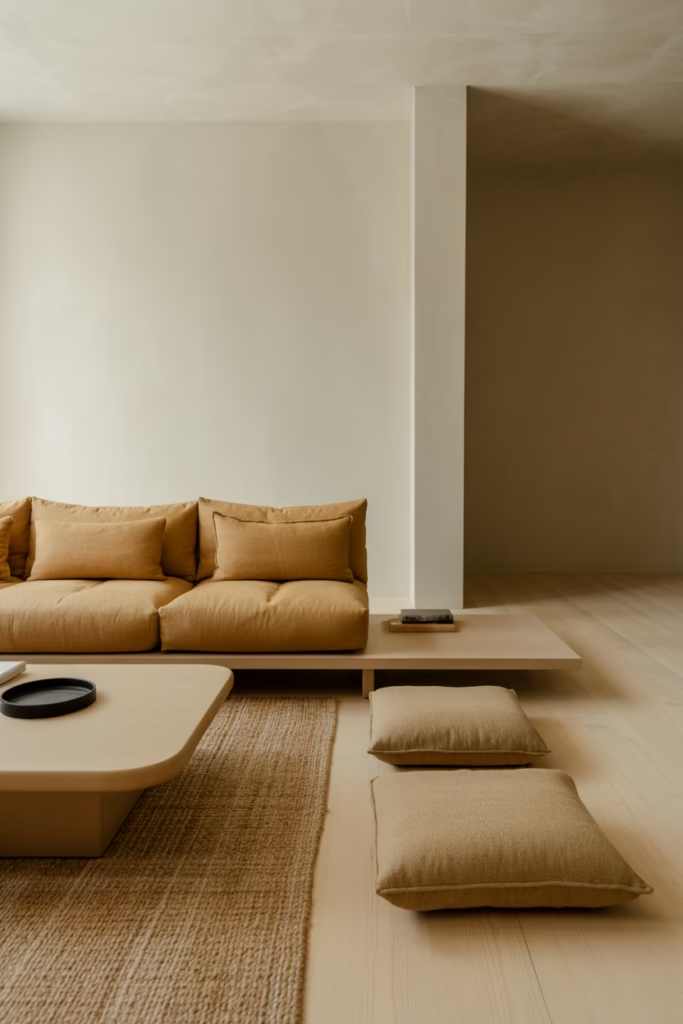
Minimalist living rooms love low-profile furniture, and there’s actually a psychology behind this. Lower furniture makes your ceilings feel higher and your space feel more open. It’s like an optical illusion, but make it cozy.
Think platform sofas, low-slung coffee tables, and floor cushions. This Japanese-inspired approach creates a grounded, calming vibe that’s perfect for unwinding after a long day. Plus, it makes your room feel less cluttered even when you have the same amount of furniture.
FYI, this doesn’t mean sitting on the actual floor (unless that’s your thing). It just means choosing pieces that sit closer to the ground. Your back will adjust, and your space will look intentionally designed rather than accidentally empty.
Strategic Lighting: The Mood Maker
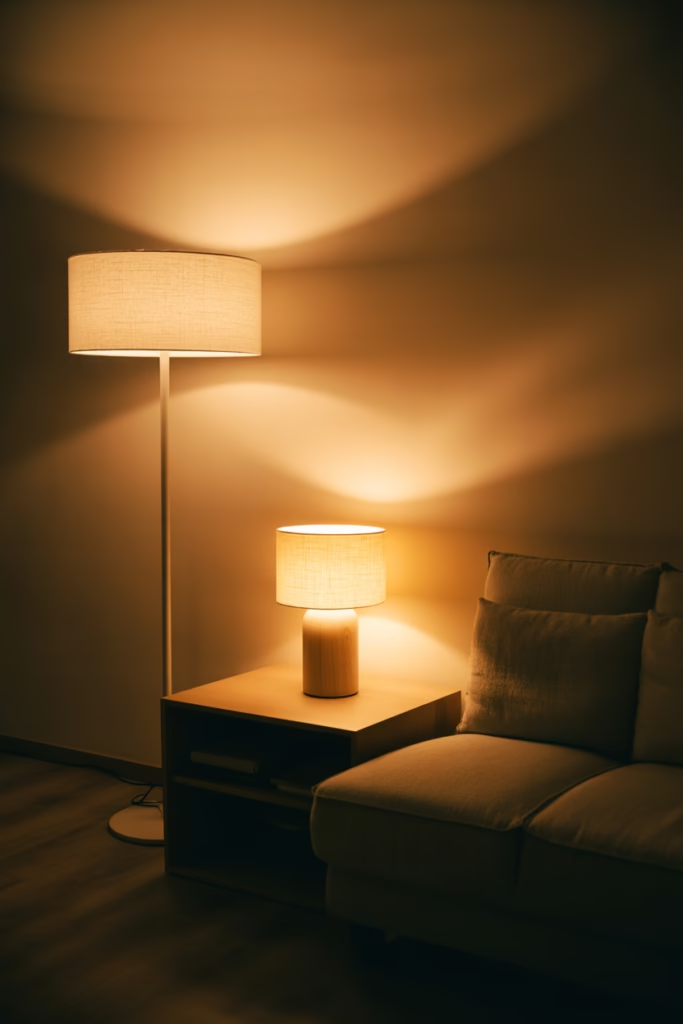
Here’s something nobody talks about enough—lighting can make or break your cozy minimalist vibe. Harsh overhead lighting? That’s a hard no from me.
Instead, layer your lighting like you’re creating a recipe. You need:
- Ambient lighting: Think floor lamps with warm bulbs or recessed lighting on dimmers
- Task lighting: Reading lamps beside your favorite chair
- Accent lighting: Maybe a spotlight on that piece of art you love, or LED strips behind your TV
I’m obsessed with warm-toned Edison bulbs right now. They give off this golden glow that makes everything feel instantly cozier without adding any visual clutter. Pair them with simple, sculptural lamp bases in matte black or natural wood, and you’ve got yourself a winner.
The Power of One Statement Piece
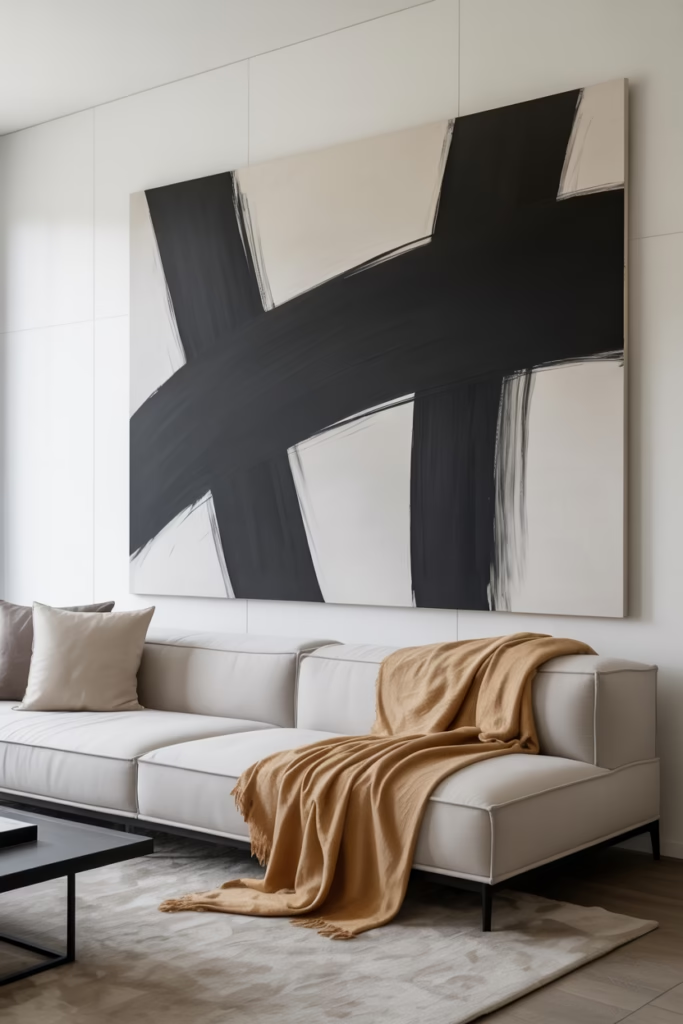
Minimalism doesn’t mean zero personality—it means being choosy about where you make a statement. Pick one larger piece that absolutely speaks to you and let it be the star.
This could be an oversized piece of abstract art, a unique sculptural coffee table, or even a stunning floor-to-ceiling bookshelf filled with carefully curated books. The rule? Let this piece breathe. Don’t crowd it with competing elements.
I have this massive black-and-white photograph in my living room, and honestly, people always comment on it. Not because I have a ton of stuff, but because there’s nothing else fighting for attention. Sometimes less really is more, you know?
Plants: Nature’s Minimalist Decor
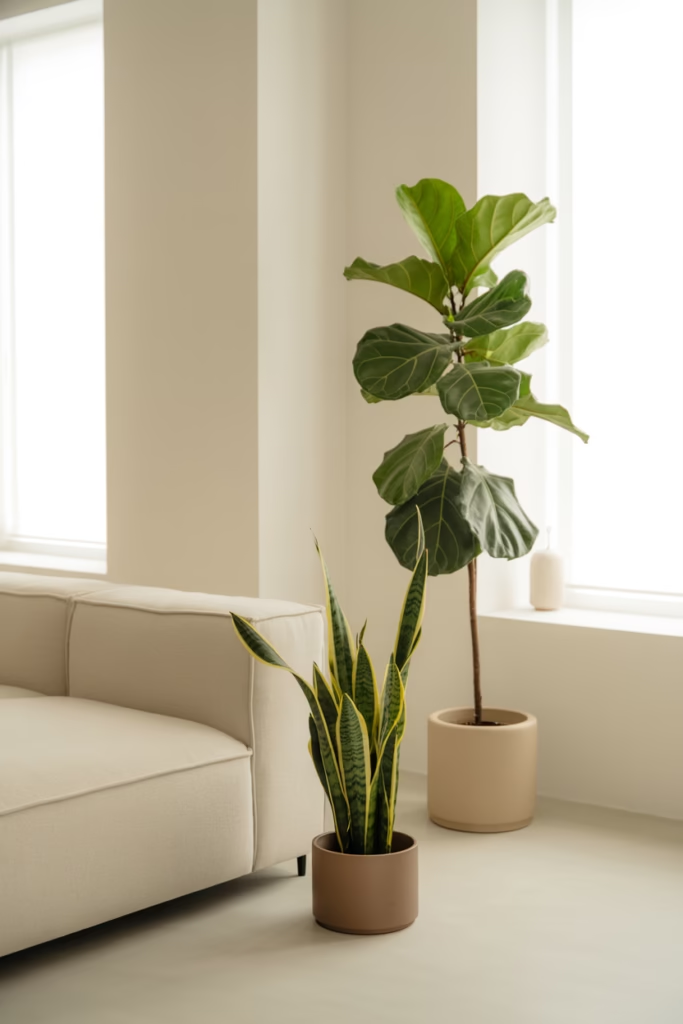
Want to add life to your space without cluttering it up? Plants are your answer, but we’re being strategic here. This isn’t about turning your living room into a jungle (though no judgment if that’s your vibe).
Choose 2-4 larger plants rather than a dozen tiny ones. Think:
- A tall fiddle leaf fig in the corner
- A sculptural snake plant on a plant stand
- A trailing pothos on a floating shelf
- A simple monstera in a neutral ceramic pot
The beauty of plants in a minimalist space? They add color, texture, and oxygen without overwhelming your aesthetic. Plus, they’re forgiving if you forget to dust them (unlike every other surface in your home :/ ).
The Less-Is-More Coffee Table Styling
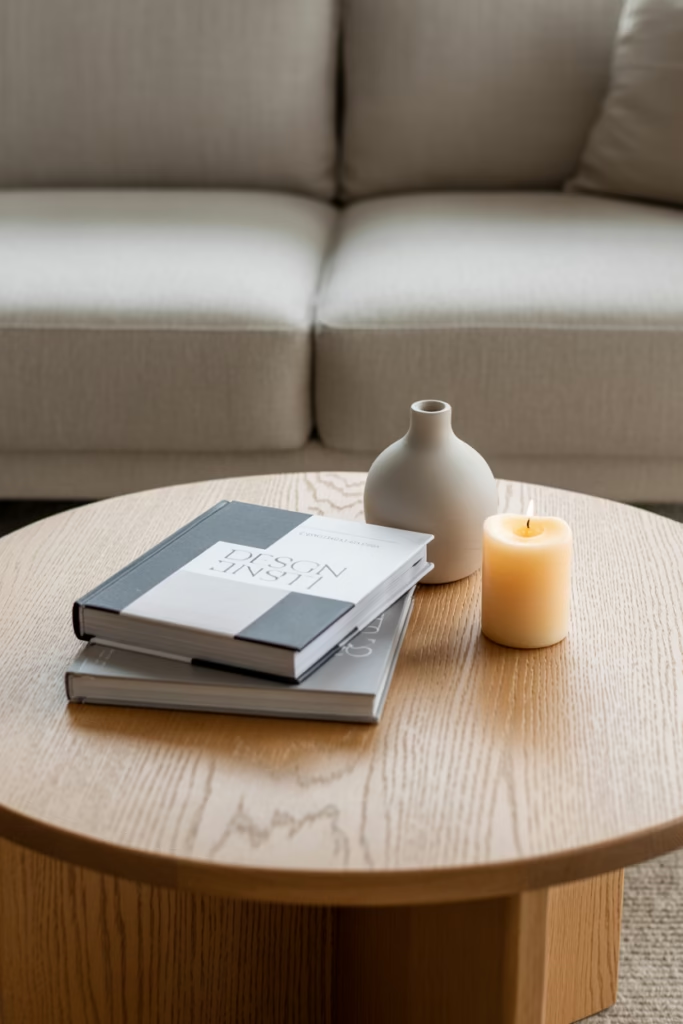
Coffee table styling can make or break your minimalist look. I’ve seen gorgeous spaces ruined by cluttered coffee tables, and it breaks my heart every time.
Here’s my rule of three: Pick three items maximum for your coffee table. A stack of beautiful books, a small sculptural object, and maybe a candle or small plant. That’s it. Done.
The negative space on your coffee table is just as important as what’s on it. It gives your eyes a place to rest and makes the room feel more intentional. Plus, you actually have room to, you know, put your coffee down. Revolutionary concept, I know.
Cozy Corners: Creating Intentional Spaces
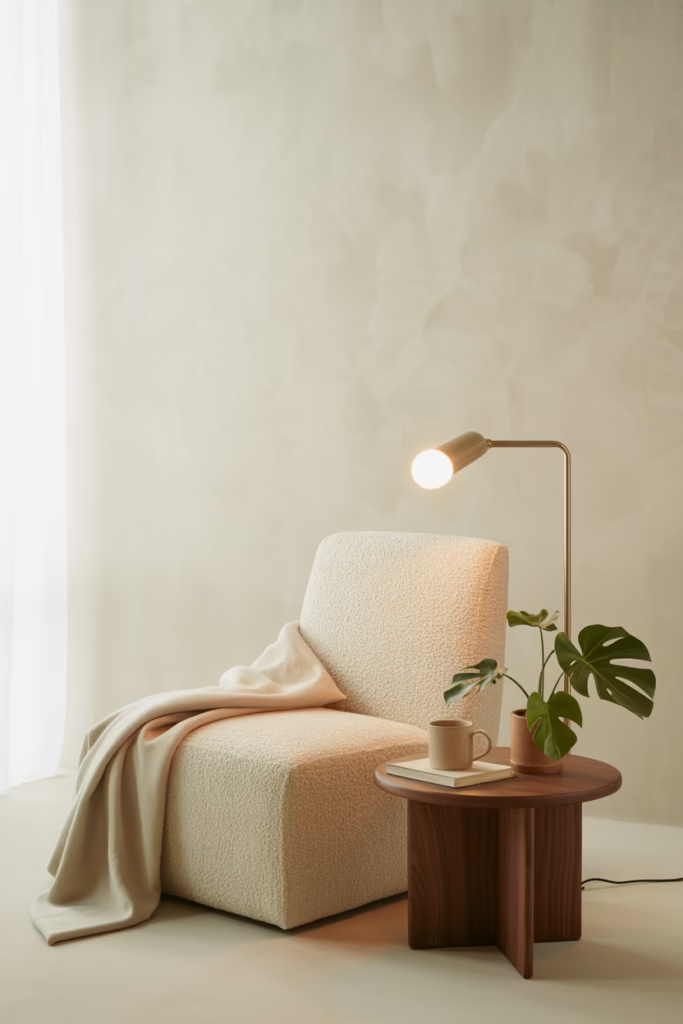
Even in a minimalist room, you need spots that invite you to actually live in the space. I’m talking about those cozy corners that make you want to grab a book and disappear for hours.
Create a reading nook with a comfortable chair, a side table, and a lamp. Keep it simple but make it functional. Add a soft throw blanket draped over the chair arm. Maybe a small stack of your current reads on the side table.
The goal? Making sure your minimalist space doesn’t feel like a museum where you’re afraid to touch anything. These intentional cozy spots remind you that you actually live here.
Hidden Storage Solutions
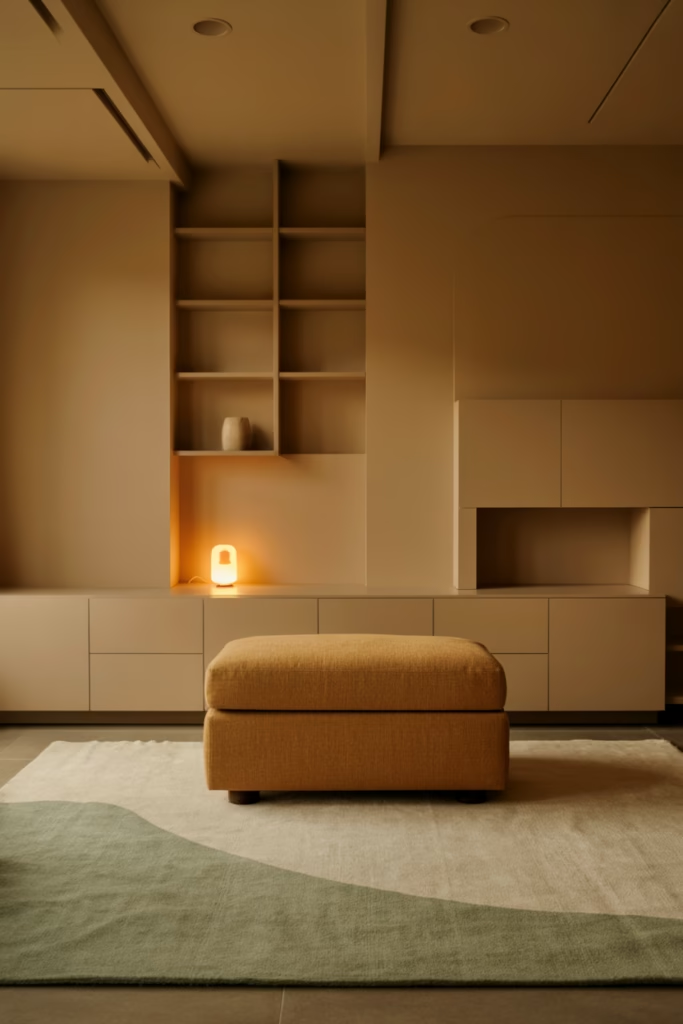
Let’s be real—clutter is the enemy of minimalism, but you can’t just throw away everything you own (as much as Marie Kondo might want you to). The solution? Hidden storage that looks like décor.
Ottoman benches that open up for storage, floating shelves with closed cabinet sections, and media consoles with plenty of hidden compartments are your best friends. Everything should have a home, but not every home needs to be visible.
I recently got a beautiful linen storage bench that sits at the foot of my sofa. From the outside, it looks like a stylish accent piece. Inside? It’s where all my throw blankets and extra pillows live when they’re not being used. Game changer.
The Art of Negative Space
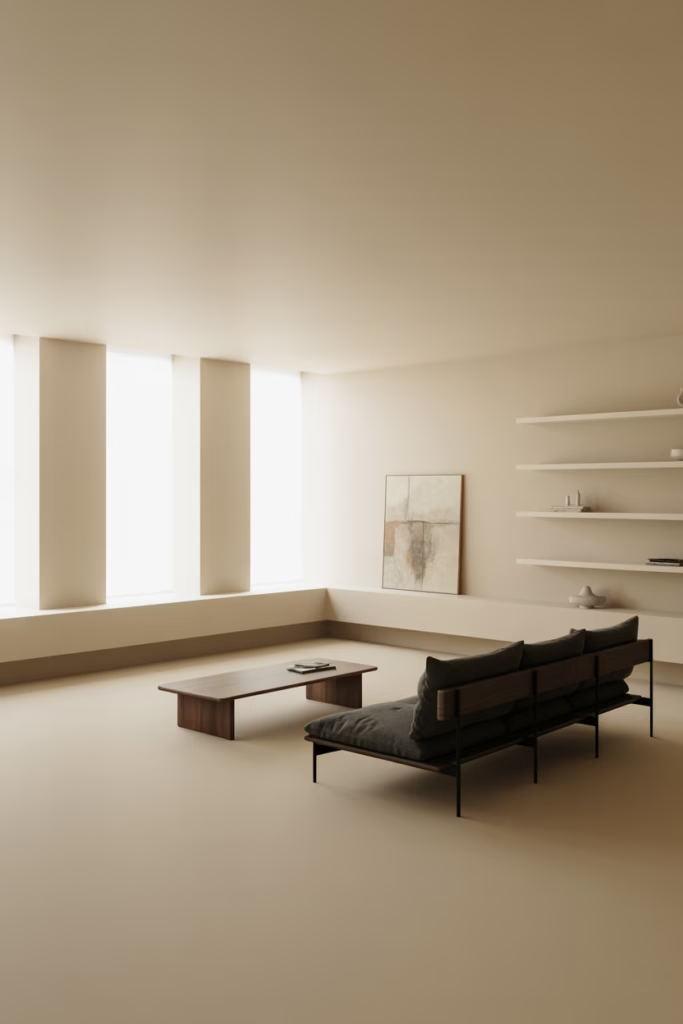
Here’s where minimalism gets philosophical for a second—negative space isn’t emptiness; it’s breathing room. Your walls don’t need to be covered. Your shelves don’t need to be full. That’s literally the point.
Embrace the blank walls. Let your furniture float away from the walls a bit. Allow empty shelves to exist. This negative space is what makes minimalist design feel so calm and uncluttered. It’s intentional, not accidental.
When I first started designing this way, I felt weird about “empty” spaces. Now? They’re my favorite part of the room. They let the pieces I do have really shine.
Soft, Natural Window Treatments
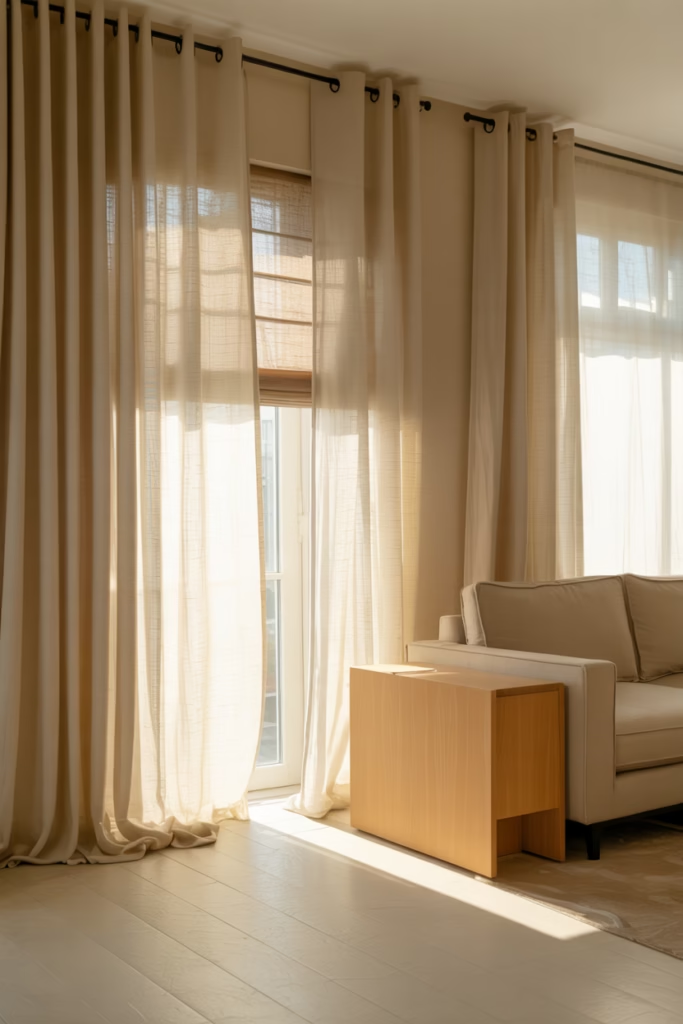
Heavy, dark curtains can make even the most minimal room feel closed off and stuffy. Instead, opt for light, airy window treatments that let natural light flood in.
Linen curtains in white, cream, or soft gray are perfect. They’re casual enough to feel cozy but elegant enough to look intentional. Hang them high and let them puddle slightly on the floor for that relaxed, lived-in vibe.
If privacy is a concern, layer them with simple roller shades in a neutral tone. You get function without sacrificing form. IMO, natural light is the best (and cheapest) way to make any space feel more inviting.
Monochromatic Magic With Depth
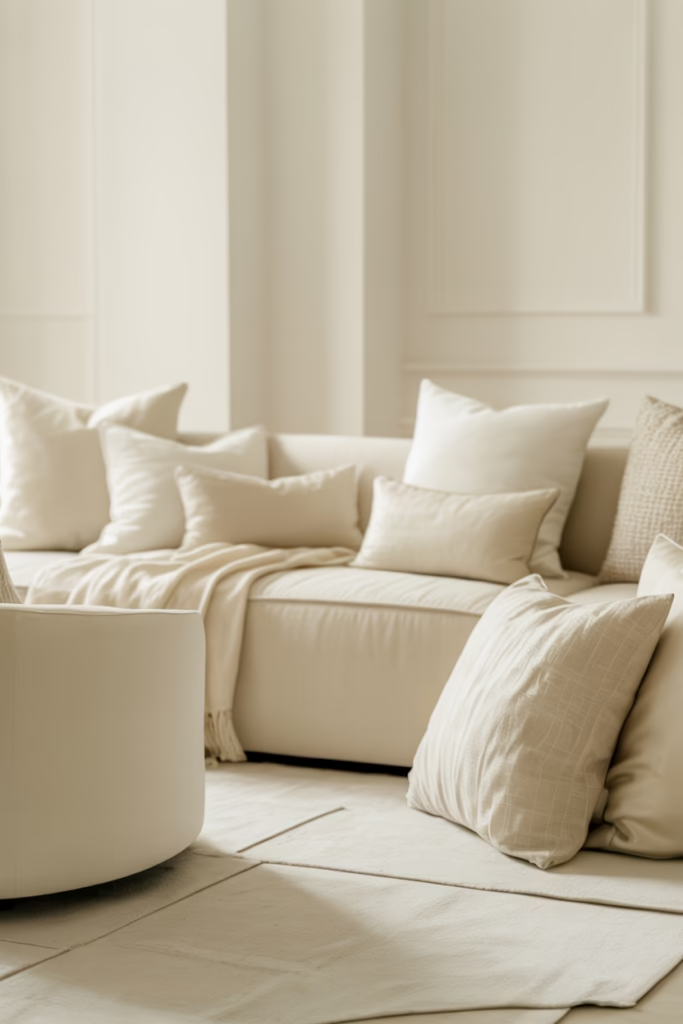
Going monochromatic doesn’t mean your room has to look flat and boring. The secret is playing with different shades and tones within the same color family.
Say you’re going with warm whites and creams. Your walls might be a soft ivory, your sofa a slightly deeper cream, your throw pillows a warm white, and your rug a natural off-white. Each piece is distinct but they all harmonize beautifully.
This approach creates a cohesive, calming space that still has visual interest. It’s sophisticated without trying too hard, which is basically the minimalist dream, right?
Quality Over Quantity Every Single Time
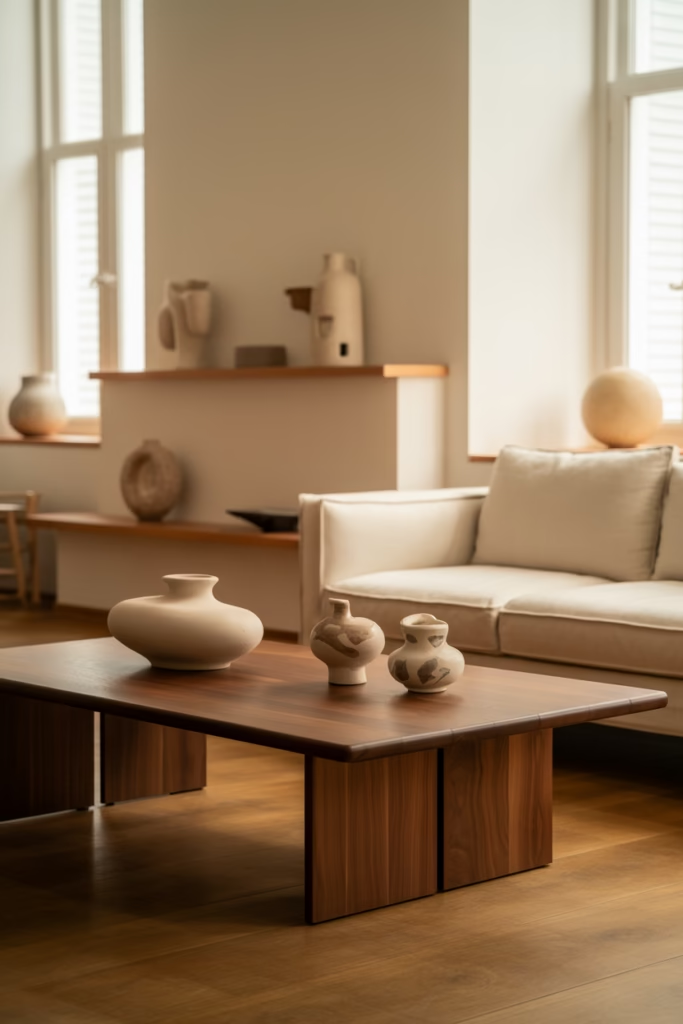
If I could tattoo one rule on every minimalist’s forehead, it would be this: invest in fewer, better pieces. One really good sofa beats three mediocre ones every time.
This applies to everything—furniture, art, accessories. Choose pieces that are well-made, timeless, and that you genuinely love. Yes, they might cost more upfront, but they’ll last longer and you’ll never regret them.
I saved for six months to buy my current coffee table, and it was worth every penny. It’s solid wood, beautifully crafted, and I know I’ll have it for decades. Compare that to the cheap particleboard one I had before that I replaced three times. Do the math.
The Comfort-First Approach to Seating
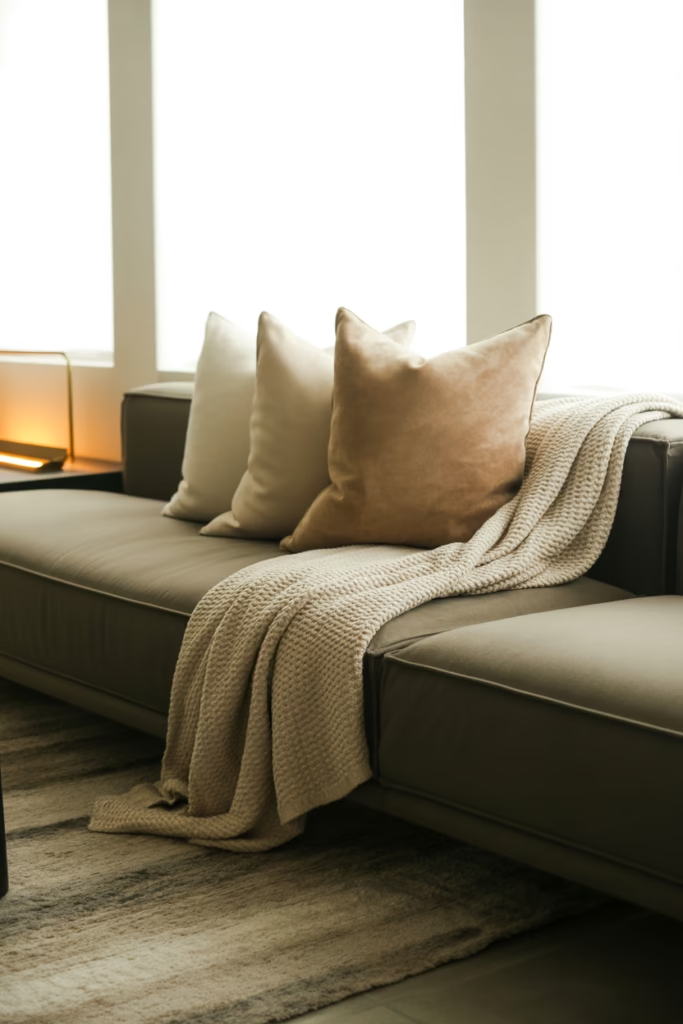
Minimalist doesn’t mean uncomfortable. Your seating needs to be actually inviting, or what’s even the point?
Choose sofas and chairs with deep seats, supportive backs, and soft cushions. Add throw pillows (but not too many—remember, we’re minimalists here). Make sure your seating arrangement encourages conversation and connection.
I typically stick to 3-4 pillows on a three-seater sofa. They’re all in coordinating neutral tones with different textures—maybe one linen, one velvet, one with subtle pattern. They add comfort and visual interest without overwhelming the clean lines of the furniture.
Personal Touches Without the Clutter
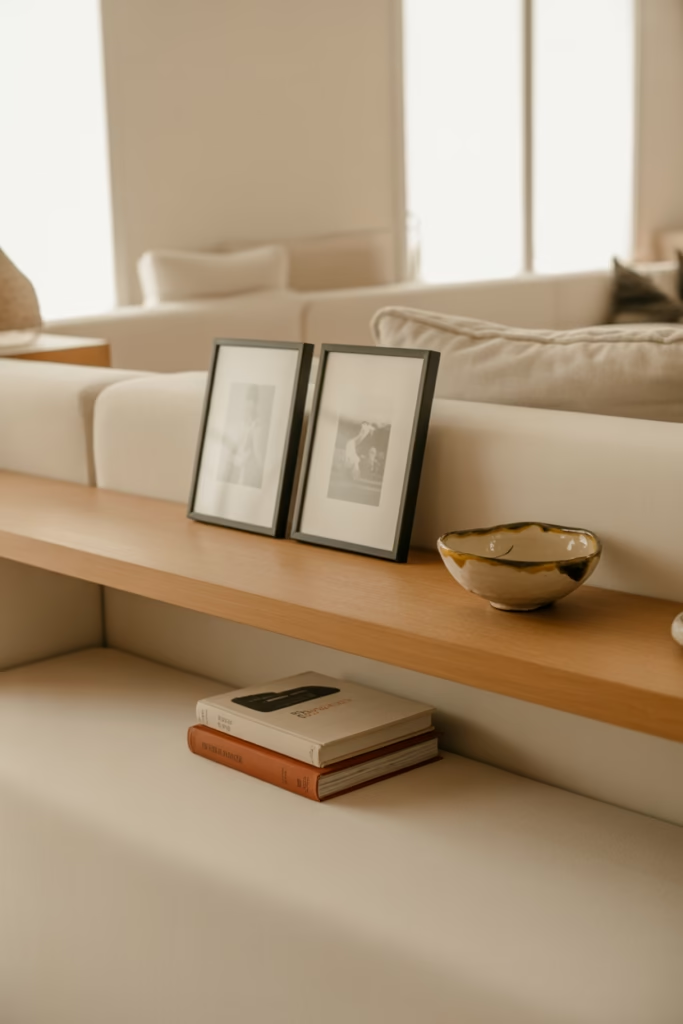
The hardest part of minimalist design? Making it feel like you actually live there. Here’s the secret: personalize with intention.
Display a few meaningful photos in simple frames. Keep a small collection of your favorite books visible. Add one or two personal items that tell your story—maybe a vintage camera if you’re into photography, or a beautiful ceramic piece from your travels.
The key is curation. Every personal item you display should spark joy (okay, maybe Marie Kondo had a point) and have a purpose. If it doesn’t add to the calm, cozy vibe you’re creating, it might be time to find it a new home.
Bringing It All Together
Creating a cozy minimalist living room isn’t about following rigid rules or eliminating everything you love. It’s about being intentional with your choices and letting each piece serve a purpose whether functional or emotional.
Start with your neutral foundation, layer in those textures that make you want to stay awhile, and don’t be afraid of empty space. Remember that minimalism is a tool, not a religion. If something brings you joy and comfort, it belongs in your space.
Your living room should be the kind of place where you can kick off your shoes, curl up with a good book, and actually live. Because what’s the point of a beautiful room if it doesn’t make you happy? 🙂