
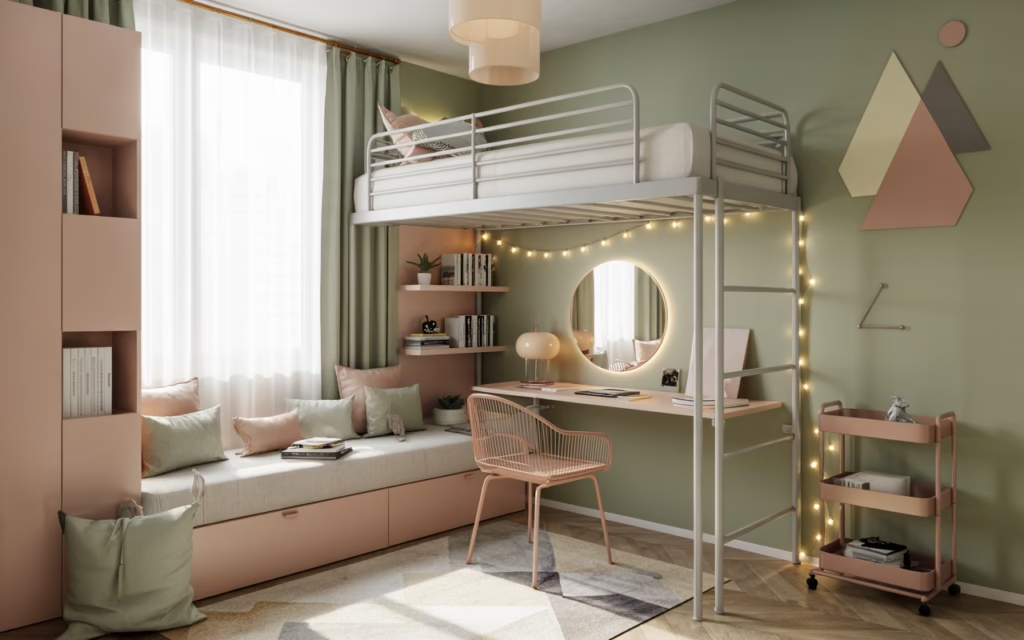
If your teen’s bedroom feels like it shrunk overnight, welcome to the club. One day it fits a bed and a backpack, and the next day it needs to hold a full personality, a study zone, a hobby corner, and approximately 47 hoodies.
I’ve styled a bunch of small rooms, and the ones that look “wow” never rely on more space. They rely on smarter choices using height, hiding storage in plain sight, and making furniture do double duty without looking like it came from a dorm clearance sale. Ever noticed how the tiniest rooms always show mess the fastest?
So yeah, we’ll keep this fun and practical. I’m sharing 17 stunning-looking small bedroom ideas for teens that make a small room feel bigger, cleaner, and way more “them”—without the drama of a full renovation.
Loft Beds: The Ultimate Space Hack
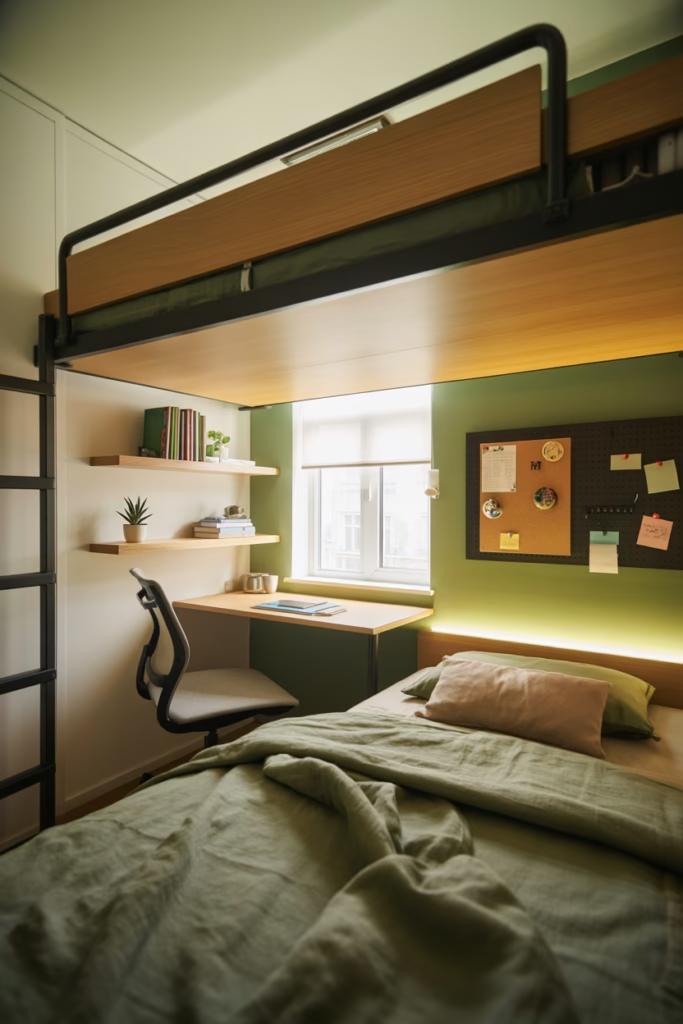
Vertical space is your best friend when you’re dealing with a small bedroom. Loft beds aren’t just for college dorms anymore—they’ve gotten seriously stylish.
By elevating the bed, you instantly create a whole new zone underneath. I’ve seen teens use this space for everything from cozy study nooks to chill-out lounges with bean bags. One of my favorite setups had a desk underneath with floating shelves and fairy lights—it looked like something straight out of a design magazine.
The best part? Your teen gets to feel like they have their own mini apartment within their room. It’s functional AND cool, which is basically the holy grail of teen bedroom design.
What Goes Under the Loft?
- Study zone with a compact desk and chair
- Lounge area with floor cushions and a reading lamp
- Storage heaven with drawers, shelves, and hanging organizers
- Vanity station for makeup and getting-ready routines
Murphy Beds That Don’t Scream “Old School”
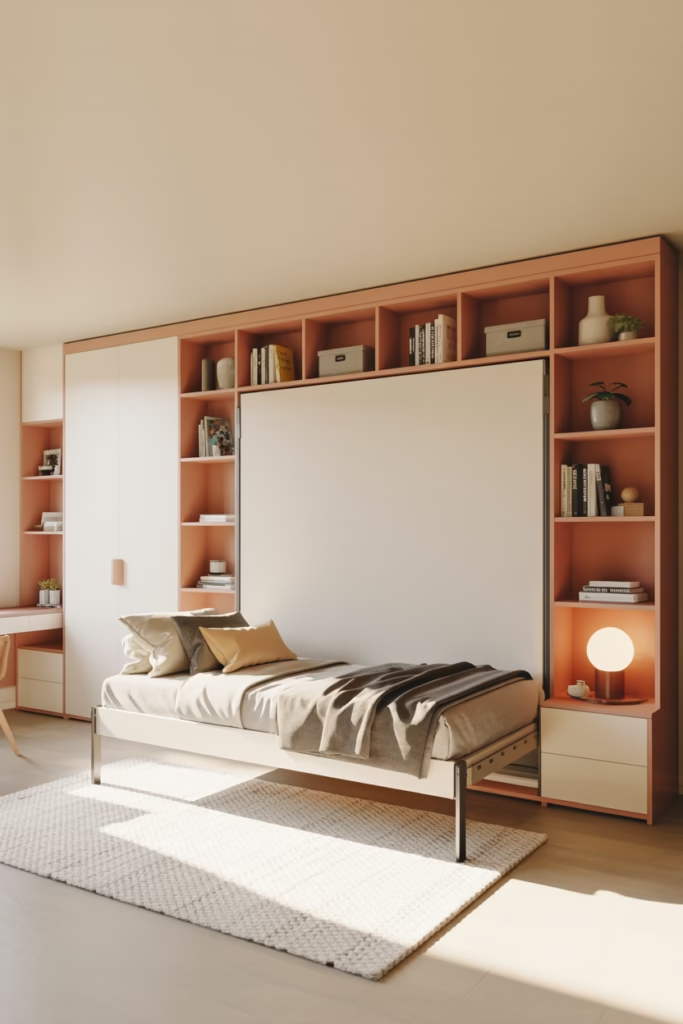
I know what you’re thinking—Murphy beds? Really? But hear me out. Modern Murphy beds are nothing like the clunky wall beds your grandparents had.
Today’s designs fold up seamlessly and can even include built-in desks or shelving units. During the day, the room becomes a spacious hangout spot. At night, boom—instant bedroom. It’s like having two rooms in one, and honestly, that’s pretty genius for a small space.
IMO, this works best for teens who actually keep their beds made (okay, maybe that’s asking for a miracle, but we can dream :)).
Floating Shelves Everywhere
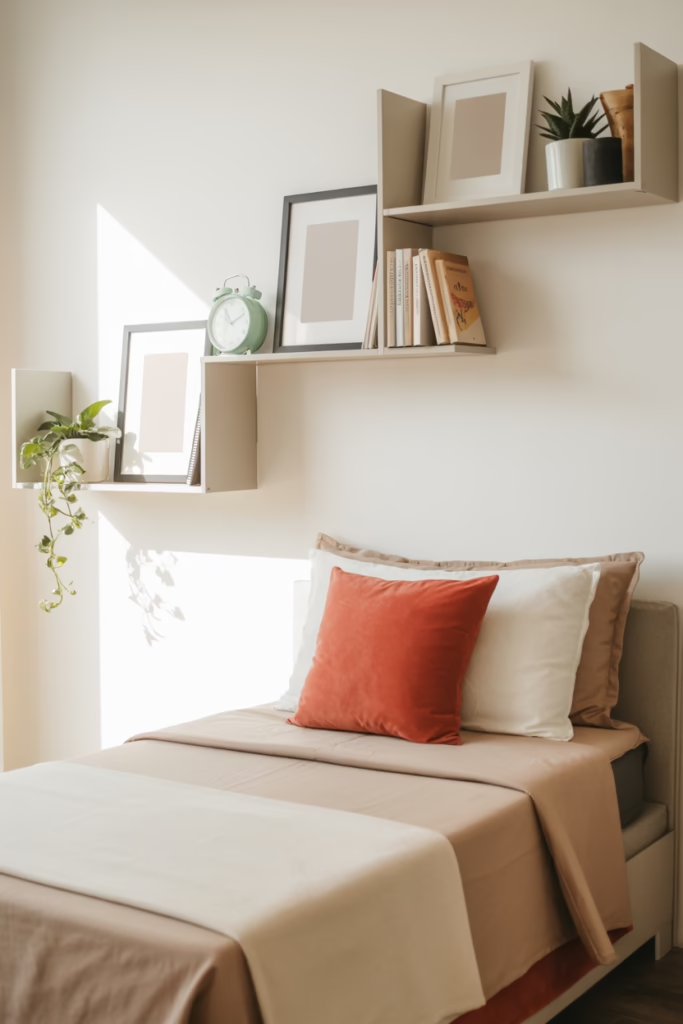
Walls are prime real estate in small bedrooms. Why let them sit there doing nothing when they could be holding books, plants, photos, and all the random stuff teens collect?
Floating shelves create storage without eating up floor space. I always recommend installing them at different heights to create visual interest—it looks way more dynamic than a boring straight line across the wall.
Plus, your teen can constantly rearrange their display items, which means the room stays fresh without any major overhauls. It’s like built-in flexibility, which trust me, teenagers appreciate.
Best Spots for Floating Shelves
- Above the desk for school supplies and decor
- Around the bed as nightstand alternatives
- In awkward corners that are otherwise wasted
- Near the door for keys, bags, and daily essentials
Multifunctional Furniture FTW
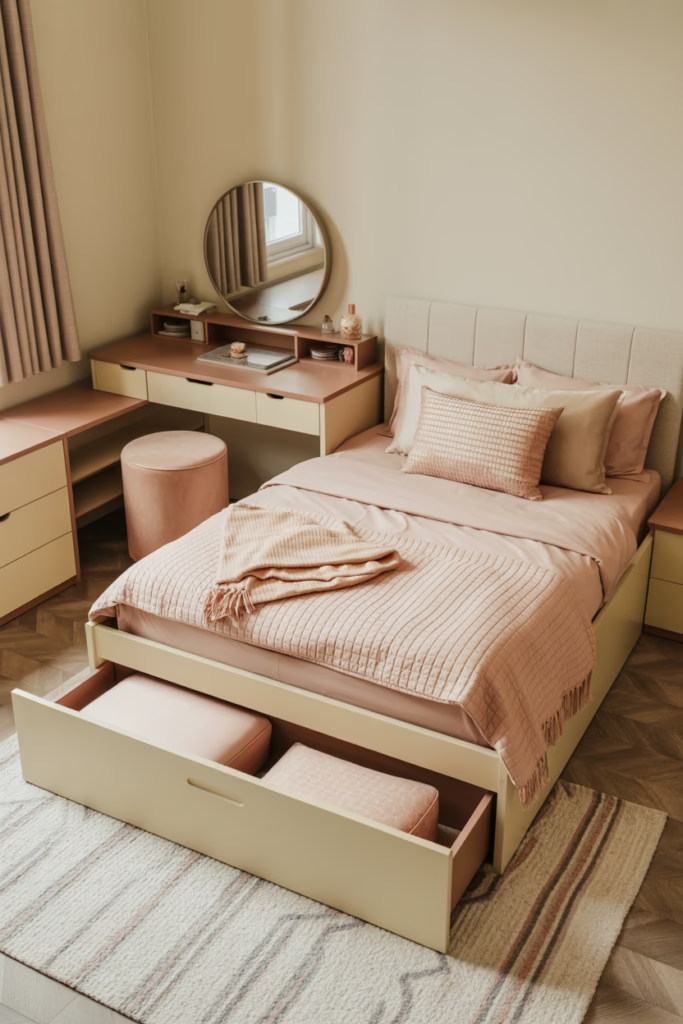
Every piece of furniture in a small bedroom needs to earn its keep. Storage ottomans, bed frames with built-in drawers, and desks that double as vanities are your secret weapons.
I once helped redesign a teen’s room where we swapped a regular bed frame for one with six deep drawers underneath. Suddenly, there was space for off-season clothes, extra bedding, and sports equipment. The room instantly felt less cluttered, and the teen could actually see their floor again (shocking, I know).
The key is thinking beyond the obvious function of each piece. That cute ottoman? It’s also hiding blankets, magazines, and gaming controllers inside.
Mirrors That Make Magic Happen
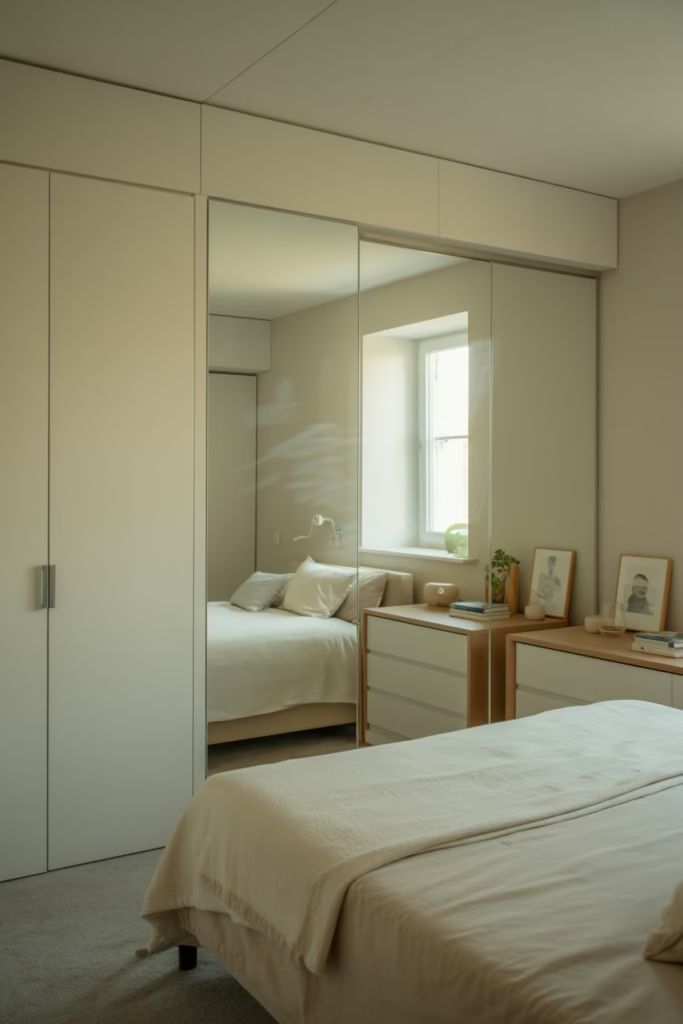
Want to know the cheapest way to make a small room feel bigger? Mirrors. Not just any mirrors—strategically placed ones that reflect light and create depth.
A full-length mirror on the back of the door is a must-have anyway, but consider adding a large mirror above the dresser or behind the desk. The reflection tricks your eye into thinking the space is more expansive than it actually is.
And honestly, what teen doesn’t want more opportunities to check their outfit before heading out? It’s practical and space-enhancing—win-win.
Color Schemes That Open Up Space
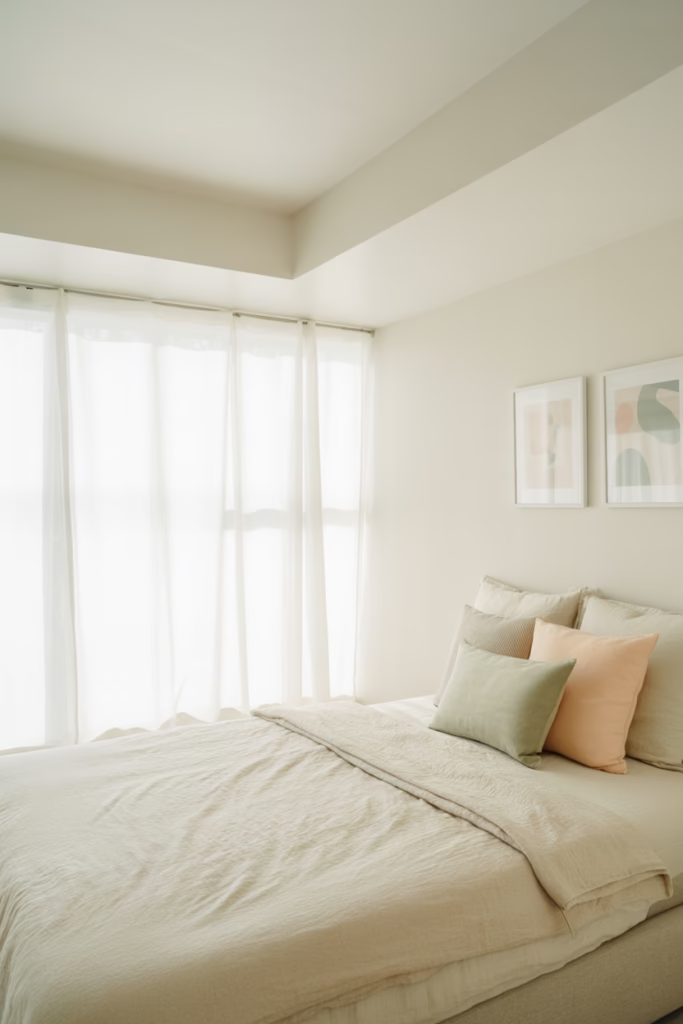
Dark colors in tiny rooms? That’s a hard pass. Light, airy colors make small bedrooms feel breathable instead of suffocating.
I’m talking soft whites, pale grays, pastels, or even light sage greens. These shades reflect light and create an open, calming atmosphere. But don’t worry—this doesn’t mean the room has to be boring. Your teen can add personality through accent pillows, artwork, and decor in bolder colors.
One trick I love? Painting the ceiling the same light color as the walls. It creates a seamless flow that makes the walls feel taller. Trust me, it works.
Accent Colors That Pop
- Blush pink with gold accents for a sophisticated vibe
- Navy blue pops against white or cream walls
- Forest green adds depth without overwhelming
- Burnt orange brings warmth and energy
Wall-Mounted Desks Save Lives (And Space)
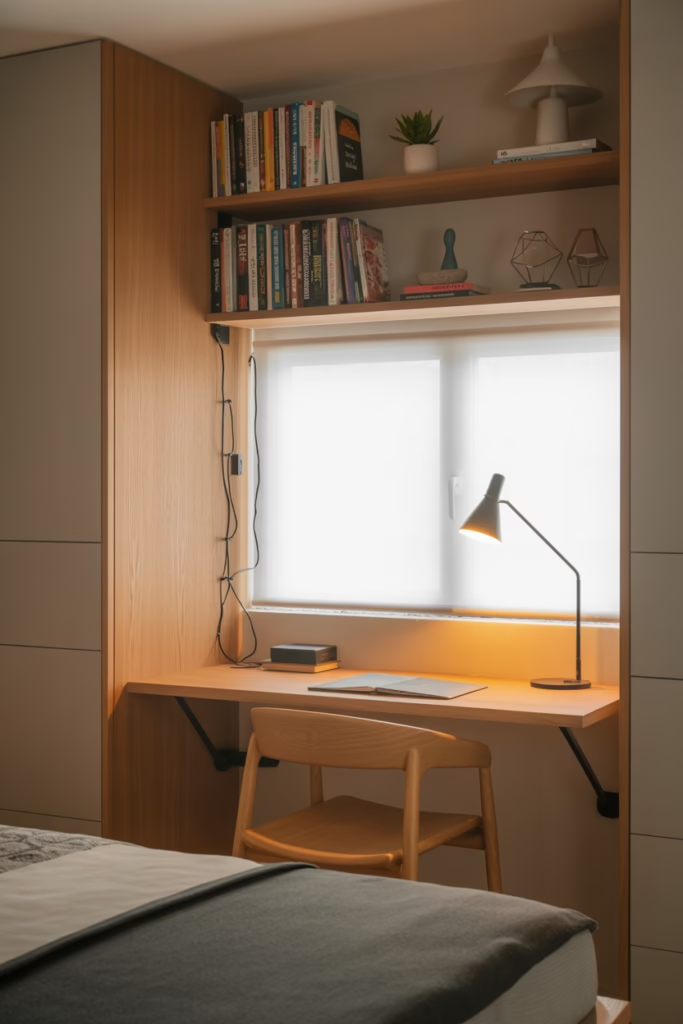
Floor space is precious, so why waste it with bulky furniture legs? Wall-mounted desks fold up when not in use and provide a clean work surface when needed.
I’ve installed these in several teen rooms, and parents always thank me later. When homework time is over, the desk disappears, and suddenly there’s room for yoga, dancing, or whatever teens do these days (TikTok dances, probably).
Pair it with a floating shelf above for books and supplies, and you’ve got a fully functional study zone that barely takes up any space.
Under-Bed Storage Containers
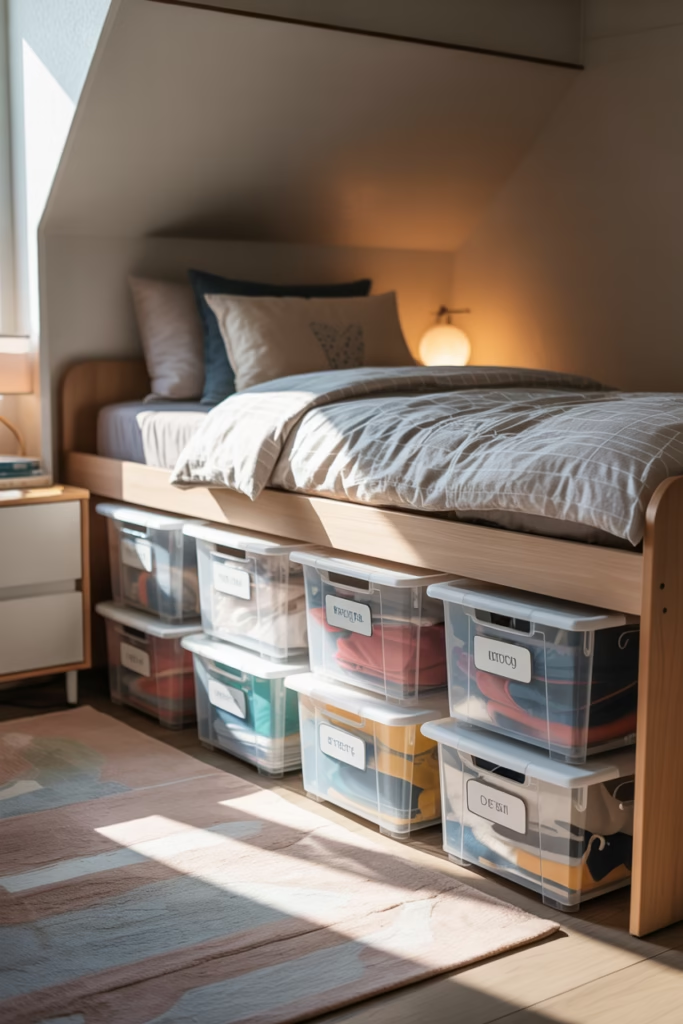
If a loft bed isn’t an option, maximize the space under a regular bed with storage containers. Rolling bins, vacuum-sealed bags, and slim storage boxes can hold so much stuff.
This is perfect for seasonal items, extra shoes, or things your teen doesn’t need daily access to. Just make sure whatever you use has wheels or is easy to slide out—nobody wants to do an awkward army crawl to retrieve winter sweaters.
Pro tip: Use clear containers so you can actually see what’s inside without having to dump everything out. FYI, this saves SO much time and frustration.
Vertical Hanging Organizers
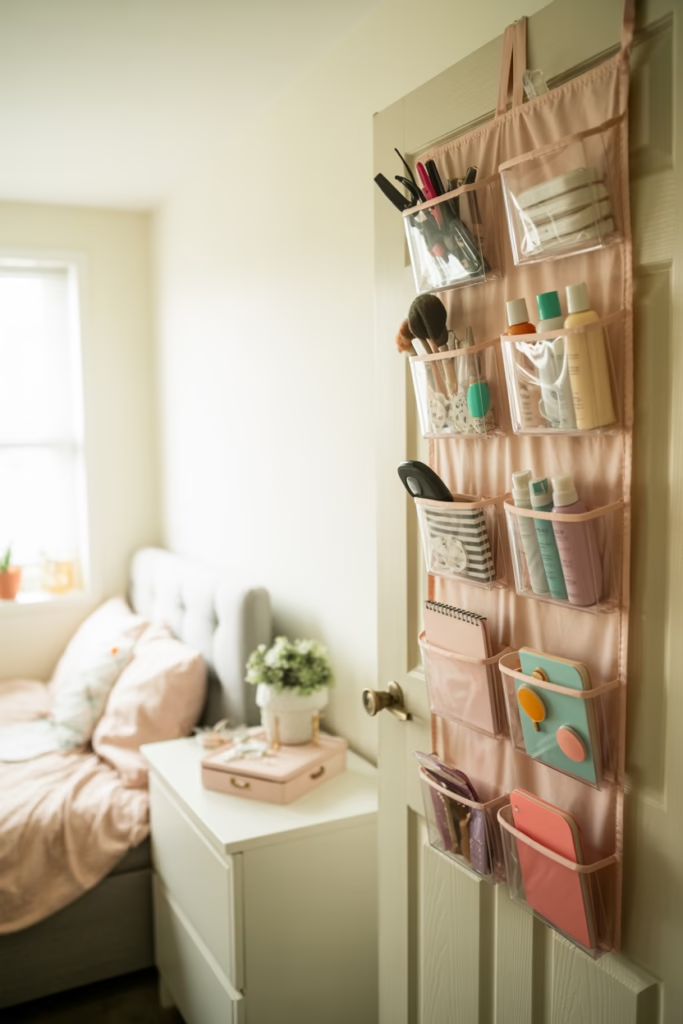
Over-the-door organizers aren’t just for shoes anymore. You can find hanging organizers for jewelry, accessories, school supplies, and even makeup.
The back of the bedroom door and closet door are goldmines of unused space. These organizers keep things visible and accessible without requiring any installation beyond a simple hook.
I particularly love the clear pocket organizers for accessories—you can see everything at a glance, which means your teen might actually USE their stuff instead of letting it disappear into drawer chaos.
Corner Desks Maximize Layout
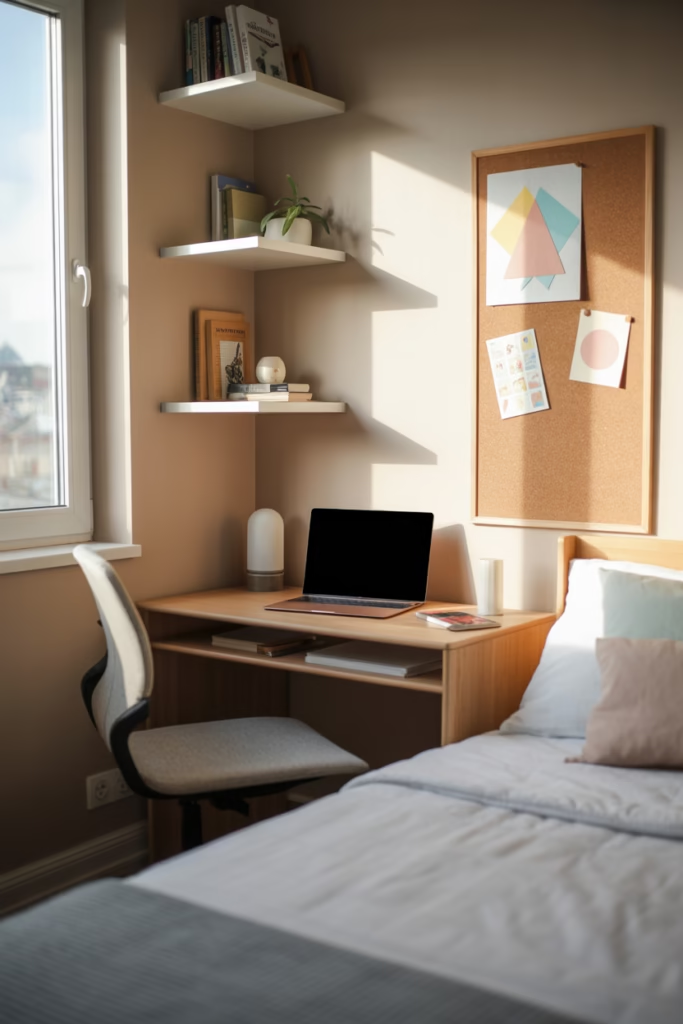
Corners are weird spaces that often get ignored. A corner desk makes use of that awkward area while leaving the rest of the walls free for other furniture.
This setup works especially well in rectangular rooms where you need to preserve the walking path down the middle. Your teen gets a decent-sized work surface without the room feeling cramped.
Add a corner shelf unit above the desk, and you’ve created a compact but complete study station that feels tucked away and cozy.
Pegboards for Customizable Organization
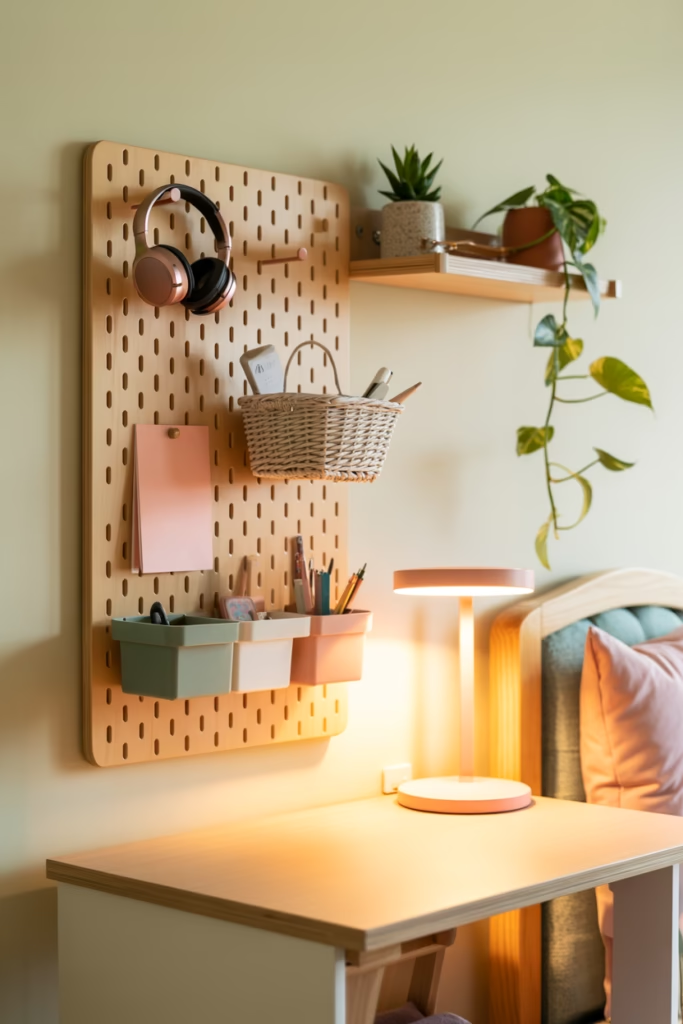
Ever noticed how teens’ interests change faster than you can redecorate? Pegboards are the ultimate flexible organization solution.
You can hang hooks, shelves, baskets—basically whatever your teen needs at the moment. Next month when they’re into something completely different, just rearrange the pegboard accessories. No holes in the wall, no permanent changes, no commitment issues.
I’ve seen pegboards used for everything from art supplies to jewelry to gaming headsets. They’re practical, trendy, and endlessly customizable.
What to Hang on Pegboards
- Small potted plants for a natural touch
- Polaroid photos and artwork
- Headphones and tech accessories
- Hats, bags, and fashion accessories
Sliding Barn Doors Save Swing Space
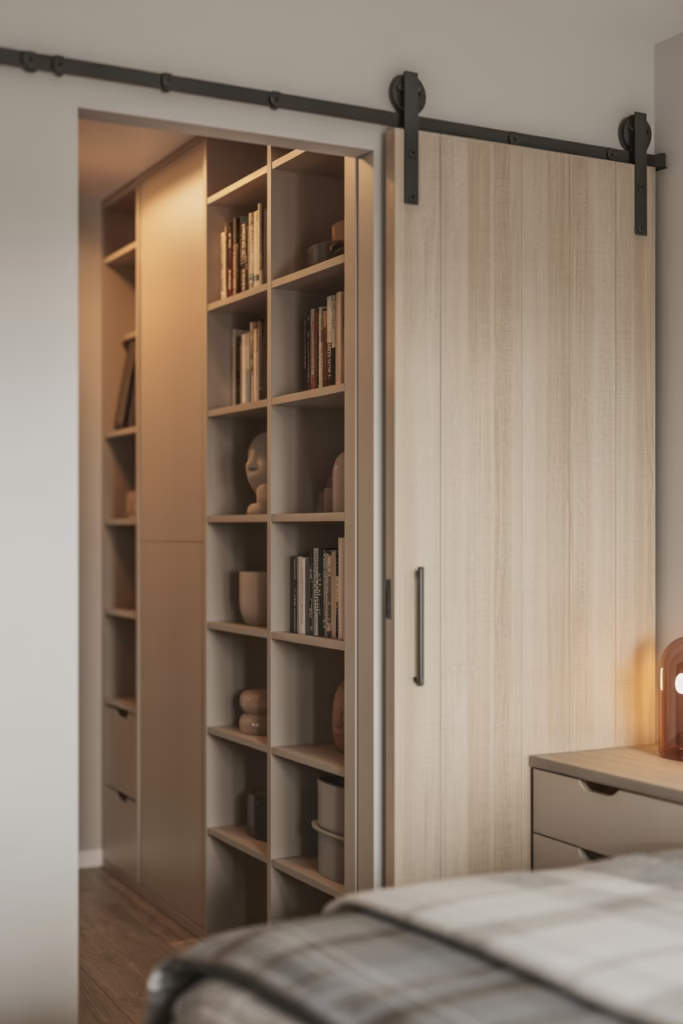
Traditional doors need clearance to swing open, which wastes valuable floor space in a small bedroom. Sliding barn doors glide along the wall instead.
Not only do they look super trendy (your teen will love the aesthetic), but they also give you back that awkward area where the door usually swings. That space can now hold a bookshelf, dresser, or even a small chair.
Installation is pretty straightforward too, making this one of those upgrades that delivers maximum impact for reasonable effort.
Platform Beds with Built-In Storage
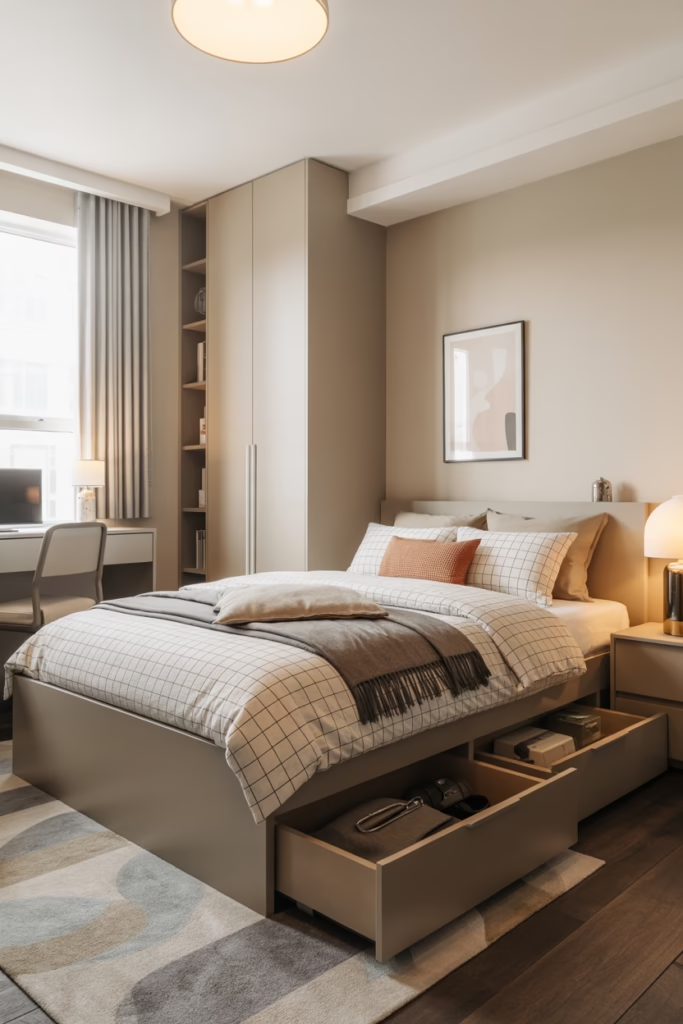
Platform beds sit lower to the ground and often feature drawers or cubbies built right into the base. This creates storage without adding extra furniture pieces to the room.
I’m a huge fan of platform beds because they give off that minimalist, modern vibe teens seem to love these days. Plus, the lower profile makes ceilings feel higher, which tricks the eye into perceiving more space.
Some platform beds even have hydraulic lifts that reveal massive storage compartments underneath. It’s like having a secret storage room under the mattress.
Curtain Room Dividers Create Zones
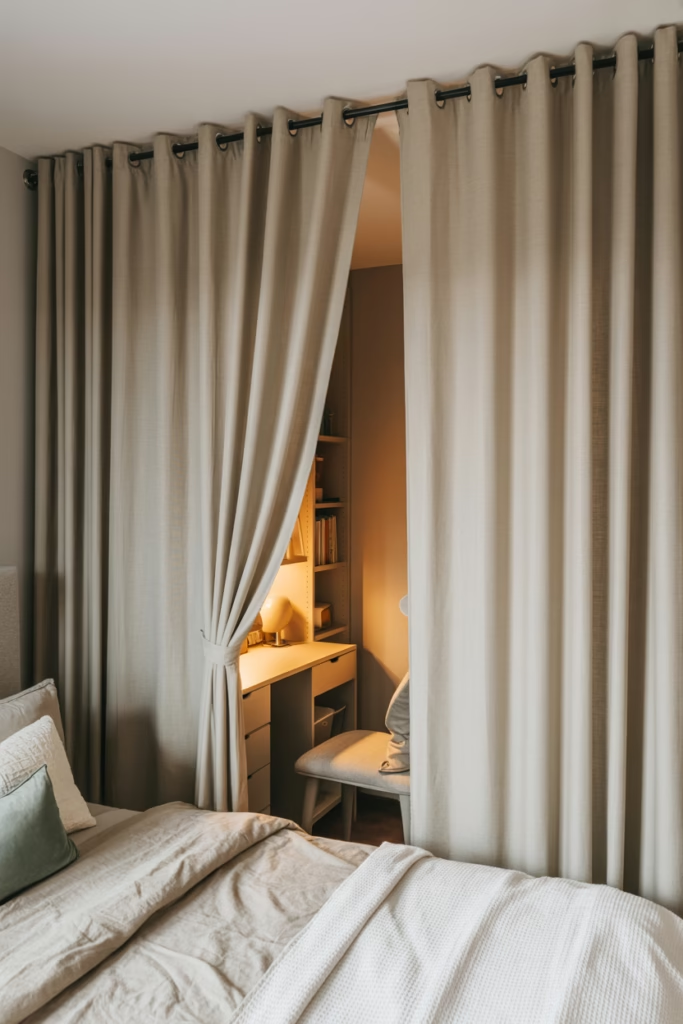
If your teen’s bedroom needs to serve multiple purposes, curtains can create visual separation without permanent walls.
Hang a curtain to section off a study area, closet space, or dressing zone. When they want the room to feel open, just pull the curtain back. When they need privacy or focused zones, close it up.
This is especially useful for shared bedrooms (yes, I know that’s its own special challenge) or rooms where your teen wants to hide the “messy zone” from view.
Floating Nightstands Keep Floors Clear
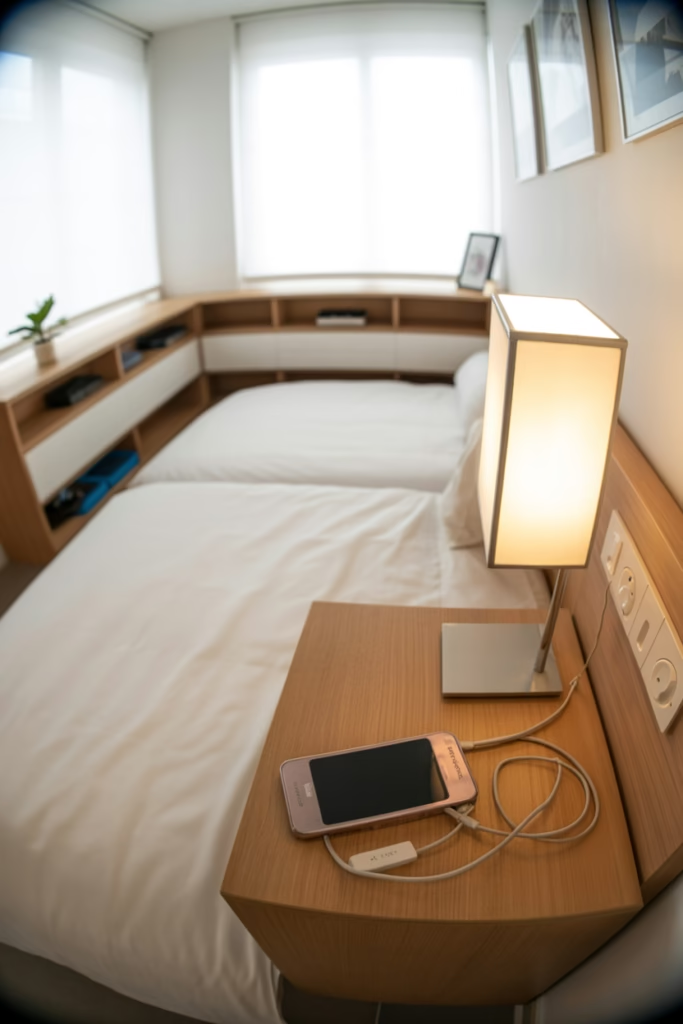
Nightstands with legs take up precious floor space and collect dust bunnies underneath. Floating nightstands attach directly to the wall and create a cleaner, more spacious look.
They provide enough surface area for a lamp, phone, and whatever else needs to live bedside, but they don’t create that heavy, cluttered feeling traditional nightstands can bring to small rooms.
Bonus: Cleaning becomes way easier when you can actually reach under and around everything. Your teen might not care about that now, but YOU will :/
Monochromatic Schemes Create Flow
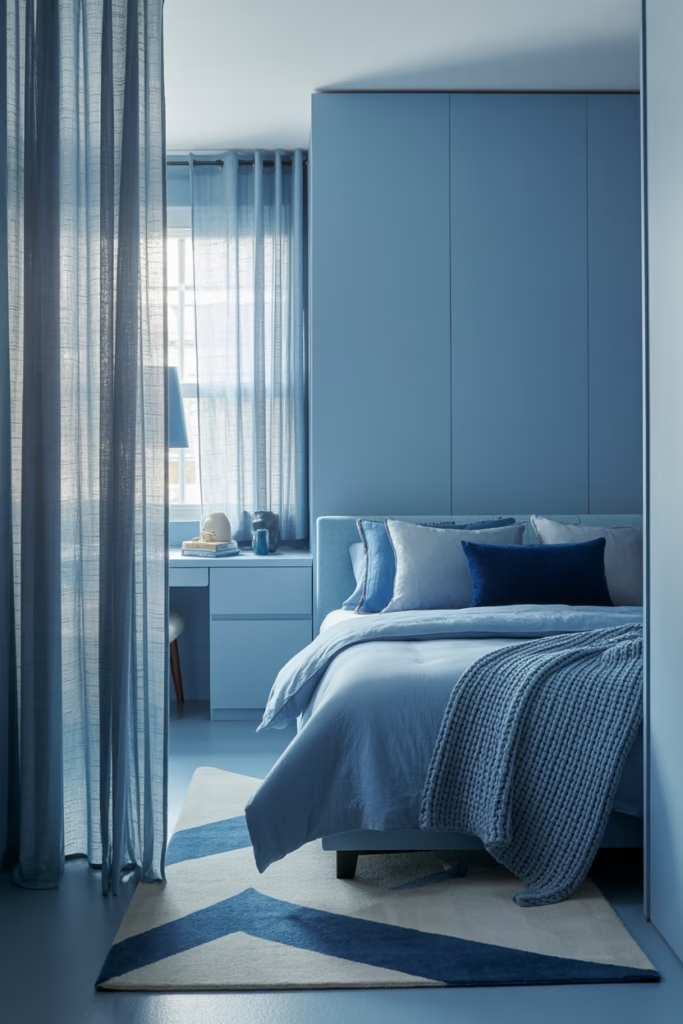
Using variations of the same color throughout the room creates visual continuity that makes the space feel larger and more cohesive.
This doesn’t mean everything has to be the exact same shade—that would be boring. Instead, layer different tones of the same color family. Think light gray walls, medium gray bedding, darker gray curtains, and charcoal accents.
The lack of contrasting colors means your eye travels smoothly around the room instead of getting stuck on jarring color changes. It’s a subtle trick, but it really works.
Popular Monochromatic Palettes
- All-white with texture variation for depth
- Shades of blue from sky to navy
- Neutral beiges ranging from cream to taupe
- Gray spectrum from silver to charcoal
LED Strip Lights Add Dimension
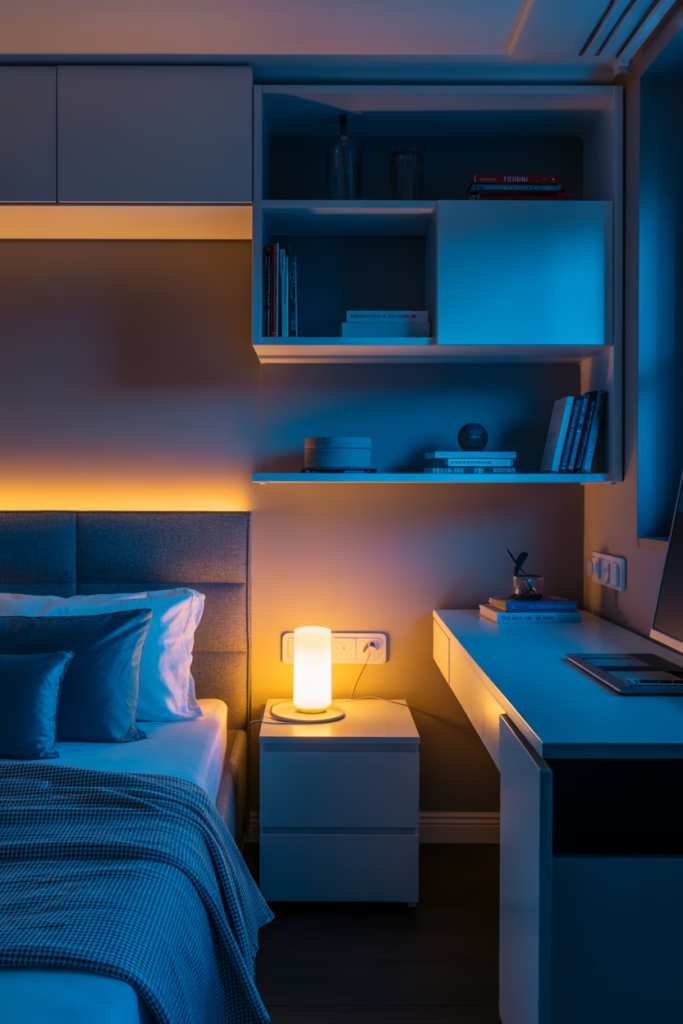
Lighting changes everything in a small space. LED strip lights are affordable, easy to install, and add a cool ambiance that teens absolutely love.
Place them under shelves, behind the headboard, or around the ceiling perimeter. They create a soft glow that makes the room feel larger and more interesting, especially at night.
Plus, most LED strips are customizable with different colors and settings, so your teen can match the lighting to their mood. It’s functional AND fun—a rare combination in teen room design.
Slim-Profile Furniture Makes a Difference
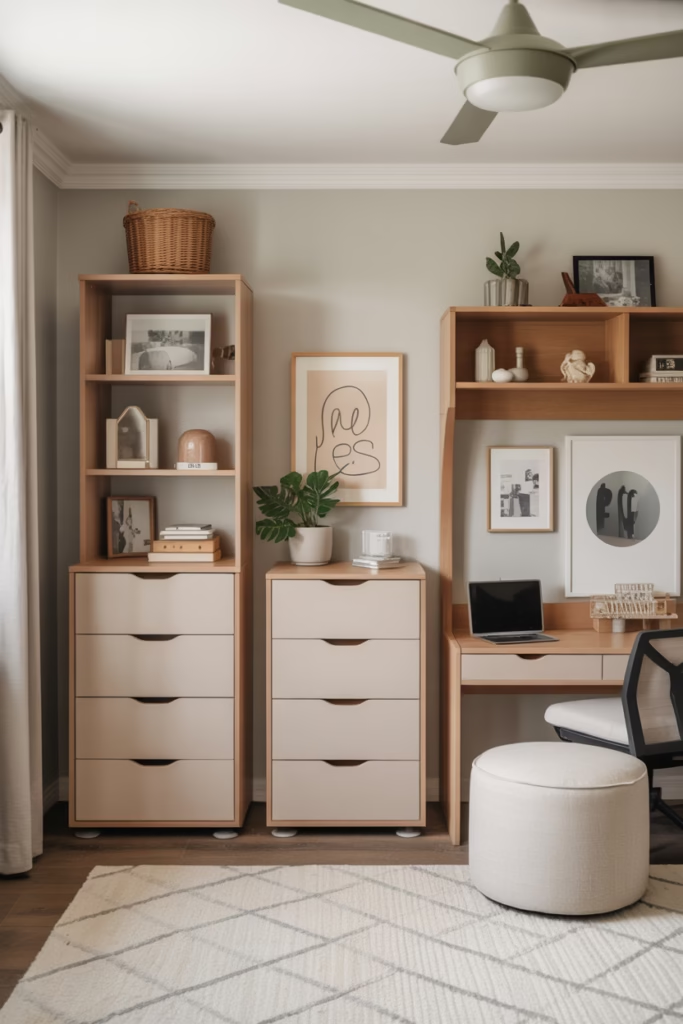
When you’re shopping for furniture, every inch matters. Look for pieces specifically designed with smaller footprints—shallow dressers, narrow desks, armless chairs.
I’ve seen rooms transformed just by swapping out a bulky dresser for a taller, slimmer one with the same storage capacity. The visual impact is incredible. The room immediately feels more open and easier to navigate.
Your teen might complain about not having a giant comfy chair, but trust me—they’ll appreciate having actual floor space to move around more than they’ll miss that oversized beanbag that ate half the room.
Final Thoughts
Designing a small teen bedroom isn’t about cramming everything in and hoping for the best. It’s about being strategic, creative, and willing to think vertically when you can’t expand horizontally.
The best small bedroom designs work WITH the space instead of fighting against it. Use walls, choose multifunctional furniture, embrace light colors, and get creative with storage solutions that hide clutter without feeling claustrophobic.
Your teen’s bedroom is their sanctuary their escape from homework stress, social drama, and family chaos. Making it functional AND stylish in a small footprint? That’s totally doable with these ideas. And who knows, they might even keep it clean for more than three consecutive days (okay, now I’m just being optimistic).
What’s the biggest challenge you’re facing with your teen’s small bedroom? Sometimes the trickiest spaces end up being the most rewarding to design.