
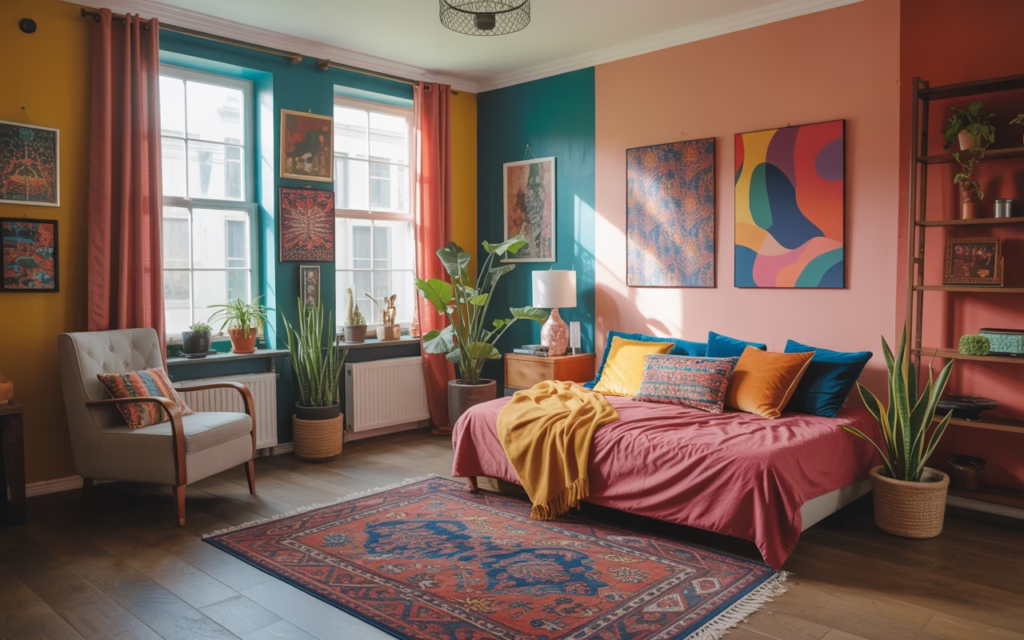
Color makes a room feel alive, and no, I don’t mean “one sad beige candle next to a beige lamp on a beige table.” I mean the kind of color that makes you walk in and instantly feel like your space has a personality. Ever notice how one bold choice can make everything else look more intentional?
I started doing colorful aesthetic room decor because my room felt flat in photos and kind of “meh” in real life. The moment I added a few strong colors (and stopped pretending I loved neutrals that bored me), everything clicked. You don’t need a full renovation or a billionaire budget either — you just need a game plan and a few high-impact color moves.
So if you want a room that looks playful, cozy, and Pinterest-worthy without looking like a chaotic rainbow accident, you’re in the right place. Ready to make your space impossible to ignore?
1. Build a Color Palette Before You Buy Anything
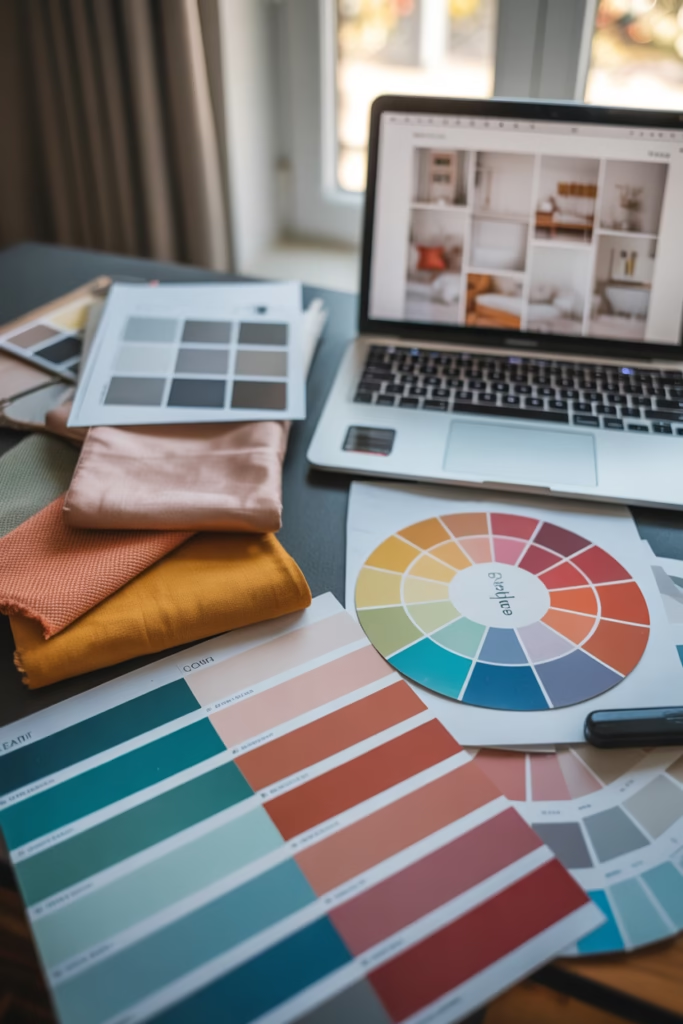
This is the step most people skip, and honestly, it’s why so many rooms end up looking like a toddler’s craft project. Before you touch a single throw pillow or wall paint swatch, decide on your color palette.
A solid palette usually includes:
- One dominant color (covers most of your space — walls, large furniture)
- One secondary color (rugs, curtains, bedding)
- One or two accent colors (decor items, plants, art)
IMO, the three-color rule is the single best shortcut to a room that looks curated instead of chaotic. Pick shades that complement each other and commit. You can always layer in more texture and pattern later without it looking messy.
2. Go Bold With an Accent Wall
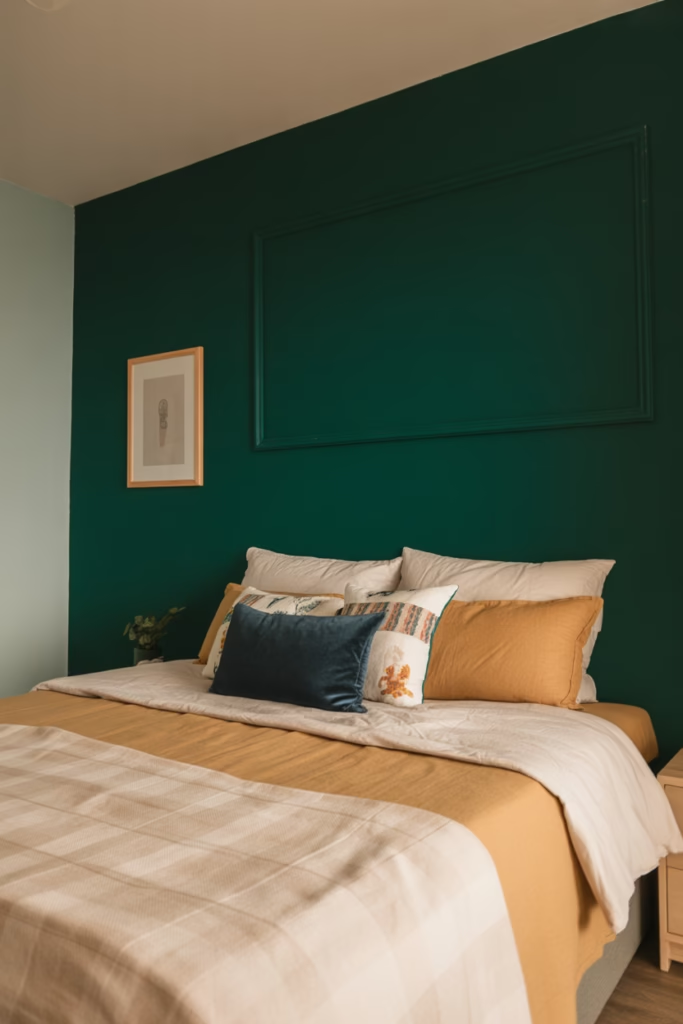
An accent wall is basically a commitment-phobe’s dream. You get all the drama of a colorful room without painting every wall and second-guessing your life choices.
Deep jewel tones work incredibly well for accent walls — think emerald green, cobalt blue, burnt terracotta, or deep plum. These colors create an instant focal point in any room and make everything around them look more intentional.
Paint is the obvious choice, but don’t overlook wallpaper. Peel-and-stick options have gotten genuinely good in the last few years, and they let you swap out the look without the regret hangover.
3. Layer Colorful Textiles for Instant Warmth
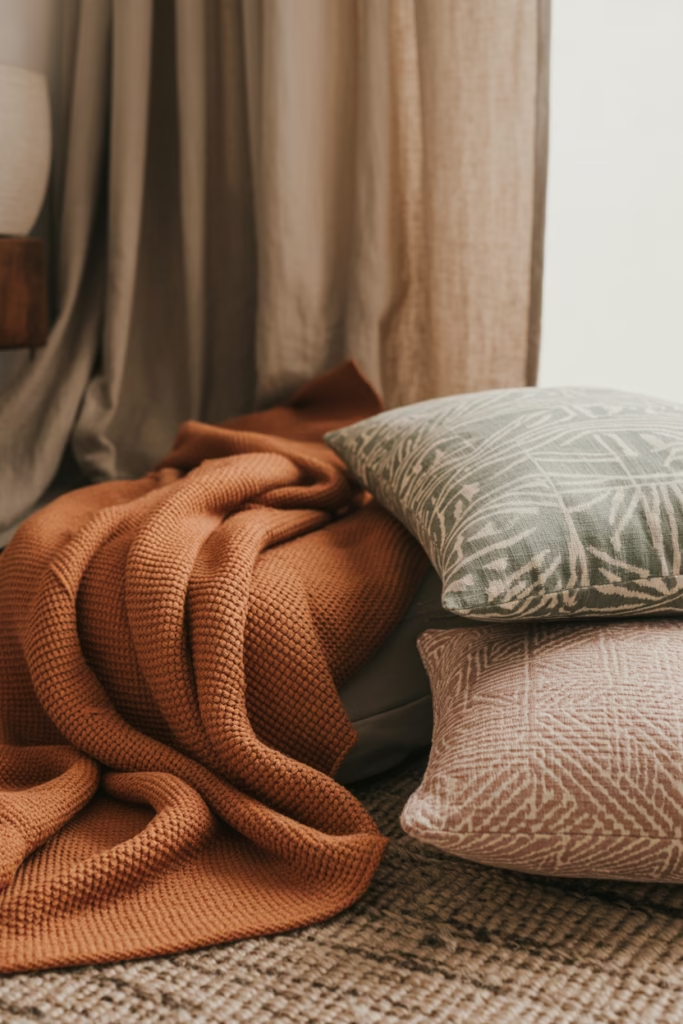
Rugs, throw blankets, curtains, and pillow covers — these are your best friends when it comes to colorful aesthetic decor, and they’re shockingly easy to change out when you want a new vibe.
Layering textiles in complementary colors adds depth and warmth to a room that flat furniture simply can’t. A mustard yellow throw on a sage green couch? Chef’s kiss. A patterned rug in terracotta under a neutral bed frame? Suddenly your room looks like it belongs on a lifestyle blog.
The trick is mixing textures, not just colors. Combine velvet, linen, cotton, and knit in your palette for a room that looks layered and expensive without actually being expensive 🙂
4. Bring in Plants (They Count as Decor, I Promise)
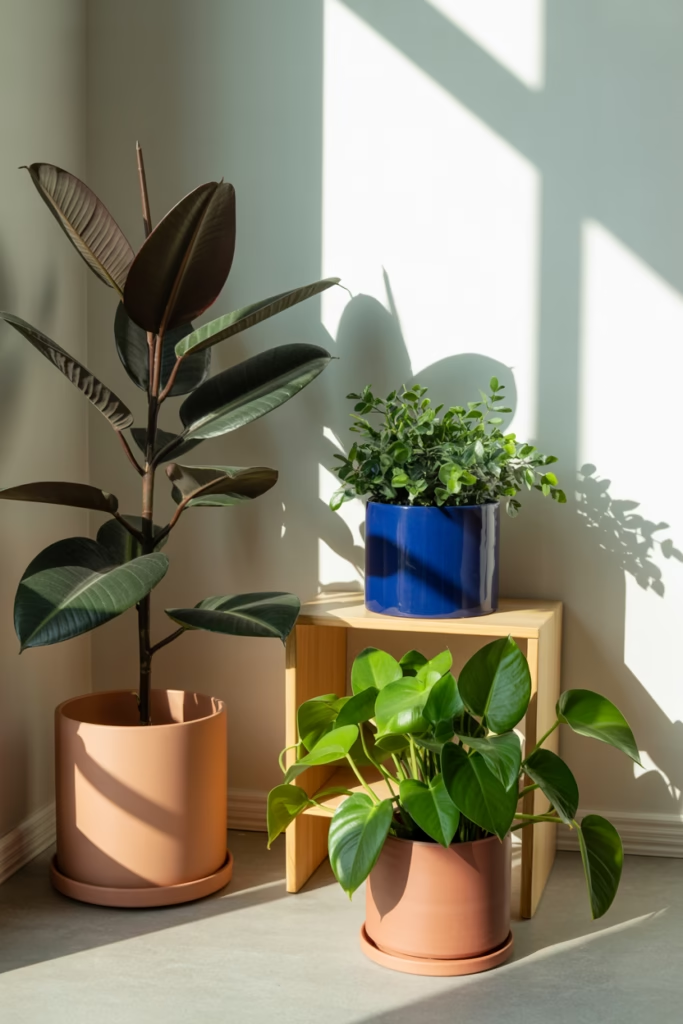
Plants are basically colorful decor that also clean your air and make you feel like a responsible adult. The contrast of lush green against bold wall colors or bright furniture is one of the most visually satisfying combos in home decor.
Some plants that work beautifully in colorful aesthetic rooms:
- Pothos — trails elegantly, looks great on shelves
- Bird of paradise — dramatic, sculptural, makes a statement
- Rubber plant — dark green leaves with a waxy sheen
- Calathea — patterned leaves that are almost too pretty to be real
Don’t sleep on colorful planters, either. A terracotta pot, a bright ceramic vase, or a woven basket can tie into your palette and double as decor even when the plant inside is struggling. We don’t talk about that part.
5. Mix Patterns Without Losing Your Mind
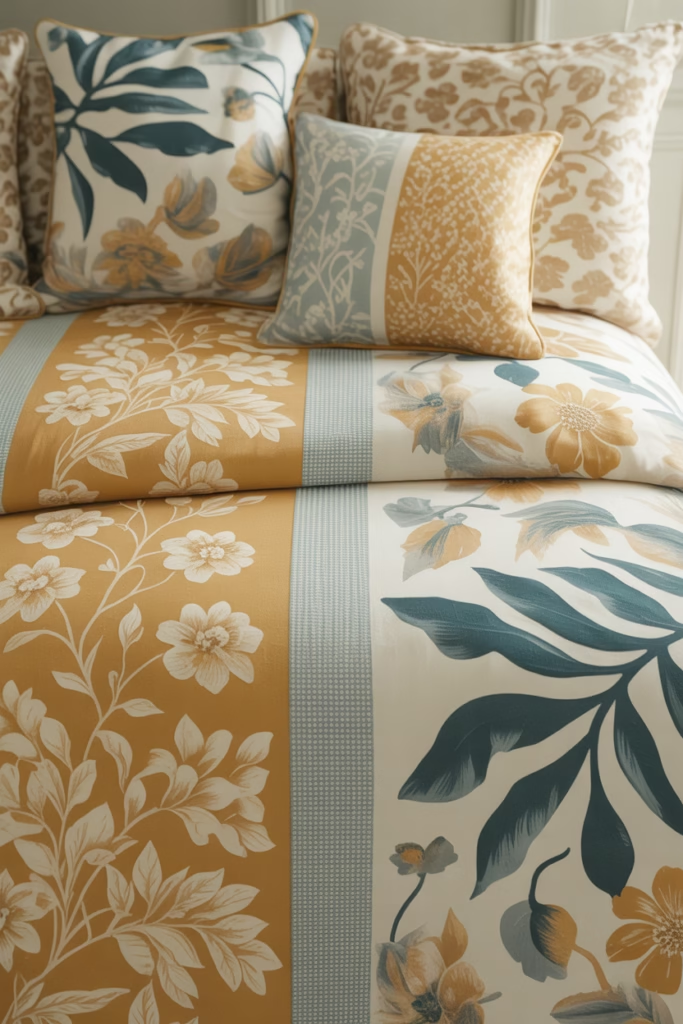
Ever walked into a room that used three different patterns and somehow it looked amazing? That’s not an accident — there’s actually a logic to it. The key to mixing patterns is varying the scale.
Pair a large bold print (like wide stripes or a floral) with a medium geometric and a small, subtle texture. When patterns share colors from the same palette, they read as intentional rather than overwhelming.
A good starting point: florals + stripes + a solid texture in three shades of your main palette. It sounds risky, but it’s one of those things that just works once you try it.
6. Use Colorful Art to Anchor a Room
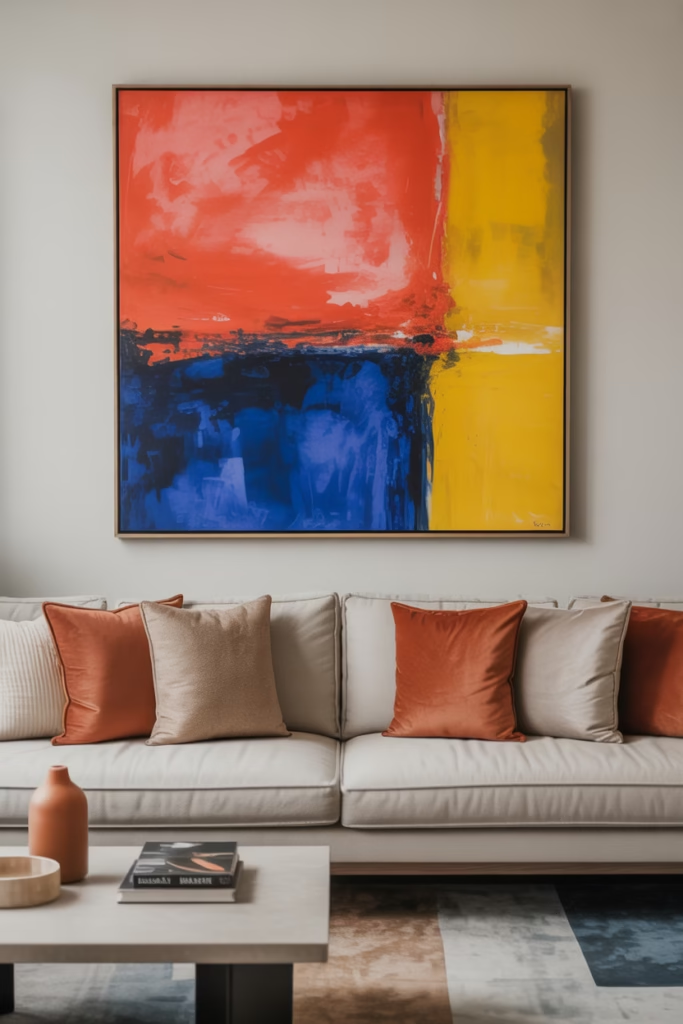
Art is hands-down the fastest way to inject personality and color into a space without touching a single piece of furniture. A bold, colorful piece of wall art can set the entire mood for a room and serve as the jumping-off point for everything else.
You don’t have to spend a lot either. Print-on-demand art from Etsy, framed fabric panels, or even oversized painted canvases from thrift stores can work beautifully. The frame matters just as much as the art — a chunky gold frame on a colorful abstract print can look genuinely luxurious.
Try building your room’s palette from a piece of art you already love. It’s the most natural way to create cohesion.
7. Add Color Through Lighting
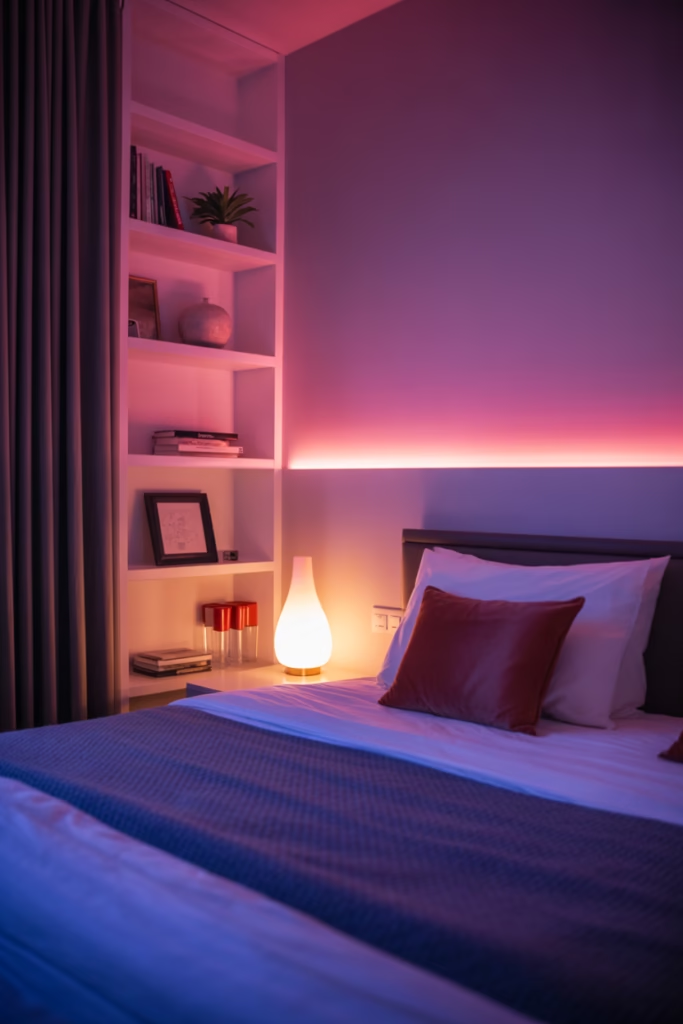
Here’s something that doesn’t get nearly enough credit: lighting completely changes how colors appear in a room. Warm bulbs make yellows and reds pop while making blues look dull. Cool bulbs do the opposite.
Beyond the practical side, colorful lighting itself has become a massive aesthetic trend:
- LED strip lights behind furniture or along shelves create a moody, ambient glow
- Colored lampshades (think blush pink or burnt orange) cast a tinted light that warms up a whole corner
- Neon signs add a pop of vibrant color and double as wall decor
Smart bulbs like Philips Hue let you change the color temperature or even the actual color of your lighting with an app. FYI, this is genuinely one of the most impactful and reversible upgrades you can make to a room.
8. Go for Colorful Furniture as a Statement Piece
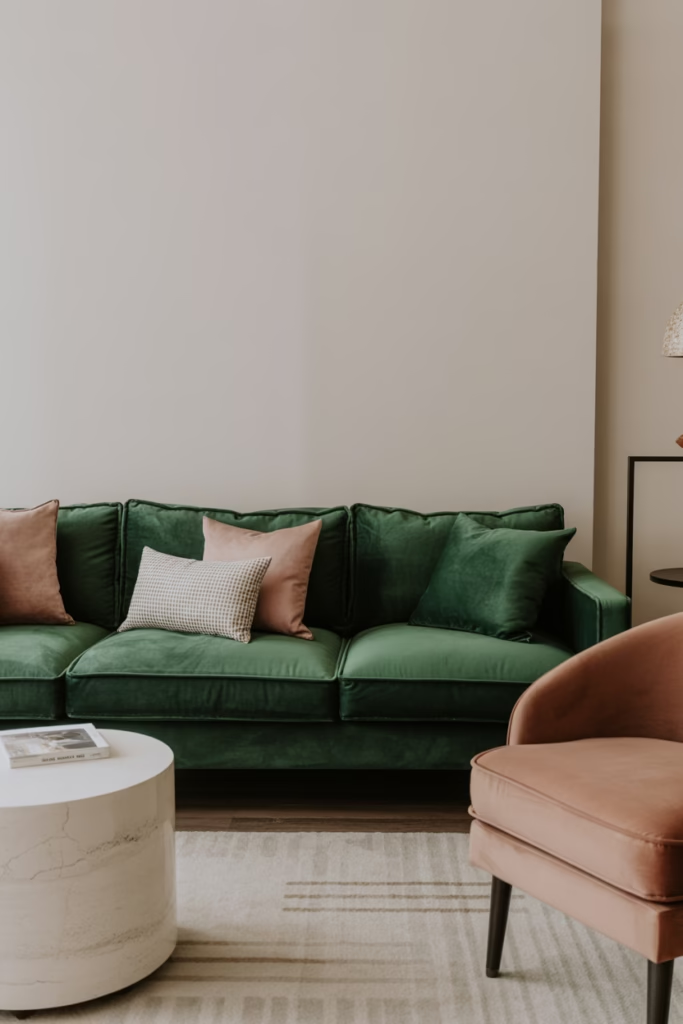
I know, I know — it feels risky. What if you get tired of it? What if you move and it doesn’t fit the new space? But a single colorful statement furniture piece can transform an otherwise neutral room in a way that no amount of throw pillows ever will.
Think about:
- A velvet emerald sofa in a living room with white walls
- A cobalt blue dresser in a bedroom with warm wood floors
- A blush pink accent chair in a reading nook with natural linen
These pieces hold their own and pull the whole room together. If you’re nervous, start with a smaller piece like an accent chair or a colorful side table. It’s a lower-stakes entry point into colorful furniture, and most people never look back.
9. Style Your Shelves Like a Mood Board
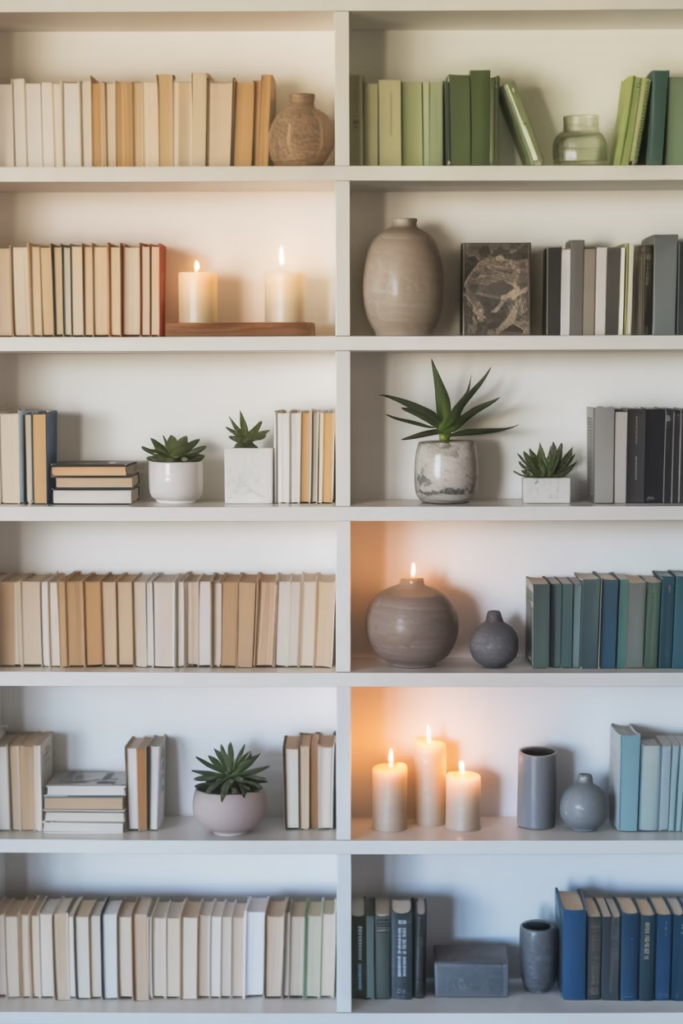
Bookshelves and open shelving are basically free real estate for colorful decor, and most people waste them. An intentionally styled shelf can be one of the most colorful and visually interesting elements in a room.
Here’s a quick shelf-styling formula:
- Books — organize by color for instant visual impact
- Plants — add life and break up the hard edges
- Objects — candles, ceramics, small sculptures in your palette
- Art or prints — prop small framed pieces against the back
The goal is contrast and breathing room. Don’t stuff every inch — leave some space so each item can actually be appreciated.
10. Use Color in Unexpected Places
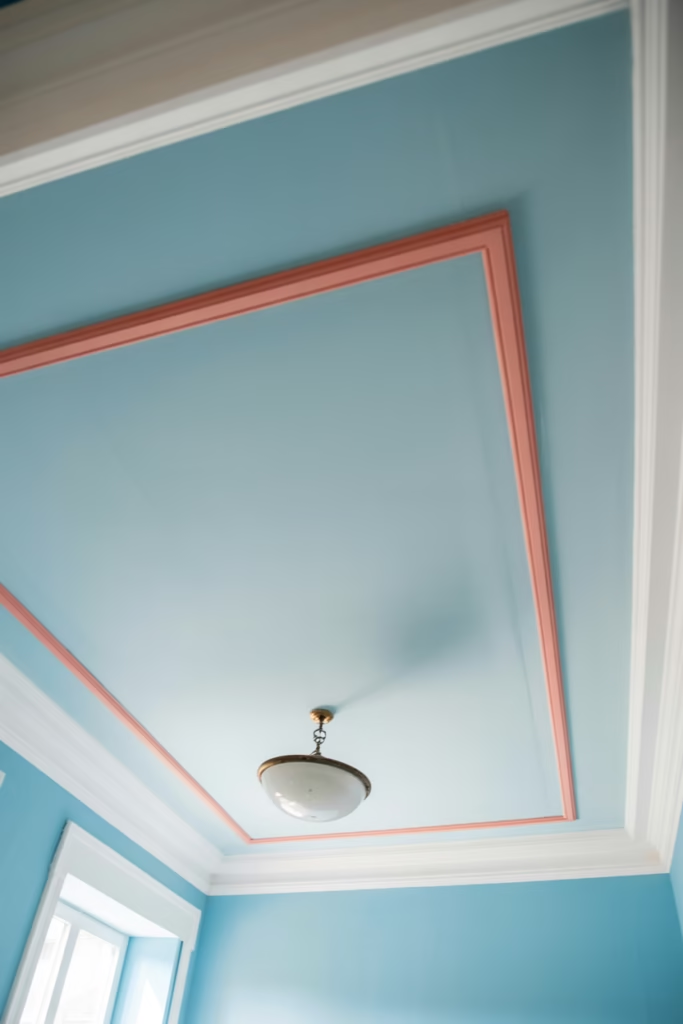
Okay, here’s where it gets fun. Most people put color on walls and furniture and call it a day. But the truly great-looking rooms find color in the details — the places your eye lands when it’s not looking for anything in particular.
Some unexpected places to add color:
- Painted ceiling — a colored ceiling (even a soft pastel) adds a cozy, enveloping feel
- Colorful grout in a bathroom or kitchen
- The inside of a bookcase or cabinet — paint the back panel in a bold hue
- Stair risers — painted in alternating or gradient colors
- Door frames and trim — a contrasting color here looks incredibly intentional
It’s the small stuff that separates “nice room” from “wow, who lives here?”
11. Create a Gallery Wall With Color Cohesion
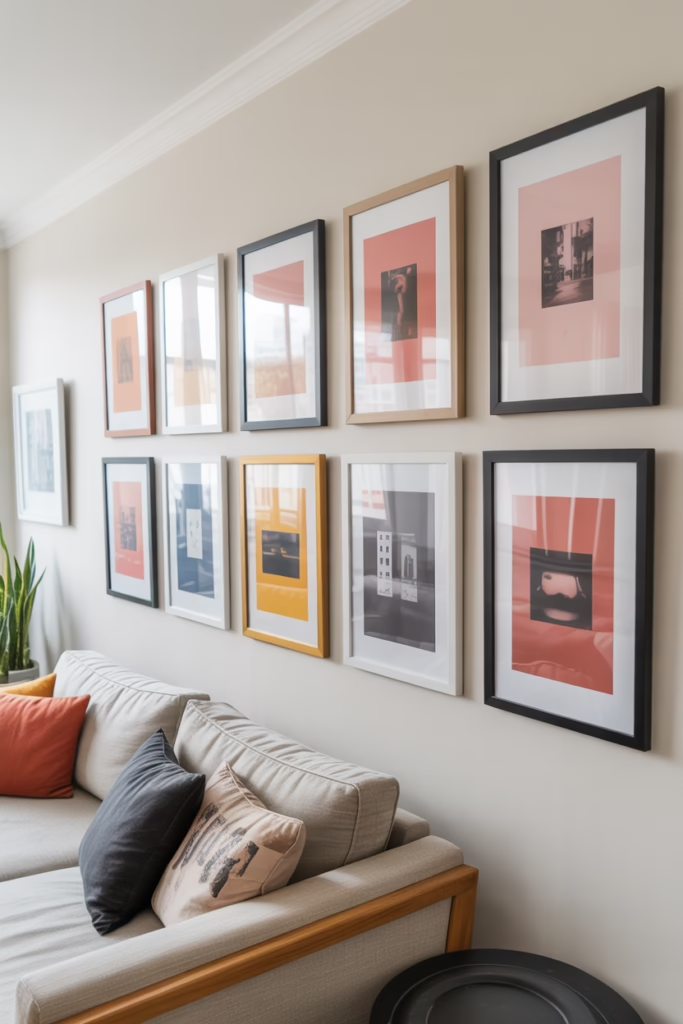
Gallery walls get a bad reputation for looking cluttered, and honestly, sometimes they deserve it. :/ But a well-planned gallery wall with a consistent color story is one of the most stunning things you can put in a room.
The trick is color cohesion, not uniformity. You want variation in frame styles and art types (photos, prints, paintings, even small mirrors), but a shared color palette running through all of them. Pick art that pulls from your room’s palette, and the gallery wall will tie everything together rather than compete with it.
Pro tip: Lay the arrangement out on the floor before you hammer a single nail. Your future self will thank you.
12. Incorporate Colorful Ceramics and Pottery
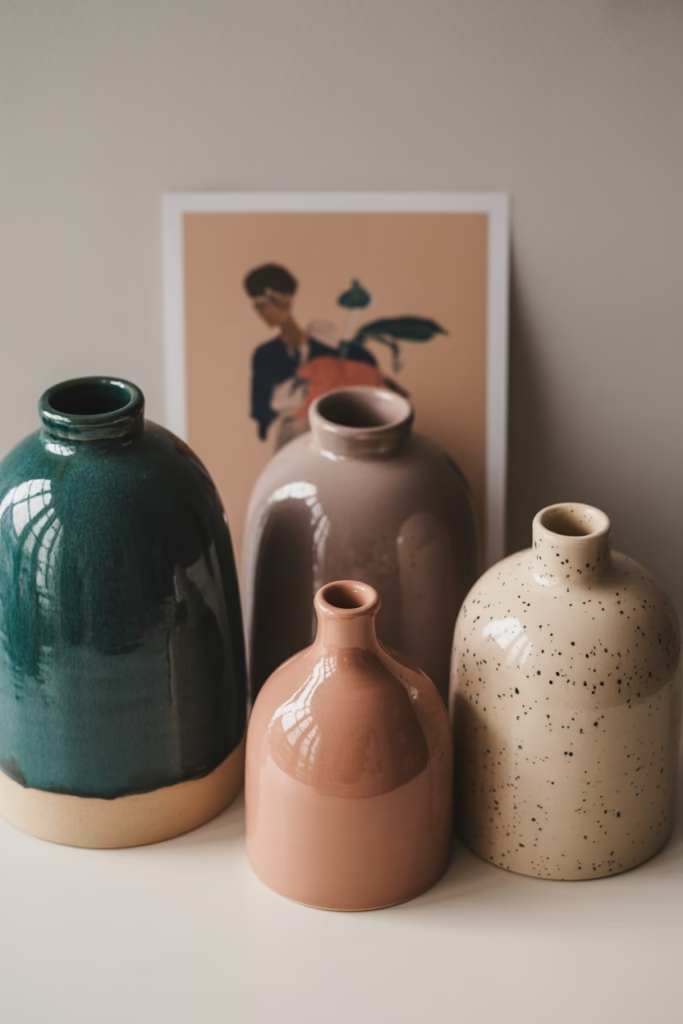
Ceramics have had a serious glow-up in the interior design world, and for good reason. Handmade or artisan-style pottery in earthy, jewel-toned, or pastel glazes adds a tactile, organic quality to colorful rooms that mass-produced decor just can’t replicate.
A cluster of three ceramic vases in varying heights and complementary colors on a console table or shelf is one of the easiest, most effective decor moves out there. You can find beautiful pieces on Etsy, local markets, or even thrift stores if you’re patient.
Mix glazed and matte finishes for extra visual interest, and don’t feel like every piece needs to be perfect — a little variation makes it look collected, not purchased as a set.
13. Layer Rugs for Color and Texture
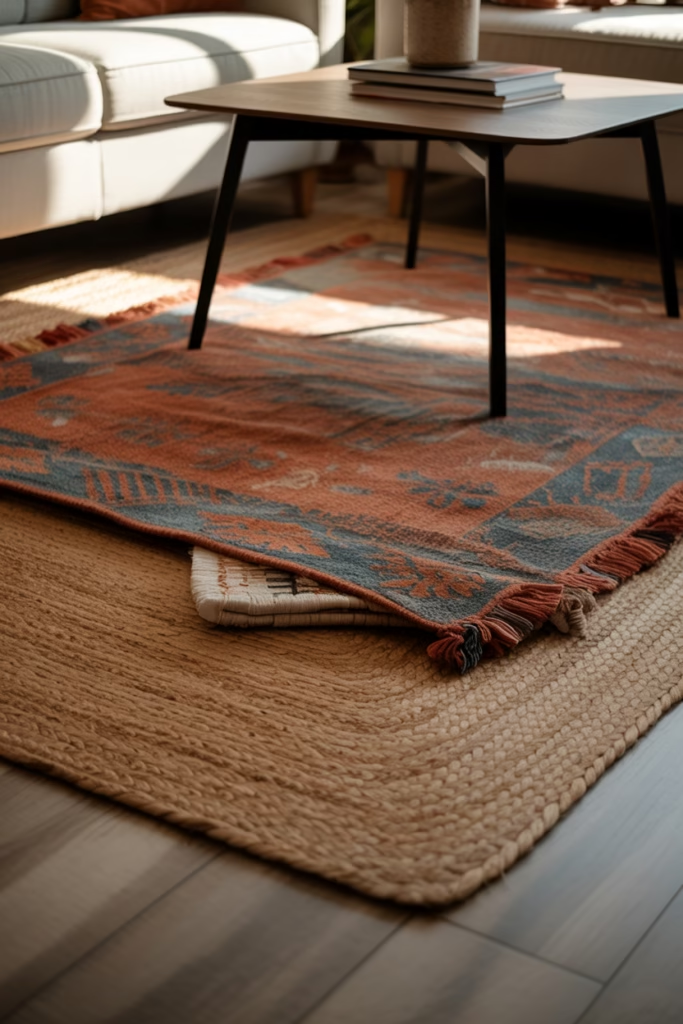
Single rugs are fine. Layered rugs, though, are a whole different conversation. This trend — placing one rug on top of a larger neutral one — lets you incorporate bold patterns and colors without committing to a giant statement piece.
A classic combination: a large jute or natural fiber rug as the base, with a smaller colorful or patterned rug layered on top. The natural base grounds the look while the colorful layer does all the fun work.
This also solves the very common problem of finding a colorful rug you love that isn’t quite big enough for your space. Layer it, problem solved.
14. Don’t Forget the Power of Colorful Bedding
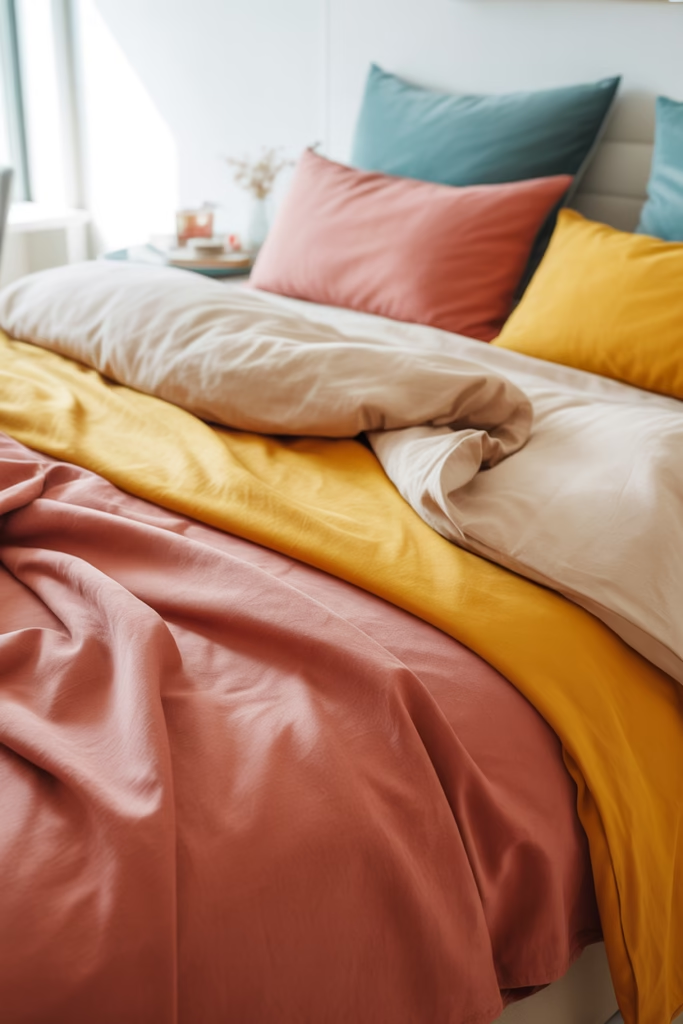
Your bed takes up roughly a third of your bedroom’s visual real estate. Colorful, layered bedding is one of the highest-impact, lowest-effort changes you can make to a room.
Some styling approaches that work really well:
- Bold duvet, neutral pillowcases — the duvet carries the color while the pillows calm it down
- Neutral duvet, colorful euro shams — adds color at eye level without overwhelming
- Mixed patterns in a shared palette — stripes, florals, and solids in the same color family
Don’t forget a throw blanket in a complementary color draped at the foot of the bed. It’s one of those finishing touches that makes a bed look styled rather than just made.
15. Commit to the Maximalist Mindset (If It Speaks to You)
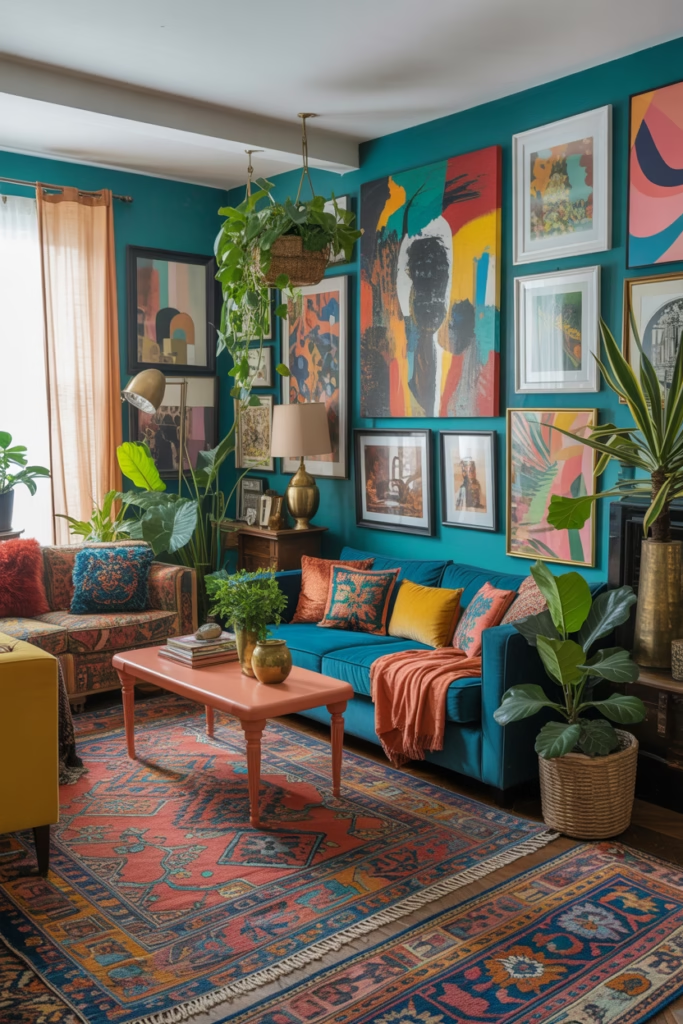
Here’s the thing about colorful aesthetic rooms — they work best when you actually commit to the vision. Half-hearted color looks accidental. Intentional, committed color looks like art.
If you love bold, layered, maximalist spaces, lean into it. More patterns, more color, more objects that bring you joy. The “rules” of interior design are really just guidelines, and the most interesting rooms belong to people who broke them on purpose.
Collect what you love, display it proudly, and let your room tell your story. That’s what aesthetic really means, anyway — not a Pinterest trend, but a space that feels unmistakably like you.
Wrapping It Up
Colorful aesthetic room decor doesn’t have to be complicated or expensive. Start with a palette, add color in layers, and don’t be afraid to make bold choices, whether that’s a jewel-toned accent wall, a statement sofa, or a gallery wall that makes guests stop mid-sentence.
The rooms that make people say “wow” are rarely the ones that played it safe. Pick one or two of these ideas and start there. You don’t have to do everything at once, but you do have to start.
Your space deserves color. Give it some.