
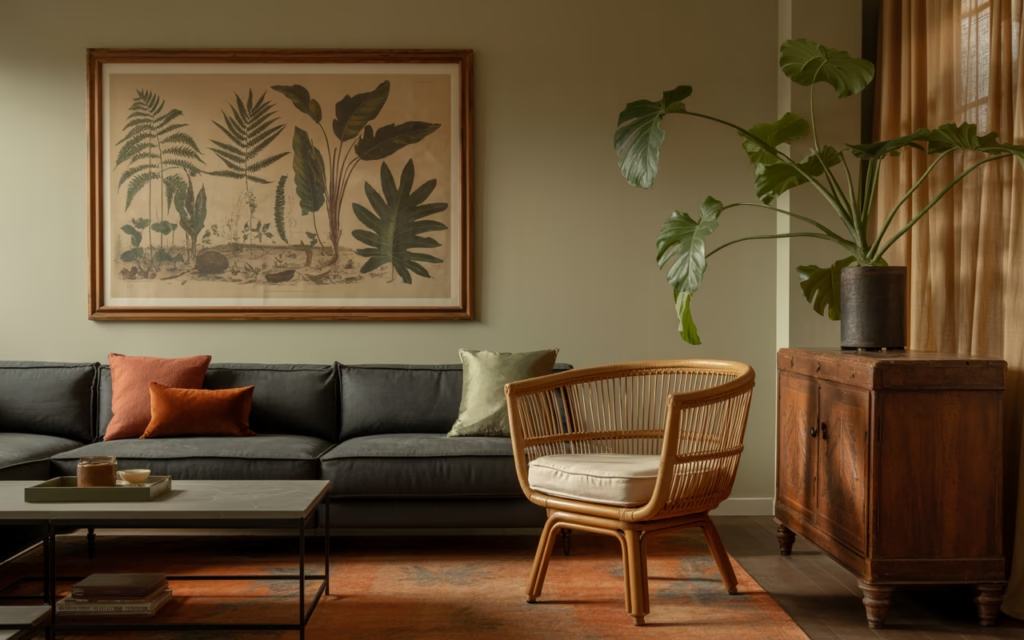
So here’s the awkward truth: a room can look “nice” and still feel kinda… dead. Like, you bought the rug, you picked the curtains, you even added a candle because you’re trying to be a person who owns candles, and yet the space still feels flat. Ever walked into your own living room and thought, “Why does this feel like a waiting room with Wi‑Fi?” Yeah. Same.
That’s exactly why I keep coming back to the botanical aesthetic. It doesn’t just decorate your home, it gives it a pulse. Plants (real or faux, no judgment) add movement, texture, and that relaxed, lived-in vibe that makes a space feel like you actually hang out there. And in 2026, botanical decor looks way more elevated than the old “throw a monstera in the corner and call it a day” approach. Now we’re talking moody greens, sculptural planters, vintage botanical art, natural textures, and little styling tricks that make your home feel curated without looking like you tried too hard (because who has time for that?).
I’ve tested a bunch of these ideas in my own place. Some worked instantly, some needed a little tweaking, and a few made me realize I definitely don’t need five tiny plants when one dramatic leafy giant can do the job. So if you want your space to feel fresher, calmer, and just a bit more “Pinterest-but-real-life,” you’re in the right spot. Ready to bring the outside in—without turning your home into a jungle that fights back?
1. Layer Botanical Prints Like a Pro
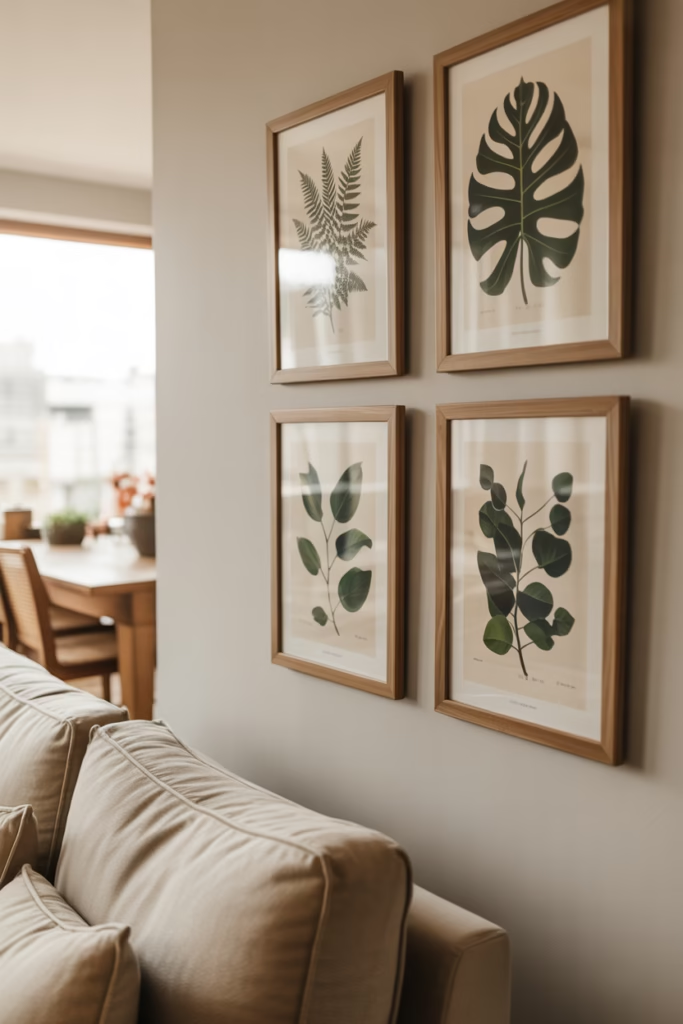
One of the easiest wins in botanical decor is botanical print layering. Instead of hanging one large print and calling it a day, mix two or three prints in different scales — a close-up leaf print, a full-plant illustration, and maybe a pressed-fern style piece — and group them in a gallery wall.
The trick is to keep your frames consistent (all black, all natural wood, or all white) so the chaos stays controlled. IMO, mismatched frames with botanical art just look like a garage sale, not a curated corner. Stick to one frame finish and let the prints do the talking.
In 2026, the trend leans toward vintage botanical illustrations — think 18th-century herbarium-style prints with muted greens, dusty pinks, and sepia tones. They feel nostalgic and sophisticated without trying too hard.
2. Bring in Oversized Leafy Plants
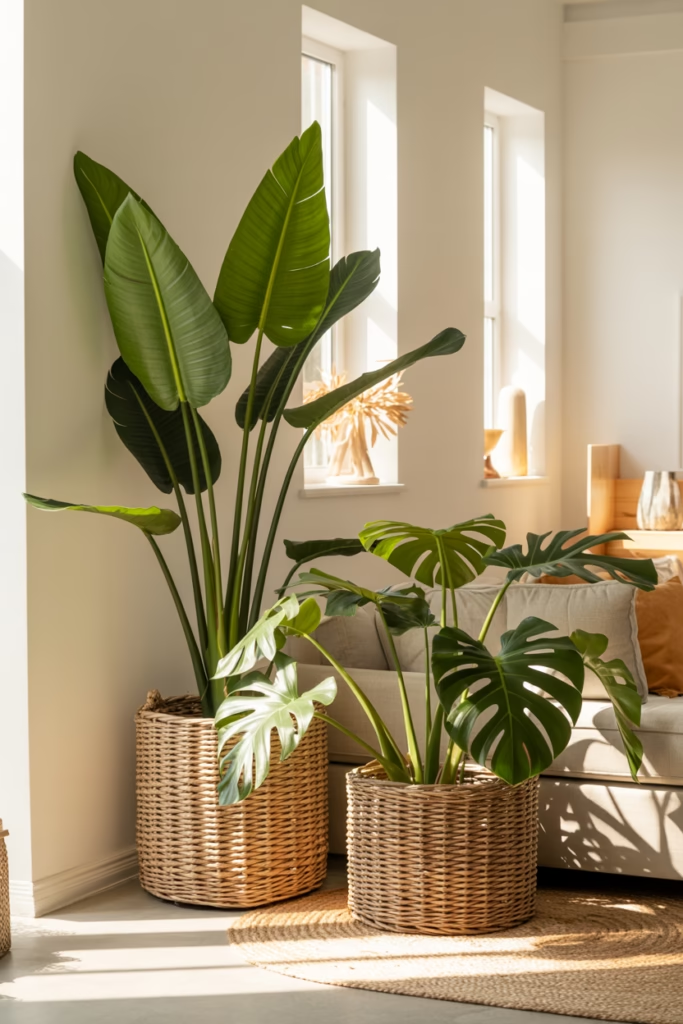
Here’s the thing nobody tells you about decorating with plants: scale matters more than quantity. One giant fiddle-leaf fig or a tall bird of paradise does more for a room than 12 tiny succulents crowding a windowsill.
In 2026, oversized tropical plants are front and center in botanical interiors. We’re talking:
- Monstera deliciosa (the classic, and for good reason)
- Bird of paradise for that tall, dramatic corner statement
- Rubber plants in deep burgundy for a moody, modern vibe
- Philodendron gloriosum for those who love a luxurious, velvety leaf
Place one large plant in a corner with a simple woven basket planter, and suddenly your living room looks like it belongs on a design blog. It’s genuinely that easy.
3. Use Botanical Wallpaper as a Feature Wall
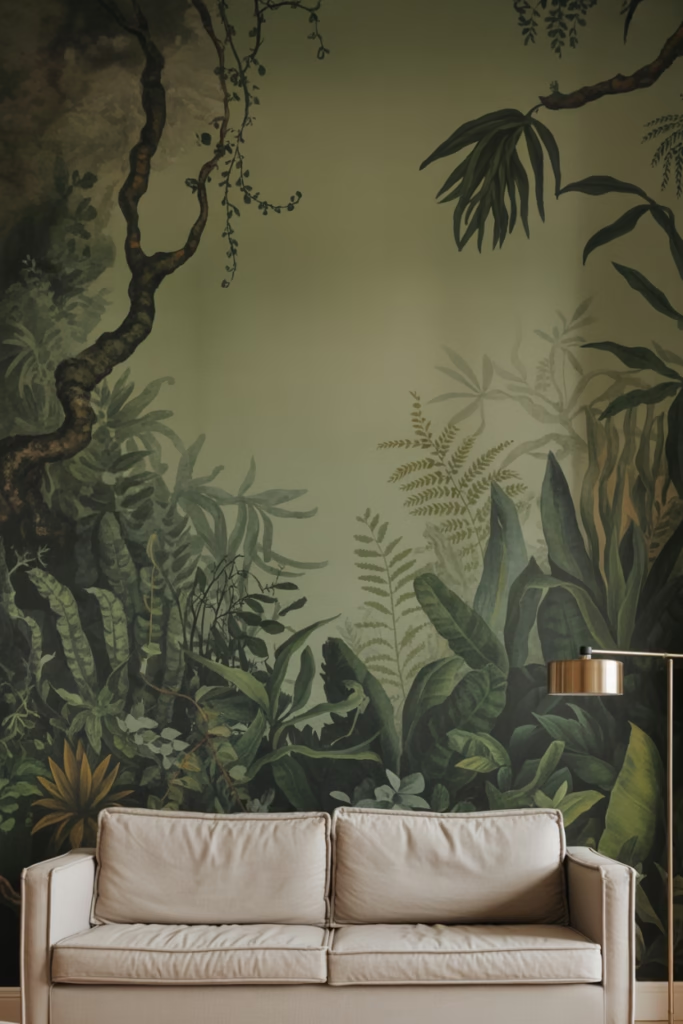
Not ready to commit to wallpaper everywhere? Fair enough. But a single botanical feature wall is one of the most impactful decorating decisions you can make — especially in 2026, when the wallpaper game has never been stronger.
Look for patterns that feel hand-painted rather than digitally printed. Watercolor-style botanical prints, tropical leaf murals, and dense jungle patterns are all trending right now. Deep, moody colorways — forest green, midnight blue, terracotta — are replacing the light, airy pastels of previous years.
Pro tip: Use the feature wall behind a bed or a sofa. These anchor points naturally draw the eye, so you get maximum impact without the wallpaper overwhelming the entire space.
4. Incorporate Natural Fibers and Textures
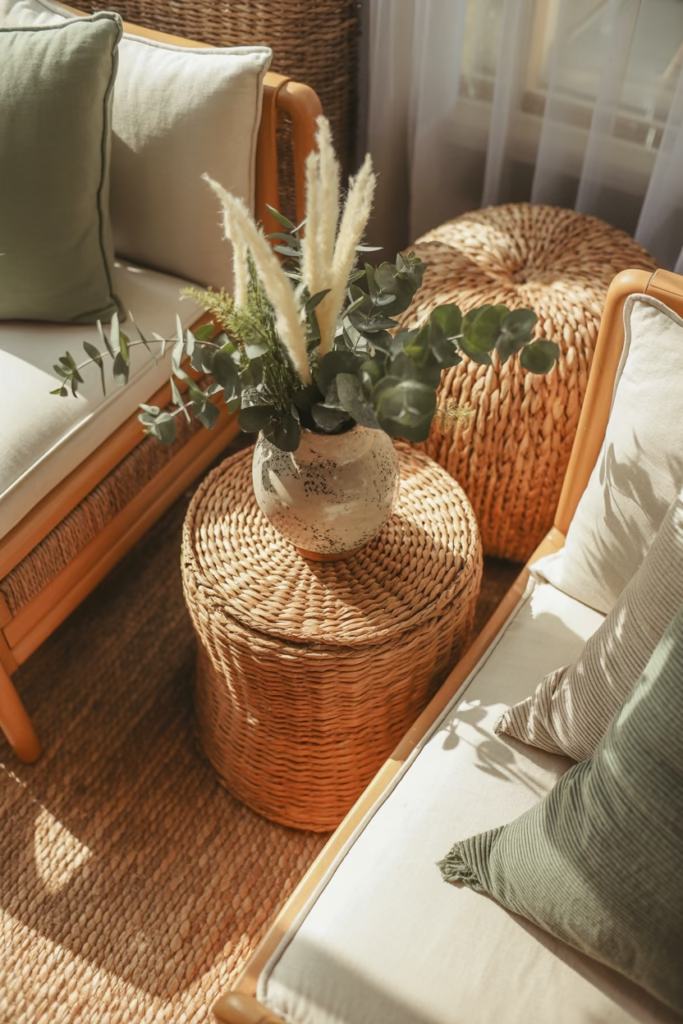
Botanical aesthetic isn’t just about plants and prints — it’s about bringing the outside in through texture. Natural fibers like jute, rattan, seagrass, and linen play a huge role in completing the look.
Think woven rattan light shades, jute rugs, linen throw cushions in earthy tones, and seagrass baskets for storage. These materials feel organic and grounded, which is exactly the energy botanical decor thrives on.
In 2026, the best botanical rooms balance softness and structure — so pair a plush linen sofa with a chunky jute rug and a rattan side table. The contrast keeps the space from feeling either too sterile or too boho.
5. Style Botanical Shelfies
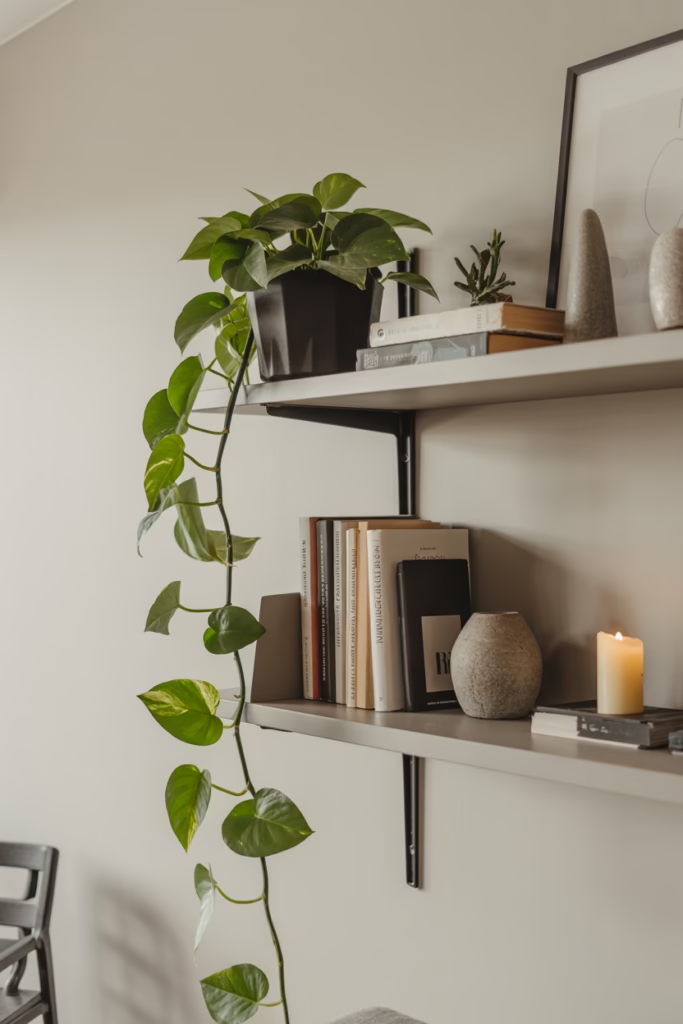
Ever noticed how a well-styled shelf can make or break a room? Botanical shelfies — shelves styled with a mix of plants, books, and natural objects — are having a serious moment. And they’re surprisingly simple to pull off.
The rule of three works beautifully here: group a plant, a decorative object (like a ceramic vase or a stone), and a book or candle in clusters of three. Vary the heights so your eye moves naturally across the shelf.
For 2026, trailing plants like pothos, string of pearls, or heartleaf philodendron draping over shelf edges add that effortlessly lush look that every botanical aesthetic lover is chasing.
6. Go Earthy with Your Color Palette
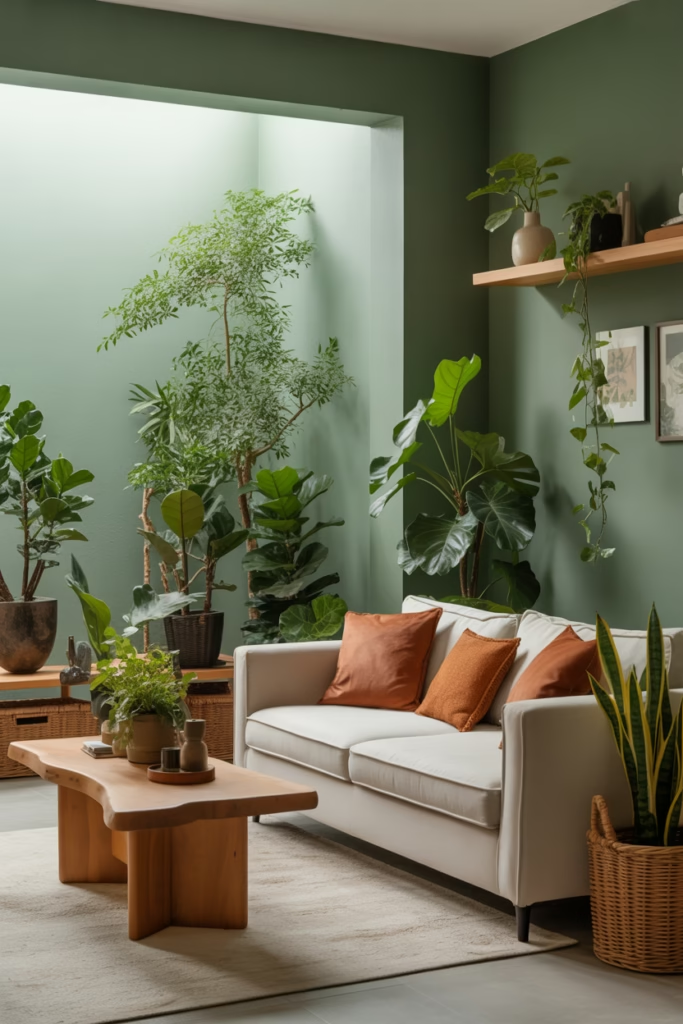
The botanical aesthetic lives and breathes through its color palette, and in 2026, we’re going earthy and rich. Think:
- Deep forest green — the anchor of any botanical space
- Warm terracotta — adds heat and grounding
- Dusty sage — soft and sophisticated
- Cream and warm white — gives breathing room without going stark
- Warm toffee brown — feels luxurious against green
This palette mimics nature without screaming “I painted my walls after a nature walk.” 🙂 The key is using these tones in layers — wall color, soft furnishings, ceramics, and plants working together rather than one dominant shade taking over.
7. Add Pressed Botanicals in Frames
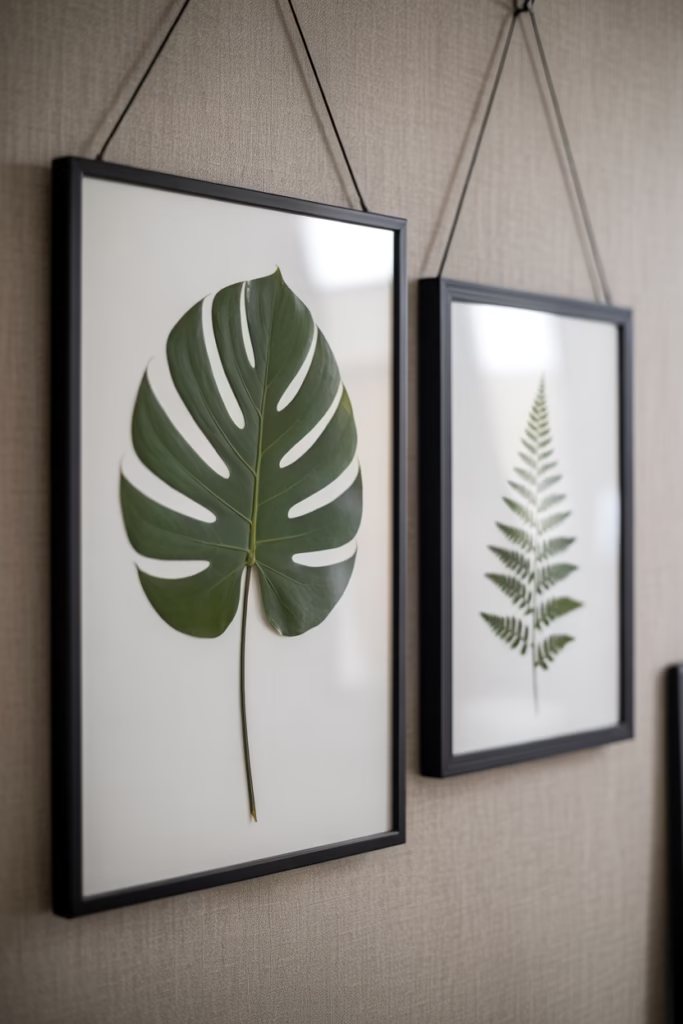
Pressed botanical art has made a serious comeback, and honestly, it deserves every bit of the attention it’s getting. Real pressed leaves, flowers, and ferns mounted in frames add an authentic, handmade quality that prints simply can’t replicate.
You can make these yourself (press leaves under heavy books for a few weeks, mount on cardstock, frame — done) or buy ready-made pressed botanical frames from artisan sellers. Either way, they bring an organic, textural element to walls that feels genuinely one-of-a-kind.
In 2026, oversized single-specimen frames — one large monstera leaf or a single eucalyptus branch in a big, clean frame — are particularly popular. Minimal, elegant, and unmistakably botanical.
8. Create a Dedicated Plant Nook
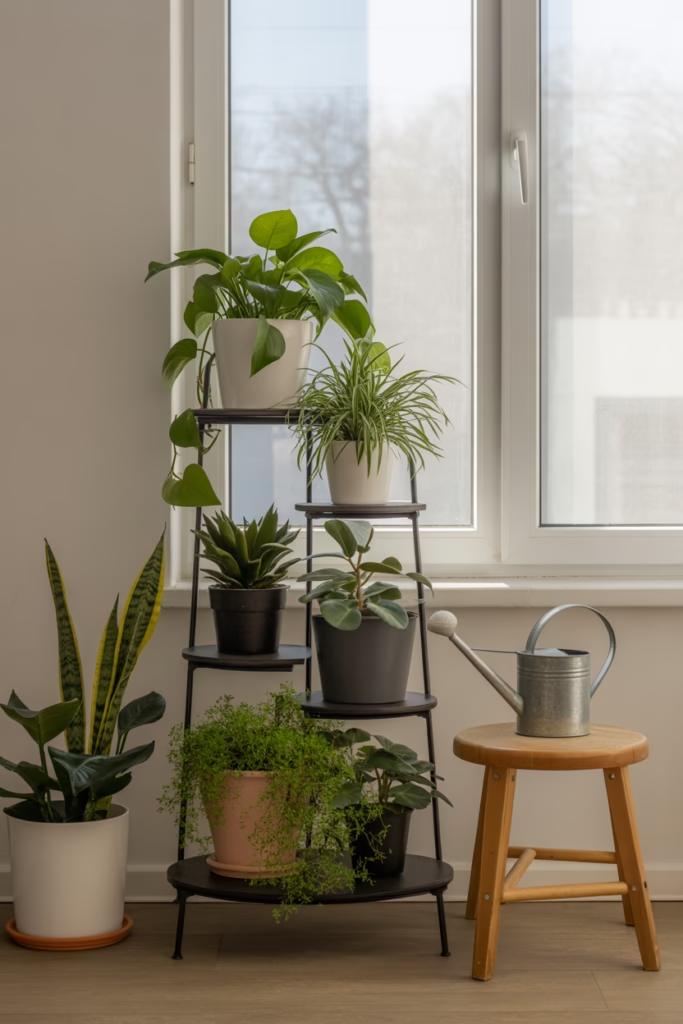
If you haven’t carved out a dedicated plant corner yet, 2026 is your year. A plant nook is exactly what it sounds like — a specific area of your home designed to showcase a curated collection of plants, usually with supporting decor like a plant stand, a small stool, or a tiered shelf.
The magic of a plant nook is that it creates a focal point without requiring a full room redesign. Find a corner near a window (natural light is non-negotiable, FYI), add a mix of heights using stands and shelves, and let the greenery fill the space.
For extra credit, add a pendant light above the nook — warm-toned Edison bulbs work beautifully — so the area glows beautifully in the evenings even when the natural light is gone.
9. Swap Out Standard Planters for Sculptural Ones
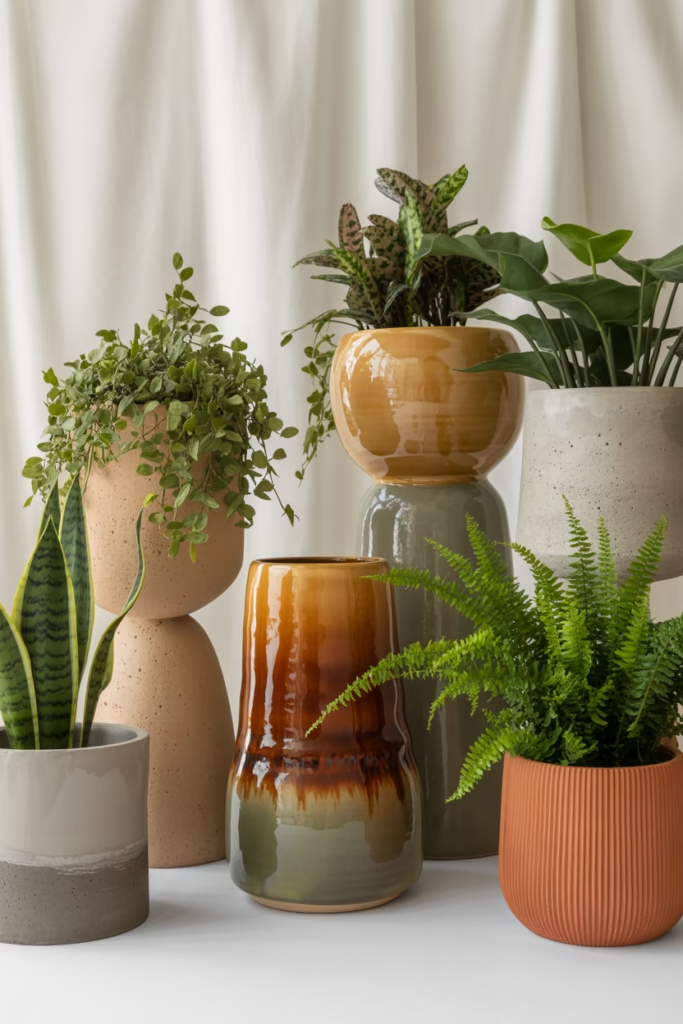
The planter you choose matters just as much as the plant inside it. In 2026, sculptural ceramic planters are stealing the show — think hand-thrown pottery with irregular shapes, textured surfaces, and earthy glazes in tones of sand, rust, and moss.
Avoid the mass-produced, perfectly symmetrical plastic pots that every big-box store sells. They flatten the botanical aesthetic and make even a gorgeous plant look average. Instead, invest in:
- Handmade ceramic pots from local potters or artisan marketplaces
- Woven basket planters with natural rope or seagrass weave
- Concrete or stone-effect planters for an industrial-botanical mix
- Terracotta in unusual shapes — elongated, ribbed, or with carved detailing
Your planter is part of the decor. Treat it like the design object it is.
10. Introduce Botanical Textiles
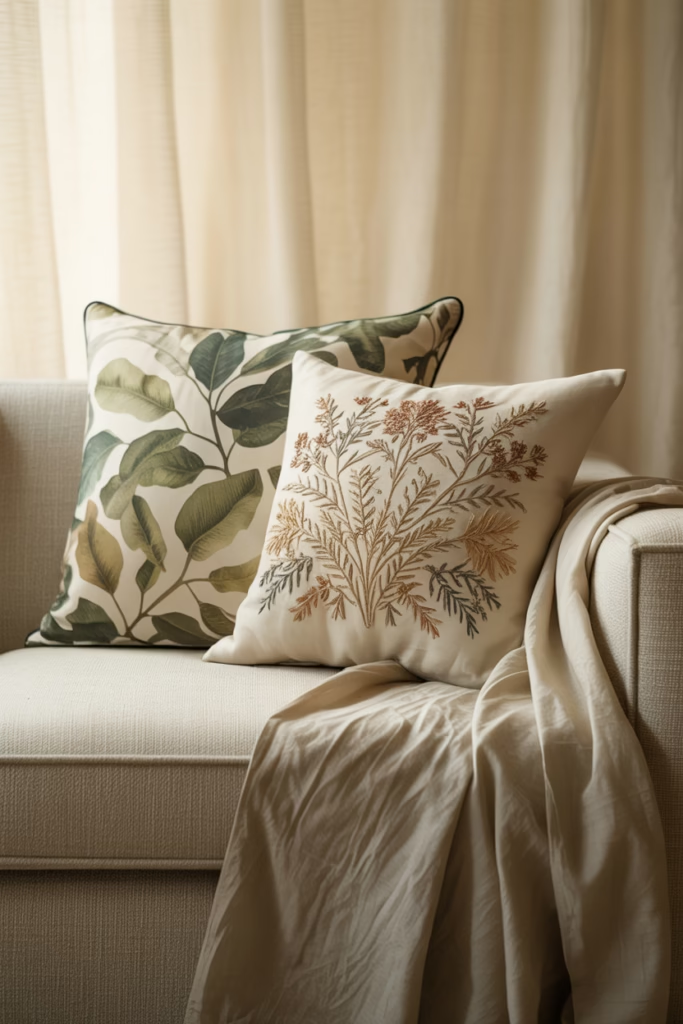
Botanical decor extends well beyond walls and plants — your textiles are a major player here. In 2026, botanical-print cushion covers, throws, and curtains are one of the simplest ways to shift a room’s vibe without any structural changes.
Look for textiles that feature:
- Leaf and fern prints in block-print or hand-dye styles
- Embroidered floral motifs on linen or cotton
- Nature-inspired jacquard weaves in earthy tones
- Sheer botanical-print curtains that let light filter beautifully through
Layer these thoughtfully — a botanical-print cushion looks best against a solid-colored sofa, and a leaf-print throw works beautifully draped over a neutral armchair.
11. Style a Botanical Coffee Table
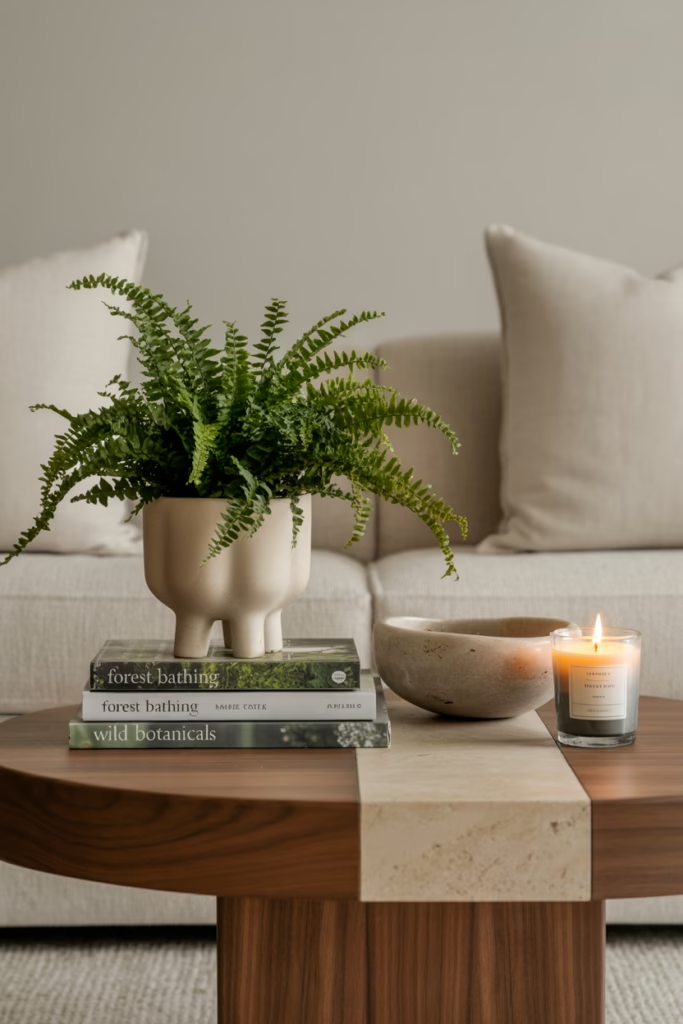
Your coffee table is prime real estate for botanical styling. A well-curated coffee table can anchor an entire room’s aesthetic, and in 2026, botanical coffee table styling is all about organic materials and purposeful minimalism.
Try this combination:
- A low, spreading plant (like a succulent arrangement or a small fern in a sculptural pot)
- A stack of coffee table books with nature or botanical covers
- One sculptural object — a smooth stone, a ceramic bowl, or a piece of driftwood
- A candle in an earthy, nature-inspired scent like cedar, vetiver, or eucalyptus
Keep it loose and organic. The goal isn’t perfection — it’s the kind of arrangement that looks like it happened naturally.
12. Embrace the Dried Botanicals Trend
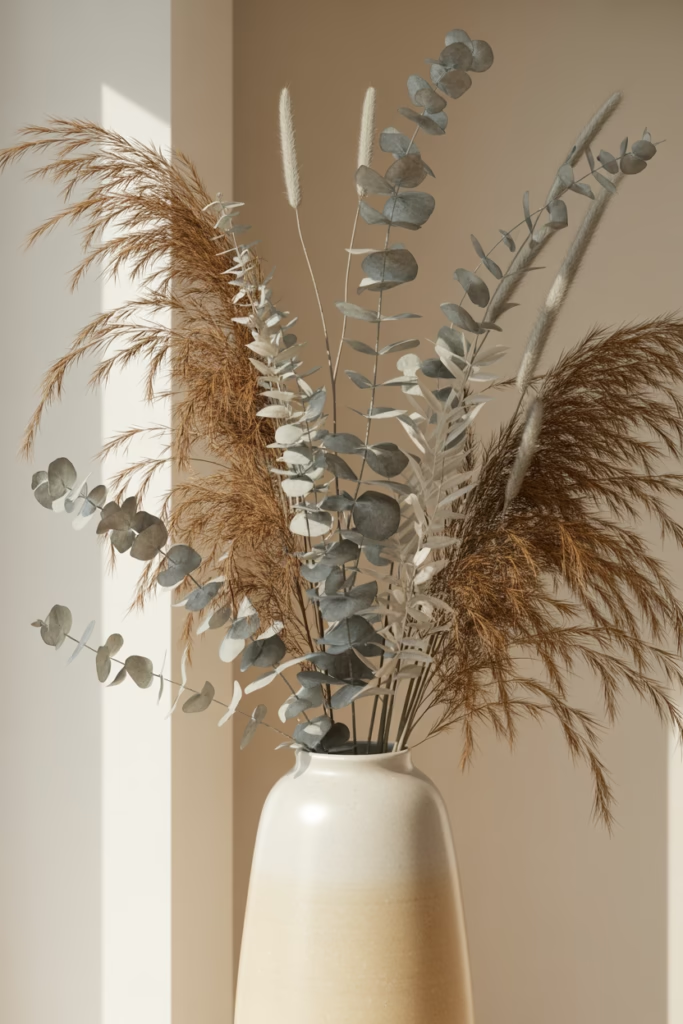
Fresh plants are great, but dried botanicals have carved out a permanent spot in 2026 home decor — and for good reason. Dried pampas grass, eucalyptus, lunaria, cotton stems, and wheat bundles add incredible texture and an earthy, romantic quality to any space.
The best part? They require zero maintenance. :/
Arrange dried botanicals in tall ceramic vases, hang bundles from ceiling hooks, or lay a sprig of dried lavender or rosemary across a wooden shelf for a casual, fragrant touch. In 2026, monochromatic dried arrangements — all neutrals, all creams and tans — feel especially chic and intentional.
13. Use Botanical Elements in the Bathroom
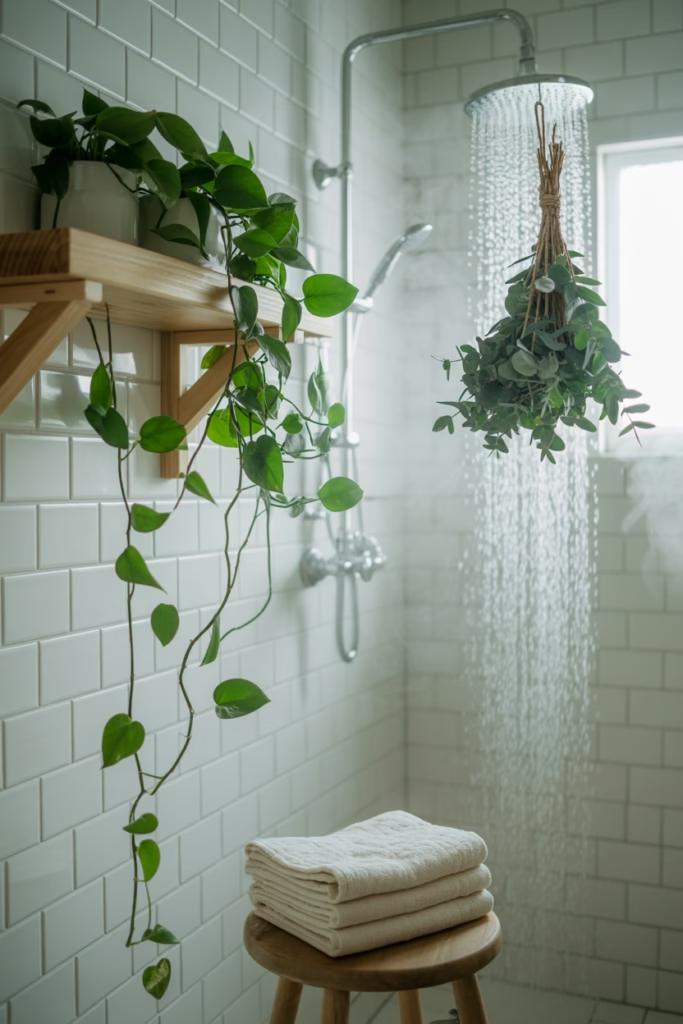
The bathroom is wildly underrated as a space for botanical decor. In 2026, bathroom botanicals are a genuine design move — not just a few obligatory succulents on the windowsill.
Think: a trailing pothos on a floating shelf above the toilet, a bundle of dried eucalyptus tied to the showerhead (the steam releases the fragrance — it’s genuinely wonderful), botanical print tiles as an accent, or a small rattan stool holding a plant and some folded linen towels.
Bathrooms with botanical touches feel like spas. And who doesn’t want a spa bathroom?
14. Layer Rugs with Nature-Inspired Patterns
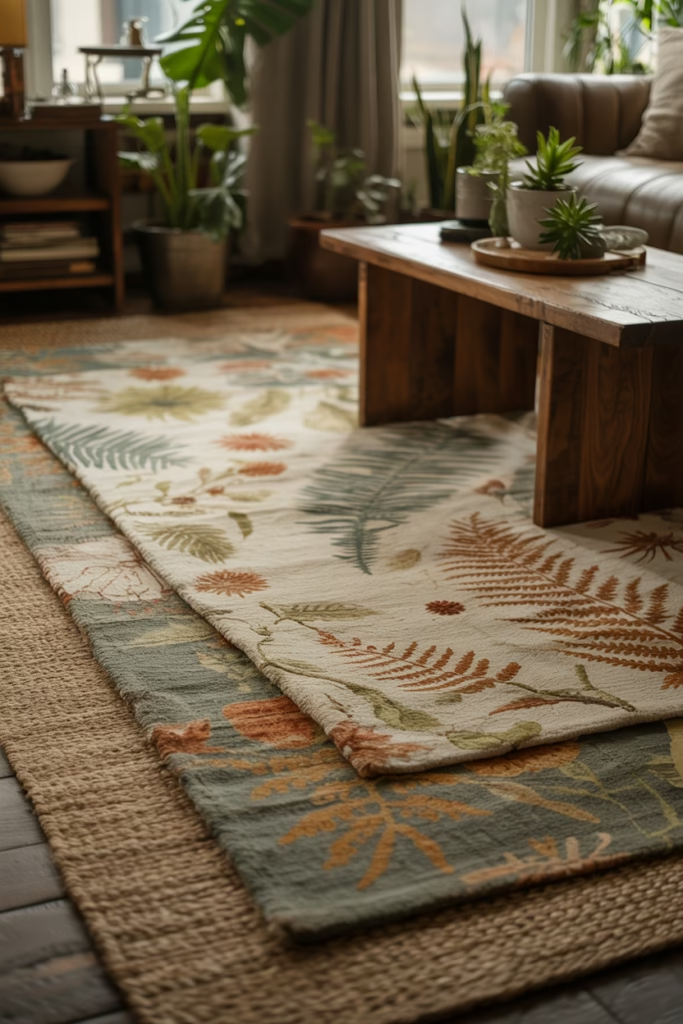
Rugs rarely get enough credit in botanical interiors, but the right rug grounds the entire space. In 2026, botanical and nature-inspired rug patterns — fern fronds, leaf prints, abstract organic shapes — add an unexpected layer of pattern to floors that ties the whole room together.
Natural-fiber rugs like jute and sisal work beautifully in botanical spaces for their texture and earthy tone. But don’t overlook a vintage-style rug with botanical motifs — a distressed floral or medallion pattern in sage, rust, and cream layers incredibly well with modern botanical decor.
15. Bring Botanicals into the Kitchen
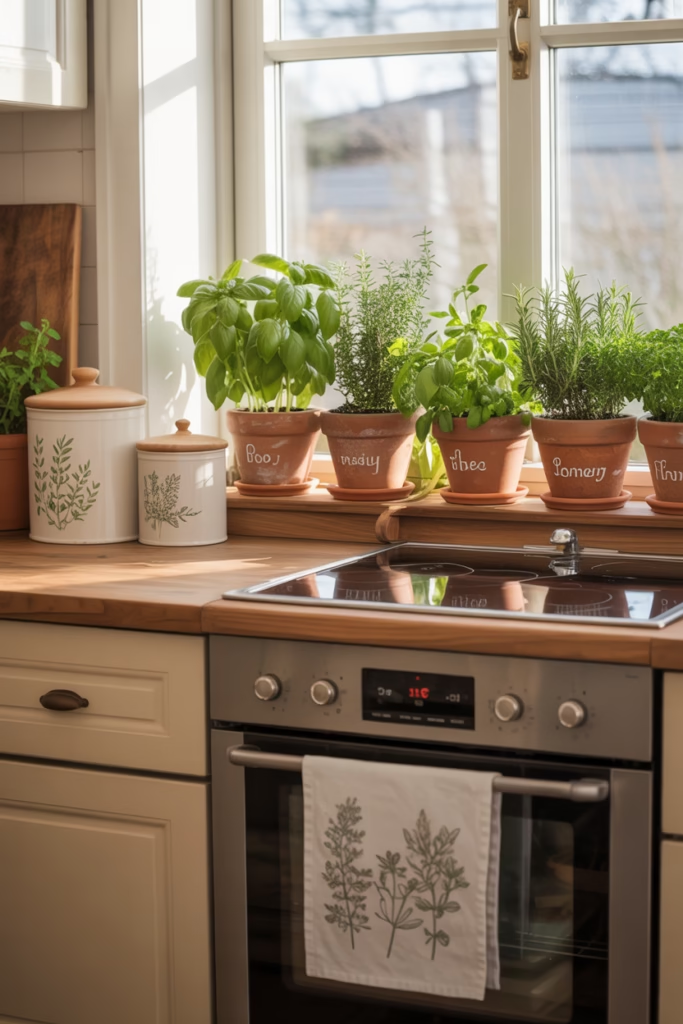
The kitchen is one of the most functional spaces in the home, but that doesn’t mean it can’t be beautiful. Botanical kitchen decor in 2026 leans into the natural connection between food and plants — and it’s honestly one of the most satisfying looks to pull together.
Try these ideas:
- A herb garden on the windowsill — rosemary, thyme, basil in mismatched terracotta pots
- Botanical-print tea towels hung casually from oven handles
- A bunch of dried herbs (lavender, rosemary, sage) tied with twine and hung near a window
- Ceramic canisters in earthy botanical tones replacing plastic storage containers
These small swaps make the kitchen feel intentional and connected to the broader aesthetic of your home.
16. Play with Lighting to Highlight Plant Displays
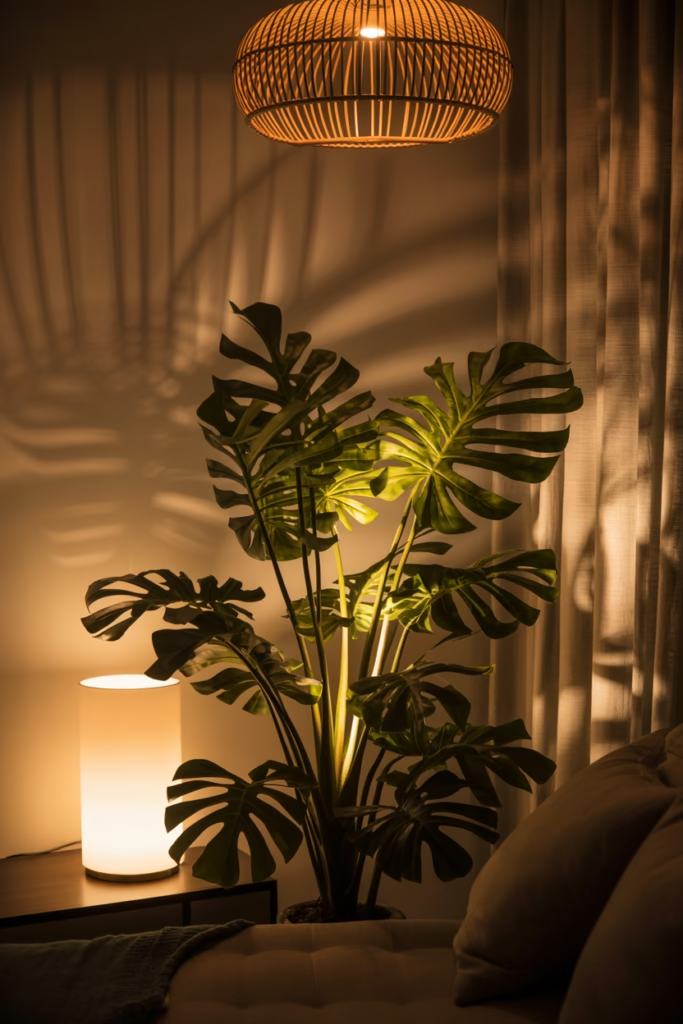
Lighting is the element most people forget when building a botanical aesthetic, and it’s genuinely a game-changer. Strategic lighting can transform a plant display from functional to breathtaking.
Warm-toned LED grow lights do double duty — they keep your plants healthy and cast a beautiful golden glow. Clip-on spotlights aimed at a statement plant create a dramatic, gallery-like effect. Pendant lights with woven rattan or bamboo shades cast gorgeous dappled patterns on walls that mimic the effect of light filtering through leaves.
In 2026, candle lighting alongside plant arrangements is also trending — the flickering warmth softens the space and makes botanical corners feel genuinely magical in the evenings.
17. Mix Eras — Vintage Meets Modern Botanical
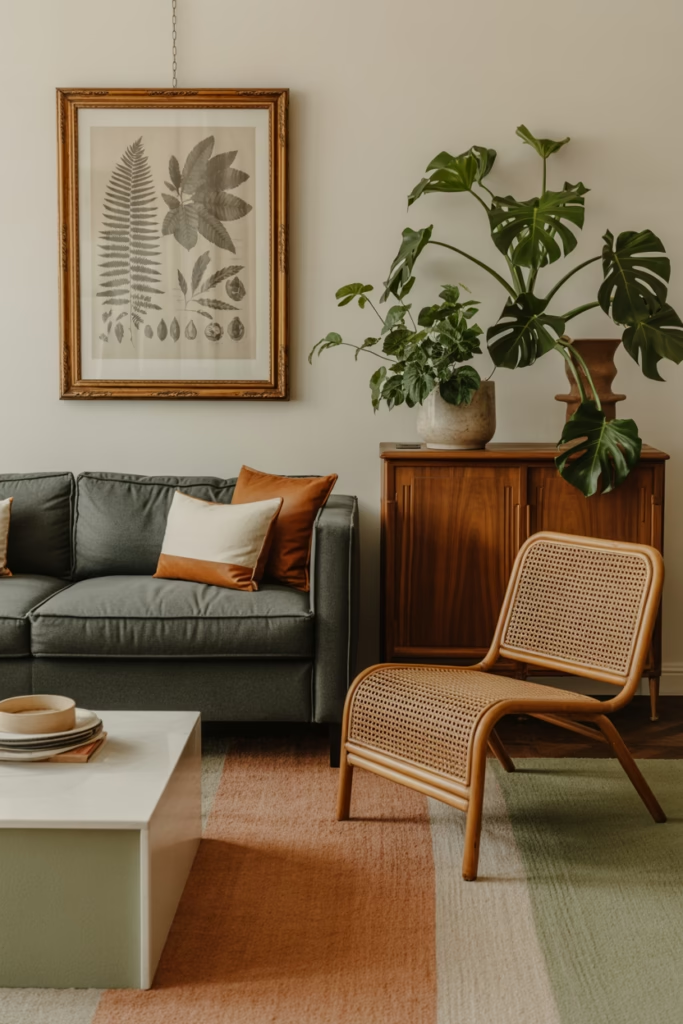
The freshest botanical aesthetic in 2026 doesn’t live entirely in one era. The most interesting spaces mix vintage finds with modern botanical pieces — and the contrast is what makes them feel curated rather than catalog-perfect.
Think: a sleek, modern sofa paired with a vintage botanical print, a mid-century rattan chair beside a contemporary sculptural planter, or an antique wooden cabinet topped with a bold, oversized tropical plant. The combination of old and new creates depth and personality that no single-era design can replicate.
The botanical aesthetic has always been about bringing natural, living elements into the home — and in 2026, the best version of that idea embraces imperfection, layering, and genuine personality over matching sets and trend-chasing.
Wrapping It All Up
The botanical aesthetic in 2026 is richer, moodier, and more intentional than ever. It’s not about stuffing every corner with plants or buying every leaf-print cushion you find; it’s about building a home that feels genuinely alive, layered, and connected to the natural world.
Start with one or two ideas from this list, live with them for a while, and see how they change the feeling of your space. In my experience, once you start going botanical, there’s no going back, and honestly? That’s a great problem to have.