
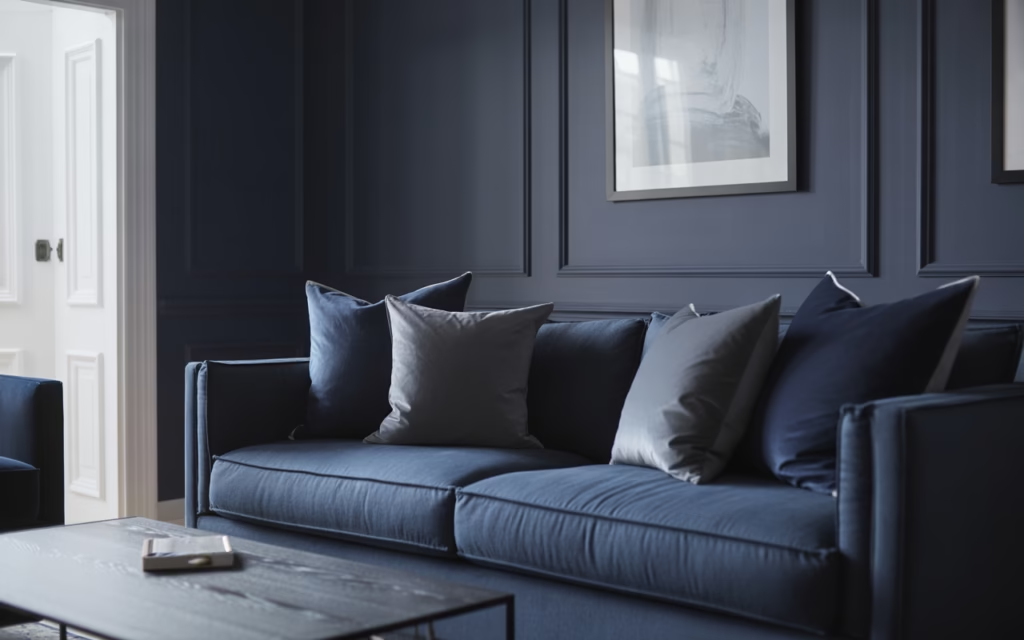
Let’s talk about monochrome. If you hear the word and immediately picture a dull, grey cubicle from 1995, you need to update your mental mood board. Monochrome room decor is actually one of the easiest ways to make a space look incredibly chic, put-together, and expensive. FYI, it’s not just about black and white. It simply means taking one color and playing with all its fabulous shades, tints, and tones.
Are you tired of staring at rooms that look like a rainbow exploded in a paint factory? I know I am. Sometimes, you just need a visual break from the chaos. I recently decided to go full monochrome in my home office, and let me tell you, the vibe shift was absolutely real. It went from a chaotic stress box to a calm zen den over a single weekend. If you want to achieve this look without making your room feel flat or boring, you just need a few solid strategies.
Here are 15 monochrome room decor inspiration ideas that will actually make you want to redecorate right now. Grab a coffee, and let’s get into it.
1. The All-White Dream (With a Catch)
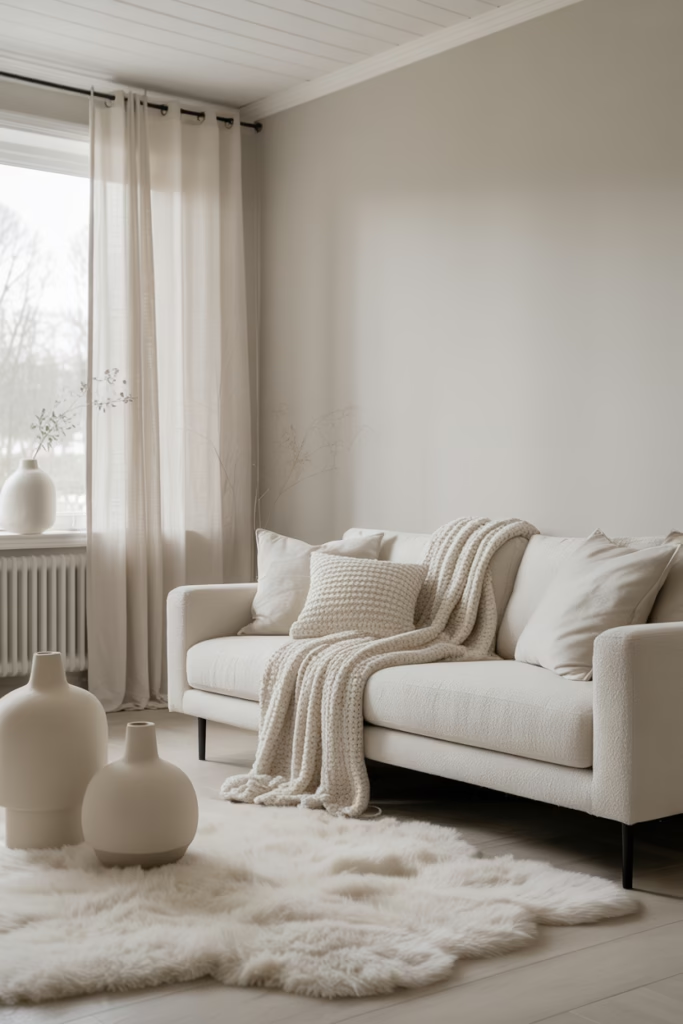
We all love the idea of an all-white room. It looks clean, crisp, and fresh. But here is the reality check: an all-white room without texture looks exactly like a sterile hospital waiting area. You do not want your guests to feel like they are waiting for a dental exam when they sit on your sofa.
The secret to making white work is aggressive layering. You have to introduce elements that cast shadows and create tactile interest. When you remove color, your eye desperately searches for texture.
- Mix up your materials: Use fluffy Moroccan rugs, soft linen curtains, and chunky knit throws.
- Play with off-whites: Pure, stark white needs softer companions like ivory and cream to give the room depth.
- Embrace natural elements: Bleached wood coffee tables add architectural interest without breaking the color scheme.
- Keep a bleach pen handy: Because, well, life happens, and you will eventually spill coffee.
If you want to survive living in an all-white room without losing your mind, texture is your absolute best friend. Don’t even think about skipping it.
2. Moody Charcoal Magic
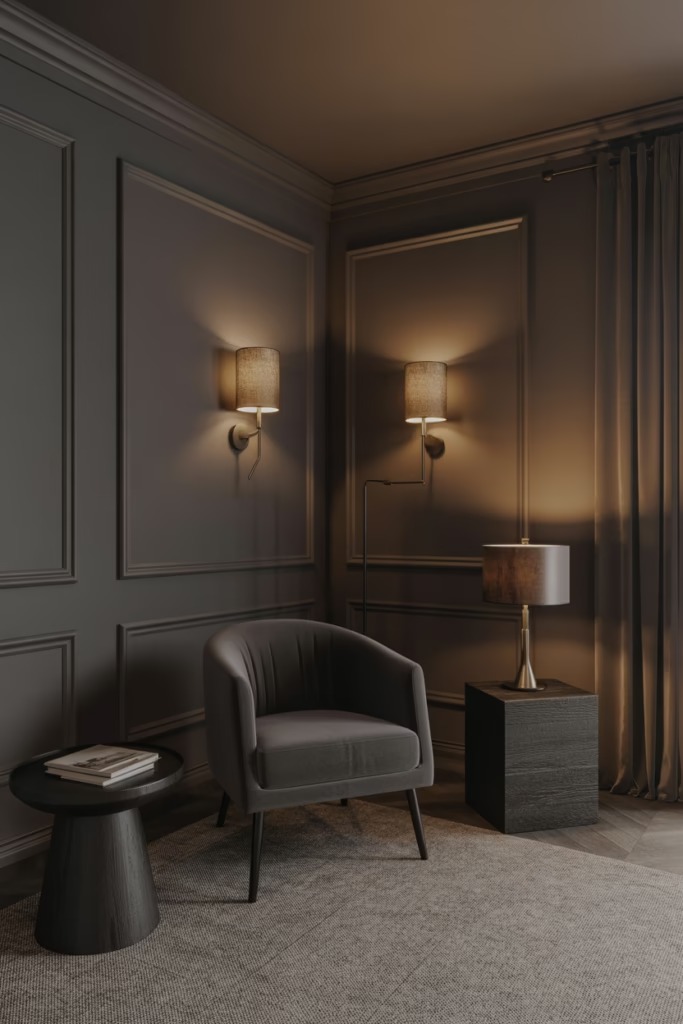
Who says dark colors make a room feel small? IMO, dark colors make a room feel cozy, intimate, and dramatically stylish. If you have a room that doesn’t get much natural light, stop fighting it. Painting a dark room white just makes it look dingy. Embrace the cave vibe instead.
I transformed a tiny, windowless half-bath into a charcoal sanctuary, and it instantly became my favorite room in the house.
- Paint absolutely everything: Paint the walls, the trim, and even the ceiling in a deep, rich charcoal grey. This blurs the edges of the room.
- Add metallic accents: Brass, unlacquered gold, or copper hardware pops beautifully against dark grey.
- Use luxurious velvet: A dark grey velvet sofa or headboard absorbs light beautifully and looks incredibly expensive.
- Layer your lighting: Rely on wall sconces and table lamps rather than harsh overhead lighting.
It feels like a warm hug at the end of a long day, and honestly, who doesn’t want that?
3. Terracotta Warm-Up
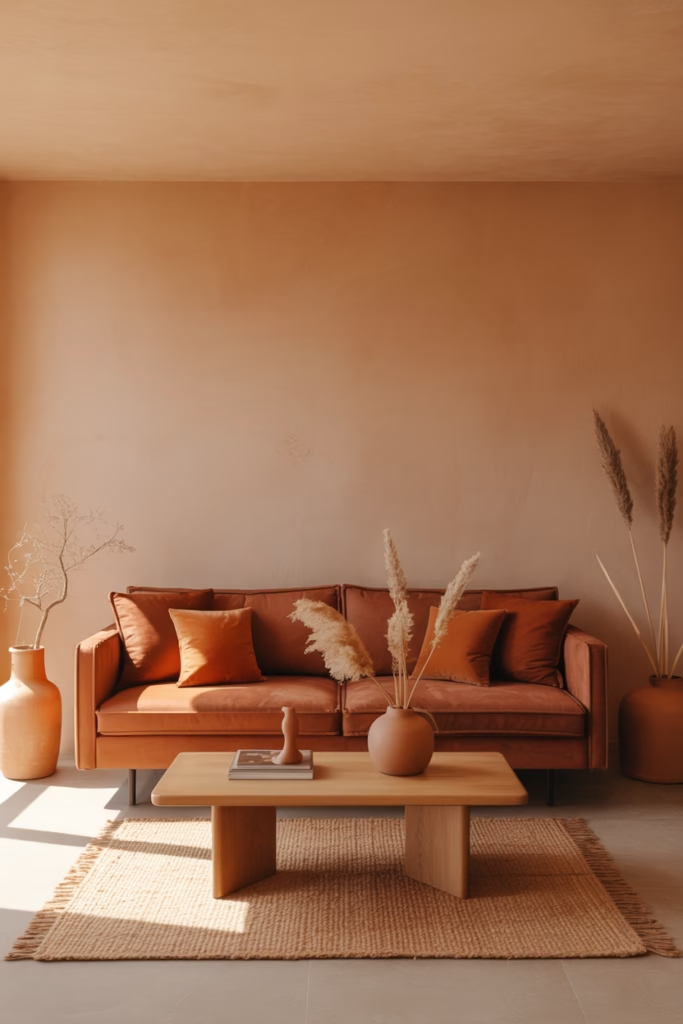
Terracotta isn’t just for cheap plant pots anymore. This earthy, warm color is perfect for creating a welcoming living room or an ultra-cozy bedroom. You want to aim for a glowing sunset vibe, not the aesthetic of an unfinished brick wall.
This palette works wonders if you want a space that feels grounded and intimately connected to nature.
- Layer the specific shades: Mix deep rust, soft peach, and muted clay tones throughout the room.
- Bring in natural wood: Medium to dark wood tones, like walnut or teak, naturally complement terracotta.
- Add soft leather: A tan or saddle-brown leather chair fits right into this color scheme and adds fantastic texture.
- Incorporate dried florals: Pampas grass or dried eucalyptus enhance the earthy, natural feel.
Ever wondered why Tuscan villas always feel so inviting? It is all about the baked-earth tones.
4. Serene Sage Green
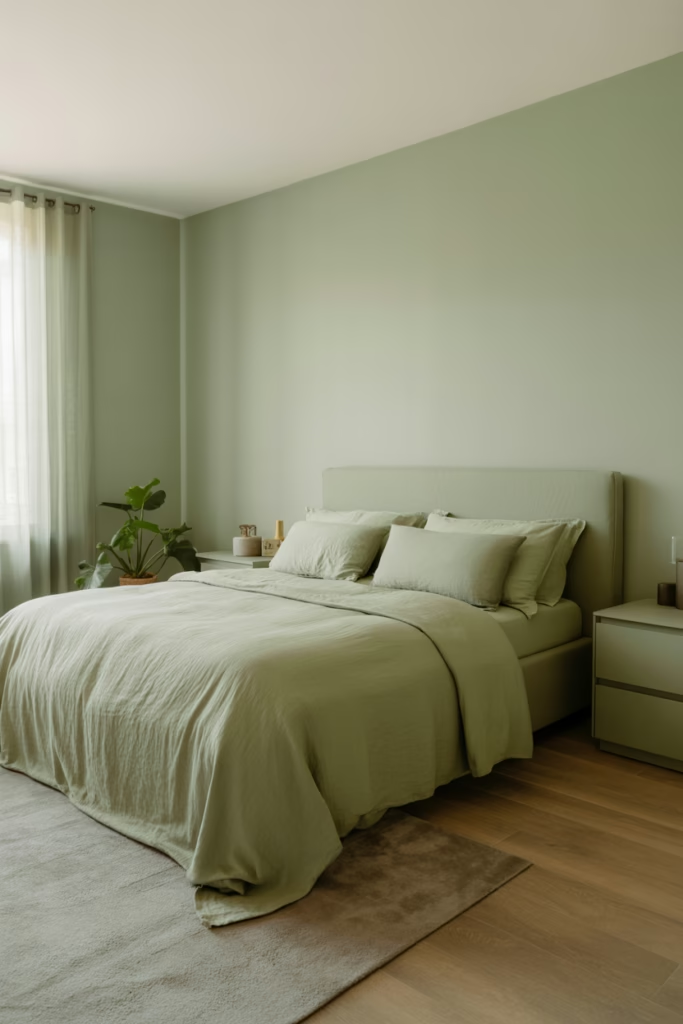
Green is having a massive moment right now, and sage is the easygoing, highly approachable middle child of the green family. It acts almost exactly like a neutral. You can cover an entire room in sage, and it will never scream at you or overwhelm your senses.
I painted my guest bedroom sage green last year, and now my guests never want to leave. (Which is a mixed blessing, to be honest.)
- Combine with living plants: Real, vibrant plants add a punchy pop of true green against the dustier sage walls.
- Use light, airy woods: Think ash, birch, or pale oak furniture to keep the room feeling light and modern.
- Stick to matte finishes: Matte green paint looks infinitely more sophisticated than a cheap-looking glossy finish.
- Introduce soft linens: Sage green linen bedding creates a perfectly rumpled, relaxed look.
Ever wonder why expensive spas use so much green in their decor? It forces your brain to relax. It is practically a cheap form of therapy.
5. Navy Blue Sophistication
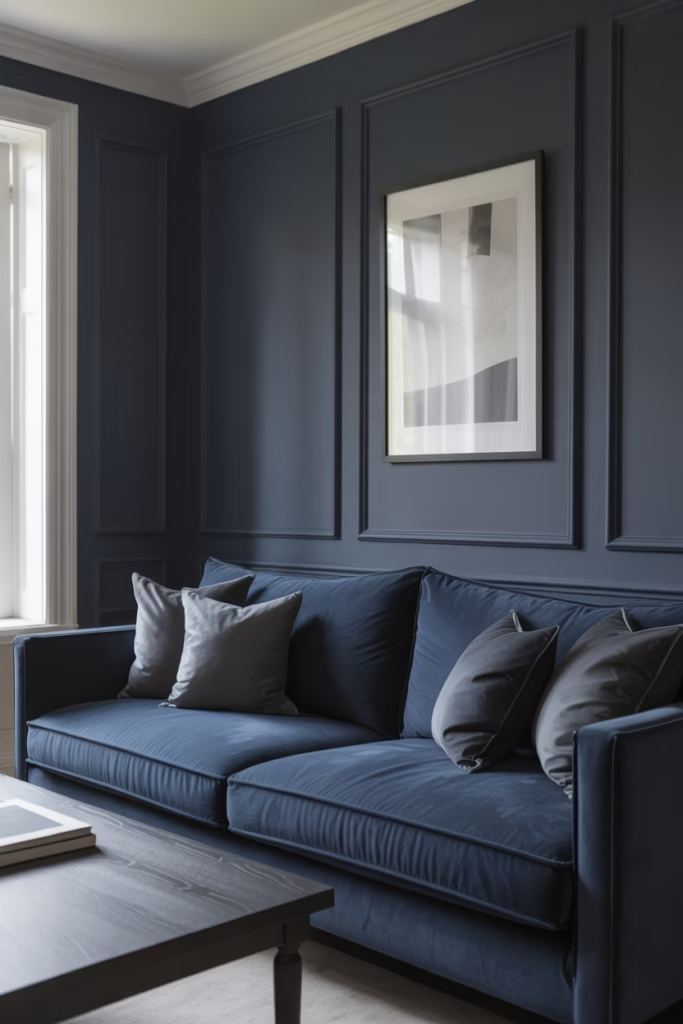
Navy blue is the tailored tuxedo of room colors. It always looks smart, sharp, and intentional. If black feels a little too harsh or gothic for your personal taste, navy is your absolute perfect alternative. It gives you all the drama without the spooky undertones.
- Prioritize high contrast: Crisp, brilliant white trim and stark white ceilings make navy walls look sharp and intentional.
- Layer with lighter blues: Bring in slate blue throw pillows and powder blue ceramics to break up the heaviness.
- Art matters immensely: Large, abstract art with plenty of white space looks absolutely stunning against a dark blue background.
- Warm it up with wood: Rich mahogany or warm cherry wood furniture prevents the cool blue tones from feeling too frigid.
Just don’t use it in a tiny, windowless bathroom unless you specifically want to feel like you are inside a submarine.
6. The Blush Pink Surprise
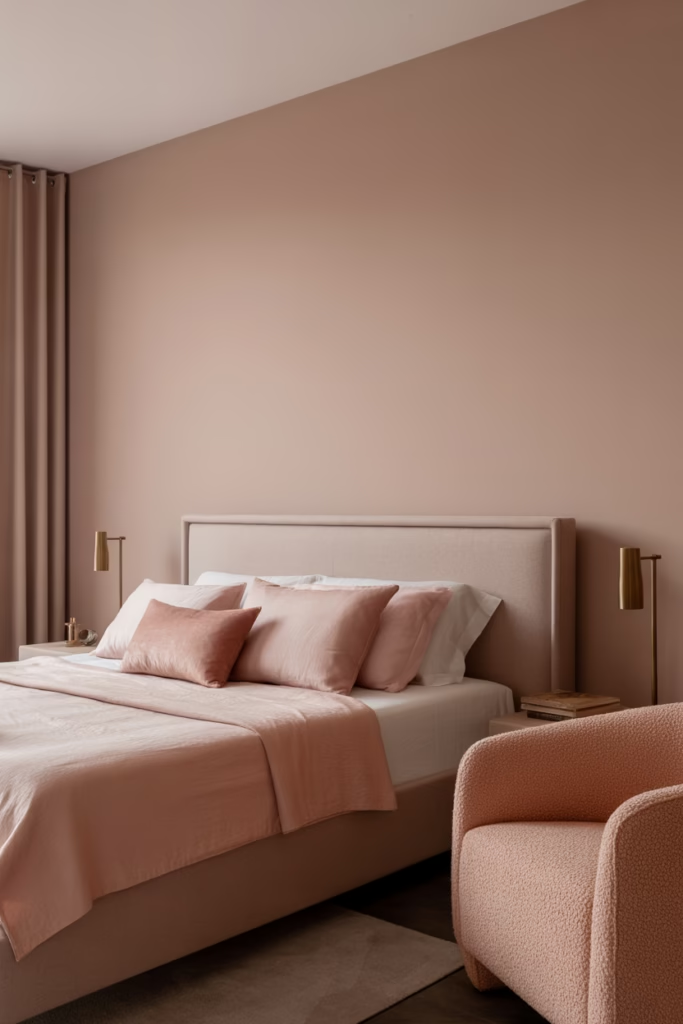
Pink is not just for nurseries or Barbie dream houses anymore. A sophisticated, muted blush pink can create a stunning monochrome space that feels remarkably warm, flattering, and undeniably adult. Honestly, everyone looks ten times better in soft pink light.
If you are nervous about pink, the key is to avoid anything that reminds you of bubblegum.
- Avoid bright shades entirely: Stick strictly to dusty, muted pinks that have strong brown or grey undertones.
- Add unexpected, tough textures: Think rough pink marble countertops, ribbed pink glass vases, or heavy pink boucle fabric.
- Mix in warm metals: Copper, brushed brass, and rose gold enhance the blush tones perfectly without fighting them.
- Ground it with dark accents: A few hits of charcoal or black prevent the room from floating away into sweetness.
It is surprisingly calming and far less sickly-sweet than you might initially think.
7. Oatmeal and Beige Neutrality
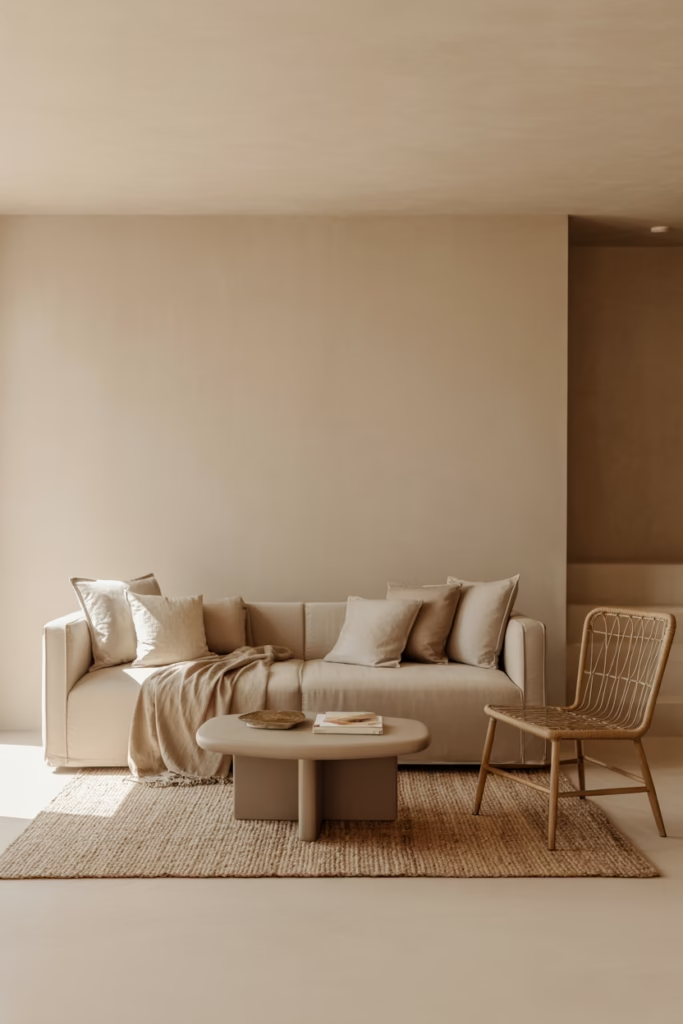
Beige definitely got a terrible reputation in the early 2000s when builders painted every rental apartment a flat, lifeless tan. But beige is back, and it is better, warmer, and much more complex than ever before.
The key to mastering modern beige is intentionally layering different color temperatures. You absolutely need cool, grey-leaning beige and warm, yellow-leaning beige to play nicely together.
- Embrace tone-on-tone matching: Match your sofa fabric exactly to your wall color for a seamless, high-end look.
- Rely on natural fibers: Jute rugs, sisal runners, and woven rattan chairs are absolutely essential for giving an oatmeal room character.
- Invest in sculptural furniture: When the color palette is this quiet, the physical shapes of your furniture need to be loud and interesting.
- Add subtle patterns: Think subtle herringbone throws or faded vintage rugs that incorporate multiple shades of sand and taupe.
This is the ultimate “quiet luxury” aesthetic. It doesn’t shout for attention; it simply whispers wealth.
8. Dramatic Emerald Green
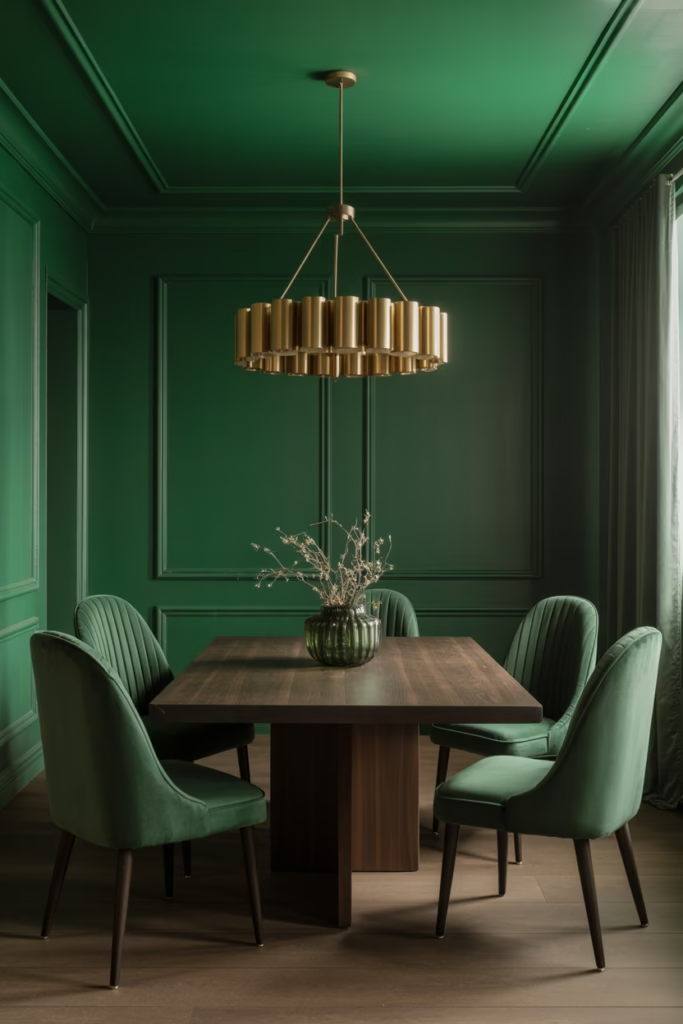
If sage green is the relaxed day spa, emerald green is the exclusive, dimly lit speakeasy hidden behind an unmarked door. This is a rich, highly saturated, jewel-toned approach to monochrome that demands attention and makes a massive statement.
I love seeing this color used in a dining room or a home library. It instantly makes the space feel important.
- Utilize glossy accents: A high-gloss painted ceiling in emerald green is an absolute showstopper that reflects light beautifully.
- Gold is basically mandatory: Emerald green and brushed gold is a classic, unbeatable combination that never fails to look expensive.
- Use heavy, luxurious fabrics: Rely on thick velvet drapes and plush, high-pile rugs to match the heavy visual weight of the wall color.
- Incorporate dark woods: Blackened wood or dark walnut furniture grounds the bright jewel tones perfectly.
You definitely need a bit of confidence to pull this off, but the stylistic payoff is absolutely massive.
9. Soft Lavender Haze
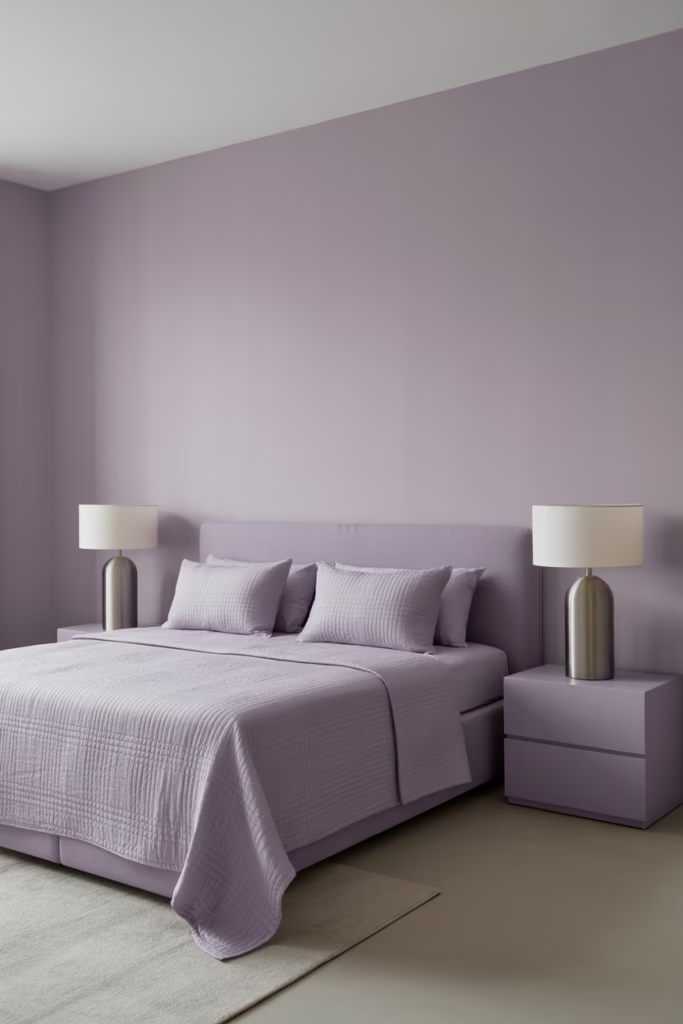
Lavender is notoriously tricky to get right, but it is heartbreakingly beautiful when executed properly. You desperately want to avoid making your living room look like a tween’s bedroom from 1999. The absolute secret is keeping the color dusty, muted, and heavily subdued.
- Pair strictly with grey: Strong grey undertones in the paint keep the lavender looking grown-up, sophisticated, and serious.
- Utilize silver accents: Polished silver, chrome, or brushed nickel hardware actively cools down the purple tones and keeps them modern.
- Keep the styling minimal: Let the unique color be the undisputed star of the show; do not clutter a lavender room with excessive knick-knacks.
- Add soft, diffused lighting: Harsh overhead lighting ruins lavender; use frosted glass lamps to create a soft, hazy glow.
It is a fantastic, unexpected choice for a guest bedroom because it feels incredibly restful and slightly ethereal.
10. The Chocolate Brown Comeback
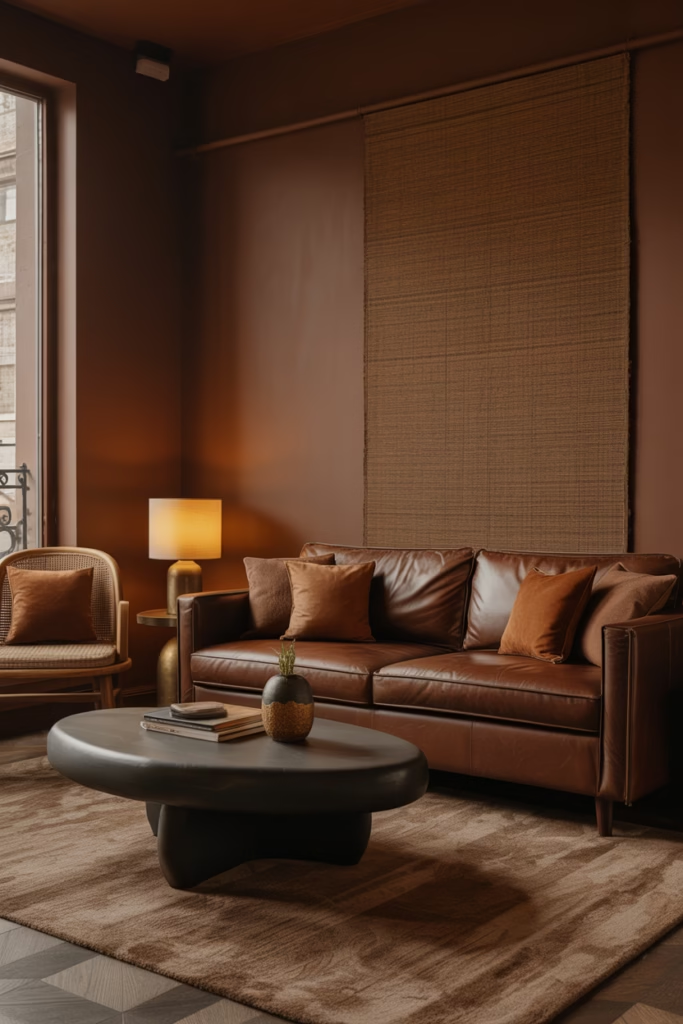
Yes, you heard that right—brown is officially back. We are finally moving past the sterile, grey-everything era that dominated the last decade. Chocolate brown feels rich, earthy, deeply comforting, and incredibly cozy.
Think of a vintage, leather-filled cigar lounge, but updated to look modern, clean, and highly intentional.
- Layer leather and soft suede: Mixing different brown textures, like a smooth leather sofa with soft suede pillows, creates instant depth.
- Prioritize warm lighting: Amber-tinted bulbs or lampshades with gold linings make dark brown rooms absolutely glow at night.
- Add subtle pattern: A brown-on-brown patterned wallpaper or a deeply textured grasscloth adds massive visual interest to the walls.
- Bring in organic shapes: Use round coffee tables or curved armchairs to soften the heaviness of the dark brown palette.
If you want a room that feels like a permanent, stylish retreat from the outside world, chocolate brown is the way to go.
11. Icy Pale Blue
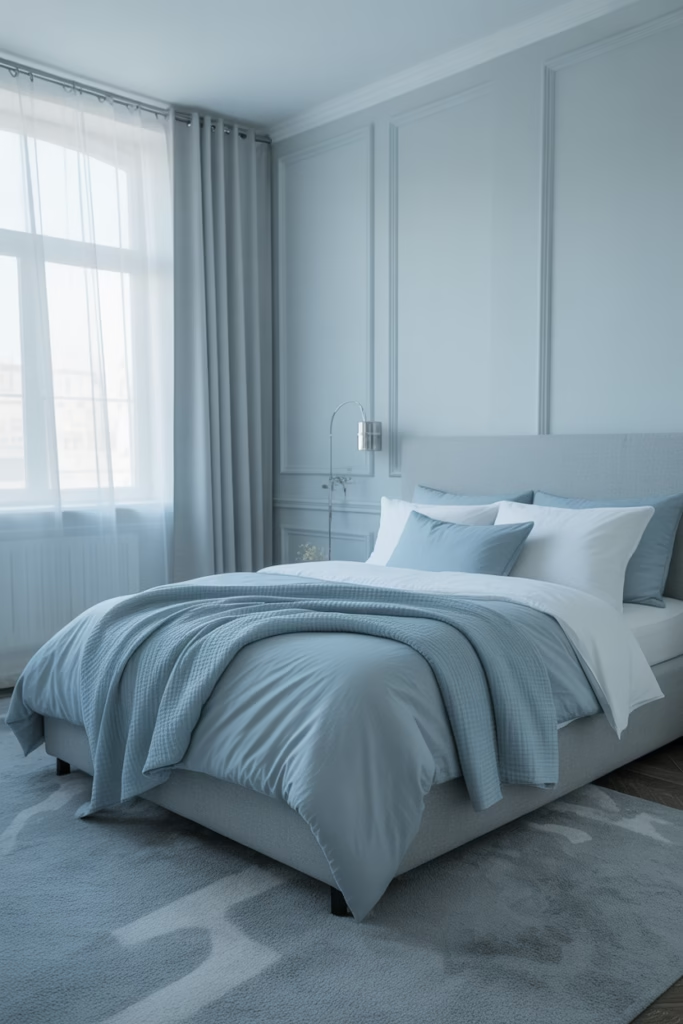
Pale blue is the ultimate visual palette cleanser. It instantly makes a room feel expansive, airy, and incredibly fresh. If you are struggling with a tiny, cramped room, icy pale blue can actively trick your eye into thinking the walls are much further away than they actually are.
- Embrace monochrome bedding: Layer different shades of pale blue, chambray, and slate on your bed for a perfectly cohesive look.
- Use crisp white accents: Pure, bright white sheets or stark white trim keeps the pale blue looking crisp, clean, and prevents it from looking muddy.
- Select silver fixtures: Polished nickel or bright chrome pairs perfectly with icy blue, enhancing its cool, refreshing temperature.
- Add sheer window treatments: Light, breezy curtains allow maximum natural light to filter in, enhancing the airy feel of the blue.
Stepping into a pale blue room feels exactly like sleeping inside a fluffy, cool cloud.
12. Mustard Yellow Energy
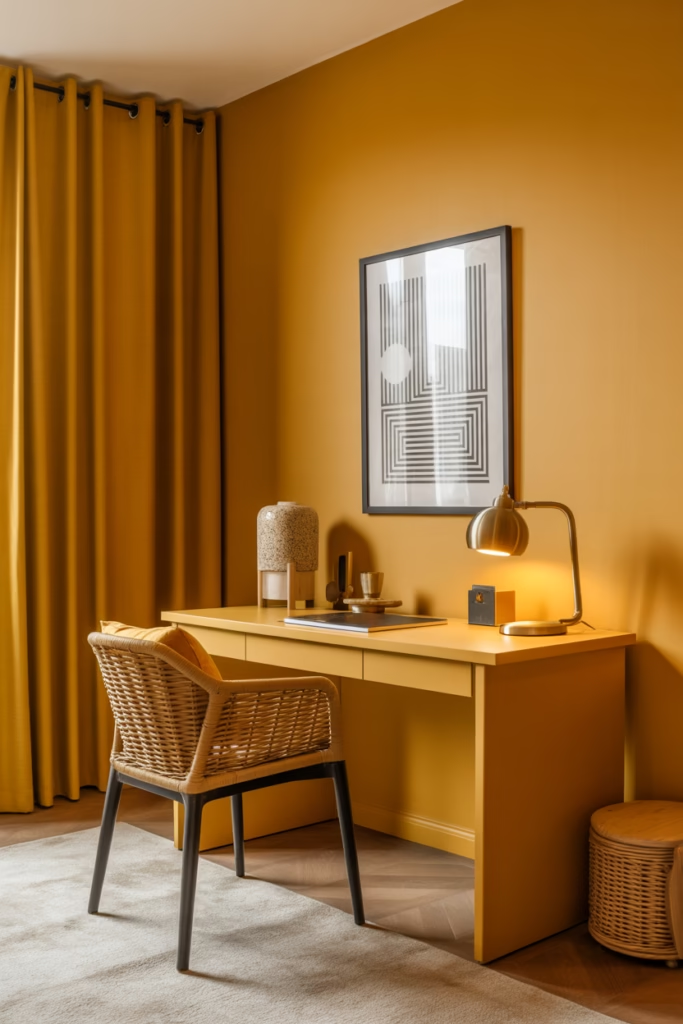
Do you desperately need a room to wake you up in the morning? Mustard yellow is your vibrant, energetic answer. It is bold, cheerful, and injects an undeniable sense of optimism into any space.
However, you have to be careful here. You want deep, rich mustard or ochre, not the blinding, primary yellow of a fast-food restaurant logo.
- Mix in natural textures: Rattan, woven wicker, and light oak wood tone down the intensity of the yellow beautifully.
- Use bold, graphic art: Black and white geometric art provides a sharp, necessary contrast to the bright yellow walls.
- Layer with gold tones: Brass light fixtures and gold-framed mirrors seamlessly blend into the warm, yellow environment.
- Keep the ceiling white: Unless you want to feel like you are living inside a literal lemon, leave the ceiling a crisp, bright white to provide visual relief.
It takes guts to commit to yellow, but it guarantees your home will never, ever be described as boring.
13. Deep Plum and Burgundy
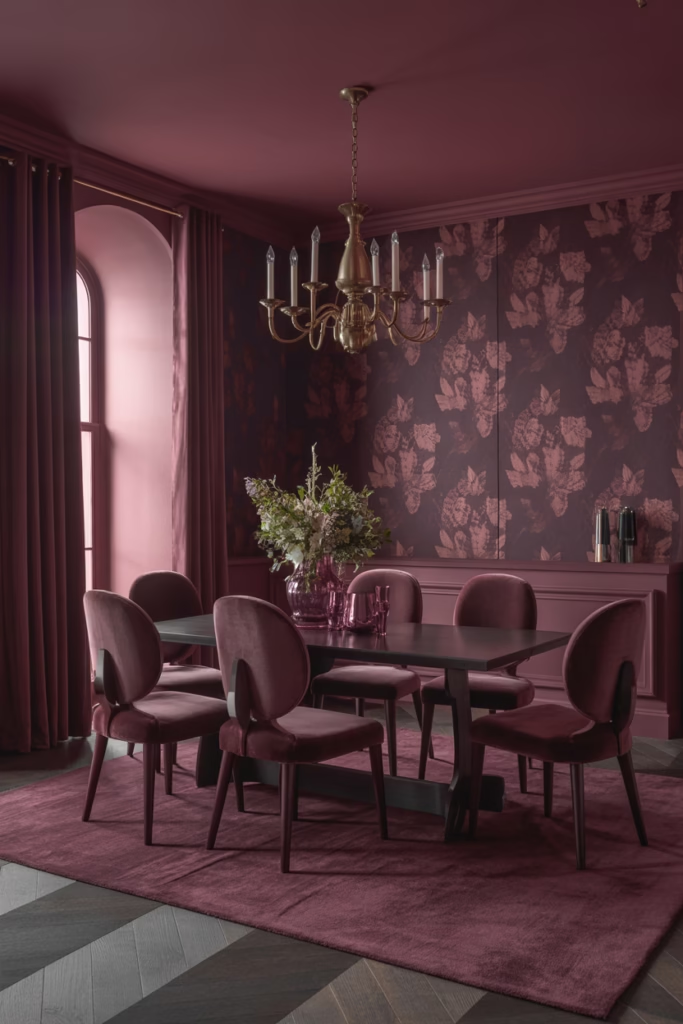
If you want to create a space that feels deeply romantic, slightly dramatic, and incredibly luxurious, deep plum or rich burgundy is the absolute perfect choice. This monochrome palette feels like a glass of expensive red wine translated into interior design.
- Embrace luxurious textiles: This color demands rich fabrics like heavy silk, crushed velvet, and thick, plush wool.
- Use dark, dramatic floral prints: A monochromatic floral wallpaper in varying shades of plum adds incredible depth and a touch of gothic romance.
- Add antique brass hardware: Aged brass or antique gold fixtures perfectly complement the deep, historic feel of burgundy walls.
- Layer the rugs: Use a deeply saturated, overdyed vintage rug in plum tones to anchor the entire room.
This is the perfect palette for a formal dining room where you want to host long, lingering dinner parties that stretch late into the night.
14. Soft Peachy Coral
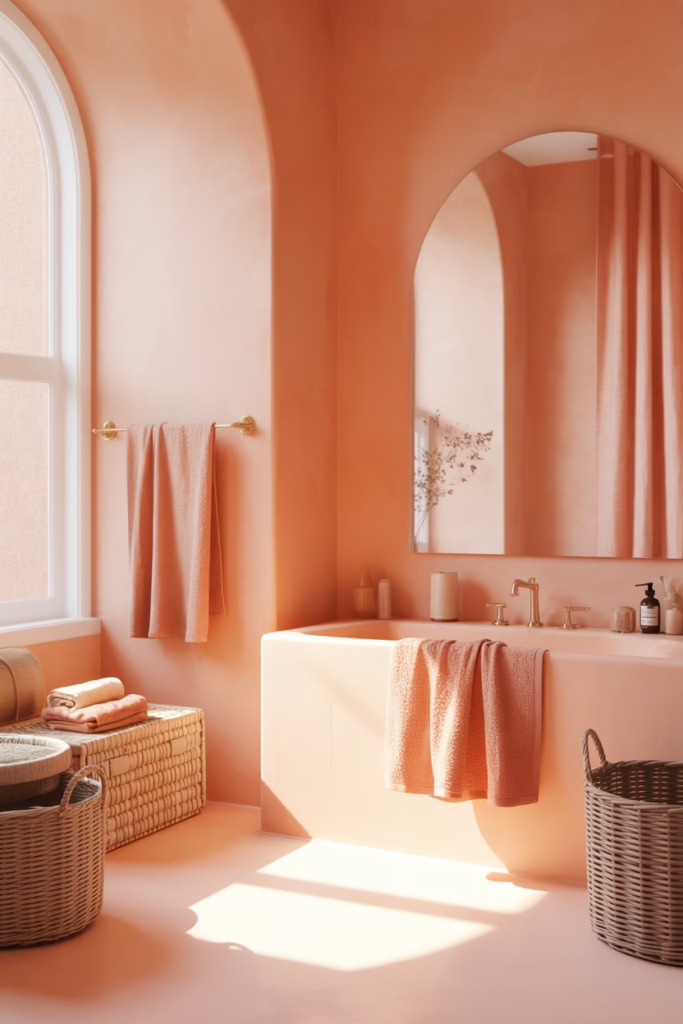
If terracotta feels a little too heavy and dark for your taste, but you still crave that welcoming warmth, a soft peachy coral is a fantastic, playful alternative. It is lighter, brighter, and brings a subtle, tropical energy to the space without feeling like a theme park.
- Pair with bright white: Crisp white trim and white furniture keep the coral looking fresh, modern, and youthful.
- Incorporate woven textures: Macrame wall hangings, natural jute rugs, and woven baskets add an essential, relaxed, bohemian vibe.
- Mix in soft pinks: Blending light blush pinks with the peachy coral creates a stunning, multi-dimensional sunset effect.
- Add brass accents: Warm brass hardware and light fixtures make the peachy tones absolutely sing.
It is a remarkably happy, uplifting color that works beautifully in a bright, sun-drenched bathroom or a cheerful home office.
15. The True Black Statement
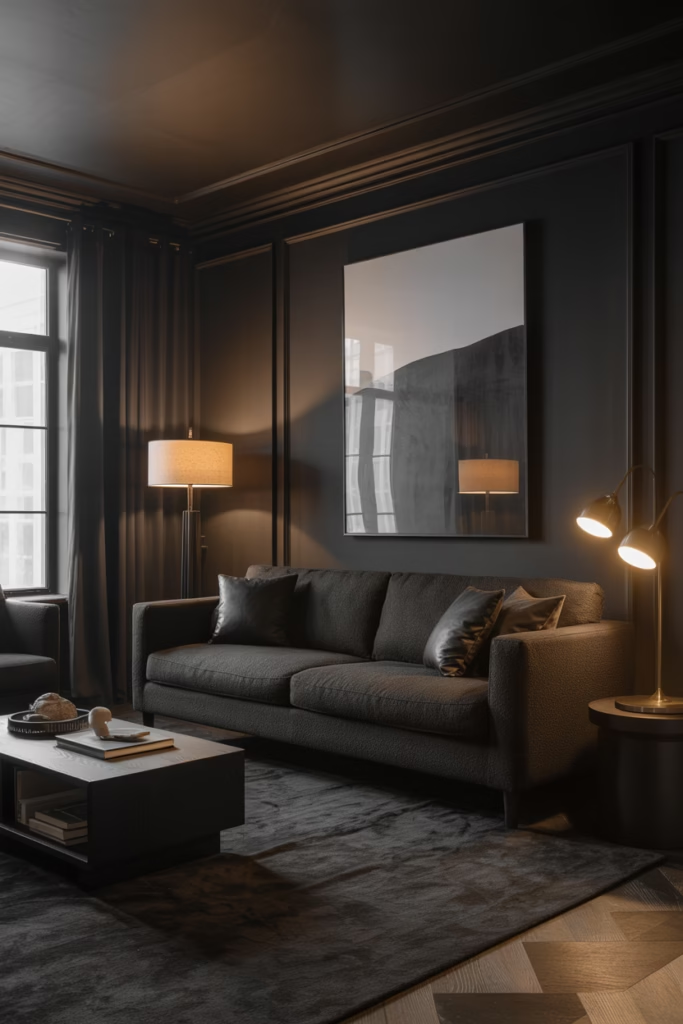
We have finally arrived at the boldest choice of all: true, unadulterated black. A completely black monochrome room is undeniably intimidating, but when executed with precision and intention, it is the absolute pinnacle of modern, edgy sophistication.
You cannot just slap black paint on the walls and call it a day, though. You have to be incredibly strategic.
- Focus entirely on lighting: A black room absolutely requires multiple, carefully planned light sources. Use picture lights, floor lamps, and LED strip lighting to highlight architectural features.
- Mix matte and gloss finishes: Paint the walls a flat, matte black, but use high-gloss black paint for the trim and doors to create necessary subtle contrast.
- Use heavily textured fabrics: Black boucle, chunky black knits, and black faux fur add the essential texture needed to prevent the room from looking like a void.
- Incorporate large-scale art: Massive, dramatic pieces of art with bright, contrasting colors provide essential focal points against the dark backdrop.
A black room isn’t for everyone, but if you have the nerve to try it, you will end up with a space that is unforgettable, endlessly chic, and undeniably cool.
Creating a monochrome room doesn’t mean restricting yourself; it actually means freeing yourself to focus completely on texture, shape, and lighting. It is a foolproof way to make any space look designed, intentional, and expensive.
So, which color are you going to commit to? Are you feeling the relaxed vibe of sage green, or are you brave enough to try the dramatic true black? Let me know!