
Your garden doesn’t need a Hollywood budget to look like a million bucks. Seriously, some of the most stunning outdoor spaces I’ve ever seen were built with a few bags of seeds, some secondhand pots, and a whole lot of creativity. So if you’ve been staring at your backyard thinking “I wish I could do something with this,” you’re in exactly the right place.
The truth is, most people dramatically overspend on their gardens because they think expensive plants and fancy landscaping are the only path to something beautiful. They’re not. Budget gardening is its own art form, and once you get the hang of it, you’ll never look at a broken crate or an old tin can the same way again.
Let’s get into it.
1. Start With a Simple Raised Garden Bed
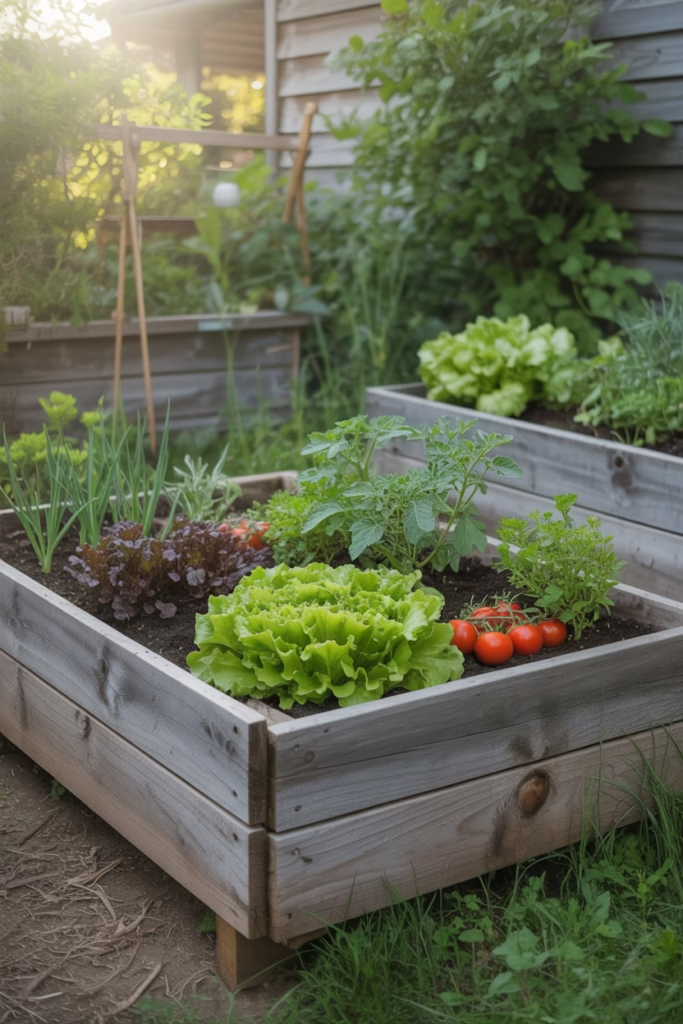
Raised beds are the MVP of budget gardening. You can build a basic one with reclaimed wood planks for under $20, and they instantly make any outdoor space look intentional and polished. There’s something about a raised bed that signals “yes, a real gardener lives here.”
Why raised beds work so well:
- They improve drainage and soil quality dramatically
- They keep weeds from taking over your life (and your weekends)
- They warm up faster in spring, giving you a longer growing season
- They look neat and structured without much effort
I built my first raised bed from old fence panels — it wasn’t pretty up close, but the tomatoes didn’t complain. 🙂 The key is to fill it with good quality potting mix or a blend of topsoil and compost, and you’re basically set for the season.
2. Repurpose Old Containers as Planters
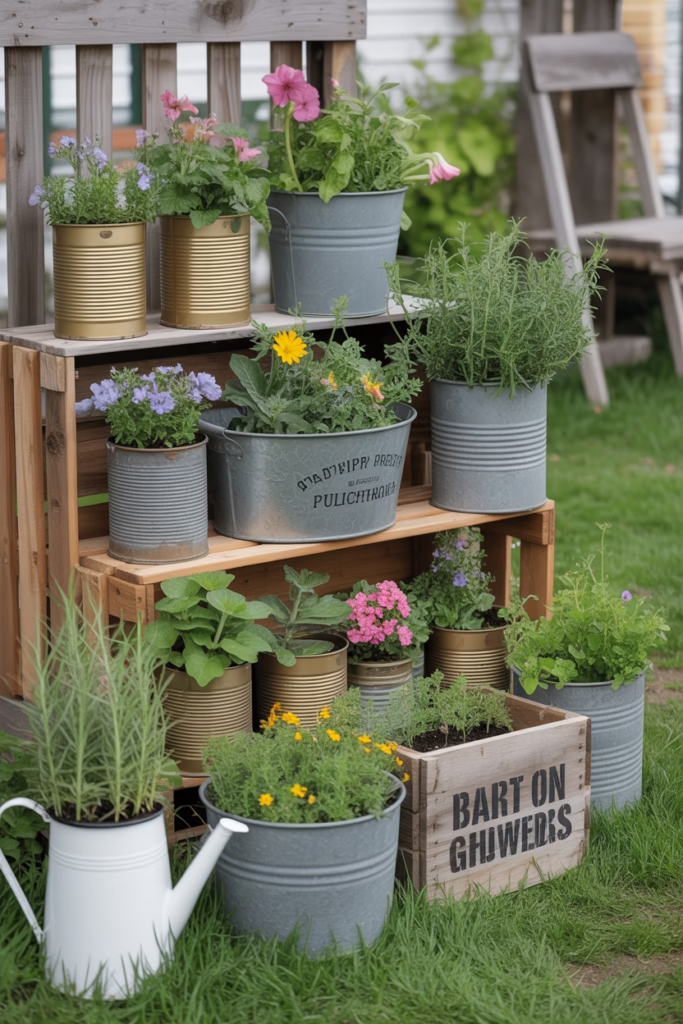
Got old buckets, tin cans, or wooden crates gathering dust? Congratulations, you already have planters. Repurposed containers add character that no store-bought pot ever will, and they cost you nothing extra.
Paint them, drill drainage holes at the bottom, fill them with potting mix, and you’re done. Old colanders, rain boots, cracked teapots, even an old wooden ladder used as a plant stand — all fair game. The more mismatched and eclectic, the more charming the whole setup looks. People will think you spent hours curating it.
3. Grow From Seeds, Not Seedlings
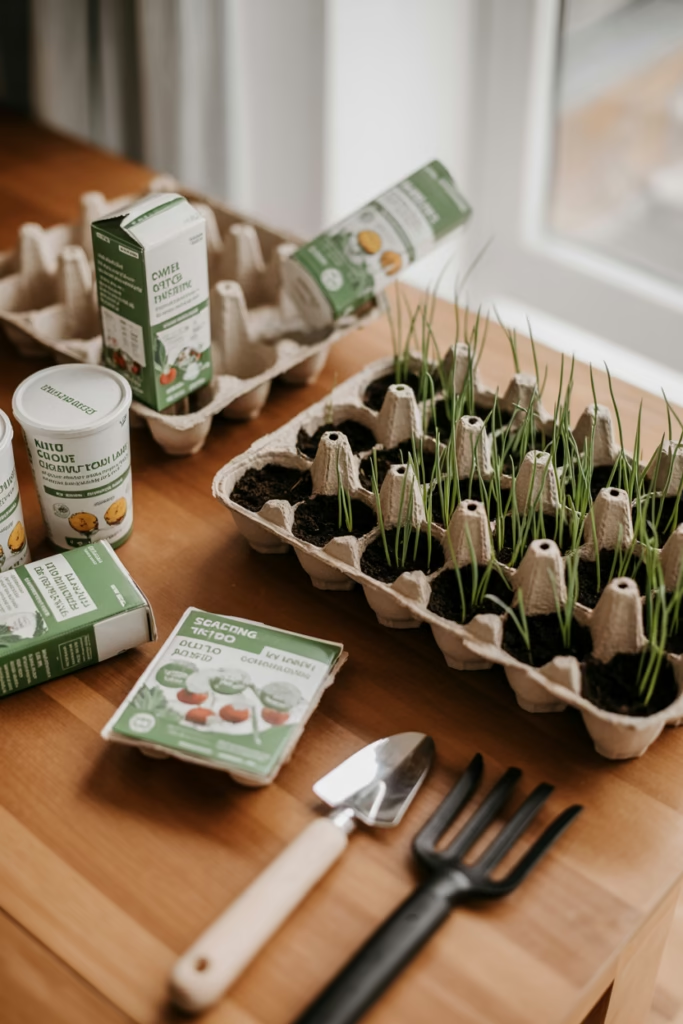
Ever notice how seedlings at the nursery cost three times more than a full seed packet that gives you 50 plants? Buying seeds over seedlings is one of the biggest money-saving moves in budget gardening, and it’s also deeply satisfying in a way that’s hard to explain until you try it.
Yes, it requires a bit more patience — you’re looking at a few extra weeks before things really get going. But watching something grow from a tiny seed you planted yourself? That never gets old. Start seeds indoors in egg cartons or old yogurt cups to save even more money on trays and pots.
4. Create a DIY Garden Path With Stepping Stones
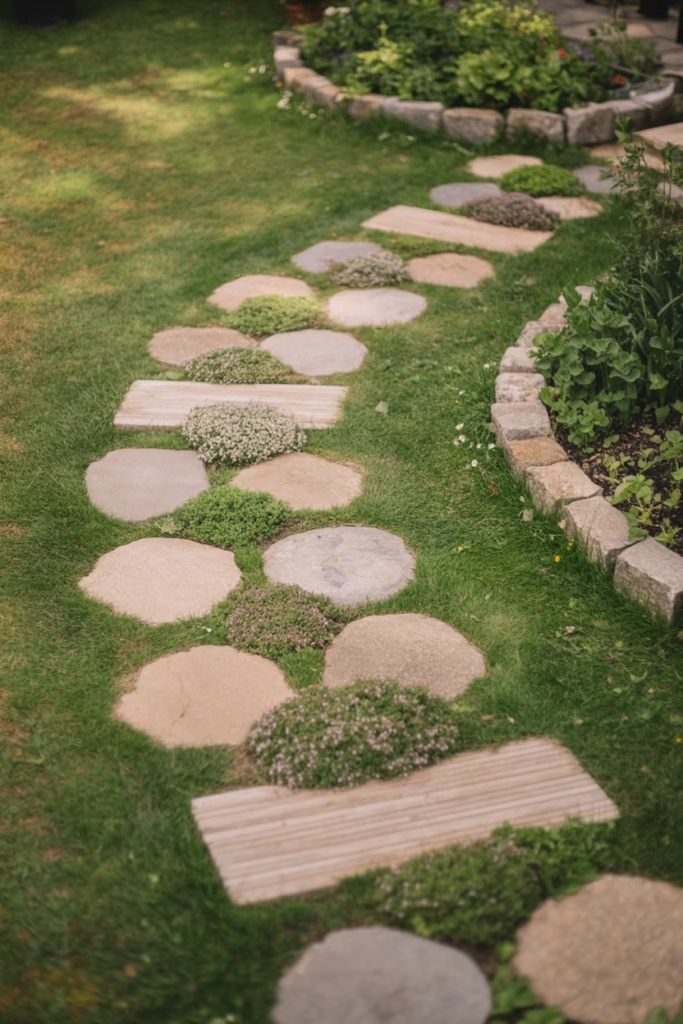
A simple garden path transforms a messy yard into something that feels designed on purpose. You don’t need to hire a landscaper or spend a fortune — flat stones, broken concrete pieces, thick wood slices, or even old brick pieces work beautifully as stepping stones.
Lay them out in a gentle curve rather than a straight line (curves always look more natural and less municipal). Tuck some low-growing ground cover plants like creeping thyme between the stones, and you’ve got yourself a path that looks deliberate, charming, and like it’s been there for years.
5. Use Vertical Space With a Trellis or Pallet Wall
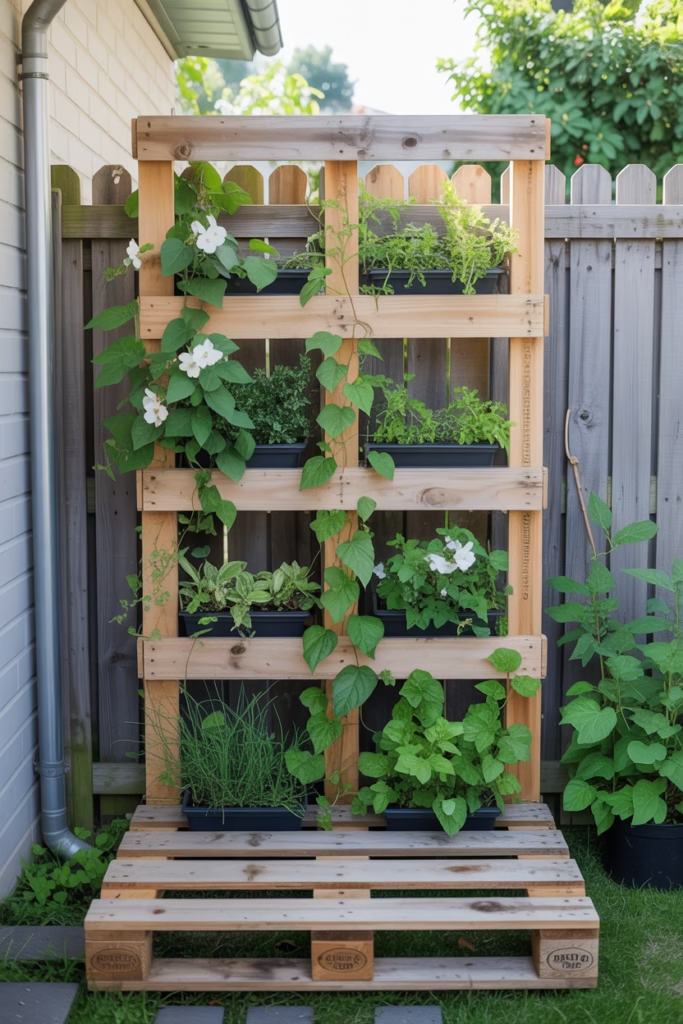
Small garden? No problem. Going vertical is the smartest thing you can do when ground space is limited. A simple wooden trellis from a hardware store costs very little, and a repurposed pallet mounted to a fence costs even less — sometimes nothing at all if you find one being given away.
Great climbing plants for a budget trellis:
- Jasmine (smells incredible in summer)
- Clematis (dramatic blooms, easy to grow)
- Peas or beans (functional and pretty)
- Sweet potato vine (lush, fast-growing, and tropical-looking)
- Nasturtiums (edible flowers, extremely cheap to grow from seed)
Vertical gardens also double as excellent privacy screens. Two birds, one pallet.
6. Plant a Wildflower Patch
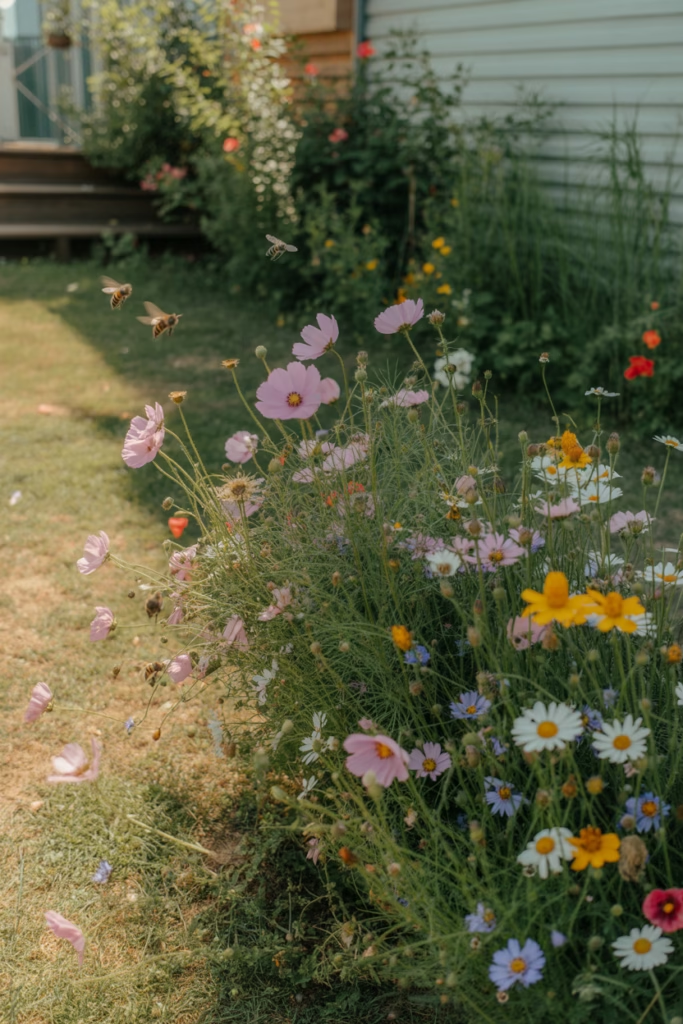
IMO, wildflower patches are criminally underrated by home gardeners. You literally scatter seeds, water occasionally, and nature does the rest. A wildflower corner costs under $10 and draws in pollinators like bees and butterflies that your whole garden benefits from.
Pick a sunny spot, loosen the soil slightly, scatter a mixed wildflower seed blend, and step back. It looks effortlessly beautiful and a little bit wild in the best possible way. Your neighbors will definitely ask what your secret is — and the answer is just “seeds and benign neglect.”
7. Edge Your Lawn for an Instant Upgrade
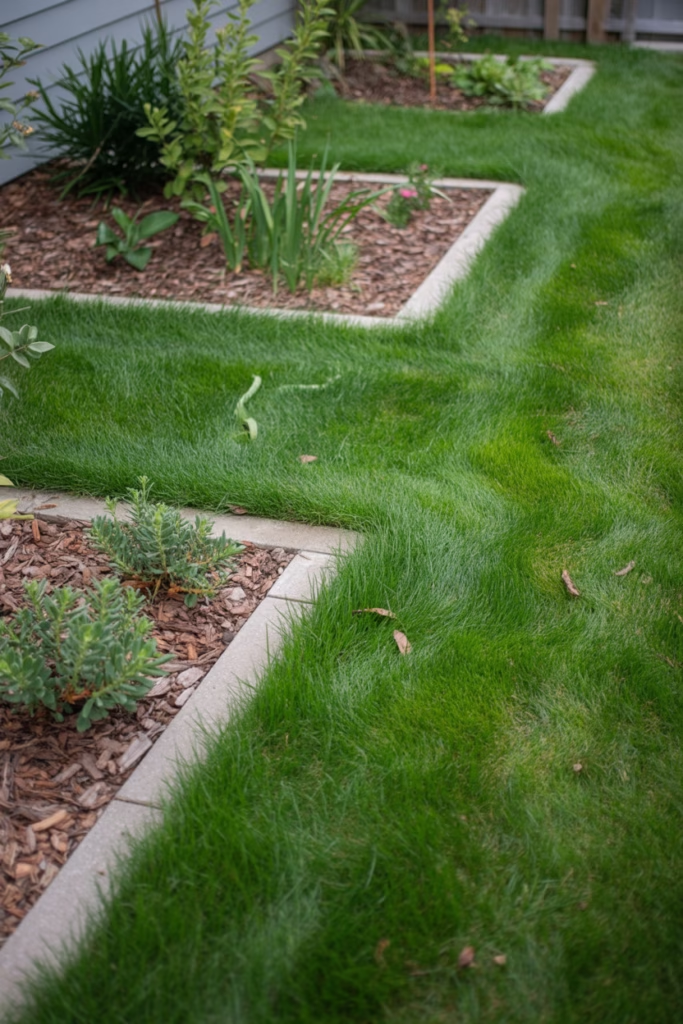
You don’t need new plants to make your garden look dramatically better — sometimes you just need clean edges. Sharp lawn edging is one of those low-effort, high-impact tricks that professional gardeners and landscapers use constantly, and most homeowners never think about.
Use a flat spade or a dedicated edging tool to cut a clean, defined line between your lawn and your garden beds. The difference is honestly shocking. It takes about 20 minutes on a small garden and costs nothing if you already own a spade. Do this before guests come over and watch them compliment your “beautifully maintained garden.”
8. Add Lighting With Solar Garden Lights
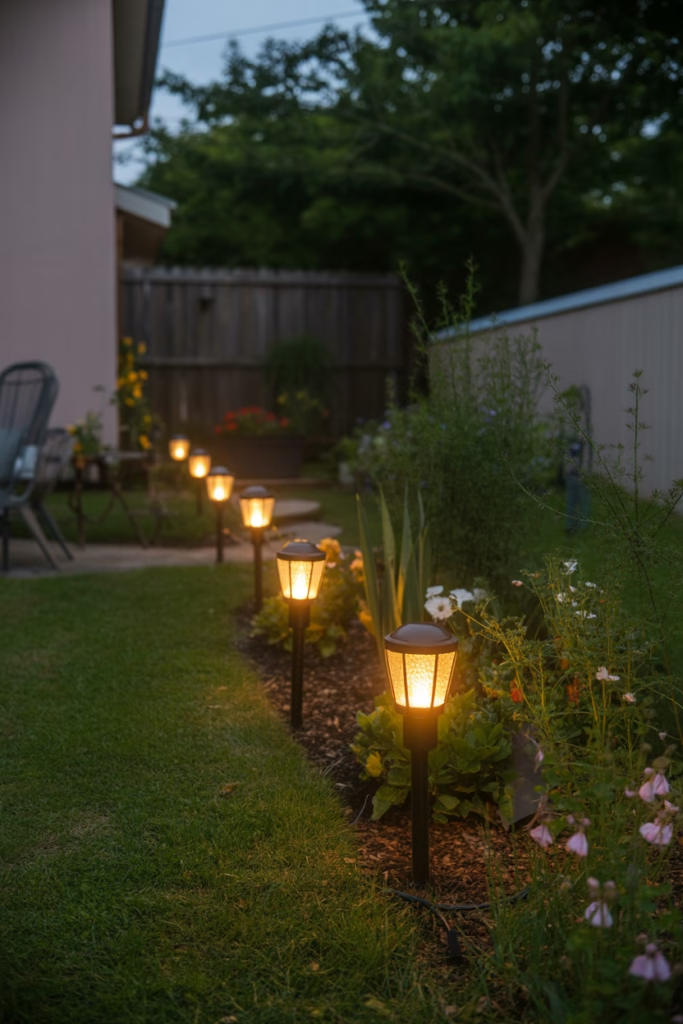
Solar lights are a budget gardener’s absolute best friend. They charge during the day and light up your space at night — no wiring, no electricity bill, no calling an electrician at $80 an hour. You can find a pack of 10 solar stake lights for just a few dollars online.
Line a path with them, dot them around flower beds, or cluster several together in a dark corner for a warm, inviting glow. The difference between a daytime garden and a beautifully lit evening garden is enormous — and solar lights get you there for almost nothing.
9. Build a Simple Compost Bin
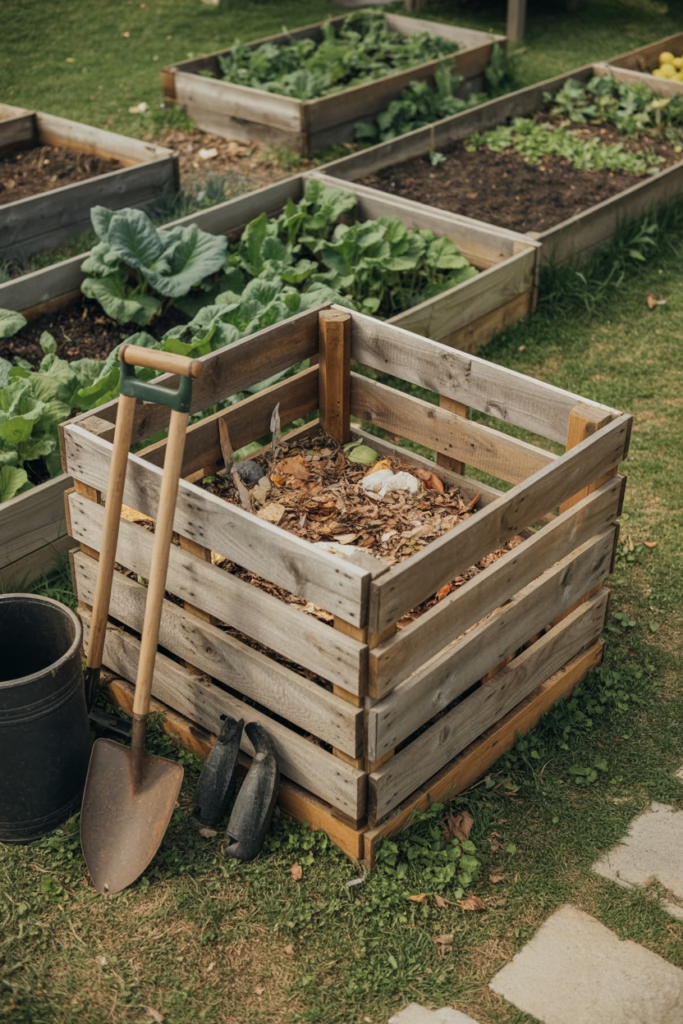
Here’s something most beginner gardeners completely overlook: compost is essentially free fertilizer. Instead of spending money on bags of plant food every season, build a simple compost bin from four wooden pallets tied together at the corners and start tossing in kitchen scraps, fallen leaves, and garden waste.
In a few months, you’ll have rich, dark, crumbly compost that feeds your entire garden beautifully. It’s basically printing money — just smellier. Keep a small bin in your kitchen for daily scraps (vegetable peels, coffee grounds, eggshells) and empty it into the outdoor bin regularly.
10. Plant Herbs in a Kitchen Window Box
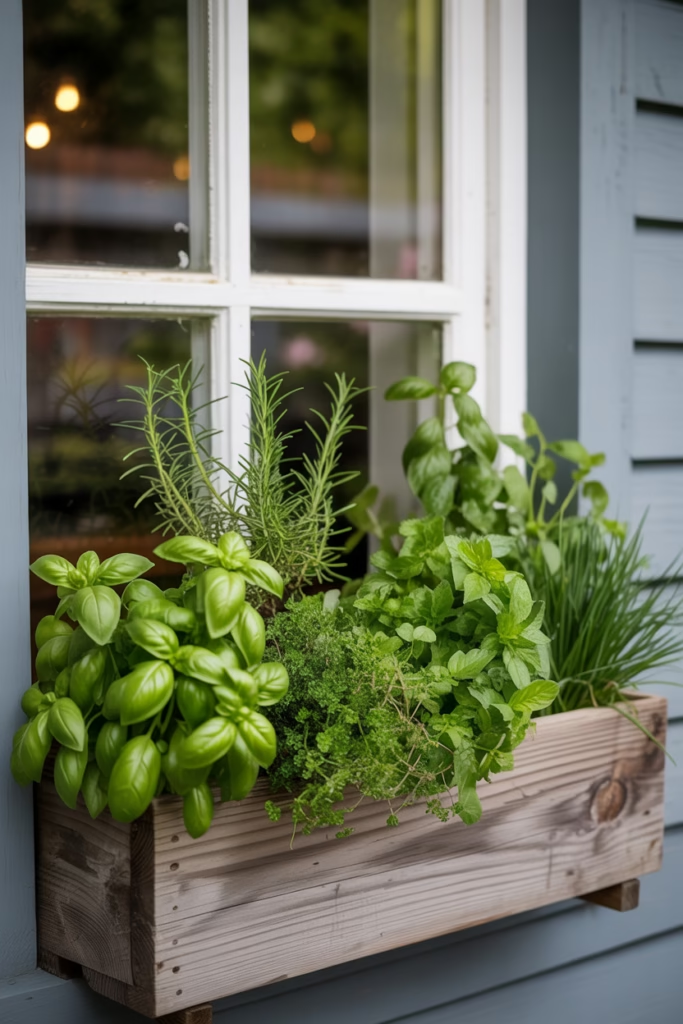
A window box filled with herbs is one of the most practical and rewarding garden ideas you can try, especially if you cook regularly. Basil, mint, chives, parsley, rosemary, and thyme all grow happily in a simple wooden box mounted outside a window or on a balcony railing.
You save money on groceries, you always have fresh herbs on hand, and a lush green window box makes any home look more alive and cared for. The only thing to watch is mint — plant it in its own separate container or it will enthusiastically take over everything around it.
11. Use Mulch to Keep Beds Looking Fresh
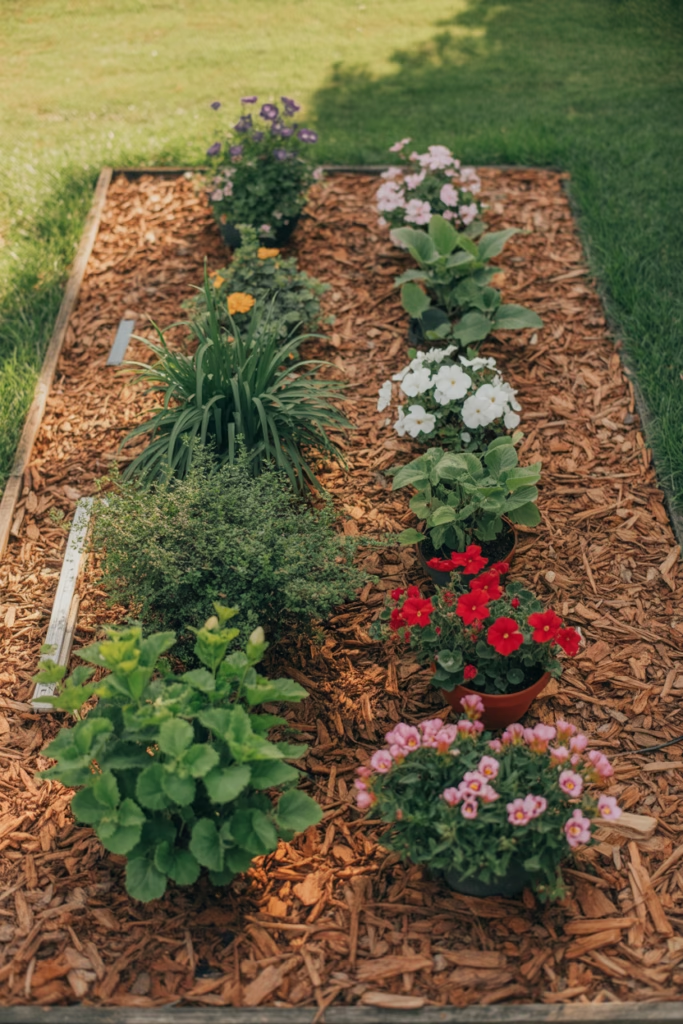
Bare soil looks unfinished and sad. Mulch fixes that problem instantly and does a lot of other good things while it’s at it. A layer of wood chip mulch, straw, or shredded bark around your plants keeps moisture in the soil, suppresses weeds, and gives every bed that clean, finished look you see in garden magazines.
Here’s a great budget hack most people don’t know: many local tree trimming services will give away bags of wood chips for free if you ask nicely. They need to dispose of them anyway, so you’re doing them a favor too. FYI, this alone can save you a surprising amount of money over a season.
12. Paint Old Pots for a Cohesive Look
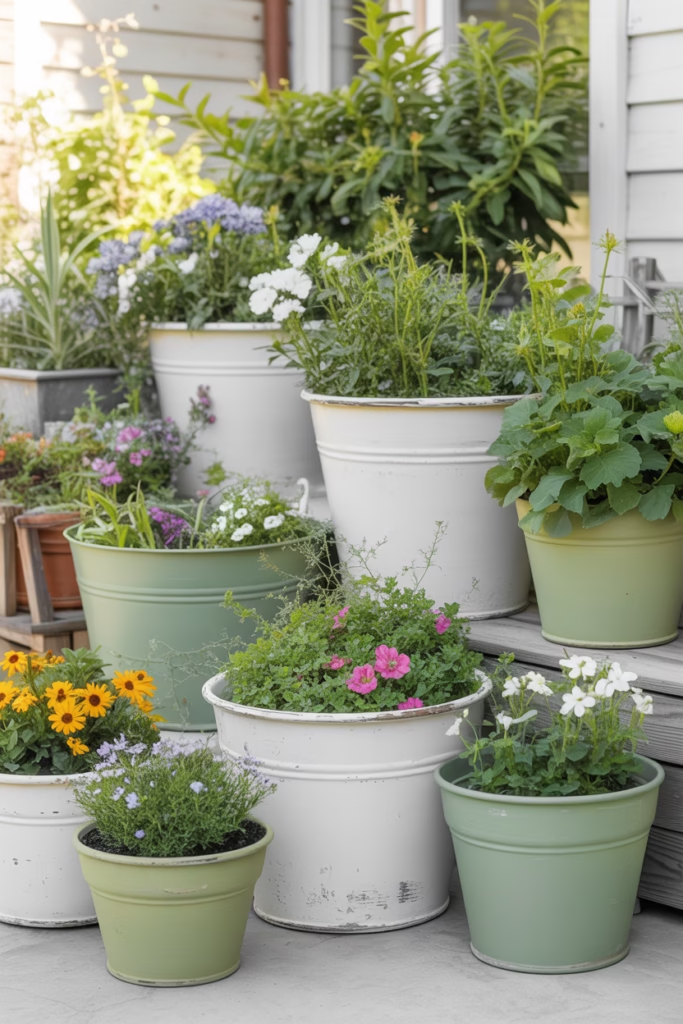
You don’t need a matching set of expensive pots — you just need matching paint. Grab a can of outdoor spray paint in one consistent color (terracotta orange, chalky white, or sage green all look gorgeous) and paint every mismatched old pot you own in the same shade.
Suddenly your eclectic collection looks curated, intentional, and like you actually planned it that way. It’s a $5 fix that completely transforms the visual feel of your outdoor space. Group the painted pots together in odd numbers — threes and fives always look better than even groupings.
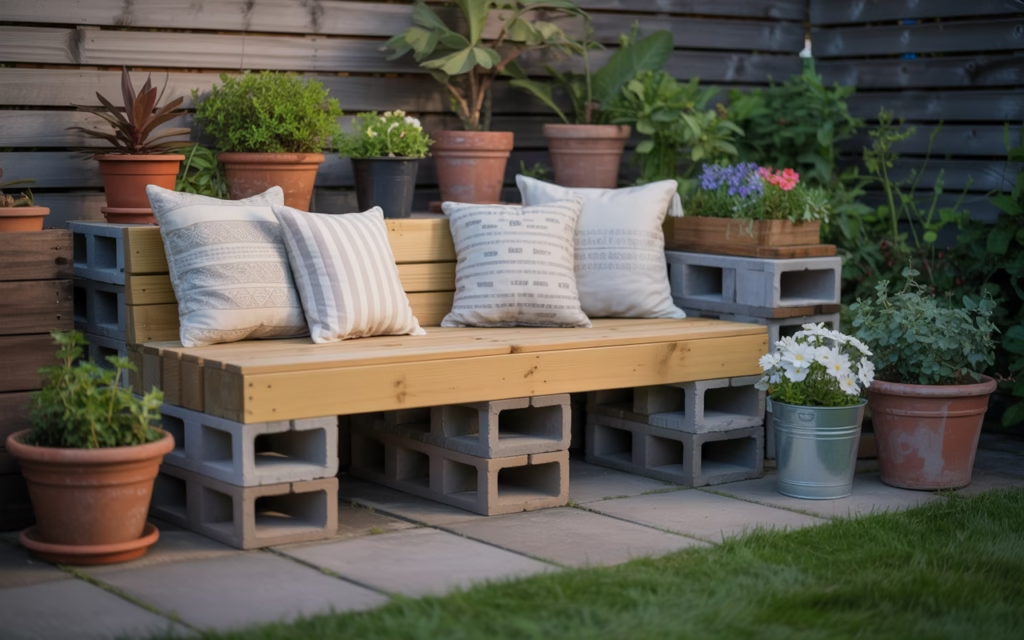
13. Create a Seating Nook With Cinder Blocks
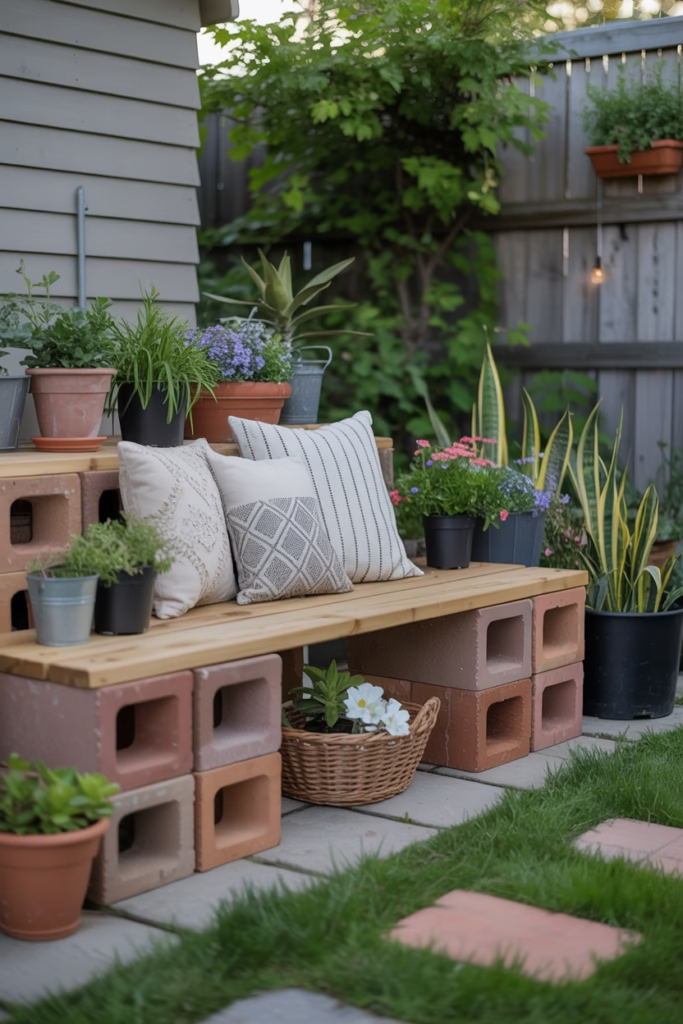
Cinder blocks sound brutally industrial, but pair them with smooth wooden planks and some outdoor cushions and they become surprisingly stylish garden furniture. Build a simple bench or a low table using stacked cinder blocks and a plank of treated timber across the top.
Cinder blocks cost almost nothing. Sand the wood plank lightly, give it a coat of outdoor wood stain, add a colorful cushion on top, and the result honestly looks like something from a design blog. :/ (Yeah, it’s almost unfair how easy it is to make something look that good for so little money.)
14. Grow a Cut Flower Garden
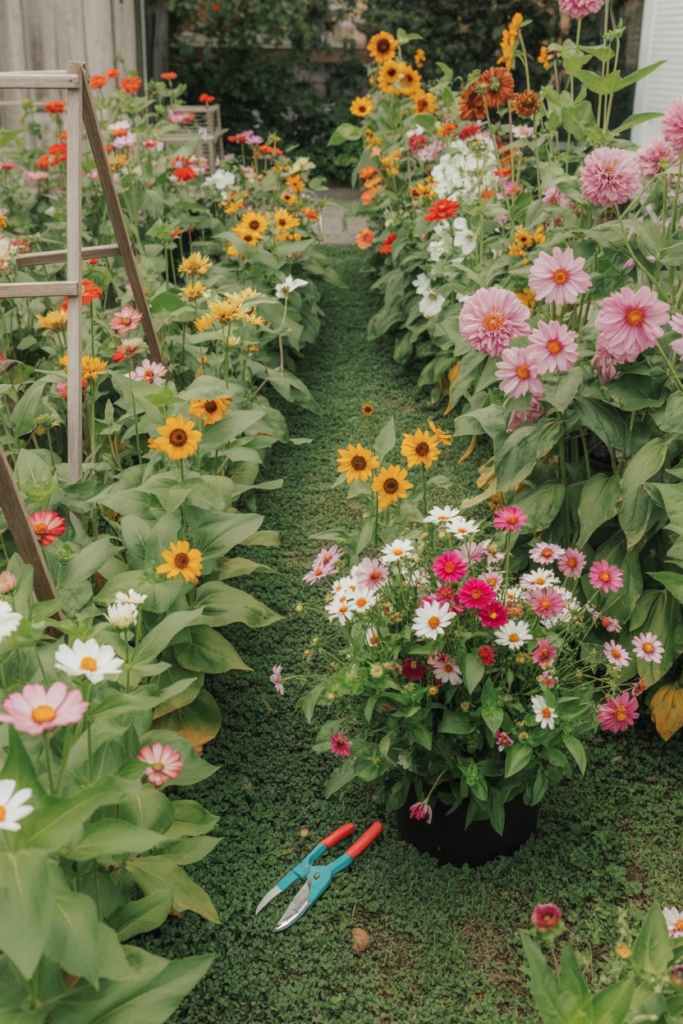
Why keep buying flowers at the store when you can grow your own? A dedicated patch of zinnias, sunflowers, cosmos, and dahlias gives you an endless supply of fresh-cut bouquets all summer long. These flowers are easy to grow from seed, bloom prolifically, and cost a tiny fraction of what you’d spend at a florist over the same period.
Plant them in a sunny spot with good drainage, water regularly, and — this is important — cut them often. The more you cut, the more they bloom. Leaving spent flowers on the plant actually tells it to stop producing, so keep harvesting and you’ll keep getting more.
15. Use Mirror Panels to Make Small Gardens Feel Bigger
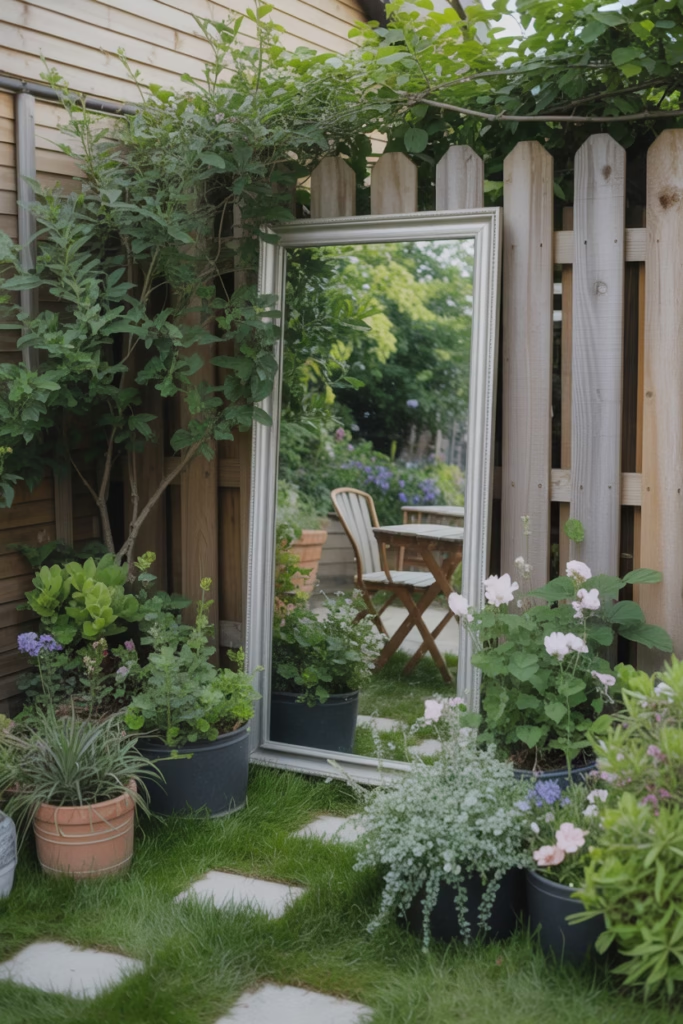
This one surprises people every single time. An outdoor-rated mirror mounted on a fence or garden wall creates the illusion of depth and makes a tiny garden feel noticeably larger and more open. It works on the same principle as mirrors in small rooms — your eye reads it as additional space.
Position it where it reflects your greenest, most lush planting rather than a blank wall or a utility area. Surround the frame with climbing plants or wall-mounted pots to blend it naturally into the garden. The effect is genuinely magical and costs very little to achieve.
16. Add a Birdbath as a Focal Point
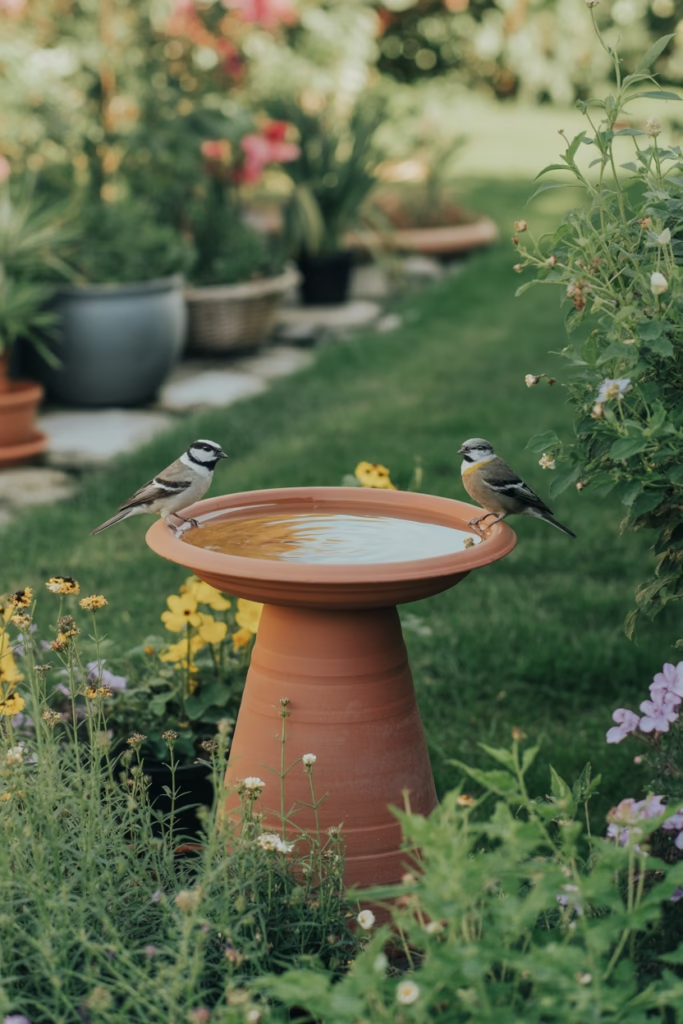
Every garden needs a focal point — a single element that your eye travels to first when you look at the space. A simple birdbath does this beautifully and adds a layer of life and movement to your garden that static plants simply can’t. You don’t need an expensive carved stone one — a wide terracotta saucer balanced on top of an upturned pot works perfectly well and looks lovely.
Place it where you can see it clearly from a window or your main seating area. Keep it topped up with clean water, and the birds, bees, and butterflies that visit will make your garden feel genuinely alive in a way that no amount of plants alone can replicate.
17. Create a Cozy Corner With String Lights and a Simple Bench
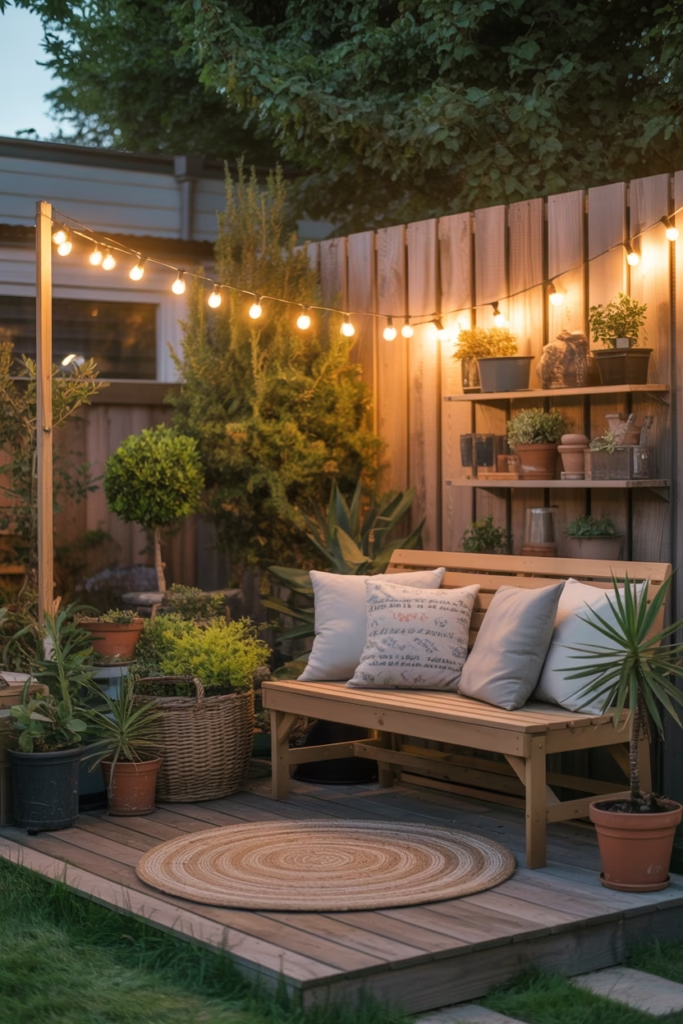
The ultimate budget garden upgrade: a proper cozy nook. A simple wooden bench, a string of warm fairy lights draped overhead between two posts or a fence, and a few well-chosen potted plants clustered nearby creates a spot you’ll actually want to spend time in — morning coffee, evening wind-down, the works.
This doesn’t have to cost much at all. Thrift stores and online marketplaces regularly have old wooden benches for next to nothing. String lights are cheap and widely available. And those potted plants? Pick two or three of your favorites from the rest of the garden and cluster them here. The whole setup takes an afternoon to put together and pays you back in relaxation for years.
Bringing It All Together
There you have it 17 simple garden ideas that genuinely won’t wreck your wallet but will absolutely transform your outdoor space from “meh” to something you’re actually proud of. The best part? You don’t have to tackle all 17 at once. Pick two or three that excite you most, start there, see what works for your space, and build on it over time.
Budget gardening isn’t about settling for less. It’s about being resourceful, creative, and intentional with what you have. And here’s the thing the gardens built with the most ingenuity almost always end up being the most interesting and personal ones. Anyone can throw money at a garden. Not everyone can make it beautiful on a shoestring.
Now stop reading and go get your hands dirty. Your garden is already waiting.