
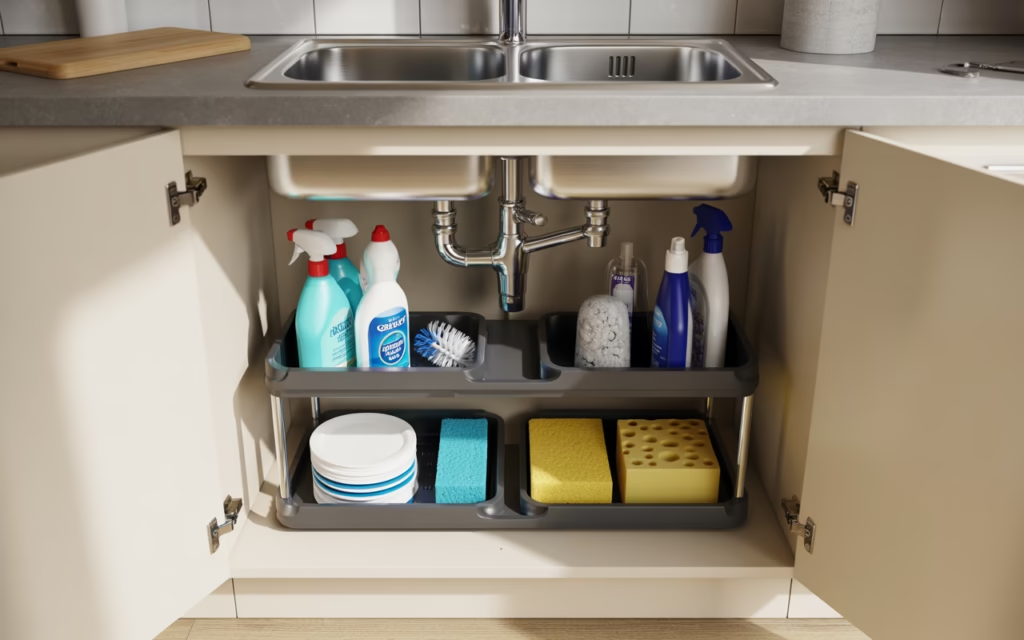
You open that cabinet, and boom an avalanche of half-empty bottles, mystery sponges, and a trash bag rolls that somehow escaped from the back corners of time. Sound familiar? The space under your sink is basically the wild west of your home, and honestly, it deserves better. Whether we’re talking about the kitchen or the bathroom, that cabinet is prime real estate you’re probably wasting right now.
I’ve been deep in the home organization rabbit hole for a while, especially after reorganizing my own under-sink cabinets and wondering why I didn’t do it sooner. So let’s fix that chaos together, one brilliant idea at a time.
Start Here: Declutter Before You Organize
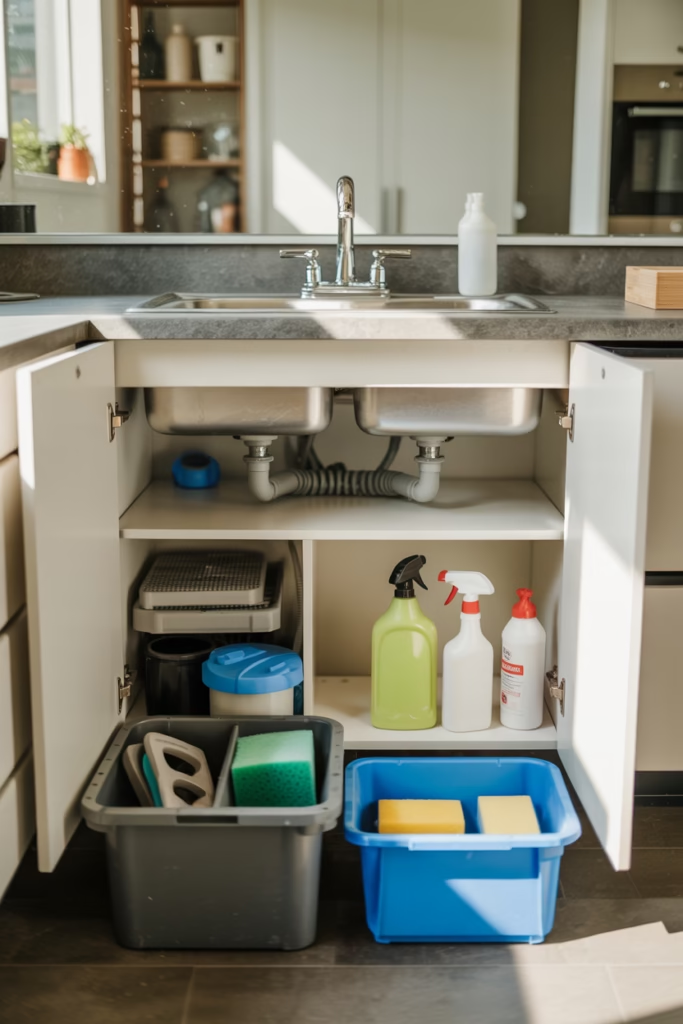
Before you buy a single bin or basket, let’s talk about the stuff that’s already down there. Seriously — when’s the last time you actually looked at everything you’ve shoved under that sink?
Pull it all out. Yes, everything. You’ll probably find three duplicate sponges, a cleaning spray you bought in 2021, and possibly a grocery bag stuffed with other grocery bags. Throw away anything expired, empty, or that you genuinely don’t use. You can’t organize clutter — you can only hide it, and hiding it just delays the problem.
Once everything’s cleared out, wipe down the cabinet floor and walls. A clean slate makes it so much easier to visualize your new setup. This one step alone will cut your “stuff” down by at least 30%, I promise.
1. Two-Tier Expandable Shelf Organizer
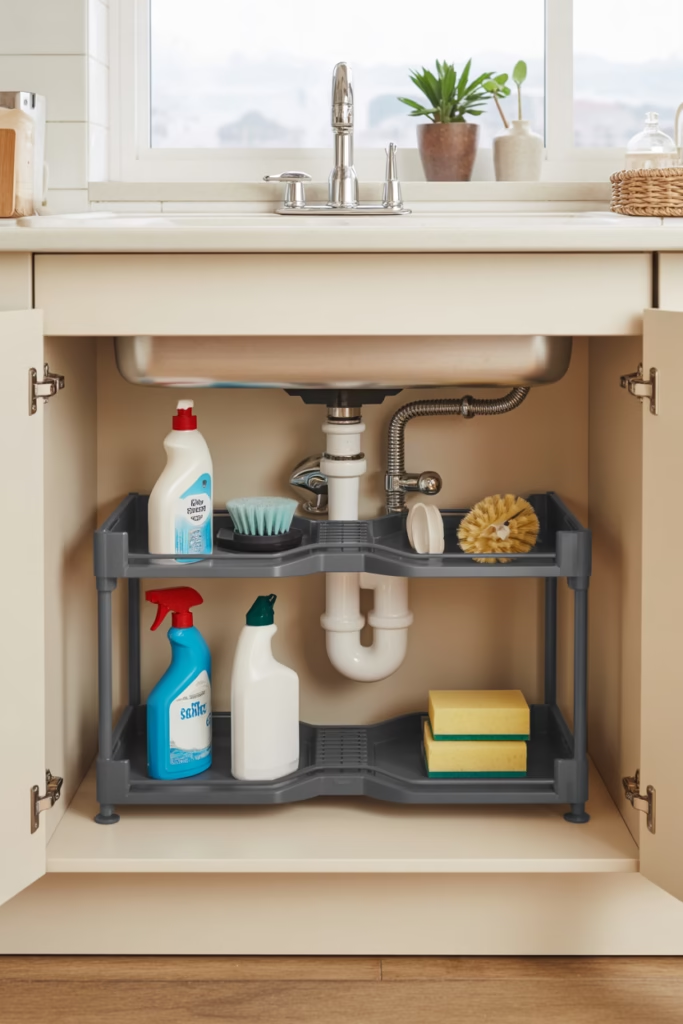
If there’s one product that changed the under-sink game forever, it’s the two-tier expandable shelf organizer. It works around your pipes (because yes, those annoying pipes do exist), and it doubles your usable surface area in one move.
The beauty of a two-tier setup is that you stop stacking things on top of each other and actually see everything at once. Top shelf for daily-use items, bottom shelf for backups and refills. It’s logical, it’s tidy, and it takes about five minutes to set up.
Look for ones made from coated steel or rust-resistant materials — because under the sink can get damp, and the last thing you want is rust stains on your freshly cleaned cabinet floor.
2. Pull-Out Drawer Organizers
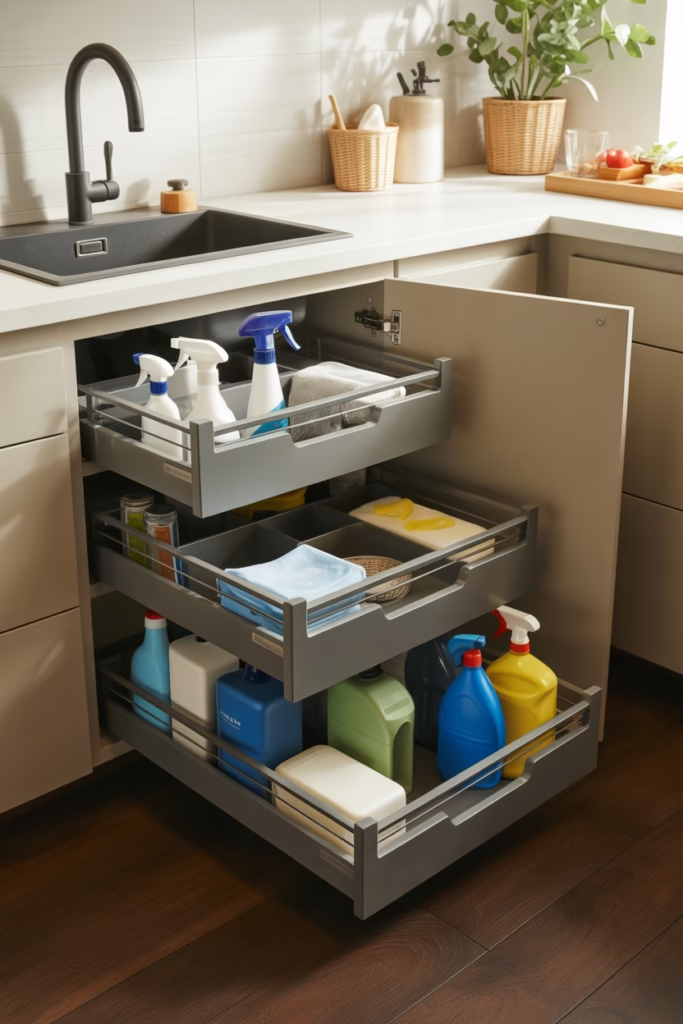
Here’s a question: why are you crouching down and blindly reaching into the back of a dark cabinet when you could just pull everything out to you like a civilized person?
Pull-out drawer organizers are absolutely game-changing, and I genuinely don’t understand why every kitchen cabinet doesn’t come with them pre-installed. You slide the drawer forward, see everything clearly, grab what you need, and slide it back. Done. No more knocking things over, no more mystery bottles rolling into the abyss.
Look for models with ball-bearing slide tracks for smooth, quiet movement. Some options also feature adjustable heights, which is perfect if you have taller spray bottles competing for space.
3. The Tension Rod Trick (Seriously, Try This)
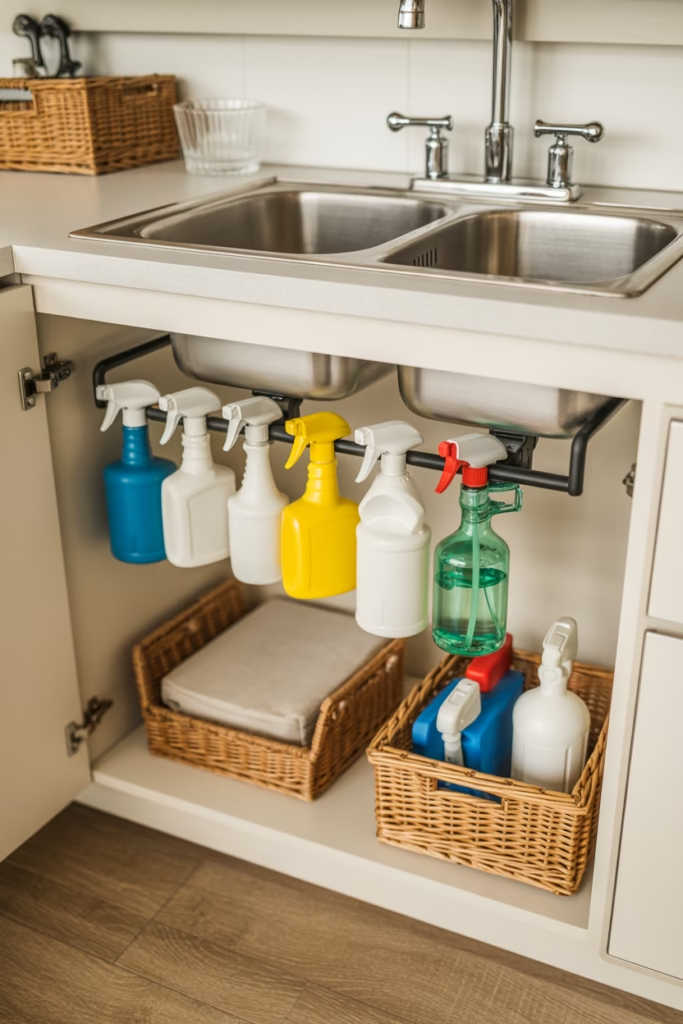
This one costs almost nothing and it works incredibly well. Grab a tension rod — the kind you’d use for a shower curtain — and mount it horizontally inside your cabinet. Now hang your spray bottles by their trigger handles directly on the rod.
This instantly frees up your entire cabinet floor for bins, baskets, or whatever else you need to store down there. You’ve essentially created a whole new level of storage out of thin air. FYI, this works best in kitchen cabinets where you keep cleaning sprays, but it’s equally brilliant in bathroom cabinets too.
The tension rod costs a couple of dollars, requires zero drilling, and takes about 30 seconds to install. It’s low-effort, high-reward — my absolute favorite kind of organization hack.
4. L-Shaped Organizers for Awkward Pipe Situations
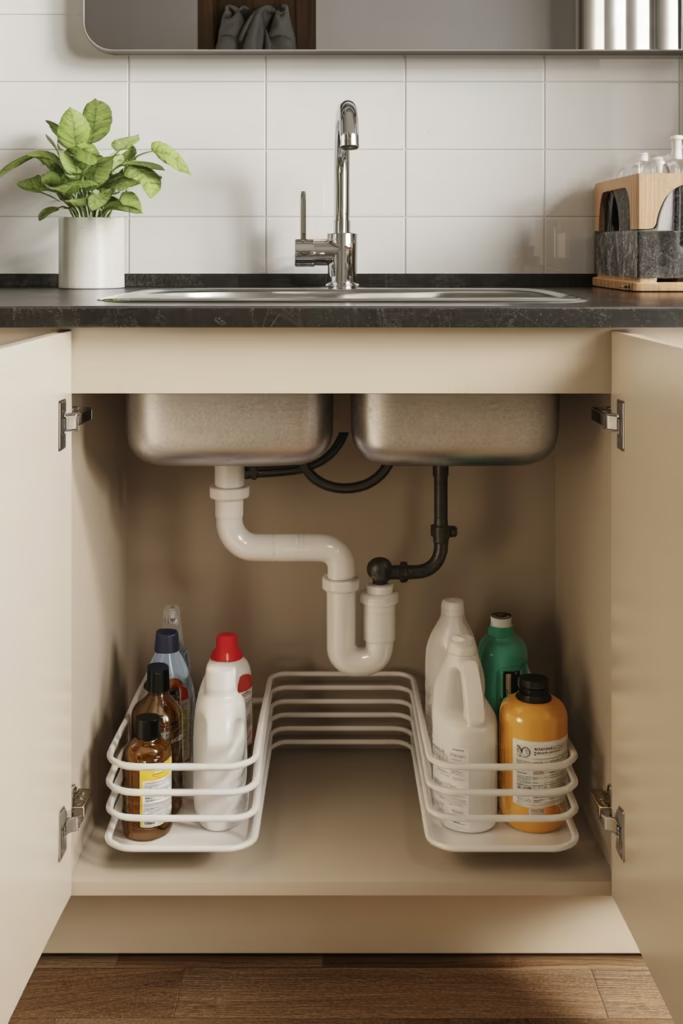
Ah yes, the pipes. The eternal enemy of under-sink organization. But here’s the thing — L-shaped organizers are specifically designed to work around them, not against them.
These organizers feature a notched or angled design that slots neatly beside your plumbing, using all that otherwise dead space to the left and right of the pipes. You’re not trying to fight the layout of your cabinet — you’re working with it.
Some L-shaped models also come with a pull-out drawer built in, which is basically the best of both worlds. Store cleaning supplies on one side, grab-and-go items on the other. Pipes? What pipes? 🙂
5. Door-Mounted Storage
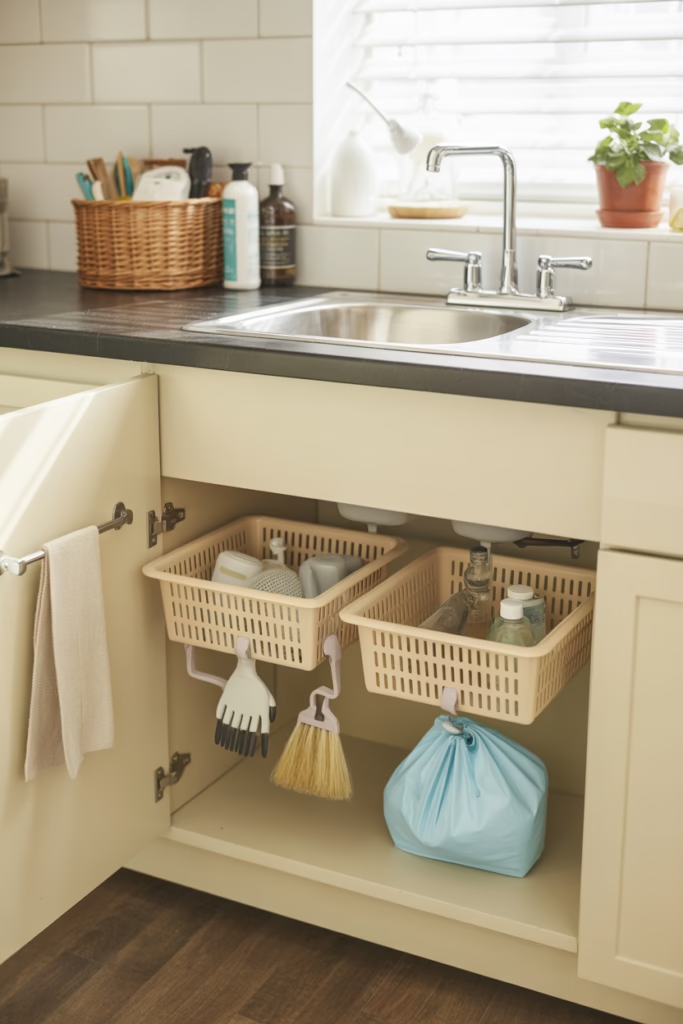
You’re currently using exactly zero percent of your cabinet door’s potential. Let’s fix that immediately.
Over-the-door organizers, hooks, and pocket organizers mount directly onto the inside of your cabinet door and give you a whole new wall of storage. This is perfect for slim items — rubber gloves, scrub brushes, trash bag rolls, small bottles of dish soap — things that don’t need a full shelf but always end up in the way.
The key is to make sure the door still closes fully after you’ve added door storage. Measure twice, buy once. Nothing is more annoying than a bulging cabinet door that won’t shut properly.
6. Labeled Clear Bins and Baskets
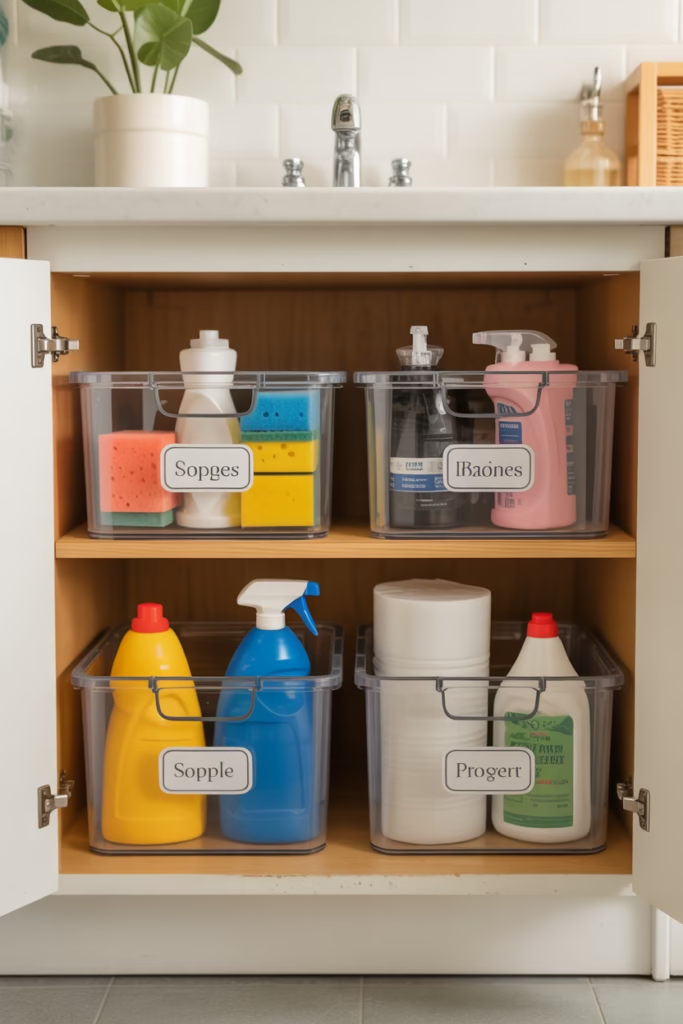
Okay, this might sound basic, but labeled bins are genuinely life-changing when you actually commit to a system. The idea is simple: group similar items together into clear bins, then label each bin clearly. Cleaning supplies in one, dish soap and sponges in another, extra trash bags in a third.
Clear bins let you see exactly what’s inside without pulling everything out. Labels mean that anyone else in your household (roommate, partner, kids) can find things AND — more importantly — put them back correctly.
Go for bins that fit your cabinet width snugly so they don’t slide around every time you open the door. Acrylic or clear plastic bins look sleek and hold up well in potentially damp environments.
7. A Lazy Susan for Corner Cabinets
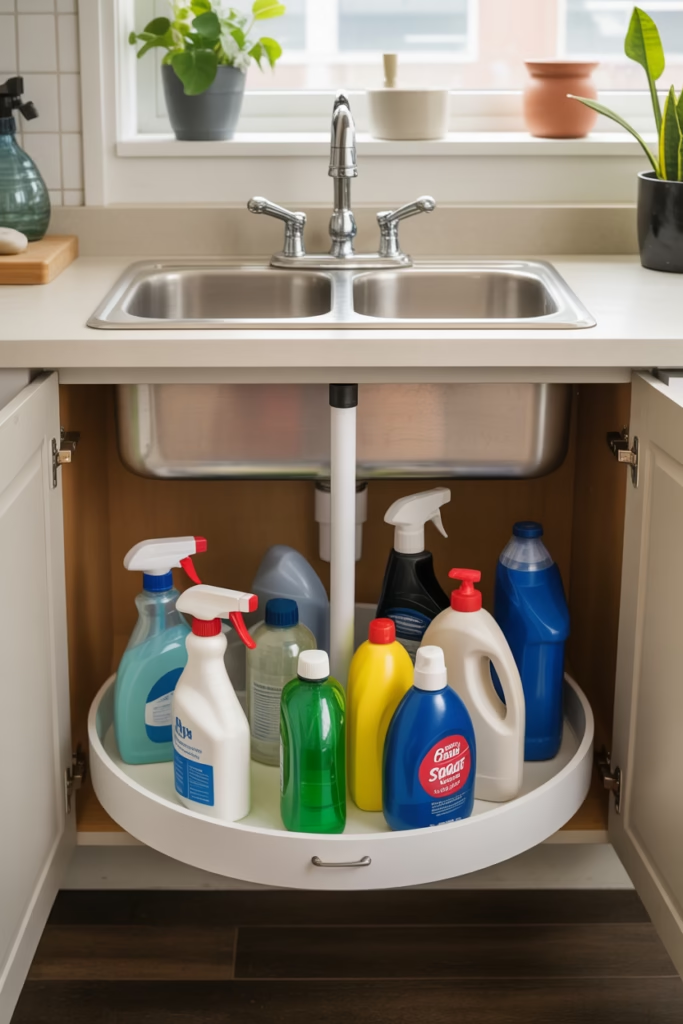
If you’ve got a corner under-sink cabinet or a particularly wide setup, a Lazy Susan turntable is your best friend. Instead of reaching awkwardly to the very back of a deep cabinet, you simply spin the turntable and everything rotates forward.
This works especially well for bottles of varying heights — dish soap, cleaning sprays, hand soap refills — because you can arrange them in a circle and access any bottle with a single spin. IMO, it’s one of the most underrated kitchen organization tools out there.
Look for a Lazy Susan with dividers to keep things from toppling sideways as it rotates. YouCopia makes a great one with customizable dividers that adapts to whatever weird collection of bottles you’ve got going on.
8. Stackable Storage Bins
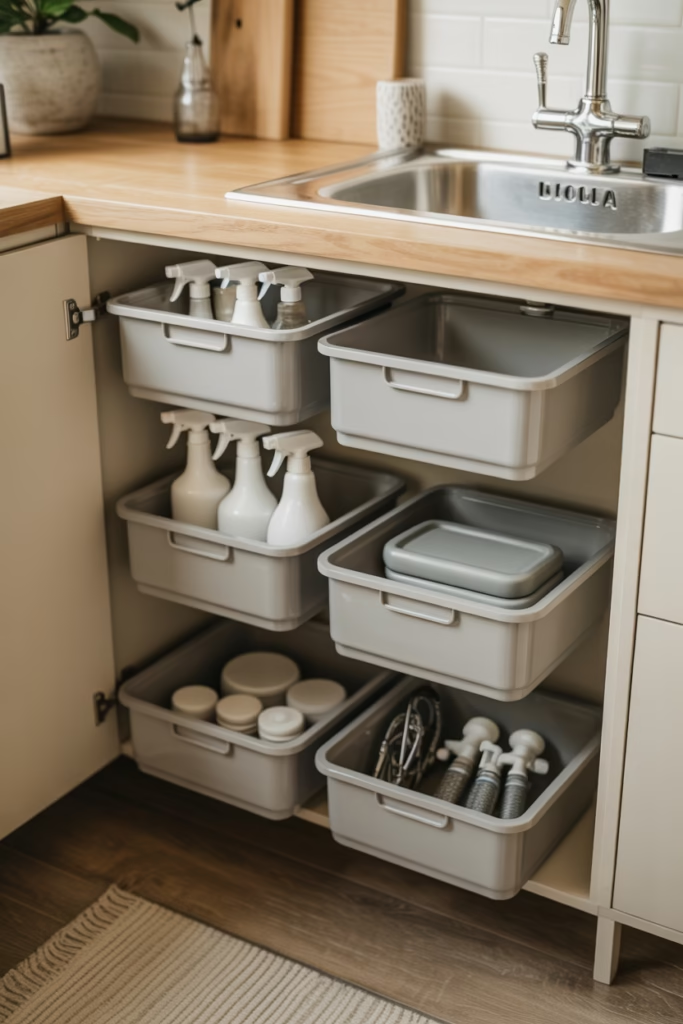
The underestimated hero of small-space organization — the stackable bin. When you can’t go wider, go taller. Stackable bins let you build upward inside the cabinet, using the full vertical height that most people completely ignore.
The best approach is to use matching bins in different sizes — taller ones for spray bottles and larger items, shorter ones for sponges, scrubbers, and small pouches. Stack them in a way that makes logical sense: items you grab daily on top, backup supplies on the bottom.
Make sure your stacks are stable. Wobbly towers of bins will frustrate you every single time you open the cabinet, and I speak from personal experience here. Look for bins with interlocking edges or rubberized bases.
9. Pegboard or Grid Panel Inserts
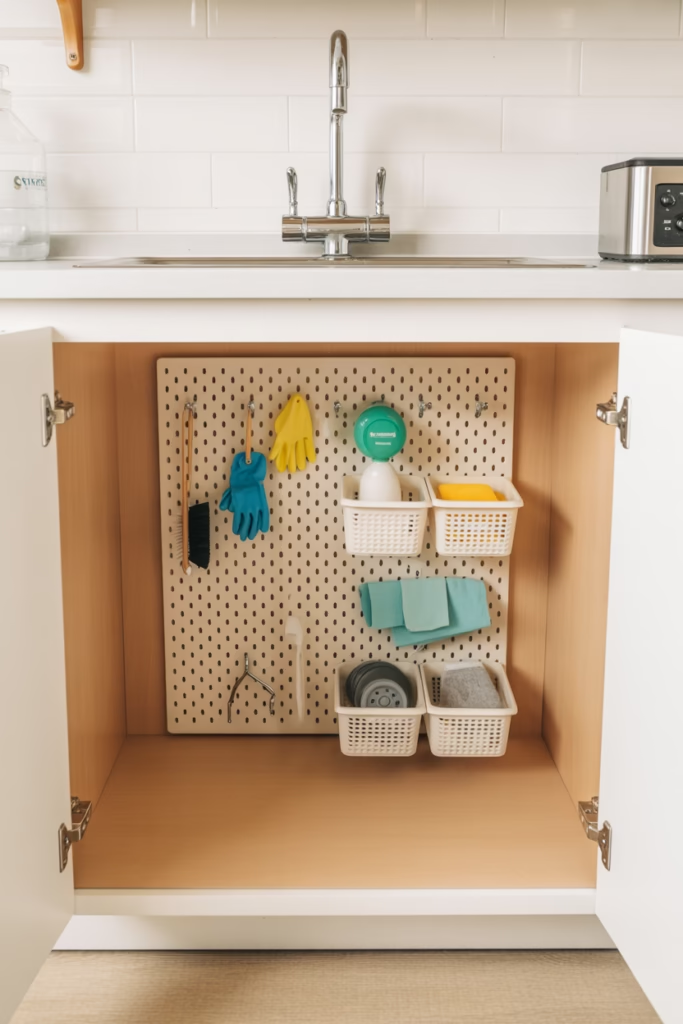
This one’s a little more of a commitment, but the results are stunning. Installing a small pegboard or grid panel inside your under-sink cabinet turns the back wall into a functional storage surface.
You can hang hooks, small baskets, and clips directly on the grid to hold everything from scrubbing brushes to foil rolls to dish towels. It’s endlessly customizable and gives your cabinet that “wow, this person has their life together” energy that we’re all chasing.
This works particularly well in kitchen cabinets where you need to store a wider variety of items. You can rearrange the hooks and baskets anytime your storage needs change — no tools required.
10. Waterproof Cabinet Liner
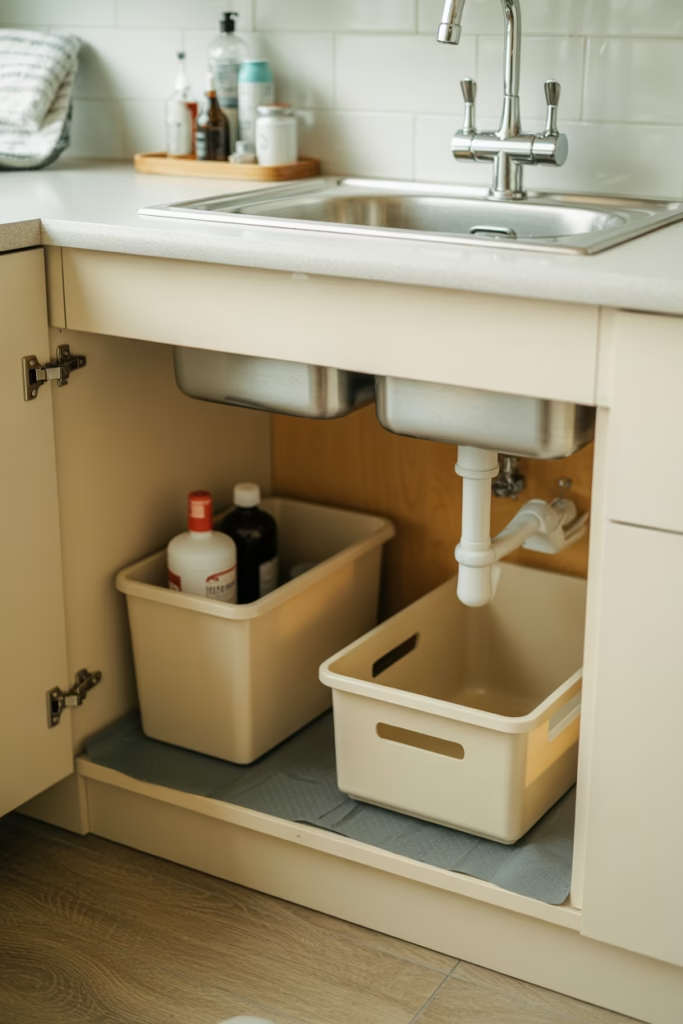
This one is less glamorous but absolutely essential. Before you put any organizer in place, line the bottom of your cabinet with a waterproof, non-slip liner.
Under-sink areas are prone to small drips, condensation, and the occasional leak. Without a liner, that moisture goes straight into your cabinet’s wood floor, which leads to warping, mold, and a generally unpleasant situation. A liner protects the cabinet, prevents bins from sliding around, and makes cleanup incredibly easy — just wipe or rinse it off.
Get a liner with a textured or ridged surface so your bins grip properly. This tiny investment saves you from a much bigger headache later. Trust me on this one.
11. A Dedicated Cleaning Caddy
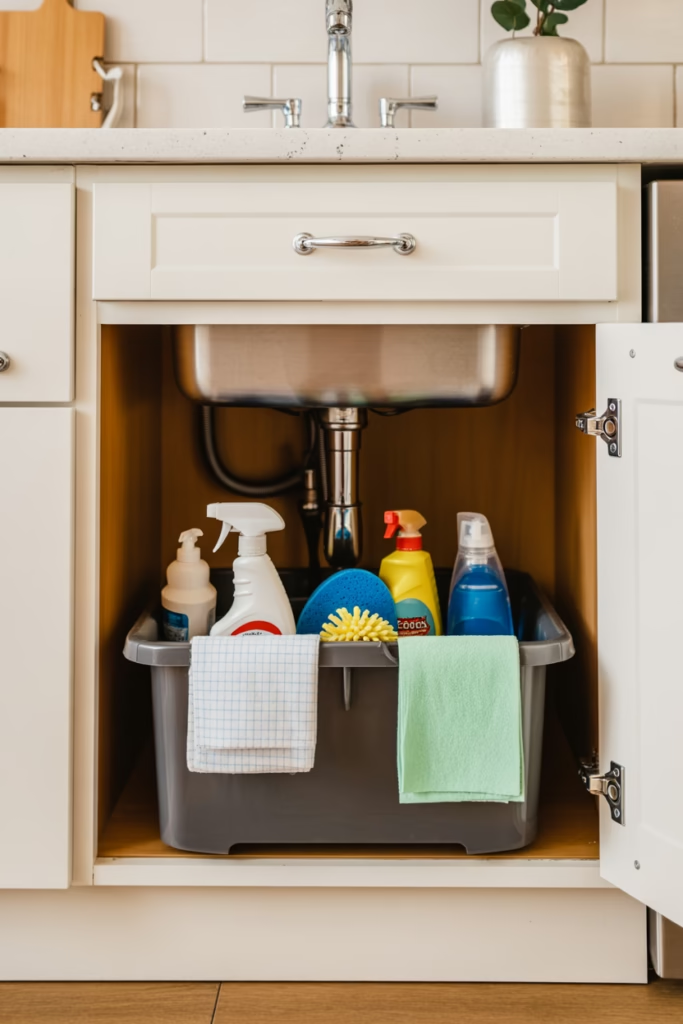
Here’s the smartest organizational move you can make for your under-sink space: stop storing everything under the sink and instead keep one portable cleaning caddy stocked with your most-used supplies.
A cleaning caddy sits inside the cabinet, holds your go-to items — all-purpose spray, a scrubber, dish soap, a microfiber cloth — and you can pull the whole thing out at once when you need to clean. No digging, no hunting, no opening three bins to find the one thing you need.
The rest of the cabinet becomes dedicated to backstock and refills: extra soap, new sponges, replacement trash bags. Everything has a clear category, and your daily cleaning routine becomes absurdly efficient. It’s one of those things you’ll set up and then wonder why you waited so long. :/
Quick Tips: Maintaining Your Under-Sink Glow-Up
Getting organized is one thing — staying organized is the real challenge. Here’s what actually works:
- Do a monthly check. Pull everything out, wipe down the liner, and toss anything empty or expired.
- Refill before you run out. When you open your last bottle of dish soap, add it to your shopping list immediately.
- Put things back in the right place every time. Yes, every time. This is non-negotiable if you share a home with anyone else.
- Label everything clearly. If someone doesn’t know where something goes, they’ll just set it down anywhere.
- Reassess seasonally. Your cleaning needs change with the seasons — summer might call for more outdoor cleaning products, winter for more de-icing supplies near the entryway.
What to Consider Before Buying Any Organizer
Not all under-sink cabinets are created equal. Before you order anything, keep these points in mind:
- Measure your cabinet interior first. Width, depth, and height — all three dimensions matter.
- Note where your pipes and plumbing are located. This affects which organizer shapes will actually fit.
- Consider materials carefully. Steel and acrylic handle moisture well; untreated wood does not.
- Check weight capacity. If you store heavy items like bulk cleaning products, make sure your organizer can handle the load.
- Think about how often you access things. Frequently grabbed items need front-and-center placement, not buried in the back.
Wrapping It All Up
The space under your sink is small, awkward, and full of weird angles but it doesn’t have to be a disaster zone. With the right combination of pull-out drawers, tension rods, labeled bins, and a good liner, you can turn it into one of the most functional spots in your entire home.