
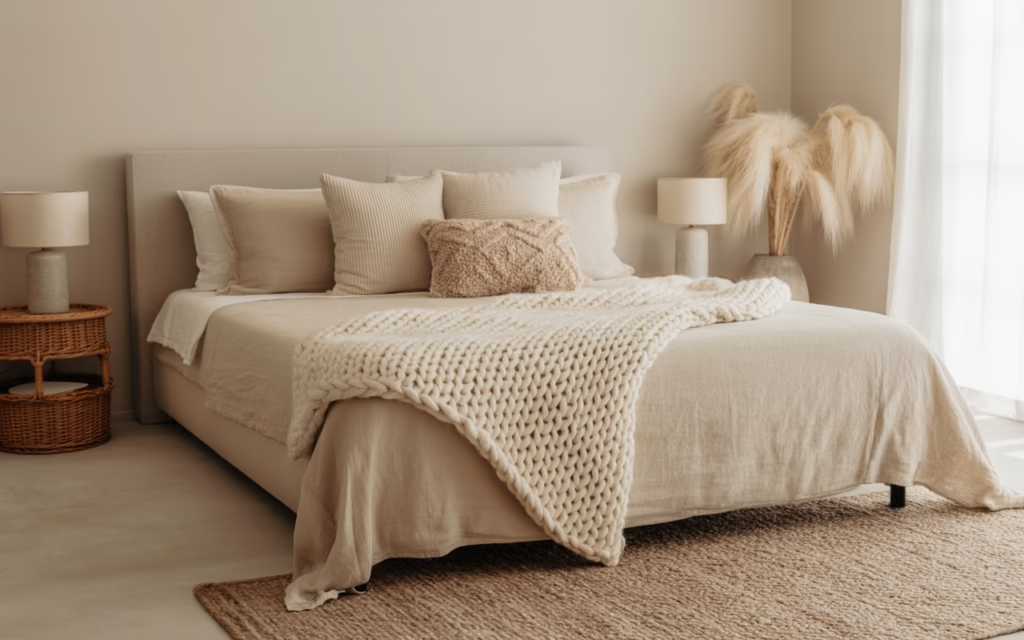
Summer is basically nature’s way of telling you to declutter your life and your bedroom. If you’ve been staring at that pile of clothes on the chair (you know the one), maybe it’s time to rethink the whole vibe of your space. A minimalist bedroom genuinely changes how you feel when you wake up in the morning. Less stuff, more peace. Sounds like a dream, right?
I’ve been obsessed with minimalist home design for a while now, and every summer I find myself stripping back my bedroom even further. Here are 17 ideas I absolutely love and a few I wish I’d tried sooner.
1. Start With a Neutral Color Palette
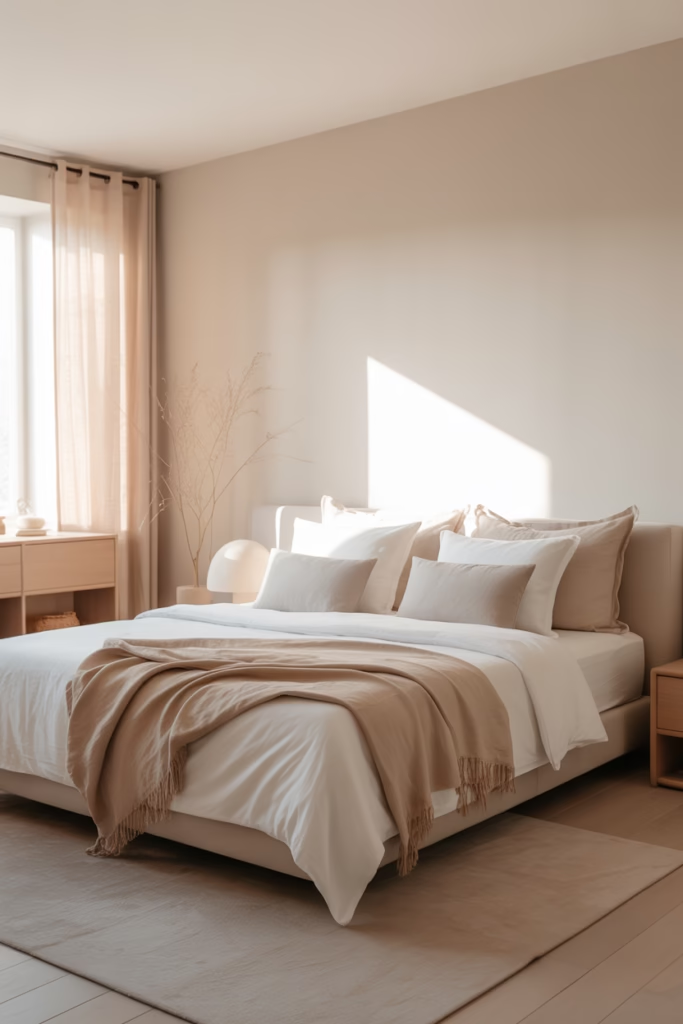
The foundation of any minimalist bedroom is color — or rather, the lack of it. Think whites, creams, warm beiges, soft grays, and muted greens. These tones keep the space feeling open, airy, and calm — perfect for those sweaty summer nights when you just want to feel cool.
Don’t be afraid to go entirely monochromatic either. A white-on-white bedroom sounds boring until you see how elevated it looks in real life. The trick is layering different textures so the room doesn’t feel sterile.
Pro tip: Warm whites (like off-white or linen) feel cozier than stark, cool whites. IMO, warm whites are always the better pick for a bedroom.
2. Invest in a Platform Bed With Clean Lines
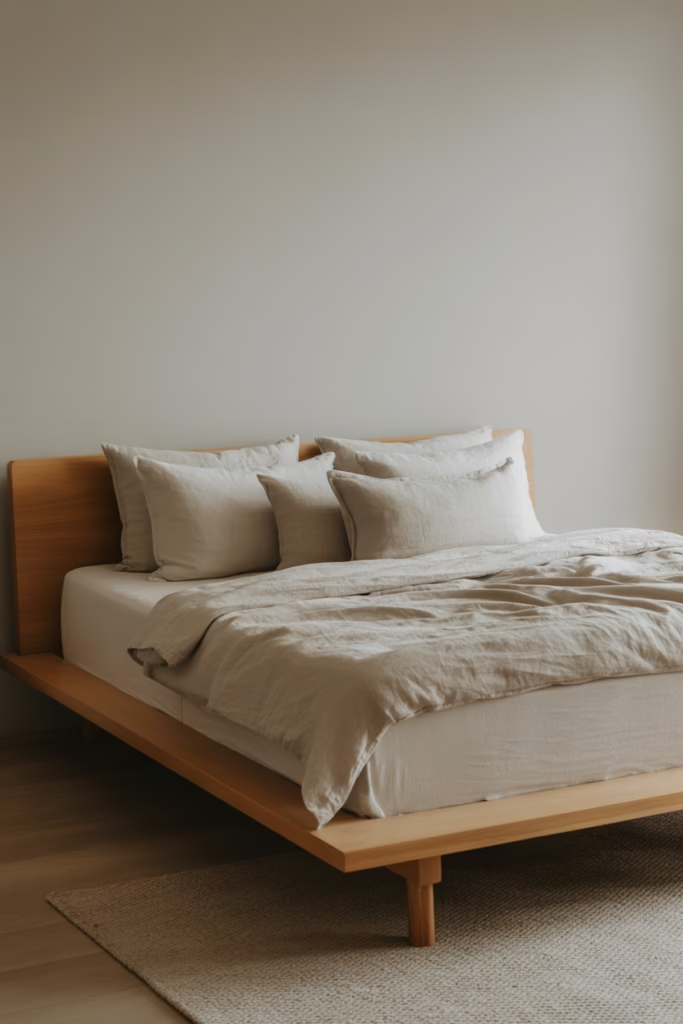
Your bed is the centerpiece of the room, so it needs to pull its weight — visually, at least. A low-profile platform bed with a simple frame sets the minimalist tone immediately. No ornate headboards, no bulky footboards, no fuss.
Platform beds also sit closer to the ground, which actually makes a room feel more spacious. Plus, they’re having a serious moment on Pinterest right now and for good reason.
Look for frames in:
- Natural wood (oak, walnut, pine)
- Matte black metal
- Upholstered linen or bouclé
3. Ditch the Nightstand Clutter
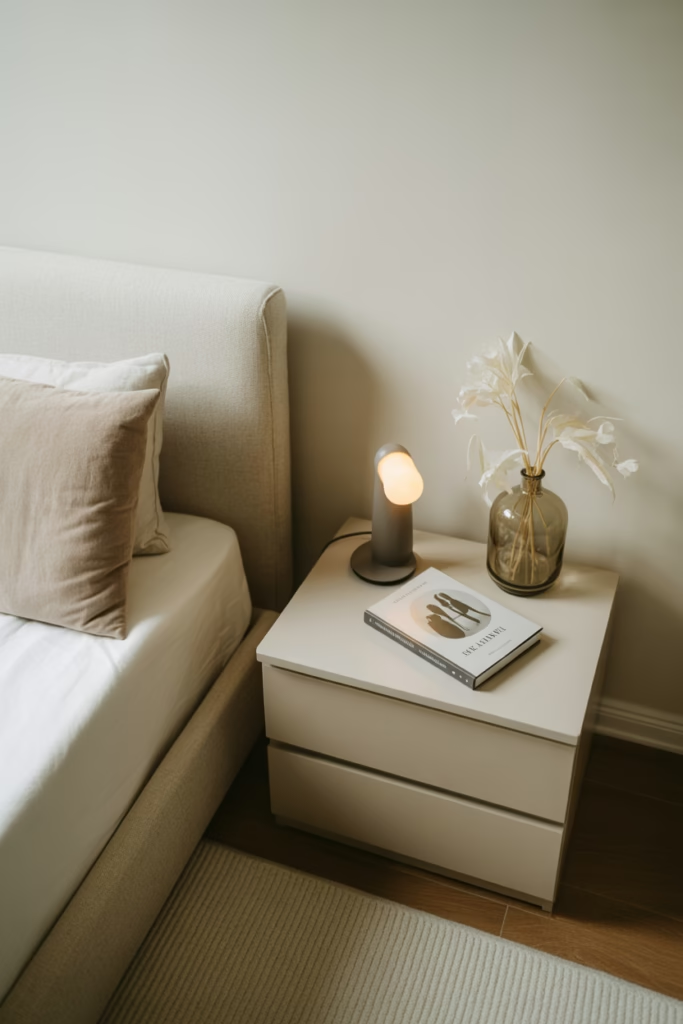
Okay, real talk — most nightstands become a dumping ground for lip balm, old receipts, three half-read books, and a charger that doesn’t even work anymore :/
For a minimalist bedroom, your nightstand should have three items max: a lamp, one book, and maybe a small plant or glass of water. That’s it. Everything else finds a home somewhere else (or gets tossed).
If you want to go full minimal, swap a traditional nightstand for a floating shelf mounted to the wall. Sleek, simple, and weirdly satisfying.
4. Use Linen Bedding for That Effortless Look
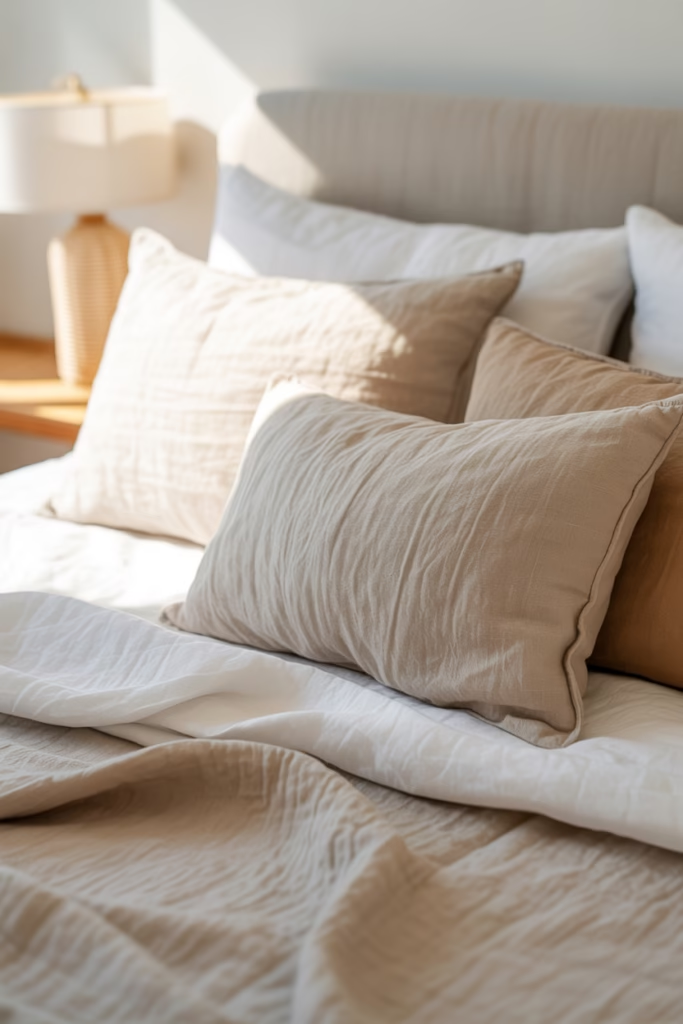
Nothing screams minimalist summer bedroom like linen bedding. It’s breathable, gets softer with every wash, and has that relaxed, lived-in texture that looks expensive without trying too hard. Honestly, it’s the design equivalent of rolling out of bed looking great.
Stick to neutral or earthy tones — oatmeal, sage, dusty rose, or stone gray. Skip the busy patterns for now.
Why linen works so well:
- Natural fabric that regulates temperature
- Textural interest without adding visual noise
- Wrinkles intentionally (so you never have to iron it again — you’re welcome)
5. Embrace Empty Wall Space
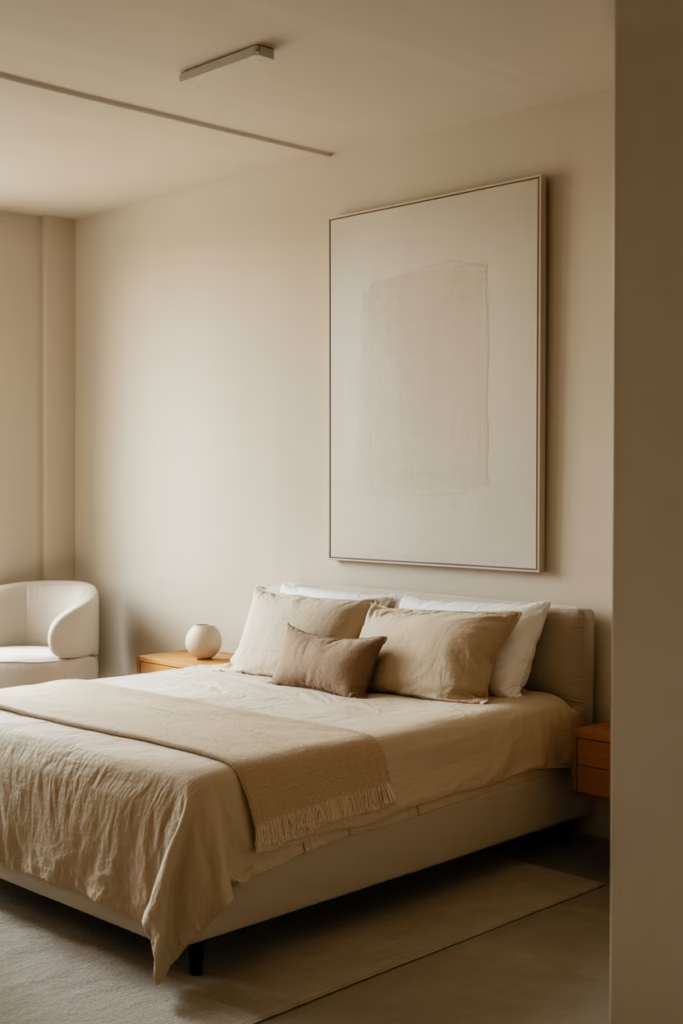
Here’s something that trips up a lot of people: empty wall space is not a problem to solve. In minimalist design, negative space is a deliberate choice. It lets the room breathe.
You don’t need to cover every inch of your walls with gallery art or floating shelves. Pick one or two intentional pieces — a single large artwork, a simple mirror, or an abstract print — and let the rest of the wall do its job.
Ever walked into a room that felt instantly calm and couldn’t figure out why? Nine times out of ten, it’s because the walls weren’t screaming at you.
6. Maximize Natural Light
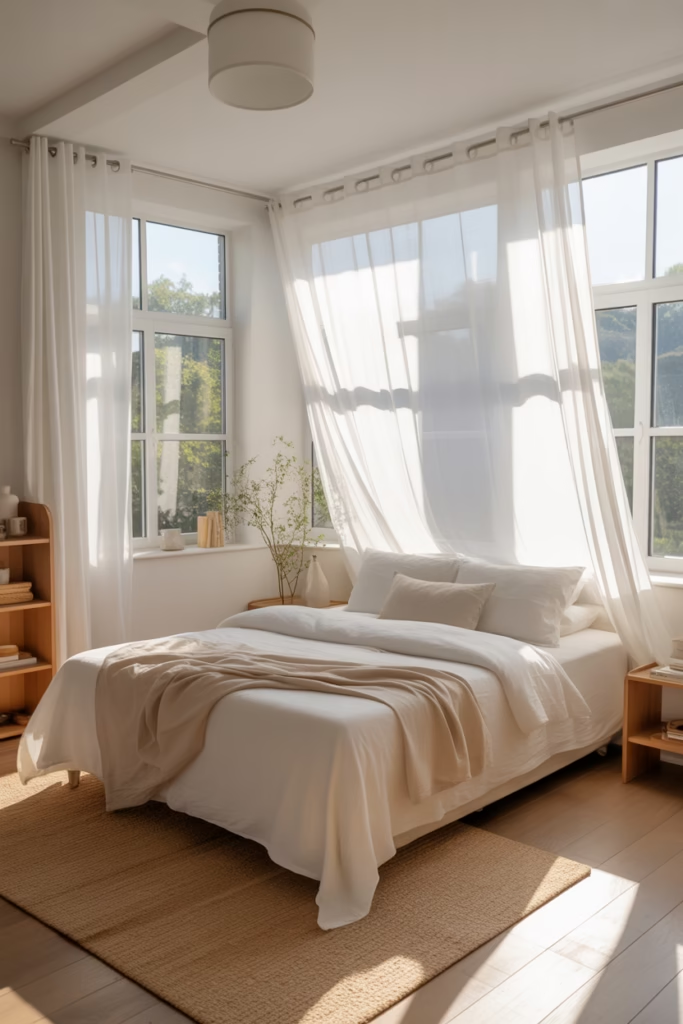
Summer and natural light go hand in hand, so lean into it hard. Swap heavy drapes for sheer linen curtains or light cotton panels. The goal is to filter sunlight softly rather than block it completely.
Mirrors are your best friend here too. Place a large mirror across from a window and watch the room double in brightness. It’s basically a free renovation.
- Sheer white curtains for a breezy, soft feel
- Bamboo roller shades for a natural, earthy look
- No curtains at all if you have privacy (bold move, but stunning)
7. Go For Built-In or Hidden Storage
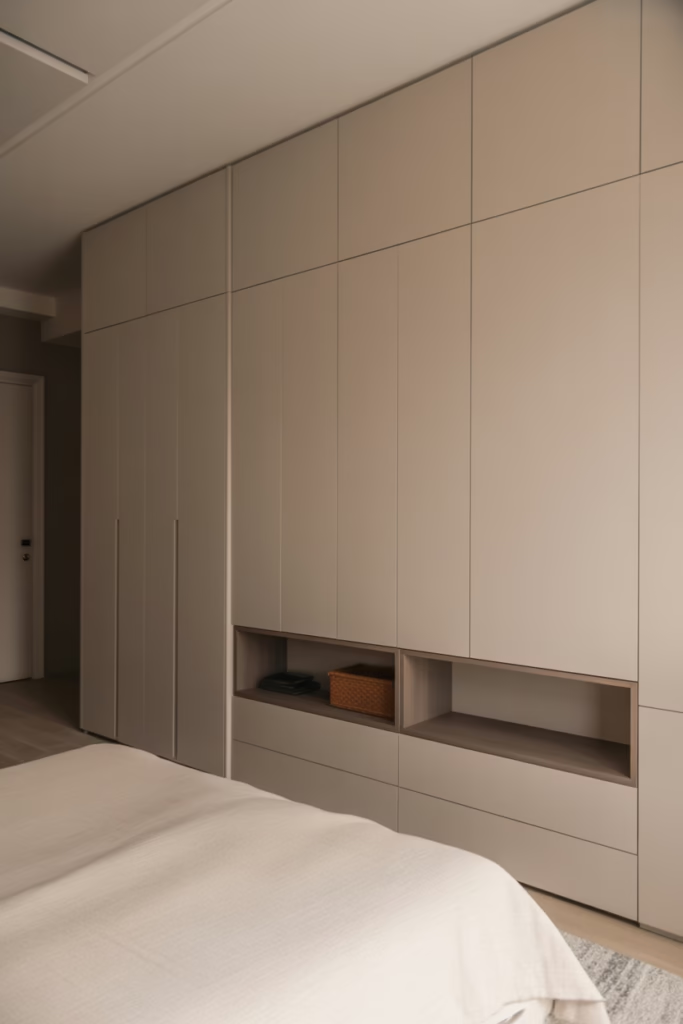
One of the biggest challenges with minimalism is figuring out where all your stuff actually goes. Spoiler: it doesn’t disappear. It just gets smarter storage. Built-in wardrobes with flat-front doors are ideal — no visible handles, no visual clutter, just a seamless wall.
Under-bed storage is also massively underrated. Use slim storage boxes or a bed frame with built-in drawers to hide off-season clothes, extra bedding, and all the stuff you don’t need daily.
FYI: The less visible your storage, the more minimal your room feels. Keep that in mind when shopping for furniture.
8. Choose One Statement Piece
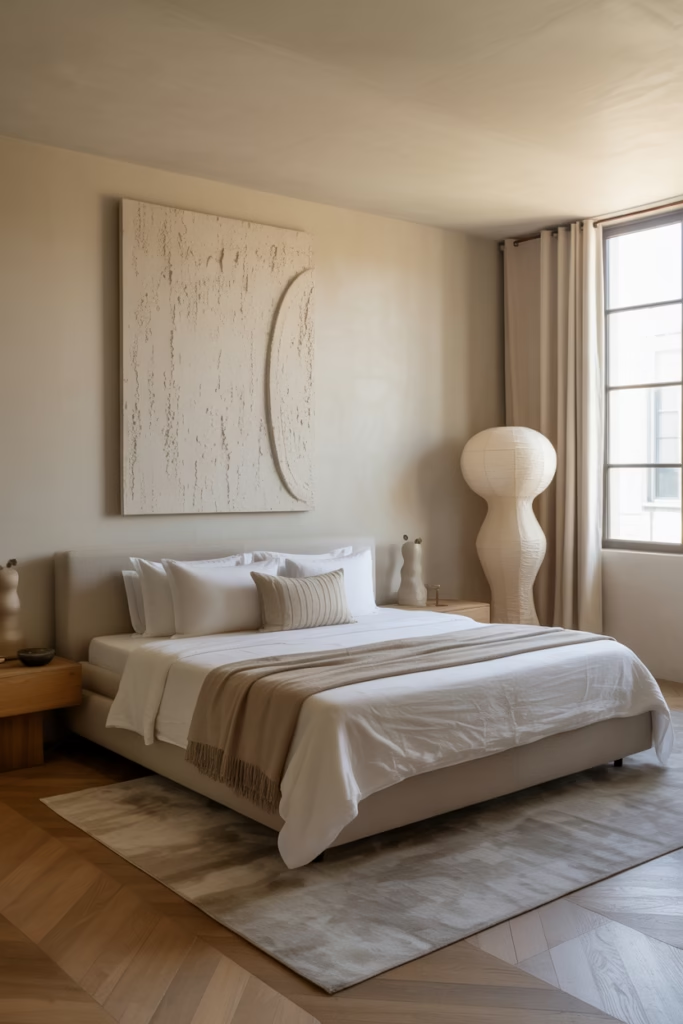
Minimalism doesn’t mean boring. Every room needs a focal point — one piece that draws the eye and gives the room personality. This could be:
- A textured accent wall in limewash or plaster finish
- An oversized piece of wall art
- A sculptural floor lamp
- A vintage wooden dresser in an otherwise all-white room
The key is one statement piece, not five competing for attention. Pick your favorite and let everything else support it.
9. Incorporate Natural Materials
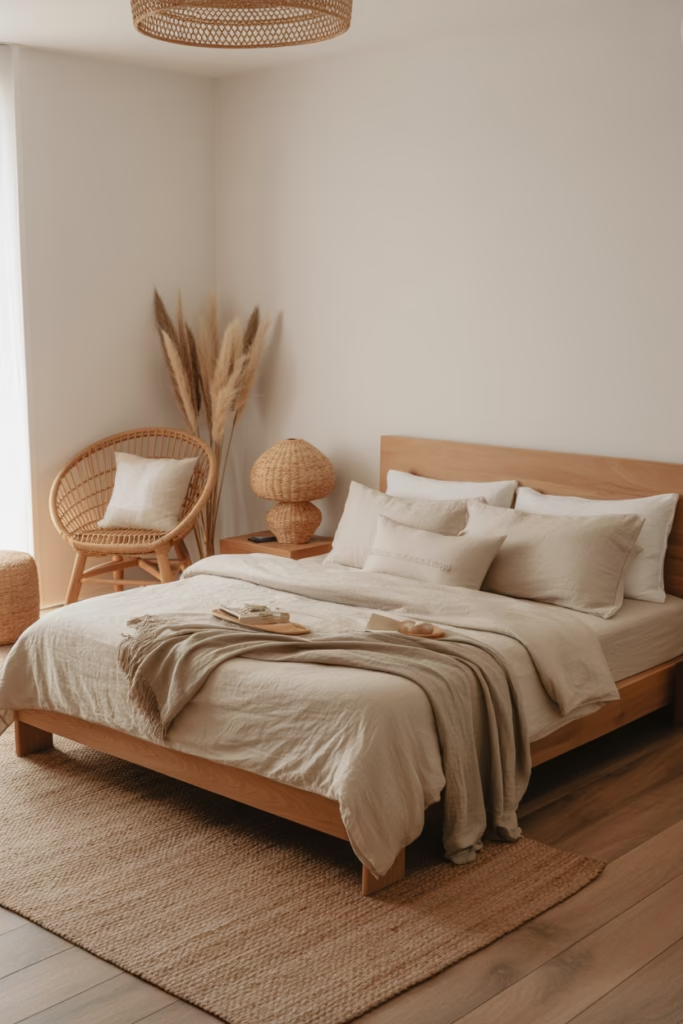
Summer minimalism loves organic textures: rattan, jute, bamboo, raw wood, stone, linen. These materials add warmth and visual interest without introducing color chaos into the room.
A rattan chair in the corner, a jute rug underfoot, and a wooden bedside tray are small touches that make a huge impact. They bring the outside in, which feels especially right during summer.
Natural materials also age beautifully — they don’t look worse over time, they just look more lived-in and real. That’s a win.
10. Keep Your Floors Mostly Clear
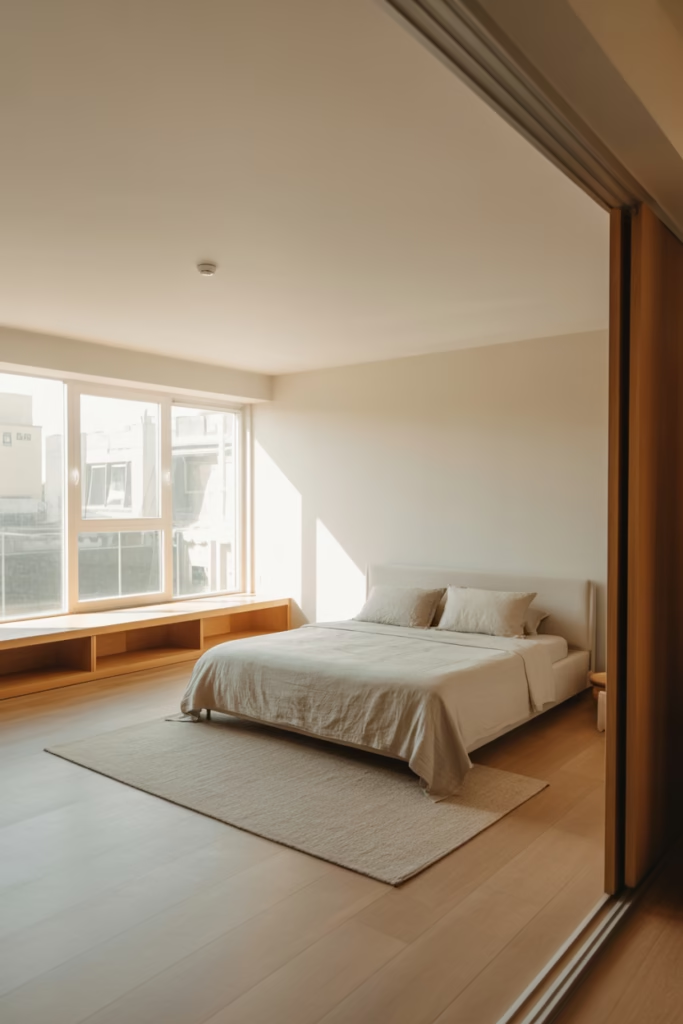
This one sounds obvious but is harder than it looks. Clear floors are the fastest way to make a room look intentional and spacious. No random bags, no shoes piling up, no “I’ll deal with that later” piles.
A simple, low-pile rug in a neutral tone can anchor the room without breaking the minimalist feel. Think a natural jute rug, a simple Moroccan Beni Ourain, or a flat-weave cotton rug in off-white or beige.
What you want to avoid: busy patterns, multiple small rugs, or anything that visually chops the floor space into pieces.
11. Limit Decorative Objects to the “Rule of Three”
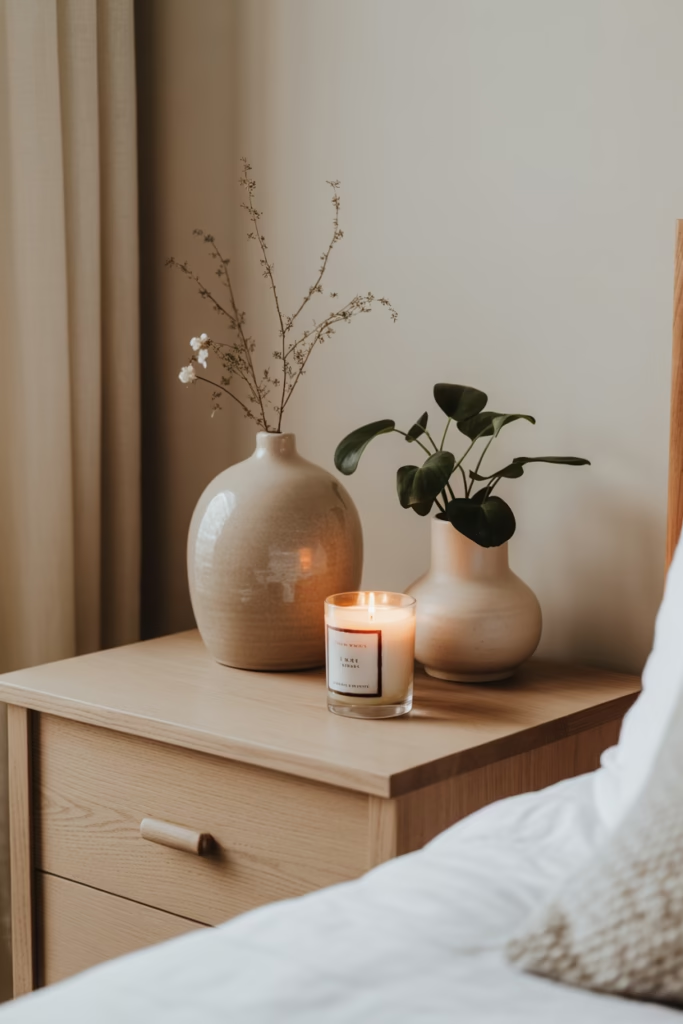
The rule of three is a classic interior design principle, and it works perfectly in minimalist spaces. When styling any surface — a dresser, a shelf, a nightstand — limit yourself to three objects max, and vary their height and texture.
For example: a small ceramic vase, a candle, and a trailing plant. Done. Beautiful. Move on.
This rule stops you from accidentally turning a “curated” space into a cluttered one. It’s surprisingly easy to overdo it when everything you own is technically “cute.”
12. Add a Single Indoor Plant
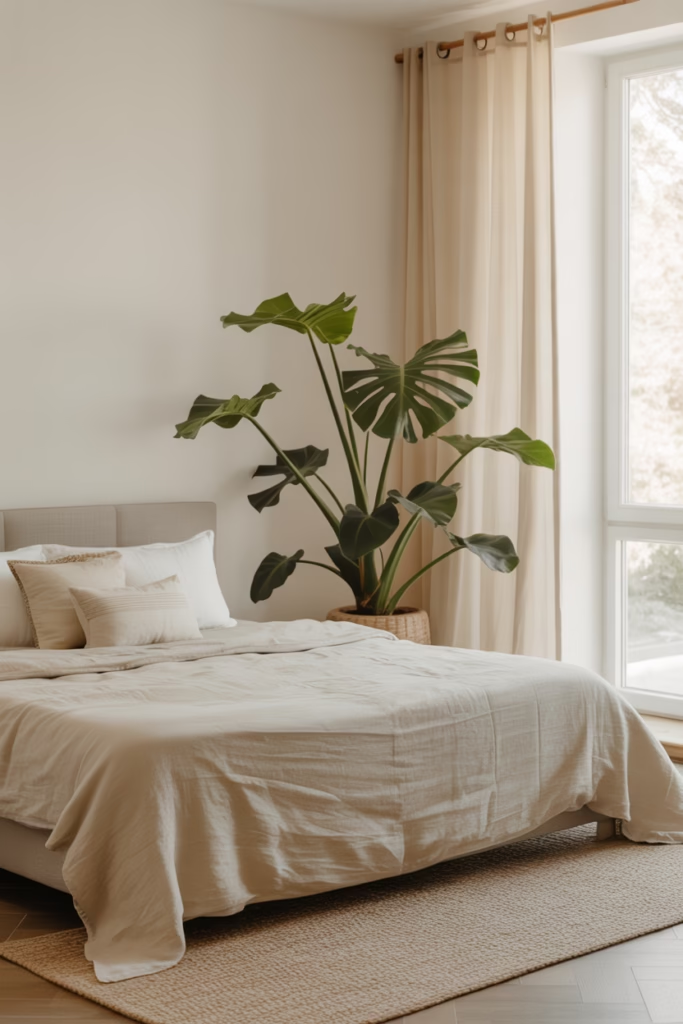
Plants are one of the few decorative elements that genuinely improve a minimalist bedroom. A single large plant — a fiddle leaf fig, monstera, snake plant, or pothos — brings life and color into the space without overwhelming it.
Summer is also prime time for plants to thrive indoors with all that natural light pouring in. Just don’t go overboard and turn your bedroom into a jungle. One or two plants is the sweet spot.
Best bedroom plants for summer:
- Snake plant — nearly impossible to kill, filters air
- Monstera deliciosa — dramatic, sculptural, iconic
- Pothos — trailing, low-maintenance, gorgeous on a shelf
13. Use Soft, Indirect Lighting
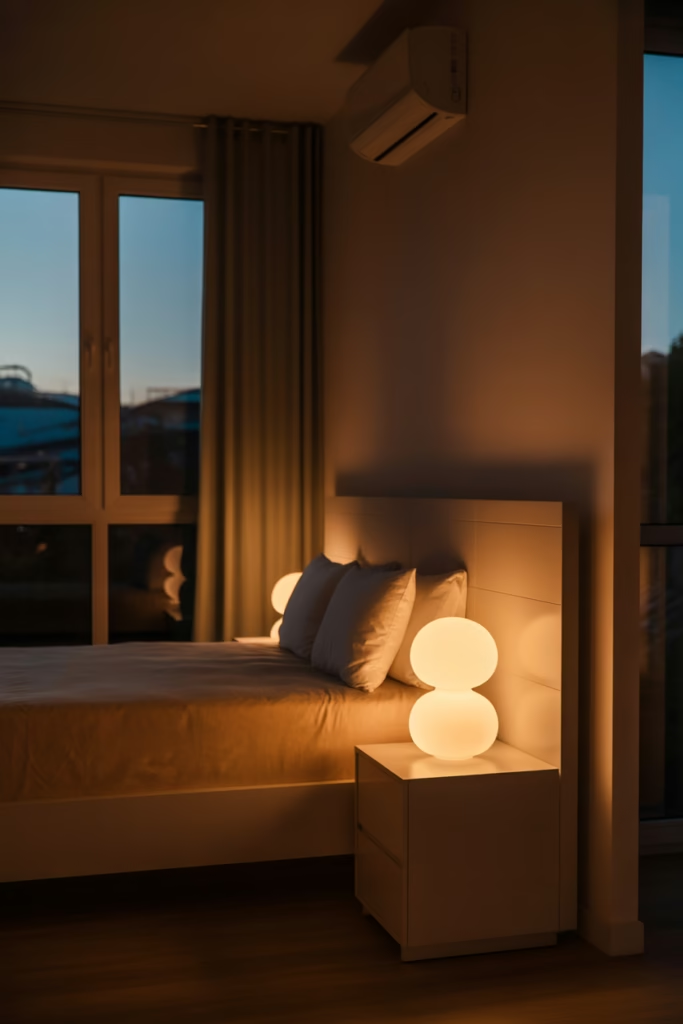
Overhead lighting is the enemy of ambiance. Swap harsh ceiling lights for soft, layered lighting — a warm table lamp, a floor lamp with a diffused shade, or even a string of warm Edison bulbs tucked behind a headboard.
During summer, you’re spending more time in your room in the evenings as it stays light outside longer. Good lighting helps you wind down and signals to your brain that it’s time to relax.
Lighting layers to consider:
- Ambient light: soft ceiling fixture with a dimmer
- Task light: bedside lamp for reading
- Accent light: a candle or small decorative lamp for mood
14. Stick to a Capsule Wardrobe (At Least in Your Closet)
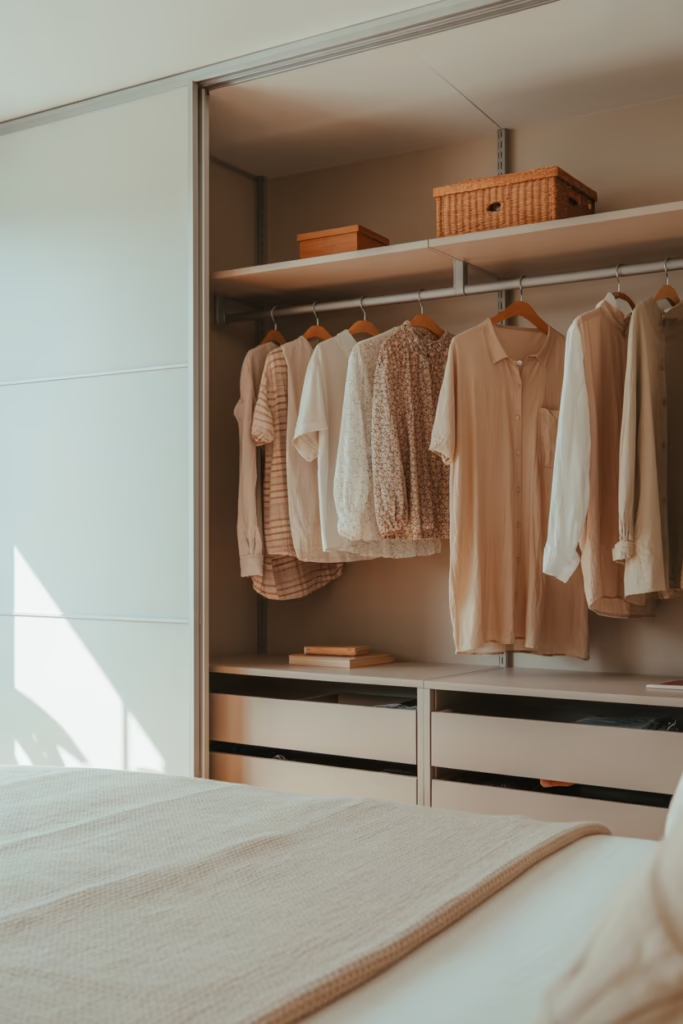
Okay, this one is a lifestyle tip, not just a decor tip — but it directly impacts how your bedroom feels. A capsule wardrobe means keeping only the clothes you actually wear, in colors that coordinate well. It makes your closet feel intentional, and it makes getting dressed way less chaotic.
Summer is the perfect time to do a wardrobe audit. Donate what you haven’t worn in a year. Be ruthless. Your future self (and your closet door) will thank you.
Less clutter inside the wardrobe = less mental clutter in the bedroom overall.
15. Introduce Texture Through Layers
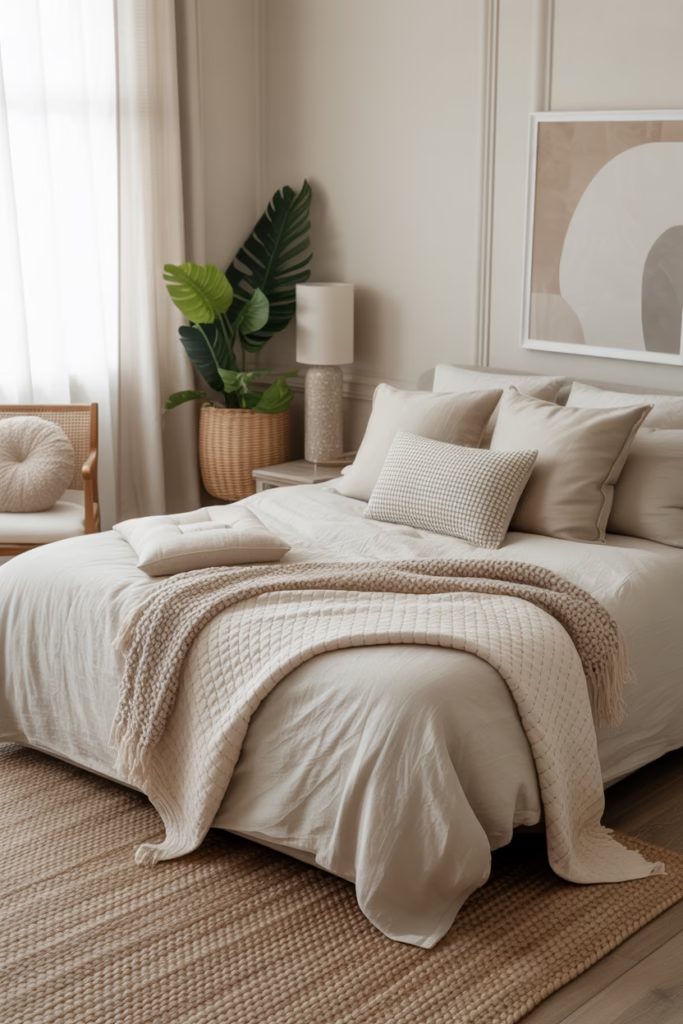
One of the most common fears about minimalist bedrooms is that they’ll feel cold or sterile. The solution? Texture. Layering different materials and fabrics keeps the room feeling warm and inviting, even with a limited color palette.
Think: a chunky knit throw at the foot of the bed, linen pillowcases, a soft cotton blanket, and a woven rug. None of these add color chaos — they just add depth.
Texture ideas that work in minimalist rooms:
- Bouclé cushions
- Waffle-weave throws
- Rattan or wicker baskets
- Limewash or plaster-effect walls
- Shaggy bath mat (yes, it counts)
16. Create a Dedicated “Drop Zone” Outside the Bedroom
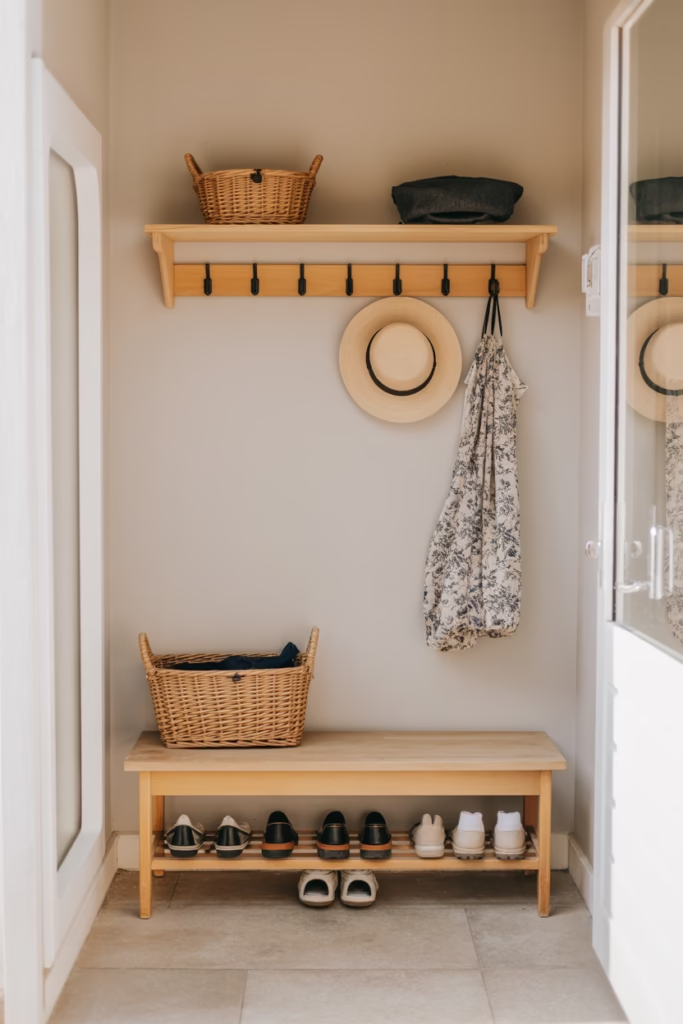
Here’s a practical one that nobody talks about enough: most bedroom clutter starts before you even enter the room. Bags, jackets, keys, shoes — all of it ends up in the bedroom because there’s no logical place to put it elsewhere.
Create a dedicated drop zone near your front door or in the hallway. A small bench with hooks, a shoe rack, and a basket for everyday carry items. This one change alone can dramatically reduce how much stuff migrates into your bedroom.
Think of it as a clutter checkpoint. Nothing gets past it.
17. Edit Ruthlessly and Edit Often
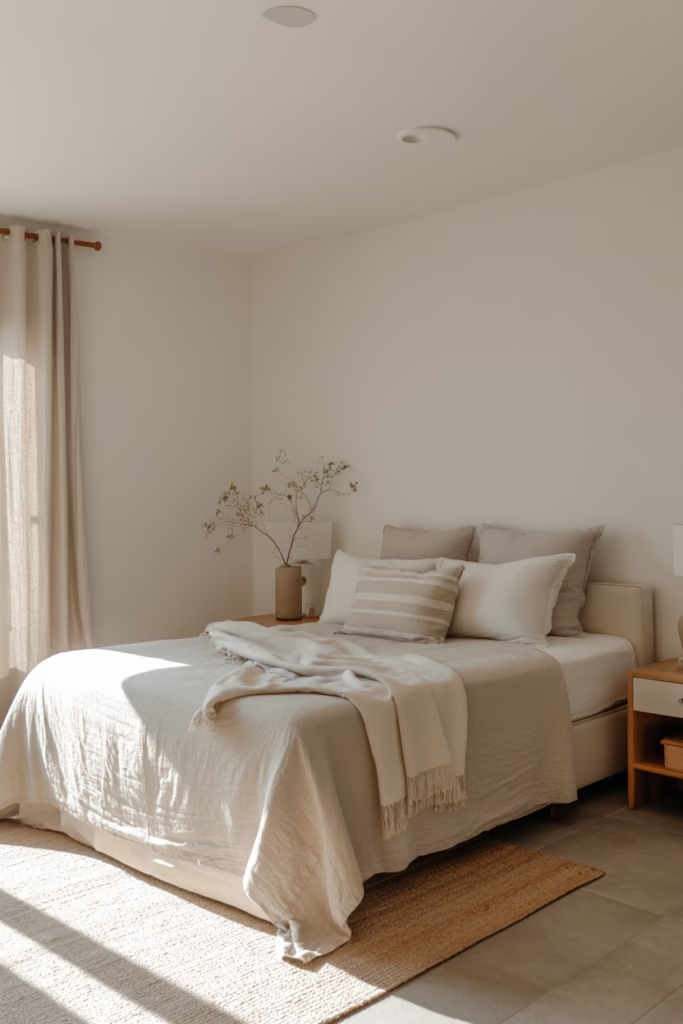
This is the big one — the habit that separates people who maintain a minimalist bedroom from people who have a minimalist bedroom for about a week. You have to edit your space regularly.
Every month or so, do a quick scan. What’s accumulated that doesn’t belong? What are you holding onto out of guilt rather than love? Minimalism isn’t a one-time project, it’s an ongoing practice.
Summer is a natural reset point — longer days, lighter energy, more motivation to refresh your space. Use that momentum.
- Remove anything you haven’t used in 30 days
- Donate duplicates (you don’t need four throw blankets)
- Reassess your surfaces: are they still intentional?
Bringing It All Together
So there you have it 17 genuinely actionable ideas to create a minimalist bedroom that actually stays clutter-free, especially as summer rolls in. The through-line in all of these? Intentionality. Every piece in your room should earn its spot.
You don’t need to gut your entire bedroom this weekend either. Start with one idea, maybe swap out your heavy curtains or finally clear that nightstand and build from there. Small changes stack up fast, and before you know it, your bedroom feels like a proper sanctuary 🙂
The real magic of a minimalist bedroom isn’t that it looks good in photos (though it absolutely will). It’s that it genuinely changes how you feel. Less visual noise, less mental noise. More rest, more calm, more you.