
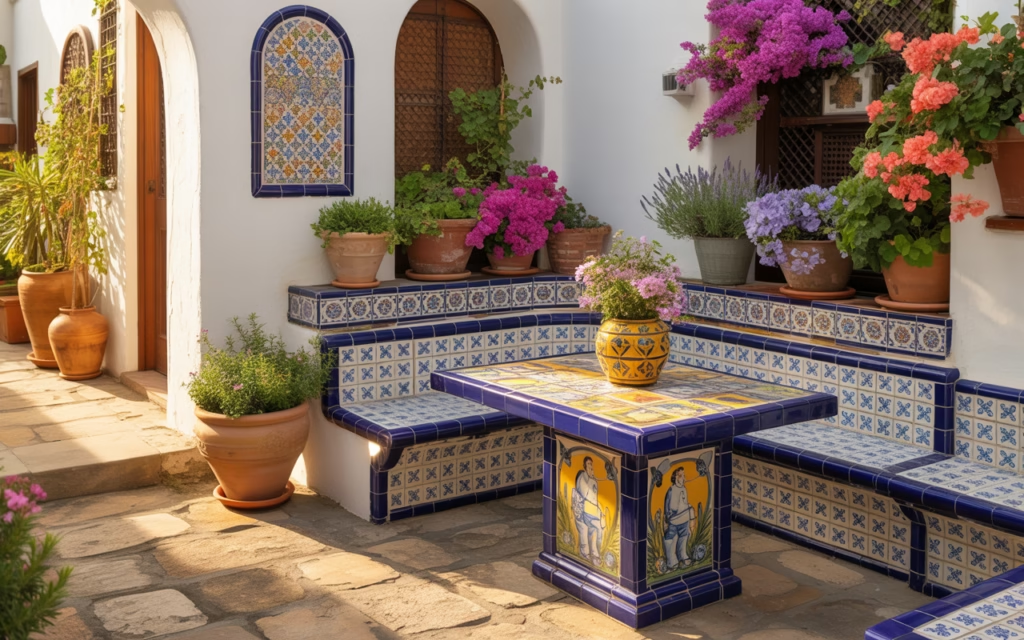
Ever scroll past a Mediterranean-style patio photo and think, “Why in the world doesn’t my outdoor space look like that?” You know the one white stucco walls, terracotta pots spilling over with herbs, a big olive tree in honor, and sunlight that somehow looks richer than the kind you have at home. Mediterranean patio gardens have this way of feeling like a slow, sun-drenched vacation packed into a few square feet, even if you’re literally just outside your back door.
The best part? You don’t need a villa in Tuscany, a coastal view, or a personal gardener to recreate that magic. With a few smart ideas, the right plants, and a little patience, you can turn your modest patio, balcony, or tiny backyard into a Mediterranean-inspired retreat that feels like it belongs on a stylish travel blog.
In this post, I’m walking you through 15 Mediterranean patio garden ideas that are easy to adapt, visually stunning, and actually practical for real life.
1. Start With a Stone or Terracotta Tile Floor
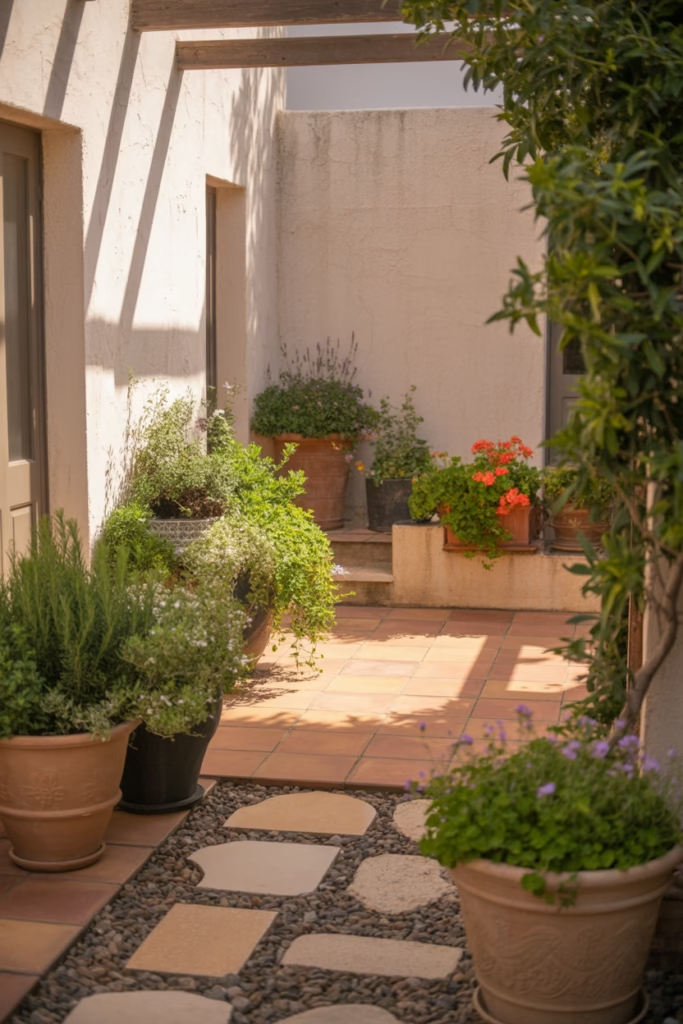
The foundation of any Mediterranean patio is the floor. And I mean that literally — the flooring sets the entire vibe before you place a single pot.
Terracotta tiles, natural stone pavers, and irregular flagstone are your go-to options here. They’re warm, textured, and instantly transport you to somewhere with better weather and fewer emails. IMO, natural stone pavers give you the most flexibility because they work with almost any plant palette.
Go for earthy tones — burnt orange, sandy beige, warm grey. Avoid anything too polished or uniform; Mediterranean style thrives on that slightly imperfect, worn-in look. Think “old world” not “new construction.”
2. Load Up on Terracotta Pots (Seriously, More Than You Think You Need)
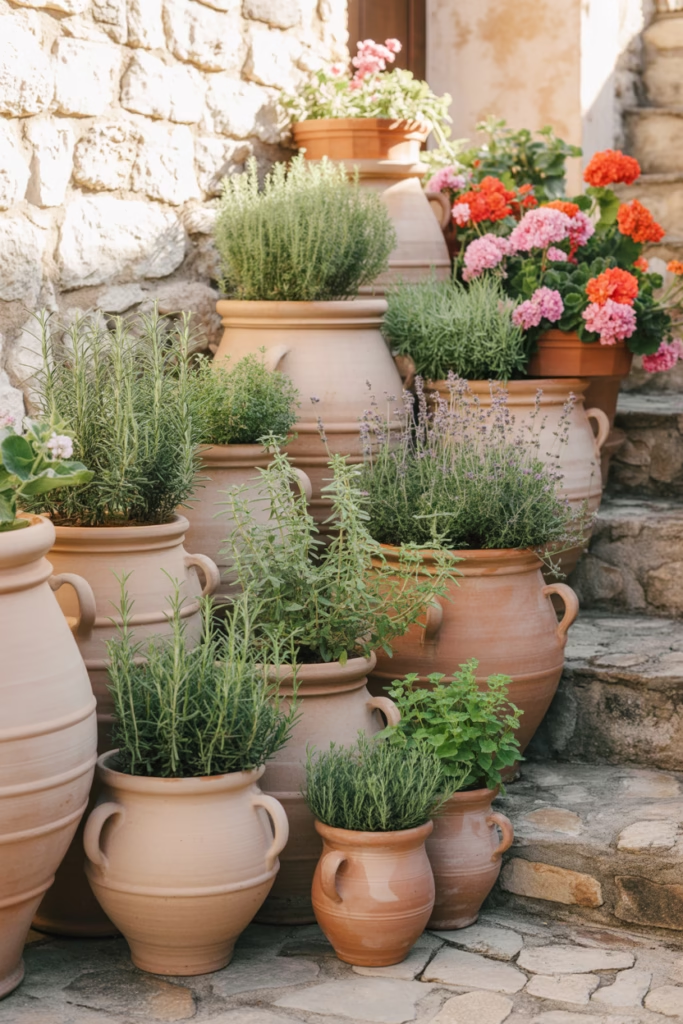
If Mediterranean garden style had a mascot, it would be a terracotta pot. These clay beauties are affordable, breathable for plant roots, and look stunning whether they’re weathered and cracked or brand new.
The trick? Cluster them in groups of odd numbers. Three, five, seven pots of varying heights create visual depth and give that effortlessly curated look. You’re going for “collected over time” not “bought all at once from one shelf.”
- Fill large pots with olive trees or bay laurel
- Use medium pots for lavender, rosemary, or geraniums
- Small pots work beautifully for herbs like thyme and oregano
And yes, the fact that you’ll also be growing fresh herbs you can actually cook with is a massive bonus. 🙂
3. Plant an Olive Tree as Your Statement Piece
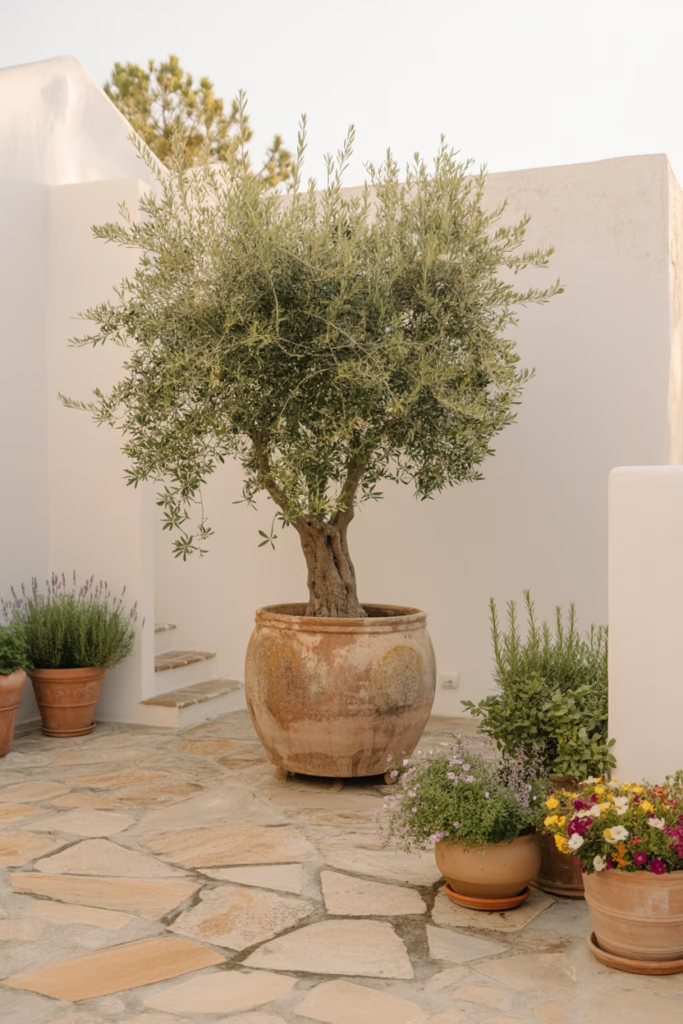
Speaking of olive trees — if you’re serious about this Mediterranean aesthetic, an olive tree is basically non-negotiable. It’s the anchor of the whole garden.
Olive trees are slow-growing, drought-tolerant, and absolutely gorgeous with their silvery-green foliage and gnarled trunks. Even a young potted olive tree adds instant character to a patio. They work in containers if you’re in a colder climate, and they’ll happily summer outdoors before you bring them in for winter.
Plant it in a large terracotta or stone planter, give it full sun, and water it sparingly. Olive trees are practically designed to be neglected — which makes them perfect for busy gardeners who love aesthetics but forget to water things (no judgment here).
4. Add Climbing Plants to Walls and Pergolas
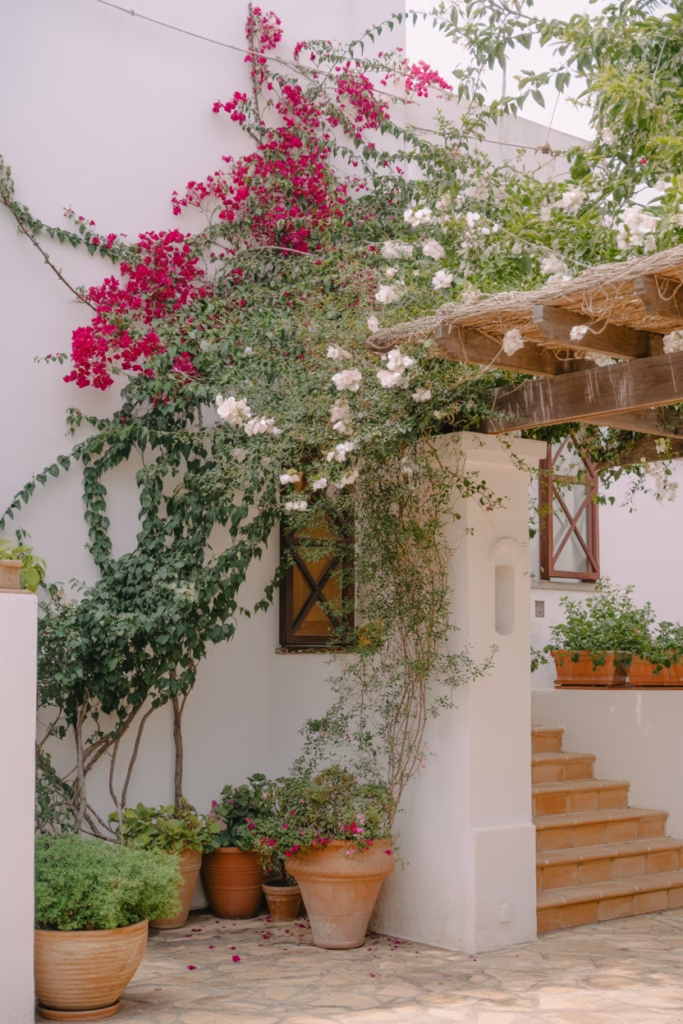
A bare wall in a Mediterranean garden is basically wasted potential. Climbing plants transform flat surfaces into living art, and they’re one of the fastest ways to make a space feel lush and established.
Top picks for a Mediterranean climb:
- Bougainvillea — the showstopper, with those vivid magenta or orange blooms
- Wisteria — fragrant and dramatic, especially over a wooden pergola
- Jasmine — the scent alone is worth it
- Grapevines — gorgeous foliage and, FYI, you might actually get grapes
Train them along trellises, up pergola posts, or along wire systems fixed to walls. Within one growing season, you’ll feel like you’re eating lunch in a Santorini courtyard.
5. Build or Buy a Simple Pergola
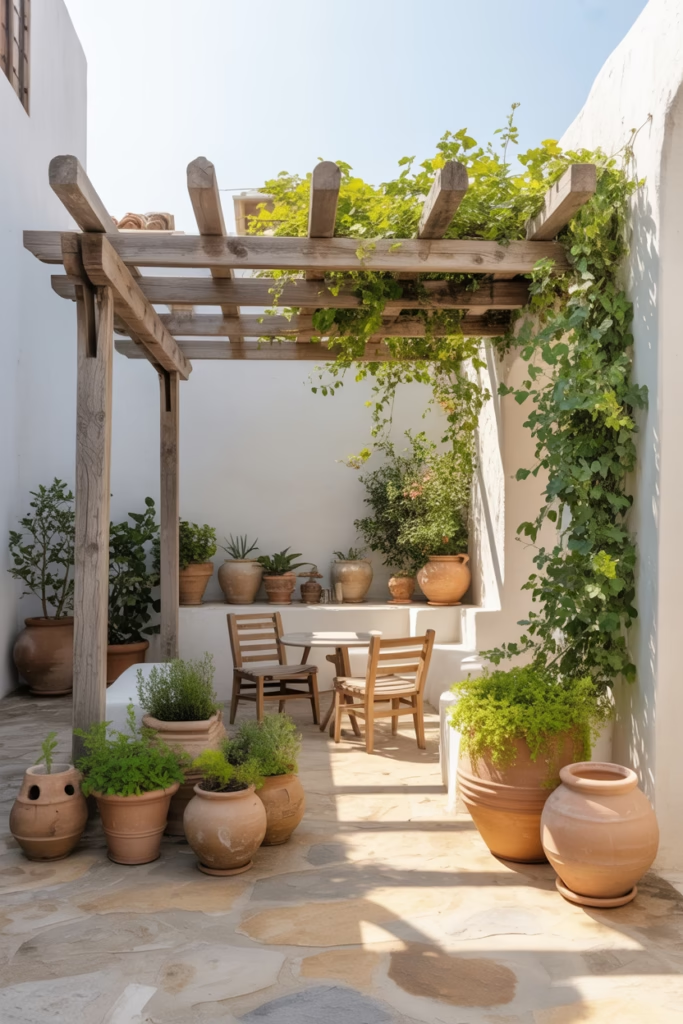
Ever wondered why every beautiful Mediterranean patio photo seems to have some kind of overhead structure? It’s not just for aesthetics — a pergola creates a defined outdoor room and gives climbing plants something to grow on.
You don’t need anything elaborate. A simple wooden pergola with four posts and an open slat roof instantly frames your seating area and makes the whole space feel intentional. Drape it with string lights, let a grapevine or wisteria weave through it over time, and you’ve got a dining space that will make your dinner guests never want to leave.
If you’re not ready for a full build, a freestanding pergola kit works just as well and takes a weekend to assemble.
6. Choose a White or Warm-Toned Color Palette
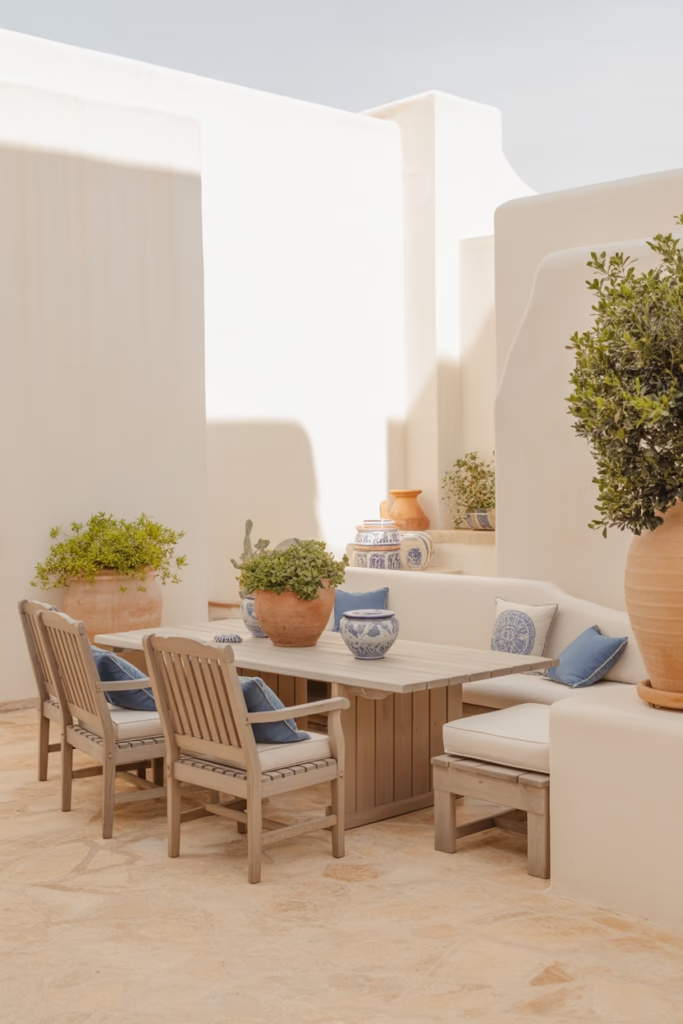
Mediterranean style is rooted in a specific color language: white walls, warm terracotta, sun-bleached wood, and pops of cobalt blue or deep green. Stick to this palette and your patio will look cohesive without much effort.
If you have the option to paint a boundary wall or fence, go with crisp white or a warm cream. It reflects light, makes the space feel bigger, and provides the perfect backdrop for terracotta pots and colorful blooms.
Accent with cobalt blue — think painted pots, ceramic tiles inset into a table, or cushion covers in that iconic Greek-island blue. It’s a small detail that packs a big visual punch.
7. Install a Small Water Feature
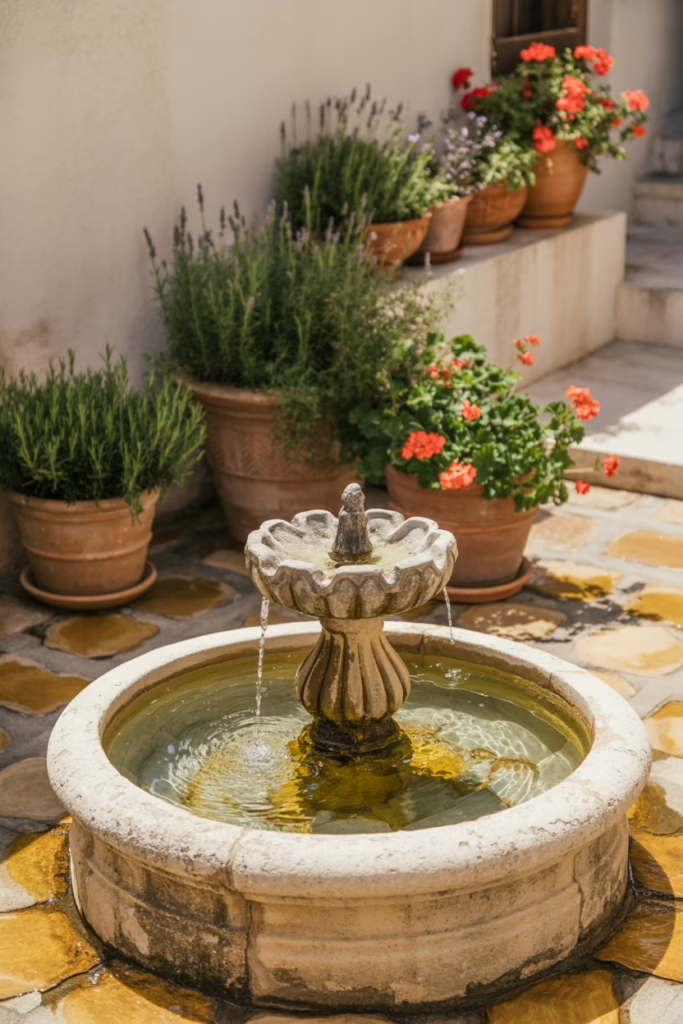
There’s something about the sound of trickling water that makes outdoor spaces feel instantly calming. In Mediterranean garden design, water features have been a staple for centuries — from elaborate Roman fountains to simple ceramic wall spouts.
You don’t need to go full Roman emperor here. Even a small tiered stone fountain or a simple wall-mounted spout flowing into a basin adds incredible ambiance. The sound softens traffic noise, attracts birds, and makes the space feel like a retreat.
Place it as a focal point — against a wall, at the end of a pathway, or centered in a courtyard-style arrangement. Pair it with low-growing plants like creeping thyme or moss around the base for a naturally integrated look.
8. Use Gravel or Decomposed Granite as Ground Cover
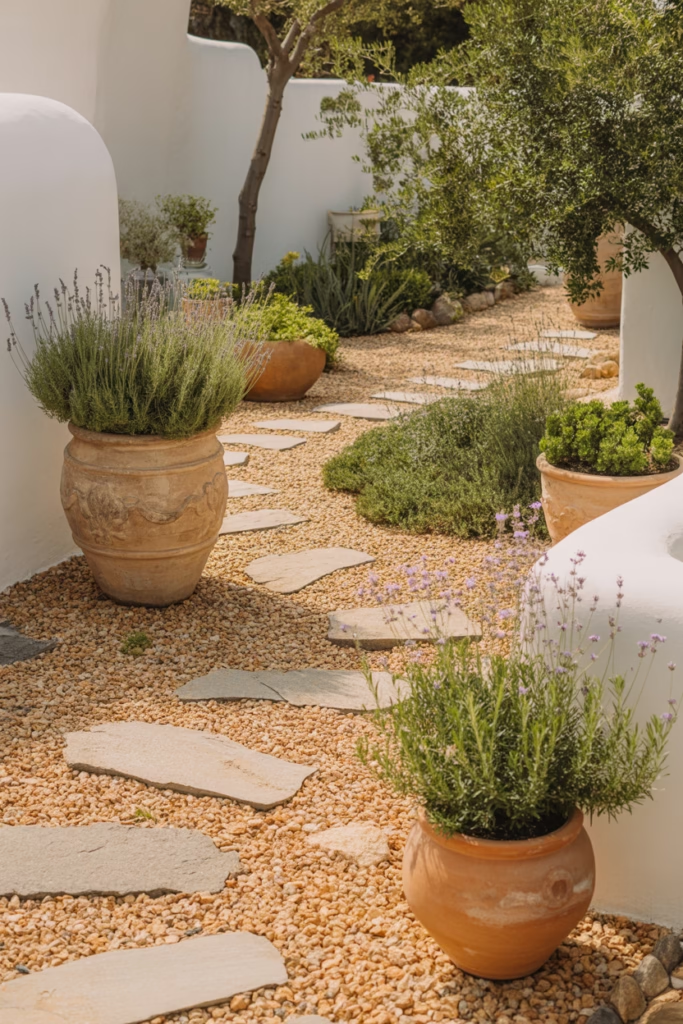
Not every inch of your Mediterranean patio needs to be tiled. Gravel or decomposed granite ground cover is practical, low-maintenance, and incredibly authentic to the style.
It drains well (crucial for Mediterranean plants that hate wet feet), suppresses weeds, and looks beautiful between stepping stones or around planted areas. Use pea gravel for a softer look or crushed limestone for a warmer, more golden tone.
Bonus: gravel areas give you flexibility. You can move pots around, add new plants, or completely rearrange your layout without any demolition. That kind of design flexibility is genuinely underrated.
9. Layer in Aromatic Herbs Everywhere
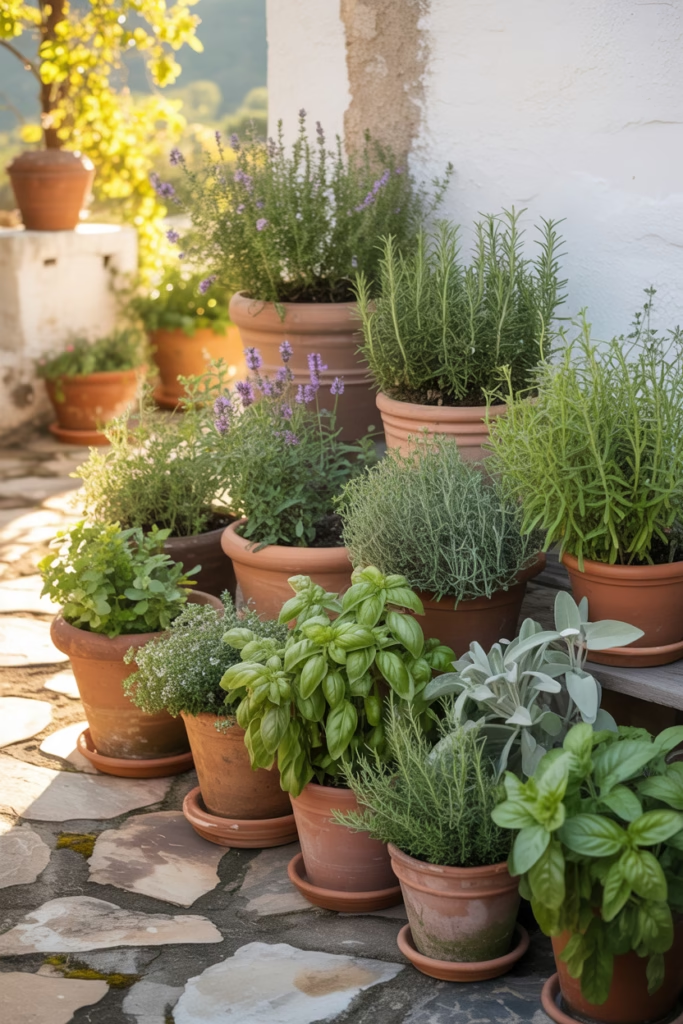
Mediterranean cooking and Mediterranean gardens are basically the same thing with different outcomes. Rosemary, lavender, thyme, sage, oregano, and basil are all visually beautiful, delightfully fragrant, and genuinely useful in the kitchen.
Plant them in terracotta pots near your seating area so guests brush against them and release that incredible herby scent. Line a low wall with lavender for both fragrance and that signature purple-haze aesthetic. Use rosemary as a low hedge along a pathway.
The best part? These plants thrive on neglect. They want full sun, well-drained soil, and minimal watering. They’re the exact opposite of high-maintenance, which means even the most forgetful among us can have a lush, fragrant herb garden. :/
10. Incorporate Mosaic or Painted Tile Accents
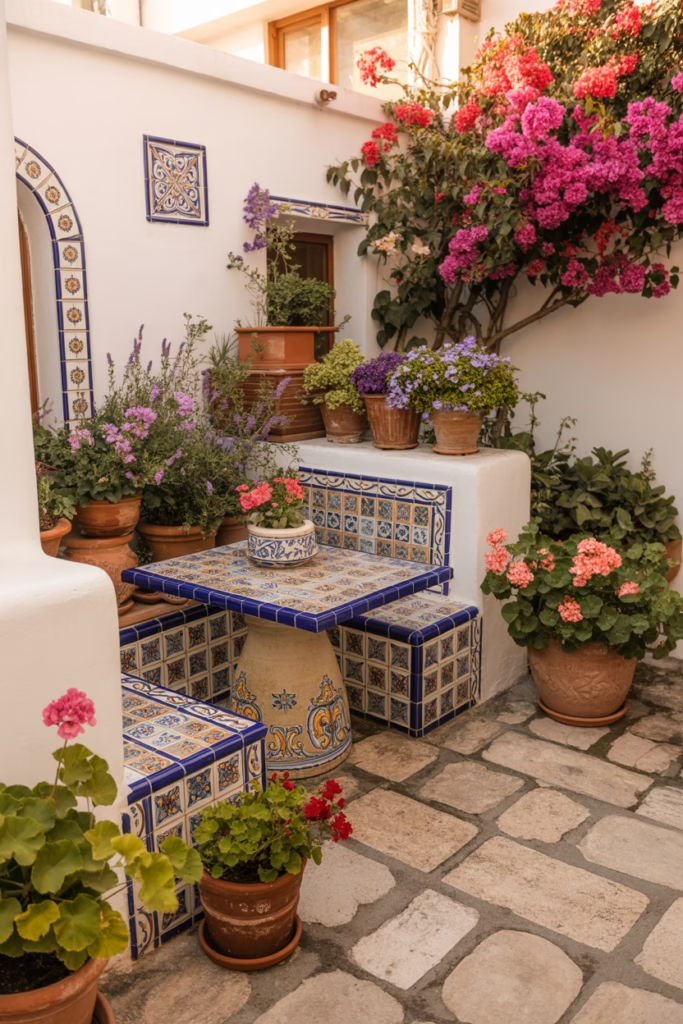
Decorative tile is one of the most distinctive elements of Mediterranean design. Hand-painted ceramic tiles and mosaic patterns add color, pattern, and that artisan quality that makes Mediterranean spaces feel so rich and layered.
You don’t need to retile your entire patio. Small accents go a long way:
- A mosaic tabletop
- Decorative tiles set into a wall as a backsplash behind an outdoor kitchen
- Painted tile numbers or patterns on pot faces
- A tiled water feature basin
Look for bold geometric patterns in cobalt blue, warm yellow, and white — these are the classic Moorish and Spanish-influenced designs that define the style. Even a single mosaic element anchors the Mediterranean feel.
11. Set Up a Relaxed Outdoor Dining Area
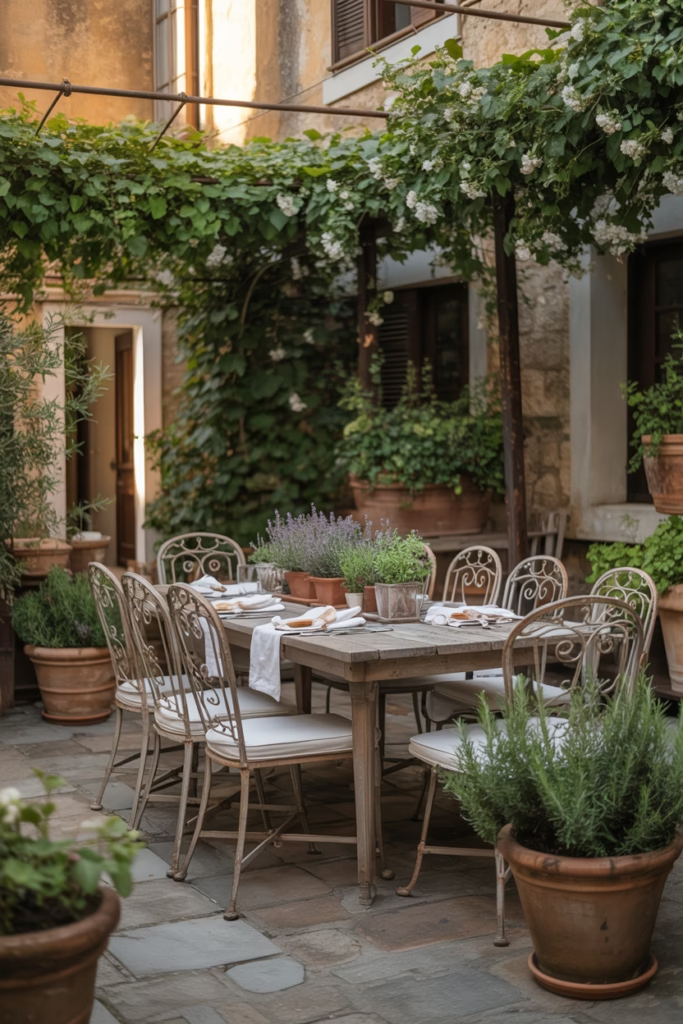
Mediterranean culture is built around long, leisurely meals outdoors. Your patio should reflect that. A proper dining setup — table, chairs, shade overhead — is the heart of a Mediterranean garden.
Go for natural materials: a solid wood table, wrought iron or rattan chairs, ceramic or stone serving pieces. Avoid anything too sleek or modern — Mediterranean style loves warmth, texture, and imperfection.
Add a simple cotton tablecloth in white or natural linen, a terracotta vase with fresh herbs or wildflowers as a centerpiece, and a string of globe lights overhead. That’s it. That’s the whole recipe for a patio that makes dinner feel like a celebration.
12. Create a Shaded Seating Nook
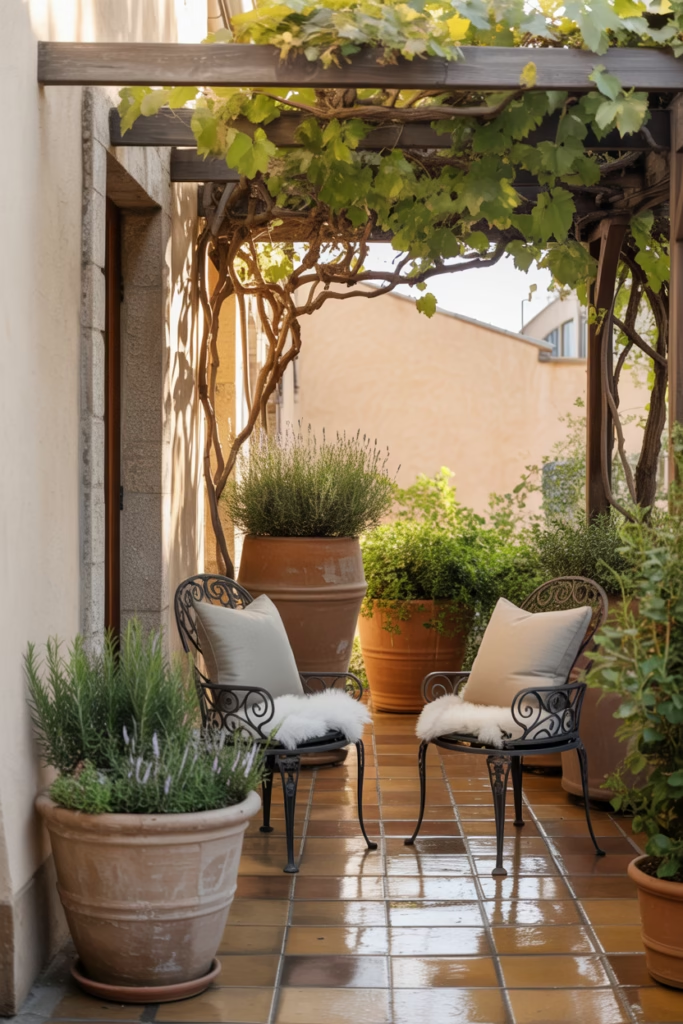
Sometimes you want full sun. Sometimes you want to sit outside without actually sitting in the sun. A shaded nook — whether from a sail shade, pergola canopy, or dense climbing plants — makes a patio usable at any time of day.
Create a cozy corner with a pair of wrought iron chairs or a small loveseat, some outdoor cushions in warm linen tones, and a side table for your glass of something cold. Surround it with potted plants for that enclosed, intimate feeling.
This kind of nook is where you’ll actually spend your time. The grand dining table is for guests; the shaded nook is for you.
13. Add Outdoor Lighting for Evening Ambiance
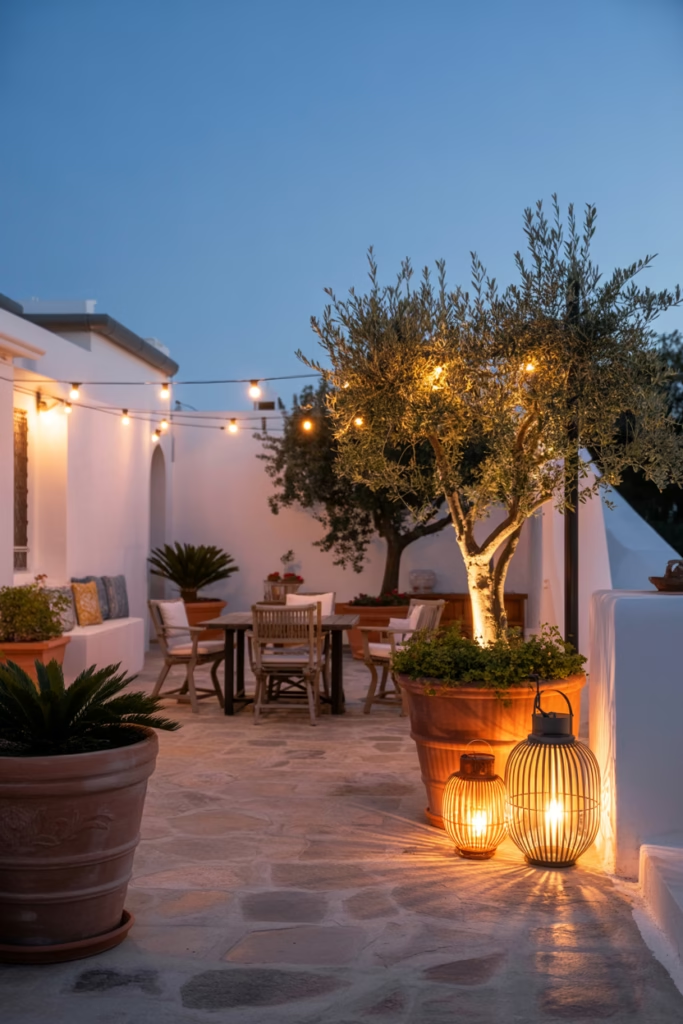
A Mediterranean patio should look just as beautiful at 9 PM as it does at 9 AM. Layered outdoor lighting transforms the space after dark and extends the hours you actually spend outside.
Here’s a simple lighting formula that works:
- String lights or festoon bulbs draped across the pergola or between posts for warm overhead glow
- Lanterns — wrought iron, terracotta, or Moroccan-style — placed on tables and steps
- Uplighting on statement plants like olive trees or tall pots
- Solar stake lights along pathways or between ground cover plants
Warm white or amber bulbs only. Cool white lighting completely kills the Mediterranean vibe — it’s the lighting equivalent of wearing a puffy jacket to a beach party.
14. Introduce Colorful Geraniums and Bougainvillea
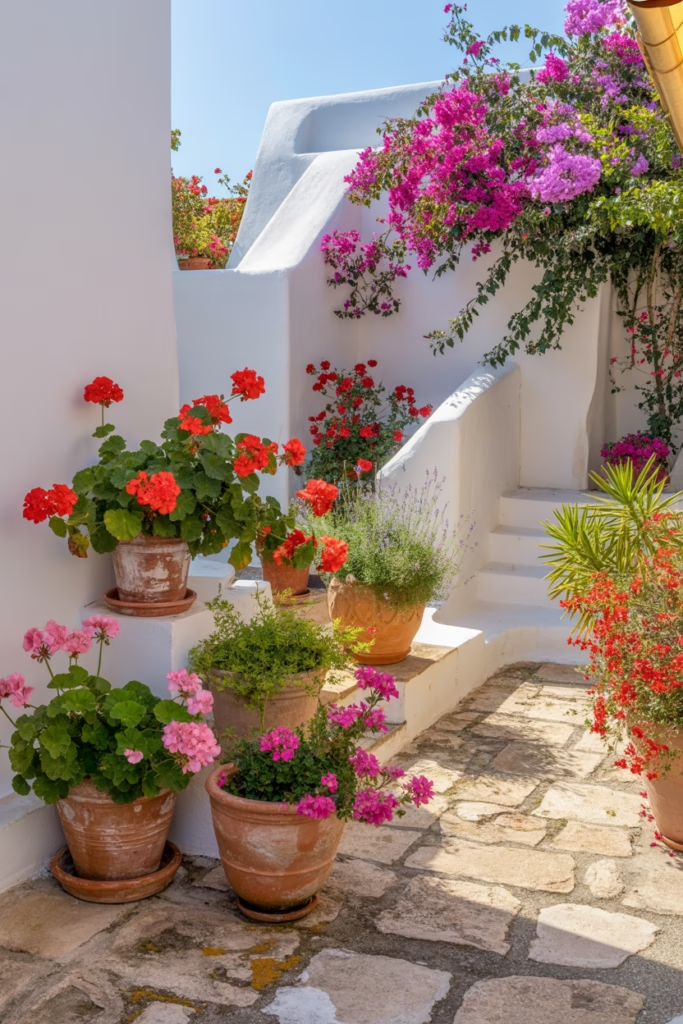
If there’s one plant combination that screams Mediterranean village, it’s geraniums in terracotta pots paired with bougainvillea climbing the walls. These two plants together are basically shorthand for “beautiful southern European outdoor space.”
Geraniums are incredibly easy to grow and maintain, they bloom for months, and they come in that perfect range of reds, pinks, and whites that look stunning against white walls and terracotta. They’re also drought-tolerant once established — very on-brand for Mediterranean style.
Bougainvillea adds the drama. Those papery blooms in hot pink, deep magenta, or vivid orange cascade over walls and pergolas in a way that makes the whole space look like a postcard. Plant them where they’ll get at least six hours of direct sun and let them do their thing.
15. Finish With Personal Art and Decorative Accents
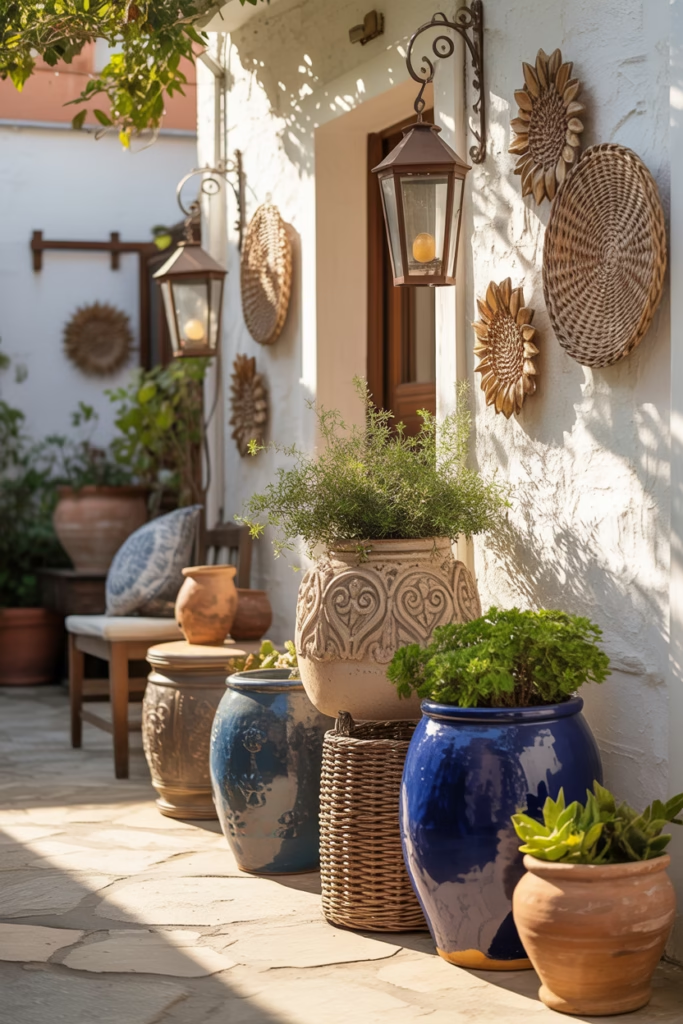
The final layer of any great Mediterranean patio is the personal touch. Decorative accents — ceramics, sculptures, wall art, lanterns, woven baskets — give a space personality and make it feel lived in rather than staged.
Think about:
- A collection of ceramic pots in varying glazes grouped on steps or a wall ledge
- A wrought iron wall sconce or decorative grille as a focal point
- Vintage or artisan ceramics used as planters or purely as decor
- Outdoor-safe artwork or mirrors reflecting light and adding depth
Don’t overthink it. The beauty of Mediterranean style is that it’s genuinely collected and layered over time. Start with what you love, add pieces gradually, and trust that imperfection and abundance are exactly the point.
Bringing It All Together
A Mediterranean patio garden isn’t one single thing it’s a combination of texture, color, scent, and warmth that creates an experience. You don’t need to implement all 15 ideas at once. In fact, the most beautiful Mediterranean gardens tend to grow gradually, one pot, one plant, one lantern at a time.
Start with the bones: good flooring, a pergola or shade structure, and a few key plants like an olive tree and some lavender. Then layer in the details terracotta, climbing plants, lighting, tile accents as your budget and time allow.
The goal isn’t a picture-perfect showpiece. It’s a space where you actually want to spend time. Where dinner stretches into the evening, where the herbs smell incredible after rain, and where sitting outside feels like a genuine escape. That’s what Mediterranean garden style does better than almost anything else.
Absolutely beautiful. I am just starting. I have my natural stone pathway and a selection of terracotta pots to start with. I also have a couple cobolt blue pots to throw in. I have so far have planted lavender in one of the pots. Hoping to continue with my project this weekend aiming to get my olive tree.
Thanks for this
Karen
Thank you! Your setup already sounds gorgeous.
Thank you for the inspiration. I was thinking about buying outdoor rugs, but a friend suggested I not waste my money on rugs. So I searched for gardens and backyards without rugs, and it led me to this beautiful inspiration. I have all the elements mentioned here, so I am going to create with your suggestions in mind. Very excited to put it together, as it is my first project in my new home. Thank you!
That’s such a lovely story — from “don’t waste money on rugs” to finding exactly the inspiration you needed! I love that you already have all the elements in place, that makes this so much easier. Congratulations on your new home