
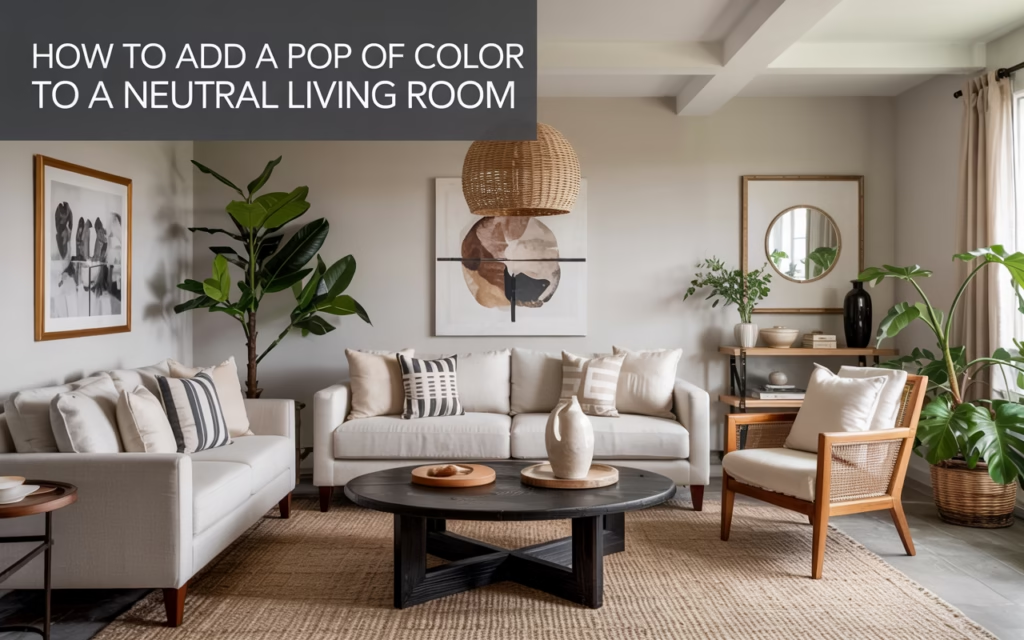
Neutral living rooms are gorgeous until they’re not. You know that moment when you look at your perfectly beige, greige, or white space and think, “This looks like a waiting room”? Yeah, that feeling. It’s more common than you think, and honestly, fixing it is way easier than a full renovation.
You don’t need to repaint every wall or toss out your furniture. A few well-placed pops of color can completely transform the vibe of a neutral room making it feel warmer, more personal, and way more interesting. So let’s talk about how to do it without going overboard (or spending a fortune).
1. Start with Throw Pillows — Seriously, They’re Magic
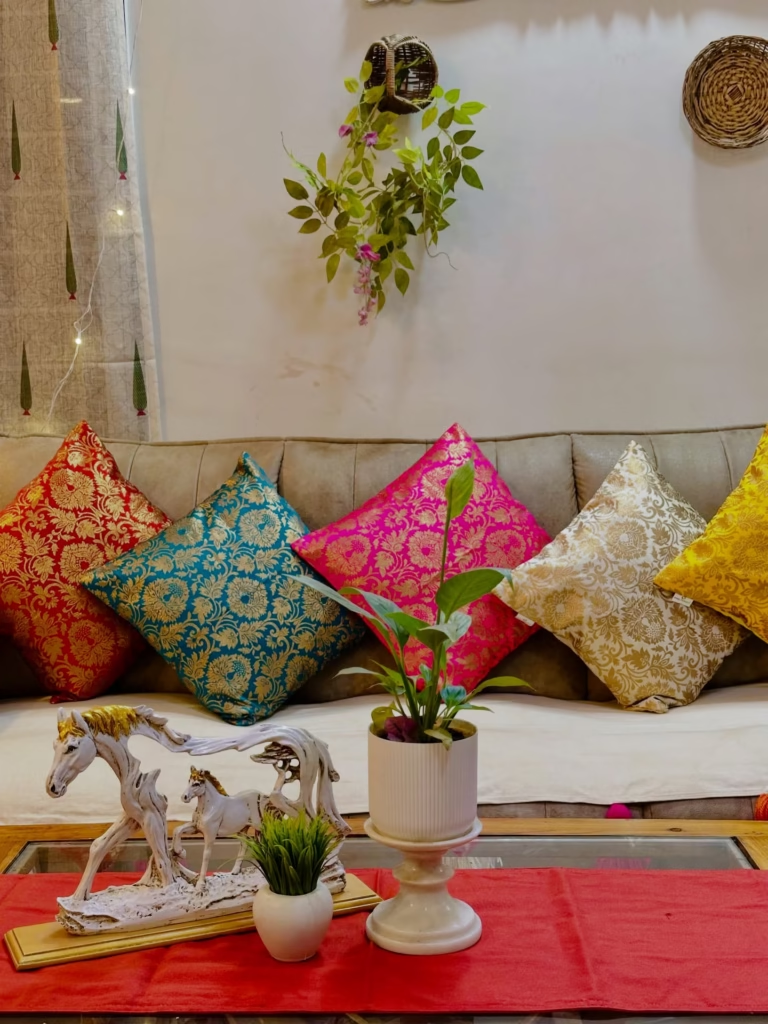
If there’s one thing I’d bet money on, it’s that throw pillows are the most underrated color delivery system in interior design. They’re affordable, swappable, and they can single-handedly change the entire mood of your living room in under five minutes.
Think about it — your sofa is probably some version of gray, white, cream, or tan. That’s a blank canvas just begging for color. A couple of deep teal, burnt orange, or mustard yellow pillows can anchor your whole color story.
How to Pick the Right Colors
Don’t just grab whatever’s on sale. Instead, think about:
- The feeling you want — warm tones (terracotta, rust, gold) make a room feel cozy; cool tones (sage, cobalt, teal) feel more airy and modern
- Your existing undertones — if your neutrals lean warm (creamy whites, tans), lean into warm accent colors; cool grays pair better with blues and greens
- The rule of three — pick one dominant accent color, one supporting color, and one neutral that ties them together
IMO, two to three throw pillows in a bold color plus one in a pattern that incorporates that color is the sweet spot. 🙂
2. Bring in a Statement Rug
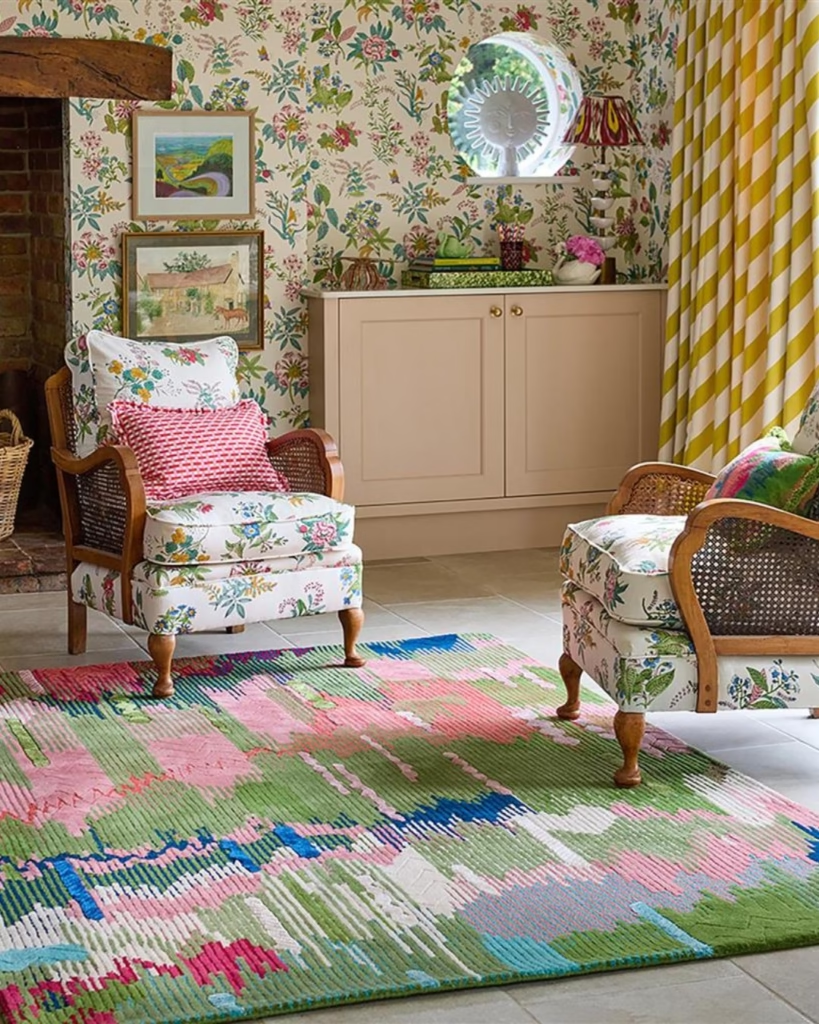
Your floor is basically a fifth wall — and if it’s bare or covered in a plain beige rug, you’re wasting serious real estate. A colorful area rug is one of the highest-impact changes you can make to a neutral living room without touching a single wall.
The key here is scale. A rug that’s too small just floats awkwardly in the room like it got lost. Go big — ideally, your rug should extend at least 6–8 inches beyond your sofa on each side, and all your main seating should sit either fully on it or at least have their front legs on it.
Best Rug Styles for Neutral Rooms
- Persian or Oriental rugs — rich jewel tones that add instant character and a timeless feel
- Geometric rugs — great for modern or Scandi-style spaces; bold patterns in two-tone color combos work beautifully
- Striped rugs — a classic that never fails, especially in navy, terracotta, or forest green
- Abstract rugs — if you want color without a strong pattern, a painterly abstract rug adds art-gallery energy
A warm rust or deep navy rug against white walls? Chef’s kiss. It grounds the whole room and makes everything feel intentional.
3. Add a Bold Accent Chair
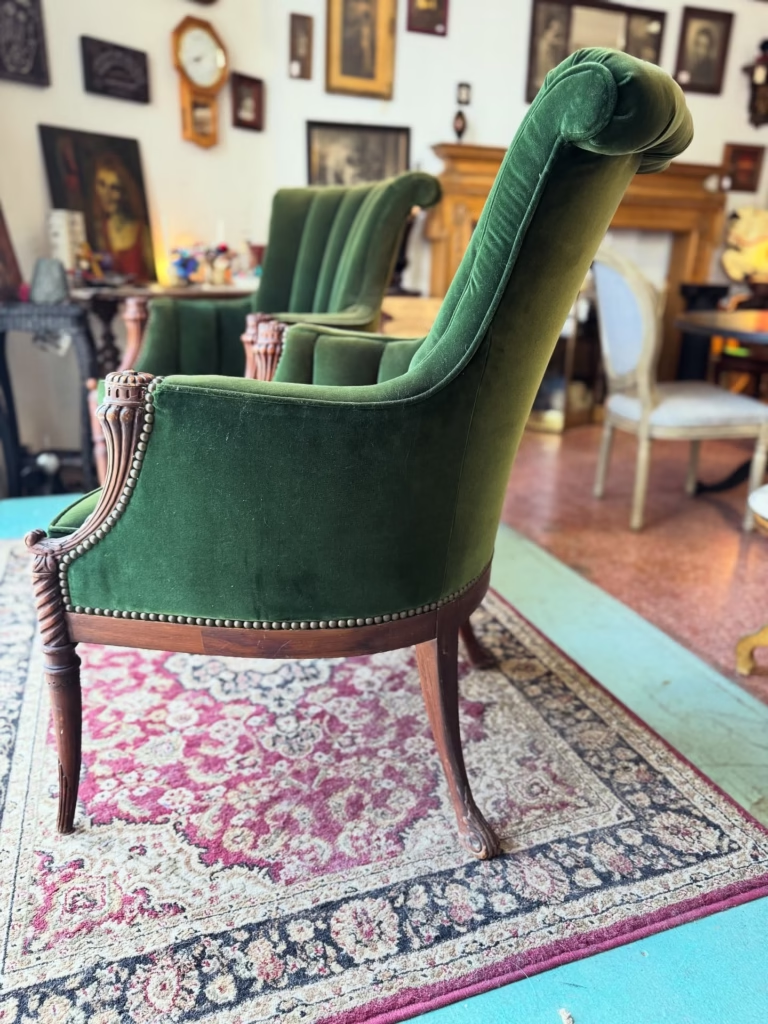
Here’s a question — why do people always buy accent chairs in the same neutral as the rest of their furniture? The whole point of an accent chair is to accent something. Let it do its job.
An accent chair in a saturated color — think forest green velvet, cobalt blue, or even a warm terracotta — gives your room a focal point. It draws the eye, creates visual interest, and makes your neutral sofa look even more chic by contrast.
What to Look for in an Accent Chair
- Fabric matters — velvet and boucle both hold color beautifully and look luxurious without being high maintenance
- Shape over trend — a classic barrel chair or a sculptural wishbone-style chair in a bold color will outlast any passing trend
- Proportion — make sure the scale fits your room; an oversized accent chair in a tiny room will just feel cramped
Even if you keep everything else completely neutral, one bold accent chair can make your living room look like it was professionally designed. That’s the power of a single intentional color choice.
4. Layer in Colorful Textiles and Throws
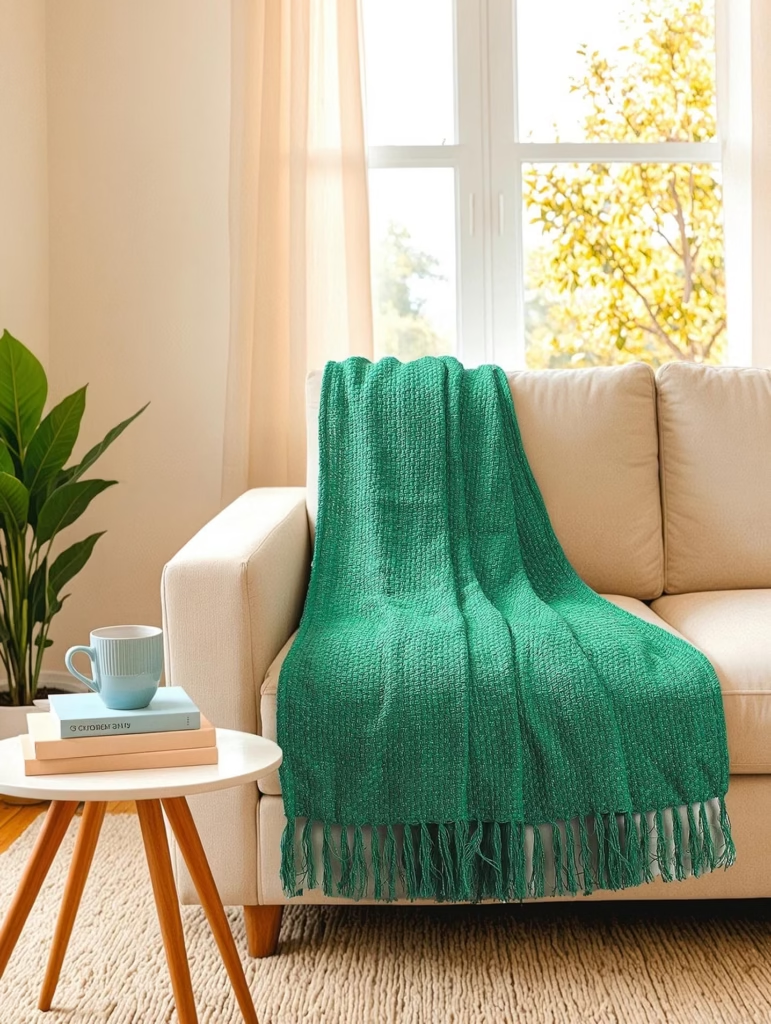
Throw blankets are basically the casual cousin of throw pillows, and they deserve just as much attention. Draping a colorful throw over the arm of your sofa or the back of a chair adds texture, warmth, and a relaxed, lived-in quality that makes a room feel genuinely inviting.
The trick is to let it look naturally draped rather than perfectly folded. Think of how a cozy cashmere throw looks after someone’s actually used it — that effortless quality is exactly the vibe you want.
Textile Ideas That Work
- A chunky knit throw in sage green or dusty rose draped over a gray sofa
- Woven cotton throws in warm sunset tones (amber, rust, blush) layered over a cream sectional
- A patterned blanket with multiple accent colors that ties together all your other color choices
FYI, mixing textures within the same color family (like a matte pillow and a shiny velvet throw in similar shades of blue) creates a really sophisticated, layered look that feels designer without the price tag.
5. Use Art as Your Color Anchor
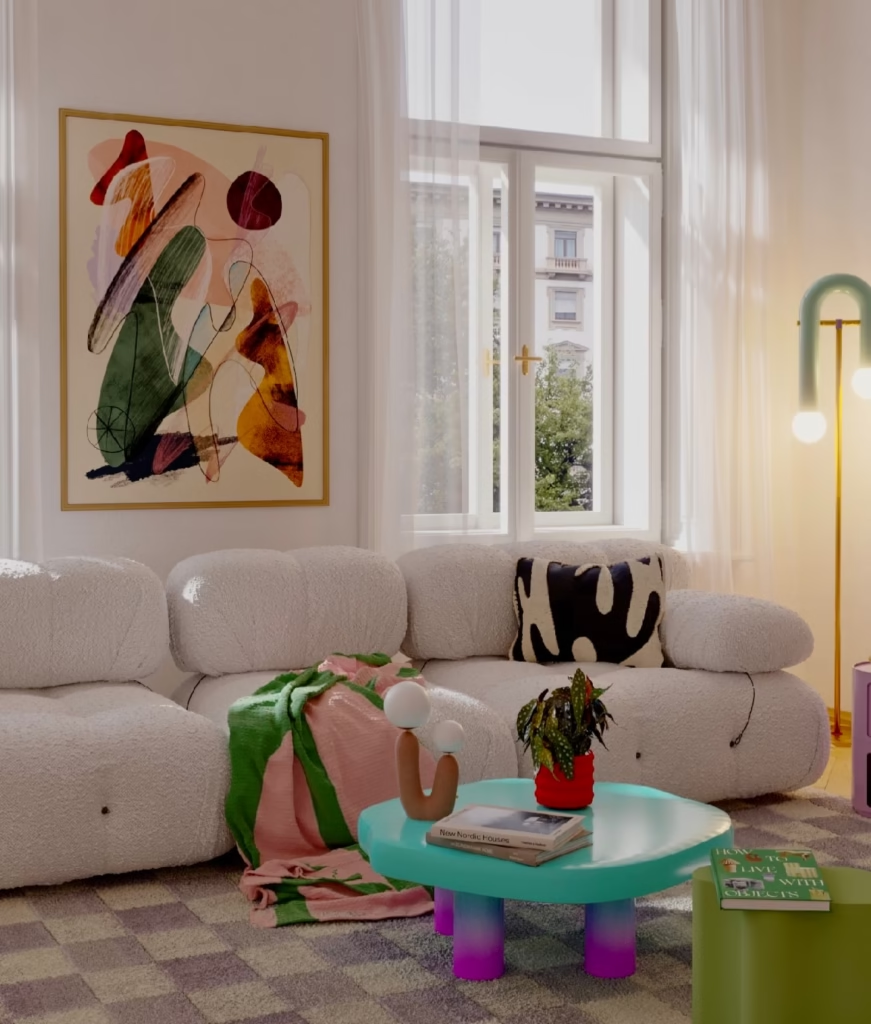
This is genuinely one of my favorite ways to introduce color to a neutral room — and it’s also the most personal. A piece of wall art can set the entire color palette for your space, and once you find art you love, everything else just falls into place around it.
If you’re staring at a blank white wall right now wondering where to even start with color, pull up some art prints online. Find one with colors that genuinely excite you. Then use that art as your color guide for every other accent purchase — pillows, rugs, throws, vases.
Tips for Choosing Art for a Neutral Room
- Go bigger than you think you need — a large statement piece always looks more intentional than a cluster of small frames
- Abstract art is forgiving — it introduces color without making your room feel themed or overly literal
- Don’t forget the frame — a natural wood frame feels warm and organic; a thin black frame feels modern and crisp
One large, color-forward print above your sofa can anchor the entire room’s color story. Everything else you add just builds on it.
6. Introduce Plants (Yes, Green Counts as Color)
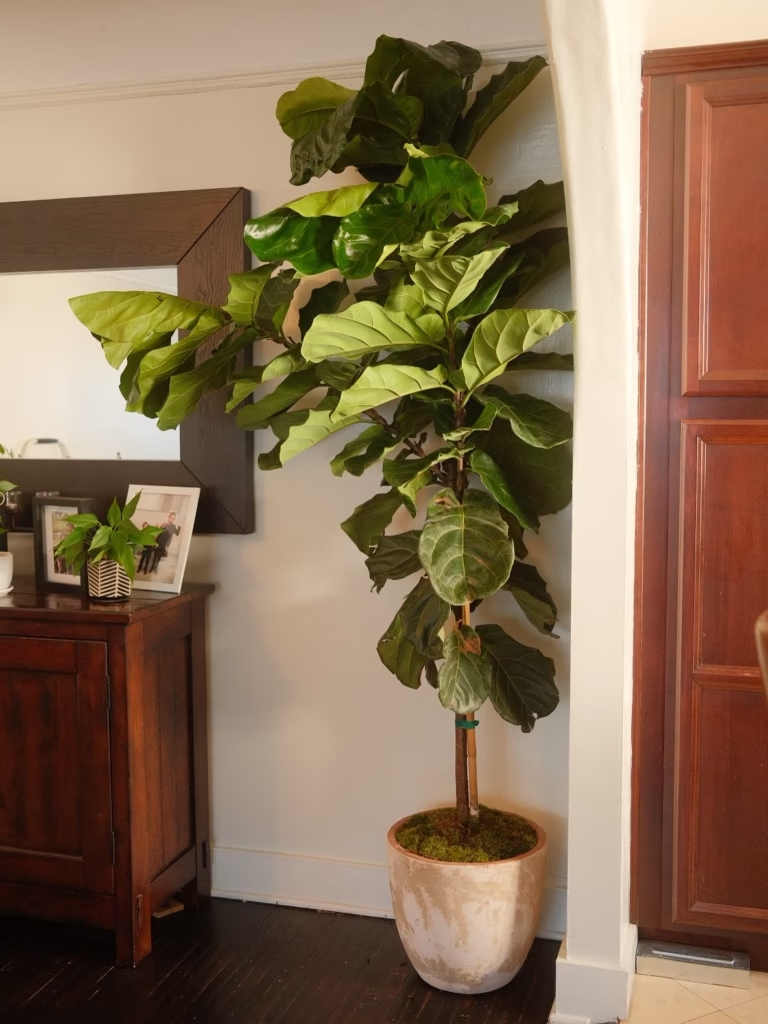
Okay, technically this might feel like a cop-out answer, but hear me out. Living plants bring in the one color that almost always works in a neutral room: green. And unlike other colors, green almost never clashes — it’s nature’s neutral. Except it’s not actually neutral at all, which is exactly why it works.
A tall fiddle-leaf fig or a lush monstera in a terracotta pot next to a white wall is genuinely one of the most effortlessly stylish looks in home decor. It’s color, texture, height, and life — all in one spot.
Best Plants for Living Room Impact
- Fiddle-leaf fig — tall, dramatic, and that deep green is stunning against white or cream walls
- Monstera deliciosa — the split leaves create great visual texture and it grows fast
- Pothos or trailing plants — perfect for high shelves where the trailing vines add a soft, romantic quality
- Snake plant — nearly impossible to kill, and the upright architectural shape looks incredibly chic
Don’t forget the pot! A colored ceramic pot can double as a color accent on its own. A forest green pot, a cobalt blue planter, or a warm terracotta vessel all add personality beyond just the plant itself.
7. Swap Out Your Curtains
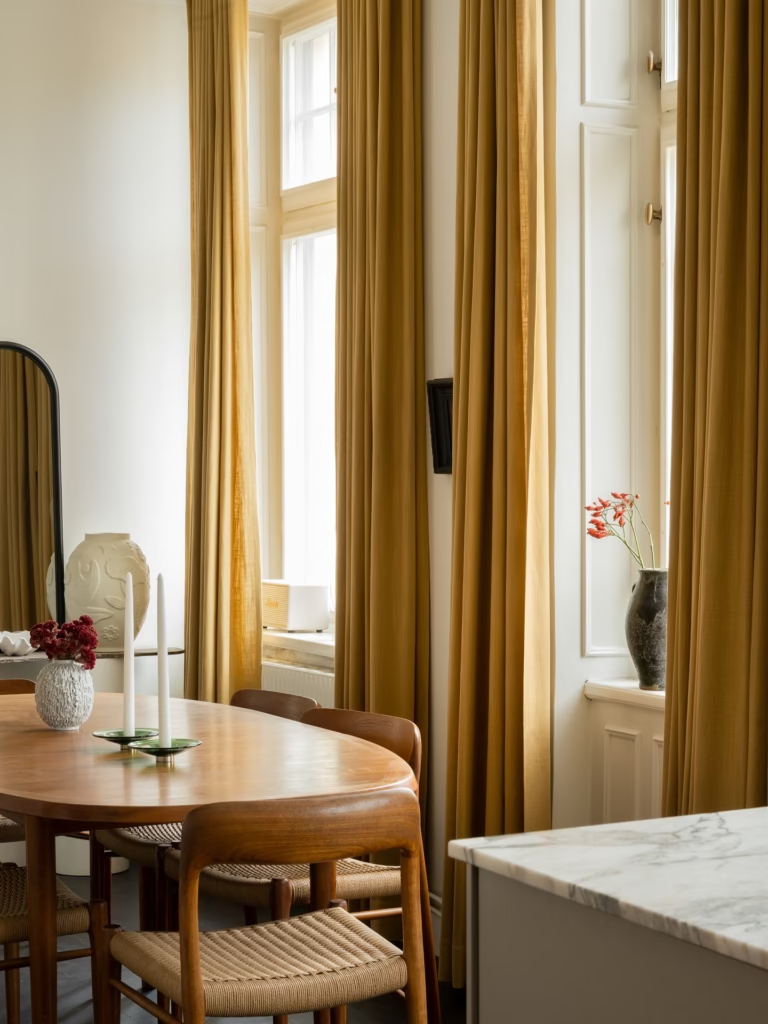
Curtains are one of those things people set and forget, but the wrong curtains (or plain white ones) can quietly drain all the energy from a neutral room. Swapping them out for something with color or pattern is a relatively affordable change that has a surprisingly large impact.
Floor-to-ceiling curtains in a rich color make your ceilings feel higher and your room feel more dramatic. Even a subtle color — like dusty blush, warm sand, or soft slate blue — reads as intentional color in a way that plain white just doesn’t.
How to Choose Curtains That Add Color Without Overwhelming
- Linen in earthy tones — natural linen in terracotta, moss, or warm clay feels organic and luxurious
- Velvet curtains — deep jewel tones like emerald, navy, or burgundy add serious drama
- Patterned curtains — a subtle stripe or botanical print can bring in multiple colors without feeling chaotic
Hang them high and wide — mount the rod as close to the ceiling as possible and extend it 6–10 inches past the window on each side. This makes both the window and the room look bigger, and it gives the curtains room to look dramatic rather than cramped.
8. Style Your Shelves and Surfaces with Color
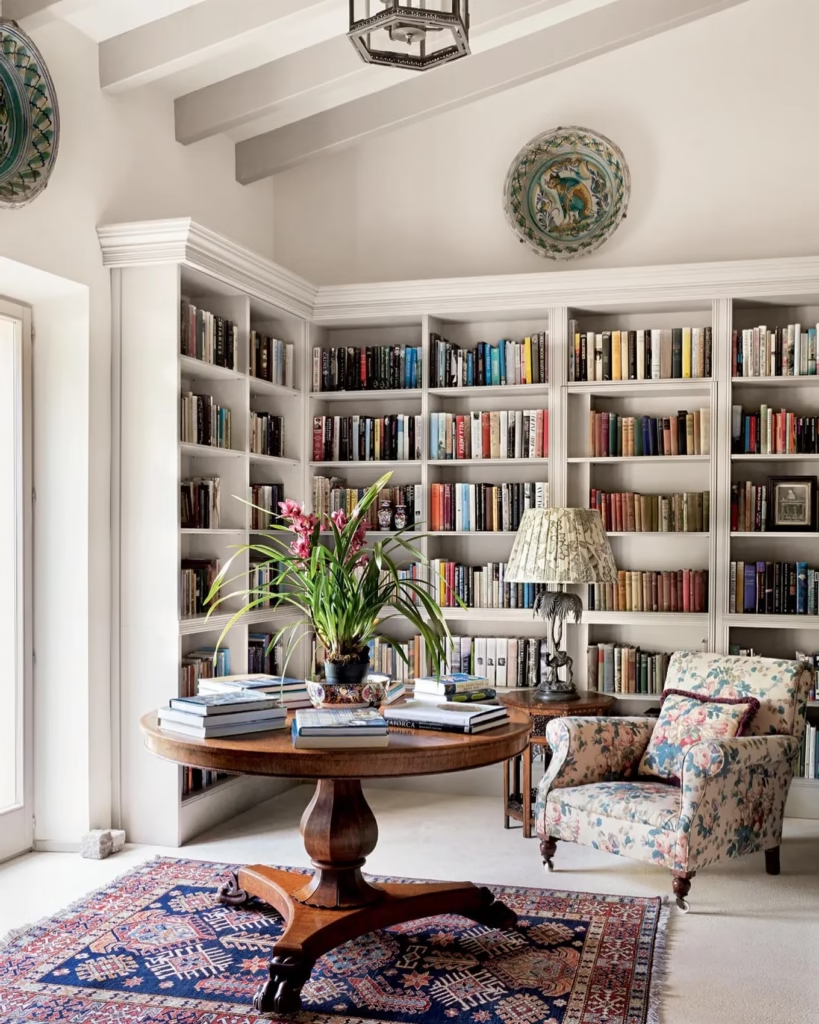
Bookshelves, coffee tables, console tables, mantels — these are all golden opportunities to bring in small but meaningful pops of color through objects, books, and decorative accessories. This is where the real personality of a room lives.
Think about grouping objects by color rather than just by type. A cluster of navy blue and white ceramics, a stack of books with colorful spines, a vibrant vase with fresh flowers — these small moments of color add up to a room that feels curated and alive.
What to Add to Shelves and Surfaces
- Colorful ceramic vases or bowls — thrifted or from budget home stores, these punch way above their price point
- Books with colorful spines — arrange them by color for an intentional, editorial look
- Sculptural objects in bold colors — a cobalt blue decorative object or a bright yellow candlestick holder is basically art
- Fresh or dried flowers — a simple bunch of eucalyptus or dried pampas grass adds both texture and color
The key is restraint with intention. You don’t want every surface covered — you want a few carefully chosen color moments that draw the eye and make the room feel styled rather than cluttered.
Putting It All Together
So here’s the thing: you don’t need to do all eight of these at once. In fact, please don’t. The most successful colorful neutral rooms get there gradually, layering in accent colors over time until everything feels cohesive.
Start with one or two changes — maybe a rug and some throw pillows and live with them for a few weeks. See how the colors feel at different times of day. Notice which ones make you smile when you walk into the room. Then build from there.
The best color palette for your living room isn’t the one that’s trending on Pinterest right now (even though, let’s be honest, we’re all checking :/). It’s the one that makes you feel something when you walk in.
Neutral rooms don’t have to be boring they just need a little personality. And now you’ve got eight solid ways to give them exactly that. Pick your favorite, start small, and watch your living room come to life.