
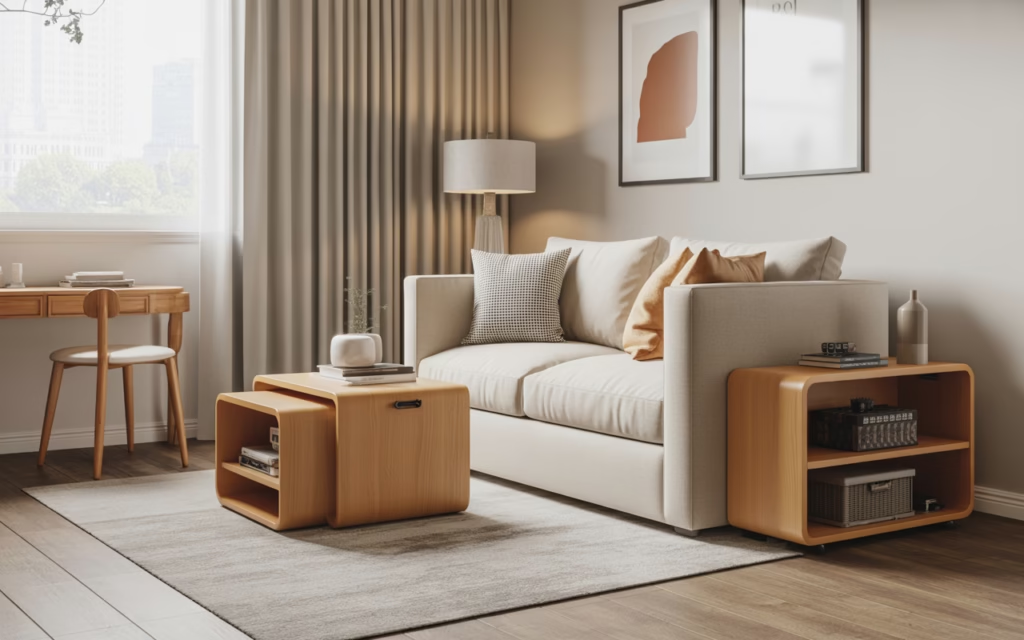
A tiny living room doesn’t have to feel like a storage unit with a couch in it. I’ve been obsessing over minimalist interiors for years now, and trust me, once you go clutter-free, you never go back. Whether your living room could generously be called “cozy” or you’re working with a space that makes a broom closet look spacious, these ideas will transform how you see and live in your room.
Ready? Let’s make small feel stunning.
Why Minimalism Works So Well In Small Living Rooms
Before we jump into the ideas, let’s quickly talk about why minimalism and small spaces are basically a match made in interior design heaven.
Minimalism removes visual noise. When there’s less stuff competing for your attention, your eye travels freely through the space, and the room instantly feels bigger. It’s not magic, it’s just smart design.
A cluttered small room feels chaotic and suffocating. A minimalist small room feels intentional, calm, and surprisingly airy. The goal isn’t to live like a monk, it’s to keep only what you love and let your space breathe.
1. Stick To A Neutral Color Palette
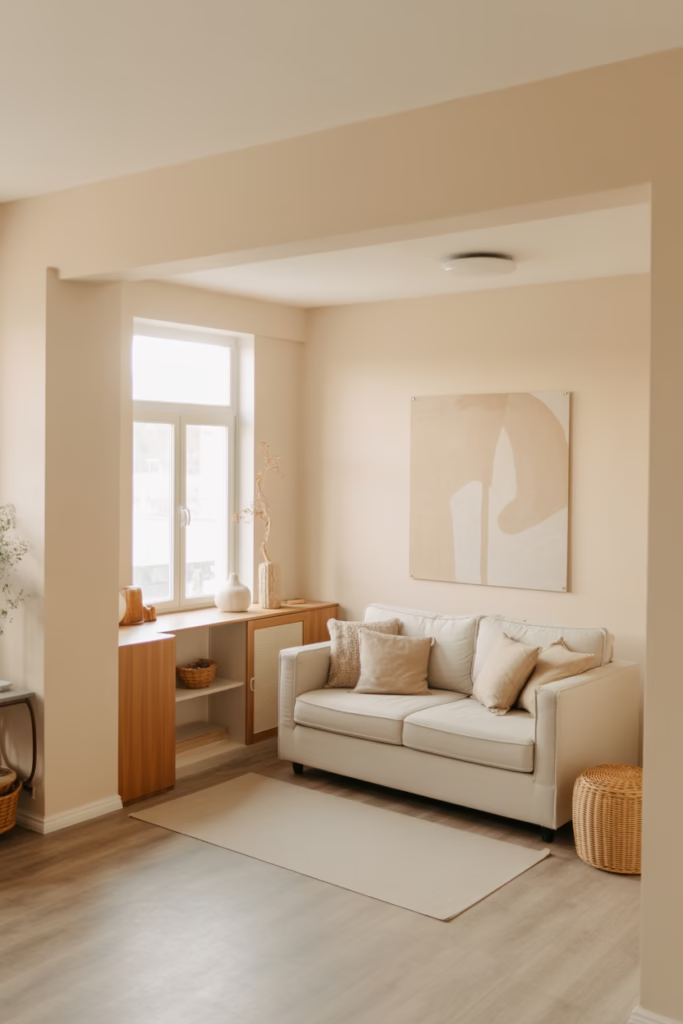
Color is probably the single biggest lever you can pull in a small living room. Light, neutral tones like white, cream, warm gray, and soft beige make walls feel like they’re backing away from you — in the best possible way.
Don’t go full hospital-white if that’s not your vibe. Warm whites and off-whites bring softness without feeling sterile. Layer two or three neutrals together for depth — think a cream sofa against a warm greige wall with white trim.
The payoff? A room that feels calm, cohesive, and twice its actual size.
2. Choose A Sofa That Earns Its Keep
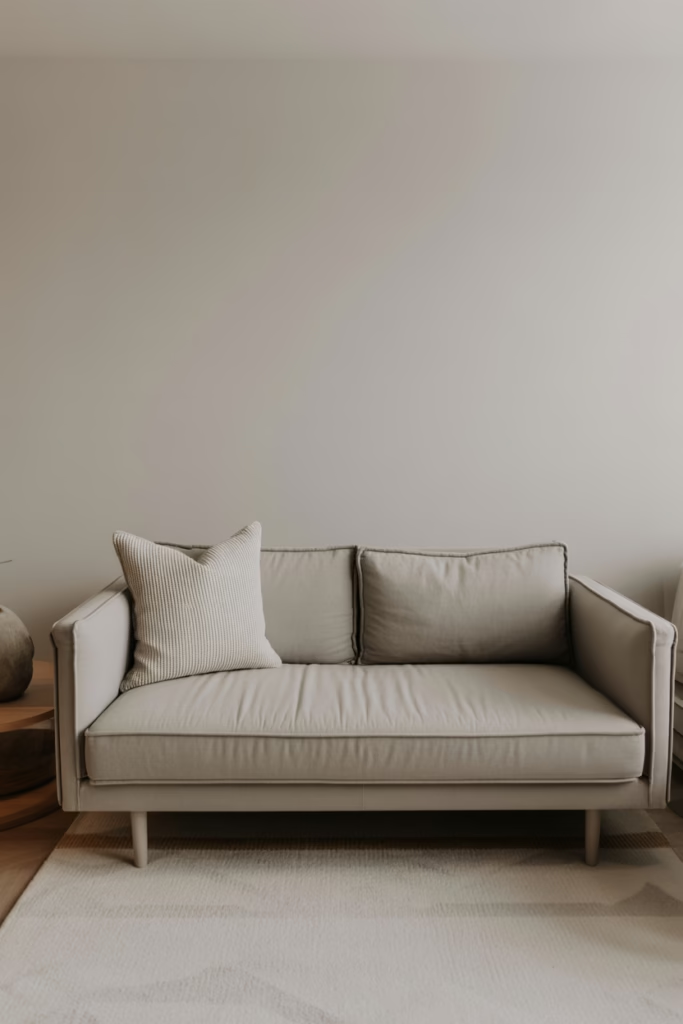
In a small living room, your sofa is the star of the show — so pick one that’s worth the spotlight. A low-profile sofa with clean lines, simple upholstery, and no bulky arms is your best friend here.
IMO, a light-colored sofa (cream, sand, or light gray) is almost always the right call for a small space. Dark sofas anchor a room, which sounds great on paper but can actually make a small room feel heavier.
Also — legs matter more than you think. A sofa with visible legs creates the illusion of floor space beneath it, which visually opens up the room. It’s a small detail with a big payoff.
3. Mount Your TV On The Wall
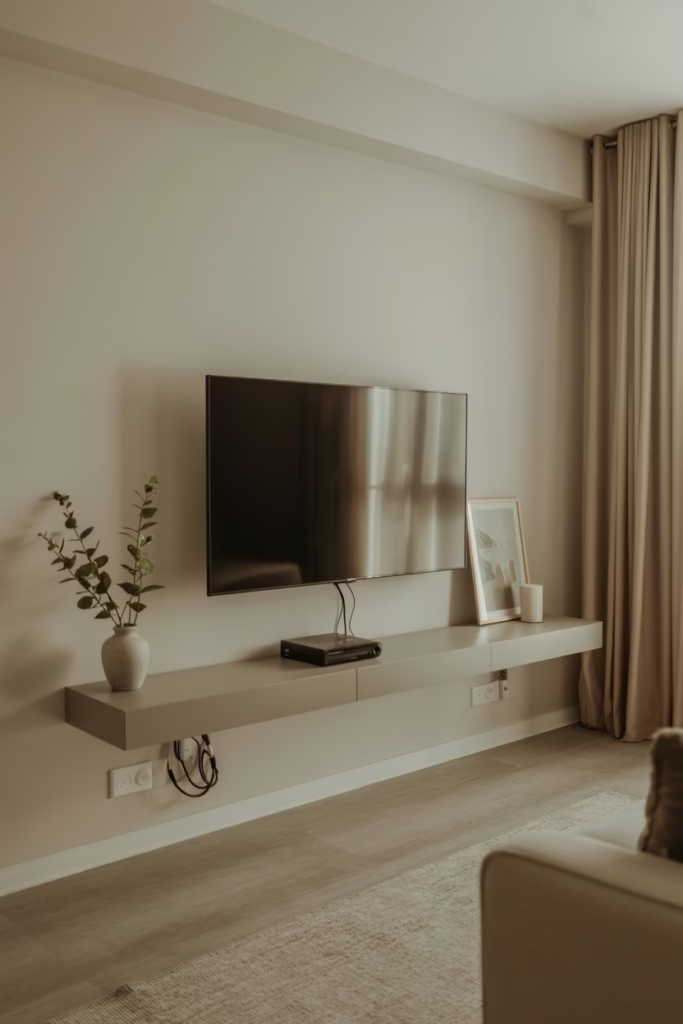
This one is a game-changer that not enough people talk about. Mounting your TV on the wall immediately eliminates the need for a bulky TV stand or media console, freeing up valuable floor space and visual breathing room.
Go for a sleek wall mount at eye level, run your cables through the wall if possible, and suddenly your living room looks cleaner, more intentional, and honestly — more expensive. 🙂
If you still want storage, consider a slim floating shelf below the TV instead of a full media unit.
4. Use Multi-Functional Furniture
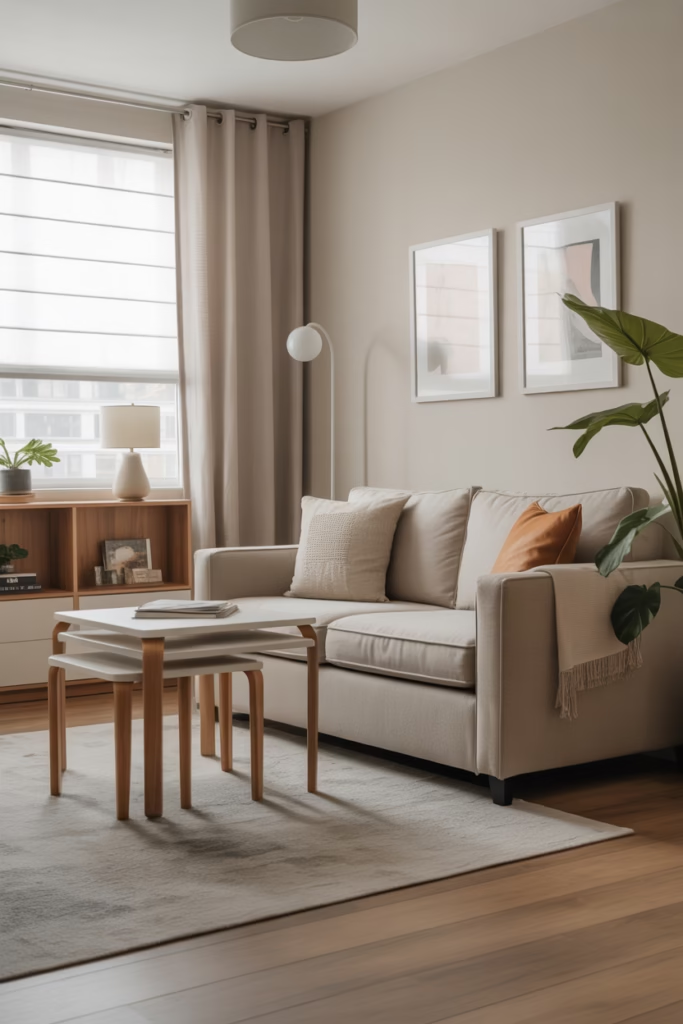
Here’s the golden rule of small-space living: every piece of furniture should do at least two jobs. An ottoman that opens up for storage? Yes. A coffee table with built-in shelves? Absolutely. A bench that doubles as a shoe rack? Sign me up.
Multi-functional furniture is especially important in a minimalist space because you’re working with fewer pieces total. Each one needs to pull its weight.
Some of my favorite combos include a nesting coffee table set (use one, tuck the others away), a storage ottoman as a centerpiece, and a sleek console table that doubles as a display and entry surface.
5. Embrace Vertical Space
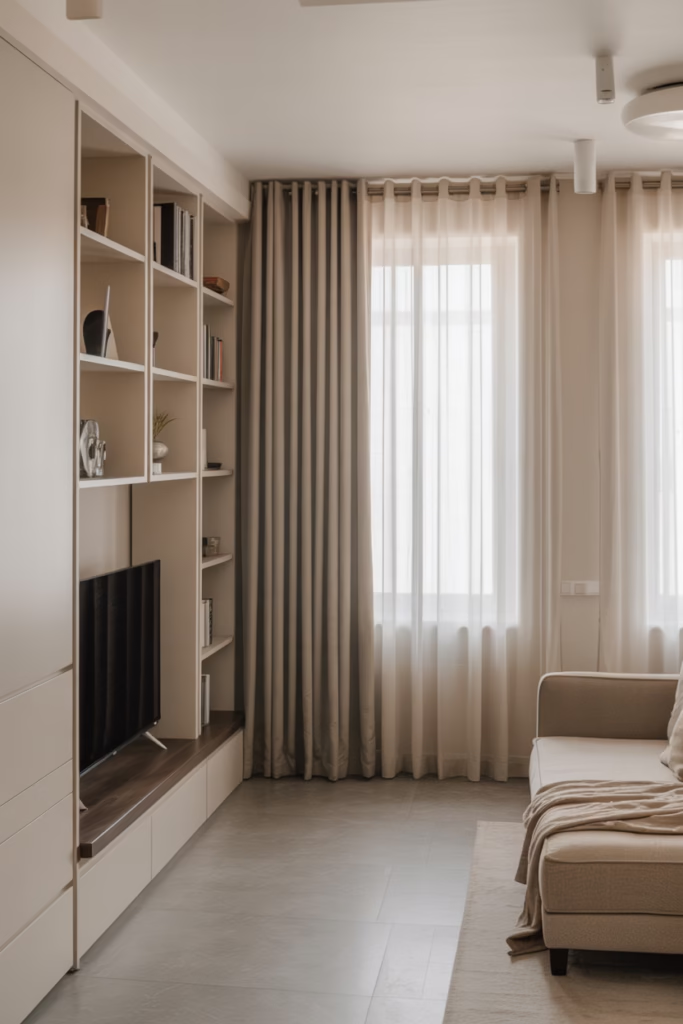
Most people think horizontally in a small room — but going vertical is where the real magic happens. Tall, slim bookshelves draw the eye upward and create the perception of higher ceilings. Floor-to-ceiling curtains do the same thing.
Mount shelves high on the wall for books, plants, or decorative objects. Keep the bottom half of the room relatively clear — that open floor space signals “spacious,” even when it technically isn’t.
Think of your walls as untapped real estate. Use them wisely.
6. Edit Your Decor
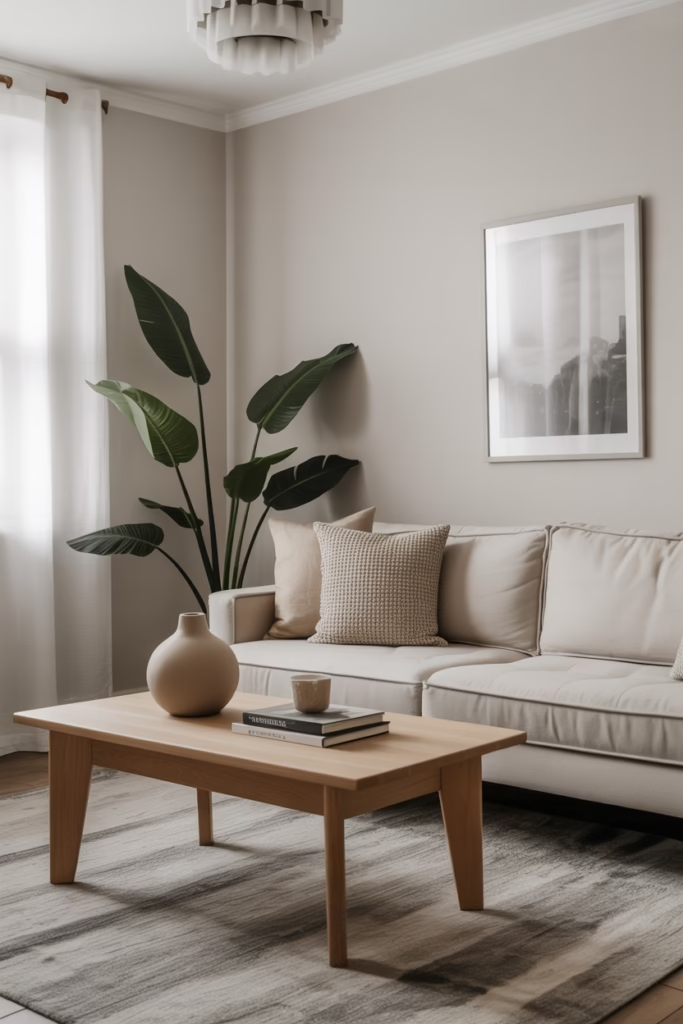
This is where minimalism gets a little uncomfortable. You have to let things go. Every decorative object in a minimalist living room should be intentional, meaningful, and earn its spot.
That collection of seventeen throw pillows? Pick three. The stack of coffee table books you never read? Choose one beautiful one. The cluster of random frames on the wall? Edit it down to a single statement piece or a tight, curated gallery.
Less really is more here. One stunning vase beats five mediocre ones every single time.
7. Let In As Much Natural Light As Possible
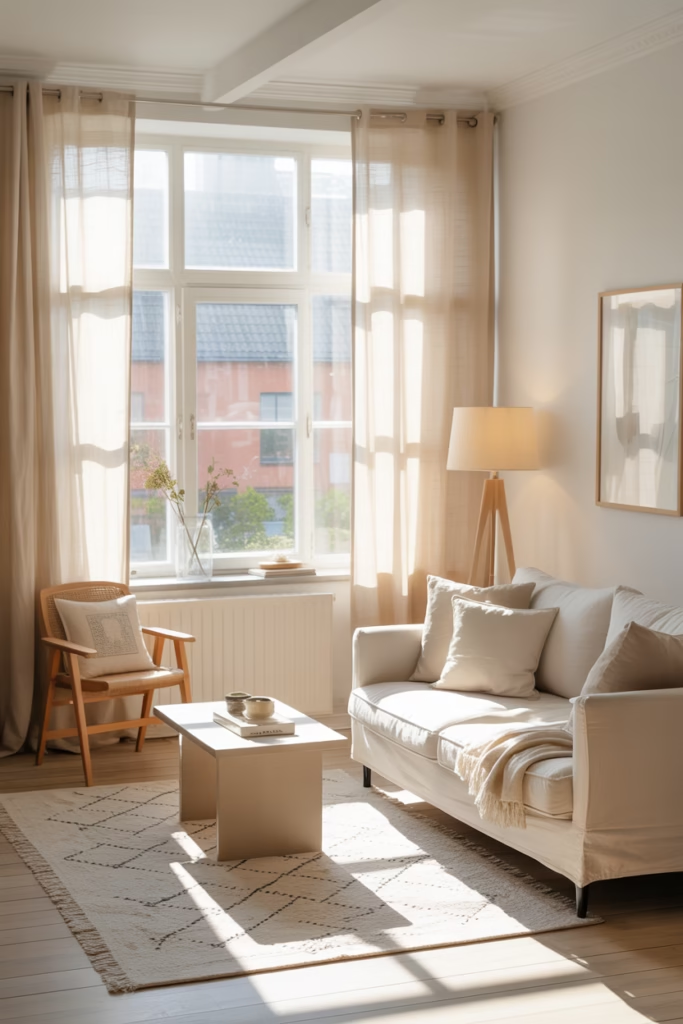
Natural light is the secret weapon of every beautiful minimalist space. Maximize every window you have by keeping treatments light and unobstructed. Swap heavy drapes for sheer linen curtains, or skip window treatments altogether if privacy allows.
If you have limited natural light, layer your artificial lighting instead. A mix of ambient, task, and accent lighting creates warmth and depth without adding visual clutter.
Mirrors are another trick — more on that in a second.
8. Use Mirrors Strategically
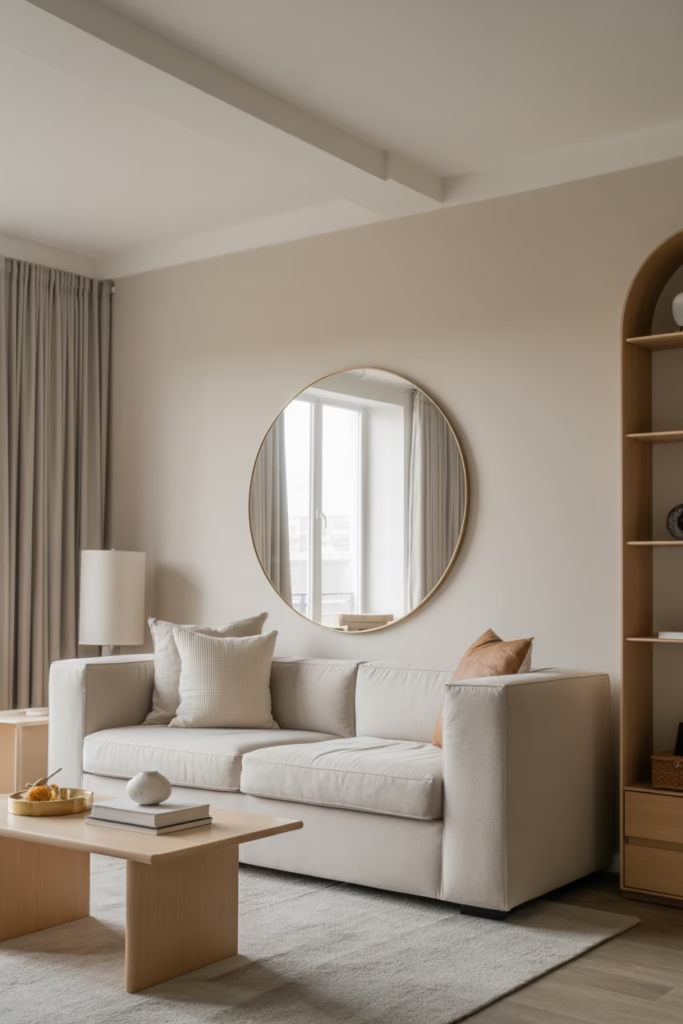
Speaking of mirrors — a well-placed mirror is probably the most effective “cheat code” in small-space design. It reflects light, creates the illusion of depth, and makes a room feel noticeably larger without changing a single structural thing.
A large, simple mirror leaning against the wall looks casually chic and maximizes the effect. A round mirror above a console or sideboard adds softness and visual interest. Just avoid the mirror gallery wall — in a minimalist space, one statement mirror does more than a dozen small ones.
9. Choose A Rug That Grounds The Room
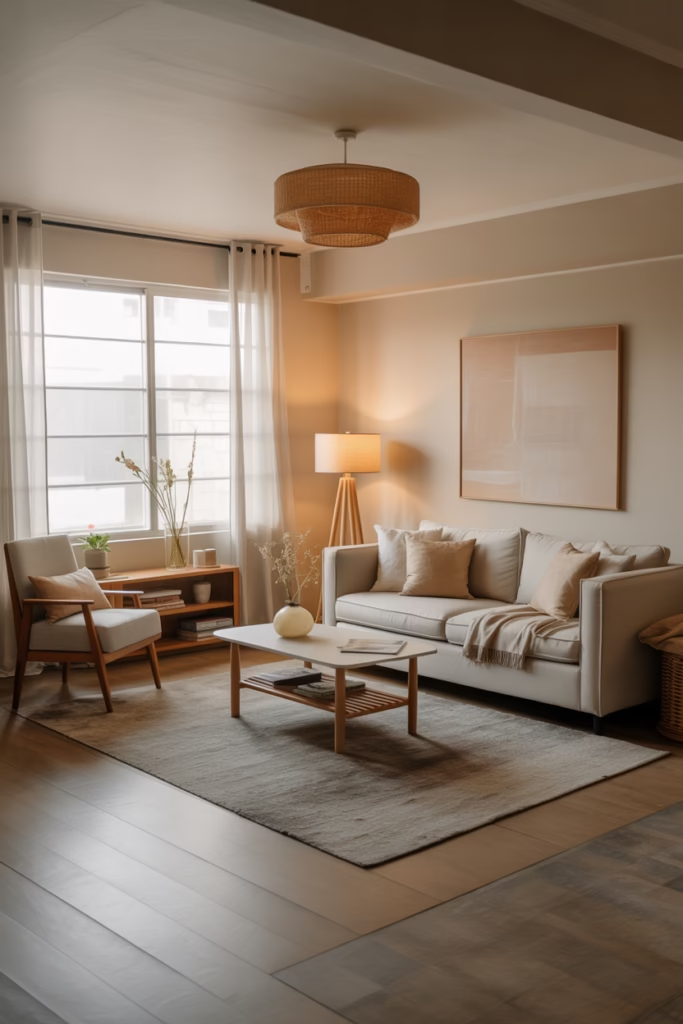
Ever wondered why some small living rooms feel put-together while others feel like the furniture is just floating in space? Nine times out of ten, it’s the rug.
A rug grounds your seating area and makes the room feel intentional. In a small space, go for a solid-colored or subtly textured rug in a neutral tone. A busy pattern competes for attention and can visually shrink the room.
Size matters too — a rug that’s too small looks awkward. Ideally, the front legs of all your seating should sit on the rug.
10. Keep Your Coffee Table Minimal
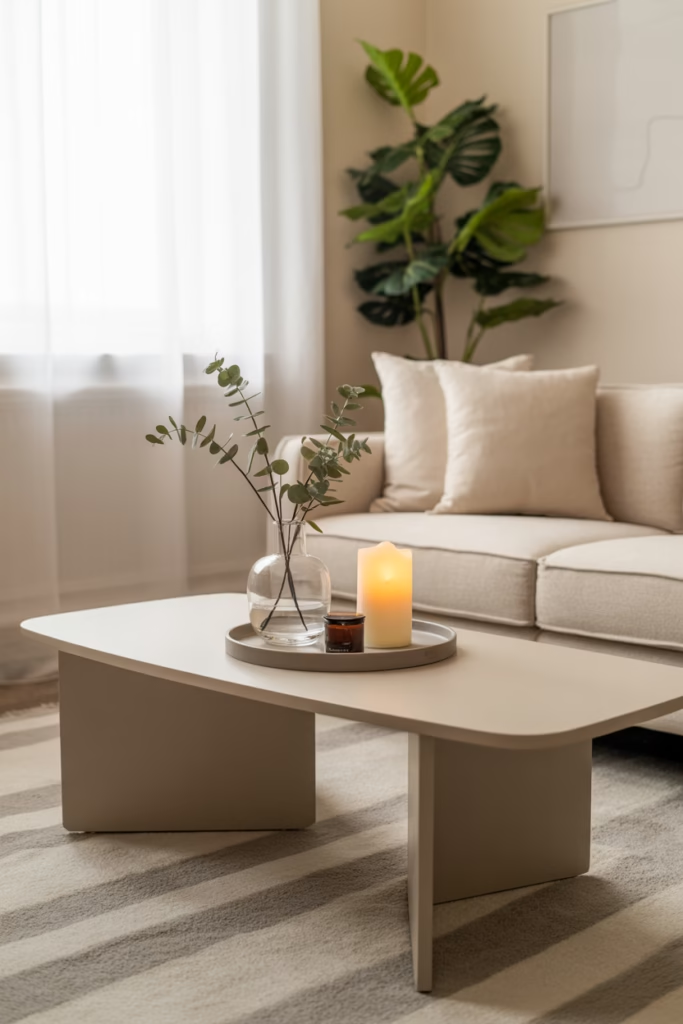
The coffee table is basically a clutter magnet — I say this from personal experience. Books stack up, remotes multiply, and suddenly you’re living around a pile of stuff rather than enjoying your space.
Keep your coffee table styled with no more than three objects. A small tray, one plant or candle, and maybe one book or decorative object. That’s it. Everything else goes in storage.
A tray is a great tool here — it corrals smaller items and makes a collection look intentional rather than messy.
11. Try A Floating Shelf Instead Of A Bookcase
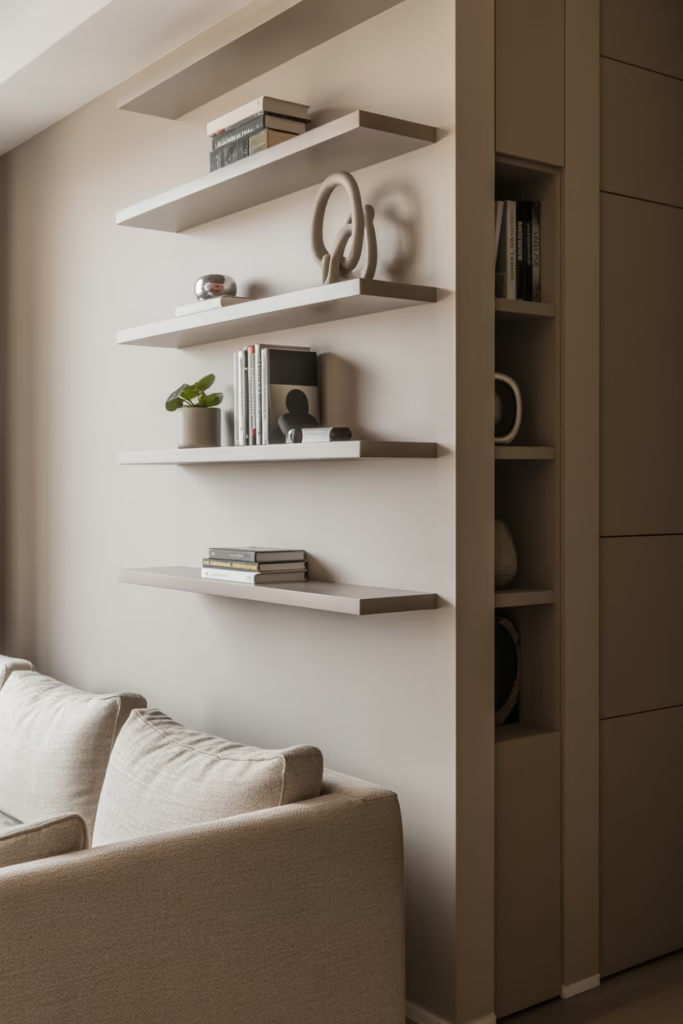
Full bookcases, while cozy, can feel heavy in a small minimalist room. Floating shelves give you display and storage space without visually blocking the wall.
The trick is to style them sparingly. Don’t fill every inch — leave breathing room between objects. A few books, a plant, a small sculptural piece. Think of it as a curated display, not a storage dump. FYI, the “one-third rule” works well here: fill about two-thirds of the shelf and leave one-third open.
12. Go For Light-Colored Flooring
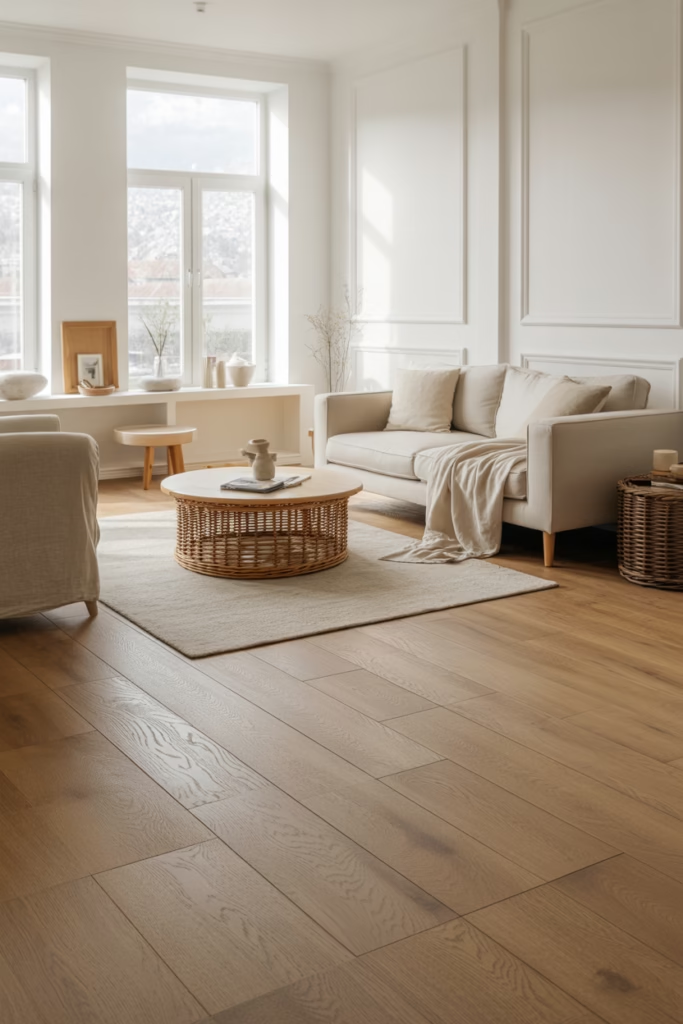
If you’re renovating or have any flexibility over your floors, light wood or light-toned flooring makes a dramatic difference in how spacious a small room feels. Pale oak, whitewashed wood, or light-toned LVP all work beautifully in a minimalist space.
Dark floors aren’t off-limits, but they require extra attention to lighting and wall color to avoid making the room feel cave-like.
If you’re renting and can’t touch the floors, a large light-colored rug works as your next best option.
13. Use Curtains To Create Height
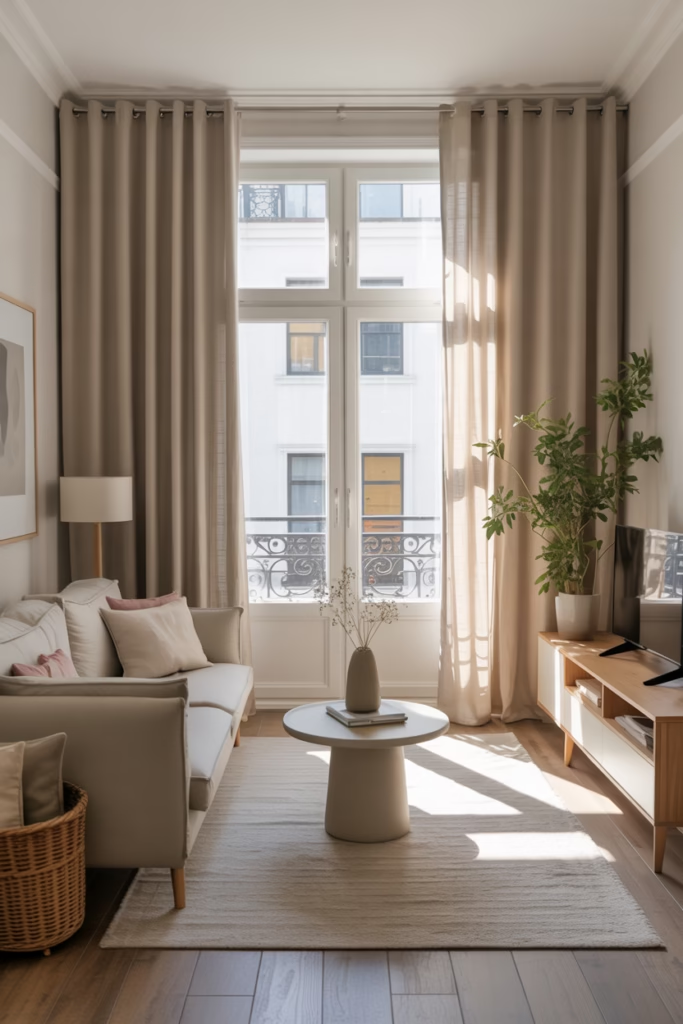
This trick is deceptively simple but wildly effective. Hang your curtain rod as close to the ceiling as possible — not just above the window frame. Then let the curtains fall all the way to the floor.
This creates a strong vertical line that tricks the eye into perceiving the ceiling as taller than it actually is. In a minimalist room, stick to solid, light-colored curtain panels in linen or cotton for the cleanest look.
It costs almost nothing extra to do this, and the impact is huge.
14. Limit Your Color Accents
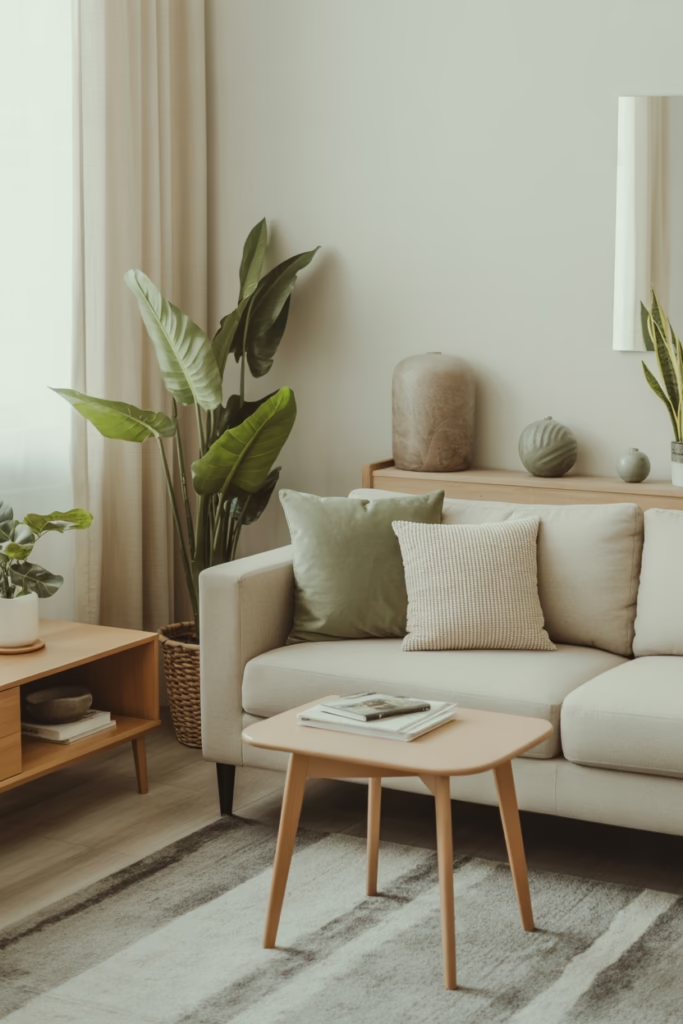
Minimalism doesn’t mean zero color — it just means being intentional about it. Choose one or two accent colors and repeat them thoughtfully throughout the space. A soft sage green in your throw pillow, echoed in a small plant and a single decorative object, ties the room together without overwhelming it.
The key word is restraint. A pop of terracotta or dusty blue feels fresh and curated. A rainbow of competing accent colors feels chaotic — and chaotic is the enemy of minimalist.
15. Declutter Your Entertainment Setup
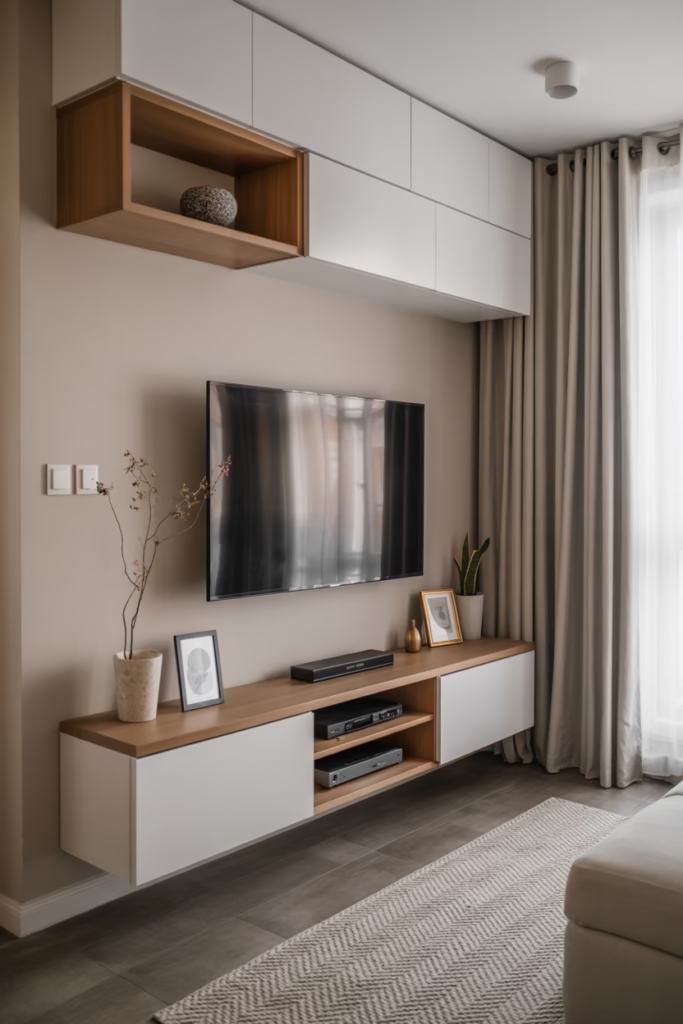
The entertainment area is one of the biggest sources of visual clutter in a living room — cords, remotes, streaming boxes, game controllers… :/
Hide as much as possible. Use cable management boxes or sleeves to wrangle cords. Store remotes in a small dish or tray on a nearby shelf. If you have gaming equipment, find a basket or cabinet that keeps it out of sight when not in use.
A clean, streamlined entertainment wall makes the entire room feel more composed.
16. Bring In One Statement Plant
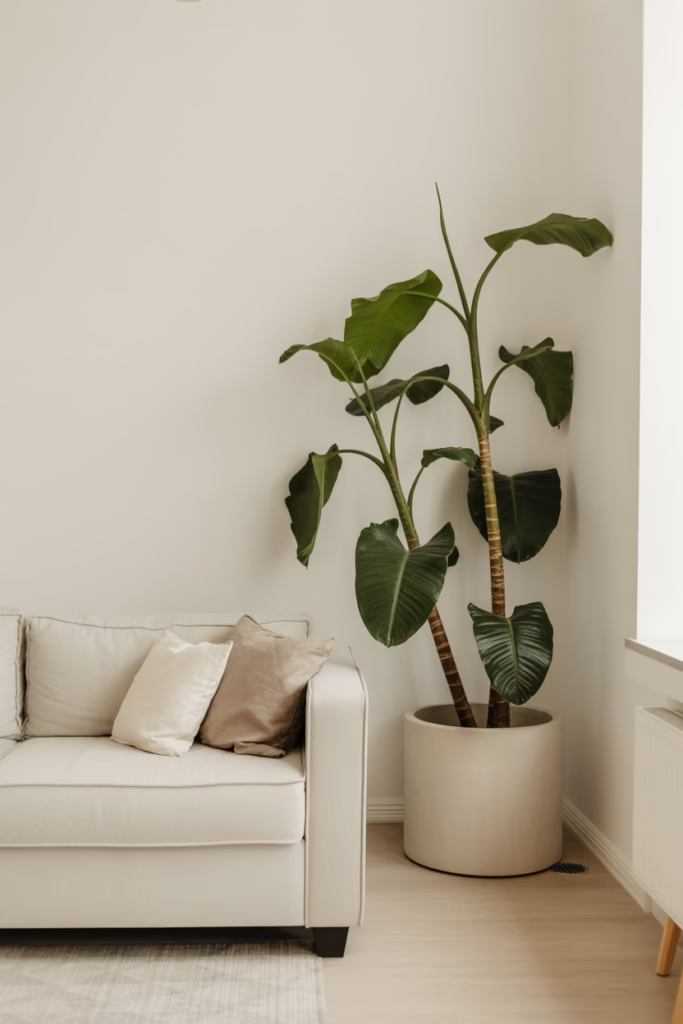
Plants add life and warmth to a minimalist space without adding clutter — but only if you keep it edited. One or two well-chosen plants beat a jungle of competing pots every time.
A tall, sculptural plant like a fiddle-leaf fig, snake plant, or monstera makes a statement without requiring much floor space. A single trailing plant on a high shelf adds softness. Choose simple, clean pots in neutral tones to keep things cohesive.
Skip the cluster of tiny succulents on every surface — that’s clutter wearing a cute disguise.
17. Keep Your Entryway Flow In Mind
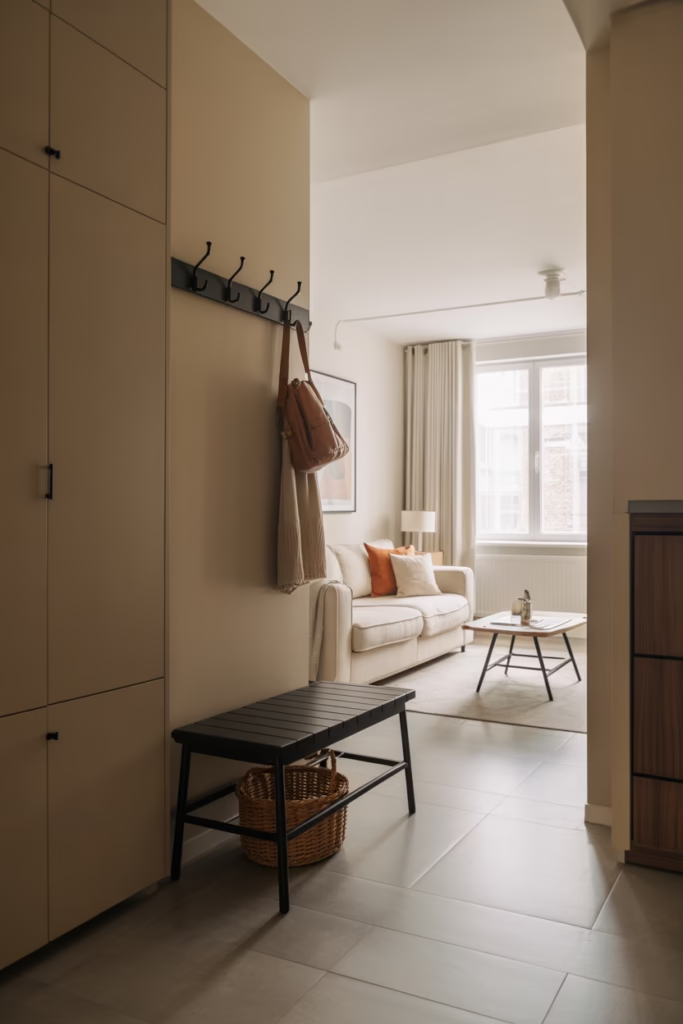
In a small home, the living room often doubles as your entryway — which means the second someone walks in, they see everything. Design your living room with the entry sightline in mind.
Place your most intentional, beautiful vignette opposite the door. Keep the floor clear of shoes and bags by using a slim bench or wall hooks near the entry. The first impression sets the tone for how the whole space feels.
A clear, welcoming entry that flows into a calm living room? That’s the minimalist dream.
18. Invest In Quality Over Quantity
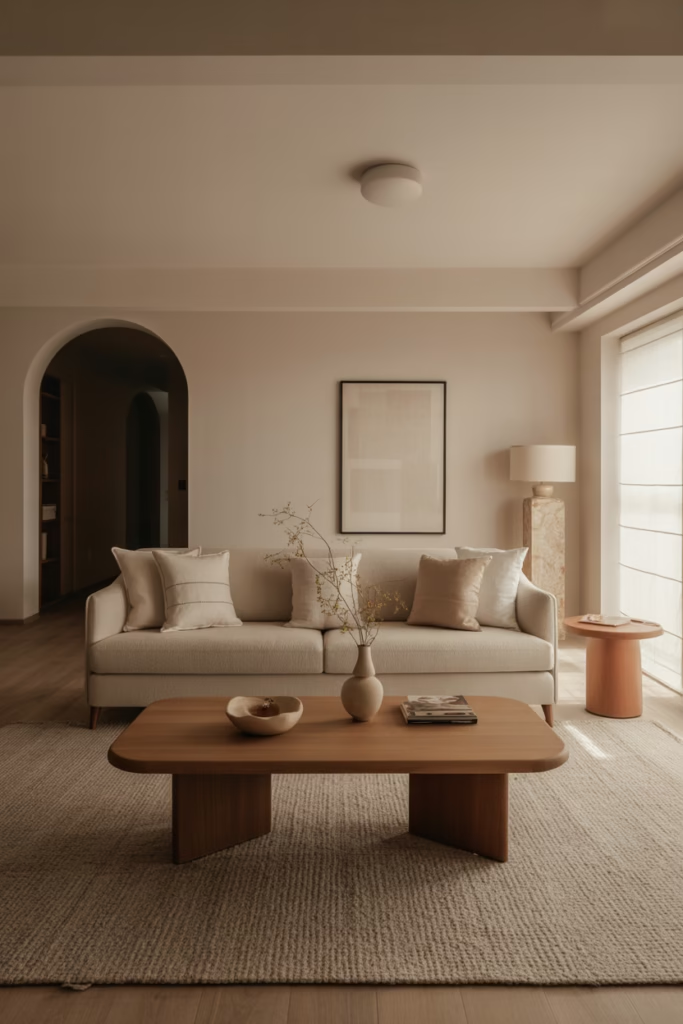
Last one, and honestly the most important: buy less, but buy better. One well-made sofa beats three cheap pieces of furniture that just add noise to the room.
Minimalism is actually a long-term money-saver because you’re not constantly replacing things or filling gaps with impulse purchases. When you spend more on fewer items, those items tend to look better, last longer, and hold up in a cohesive design.
Take your time building your space. A minimalist room doesn’t happen overnight — it evolves as you make smarter, more intentional choices.
Quick Recap: The Minimalist Small Living Room Cheat Sheet
Before you go tackle your living room, here’s a fast-reference list of the biggest wins:
- Stick to a neutral, light color palette for walls, furniture, and rugs
- Choose furniture with clean lines and visible legs to open up floor space
- Mount your TV on the wall and ditch the bulky media console
- Use multi-functional furniture — every piece should serve at least two purposes
- Go vertical with tall shelves and high-hung curtains
- Edit your decor aggressively — keep only what you love
- Maximize natural light and use mirrors to amplify it
- Limit accent colors to one or two and repeat them intentionally
- Keep surfaces clear and use trays to organize what stays out
- Invest in quality over quantity — fewer, better pieces always win
Final Thoughts
A small living room isn’t a design problem it’s a design opportunity. When you work with minimalism, you’re not giving things up; you’re making room for what actually matters. The furniture you love, the light that makes you happy, the calm that comes from walking into a space that doesn’t demand anything from you.
Start with one idea from this list. Edit one shelf, swap one heavy curtain, clear one surface. You’ll be surprised how quickly one small change snowballs into a whole new way of living in your space.
And hey, if anyone judges your “simple” living room, just tell them it’s intentionally curated. Works every time. 🙂