
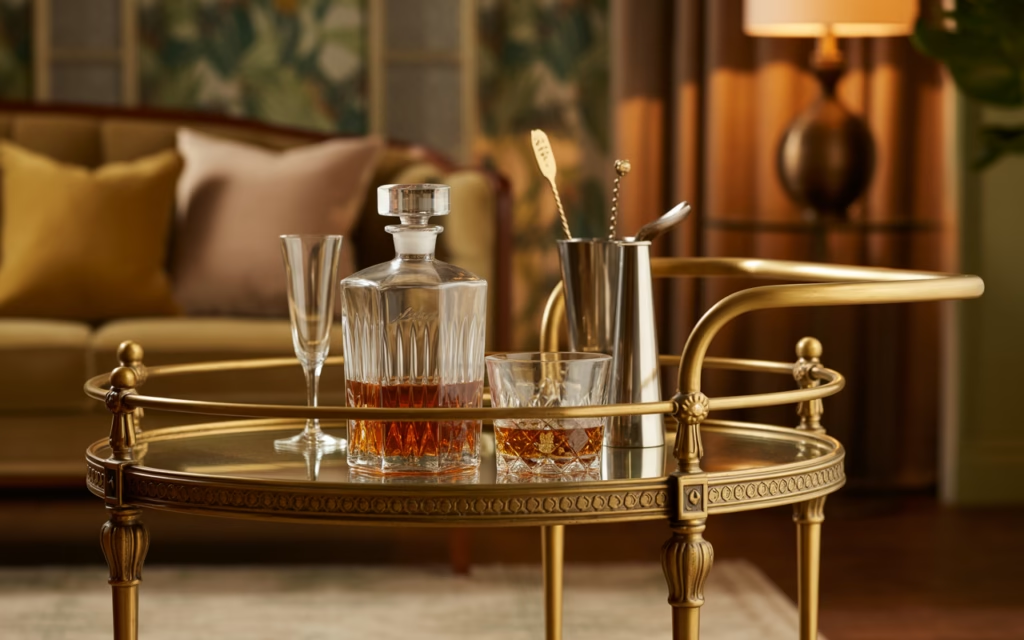
Picture this, you walk into someone’s living room and the first thing that catches your eye isn’t the sofa, the art on the wall, or even the view. It’s this gorgeous, wheeled little cart in the corner, stacked with crystal decanters and vintage glassware, looking like it just rolled straight out of a 1920s manor house. You immediately want to know everything about it.
That’s the power of a great antique bar cart. It’s not just furniture it’s a whole mood. And honestly? It might be the most underrated styling piece in home decor right now. While everyone’s busy chasing the latest minimalist shelf trend, the people who know are quietly hunting down century-old brass carts at estate sales and flea markets, and their living rooms are winning because of it.
I’ve been deep in this rabbit hole for a while, browsing antique markets, stalking Pinterest boards, mentally redecorating every room I walk into.
1. The Classic Brass-and-Glass Victorian Cart
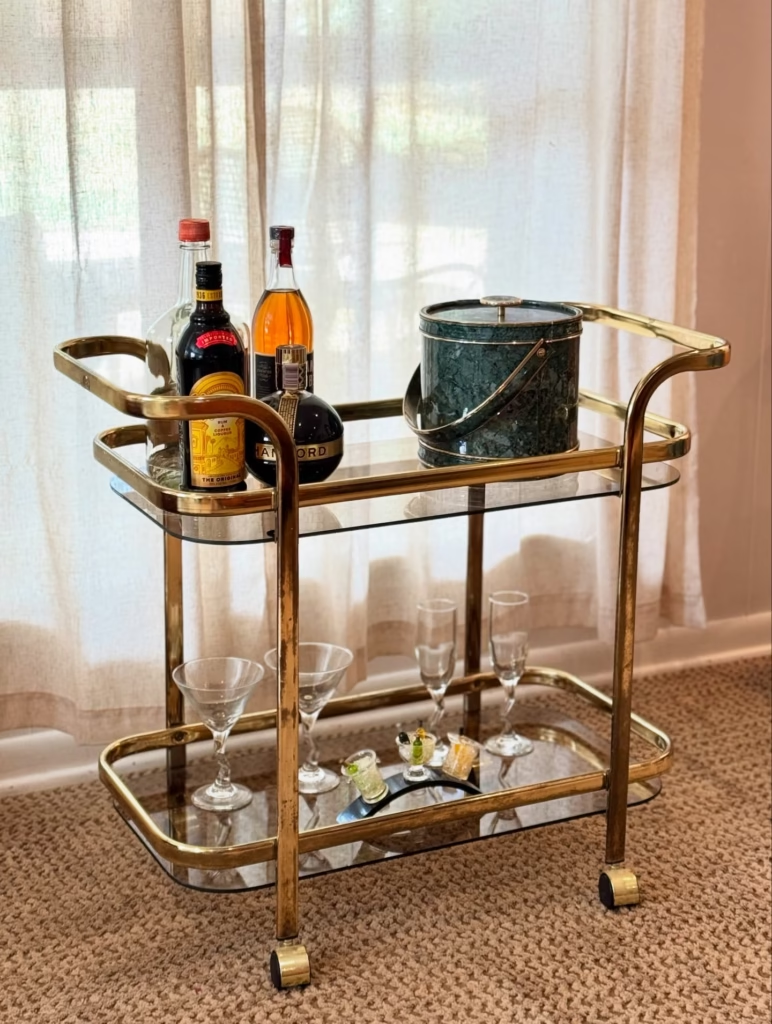
If antique bar carts had a poster child, it would be the Victorian brass-and-glass cart. These typically feature:
- Ornate brass frames with curved legs and decorative scrollwork
- Tempered glass shelves (original or safely replaced)
- A lower shelf perfect for bottles and a top shelf for glassware
The key to styling this one is restraint. Don’t overload it. A couple of crystal decanters, a small ice bucket, and two elegant coupe glasses — done. The cart does the heavy lifting visually. IMO, this is the one cart style that looks equally at home in a maximalist Victorian parlor and a sleek modern apartment.
2. Rustic Wrought Iron with Weathered Wood
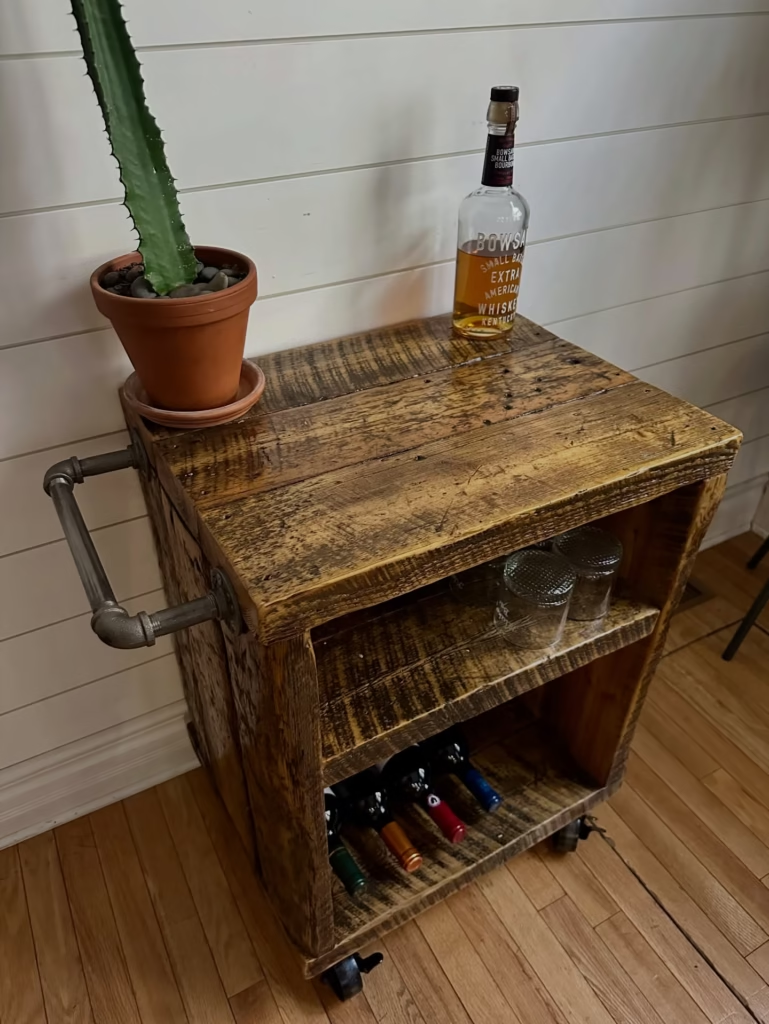
Not everyone wants gleaming brass — and that’s perfectly valid. Wrought iron carts with reclaimed wood shelves bring a completely different energy. Think French countryside meets industrial chic.
These carts usually show up in antique markets with beautiful patina already built in. That rust-kissed finish? That’s called character, my friend — not a flaw.
How to style it:
- Add a linen cocktail napkin draped casually over the handle
- Mix mason jars with vintage whiskey bottles
- Tuck in a small potted herb like rosemary for an earthy, organic vibe
This look works especially well in farmhouse kitchens or rustic dining rooms.
3. The Art Deco Chrome Cart
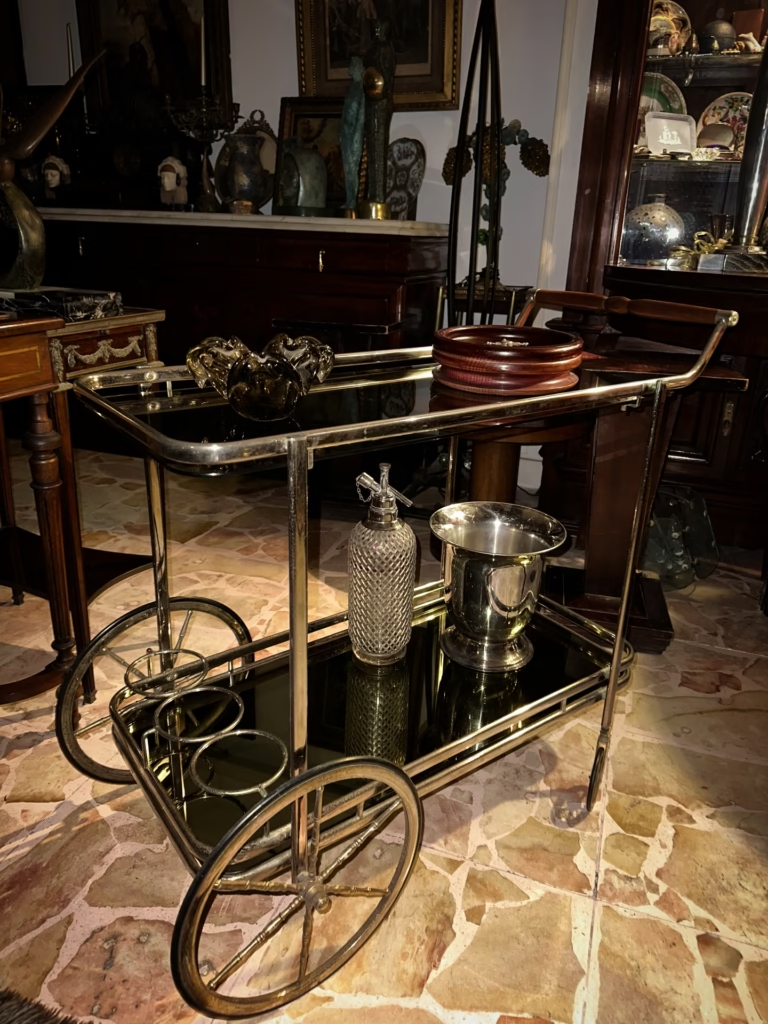
The 1920s and 30s gave us jazz, flapper dresses, and — bless them — Art Deco chrome bar carts. These are sleek, geometric, and absolutely dripping in old Hollywood glamour.
Look for carts with mirrored shelves, angular lines, and chrome or nickel finishes. The mirrored surface is a practical genius move too — it reflects light and makes your bar setup look twice as abundant as it actually is. (Your guests don’t need to know you only have three bottles.)
Pro tip: Style this cart with black and gold accessories — a black cocktail shaker, gold-rimmed glasses, and a small orchid plant. Instant Gatsby vibes.
4. French Provincial Painted Cart
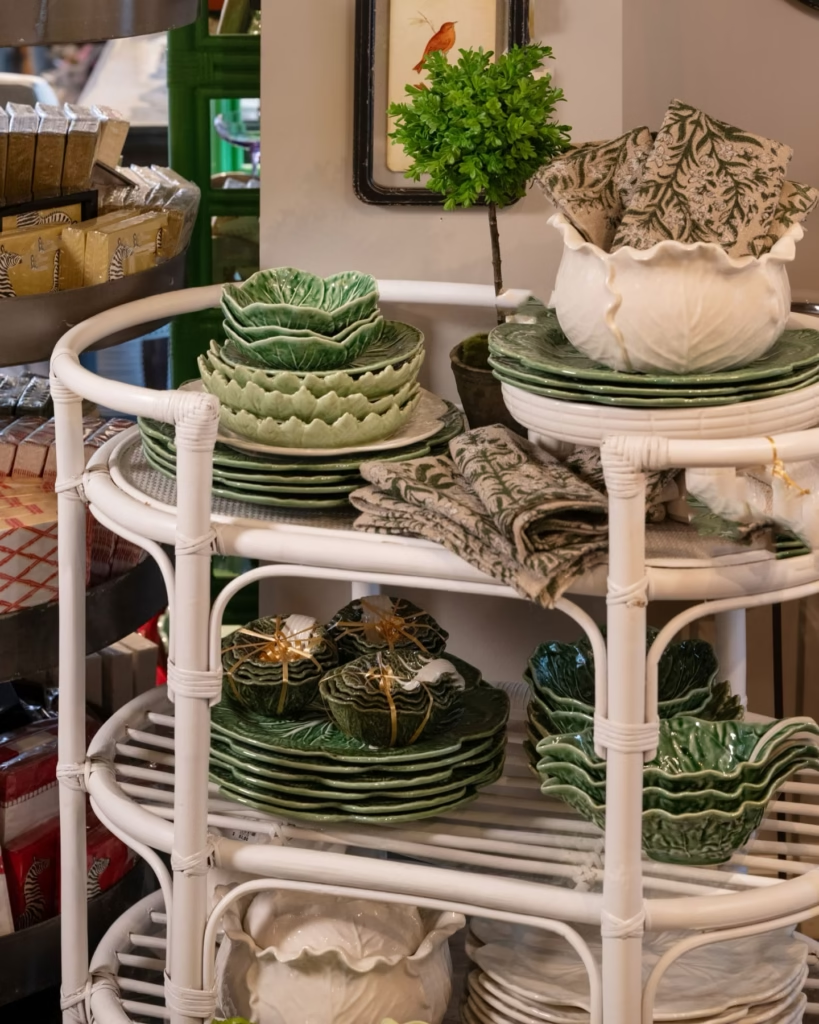
Ever spotted one of those soft-white painted wooden carts at a flea market and thought, what even is that? That’s likely a French Provincial bar cart, and it’s wildly underrated.
These carts often have:
- Distressed white or cream paint with subtle floral carvings
- Cabriole legs (those elegant S-curved legs)
- A delicate, cottage-core aesthetic that softens any room
FYI — these carts are incredibly versatile. Swap out the bar setup for a coffee station or a dessert display if you’re hosting a brunch. The charm holds up no matter what you put on it.
5. Mid-Century Modern Teak Cart
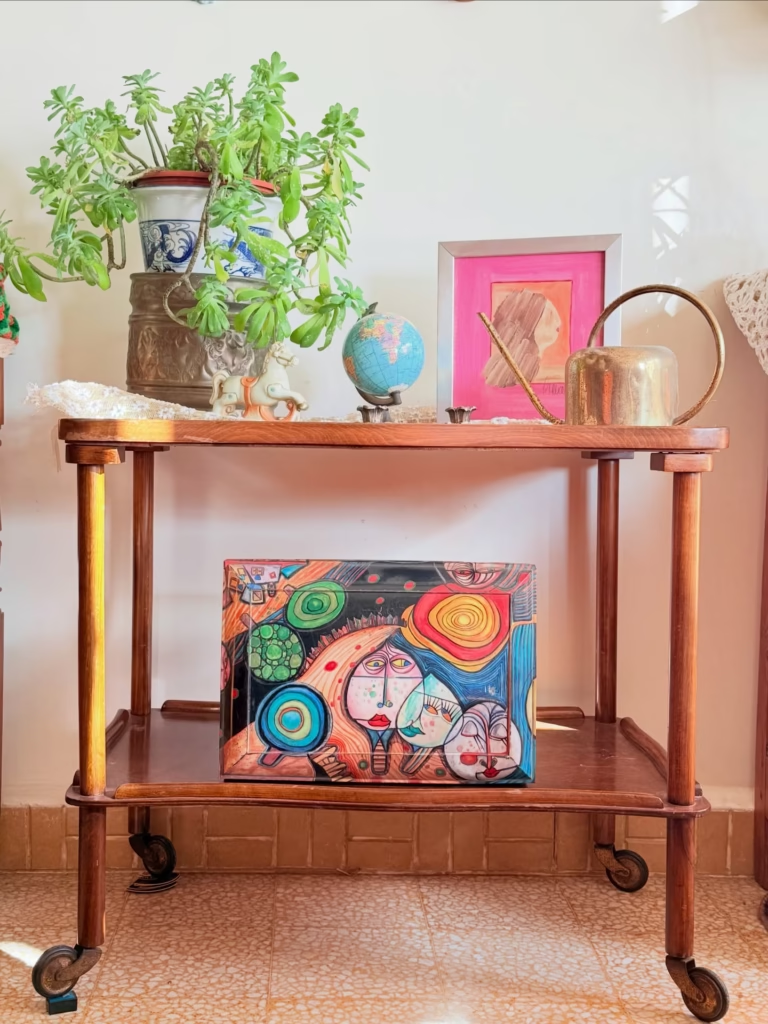
Okay, I know “mid-century modern” is basically the most overused phrase in home decor right now :/ — but hear me out. A genuine 1950s–60s teak bar cart with tapered legs is genuinely gorgeous and holds its value beautifully.
The warm honey tones of aged teak pair incredibly well with:
- Amber-tinted glassware
- Earthy ceramic decanters
- Small potted succulents or air plants
This cart works in almost any space — modern, bohemian, Scandinavian, you name it. It’s the reliable friend of the antique bar cart world.
6. Bamboo and Rattan Tropical Cart
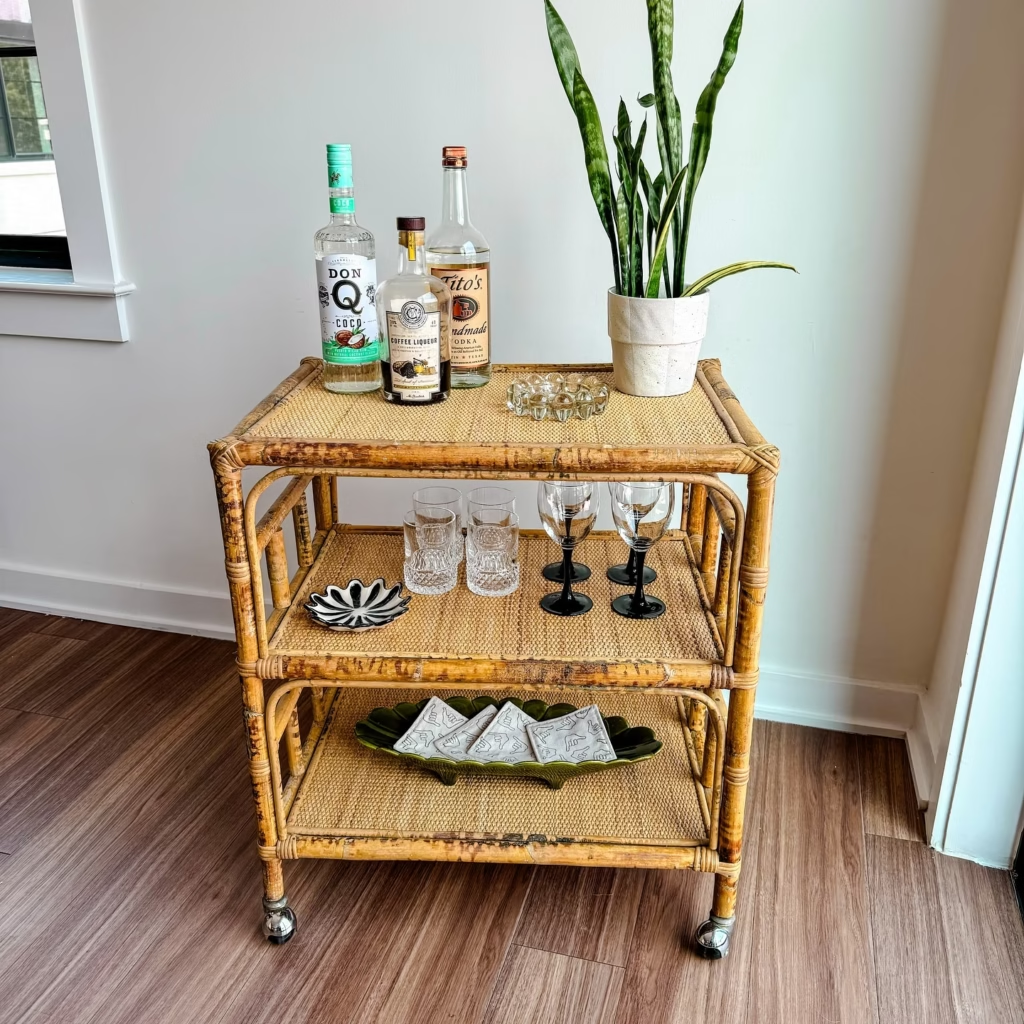
Here’s where things get fun. Bamboo and rattan bar carts from the 1940s–60s have this incredible tiki-lounge energy that’s genuinely joyful. They’re warm, textural, and honestly just make people smile.
These carts are usually lighter in weight than metal options and come with woven rattan shelves. They suit:
- Bohemian living rooms
- Sunrooms and covered patios
- Any space with lots of plants and natural light
Style yours with colorful vintage glassware — think turquoise, amber, and coral. Throw in a small pineapple ice bucket if you can find one. Nobody’s going to be sad standing at this bar cart.
7. Industrial Copper Pipe Cart
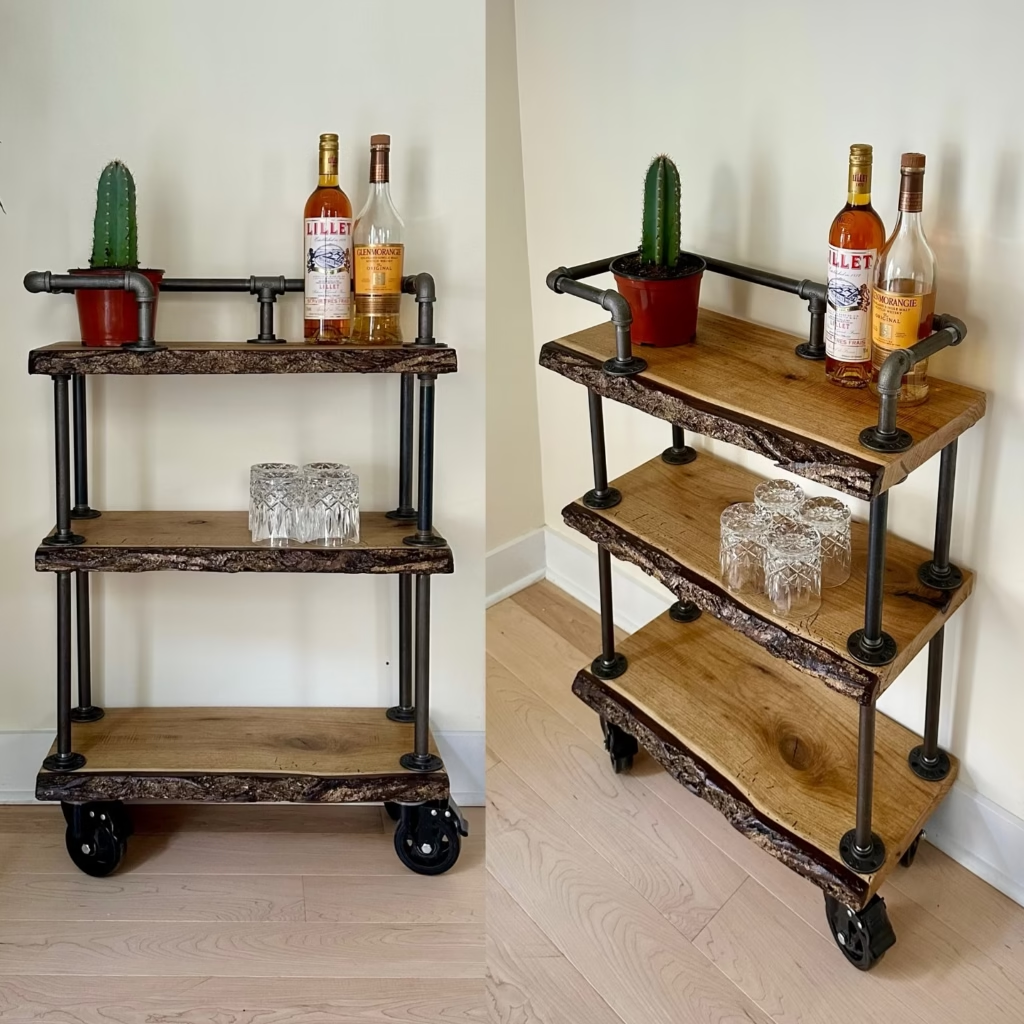
Some antique carts weren’t mass-produced — they were custom-built by craftsmen, often using copper or iron pipes welded together with reclaimed wood planks. These show up at estate sales and industrial antique shops and they have serious personality.
What makes these special:
- No two are exactly alike — each one is a one-of-a-kind piece
- The copper develops a rich patina over time
- They tend to be sturdier than lighter decorative carts
Pair this with Edison bulb string lights nearby and dark, moody wall colors for a speakeasy aesthetic that feels intentional rather than try-hard.
8. Chinoiserie-Lacquered Cart
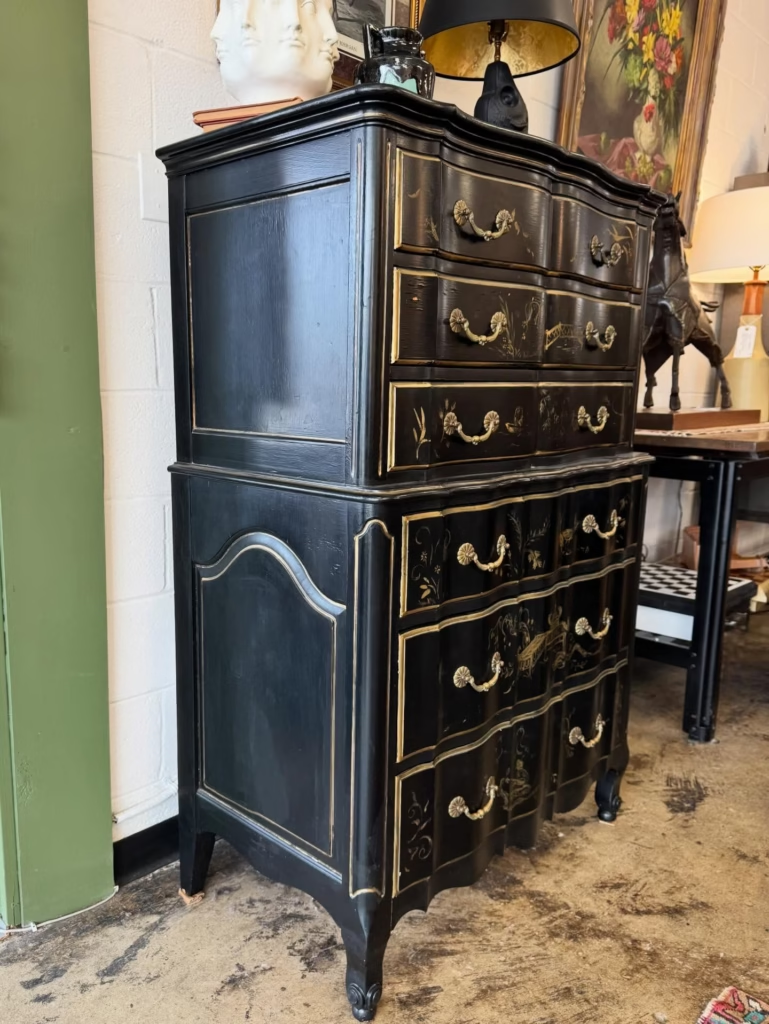
If you want something truly striking, a black lacquered cart with Chinoiserie hand-painted motifs is unlike anything else. These typically date from the late 18th to early 20th century and feature gold or red painted scenes — birds, blossoms, pagodas.
They’re a little dramatic. They know it. You know it. And that’s exactly why they work.
Best styling approach:
- Keep the accessories minimal so the cart itself stays the focal point
- Jade green or deep red glassware complements the motifs beautifully
- A single statement orchid ties the whole look together
This cart suits maximalist, eclectic, or Hollywood Regency interiors perfectly.
9. Salvaged Apothecary Cart
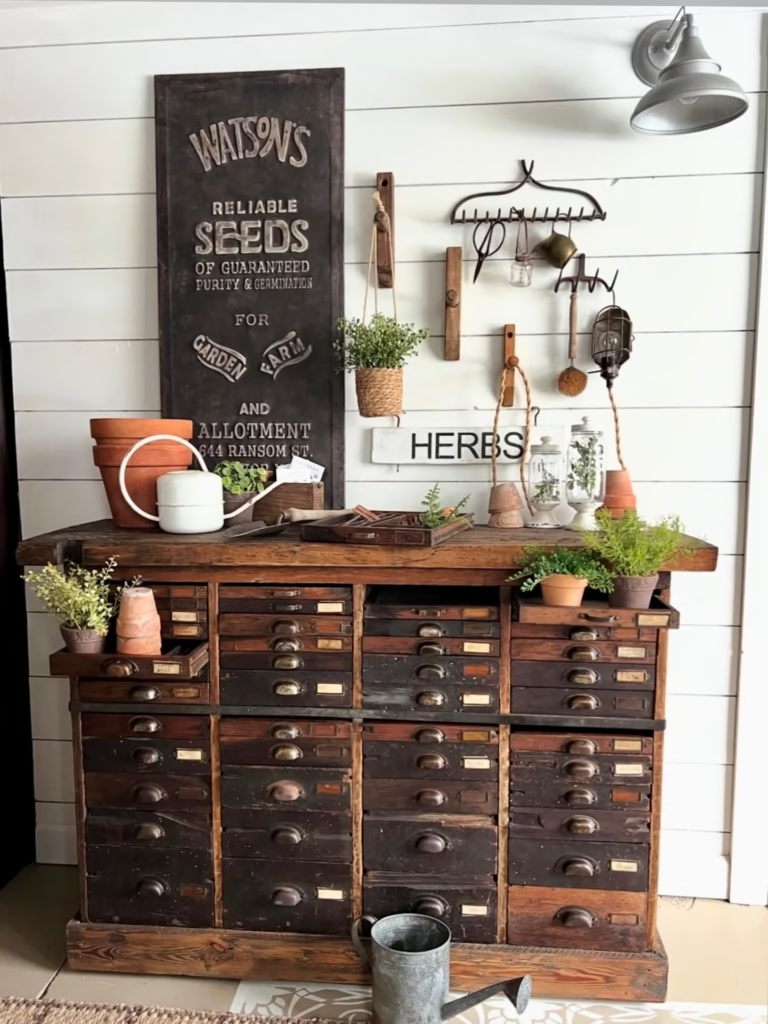
Last but absolutely not least — the repurposed apothecary cart. Originally used in pharmacies and medical offices in the late 1800s and early 1900s, these carts have multiple small drawers, sturdy metal frames, and a no-nonsense utilitarian build.
Why does this work as a bar cart? Because those little drawers are perfect for:
- Bar tools (jiggers, muddlers, bottle openers)
- Cocktail napkins and coasters
- Extra garnishes or bitters bottles
The contrast between the cart’s clinical origins and its current life as a cocktail station is part of what makes it so charming. Styling tip: add a chalkboard label on each drawer. Practical and adorable.
How to Find Authentic Antique Bar Carts
Now that you’re probably already mentally rearranging your living room — where do you actually find these? Here are my go-to sources:
- Estate sales and auctions — often the best prices with genuine pieces
- Local antique markets and flea markets — great for hands-on browsing
- Chairish, Ruby Lane, and 1stDibs — curated online options with authentication
- Facebook Marketplace and eBay — hit or miss, but deals exist if you’re patient
Always check the wheels (they should roll smoothly), inspect joints and welds, and look for maker’s marks that help authenticate the piece and era.
Quick Tips for Styling Any Antique Bar Cart
Regardless of which style you choose, a few universal rules apply:
- Edit ruthlessly — less is more on a bar cart; 5–7 items max looks intentional
- Vary the heights of objects for visual interest
- Mix textures — glass, metal, fabric, and organic elements all together
- Keep one cohesive color accent running through your accessories
- Rotate seasonal items — swap in a candle and cozy elements for winter, fresh flowers for spring
Final Thoughts
An antique bar cart isn’t just a furniture purchase, it’s a whole vibe. Whether you go full Victorian glamour, laid-back rattan, or dramatic Chinoiserie, the right cart tells your guests something about your taste before you even pour the first drink.
The best part? Most of these styles are more affordable than their modern counterparts because they don’t have the “trendy new product” markup. You get genuine history, craftsmanship, and character for less. That’s a win in my book.