
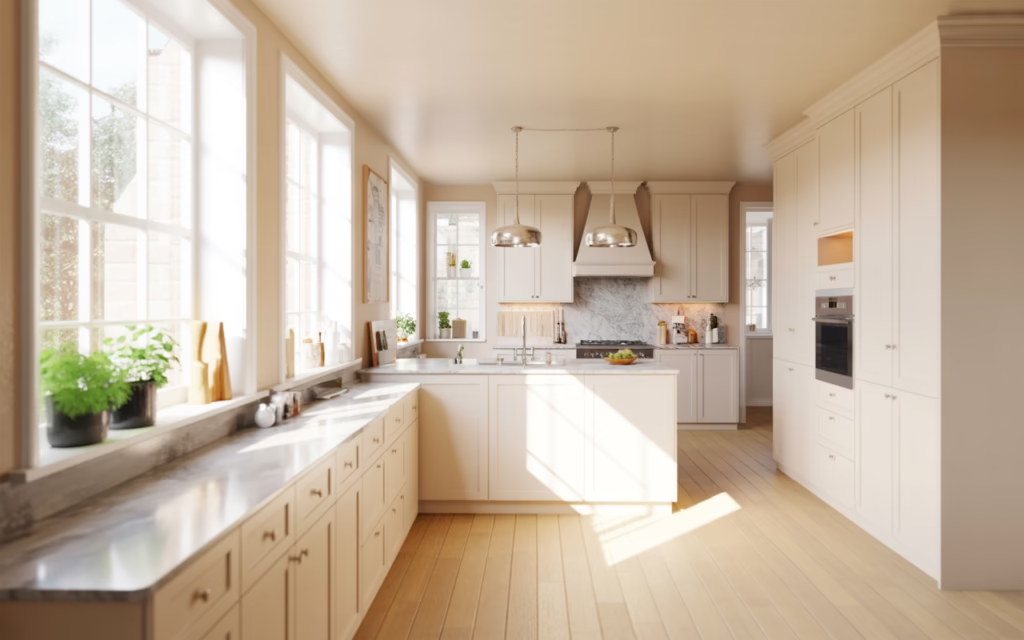
You know that feeling when you walk into a kitchen and it just breathes? Like the room itself is relaxed and happy to see you? Yeah, that’s not magic that’s good design. And honestly, after spending way too much time in dark, cramped kitchens that felt more like storage units with a stove, I became a little obsessed with figuring out what actually makes a kitchen feel open, bright, and alive.
If your kitchen currently feels like a cave (no offense), this article is for you. These seven remodel ideas focus specifically on maximizing natural light and airflow two things that transform a kitchen from “functional room” to “favorite room.” Let’s get into it.
1. Replace a Wall with a Pass-Through Window
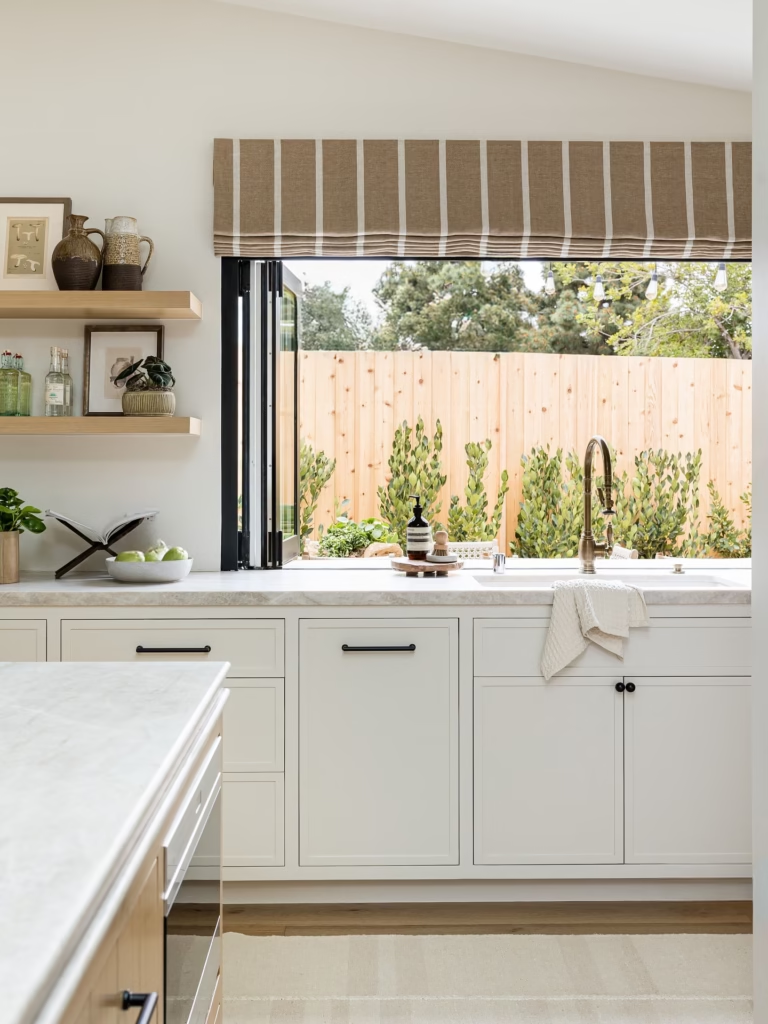
Let’s start with one of the most dramatic changes you can make without gutting the entire room: knocking out part of a wall to install a pass-through window or open shelf opening.
If your kitchen faces a dining room or living space, this single move can flood both rooms with shared light. You’re essentially borrowing brightness from one room and sharing it with another — like splitting a dessert, except both sides win equally.
What to Consider
- Load-bearing walls need a structural header — always hire a contractor to assess before swinging a sledgehammer
- A pass-through with a fold-down counter doubles as a serving bar (practical and impressive at dinner parties)
- Add a small pendant light above the opening to draw the eye upward and make the ceiling feel taller
IMO, this is one of the best bang-for-your-buck moves in kitchen remodeling. The visual connection between rooms instantly makes your whole home feel bigger.
2. Swap Heavy Cabinets for Open Shelving
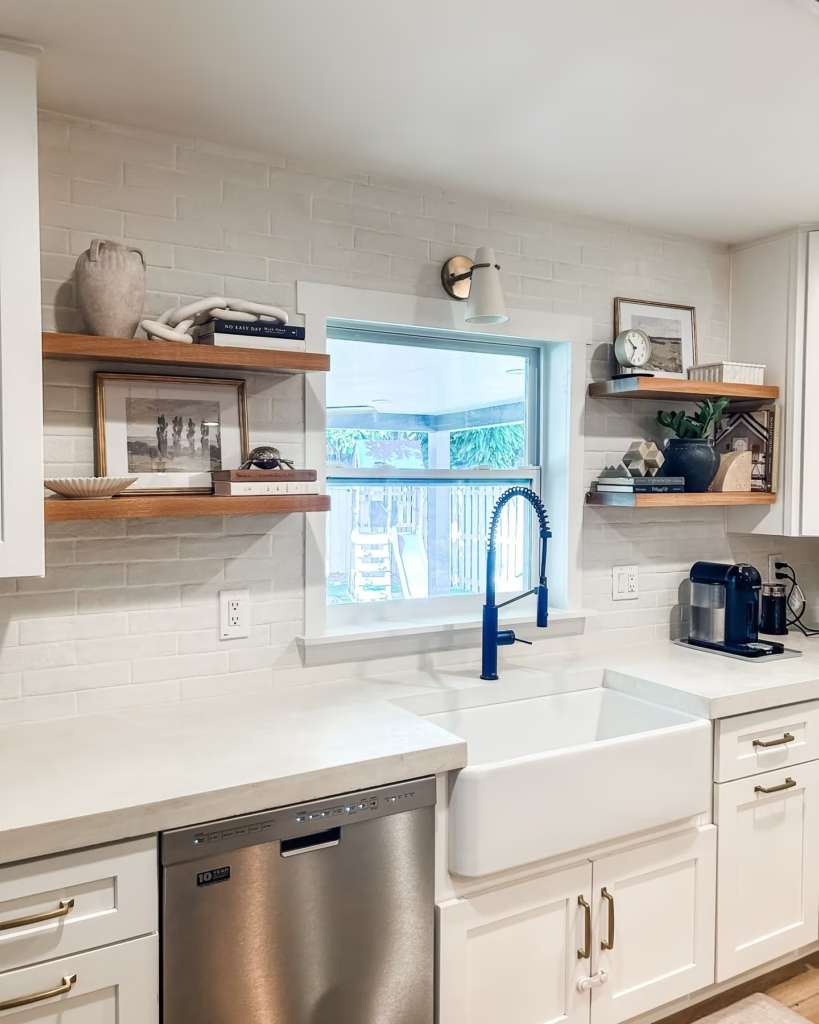
Nothing blocks light in a kitchen quite like a wall of dark, solid cabinet doors. They create visual weight that makes the room feel smaller and more closed off. Open shelving or glass-front cabinets are the fix.
When you remove those heavy doors — or replace them with glass panels — light travels freely across the room. Walls that used to feel like barriers now feel like part of the space.
Open Shelving vs. Glass-Front Cabinets
- Open shelving costs less, looks modern, and keeps things accessible — but your shelves need to stay tidy (yes, all the time :/ )
- Glass-front cabinets give you the light-opening effect while hiding the occasional mess behind pretty dishware
- White or light-painted cabinet interiors behind glass reflect even more light back into the room
Pro tip: Install LED strip lighting inside glass-front cabinets. Even at night, your kitchen glows warmly instead of going dark and uninviting.
3. Install a Skylight or Solar Tube
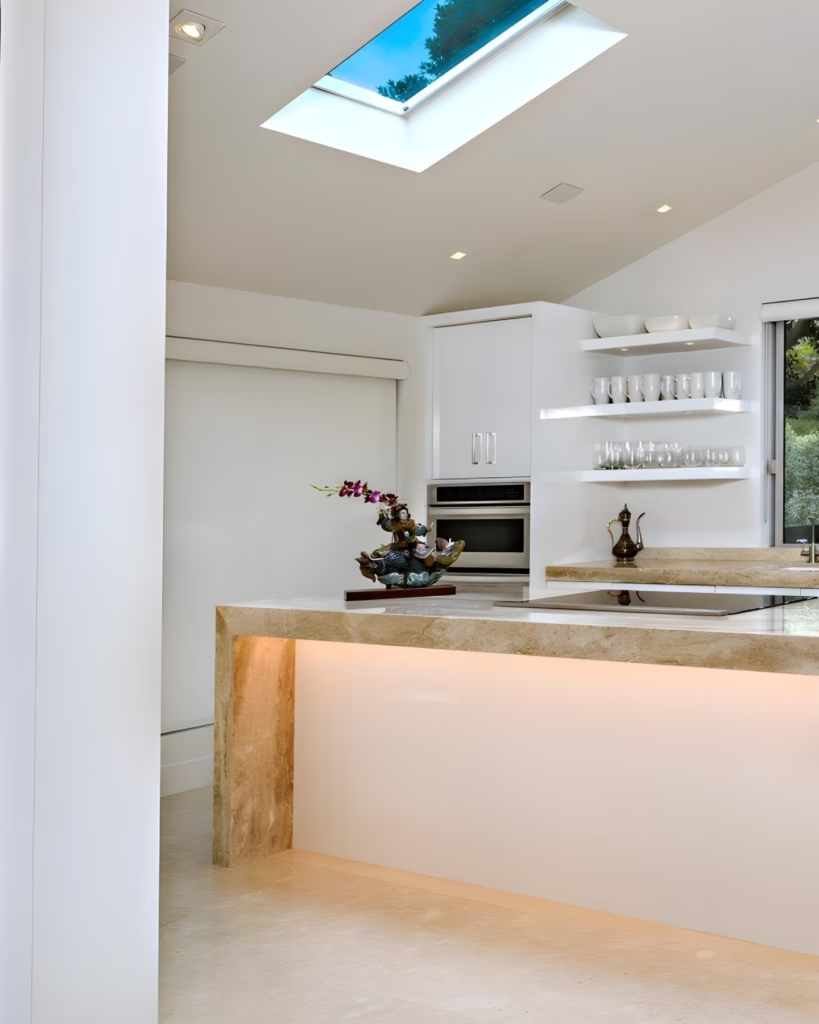
Skylights sound expensive and intimidating, but they’re one of the most effective ways to add natural light to a kitchen that doesn’t have great window placement. And solar tubes (those smaller, tubular versions) are surprisingly affordable and minimally invasive to install.
A solar tube can be installed in a single day, costs a fraction of a full skylight, and channels direct sunlight down through your ceiling even on cloudy days. If your kitchen sits under an attic or roof with reasonable access, this is a serious option to put on your shortlist.
Skylight vs. Solar Tube — Quick Comparison
- Skylight: Large, dramatic, expensive ($1,500–$3,000+ installed), requires roofing work but delivers incredible natural light and an open-sky feeling
- Solar tube: Small, affordable ($500–$1,000 installed), works in tight spaces, nearly invisible from the outside, and still pulls in a surprising amount of light
Either option eliminates the “dungeon kitchen” problem better than almost any other single remodel move. FYI, they also reduce your daytime electric bill — so they eventually pay for themselves.
4. Go Light on Your Color Palette
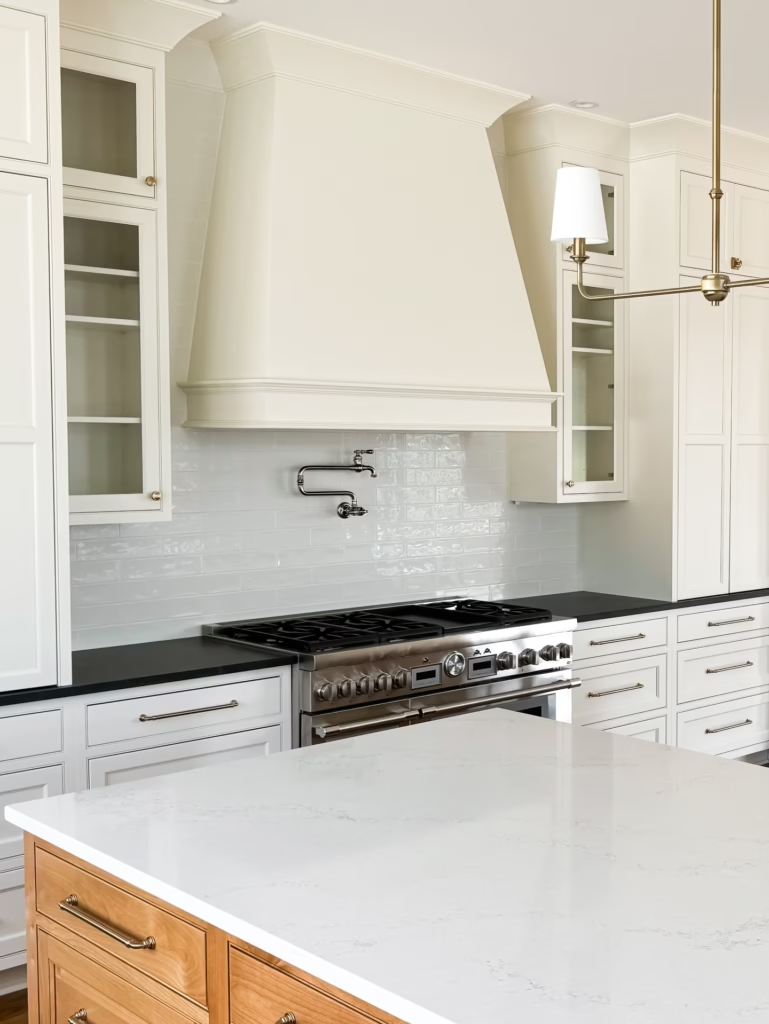
This one sounds almost too simple, but it’s wildly effective. Dark walls, dark counters, and dark flooring absorb light. Light colors reflect it. The difference between a kitchen painted deep gray versus soft white can feel like adding two extra windows.
Ever walked into a bright white kitchen and thought, “Wow, this feels huge”? That’s pure color psychology at work. You don’t need to go full clinical white — warm whites, creamy off-whites, soft sage greens, and pale blues all bounce light beautifully.
Specific Color Moves That Work
- Walls: Warm white, Swiss Coffee, or pale greige reflects the most light without feeling sterile
- Cabinets: White or light gray uppers keep the upper half of the room feeling airy — dark lowers are fine if you want contrast
- Countertops: Light quartz or butcher block reflects more light than black granite (as gorgeous as that is)
- Backsplash: Glossy white or light subway tiles act like mini mirrors, bouncing light around the room
You don’t have to repaint every surface. Even switching your upper cabinet color to something lighter makes a noticeable difference.
5. Upgrade Your Windows (Size and Placement Matter)
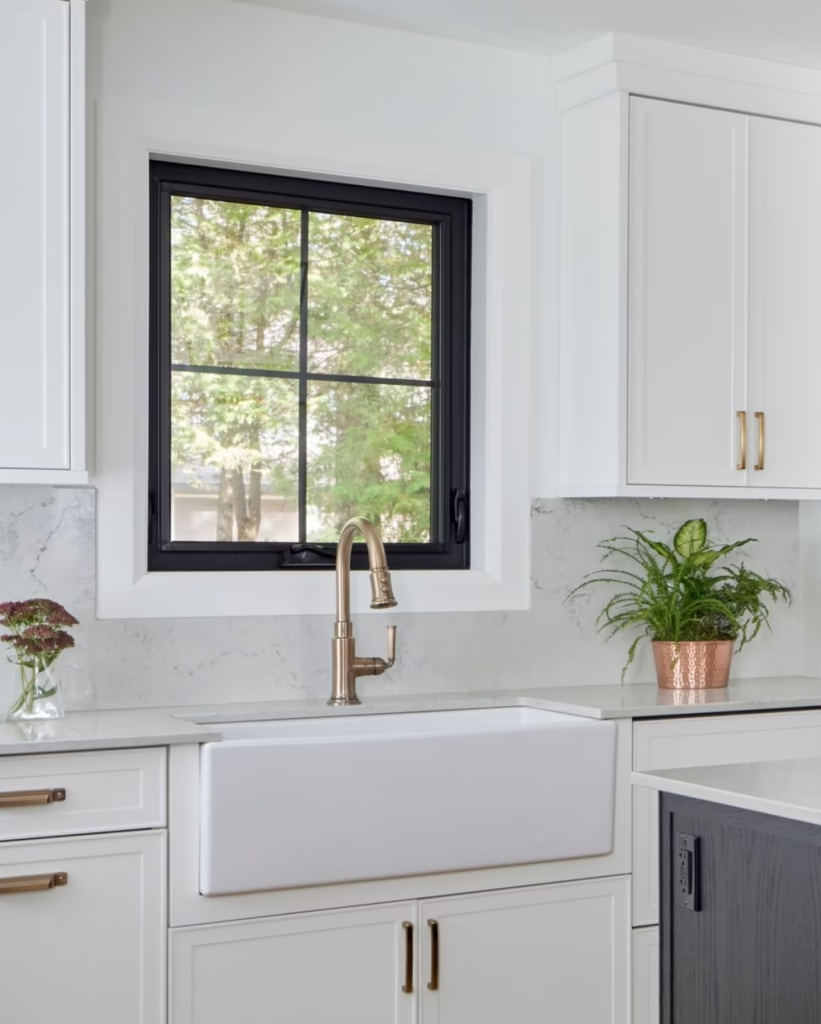
If your kitchen has one small window above the sink, you’re working with a handicap. Bigger windows — or strategically placed new ones — are one of the highest-impact investments in a kitchen remodel. Natural light from windows doesn’t just brighten the space; it makes it feel connected to the outside world, which is genuinely good for your mood while you’re cooking.
Think about what’s outside your kitchen wall before you commit. A window that faces a garden or backyard? Maximize it. A window that faces a fence six inches away? Maybe focus elsewhere.
Window Ideas That Boost Light and Air
- Casement windows open wide and catch cross-breezes better than double-hung windows — perfect for ventilation
- A wide picture window above the sink replaces the standard small frame and creates a stunning, light-filled focal point
- Corner windows where two walls meet eliminate that dark corner entirely and feel very modern and architectural
- Transom windows (small horizontal windows near the ceiling) add light without eating into wall cabinet space
Ventilation tip: Pair a casement window near your cooktop with your range hood for the best natural + mechanical airflow combo. Your kitchen will stop smelling like last Tuesday’s garlic stir-fry within minutes. 🙂
6. Rethink Your Kitchen Layout for Better Airflow
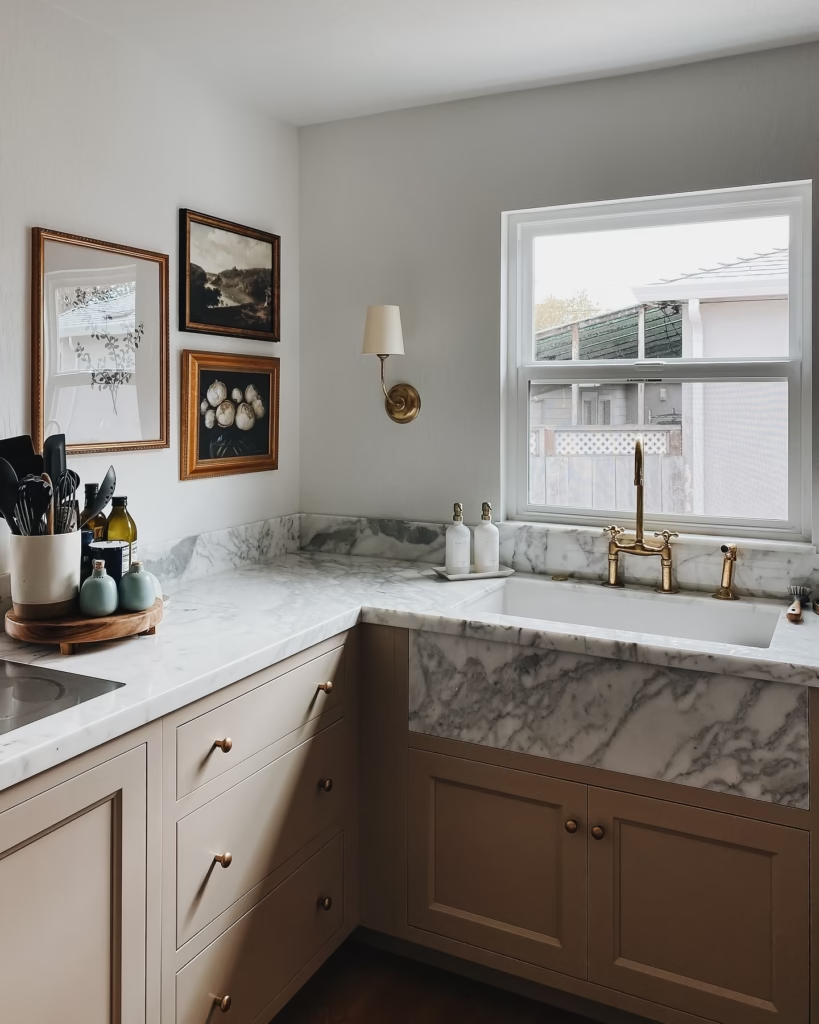
Sometimes the issue isn’t just windows — it’s the way your kitchen is laid out. A poorly planned layout can block airflow and make even a bright kitchen feel stuffy. Islands that are too large, peninsulas that close off the space, and upper cabinets that run wall-to-wall can all choke the room.
Here’s a question worth sitting with: does your kitchen actually need a giant island, or did you just convince yourself you needed one because every HGTV show has one? (No judgment — I’ve been there too.)
Layout Changes That Open Up the Space
- Reduce island size or switch to a moveable cart if your current island blocks traffic flow and windows
- Remove upper cabinets on one wall and replace with open shelving or nothing at all — the exposed wall space feels like an extra breath of air
- Lower your ceiling soffits (those bulky boxes above cabinets) if your kitchen has them; they visually compress the ceiling and make the room feel shorter
- Open the kitchen to an adjacent room by removing a non-load-bearing wall or widening a doorway
Airflow and light travel together — a more open layout lets both move freely through the space. The result isn’t just prettier; it’s genuinely more comfortable to cook in.
7. Choose the Right Lighting Fixtures (Layered Lighting Changes Everything)
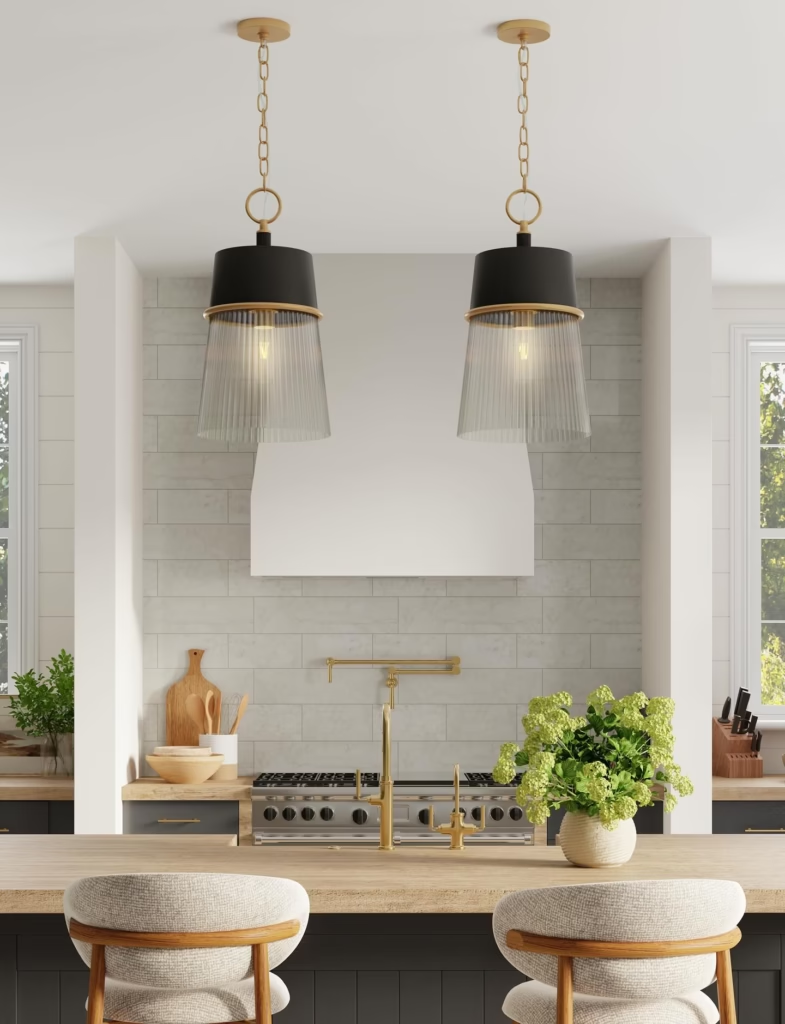
Natural light is great, but you cook at night too. And most kitchens are dramatically under-lit — one overhead fixture doing the work of five. Layered lighting is the professional designer trick that makes kitchens feel open and inviting at any hour.
The idea is simple: instead of one harsh overhead light, you use multiple light sources at different heights and intensities. Under-cabinet lights, pendants over the island, recessed ceiling lights, and even a statement fixture above the dining area all work together to create a warm, bright, breathable atmosphere.
The Three Layers of Kitchen Lighting
1. Ambient (general) lighting
- Recessed lights or a flush-mount ceiling fixture
- Provides overall illumination — the base layer
- Aim for warm white LEDs (2700K–3000K) to keep the room feeling cozy rather than clinical
2. Task lighting
- Under-cabinet LED strips or puck lights
- Lights your countertop directly so you can actually see what you’re chopping
- Often overlooked, but makes a massive practical difference
3. Accent lighting
- Pendants over an island, LED strips inside glass cabinets, or a decorative chandelier
- These fixtures add personality and visual warmth
- Pendants hung at the right height (30–36 inches above the counter) also draw the eye upward, making ceilings feel higher
One more thing: install dimmer switches on every circuit you can. Being able to drop the lights low for a dinner vibe versus bright for meal prep is one of those small upgrades that feels incredibly luxurious for almost no cost.
Putting It All Together
You don’t have to do all seven of these at once — and realistically, most of us aren’t working with an unlimited remodel budget. But even picking two or three ideas from this list and implementing them thoughtfully will shift how your kitchen feels to be in.
Here’s a quick recap of the seven ideas:
- Replace a wall section with a pass-through window to share light between rooms
- Swap solid cabinet doors for open shelving or glass fronts to reduce visual weight
- Install a skylight or solar tube for direct overhead natural light
- Lighten your color palette — walls, cabinets, and counters all matter
- Upgrade or add windows to maximize natural light and ventilation
- Rethink your layout to eliminate airflow blockers and open the space
- Layer your lighting with ambient, task, and accent sources on dimmers
The goal with all of these isn’t just aesthetics it’s creating a kitchen that feels genuinely good to spend time in. Because when the space is bright, airy, and welcoming, you actually want to cook. And honestly, that’s worth more than any fancy appliance upgrade.
So which one are you tackling first? Start with the color palette if you want a weekend win, or dream big with that skylight if you’re ready for a real transformation. Either way, your kitchen (and your morning coffee routine) will thank you.