
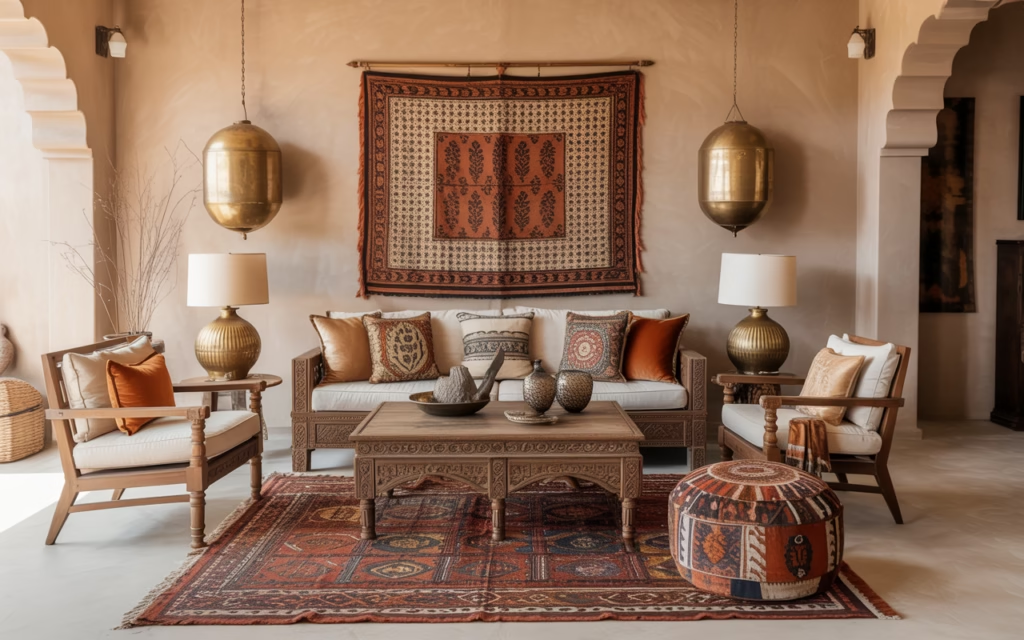
Afrobohemian living rooms have this magic mix of soul, texture, warmth, and personality that’s hard to ignore. They don’t chase that stiff, overly polished look that makes a room feel like nobody actually lives there. Instead, they celebrate culture, comfort, handmade beauty, and layered design in a way that feels relaxed and deeply personal.
I love this style because it gives you room to be creative without making your home feel chaotic. You can mix earthy colors, bold African prints, woven textures, natural wood, plants, and meaningful decor and still end up with a space that feels grounded. Ever notice how some rooms look beautiful but feel cold? Afrobohemian design skips that problem completely. Let’s get into it.
What Even Is Afrobohemian Style?
Before we jump into the ideas, let’s get on the same page. Afrobohemian design (sometimes called Afro-Boho) blends the rich visual traditions of African culture, think kente cloth, tribal patterns, hand-carved wood, and earthy tones with the free-spirited, layered, anything-goes energy of bohemian style.
The result? A living room that tells a story. Your story.
It’s not about copying a catalog look. It’s about curating a space that feels lived-in, culturally aware, and aesthetically fearless. IMO, it’s the most human way to design a home.
1. Start With an Earthy, Warm Color Palette
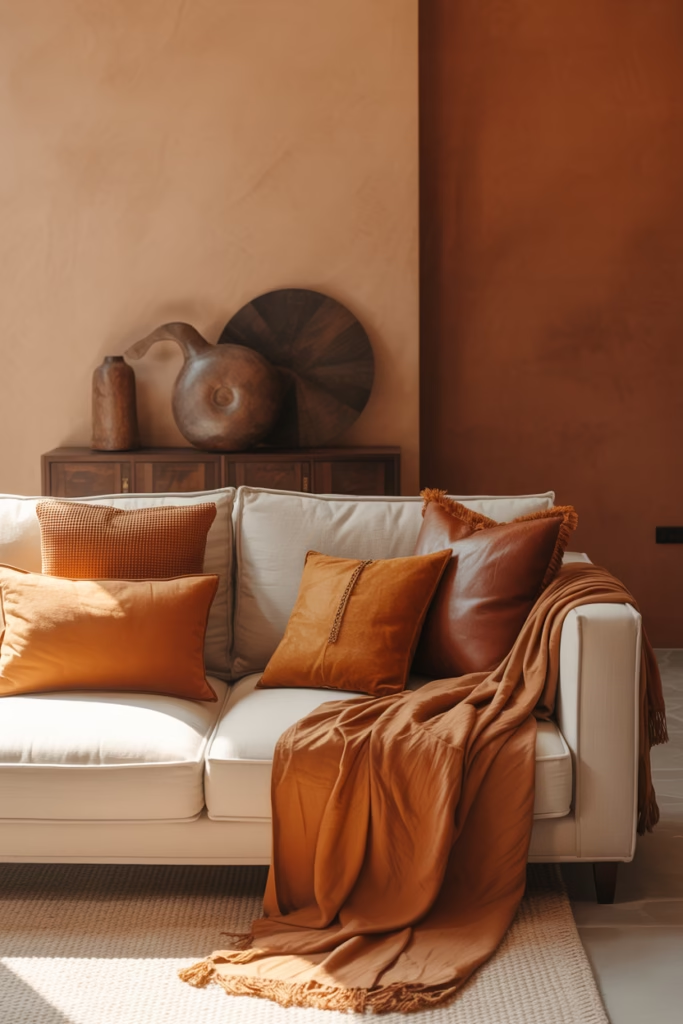
The foundation of any great Afrobohemian living room is its color story. Forget sterile whites and cold grays — this aesthetic thrives on warmth.
Go for colors like:
- Deep terracotta and burnt sienna
- Rich ochre and golden yellow
- Warm chocolate brown and mahogany
- Dusty sage green and olive
- Cream, sand, and natural linen tones
These colors mimic the African landscape — sunbaked earth, lush savanna, volcanic rock — and they create an instantly cozy atmosphere. Layer two or three of these tones across your walls, textiles, and furniture and you’ll already be 80% of the way there.
2. Anchor the Room With a Statement African Print
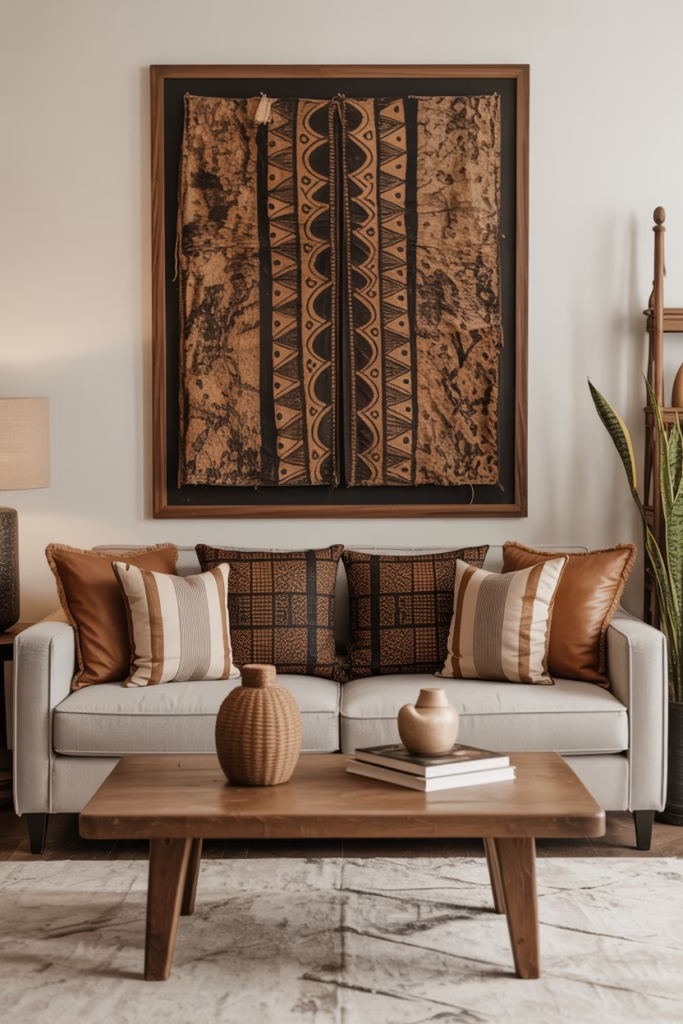
Every Afrobohemian living room needs at least one bold, unapologetic African print. This is non-negotiable. 🙂
Think kente, mudcloth (bogolan), Ankara wax print, or Kuba cloth. You can use these prints in so many ways:
- A large framed fabric panel as wall art
- Throw pillows in mixed prints
- An upholstered accent chair
- A draped throw blanket over your sofa
The trick is to treat one print as your anchor and then pull complementary colors from it throughout the rest of the room. Don’t stress about “matching” — Afrobohemian style actually celebrates the beauty of controlled chaos.
3. Layer Your Textiles Like You Mean It
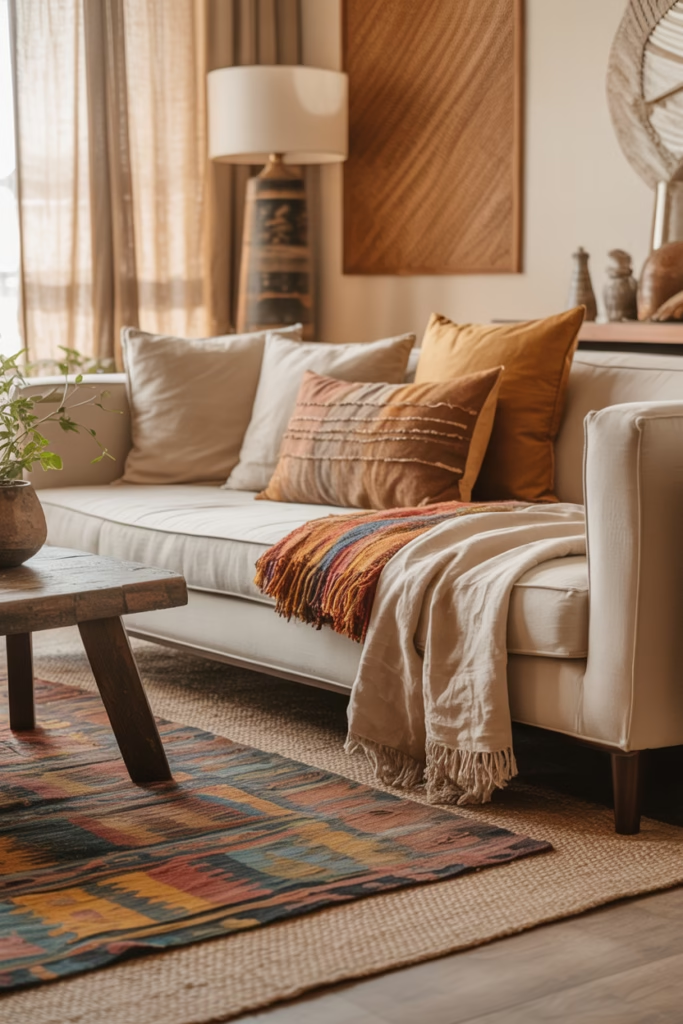
One of the biggest mistakes people make with boho-inspired rooms is going too minimal with textiles. More is more here — and I say that as someone who once had a very sad, under-decorated living room that felt like a waiting room. :/
Layer these textures together:
- A chunky jute or sisal area rug as the base
- A Moroccan or hand-woven kilim rug layered on top
- Linen or cotton curtains in a warm neutral
- Mudcloth or woven throw pillows in varying sizes
- A knit or fringed throw on the sofa arm
The key is texture contrast. Rough jute against soft cotton, heavy wood against lightweight linen — these contrasts create visual depth that makes a room feel collected rather than decorated.
4. Bring In Handcrafted Wooden Furniture
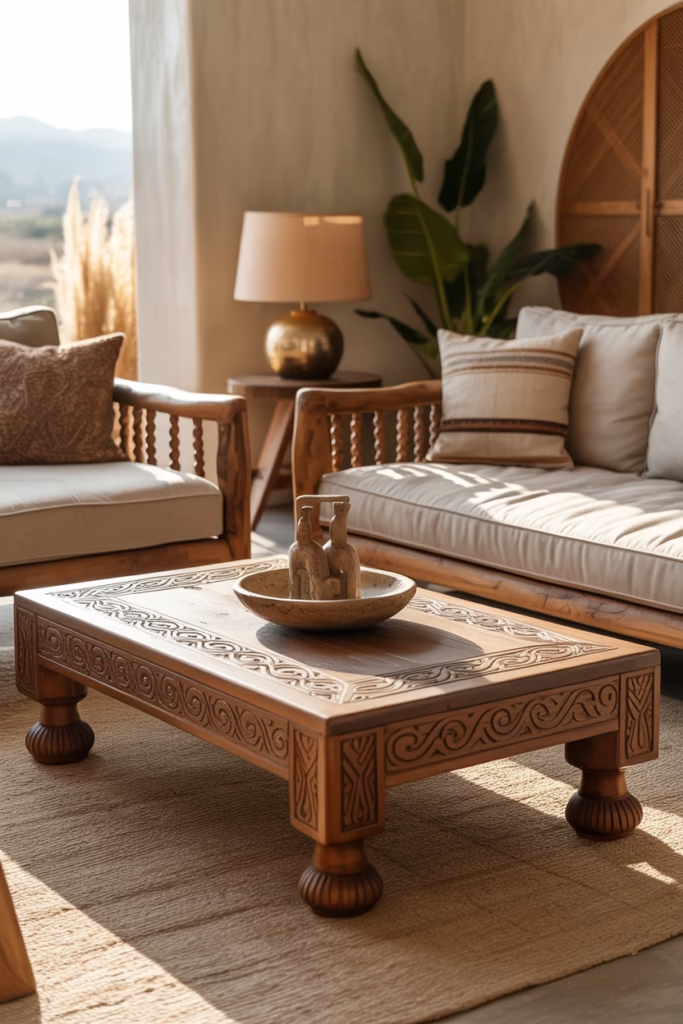
Mass-produced furniture has its place, but it has very little place in an Afrobohemian living room. Handcrafted or artisan-made wooden pieces are the soul of this aesthetic.
Look for:
- Hand-carved wooden coffee tables with geometric or tribal motifs
- Low-slung wooden sofas or daybeds with cushion seating
- Reclaimed wood side tables or stools
- Carved wooden trays and bowls as decorative objects
The grain, the imperfections, the handmade quality — these things communicate warmth in a way that a flat-pack coffee table simply never will. Ever walked into a room and immediately felt calm without knowing why? A lot of that comes from natural, imperfect wood.
5. Use Woven Baskets as Art and Function
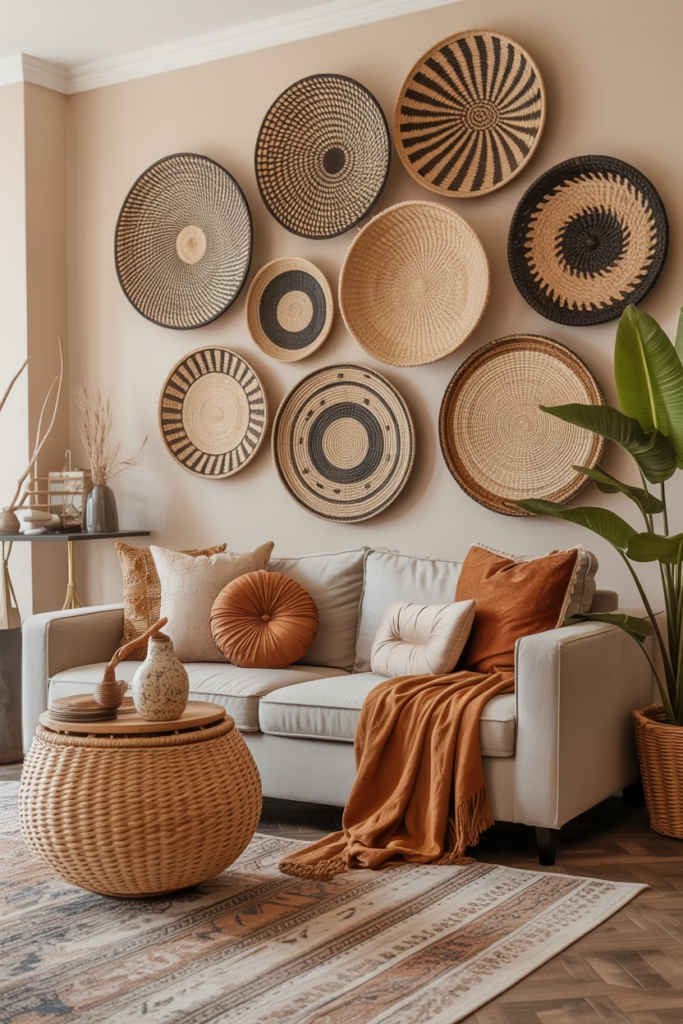
Here’s a quick design secret that seasoned interior decorators swear by: woven baskets are one of the most versatile and impactful elements in an Afrobohemian room.
Use them as:
- Wall art — hang a gallery of different-sized woven baskets at varying heights
- Storage for throws, magazines, or plants
- Planters for trailing greenery
- Decorative trays on coffee tables or ottomans
The diversity of African basket weaving traditions — from Ghana’s bolga baskets to Zimbabwe’s ilala palm baskets — means you have a huge variety of textures, patterns, and colors to choose from. FYI, a basket gallery wall costs a fraction of traditional framed art and looks ten times more interesting.
6. Make Plants a Non-Negotiable Element
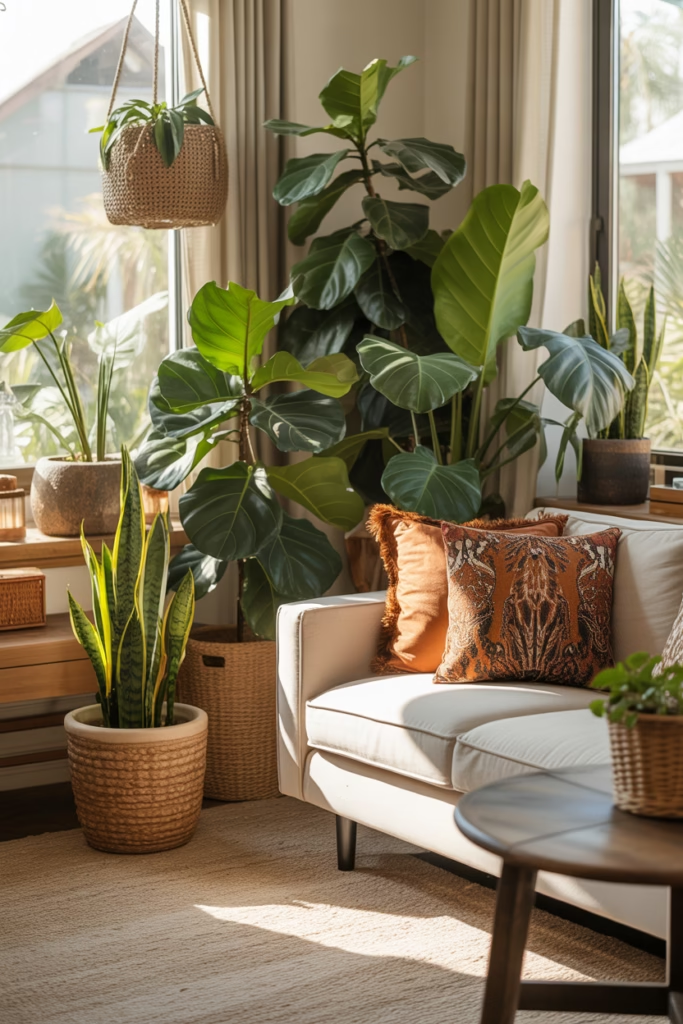
Afrobohemian style is rooted in nature — literally. Plants bring the outside in and add that lush, organic quality that makes a room feel alive rather than staged.
Best plants for this aesthetic:
- Large fiddle-leaf fig or rubber plant in a terracotta pot
- Trailing pothos or philodendron on high shelves
- Snake plants in woven basket planters
- Monstera in a hand-painted ceramic pot
- Dried pampas grass or dried botanicals in tall vases
Don’t be afraid to cluster plants together at different heights. A corner filled with varying green textures creates a mini indoor jungle vibe that perfectly complements the earthy, cultural elements in the rest of the room.
7. Incorporate African Sculptures and Artifacts
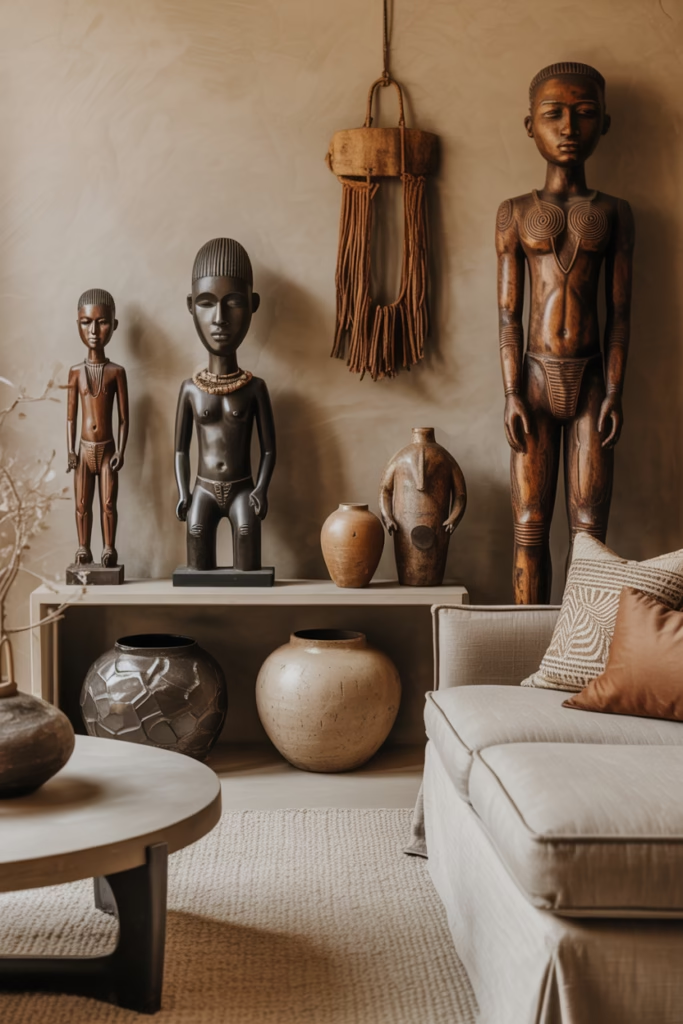
This is where your living room stops being “inspired by” and starts being genuine. African sculptures, masks, figurines, and artifacts add cultural depth that no amount of printed fabric can replicate on its own.
You don’t need to raid a museum. Look for:
- Wooden or bronze figurines from West African traditions
- Ceramic vessels from East African craft traditions
- Hand-painted or carved masks displayed as wall art
- Beaded or metalwork decorative objects
Display these intentionally — not crammed on a shelf, but given breathing room on a console table, fireplace mantel, or dedicated display nook. Let each piece tell its story.
8. Choose Low, Loungy Seating
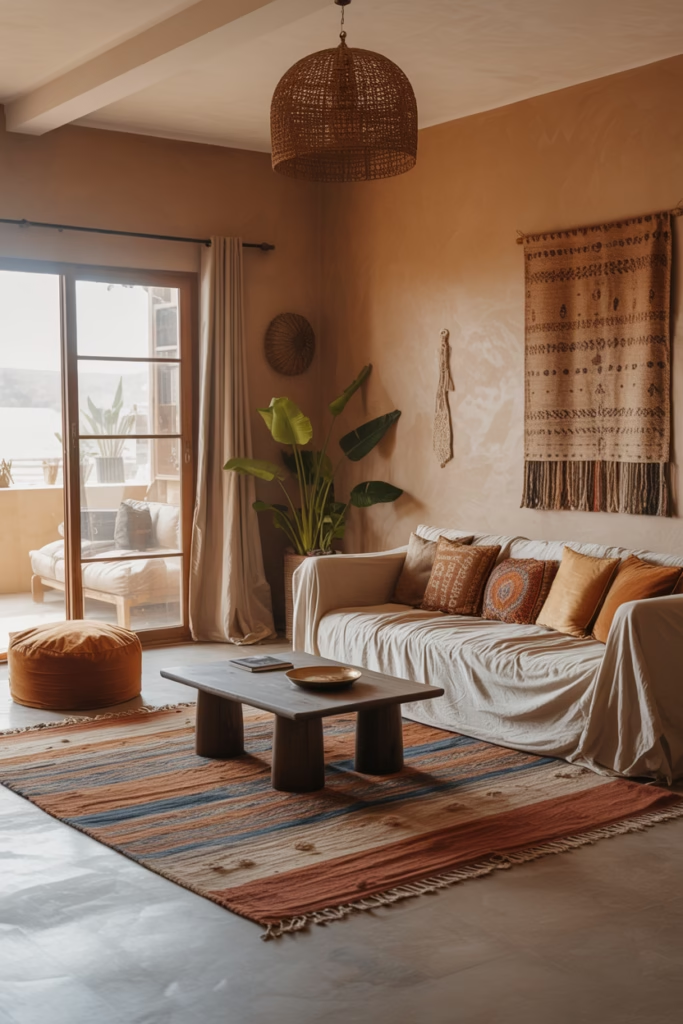
Afrobohemian rooms favor a relaxed, close-to-the-ground energy. Towering, stiff sofas don’t really fit this vibe. Instead, lean into low, loungy seating arrangements that invite people to settle in and stay awhile.
Think:
- Floor cushions and large poufs as supplementary seating
- Low-profile sofas with deep seats and generous cushions
- A daybed or chaise draped with textiles
- Moroccan-style floor seating areas with layered rugs and cushions
This kind of seating arrangement also makes a room feel more communal and relaxed — which is very much in keeping with the African cultural tradition of gathering around a central space. Can you picture it? A low wooden table, oversized cushions, candles, and the smell of incense? Yes, please.
9. Play With Pattern Mixing
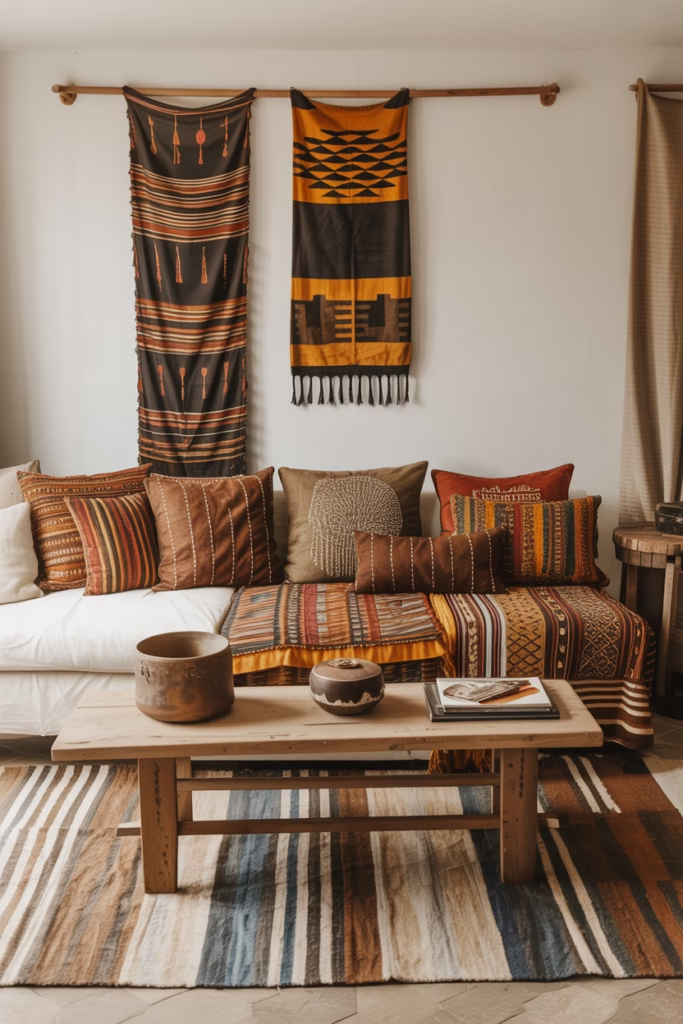
Pattern mixing intimidates a lot of people. I get it. The fear of “what if it clashes?” is real. But here’s the thing: Afrobohemian design was built on pattern mixing. It’s the whole point.
The rules are simple:
- Vary the scale — mix a large, bold print with a smaller geometric
- Anchor with a neutral — mudcloth, linen, and natural textures act as visual breaks
- Pull from the same color family — you can mix prints confidently when they share one or two dominant colors
A kente-print pillow next to a mudcloth pillow next to a plain ochre pillow? Perfection. A striped throw on a patterned chair? Also perfection. Trust the process.
10. Use Warm, Ambient Lighting
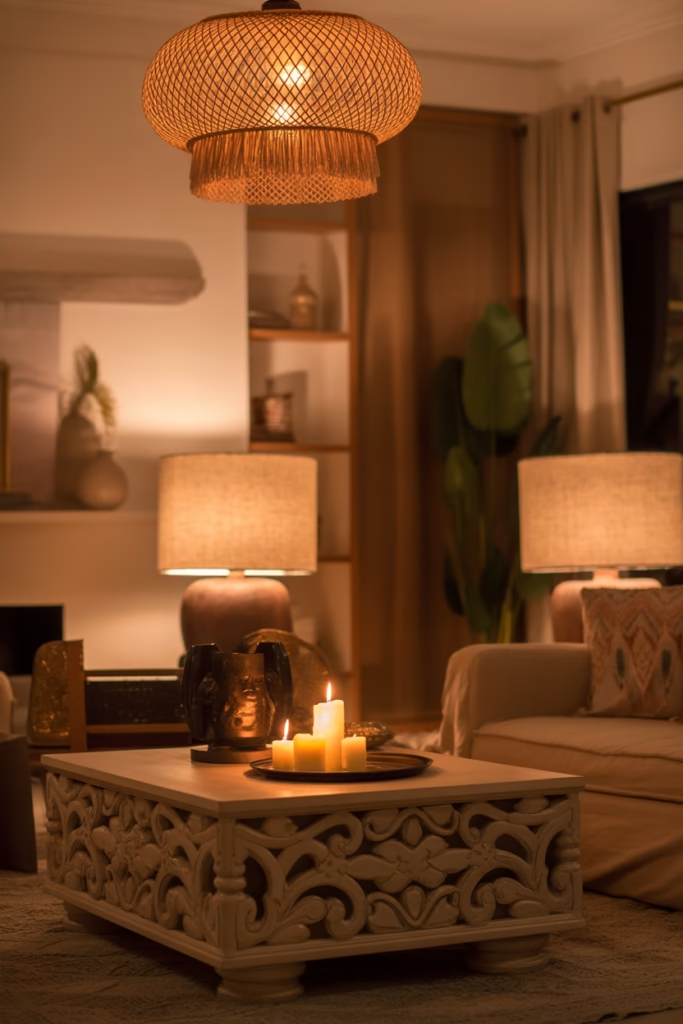
Harsh overhead lighting is the enemy of a cozy Afrobohemian living room. Warm, layered lighting is what creates that golden, intimate atmosphere this aesthetic is famous for.
Layer your lighting like this:
- Soft warm-toned bulbs (2700K–3000K) in every fixture
- Floor lamps with woven rattan or linen shades
- Table lamps on side tables and consoles
- String lights or Edison bulbs for ambient glow
- Candles — lots of them — in brass or clay holders
The goal is to eliminate any harsh, clinical light and replace it with a warm, diffused glow that makes everything look better. Bonus: it also makes you look better, so really, everyone wins.
11. Hang Meaningful Wall Art
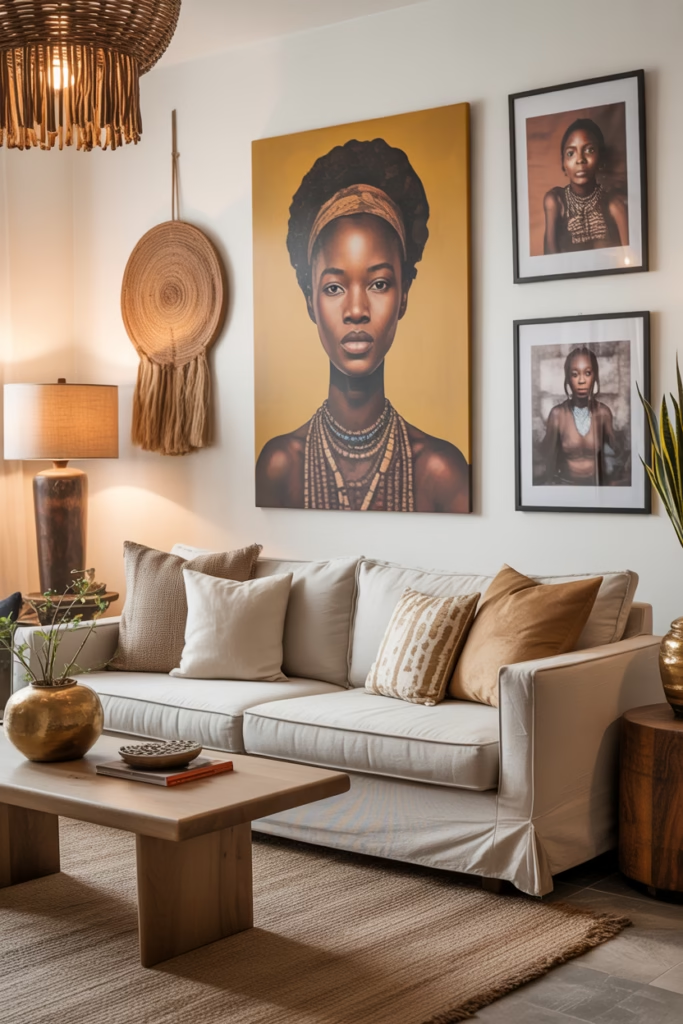
Your walls are your gallery — don’t waste them on generic prints from a home goods chain. Afrobohemian living rooms call for art that means something.
Consider:
- Original or print artwork by African or African diaspora artists
- Photography of African landscapes, markets, or people
- Abstract paintings in earthy tones with bold mark-making
- Textile art — framed fabric, embroidery, or beaded panels
- Mixed-media pieces that incorporate natural materials
A gallery wall that mixes a large canvas painting, two woven wall hangings, and a collection of small framed photos creates exactly the kind of layered, collected look that makes people stop and stare (in a good way).
12. Add a Touch of Global Nomad Influence
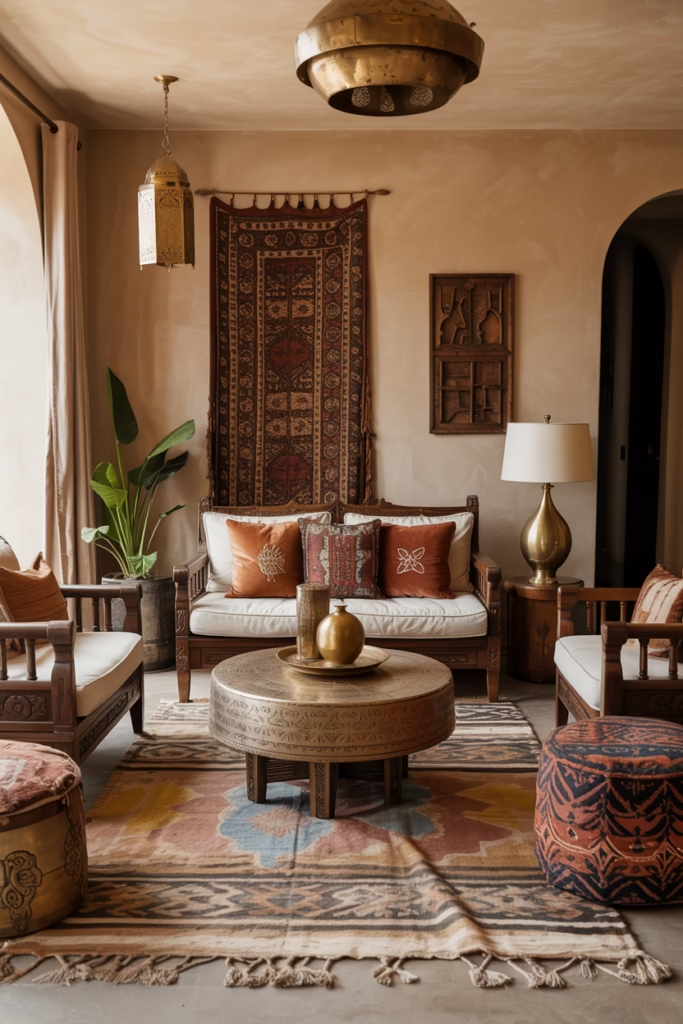
The “bohemian” in Afrobohemian means you can and should borrow freely from other global craft traditions — as long as African heritage remains the dominant thread.
Complementary global influences that work beautifully:
- Moroccan — zellige tile accents, poufs, arched mirrors
- Indian — block-printed textiles, brass lanterns, embroidered cushions
- Latin American — hand-painted pottery, woven textiles
- Middle Eastern — intricate metalwork, patterned rugs
The key is to let African-inspired elements lead and use these global accents as supporting characters. When done well, the room feels like it was curated by someone who has actually been places and brought back beautiful things. Which, honestly, is the dream.
13. Incorporate Raw, Natural Materials
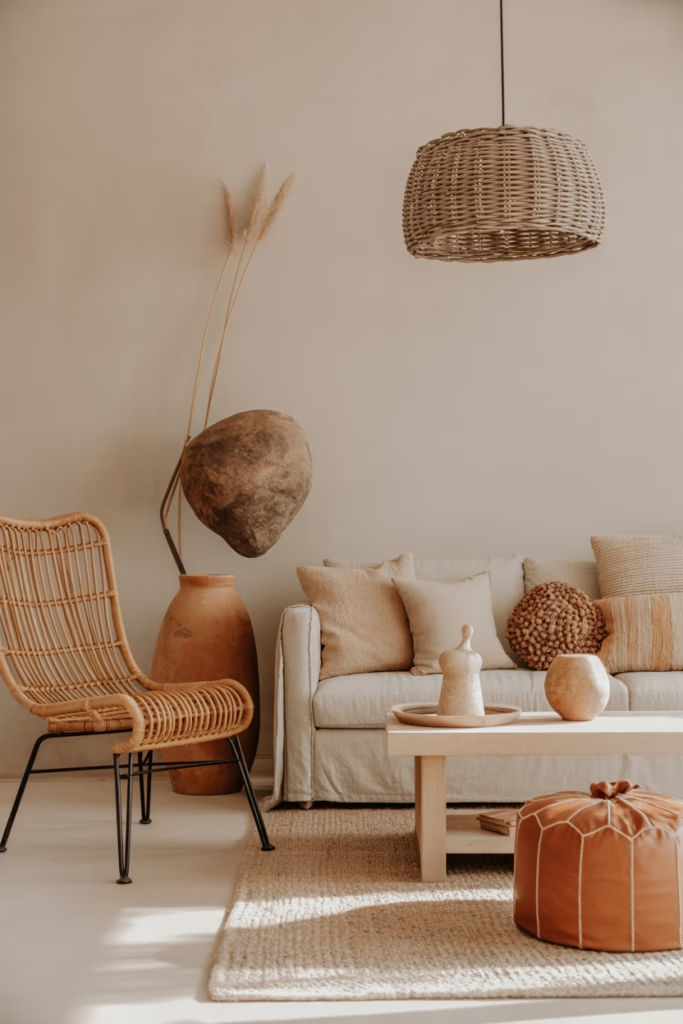
Raw and natural materials are the backbone of Afrobohemian interiors. They keep the space grounded and prevent it from feeling overdone or costume-y.
Look for these materials throughout your space:
- Rattan and wicker — for chairs, pendant lights, storage
- Raw linen and cotton — for curtains, cushion covers, slipcovers
- Clay and terracotta — for pots, vases, decorative bowls
- Stone and concrete — for decorative objects or a feature wall
- Leather and hide — for poufs, accent chairs, or rugs
These materials also age beautifully. A clay pot that chips slightly, a leather pouf that develops patina — these things add character over time rather than looking worn out. That’s the magic of natural materials.
14. Create a Dedicated Cultural Corner
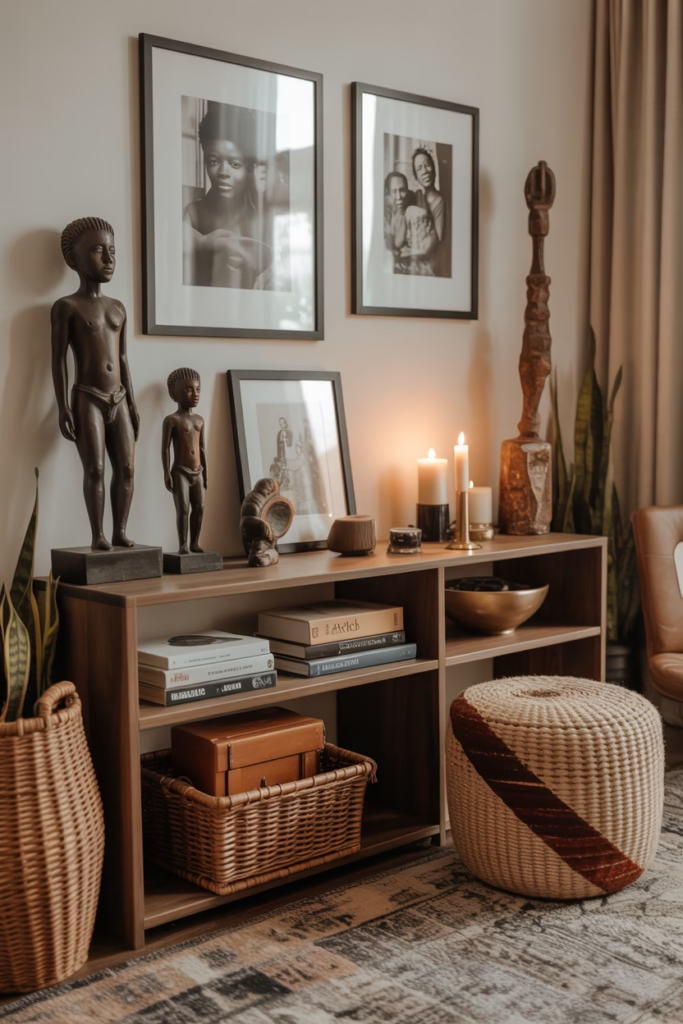
This is one of my favorite ideas and honestly something more people should do. Carve out one corner or nook of your living room specifically for cultural storytelling.
This could look like:
- A console table or low shelf displaying sculptures, artifacts, and books about African art and history
- A reading nook with African-authored books, a cozy chair, and a small side table
- A collection of framed family photos alongside traditional objects
- A small altar-style display with candles, meaningful objects, and textiles
This corner becomes the heart of the room — the place your eye goes first, the conversation starter, the reminder of where you come from or where you find inspiration. It transforms decoration into something genuinely meaningful.
15. Don’t Forget the Scent
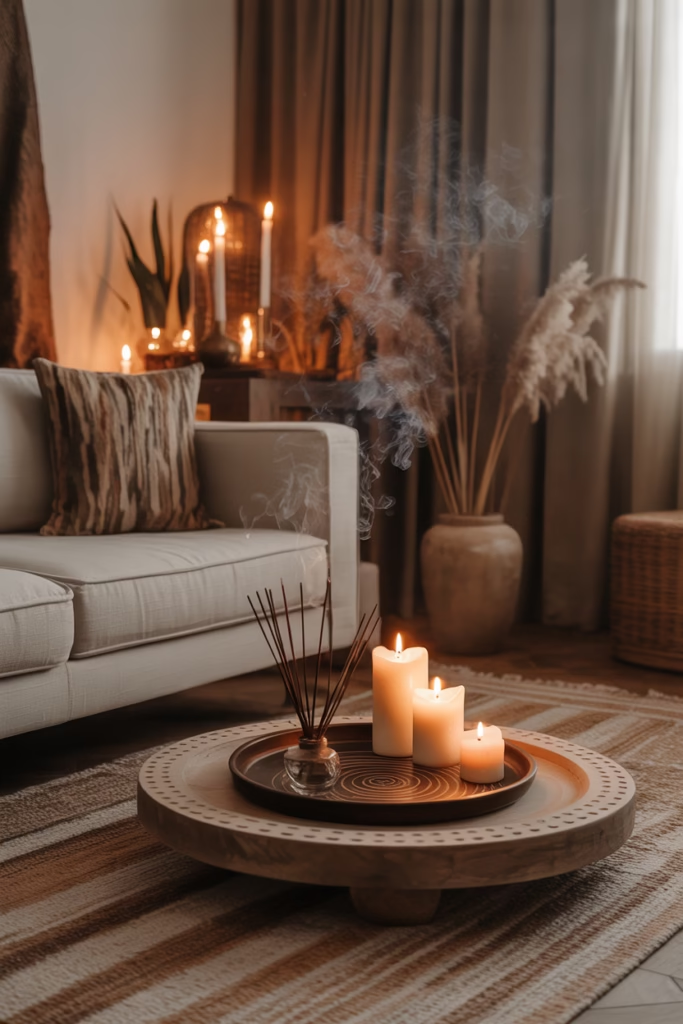
Okay, I know this isn’t technically a visual design element, but hear me out — scent is one of the most powerful ways to complete an Afrobohemian atmosphere. A beautifully designed room that smells like nothing feels oddly sterile.
Consider:
- Incense — frankincense, myrrh, or African oud
- Candles in warm, earthy scents like sandalwood, amber, or vetiver
- Diffusers with essential oils like patchouli, cedarwood, or neroli
- Dried botanicals — eucalyptus, dried lavender, or smudge bundles
The right scent ties the whole experience together. It turns a beautiful room into a sensory environment — one that feels immersive and intentional. And when your guests walk in and immediately go “oh, this smells amazing,” you’ll know you nailed it.
Putting It All Together
Creating an Afrobohemian living room isn’t about following a formula; it’s about building a space that reflects a genuine love of culture, craft, and comfort. Start with an earthy color palette, anchor with bold African prints, layer your textiles, bring in handcrafted furniture and natural materials, and then fill in the details with plants, art, lighting, and meaningful objects.
The beauty of this aesthetic is that it grows over time. You don’t need to do it all at once. In fact, the best Afrobohemian rooms look like they were assembled over years, piece by piece, each item chosen with care, each corner telling a different chapter of the same story.
So start small if you need to. Grab a mudcloth pillow. Hang a basket on the wall. Buy that hand-carved wooden bowl you’ve been eyeing. Every piece you add is a step toward a living room that feels completely, authentically yours.