
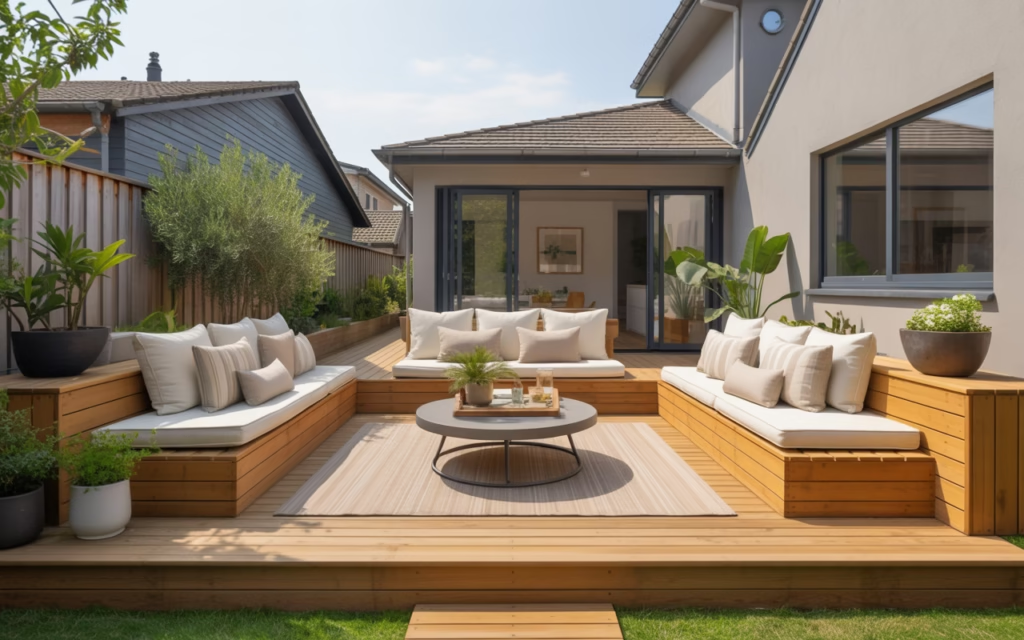
So you’ve got this awkward patch of backyard that’s just… sitting there, judging you every time you look out the window. Sound familiar? A ground-level deck might be the single best upgrade you can make to your outdoor space, and the good news is, you don’t need a contractor, a second mortgage, or an engineering degree to pull it off.
Ground-level decks (also called low decks or platform decks) sit no more than 30 inches above grade, which means they hug the earth, look fantastic, and skip a ton of the complexity that comes with elevated builds. They’re cheaper, easier to build, often permit-free, and honestly, they just look better in most backyards. Let’s talk through 15 amazing ideas you can steal for your own outdoor space.
What Makes a Ground-Level Deck So Great?
Before we get into the fun stuff, let’s be real about why low decks are having such a moment right now.
- No railing required in most cases (they’re close to the ground — falling off isn’t really a dramatic event)
- Lower material costs — less framing, fewer structural requirements
- Seamless indoor-outdoor flow — they create that gorgeous transition between your home and yard
- Easier accessibility for kids, elderly family members, and anyone who just doesn’t feel like dealing with steps
IMO, they’re one of the most underrated home improvement projects out there. You get massive visual impact for a relatively modest investment. Now, let’s get into the ideas. 🙂
1. The Classic Floating Deck
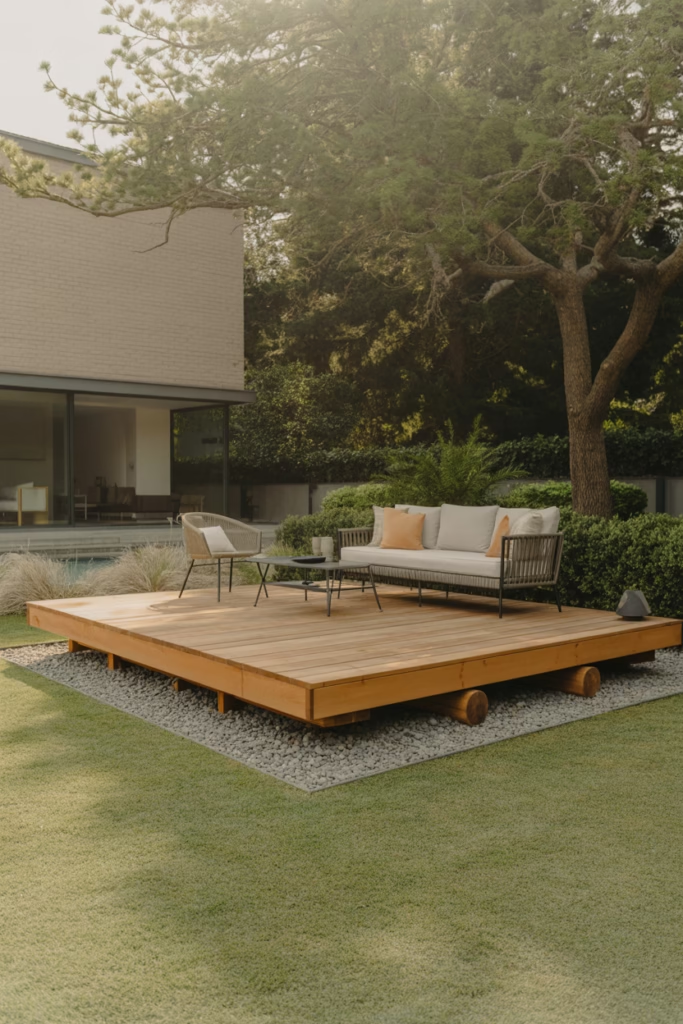
The floating deck is where most people start — and for good reason. It sits directly on the ground using concrete deck blocks or a gravel base, requires zero digging in many cases, and you can build it in a weekend.
The beauty of a floating deck is its simplicity. You lay out your footings, drop your frame, add your boards, and you’re done. No concrete poured footers, no permits in most municipalities, no headaches.
Best for: Small to medium backyards, renters who want something removable, beginner DIYers
2. Low Deck with Built-In Bench Seating
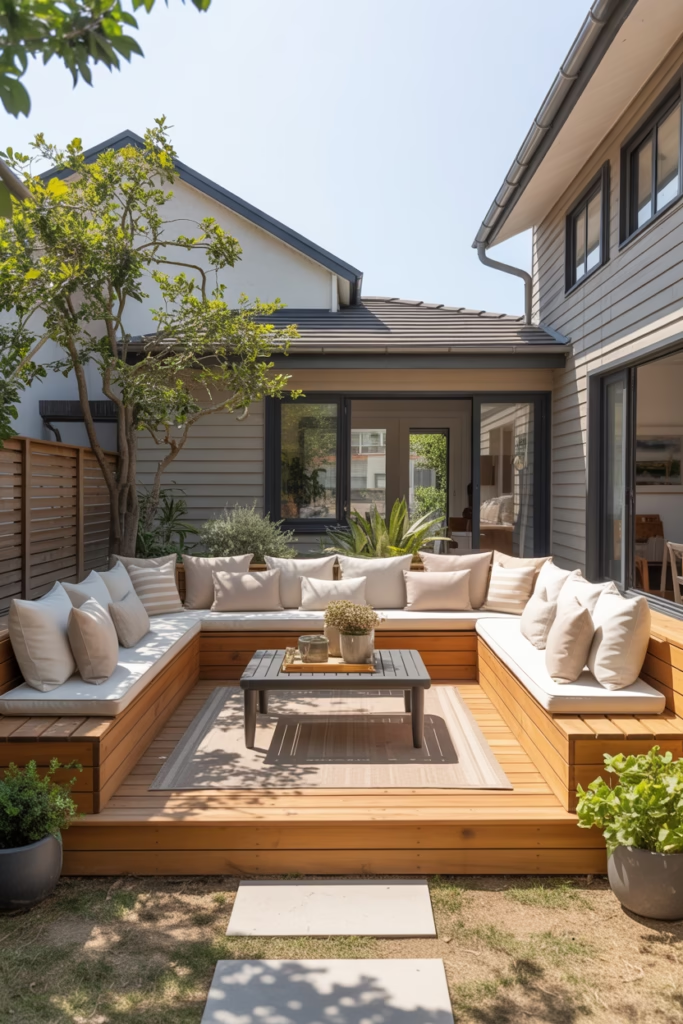
Here’s a question: why spend money on outdoor furniture when you can just build the seating right into the deck itself? Built-in bench seating along the perimeter of a ground-level deck looks incredibly clean, saves space, and never blows over in a storm (unlike that one patio chair you’ve chased around the yard three times).
Composite decking with integrated benches is especially popular right now because it’s low maintenance and family-friendly — no splinters, no annual staining, and it holds up year after year.
Tips for Built-In Benches:
- Build benches 18 inches high for comfortable seating
- Add a storage compartment underneath for cushions and outdoor gear
- Use the same decking material for the bench top so everything looks cohesive
3. Ground-Level Deck with a Fire Pit
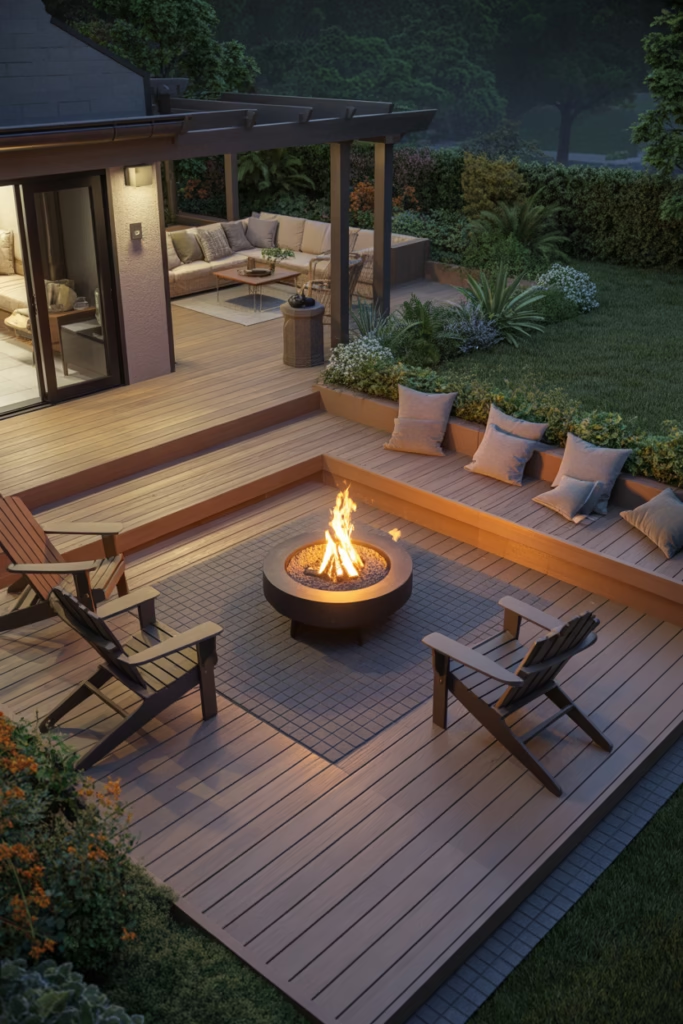
This one is basically the backyard dream, isn’t it? A low deck wrapped around or adjacent to a fire pit turns your outdoor space into an instant gathering spot. You get the warmth, the ambiance, and the perfect excuse to stay outside until midnight roasting marshmallows.
For safety, keep the fire pit on pavers, gravel, or a non-combustible surface rather than directly on the wood decking. Many people build the deck in a U-shape or horseshoe layout around the pit, giving everyone a front-row seat to the flames.
Fire Pit Deck Safety Checklist:
- Maintain at least 3 feet of clearance between the fire pit and deck edge
- Use heat-resistant pavers or a metal fire pit ring
- Keep a bucket of sand or a fire extinguisher nearby — always
4. Multi-Level Low Deck with Stepping Stones
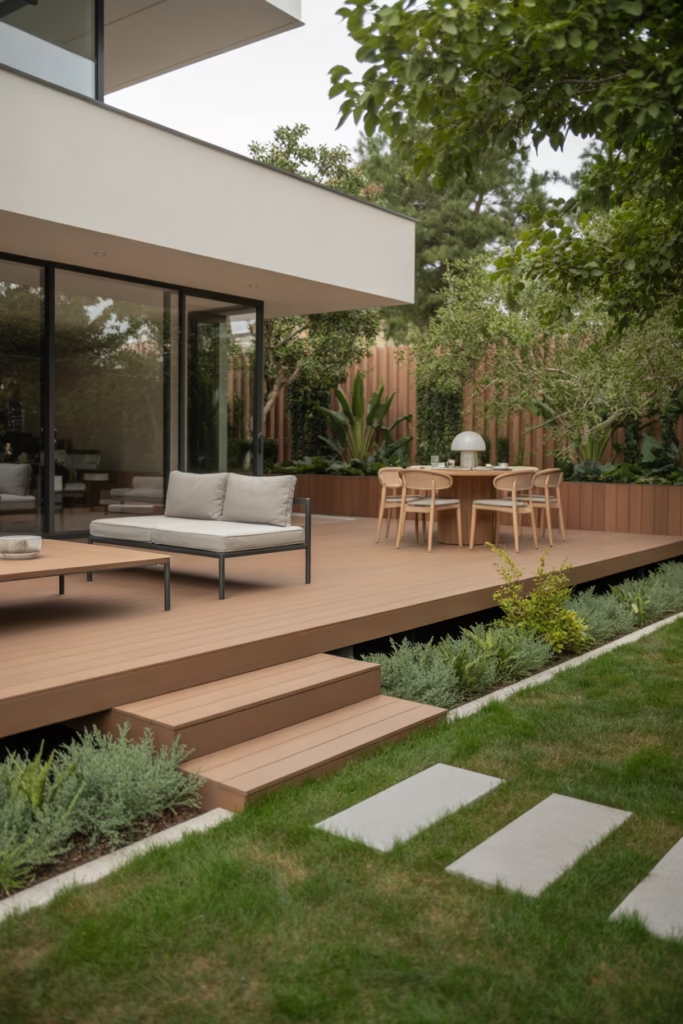
Who says a ground-level deck has to be just one flat platform? A multi-level design with step-downs creates visual interest and helps you define different zones in your yard — one level for dining, another for lounging.
The trick is keeping all levels close to the ground so you maintain that low-profile aesthetic. Add stepping stones between levels for a natural, organic look that ties into your landscaping beautifully.
Pro tip: The level changes don’t need to be dramatic. Even a 6–8 inch step down is enough to create that “different zone” feeling without turning into a full staircase situation.
5. Wraparound Low Deck with Planter Boxes
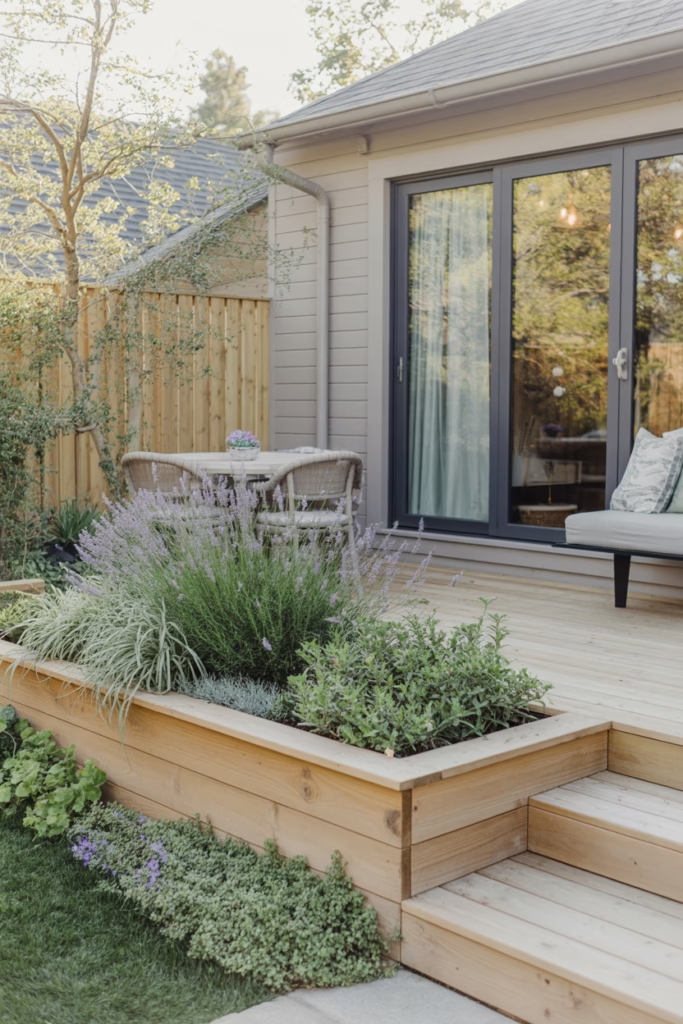
Want to make your deck feel like it grew out of the garden itself? Built-in planter boxes along the edges of a wraparound ground-level deck are a game-changer. They soften the transition between the wood and the lawn, add color and fragrance, and double as a subtle privacy barrier.
A wraparound design is especially effective on corner lots or homes with sliding doors on multiple sides. You get maximum square footage and a deck that feels like a true outdoor room.
Best Plants for Deck Planters:
- Lavender — smells incredible and deters insects (win-win)
- Ornamental grasses — low maintenance and add texture
- Herbs like basil and mint — functional and beautiful
- Trailing plants like sweet potato vine for that lush, overgrown look
6. Composite Low Deck
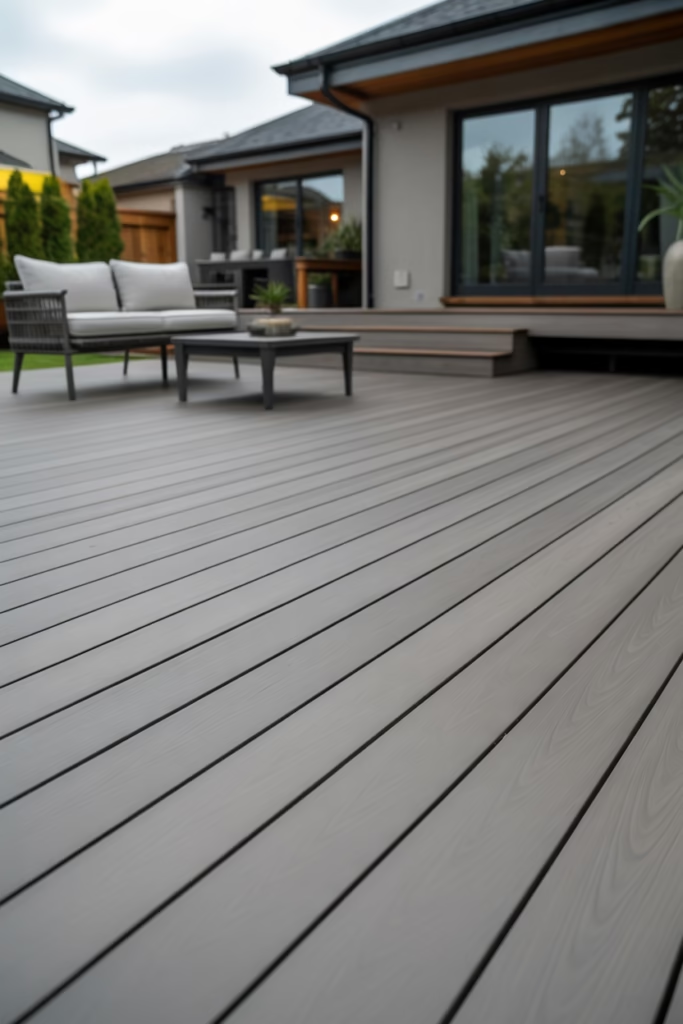
Pressure-treated wood is the classic choice, but let’s be honest — composite decking has gotten so good that it’s hard to argue against it if you want something that lasts. Composite boards resist rot, don’t splinter, don’t need annual sealing, and come in gorgeous wood-look finishes.
Yes, the upfront cost is higher. But when you factor in zero maintenance costs over the next 25 years, composite often wins on total value. FYI, brands like Trex and TimberTech have color options that look genuinely stunning at ground level.
7. Floating Deck with String Lights
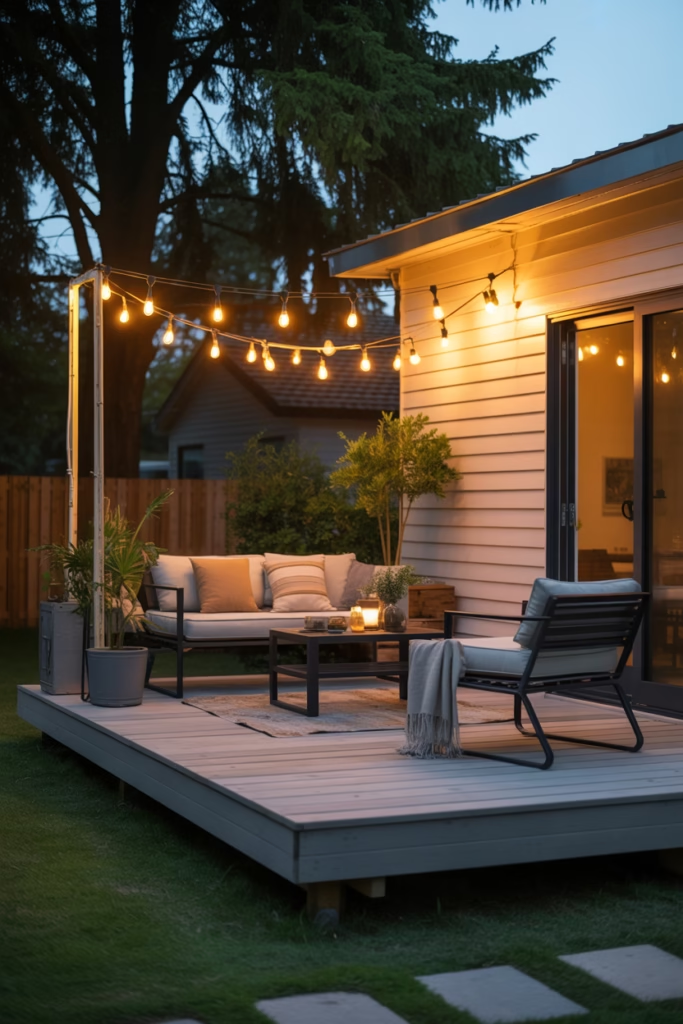
Sometimes the magic isn’t in the structure — it’s in how you light it. A simple floating ground-level deck instantly transforms into an enchanting outdoor space when you string Edison bulb lights overhead from a pergola, poles, or nearby trees.
String lights are cheap, easy to install, and create that warm, golden-hour vibe even at 9 PM on a Tuesday. Pair them with some lanterns and candles, and your basic deck looks like something out of a lifestyle magazine.
Lighting Ideas for Ground-Level Decks:
- Edison string lights strung between wooden posts
- Solar-powered deck lights embedded in the deck boards themselves
- Landscape spotlights pointed at planters or trees nearby
- LED strip lighting under bench seating for a modern glow
8. Low Deck Around an Above-Ground Pool
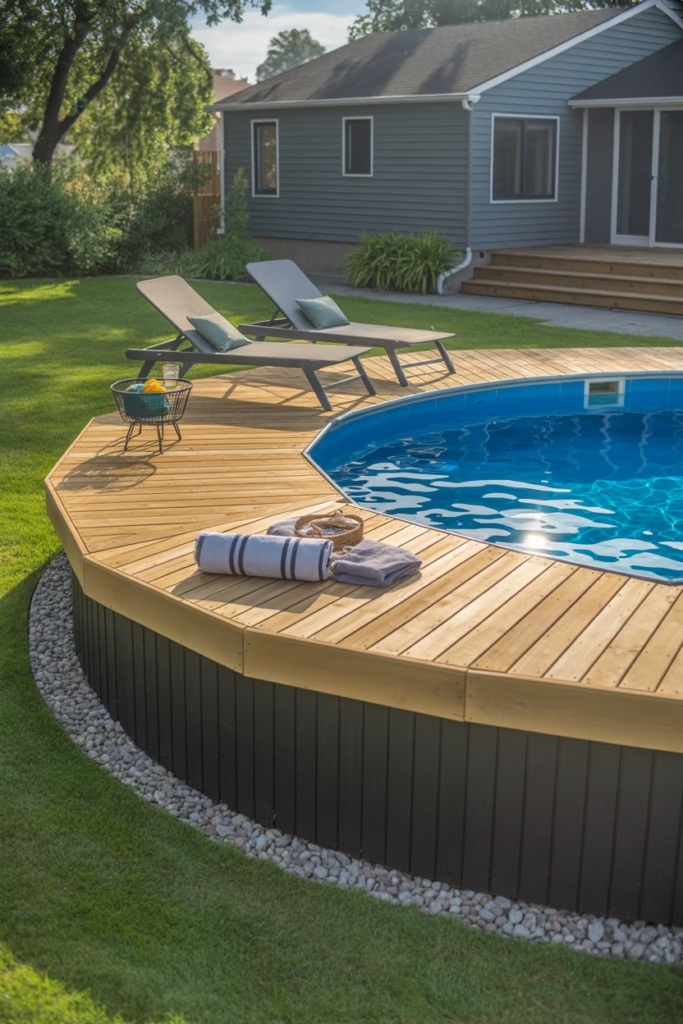
Got an above-ground pool? Then you already know the struggle — the pool sits there looking like it just plopped down from a spaceship, completely disconnected from the rest of your yard. A ground-level deck built around the pool perimeter fixes that instantly.
This type of deck creates a cohesive “pool zone,” gives you a place to set towels and drinks, and makes the whole setup look intentional and polished. You can even add a small platform that functions as a diving step-off without the full height of a traditional pool deck.
9. Low Deck with Pergola
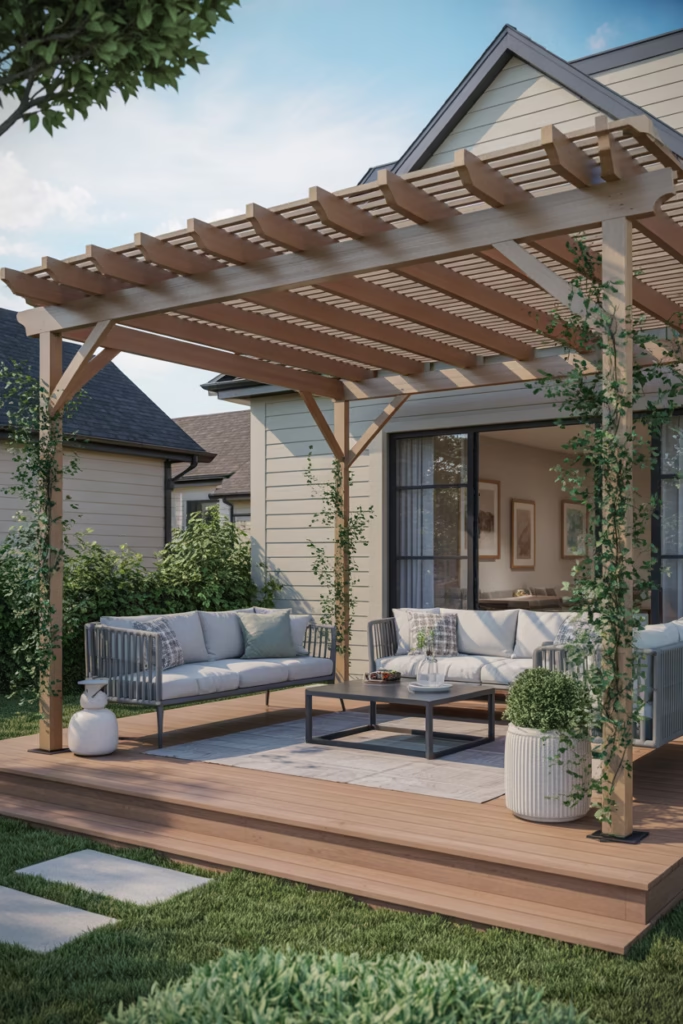
A pergola over a ground-level deck is one of those combinations that just works every single time. The pergola adds height and visual drama without raising the deck itself, defines the space overhead, and gives you a structure for climbing vines, string lights, or even retractable shade sails.
The contrast between the low, grounded deck and the vertical pergola posts creates a really satisfying architectural balance. It makes a simple platform look like a fully designed outdoor room.
Pergola Material Options:
- Cedar — naturally rot-resistant, smells amazing
- Vinyl — zero maintenance, lasts decades
- Steel — ultra-modern look, incredibly durable
- Aluminum — lightweight and rust-proof
10. Low Deck with Outdoor Kitchen
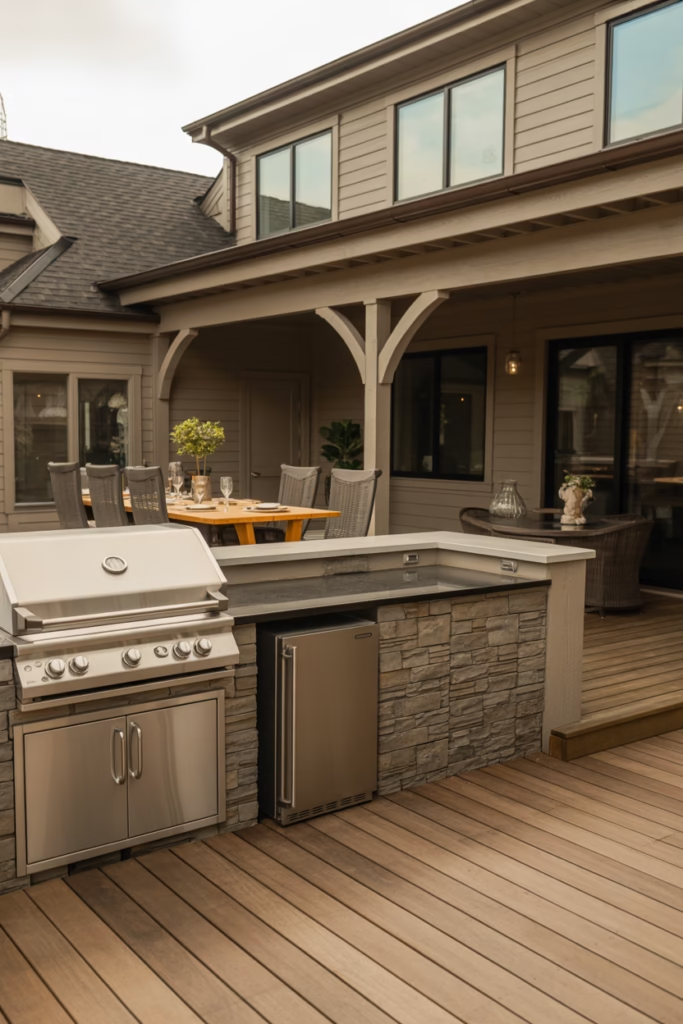
If you’re the type who doesn’t let an indoor kitchen stop you from cooking outside (respect), a built-in outdoor kitchen on a ground-level deck might be your dream project. Ground-level placement is actually ideal for outdoor kitchens because it makes running gas lines and water connections easier without the complications of elevation.
Keep the kitchen zone on concrete pavers or non-combustible tile even within the deck footprint to keep things safe. A simple L-shaped counter with a built-in grill, a mini fridge, and a prep sink covers 90% of what you’ll ever need outside.
11. Diagonal Decking Pattern
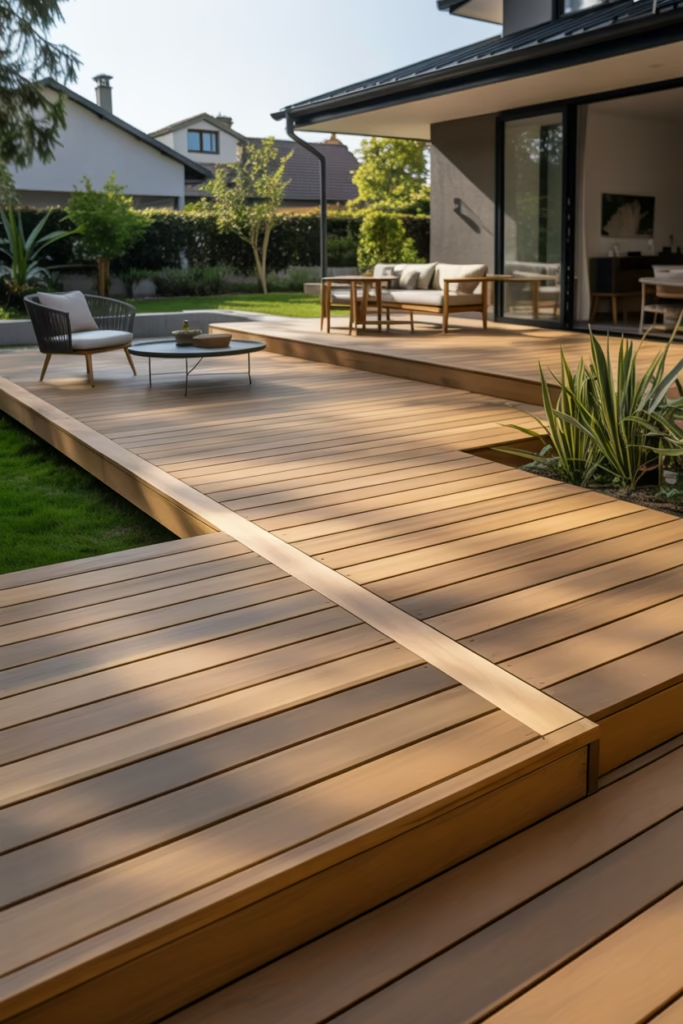
Here’s a detail that doesn’t cost extra but makes a huge difference: running your deck boards diagonally instead of straight across. It draws the eye outward, makes the deck feel wider, and adds a dynamic visual energy that straight boards just can’t match.
The only trade-off? You’ll use about 15% more material due to the angled cuts at the edges. Totally worth it if you want your deck to look like it was professionally designed.
12. Low Deck with Privacy Screen
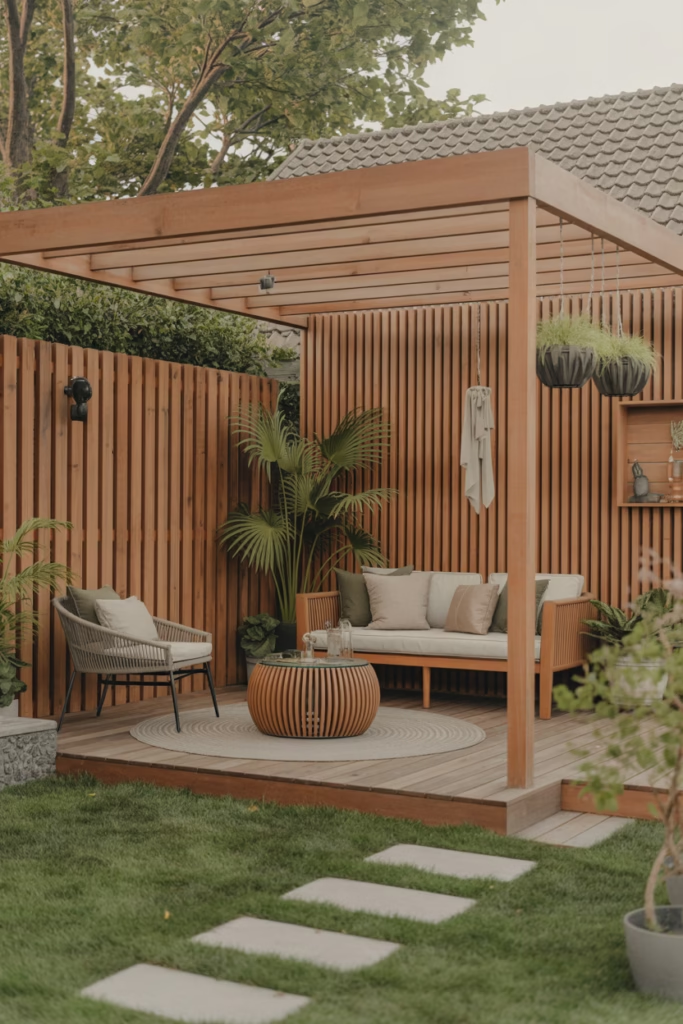
Ground-level decks sit low, but that doesn’t mean your nosy neighbors can’t see everything. A lattice privacy screen or slatted wood panel on one or two sides of the deck creates a sense of enclosure without fully walling you in.
Privacy screens also give you a surface to hang plants, outdoor art, or string lights — so they pull double duty. Go for vertical slat spacing of 1–2 inches to let in breeze and light while still blocking the sightlines.
13. Natural Wood Floating Deck (Pressure-Treated Pine)
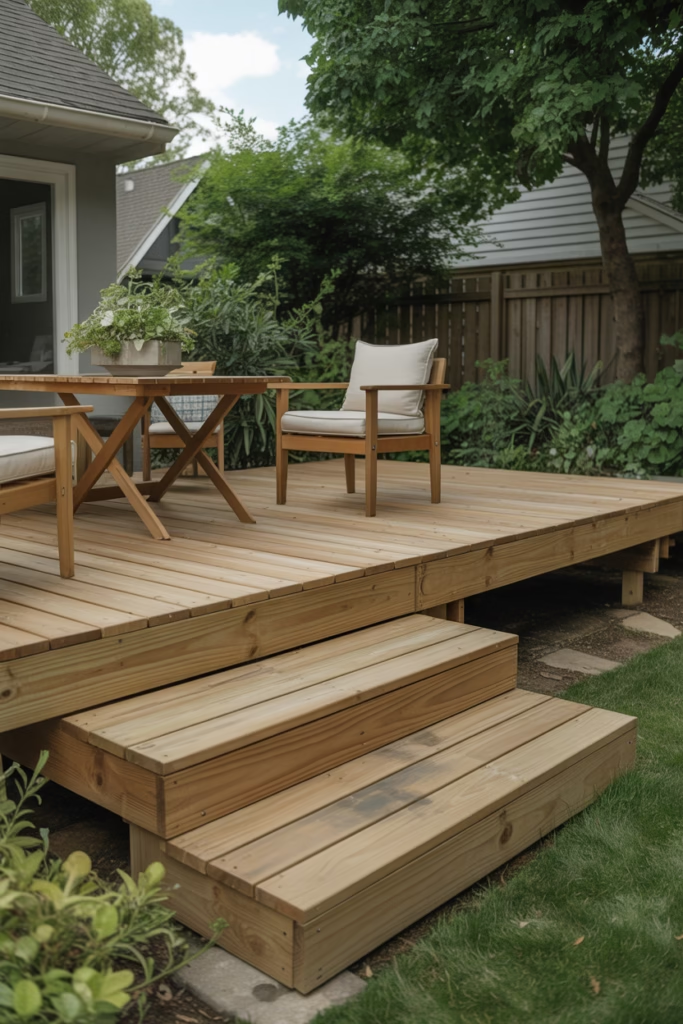
Let’s not sleep on the classic pressure-treated pine option. It’s affordable, widely available, and when properly stained and sealed, it looks absolutely beautiful at ground level. A low-profile pine deck with clean lines and a warm gray-brown stain feels very natural and earthy — perfect for garden-style backyards.
The key is using ground-contact rated lumber (marked as UC4B or UC4C) for any framing members that sit close to the soil. Regular pressure-treated wood in contact with damp earth will degrade much faster than you’d like. Learn from others’ mistakes on that one :/
Building a Solid PT Pine Deck:
- Use 4×4 joists supported on concrete deck blocks or poured footings
- Apply joist tape on top of all framing to prevent moisture absorption
- Seal end cuts with wood preservative before installation
- Stain and seal the finished deck within 30 days of installation
14. Octagonal or Curved Ground-Level Deck
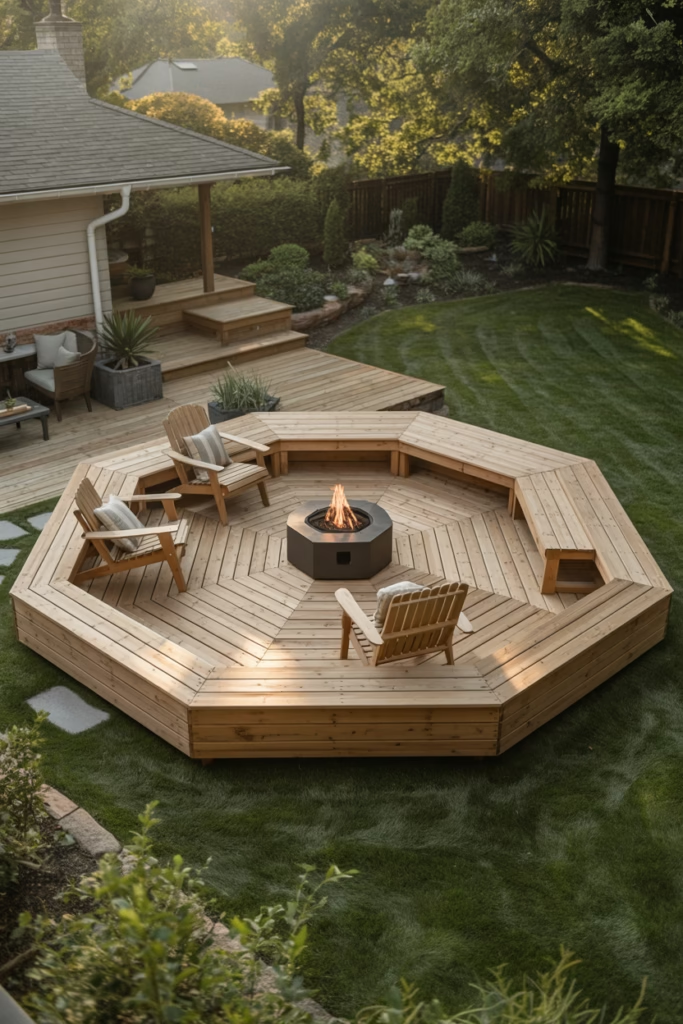
Why settle for a rectangle when you can have a shape that actually turns heads? Octagonal or curved decks at ground level look stunning, especially when built around a central focal point like a fire pit, a tree, or a garden sculpture.
Yes, they’re more complex to build — curved decks require flexible composite boards or carefully cut segments, and octagonal shapes demand precise 22.5-degree angle cuts. But the result is genuinely show-stopping. If you have a unique tree in your backyard, build a low deck platform around its base and you’ve got something no one else on the block can claim.
15. Low Deck with Gravel Surround
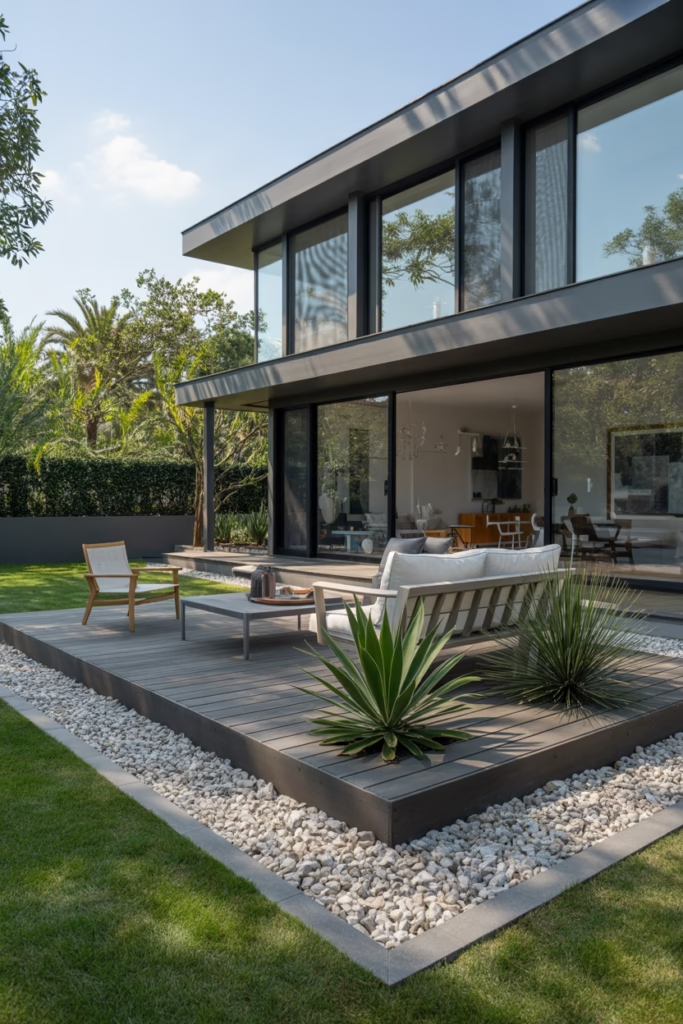
One of the most underrated low-deck combos is surrounding the deck with decorative gravel instead of lawn. Pea gravel or river rock around the perimeter of a ground-level deck looks intentional and designed, prevents grass from creeping into the deck edges, and handles drainage beautifully.
This approach works especially well with modern minimalist decks — think dark composite boards, clean lines, and white or gray river rock creating a striking contrast. Throw in a couple of architectural plants like ornamental grasses or agave, and you’ve got a backyard that looks like it belongs in a design magazine.
Before You Build: Quick Practical Notes
Before you pick up a single board, keep these in mind:
- Check local permit requirements. Many municipalities exempt ground-level decks under a certain size (often 200 sq ft or less), but rules vary. Always check
- Gravel base = your best friend. Excavate 1–2 inches and lay compacted gravel under any ground-level deck to improve drainage and prevent rot
- Use a weed barrier under the gravel to stop plants from growing up through your deck structure
- Plan for airflow. Leave a few inches of clearance between the bottom of your deck frame and the ground to prevent moisture buildup
Wrapping It Up
Ground-level decks are one of the smartest outdoor investments you can make. They’re affordable, accessible, versatile, and when done right, absolutely beautiful. Whether you go with a simple floating platform or an elaborate multi-level deck with a pergola, fire pit, and built-in kitchen, the key is picking an idea that fits your space, your budget, and how you actually want to live outdoors.
So stop staring at that empty patch of backyard and start planning. Your future self, the one sitting on a gorgeous low deck with a cold drink and string lights overhead, will absolutely thank you for it.